Upgrade to Pro
— share decks privately, control downloads, hide ads and more …
Speaker Deck
Features
Speaker Deck
PRO
Sign in
Sign up for free
Search
Search
Launching GitHub's Public GraphQL API
Search
Sponsored
·
SiteGround - Reliable hosting with speed, security, and support you can count on.
→
Brooks Swinnerton
May 21, 2017
Technology
590
2
Share
Embed
Copy iframe code
Copy JS code
Copy link
Start on current slide
Launching GitHub's Public GraphQL API
Brooks Swinnerton
May 21, 2017
More Decks by Brooks Swinnerton
See All by Brooks Swinnerton
Building GitHub Integrations with Webhooks and REST
bswinnerton
1
190
Launching GitHub's GraphQL API
bswinnerton
4
530
Optimizing APIs for Consumers with GraphQL
bswinnerton
2
460
GitHub GraphQL API
bswinnerton
4
160
GraphQL for Rubyists
bswinnerton
0
330
The Road To Code: Ruby
bswinnerton
0
120
The history of Vim
bswinnerton
0
160
Other Decks in Technology
See All in Technology
PfEingのアプローチで働こう
rindrics
0
160
2026-09-04 SRE Tech Talk #15 怠惰なTerraform / Lazy Terraform
masasuzu
0
170
Bet AI Day 2026丨AIを「使う」から、AIが「働く」へ ― LayerXが進める「組織AI」の社会実装
layerx
PRO
2
2k
bet_ai_day_2026_session02
agenticsec
1
910
Bet AI Day 2026丨バクラク Autopilot、業務システムの再設計
layerx
PRO
2
1.1k
少人数データチームのDevin活用実践事例
runandy16
2
430
Guerilla InnerSource in enterprises, during the AI hype
onenashev
PRO
0
140
多摩川(.dev)ランニング入門 / Tamagawa.dev#3
fujiwara3
3
330
こんなアーキテクチャ図は嫌だ BEYOND THE TIME: 半年後の自分へ贈る15のメッセージ / 15 of Anti-pattern in AWS Architecture Diagrams
naospon
3
220
指示待ちから変化に応じるClaude Codeへ!~環境からAgentへの帰り道を作る~
gotalab555
9
1.8k
[DroidKaigi 2026] Making UI specifications visible: Android UI development in the AI agent era supported by Compose Screenshot Testing and galleries
syarihu
0
530
AIとペアプロを始める。人とのペアプロをやめる。ペアプロの良さを改めて知る。もっと好きになった。 / Rediscovering Pair Programming
honyanya
1
190
Featured
See All Featured
Performance Is Good for Brains [We Love Speed 2024]
tammyeverts
12
1.8k
Navigating Algorithm Shifts & AI Overviews - #SMXNext
aleyda
1
1.6k
個人開発の失敗を避けるイケてる考え方 / tips for indie hackers
panda_program
123
22k
WCS-LA-2024
lcolladotor
0
820
Deep Space Network (abreviated)
tonyrice
0
290
The Organizational Zoo: Understanding Human Behavior Agility Through Metaphoric Constructive Conversations (based on the works of Arthur Shelley, Ph.D)
kimpetersen
PRO
0
430
AI in Enterprises - Java and Open Source to the Rescue
ivargrimstad
0
1.4k
Documentation Writing (for coders)
carmenintech
77
5.5k
Typedesign – Prime Four
hannesfritz
42
3.2k
Leadership Guide Workshop - DevTernity 2021
reverentgeek
1
360
A Soul's Torment
seathinner
7
3.5k
Primal Persuasion: How to Engage the Brain for Learning That Lasts
tmiket
0
440
Transcript
+ a
Hi, I’m Brooks
I work at !
let’s talk about launching the GitHub GraphQL API
How our GraphQL API came to be
March 20th, 2016 proposal submitted
we had dreams of APIv4
multiple resources in one roundtrip
schema introspection
April 6th, 2016 proof of concept done
{ current_user { login repositories(affiliation: "owner") { id name }
} }
April 12th, 2016 New team created
September 14th, 2016 early access
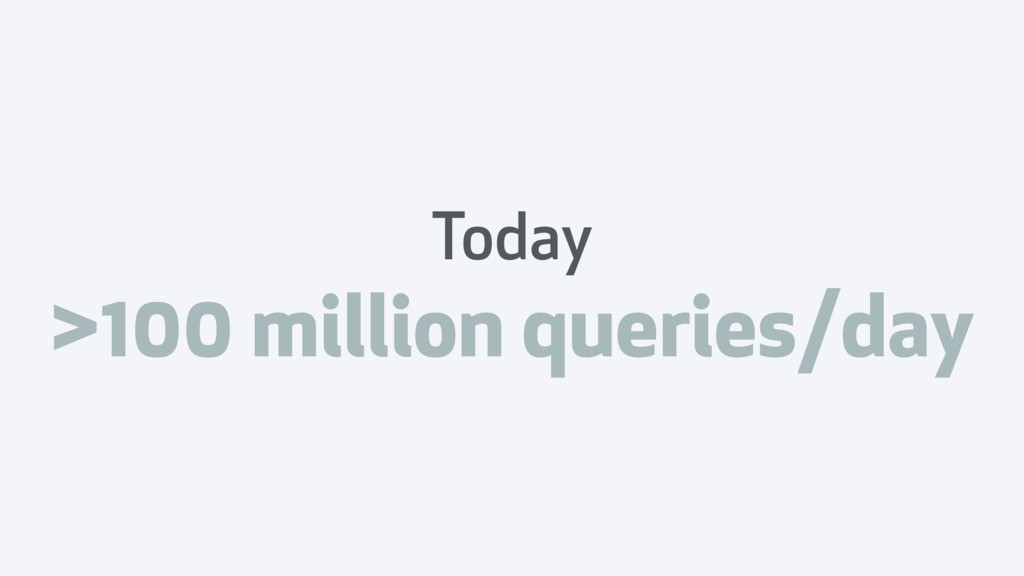
Today >100 million queries/day
We learned some things along the way
Tooling
documentation
https://github.com/gjtorikian/graphql-docs
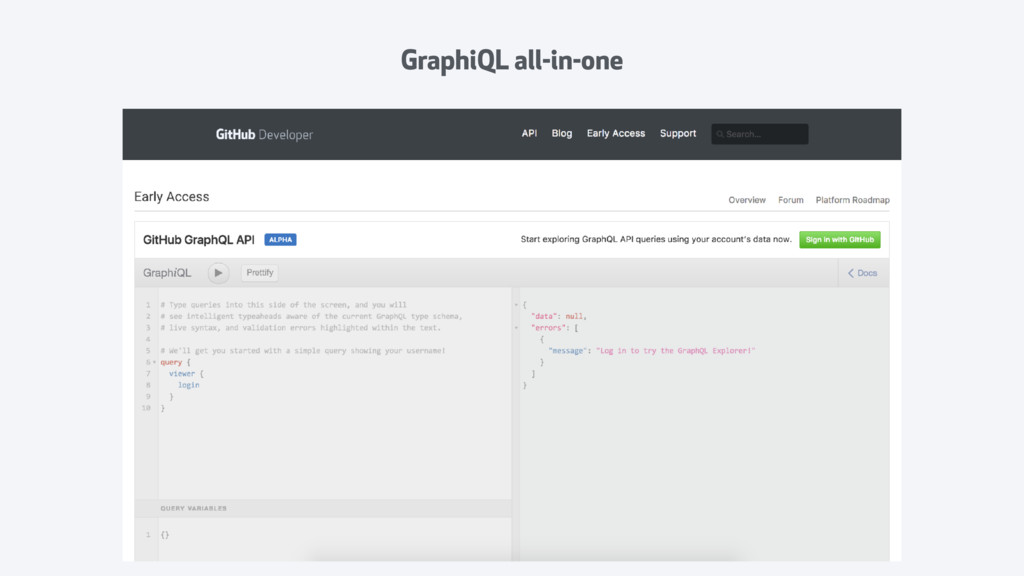
GraphiQL all-in-one
"but we’re going to need a Ruby client"
github/graphql-client
objects in exchange for a query
collocate our queries with our views
but in Rails
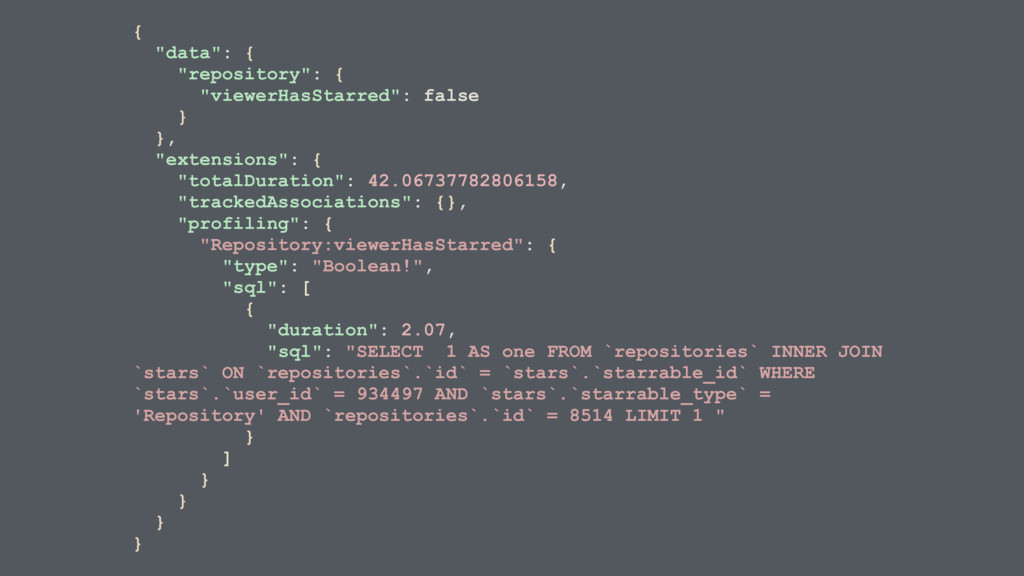
query profiling
query { repository(owner:"rails", name:"rails") { viewerHasStarred } }
{ "data": { "repository": { "viewerHasStarred": false } }, "extensions":
{ "totalDuration": 42.06737782806158, "trackedAssociations": {}, "profiling": { "Repository:viewerHasStarred": { "type": "Boolean!", "sql": [ { "duration": 2.07, "sql": "SELECT 1 AS one FROM `repositories` INNER JOIN `stars` ON `repositories`.`id` = `stars`.`starrable_id` WHERE `stars`.`user_id` = 934497 AND `stars`.`starrable_type` = 'Repository' AND `repositories`.`id` = 8514 LIMIT 1 " } ] } } } }
Authorization
reusing the OAuth logic from our REST API
OAuth scopes are granted to a token
token is used to make a request
familiar to our users
less for us to build
Organization = GraphQL::ObjectType.define do name "Organization" accepted_scopes ["read:org", "admin:org"] end
Organization = GraphQL::ObjectType.define do name "Organization" accepted_scopes ["read:org", "admin:org"] end
but with ✨ GraphQL ✨…
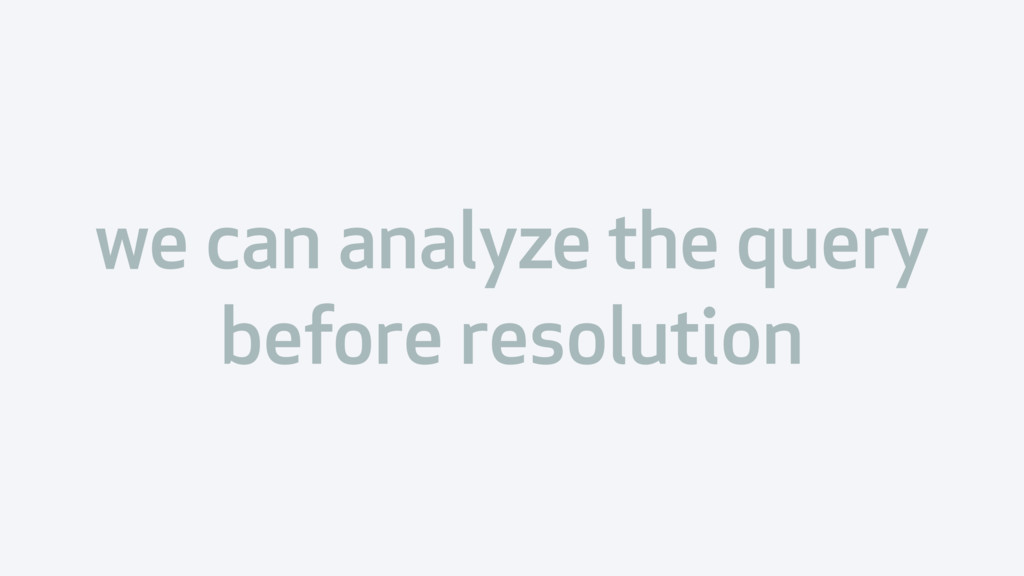
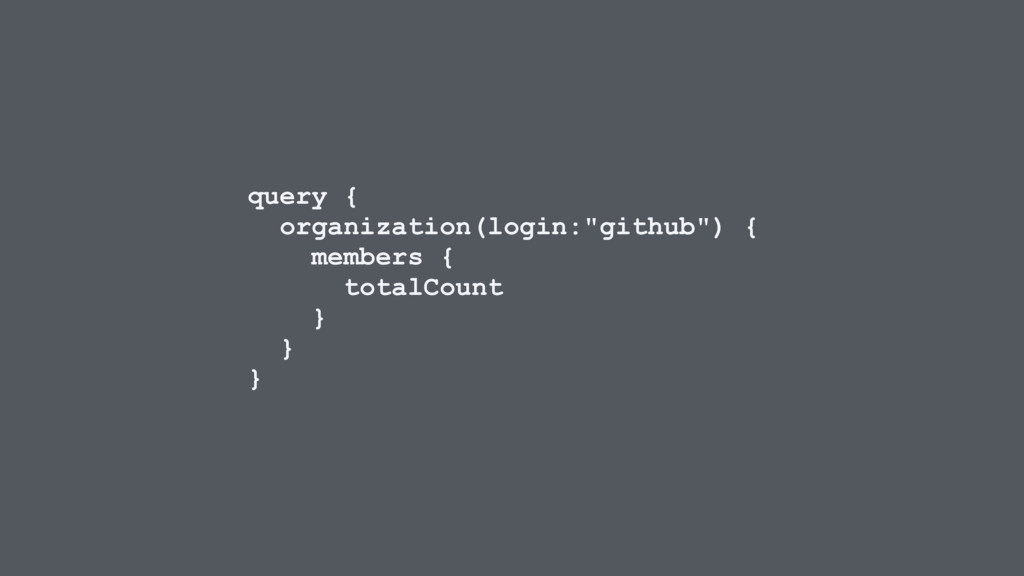
we can analyze the query before resolution
query { organization(login:"github") { members { totalCount } } }
query { organization(login:"github") { members { totalCount } } }
Organization = GraphQL::ObjectType.define do name "Organization" accepted_scopes ["read:org", "admin:org"] end
but this isn’t perfect
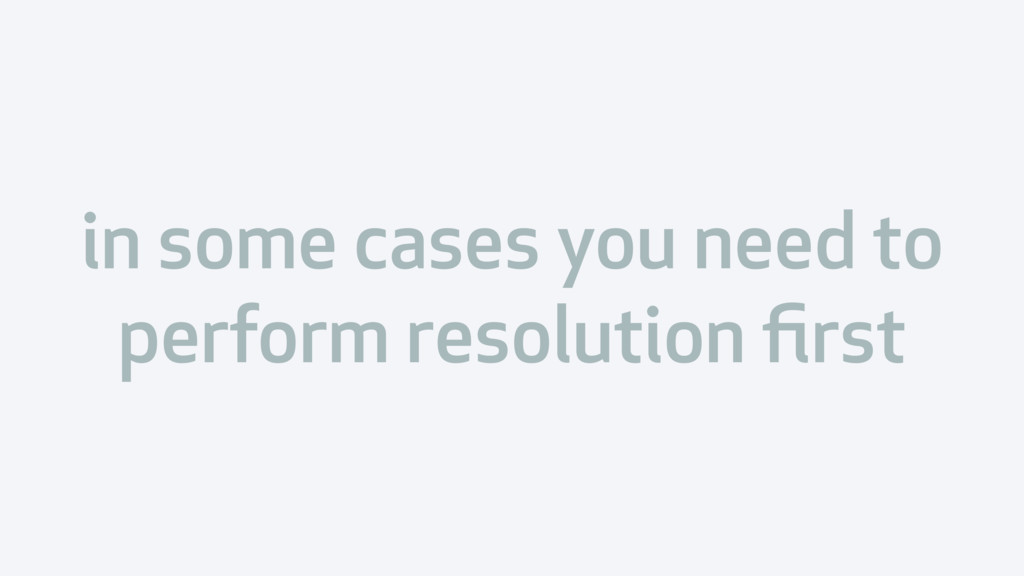
in some cases you need to perform resolution first
repo vs public_repo
we’ve introduced an authz layer for resolution
Schema design
first off
there’s more than one
one for new & sensitive features
one for everyone else
Organization = GraphQL::ObjectType.define do name "Organization" accepted_scopes ["read:org"] end
Organization = GraphQL::ObjectType.define do name "Organization" accepted_scopes ["read:org"] visibility :public
end
Organization = GraphQL::ObjectType.define do name "Organization" accepted_scopes ["read:org"] visibility :public
end
CoolNewFeature = GraphQL::ObjectType.define do name "CoolNewFeature" accepted_scopes ["repo"] visibility :internal
end
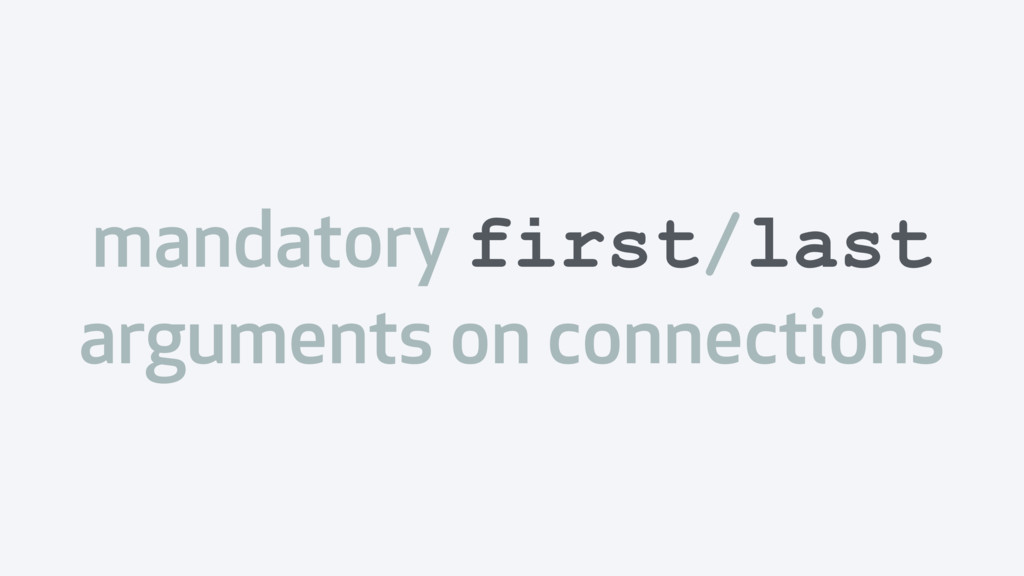
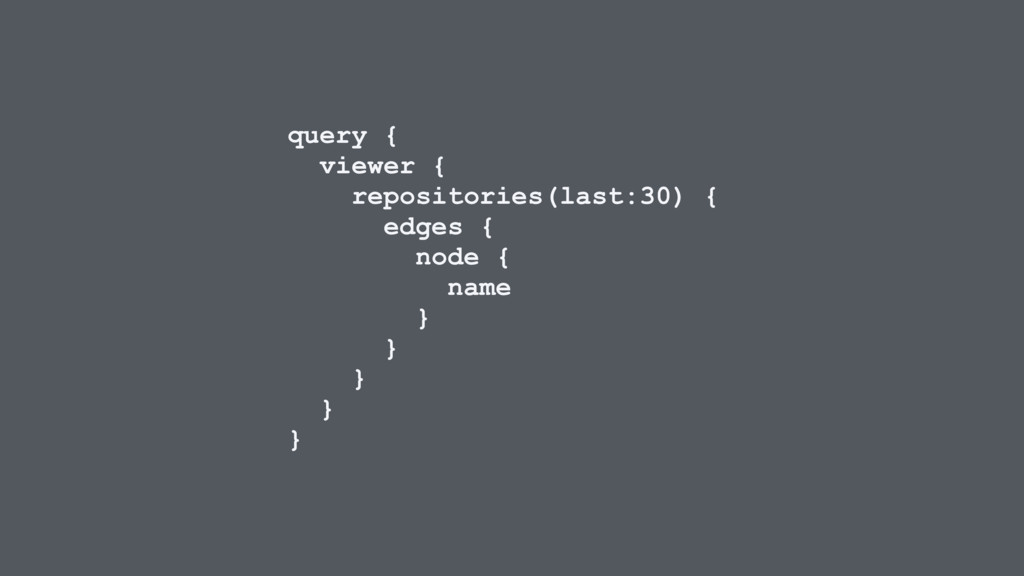
mandatory first/last arguments on connections
query { viewer { repositories(last:30) { edges { node {
name } } } } }
query { viewer { repositories(last:30) { edges { node {
name } } } } }
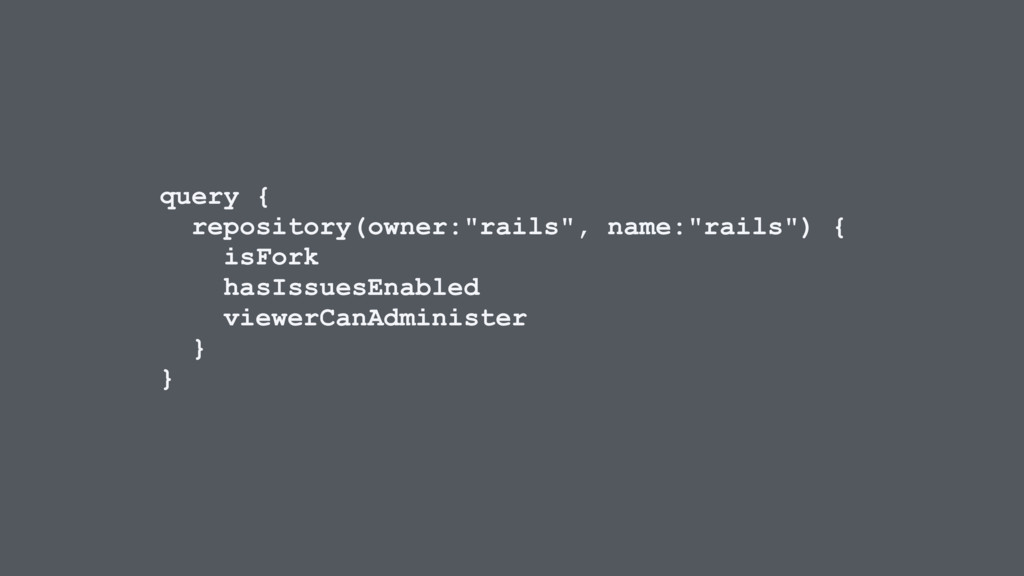
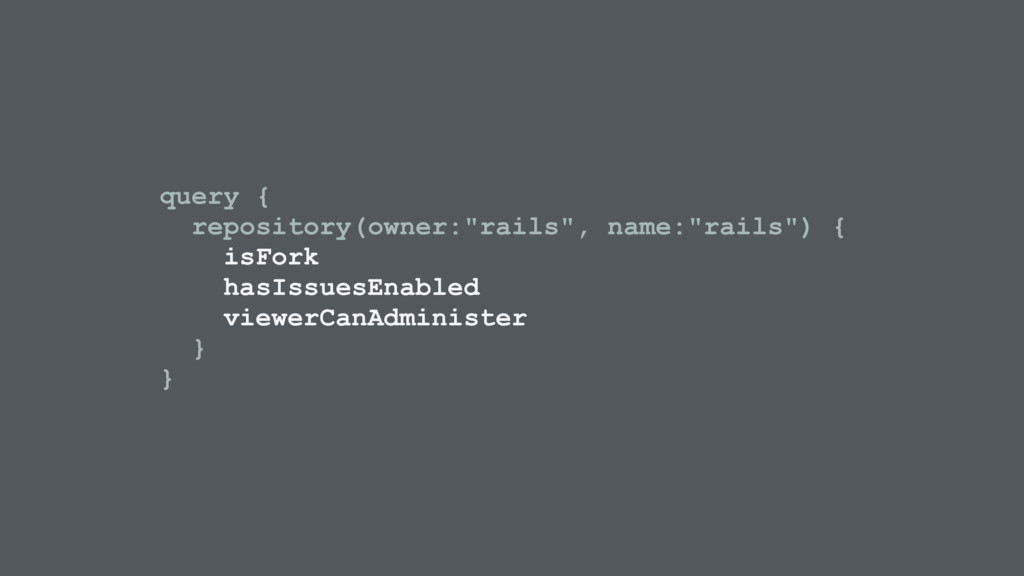
is/has/can prefix
query { repository(owner:"rails", name:"rails") { isFork hasIssuesEnabled viewerCanAdminister } }
query { repository(owner:"rails", name:"rails") { isFork hasIssuesEnabled viewerCanAdminister } }
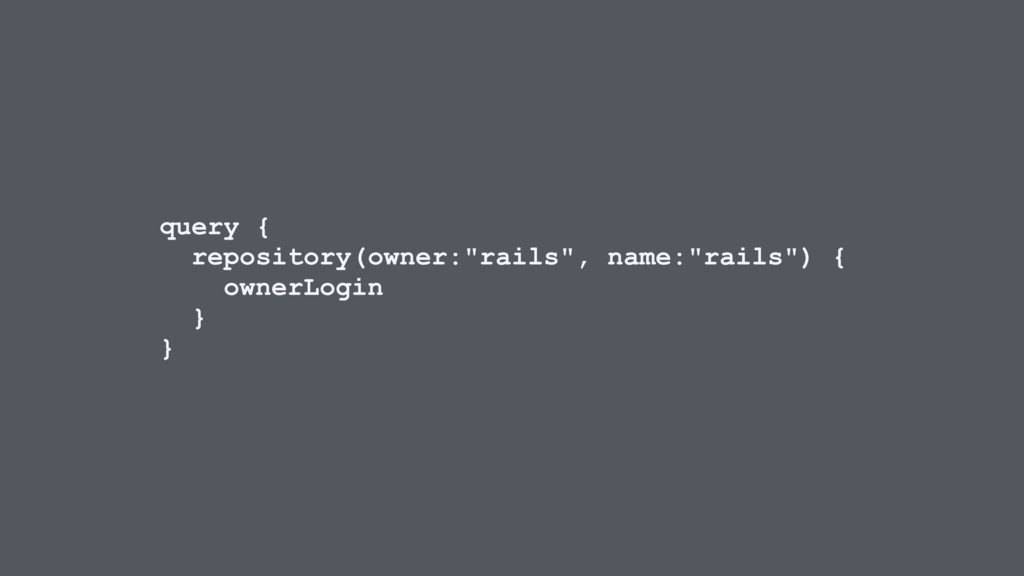
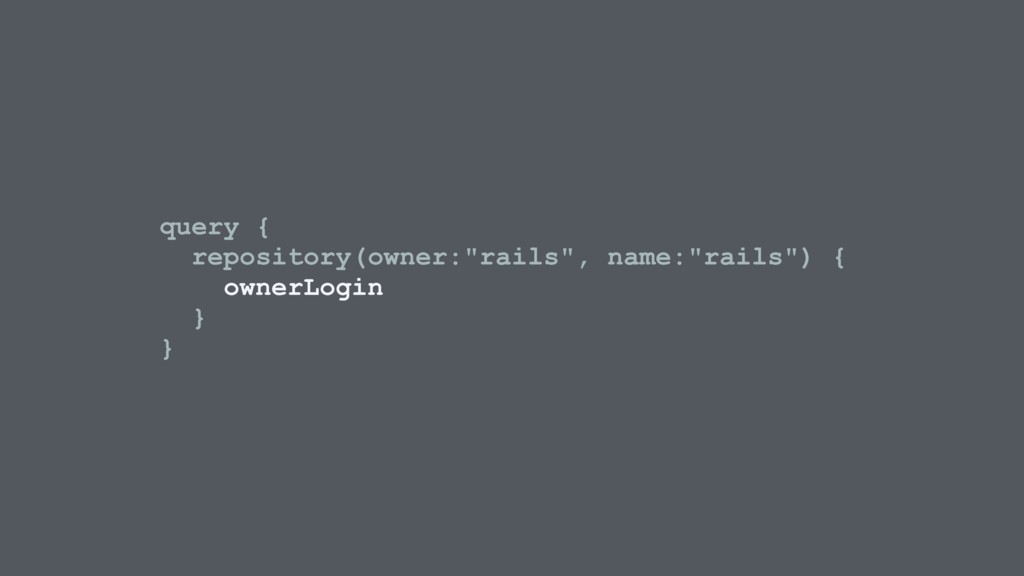
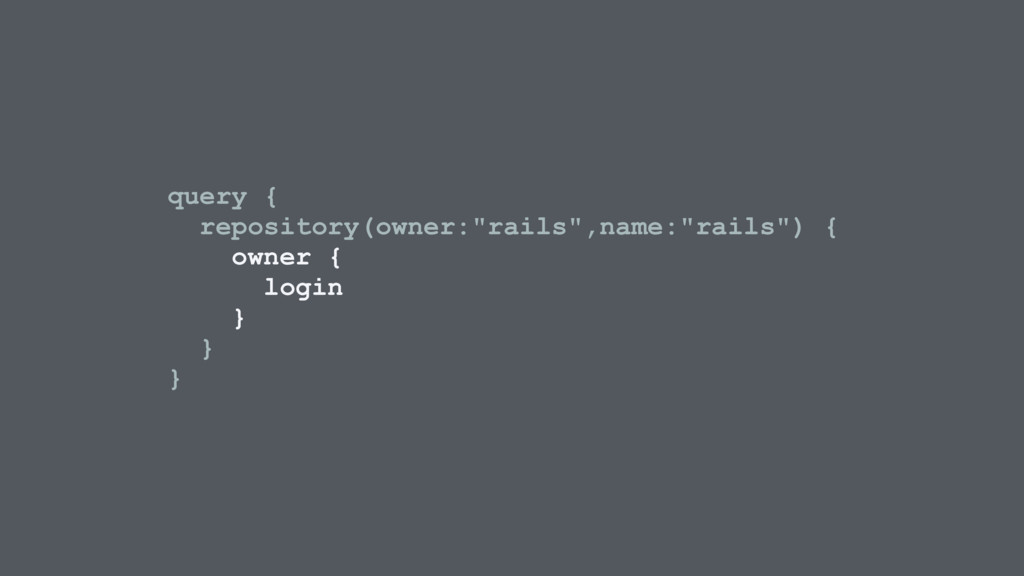
avoiding fields that should be types
query { repository(owner:"rails", name:"rails") { ownerLogin } }
query { repository(owner:"rails", name:"rails") { ownerLogin } }
query { repository(owner:"rails",name:"rails") { owner { login } } }
Feature Parity
schema driven development* *stay tuned!
with our REST API
new features were developed for the UI
then staff-shipped
then released
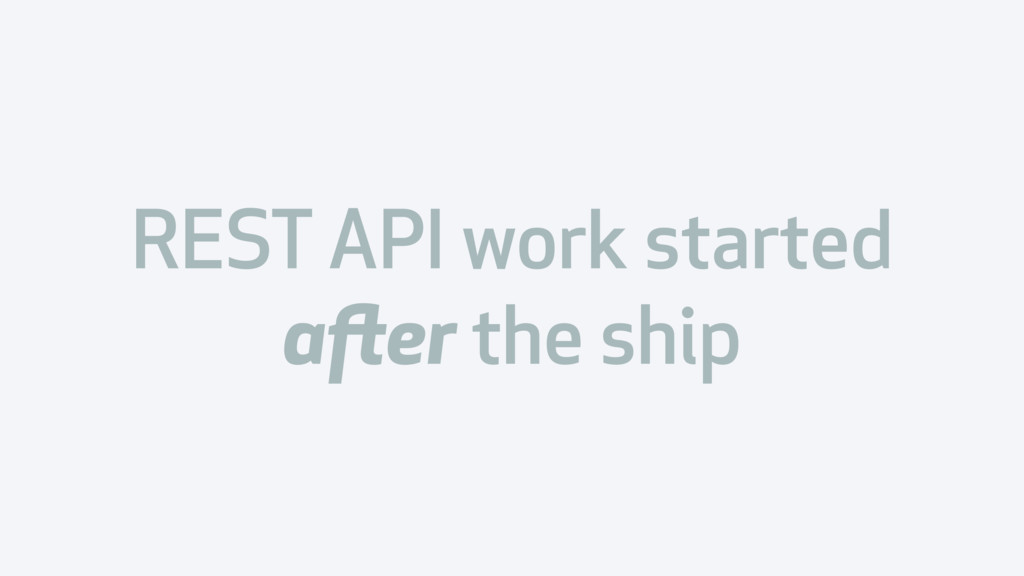
REST API work started after the ship
but, today…
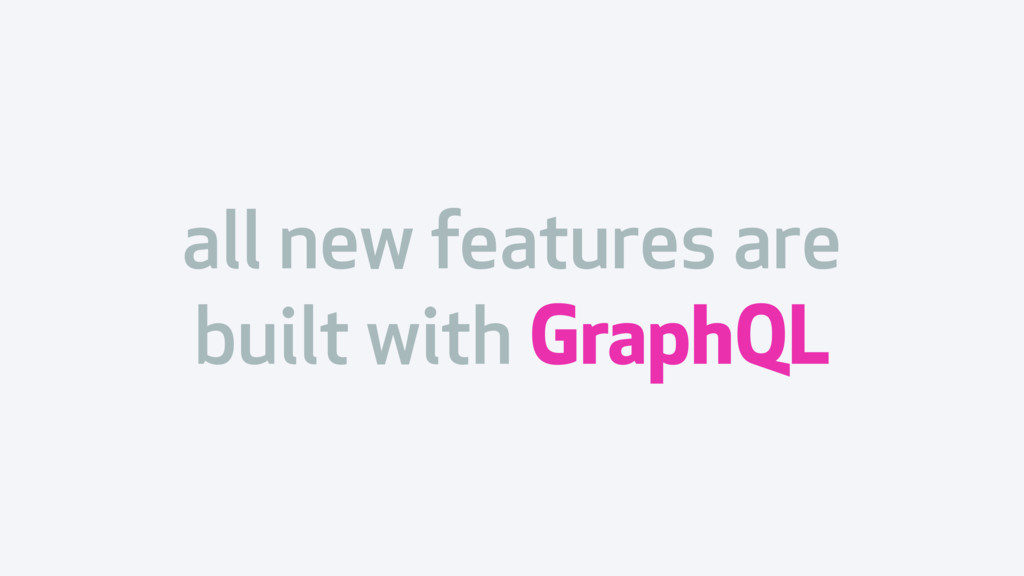
all new features are built with GraphQL
from the start
CoolNewFeature = GraphQL::ObjectType.define do name "CoolNewFeature" accepted_scopes ["repo"] visibility :internal
end
CoolNewFeature = GraphQL::ObjectType.define do name "CoolNewFeature" accepted_scopes ["repo"] visibility :internal
end
CoolNewFeature = GraphQL::ObjectType.define do name "CoolNewFeature" accepted_scopes ["repo"] visibility :public
end
this allows us to build a true public API
this allows us to build a true public API
this allows us to build a true platform
shared between GitHubbers and integrators
but change is scary
GraphQL-backed REST APIs
this works great for new features
but what about legacy features?
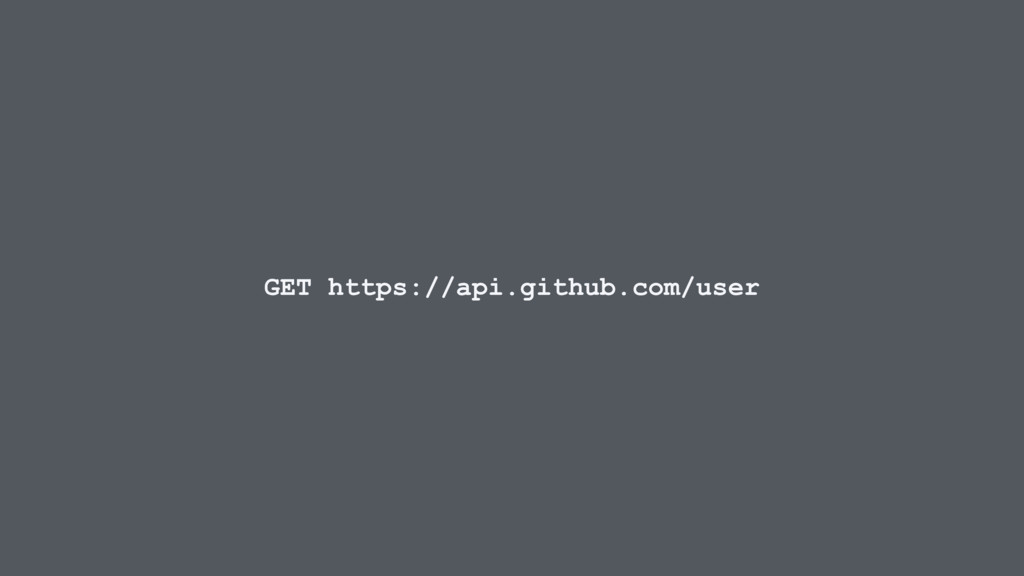
GET https://api.github.com/user
enter Scientist
github/scientist
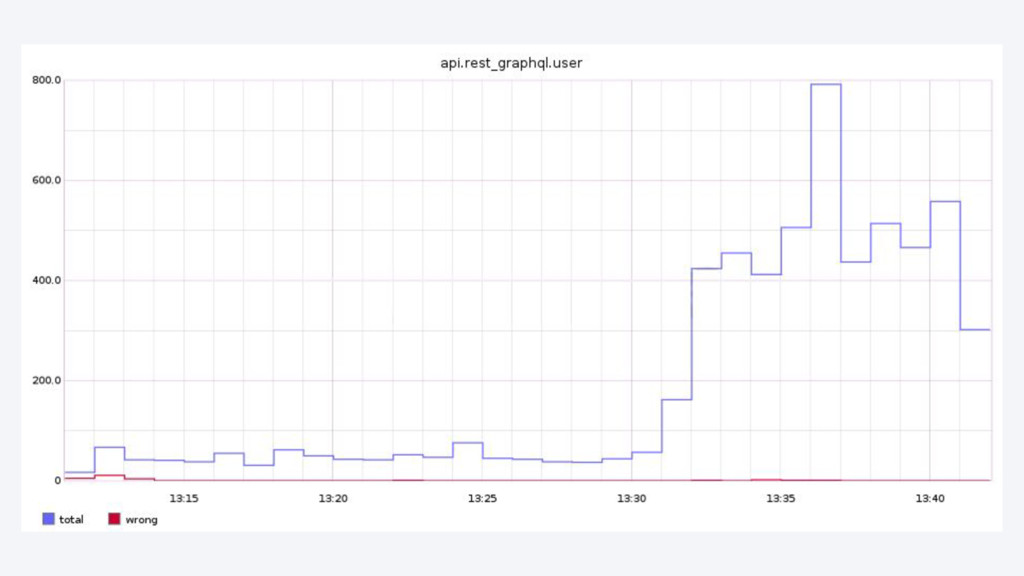
measure data discrepancies
measure the difference in performance
None
Where we’re headed
static analysis of schema during code review
rate limiting
expose global relay IDs in REST API
preview new fields and objects with headers
Thank you @bswinnerton on Twitter & GitHub @brooks on Slack

 SiteGround - Reliable hosting with speed, security, and support you can count on.


 bswinnerton
 rindrics
 masasuzu
 layerx
 agenticsec
 runandy16
 onenashev
 fujiwara3
 naospon
 gotalab555
 syarihu
 honyanya
 tammyeverts
 aleyda
 panda_program
 lcolladotor
 tonyrice
 kimpetersen
 ivargrimstad
 carmenintech
 hannesfritz
 reverentgeek
 seathinner
 tmiket





















![Organization = GraphQL::ObjectType.define do name "Organization" accepted_scopes ["read:org", "admin:org"] end](https://files.speakerdeck.com/presentations/3407e2fba1234abea8c38caf8e29c996/slide_33.jpg)
![Organization = GraphQL::ObjectType.define do name "Organization" accepted_scopes ["read:org", "admin:org"] end](https://files.speakerdeck.com/presentations/3407e2fba1234abea8c38caf8e29c996/slide_34.jpg)


![Organization = GraphQL::ObjectType.define do name "Organization" accepted_scopes ["read:org", "admin:org"] end](https://files.speakerdeck.com/presentations/3407e2fba1234abea8c38caf8e29c996/slide_39.jpg)







![Organization = GraphQL::ObjectType.define do name "Organization" accepted_scopes ["read:org"] end](https://files.speakerdeck.com/presentations/3407e2fba1234abea8c38caf8e29c996/slide_49.jpg)
![Organization = GraphQL::ObjectType.define do name "Organization" accepted_scopes ["read:org"] visibility :public](https://files.speakerdeck.com/presentations/3407e2fba1234abea8c38caf8e29c996/slide_50.jpg)
![Organization = GraphQL::ObjectType.define do name "Organization" accepted_scopes ["read:org"] visibility :public](https://files.speakerdeck.com/presentations/3407e2fba1234abea8c38caf8e29c996/slide_51.jpg)
![CoolNewFeature = GraphQL::ObjectType.define do name "CoolNewFeature" accepted_scopes ["repo"] visibility :internal](https://files.speakerdeck.com/presentations/3407e2fba1234abea8c38caf8e29c996/slide_52.jpg)









![CoolNewFeature = GraphQL::ObjectType.define do name "CoolNewFeature" accepted_scopes ["repo"] visibility :internal](https://files.speakerdeck.com/presentations/3407e2fba1234abea8c38caf8e29c996/slide_73.jpg)
![CoolNewFeature = GraphQL::ObjectType.define do name "CoolNewFeature" accepted_scopes ["repo"] visibility :internal](https://files.speakerdeck.com/presentations/3407e2fba1234abea8c38caf8e29c996/slide_74.jpg)
![CoolNewFeature = GraphQL::ObjectType.define do name "CoolNewFeature" accepted_scopes ["repo"] visibility :public](https://files.speakerdeck.com/presentations/3407e2fba1234abea8c38caf8e29c996/slide_75.jpg)