The techniques used to make exceptional board game rulebooks inform improved instructions for use (IFUs) usability with clear layouts, callouts, tips, and community engagement to support quick, effective user guidance in healthcare and medical devices.
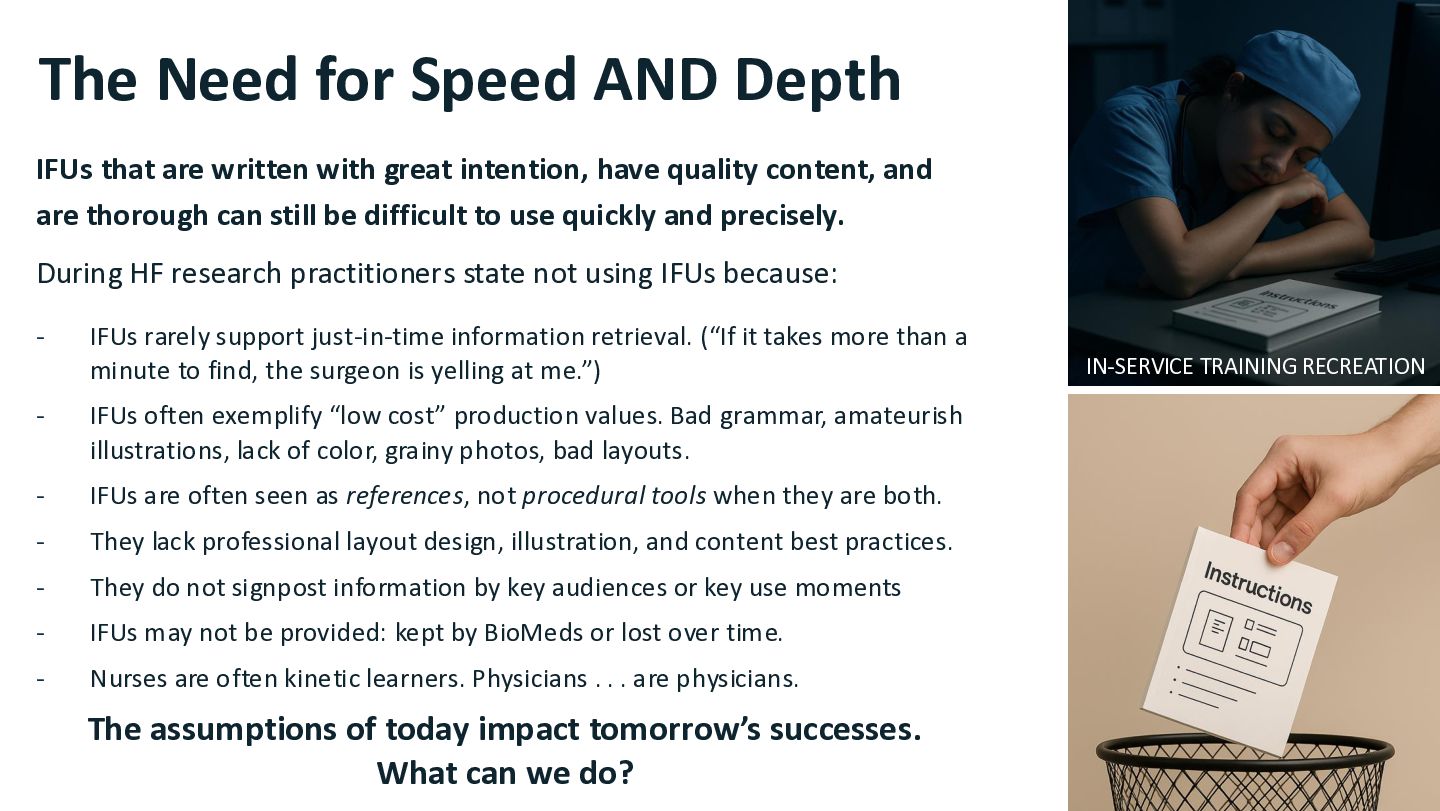
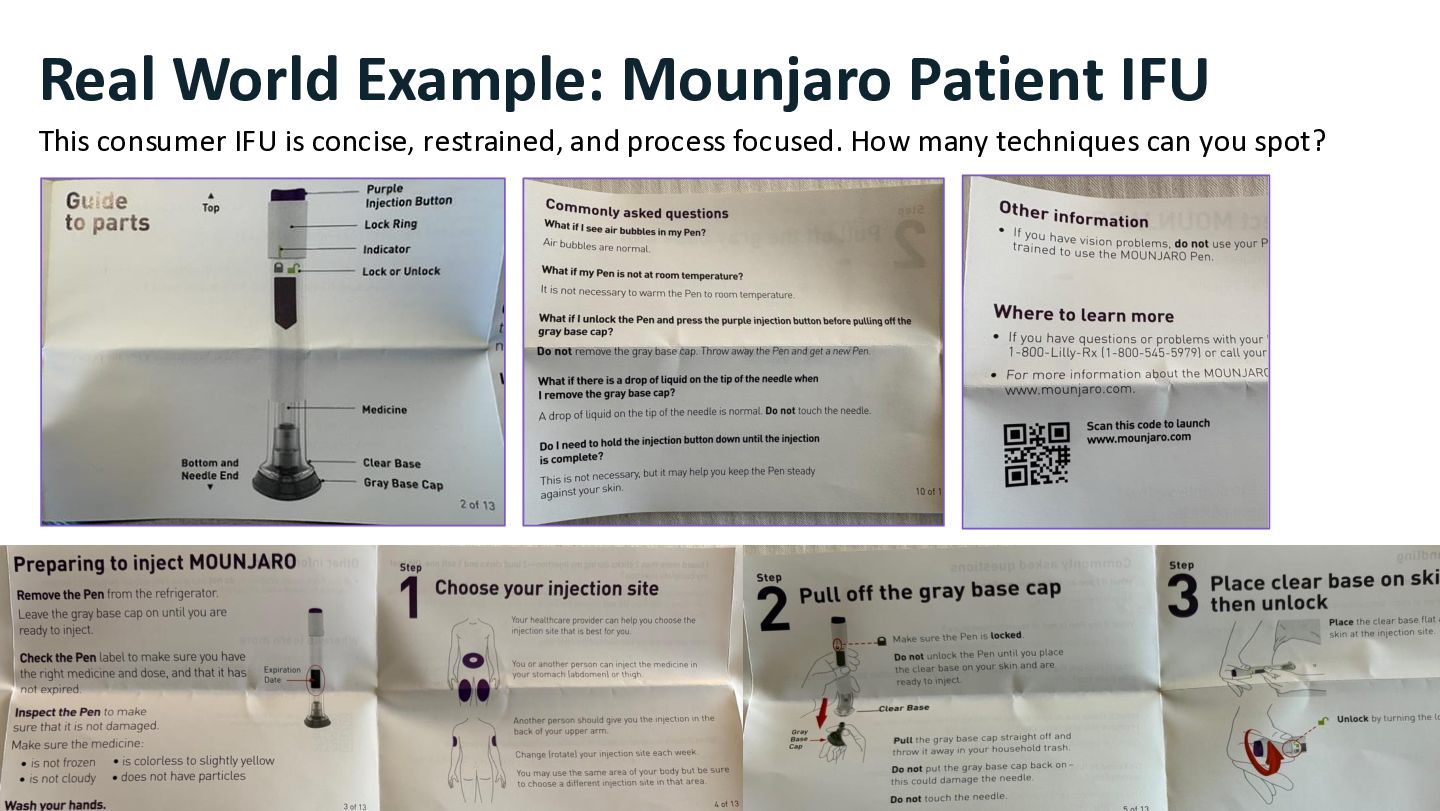
Medical device usability testing with health care practitioners consistently underscores that IFUs go unread by their intended audiences. Career surgeons brag about “in thirty years of practice never once opening an IFU.” Nurses self-report as overworked kinetic learners with neither the access to, nor the time to, pore through an IFU for specific troubleshooting help. In the US, device setup is often the province of Biomedical techs who may be the only ones actually reading IFUs – and even they admit to cutting corners.
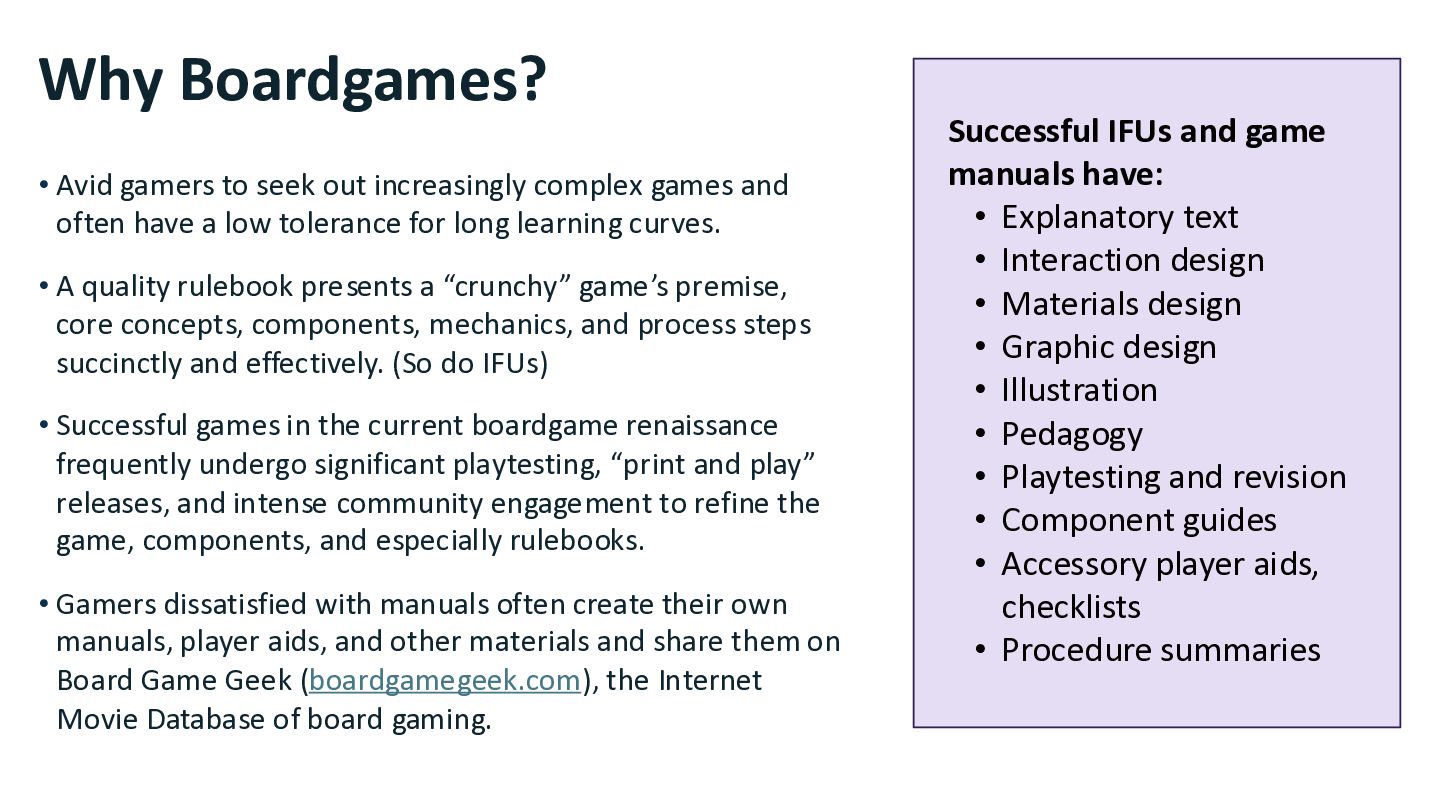
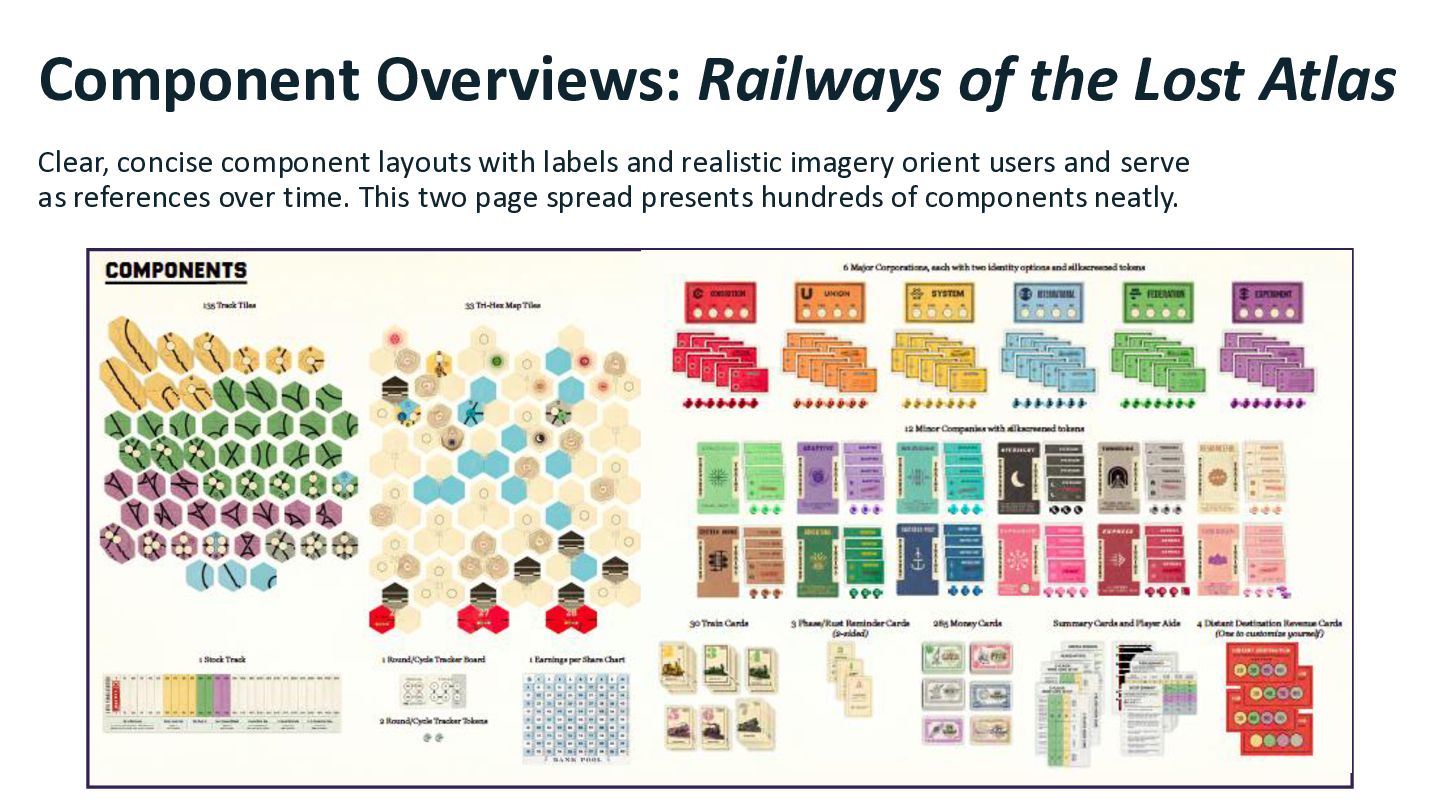
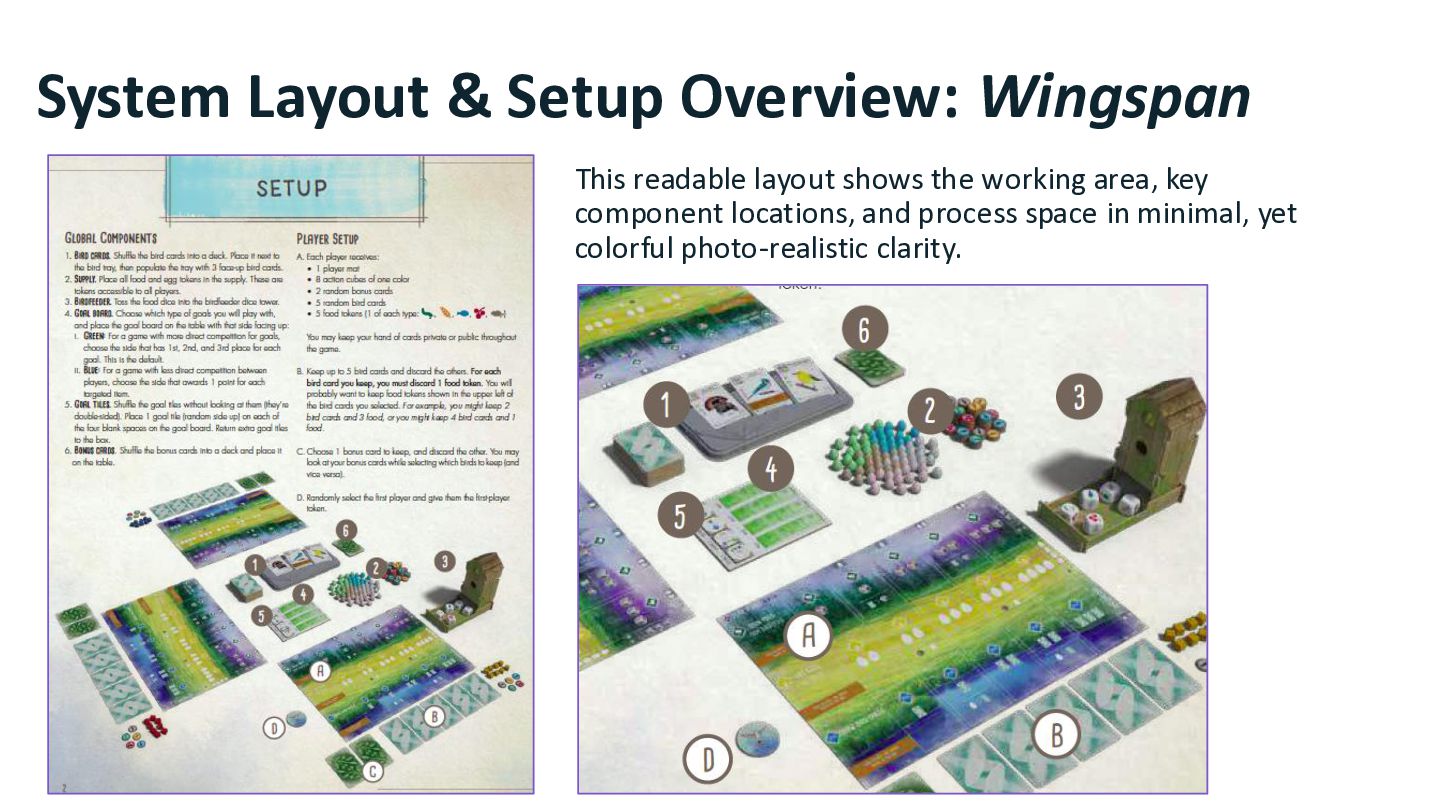
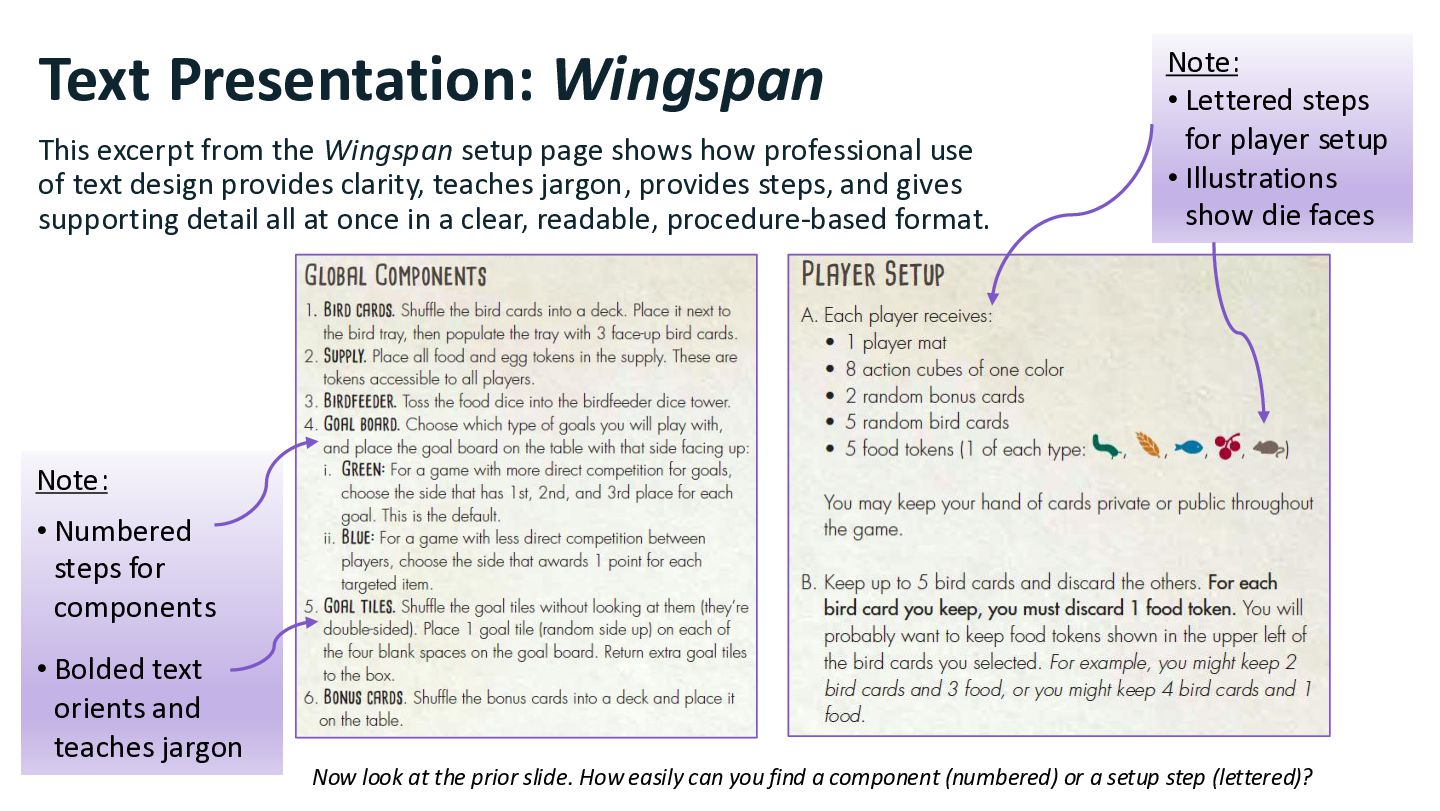
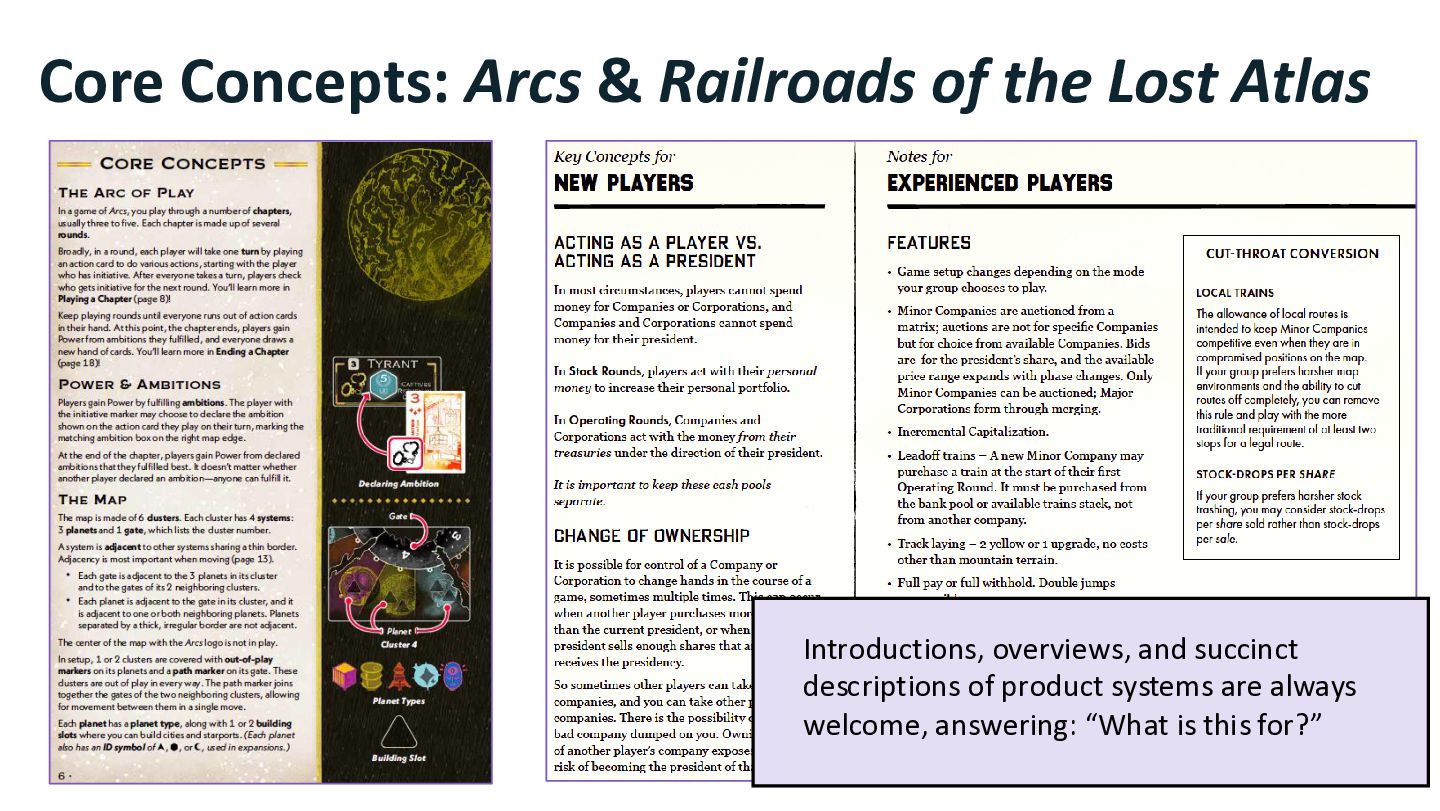
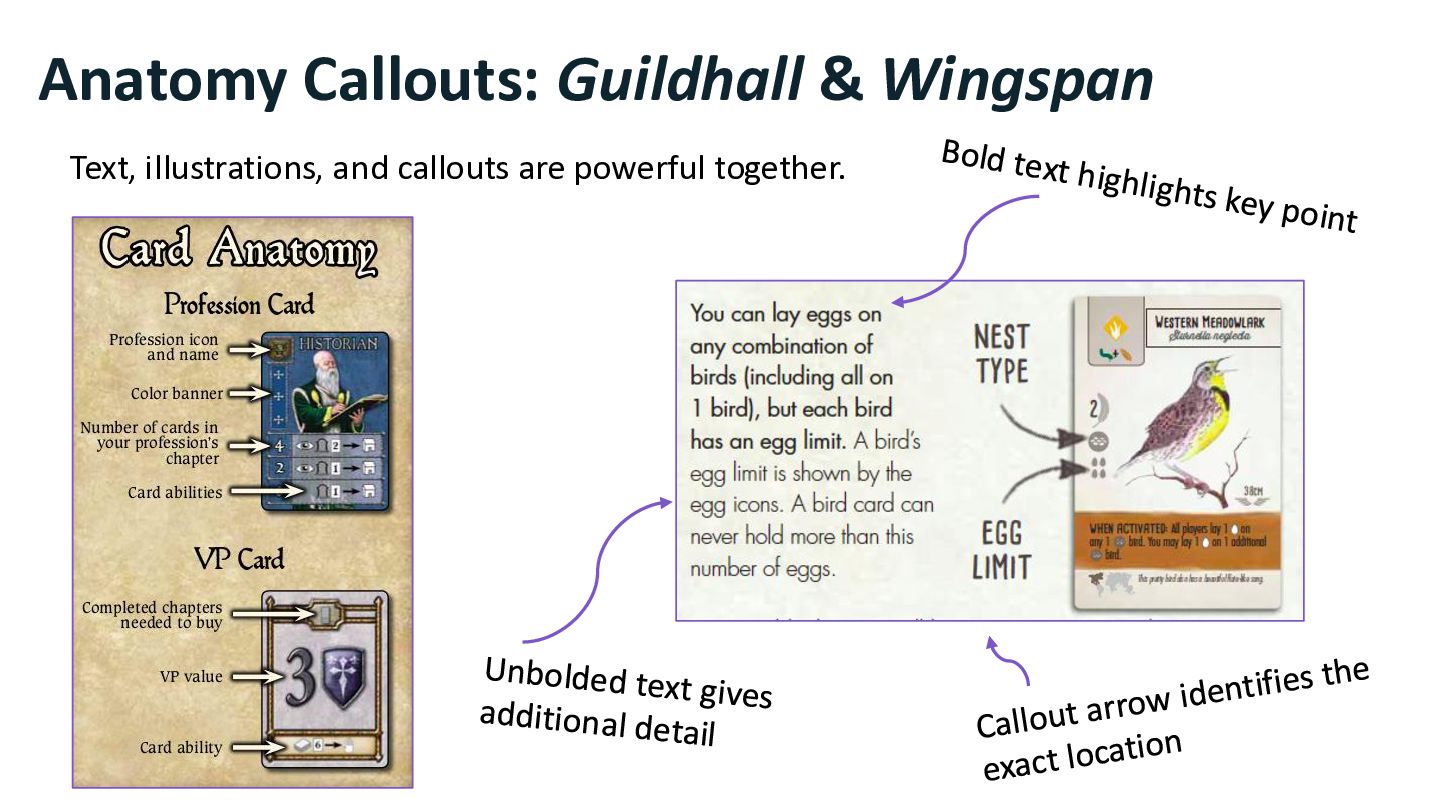
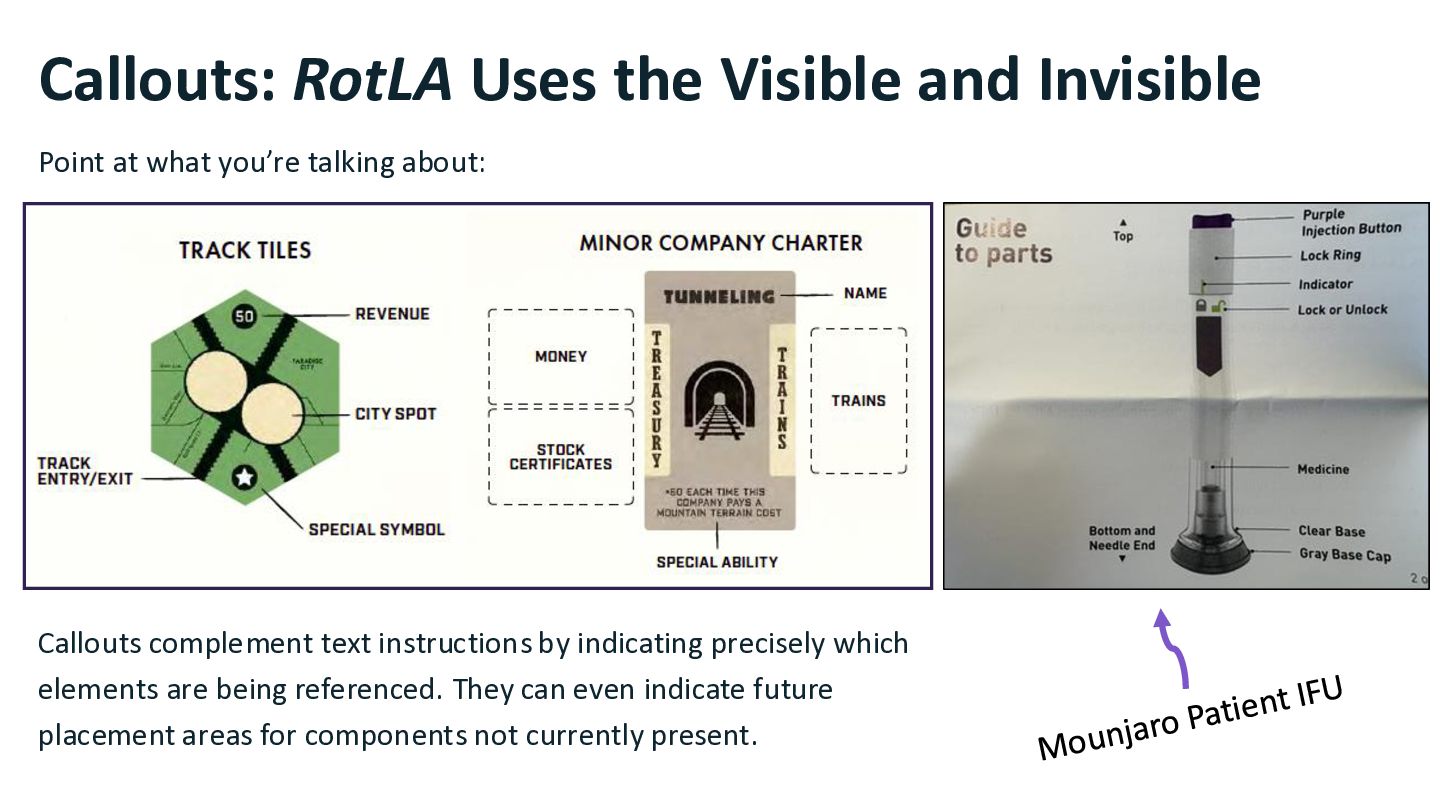
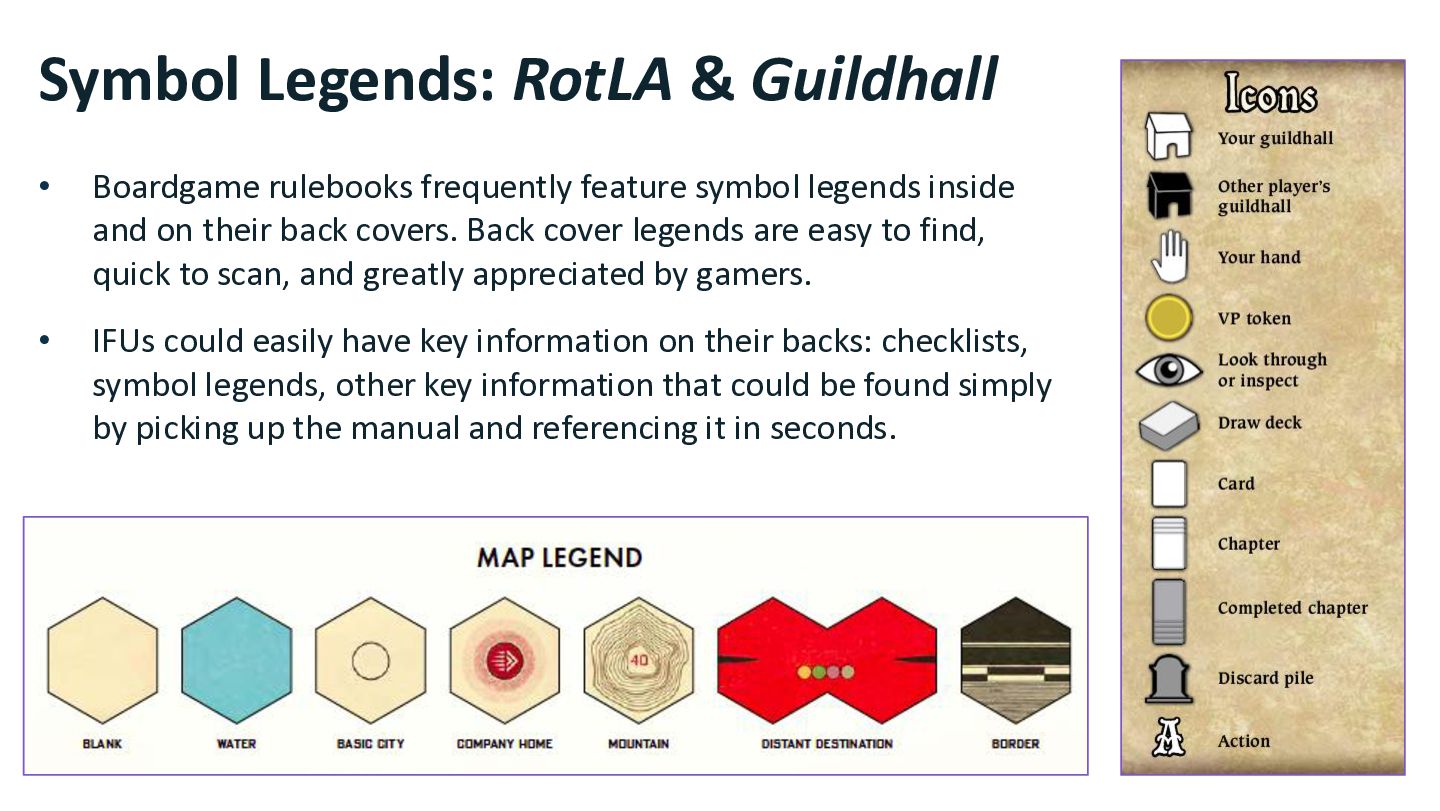
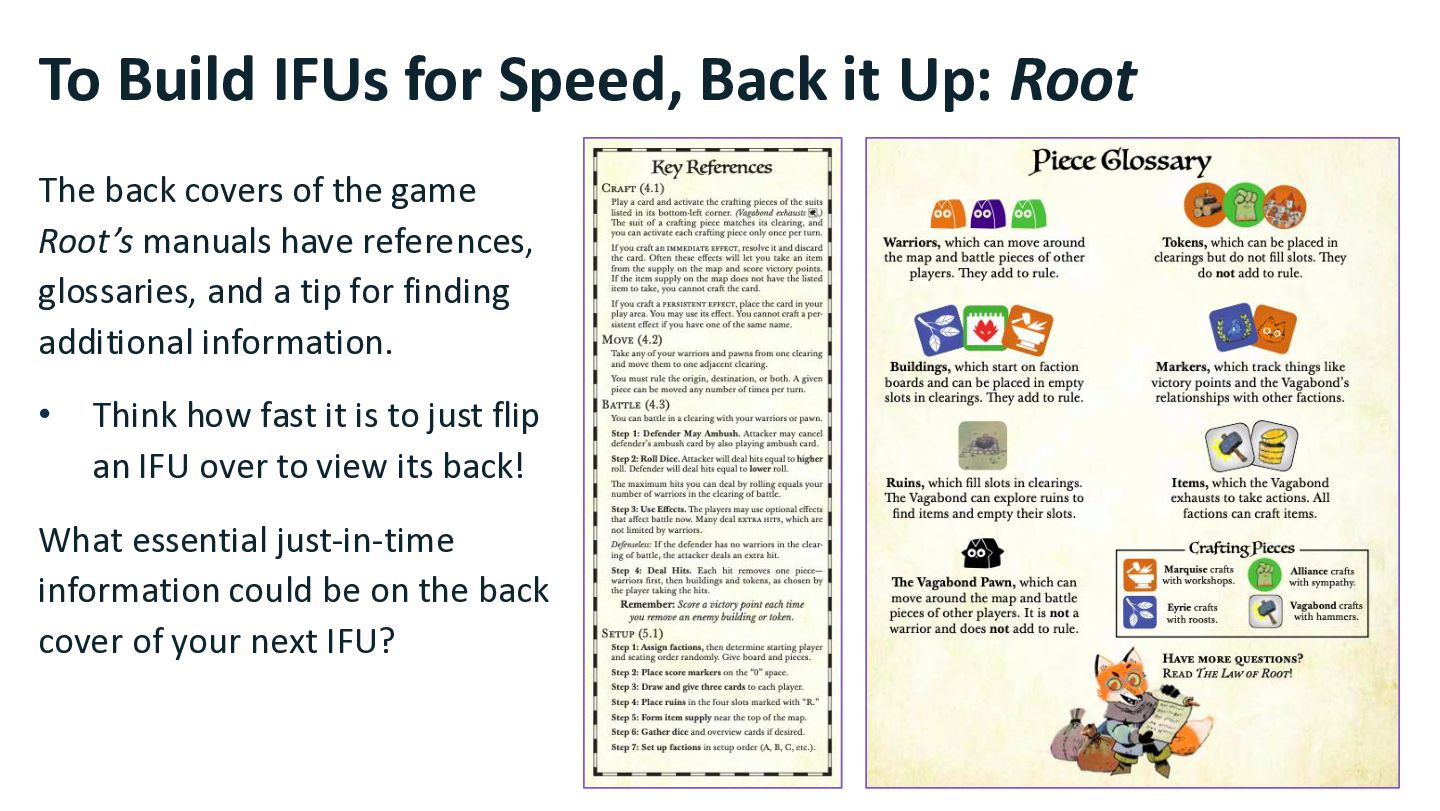
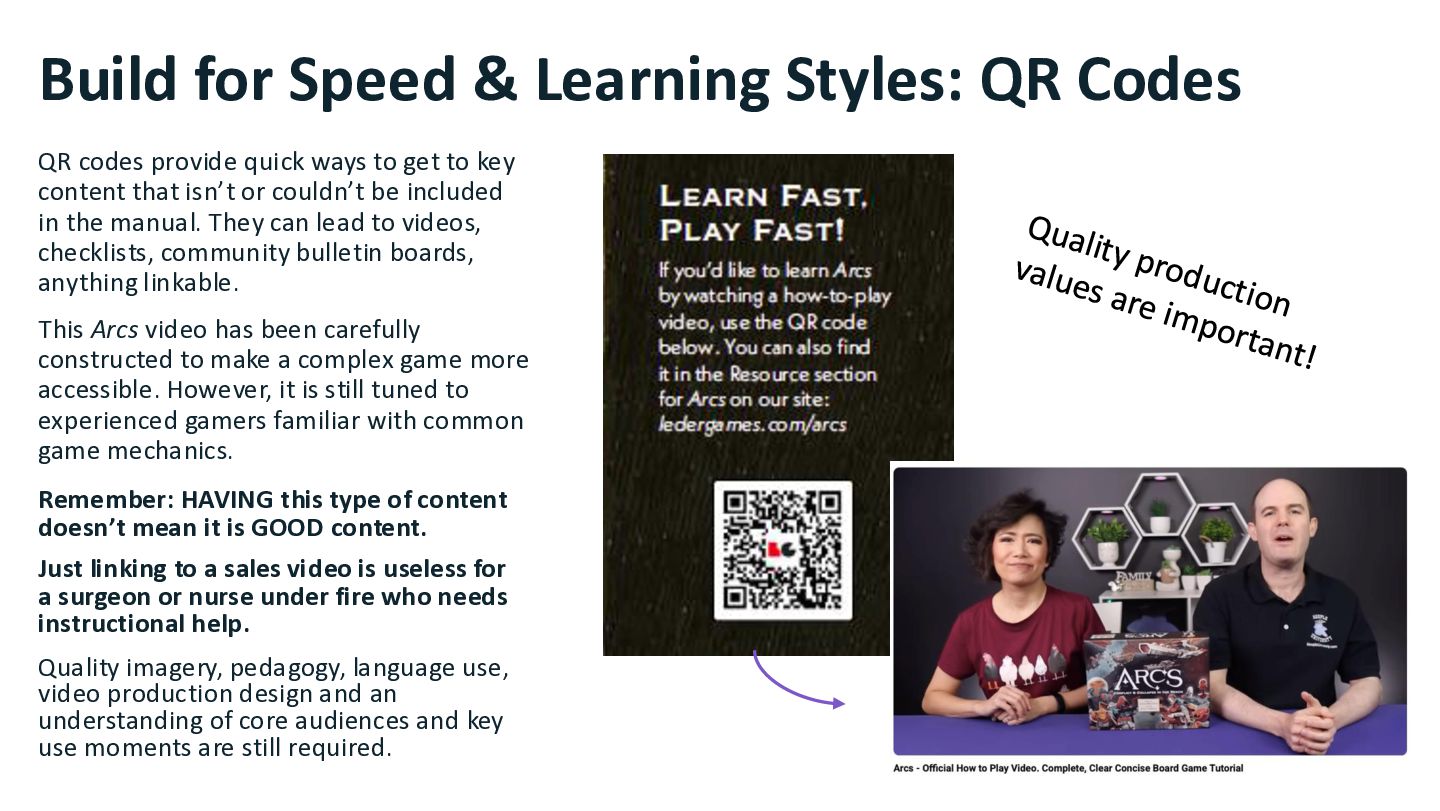
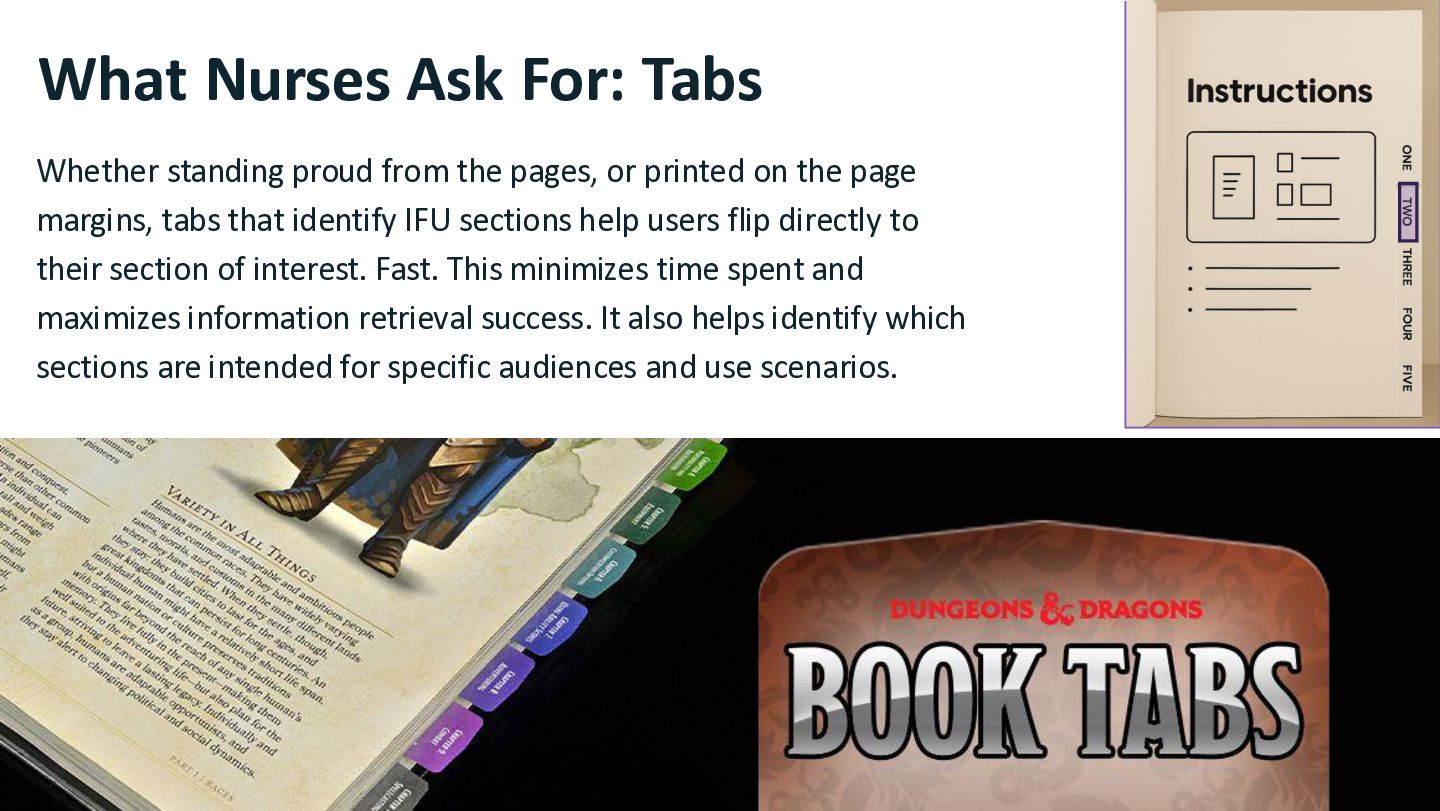
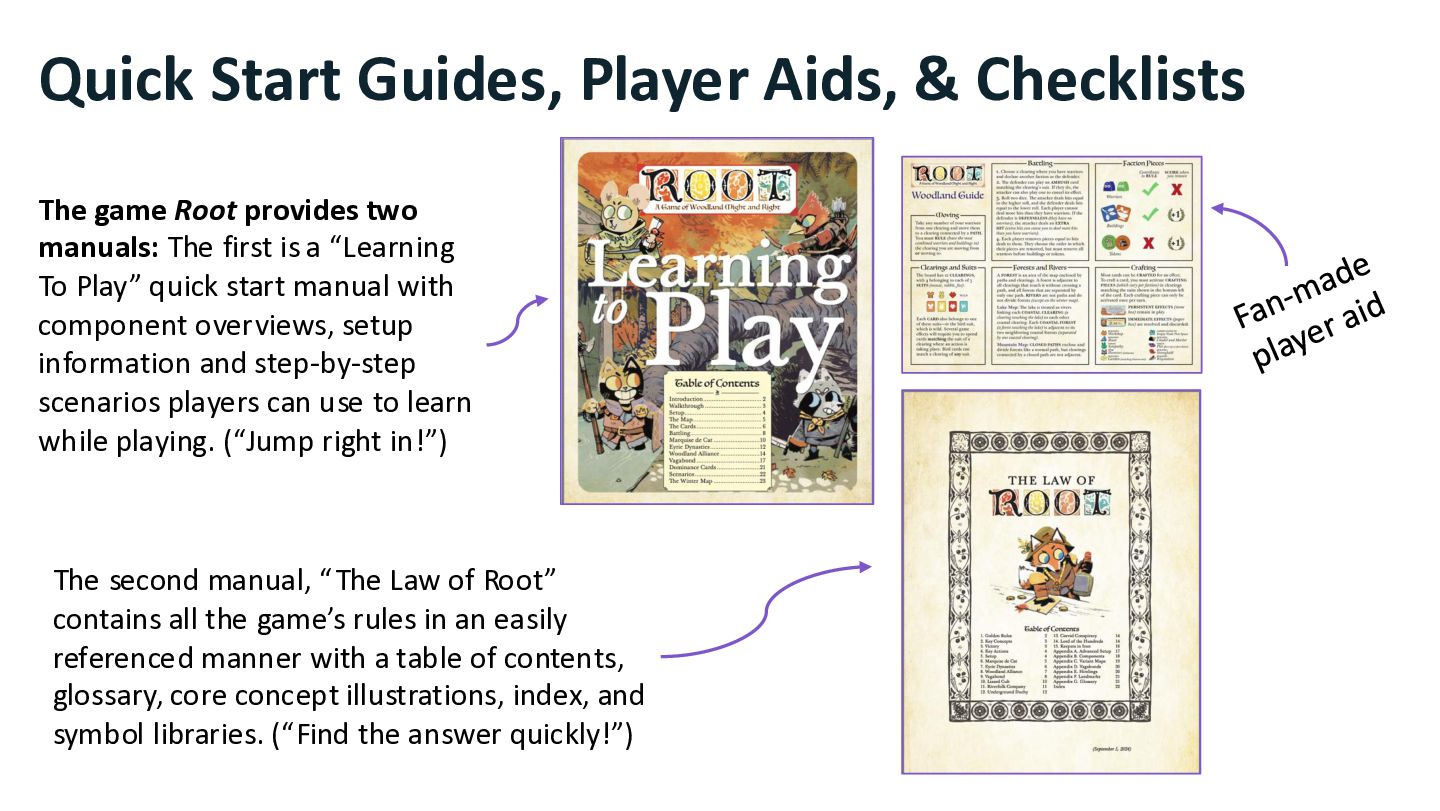
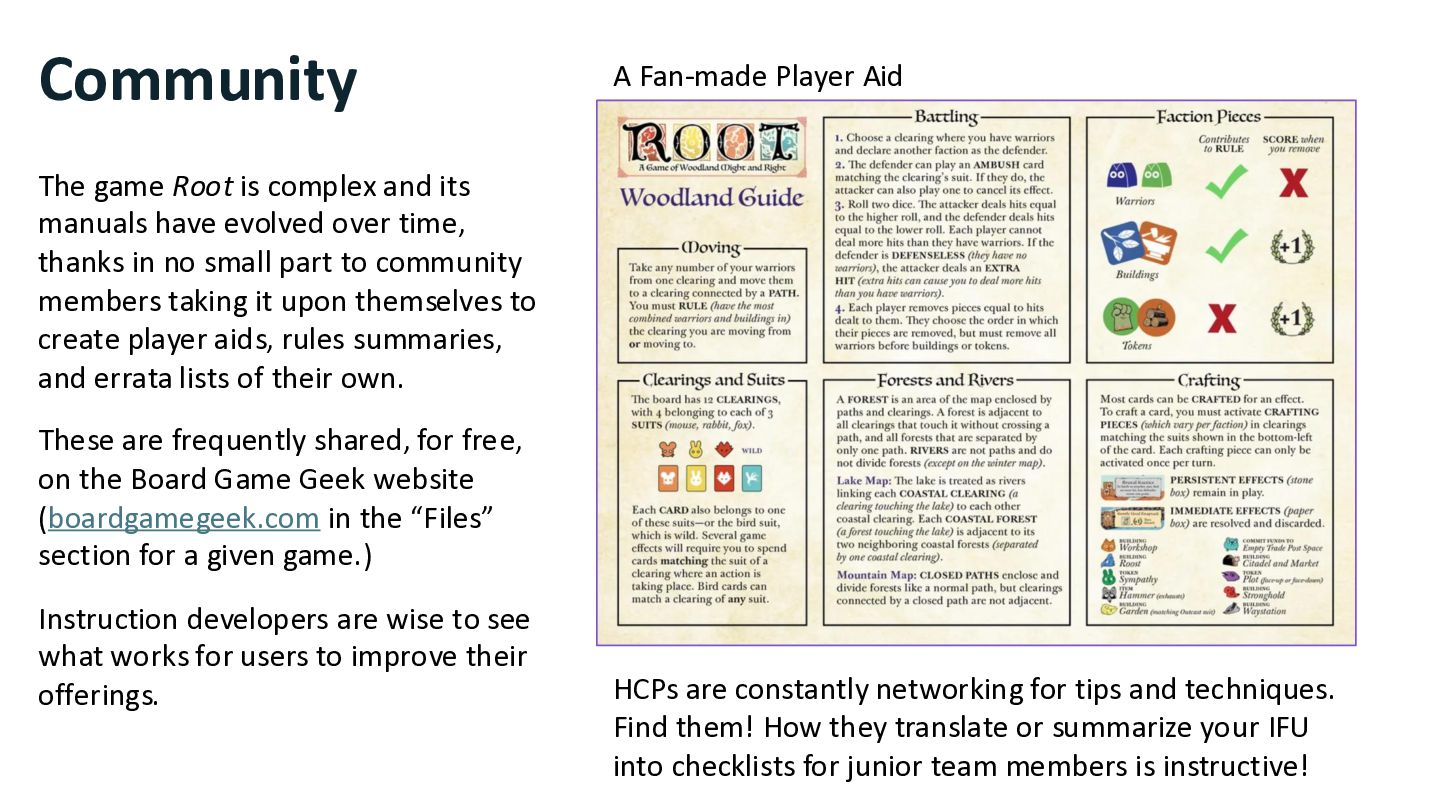
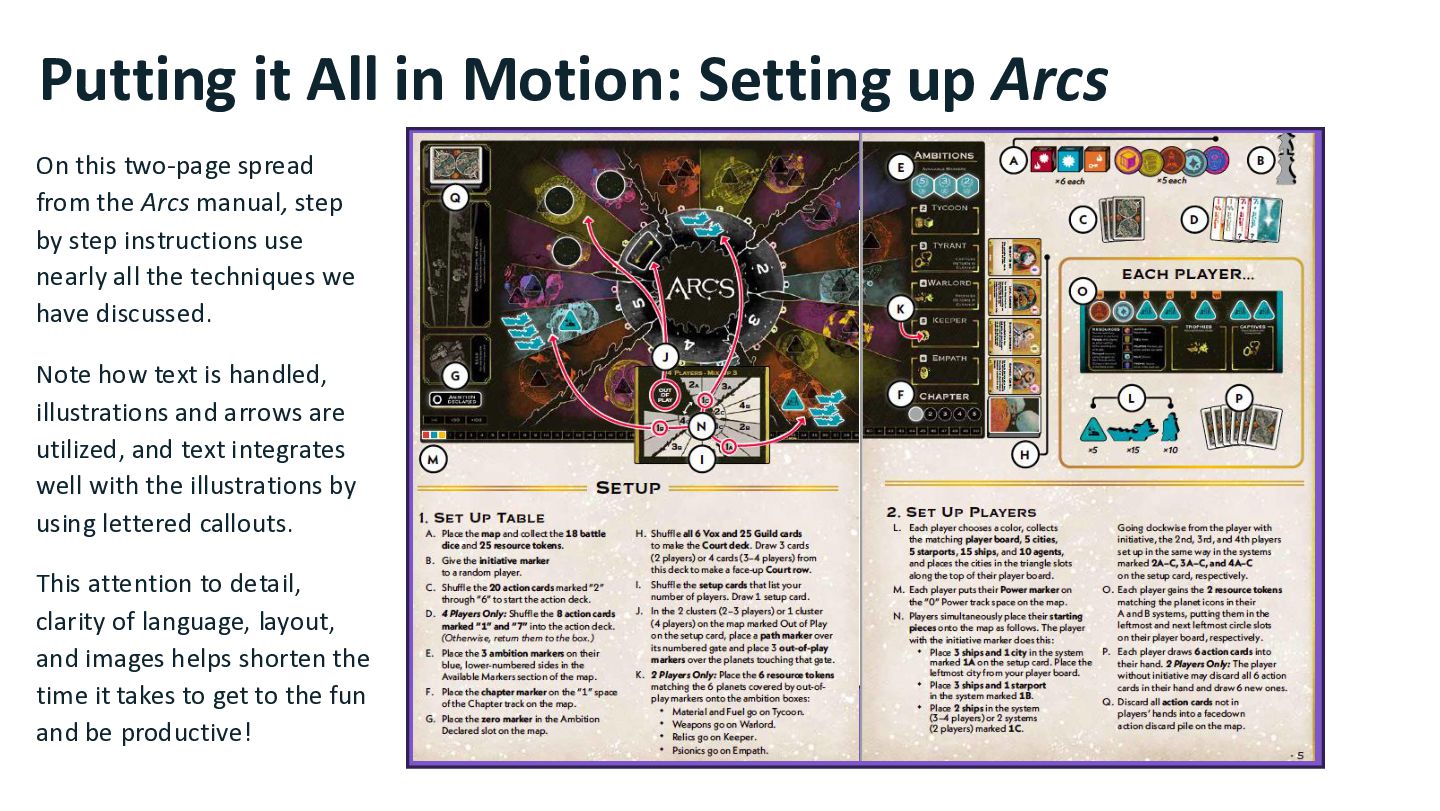
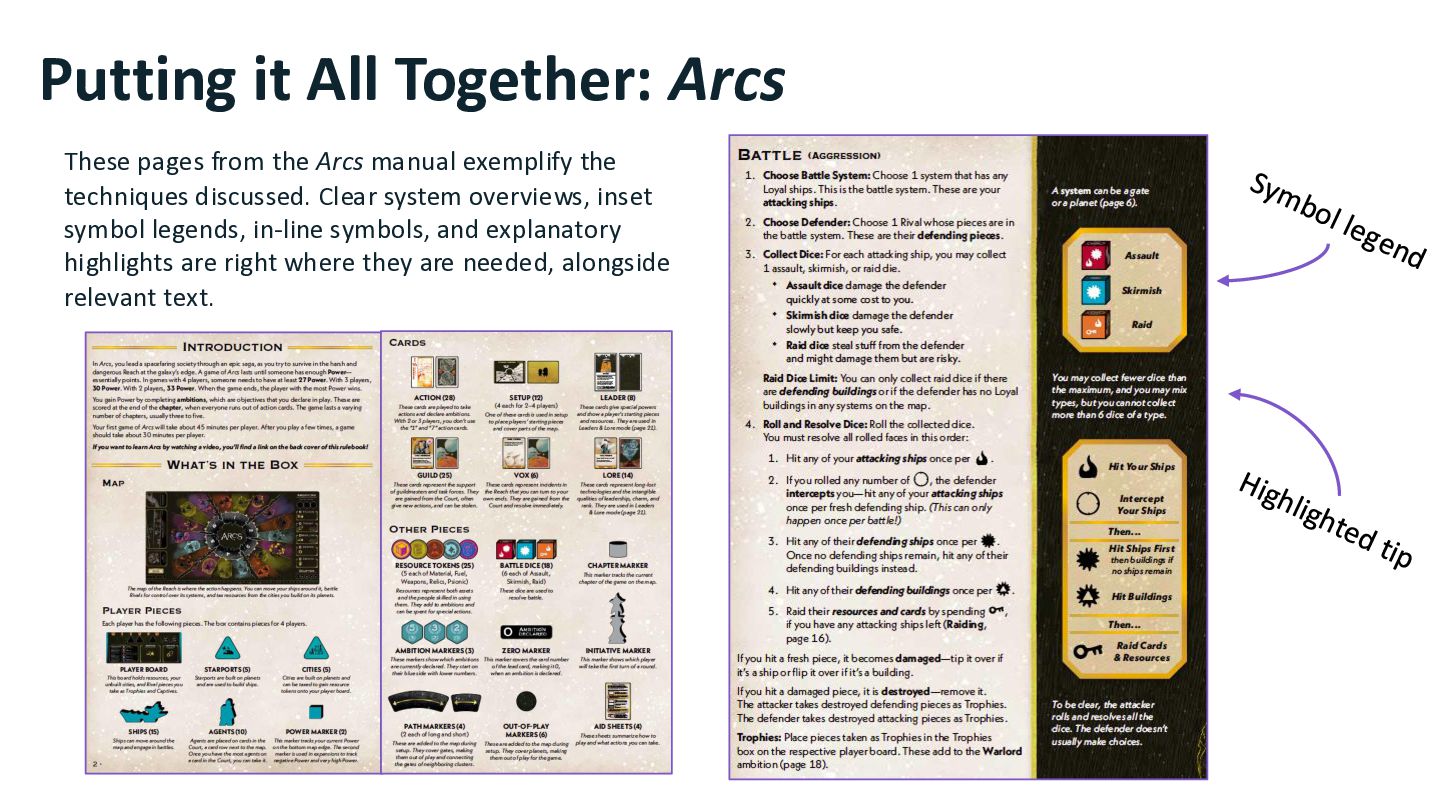
Solutions to these (and other) problems may come from a seemingly unlikely quarter: recent advances in board game rulebooks. There’s a board gaming renaissance going on, and players seeking rich, complex games face strikingly similar challenges to health care practitioners when it comes to absorbing large amounts of tactical, practical, strategic, and important information. Communicating important information (and lots of it) in the proper order, the proper depth, and with appropriate orientation to the consequences is a learnable skill. In many cases exemplary board game rulebooks beat IFUs hands-down through better use of procedural guidance, step-by-step illustrations, QR codes, symbol libraries, section identification aides, checklists, and more.
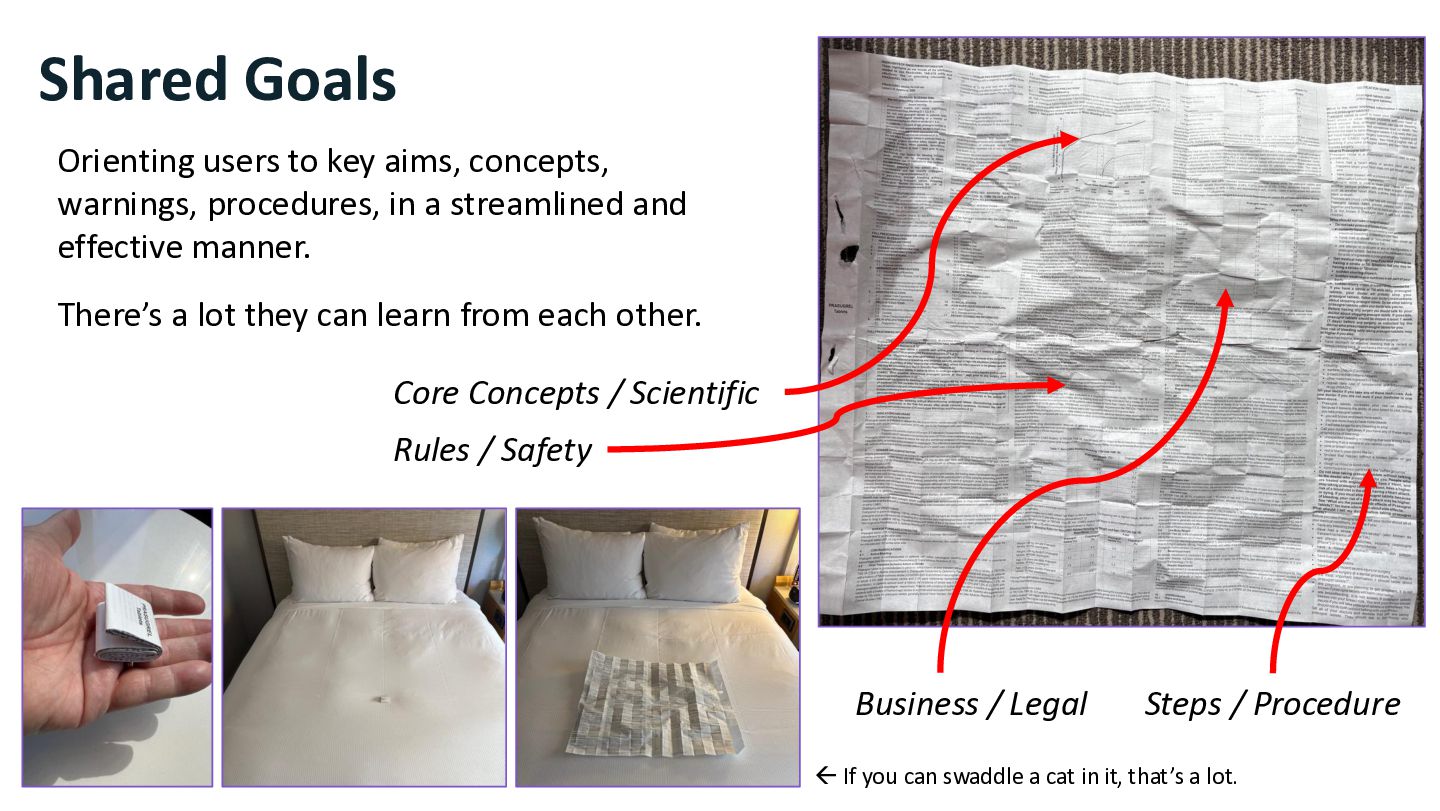
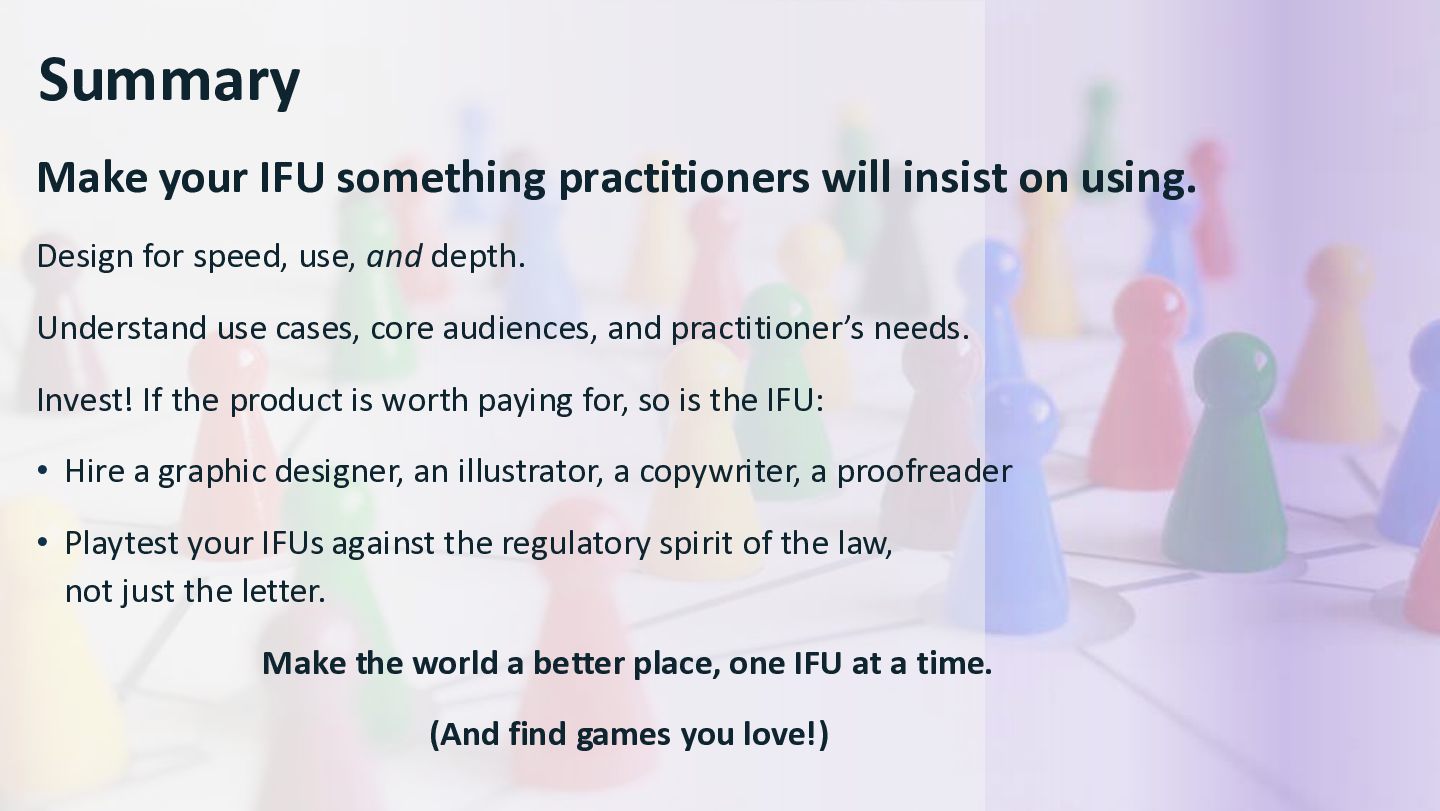
Making IFUs suitable for their intended audiences involves reframing IFUs and their vital content from a full-scale repository of information generated by scientists, engineers, marketers, and lawyers into practical aids that health care practitioners will read, value, and insist on keeping close by.
This presentation provides specific breakdowns of challenges from IFU-related trends: lack of use, lack of access, preferences for text-based v. experiential learning, video content, and the realities of referencing IFUs when time is short, tempers are high, and lives are on the line. Solutions will be drawn from decades of UX research conducted at all levels of health care design, development, and delivery, as well as “crunchy” board gaming experiences. Proposed IFU enhancements will include techniques for supporting: rapid use, a variety of learning styles, audience-specific aids, and how to use illustration techniques to best effect.
Anyone who has been victimized by a bad instruction manual, or even a good instruction manual unsuited to its use context, will benefit from this presentation.
This is a good-intentioned UX intervention to take IFUs to their next, usable, level.


 kgsi
kgsi
 videlvequio
 harakeishi
 xinyao
 ishii_mit
 samb1rd
 yuri9911
 sekiguchiy
 abokadotyann
 signull
 webnaut
 toshihidemurata
 tenderlove
 ryanjones
 marcduiker
 tammielis
 tammyeverts
 rkaga
rkaga
 sarafernandez
 jdejongh
 marktimemedia
 moore
moore
 cromwellryan
 asonas
![Bona Fides HF Professional Stats ([email protected]) • 28+ years of](https://files.speakerdeck.com/presentations/8a6fc5d8ba4641c4a13eb7d3650bae1b/slide_1.jpg)