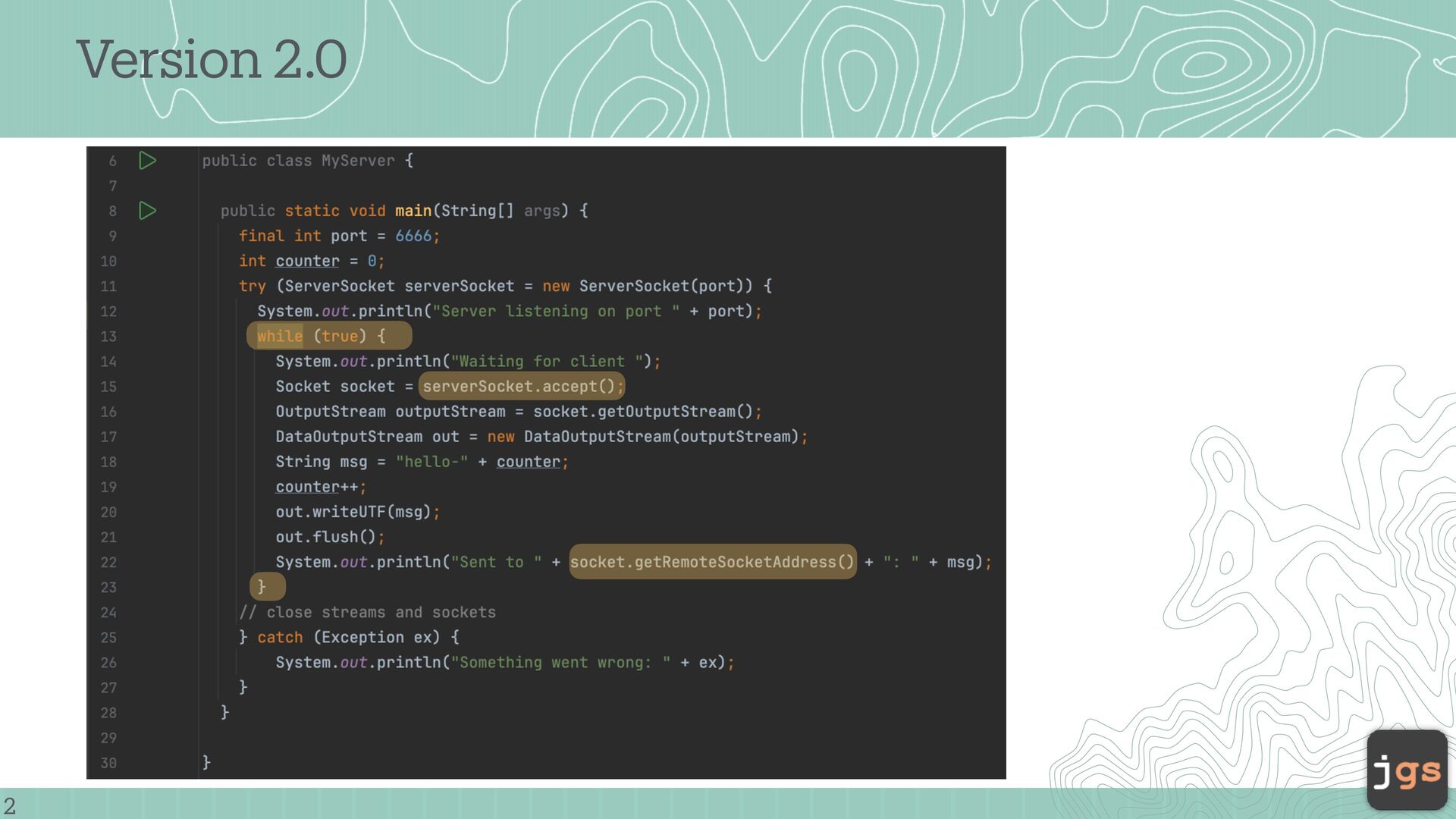
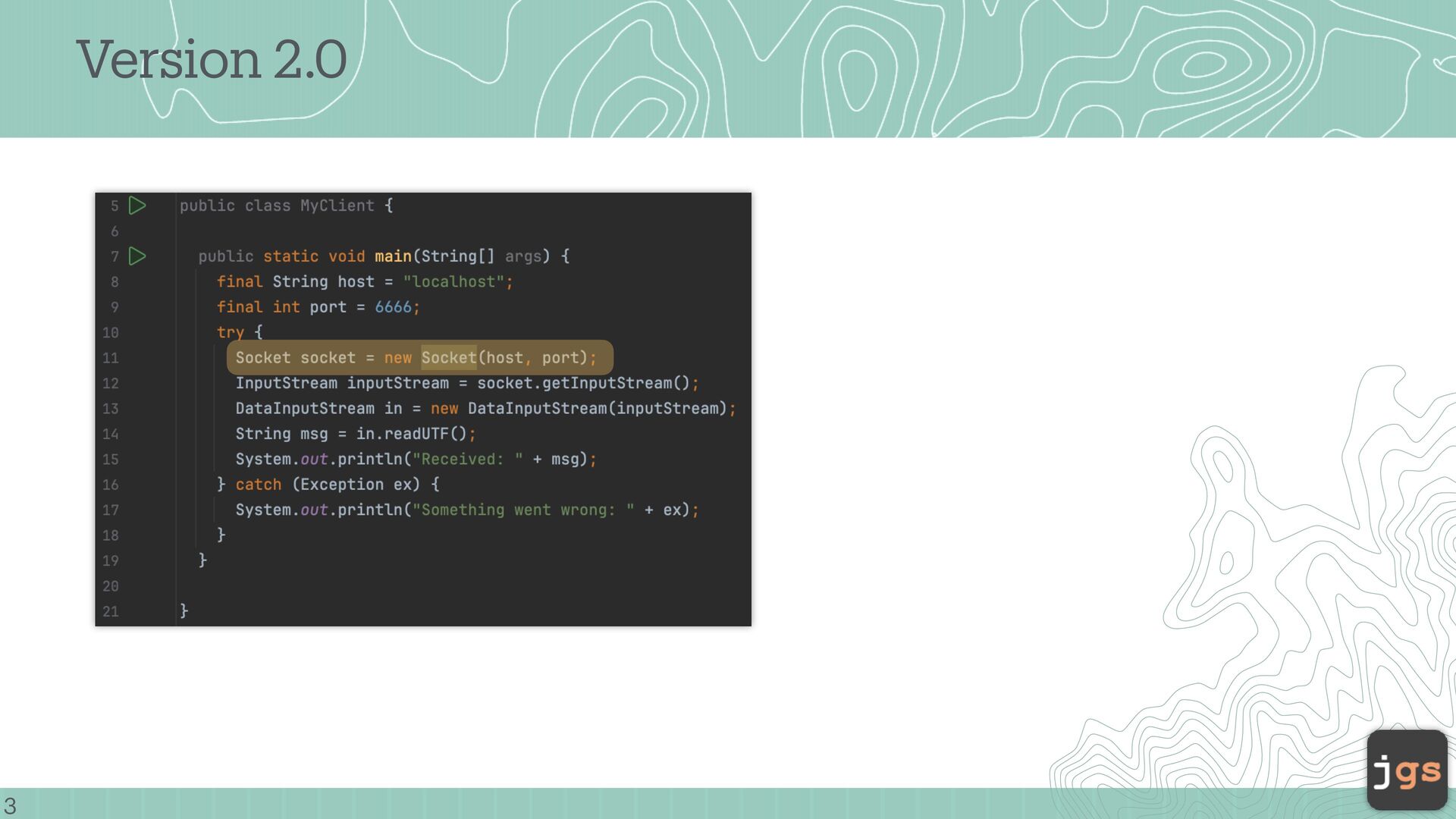
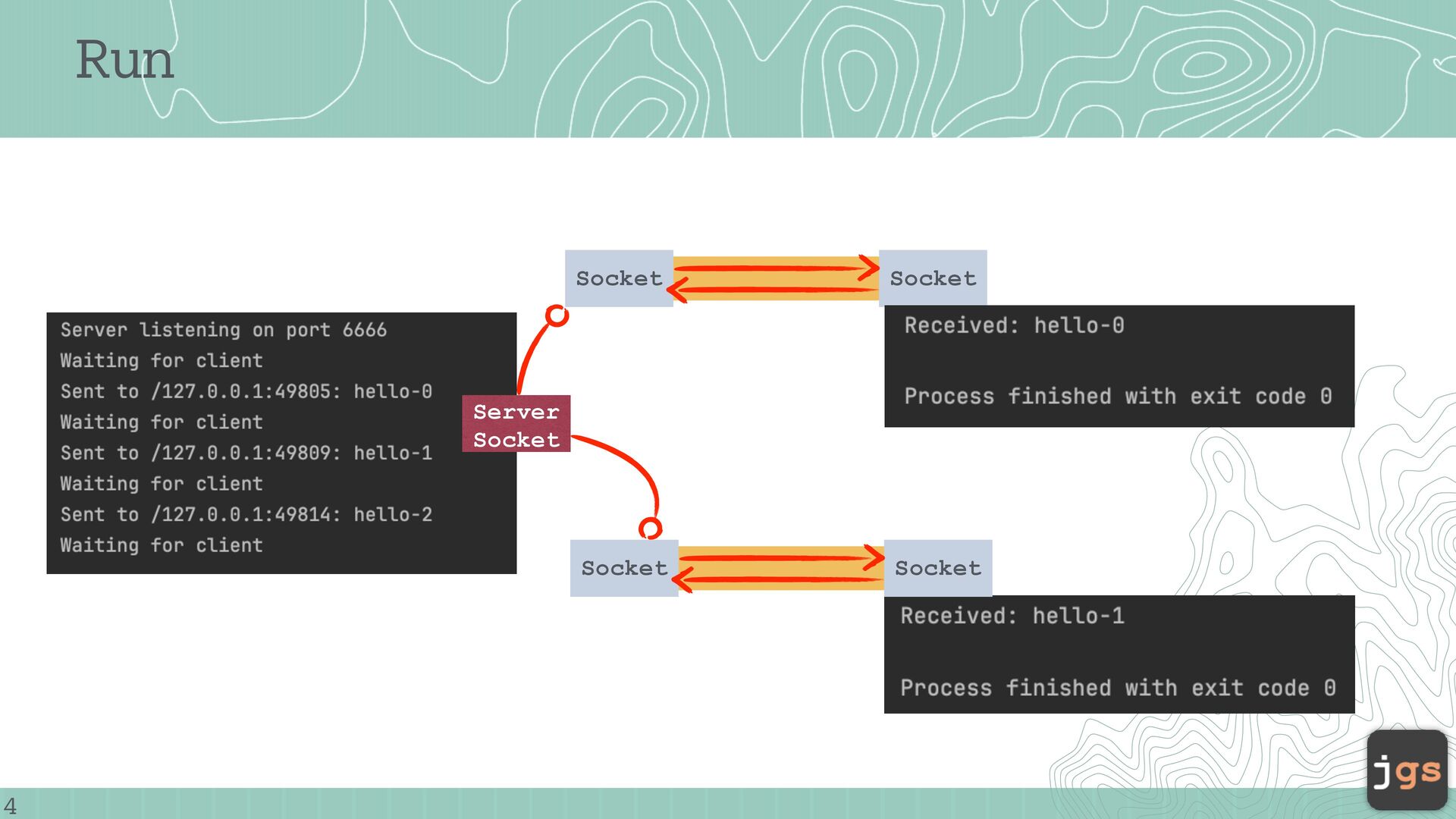
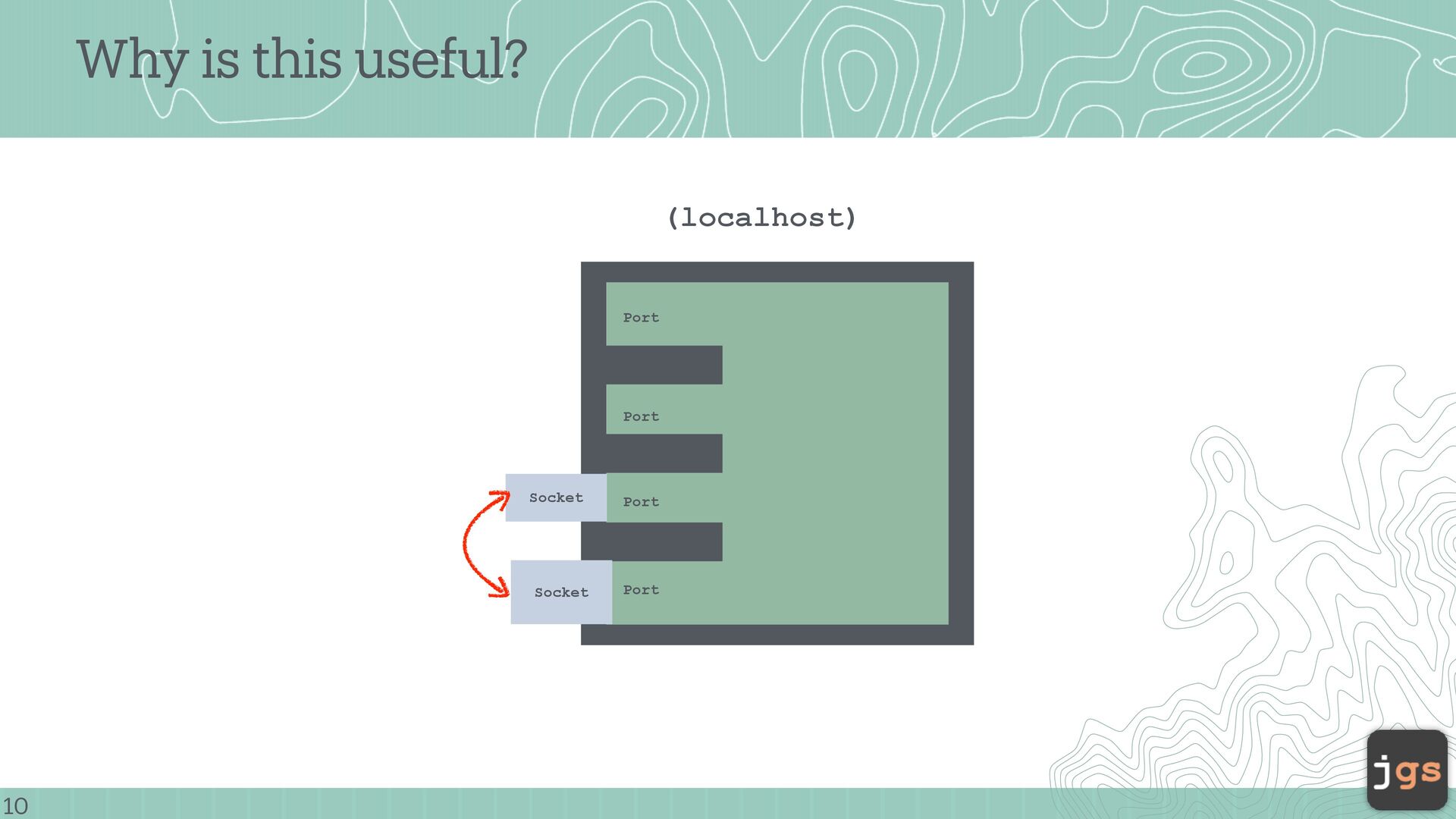
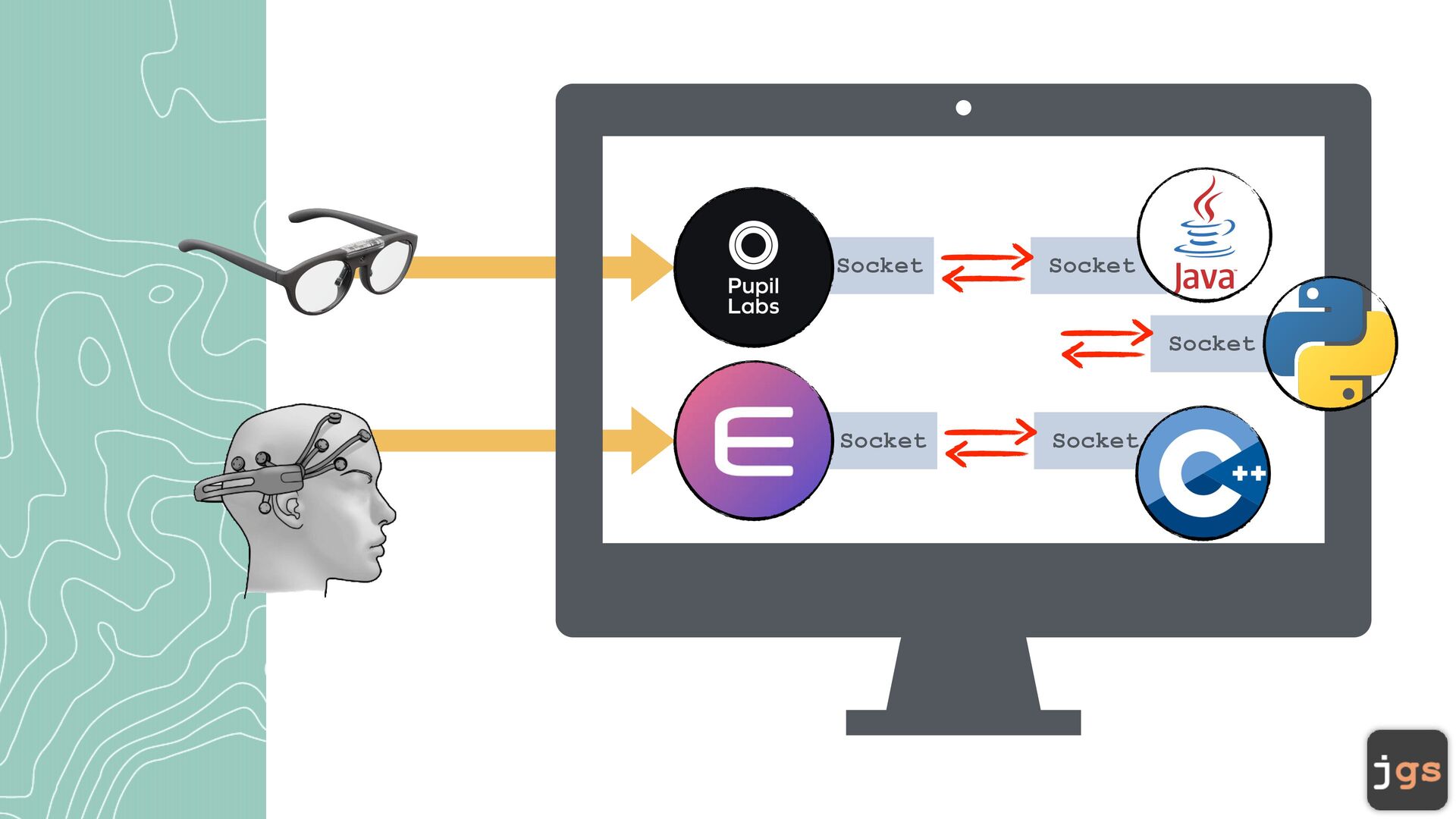
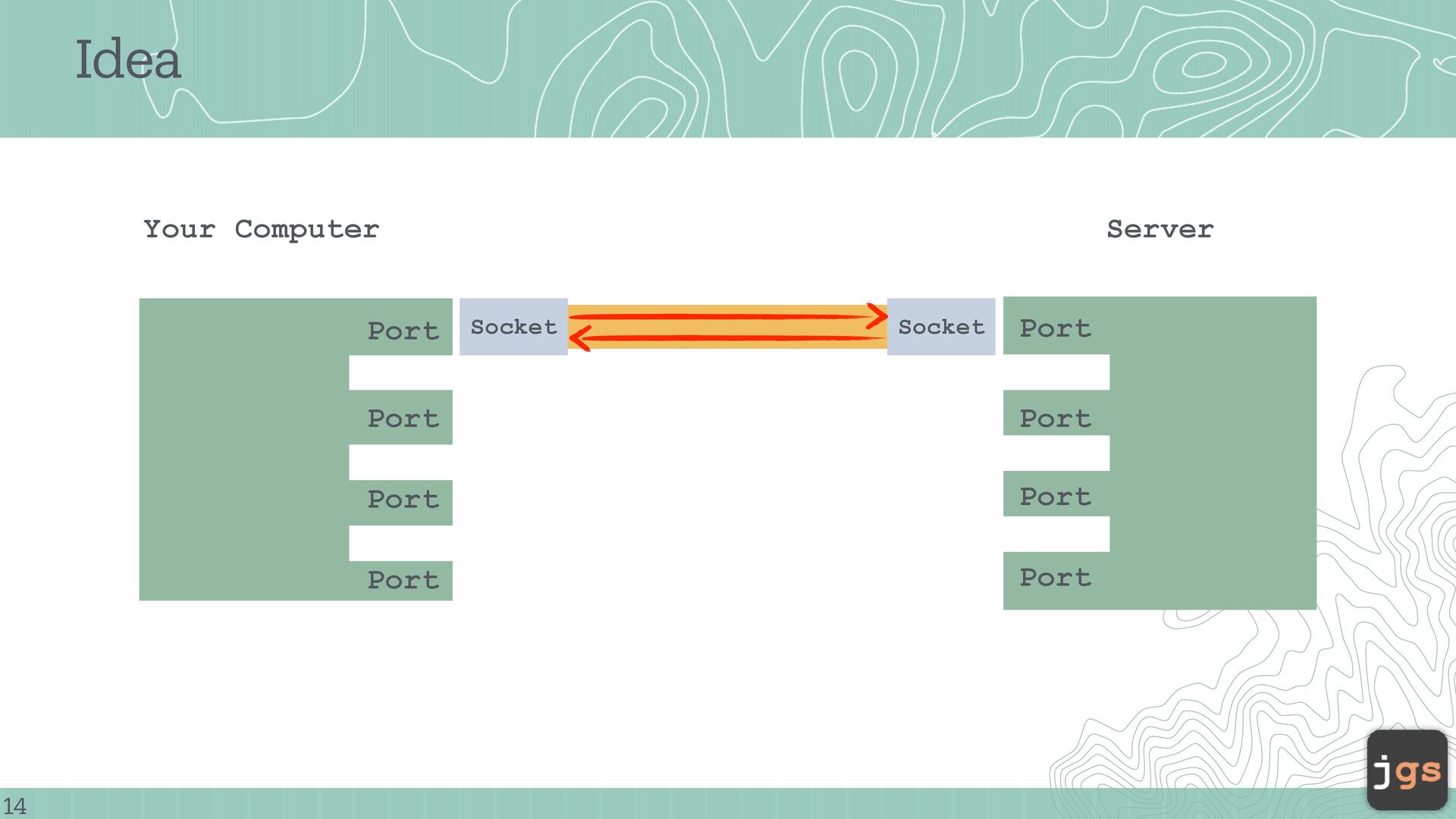
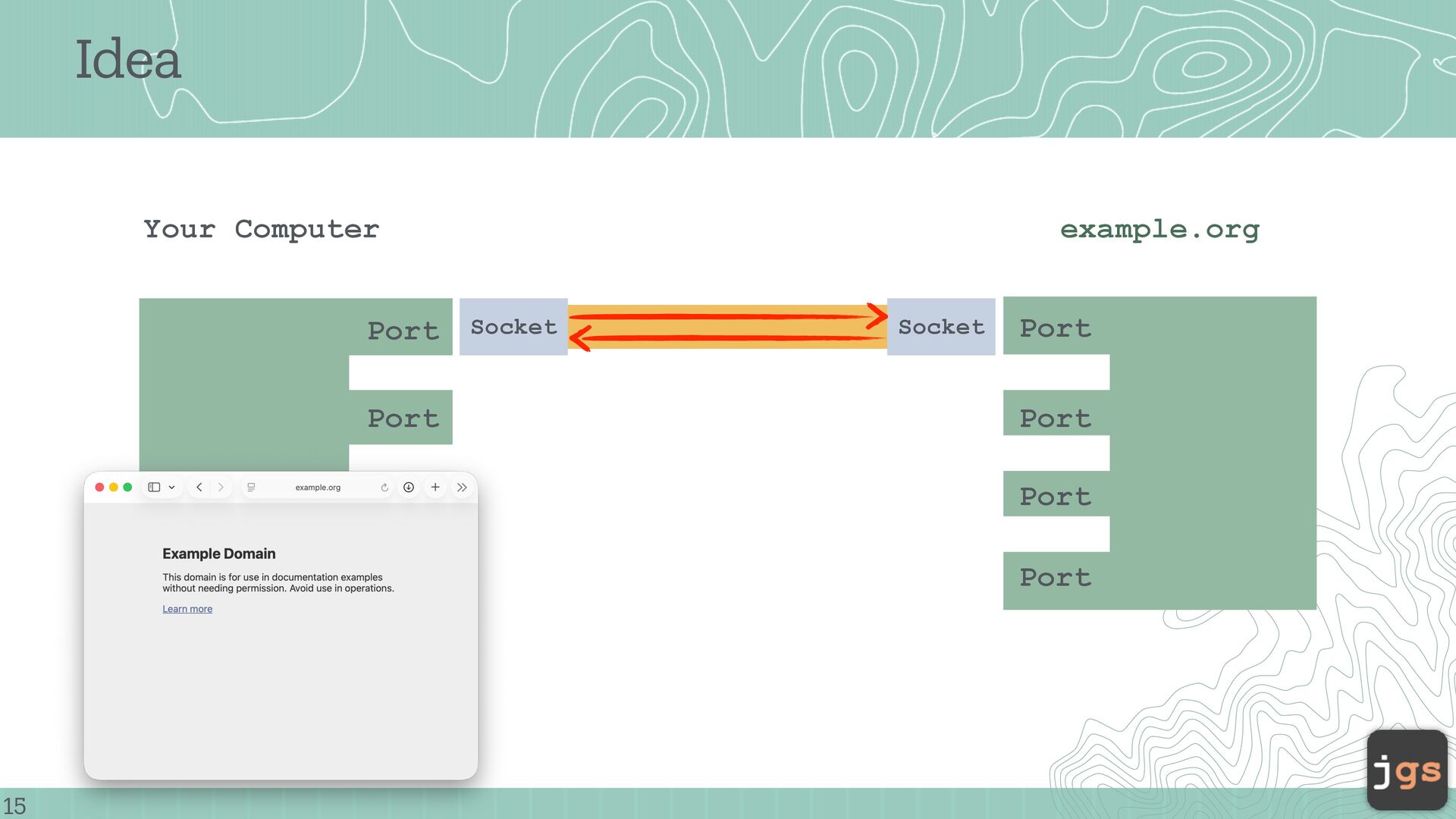
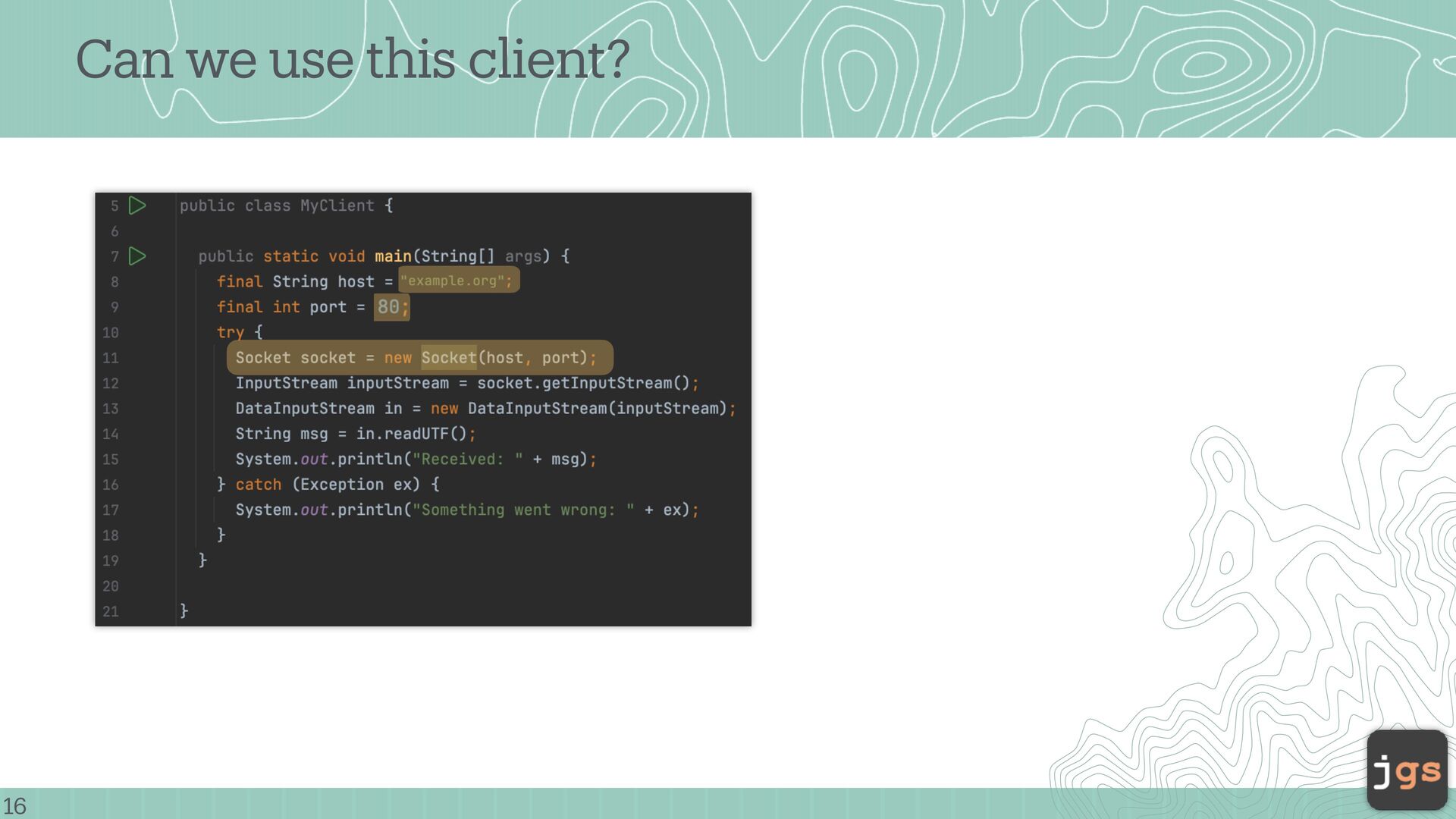
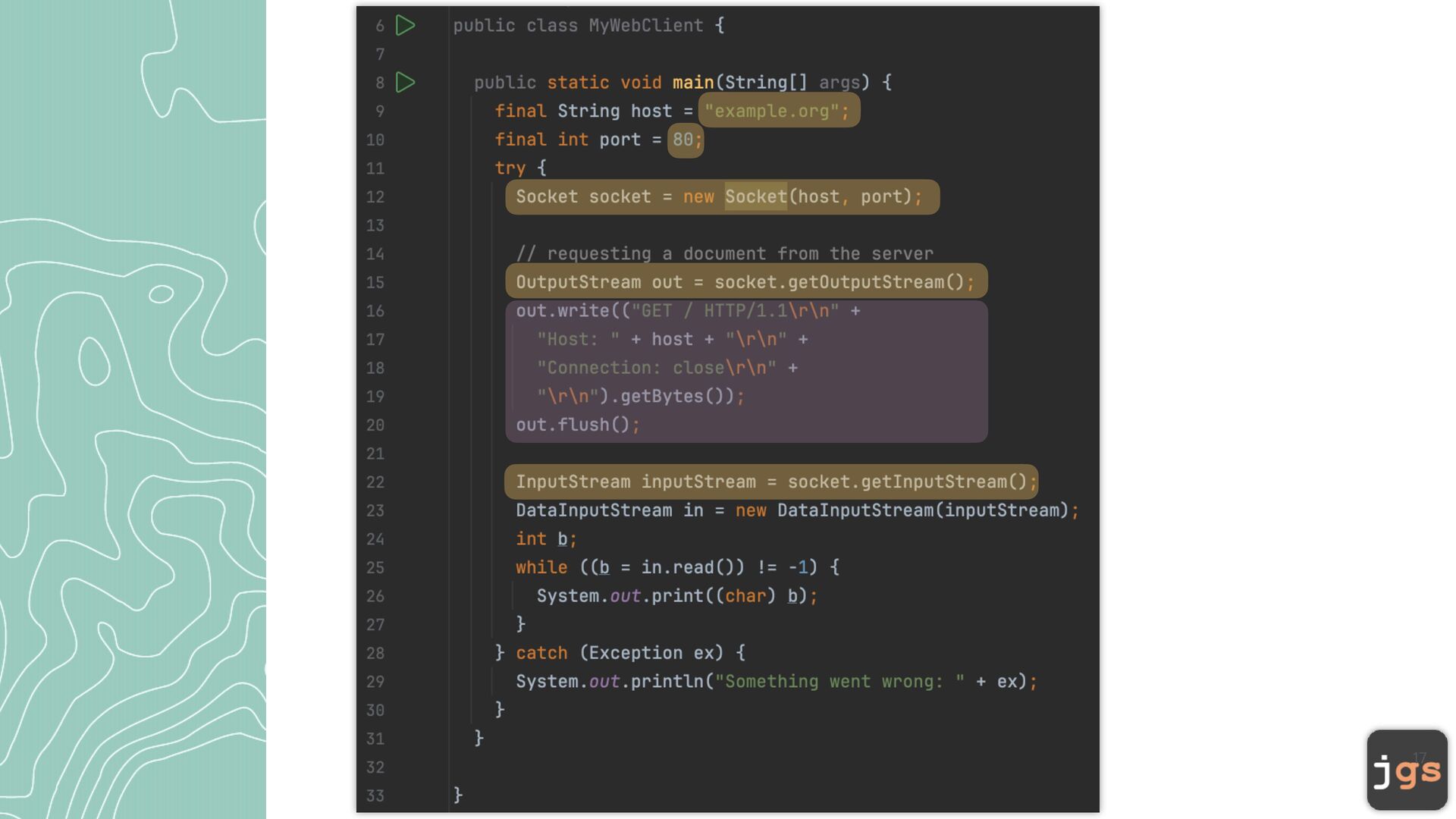
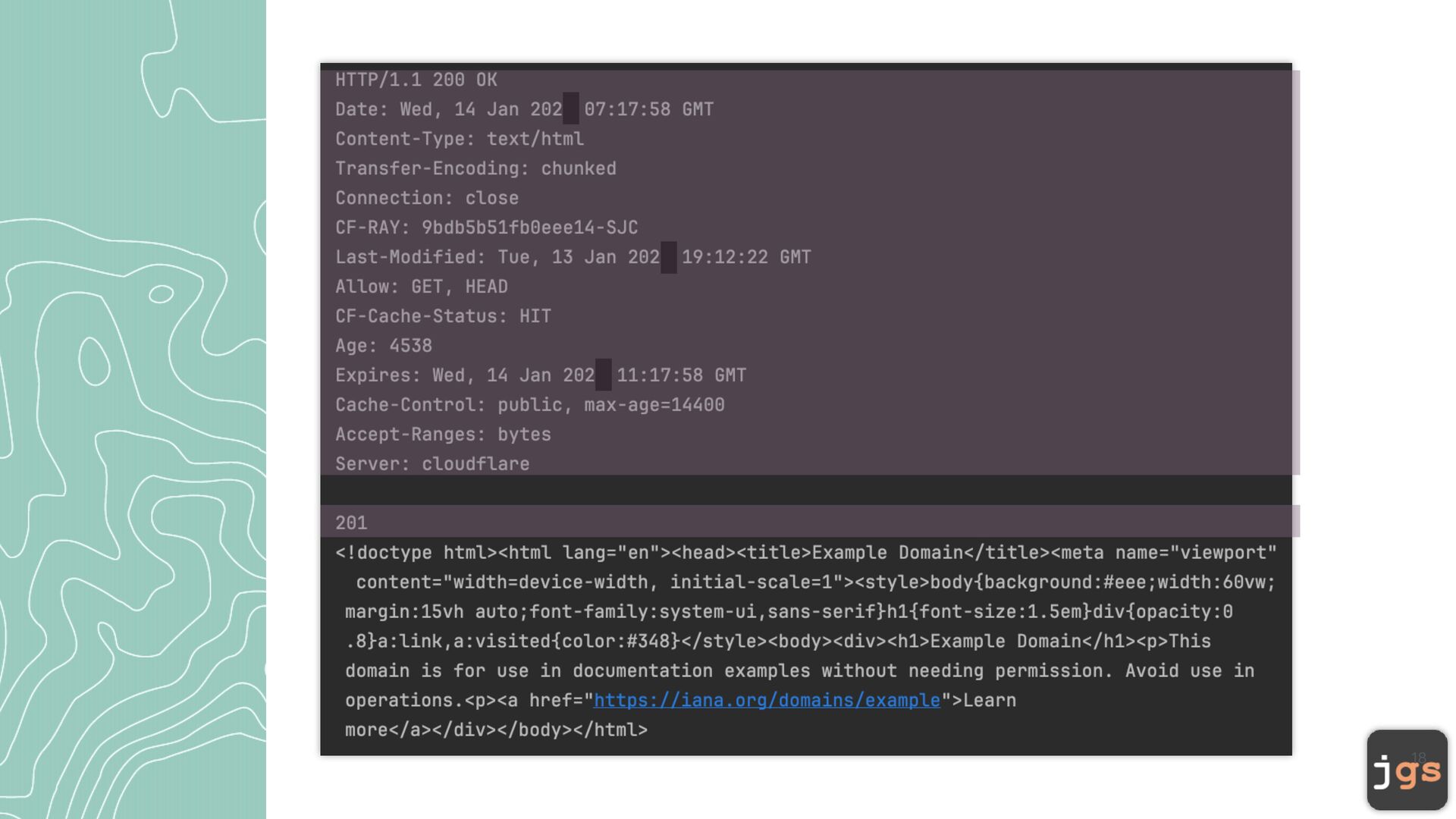
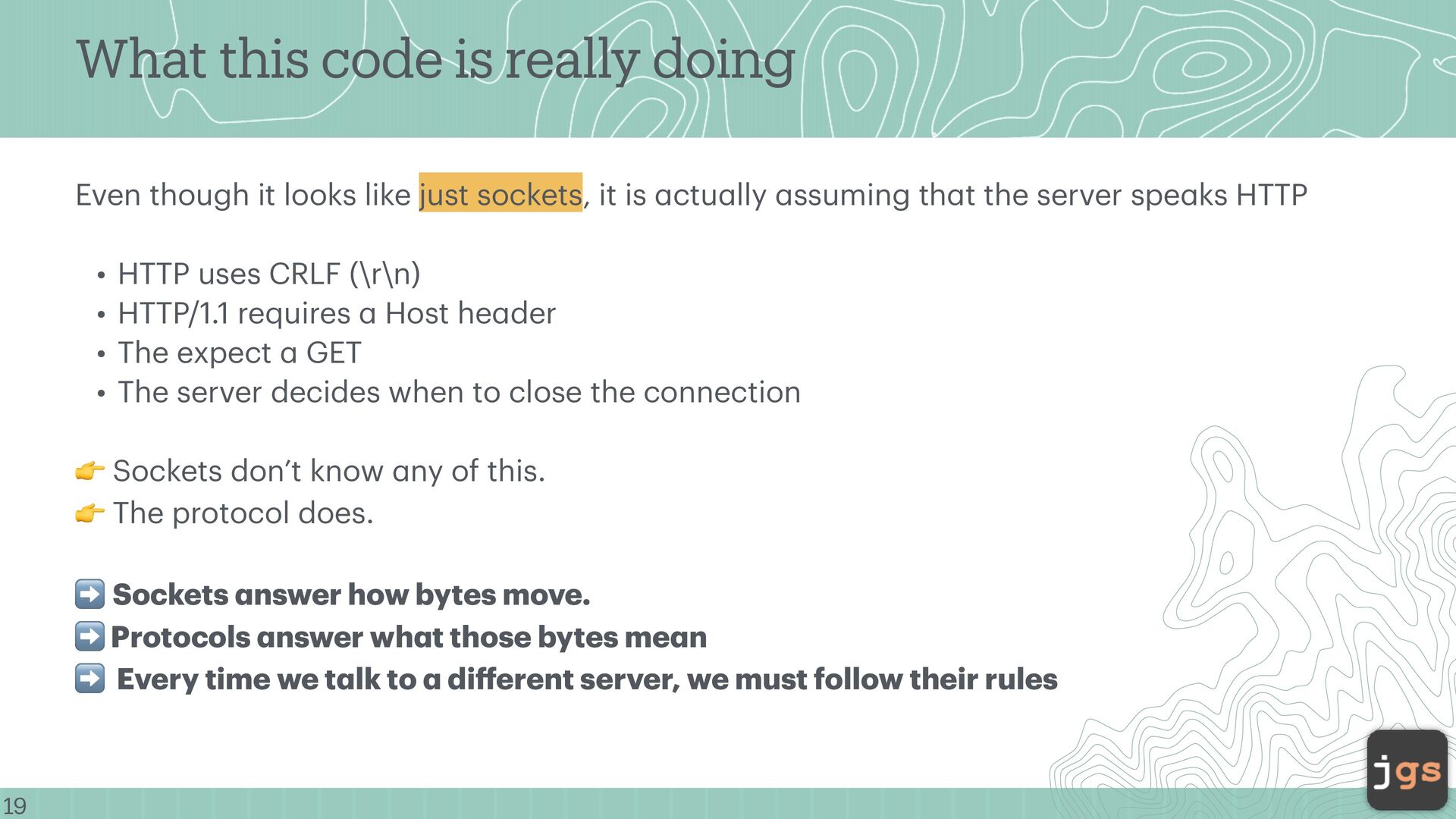
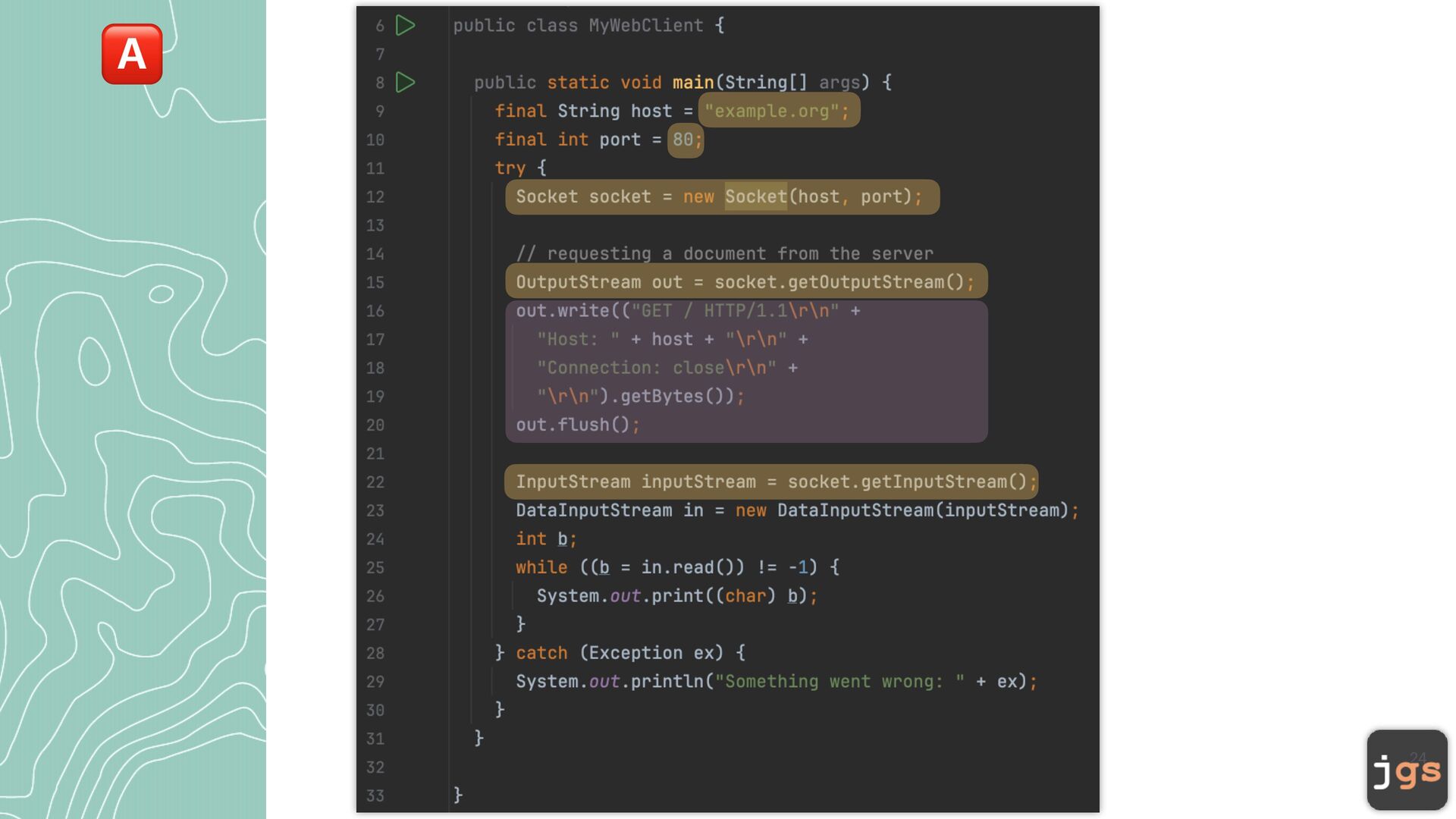
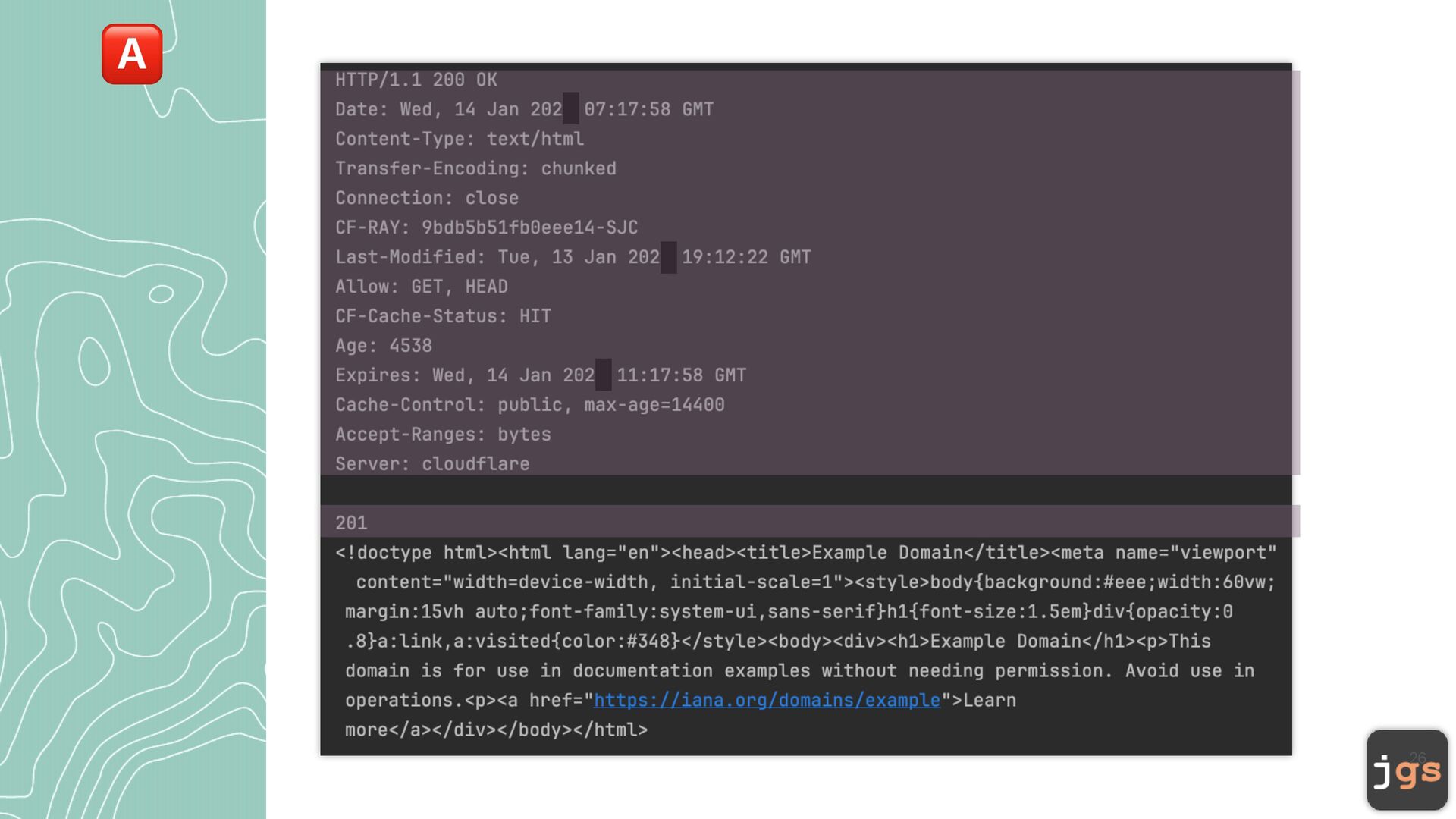
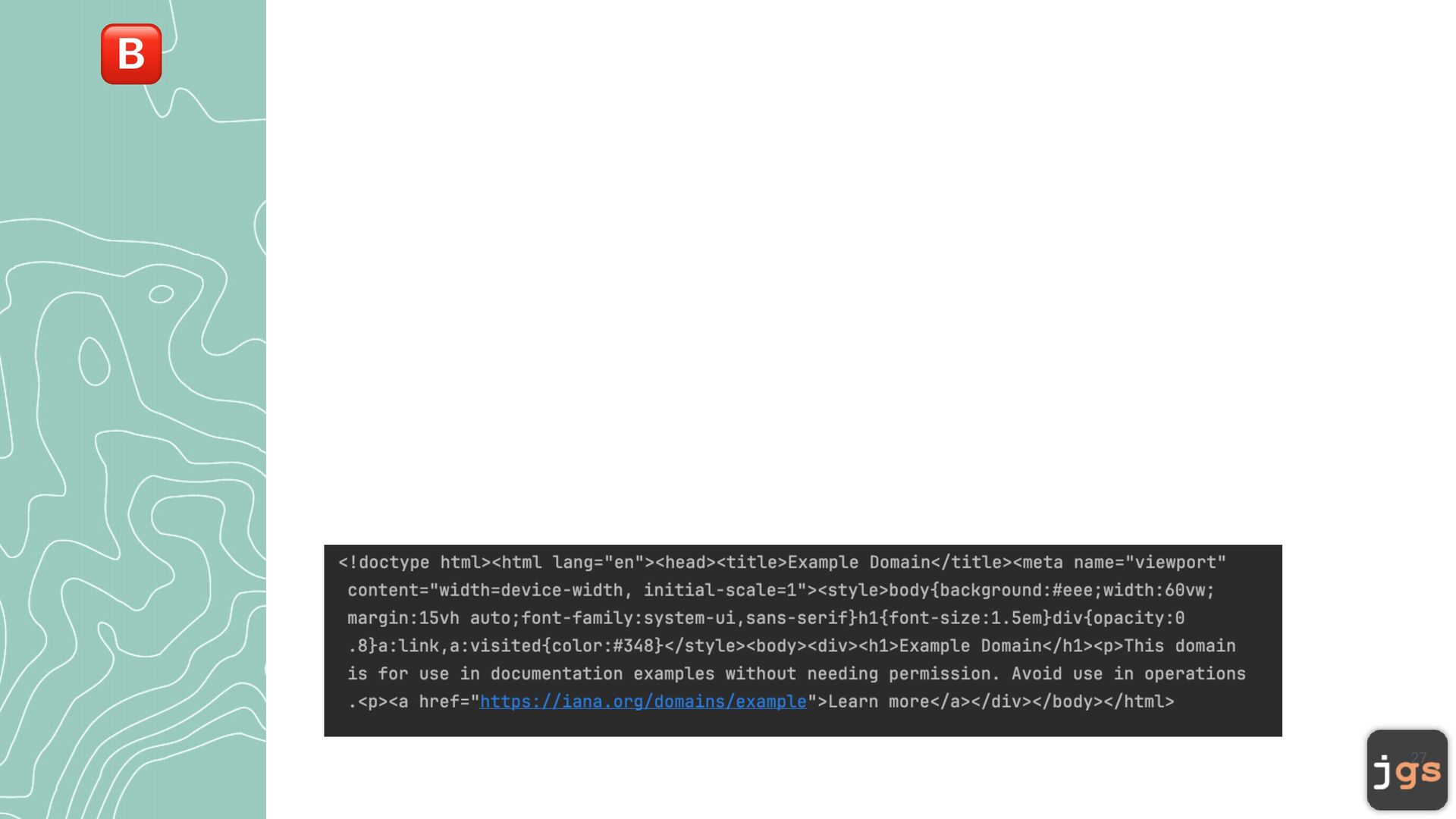
looks like just sockets, it is a ctu a lly a ssuming th a t the server spe a ks HTTP • HTTP uses CRLF (\r\n) • HTTP/1.1 requires a Host he a der • The expect a GET • The server decides when to close the connection 👉 Sockets don’t know a ny of this. 👉 The protocol does. ➡ Sockets a nswer how bytes move. ➡ Protocols a nswer wh a t those bytes me a n ➡ Every time we t a lk to a di ff erent server, we must follow their rules
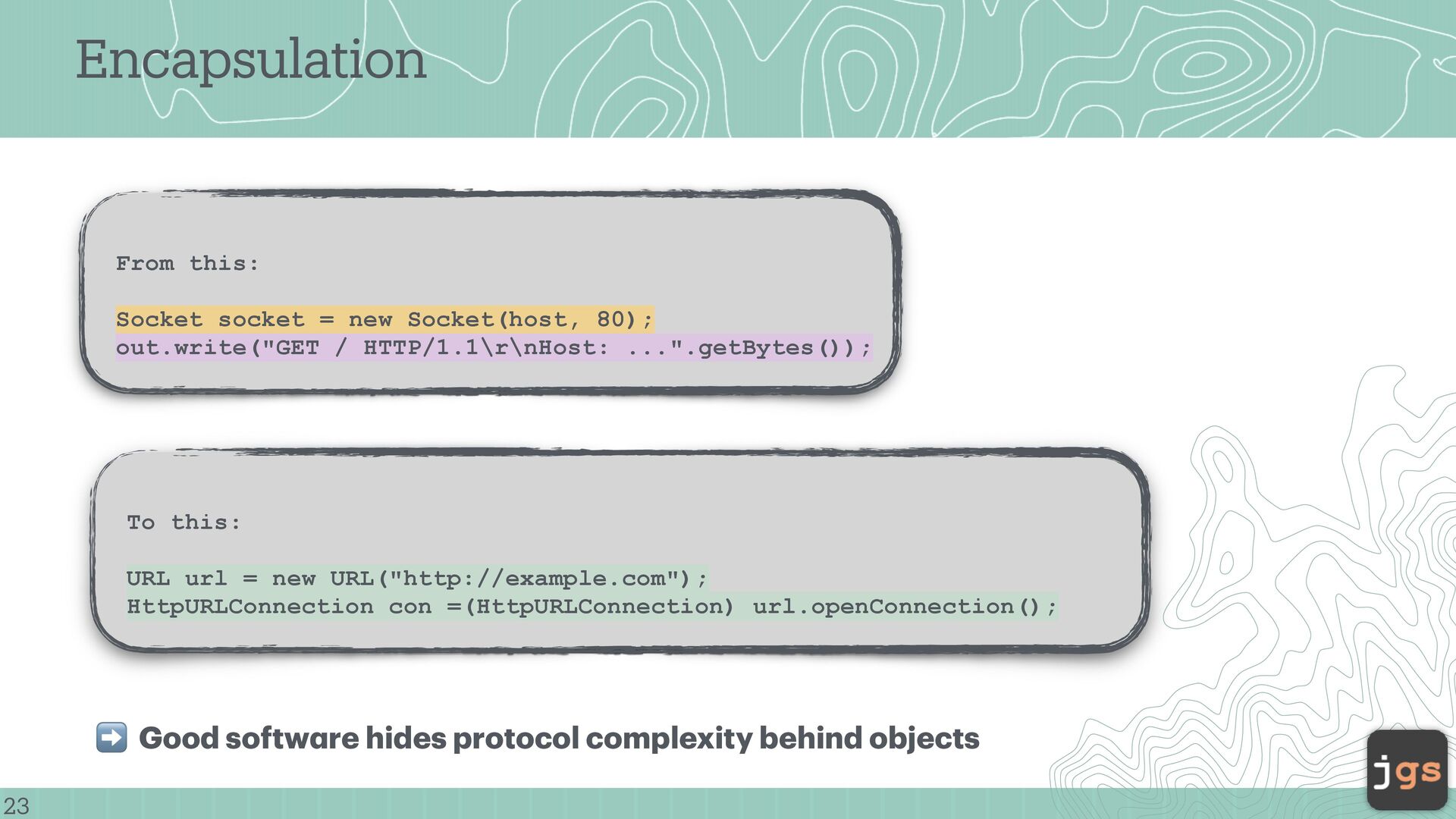
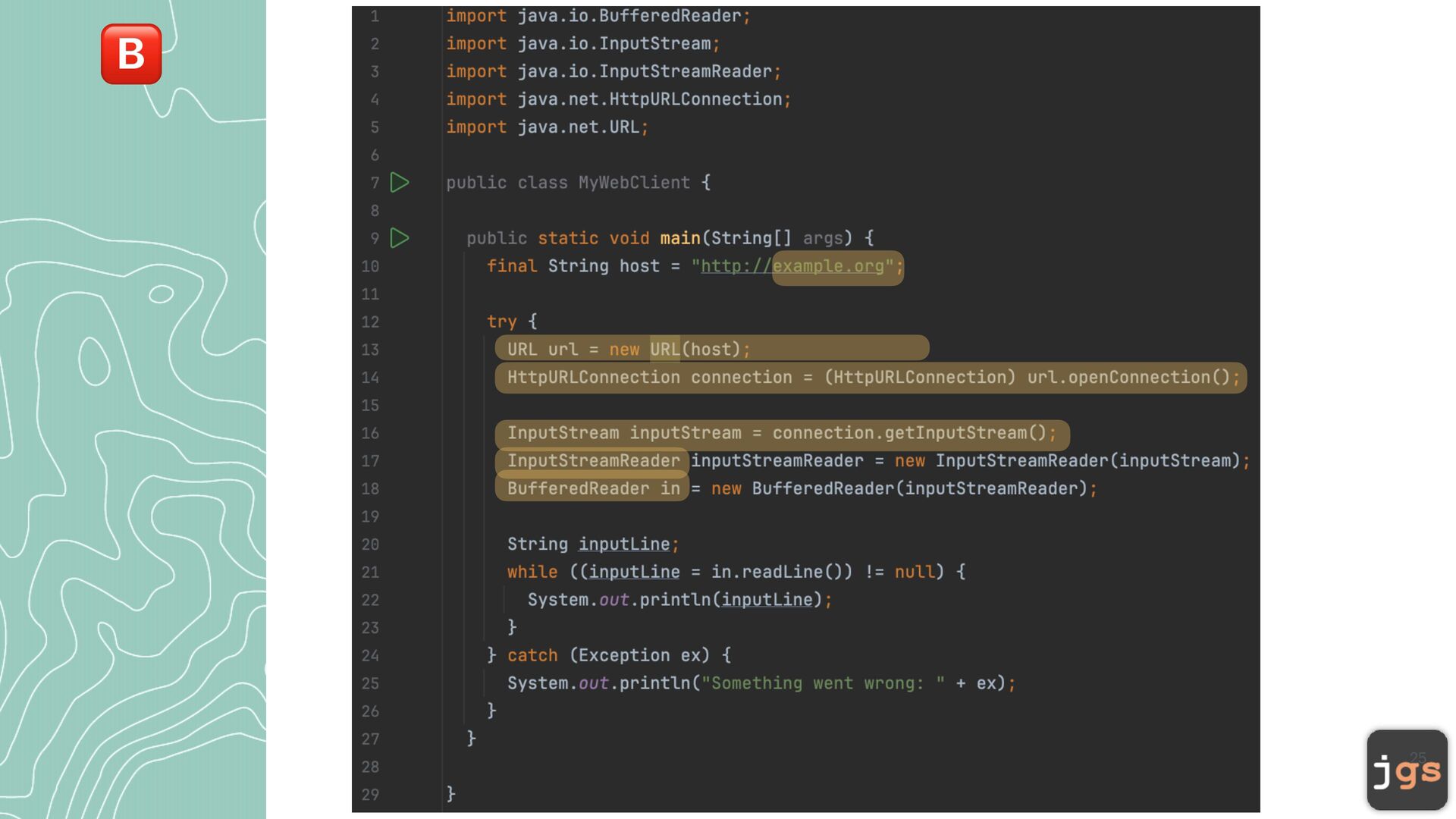
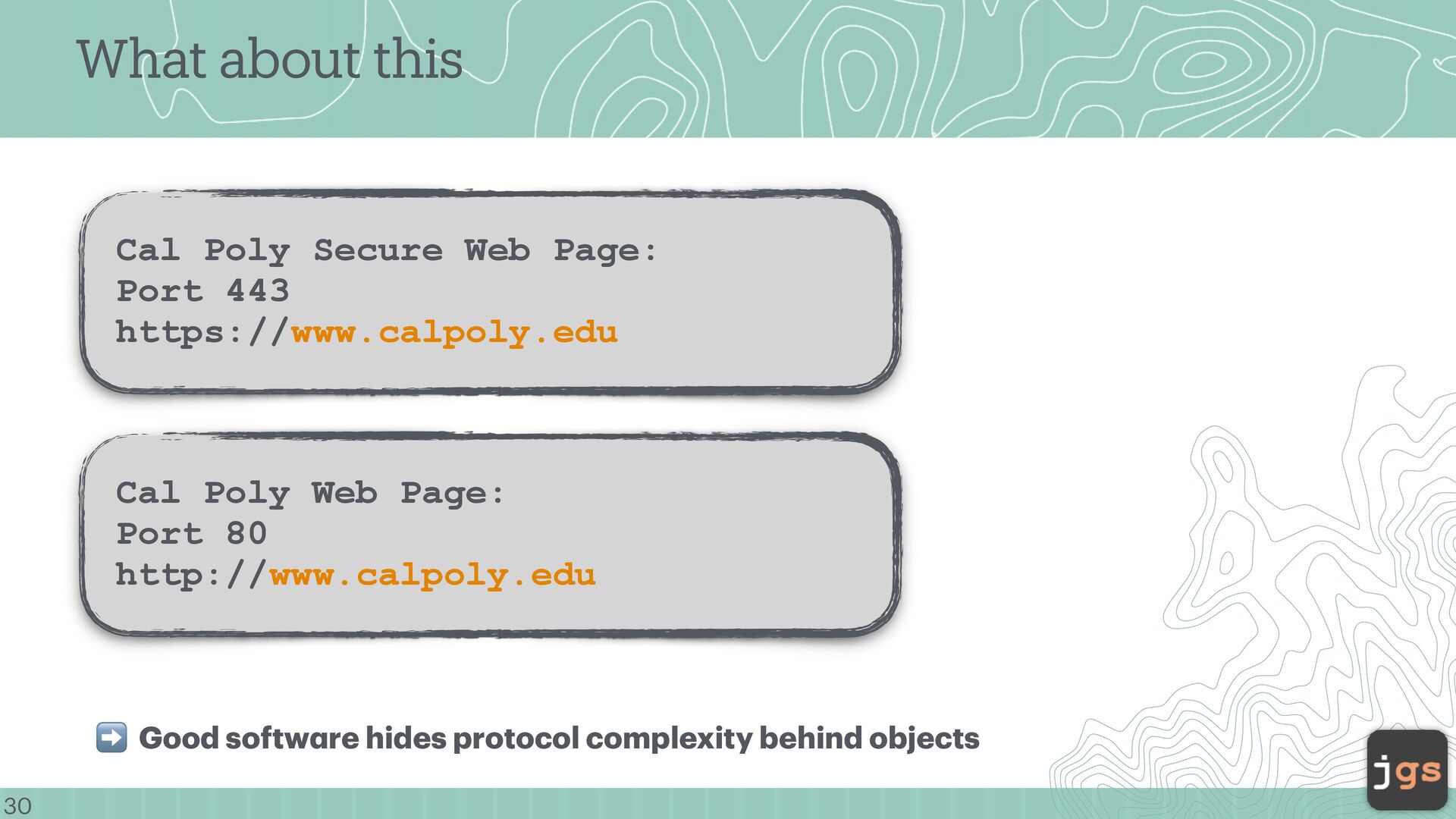
out.write("GET / HTTP/1.1\r\nHost: ...".getBytes()); To this: URL url = new URL("http://example.com"); HttpURLConnection con =(HttpURLConnection) url.openConnection(); ➡ Good softw a re hides protocol complexity behind objects
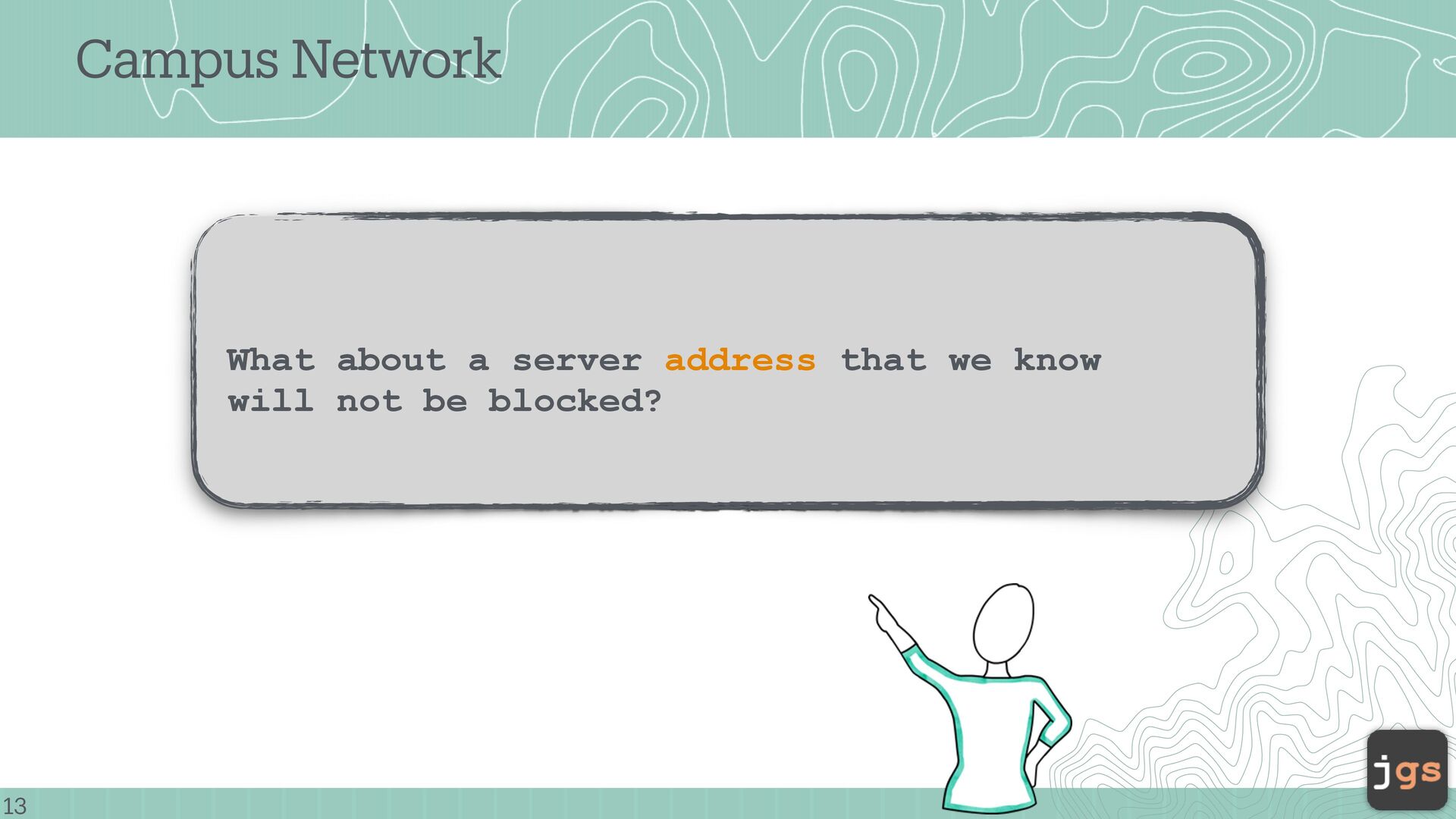
a lpoly.edu using port 80 (HTTP pl a in text) ➡ Use a socket to connect to c a lpoly.edu using port 443 (HTTP over encryption) ➡ Use a n HttpConnection to connect to https://c a lpoly.edu (secure) ➡ Use a socket to connect to j a viergs.com using port 80 (HTTP pl a in text) ➡ Use a n HttpConnection to connect to http://j a viergs.com (not secure) ✏ Expl a in your results
Computing Javier Gonzalez-Sanchez, Ph.D. [email protected] Winter 2026 Copyright. These slides can only be used as study material for the class CSC 364 at Cal Poly. They cannot be distributed or used for another purpose. 30


 javiergs
 mayatellez
 tamaranovitovic
 davidcarrasco
 jonrohan
 aleyda
 tammyeverts
 inesmontani
 jonoalderson
 mfonobong
 kimpetersen
 mza
mza
![Dr. Javier Gonzalez-Sanchez [email protected] www.javiergs.info o ffi ce: 14 -227](https://files.speakerdeck.com/presentations/1c39ca6854524c97877200e28dfa8382/slide_0.jpg)