Slides of my presentation for Codemotion 2020 (https://events.codemotion.com/conferences/online/2020/codemotion-online-tech-conference/)
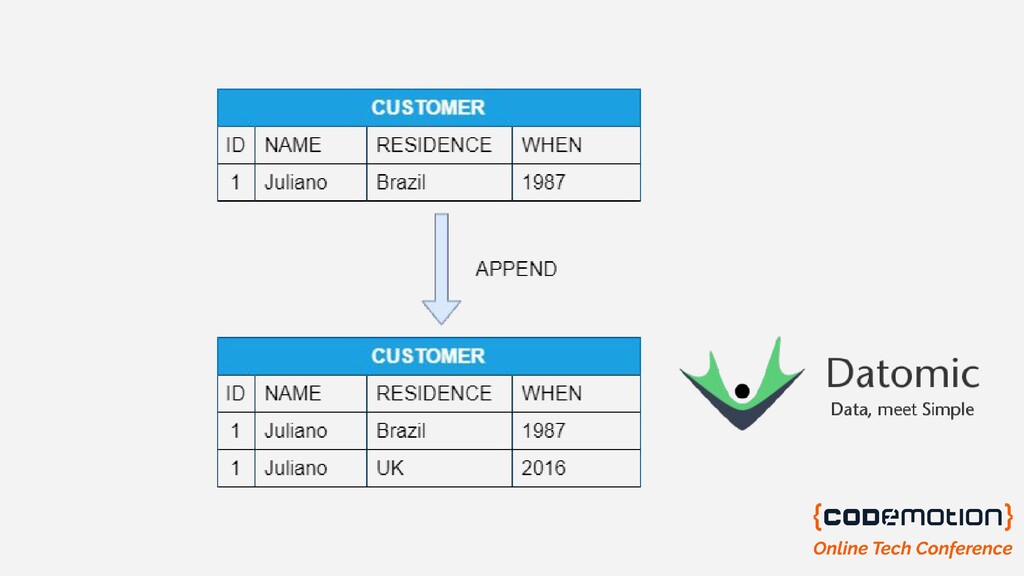
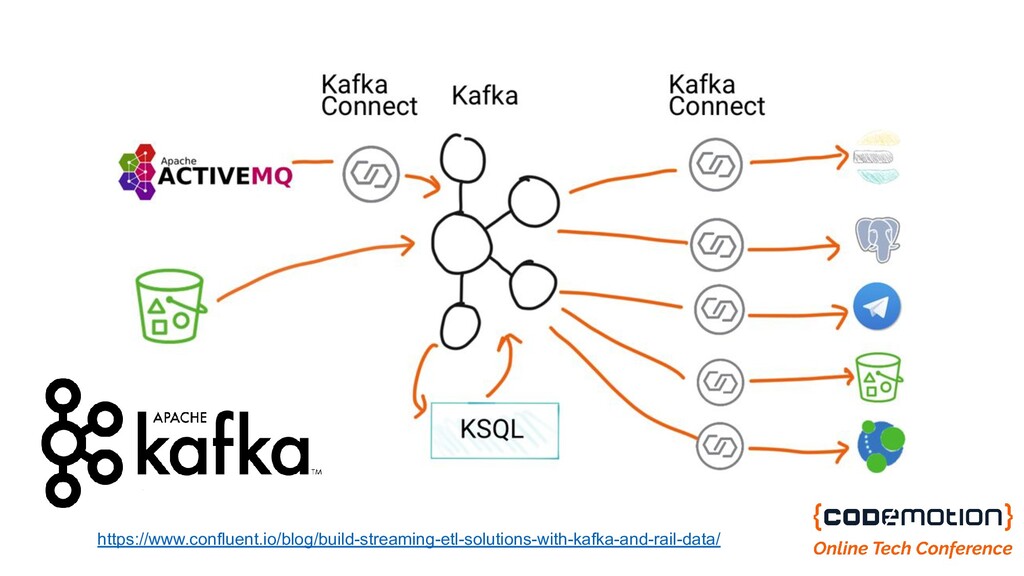
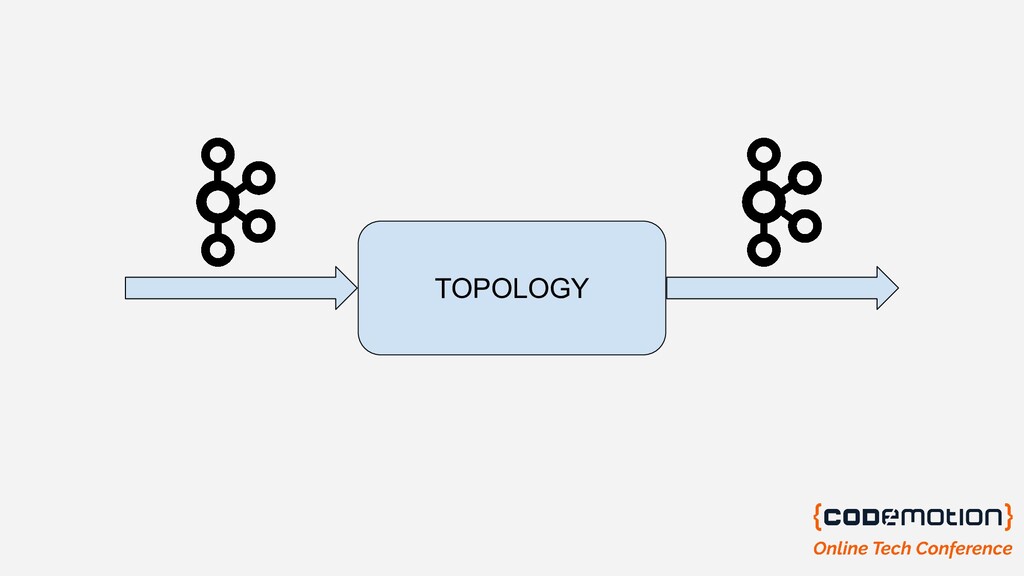
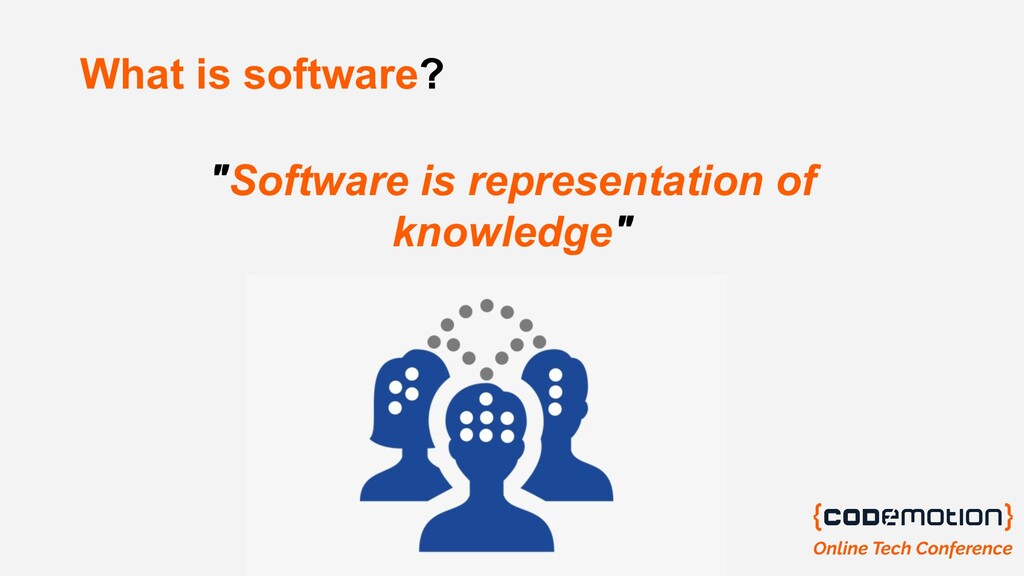
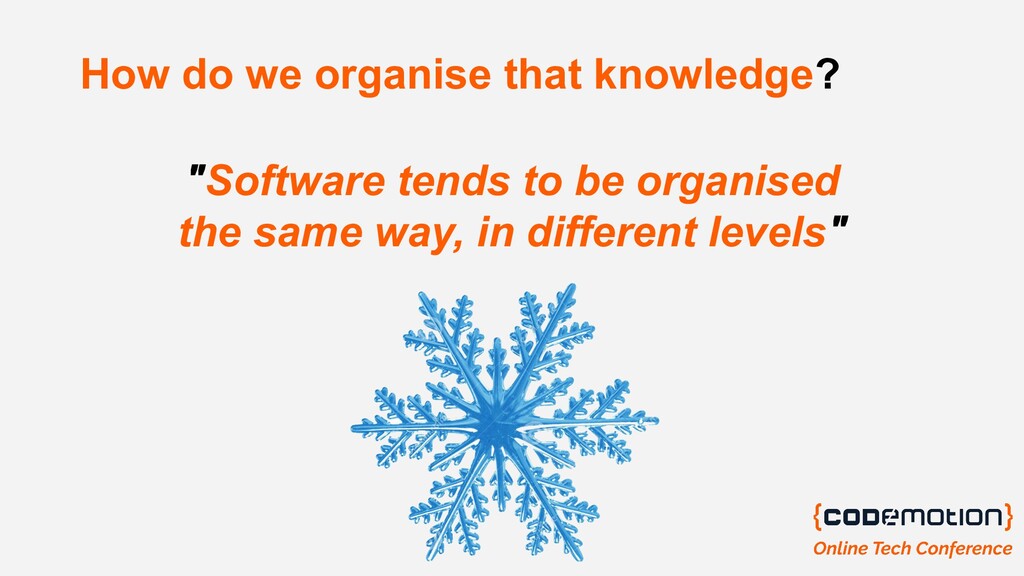
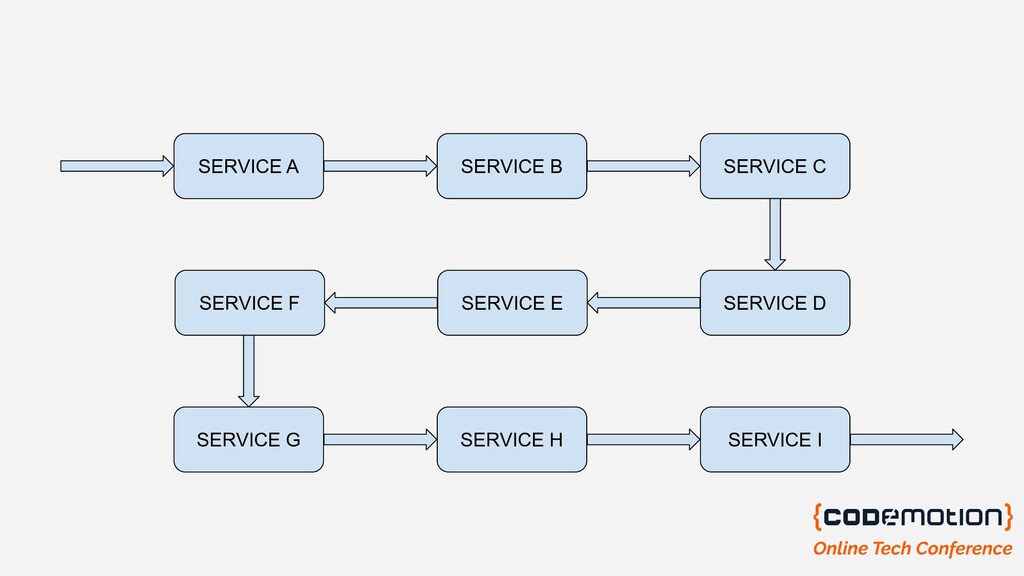
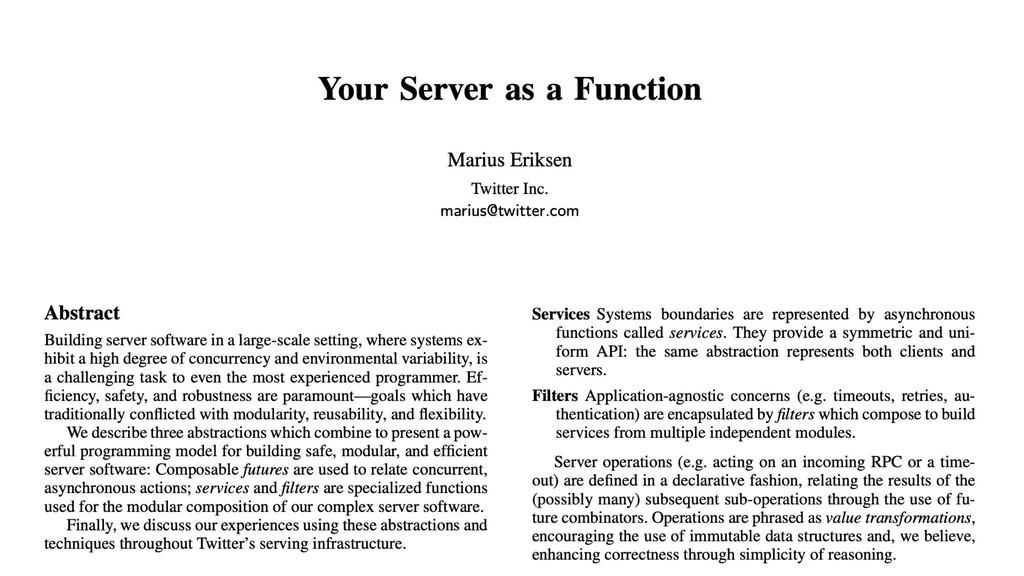
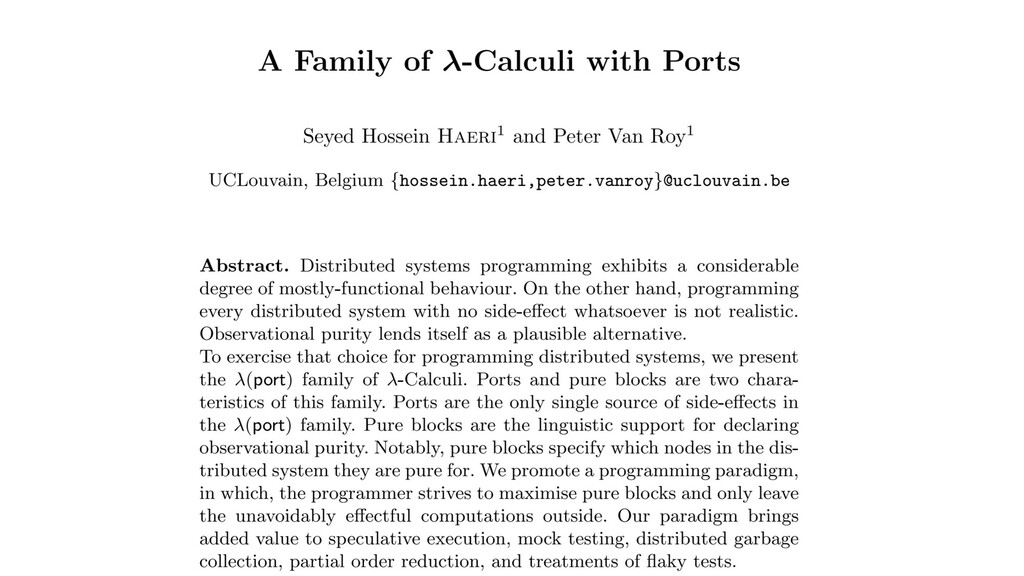
Software tends to be organised in a similar way in different levels: methods in classes, classes in packages, packages in projects and so on. The OO approach defined a good amount of this standards. However, there are companies building massive systems out there, handling numerous requests in a functional way. Could the functional approach have any impact on architecture? Lambda functions, immutable databases and short-life infrastructure are a few examples. In this session you will see how the functional paradigm has impacted software architecture at a much deeper level than one can imagine


 julianoalves
 aleyda
 chriscoyier
 katiecoart
 skipperchong
 axbom
axbom
 ivargrimstad
 varn
varn
 coloredviolet
 frankvandijk
 marktimemedia
 sstephenson
 oripsolob











 println(album) // [pic1, pic2] album.updated(1,](https://files.speakerdeck.com/presentations/dcc7556aa3904e8cb6e02dd132a34e79/slide_20.jpg)