Upgrade to Pro — share decks privately, control downloads, hide ads and more …

Building LLM Powered Features

Transcript

97 slides
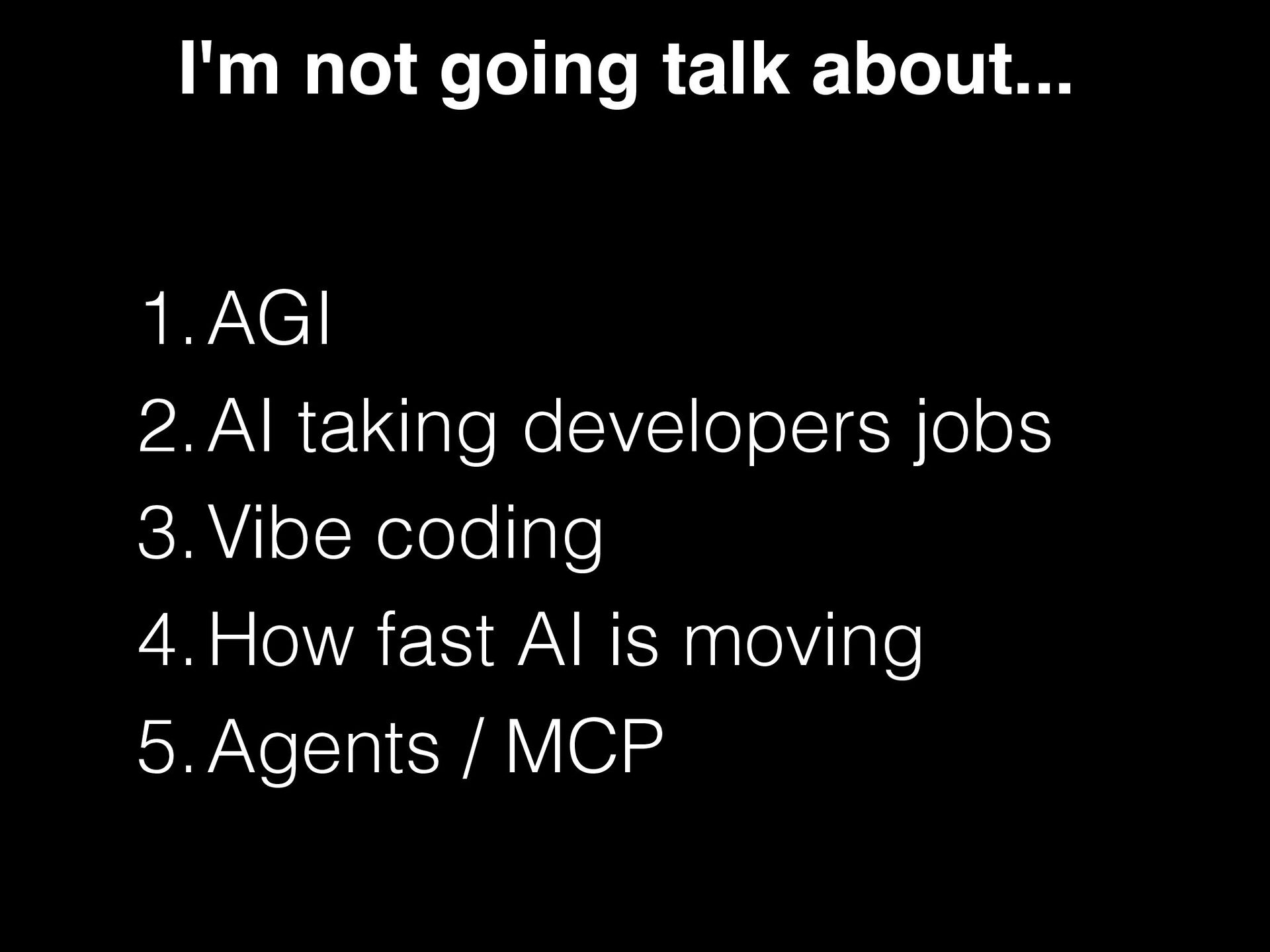
  1. 1.AGI 2.AI taking developers jobs 3.Vibe coding 4.How fast AI

    is moving 5.Agents / MCP I'm not going talk about...
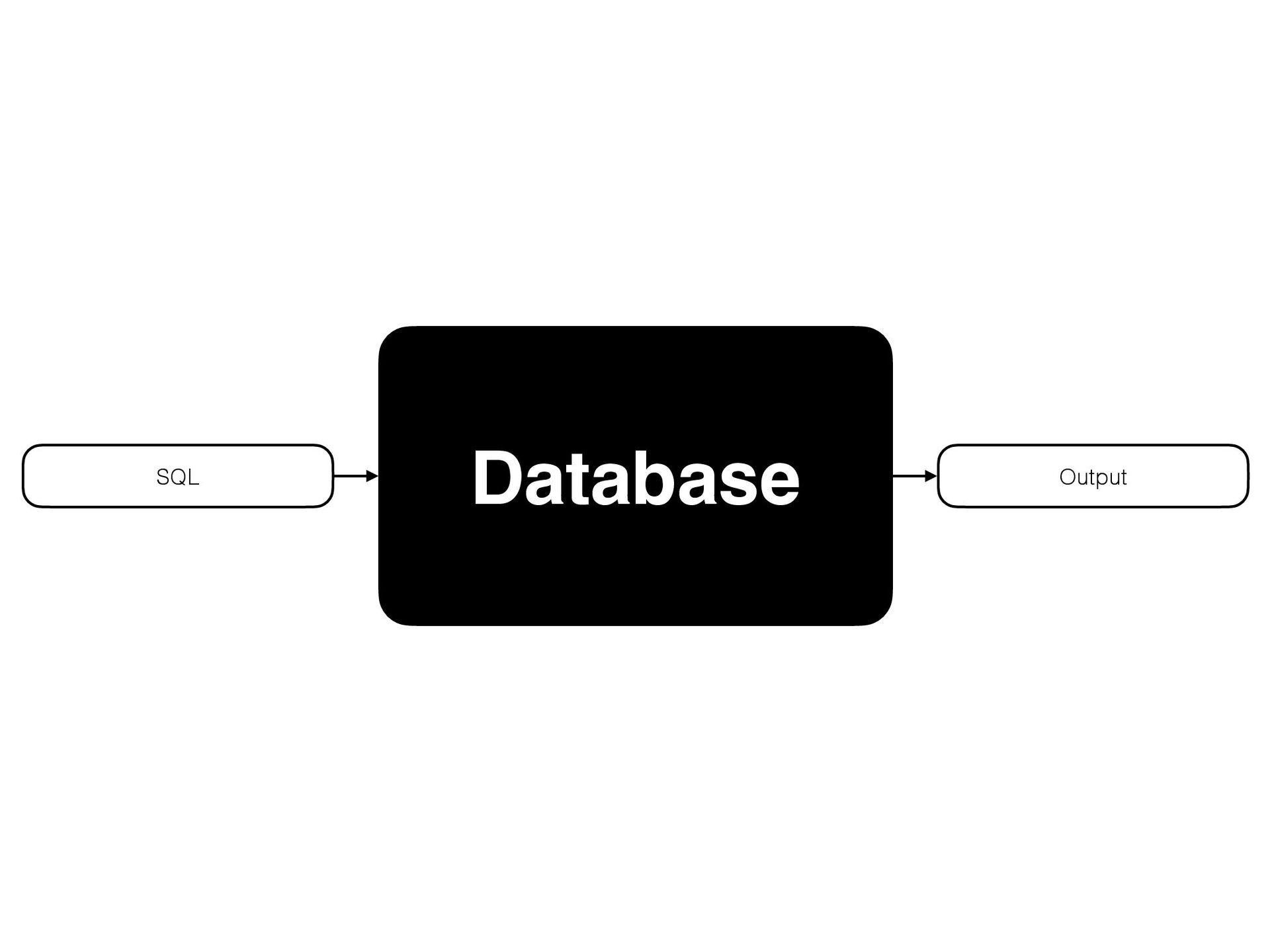
  2. LLM-based features will become stable in every application, just like

    databases. Knowing how to work with LLMs will be as essential a skill for a developer. My thoughts
  3. LLMs are already incredible, and there is years of work

    to be done to fully productize the capabilities that exist today.
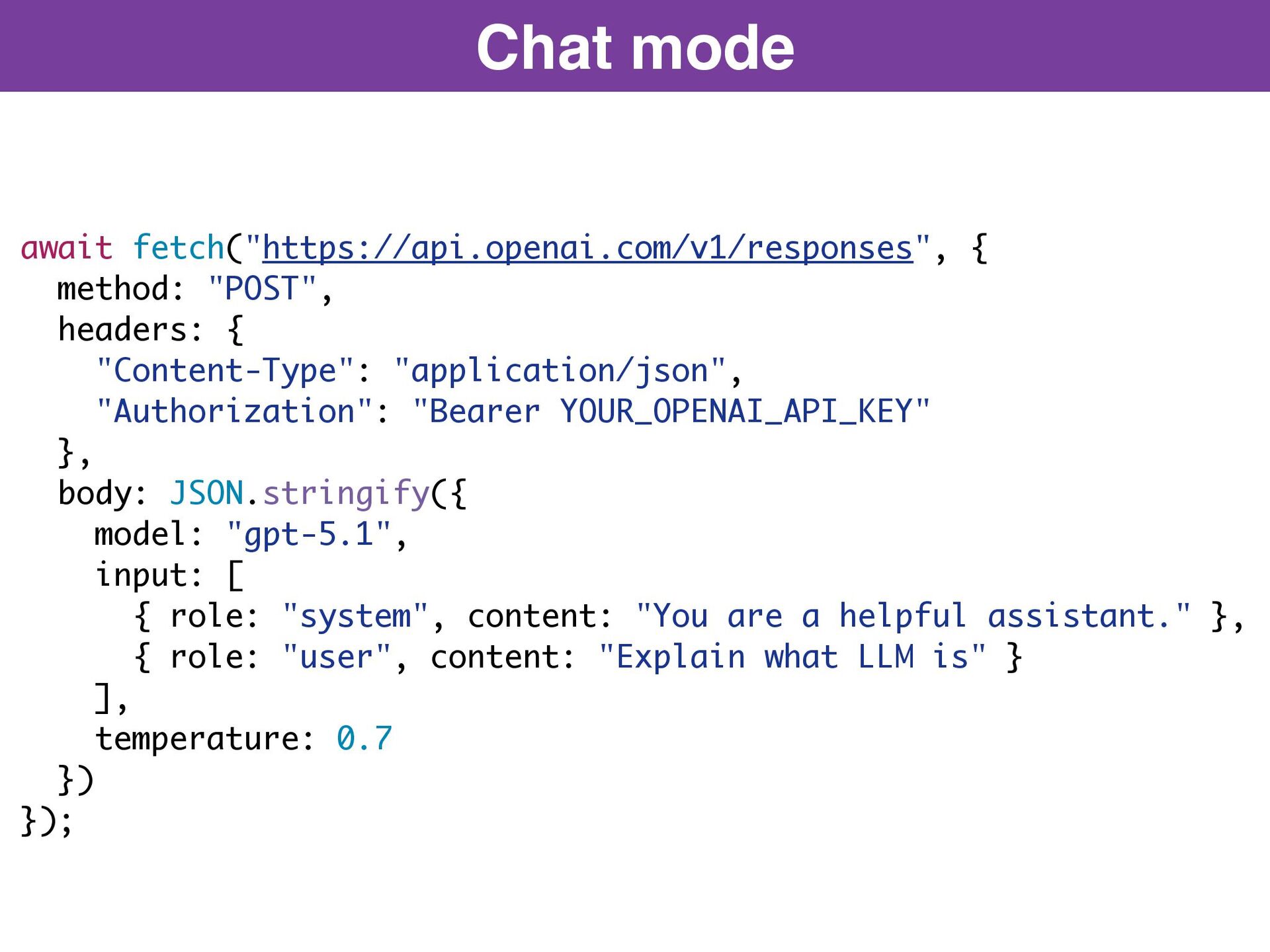
  4. await fetch("https://api.openai.com/v1/responses", { method: "POST", headers: { "Content-Type": "application/json", "Authorization":

    "Bearer YOUR_OPENAI_API_KEY" }, body: JSON.stringify({ model: "gpt-5.1", input: [ { role: "system", content: "You are a helpful assistant." }, { role: "user", content: "Explain what LLM is" } ], temperature: 0.7 }) }); Chat mode
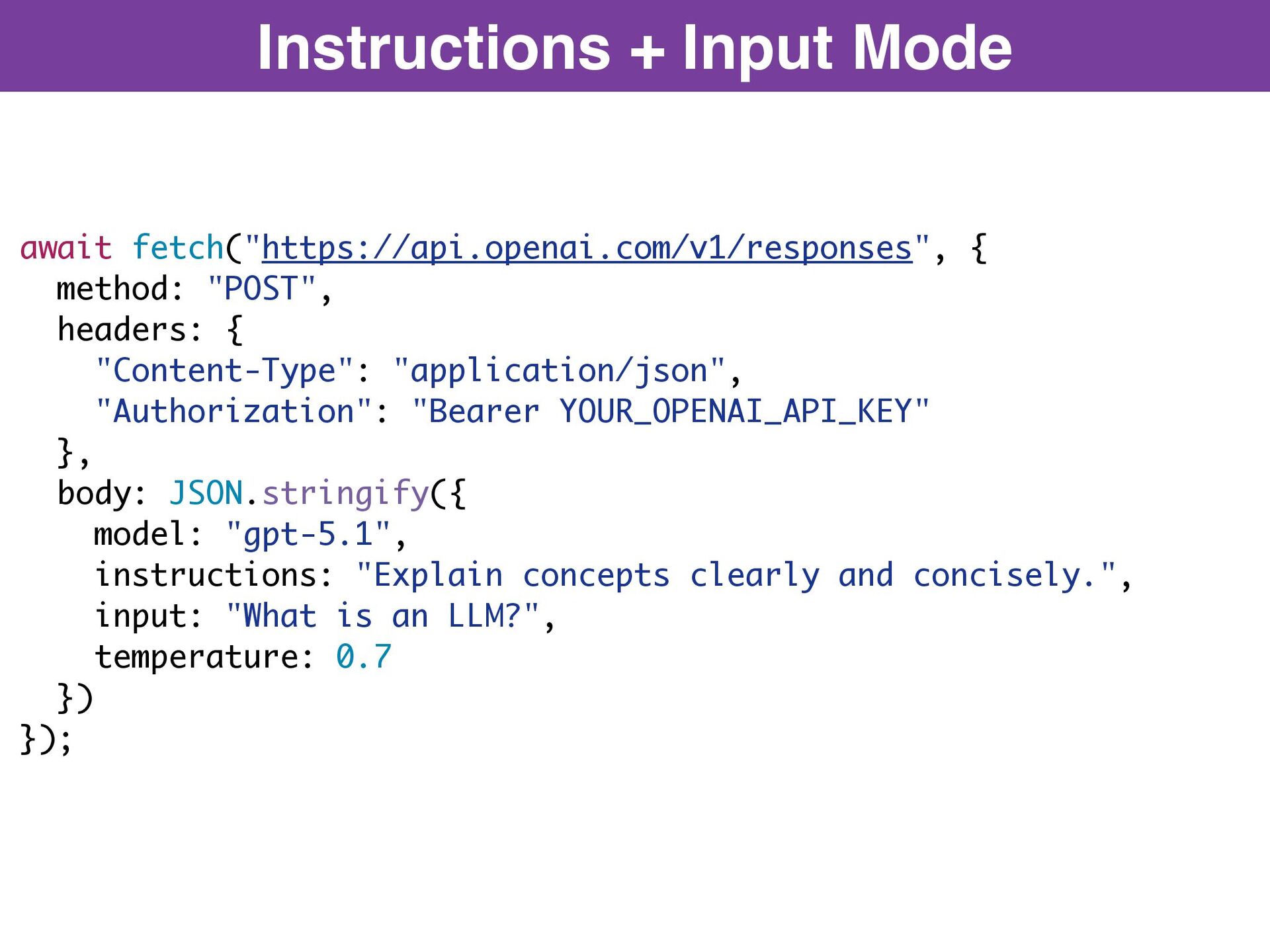
  5. await fetch("https://api.openai.com/v1/responses", { method: "POST", headers: { "Content-Type": "application/json", "Authorization":

    "Bearer YOUR_OPENAI_API_KEY" }, body: JSON.stringify({ model: "gpt-5.1", instructions: "Explain concepts clearly and concisely.", input: "What is an LLM?", temperature: 0.7 }) }); Instructions + Input Mode
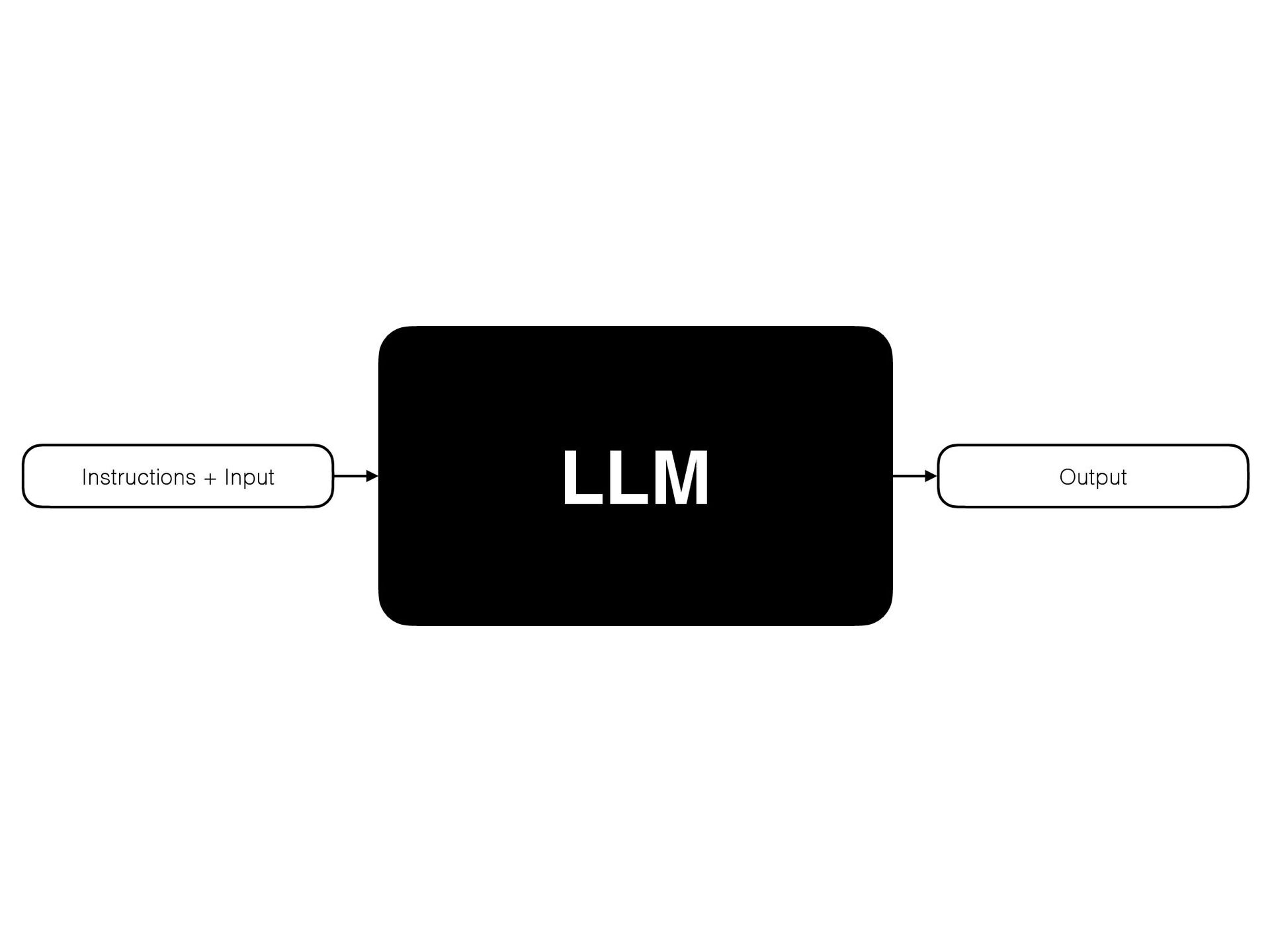
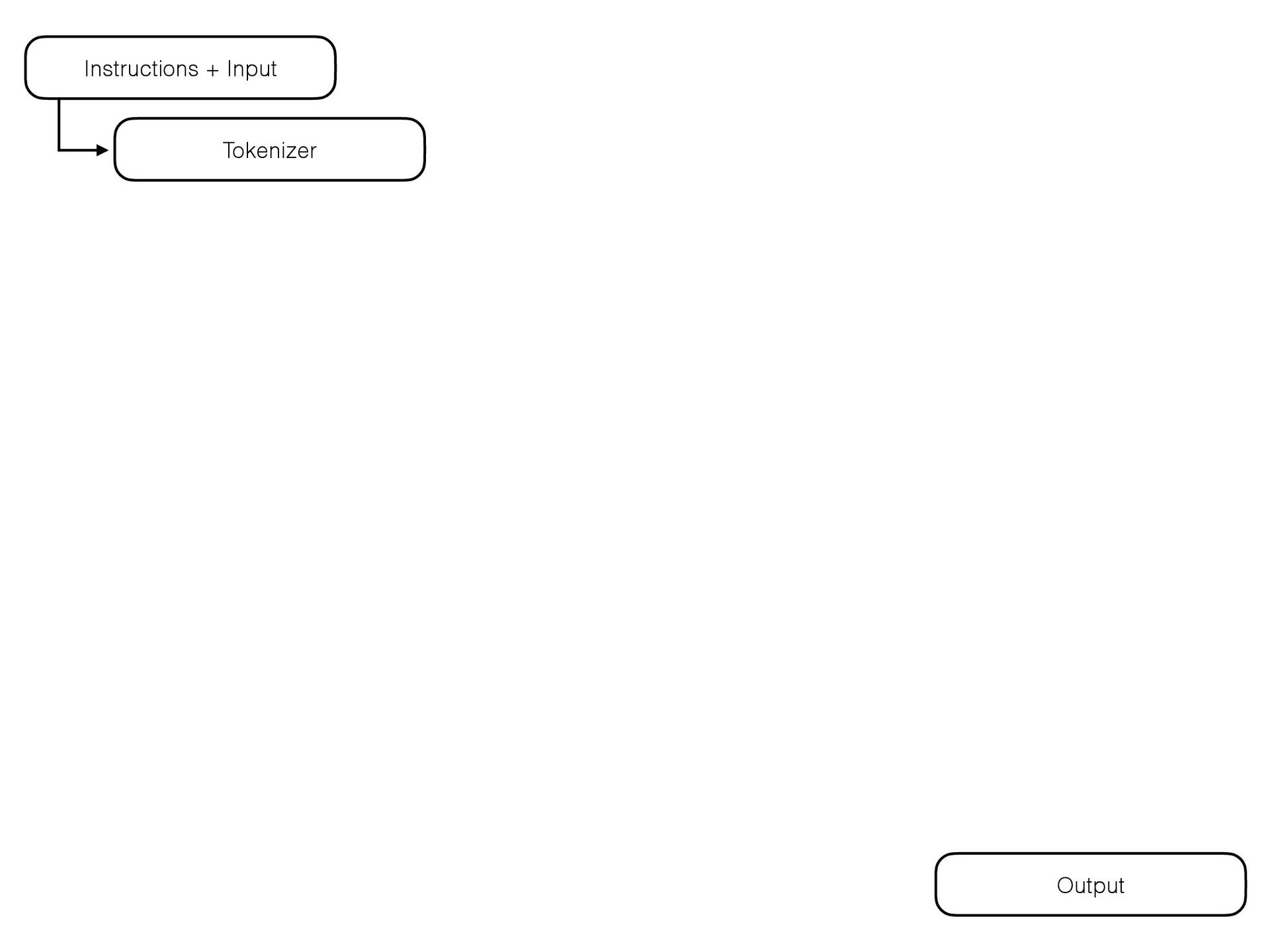
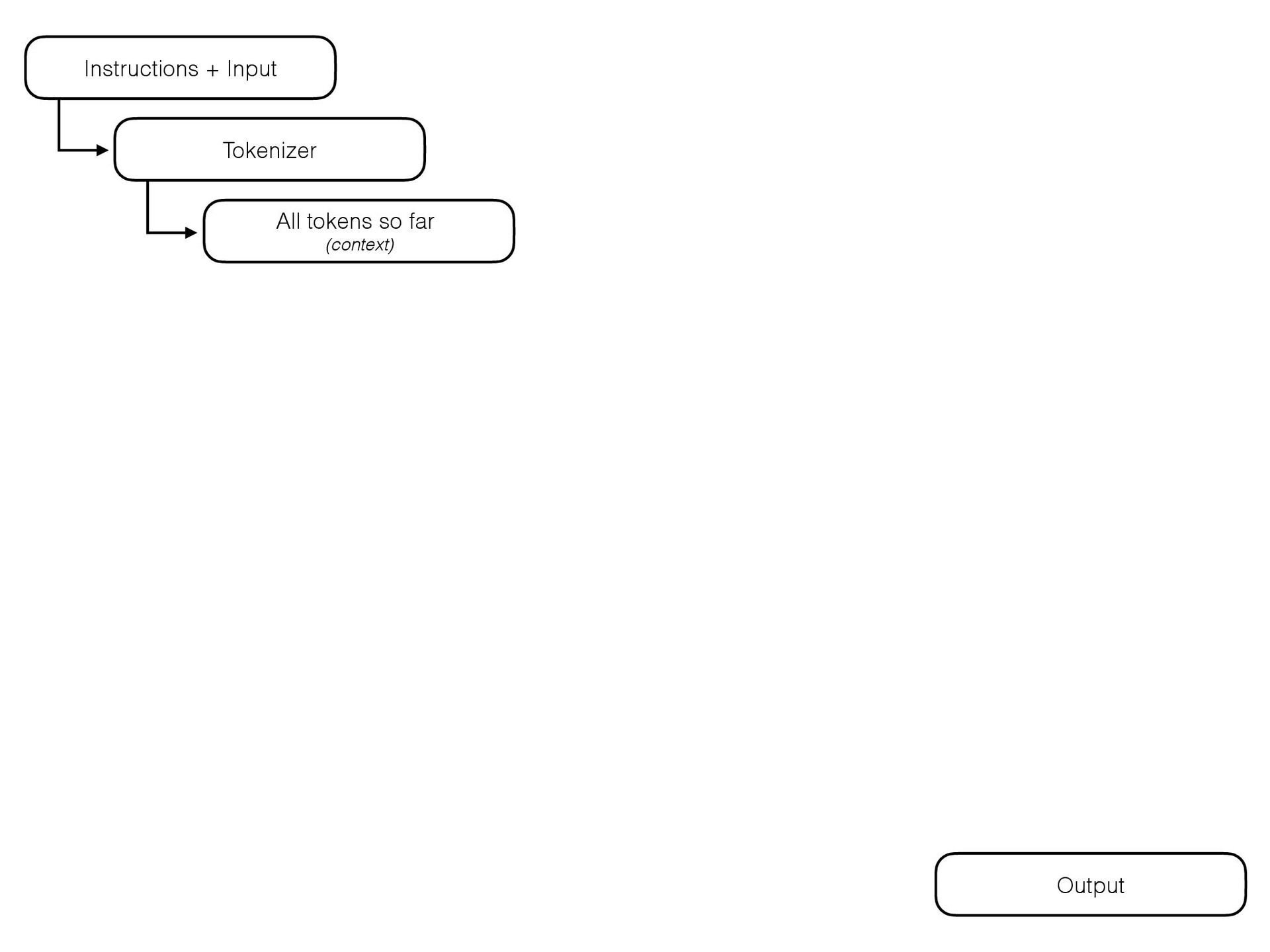
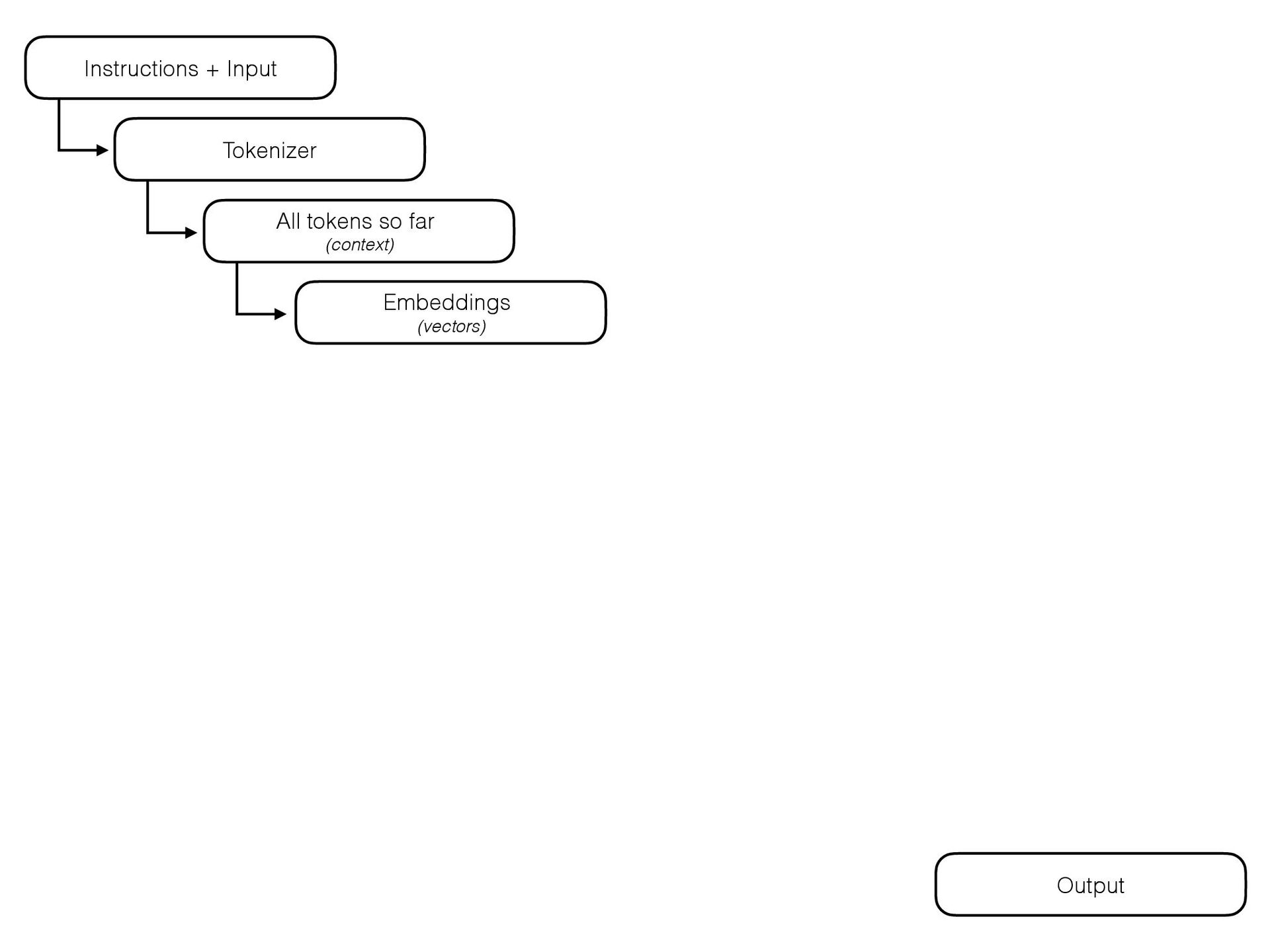
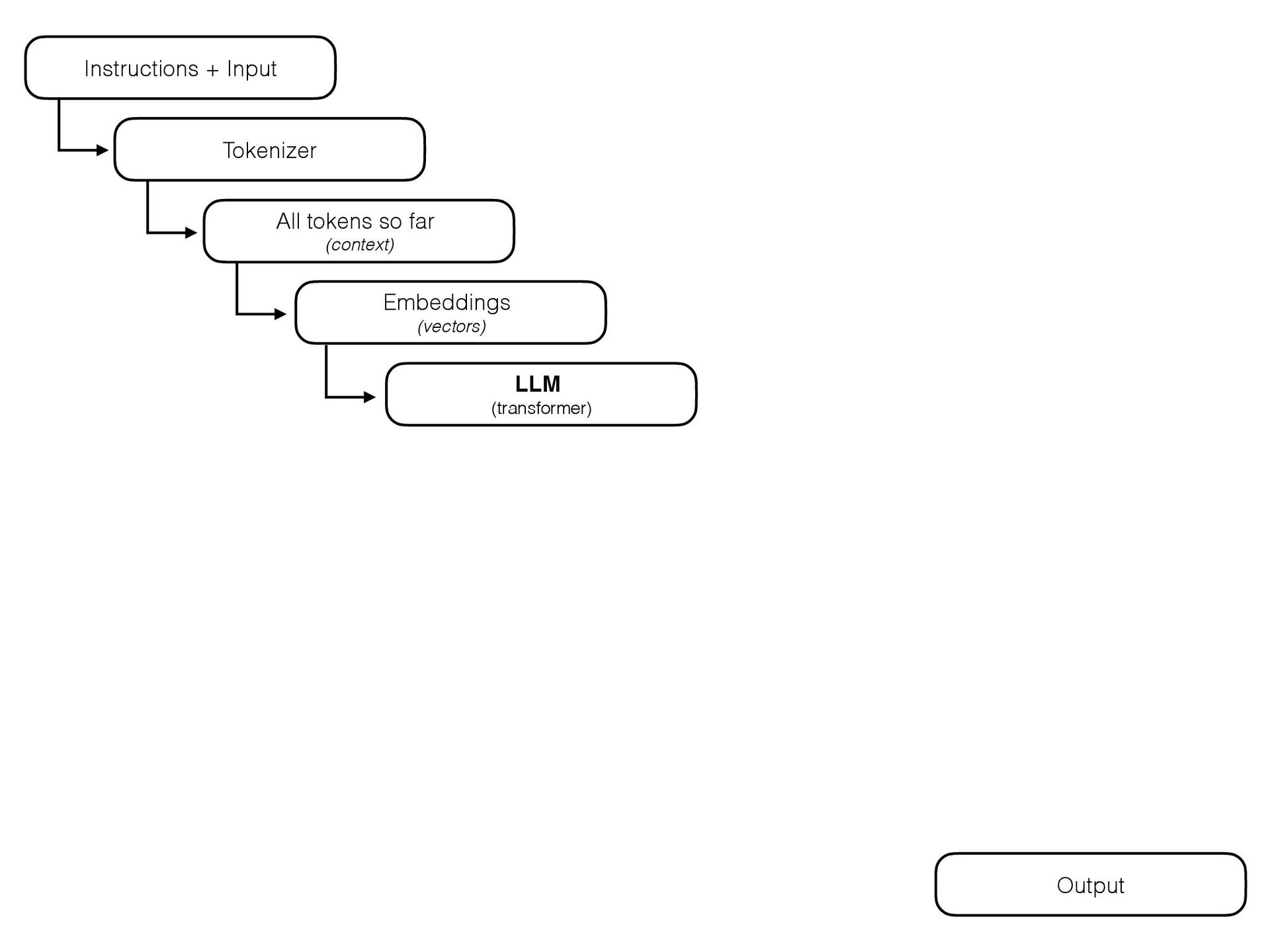
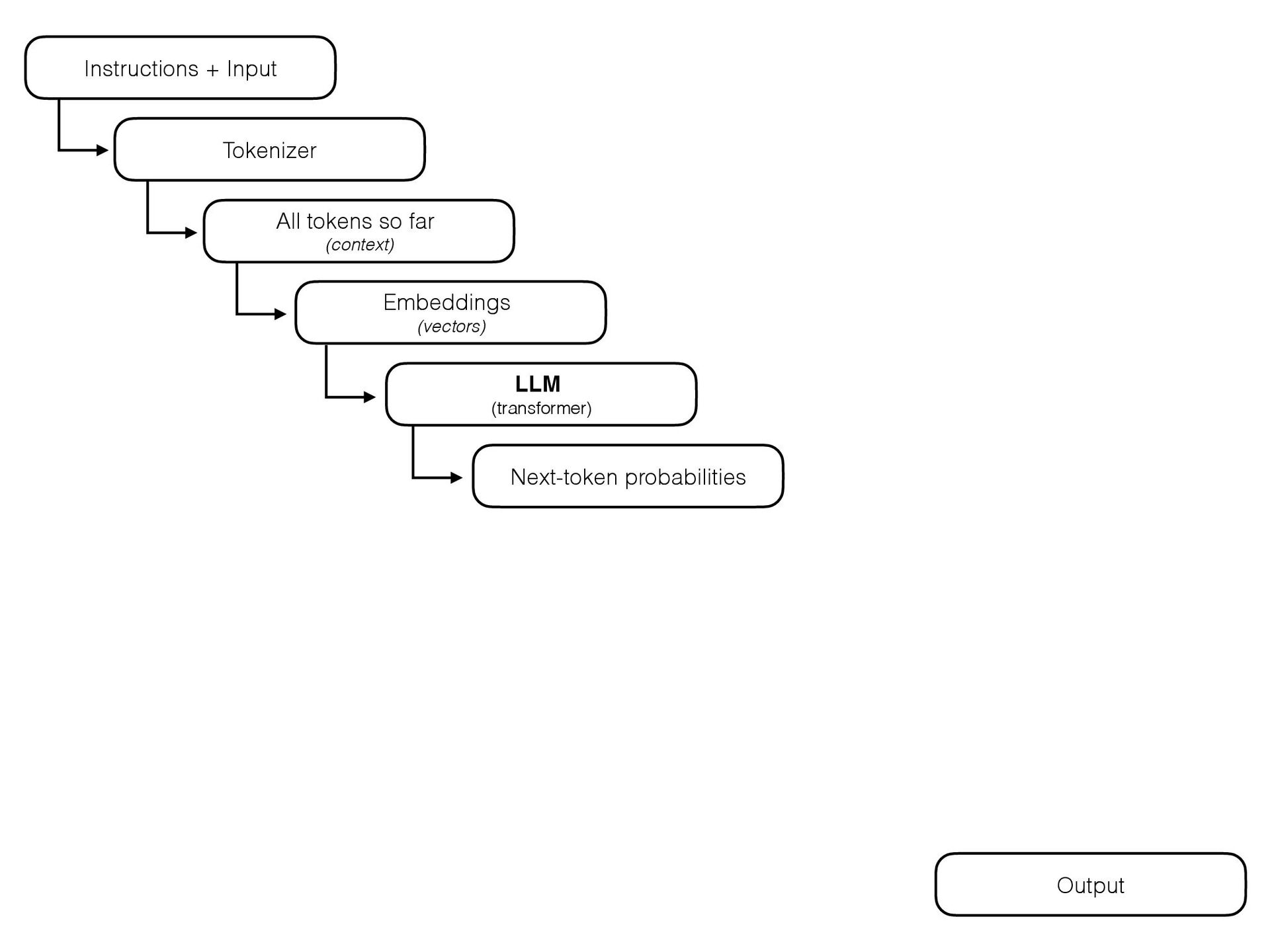
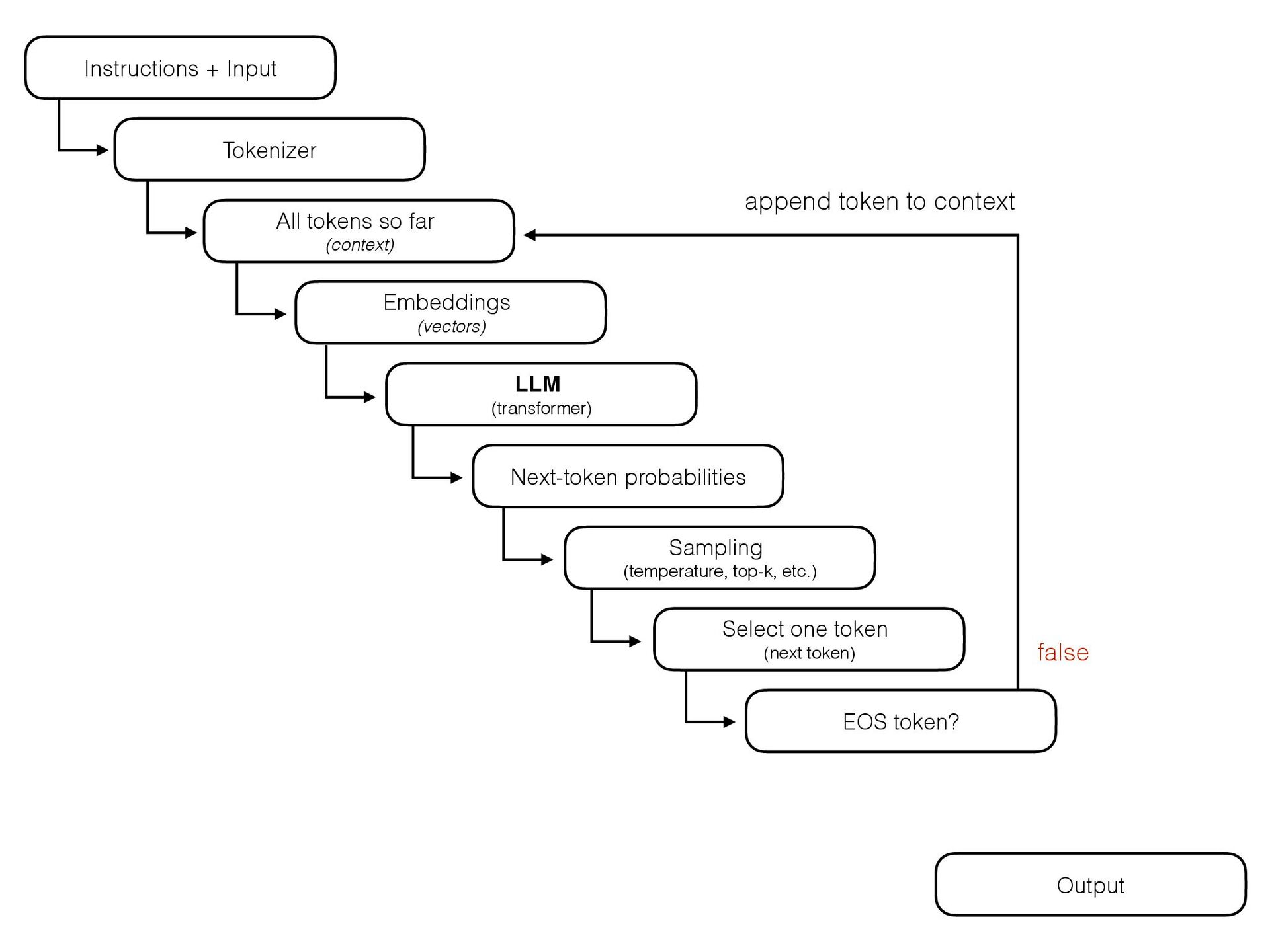
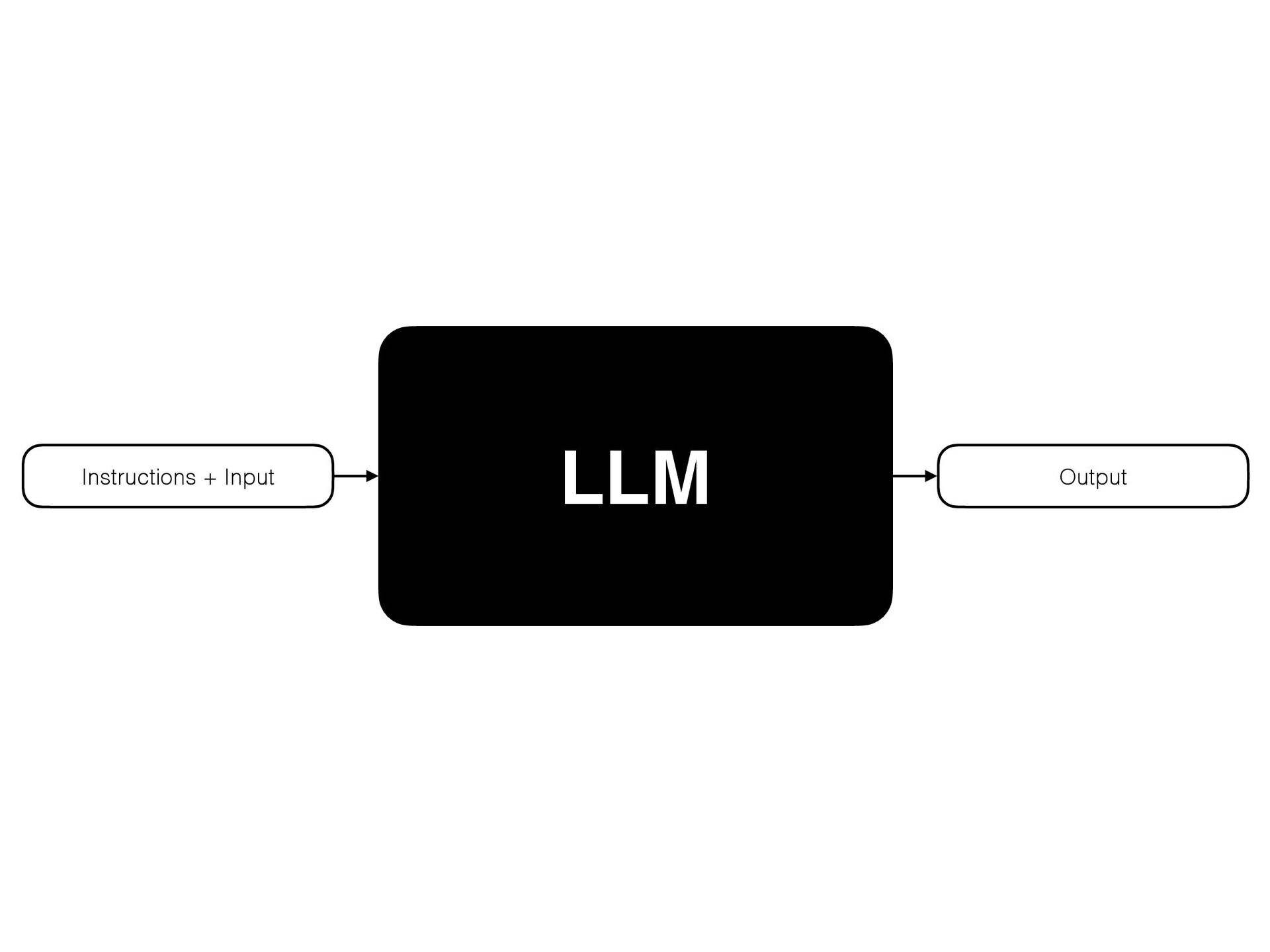
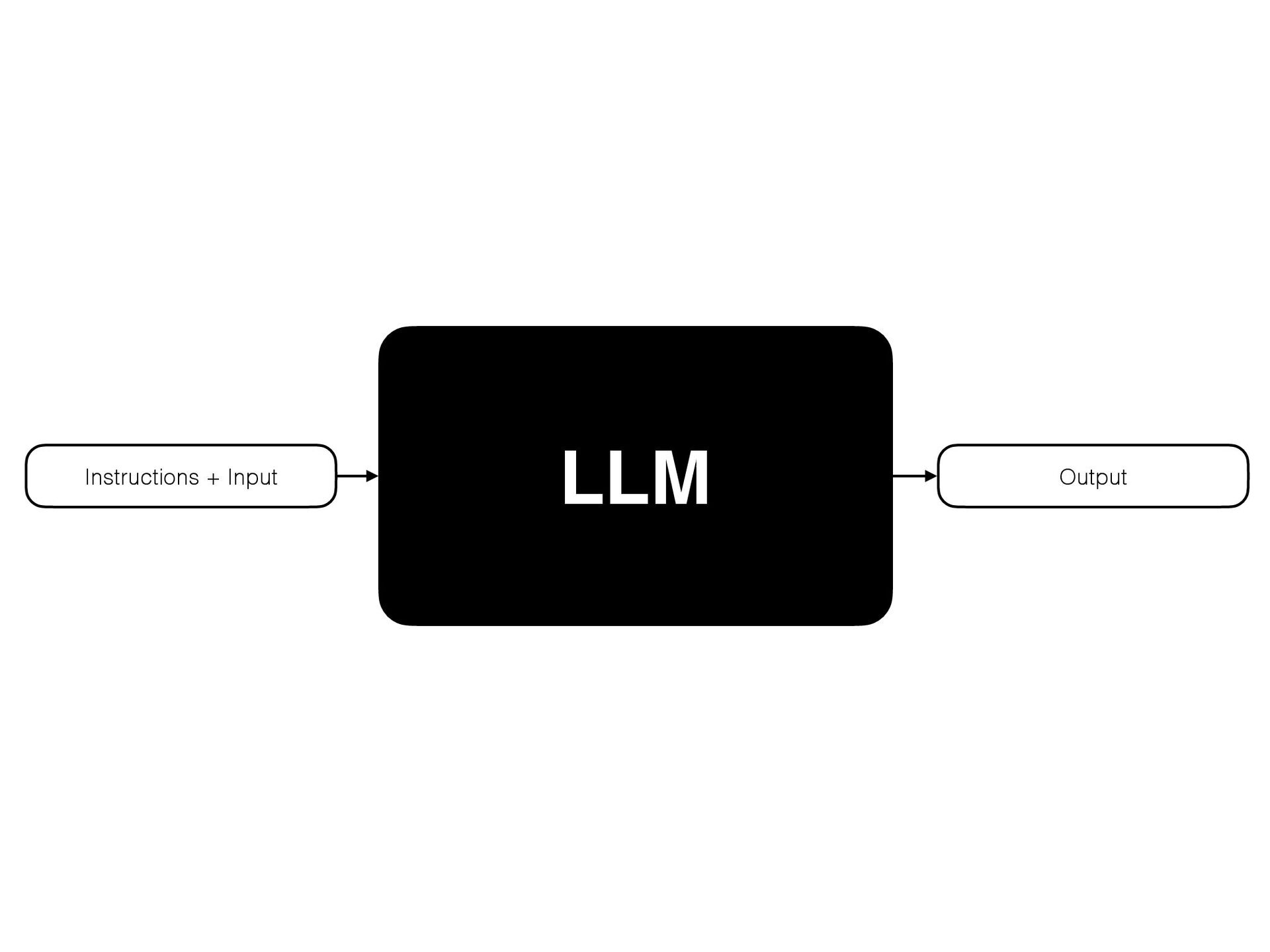
  6. Instructions + Input Tokenizer All tokens so far (context) Embeddings

    (vectors) LLM 
 (transformer) Next-token probabilities Output
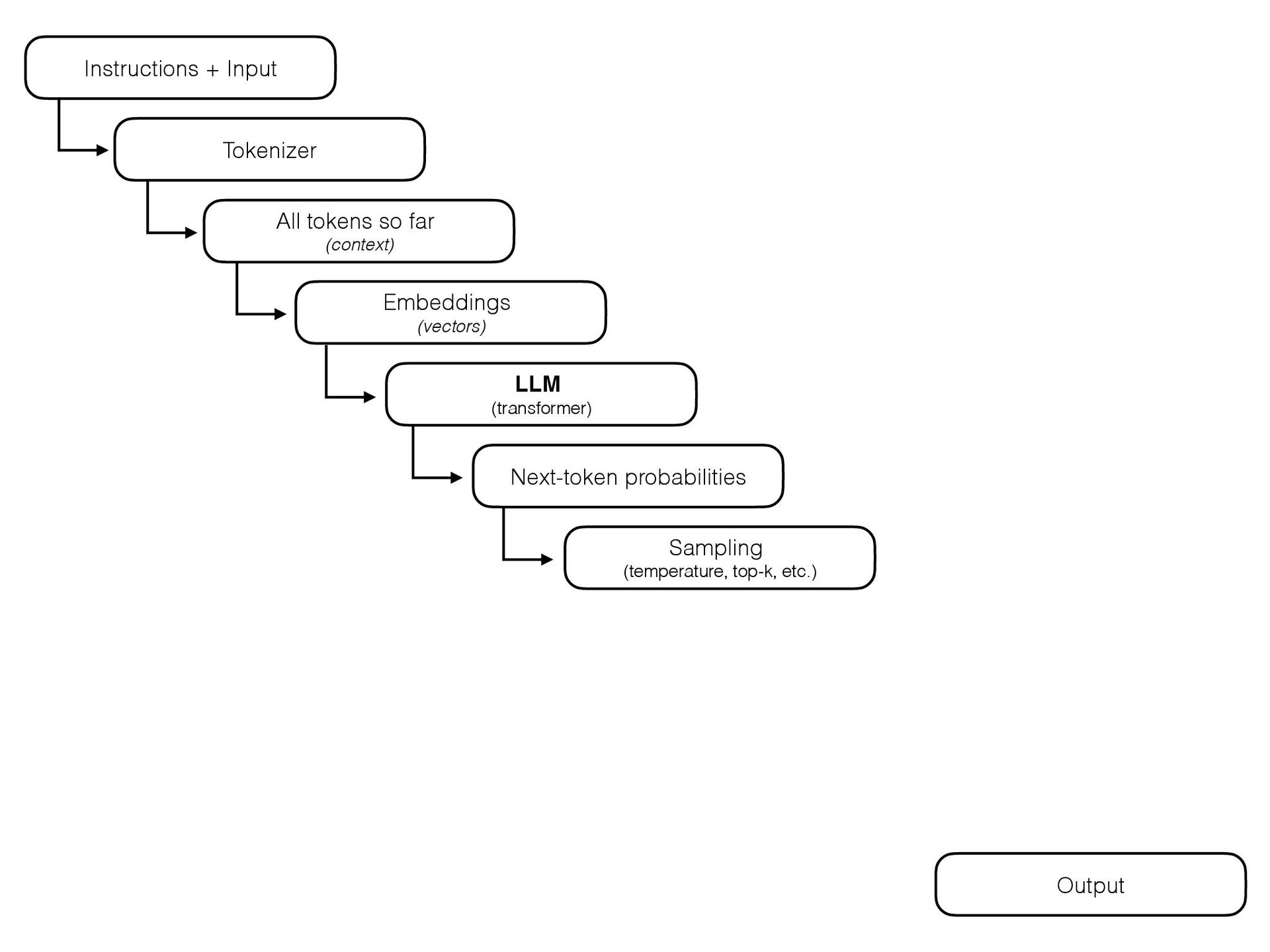
  7. Instructions + Input Tokenizer All tokens so far (context) Embeddings

    (vectors) LLM 
 (transformer) Next-token probabilities Sampling (temperature, top-k, etc.) Output
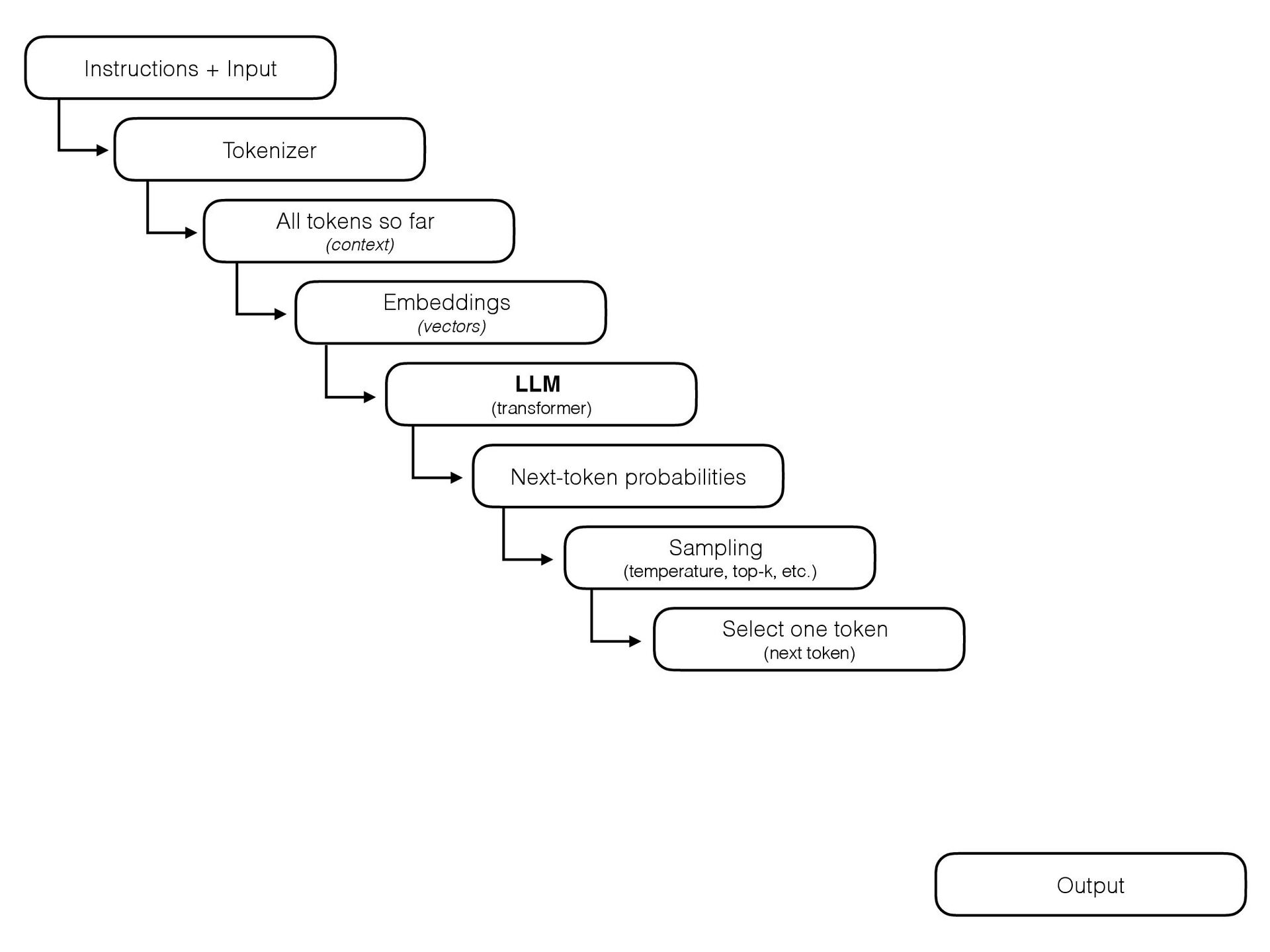
  8. Instructions + Input Tokenizer All tokens so far (context) Embeddings

    (vectors) LLM 
 (transformer) Next-token probabilities Sampling (temperature, top-k, etc.) Select one token (next token) Output
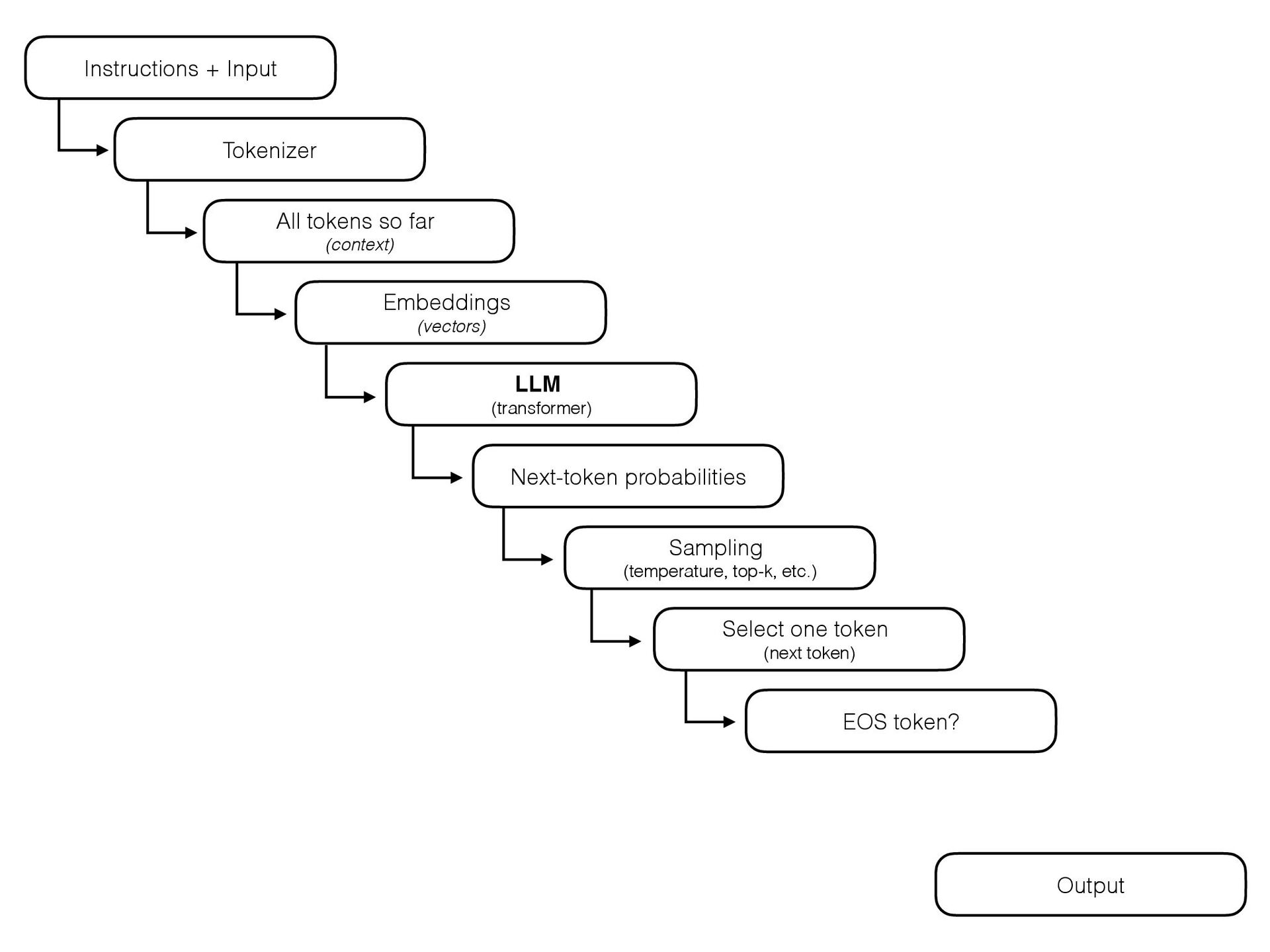
  9. Instructions + Input Tokenizer All tokens so far (context) Embeddings

    (vectors) LLM 
 (transformer) Next-token probabilities Sampling (temperature, top-k, etc.) Select one token (next token) EOS token? Output
  10. Instructions + Input Tokenizer All tokens so far (context) Embeddings

    (vectors) LLM 
 (transformer) Next-token probabilities Sampling (temperature, top-k, etc.) Select one token (next token) EOS token? append token to context false Output
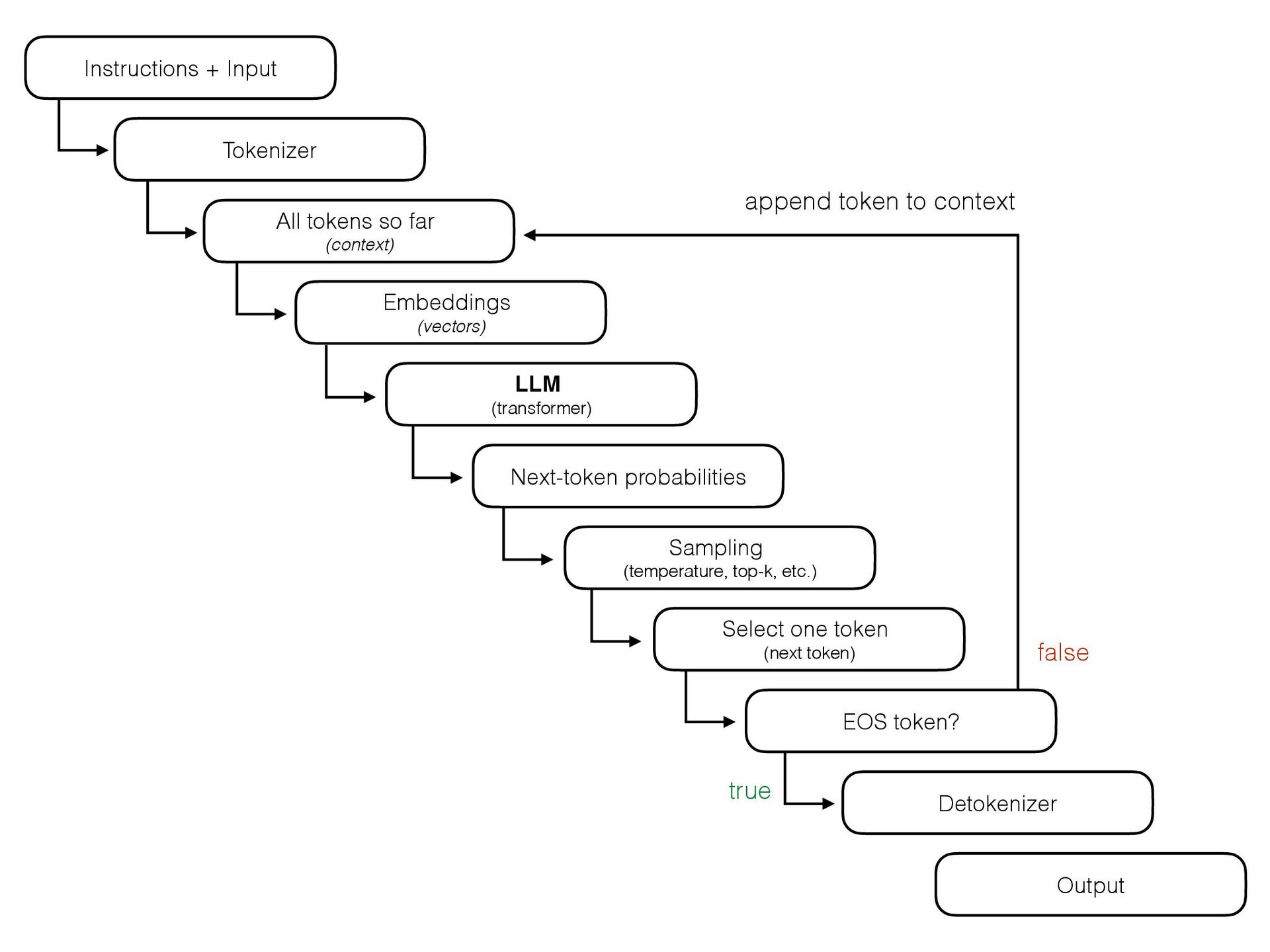
  11. Instructions + Input Tokenizer All tokens so far (context) Embeddings

    (vectors) LLM 
 (transformer) Next-token probabilities Sampling (temperature, top-k, etc.) Select one token (next token) EOS token? Detokenizer true append token to context false Output
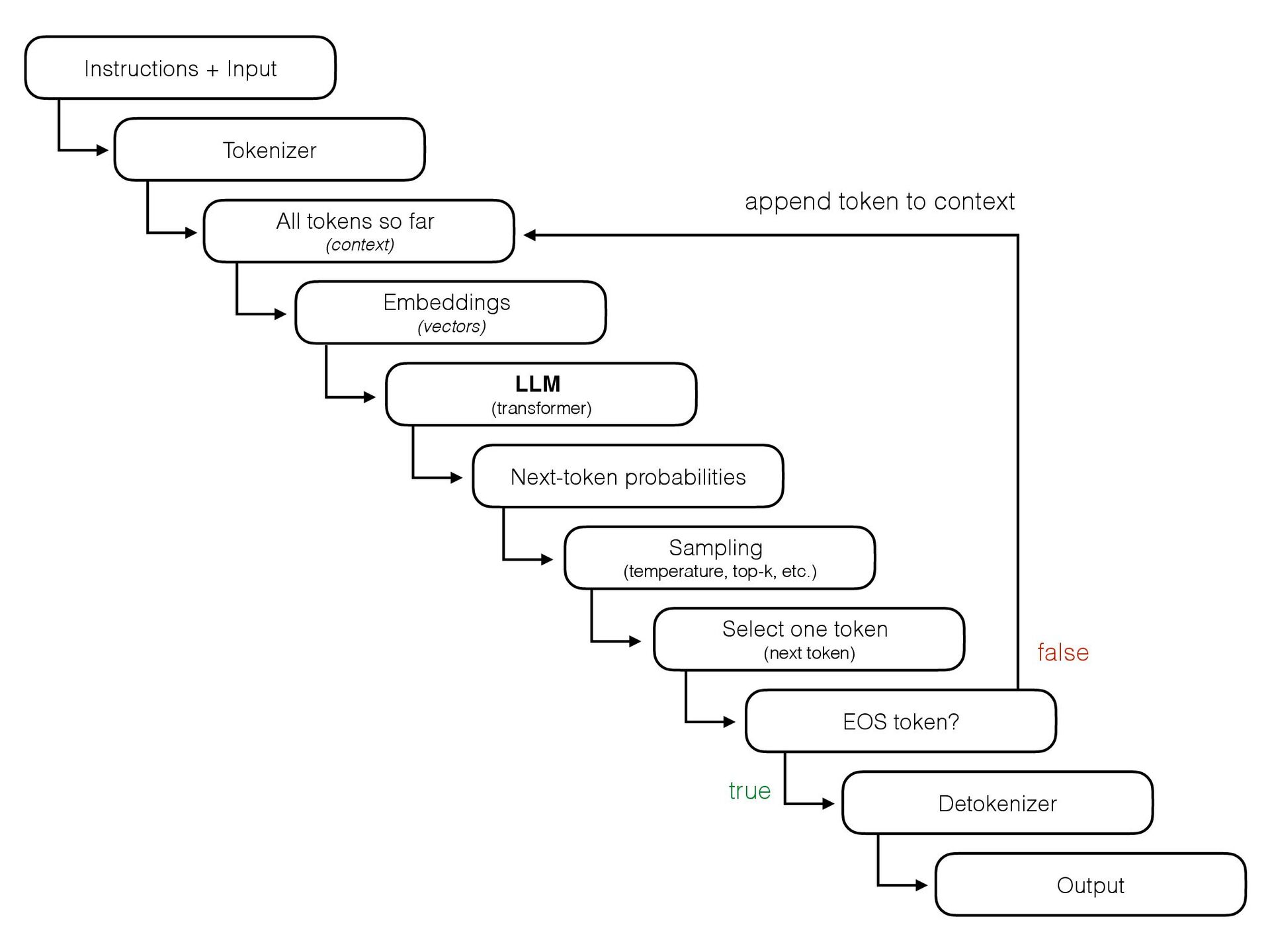
  12. Instructions + Input Tokenizer All tokens so far (context) Embeddings

    (vectors) LLM 
 (transformer) Next-token probabilities Sampling (temperature, top-k, etc.) Select one token (next token) EOS token? Detokenizer true append token to context false Output
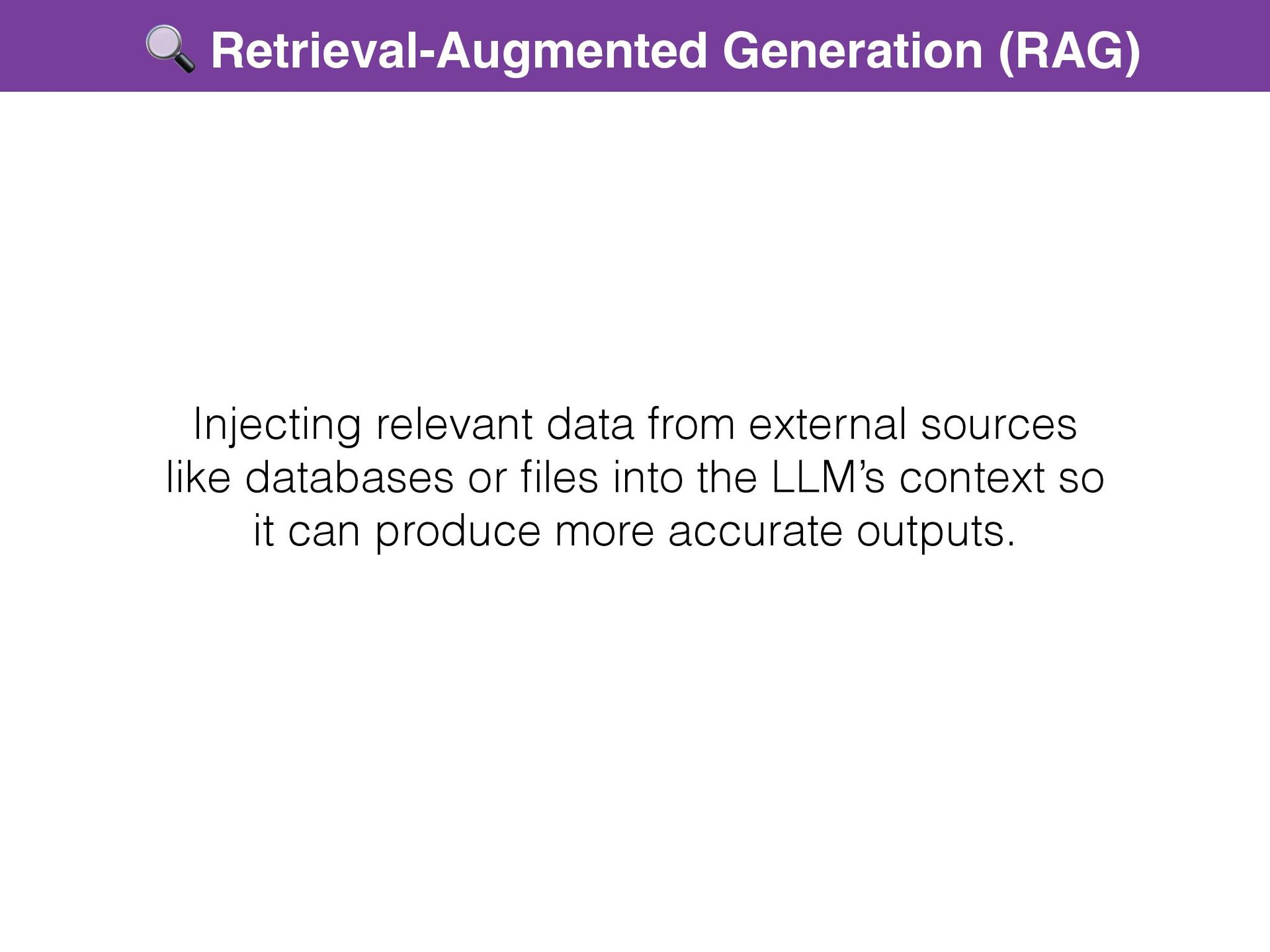
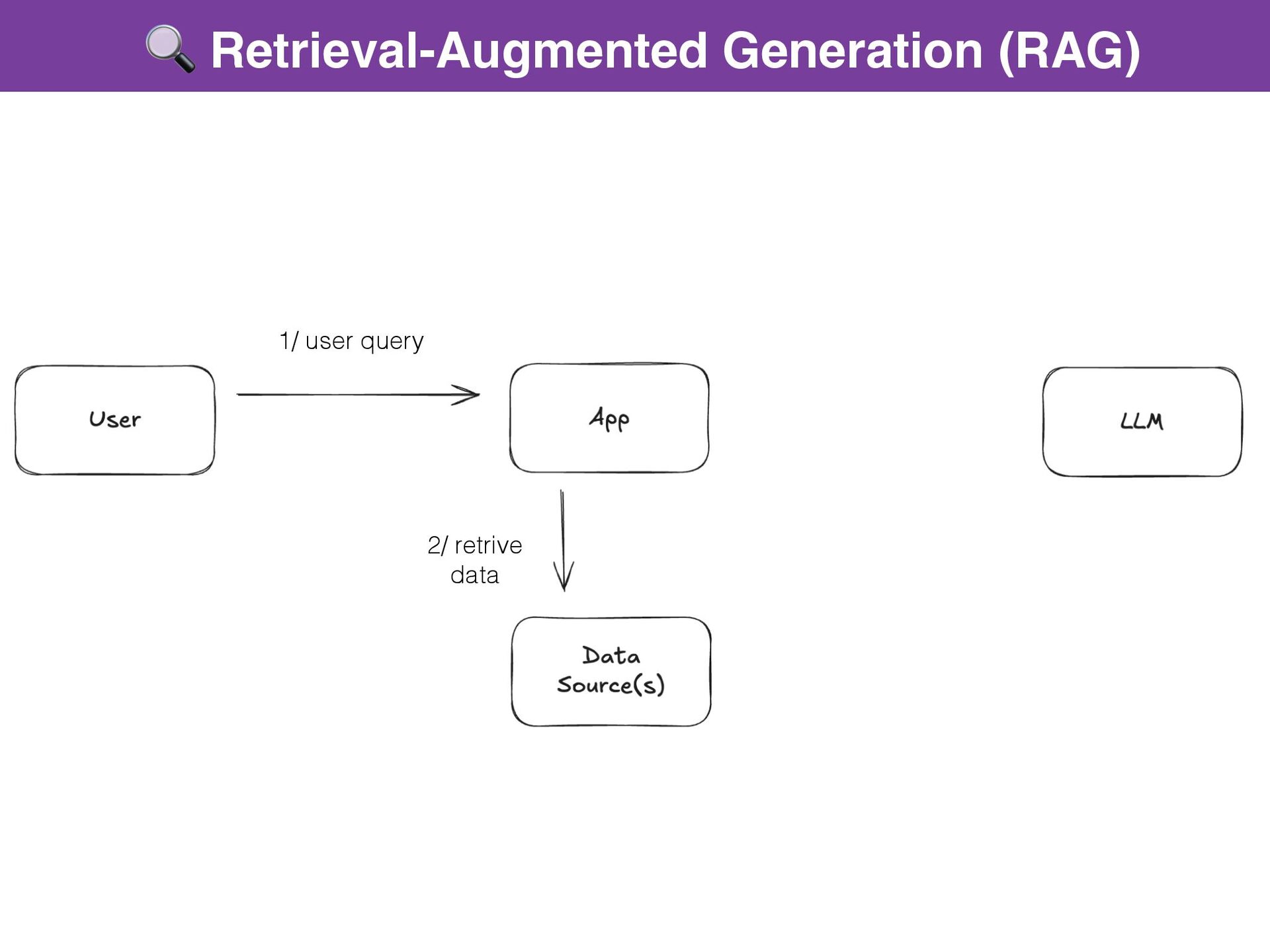
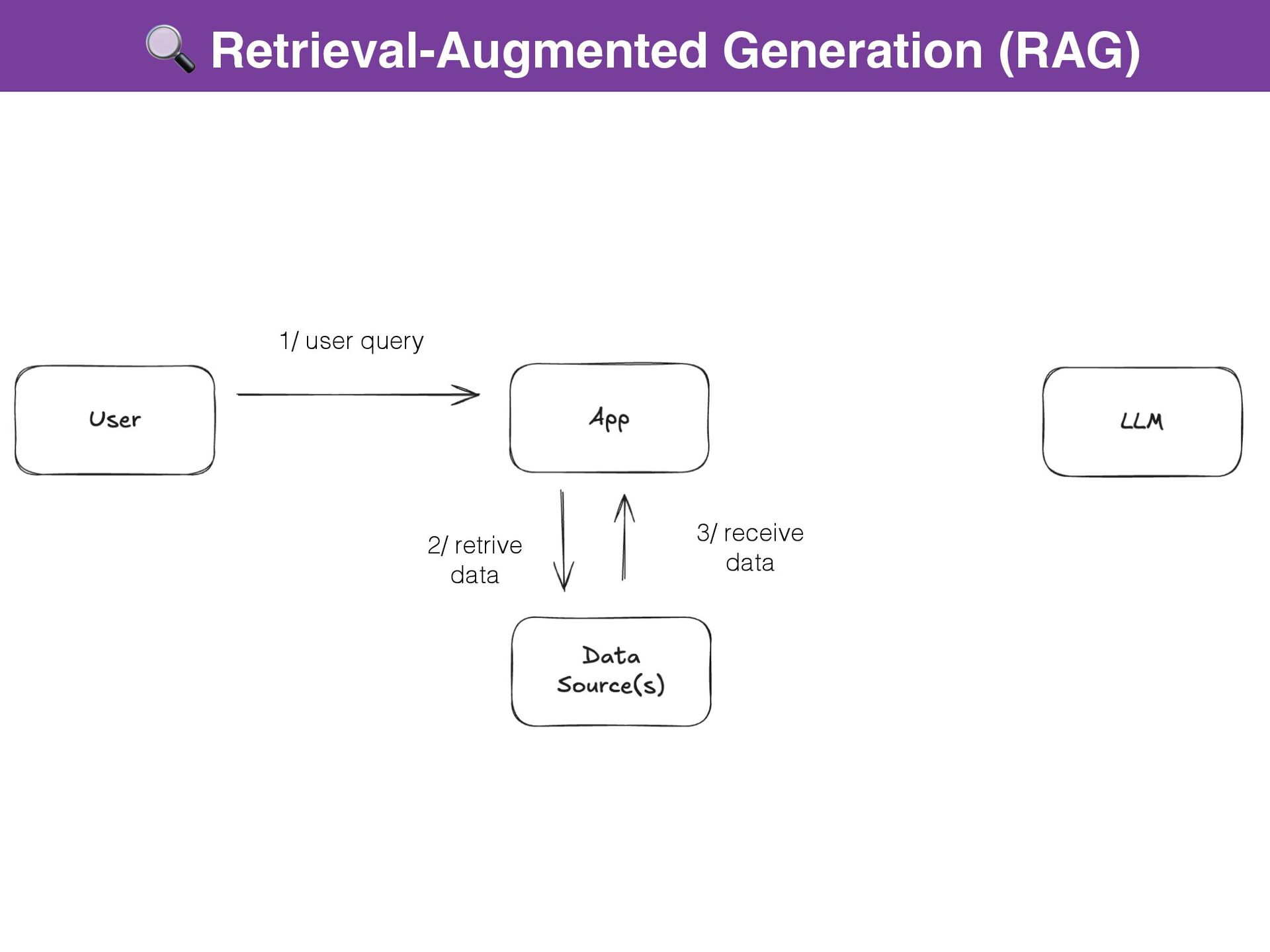
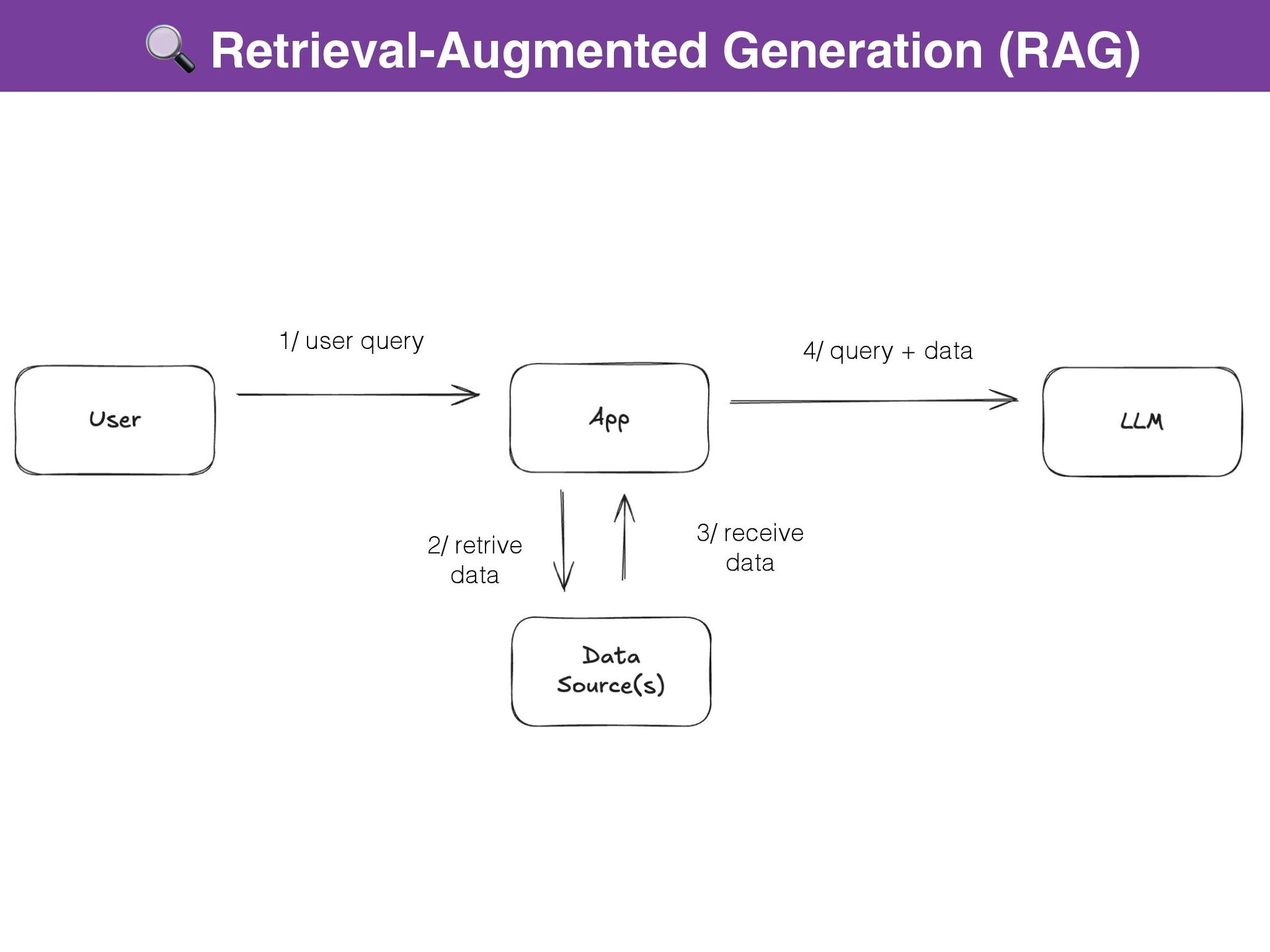
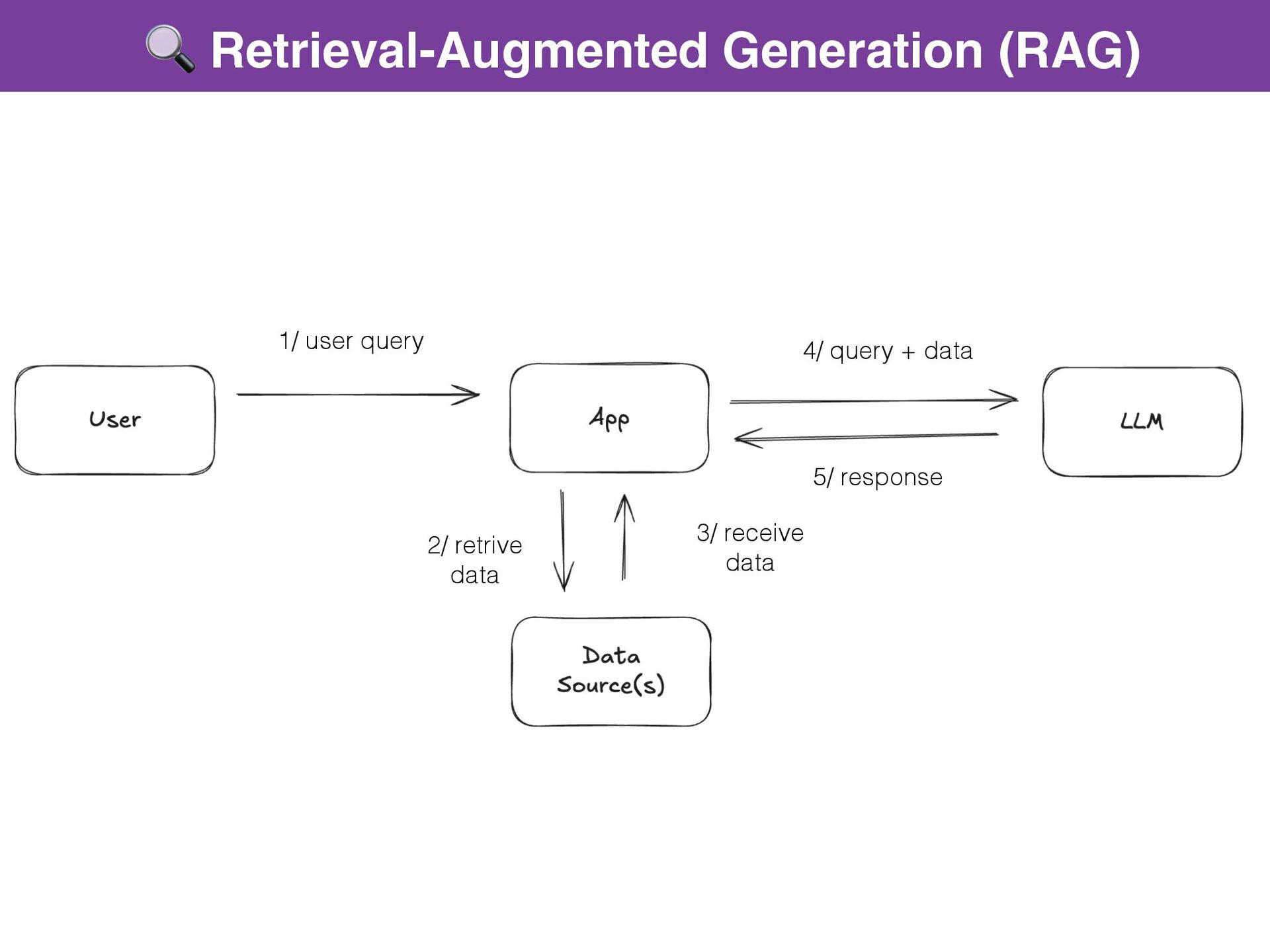
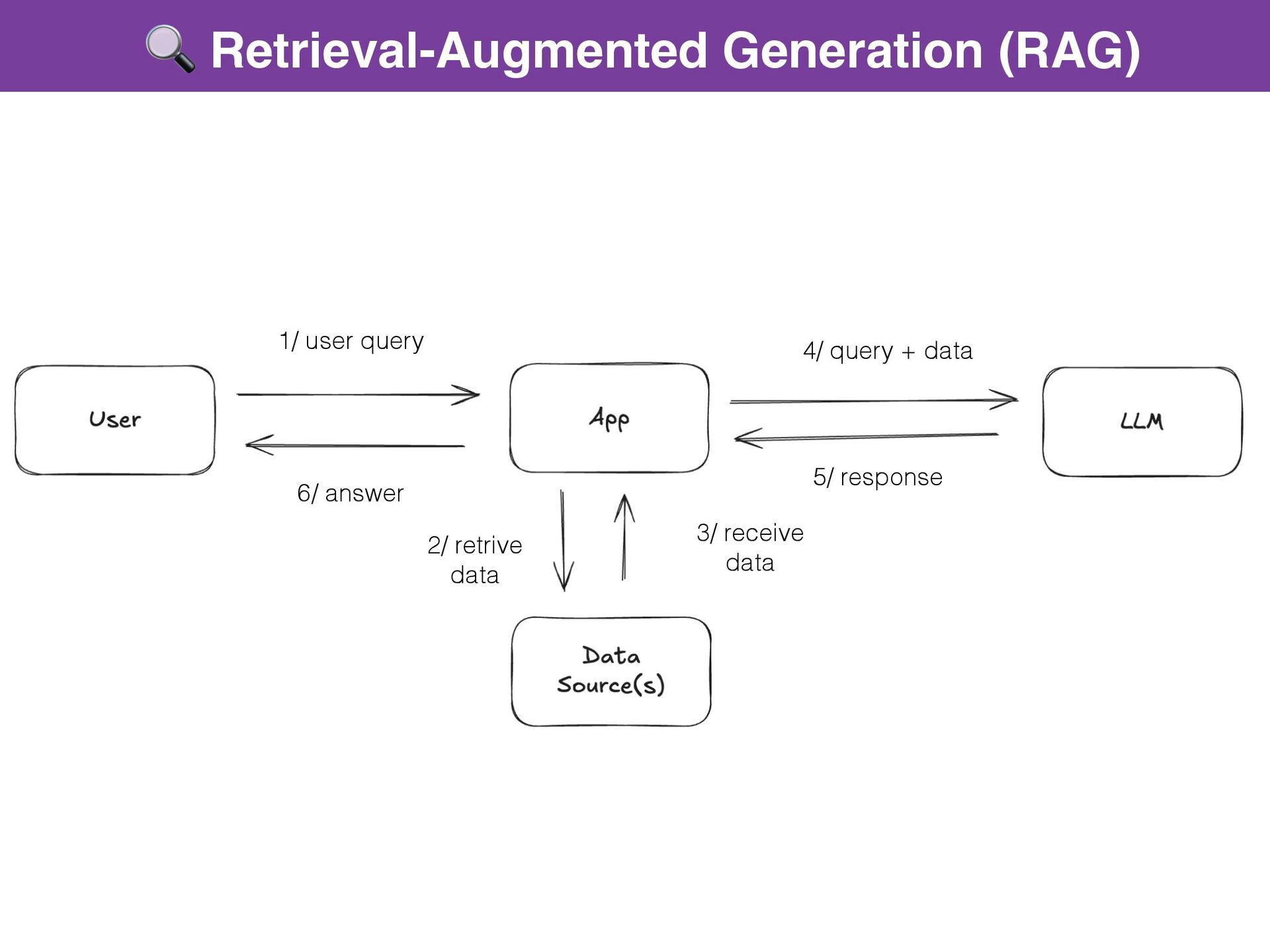
  13. ! Retrieval-Augmented Generation (RAG) Injecting relevant data from external sources

    like databases or files into the LLM’s context so it can produce more accurate outputs.
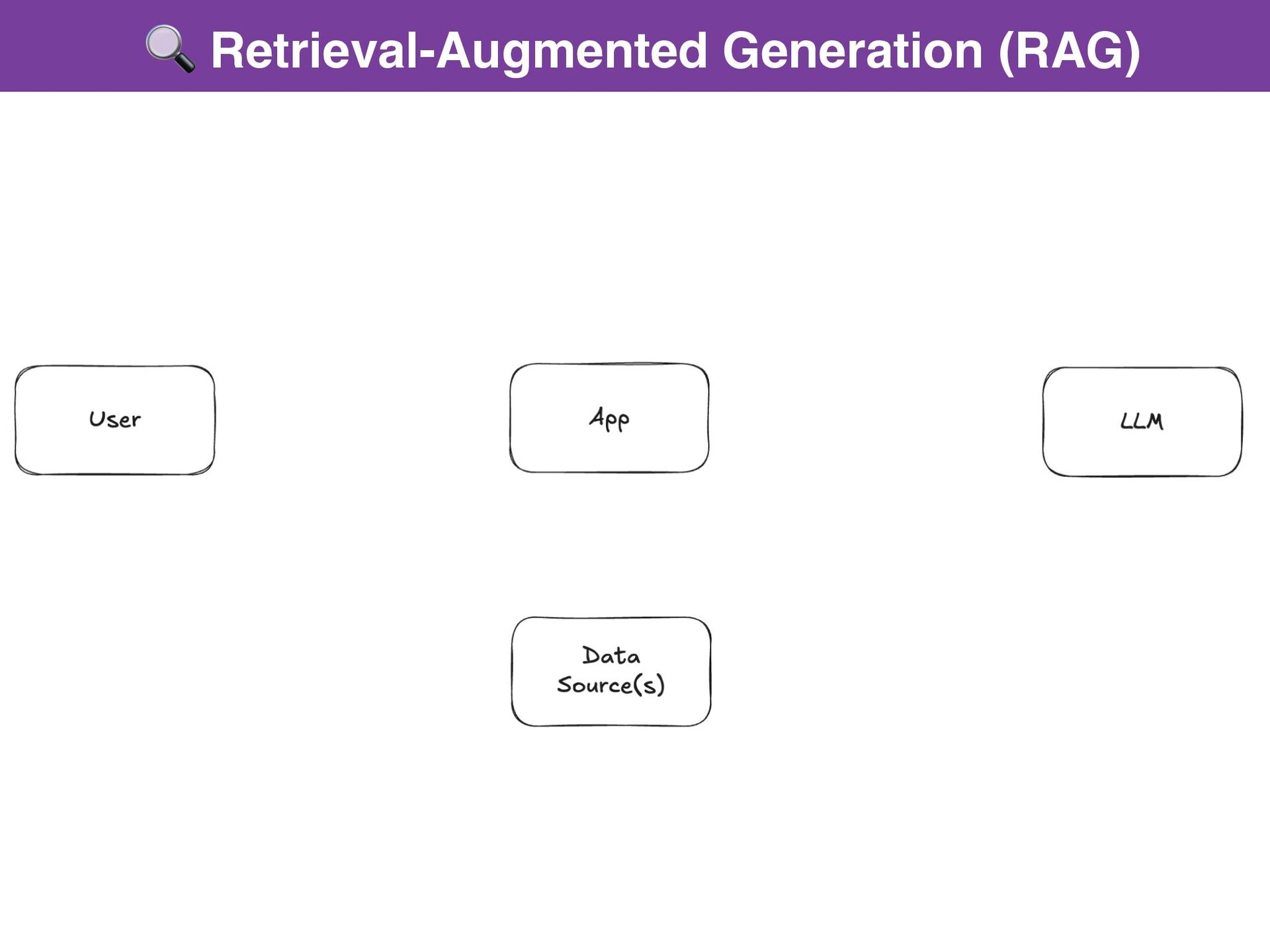
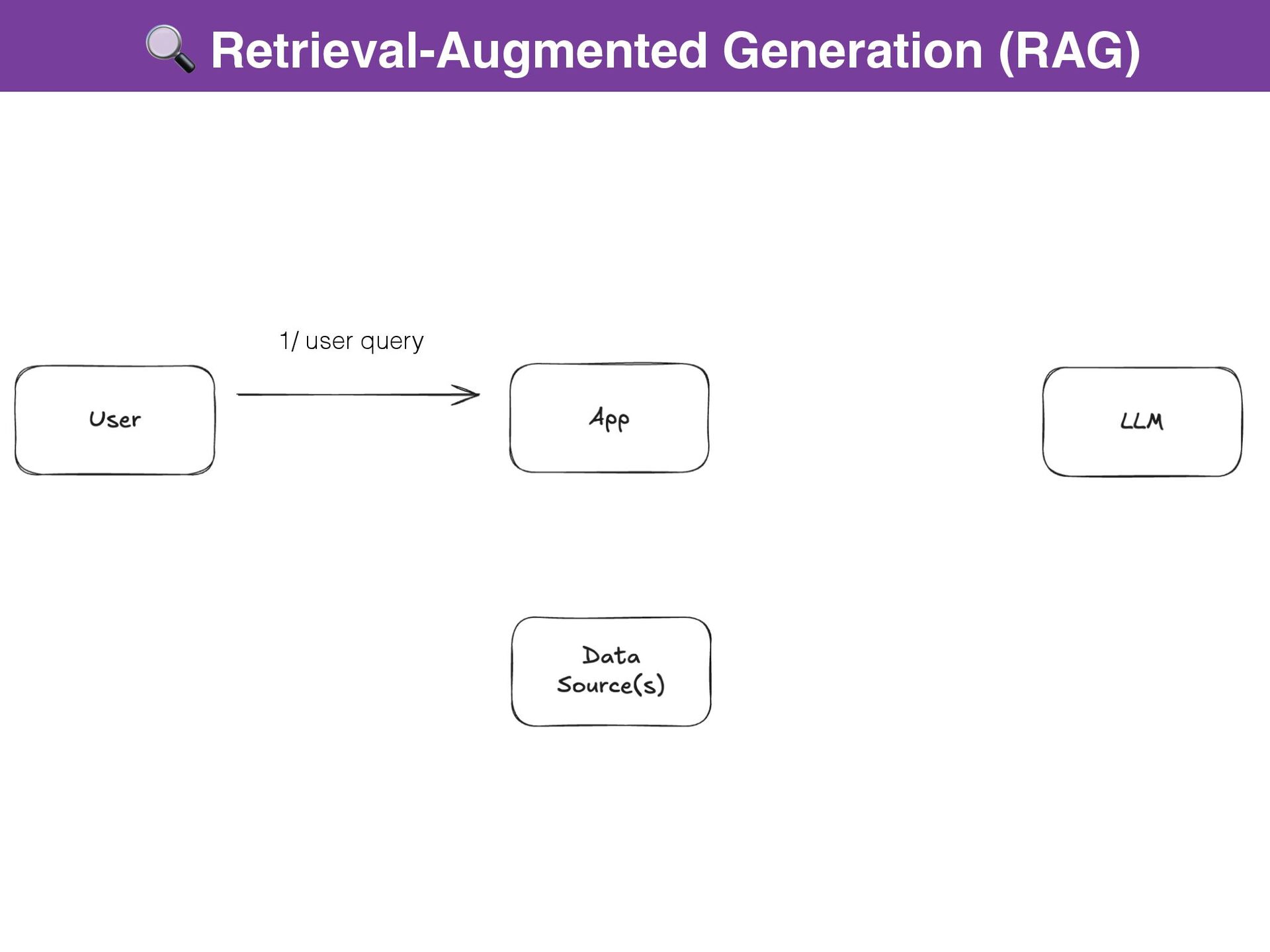
  14. ! Retrieval-Augmented Generation (RAG) 1/ user query 2/ retrive data

    3/ receive data 4/ query + data 5/ response 6/ answer
  15. ! Retrieval-Augmented Generation (RAG) 1/ user query 2/ retrive data

    3/ receive data 4/ query + data 5/ response 6/ answer
  16. ! Retrieval-Augmented Generation (RAG) 1/ user query 2/ retrive data

    3/ receive data 4/ query + data 5/ response 6/ answer
  17. ! Retrieval-Augmented Generation (RAG) 1/ user query 2/ retrive data

    3/ receive data 4/ query + data 5/ response 6/ answer
  18. ! Retrieval-Augmented Generation (RAG) 1/ user query 2/ retrive data

    3/ receive data 4/ query + data 5/ response 6/ answer
  19. ! Retrieval-Augmented Generation (RAG) 1/ user query 2/ retrive data

    3/ receive data 4/ query + data 5/ response 6/ answer
  20. ! Retrieval-Augmented Generation (RAG) 1/ user query 2/ retrive data

    3/ receive data 4/ query + data 5/ response 6/ answer
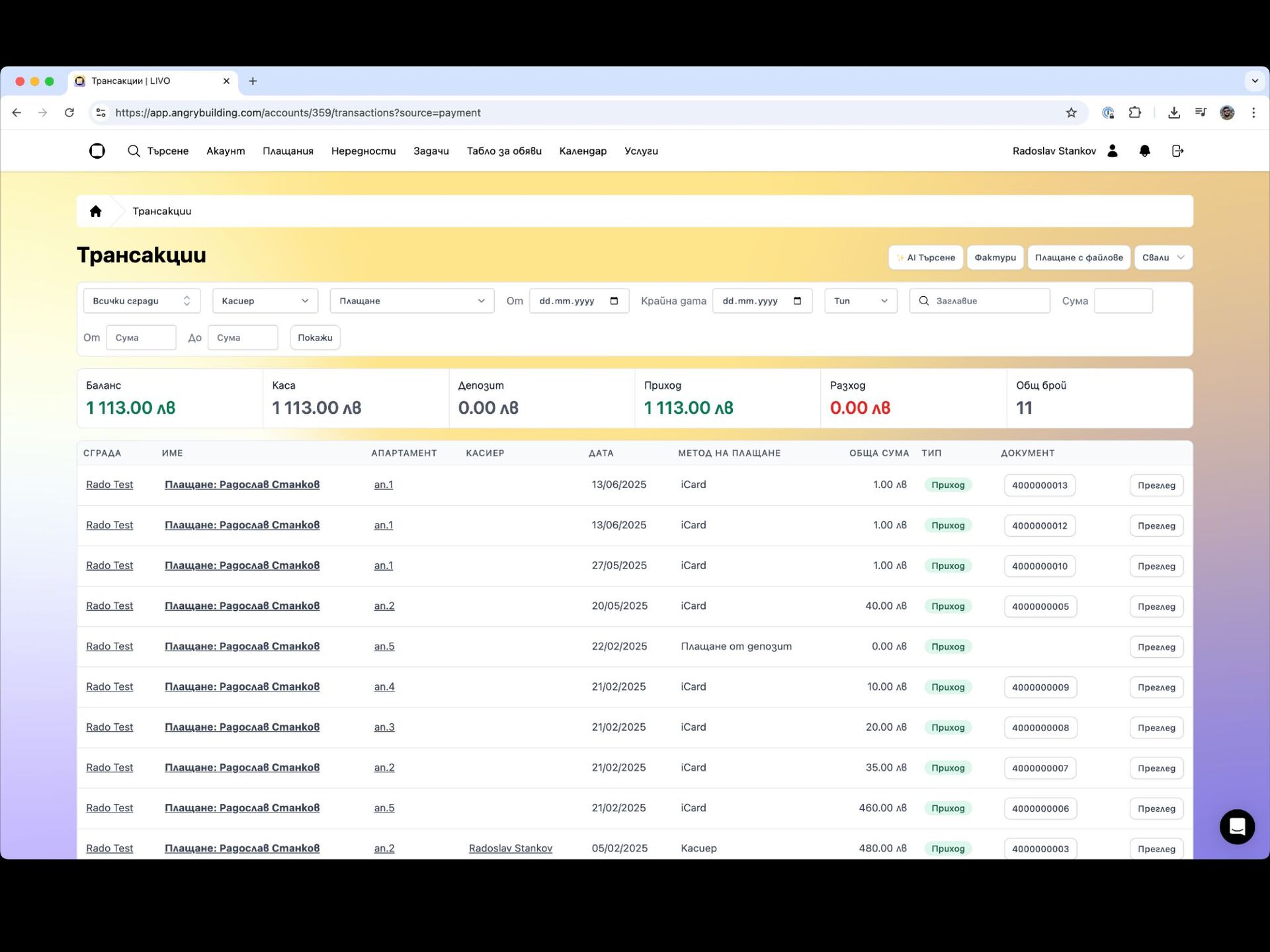
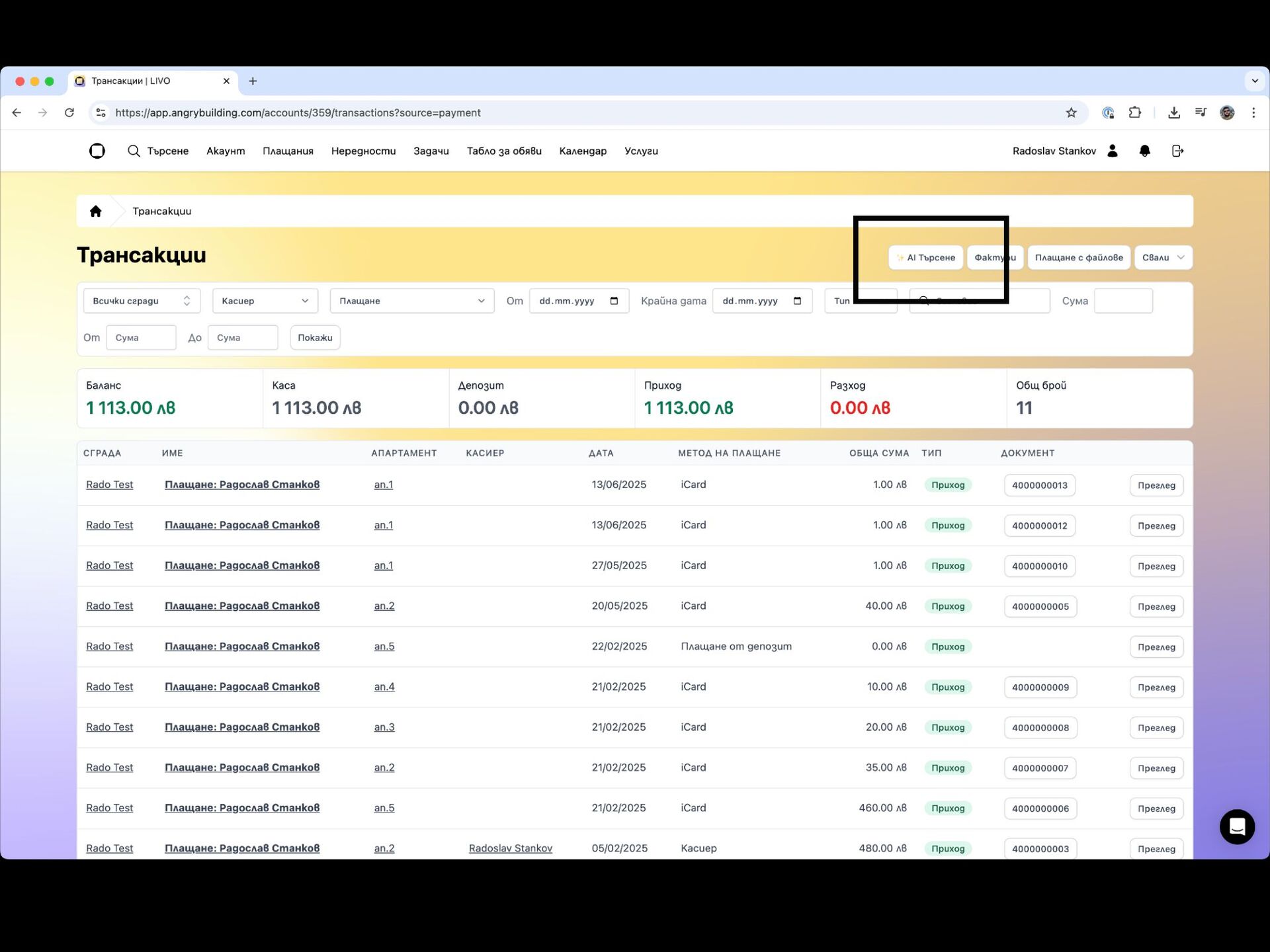
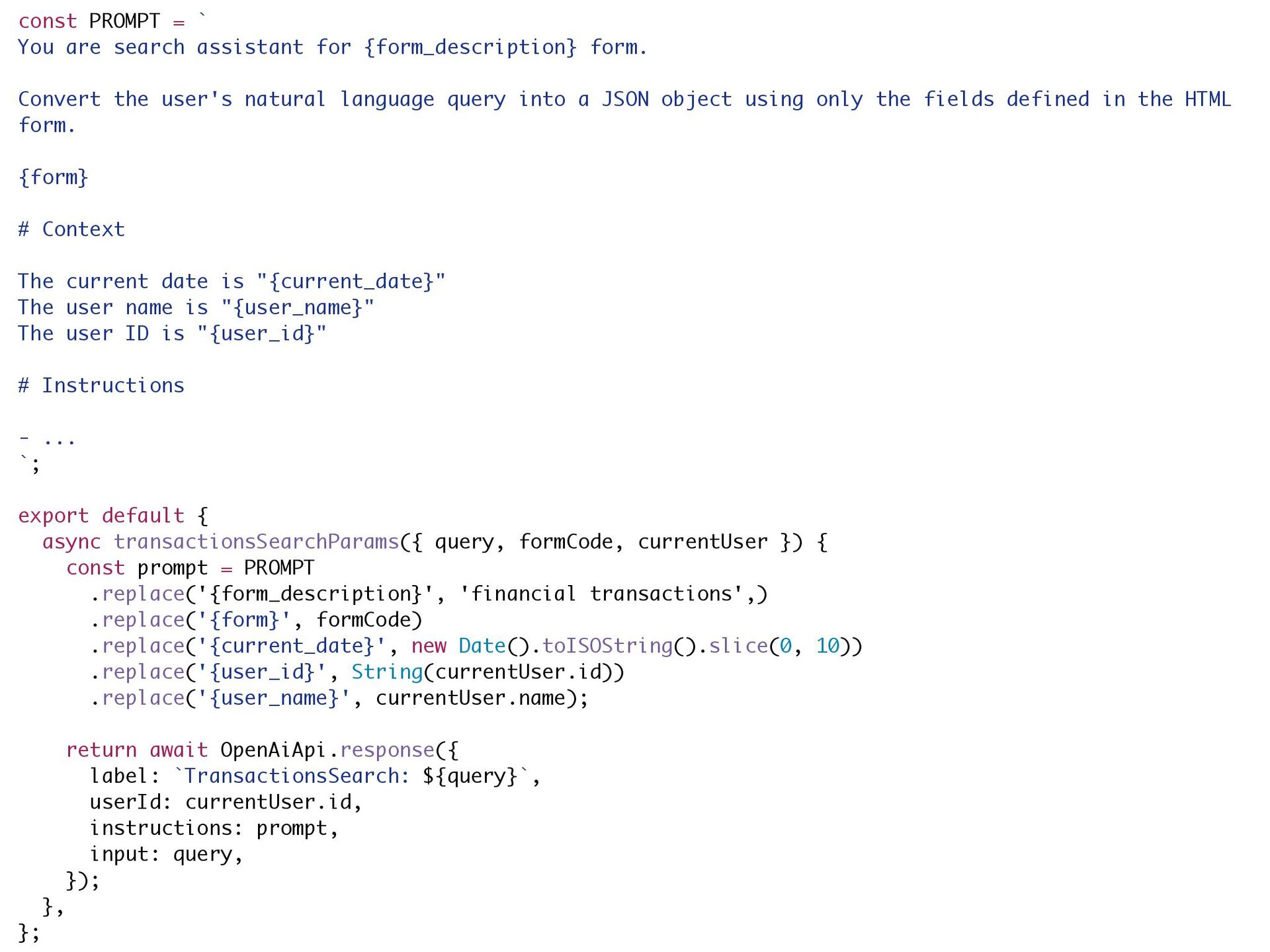
  21. const PROMPT = ` You are search assistant for {form_description}
    form. Convert the user's natural language query into a JSON object using only the fields defined in the HTML form. {form} # Context The current date is "{current_date}" The user name is "{user_name}" The user ID is "{user_id}" # Instructions - ... `; export default { async transactionsSearchParams({ query, formCode, currentUser }) { const prompt = PROMPT .replace('{form_description}', 'financial transactions',) .replace('{form}', formCode) .replace('{current_date}', new Date().toISOString().slice(0, 10)) .replace('{user_id}', String(currentUser.id)) .replace('{user_name}', currentUser.name); return await OpenAiApi.response({ label: `TransactionsSearch: ${query}`, userId: currentUser.id, instructions: prompt, input: query, }); }, };

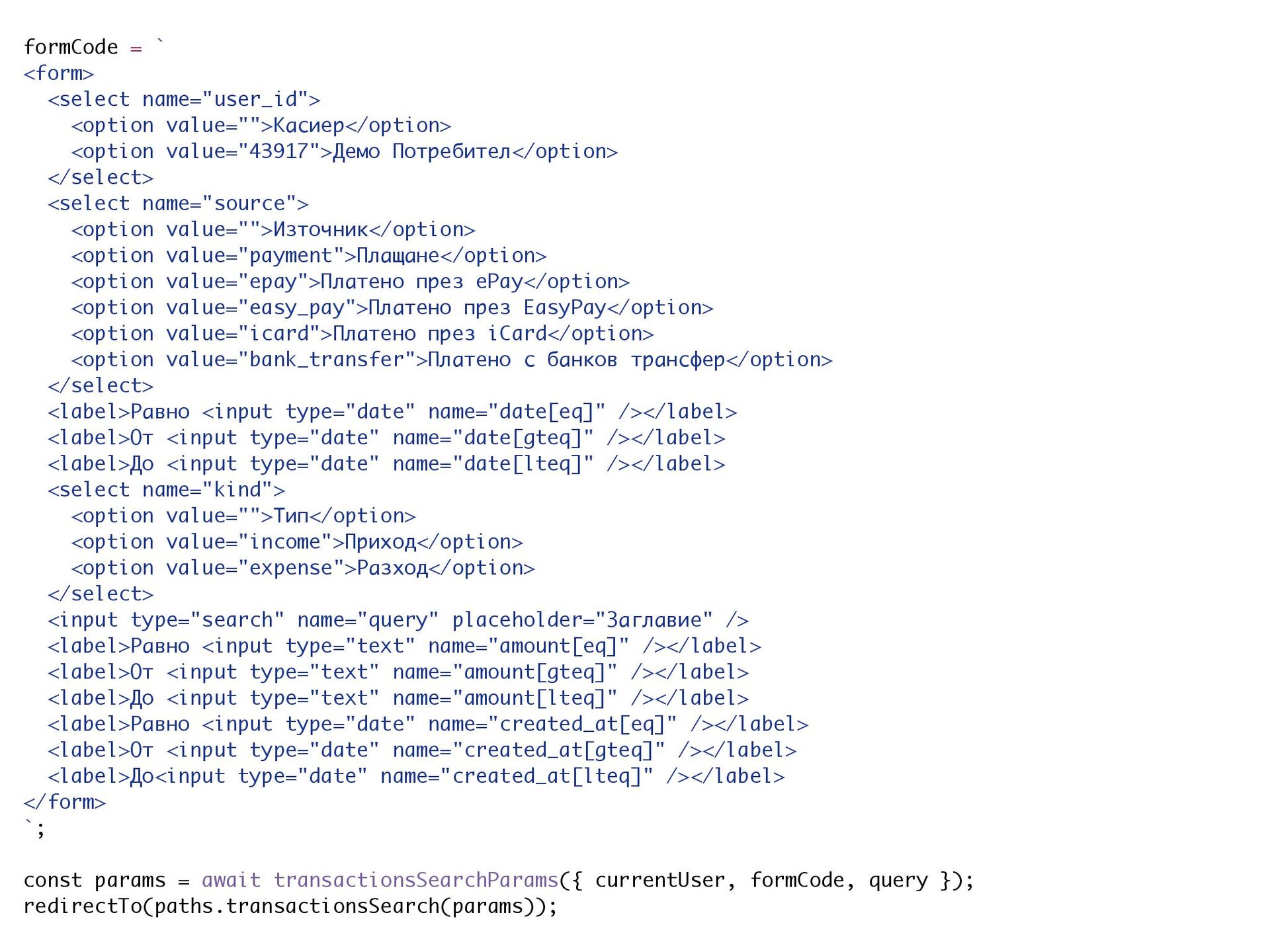
  22. formCode = ` <form> <select name="user_id"> <option value="">Kасиер</option> <option value="43917">Демо

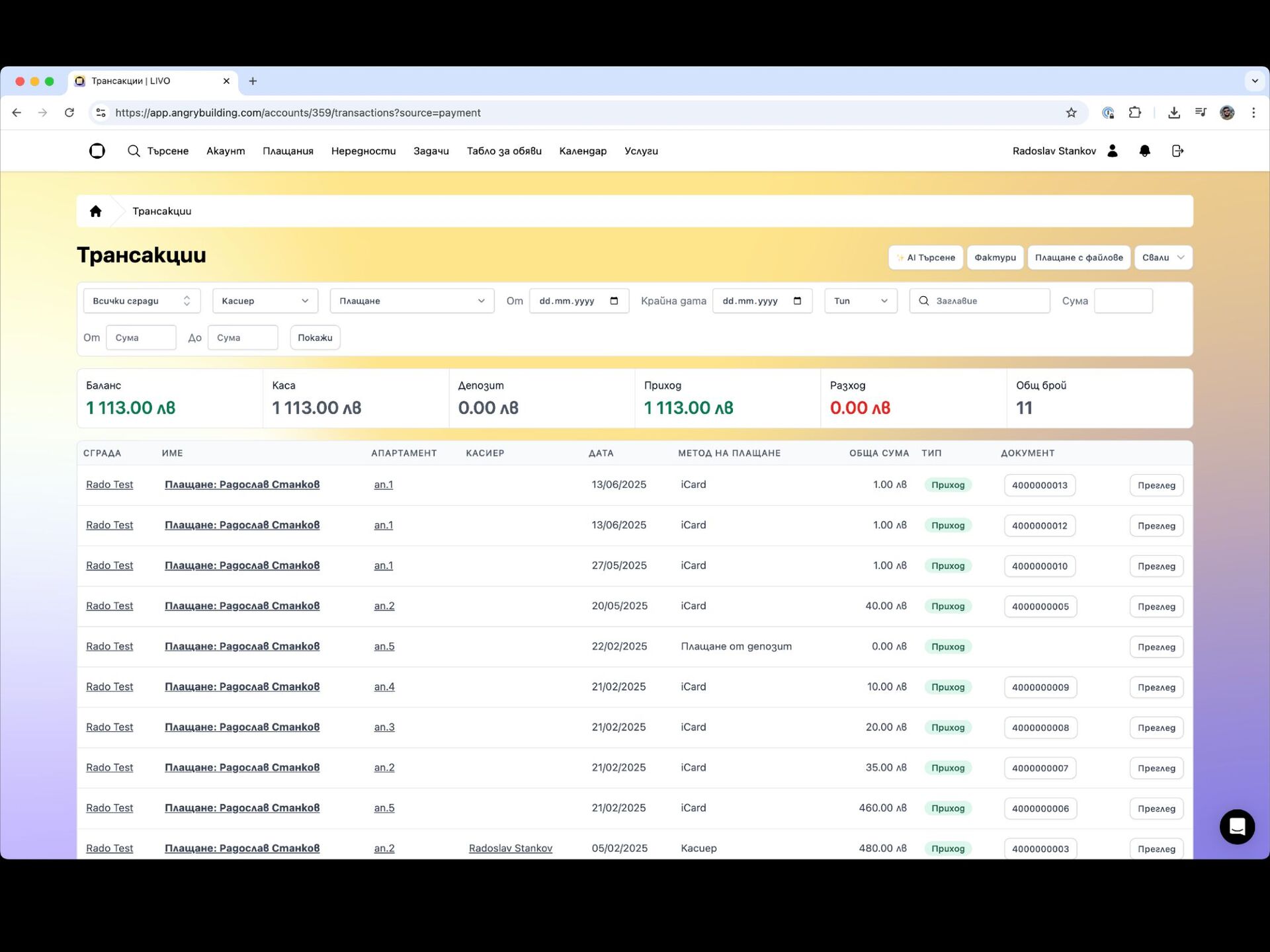
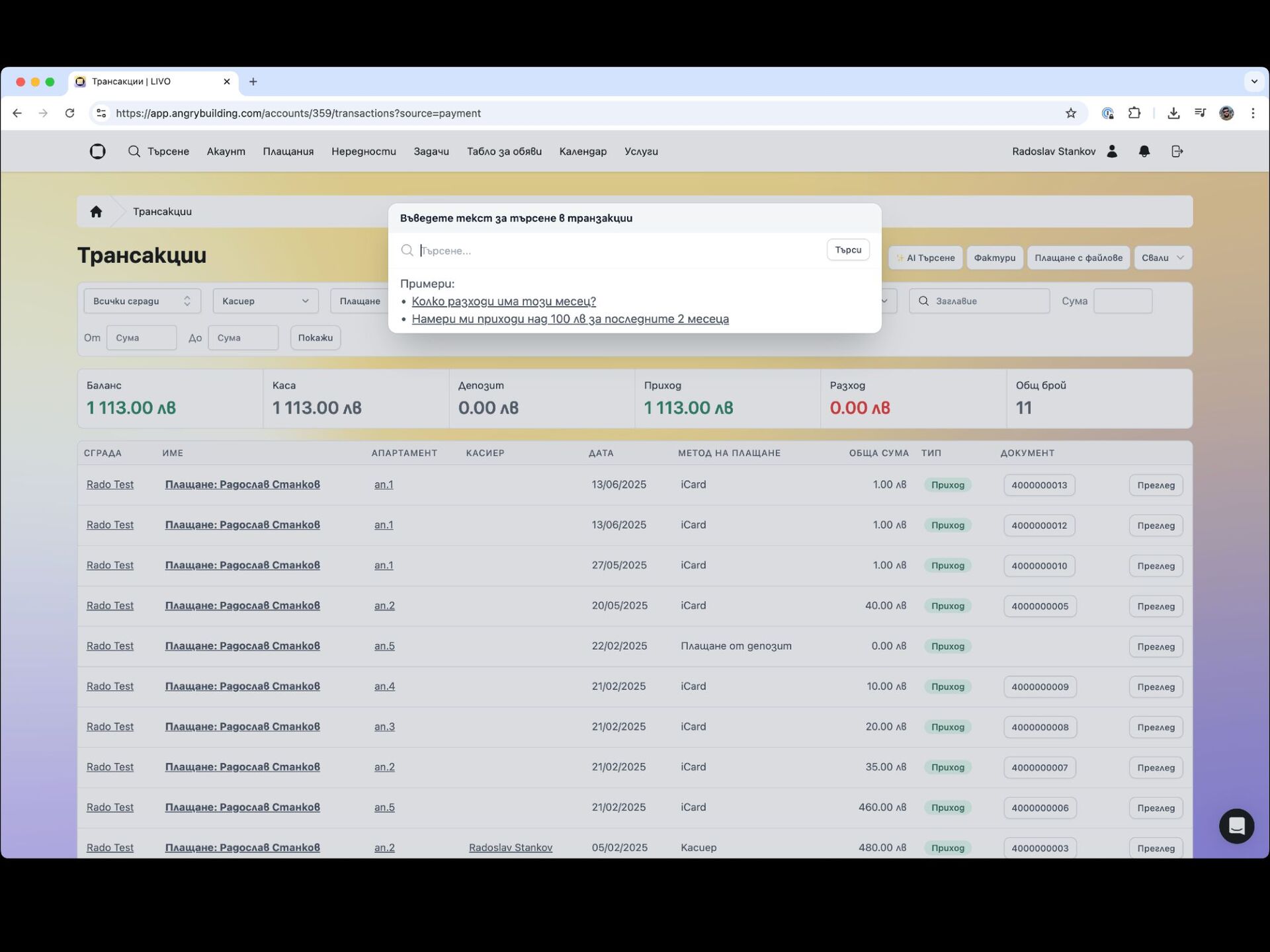
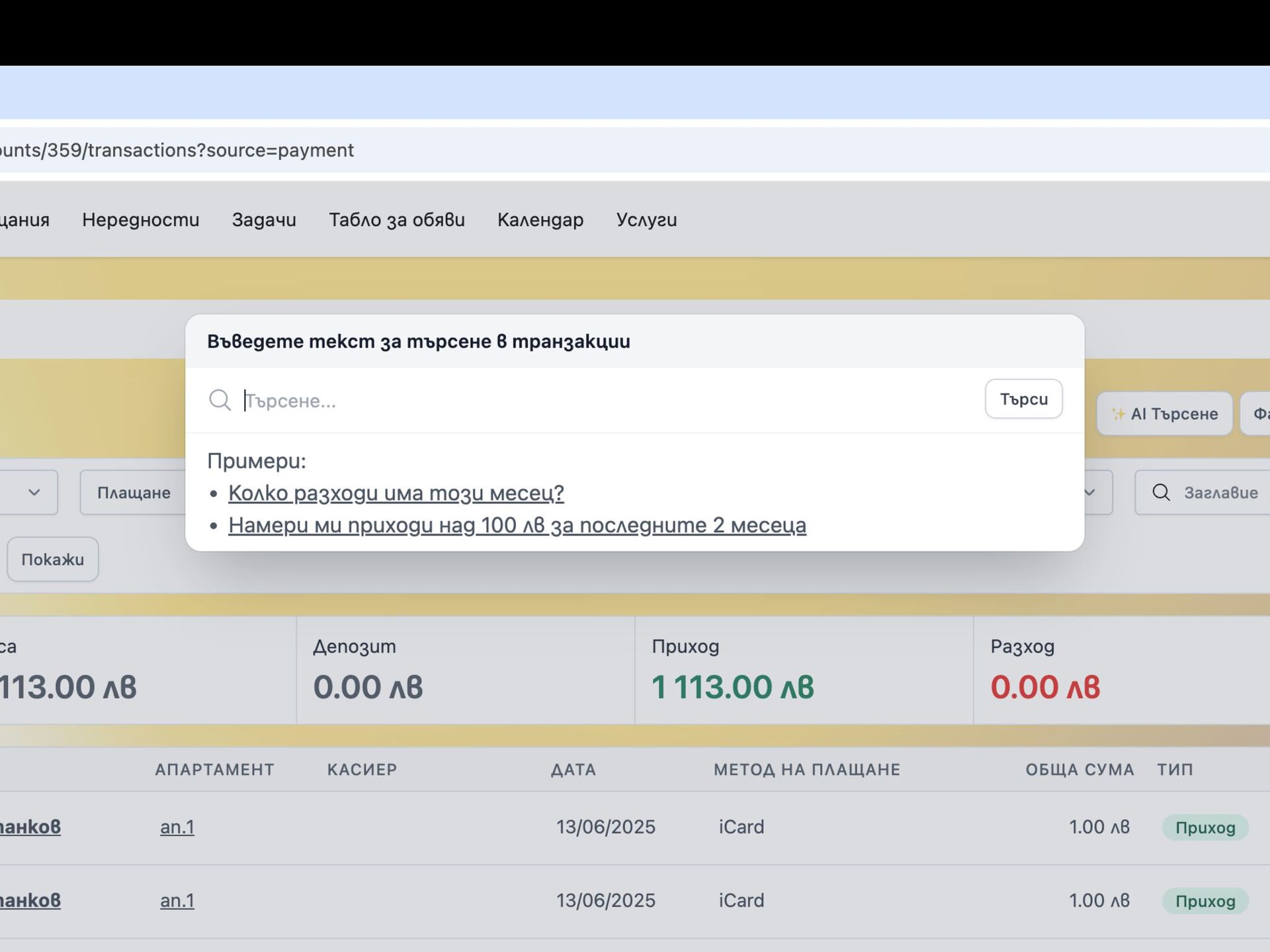
    Потребител</option> </select> <select name="source"> <option value="">Източник</option> <option value="payment">Плащане</option> <option value="epay">Платено през ePay</option> <option value="easy_pay">Платено през EasyPay</option> <option value="icard">Платено през iCard</option> <option value="bank_transfer">Платено с банков трансфер</option> </select> <label>Равно <input type="date" name="date[eq]" /></label> <label>От <input type="date" name="date[gteq]" /></label> <label>До <input type="date" name="date[lteq]" /></label> <select name="kind"> <option value="">Тип</option> <option value="income">Приход</option> <option value="expense">Разход</option> </select> <input type="search" name="query" placeholder="Заглавие" /> <label>Равно <input type="text" name="amount[eq]" /></label> <label>От <input type="text" name="amount[gteq]" /></label> <label>До <input type="text" name="amount[lteq]" /></label> <label>Равно <input type="date" name="created_at[eq]" /></label> <label>От <input type="date" name="created_at[gteq]" /></label> <label>До<input type="date" name="created_at[lteq]" /></label> </form> `; const params = await transactionsSearchParams({ currentUser, formCode, query }); redirectTo(paths.transactionsSearch(params));
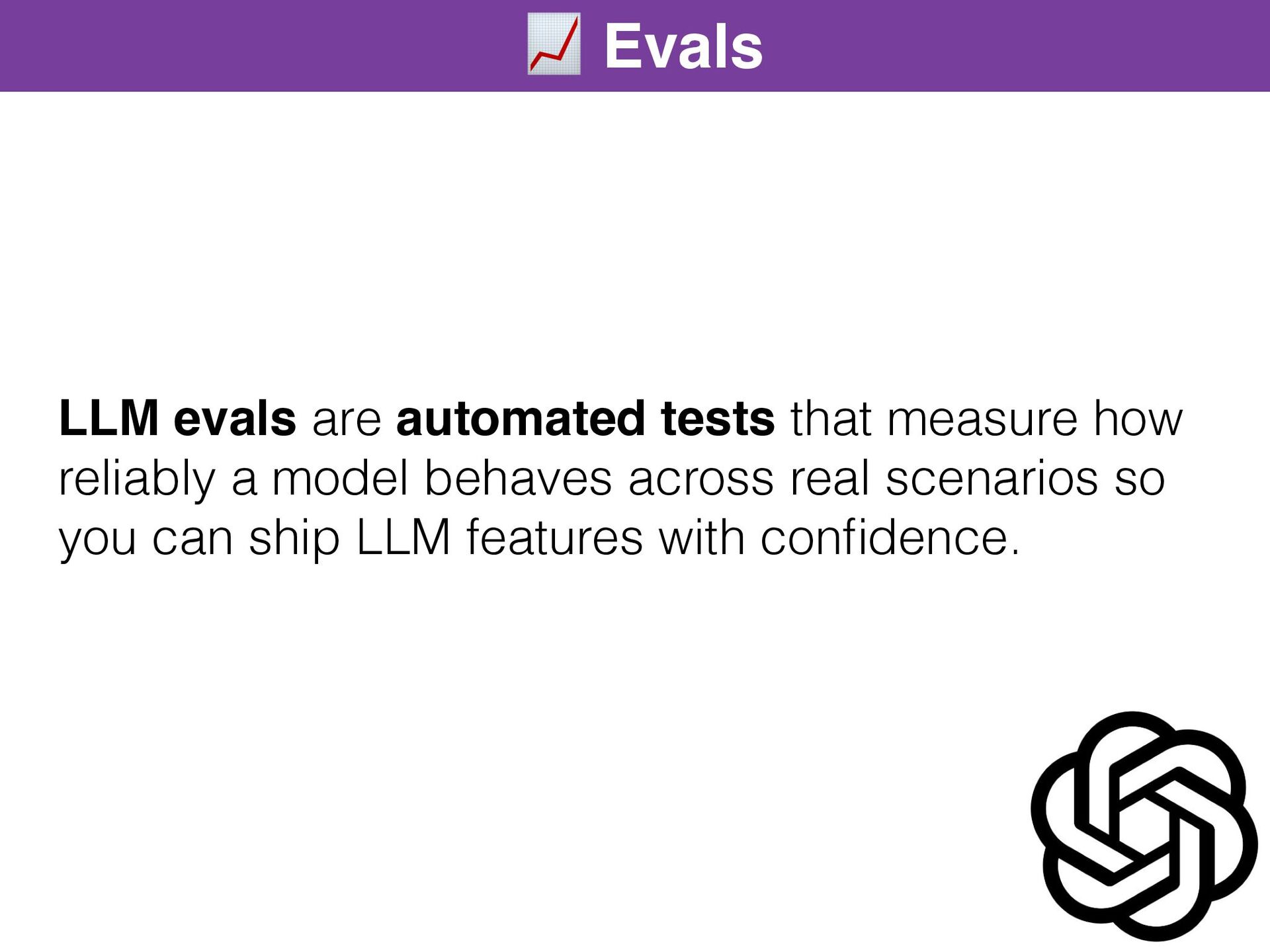
  23. ! Evals LLM evals are automated tests that measure how

    reliably a model behaves across real scenarios so you can ship LLM features with confidence.
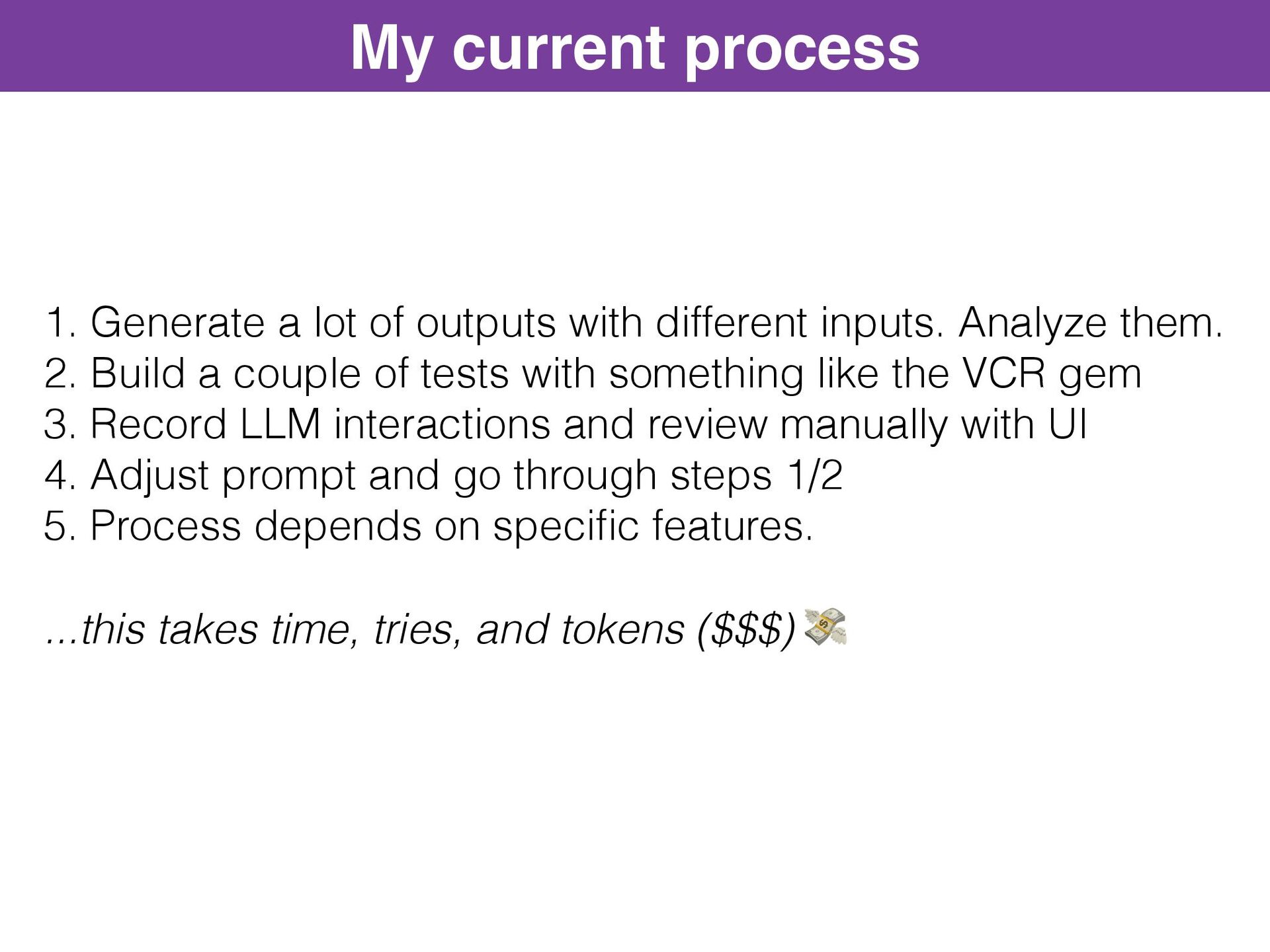
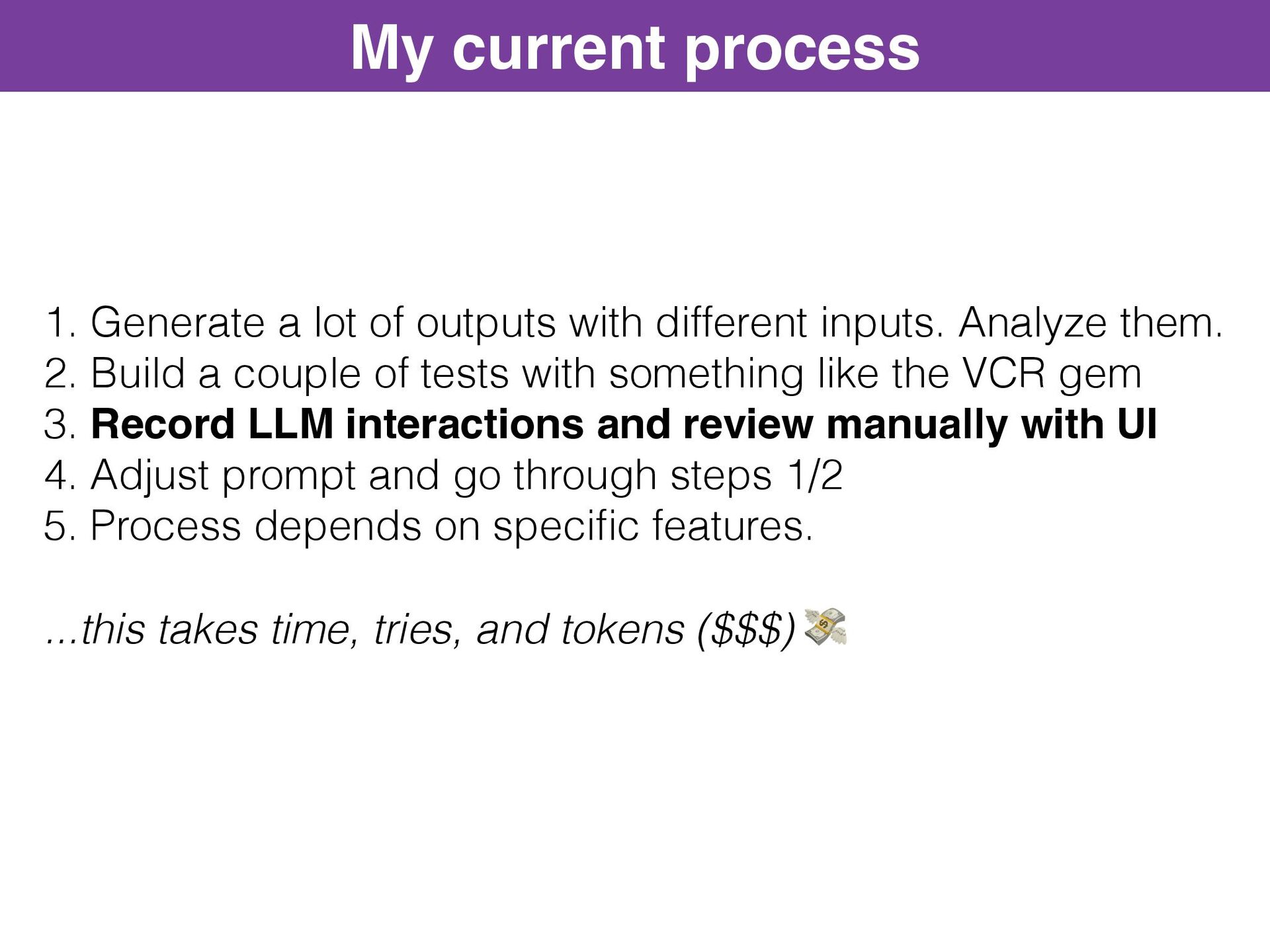
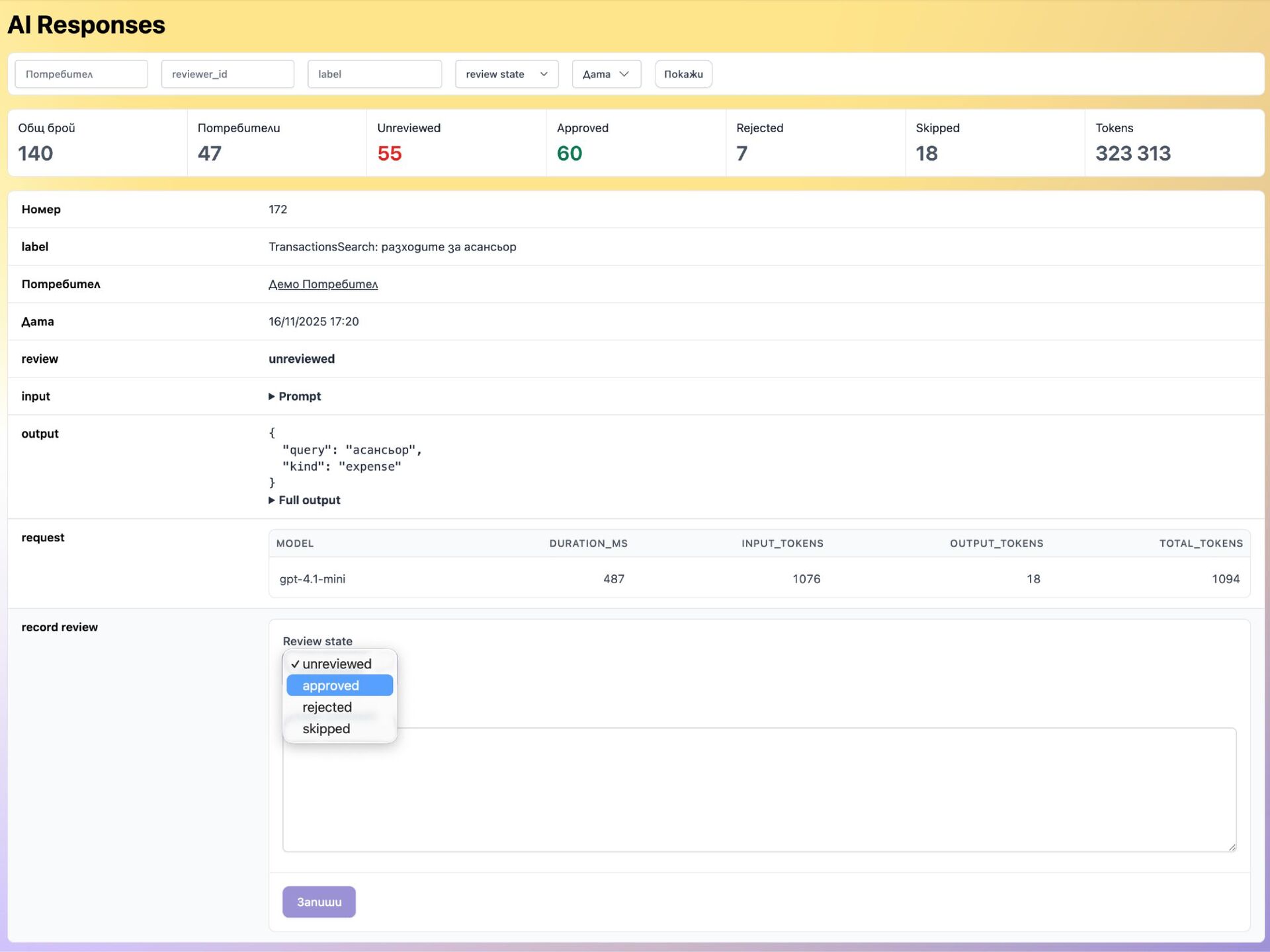
  24. 1. Generate a lot of outputs with different inputs. Analyze

    them. 2. Build a couple of tests with something like the VCR gem 3. Record LLM interactions and review manually with UI 4. Adjust prompt and go through steps 1/2 5. Process depends on specific features. ...this takes time, tries, and tokens ($$$) ! My current process
  25. 1. Generate a lot of outputs with different inputs. Analyze

    them. 2. Build a couple of tests with something like the VCR gem 3. Record LLM interactions and review manually with UI 4. Adjust prompt and go through steps 1/2 5. Process depends on specific features. ...this takes time, tries, and tokens ($$$) ! My current process
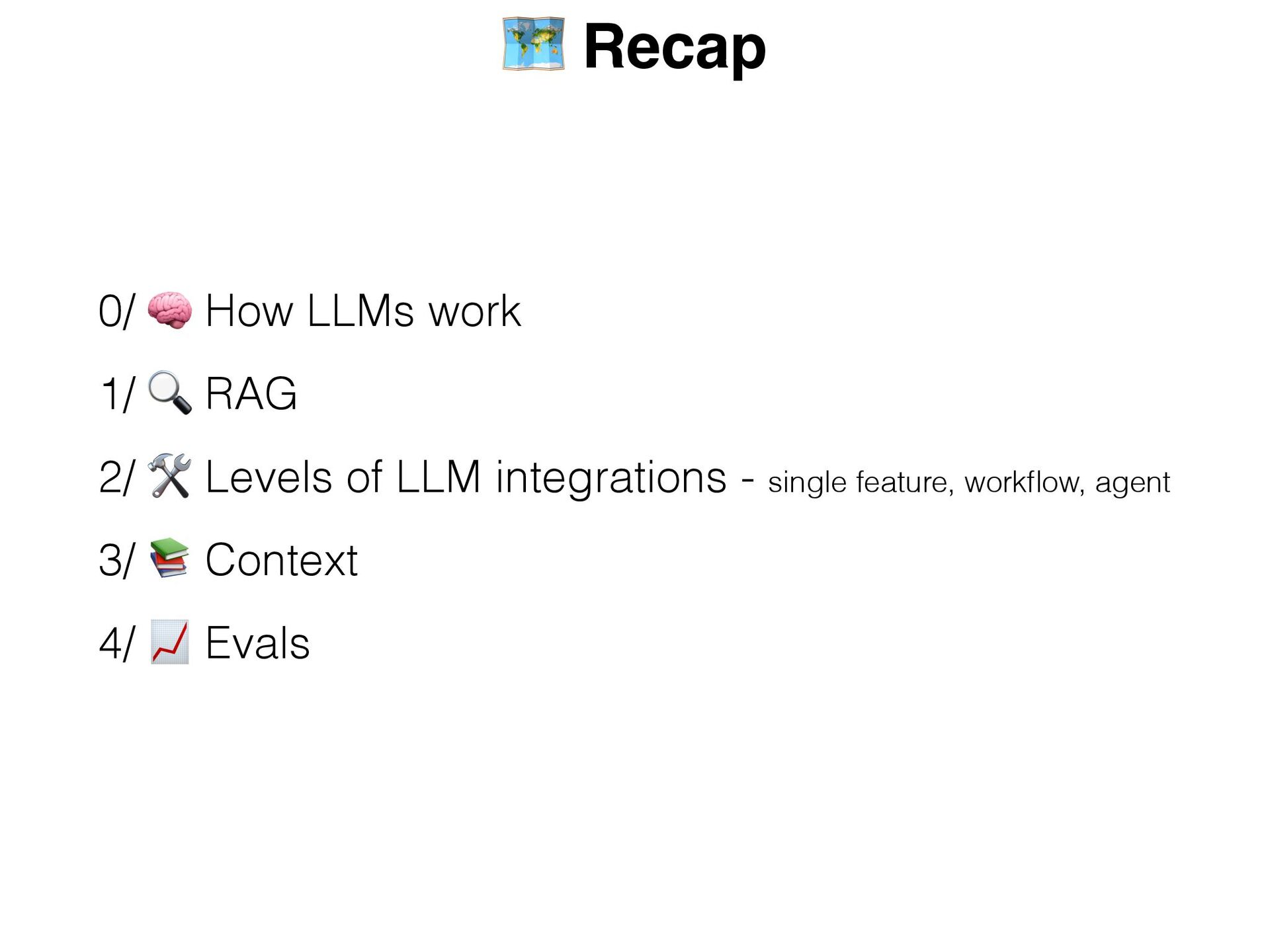
  26. 0/ ! How LLMs work 1/ ! RAG 2/ !

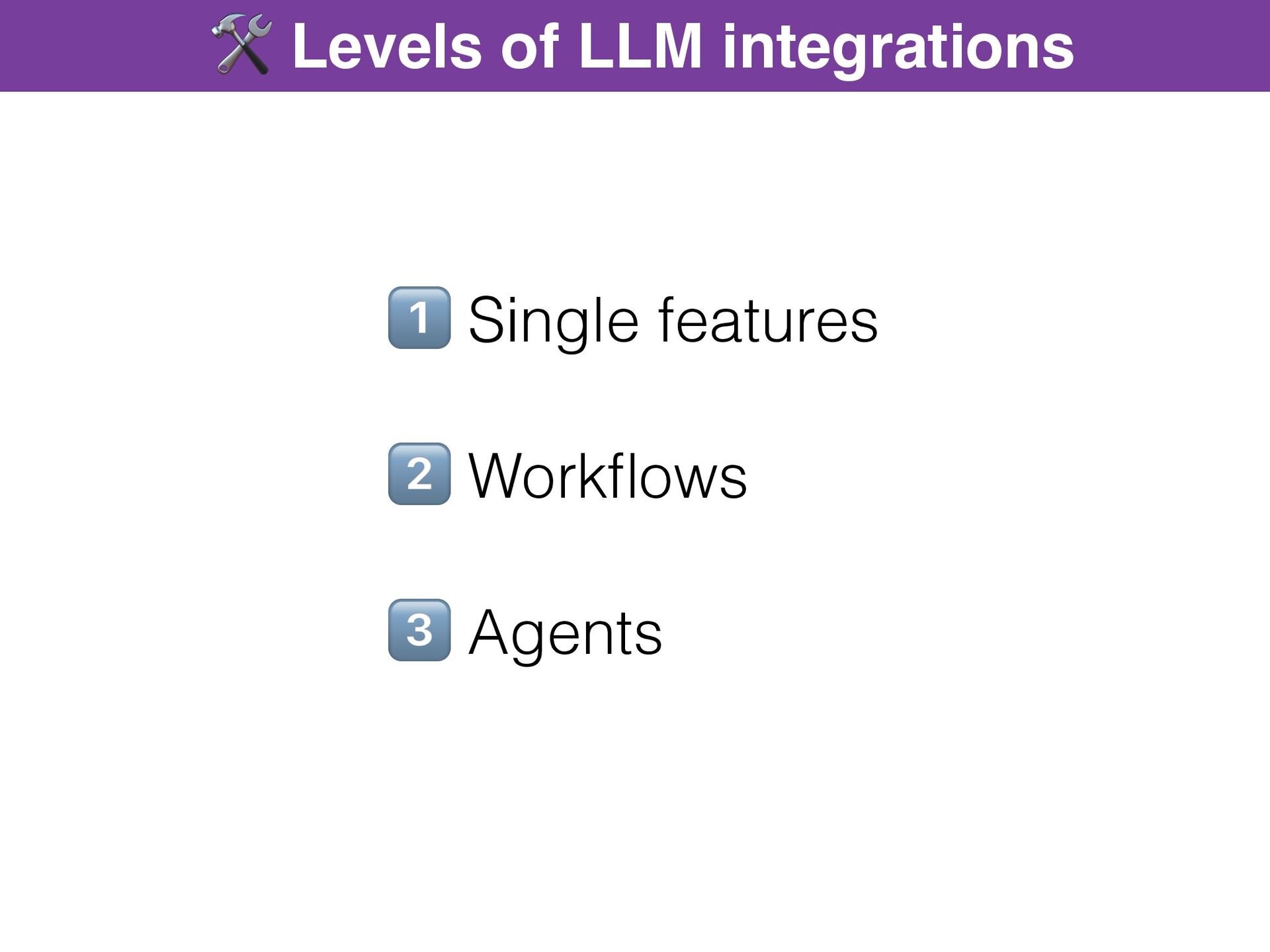
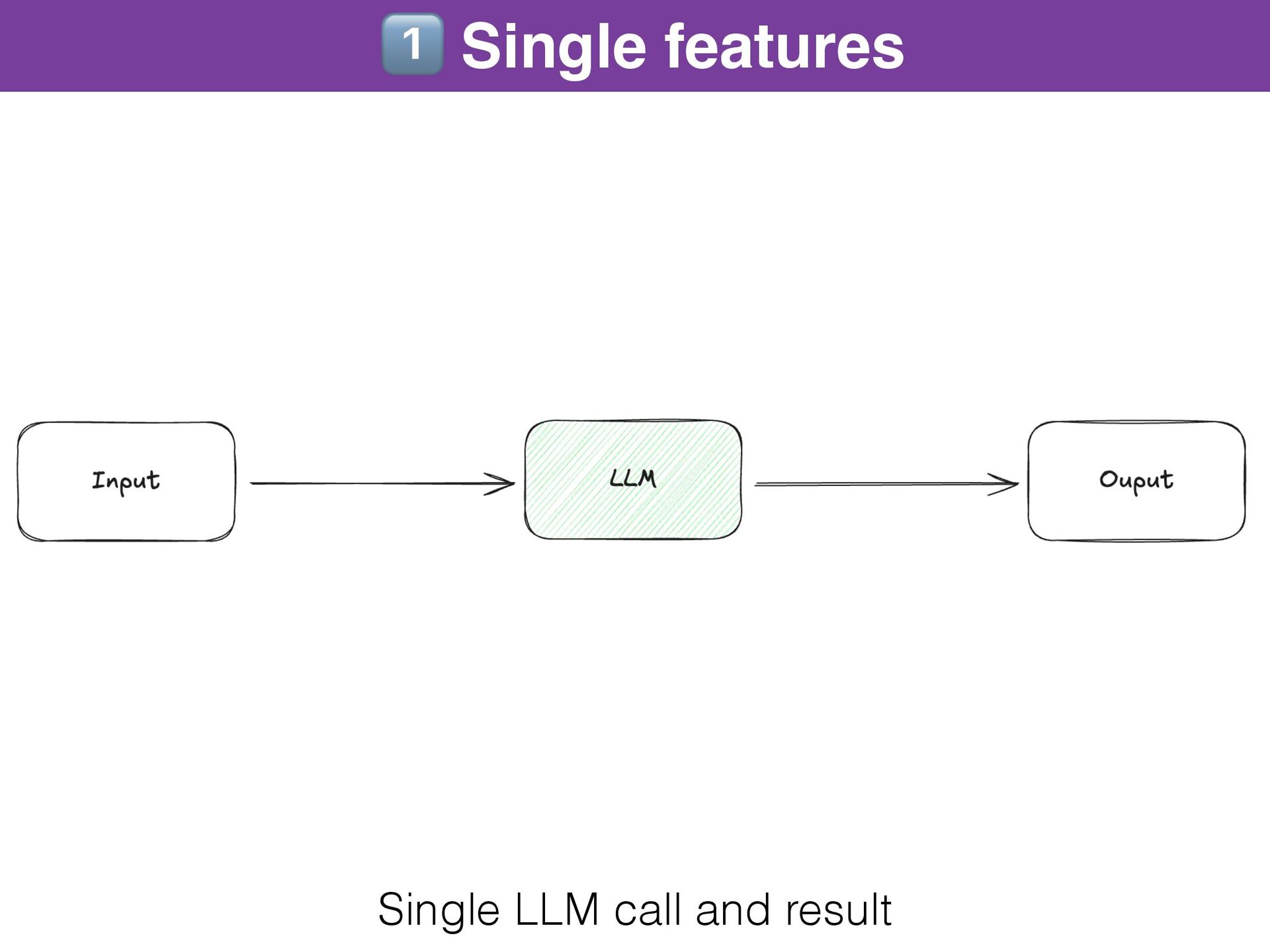
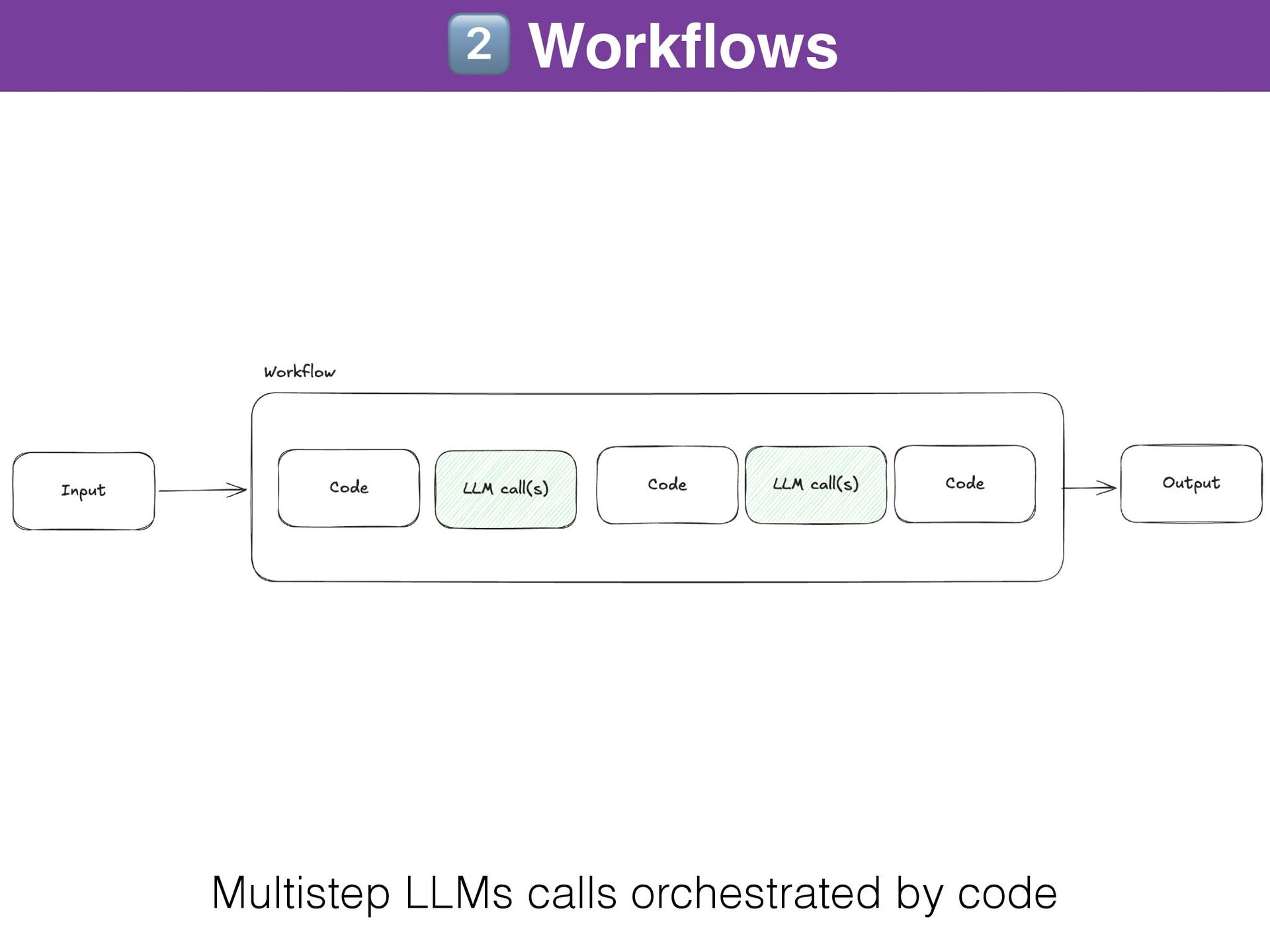
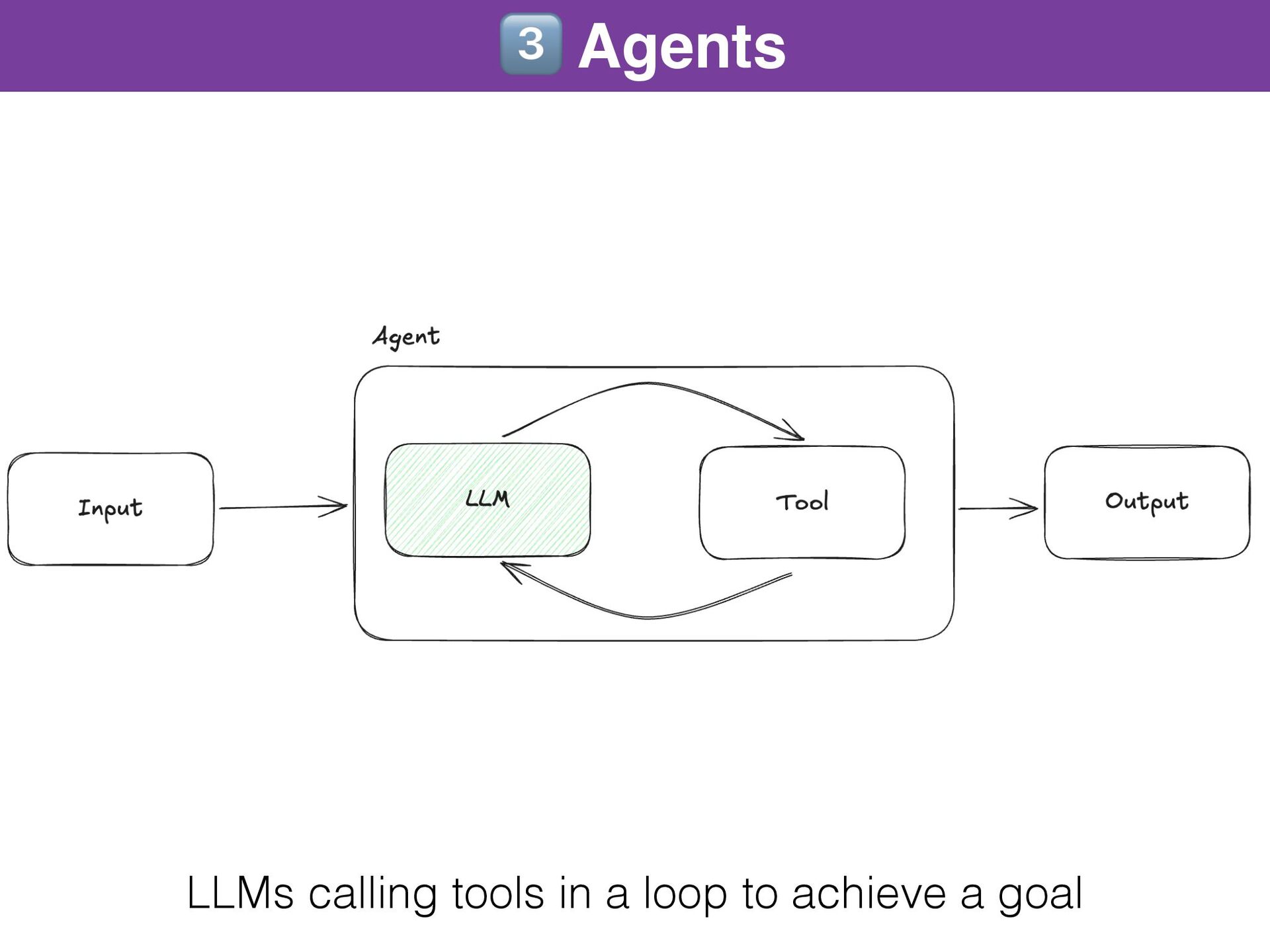
    Levels of LLM integrations - single feature, workflow, agent 3/ ! Context 4/ ! Evals ! Recap

More Decks by Radoslav Stankov
Other Decks in Technology