Upgrade to Pro — share decks privately, control downloads, hide ads and more …

What the hell is GraphQL and why should I care

Sponsored · Ship Features Fearlessly Turn features on and off without deploys. Used by thousands of Ruby developers.
Avatar for tosFa tosFa
October 07, 2016

What the hell is GraphQL and why should I care

Avatar for tosFa

tosFa

October 07, 2016
Tweet

More Decks by tosFa

Other Decks in Programming

Transcript

  1. Who am I? - Fatos Hoti - Pula, Croatia -

    Berlin, Germany - Frontend developer
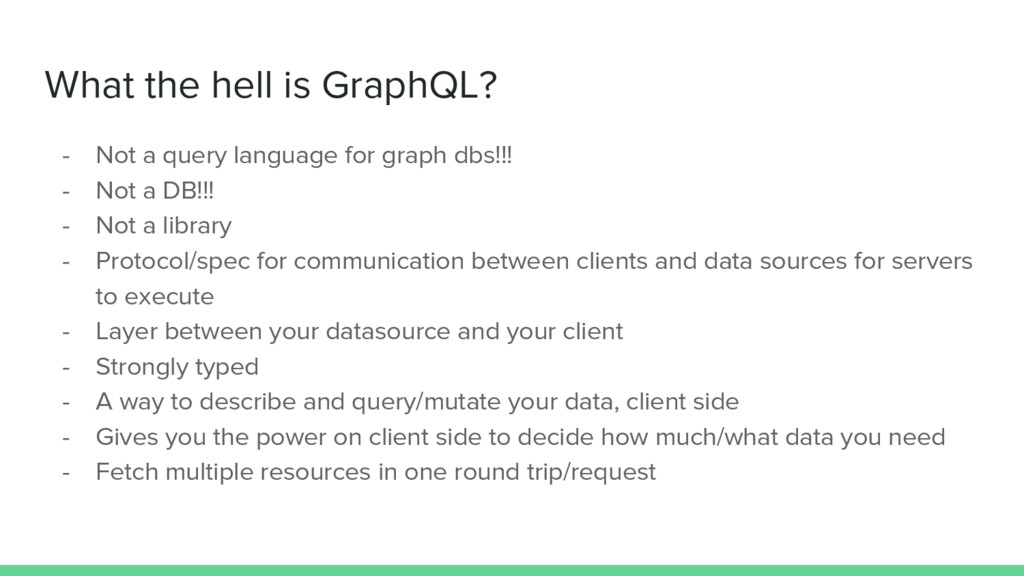
  2. What the hell is GraphQL? - Not a query language

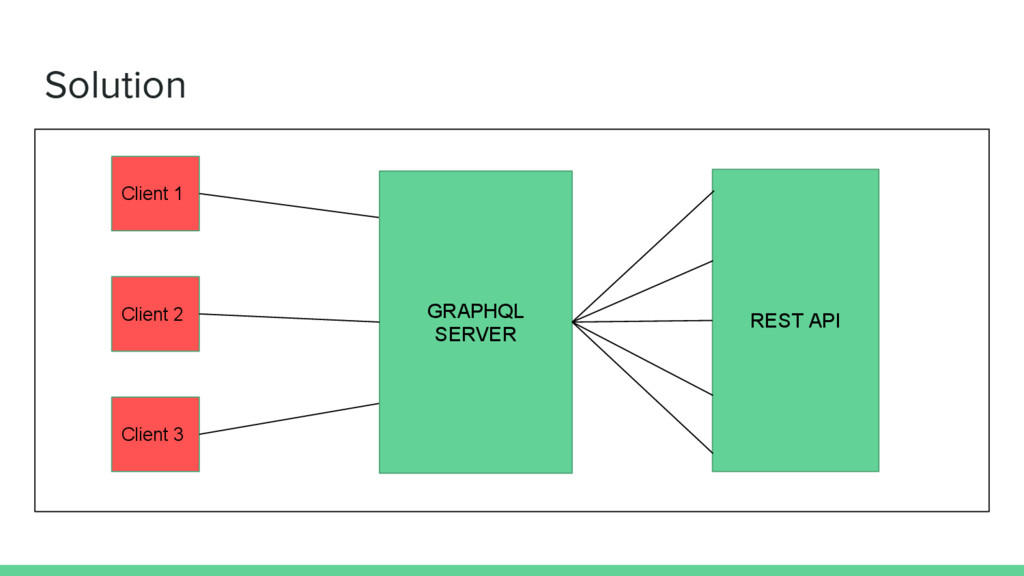
    for graph dbs!!! - Not a DB!!! - Not a library - Protocol/spec for communication between clients and data sources for servers to execute - Layer between your datasource and your client - Strongly typed - A way to describe and query/mutate your data, client side - Gives you the power on client side to decide how much/what data you need - Fetch multiple resources in one round trip/request
  3. JS

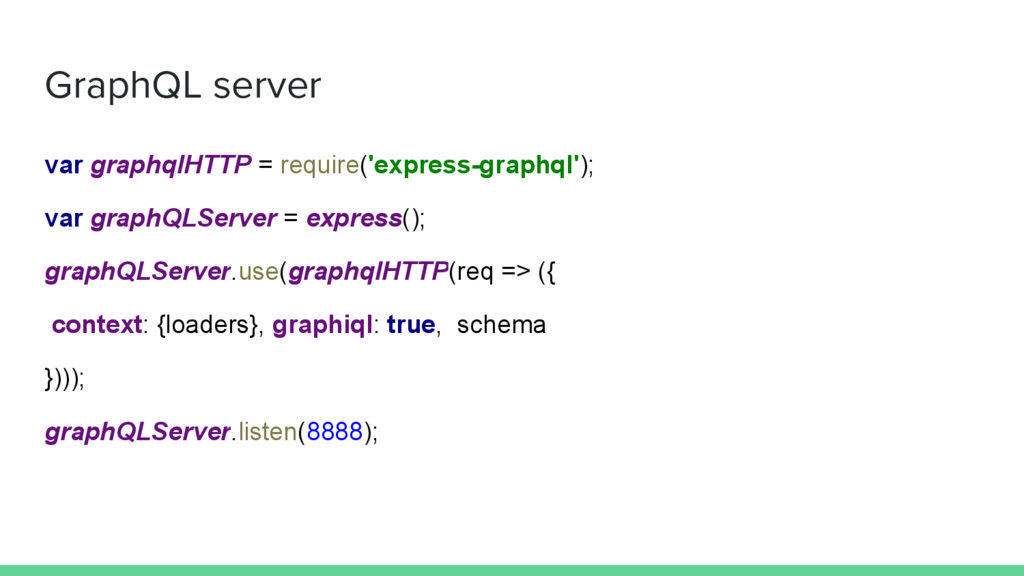
  4. GraphQL server var graphqlHTTP = require('express-graphql'); var graphQLServer = express();

    graphQLServer.use(graphqlHTTP(req => ({ context: {loaders}, graphiql: true, schema }))); graphQLServer.listen(8888);
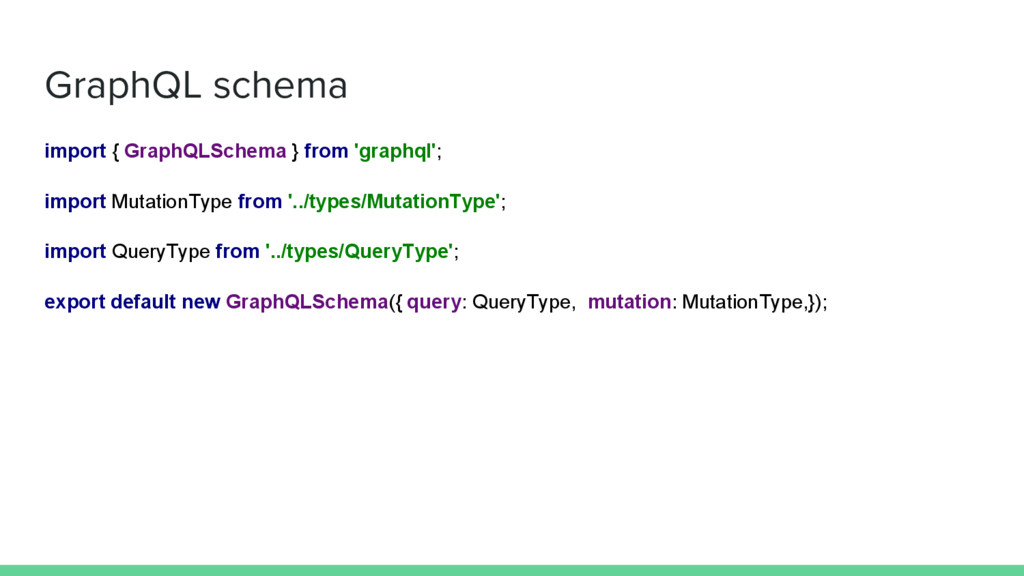
  5. GraphQL schema import { GraphQLSchema } from 'graphql'; import MutationType

    from '../types/MutationType'; import QueryType from '../types/QueryType'; export default new GraphQLSchema({ query: QueryType, mutation: MutationType,});
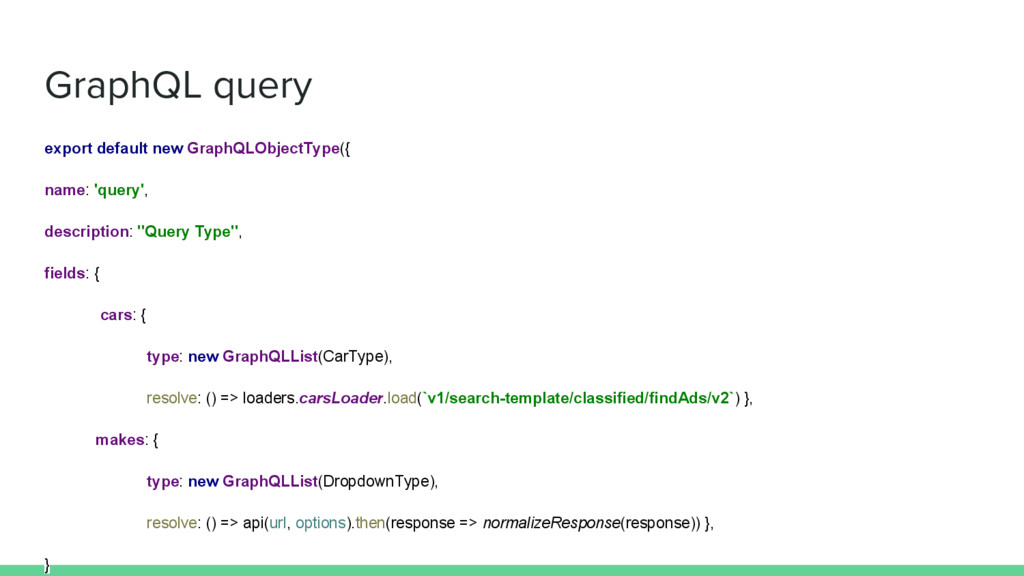
  6. GraphQL query export default new GraphQLObjectType({ name: 'query', description: "Query

    Type", fields: { cars: { type: new GraphQLList(CarType), resolve: () => loaders.carsLoader.load(`v1/search-template/classified/findAds/v2`) }, makes: { type: new GraphQLList(DropdownType), resolve: () => api(url, options).then(response => normalizeResponse(response)) }, }
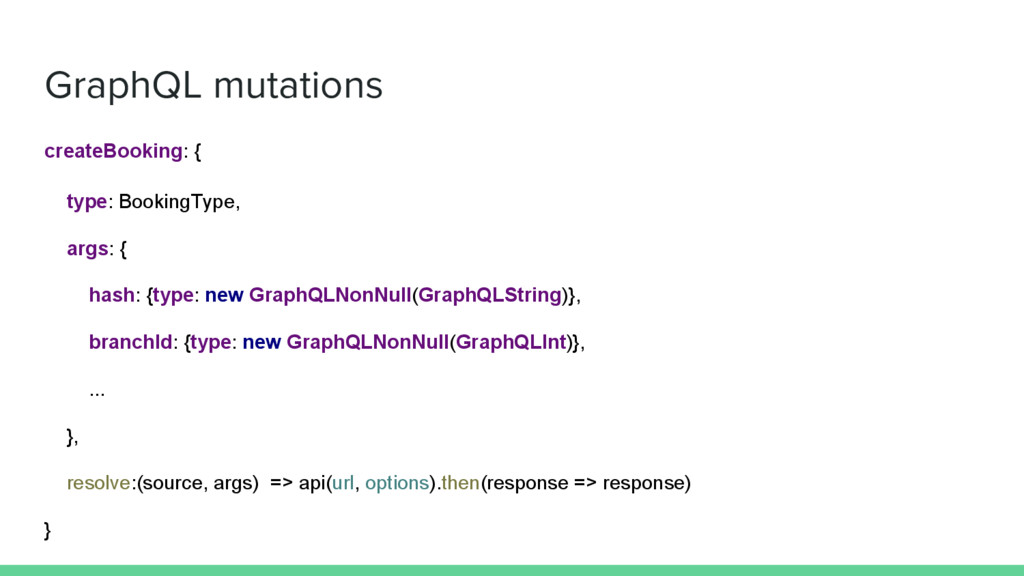
  7. GraphQL mutations createBooking: { type: BookingType, args: { hash: {type:

    new GraphQLNonNull(GraphQLString)}, branchId: {type: new GraphQLNonNull(GraphQLInt)}, ... }, resolve:(source, args) => api(url, options).then(response => response) }
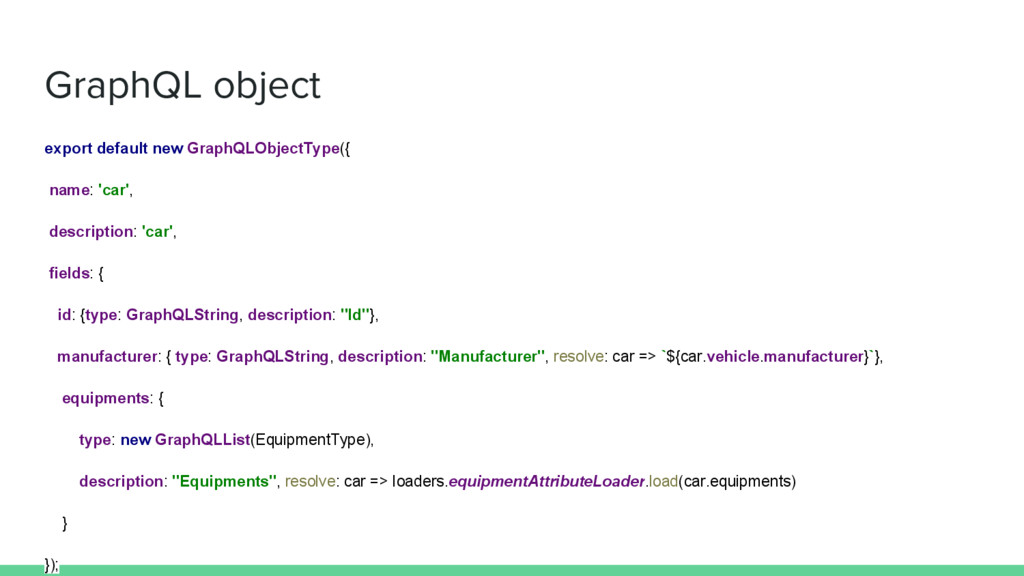
  8. GraphQL object export default new GraphQLObjectType({ name: 'car', description: 'car',

    fields: { id: {type: GraphQLString, description: "Id"}, manufacturer: { type: GraphQLString, description: "Manufacturer", resolve: car => `${car.vehicle.manufacturer}`}, equipments: { type: new GraphQLList(EquipmentType), description: "Equipments", resolve: car => loaders.equipmentAttributeLoader.load(car.equipments) } });
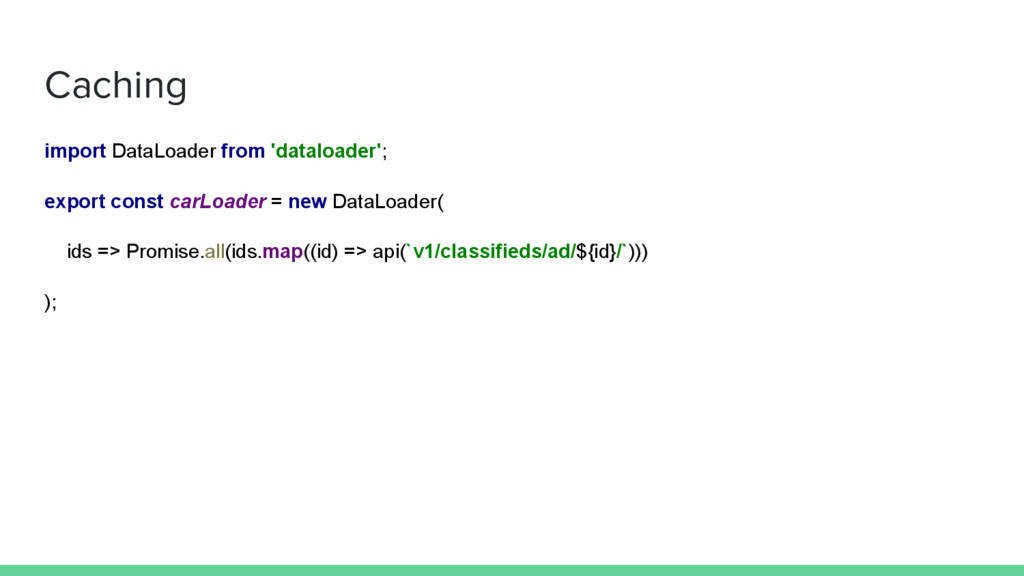
  9. Caching import DataLoader from 'dataloader'; export const carLoader = new

    DataLoader( ids => Promise.all(ids.map((id) => api(`v1/classifieds/ad/${id}/`))) );
  10. DataLoader - https://github.com/facebook/dataloader/ - new DataLoader(batchLoadFn [, options]) - batch

    - maxBatchSize - cache - cacheKeyFn - cacheMap - DataLoader.load(key) - DataLoader.loadMany(keys) - DataLoader.clear(keys) - DataLoader.clearAll()
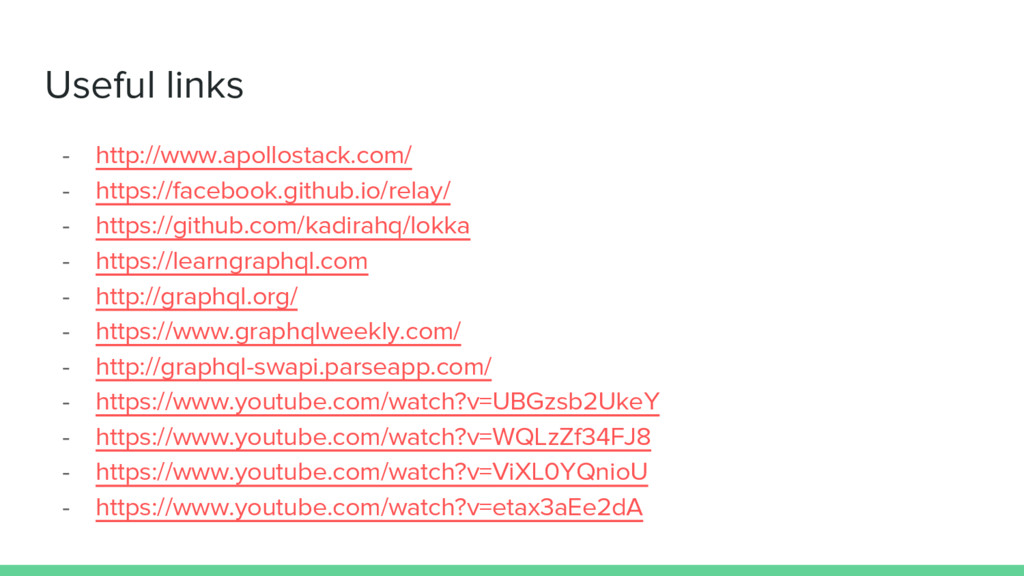
  11. Useful links - http://www.apollostack.com/ - https://facebook.github.io/relay/ - https://github.com/kadirahq/lokka - https://learngraphql.com

    - http://graphql.org/ - https://www.graphqlweekly.com/ - http://graphql-swapi.parseapp.com/ - https://www.youtube.com/watch?v=UBGzsb2UkeY - https://www.youtube.com/watch?v=WQLzZf34FJ8 - https://www.youtube.com/watch?v=ViXL0YQnioU - https://www.youtube.com/watch?v=etax3aEe2dA