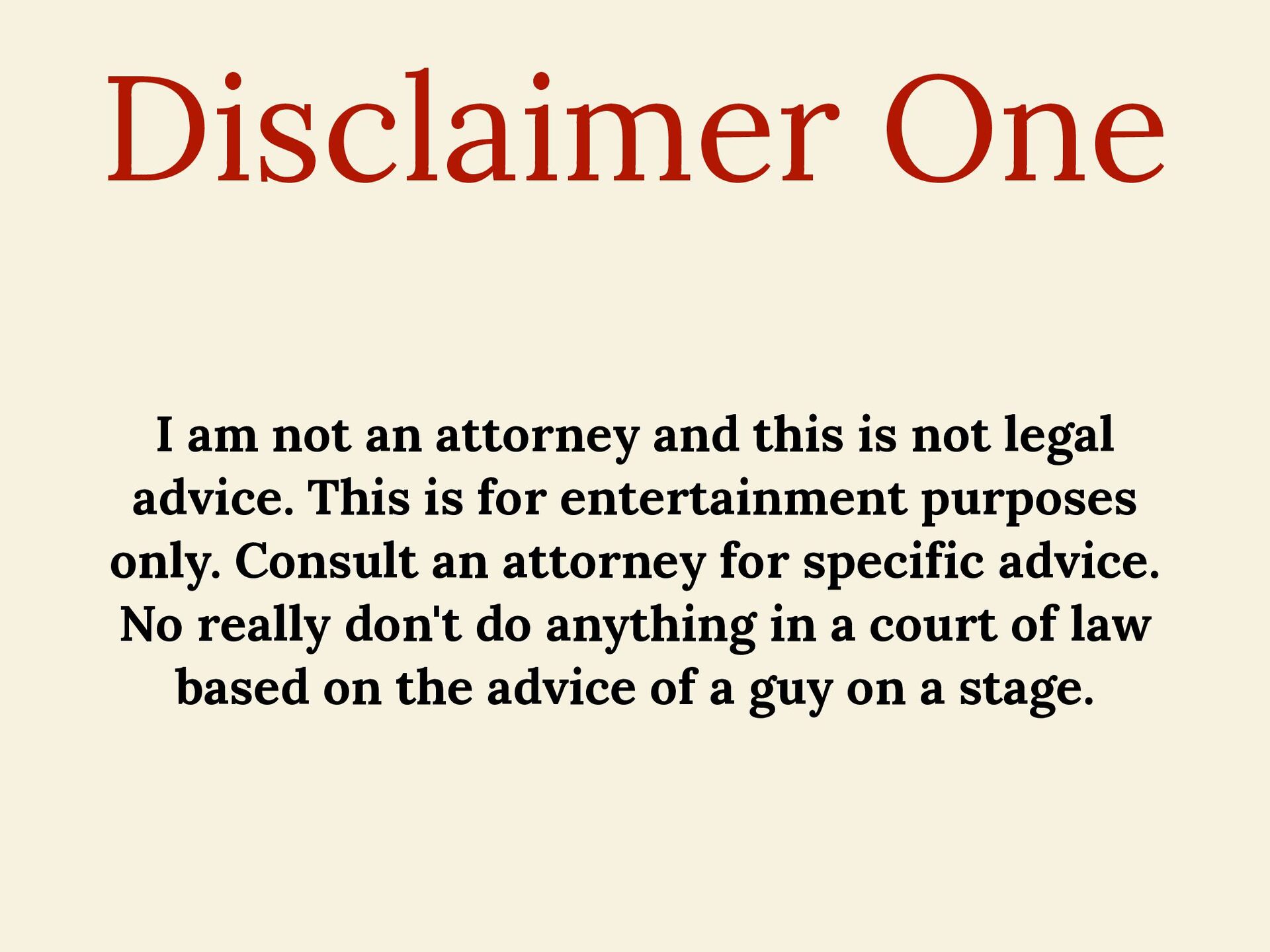
not legal advice. This is for entertainment purposes only. Consult an attorney for specific advice. No really don't do anything in a court of law based on the advice of a guy on a stage.
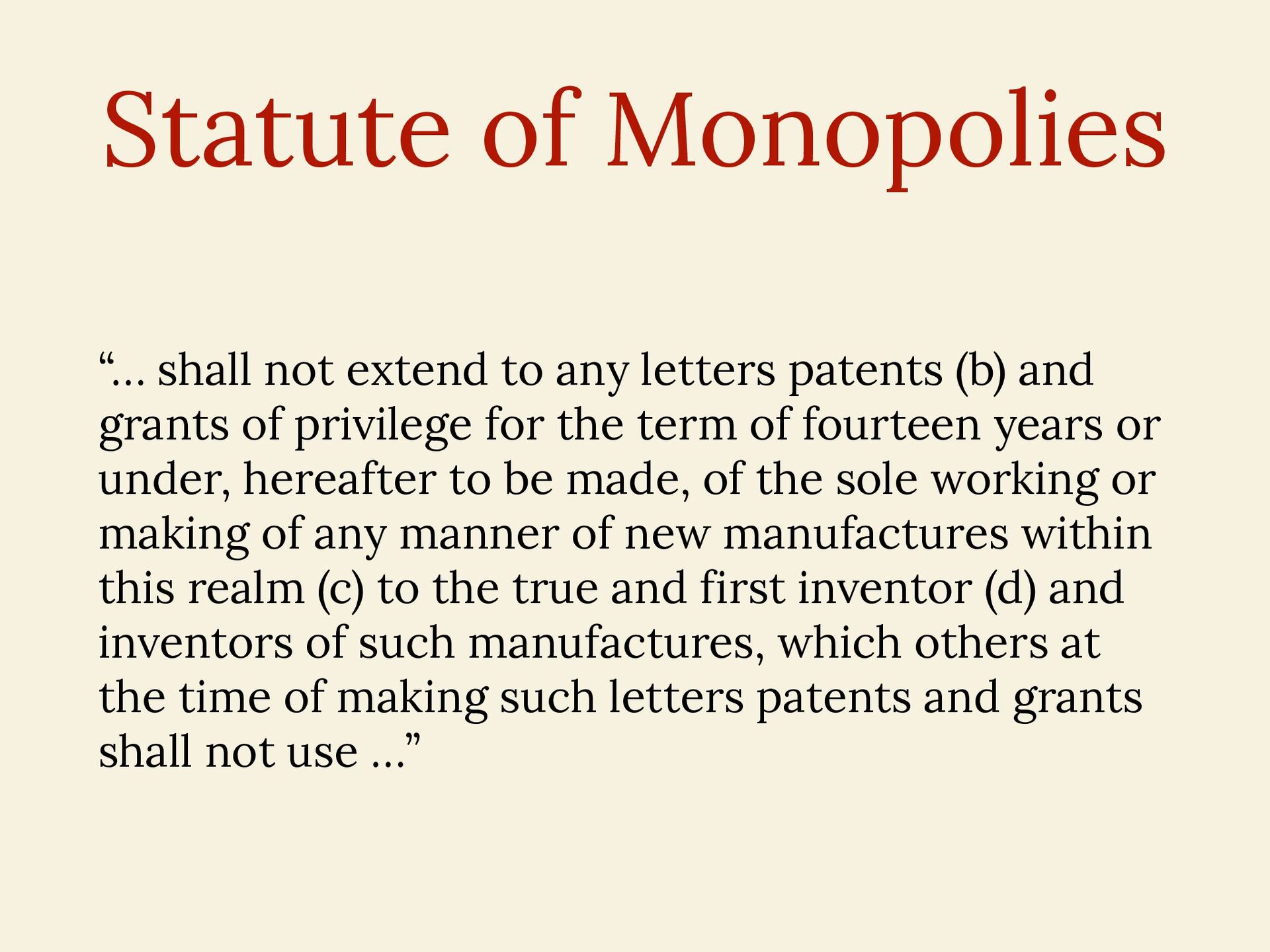
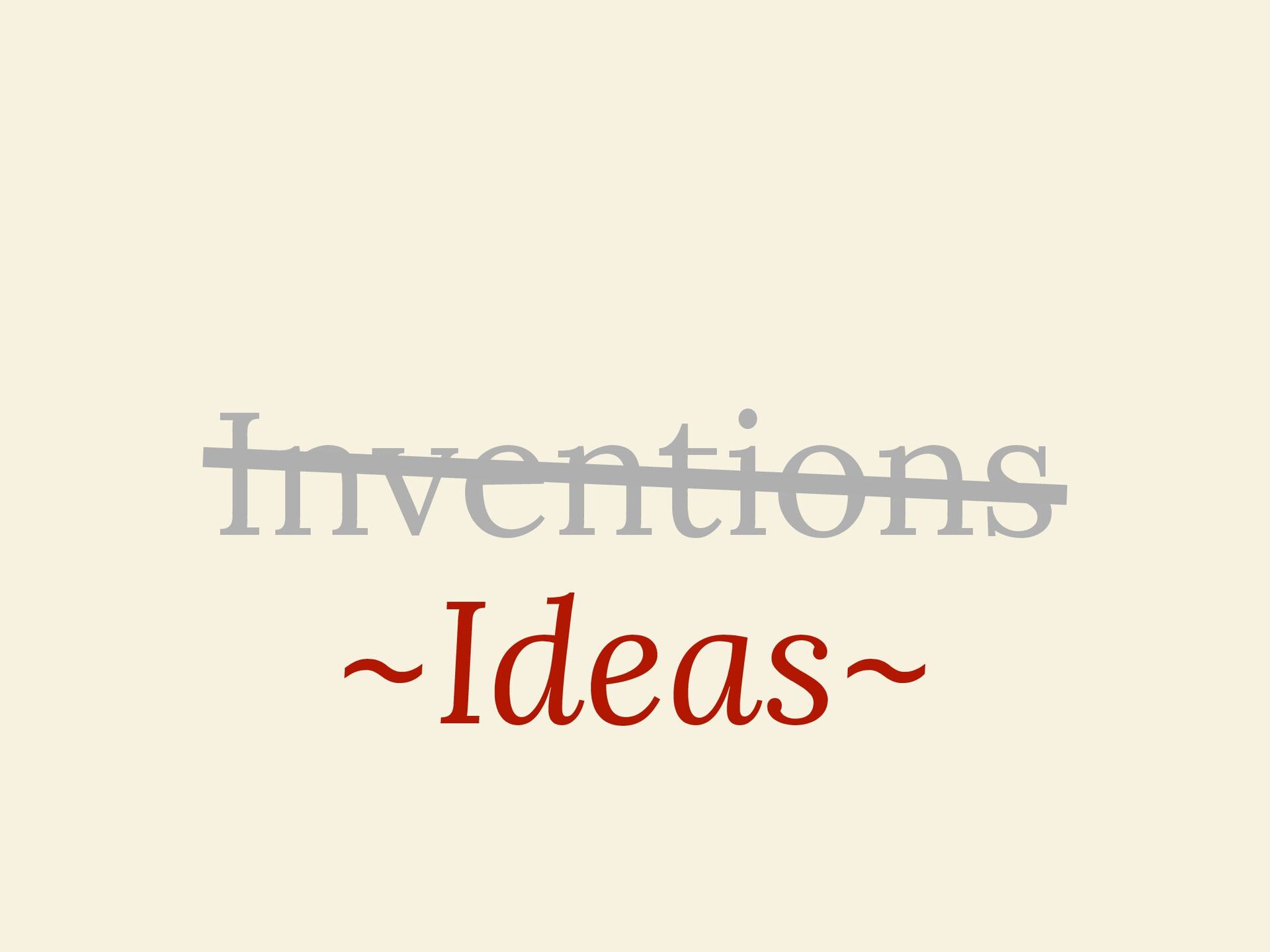
patents (b) and grants of privilege for the term of fourteen years or under, hereafter to be made, of the sole working or making of any manner of new manufactures within this realm (c) to the true and first inventor (d) and inventors of such manufactures, which others at the time of making such letters patents and grants shall not use …”
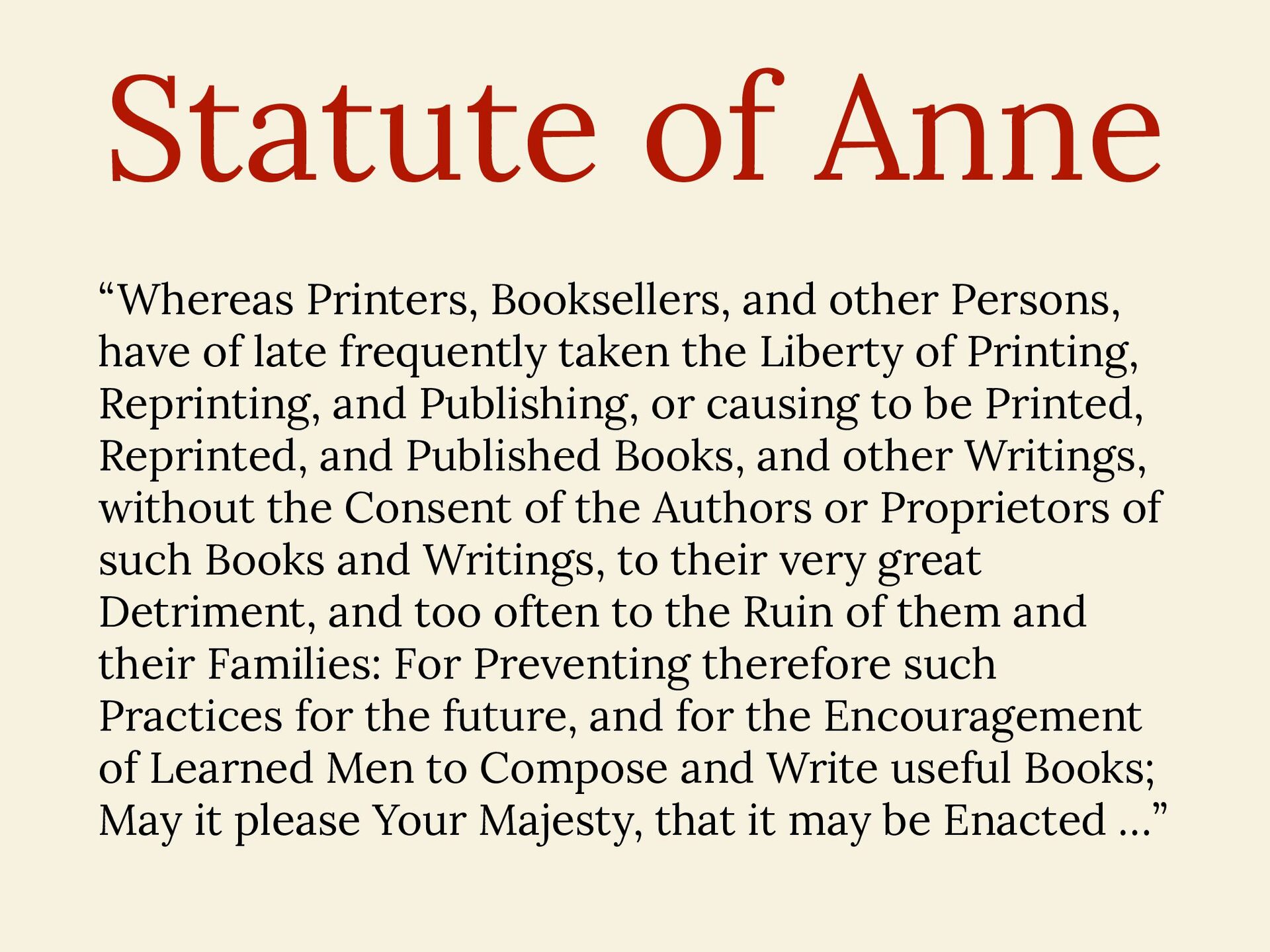
of late frequently taken the Liberty of Printing, Reprinting, and Publishing, or causing to be Printed, Reprinted, and Published Books, and other Writings, without the Consent of the Authors or Proprietors of such Books and Writings, to their very great Detriment, and too often to the Ruin of them and their Families: For Preventing therefore such Practices for the future, and for the Encouragement of Learned Men to Compose and Write useful Books; May it please Your Majesty, that it may be Enacted …”
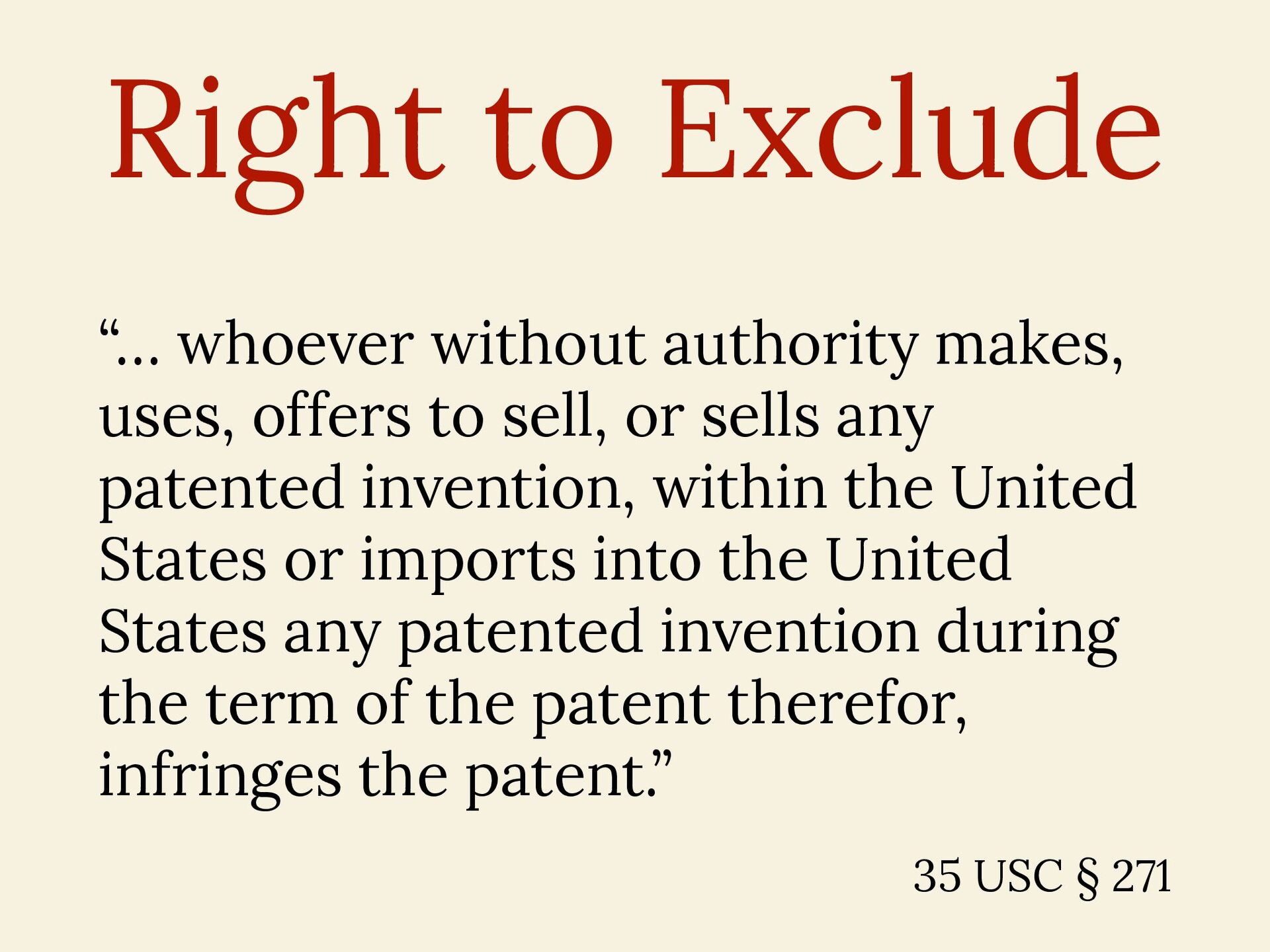
to sell, or sells any patented invention, within the United States or imports into the United States any patented invention during the term of the patent therefor, infringes the patent.” 35 USC § 271
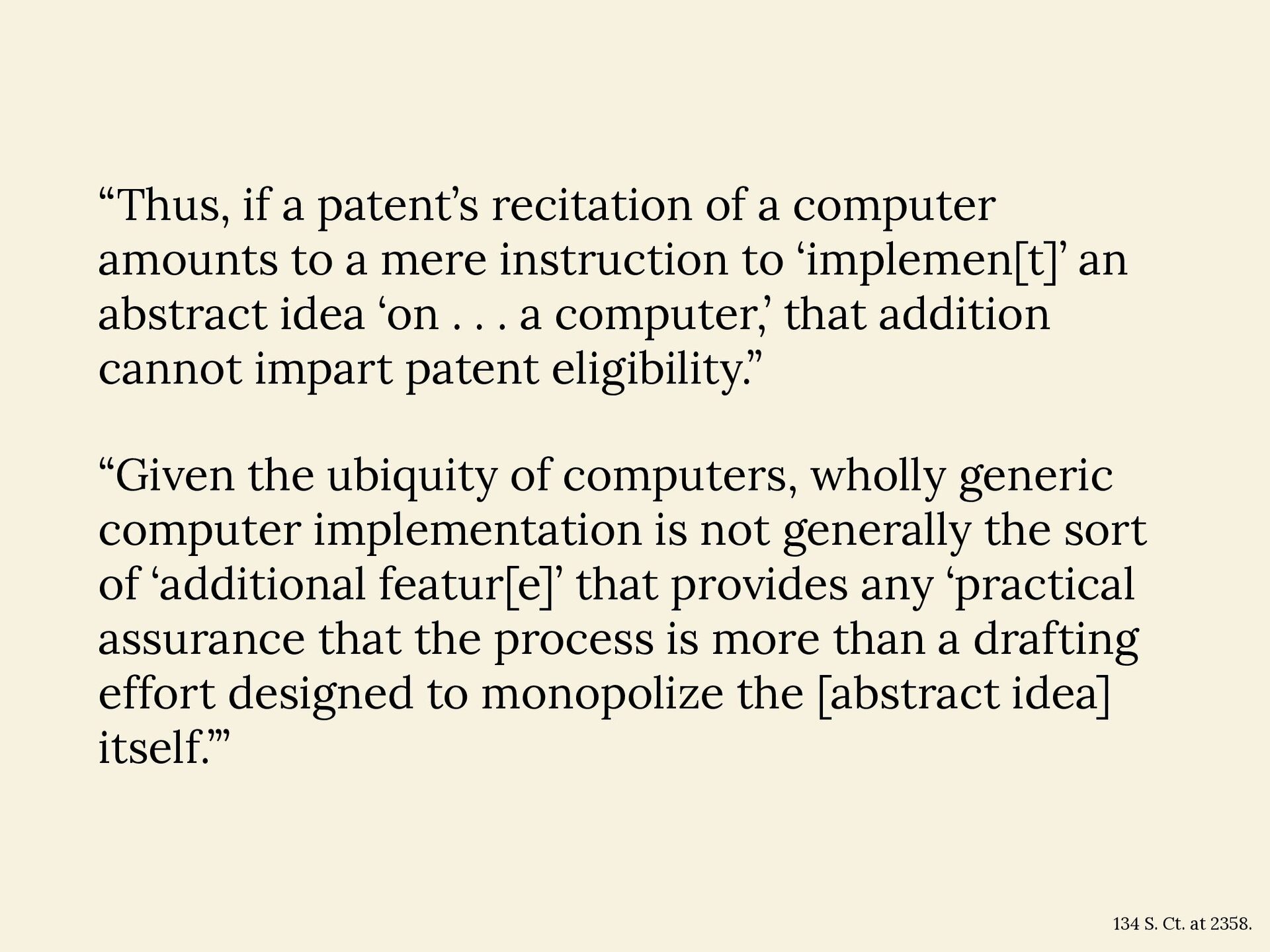
a mere instruction to ‘implemen[t]’ an abstract idea ‘on . . . a computer,’ that addition cannot impart patent eligibility.” “Given the ubiquity of computers, wholly generic computer implementation is not generally the sort of ‘additional featur[e]’ that provides any ‘practical assurance that the process is more than a drafting effort designed to monopolize the [abstract idea] itself.’” 134 S. Ct. at 2358.
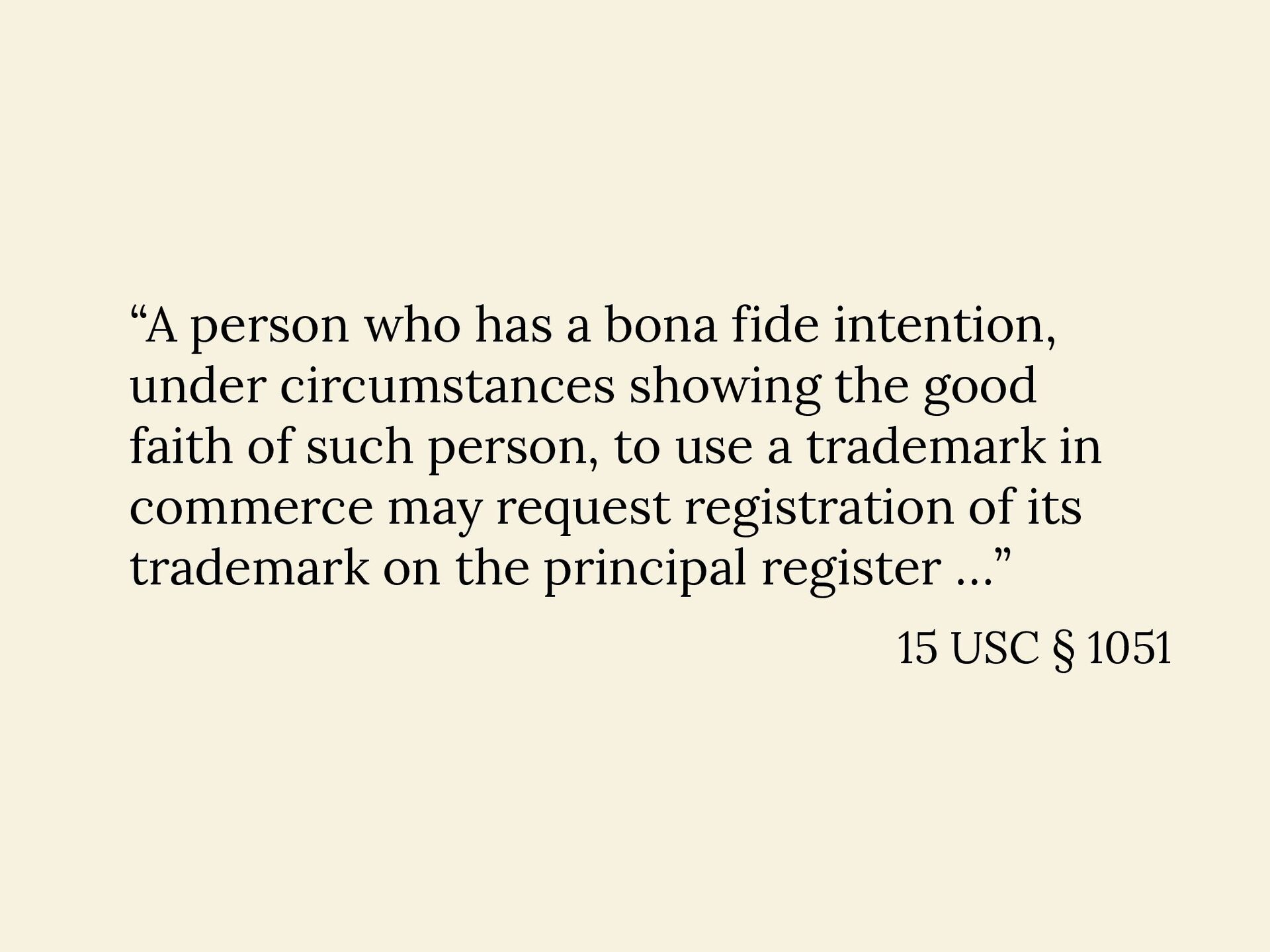
showing the good faith of such person, to use a trademark in commerce may request registration of its trademark on the principal register …” 15 USC § 1051
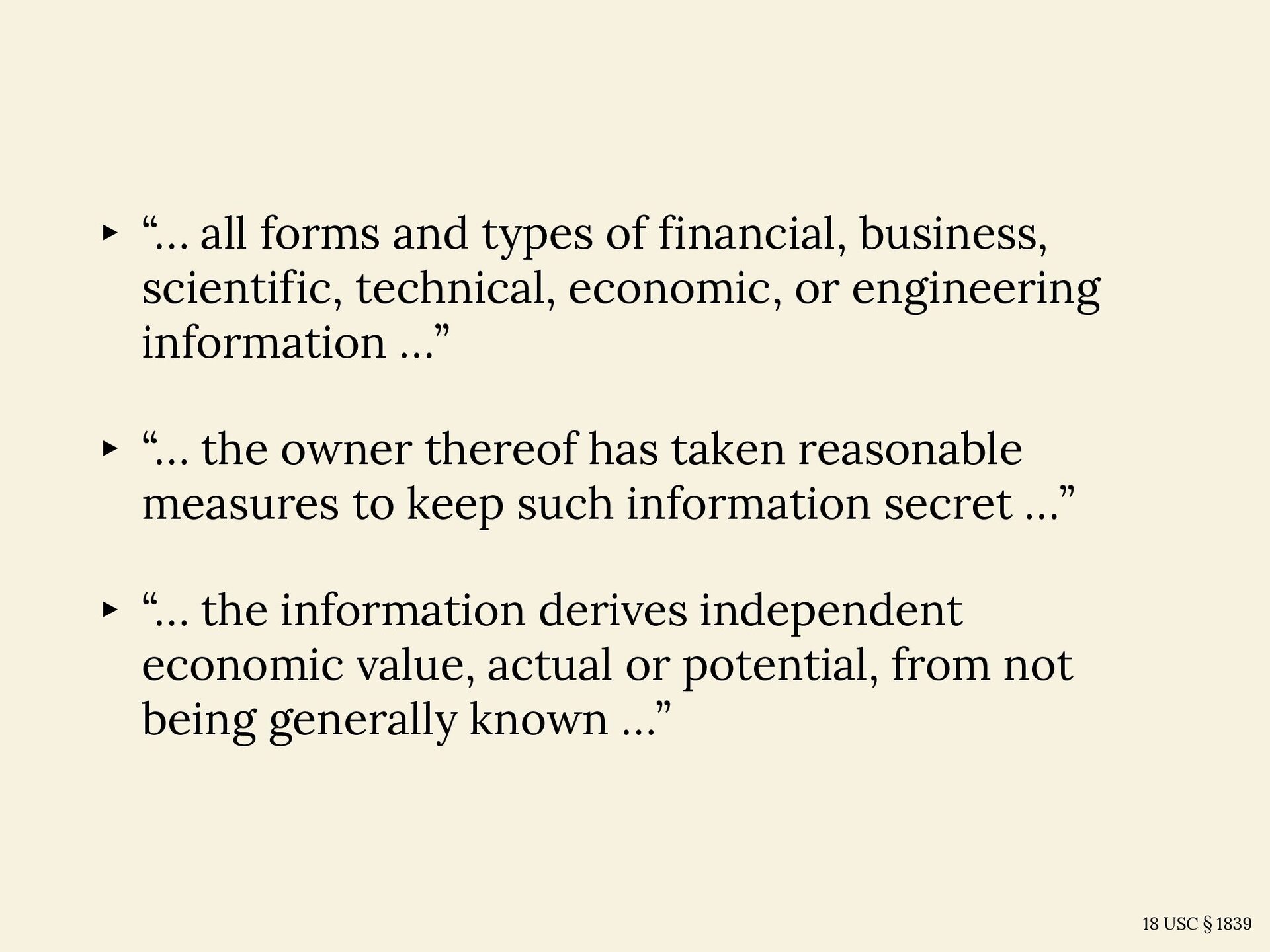
technical, economic, or engineering information …” ‣ “… the owner thereof has taken reasonable measures to keep such information secret …” ‣ “… the information derives independent economic value, actual or potential, from not being generally known …” 18 USC § 1839
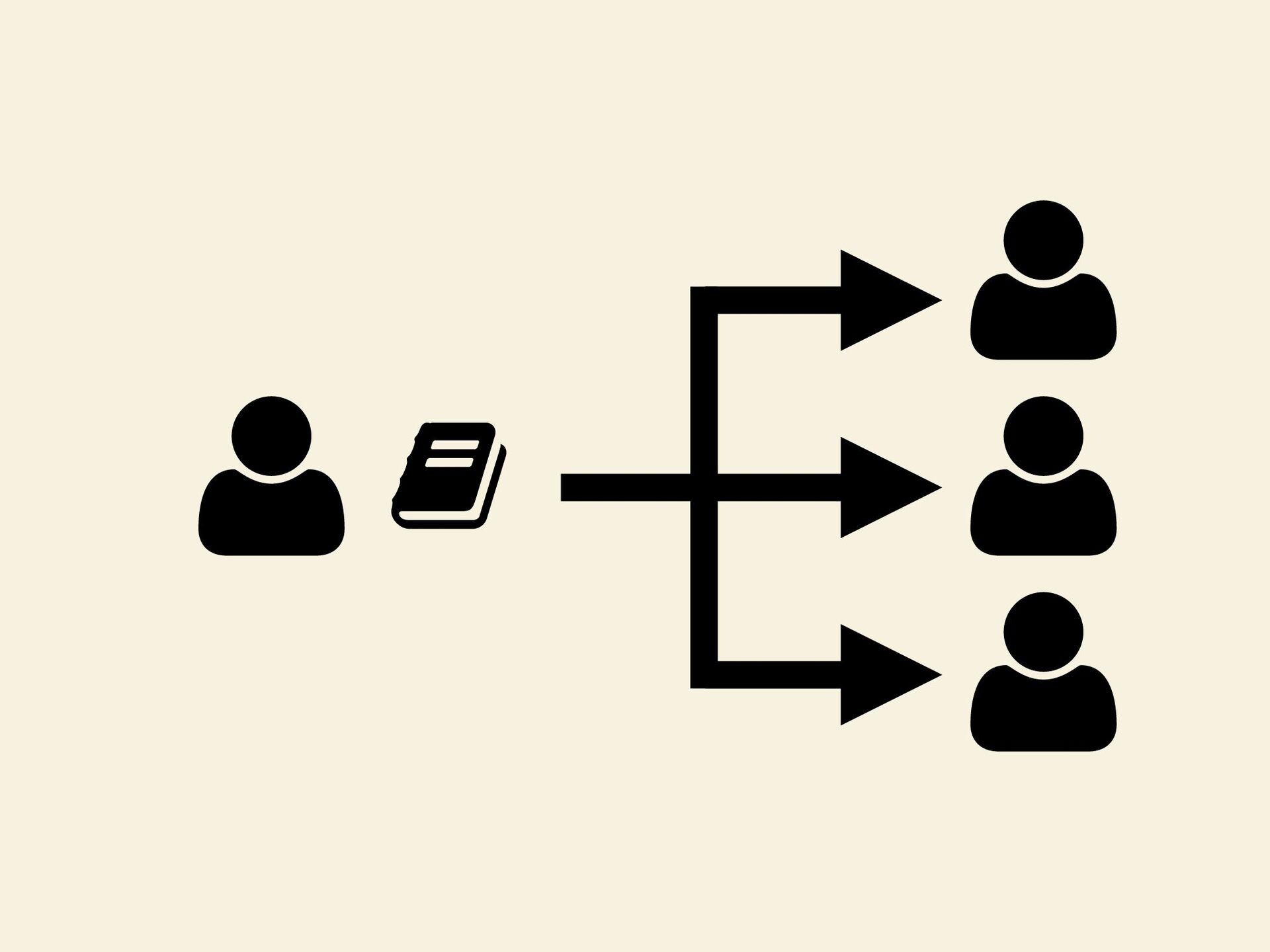
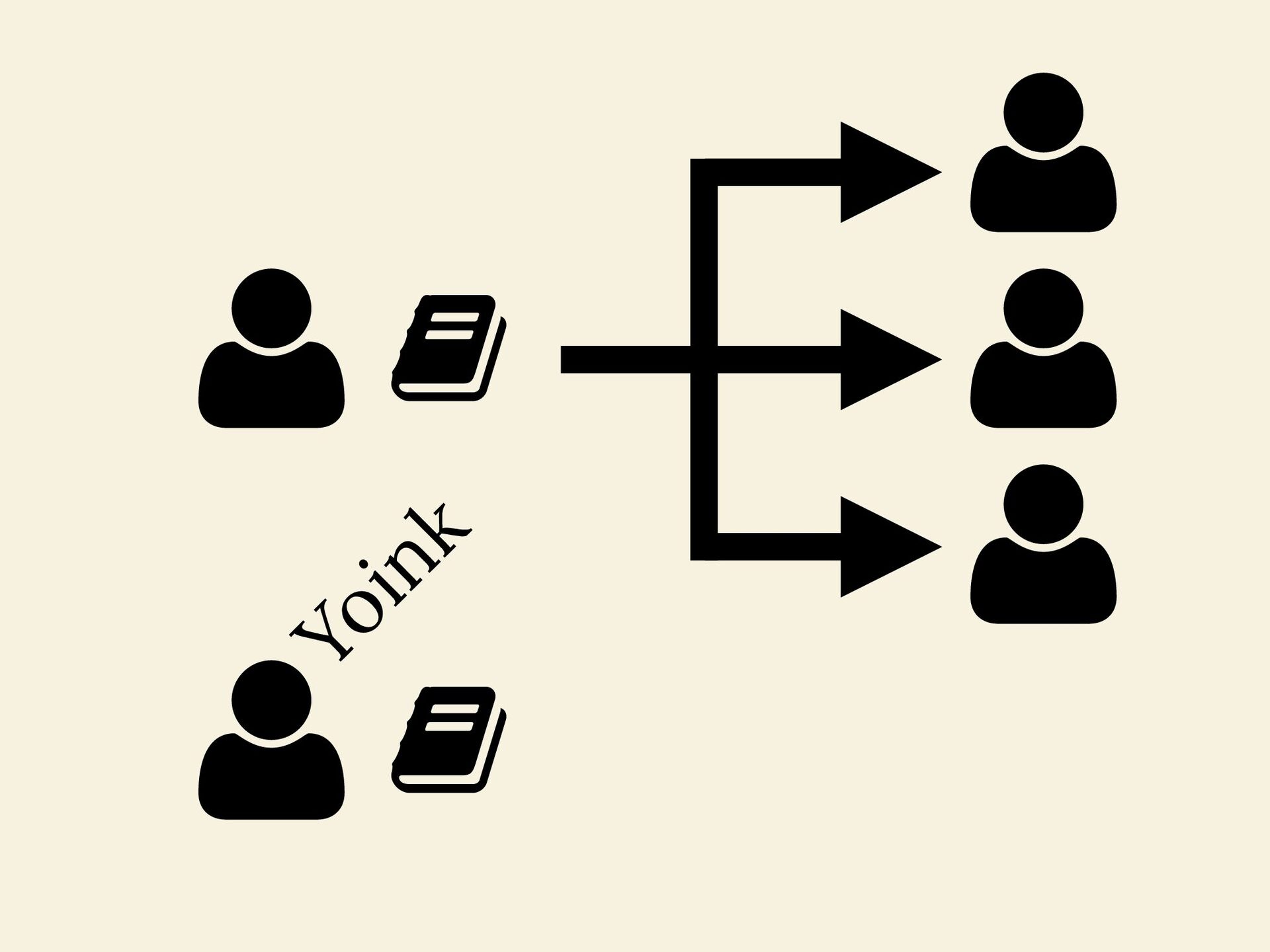
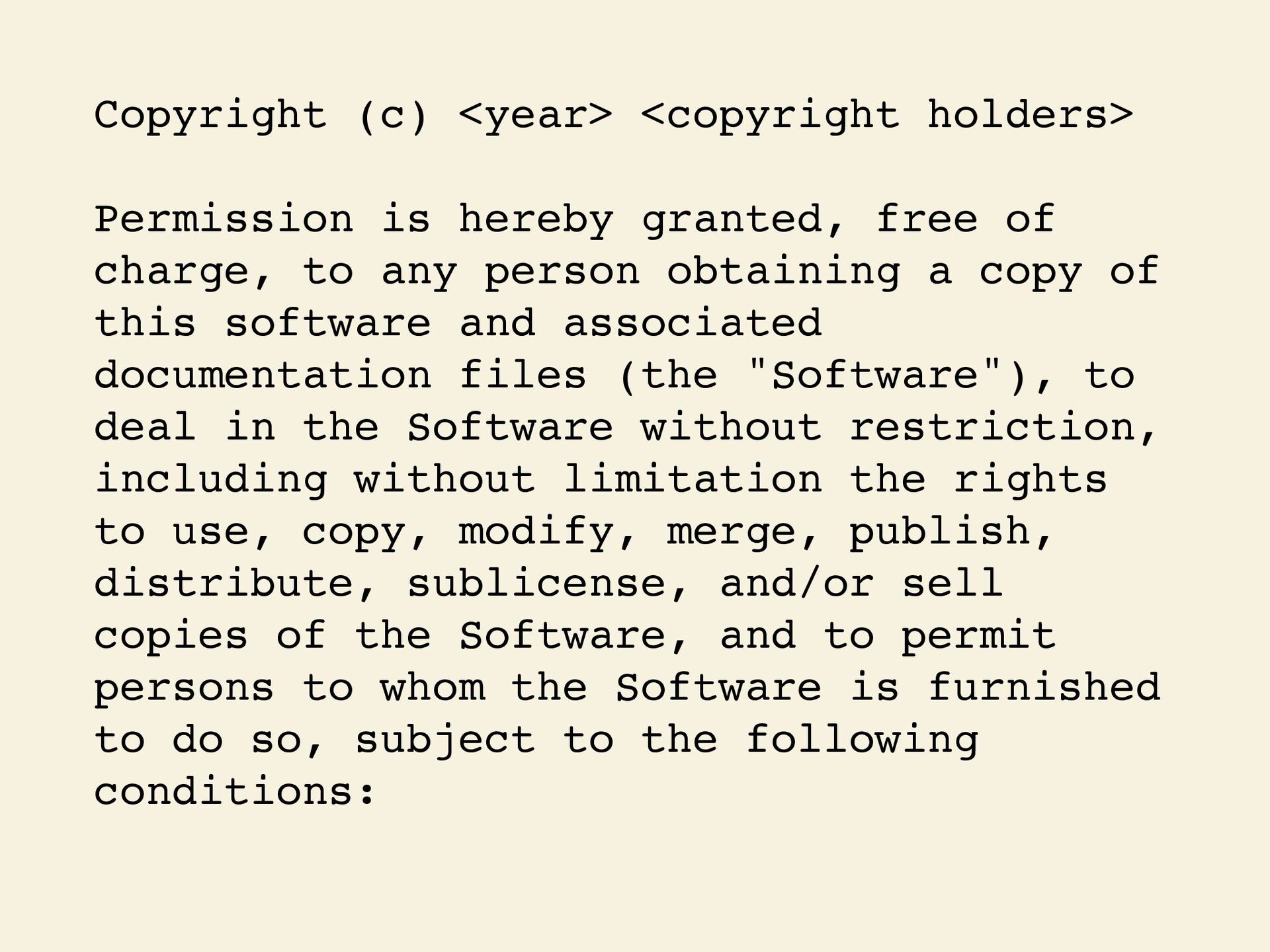
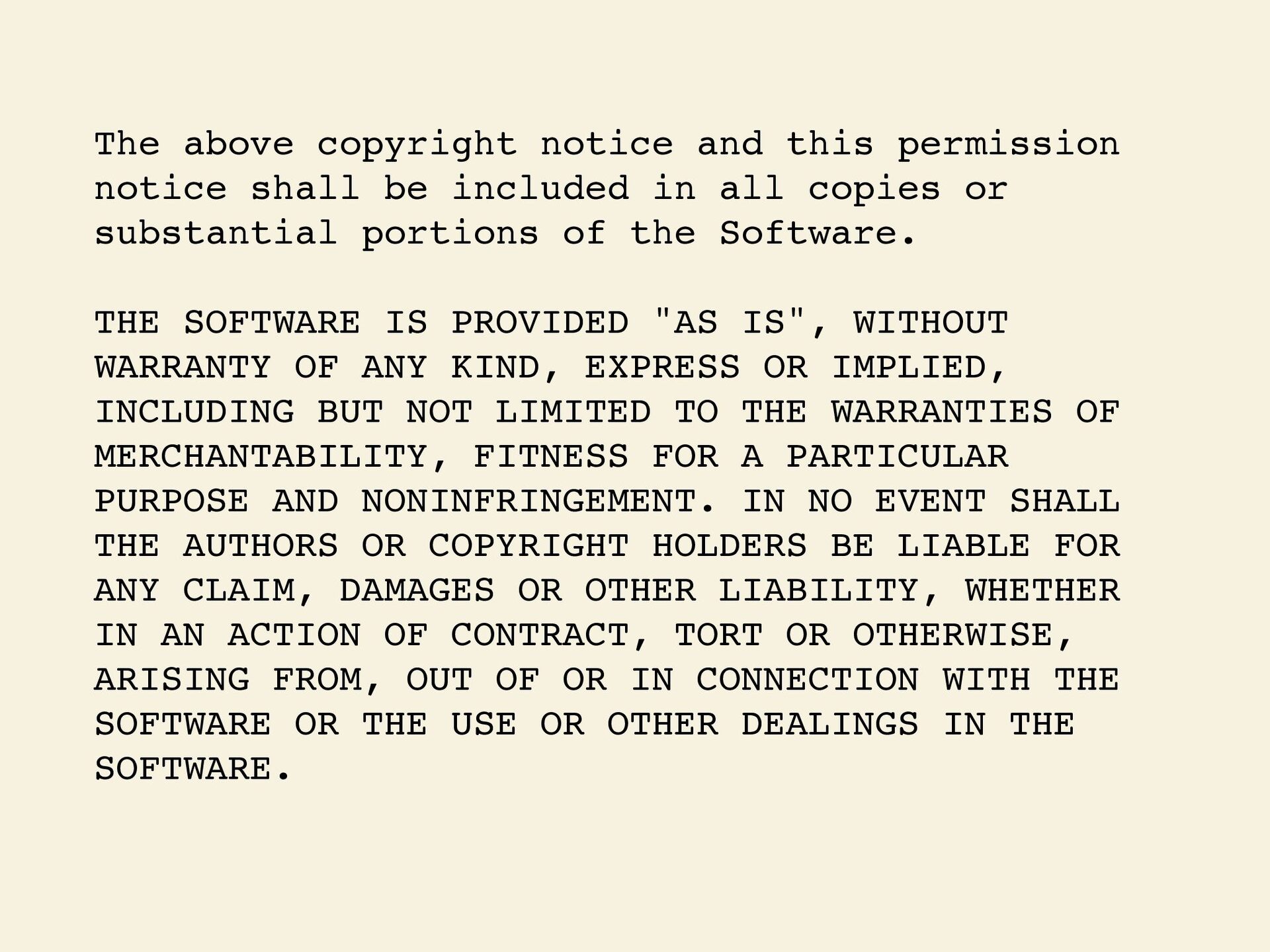
of charge, to any person obtaining a copy of this software and associated documentation files (the "Software"), to deal in the Software without restriction, including without limitation the rights to use, copy, modify, merge, publish, distribute, sublicense, and/or sell copies of the Software, and to permit persons to whom the Software is furnished to do so, subject to the following conditions:
included in all copies or substantial portions of the Software. THE SOFTWARE IS PROVIDED "AS IS", WITHOUT WARRANTY OF ANY KIND, EXPRESS OR IMPLIED, INCLUDING BUT NOT LIMITED TO THE WARRANTIES OF MERCHANTABILITY, FITNESS FOR A PARTICULAR PURPOSE AND NONINFRINGEMENT. IN NO EVENT SHALL THE AUTHORS OR COPYRIGHT HOLDERS BE LIABLE FOR ANY CLAIM, DAMAGES OR OTHER LIABILITY, WHETHER IN AN ACTION OF CONTRACT, TORT OR OTHERWISE, ARISING FROM, OUT OF OR IN CONNECTION WITH THE SOFTWARE OR THE USE OR OTHER DEALINGS IN THE SOFTWARE.
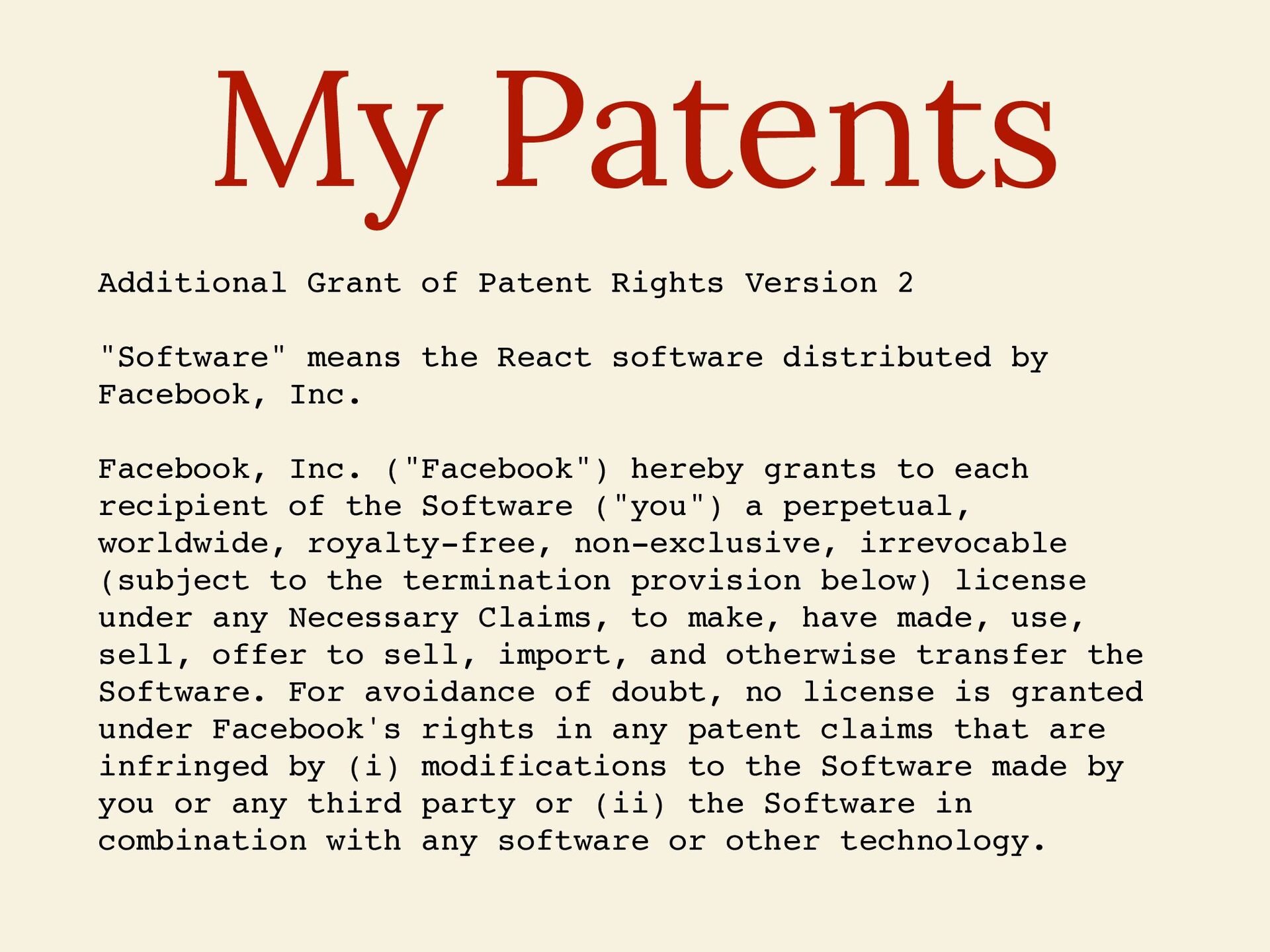
means the React software distributed by Facebook, Inc. Facebook, Inc. ("Facebook") hereby grants to each recipient of the Software ("you") a perpetual, worldwide, royalty-free, non-exclusive, irrevocable (subject to the termination provision below) license under any Necessary Claims, to make, have made, use, sell, offer to sell, import, and otherwise transfer the Software. For avoidance of doubt, no license is granted under Facebook's rights in any patent claims that are infringed by (i) modifications to the Software made by you or any third party or (ii) the Software in combination with any software or other technology.
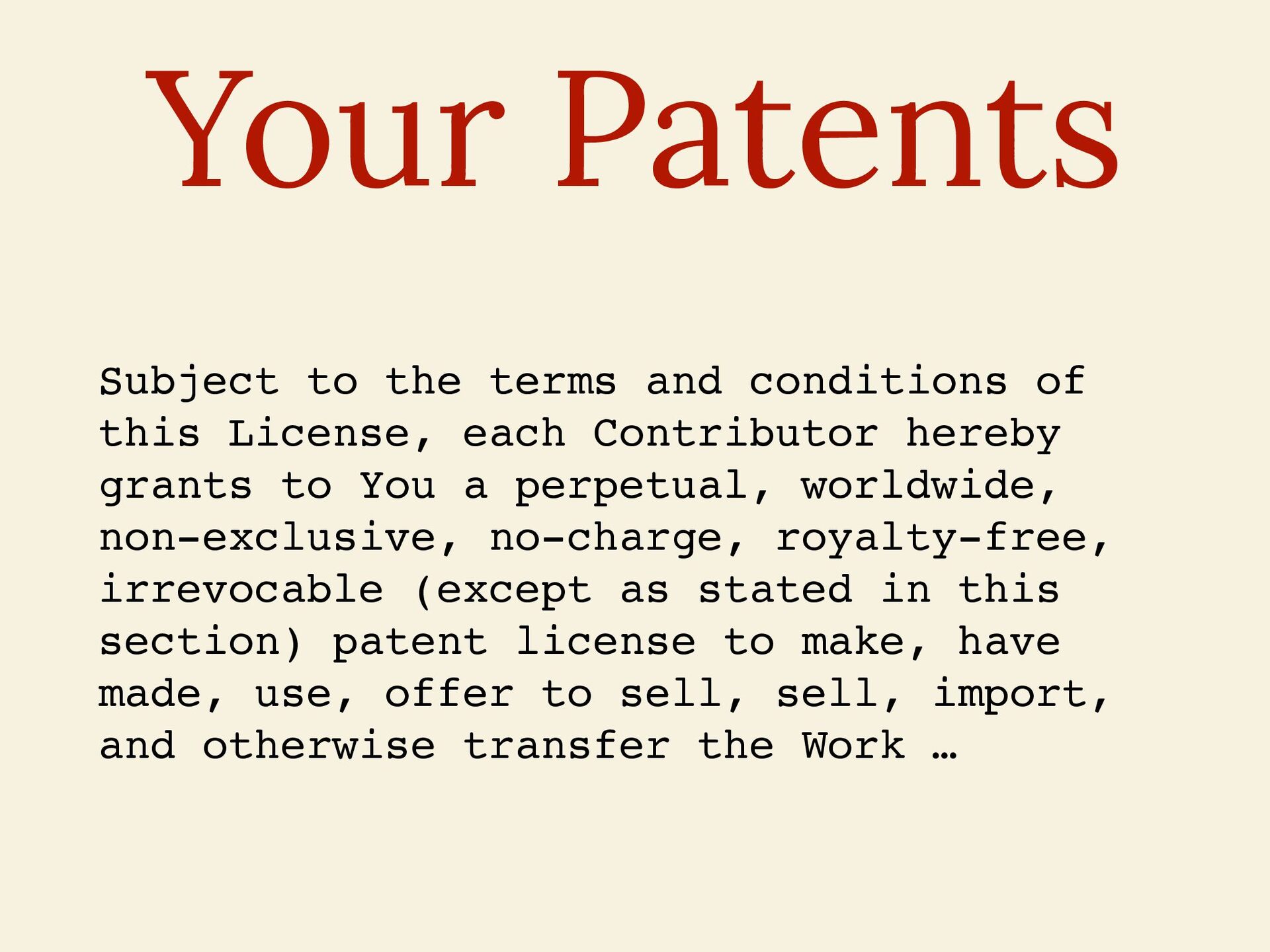
License, each Contributor hereby grants to You a perpetual, worldwide, non-exclusive, no-charge, royalty-free, irrevocable (except as stated in this section) patent license to make, have made, use, offer to sell, sell, import, and otherwise transfer the Work …
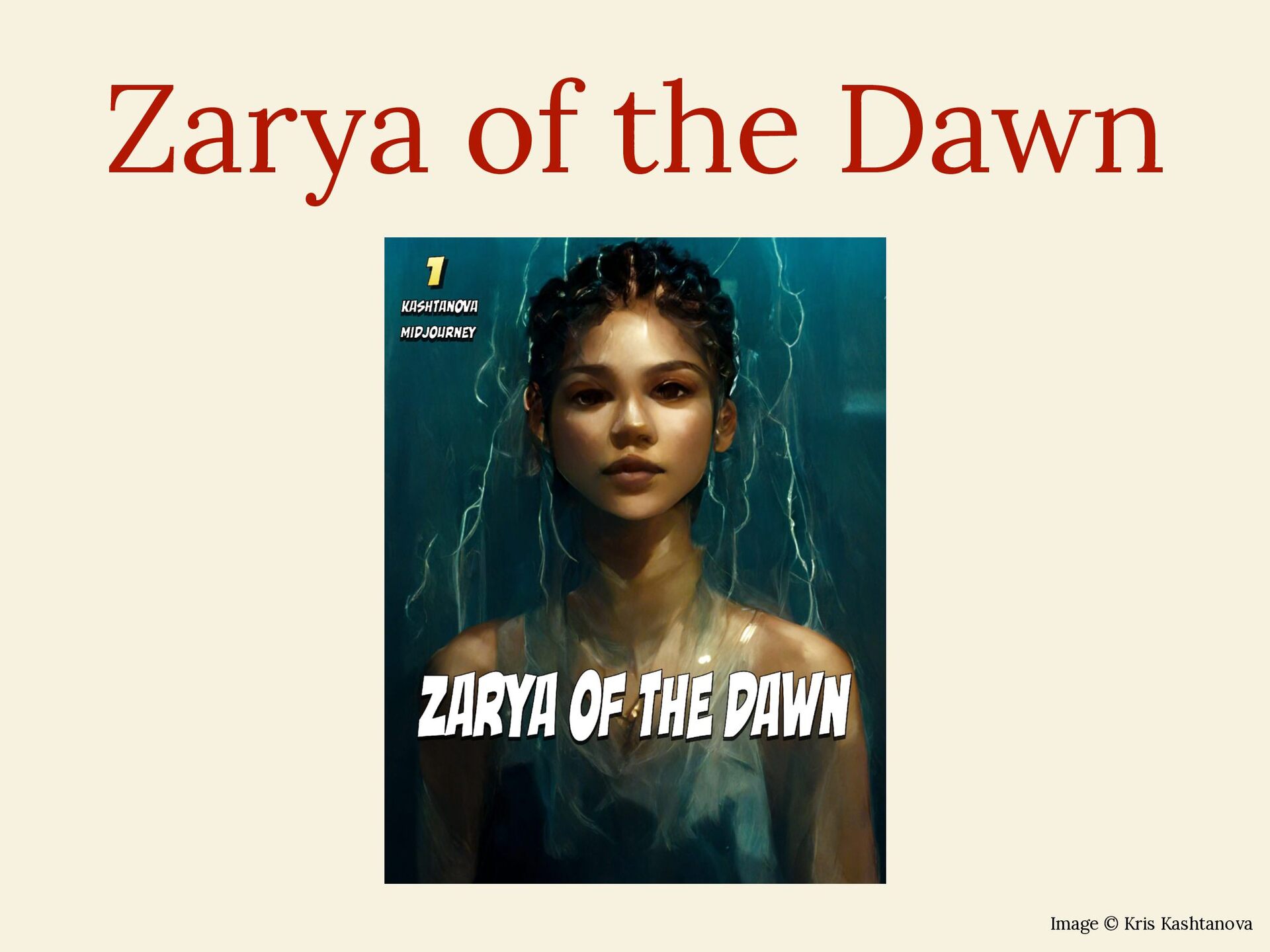
the author of the Work’s text as well as the selection, coordination, and arrangement of the Work’s written and visual elements. That authorship is protected by copyright. However, as discussed below, the images in the Work that were generated by the Midjourney technology are not the product of human authorship.” Re: Zarya of the Dawn (Registration # VAu001480196)
alone do not provide sufficient human control to make users of an AI system the authors of the output. Prompts essentially function as instructions that convey unprotectible ideas. While highly detailed prompts could contain the user’s desired expressive elements, at present they do not control how the AI system processes them in generating the output. Copyright and Artificial Intelligence, Part 2: Copyrightability, USCO
audio, video, or a combination of these mediums. Some systems—whether via tools, settings, or prompts—allow inputs to be substantially retained as part of the output. [...], where a human inputs their own copyrightable work and that work is perceptible in the output, they will be the author of at least that portion of the output. Their own creative expression will be protected by copyright, with a scope analogous to that in a derivative work. Copyright and Artificial Intelligence, Part 2: Copyrightability, USCO
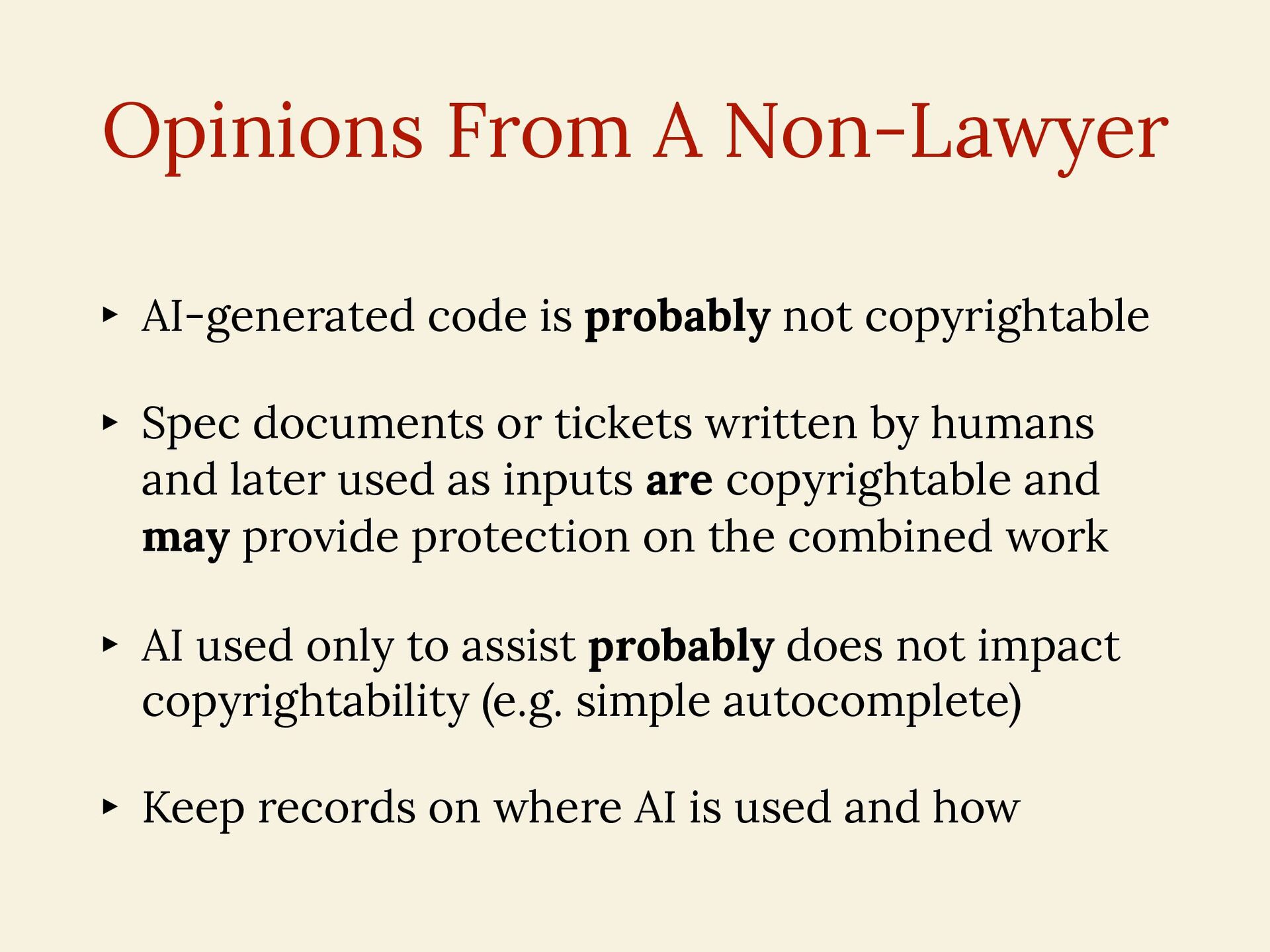
copyrightable ‣ Spec documents or tickets written by humans and later used as inputs are copyrightable and may provide protection on the combined work ‣ AI used only to assist probably does not impact copyrightability (e.g. simple autocomplete) ‣ Keep records on where AI is used and how
monetary relief … for infringement of copyright by reason of the storage at the direction of a user of material that resides on a system or network controlled or operated by or for the service provider, if the service provider … does not have actual knowledge that the material or an activity using the material on the system or network is infringing;” 17 USC § 512
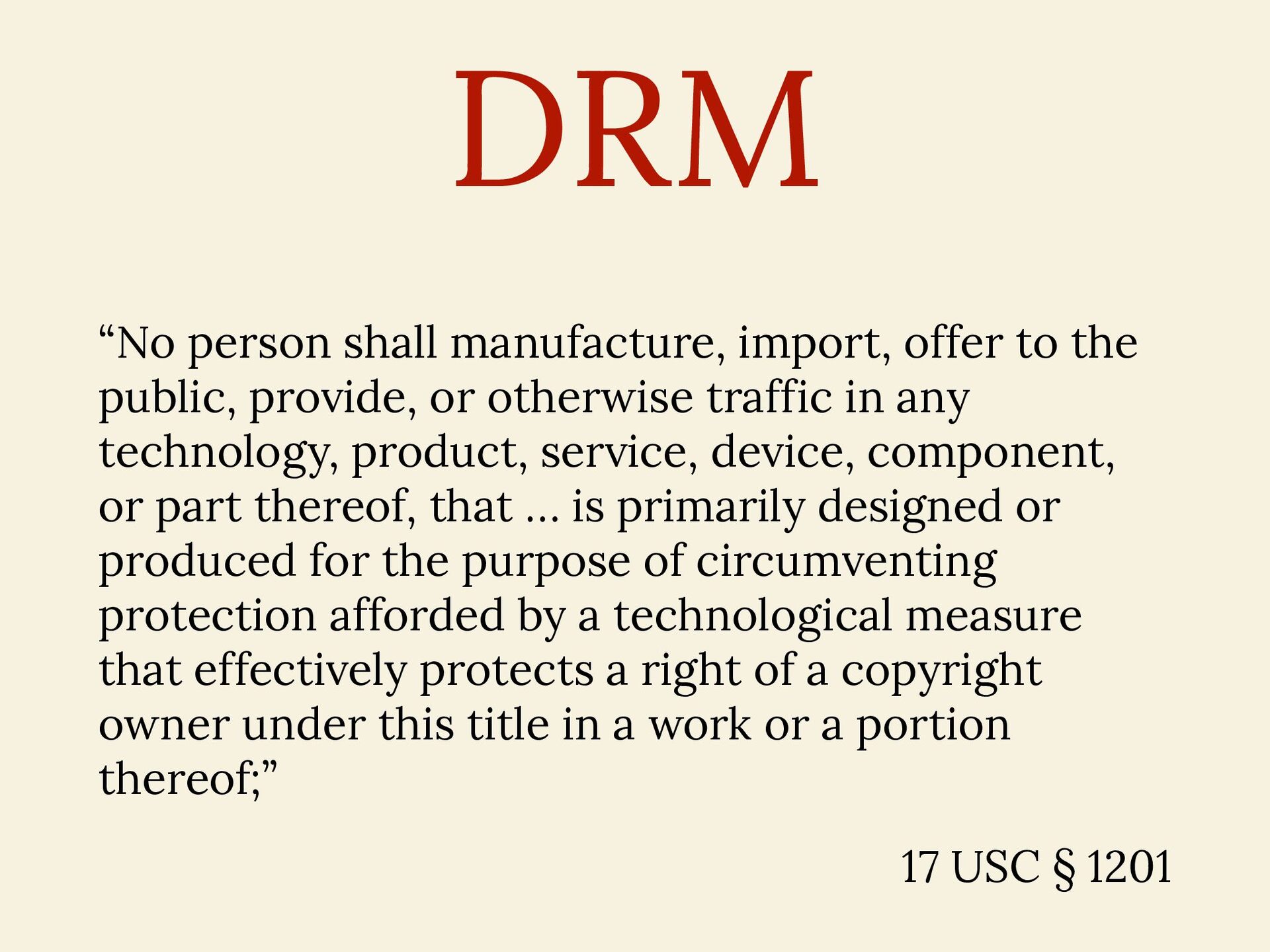
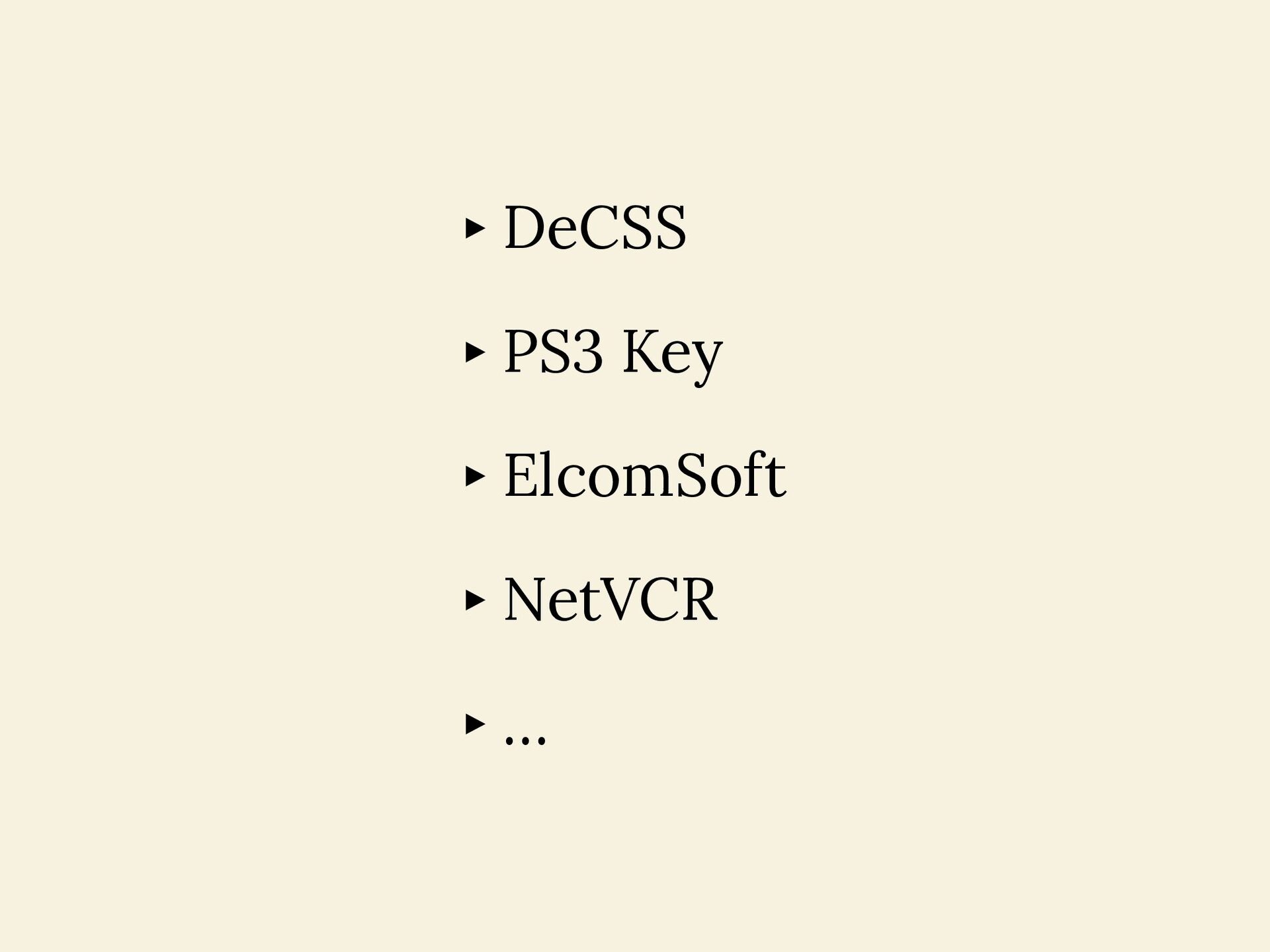
provide, or otherwise traffic in any technology, product, service, device, component, or part thereof, that … is primarily designed or produced for the purpose of circumventing protection afforded by a technological measure that effectively protects a right of a copyright owner under this title in a work or a portion thereof;” 17 USC § 1201
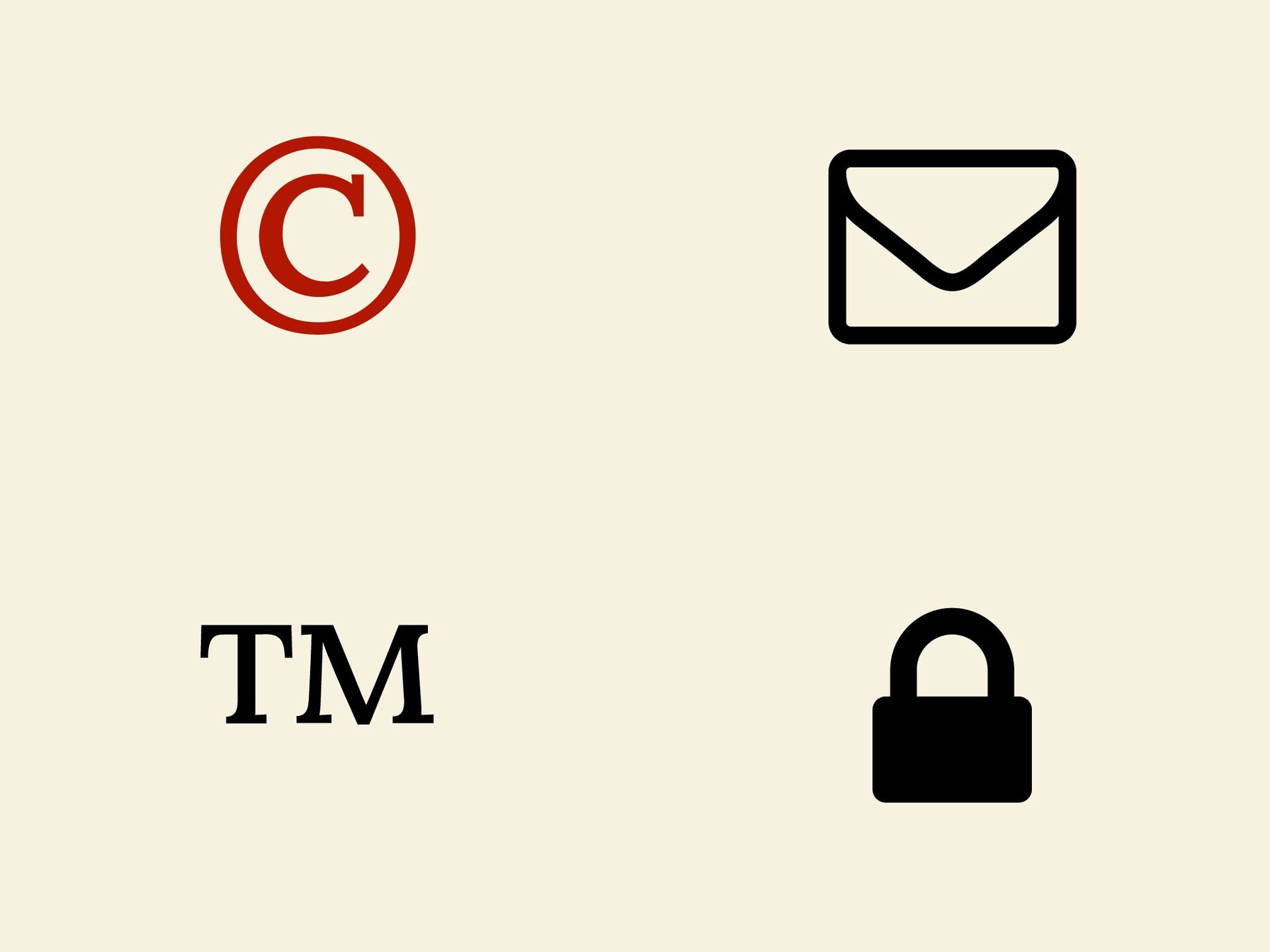
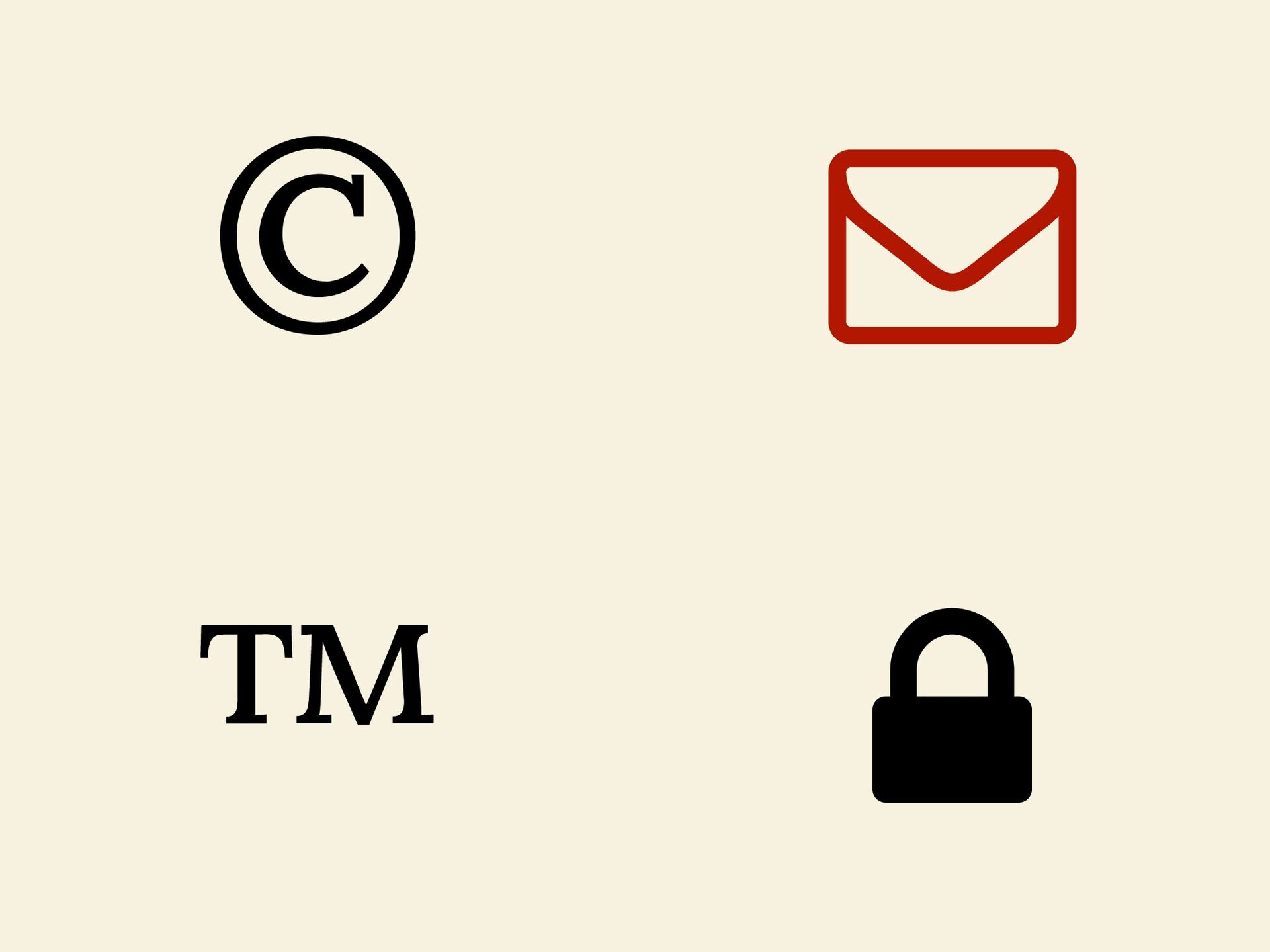
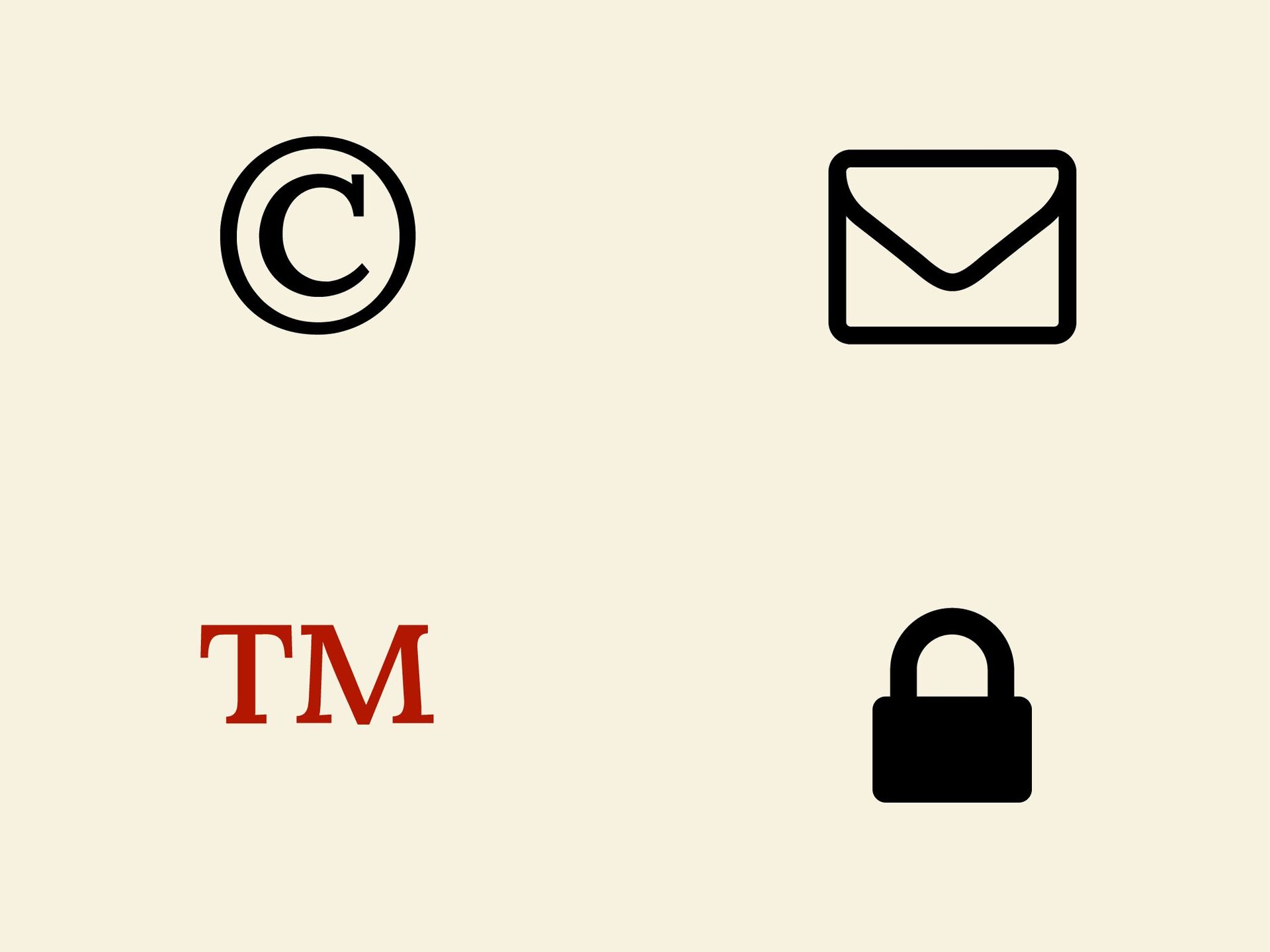
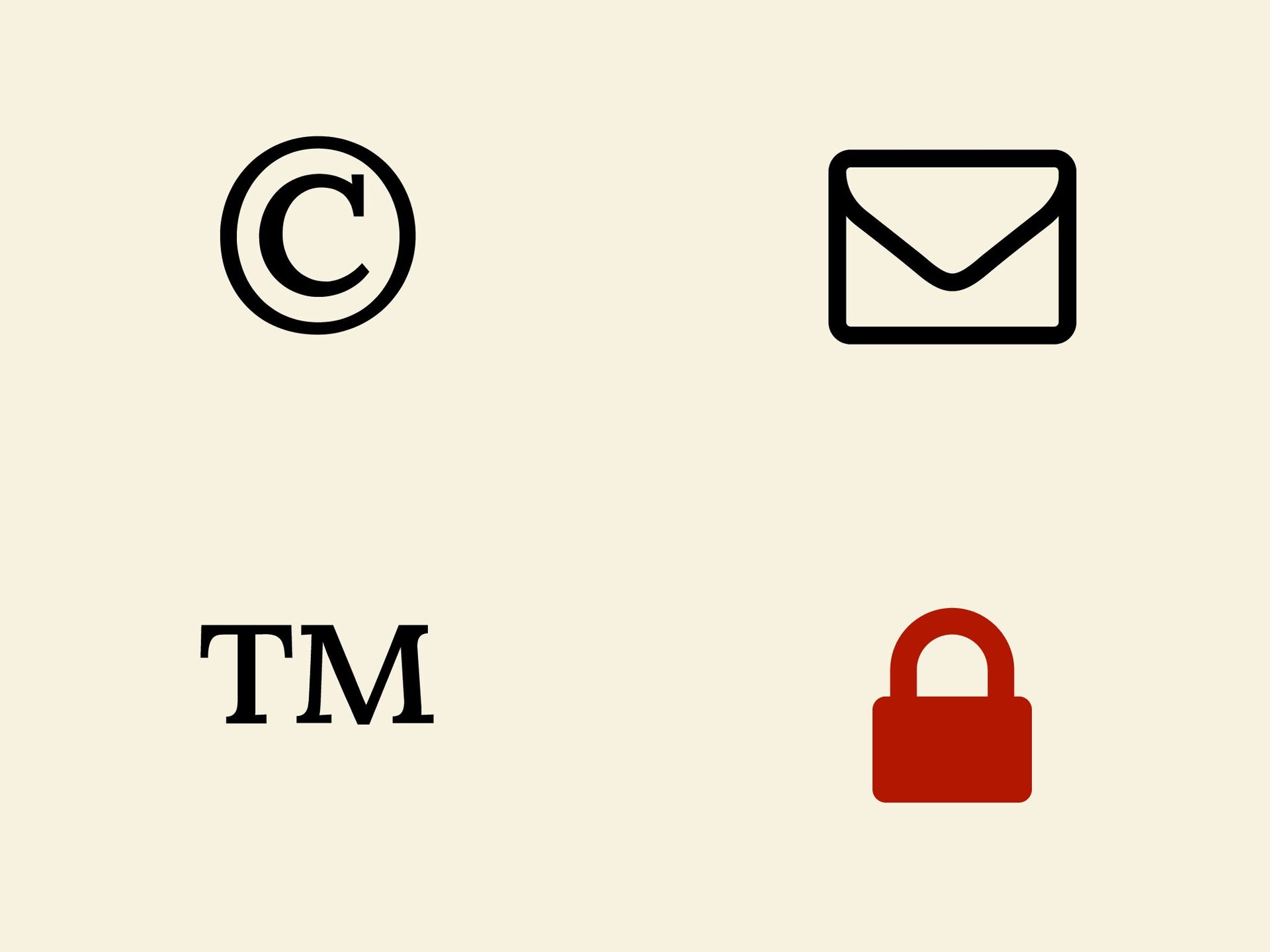
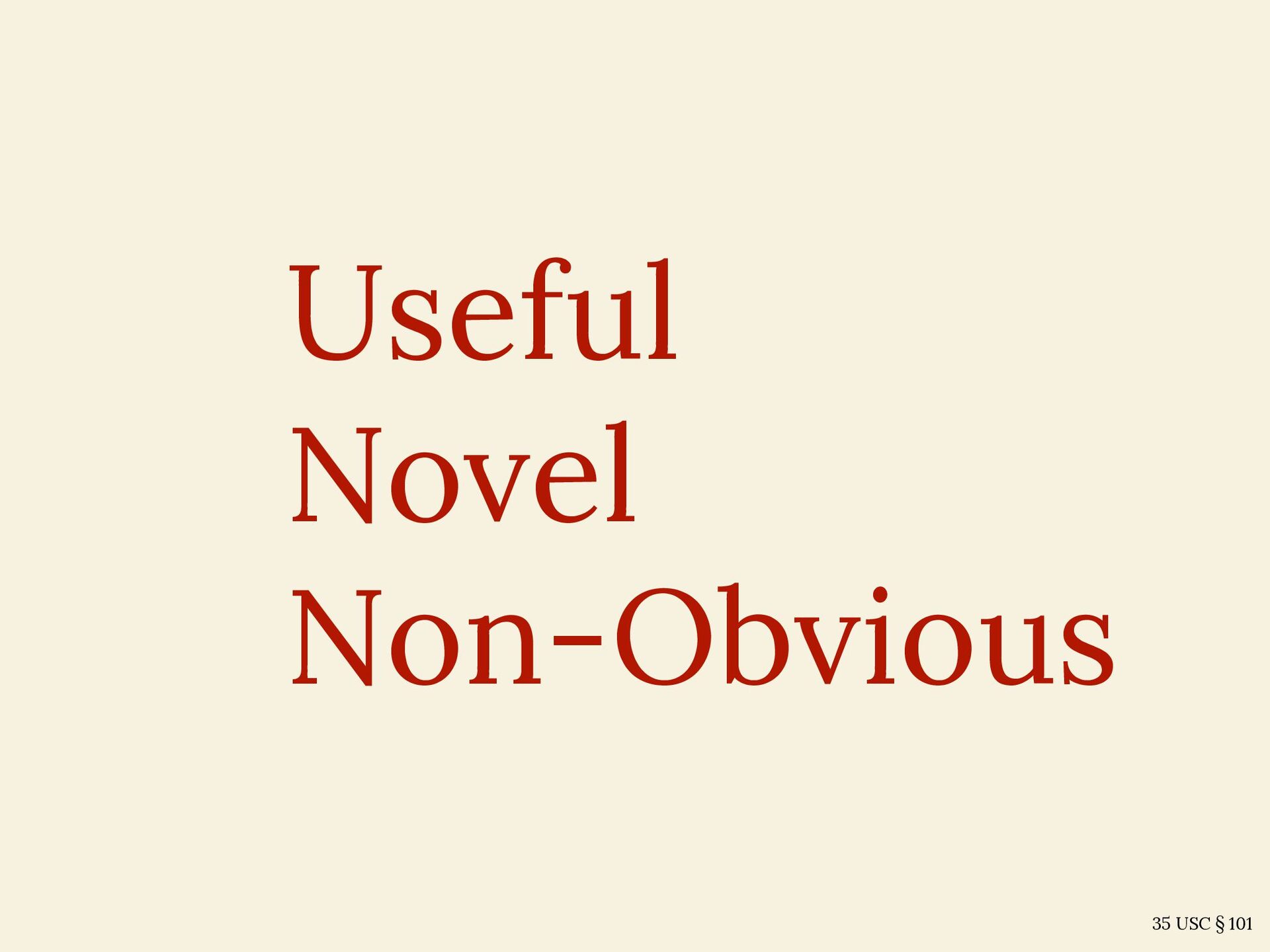
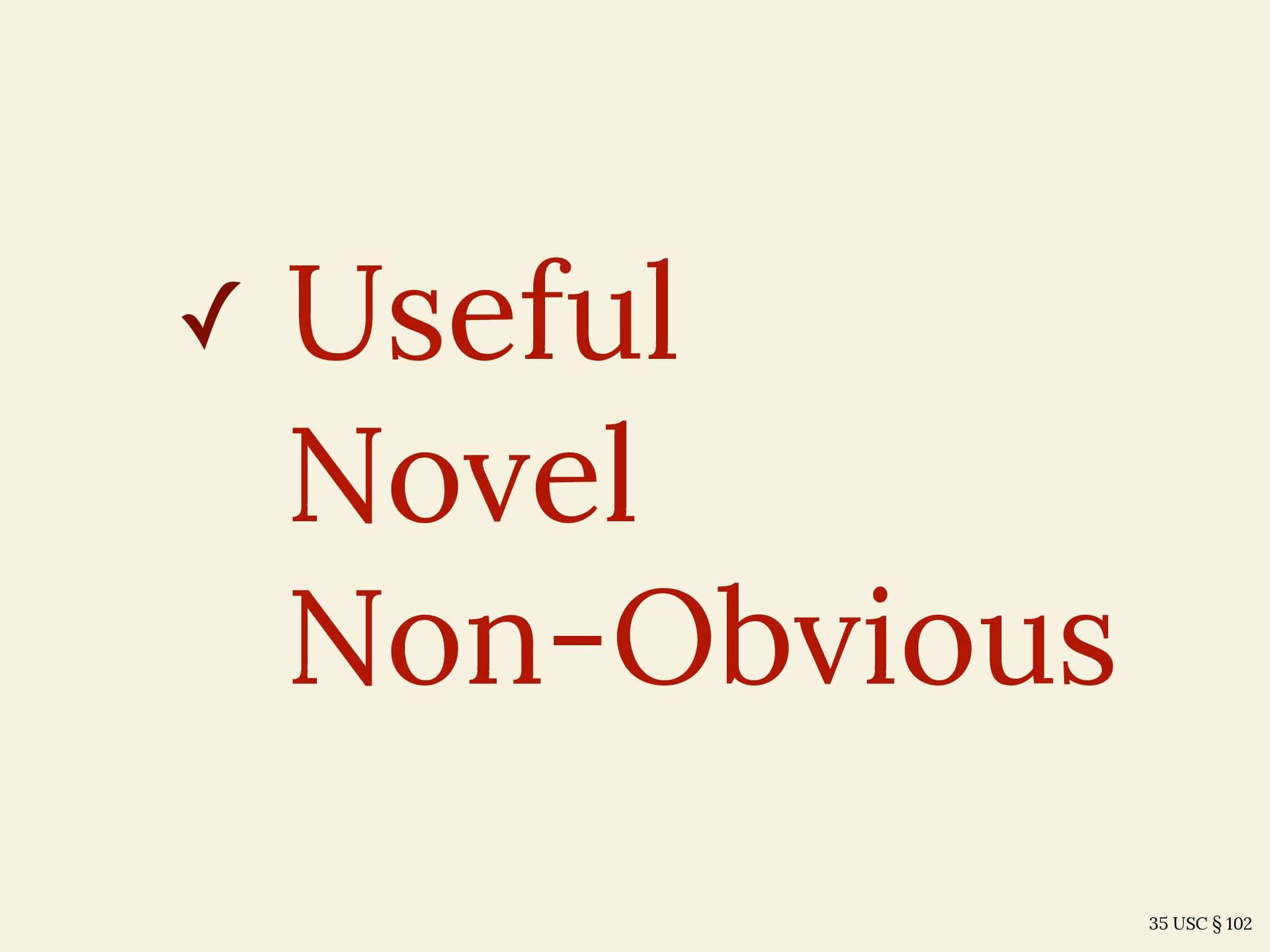
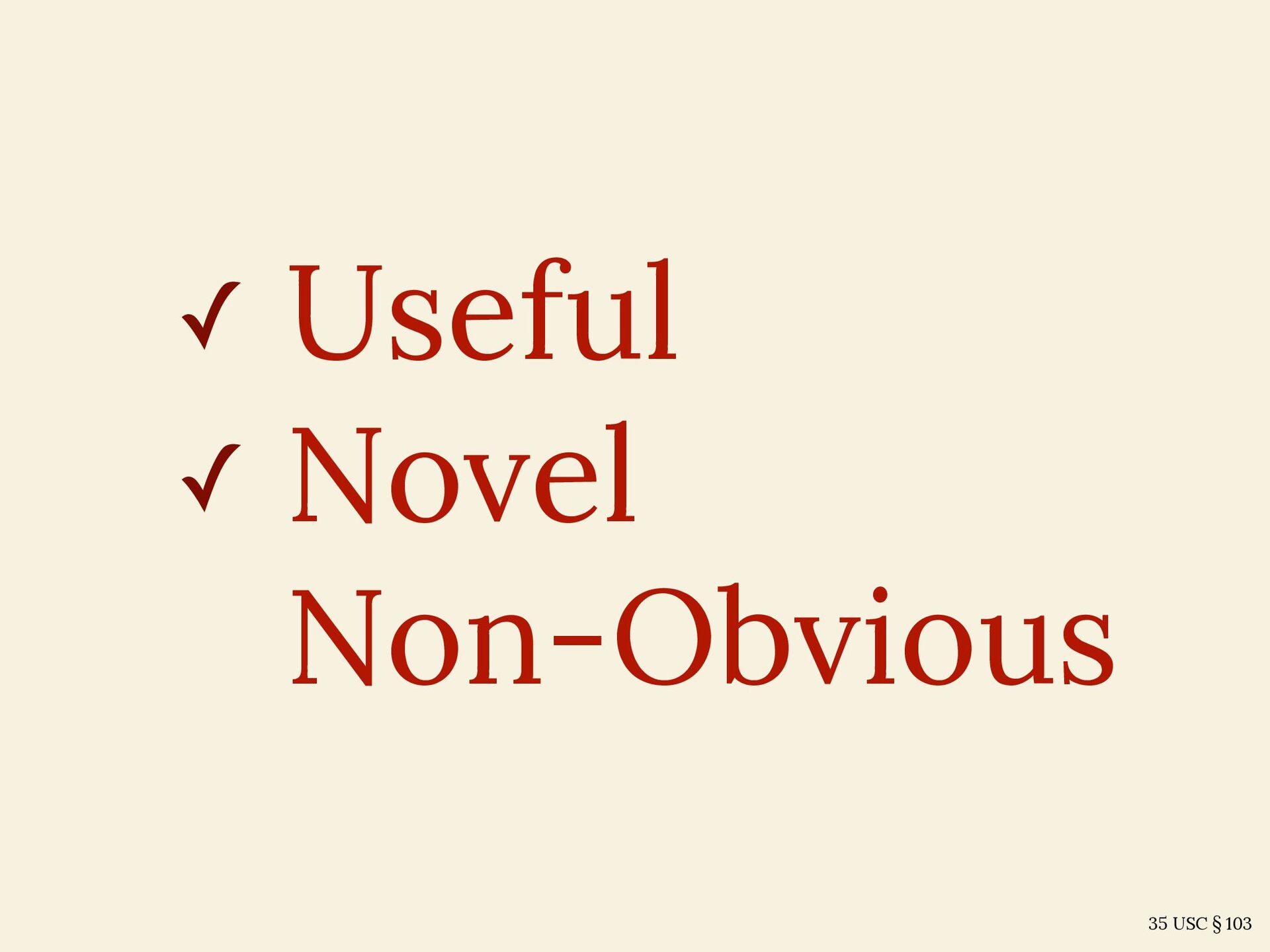
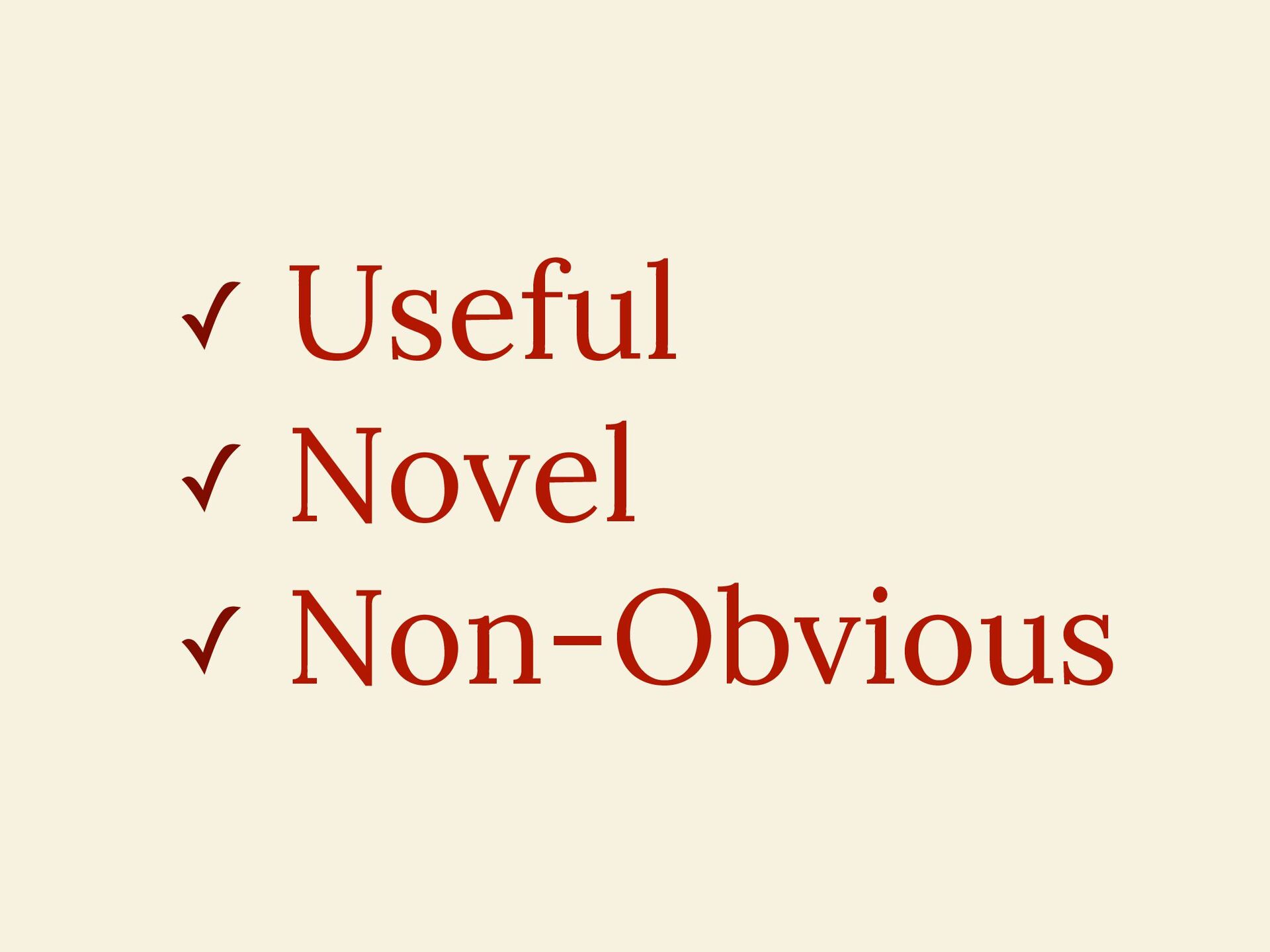
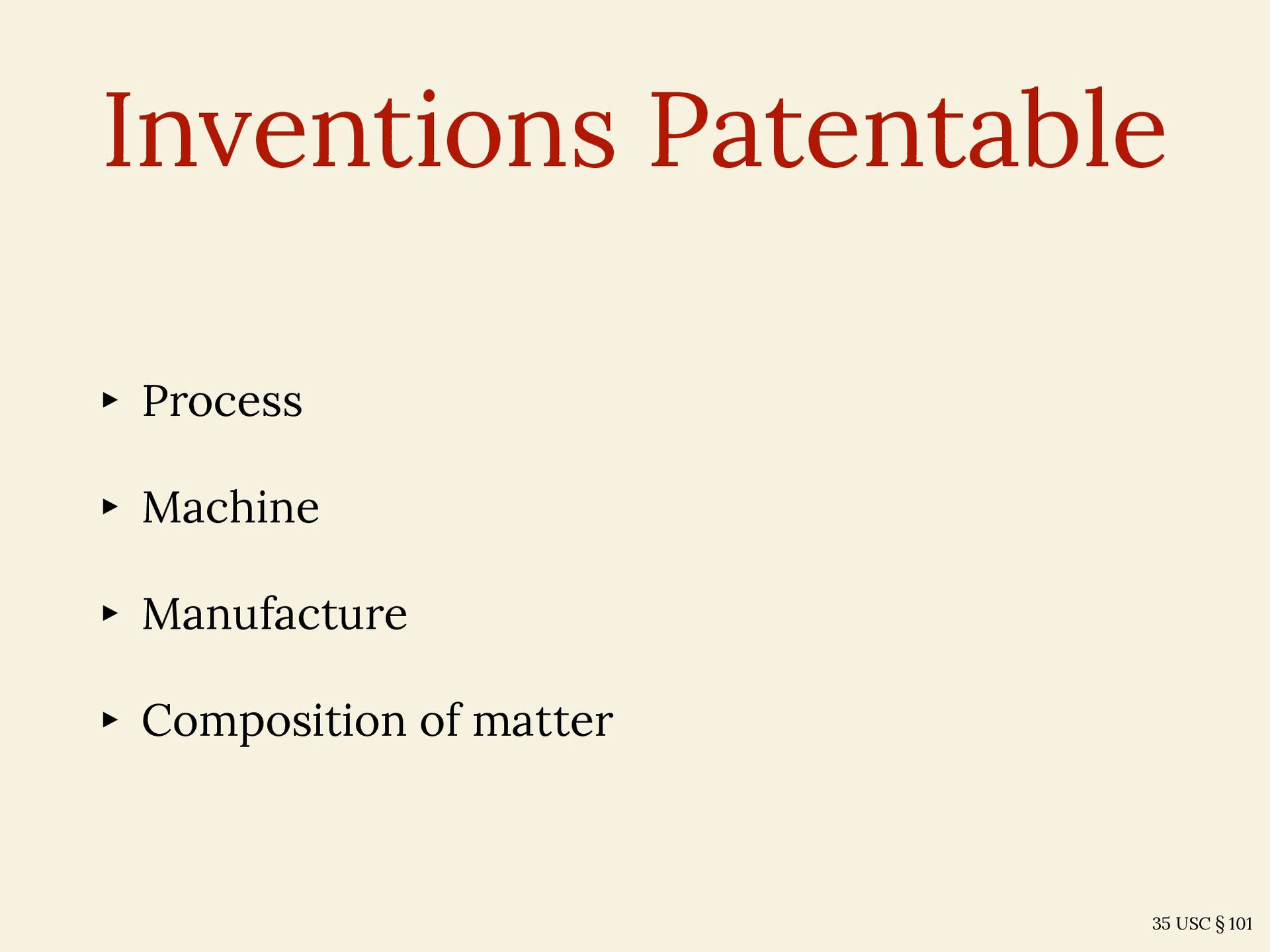
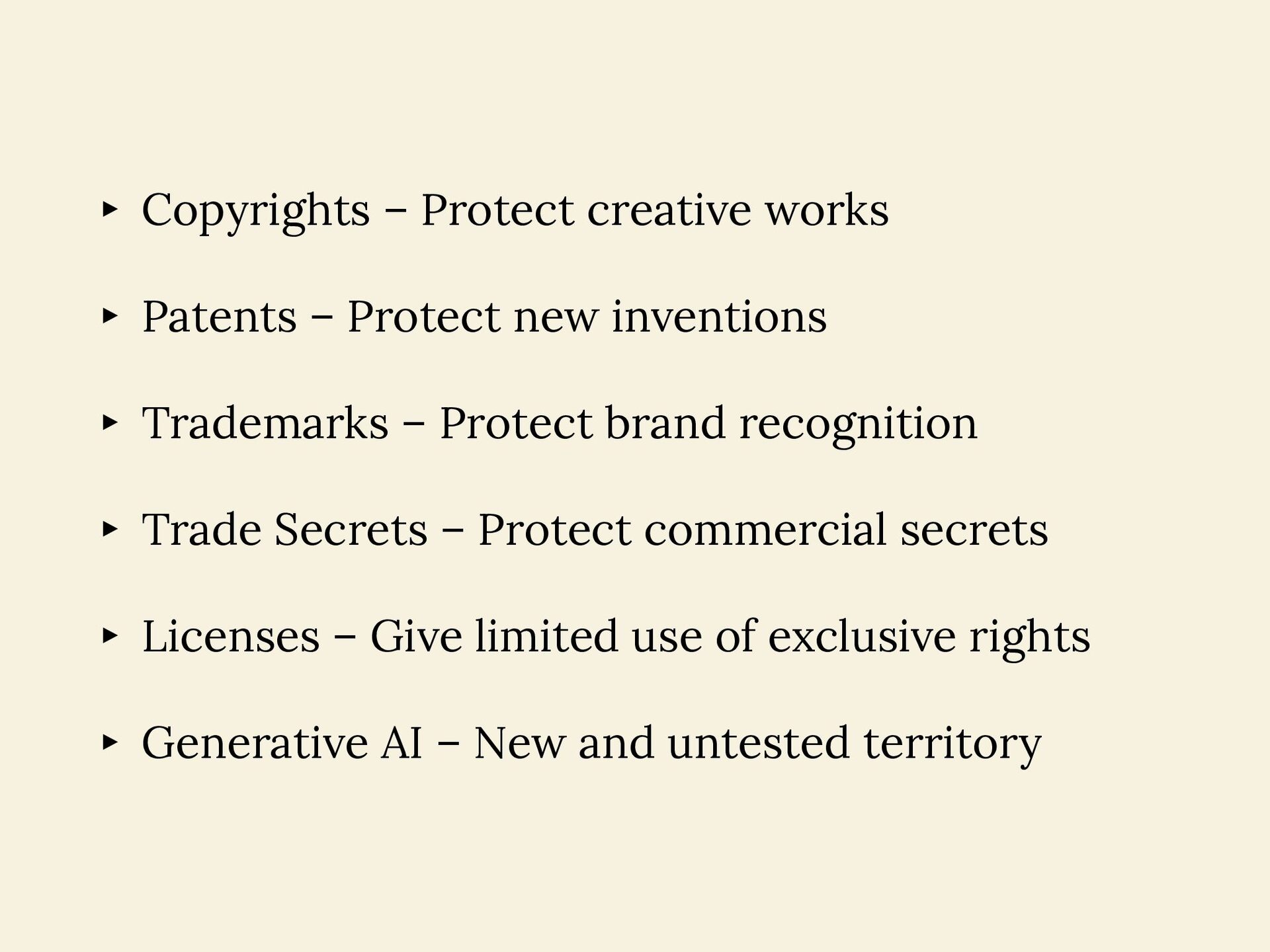
new inventions ‣ Trademarks – Protect brand recognition ‣ Trade Secrets – Protect commercial secrets ‣ Licenses – Give limited use of exclusive rights ‣ Generative AI – New and untested territory


 coderanger
 s_shimotori
 yosuke_furukawa
 ivargrimstad
 kobakei
 lx_t
lx_t
 irinanazarova
 syumai
 tsutsui
 akkeylab
 myus4a
 drumath2237
 cassininazir
 aleyda
 garrettdimon
 nikkihalliwell
 reverentgeek
 sferik
 marketingsoph
 akosma
 portentint
 ammeep
 pauljervisheath





















![Questions? Noah Kantrowitz coderanger.net @[email protected] @coderanger.net](https://files.speakerdeck.com/presentations/393343c3953045ea8340b2608e54be92/slide_144.jpg)