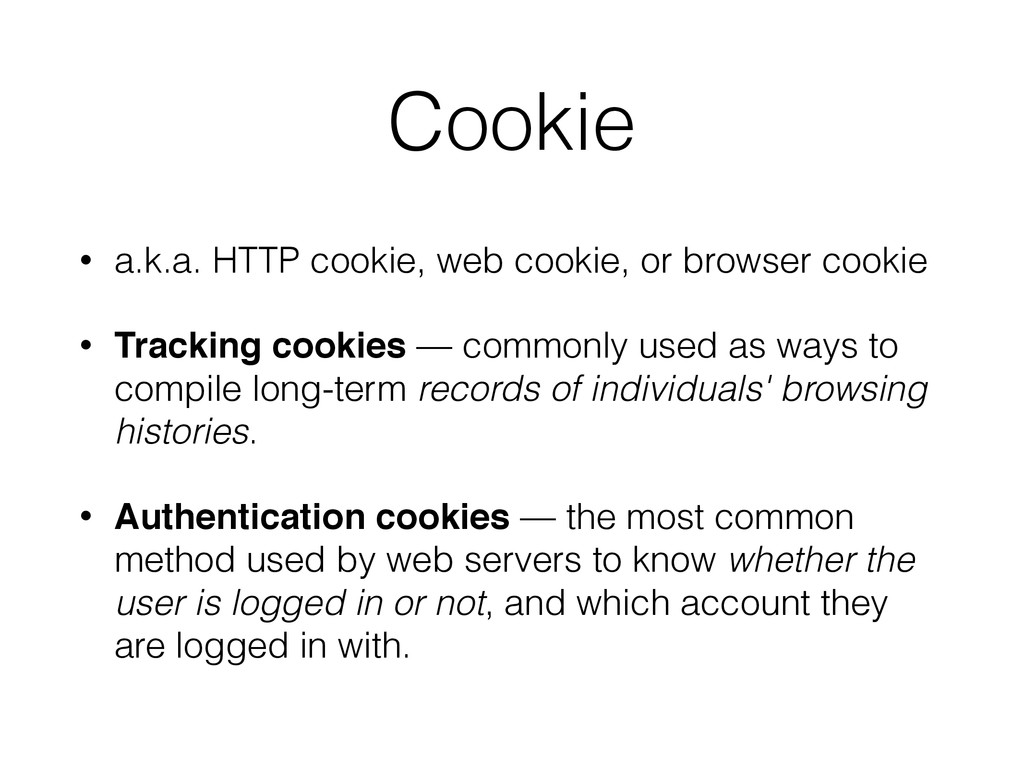
• Tracking cookies — commonly used as ways to compile long-term records of individuals' browsing histories. • Authentication cookies — the most common method used by web servers to know whether the user is logged in or not, and which account they are logged in with.
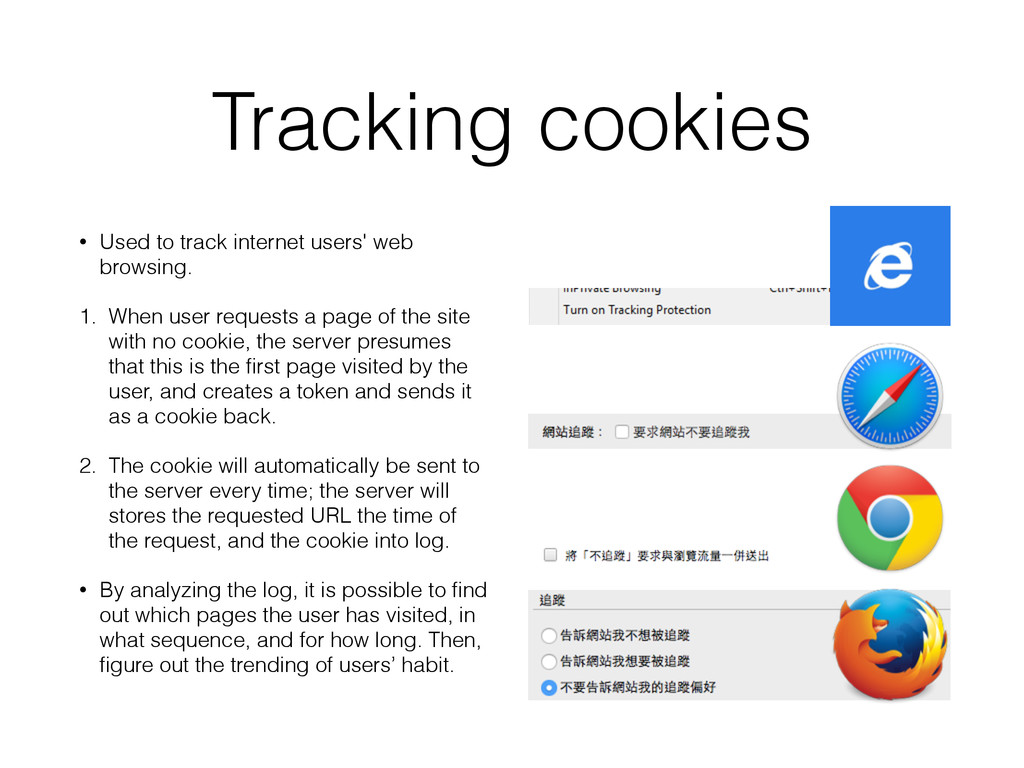
1. When user requests a page of the site with no cookie, the server presumes that this is the first page visited by the user, and creates a token and sends it as a cookie back. 2. The cookie will automatically be sent to the server every time; the server will stores the requested URL the time of the request, and the cookie into log. • By analyzing the log, it is possible to find out which pages the user has visited, in what sequence, and for how long. Then, figure out the trending of users’ habit.
user who has visited a website in order to show relevant content in the future. • Used to remember users' preferences. Users select their preferences by submitting to the server. The server stores the preferences in a cookie. This way, every time the user accesses a page, the server can personalize the page according to the user preferences.
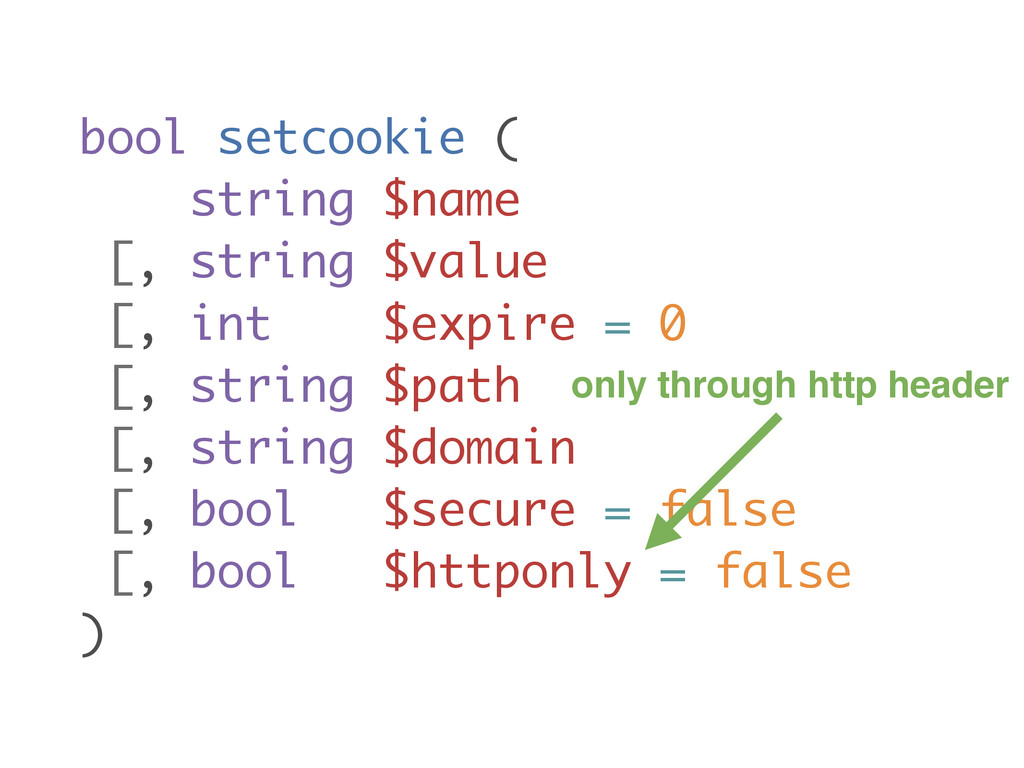
• (name, value) pair of the cookie (i.e. name=value) • Expiry of the cookie • Path the cookie is good for • Domain the cookie is good for • Need for a secure connection to use the cookie • Whether or not the cookie can be accessed through other means than HTTP (i.e., JavaScript)
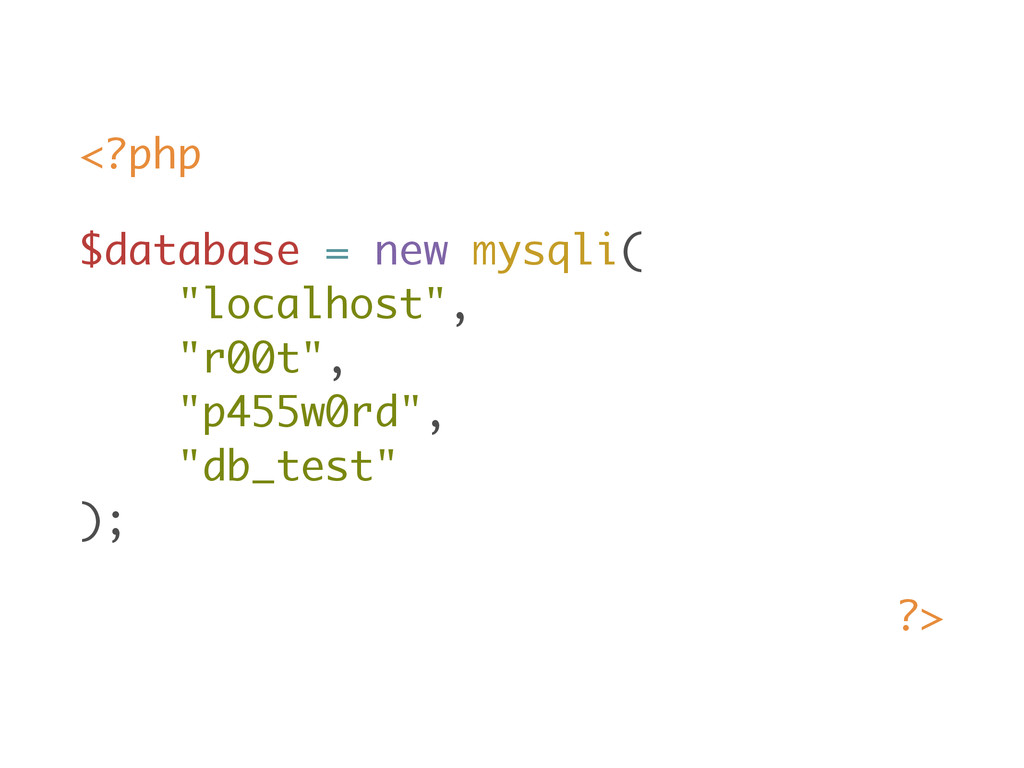
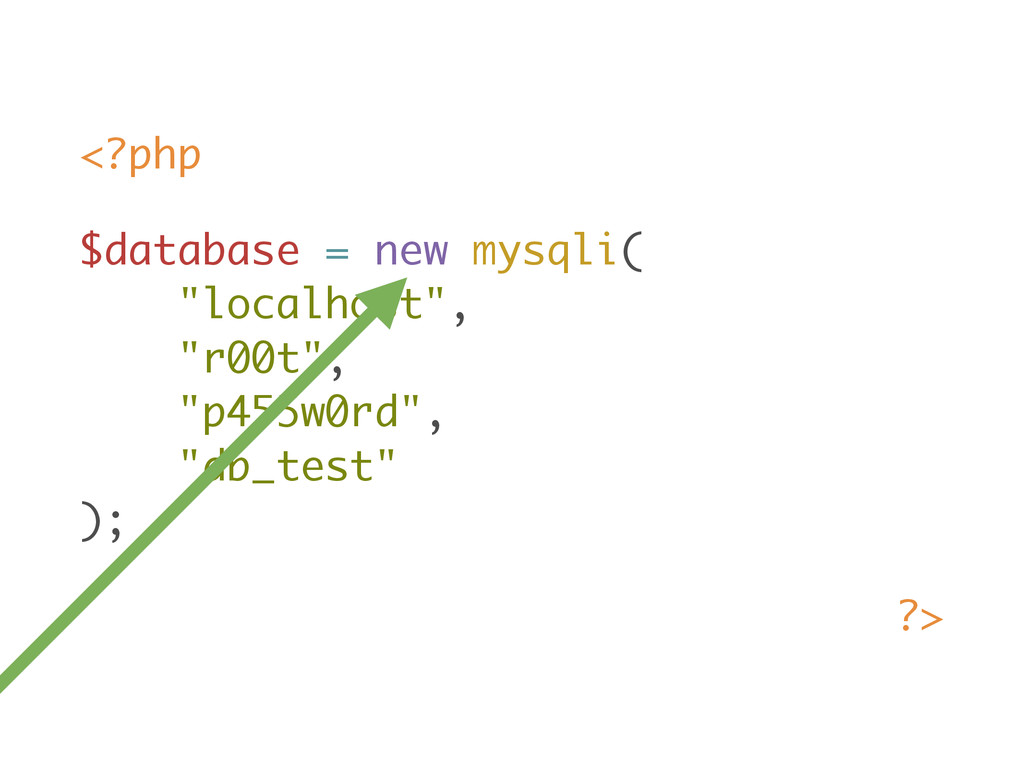
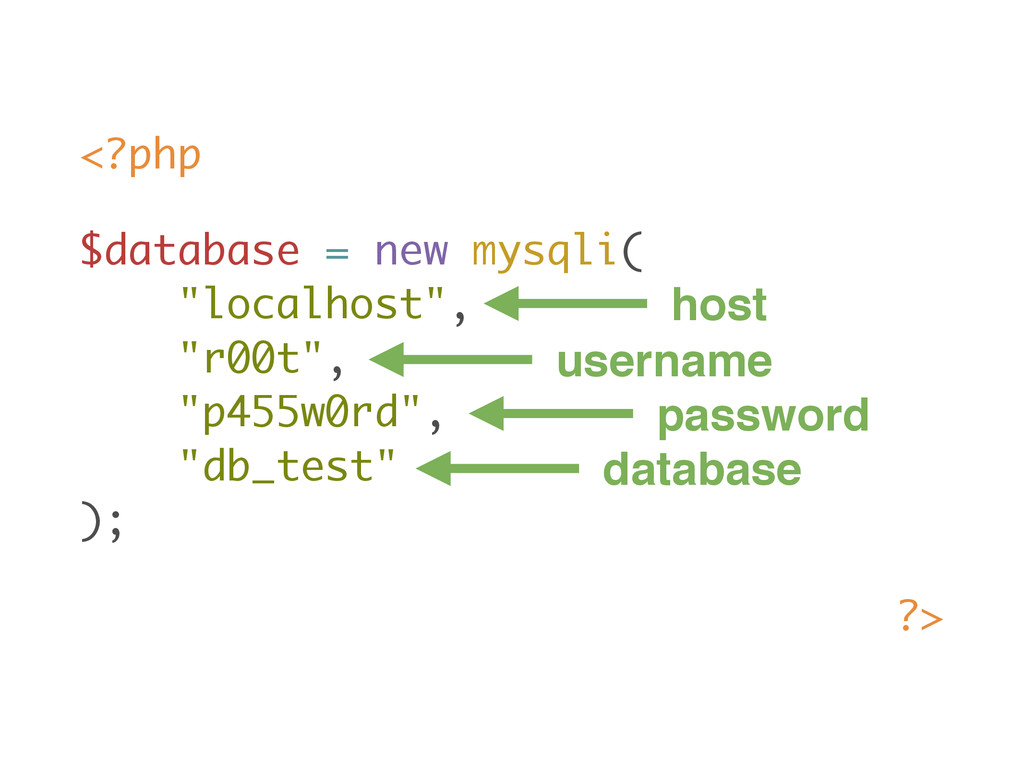
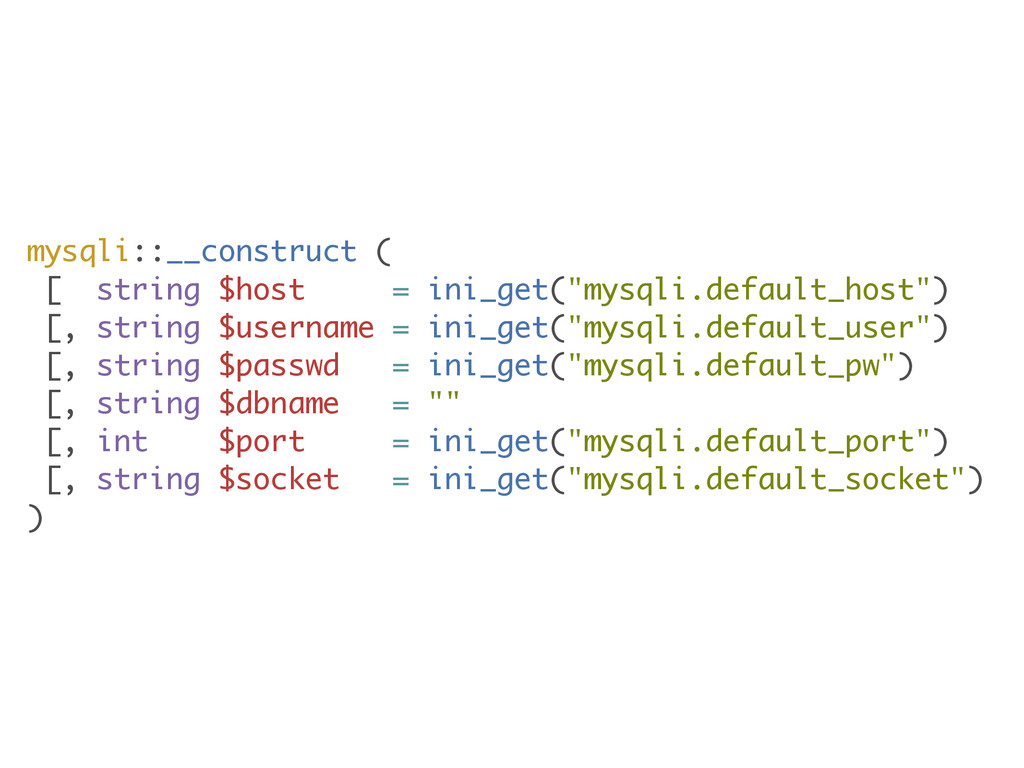
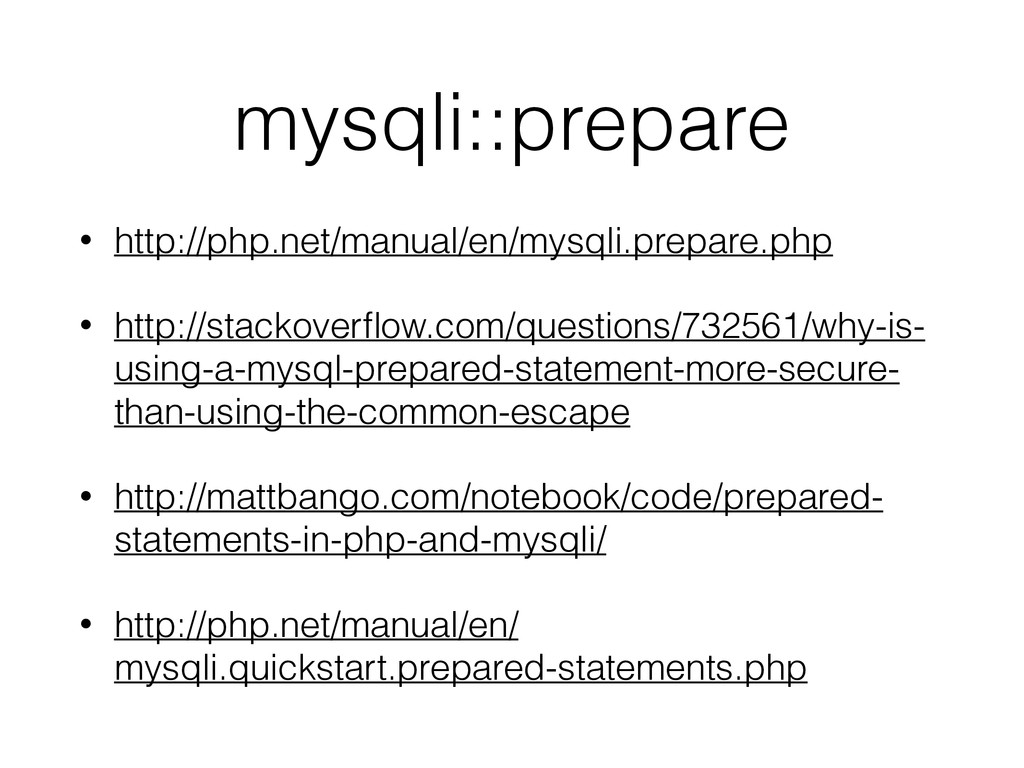
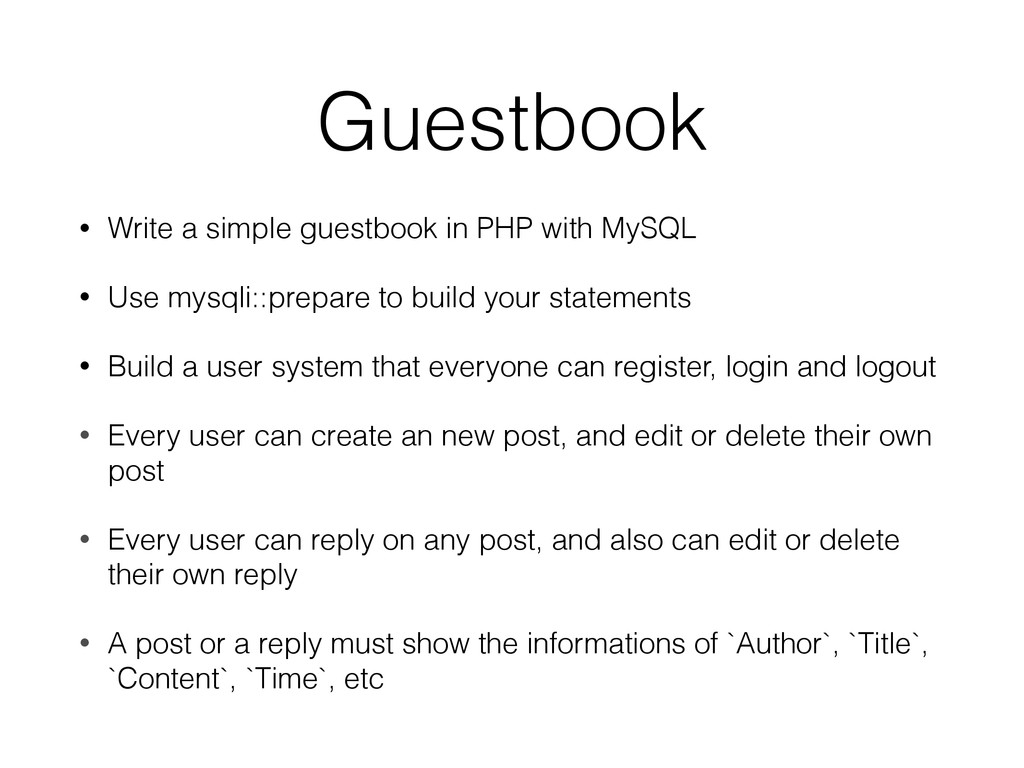
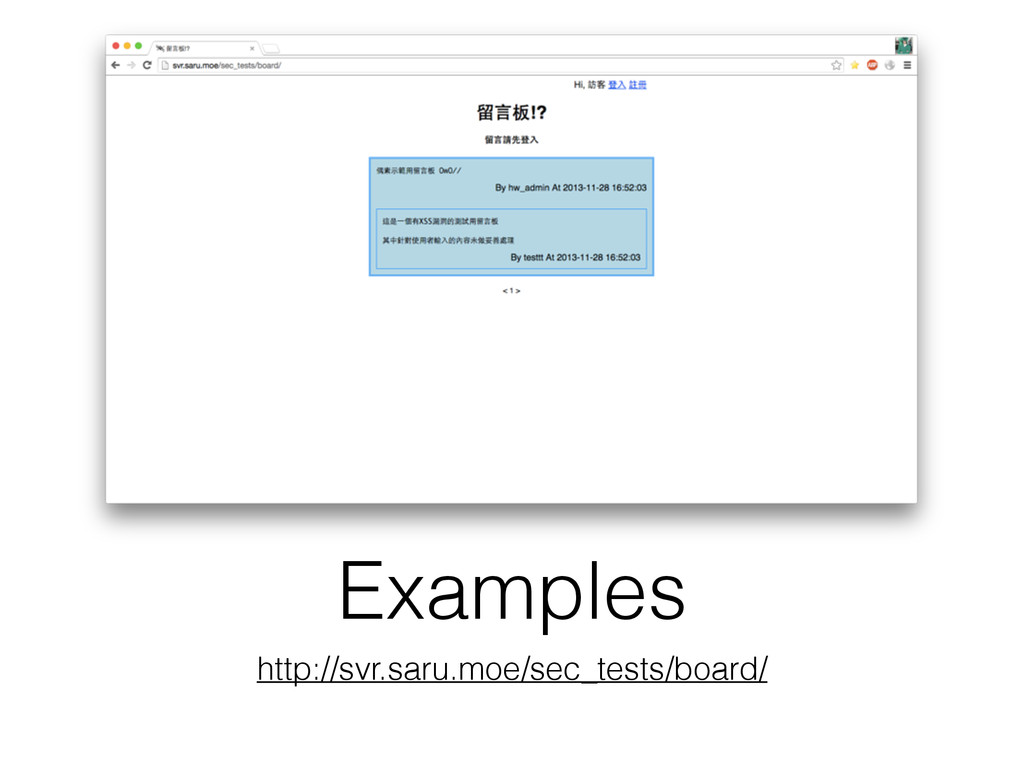
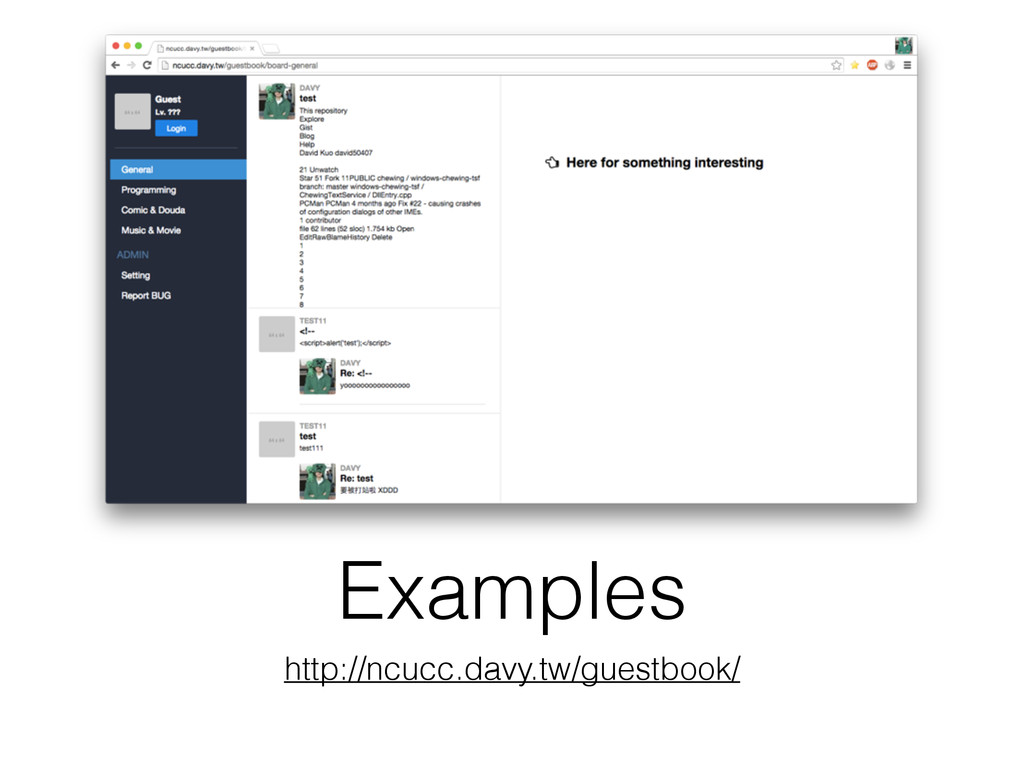
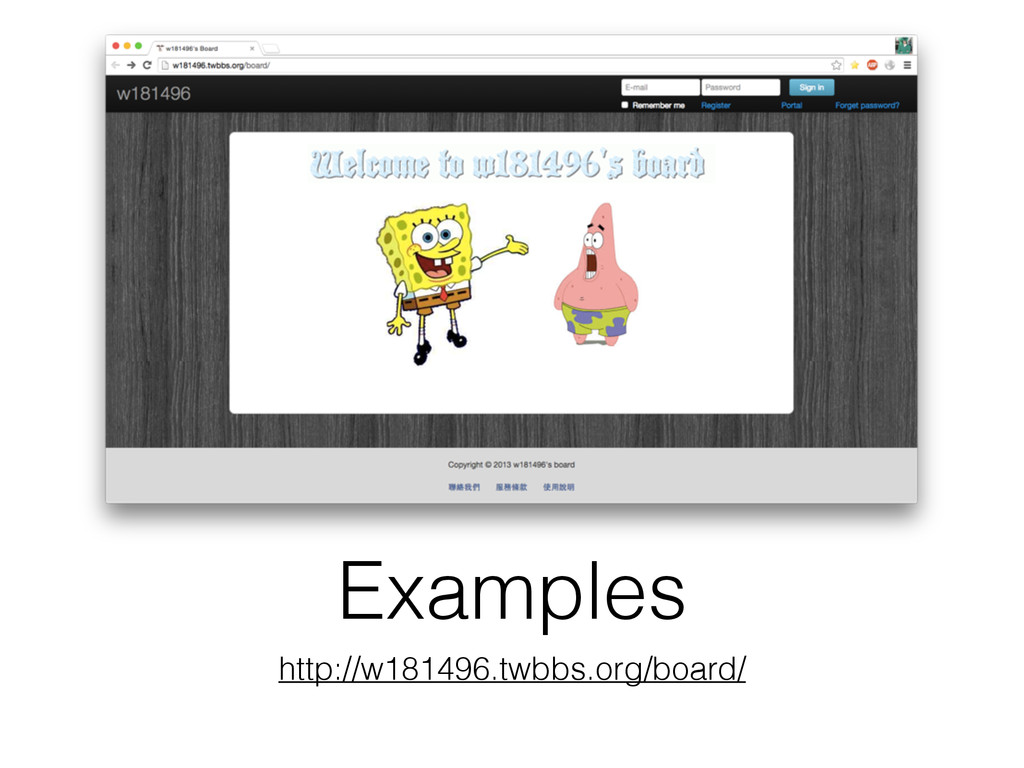
• Use mysqli::prepare to build your statements • Build a user system that everyone can register, login and logout • Every user can create an new post, and edit or delete their own post • Every user can reply on any post, and also can edit or delete their own reply • A post or a reply must show the informations of `Author`, `Title`, `Content`, `Time`, etc

 Your Podcast. Everywhere. Effortlessly.


 davy_tw
 frievea
 auctria
 juanmartin2026
 hiola
hiola
 signer
 eller86
 jdbedics
 ainischool
 yatabe
 cbtlibrary
 addyosmani
 reverentgeek
 pedronauck
 hannesfritz
 quramy
 samtorres
 madoxten
 scottboms
 smashingmag
 dugsong
 elsirapls
 bkeepers
![PHP Cookie/Session MySQL 資料庫操作 102403024 郭⼦子德 資管⼆二 [email protected], [email protected]](https://files.speakerdeck.com/presentations/79a75cb05085013202df02f8972bffa2/slide_0.jpg)


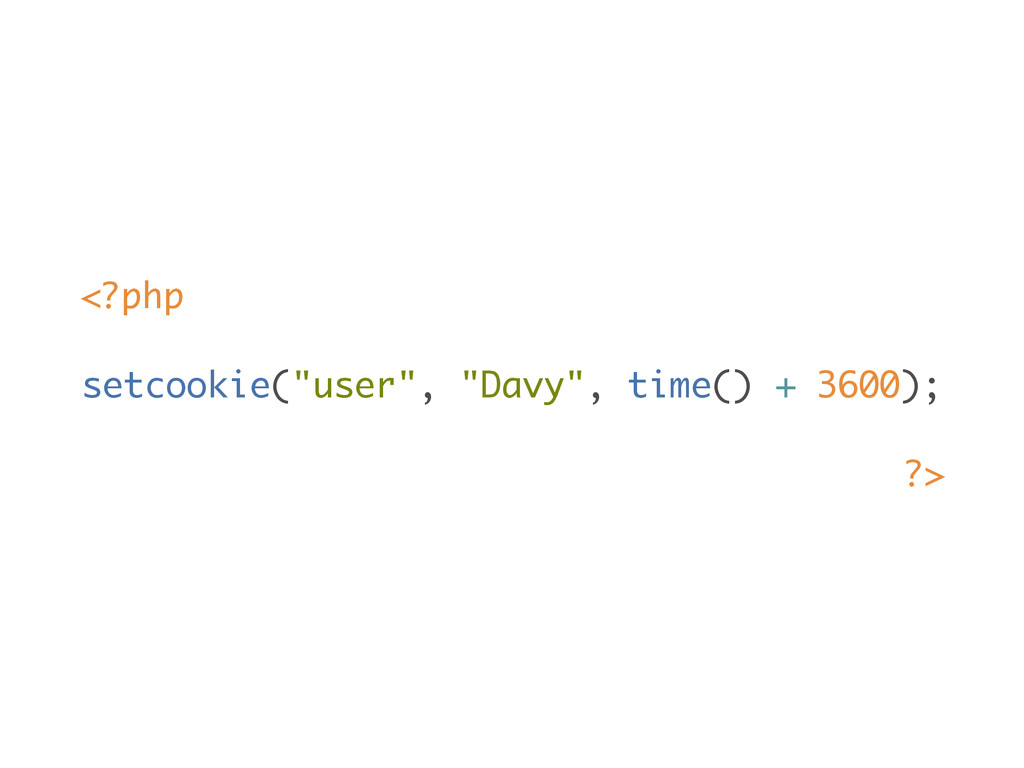
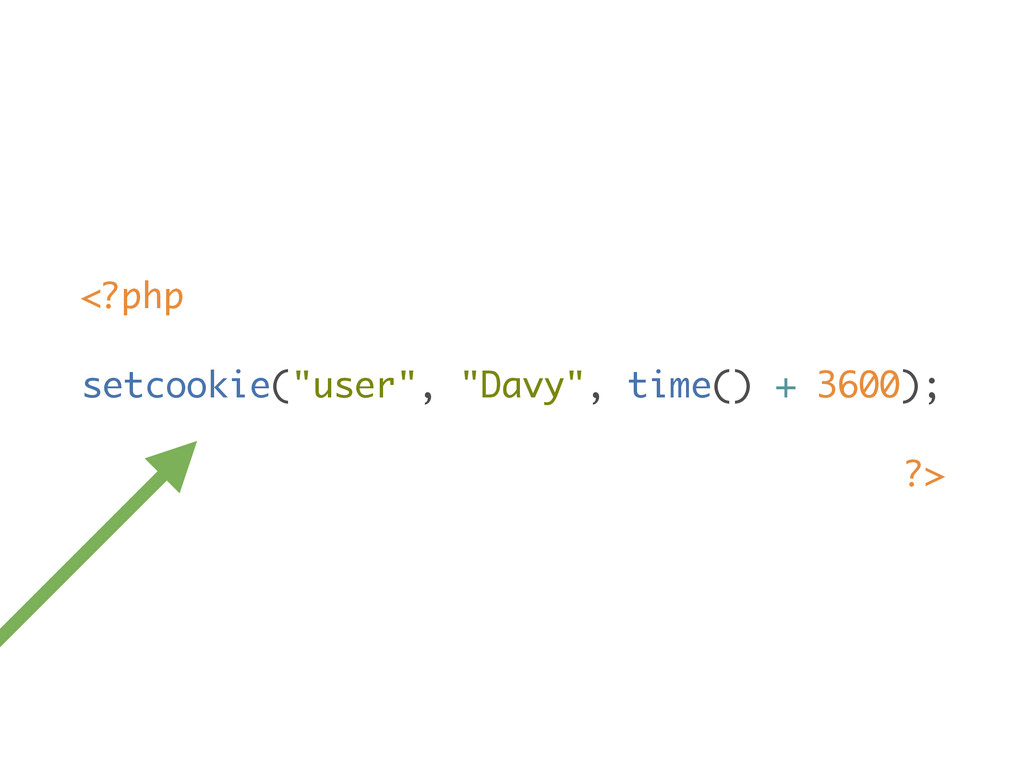
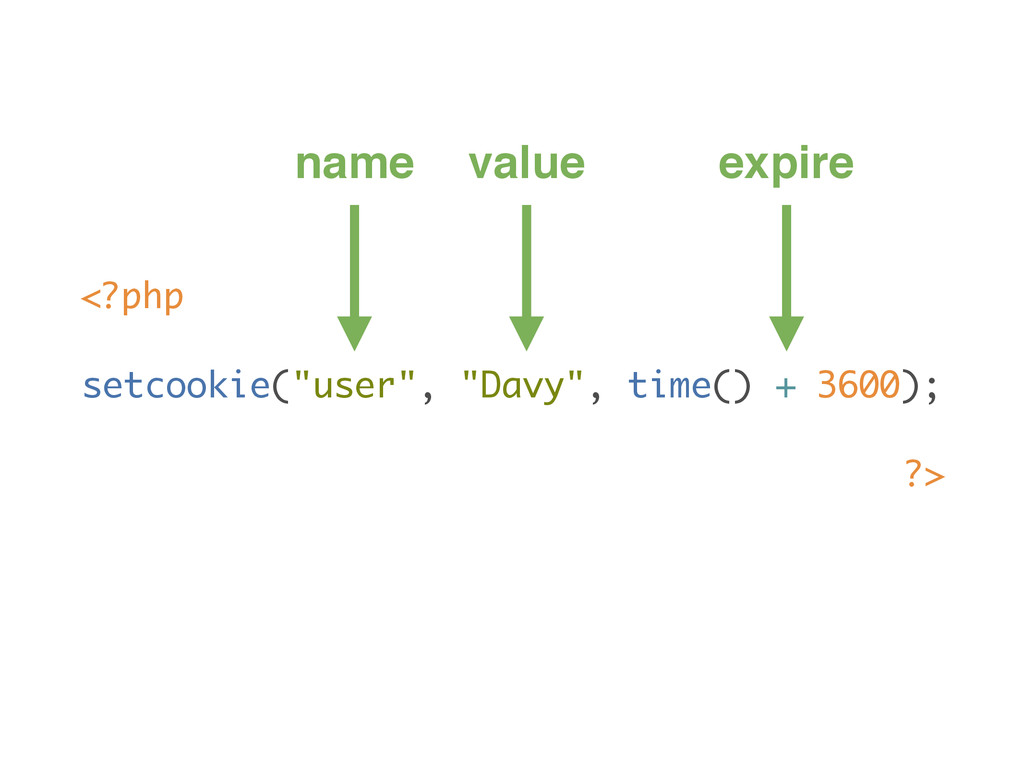
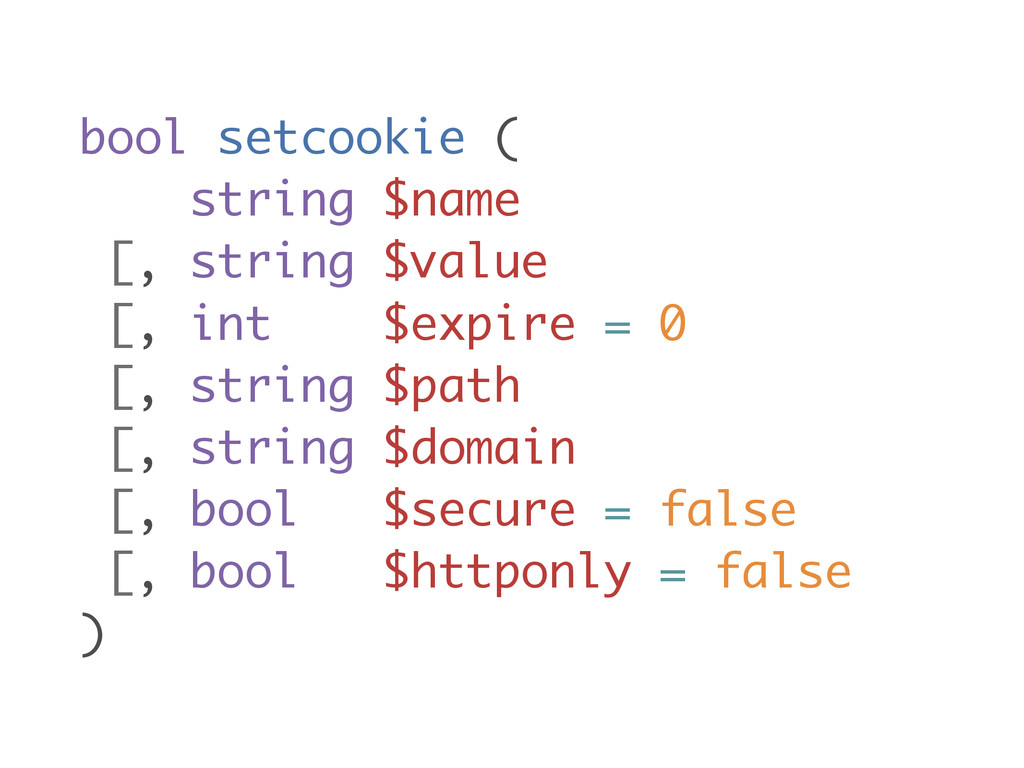
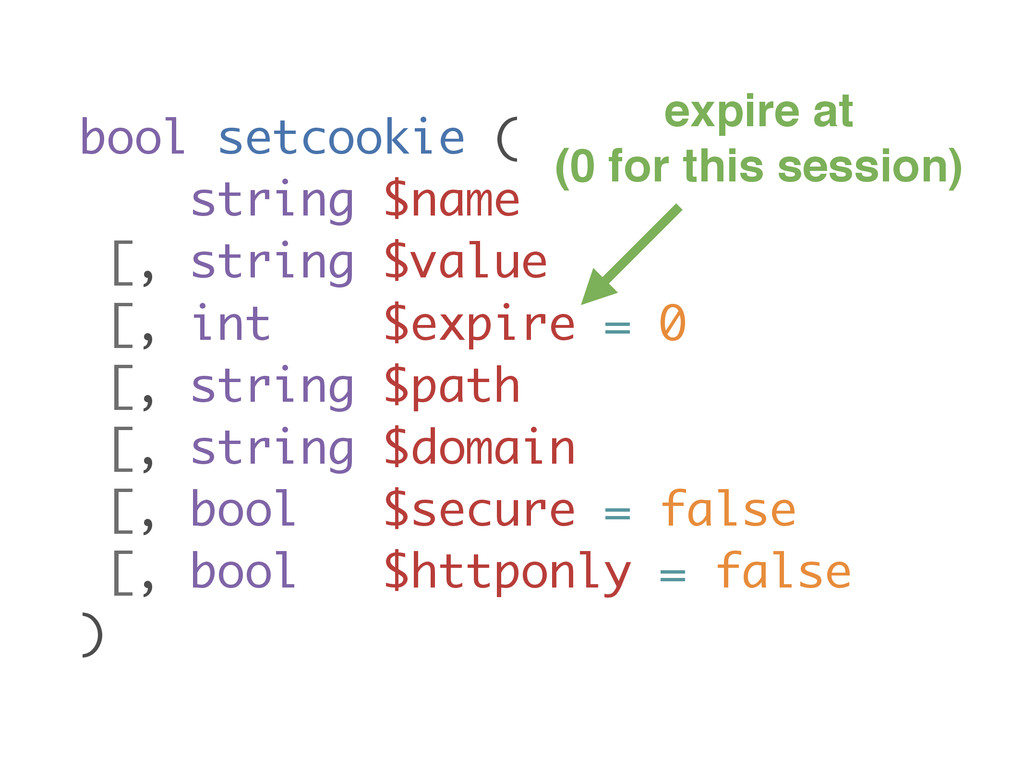
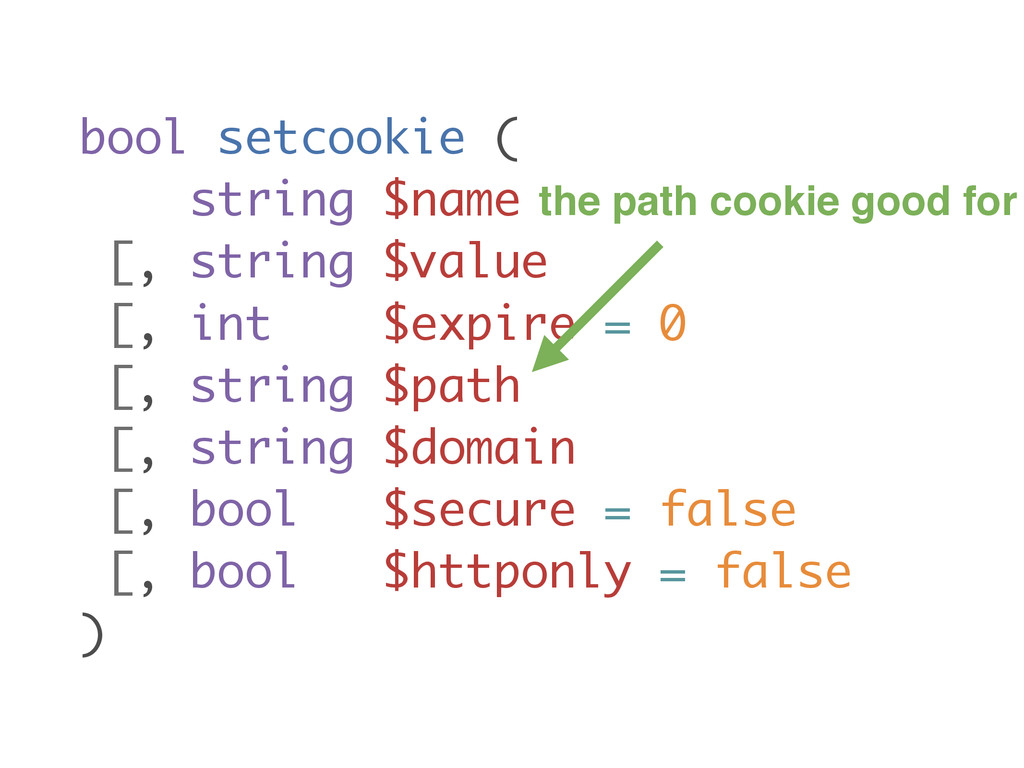
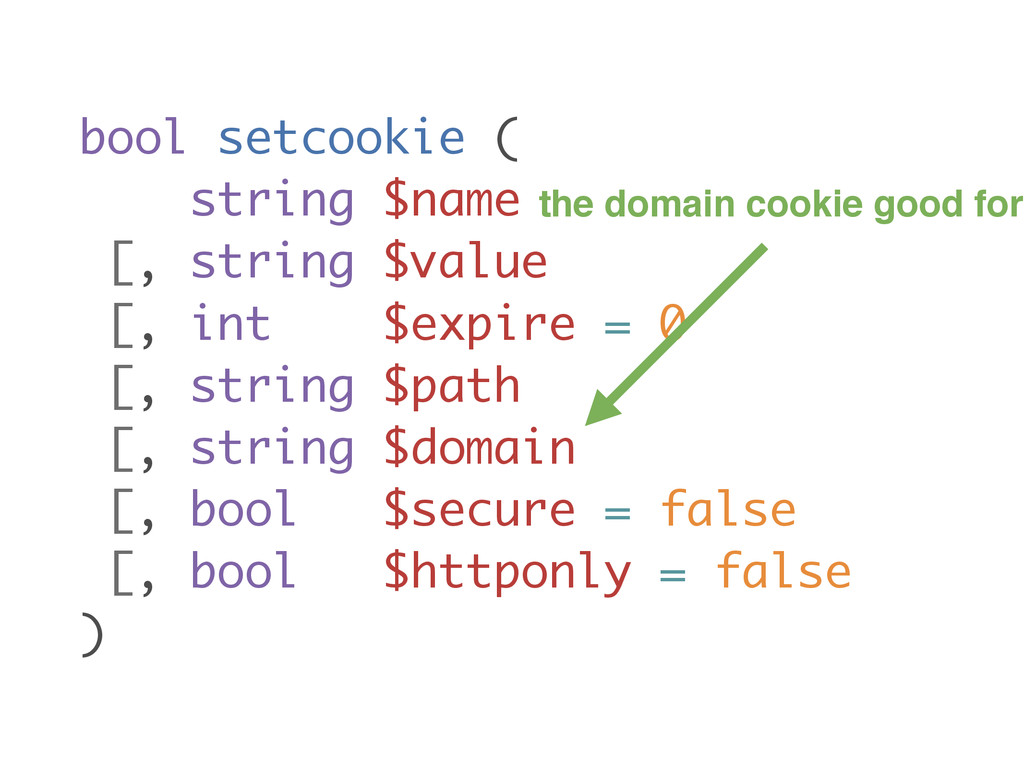
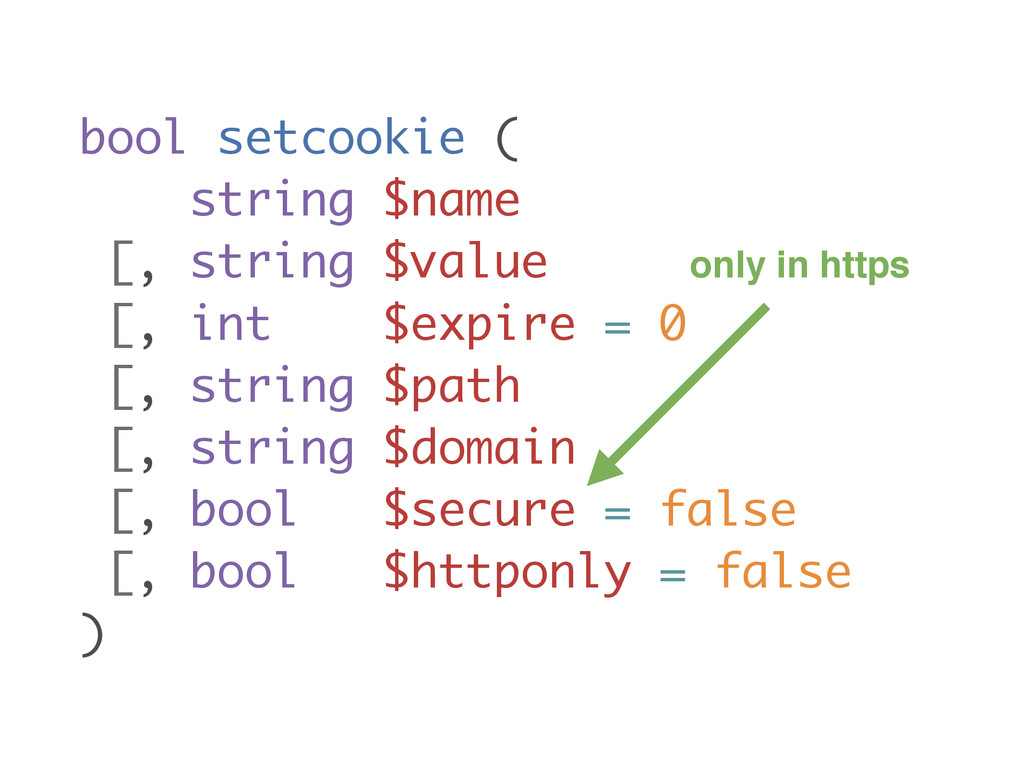

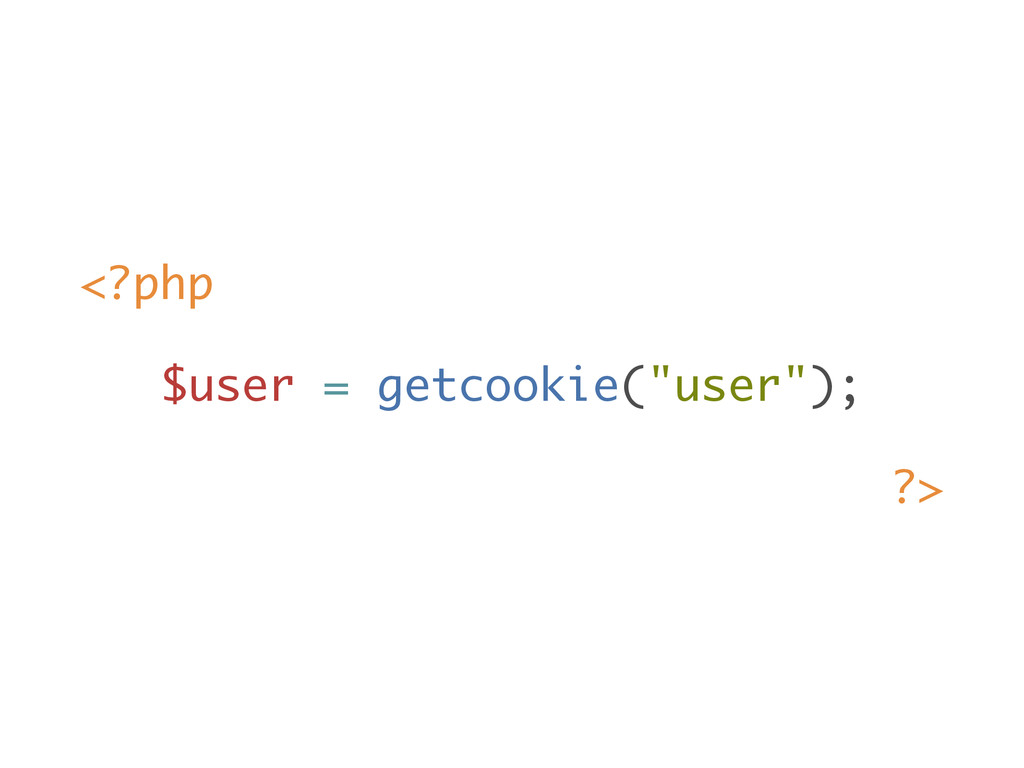
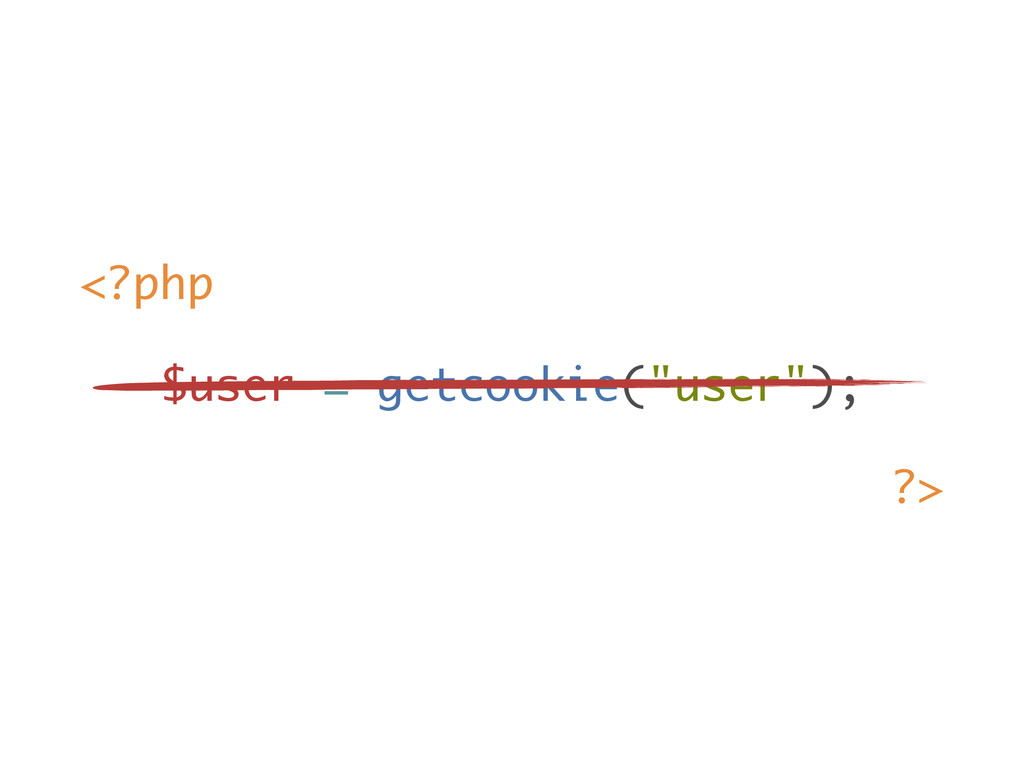
![<?php $user = $_COOKIE["user"]; ?>](https://files.speakerdeck.com/presentations/79a75cb05085013202df02f8972bffa2/slide_21.jpg)

![<?php unset($_COOKIE["user"]); ?>](https://files.speakerdeck.com/presentations/79a75cb05085013202df02f8972bffa2/slide_23.jpg)
![<?php unset($_COOKIE["user"]); ?> 獑](https://files.speakerdeck.com/presentations/79a75cb05085013202df02f8972bffa2/slide_24.jpg)
![<?php unset($_COOKIE["user"]); setcookie("user", "", time() - 3600); ?>](https://files.speakerdeck.com/presentations/79a75cb05085013202df02f8972bffa2/slide_25.jpg)
![<?php unset($_COOKIE["user"]); setcookie("user", "", time() - 3600); ?> expired in](https://files.speakerdeck.com/presentations/79a75cb05085013202df02f8972bffa2/slide_26.jpg)


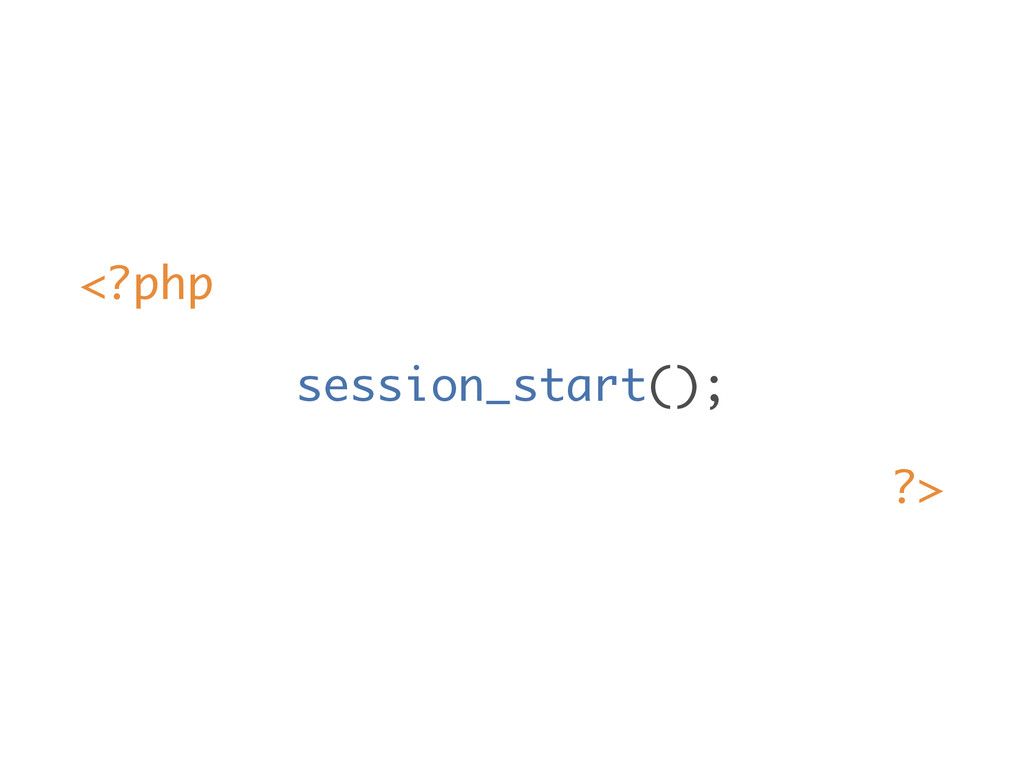
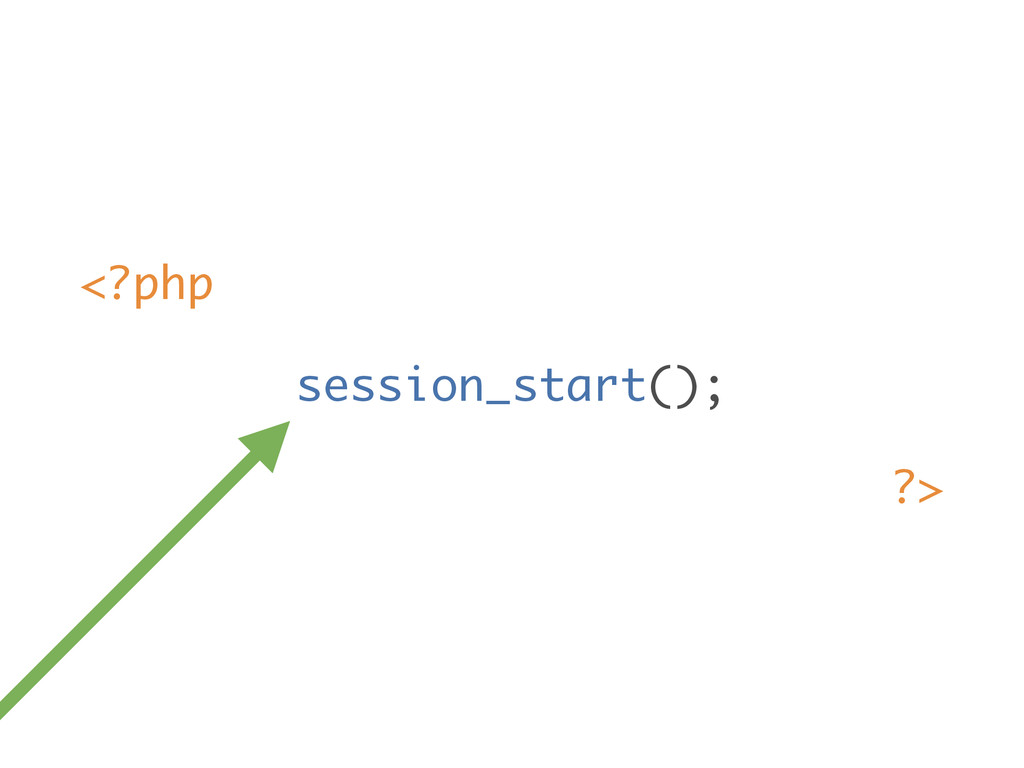
![<?php session_start(); $_SESSION['name'] = "Davy"; ?>](https://files.speakerdeck.com/presentations/79a75cb05085013202df02f8972bffa2/slide_32.jpg)
![<?php session_start(); $_SESSION['name'] = "Davy"; ?> ౫őԟჿᔊఊ](https://files.speakerdeck.com/presentations/79a75cb05085013202df02f8972bffa2/slide_33.jpg)
![<?php session_start(); $user = $_SESSION['name']; ?>](https://files.speakerdeck.com/presentations/79a75cb05085013202df02f8972bffa2/slide_34.jpg)
![<?php session_start(); unset($_SESSION['name']); ?>](https://files.speakerdeck.com/presentations/79a75cb05085013202df02f8972bffa2/slide_35.jpg)

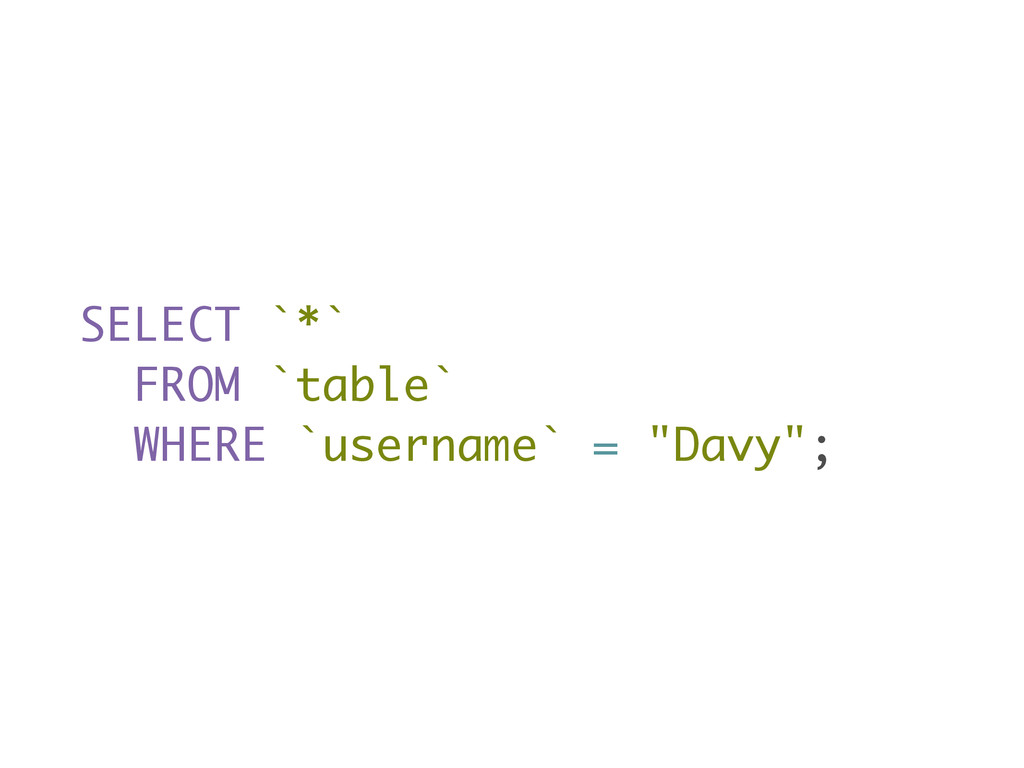
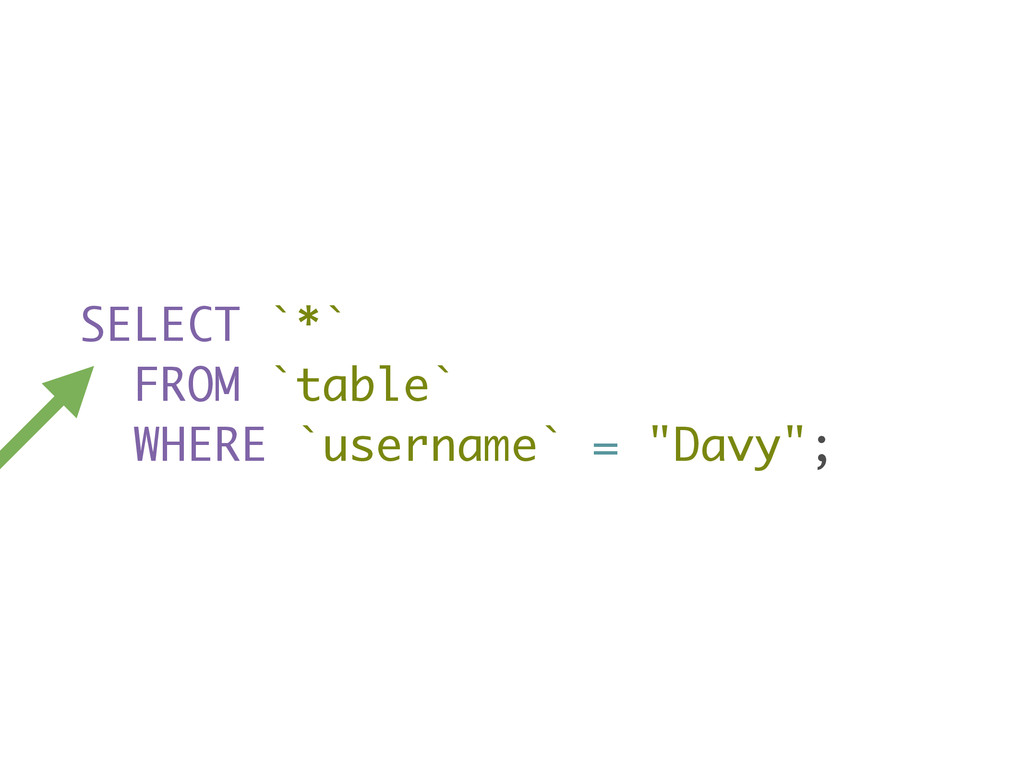
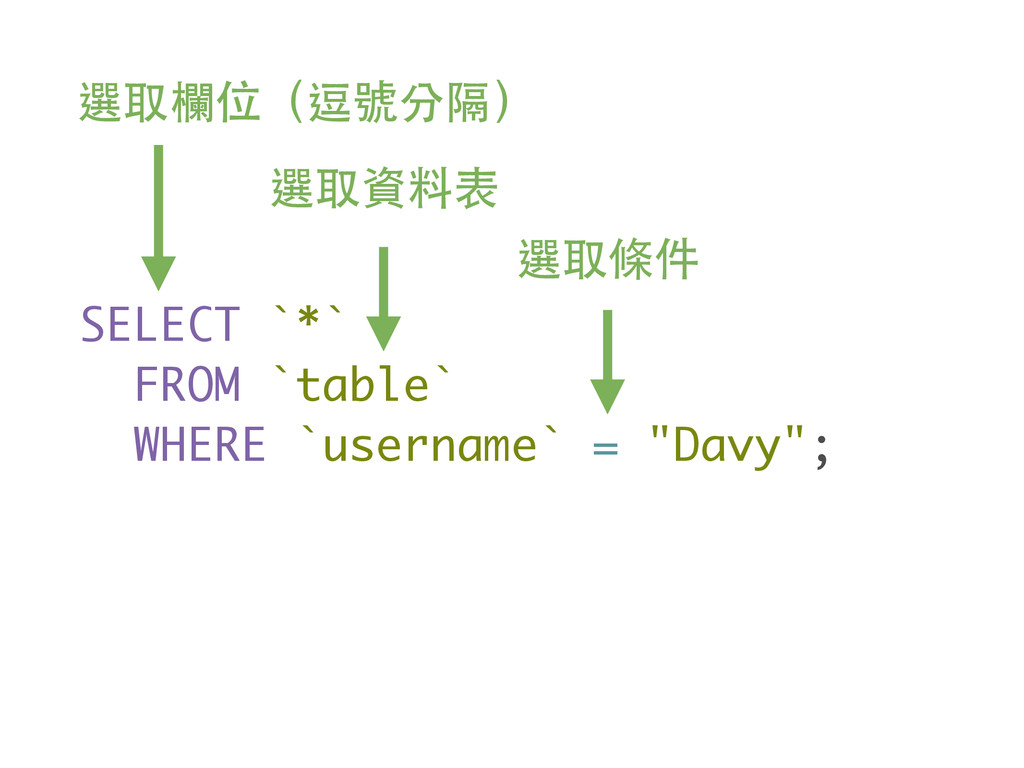
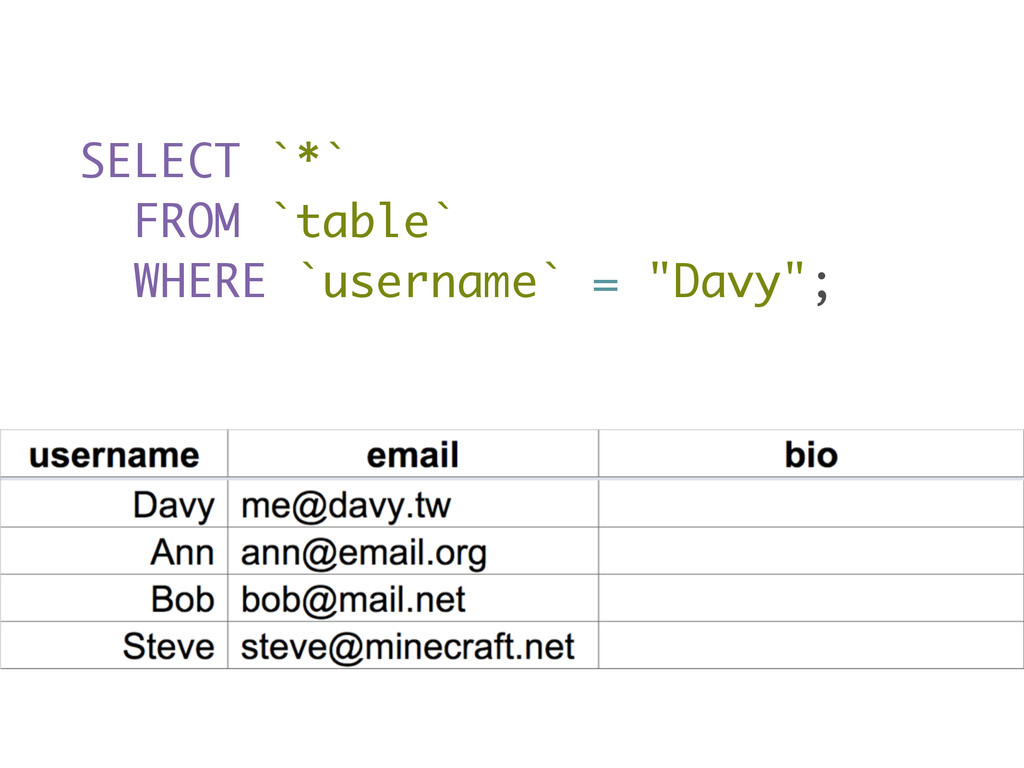
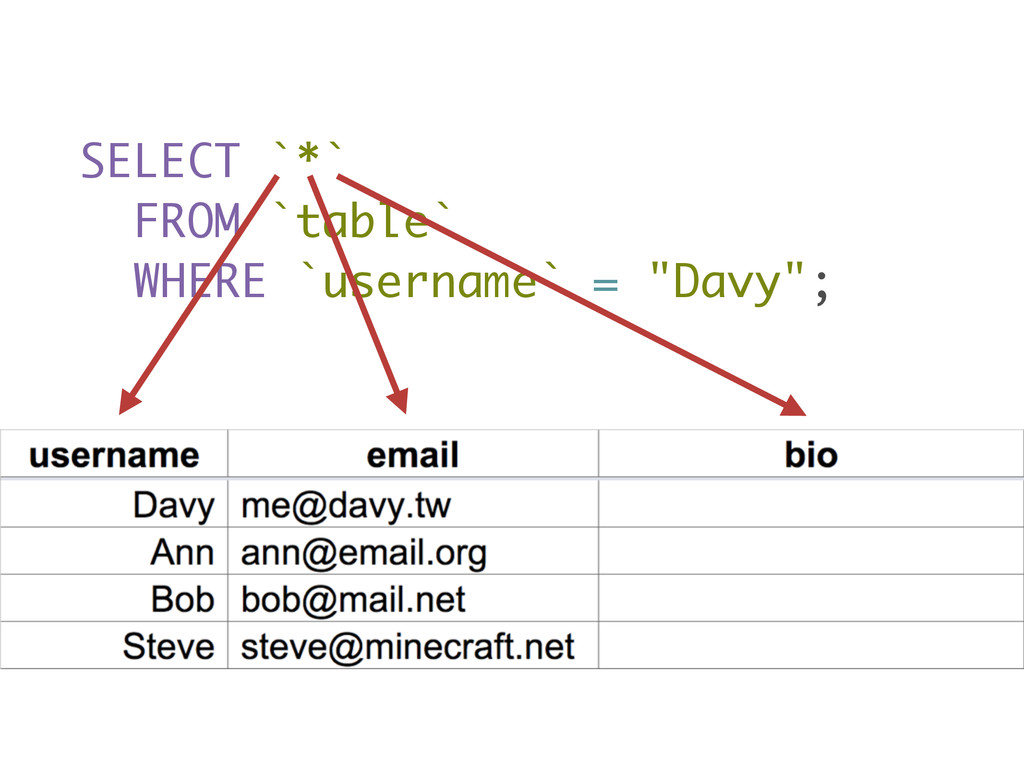
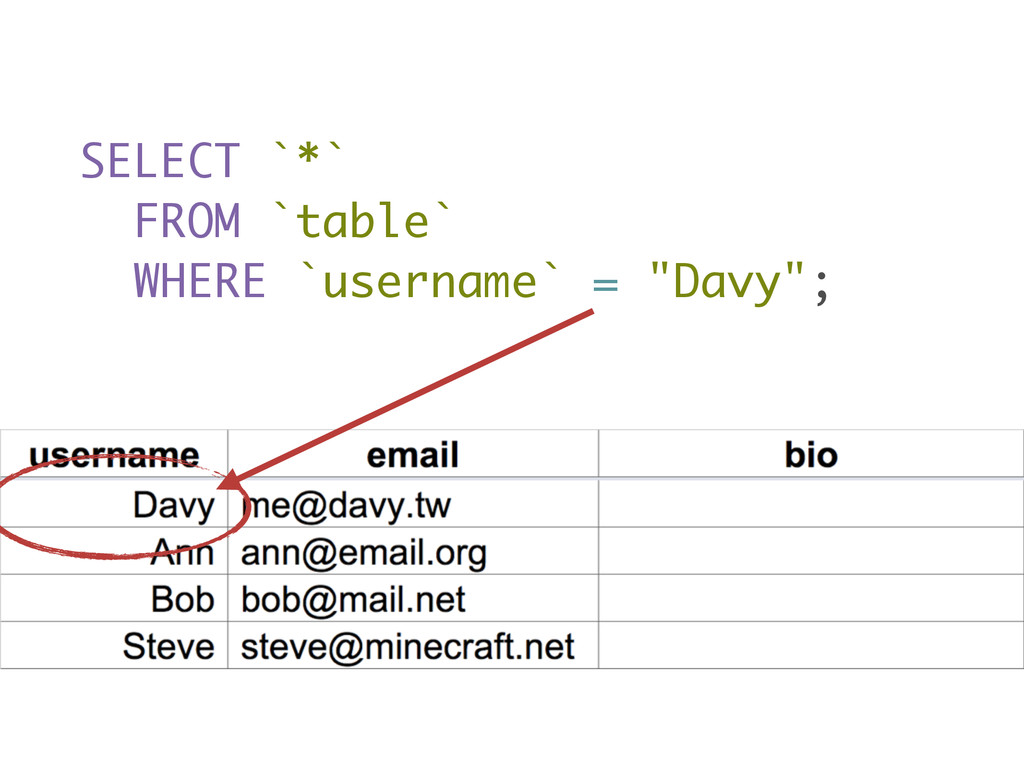
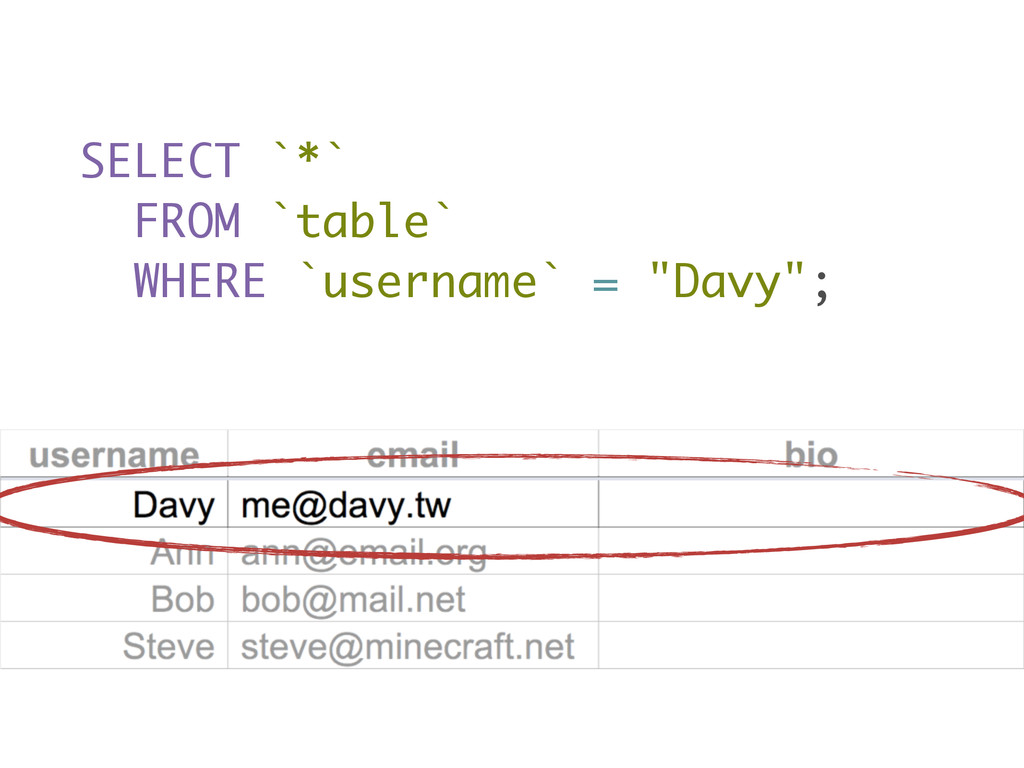
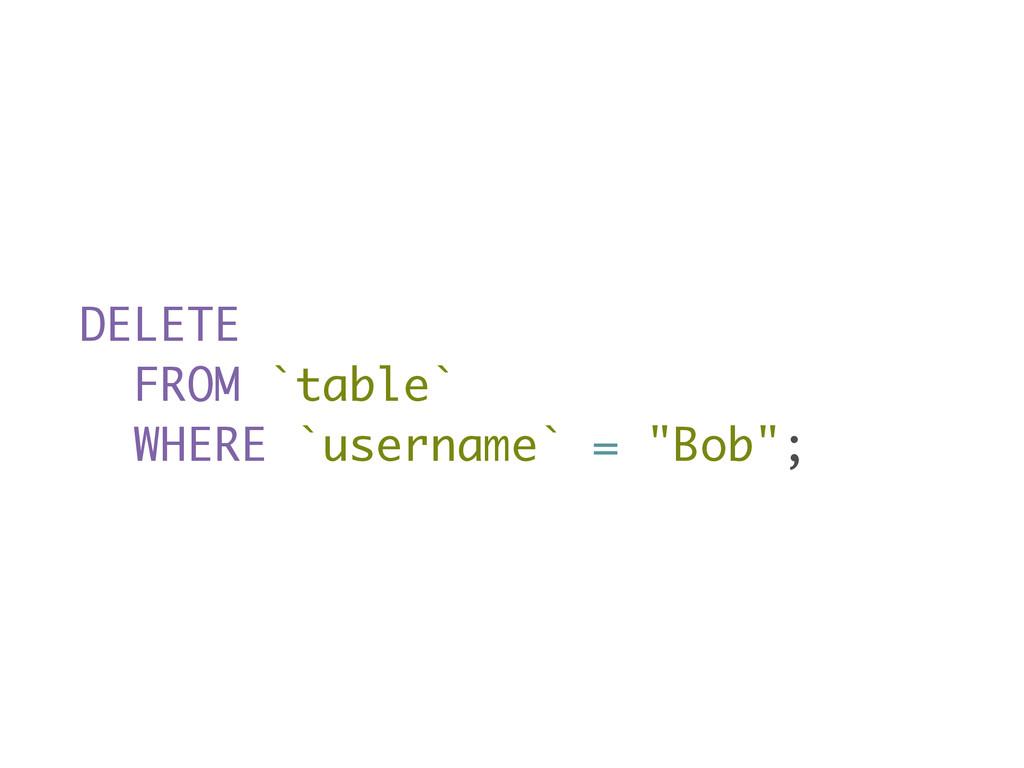
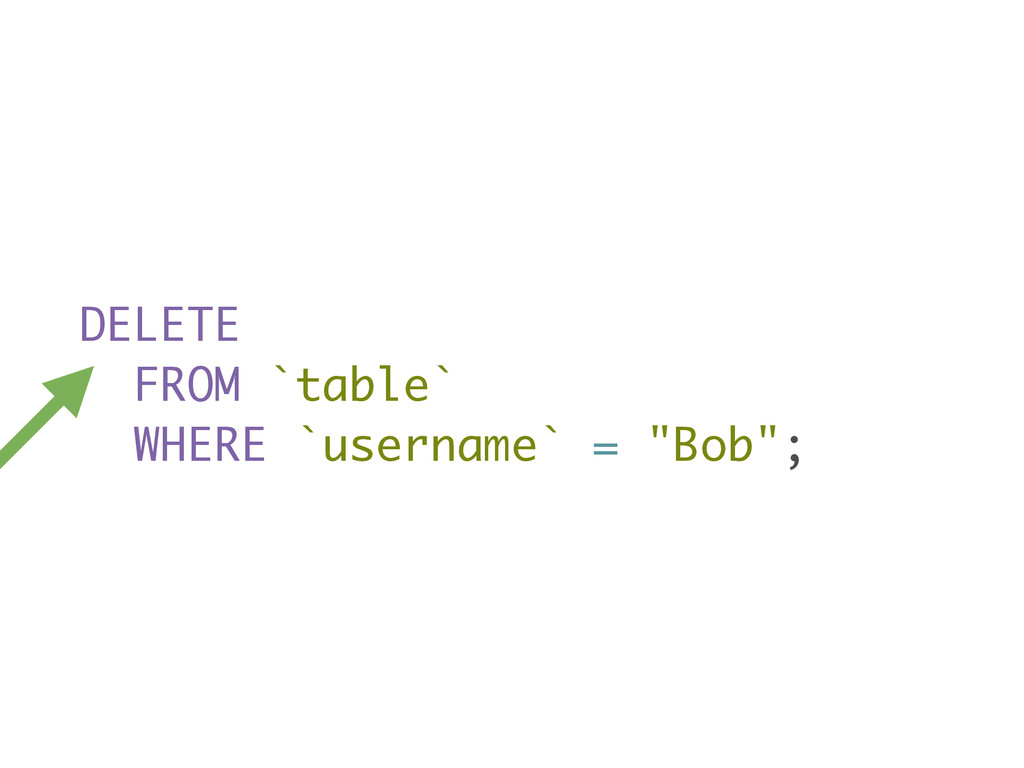
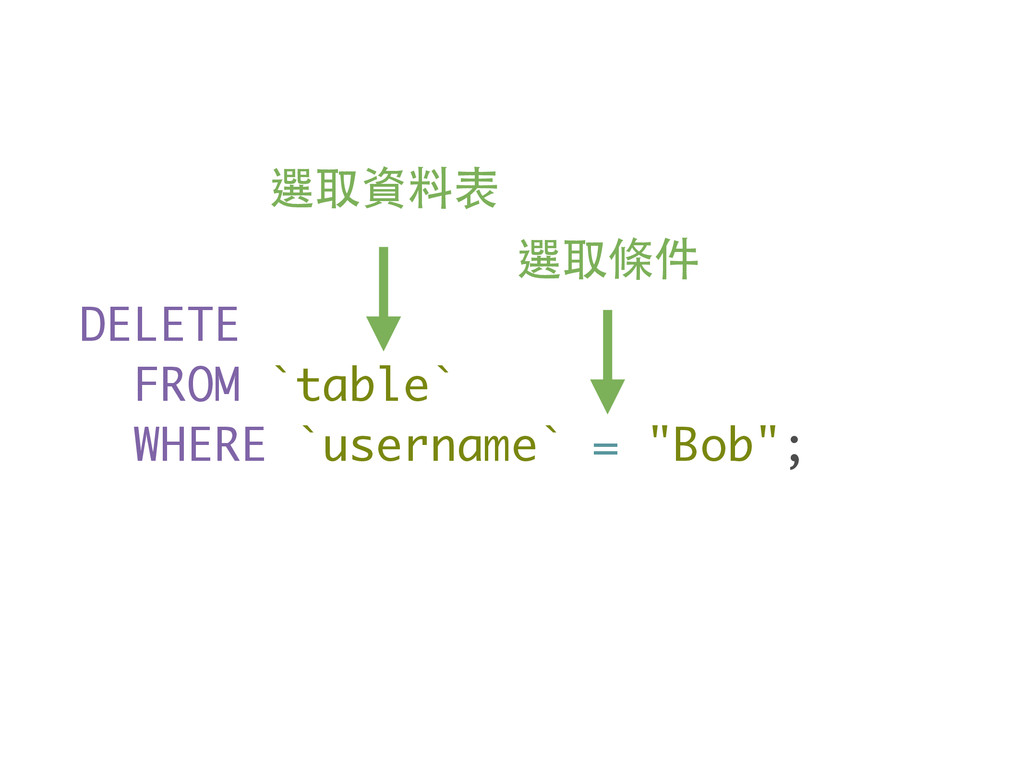
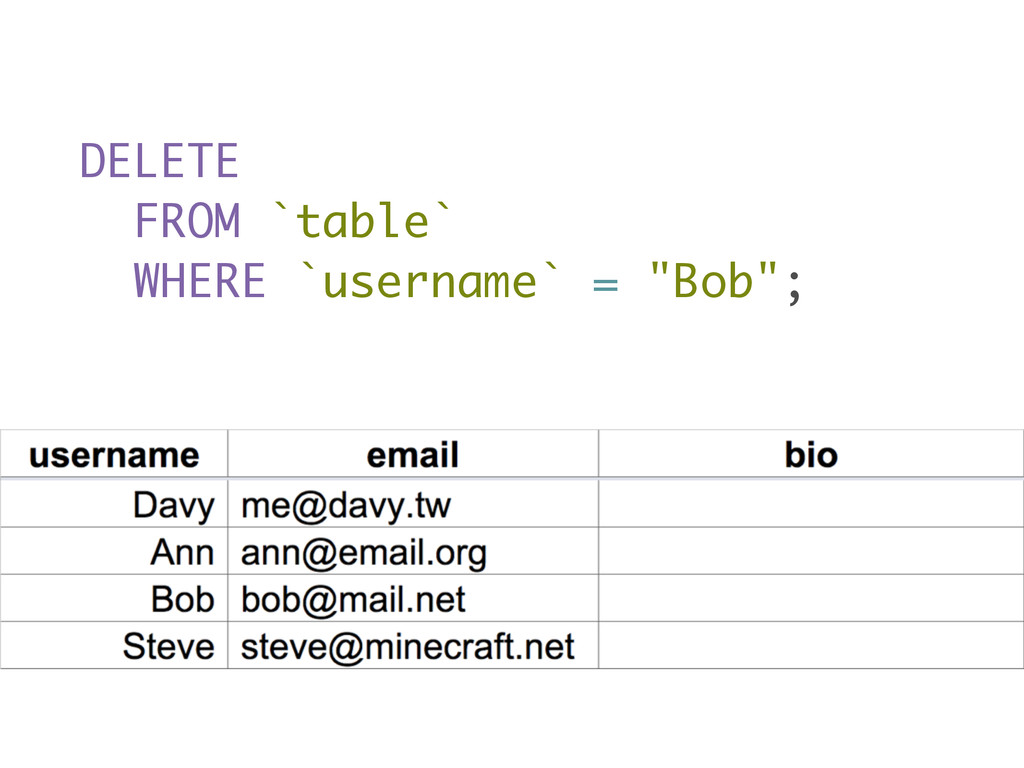
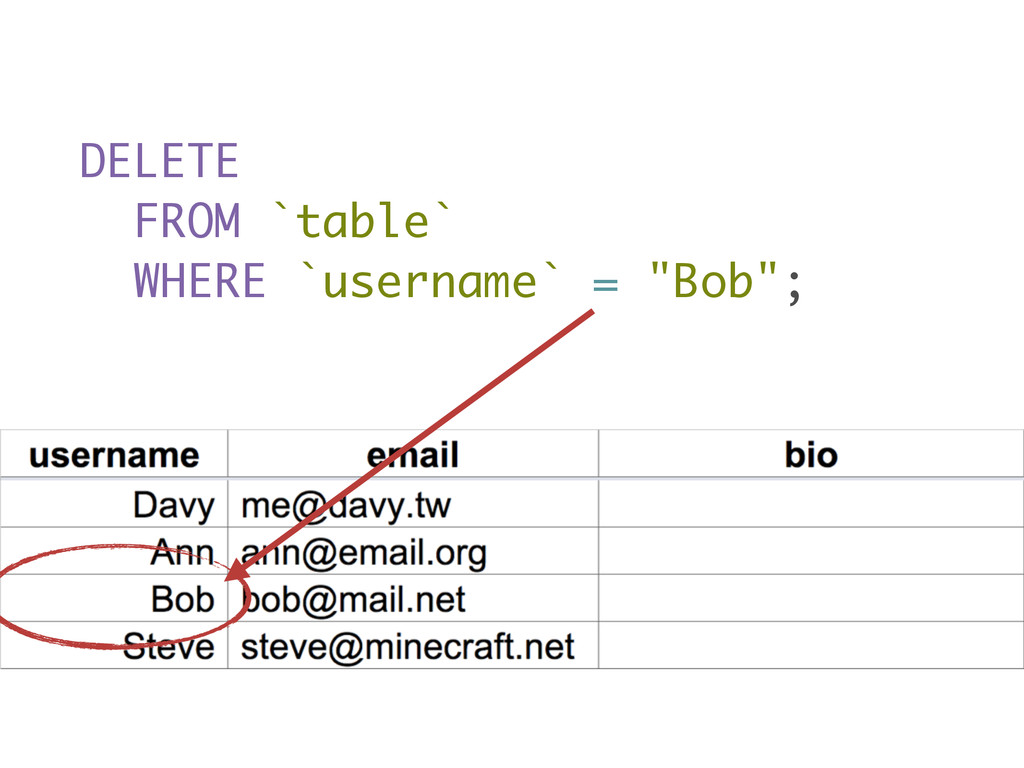
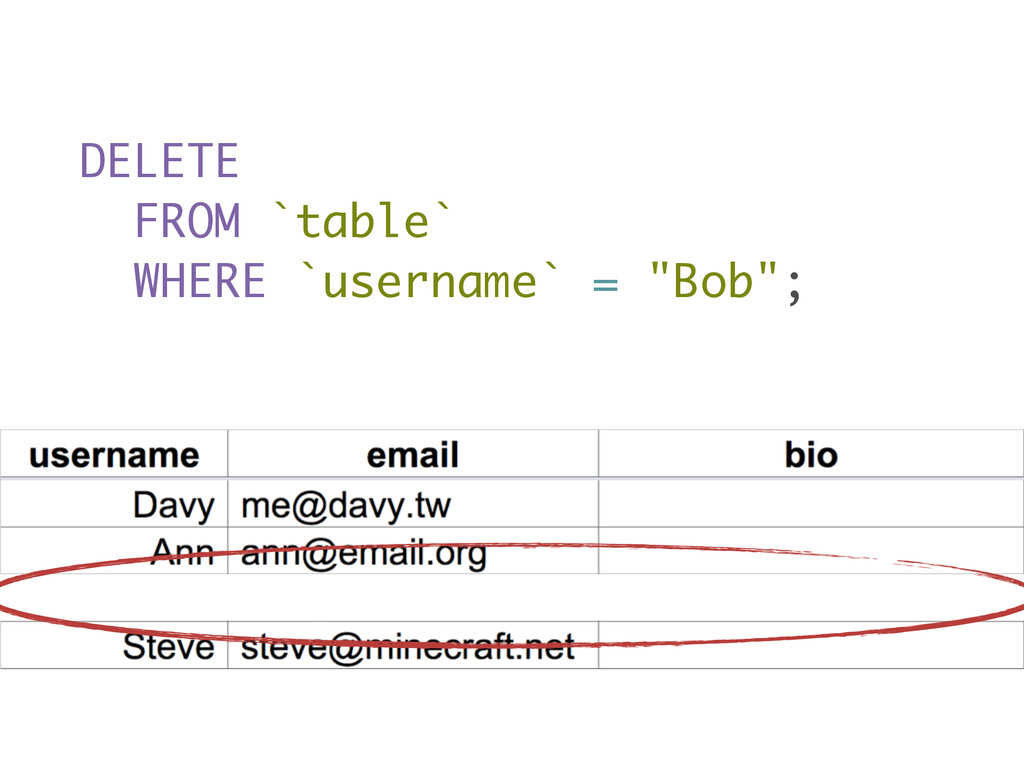
![UPDATE `table` SET `bio` = "Hi", `email` = "[email protected]" WHERE](https://files.speakerdeck.com/presentations/79a75cb05085013202df02f8972bffa2/slide_51.jpg)
![UPDATE `table` SET `bio` = "Hi", `email` = "[email protected]" WHERE](https://files.speakerdeck.com/presentations/79a75cb05085013202df02f8972bffa2/slide_52.jpg)
![UPDATE `table` SET `bio` = "Hi", `email` = "[email protected]" WHERE](https://files.speakerdeck.com/presentations/79a75cb05085013202df02f8972bffa2/slide_53.jpg)
![UPDATE `table` SET `bio` = "Hi", `email` = "[email protected]" WHERE](https://files.speakerdeck.com/presentations/79a75cb05085013202df02f8972bffa2/slide_54.jpg)
![UPDATE `table` SET `bio` = "Hi", `email` = "[email protected]" WHERE](https://files.speakerdeck.com/presentations/79a75cb05085013202df02f8972bffa2/slide_55.jpg)
![UPDATE `table` SET `bio` = "Hi", `email` = "[email protected]" WHERE](https://files.speakerdeck.com/presentations/79a75cb05085013202df02f8972bffa2/slide_56.jpg)
![INSERT INTO `table` (`name`, `email`, `bio`) VALUES ("Sandy", "[email protected]", "");](https://files.speakerdeck.com/presentations/79a75cb05085013202df02f8972bffa2/slide_57.jpg)
![INSERT INTO `table` (`name`, `email`, `bio`) VALUES ("Sandy", "[email protected]", "");](https://files.speakerdeck.com/presentations/79a75cb05085013202df02f8972bffa2/slide_58.jpg)
![INSERT INTO `table` (`name`, `email`, `bio`) VALUES ("Sandy", "[email protected]", "");](https://files.speakerdeck.com/presentations/79a75cb05085013202df02f8972bffa2/slide_59.jpg)
![INSERT INTO `table` (`name`, `email`, `bio`) VALUES ("Sandy", "[email protected]", "");](https://files.speakerdeck.com/presentations/79a75cb05085013202df02f8972bffa2/slide_60.jpg)
![INSERT INTO `table` (`name`, `email`, `bio`) VALUES ("Sandy", "[email protected]", "");](https://files.speakerdeck.com/presentations/79a75cb05085013202df02f8972bffa2/slide_61.jpg)
![INSERT INTO `table` (`name`, `email`, `bio`) VALUES ("Sandy", "[email protected]", "");](https://files.speakerdeck.com/presentations/79a75cb05085013202df02f8972bffa2/slide_62.jpg)
![INSERT INTO `table` (`name`, `email`, `bio`) VALUES ("Sandy", "[email protected]", "");](https://files.speakerdeck.com/presentations/79a75cb05085013202df02f8972bffa2/slide_63.jpg)
![INSERT INTO `table` (`name`, `email`, `bio`) VALUES ("Sandy", "[email protected]", "");](https://files.speakerdeck.com/presentations/79a75cb05085013202df02f8972bffa2/slide_64.jpg)