Upgrade to Pro — share decks privately, control downloads, hide ads and more …

Data formats for exchanging and manipulating 3D...

Sponsored · Your Podcast. Everywhere. Effortlessly. Share. Educate. Inspire. Entertain. You do you. We'll handle the rest.
Avatar for Hugo Ledoux Hugo Ledoux
December 07, 2021
1.2k

Data formats for exchanging and manipulating 3D city models: Keep it simple

Keynote given at the DTCC Day 2021

https://dtcc.chalmers.se/

Avatar for Hugo Ledoux

Hugo Ledoux

December 07, 2021
Tweet

More Decks by Hugo Ledoux

Transcript

  1. Hugo Ledoux Data formats for exchanging and manipulating 3D city

    models: keep it simple Digital Twin Cities Centre Day 2021-12-07 Delft University of Technology
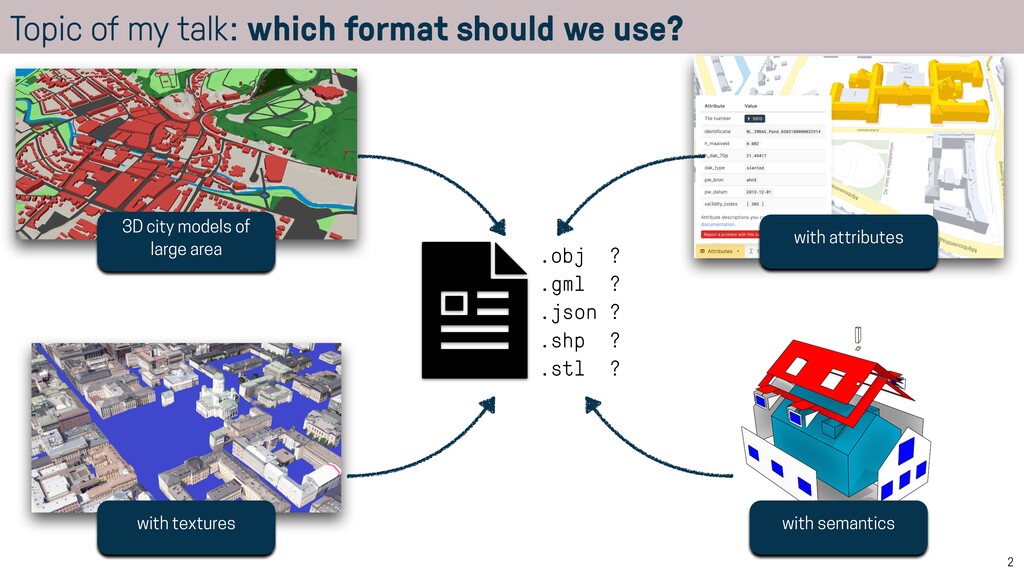
  2. Topic of my talk: which format should we use? 2

    .obj ? .gml ? .json ? .shp ? .stl ? 3D city models of large area with textures with semantics with attributes
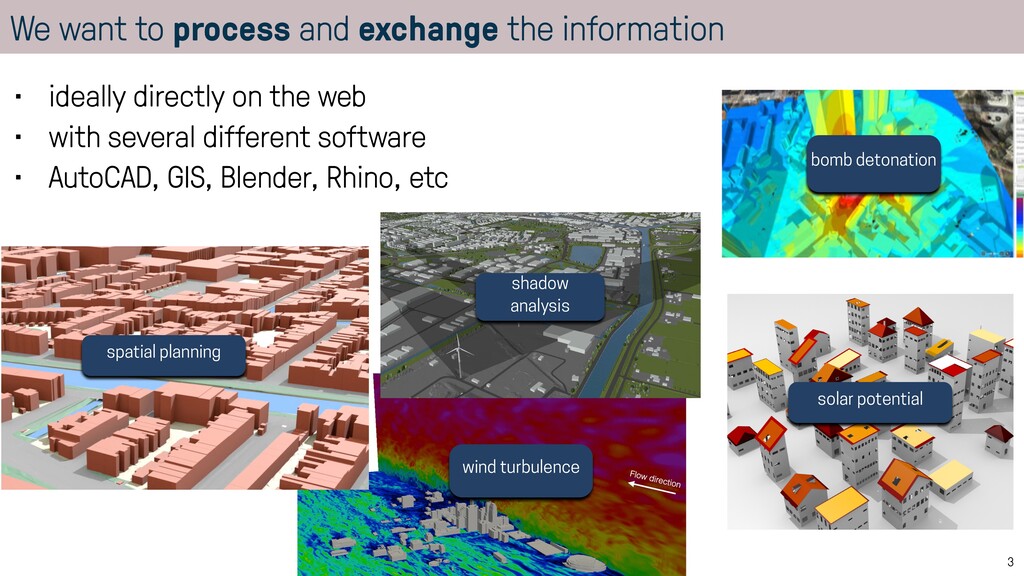
  3. We want to process and exchange the information 3 •

    ideally directly on the web • with several different software • AutoCAD, GIS, Blender, Rhino, etc solar potential shadow analysis bomb detonation wind turbulence spatial planning
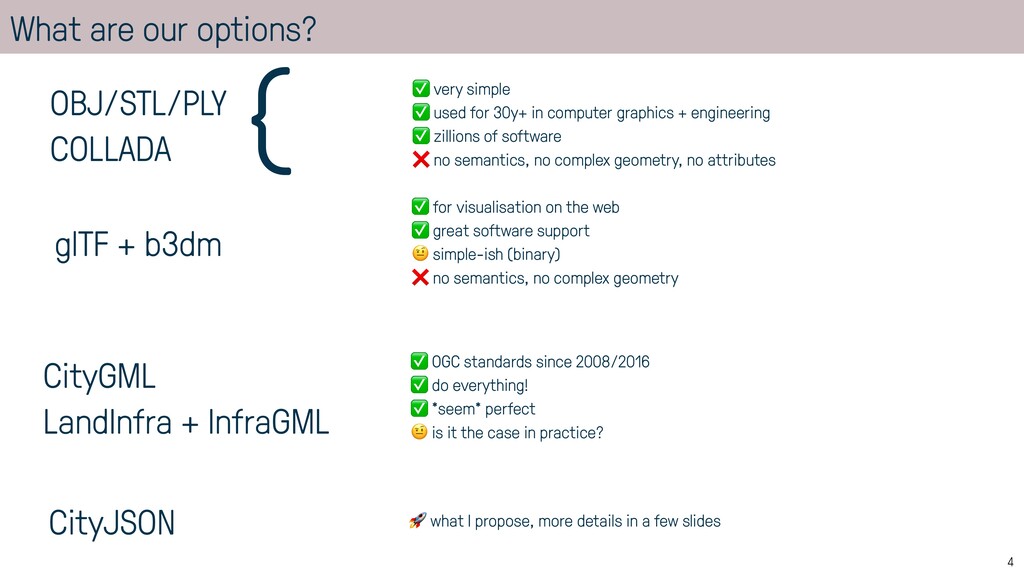
  4. What are our options? 4 OBJ/STL/PLY COLLADA glTF + b3dm

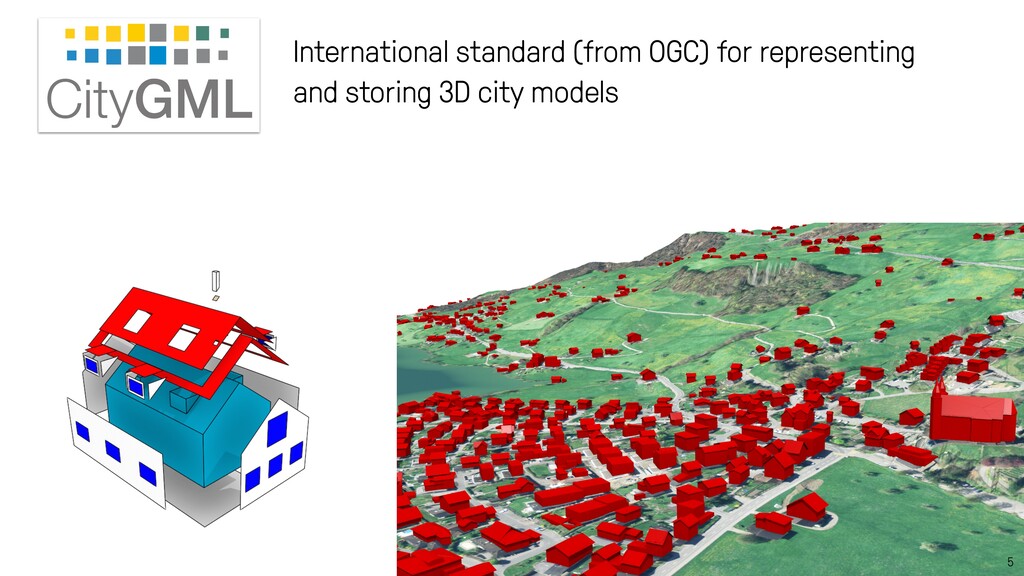
    CityGML LandInfra + InfraGML CityJSON { ✅ very simple ✅ used for 30y+ in computer graphics + engineering ✅ zillions of software ❌ no semantics, no complex geometry, no attributes ✅ for visualisation on the web ✅ great software support 🤨 simple-ish (binary) ❌ no semantics, no complex geometry ✅ OGC standards since 2008/2016 ✅ do everything! ✅ *seem* perfect 🤨 is it the case in practice? 🚀 what I propose, more details in a few slides
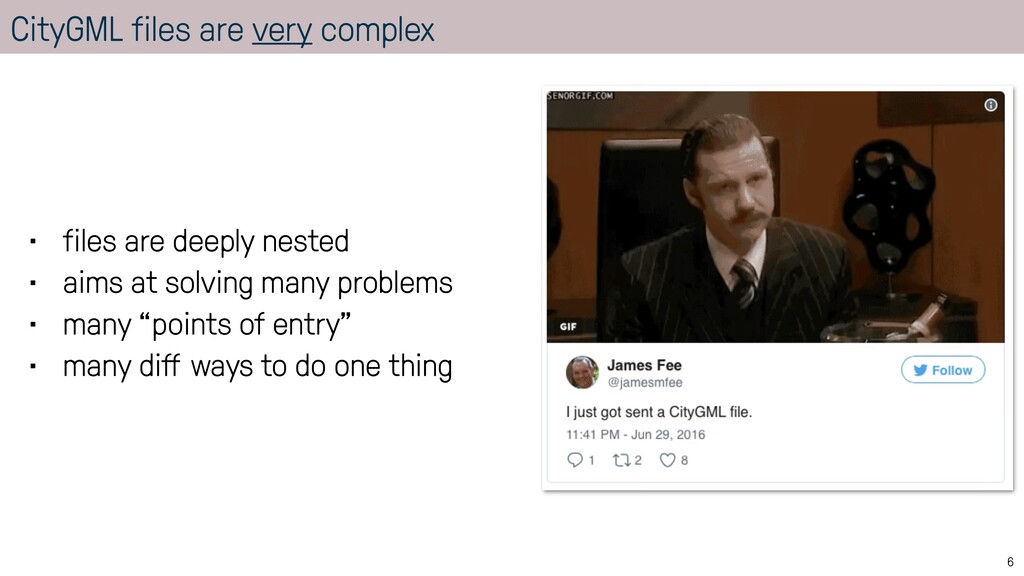
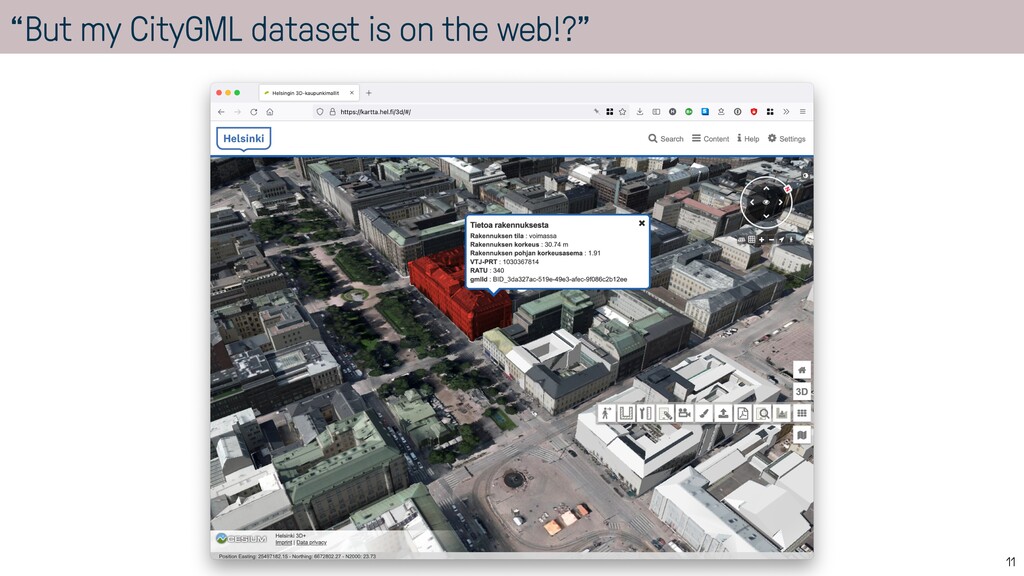
  5. CityGML files are very complex 6 • files are deeply

    nested • aims at solving many problems • many “points of entry” • many di ff ways to do one thing
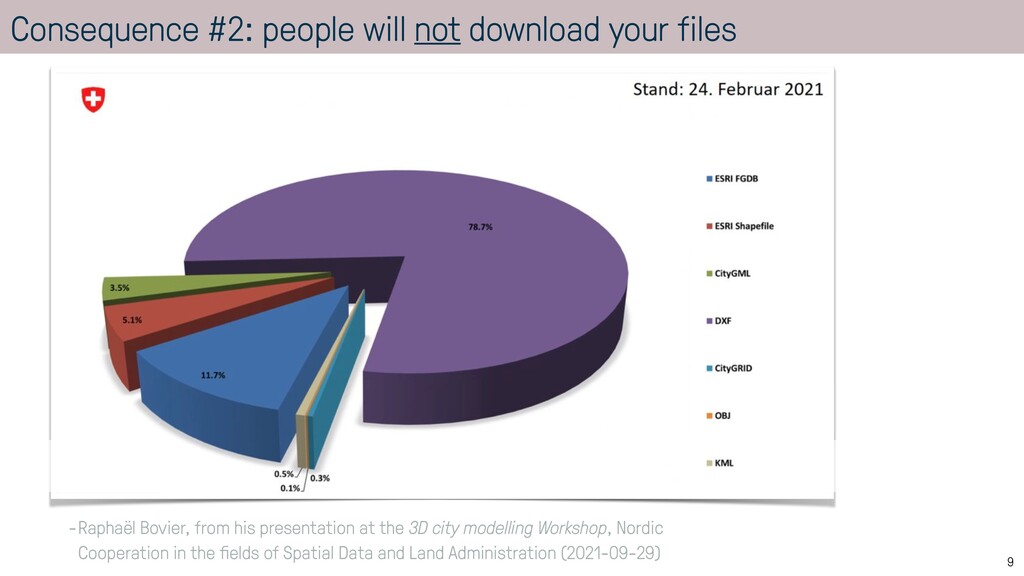
  6. Consequence #2: people will not download your files 9 -Raphaël

    Bovier, from his presentation at the 3D city modelling Workshop, Nordic Cooperation in the fi elds of Spatial Data and Land Administration (2021-09-29)
  7. Consequence #4: developers/users will not use your format 12 GML

    3.2.2 specs (427 pages) GeoJSON specs (28 pages )
  8. Consequence #5: scientists in other communities are not involved 13

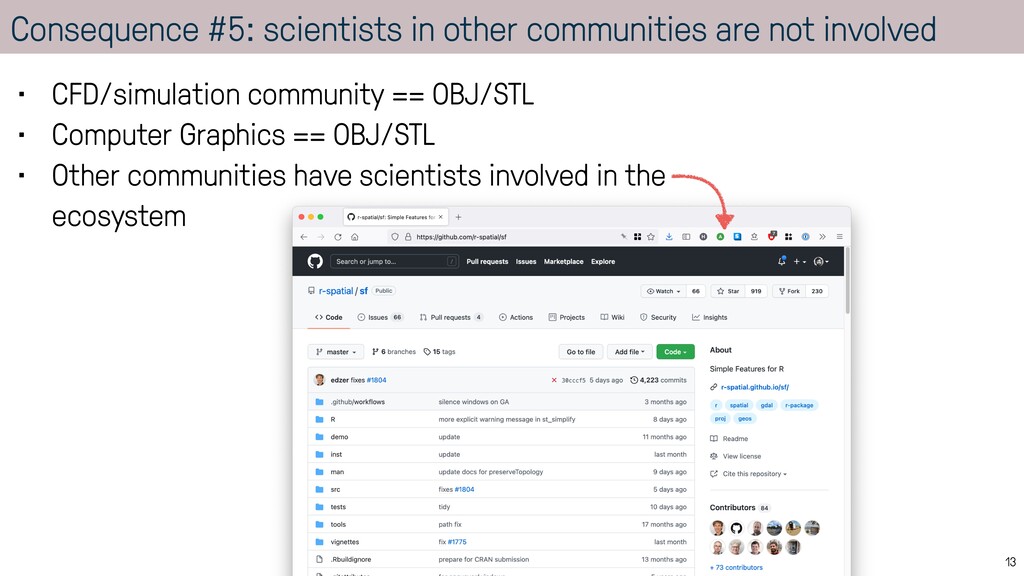
    • CFD/simulation community == OBJ/STL • Computer Graphics == OBJ/STL • Other communities have scientists involved in the ecosystem
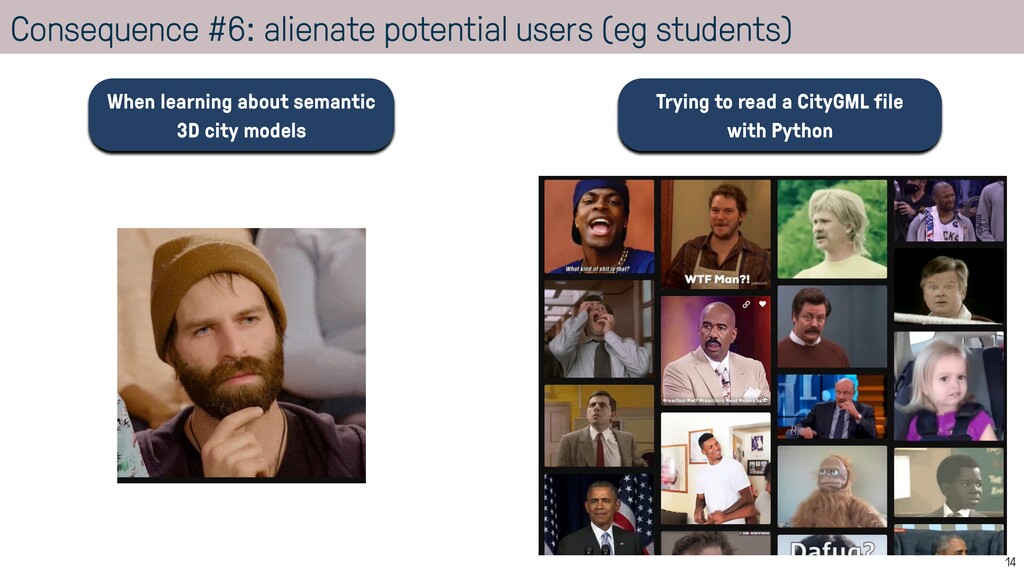
  9. Consequence #6: alienate potential users (eg students) 14 When learning

    about semantic 3D city models Trying to read a CityGML file with Python
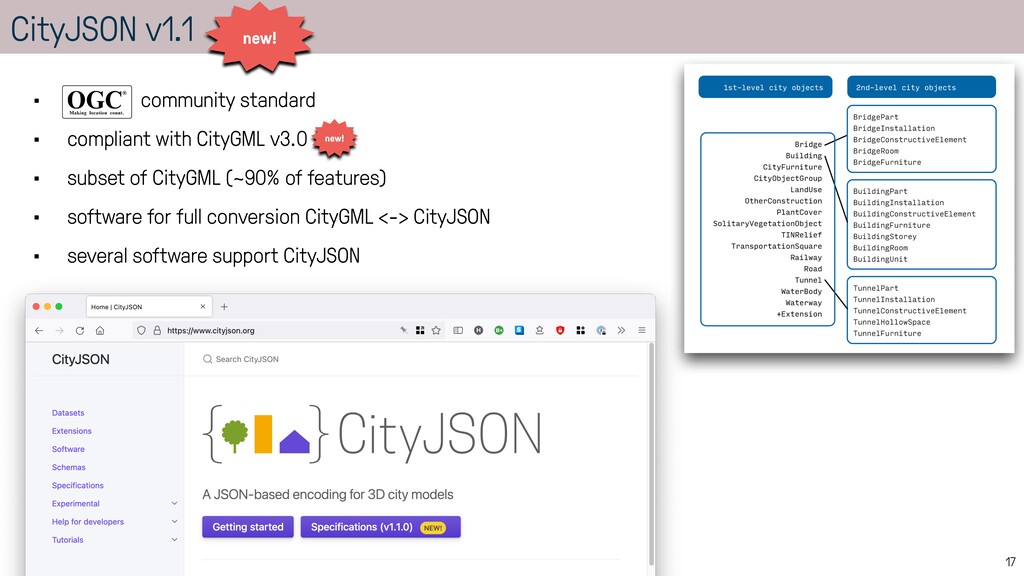
  10. CityJSON v1.1 17 • community standard • compliant with CityGML

    v3.0 • subset of CityGML (~90% of features) • software for full conversion CityGML <-> CityJSON • several software support CityJSON new! new!
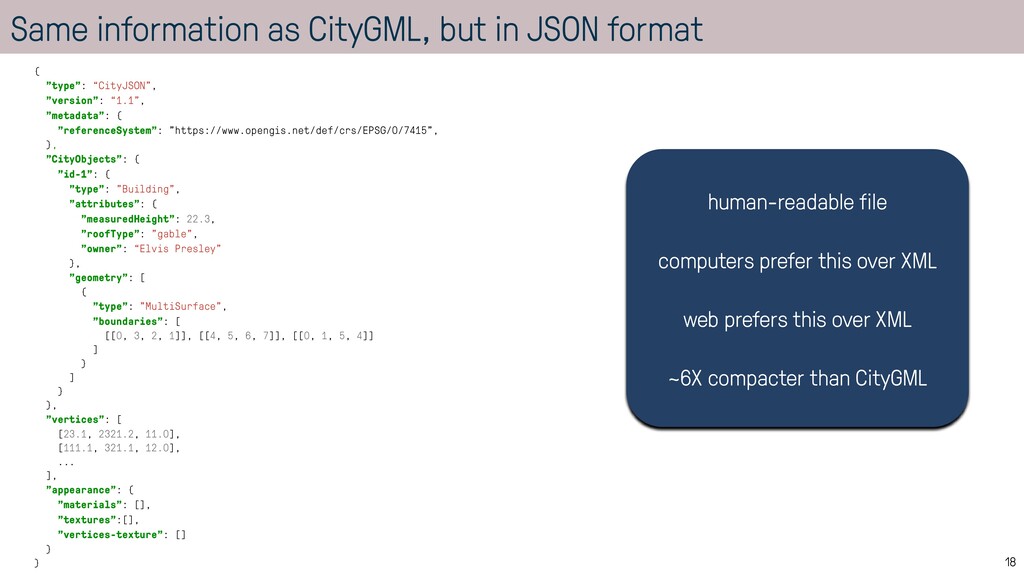
  11. Same information as CityGML, but in JSON format 18 {

    "type": “CityJSON", "version": “1.1”, "metadata": { "referenceSystem": "https://www.opengis.net/def/crs/EPSG/0/7415", }, "CityObjects": { "id-1": { "type": "Building", "attributes": { "measuredHeight": 22.3, "roofType": "gable", "owner": “Elvis Presley" }, "geometry": [ { "type": "MultiSurface", "boundaries": [ [[0, 3, 2, 1]], [[4, 5, 6, 7]], [[0, 1, 5, 4]] ] } ] } }, "vertices": [ [23.1, 2321.2, 11.0], [111.1, 321.1, 12.0], ... ], "appearance": { "materials": [], "textures":[], "vertices-texture": [] } } human-readable file computers prefer this over XML web prefers this over XML ~6X compacter than CityGML
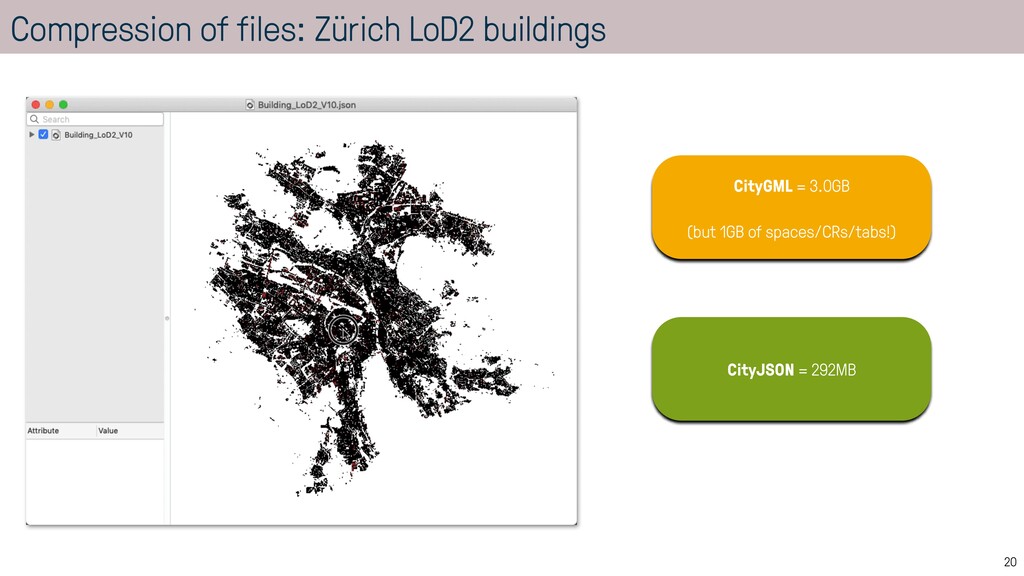
  12. Compression of files: Zürich LoD2 buildings 20 CityGML = 3.0GB

    (but 1GB of spaces/CRs/tabs!) CityJSON = 292MB
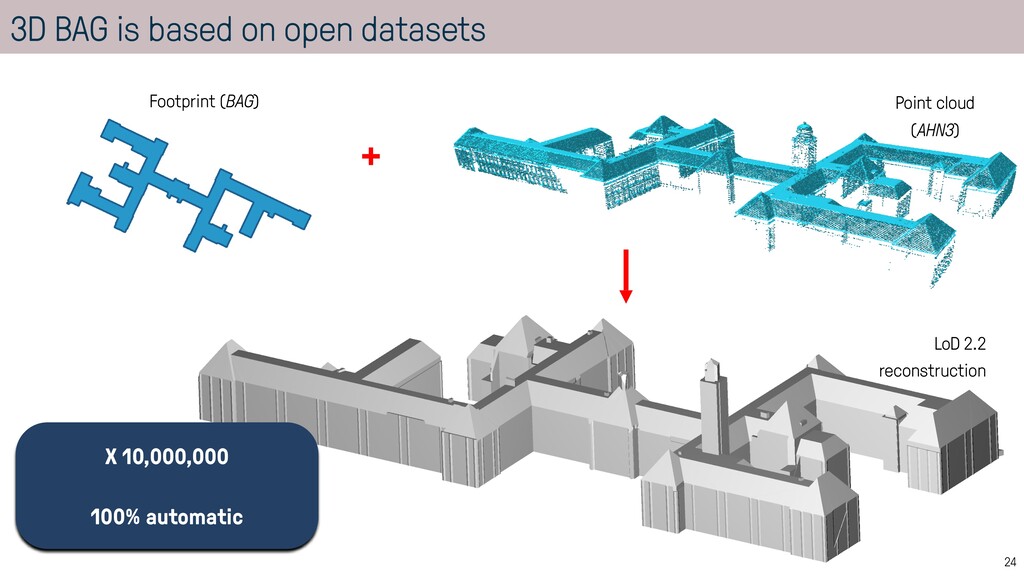
  13. LoD 2.2 
 reconstruction 3D BAG is based on open

    datasets 24 Point cloud (AHN3) Footprint (BAG) + X 10,000,000 100% automatic
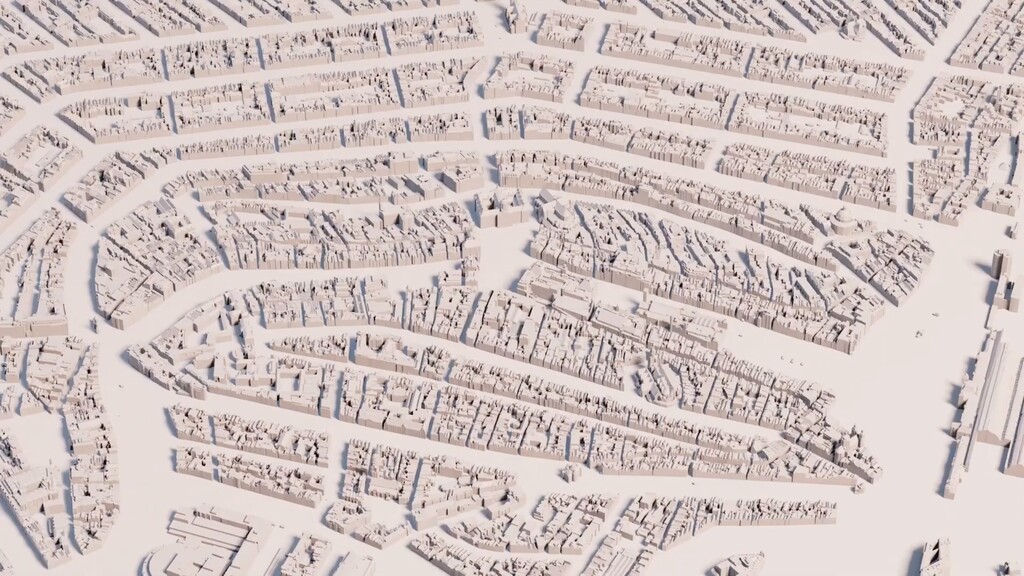
  14. 25