Upgrade to Pro
— share decks privately, control downloads, hide ads and more …
Speaker Deck
Features
Speaker Deck
PRO
Sign in
Sign up for free
Search
Search
Garbage Collection em Ruby
Search
Sponsored
·
Ship Features Fearlessly
Turn features on and off without deploys. Used by thousands of Ruby developers.
→
Lauro Caetano
May 17, 2014
Programming
140
2
Share
Embed
Copy iframe code
Copy JS code
Copy link
Start on current slide
Garbage Collection em Ruby
Palestra do TDC Florianópolis 2014
Lauro Caetano
May 17, 2014
More Decks by Lauro Caetano
See All by Lauro Caetano
Learning Elixir by Examples
laurocaetano
1
250
What's new in Rails 4.1
laurocaetano
0
110
Clojure Introduction.
laurocaetano
1
86
Other Decks in Programming
See All in Programming
Android CLI
fornewid
0
220
プロポーザルを書いてもらう
pvcresin
0
500
変わらないものが、変わるものを決める — 意図駆動開発 × イベントソーシング × イミュータブル | What Doesn't Change Decides What Can — IDD × Event Sourcing × Immutability
tomohisa
0
1.6k
AI Engineeringは、AIプロダクトだけのものか? 〜AIがソフトウェアを作る時代の新しい当たり前〜 / No AI in your product. AI Engineering in your development.
rkaga
4
410
2年かけて Deno に DOMMatrix を実装した話 / How I implemented DOMMatrix in Deno over two years
petamoriken
0
210
Apache Hive: そしてCloud Native Lakehouseへ
okumin
1
220
Built Our Own Background Agent at LayerX
layerx
PRO
10
5.4k
PHP Application における Kubernetes 内 gRPC 通信
ganchiku
0
590
jsmini JavaScript Engine を作ってみた話
yosuke_furukawa
PRO
0
320
PHP に部分適用が来るぞ!……ところで何それ?おいしいの? #phpcon / phpcon-2026
shogogg
0
650
VibeCodingからAgenticWorkflowへ
starfish719
0
450
AWS DevOps AgentのAzure接続機能を検証して見えた活用法/Use Cases Verified for the AWS DevOps Agent's Azure Connectivity Feature
masakiokuda
1
230
Featured
See All Featured
Optimizing for Happiness
mojombo
378
71k
From π to Pie charts
rasagy
0
280
Skip the Path - Find Your Career Trail
mkilby
1
180
Practical Orchestrator
shlominoach
191
12k
Future Trends and Review - Lecture 12 - Web Technologies (1019888BNR)
signer
PRO
0
3.7k
The Hidden Cost of Media on the Web [PixelPalooza 2025]
tammyeverts
2
460
Measuring Dark Social's Impact On Conversion and Attribution
stephenakadiri
2
250
Ten Tips & Tricks for a 🌱 transition
stuffmc
0
160
Jamie Indigo - Trashchat’s Guide to Black Boxes: Technical SEO Tactics for LLMs
techseoconnect
PRO
0
620
The Cult of Friendly URLs
andyhume
79
7k
Leveraging LLMs for student feedback in introductory data science courses - posit::conf(2025)
minecr
1
340
Believing is Seeing
oripsolob
1
190
Transcript
Garbage Collection Ruby
Gerenciamento manual de memória
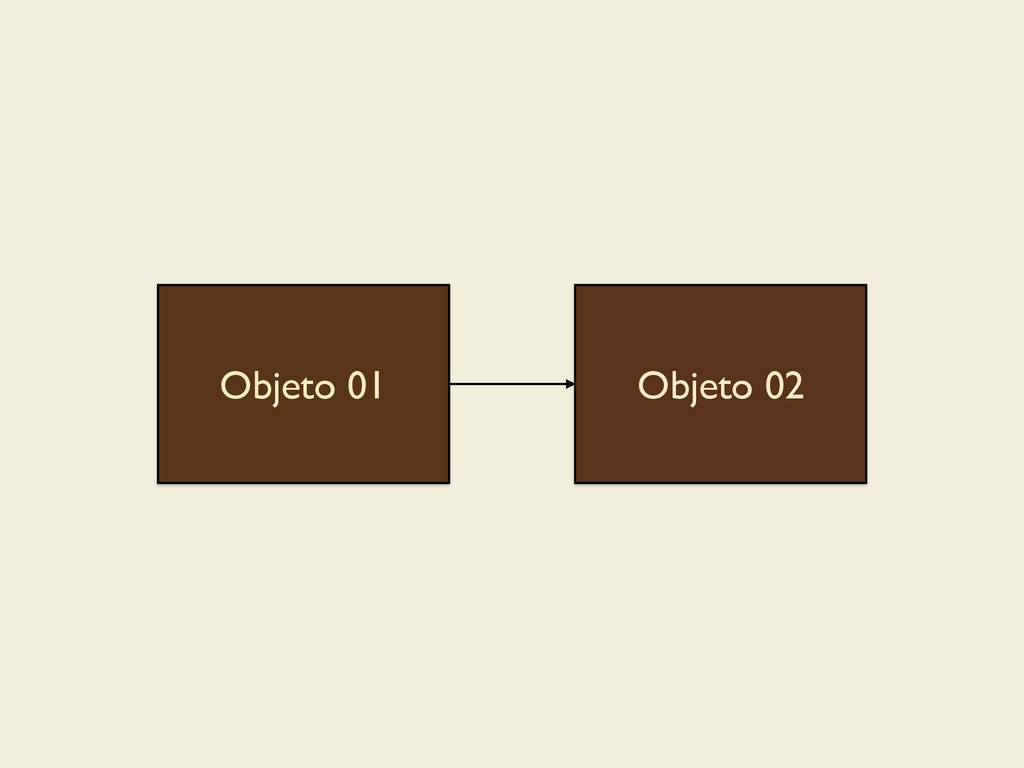
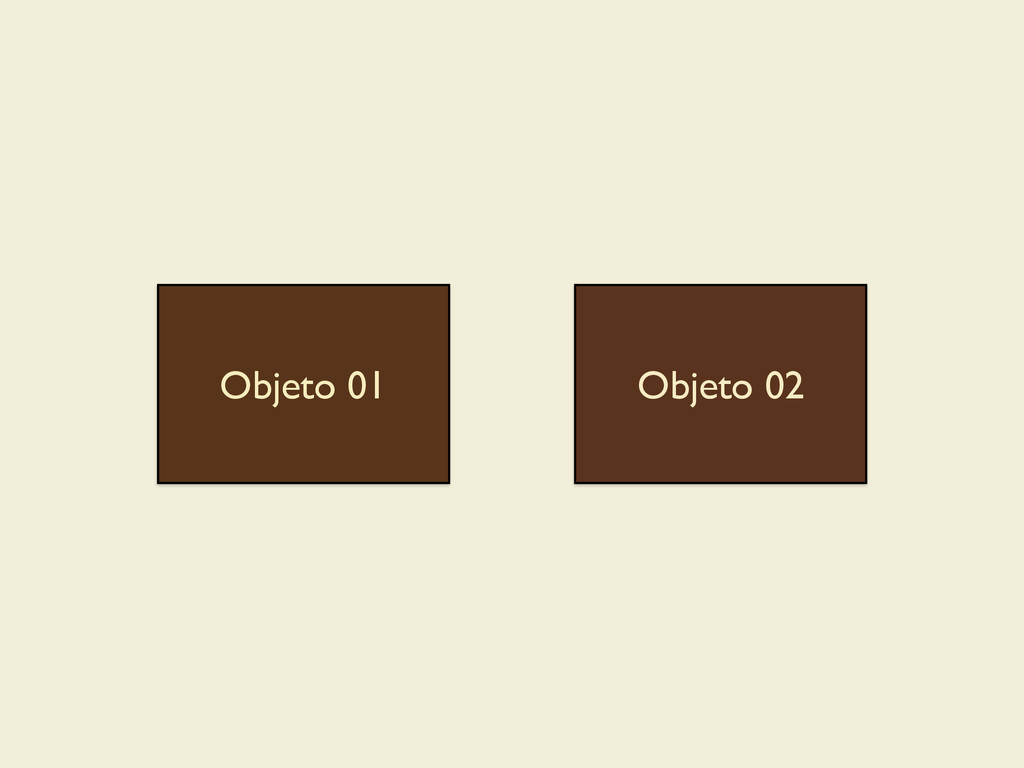
Objeto 01 Objeto 02
Desalocar manualmente
Objeto 01 Objeto 02
Objeto 01
Mas imagine o seguinte cenário
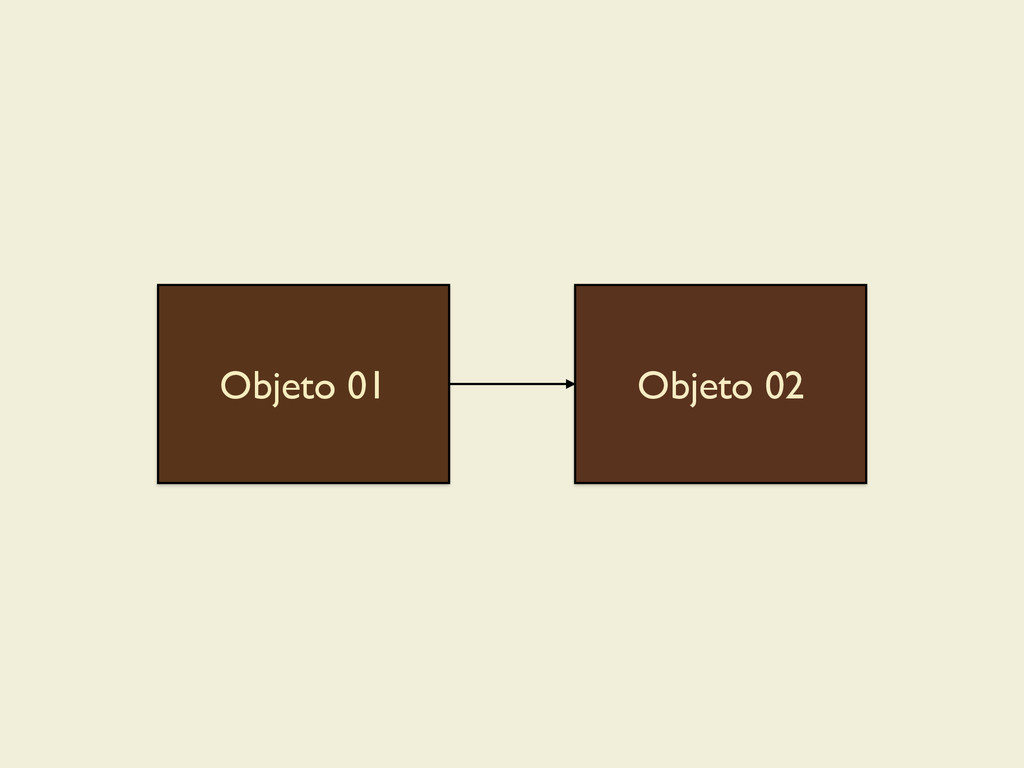
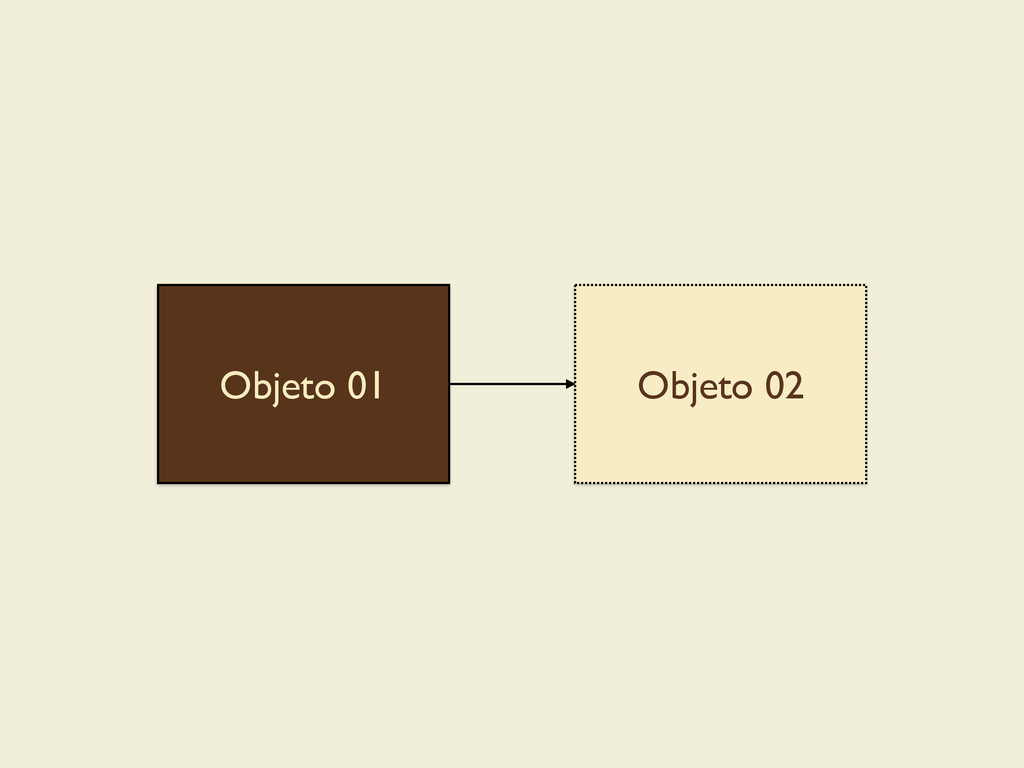
Objeto 01 Objeto 02
Objeto 01 Objeto 02
Referência para um objeto que não existe mais
Seu sistema pode quebrar
Ou pior…
Ele pode gerar resultados incorretos
Outras preocupações além do domínio da aplicação
Entender como os módulos que você utiliza gerenciam sua memória
Lauro Caetano @laurocaetano
None
None
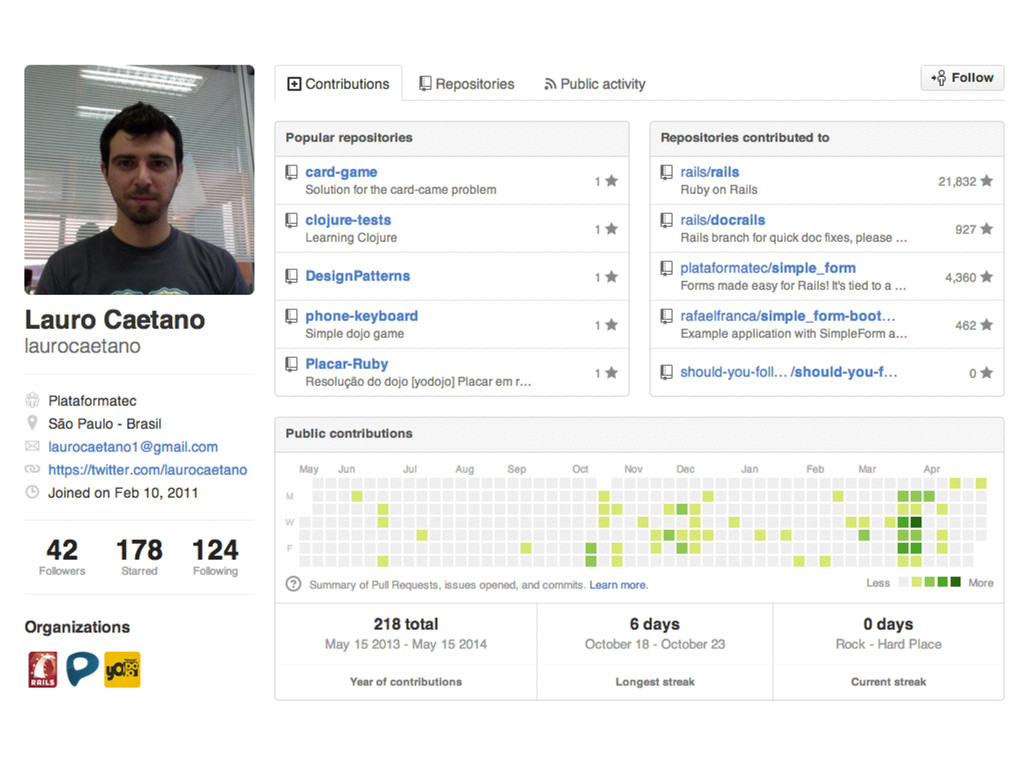
Open Source
None
None
None
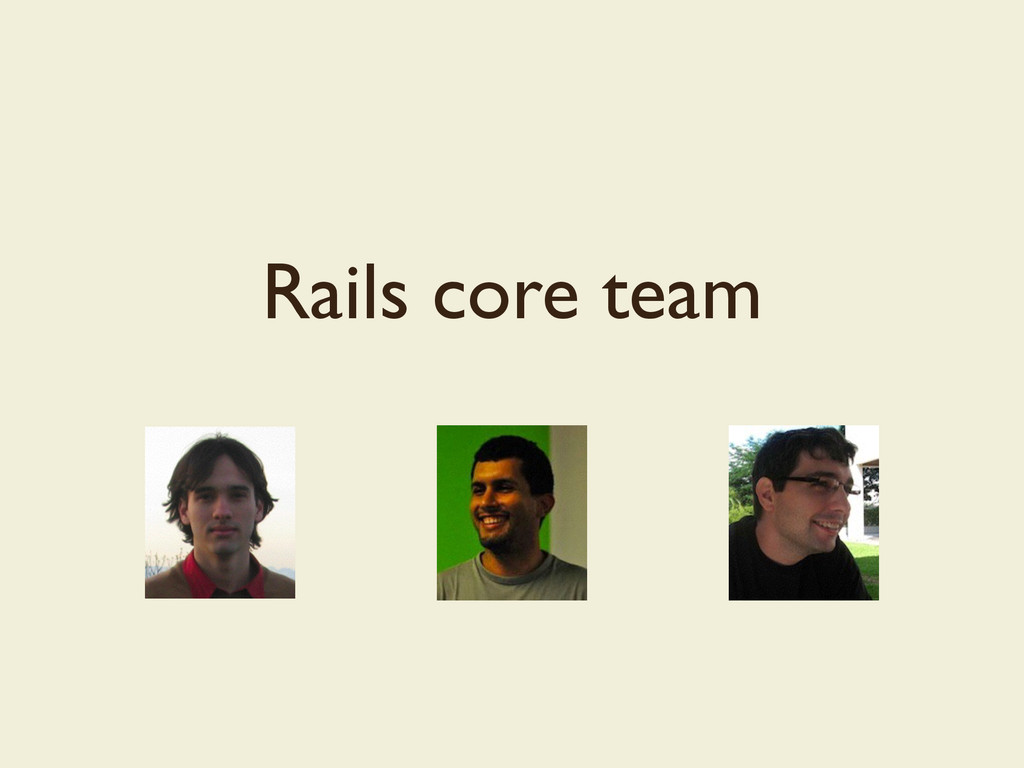
Rails
Rails core team
O que é Garbage Collection e como ele foi evoluindo
a cada nova versão do Ruby
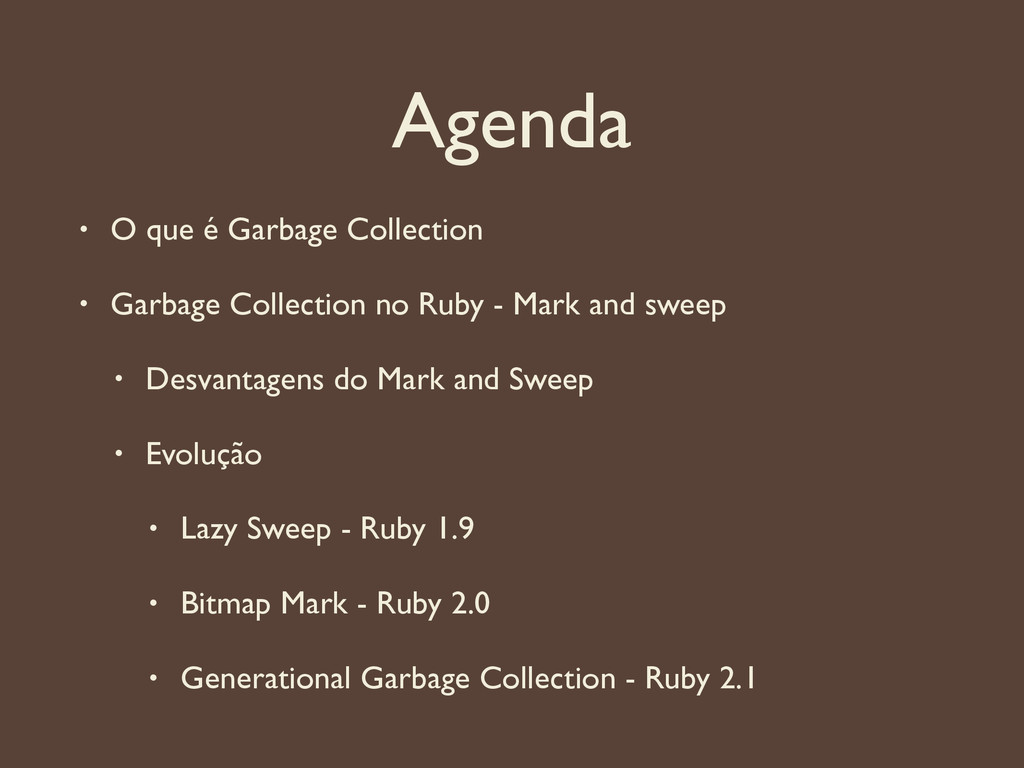
Agenda • O que é Garbage Collection • Garbage Collection
no Ruby - Mark and sweep • Desvantagens do Mark and Sweep • Evolução • Lazy Sweep - Ruby 1.9 • Bitmap Mark - Ruby 2.0 • Generational Garbage Collection - Ruby 2.1
O que é Garbage Collection?
Gerenciamento dinâmico automático de memória
3 Responsabilidades
1. Alocar espaço para novos objetos
2. Identificar os objetos ainda vivos
3. Recuperar o espaço ocupado por objetos mortos
Garbage Collection no Ruby
Ruby ainda utiliza o mesmo algoritmo que foi inventado a
mais de 50 anos por John MacCarthy
Mark-Sweep
Free List
None
None
None
None
None
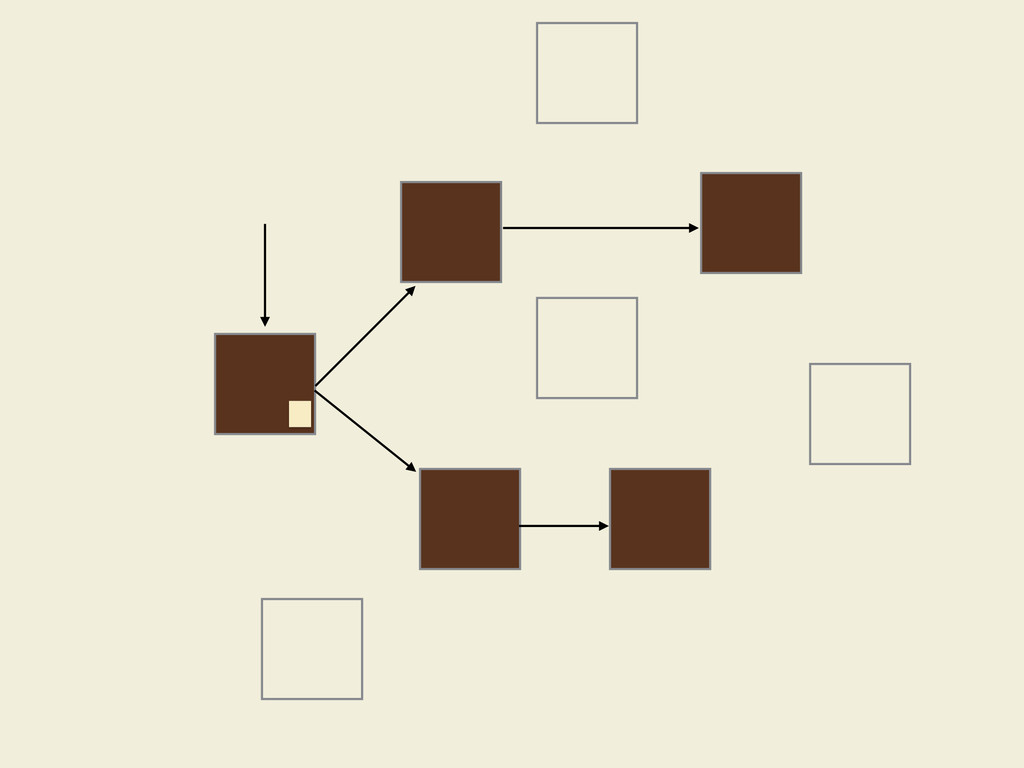
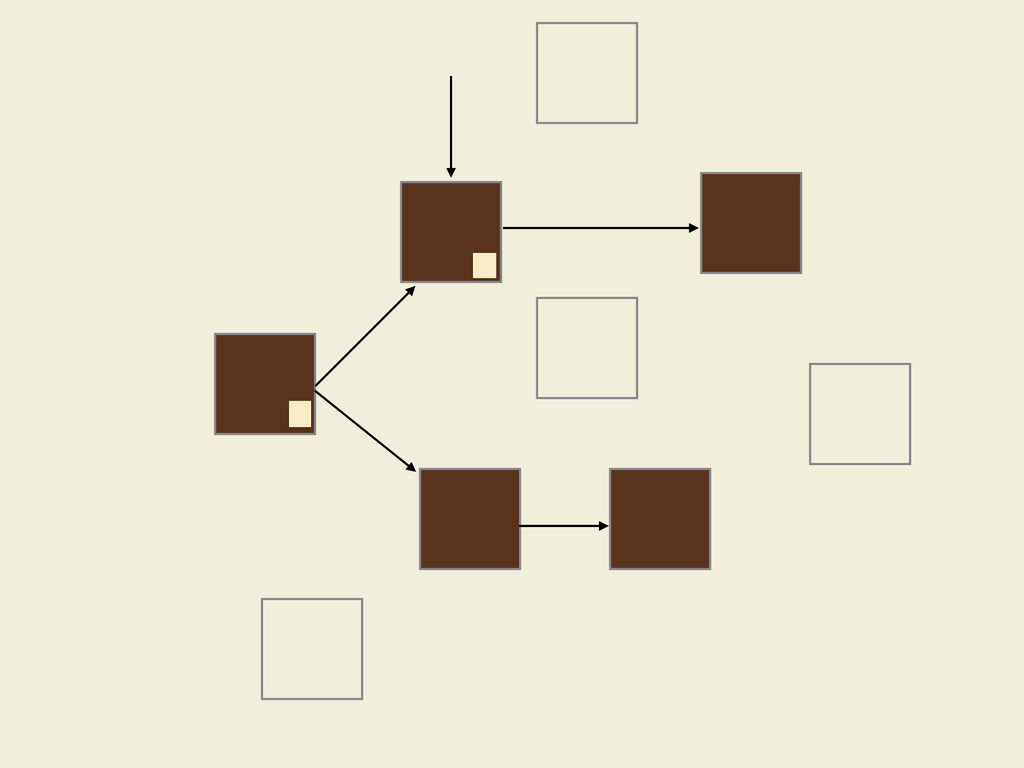
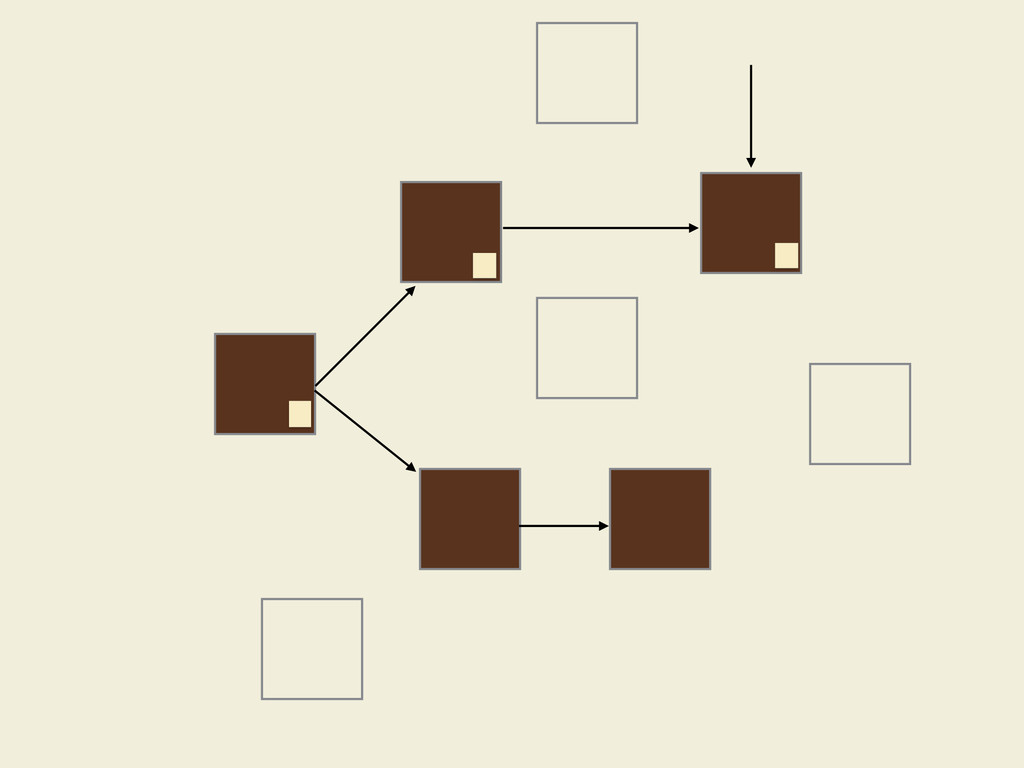
Hora de limpar o Heap
Stop the world
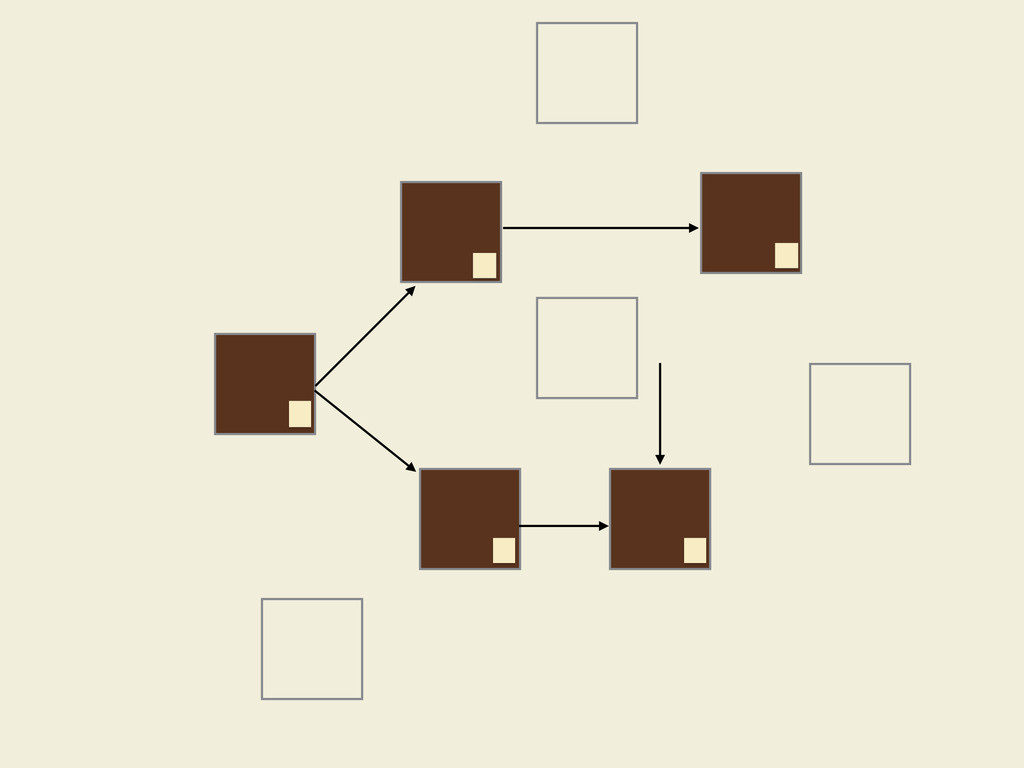
Percorre todos os objetos do heap e marca os que
ainda estão vivos
None
None
None
None
None
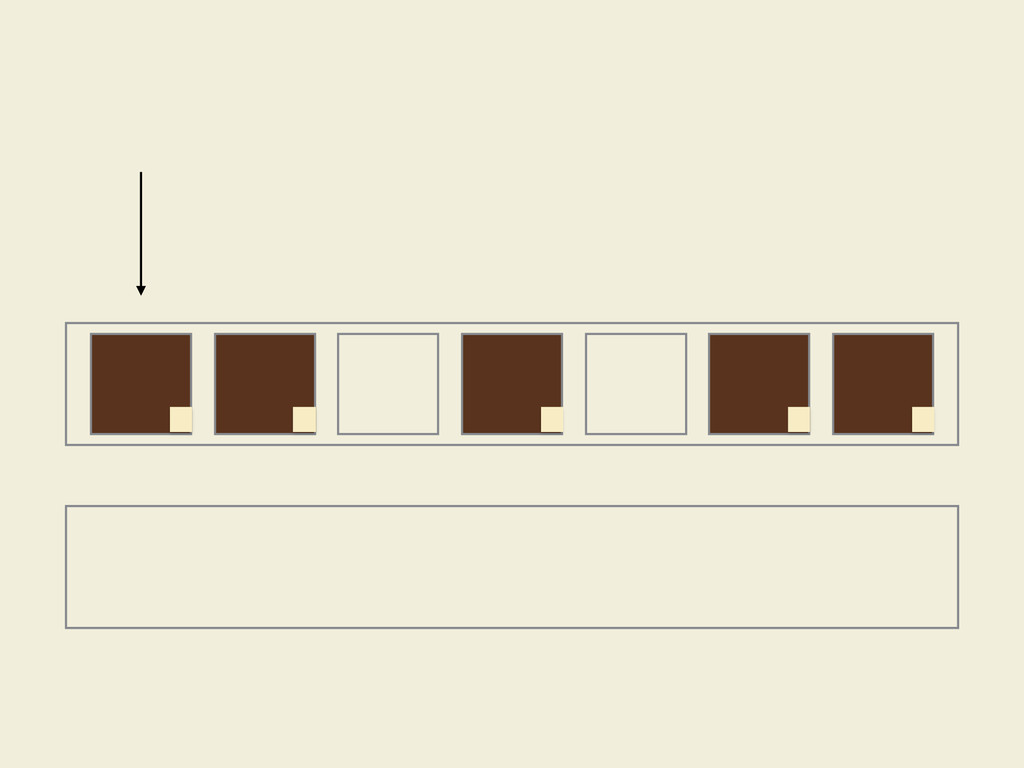
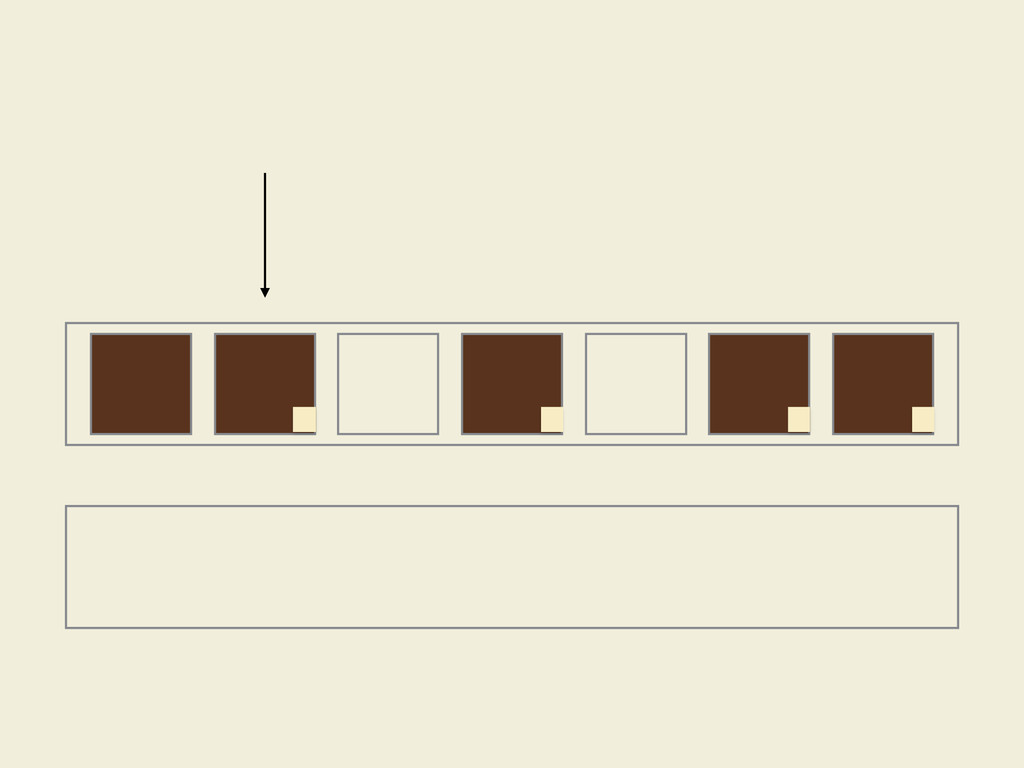
Varre novamente o heap, mas agora em busca dos objetos
não marcados e os remove do heap
None
None
None
None
None
None
None
None
Volta a executar o seu programa
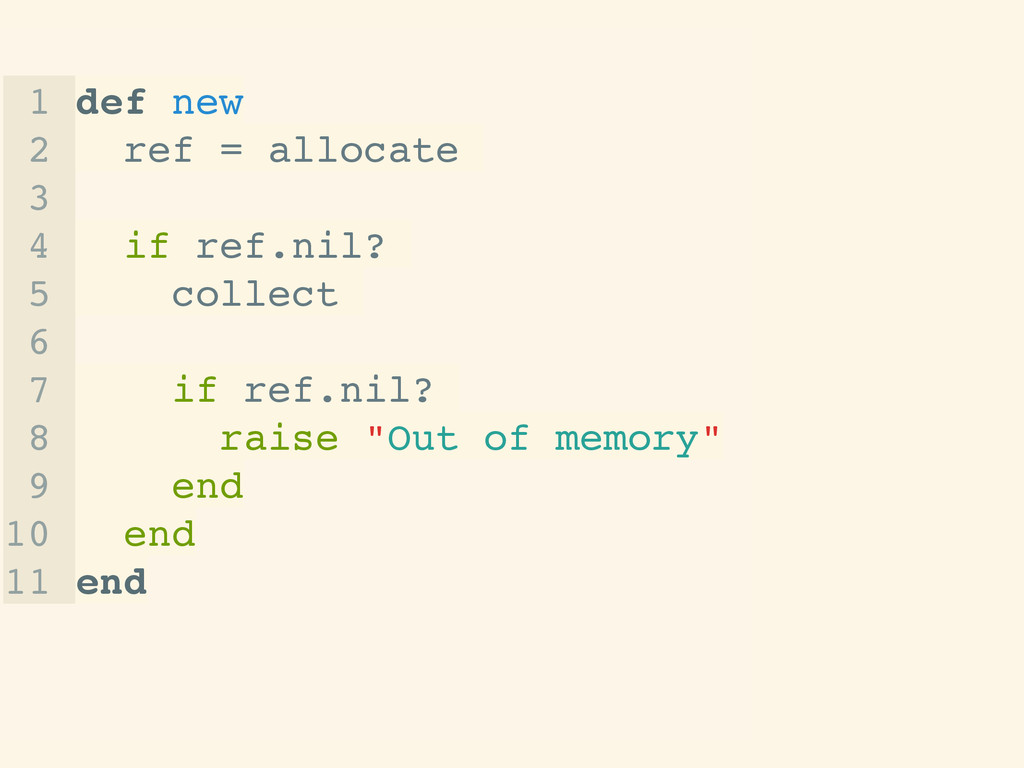
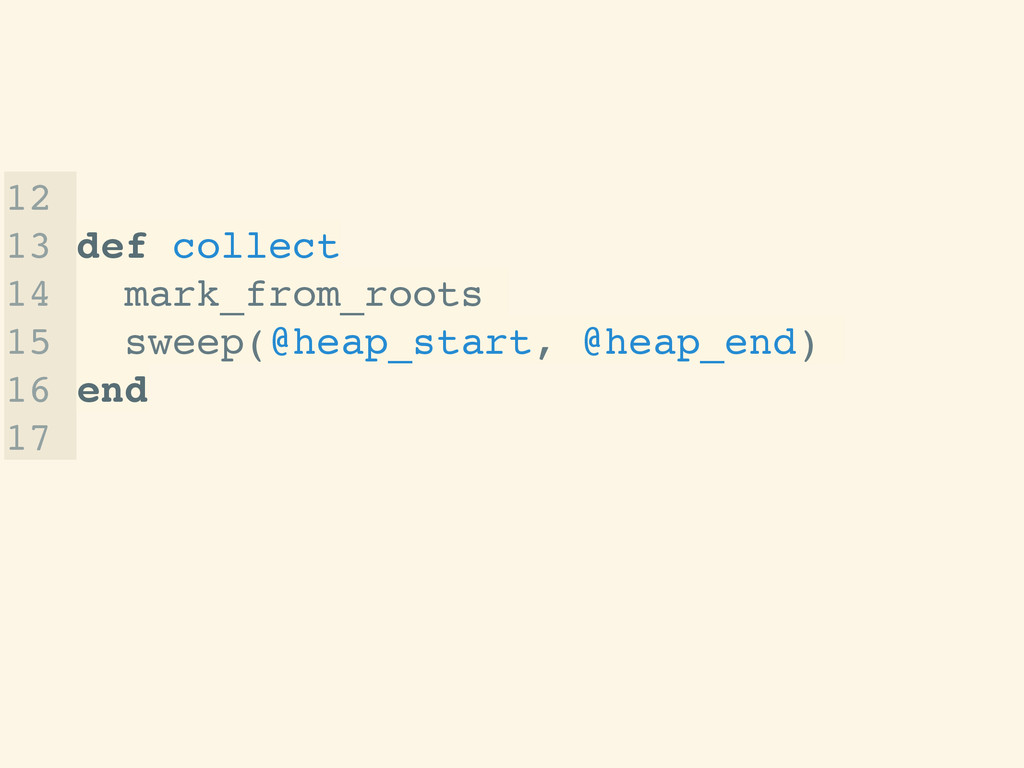
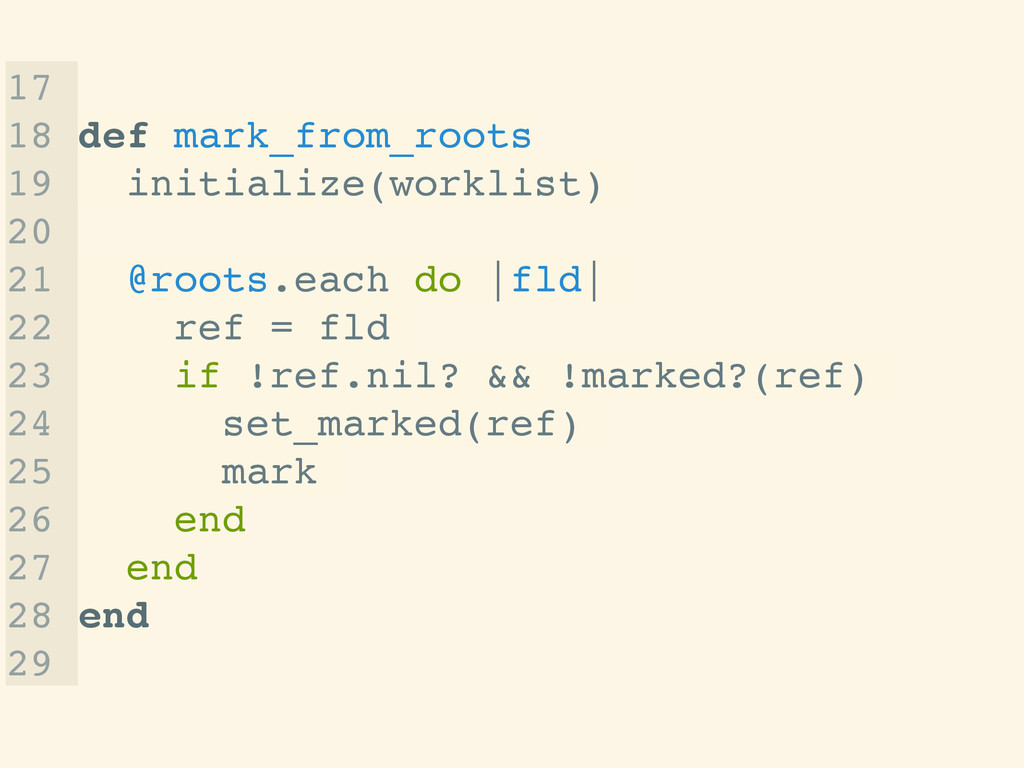
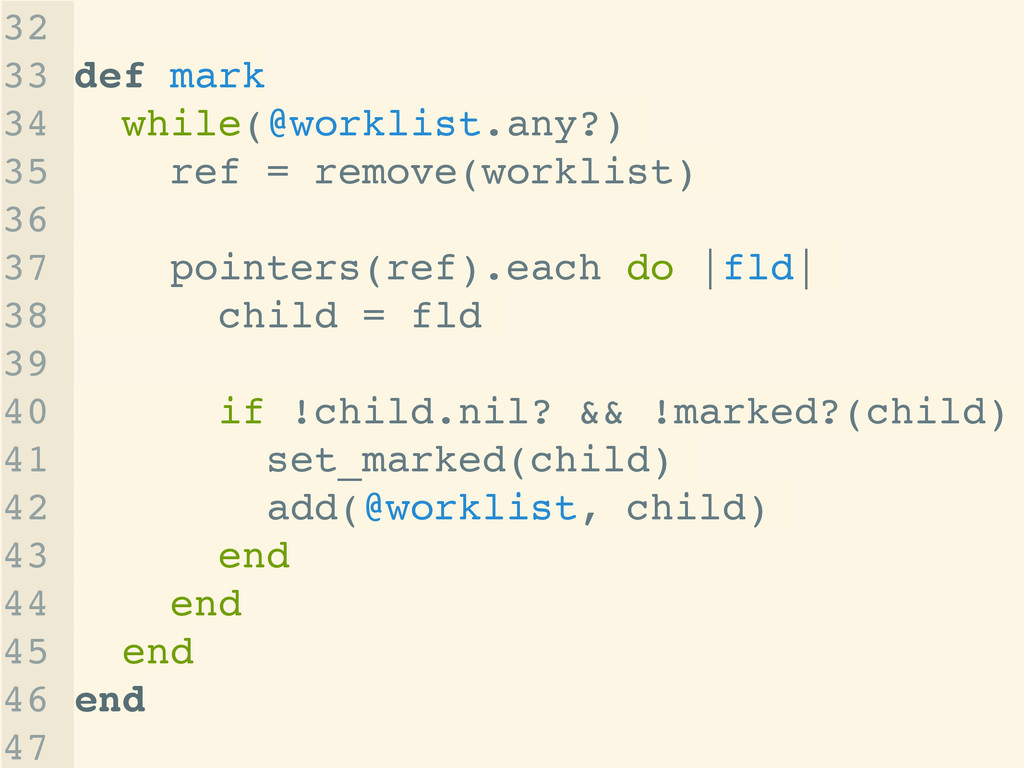
Vamos ao código
! 1 def new! 2 ref = allocate! 3 !
4 if ref.nil?! 5 collect! 6 ! 7 if ref.nil?! 8 raise "Out of memory"! 9 end! 10 end! 11 end! ! !
12 ! 13 def collect! 14 mark_from_roots! 15 sweep(@heap_start, @heap_end)!
16 end! 17 ! ! !
17 ! 18 def mark_from_roots! 19 initialize(worklist)! 20 ! 21
@roots.each do |fld|! 22 ref = fld! 23 if !ref.nil? && !marked?(ref)! 24 set_marked(ref)! 25 mark! 26 end! 27 end! 28 end! 29
32 ! 33 def mark! 34 while(@worklist.any?)! 35 ref =
remove(worklist)! 36 ! 37 pointers(ref).each do |fld|! 38 child = fld! 39 ! 40 if !child.nil? && !marked?(child)! 41 set_marked(child)! 42 add(@worklist, child)! 43 end! 44 end! 45 end! 46 end! 47
47 ! 48 def sweep(heap_start, heap_end)! 49 scan = start!
50 ! 51 while (scan < heap_end)! 52 if marked?(scan)! 53 unset_marked(scan)! 54 else! 55 free(scan)! 56 end! 57 ! 58 scan = next_object(scan)! 59 end! 60 end
Desvantagens do Mark and sweep
Fazer Full GC toda hora que o heap está cheio
não parece uma boa ideia
Stop the world
Mark and sweep é proporcional ao tamanho do heap
Evolução
Lazy Sweep Ruby 1.9
Fazer Full GC toda hora que o heap está cheio
não parece uma boa ideia
Recuperar apenas o espaço necessário para criar um novo objeto
e permitir que a aplicação continue rodando
Agora o sweep não para mais o mundo todo
A alocação é responsável por checar se existe espaço disponível
Caso não tenha espaço disponível, fazer Lazy Sweep até obter
o espaço necessário
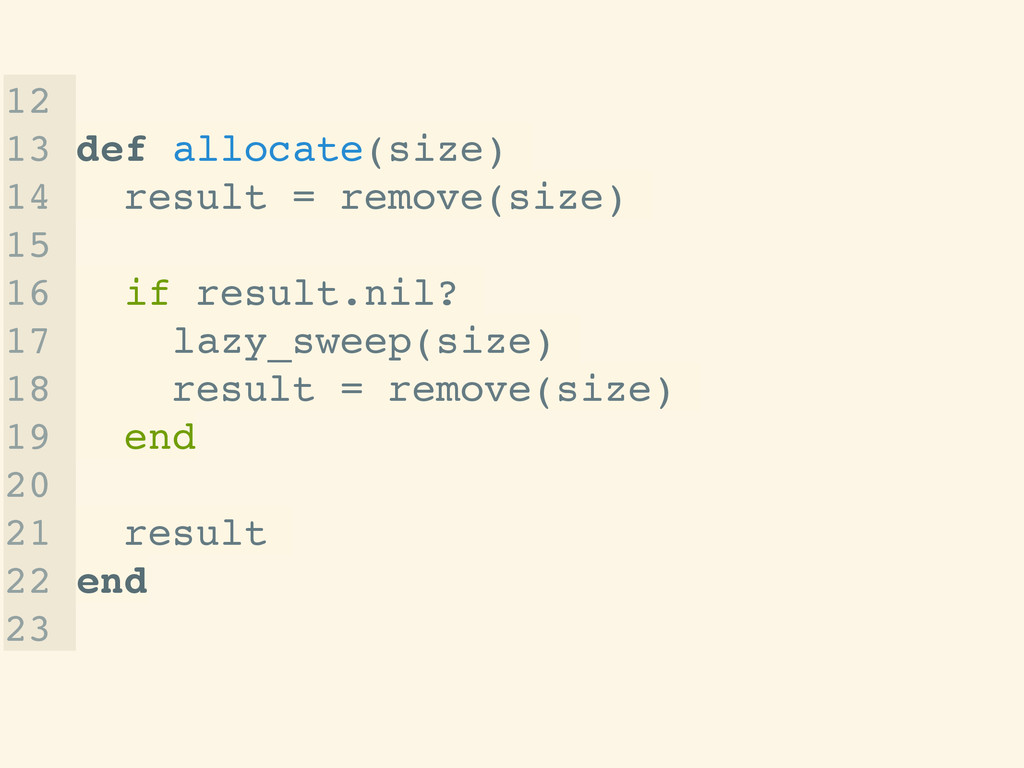
12 ! 13 def allocate(size)! 14 result = remove(size)! 15
! 16 if result.nil?! 17 lazy_sweep(size)! 18 result = remove(size)! 19 end! 20 ! 21 result! 22 end! 23
Bitmap Mark Ruby 2.0
None
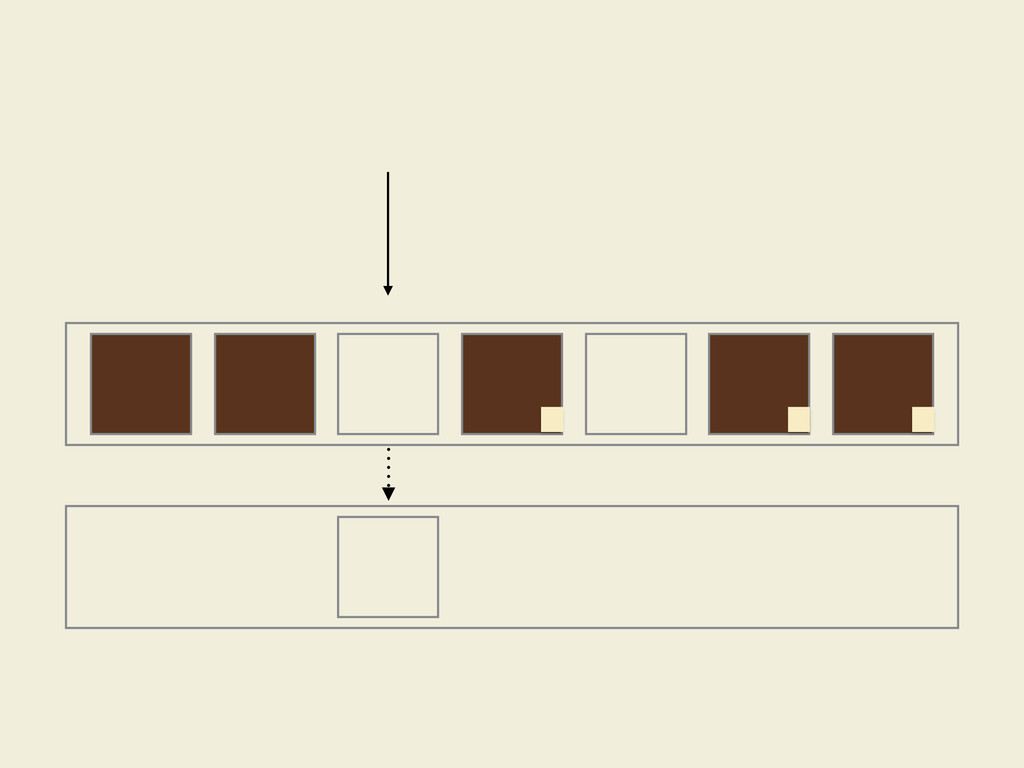
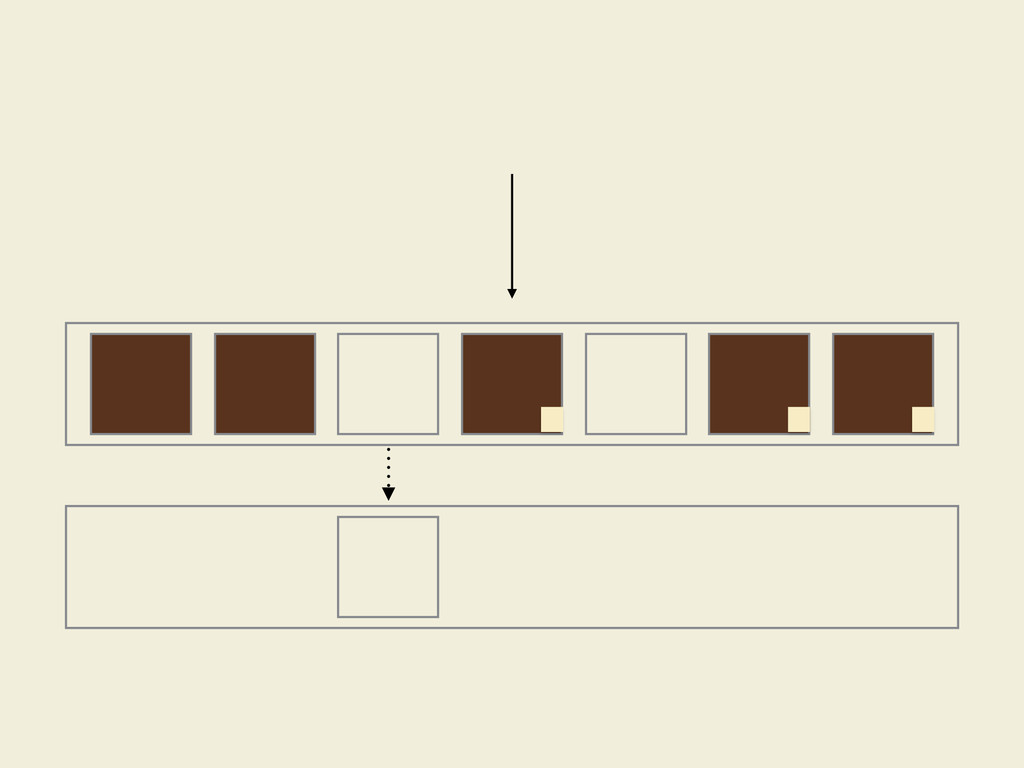
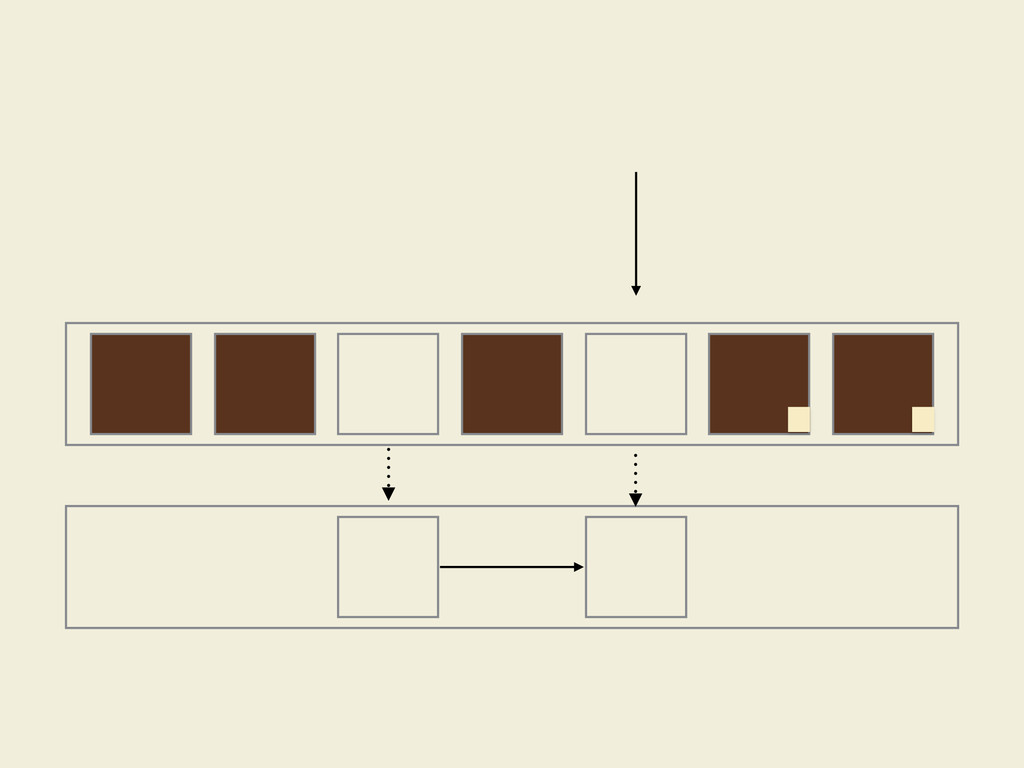
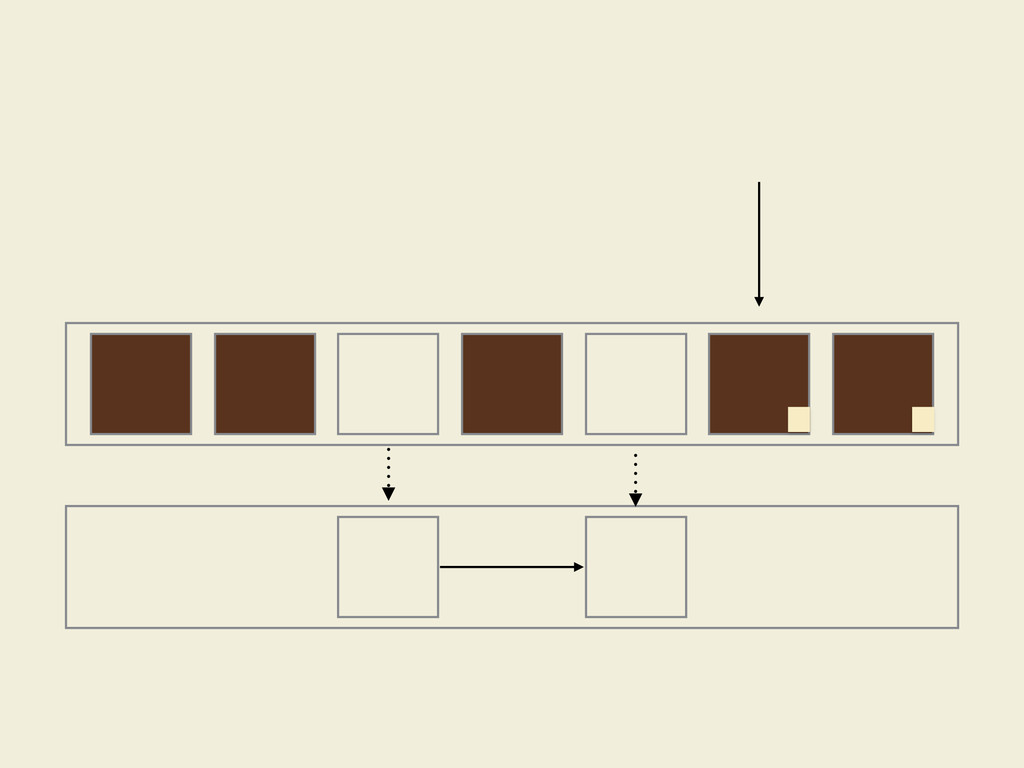
Como os bits de marcação no ficavam objeto, os valores
eram sempre diferentes
Para possibilitar que o Unix compartilhe valores iguais
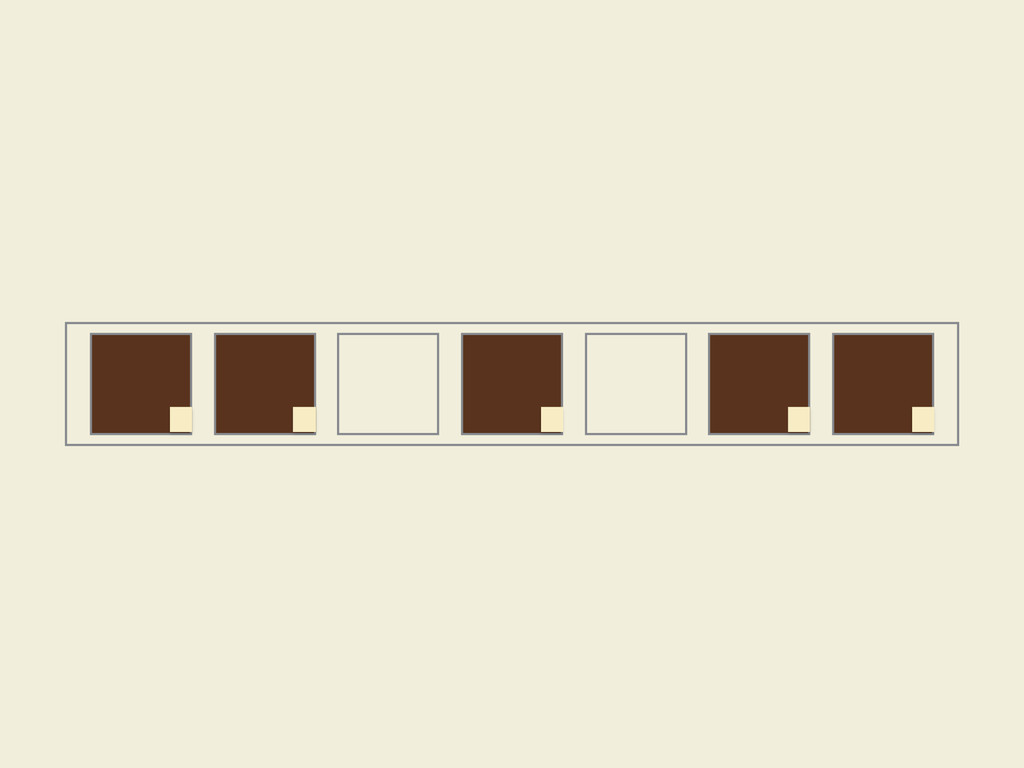
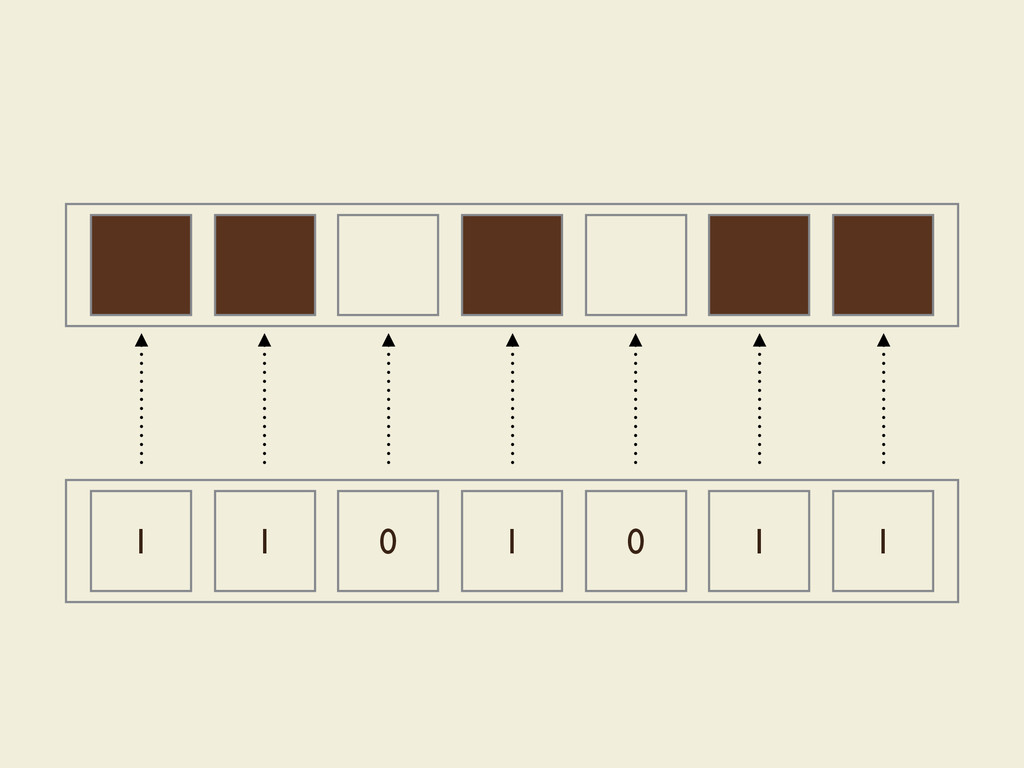
Os bits de marcação foram movidos para uma tabela de
bitmap
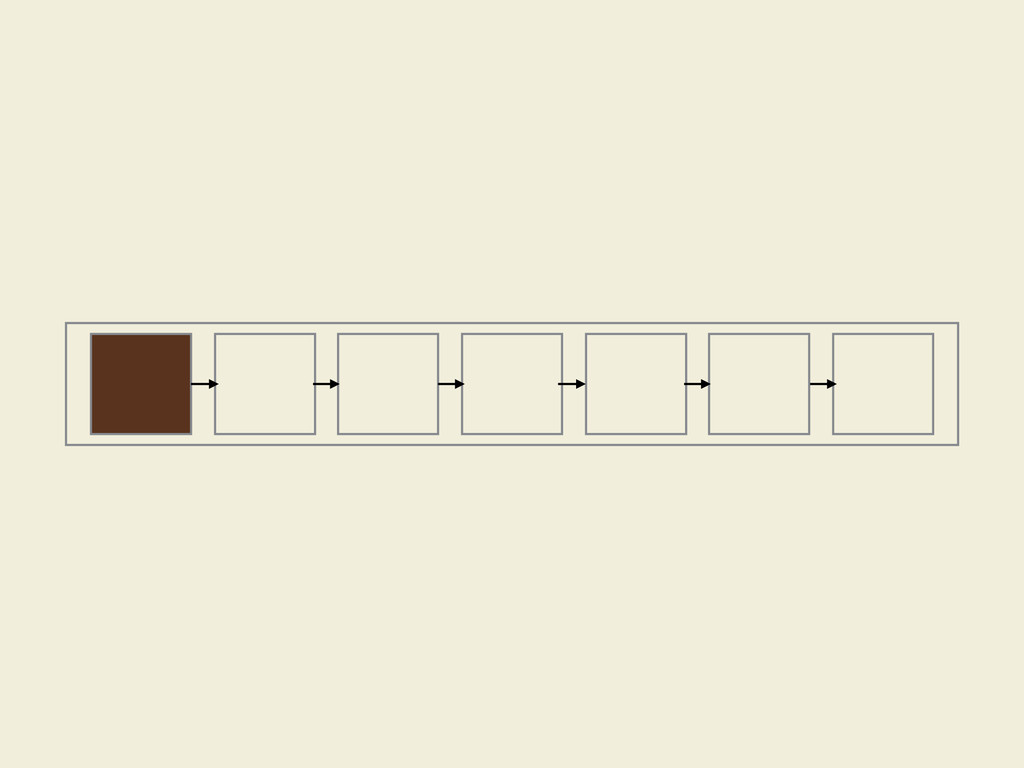
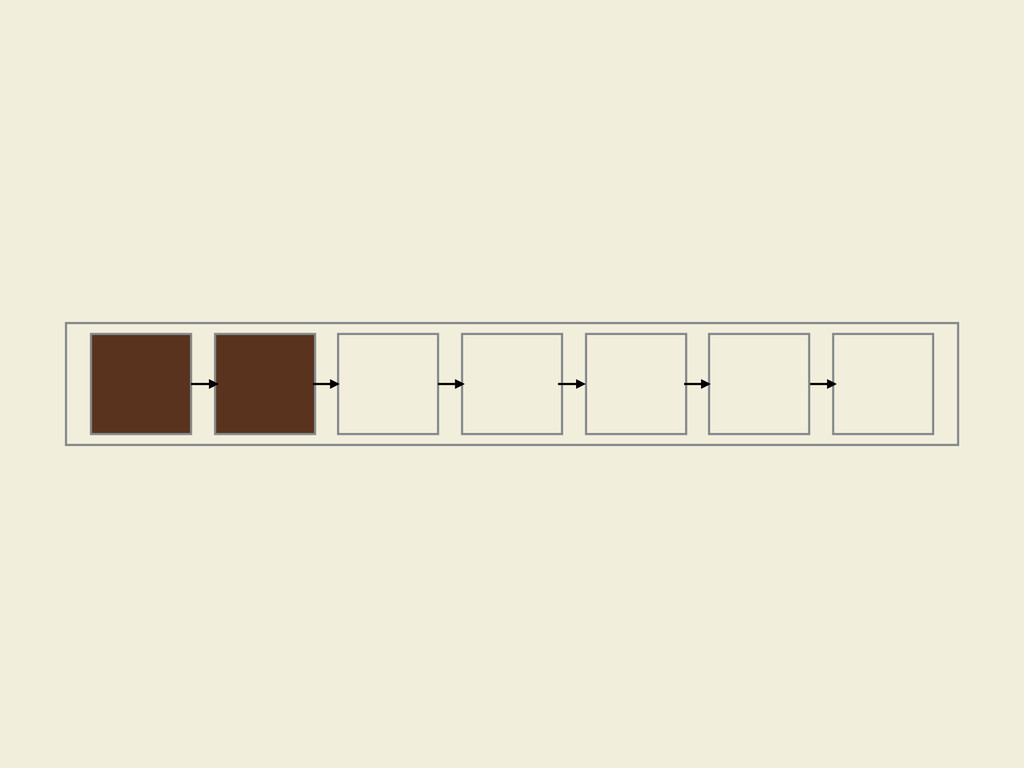
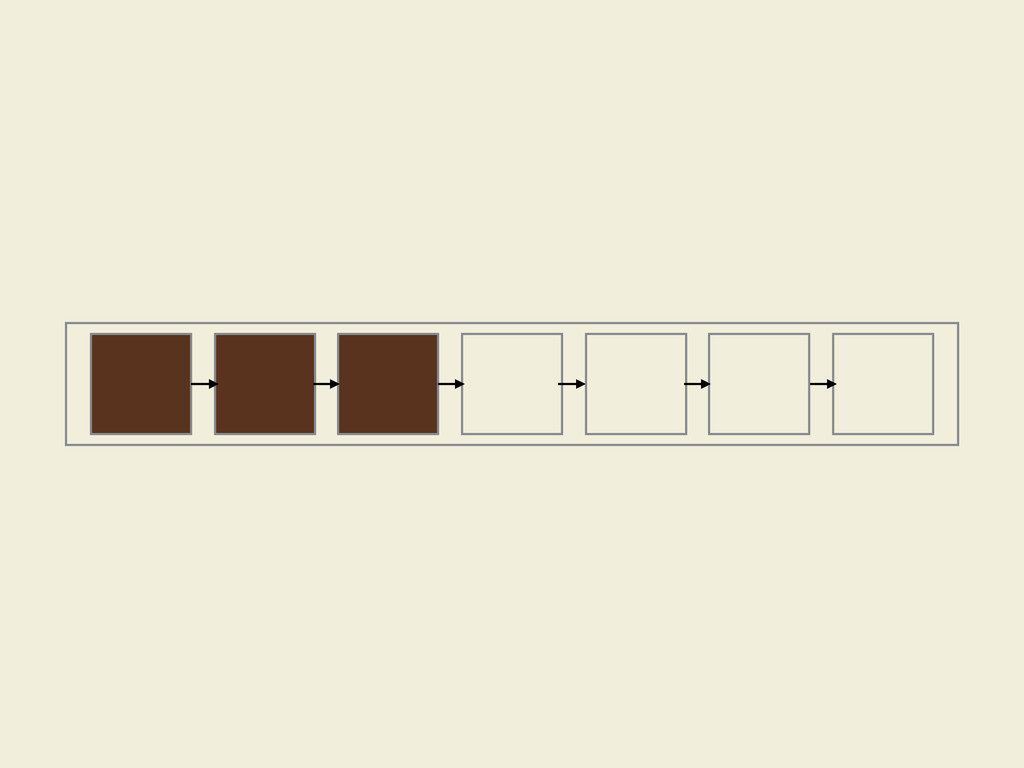
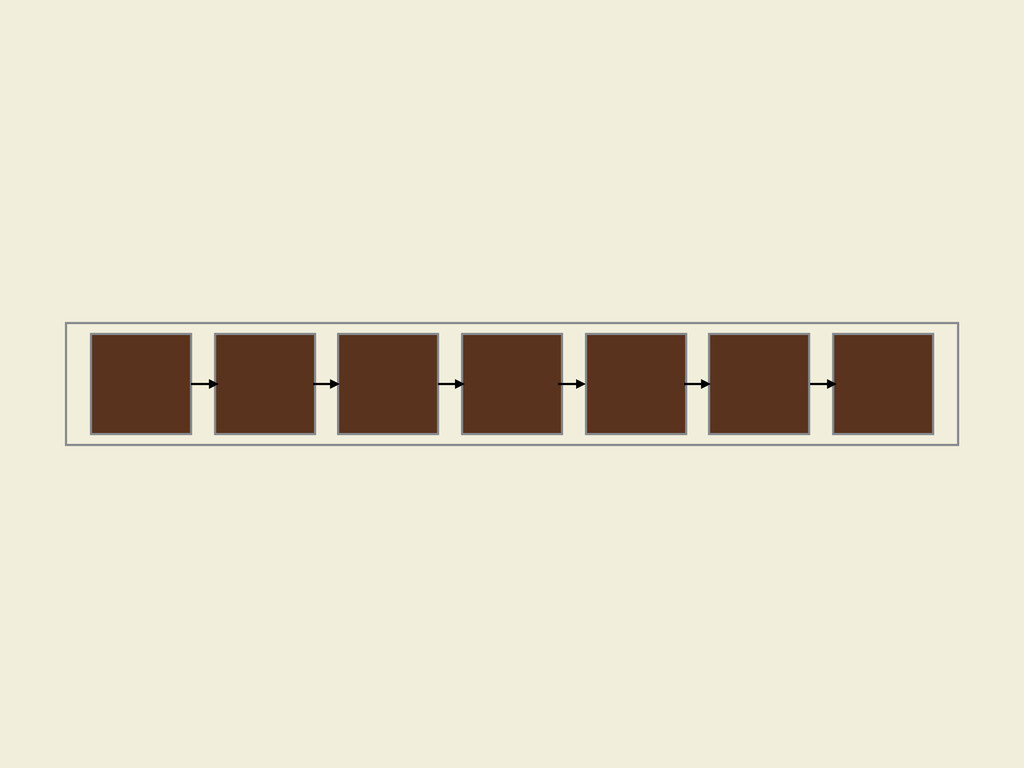
1 1 1 1 1 0 0
Generational Garbage Collection Ruby 2.1
Mark and sweep é proporcional ao tamanho do heap
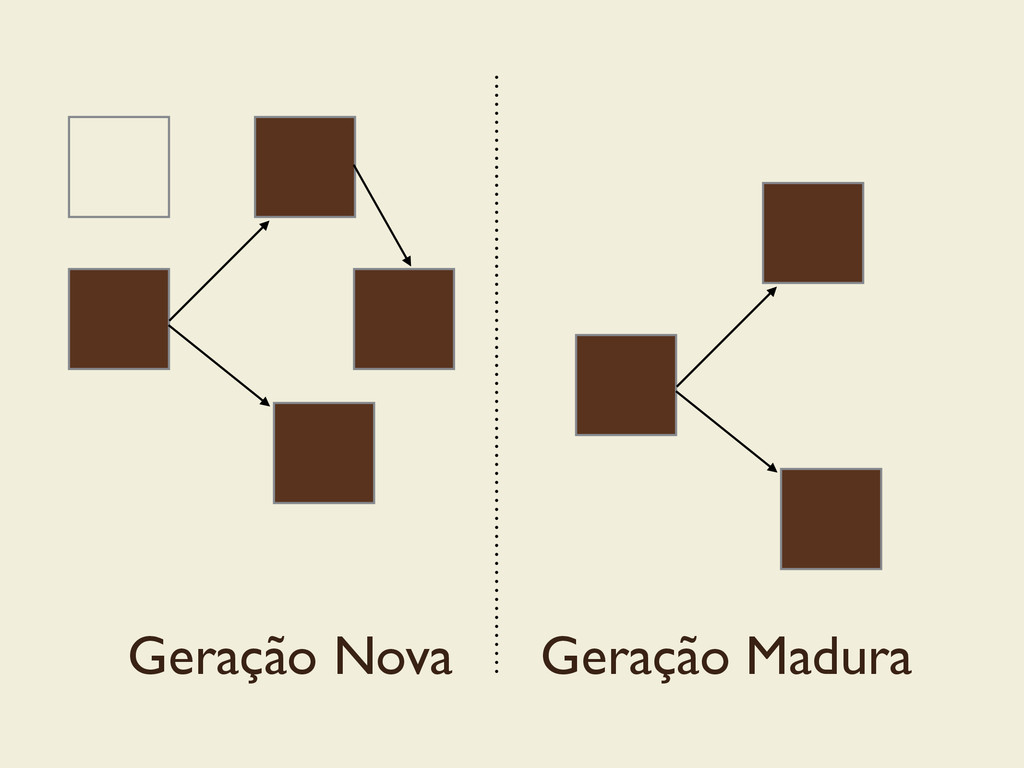
Weak generational hypothesis
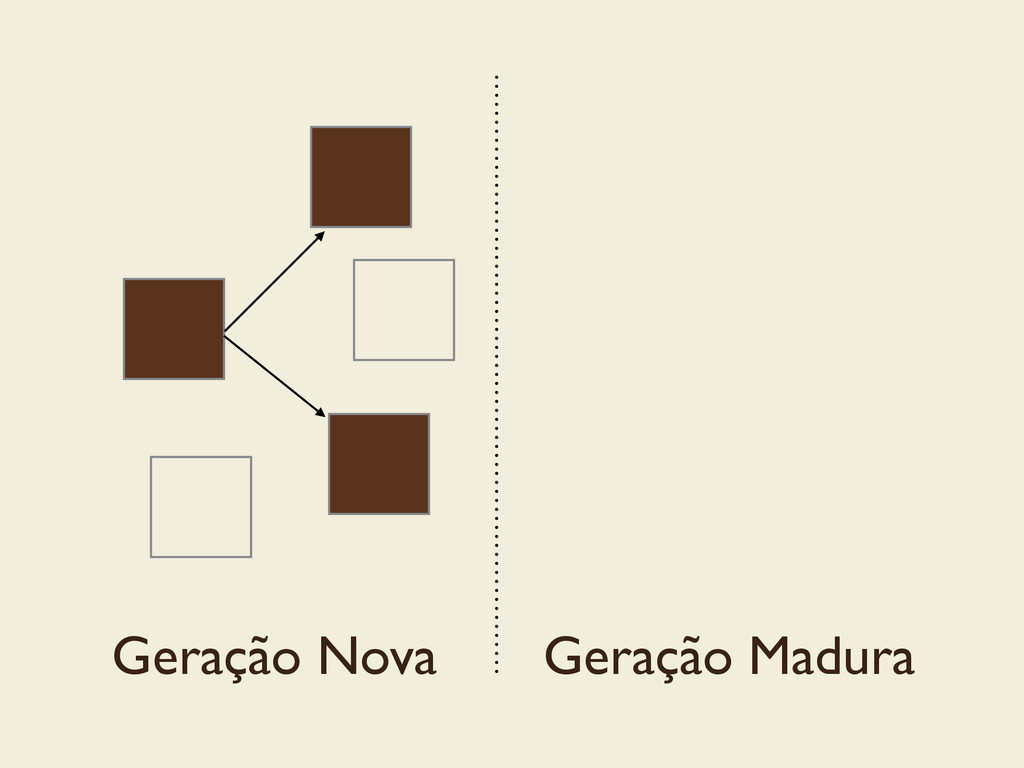
O coletor processa mais frequentemente objetos novos do que objetos
maduros
Um objeto maduro é aquele que permanece ativo por um
algum período de tempo
Enquanto um objeto novo é aquele que seu sistema acabou
de criar
Geração Nova Geração Madura
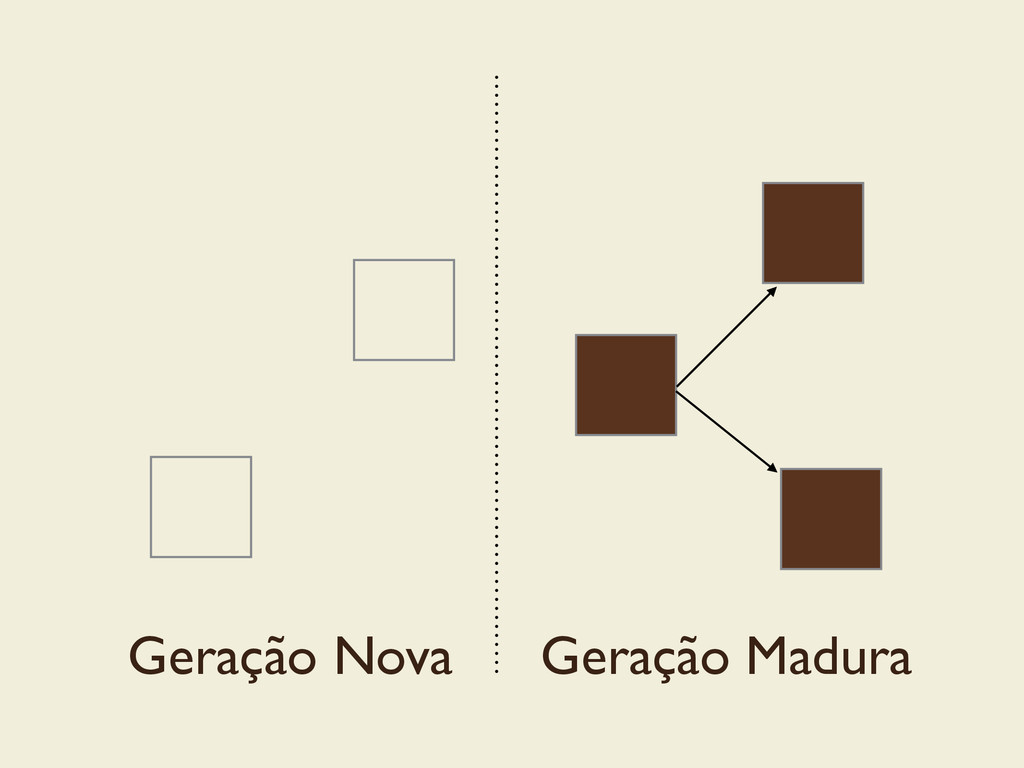
Quando o mark and sweep terminar, os objetos restantes serão
considerados maduros
Geração Nova Geração Madura
Geração Nova Geração Madura
Objetos maduros não serão marcados novamente até um próximo full
GC
Quando o full GC ocorrer, todos os objetos passarão pelo
mark and sweep
É legal entender como as coisas funcionam
Obrigado @laurocaetano github.com/laurocaetano
Bonus
JRuby and Rubinius.
Copying Garbage Collection
Segmento de memória contínua
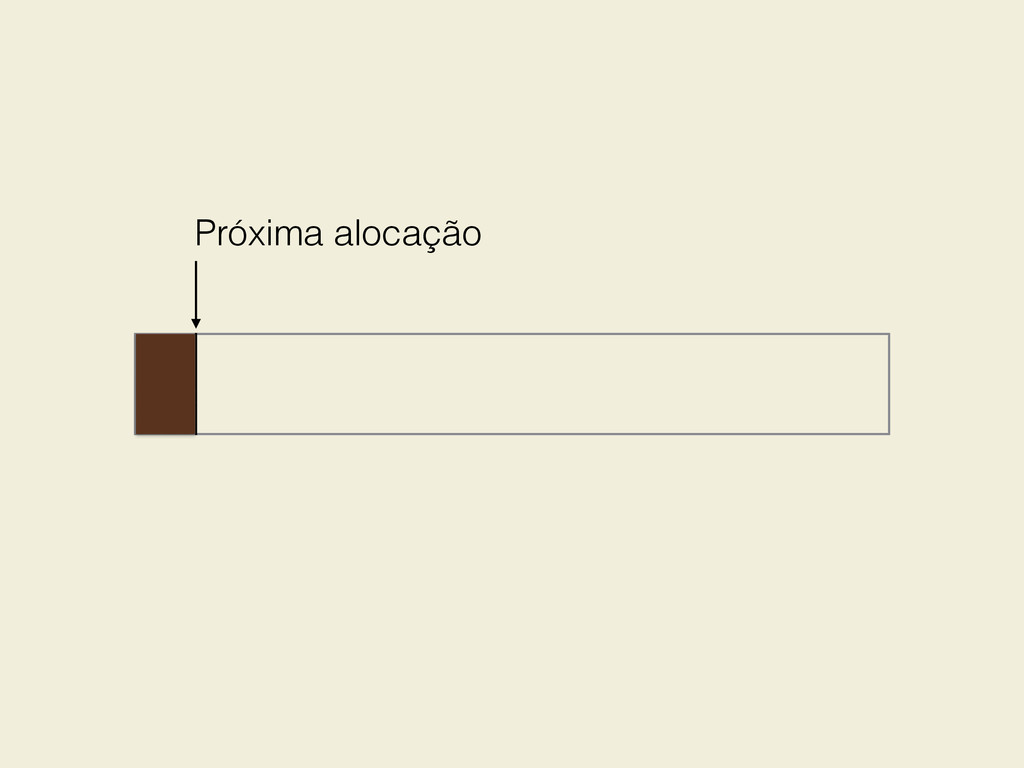
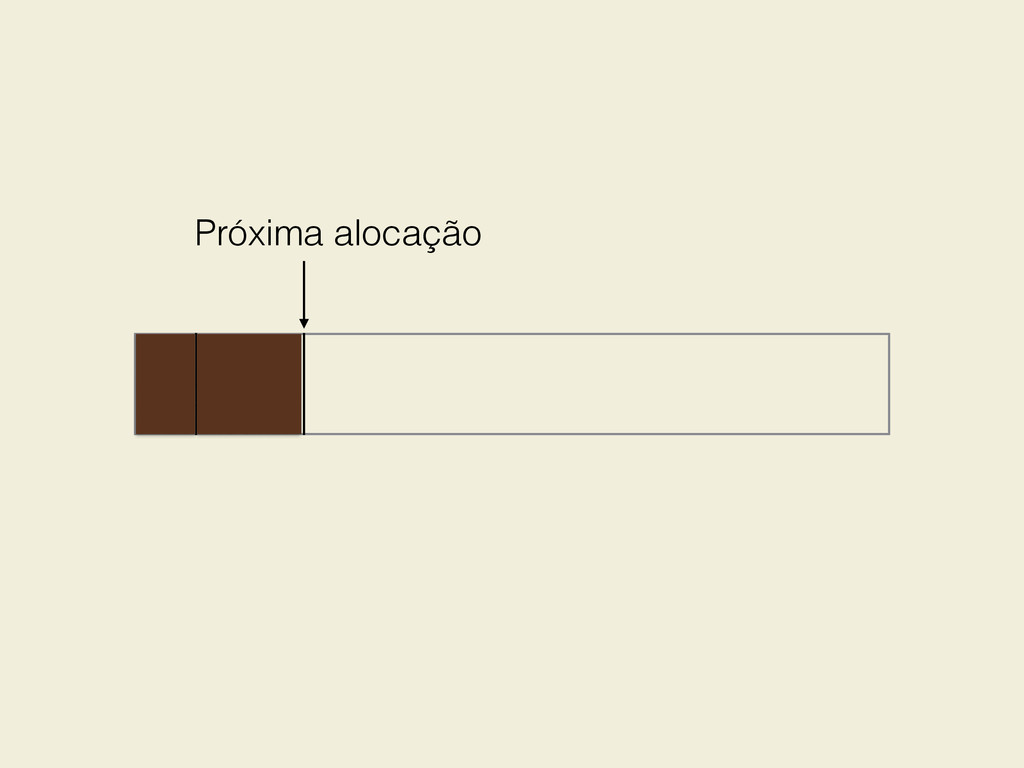
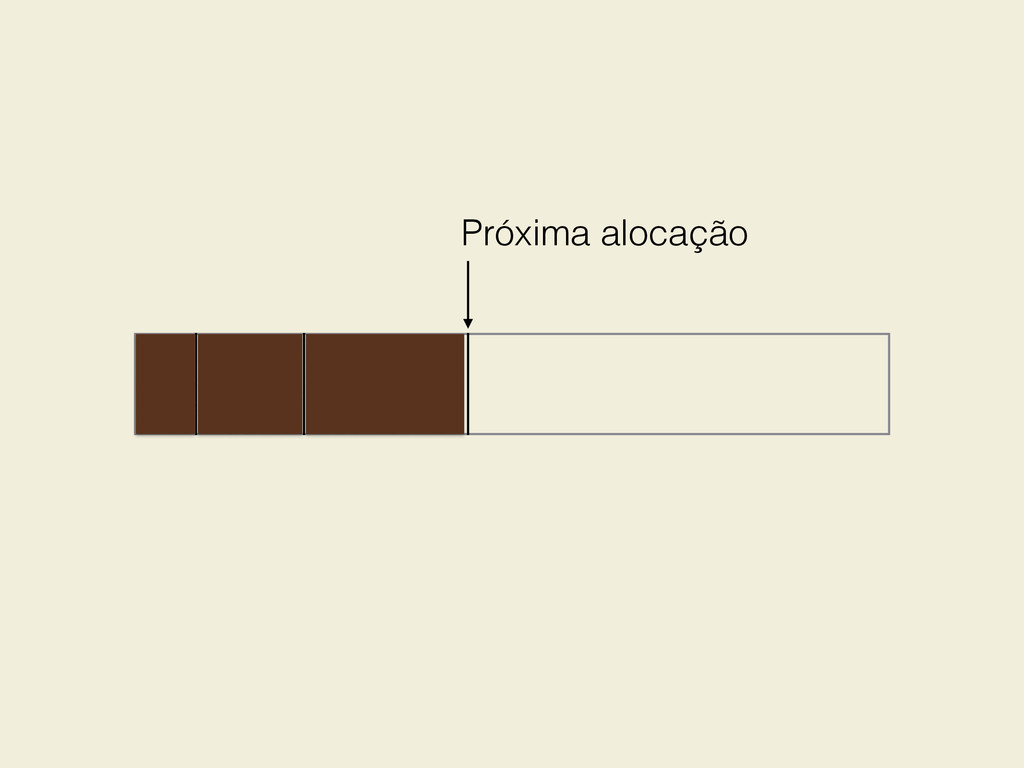
Bump Allocation
Aloca segmentos adjacentes de memória, mantendo um ponteiro para a
próxima alocação
Próxima alocação
Próxima alocação
Próxima alocação
Objetos podem ser de tamanhos diferentes
A grande vantagem é que valores relacionados ficam próximos
A CPU pode cachear a região de memória que for
acessada frequentemente
Também utiliza o Garbage Collection Generacional
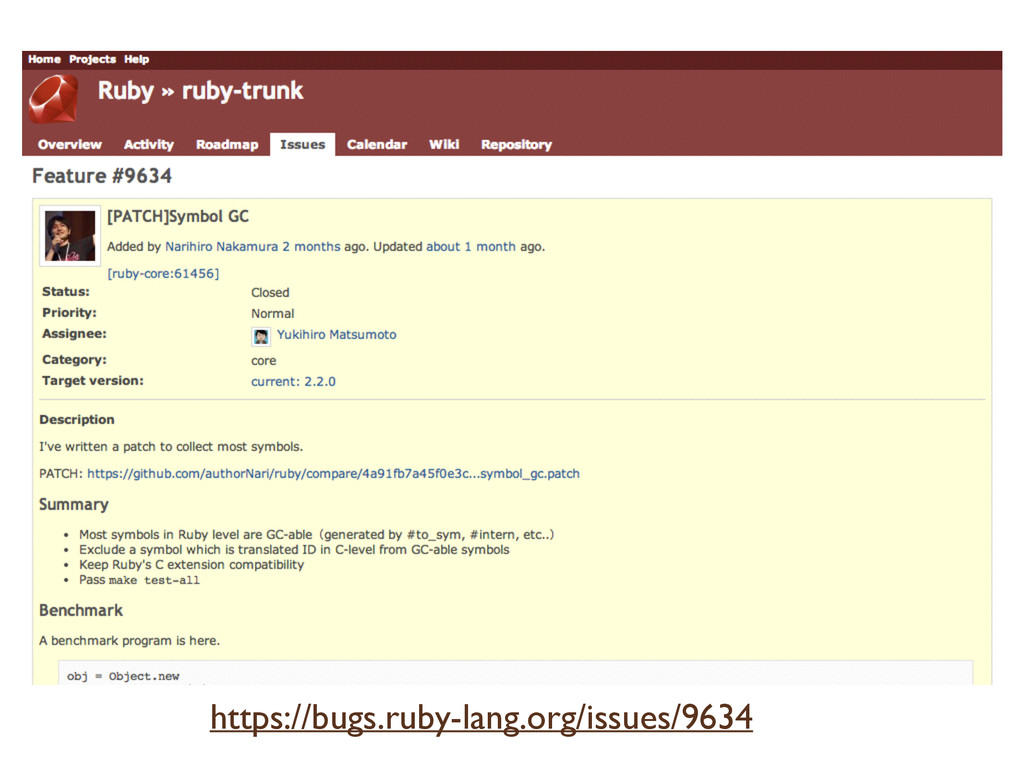
Ruby 2.2
GC Simbolos
https://bugs.ruby-lang.org/issues/9634
Obrigado @laurocaetano github.com/laurocaetano


 laurocaetano
 fornewid
 pvcresin
 tomohisa
 rkaga
rkaga
 petamoriken
 okumin
 layerx
 ganchiku
 yosuke_furukawa
 shogogg
 starfish719
 masakiokuda
 mojombo
 rasagy
 mkilby
 shlominoach
 signer
 tammyeverts
 stephenakadiri
 stuffmc
 techseoconnect
 andyhume
 minecr
 oripsolob