Upgrade to Pro
— share decks privately, control downloads, hide ads and more …
Speaker Deck
Sign up for free
Menu
Search
Features
All features
Private URLs
Password Protection
Custom URLS
Scheduled publishing
Remove Branding
Restrict embedding
Deck Collections
Notes
Features
All features
Private URLs
Password Protection
Custom URLS
Scheduled publishing
Remove Branding
Restrict embedding
Deck Collections
Notes
Explore
Featured decks
Featured speakers
Programming
Technology
Storyboards
Explore
Featured decks
Featured speakers
Programming
Technology
Storyboards
Pricing
Search
Sign in
Sign up for free
A Brief History of Channels
Search
Sponsored
·
Your Podcast. Everywhere. Effortlessly.
Share. Educate. Inspire. Entertain. You do you. We'll handle the rest.
→
Andrew Godwin
March 31, 2016
Programming
3k
2
Share
Embed
Copy iframe code
Copy JS code
Copy link
Start on current slide
A Brief History of Channels
A talk I gave at DjangoCon Europe 2016
Andrew Godwin
March 31, 2016
More Decks by Andrew Godwin
See All by Andrew Godwin
Reconciling Everything
andrewgodwin
1
420
Django Through The Years
andrewgodwin
0
340
Writing Maintainable Software At Scale
andrewgodwin
0
550
A Newcomer's Guide To Airflow's Architecture
andrewgodwin
0
440
Async, Python, and the Future
andrewgodwin
2
770
How To Break Django: With Async
andrewgodwin
1
850
Taking Django's ORM Async
andrewgodwin
0
880
The Long Road To Asynchrony
andrewgodwin
0
790
The Scientist & The Engineer
andrewgodwin
1
880
Other Decks in Programming
See All in Programming
[Rails World 2026] Durable orchestration on Rails: from continuation to workflow
palkan
1
800
ソニーのクラウド共通基盤の変遷と AI時代の開発スタイルに合わせた進化 / The Journey of Sony’s Common Cloud Platform and Its Evolution for AI-Native Development
kenjiyoneyama
0
280
AI主導のプログラミング学習アプリを作ってみた
econanringo
0
180
Domain-Driven Transformation
hschwentner
2
2.3k
phperだってパンチカードでコーディングしたい
o0h
PRO
0
360
C#の現在地 進化の歴史と、AI時代の.NET Everywhere
neuecc
5
5.2k
R8 の設定見直しでアプリサイズ削減
andpad
0
220
設計次第でAIコードの読む量は減らせる / designing-for-code-reading
minodriven
35
17k
Railsバージョンを4倍にした話
optim
0
460
The Rails Doctrine Decade
koic
2
600
TechTown - Creating Composable Callables in Contemporary C++
rollbear
0
130
コードで差別化できない時代の ソフトウェアエンジニアリング / Software Engineering in an Era Where Code Doesn’t Differentiate
kishida
2
180
Featured
See All Featured
Templates, Plugins, & Blocks: Oh My! Creating the theme that thinks of everything
marktimemedia
31
2.9k
Optimising Largest Contentful Paint
csswizardry
37
4k
SEO for Brand Visibility & Recognition
aleyda
0
4.8k
How to Ace a Technical Interview
jacobian
280
24k
Designing Experiences People Love
moore
143
24k
Groundhog Day: Seeking Process in Gaming for Health
codingconduct
0
420
How to Talk to Developers About Accessibility
jct
2
580
The Pragmatic Product Professional
lauravandoore
37
7.5k
jQuery: Nuts, Bolts and Bling
dougneiner
66
8.6k
Leading Effective Engineering Teams in the AI Era
addyosmani
9
2.7k
The MySQL Ecosystem @ GitHub 2015
samlambert
251
13k
Art, The Web, and Tiny UX
lynnandtonic
304
22k
Transcript
Andrew Godwin @andrewgodwin BRIEF HISTORY of CHANNELS A
Andrew Godwin Hi, I'm Django core developer Senior Software Engineer
at Likes networking a little bit too much
Channels
Channels?
WebSocket
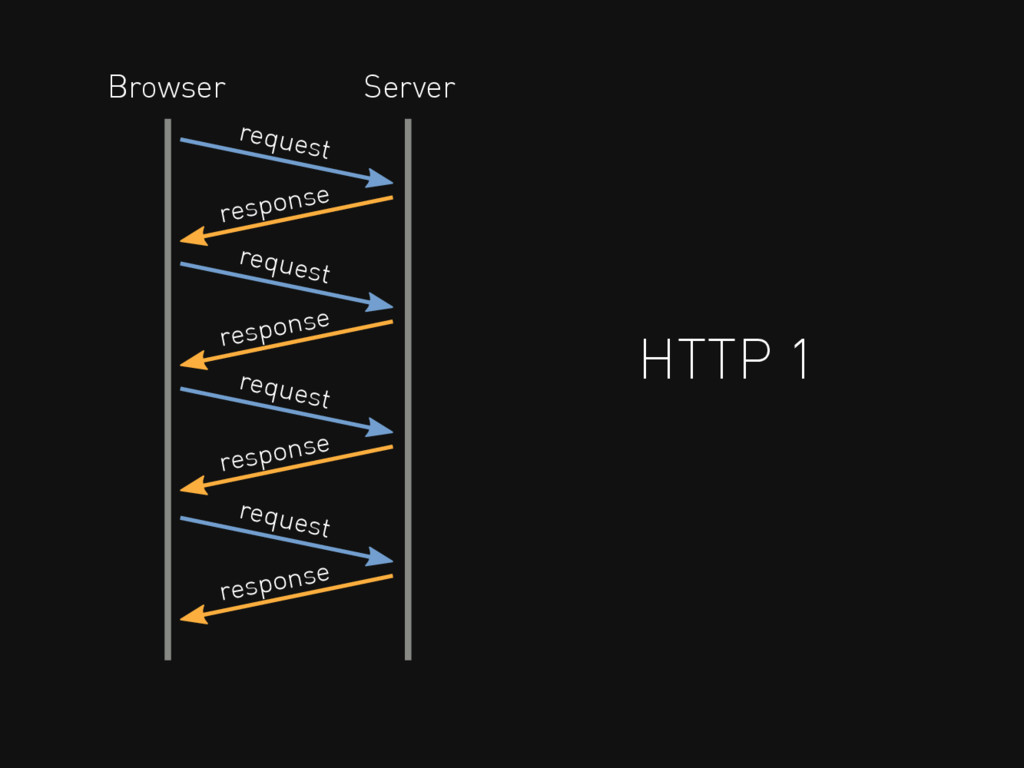
HTTP 1 request response Browser Server request response request response
request response
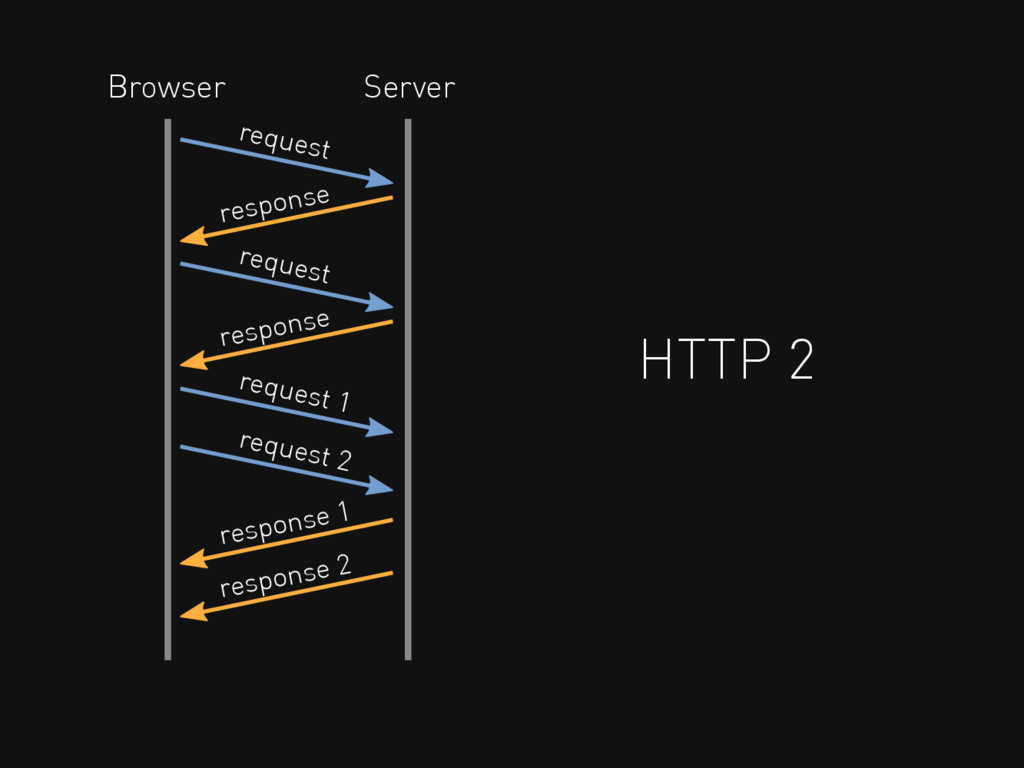
HTTP 2 request response Browser Server request response request 1
response 2 request 2 response 1
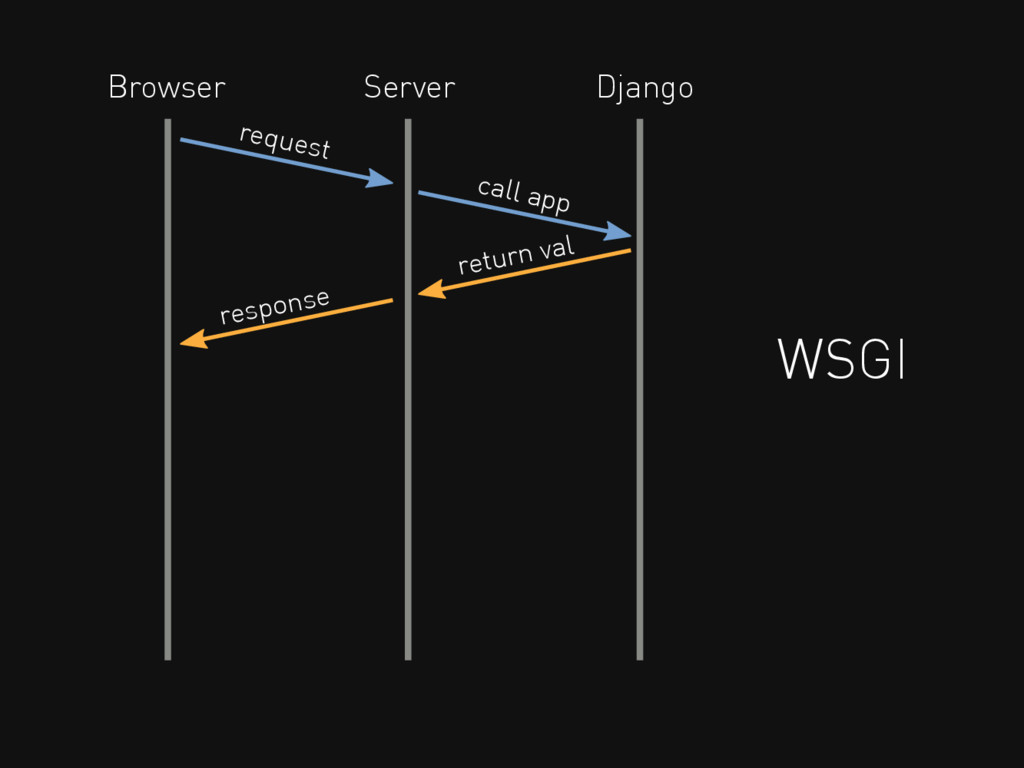
WSGI request response Browser Server Django call app return val
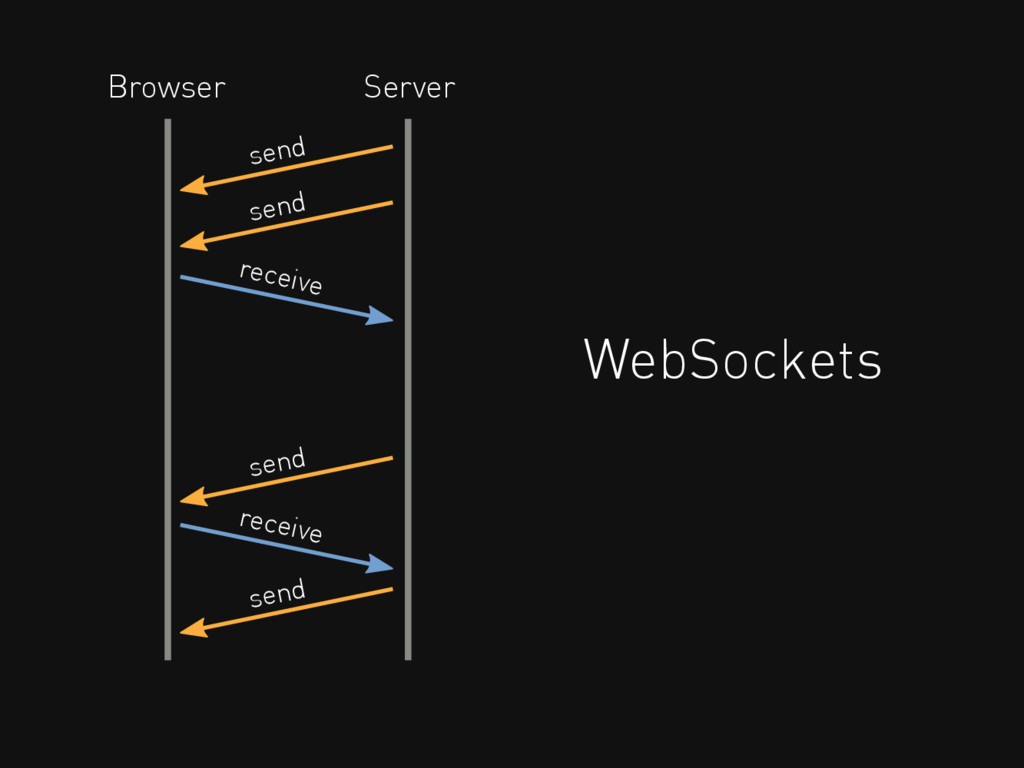
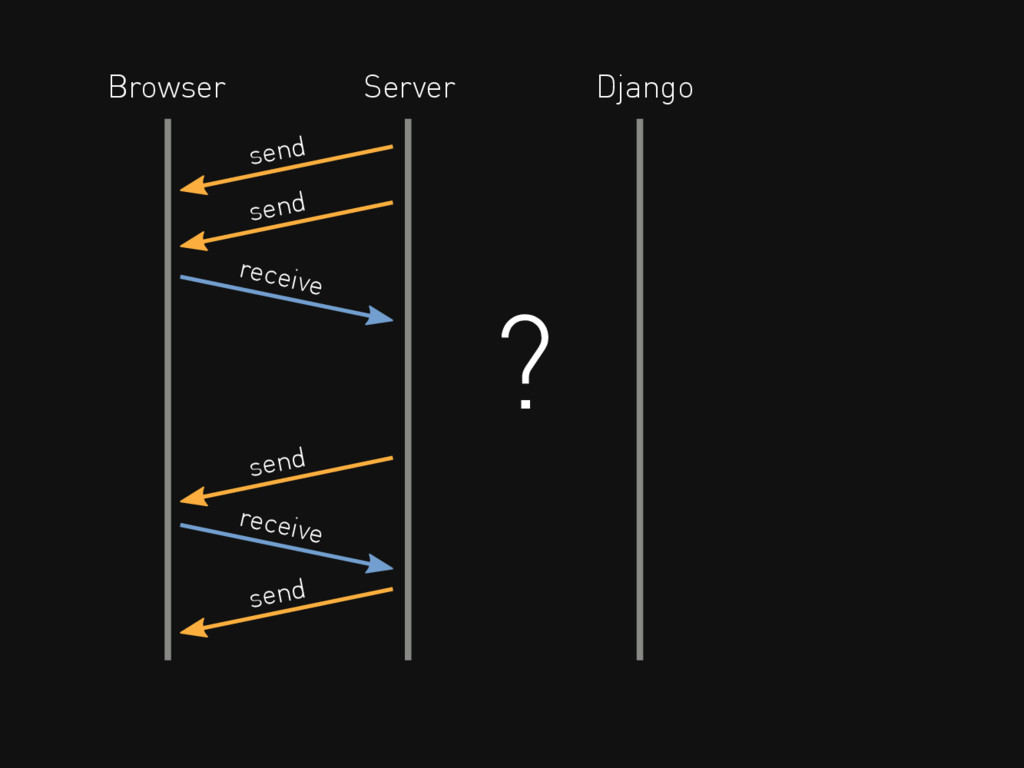
WebSockets receive send Browser Server send receive send send
receive send Browser Server send receive send send Django ?
Hard to deadlock Built-in authorisation Scales down Widely deployable Optional
Django is not built for this.
But what if it was?
Instead of requests, we have events
Events of the same type are grouped on a named
channel
HTTP requests HTTP responses WebSocket connecteds WebSocket frames received WebSocket
frames sent WebSocket disconnections
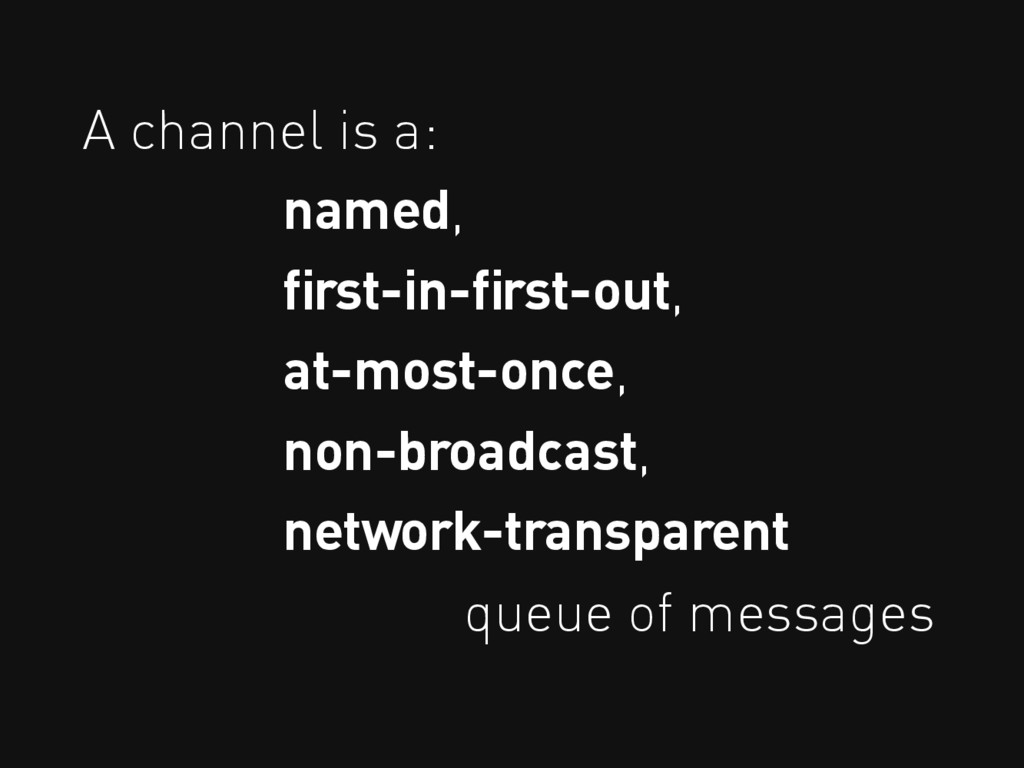
A channel is a: named, first-in-first-out, at-most-once, non-broadcast, network-transparent queue
of messages
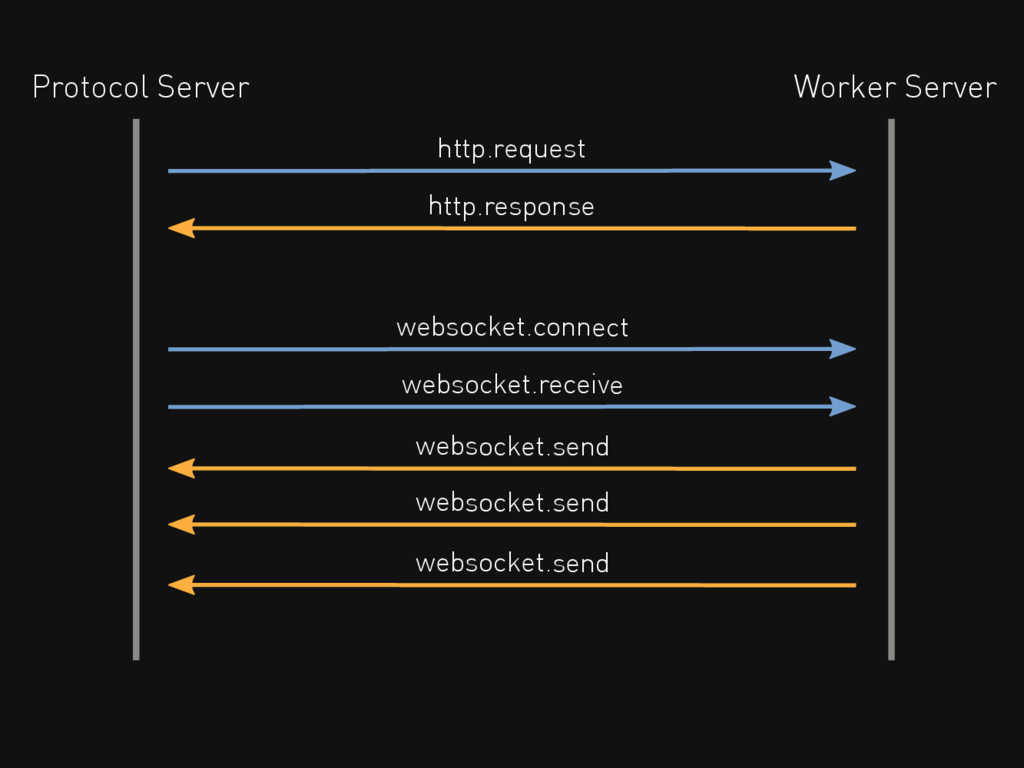
http.request Protocol Server Worker Server http.response websocket.connect websocket.send websocket.receive websocket.send
websocket.send
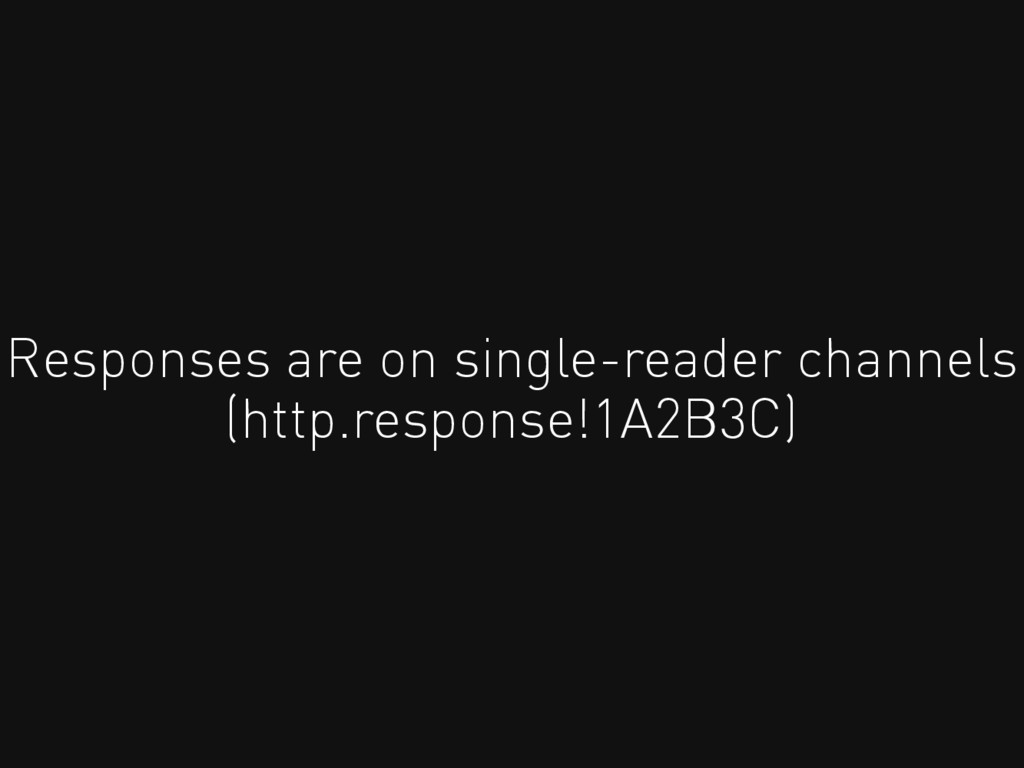
Responses are on single-reader channels (http.response!1A2B3C)
You can send onto channels from anywhere
How do you use it?
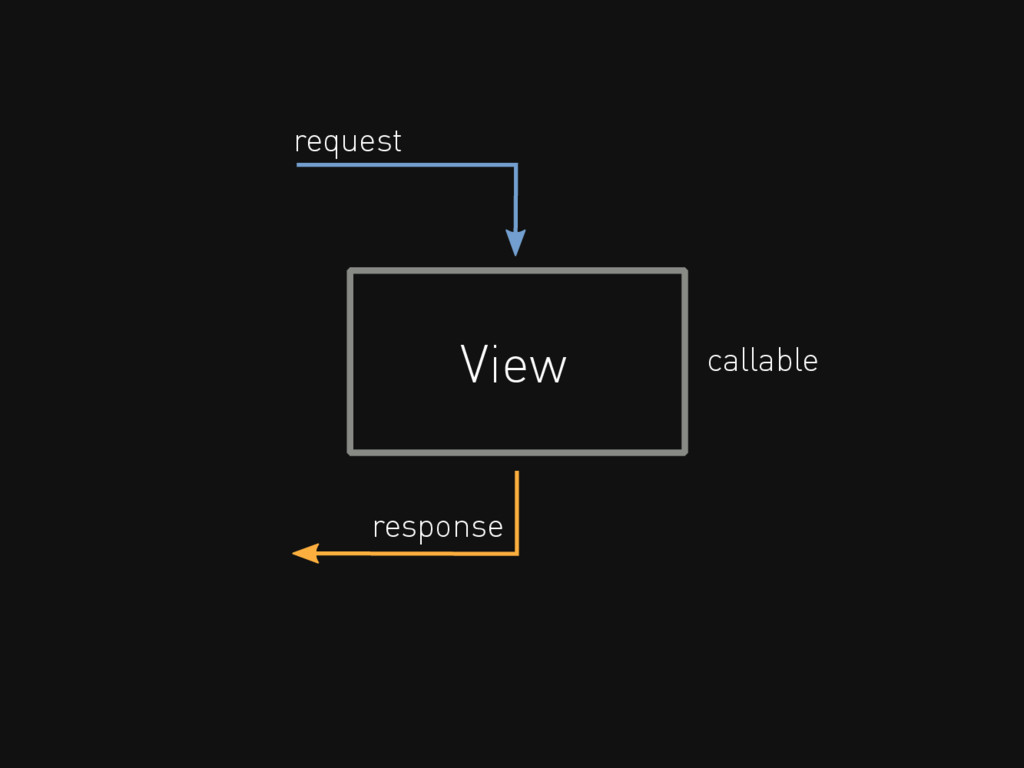
View request response callable
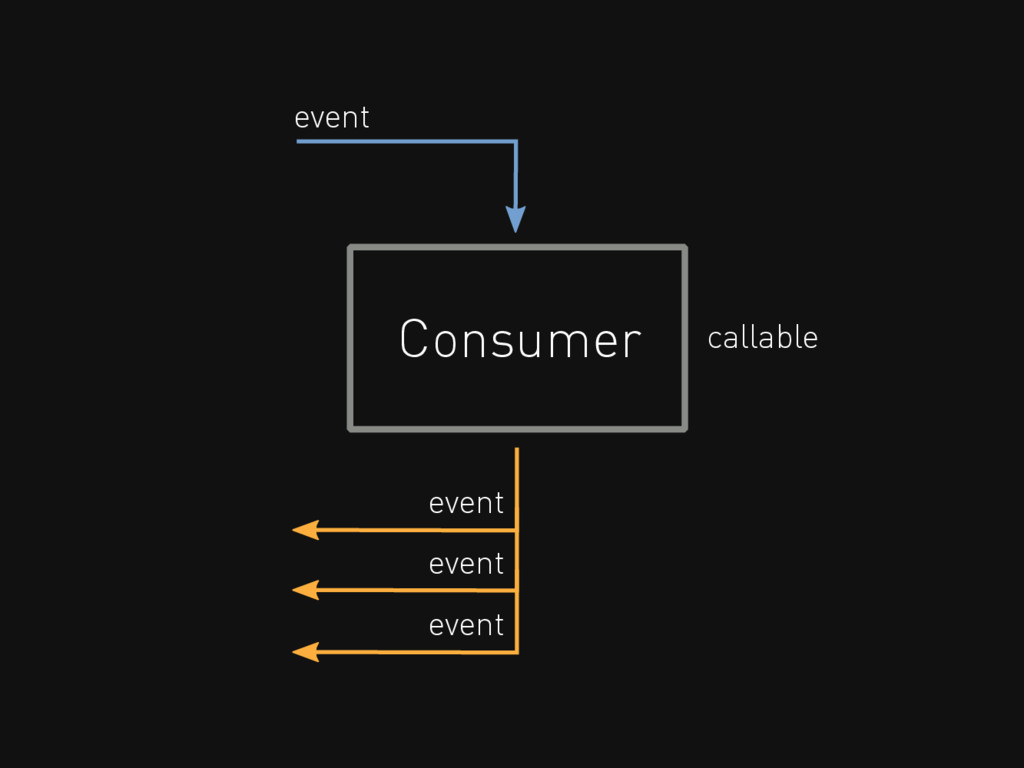
Consumer event event callable event event
Every message on a channel runs the consumer function
http.request routes to a view system consumer
def ws_message(message): # Get things from message data = json.loads(message['text'])
# Use ORM like normal MyModel.objects.create( value=data['value'], ) # Send a reply and close socket message.reply_channel.send({ 'text': 'OK', 'close': True, })
routing.py: urls.py for Channels
message.user: like request.user
message.channel_session: per-socket sessions
Groups broadcast/pub-sub
Add a channel to a Group Remove a channel from
a Group Send to a Group
Worked Examples github.com/andrewgodwin/channels-examples
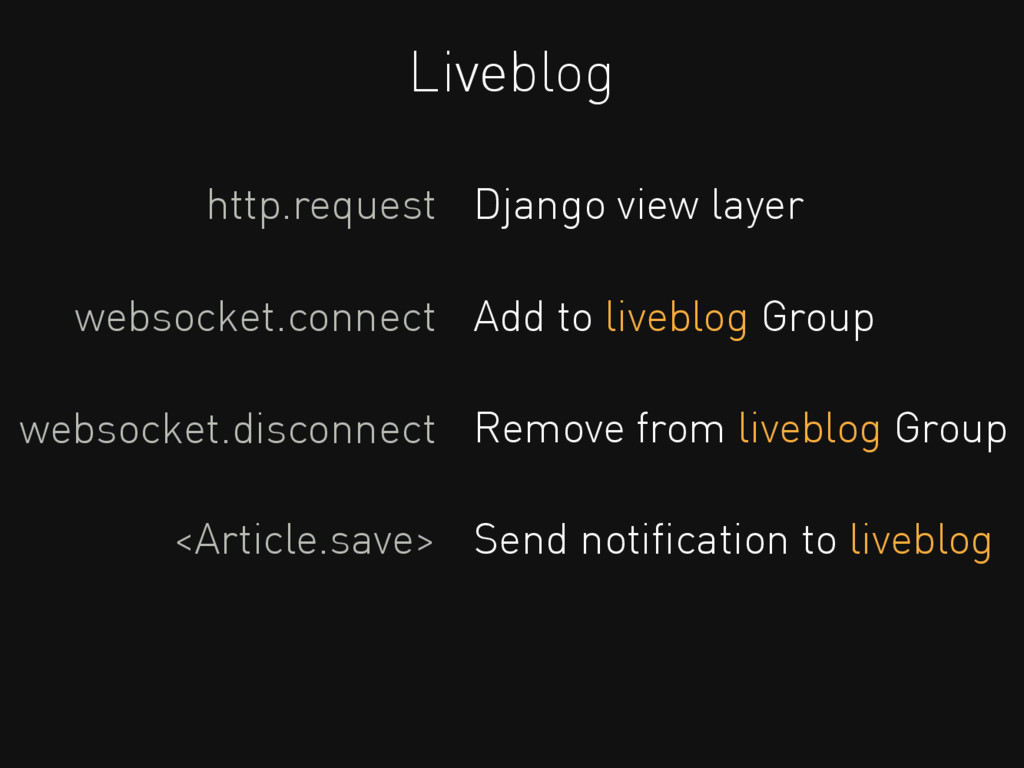
Liveblog http.request Django view layer websocket.connect Add to liveblog Group
websocket.disconnect Remove from liveblog Group <Article.save> Send notification to liveblog
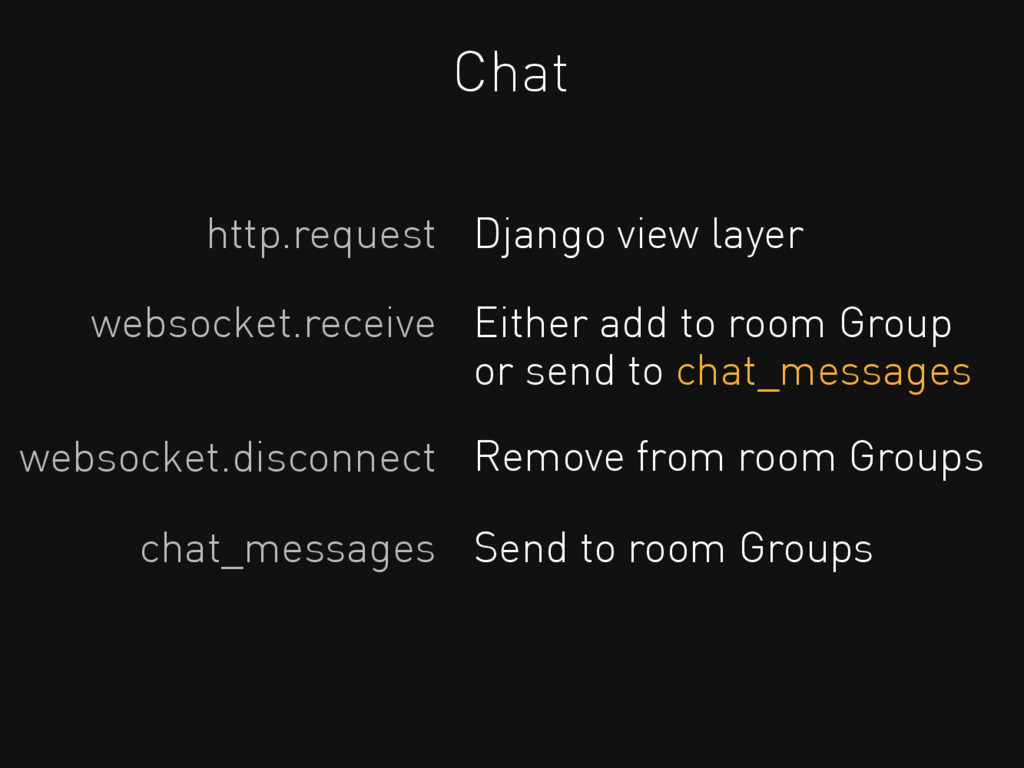
Chat http.request Django view layer websocket.receive Either add to room
Group or send to chat_messages websocket.disconnect Remove from room Groups chat_messages Send to room Groups
It's so easy to join! CALL NOW
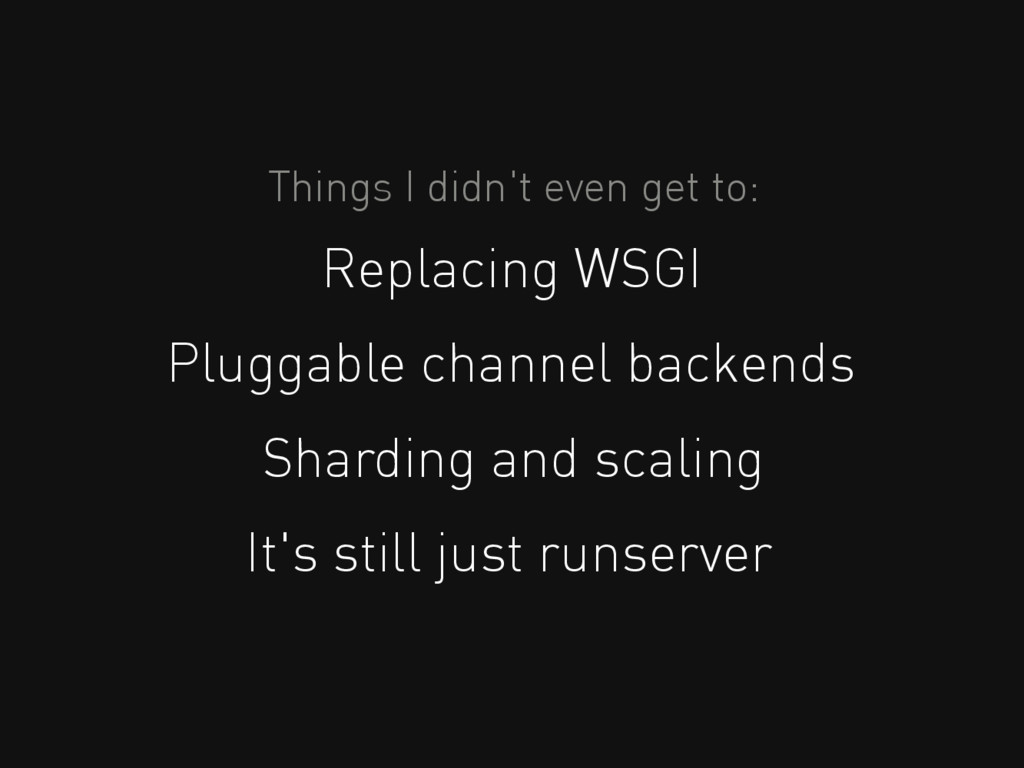
Things I didn't even get to: Replacing WSGI Pluggable channel
backends Sharding and scaling It's still just runserver
A base for the future Scheduler? Retry logic? Generic Consumers?
...and much more
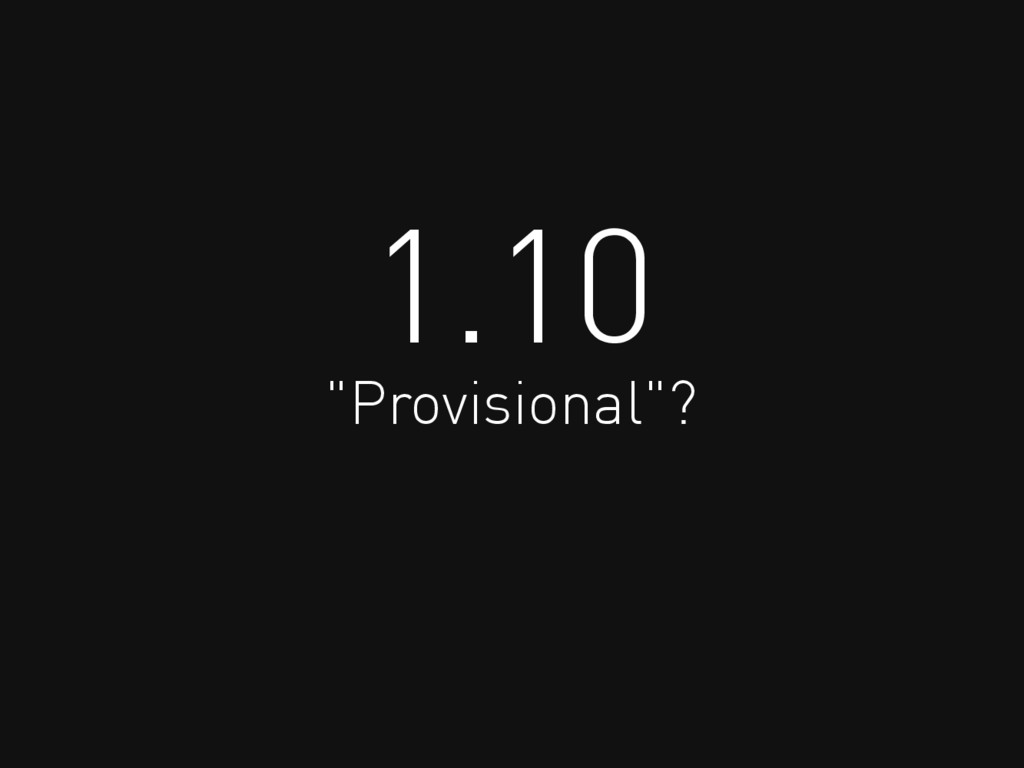
1.10 "Provisional"?
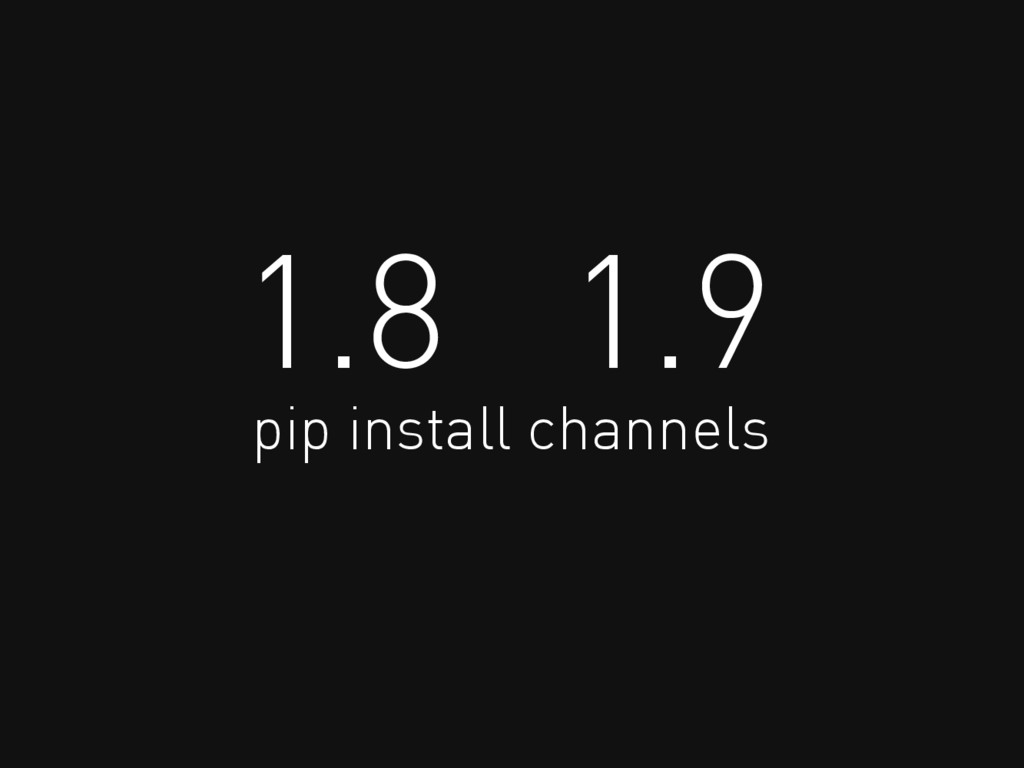
1.8 1.9 pip install channels
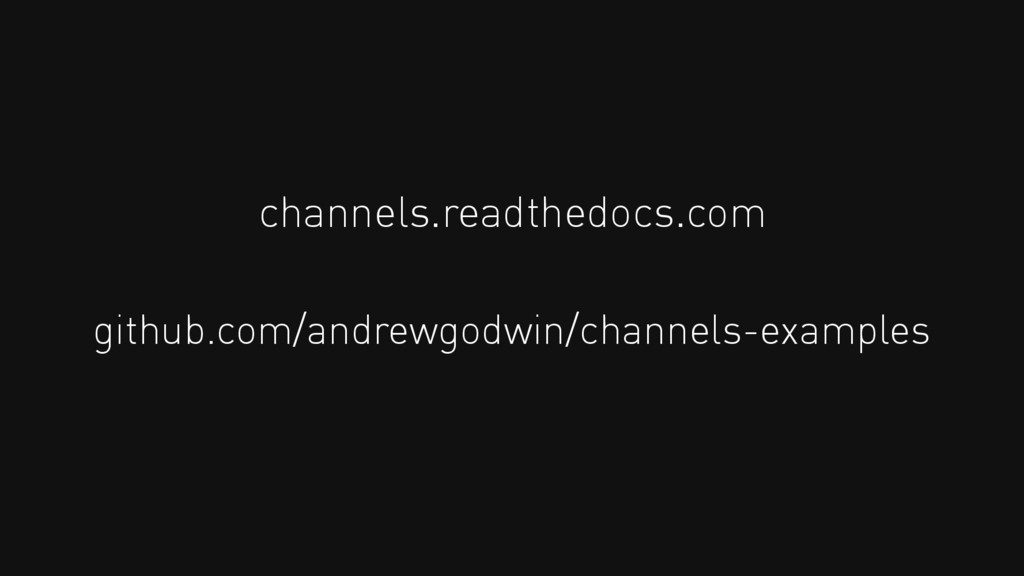
channels.readthedocs.com github.com/andrewgodwin/channels-examples
Thanks. Andrew Godwin @andrewgodwin


 andrewgodwin
 palkan
 kenjiyoneyama
 econanringo
 hschwentner
 o0h
o0h
 neuecc
 andpad
 minodriven
 optim
optim
 koic
koic
 rollbear
 kishida
 marktimemedia
 csswizardry
 aleyda
 jacobian
 moore
moore
 codingconduct
 jct
jct
 lauravandoore
 dougneiner
 addyosmani
 samlambert
 lynnandtonic







![def ws_message(message): # Get things from message data = json.loads(message['text'])](https://files.speakerdeck.com/presentations/af29ab831dda472a83dc68221ae2674b/slide_25.jpg)