Upgrade to Pro
— share decks privately, control downloads, hide ads and more …
Speaker Deck
Sign up for free
Menu
Search
Features
All features
Private URLs
Password Protection
Custom URLS
Scheduled publishing
Remove Branding
Restrict embedding
Deck Collections
Notes
Features
All features
Private URLs
Password Protection
Custom URLS
Scheduled publishing
Remove Branding
Restrict embedding
Deck Collections
Notes
Explore
Featured decks
Featured speakers
Programming
Technology
Storyboards
Explore
Featured decks
Featured speakers
Programming
Technology
Storyboards
Pricing
Search
Sign in
Sign up for free
The Invisible Universe, Revealed: From Glowing ...
Search
Anna Ho
December 14, 2016
150
0
Share
Embed
Copy iframe code
Copy JS code
Copy link
Start on current slide
The Invisible Universe, Revealed: From Glowing Dust to Spinning Stellar Corpses
Anna Ho
December 14, 2016
More Decks by Anna Ho
See All by Anna Ho
SN2018gep: The Death Throes of a Stripped Massive Star
annayqho
0
200
Diverse phenomena arise from a single engine: a history lesson from AGN unification
annayqho
0
380
AT2018cow: the poster-child explosion for high-frequency time-domain astronomy
annayqho
0
260
Cosmic Detectives: Investigating the Catastrophic Deaths of Stars
annayqho
0
120
The rotation rates of massive stars: the role of binary interaction
annayqho
0
98
Towards a complete redshift catalog for galaxies in the Local Universe
annayqho
0
110
Rotation Measures for Globular Cluster Pulsars at a Unique Probe of the Galactic Magnetic Field
annayqho
0
110
Dirty Fireballs and Orphan Afterglows: A Broader Landscape of Stellar Death
annayqho
1
330
Towards a framework for space traffic control
annayqho
0
120
Featured
See All Featured
Un-Boring Meetings
codingconduct
0
460
Reflections from 52 weeks, 52 projects
jeffersonlam
356
22k
Leveraging LLMs for student feedback in introductory data science courses - posit::conf(2025)
minecr
1
440
How to build an LLM SEO readiness audit: a practical framework
nmsamuel
2
950
How STYLIGHT went responsive
nonsquared
100
6.3k
Why You Should Never Use an ORM
jnunemaker
PRO
61
10k
Bridging the Design Gap: How Collaborative Modelling removes blockers to flow between stakeholders and teams @FastFlow conf
baasie
0
730
From π to Pie charts
rasagy
1
400
Navigating Weather and Climate Data
rabernat
0
560
The B2B funnel & how to create a winning content strategy
katarinadahlin
PRO
1
570
Fight the Zombie Pattern Library - RWD Summit 2016
marcelosomers
234
18k
Neural Spatial Audio Processing for Sound Field Analysis and Control
skoyamalab
0
570
Transcript
The Invisible Universe, Revealed: From Glowing Dust to Spinning Stellar
Corpses Anna Ho (Caltech)
[email protected]
Visible Light
Visible Light
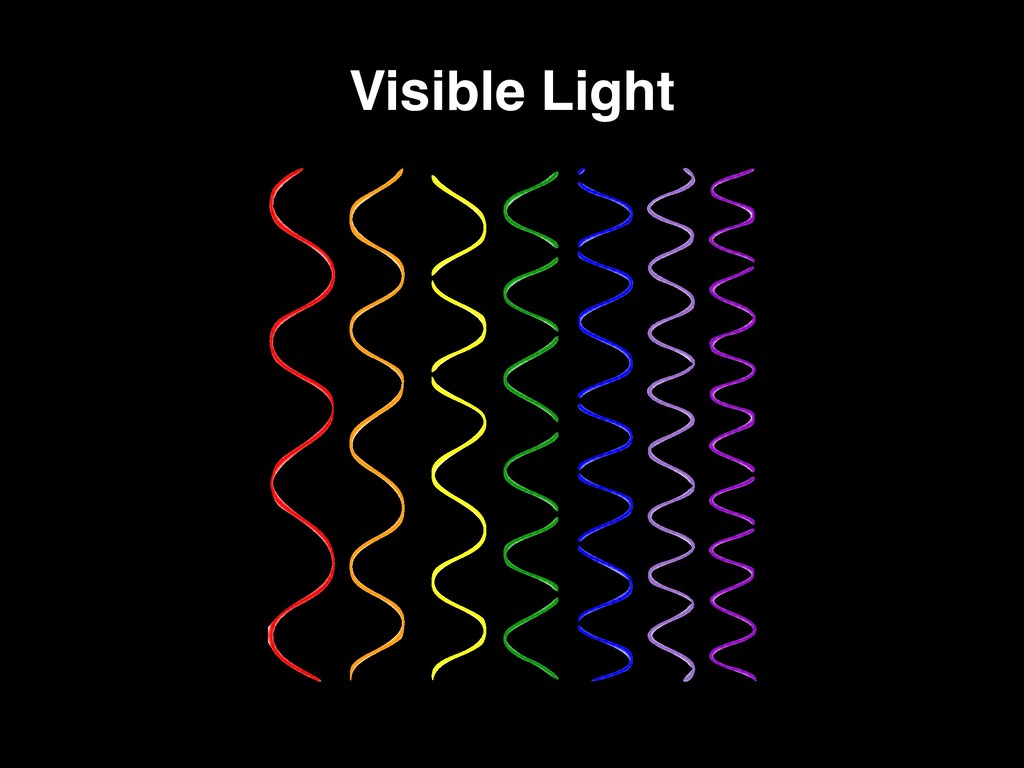
Visible Light
None
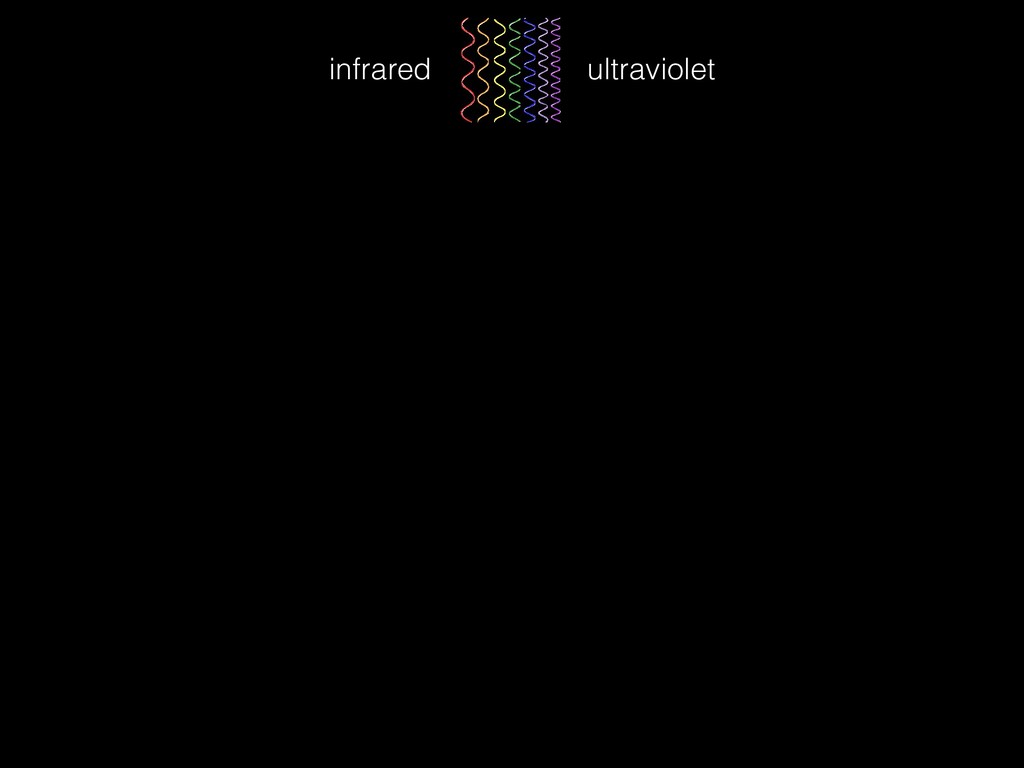
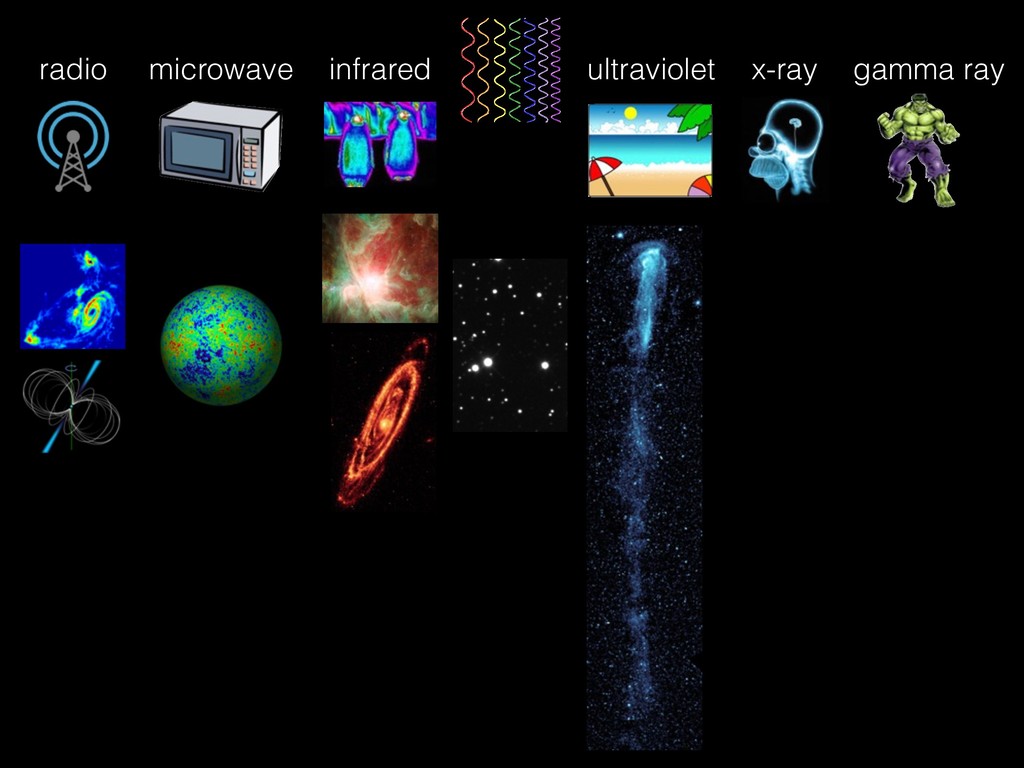
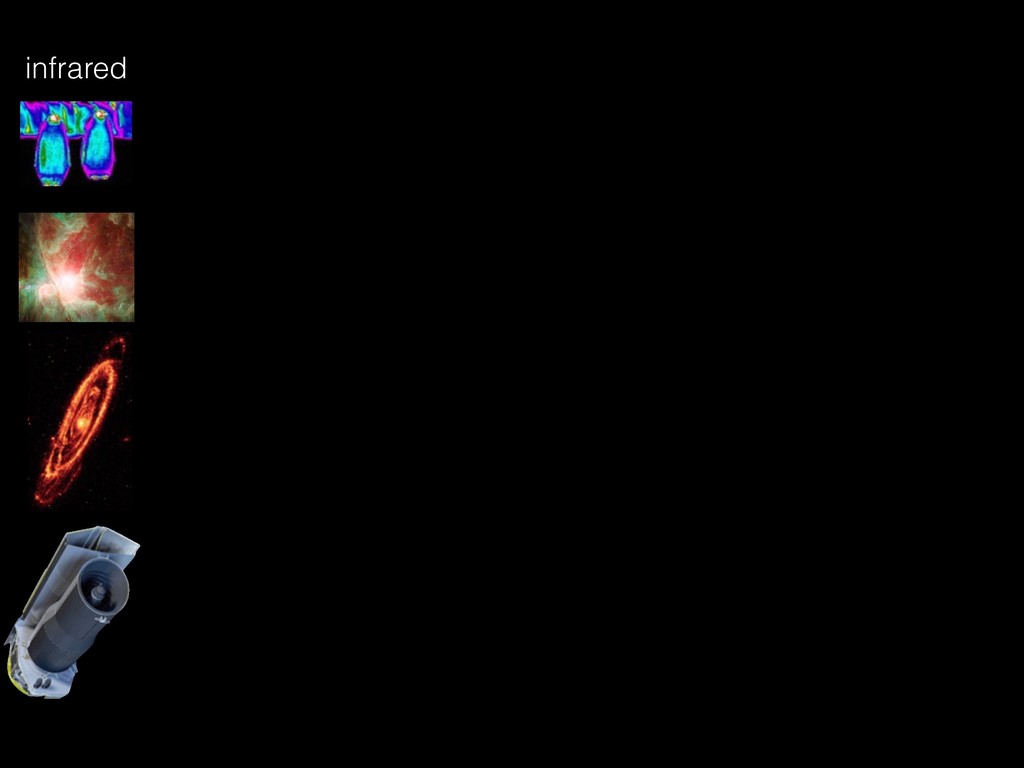
infrared
ultraviolet infrared
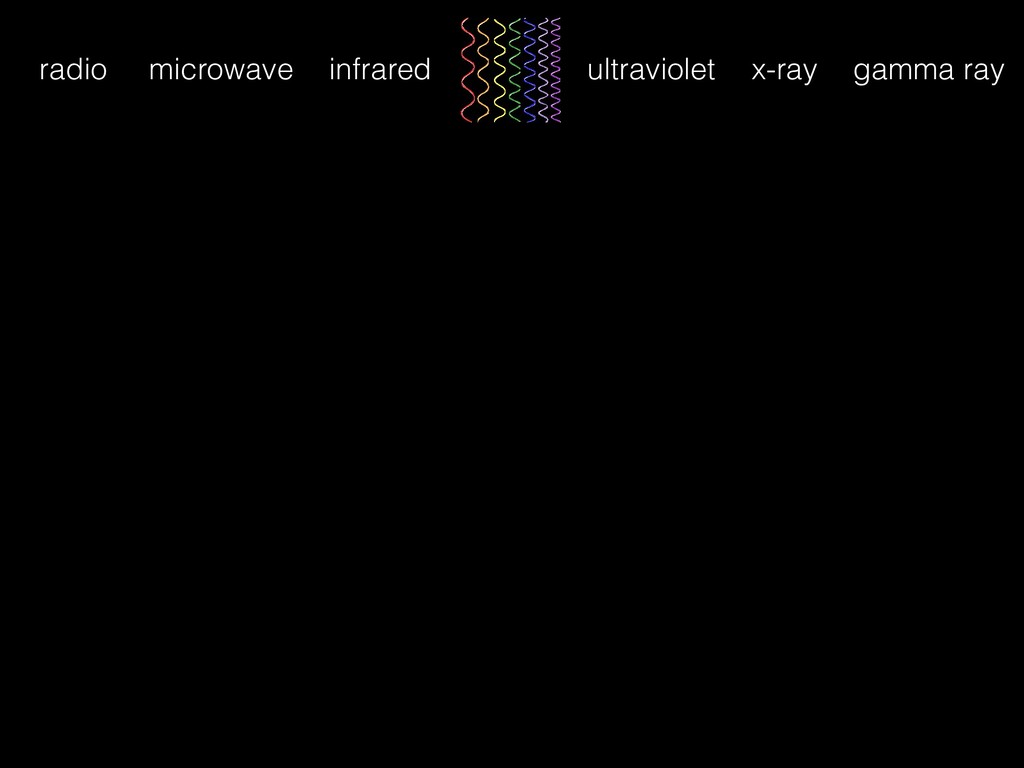
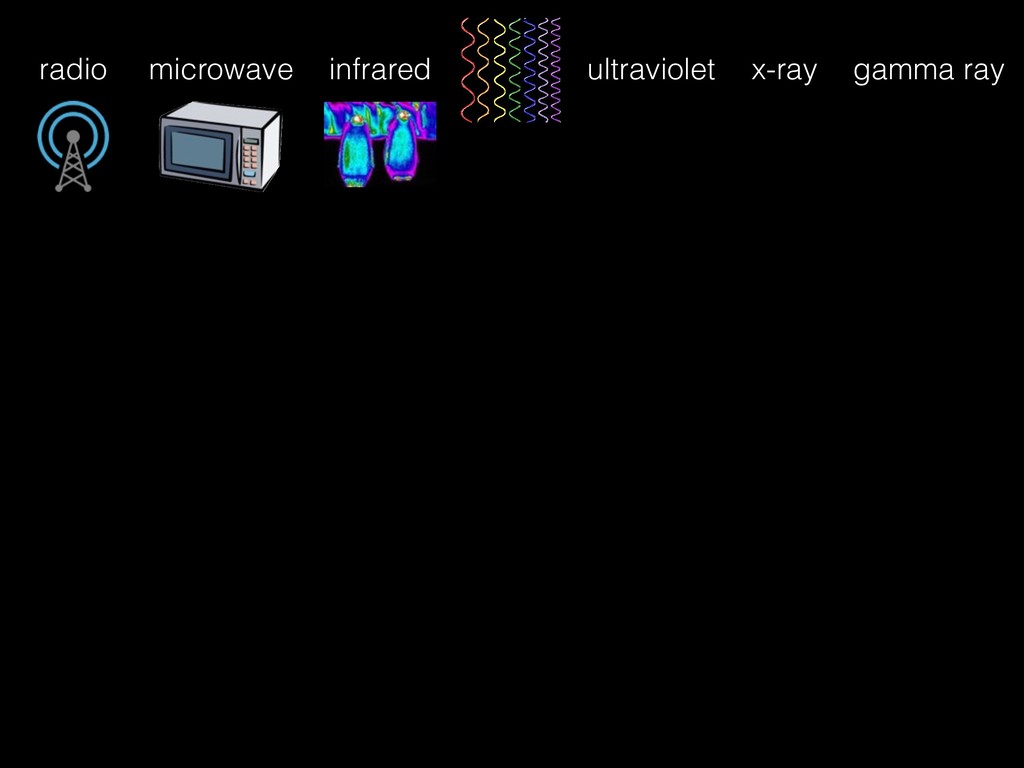
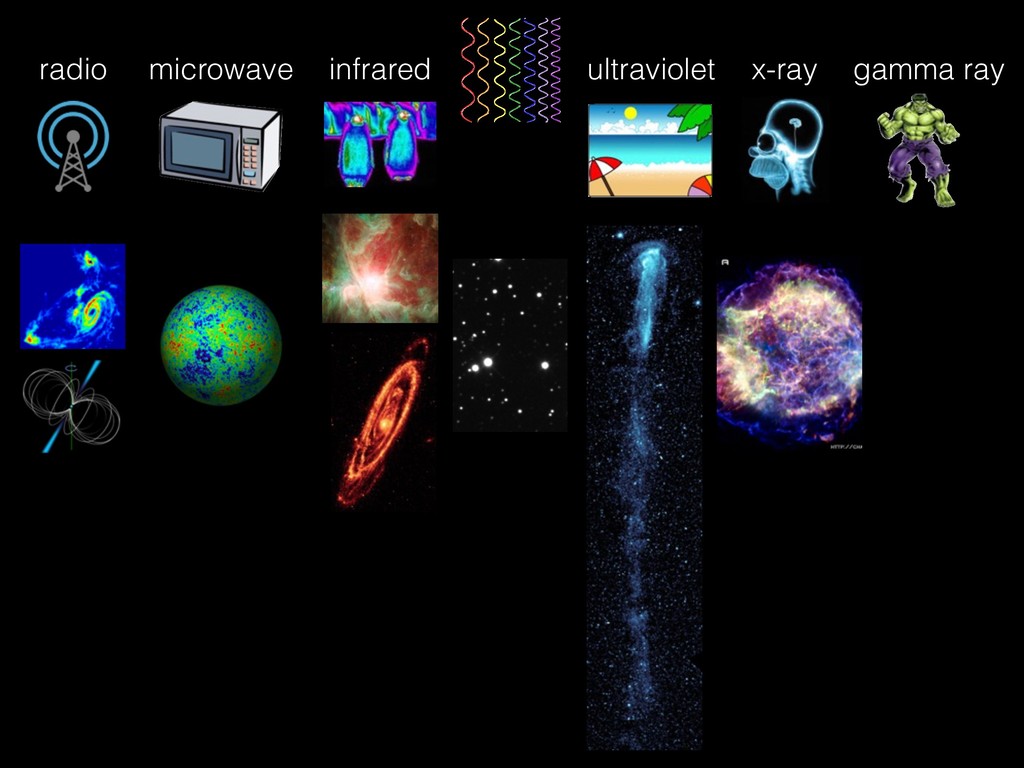
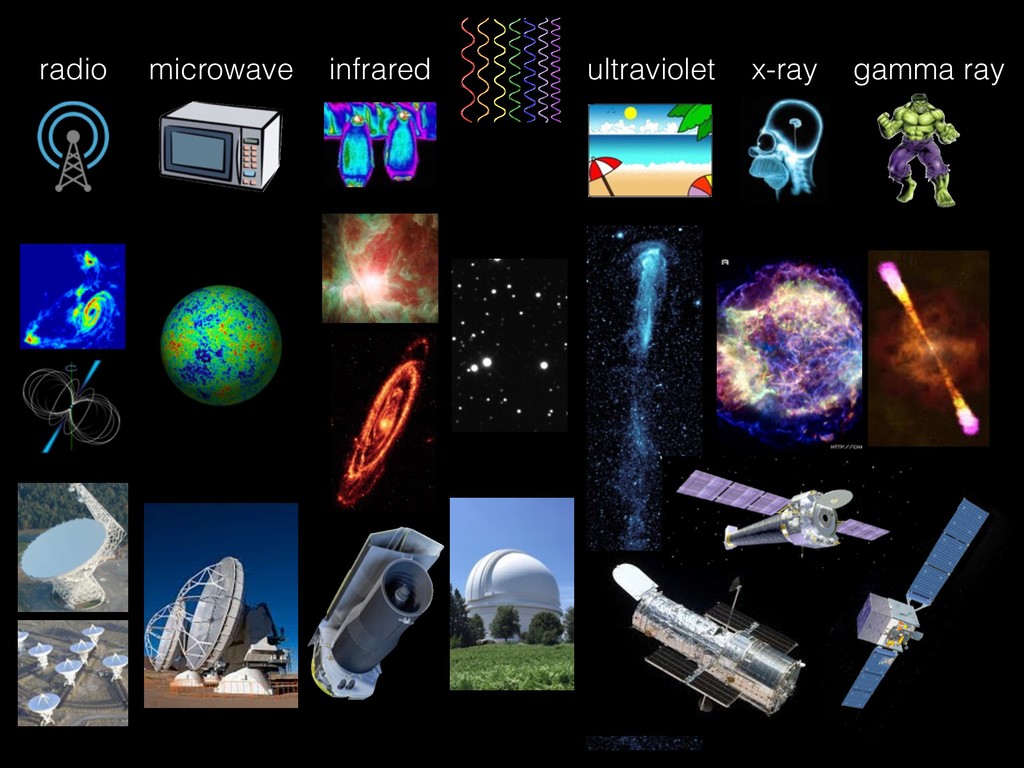
gamma ray x-ray ultraviolet infrared microwave radio
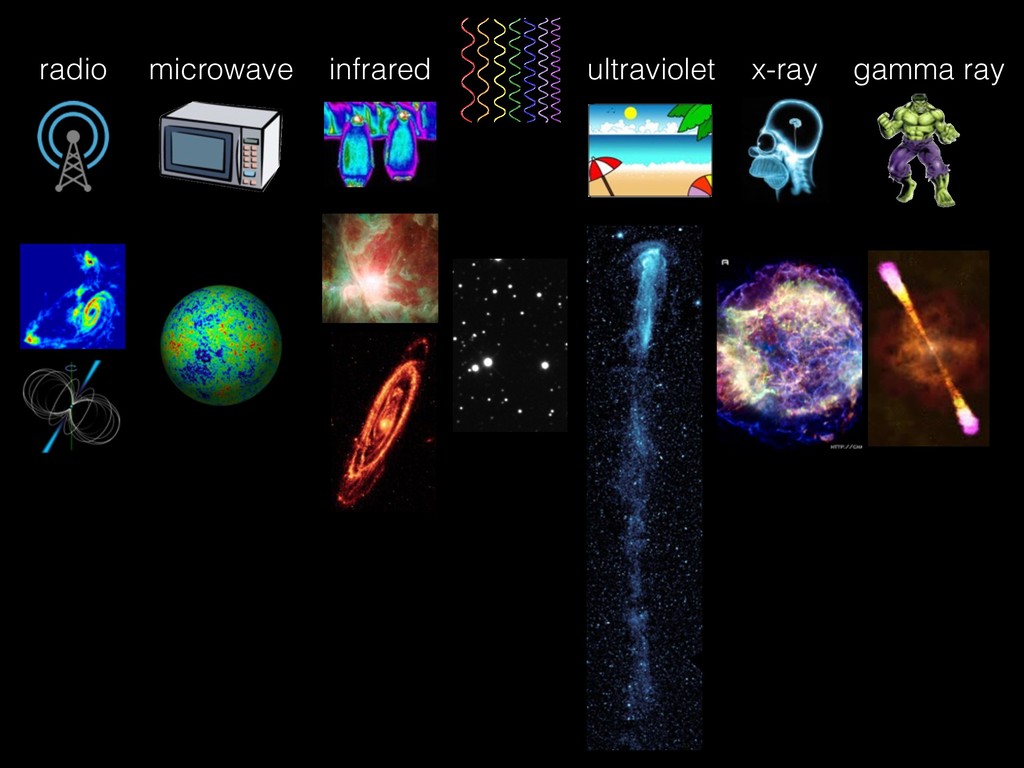
gamma ray x-ray ultraviolet infrared microwave radio
gamma ray x-ray ultraviolet infrared microwave radio
gamma ray x-ray ultraviolet infrared microwave radio
gamma ray x-ray ultraviolet infrared microwave radio
gamma ray x-ray ultraviolet infrared microwave radio
gamma ray x-ray ultraviolet infrared microwave radio
gamma ray x-ray ultraviolet infrared microwave radio
gamma ray x-ray ultraviolet infrared microwave radio
gamma ray x-ray ultraviolet infrared microwave radio
gamma ray x-ray ultraviolet infrared microwave radio
gamma ray x-ray ultraviolet infrared microwave radio
gamma ray x-ray ultraviolet infrared microwave radio
gamma ray x-ray ultraviolet infrared microwave radio
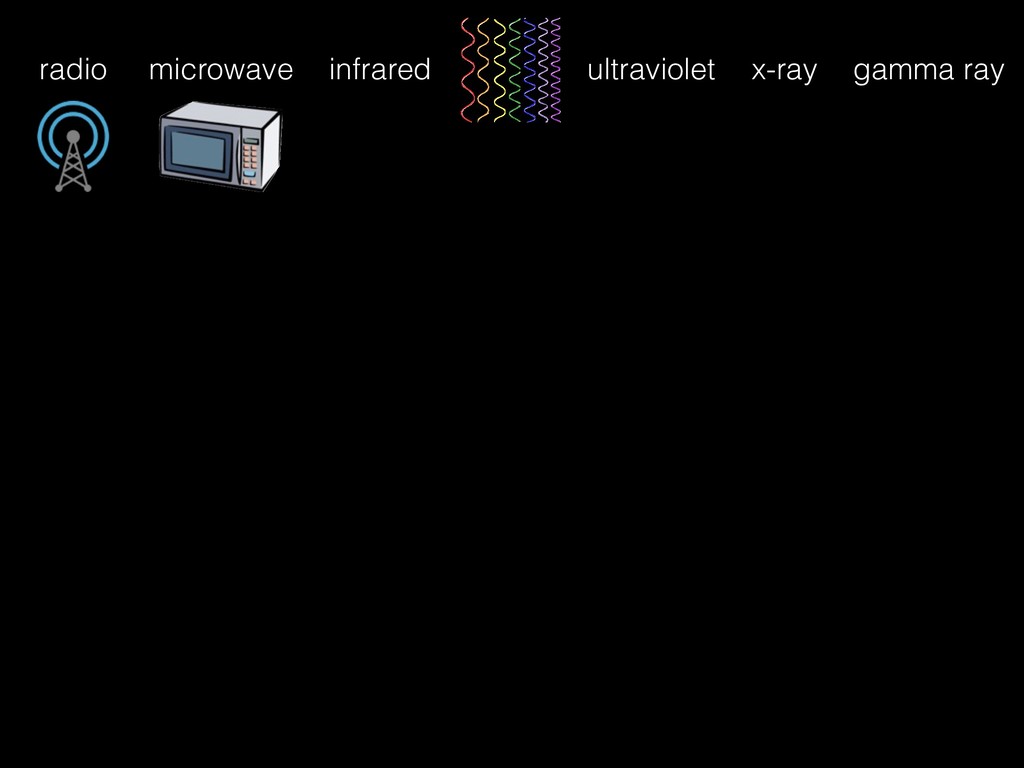
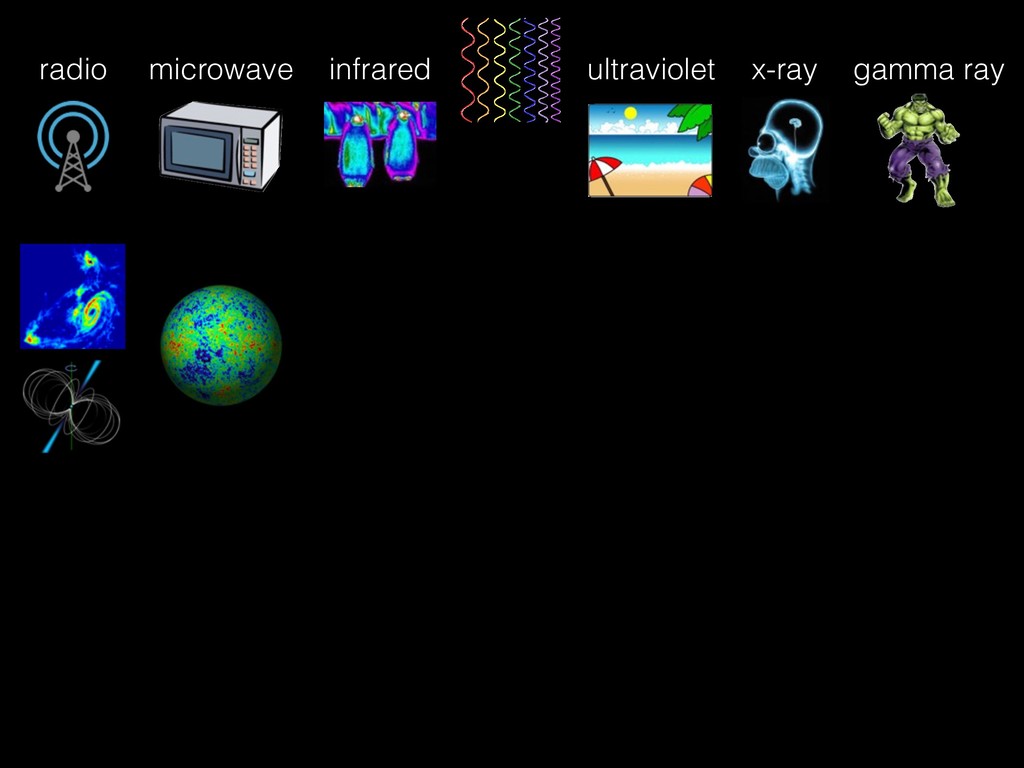
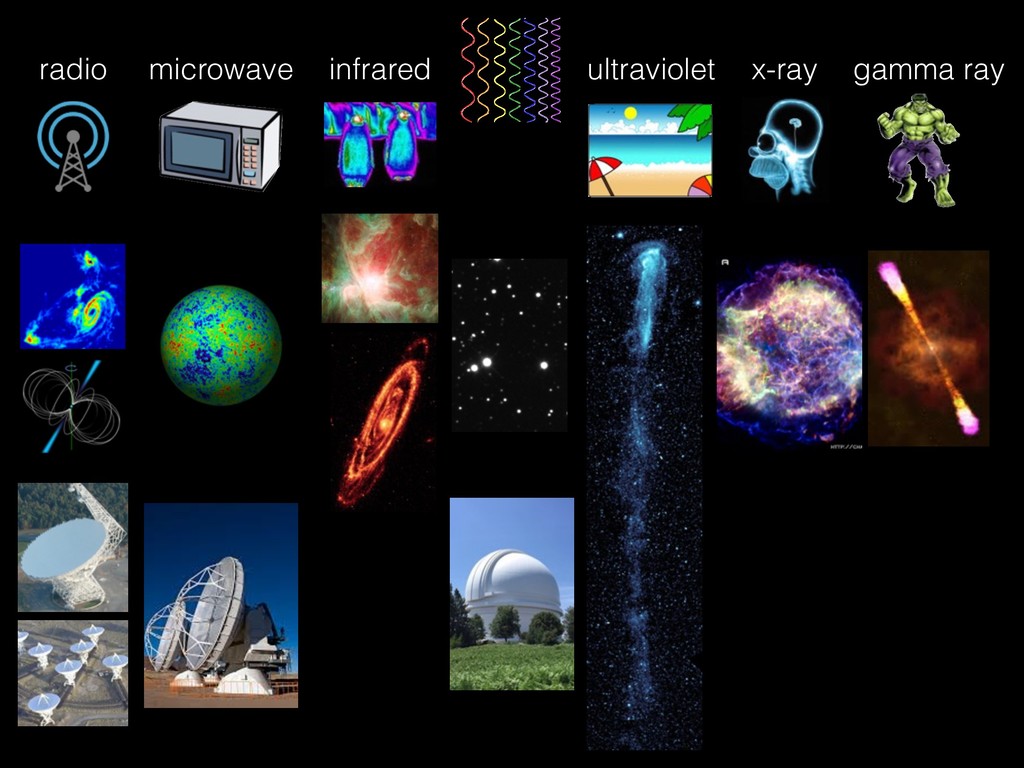
gamma ray x-ray ultraviolet microwave infrared radio
gamma ray x-ray ultraviolet microwave radio infrared
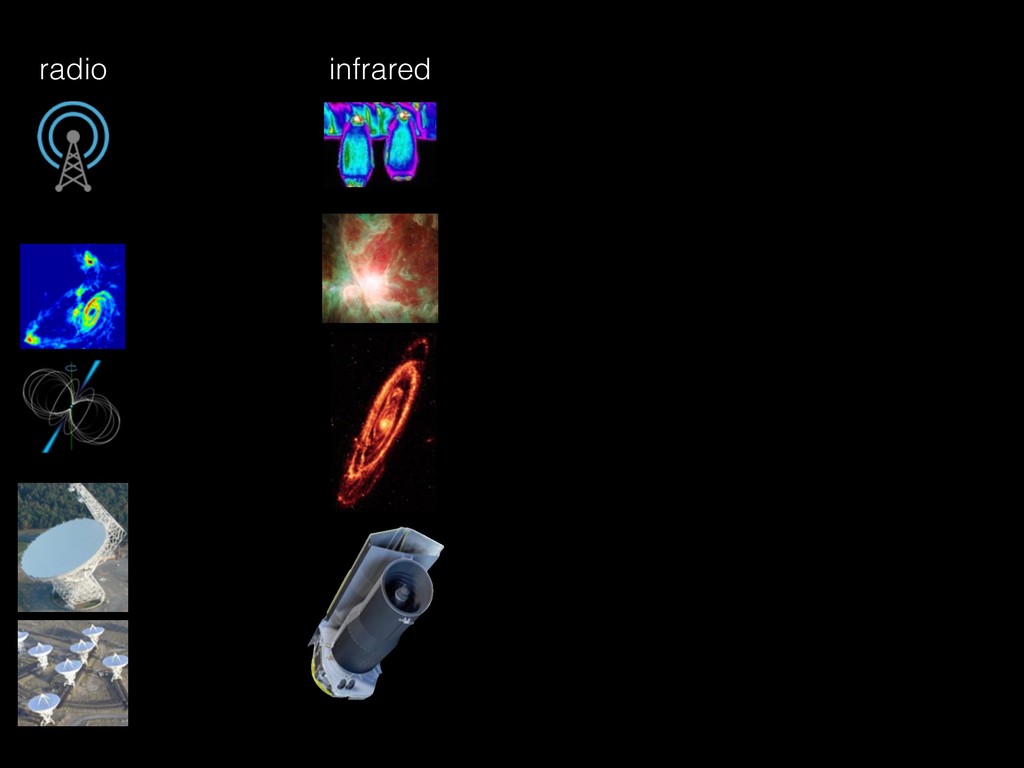
radio infrared
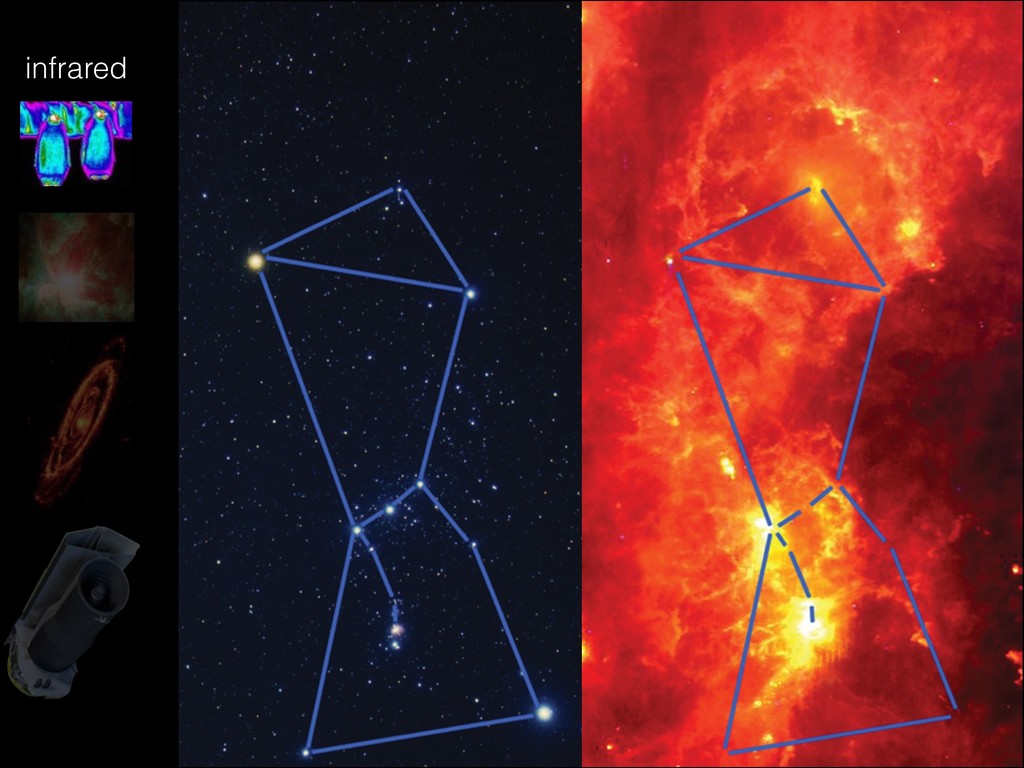
infrared
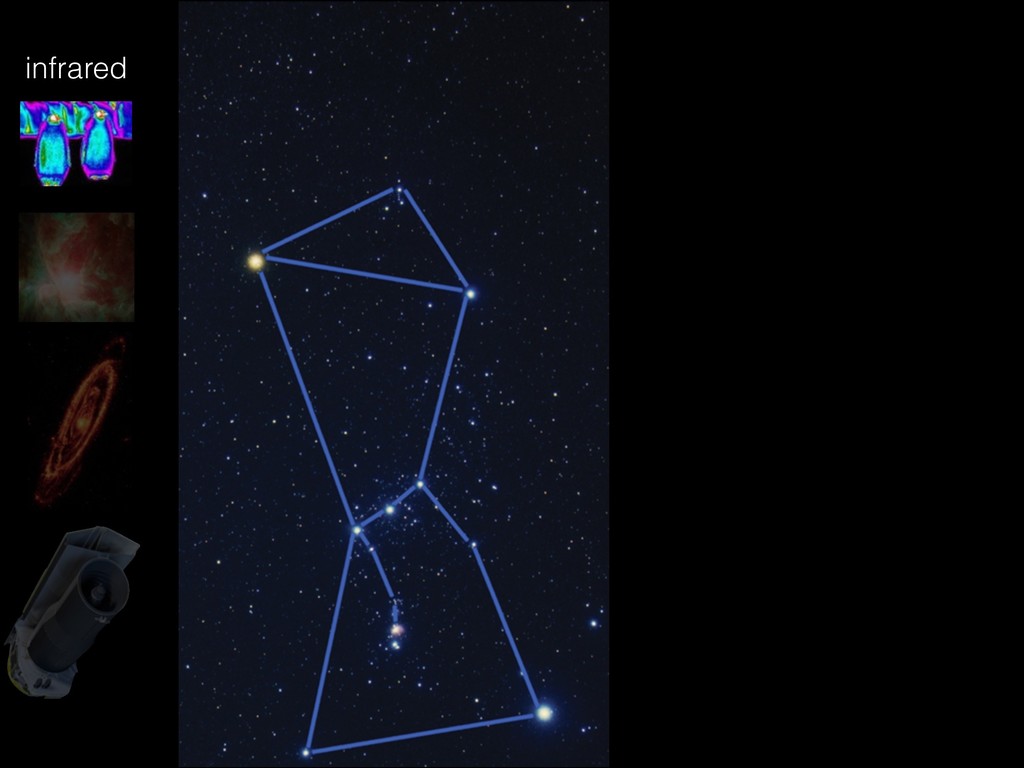
infrared
infrared
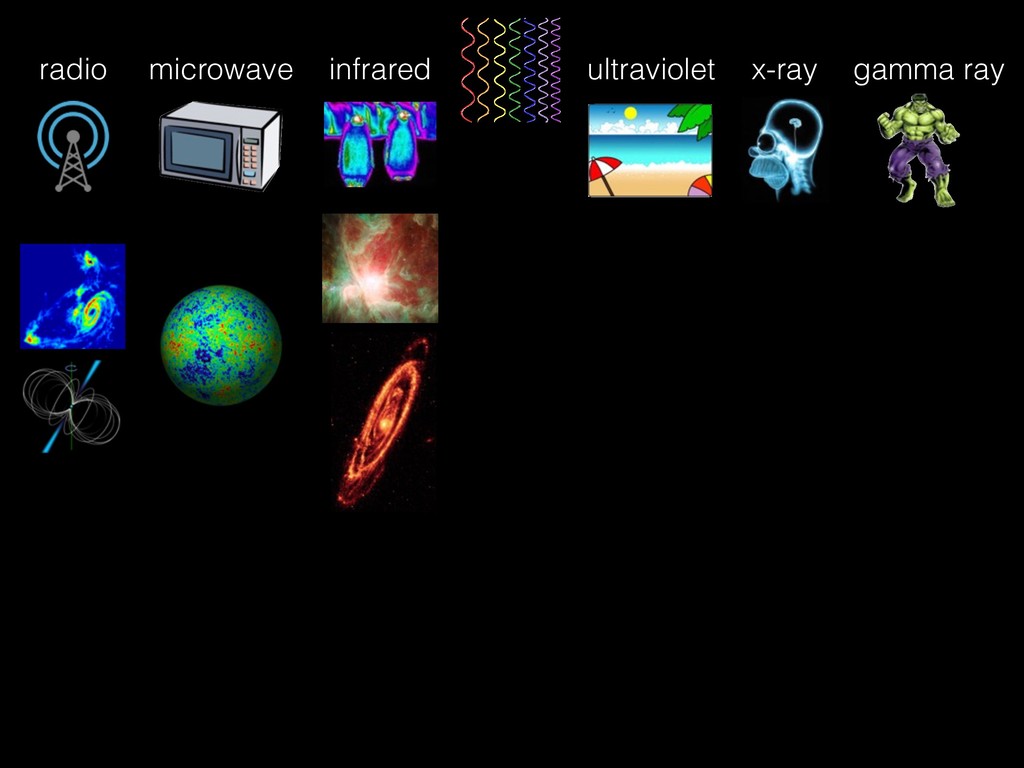
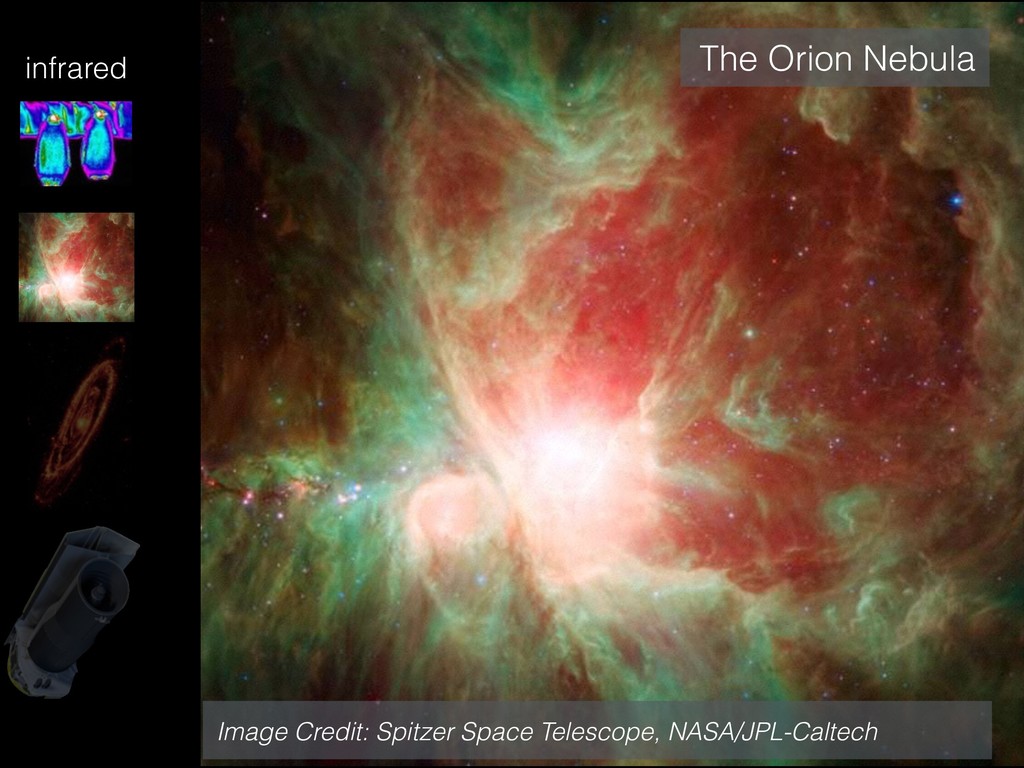
Image Credit: Spitzer Space Telescope, NASA/JPL-Caltech The Orion Nebula infrared
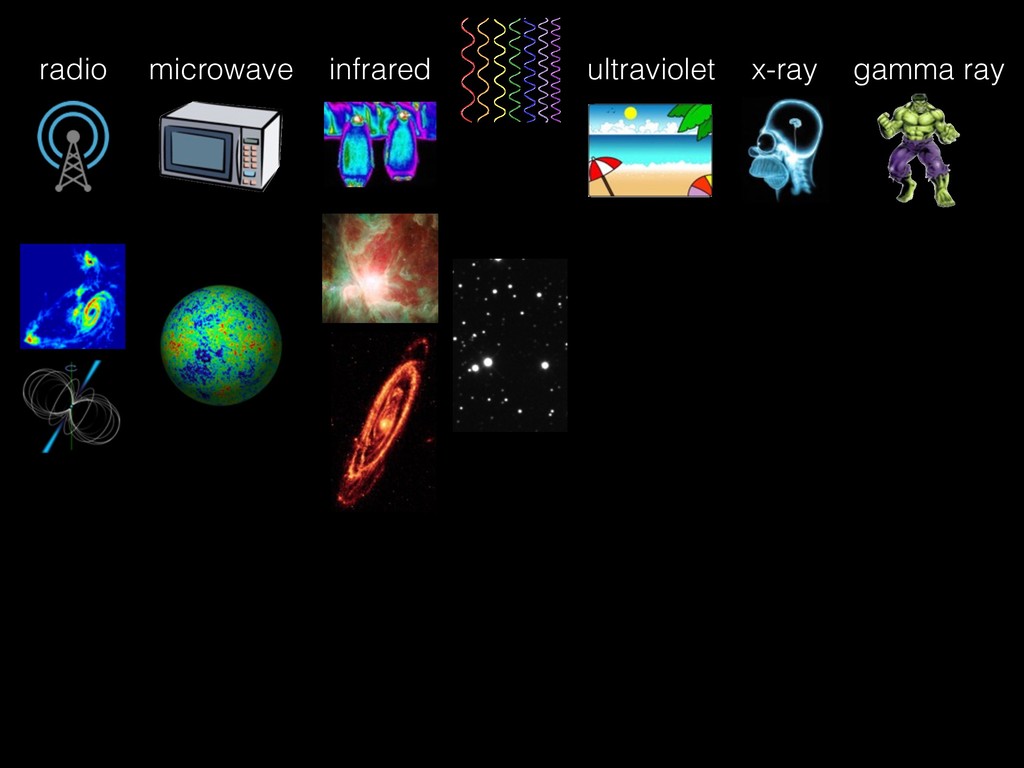
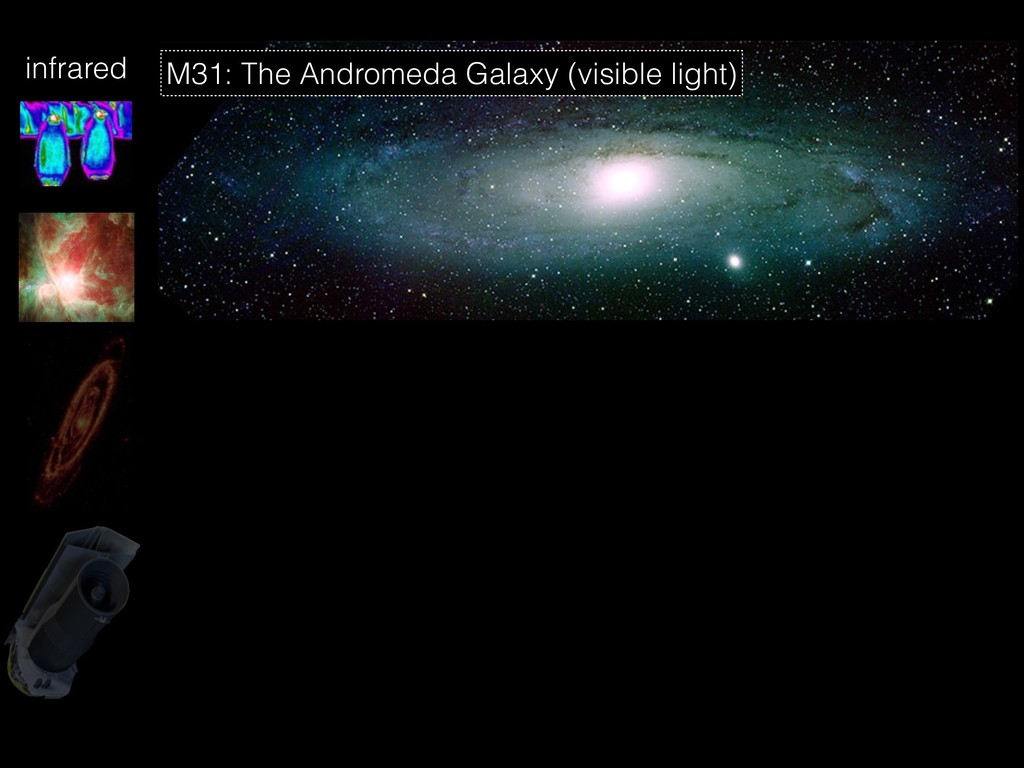
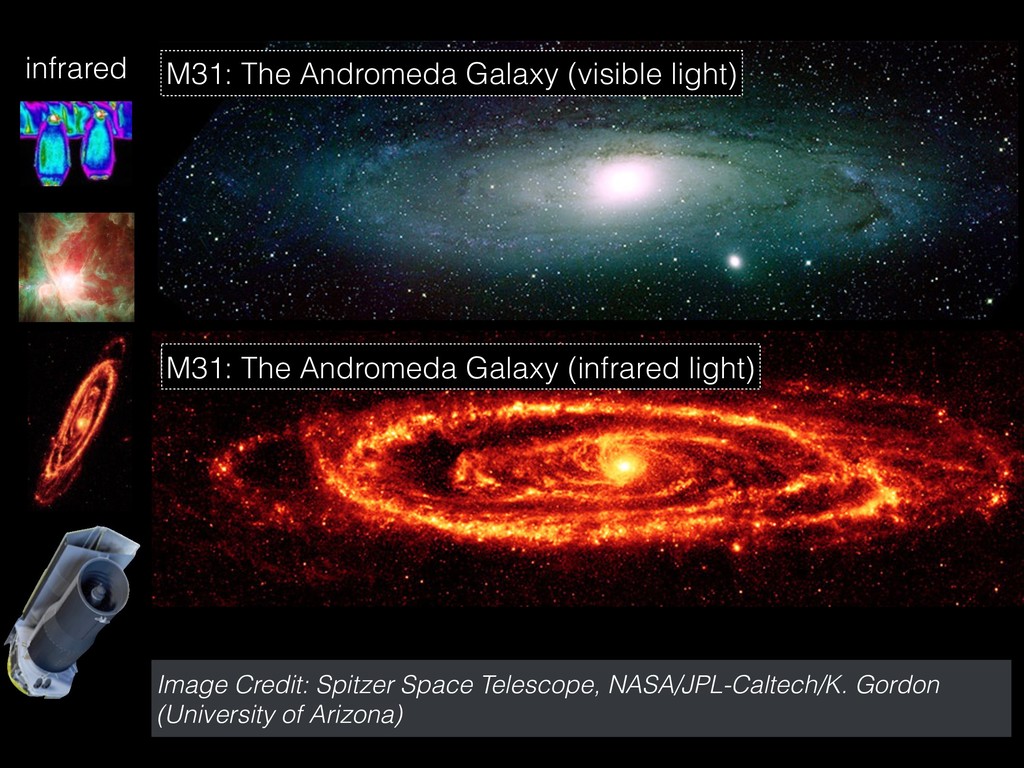
M31: The Andromeda Galaxy (visible light) infrared
M31: The Andromeda Galaxy (visible light) M31: The Andromeda Galaxy
(infrared light) infrared Image Credit: Spitzer Space Telescope, NASA/JPL-Caltech/K. Gordon (University of Arizona)
infrared
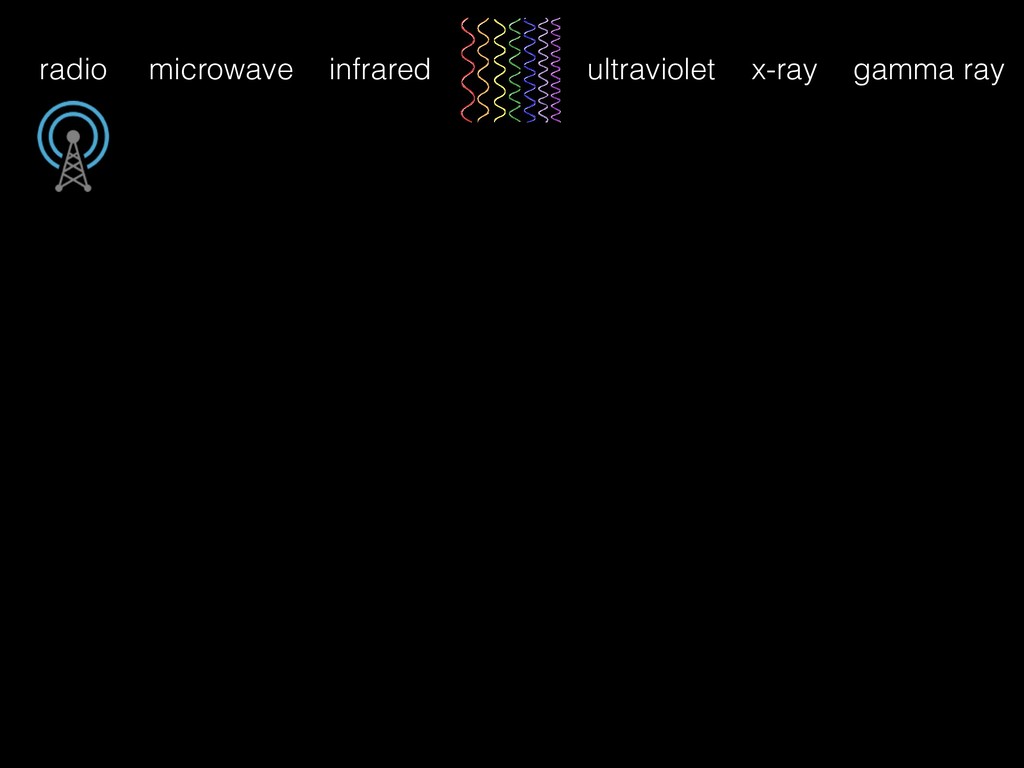
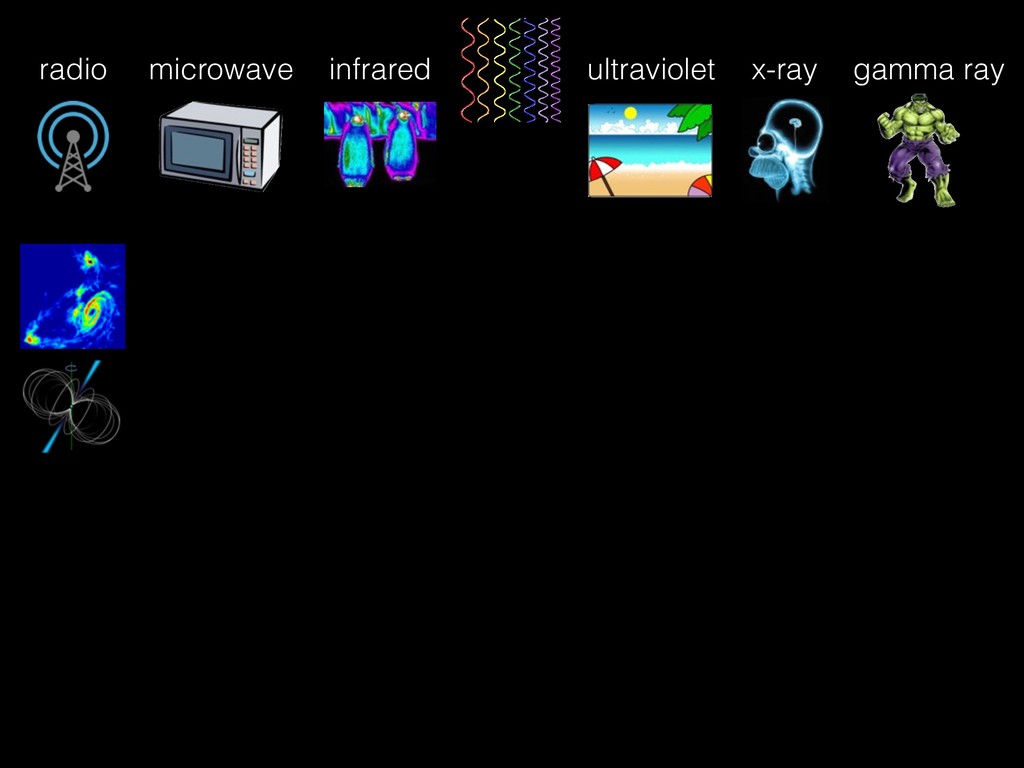
radio
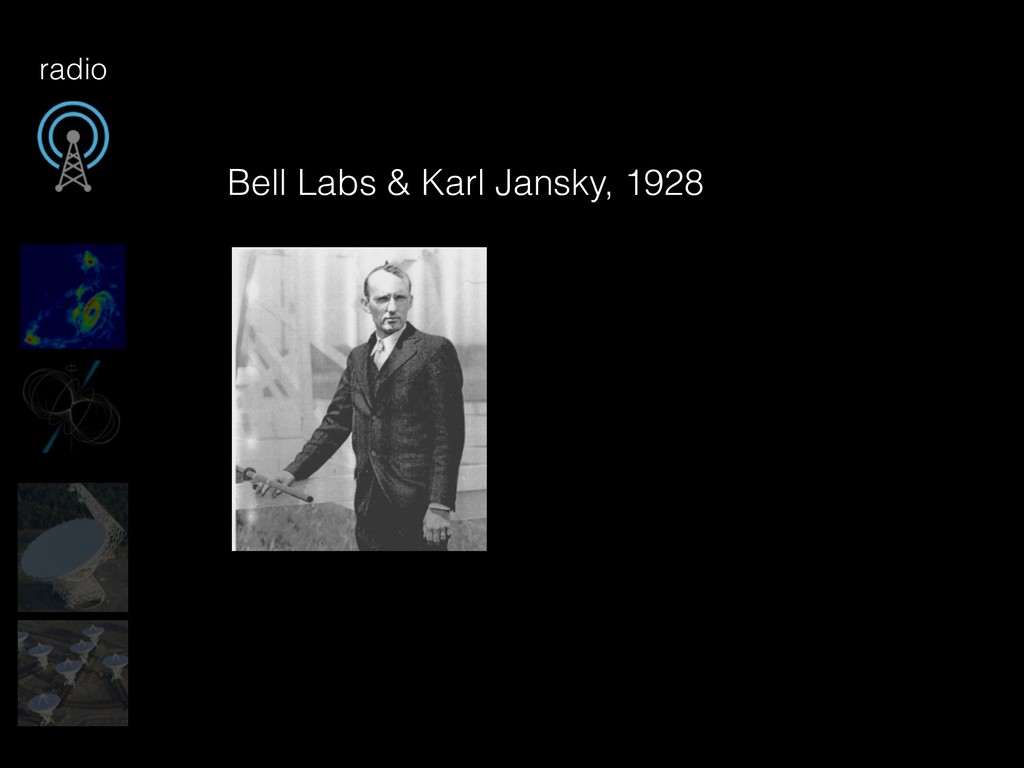
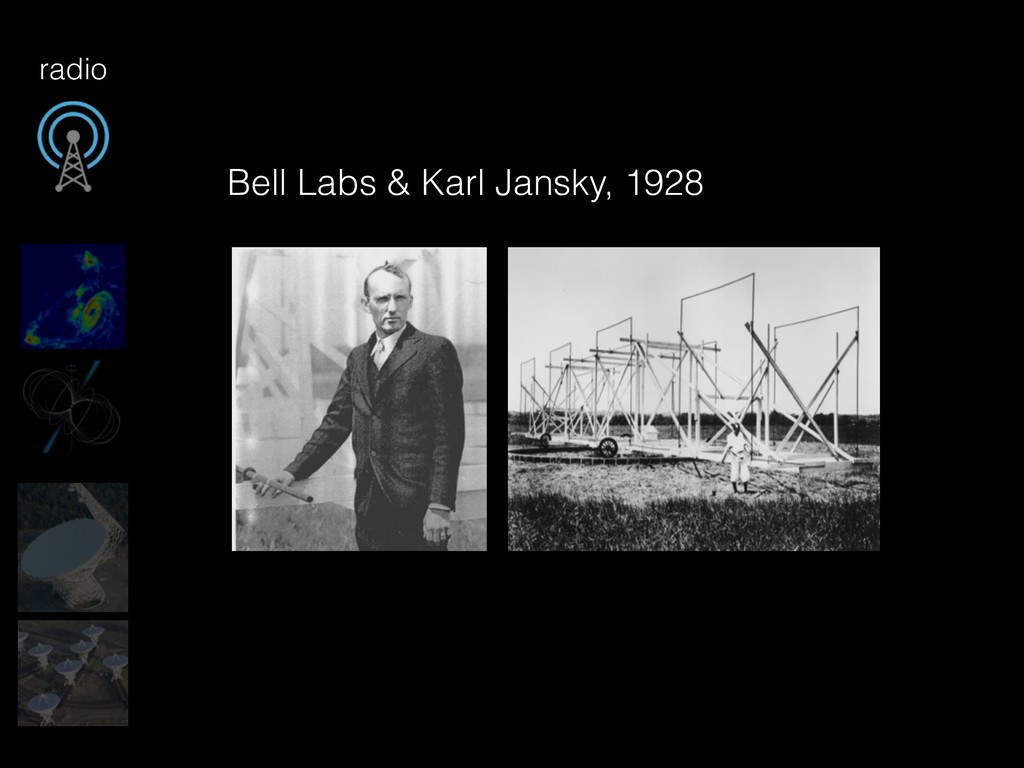
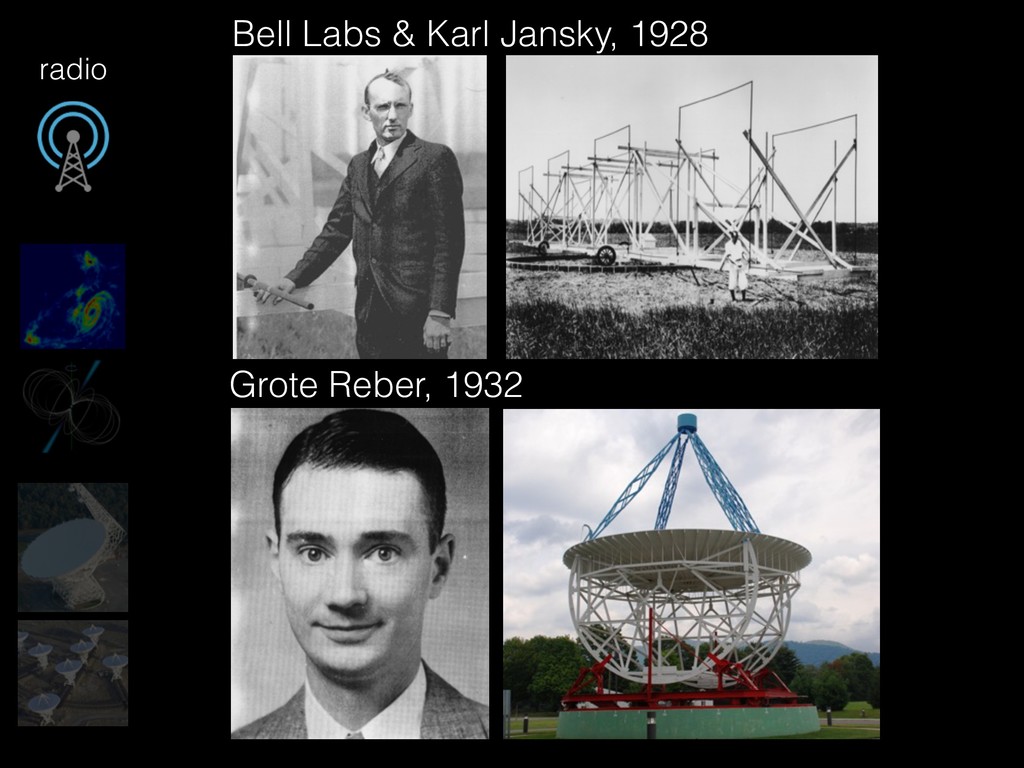
Bell Labs & Karl Jansky, 1928 radio
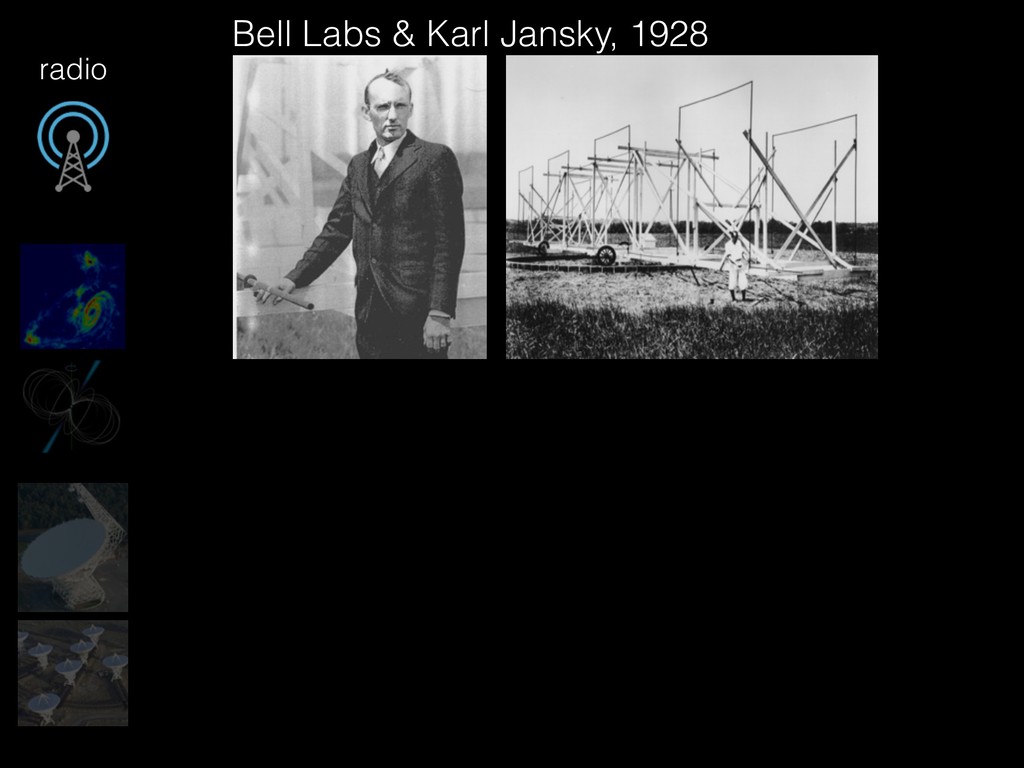
Bell Labs & Karl Jansky, 1928 radio
Bell Labs & Karl Jansky, 1928 radio
Bell Labs & Karl Jansky, 1928 radio
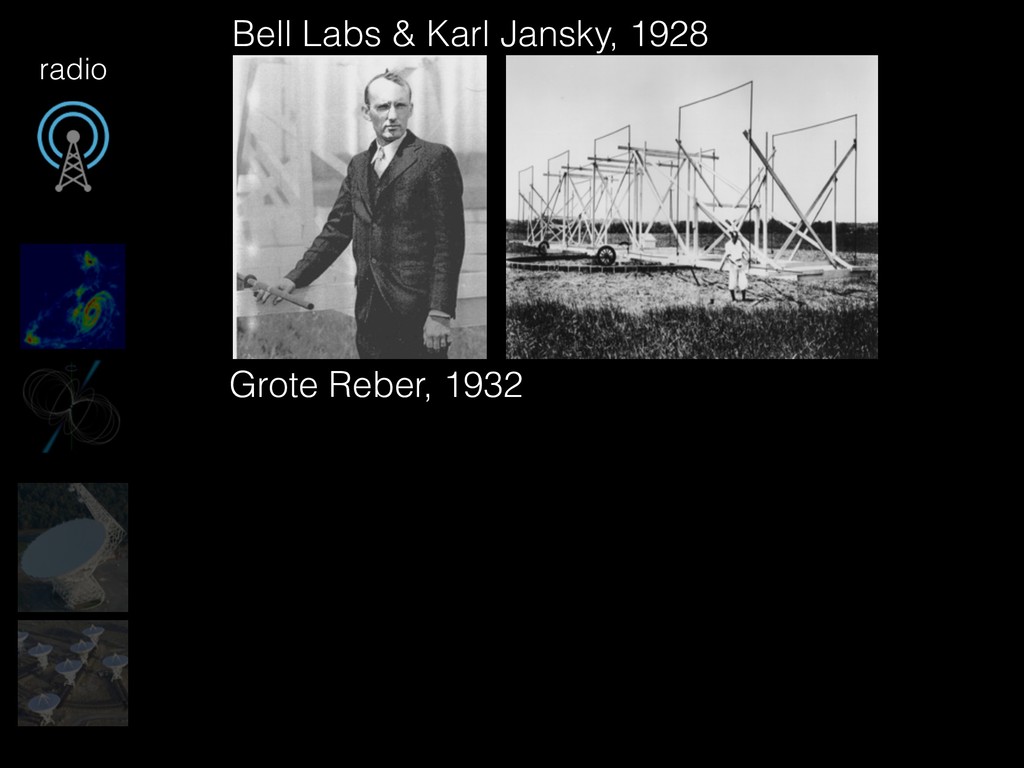
Bell Labs & Karl Jansky, 1928 Grote Reber, 1932 radio
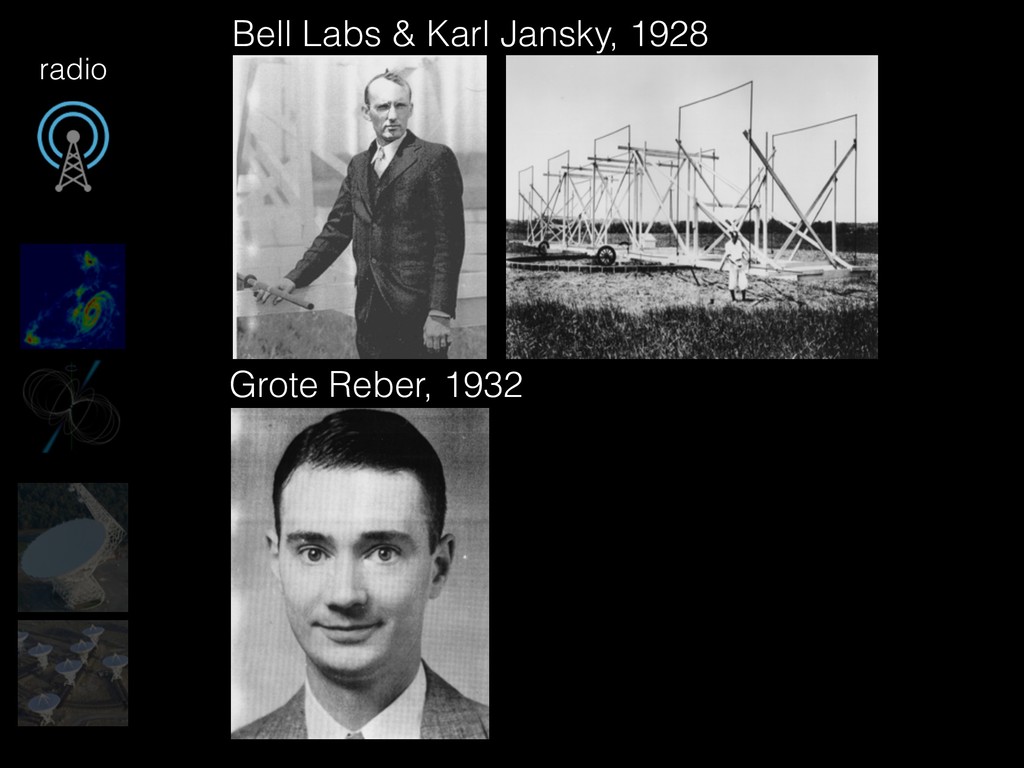
Bell Labs & Karl Jansky, 1928 Grote Reber, 1932 radio
Bell Labs & Karl Jansky, 1928 Grote Reber, 1932 radio
radio
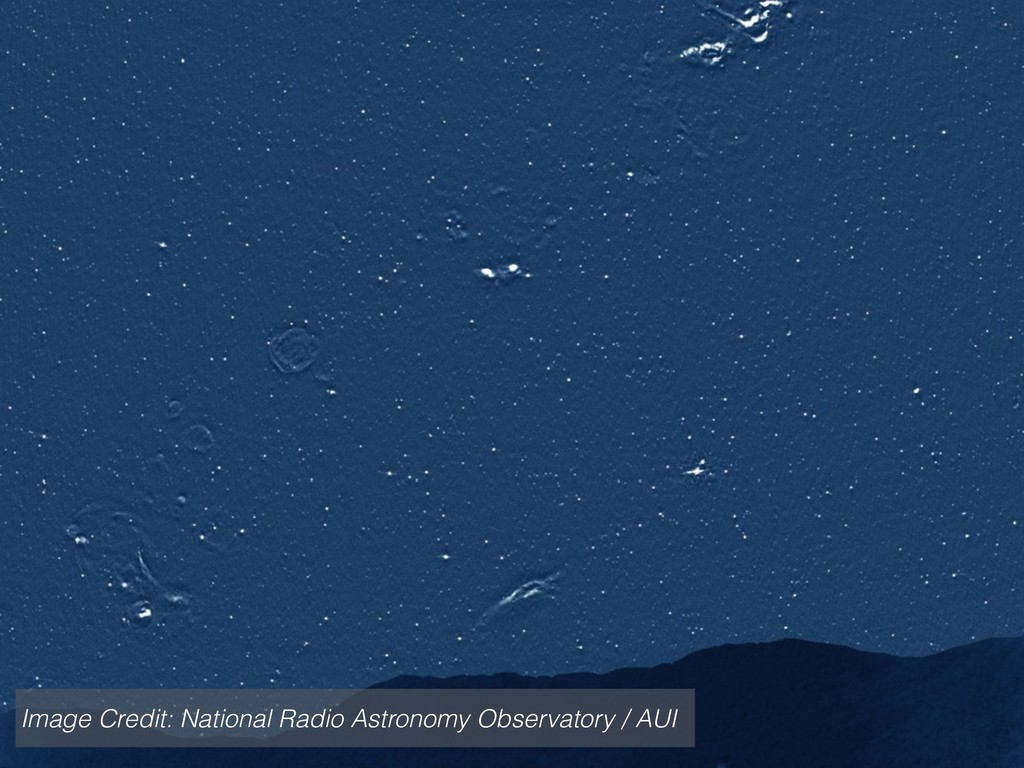
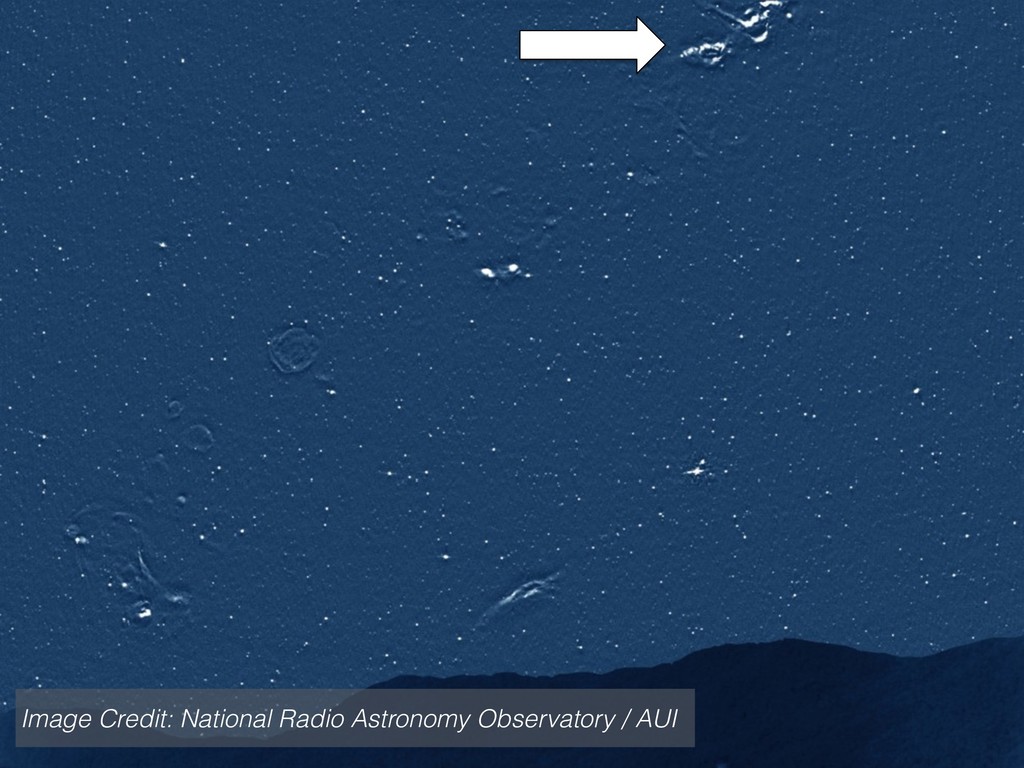
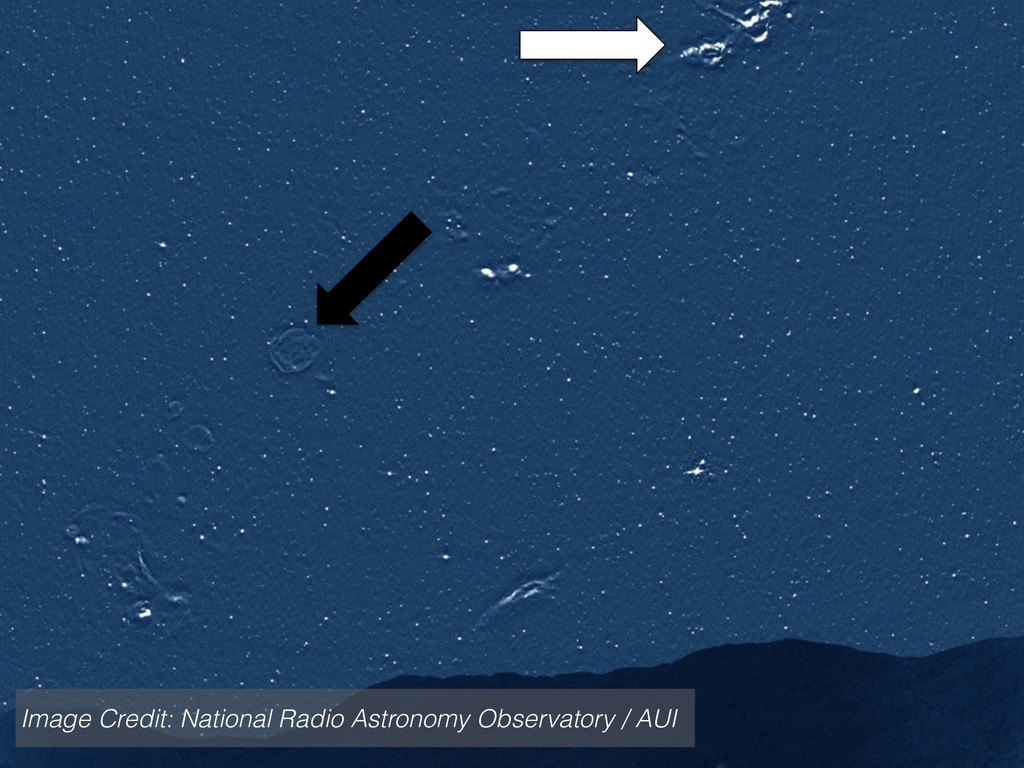
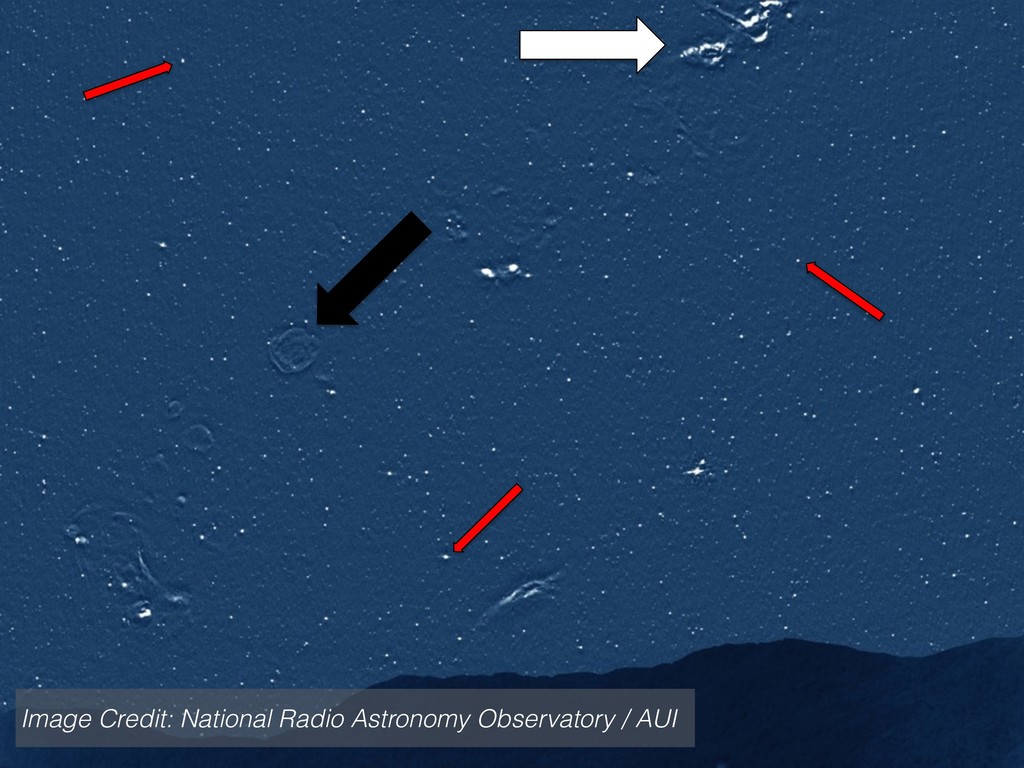
Image Credit: National Radio Astronomy Observatory / AUI
Image Credit: National Radio Astronomy Observatory / AUI
Image Credit: National Radio Astronomy Observatory / AUI
Image Credit: National Radio Astronomy Observatory / AUI
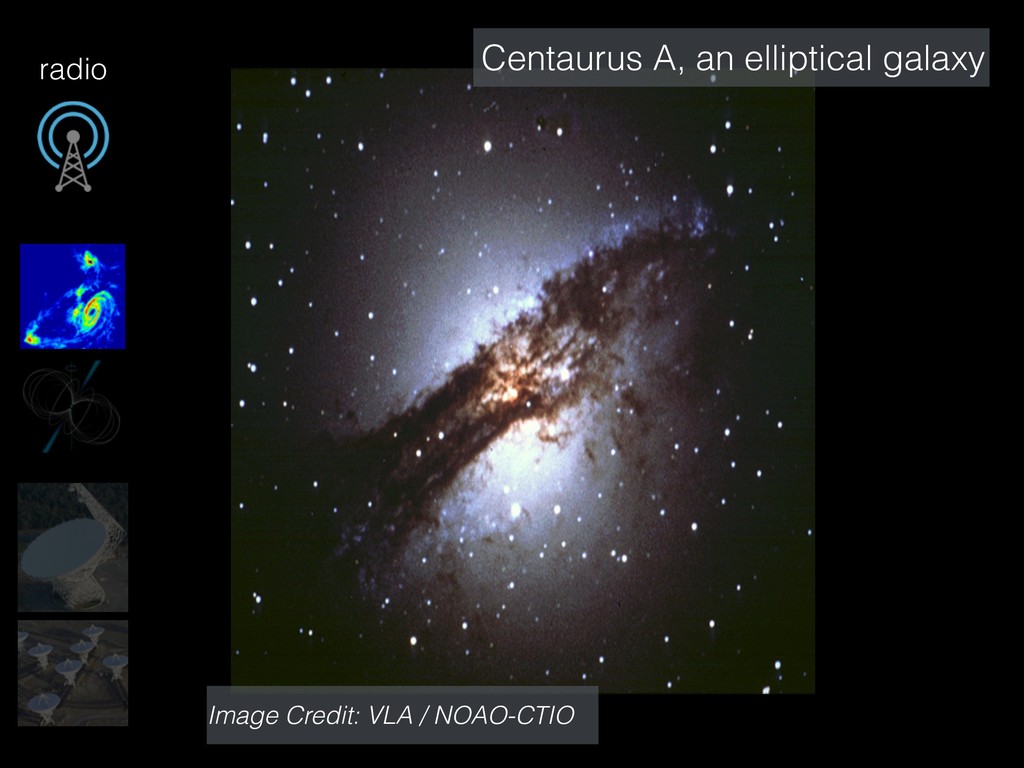
radio Image Credit: VLA / NOAO-CTIO Centaurus A, an elliptical
galaxy
radio Image Credit: VLA / NOAO-CTIO Centaurus A, an elliptical
galaxy
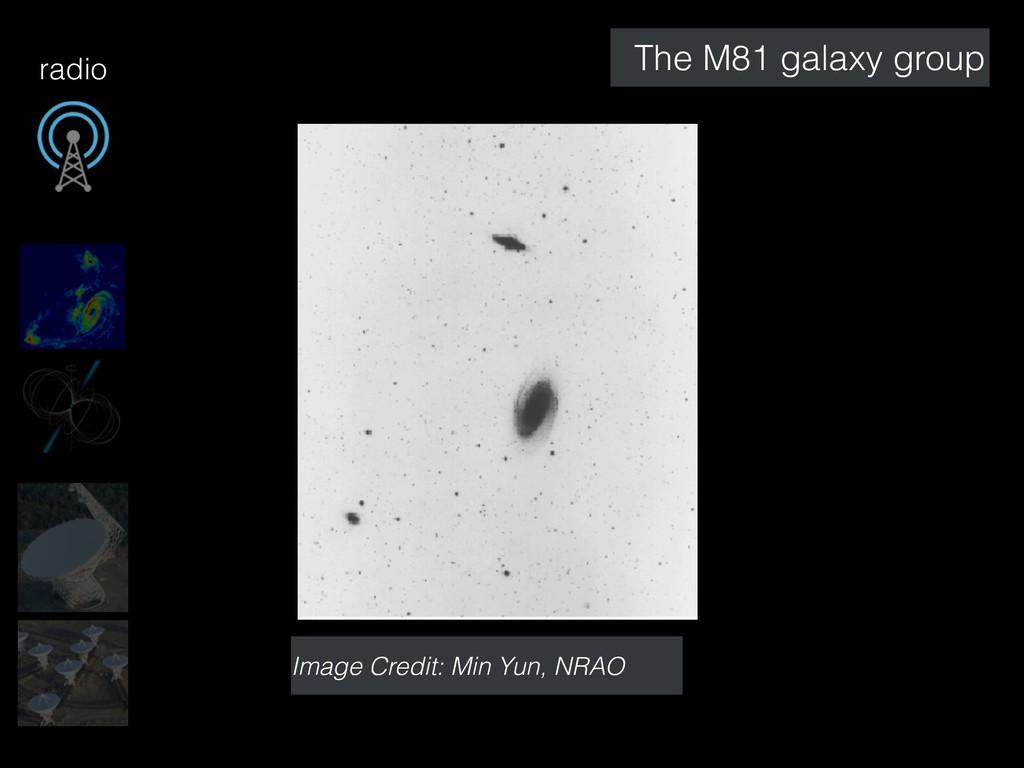
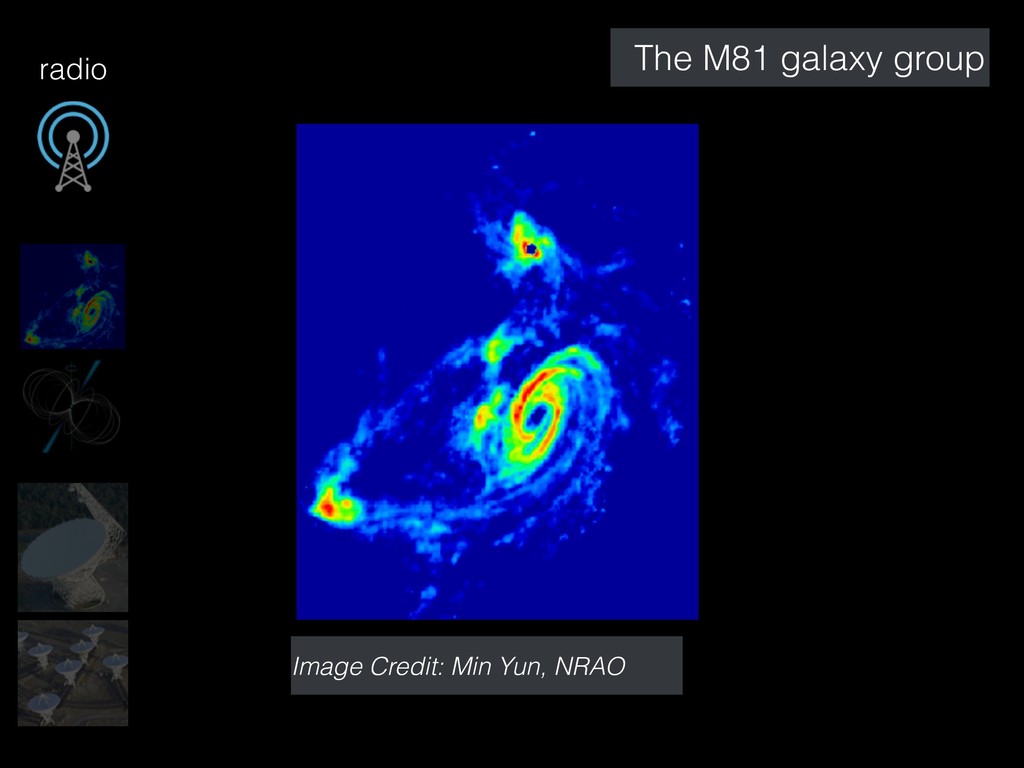
radio The M81 galaxy group Image Credit: Min Yun, NRAO
radio The M81 galaxy group Image Credit: Min Yun, NRAO
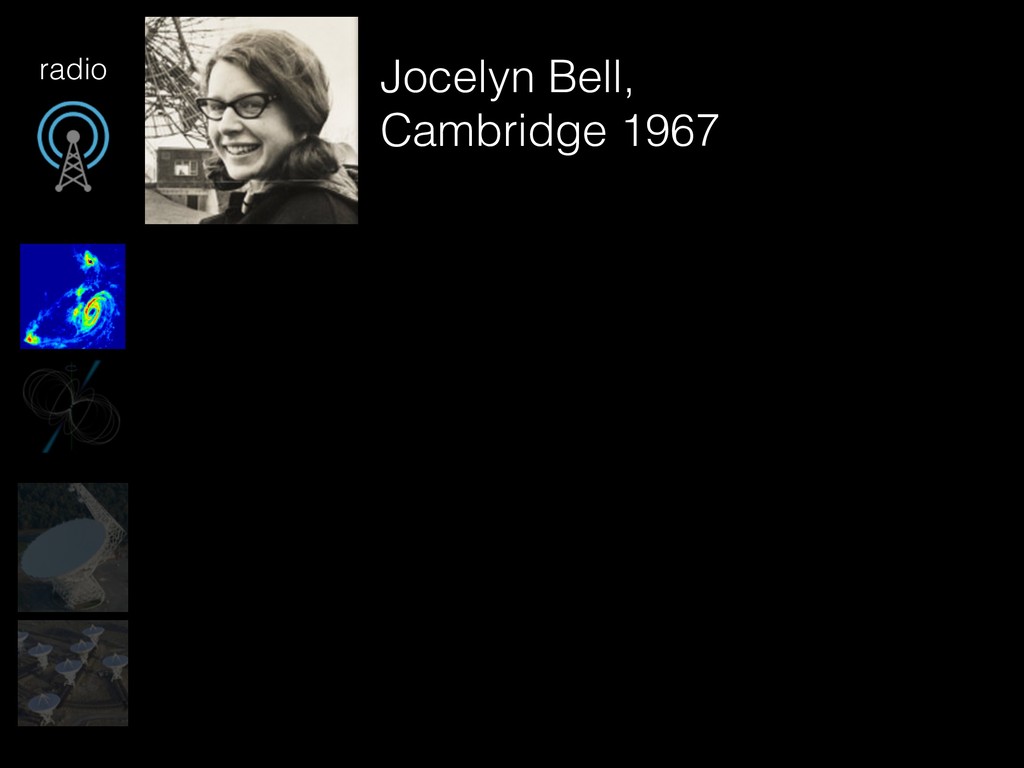
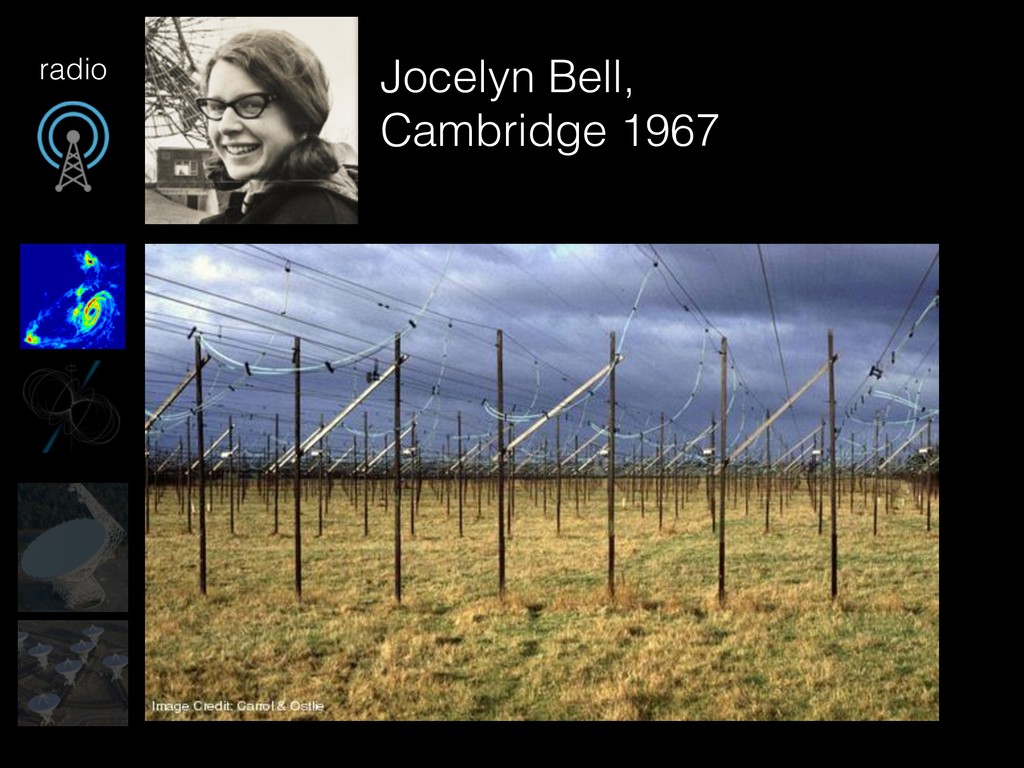
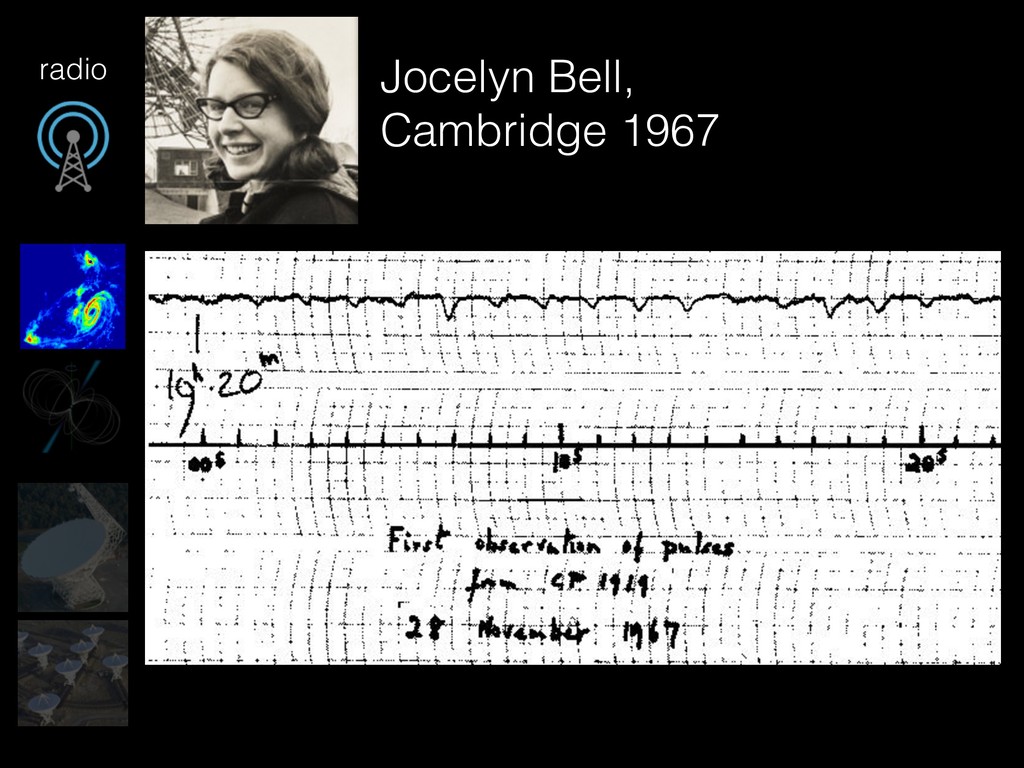
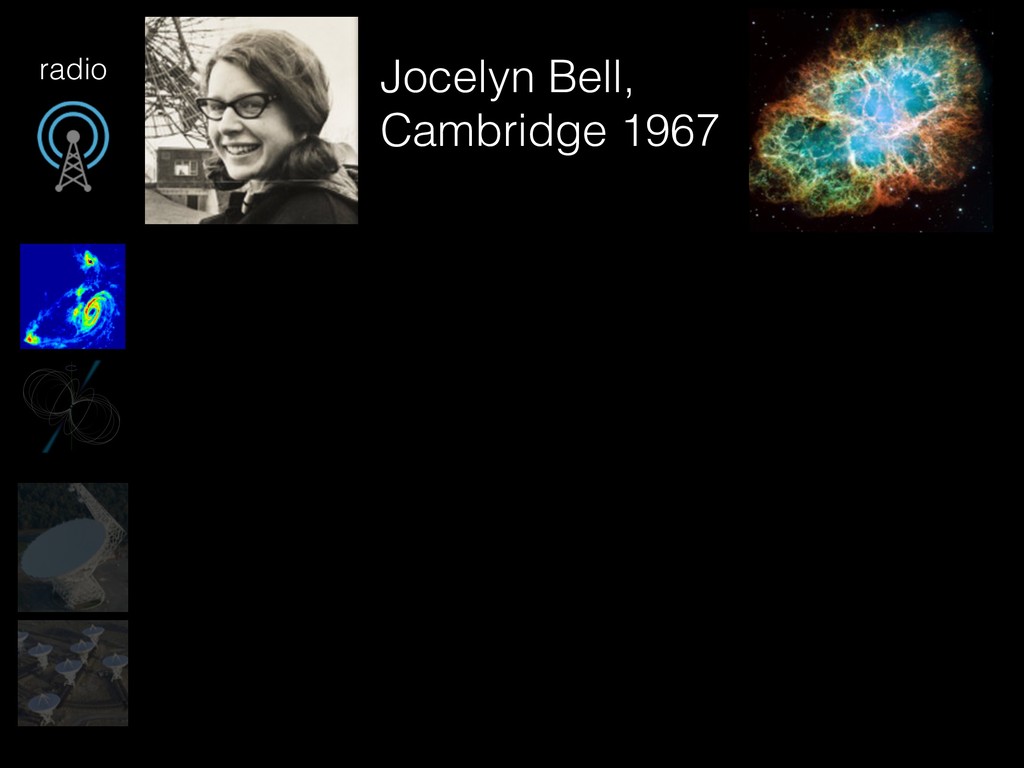
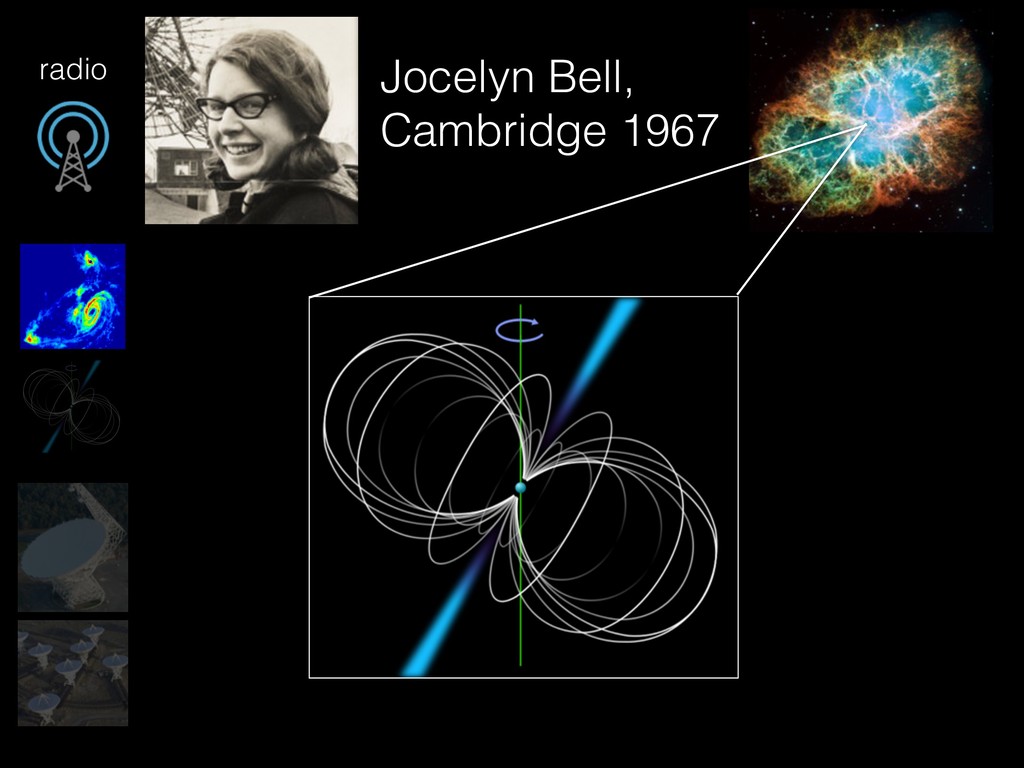
Jocelyn Bell, Cambridge 1967 radio
Jocelyn Bell, Cambridge 1967 radio
Jocelyn Bell, Cambridge 1967 radio
Jocelyn Bell, Cambridge 1967 radio
Jocelyn Bell, Cambridge 1967 radio
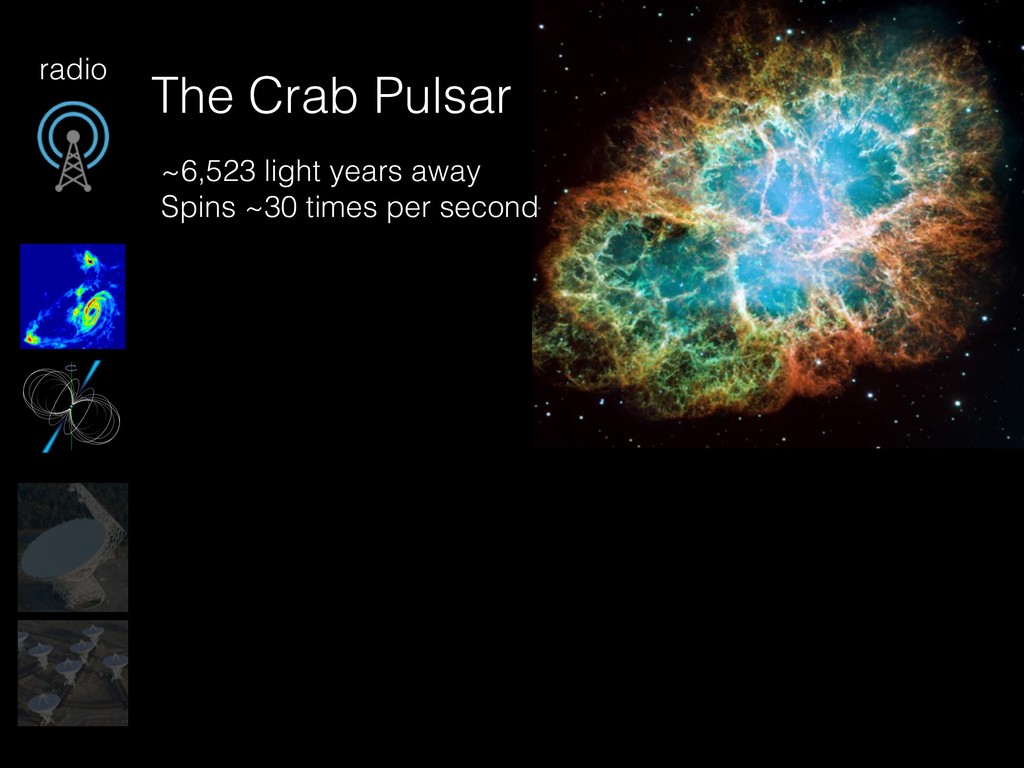
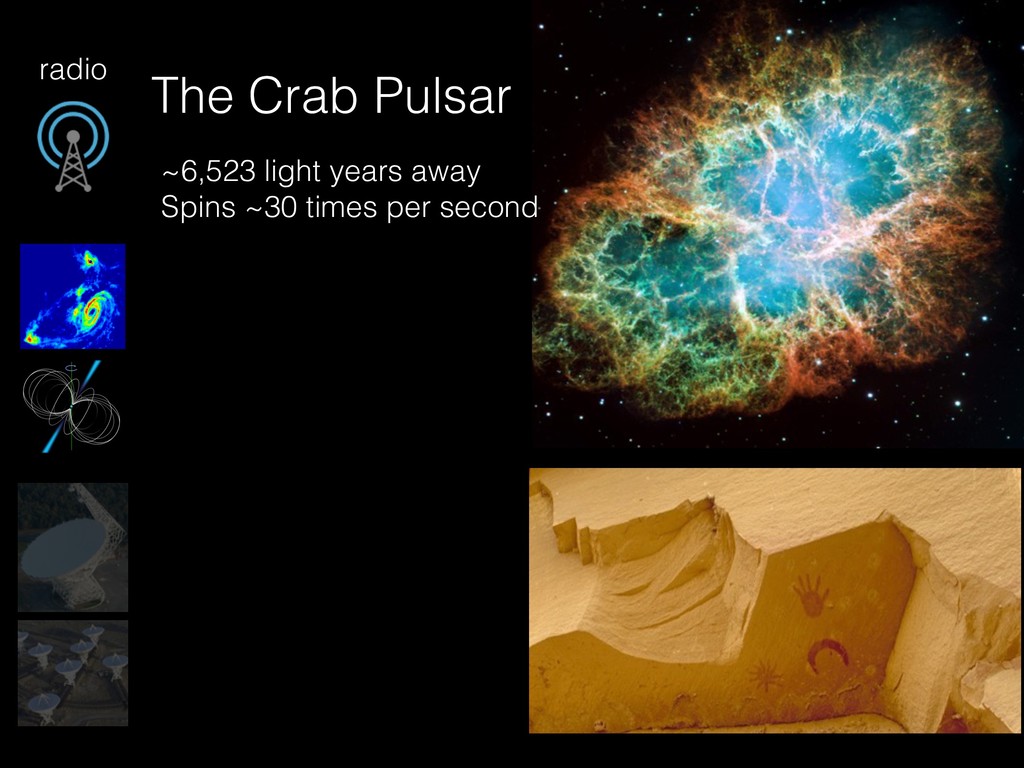
The Crab Pulsar ~6,523 light years away Spins ~30 times
per second radio
The Crab Pulsar ~6,523 light years away Spins ~30 times
per second radio
The Crab Pulsar ~6,523 light years away Spins ~30 times
per second radio
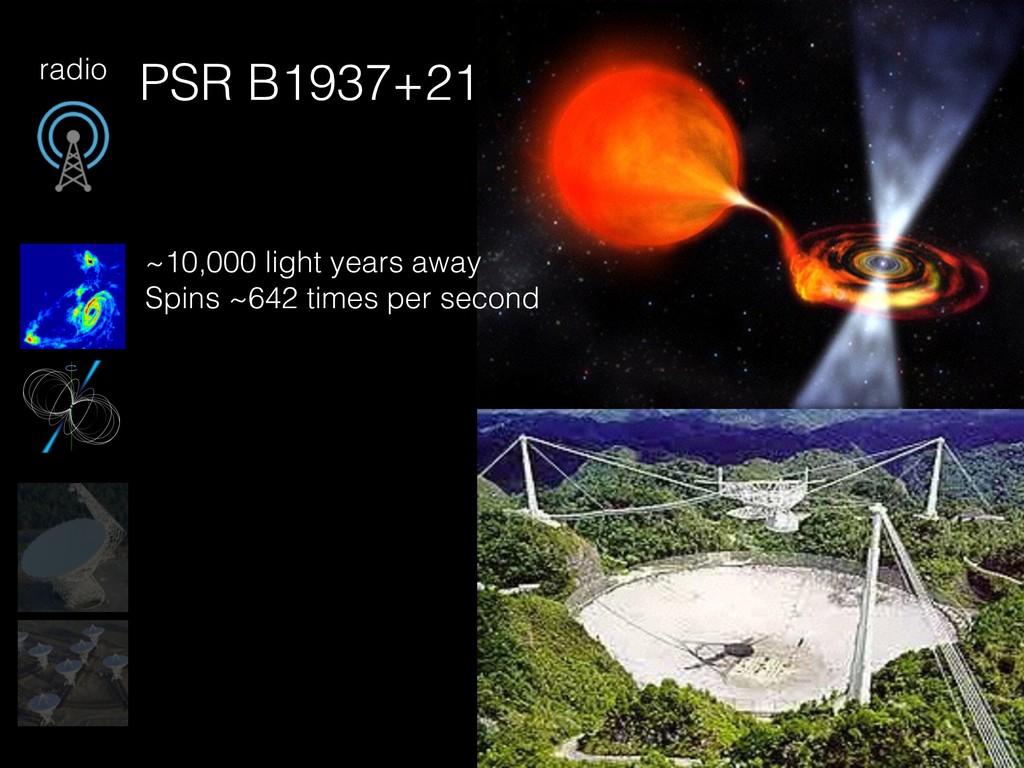
PSR B1937+21 radio
PSR B1937+21 radio
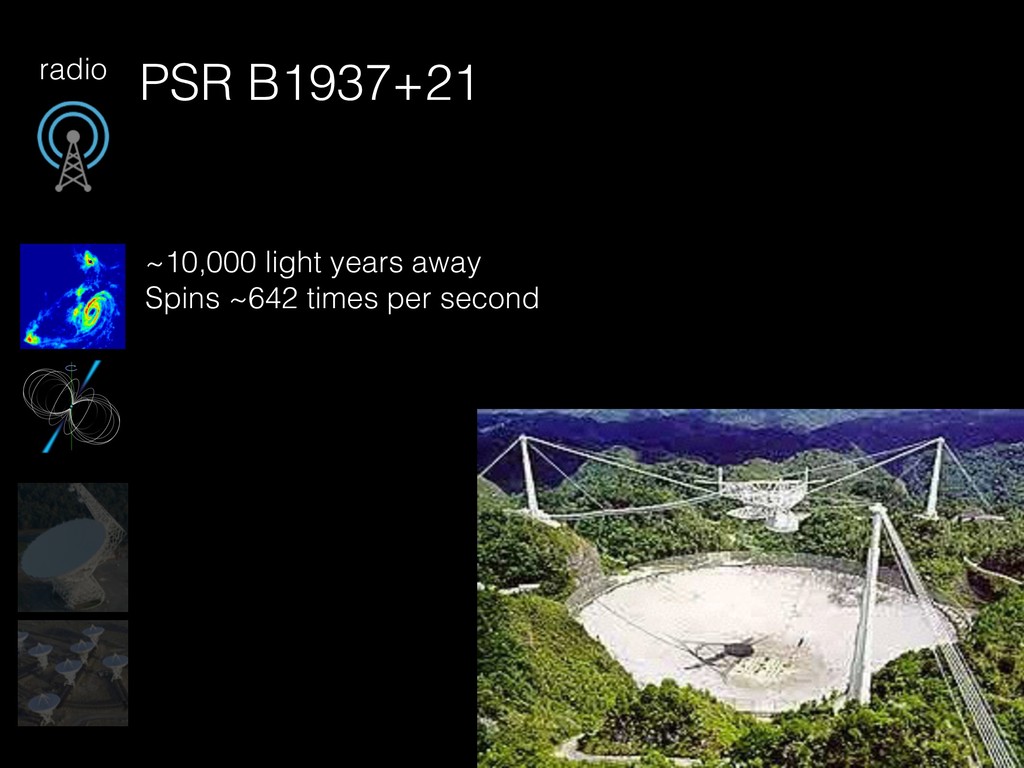
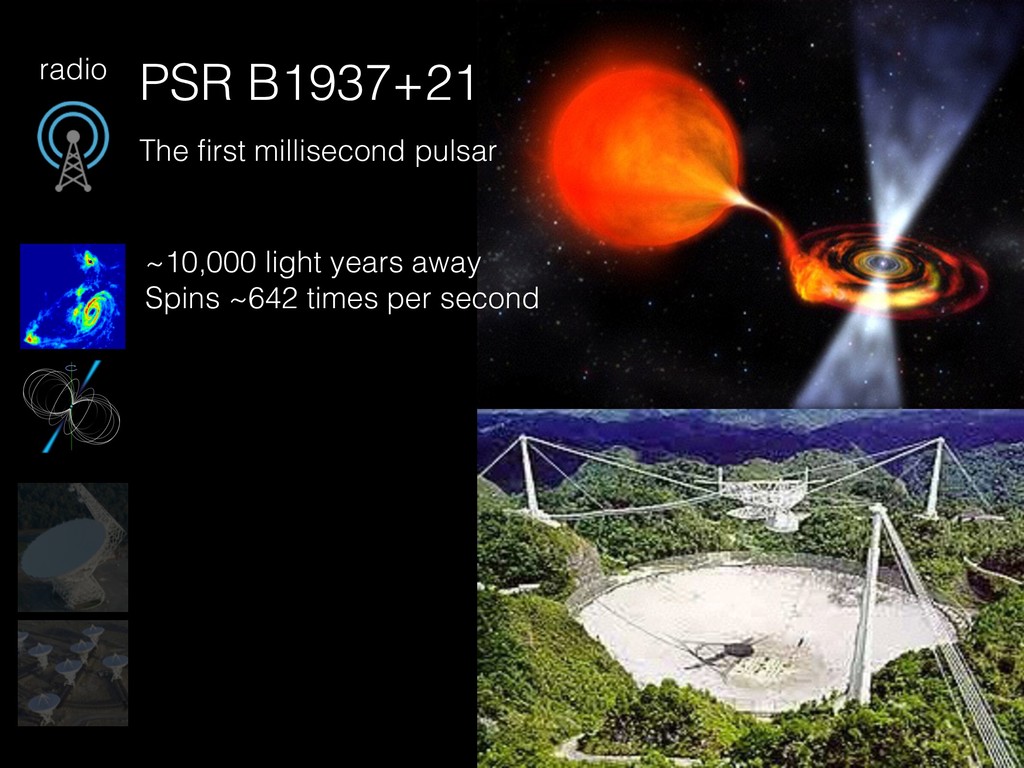
PSR B1937+21 ~10,000 light years away Spins ~642 times per
second radio
PSR B1937+21 ~10,000 light years away Spins ~642 times per
second radio
PSR B1937+21 ~10,000 light years away Spins ~642 times per
second radio The first millisecond pulsar
Techniques
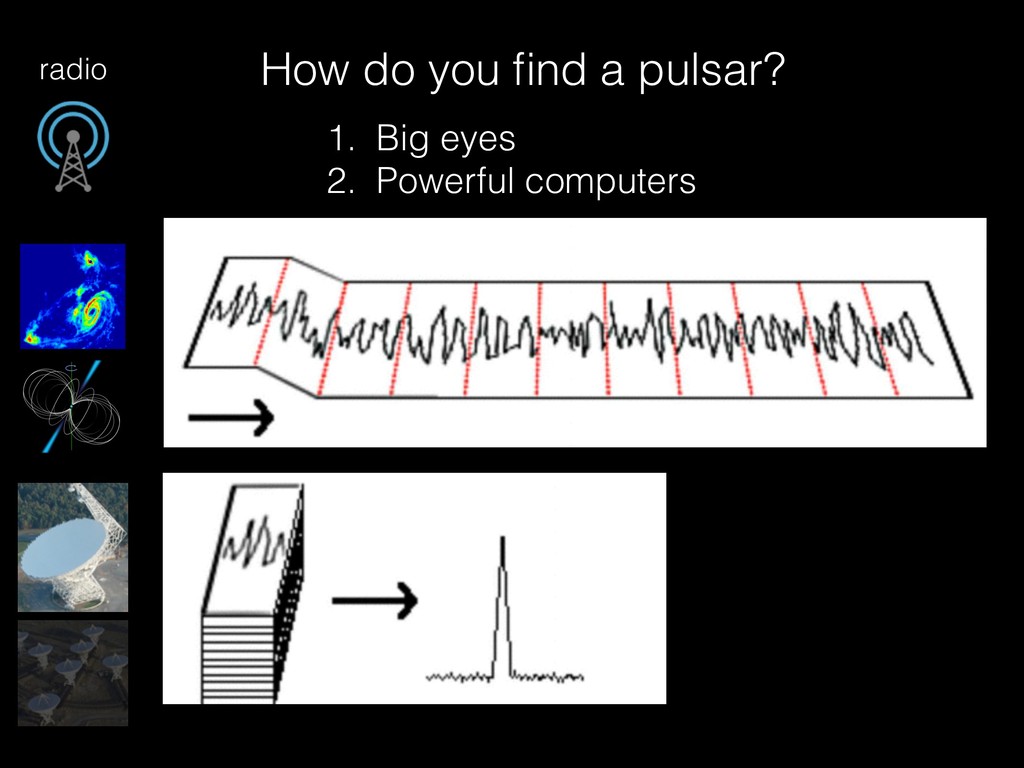
How do you find a pulsar? radio
How do you find a pulsar? 1. Big eyes radio
How do you find a pulsar? 1. Big eyes radio
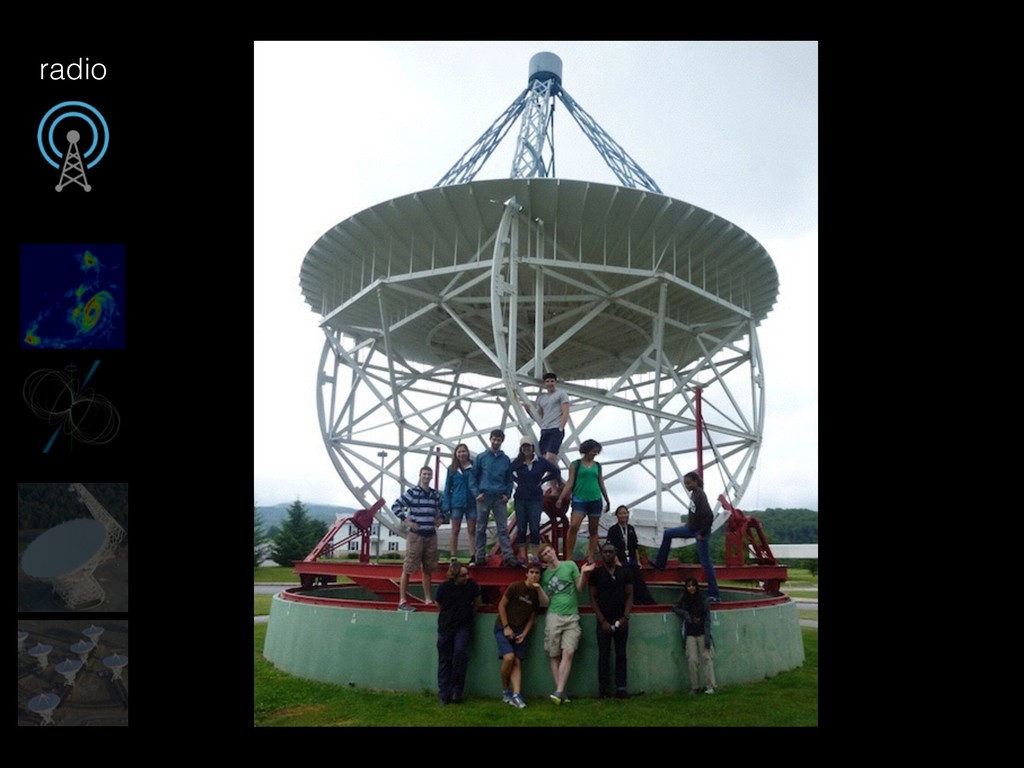
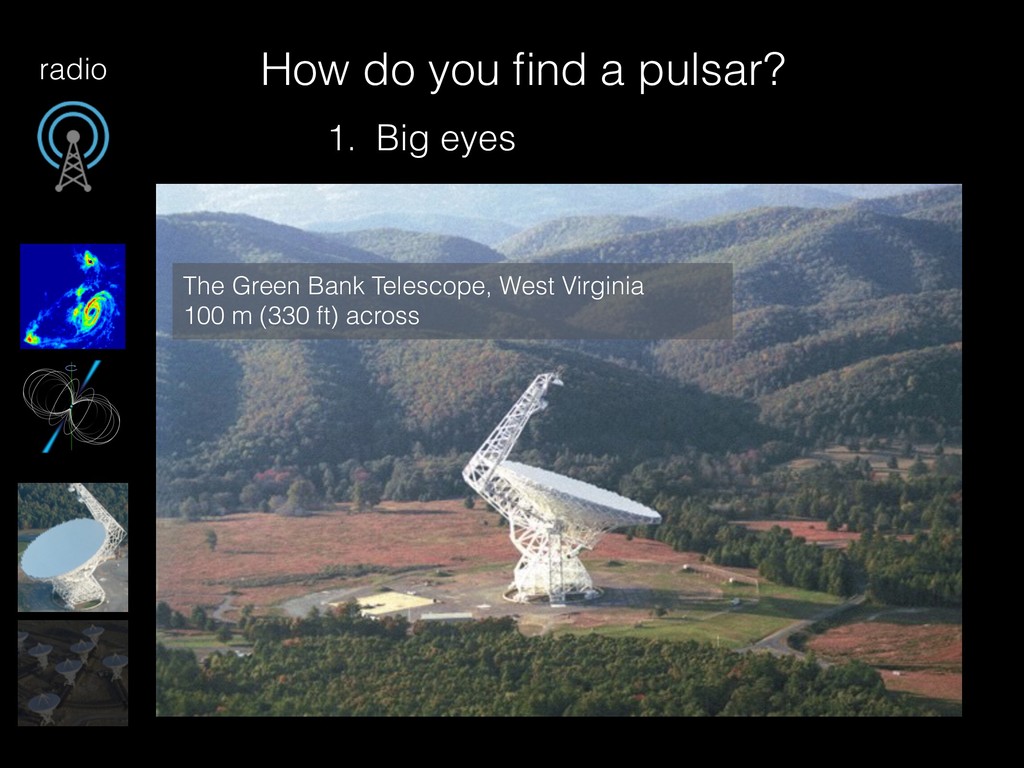
How do you find a pulsar? The Green Bank Telescope,
West Virginia 100 m (330 ft) across 1. Big eyes radio
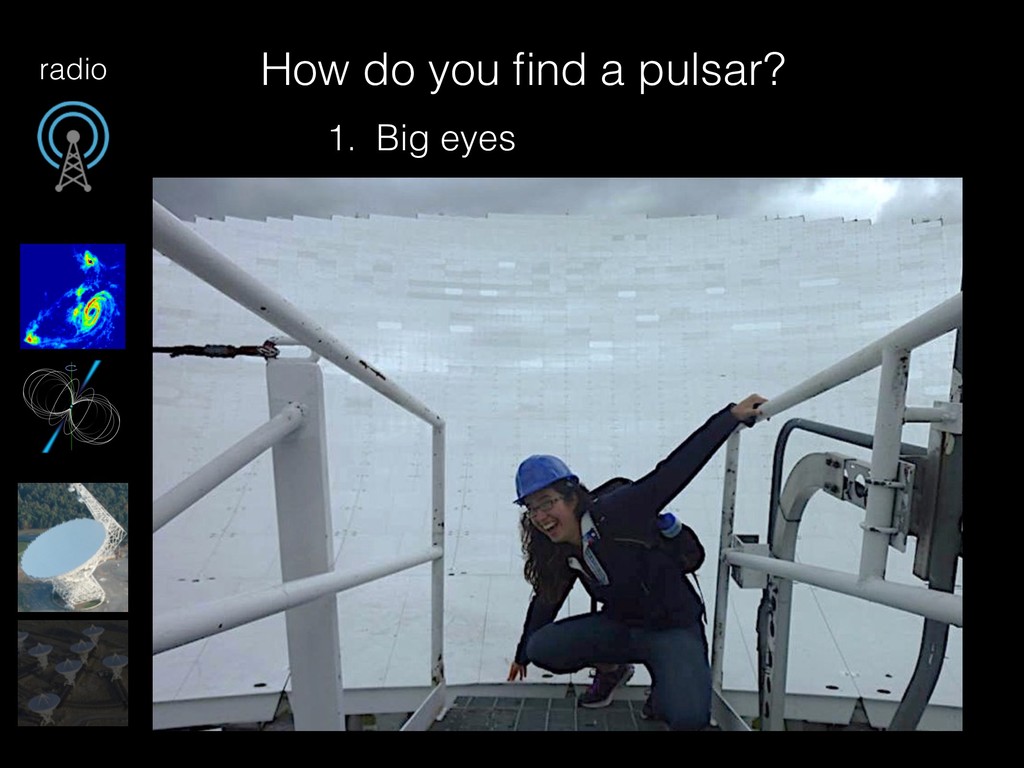
How do you find a pulsar? 1. Big eyes radio
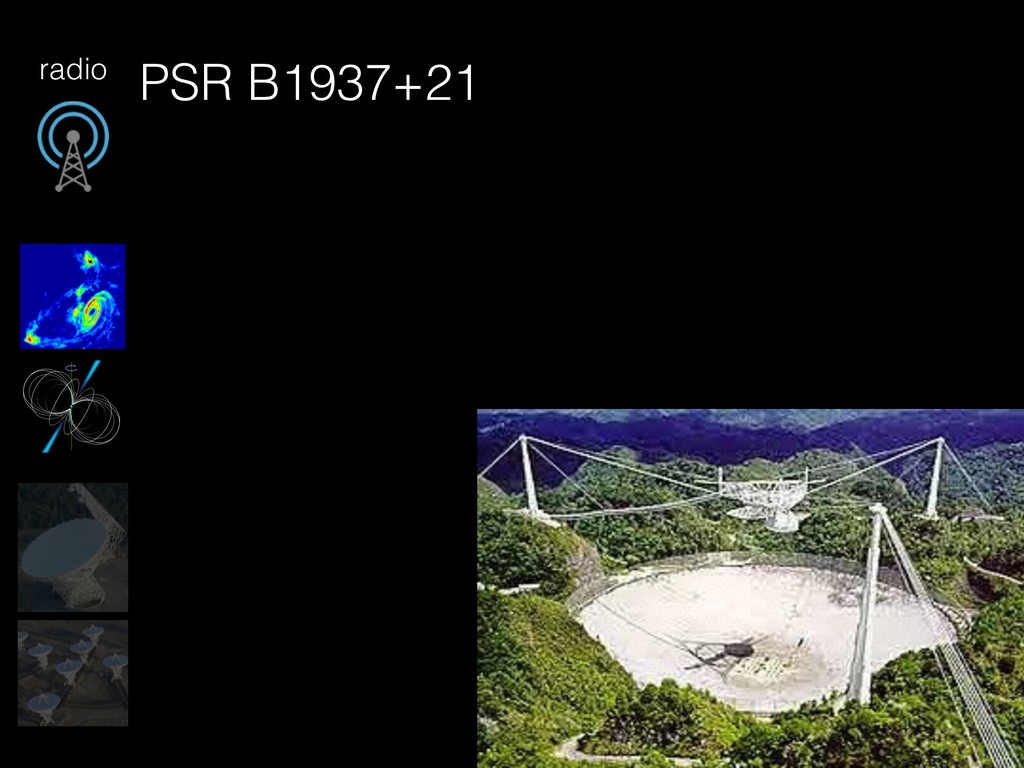
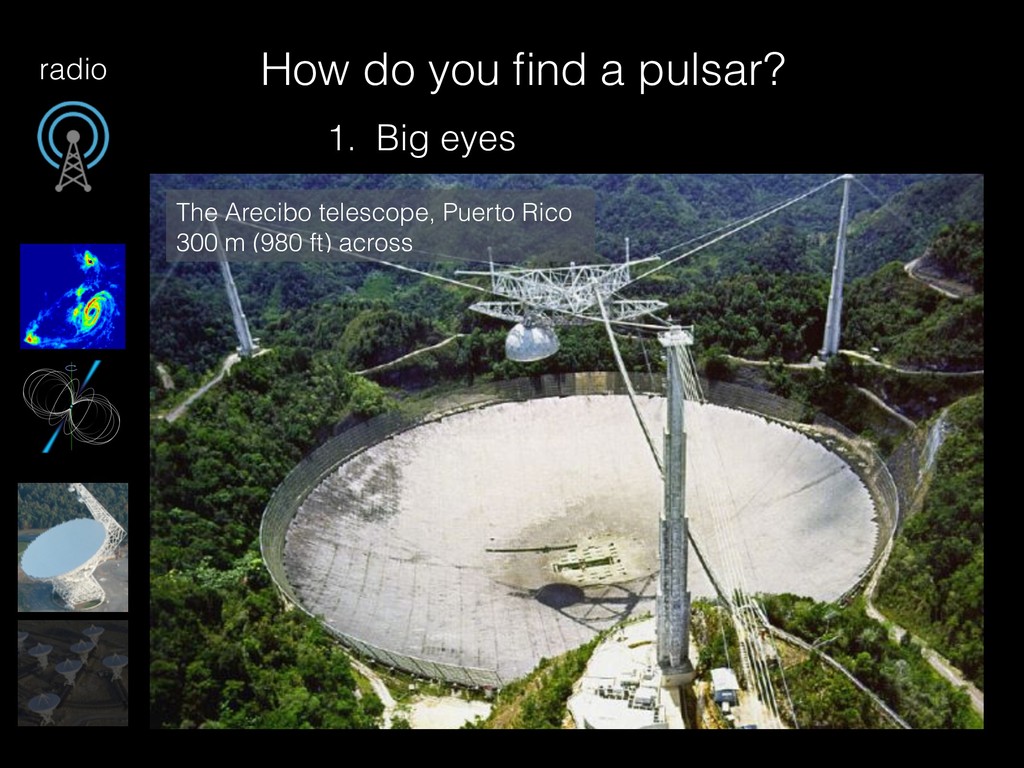
How do you find a pulsar? The Arecibo telescope, Puerto
Rico 300 m (980 ft) across 1. Big eyes radio
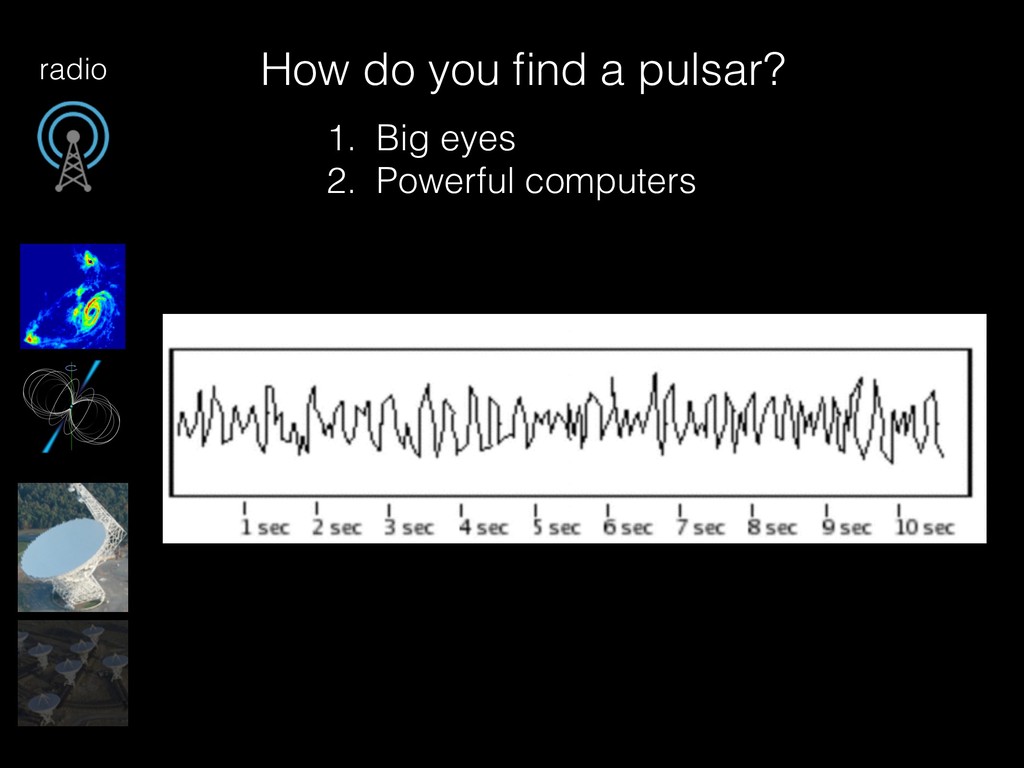
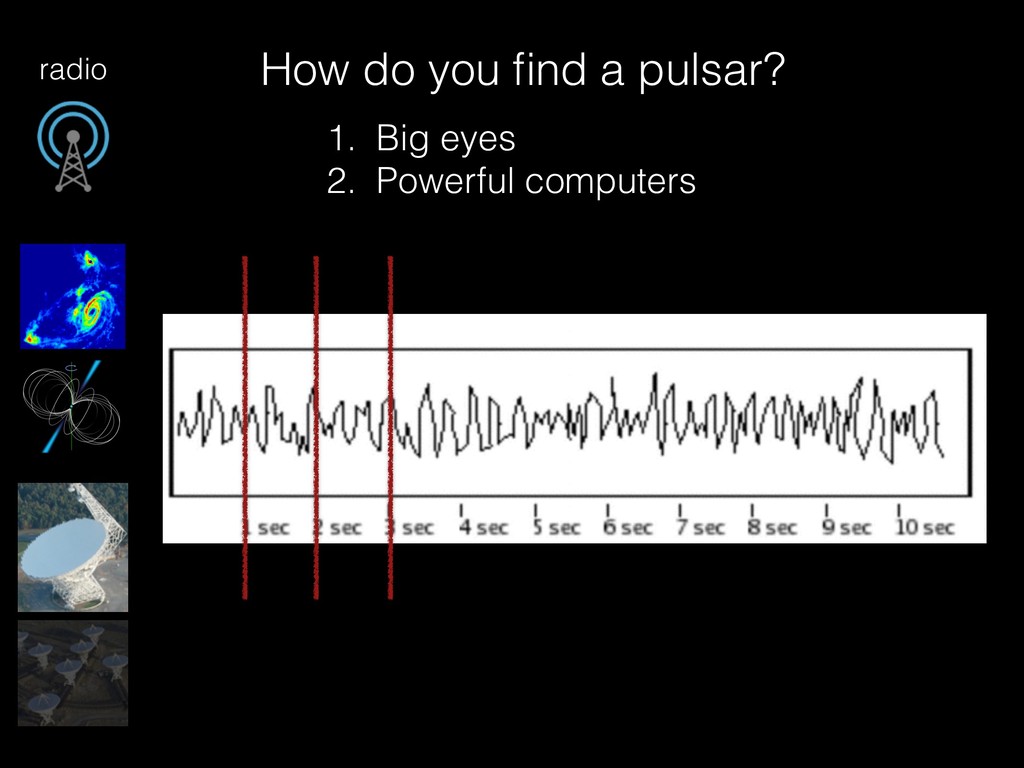
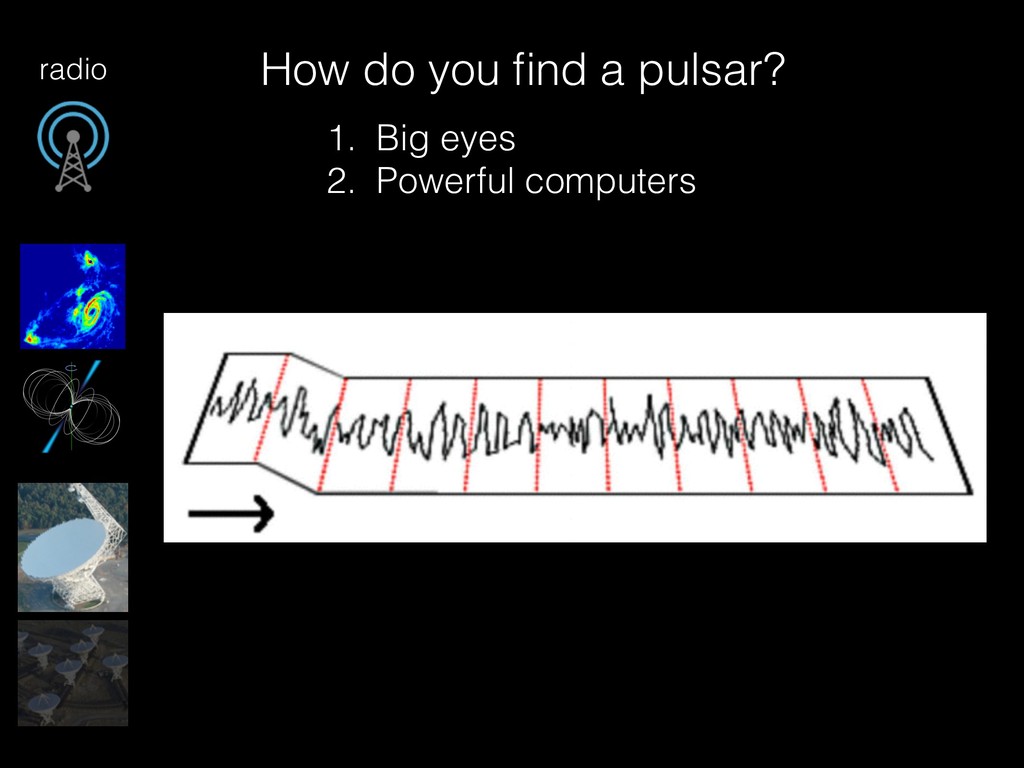
How do you find a pulsar? 1. Big eyes 2.
Powerful computers radio
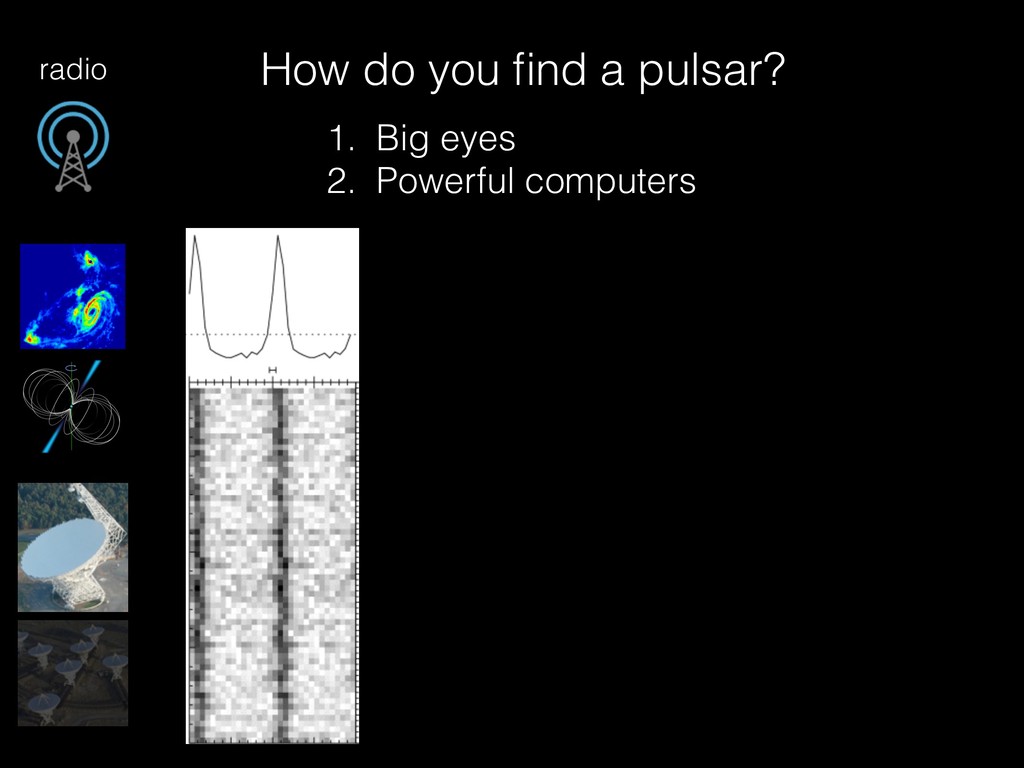
How do you find a pulsar? 1. Big eyes 2.
Powerful computers radio
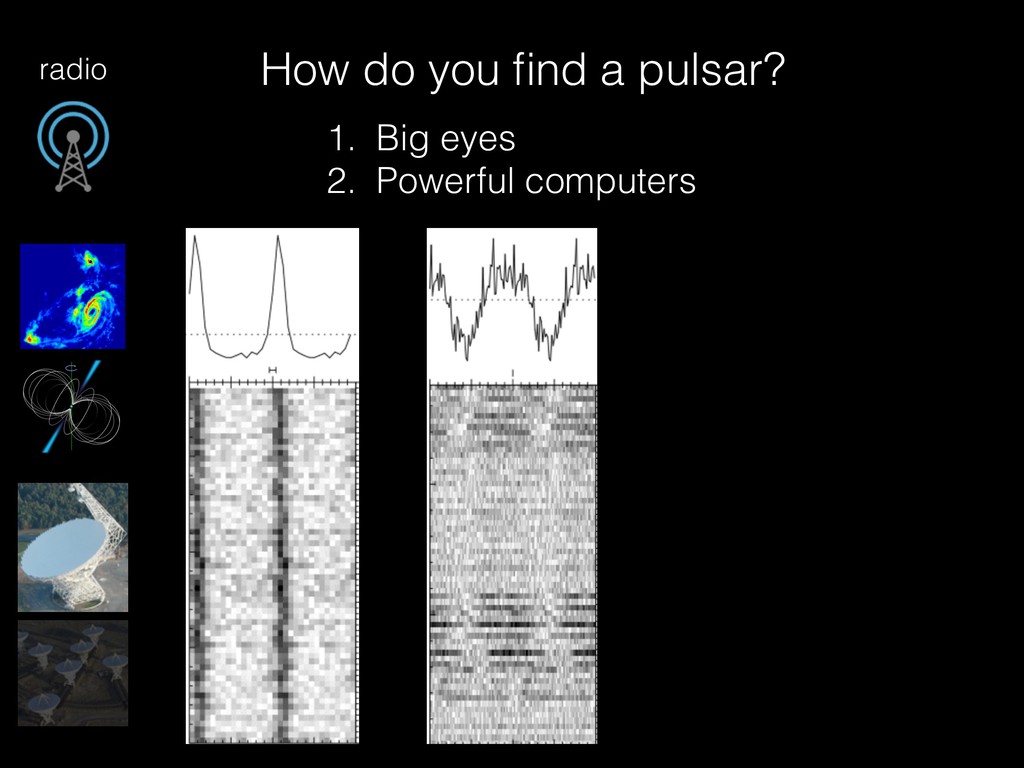
How do you find a pulsar? 1. Big eyes 2.
Powerful computers radio
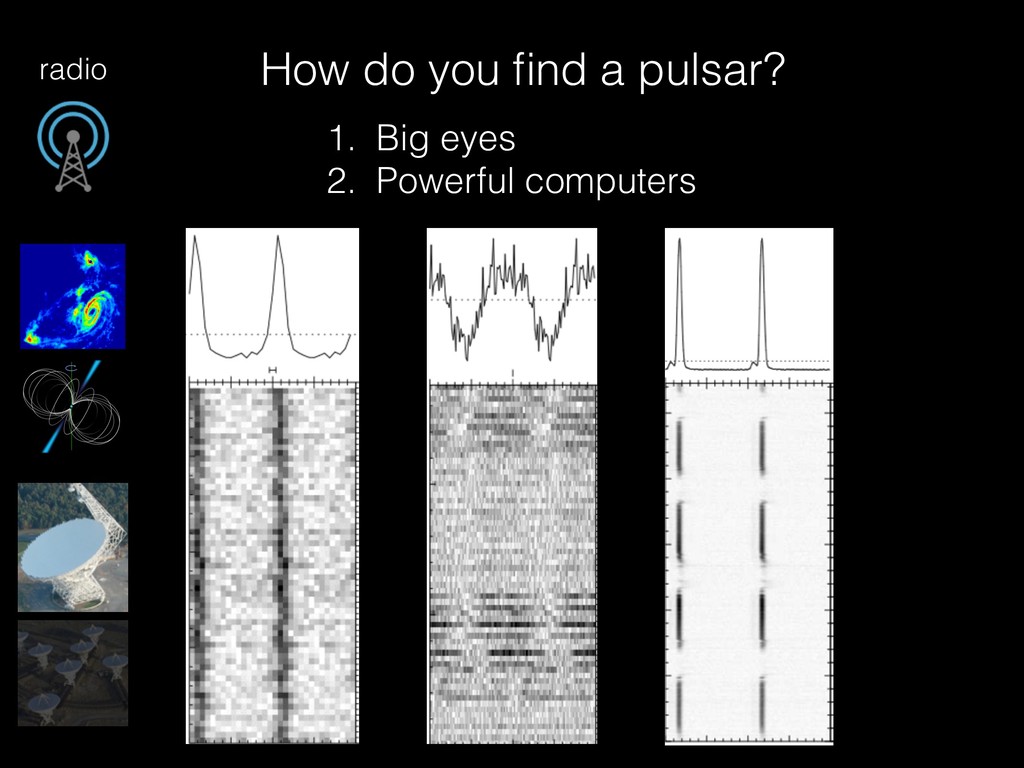
How do you find a pulsar? 1. Big eyes 2.
Powerful computers radio
How do you find a pulsar? 1. Big eyes 2.
Powerful computers radio
How do you find a pulsar? 1. Big eyes 2.
Powerful computers radio
How do you find a pulsar? 1. Big eyes 2.
Powerful computers radio
How do you find a pulsar? 1. Big eyes 2.
Powerful computers radio
None
None
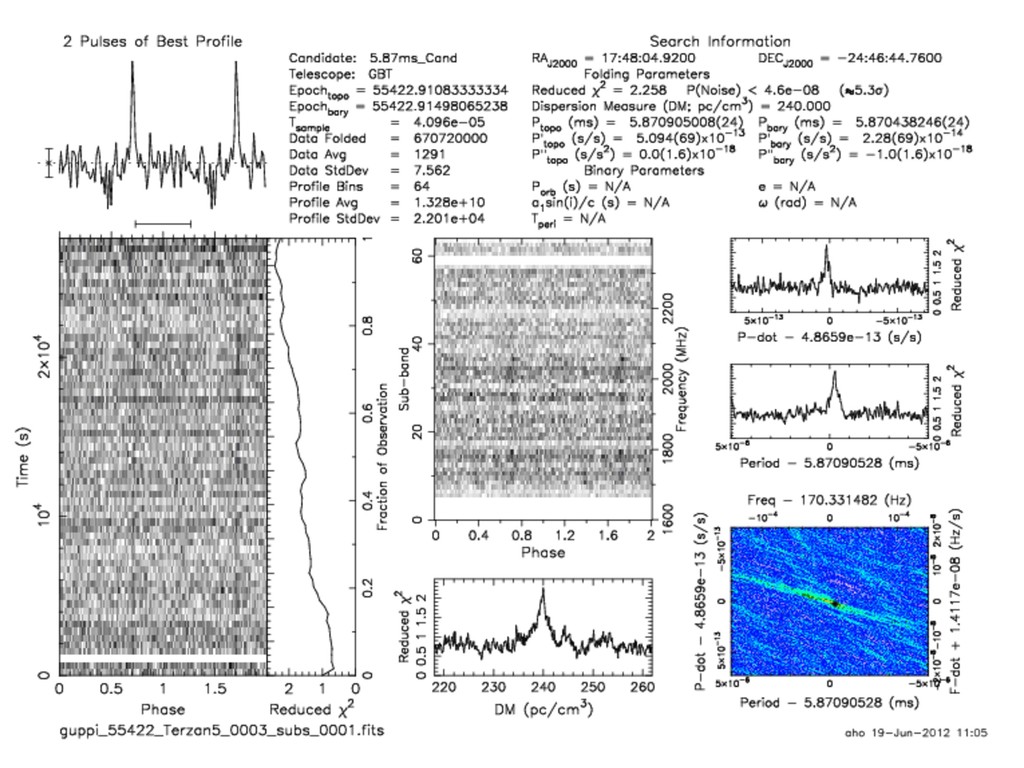
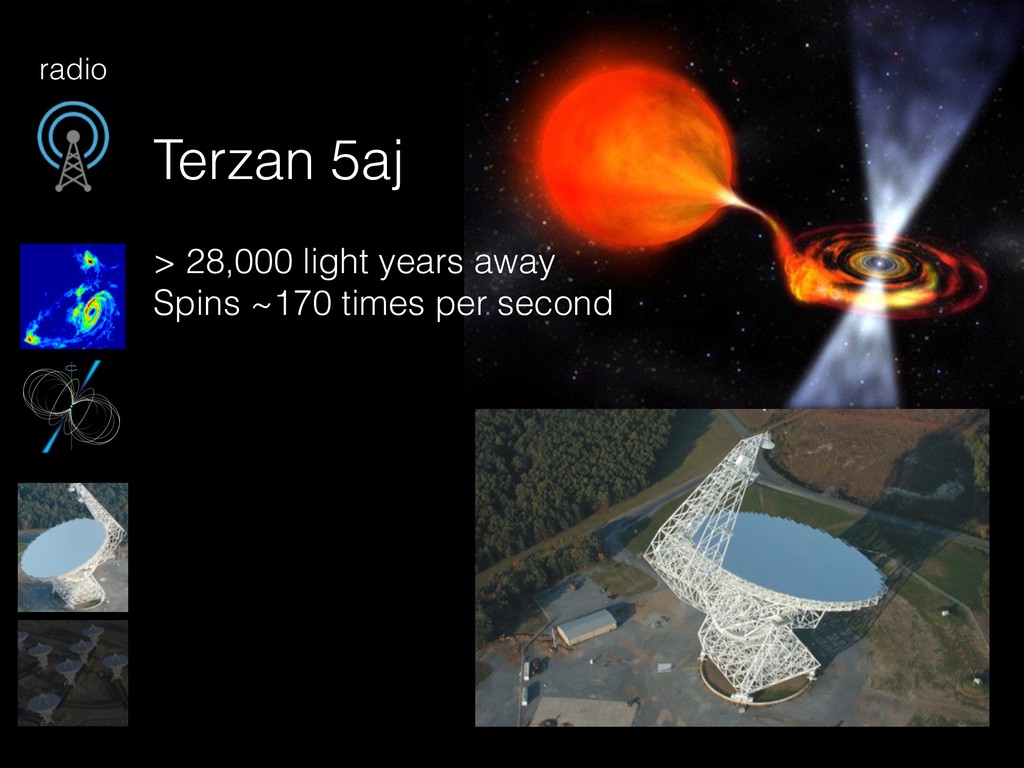
Terzan 5aj > 28,000 light years away Spins ~170 times
per second radio
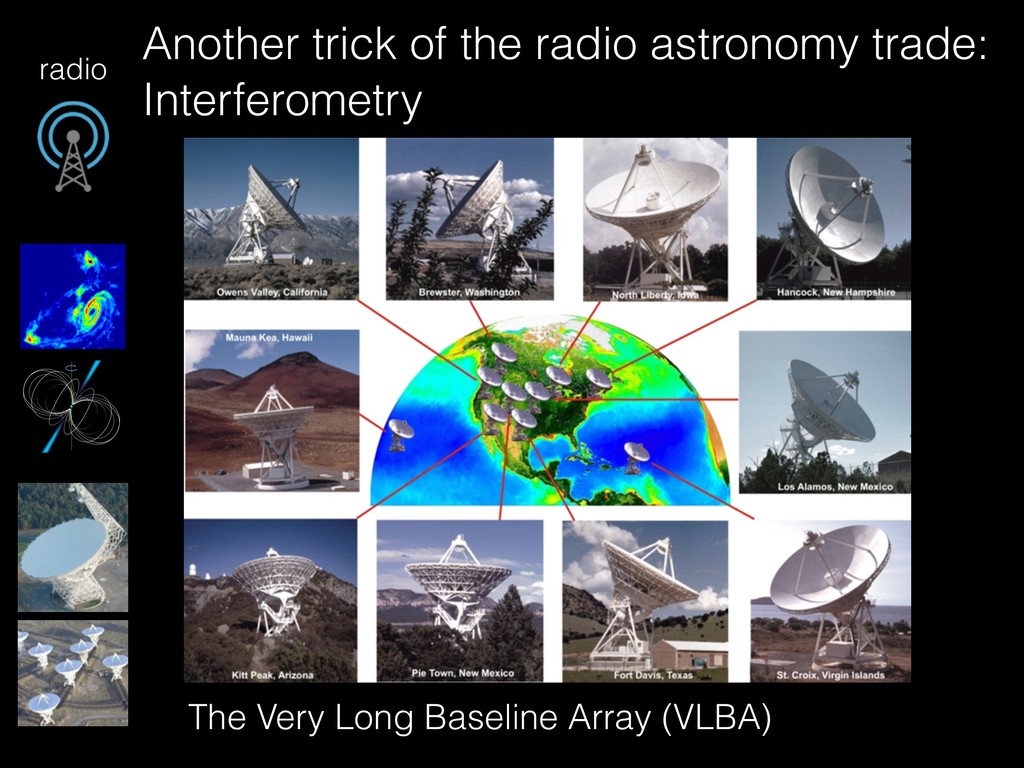
Another trick of the radio astronomy trade: radio Interferometry
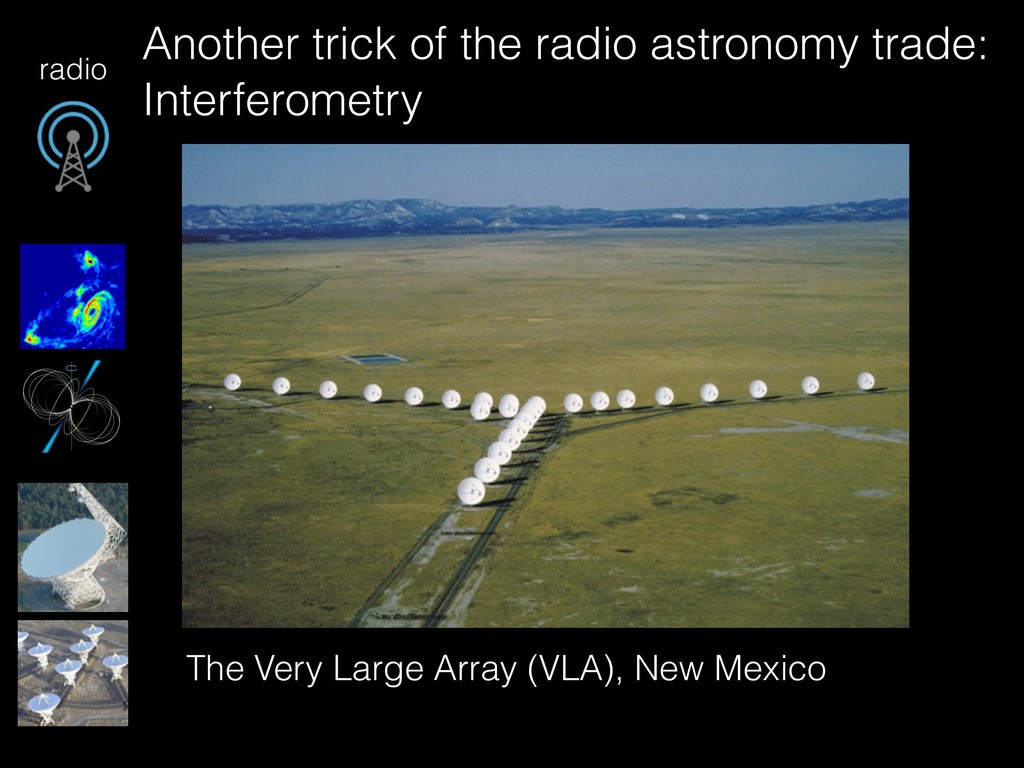
Another trick of the radio astronomy trade: radio Interferometry The
Very Large Array (VLA), New Mexico
radio Another trick of the radio astronomy trade: Interferometry The
Very Long Baseline Array (VLBA)
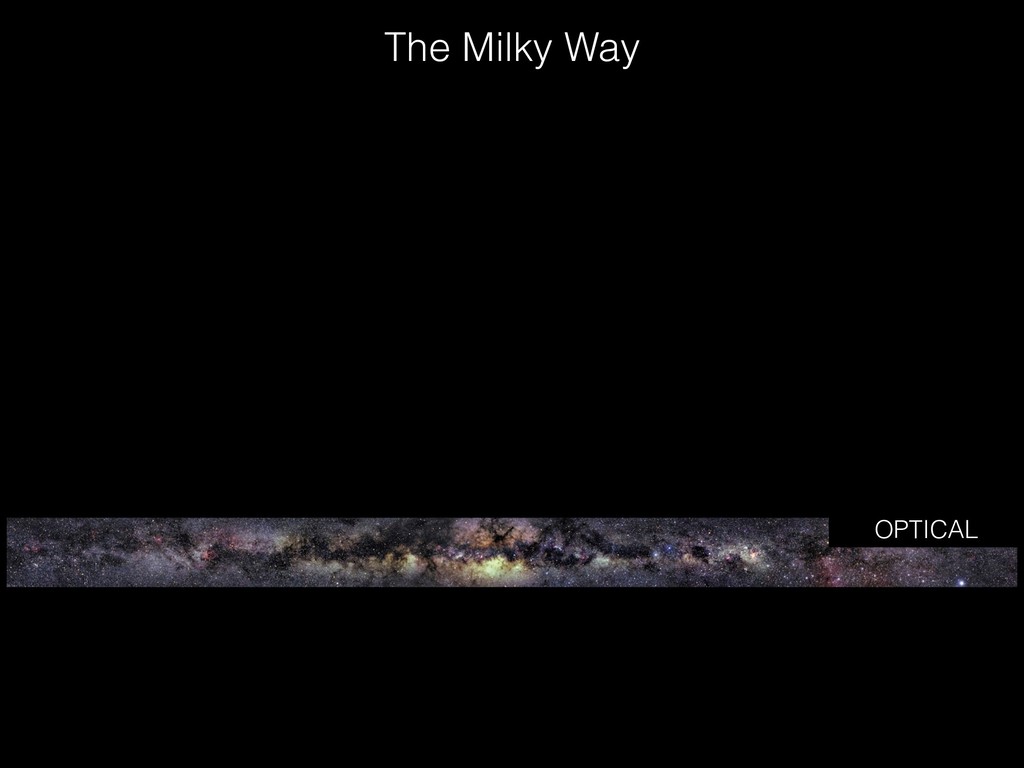
OPTICAL The Milky Way
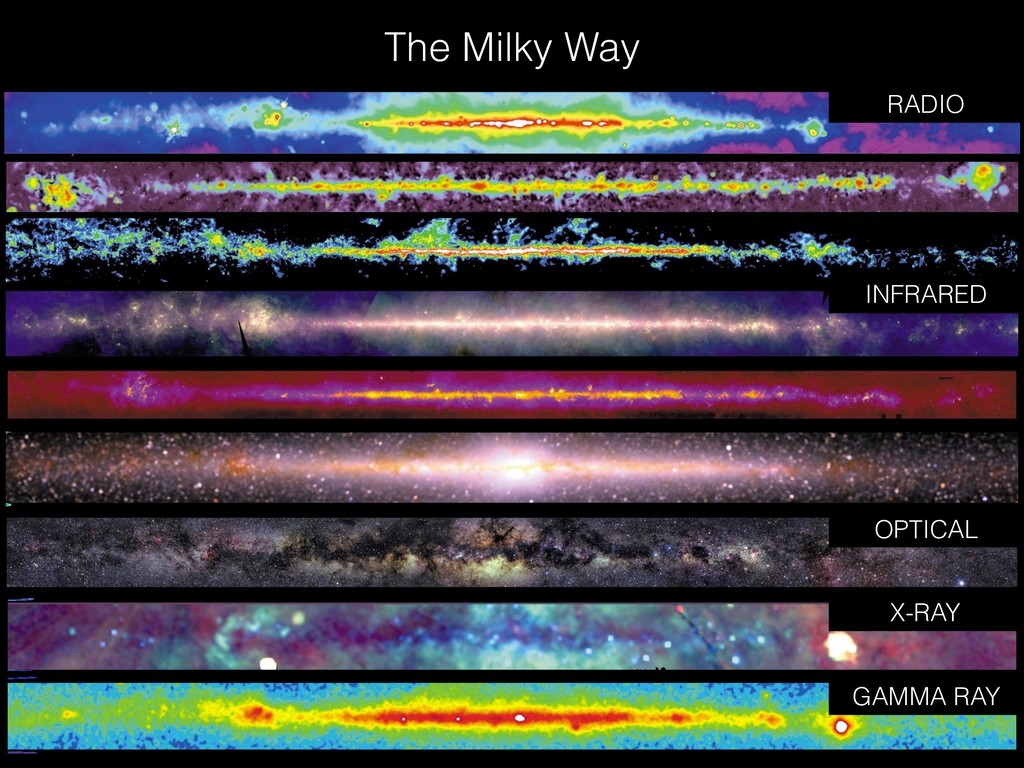
OPTICAL RADIO INFRARED X-RAY GAMMA RAY The Milky Way


 annayqho
 codingconduct
 jeffersonlam
 minecr
 nmsamuel
 nonsquared
 jnunemaker
 baasie
 rasagy
 rabernat
 katarinadahlin
 marcelosomers
 skoyamalab