Share
Embed
Guideline on screening for esophageal adenocarcinoma in patients with chronic gastroesophageal reflux disease (2020)
Presentation for free use to disseminate Guidelines.

CTFPHC
July 06, 2020
Transcript
67 slides
-
Putting Prevention into Practice Guideline on screening for esophageal
adenocarcinoma in patients with chronic gastroesophageal reflux disease -
Use of Slide Deck • These slides are made available
publicly following the guideline’s release as an educational support to assist with the dissemination, uptake and implementation of the guidelines into primary care practice • Some or all of the slides in this slide deck may be used in educational contexts 2 -
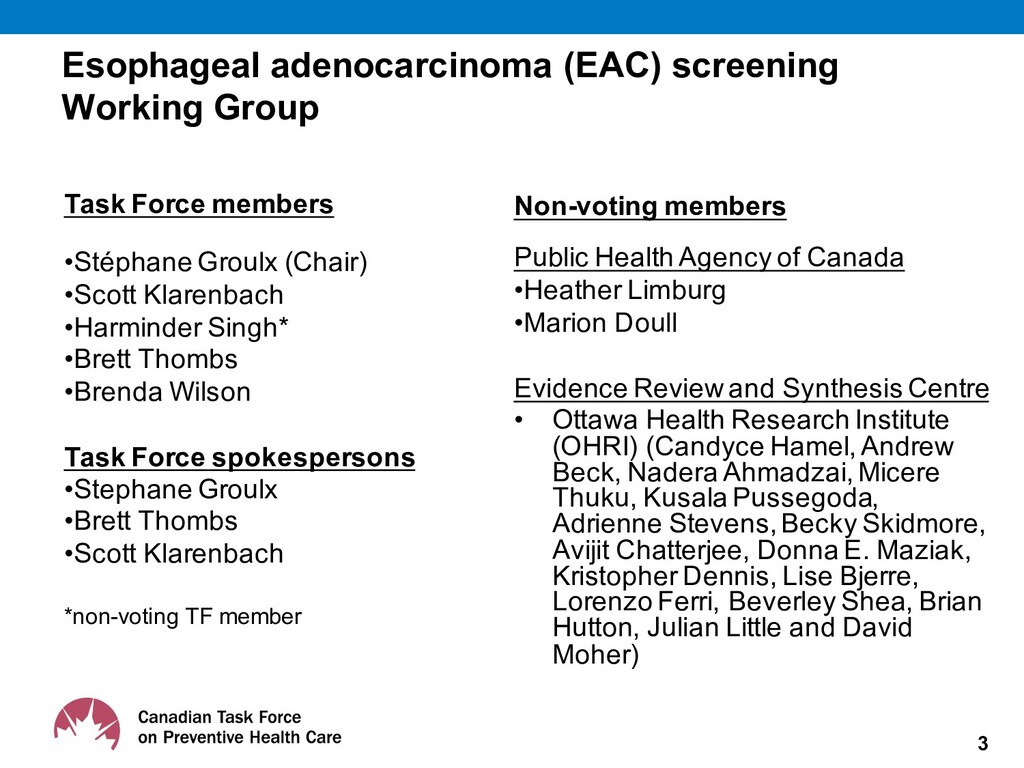
Esophageal adenocarcinoma (EAC) screening Working Group Task Force members
•Stéphane Groulx (Chair) •Scott Klarenbach •Harminder Singh* •Brett Thombs •Brenda Wilson Task Force spokespersons •Stephane Groulx •Brett Thombs •Scott Klarenbach *non-voting TF member Non-voting members Public Health Agency of Canada •Heather Limburg •Marion Doull Evidence Review and Synthesis Centre • Ottawa Health Research Institute (OHRI) (Candyce Hamel, Andrew Beck, Nadera Ahmadzai, Micere Thuku, Kusala Pussegoda, Adrienne Stevens, Becky Skidmore, Avijit Chatterjee, Donna E. Maziak, Kristopher Dennis, Lise Bjerre, Lorenzo Ferri, Beverley Shea, Brian Hutton, Julian Little and David Moher) 3 -
Overview of Webinar • Presentation • Background • Methods
• Recommendation • Results • Rationale for recommendation • Knowledge gaps and next steps • Other national EAC screening recommendations • Conclusions • Questions and Answers 4 -
BACKGROUND Screening for esophageal adenocarcinoma in patients with chronic
gastroesophageal reflux disease 5 -
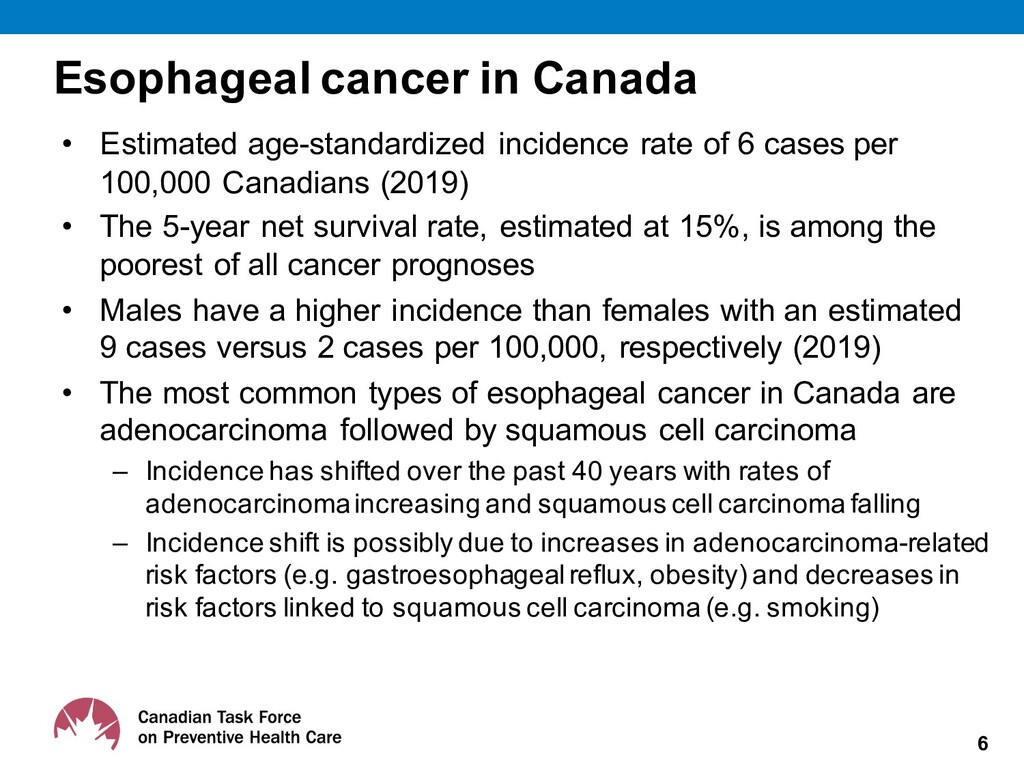
Esophageal cancer in Canada • Estimated age-standardized incidence rate of
6 cases per 100,000 Canadians (2019) • The 5-year net survival rate, estimated at 15%, is among the poorest of all cancer prognoses • Males have a higher incidence than females with an estimated 9 cases versus 2 cases per 100,000, respectively (2019) • The most common types of esophageal cancer in Canada are adenocarcinoma followed by squamous cell carcinoma – Incidence has shifted over the past 40 years with rates of adenocarcinoma increasing and squamous cell carcinoma falling – Incidence shift is possibly due to increases in adenocarcinoma-related risk factors (e.g. gastroesophageal reflux, obesity) and decreases in risk factors linked to squamous cell carcinoma (e.g. smoking) 6 -
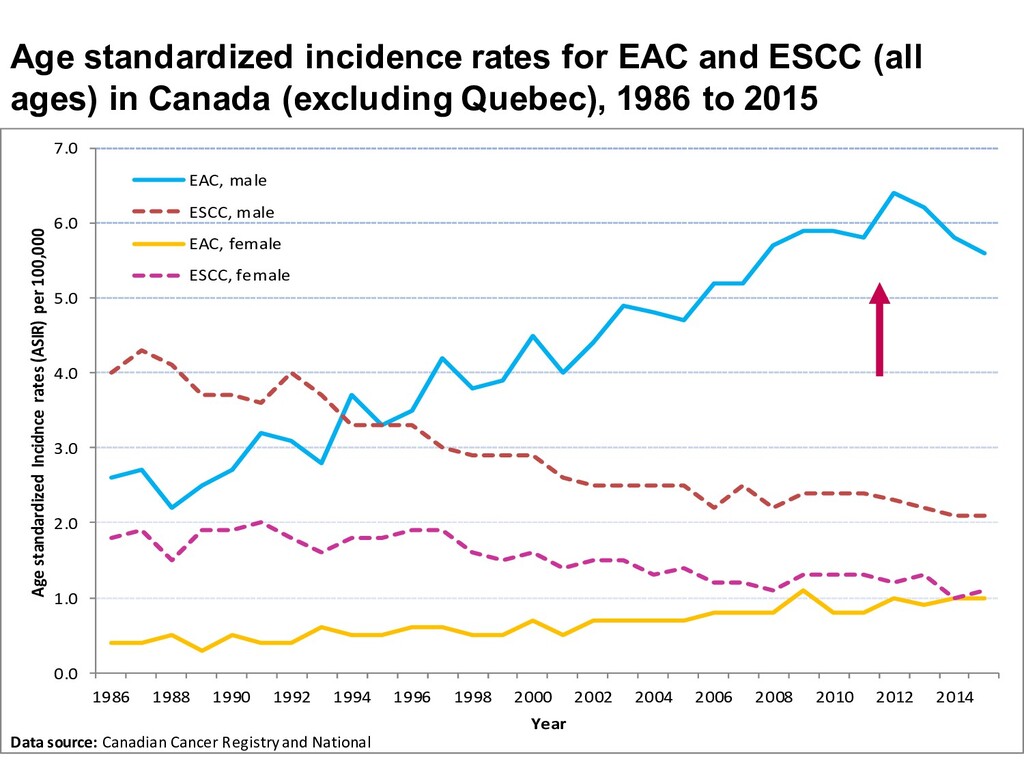
Age standardized incidence rates for EAC and ESCC (all
ages) in Canada (excluding Quebec), 1986 to 2015 7 EAC = Esophageal adenocarcinoma, ESCC=Esophageal squamous cell carcinoma 0.0 1.0 2.0 3.0 4.0 5.0 6.0 7.0 1986 1988 1990 1992 1994 1996 1998 2000 2002 2004 2006 2008 2010 2012 2014 Age standardized Incidnce rates (ASIR) per 100,000 Year EAC, male ESCC, male EAC, female ESCC, female Data source: Canadian Cancer Registry and National -
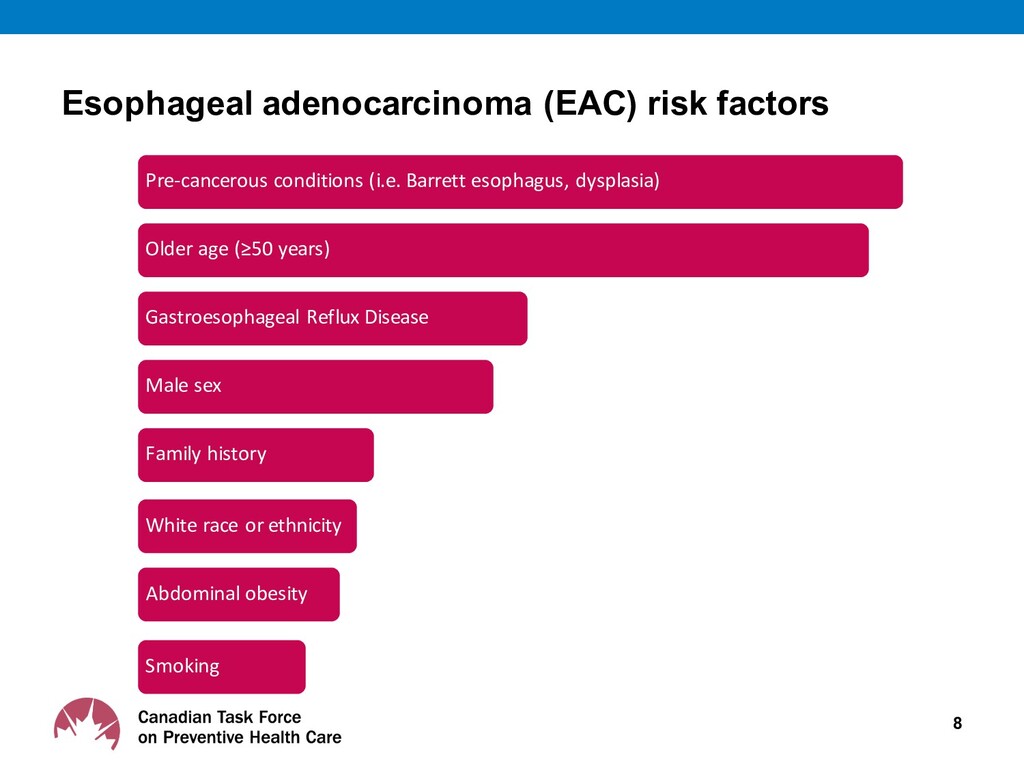
Esophageal adenocarcinoma (EAC) risk factors 8 Pre-‐cancerous conditions (i.e. Barrett
esophagus, dysplasia) Older age (≥50 years) Male sex Gastroesophageal Reflux Disease Abdominal obesity Smoking Family history White race or ethnicity -
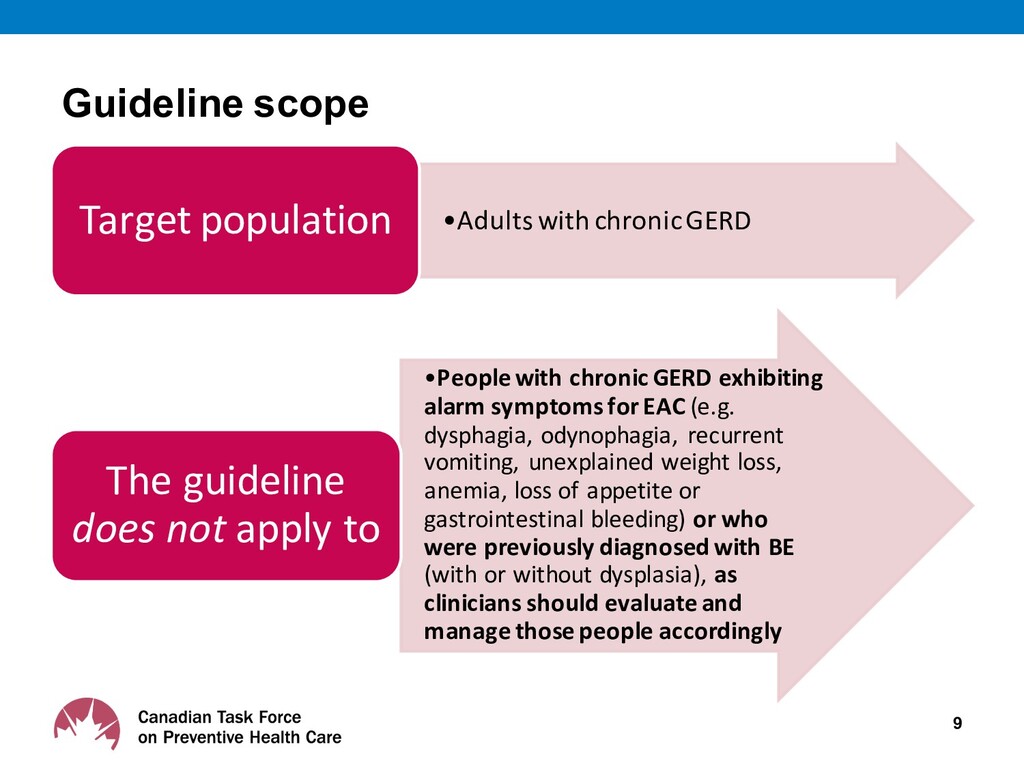
Guideline scope 9 •Adults with chronic GERD Target population •People
with chronic GERD exhibiting alarm symptoms for EAC (e.g. dysphagia, odynophagia, recurrent vomiting, unexplained weight loss, anemia, loss of appetite or gastrointestinal bleeding) or who were previously diagnosed with BE (with or without dysplasia), as clinicians should evaluate and manage those people accordingly The guideline does not apply to -
METHODS Guideline on screening for esophageal adenocarcinoma in patients
with chronic GERD 10 -
Canadian Task Force on Preventive Health Care • Independent
body of up to 15 clinicians and methodologists • Mandate: – develop evidence-based clinical practice guidelines that support primary care providers in the delivery of preventive healthcare – Ensure dissemination, uptake and implementation of guidelines 11 -
Evidence Review and Synthesis Centres (ERSC) • Undertake an
independent systematic review (SR) of the literature based on the working group analytical framework • Present the evidence with GRADE tables to inform CTFPHC guidelines • Participate in working group and CTFPHC meetings (non-voting) GRADE: Grading of Recommendation, Assessment, Development and Evaluation 12 -
Task Force Review Process • Internal review process involving: ─
Guideline working group and other CTFPHC members • External review undertaken at key stages: – Protocol, systematic review(s) and guideline • External stakeholder reviewer groups: – Generalist and disease specific stakeholders – Federal and Provincial/Territorial stakeholders – Academic peer reviewers • CMAJ undertakes an independent peer review process to review guidelines before accepting for publication 13 -
EAC guideline is based on three reviews: 1: Screening for
esophageal adenocarcinoma and precancerous conditions (dysplasia and Barrett’s esophagus) in patients with chronic gastroesophageal reflux disease with or without other risk factors: Systematic review. Hamel C, Beck A, Thuku M, Stevens A, Skidmore B, Shea B, et al. (Prepared by the Knowledge Synthesis Group, Ottawa Methods Centre, Ottawa Hospital Research Institute for the Canadian Task Force on Preventive Health Care under contract by the Public Health Agency of Canada). CTFPHC;; 2018. 2. Patient values and preferences in relation to screening for esophageal adenocarcinoma and precancerous conditions (dysplasia and Barrett’s esophagus) in patients with chronic gastroesophageal reflux disease with or without other risk factors: Systematic review. Hamel C, Beck A, Stevens A, Skidmore B, Shea B, Hutton, B, et al. (Prepared by the Knowledge Synthesis Group, Ottawa Methods Centre, Ottawa Hospital Research Institute for the Canadian Task Force on Preventive Health Care under contract by the Public Health Agency of Canada). CTFPHC;; 2018. 3. Benefits and harms of treatment options for esophageal adenocarcinoma and precancerous conditions: An overview of systematic reviews. Ahmadzai N, Hamel C, Thuku M, Pussegoda K, Beck A, Skidmore B, et al.(Prepared by the Knowledge Synthesis Group, Ottawa Methods Centre, Ottawa Hospital Research Institute for the Canadian Task Force on Preventive Health Care under contract by the Public Health Agency of Canada). CTFPHC;; 2018. 14 -
EAC guideline is based on three reviews (2): All reviews
are published together as: Screening for esophageal adenocarcinoma and precancerous conditions (dysplasia and Barrett’s esophagus) in patients with chronic gastroesophageal reflux disease with or without other risk factors: two systematic reviews and one overview of reviews to inform a guideline of the Canadian Task Force on Preventive Health Care (CTFPHC). Hamel C, Ahmadzai N, Beck A, Thuku M, Skidmore B, Pussegoda K, et al., 2020 Syst. Rev. 9(20);; https://doi.org/10.1186/s13643-020-1275-2. All reviews are also available on the Task Force website: www.canadiantaskforce.ca 15 -
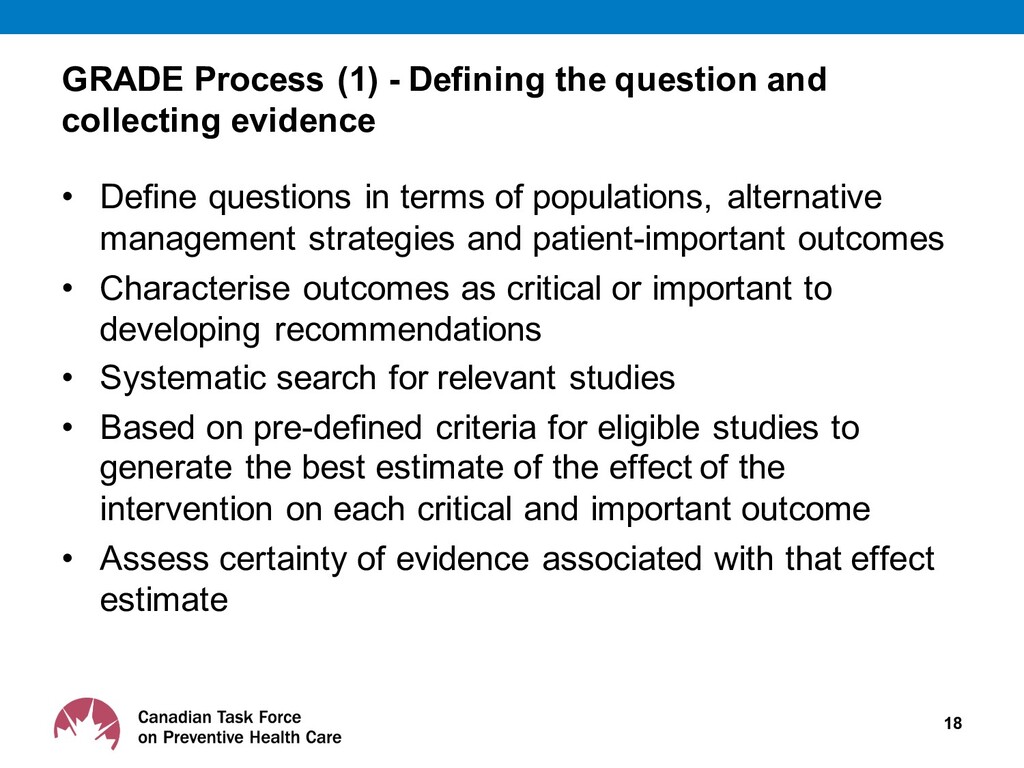
GRADE Process (1) - Defining the question and collecting
evidence • Define questions in terms of populations, alternative management strategies and patient-important outcomes • Characterise outcomes as critical or important to developing recommendations • Systematic search for relevant studies • Based on pre-defined criteria for eligible studies to generate the best estimate of the effect of the intervention on each critical and important outcome • Assess certainty of evidence associated with that effect estimate 18 -
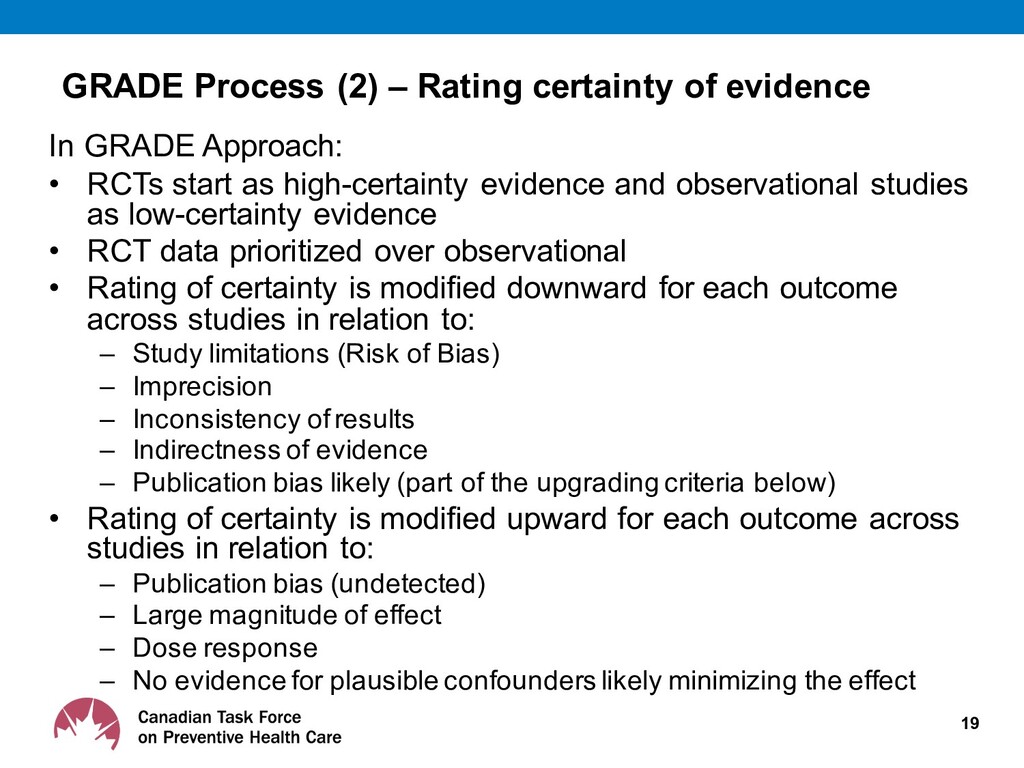
GRADE Process (2) – Rating certainty of evidence In GRADE
Approach: • RCTs start as high-certainty evidence and observational studies as low-certainty evidence • RCT data prioritized over observational • Rating of certainty is modified downward for each outcome across studies in relation to: – Study limitations (Risk of Bias) – Imprecision – Inconsistency of results – Indirectness of evidence – Publication bias likely (part of the upgrading criteria below) • Rating of certainty is modified upward for each outcome across studies in relation to: – Publication bias (undetected) – Large magnitude of effect – Dose response – No evidence for plausible confounders likely minimizing the effect 19 -
GRADE Process (3) -‐ Rating certainty of evidence and
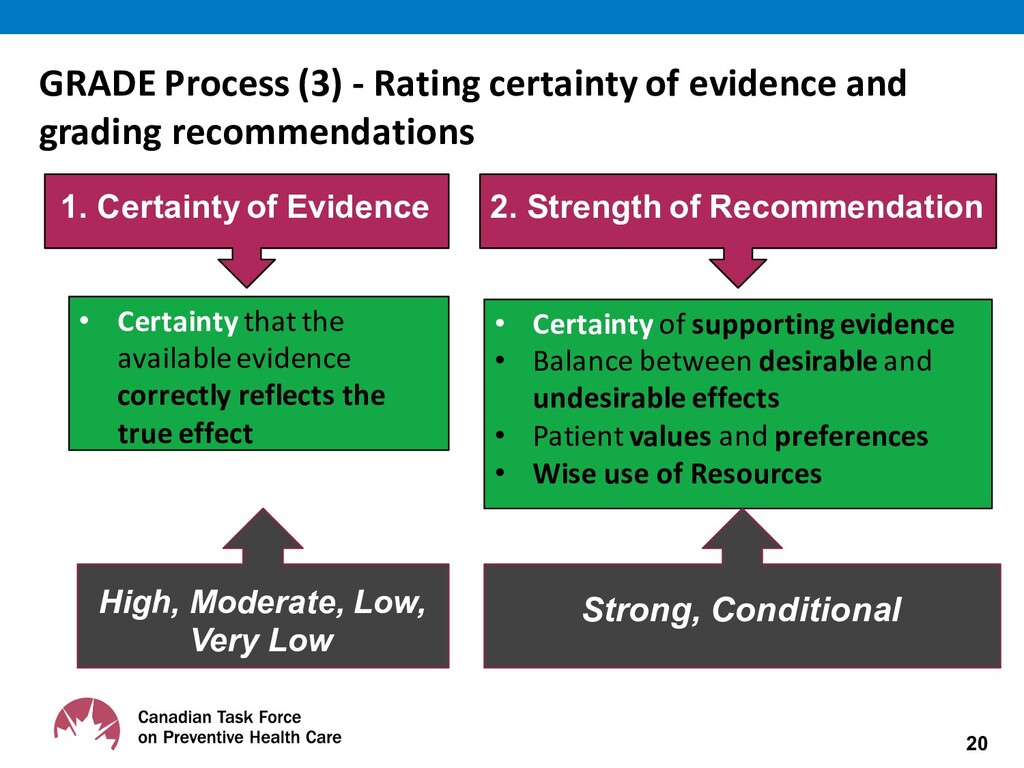
grading recommendations 20 1. Certainty of Evidence 2. Strength of Recommendation • Certainty that the available evidence correctly reflects the true effect • Certainty of supporting evidence • Balance between desirable and undesirable effects • Patient values and preferences • Wise use of Resources High, Moderate, Low, Very Low Strong, Conditional -
Direct versus indirect evidence • Ideally, direct evidence should be
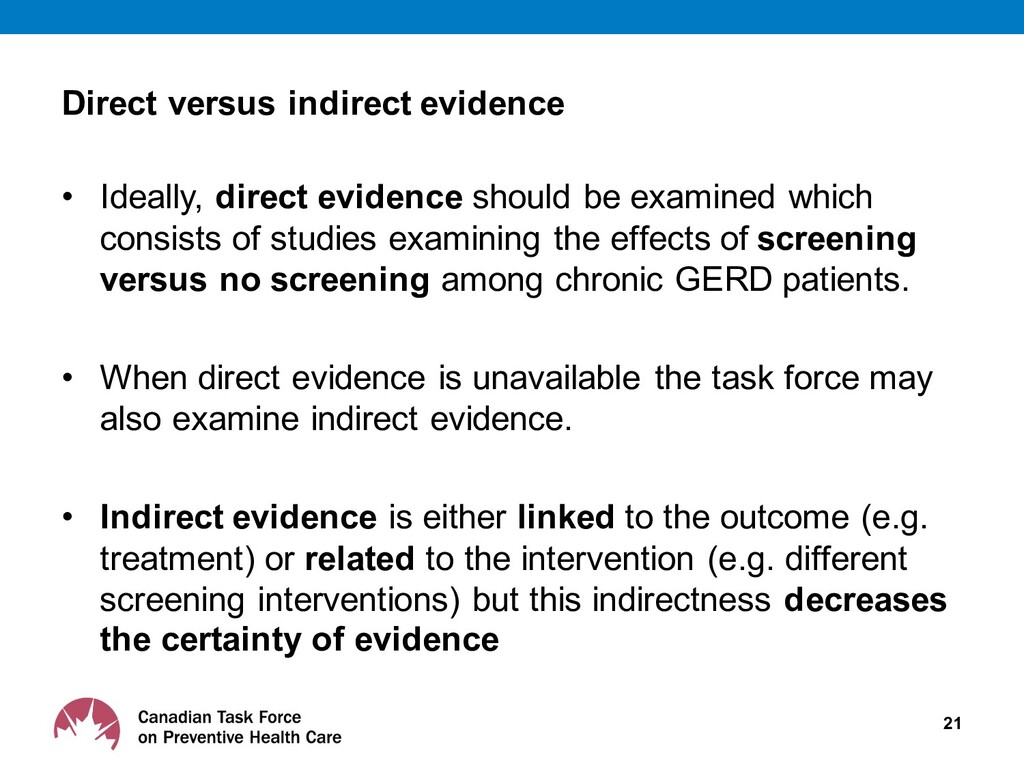
examined which consists of studies examining the effects of screening versus no screening among chronic GERD patients. • When direct evidence is unavailable the task force may also examine indirect evidence. • Indirect evidence is either linked to the outcome (e.g. treatment) or related to the intervention (e.g. different screening interventions) but this indirectness decreases the certainty of evidence 21 -
Recommendation • We recommend not screening adults (≥18 years)
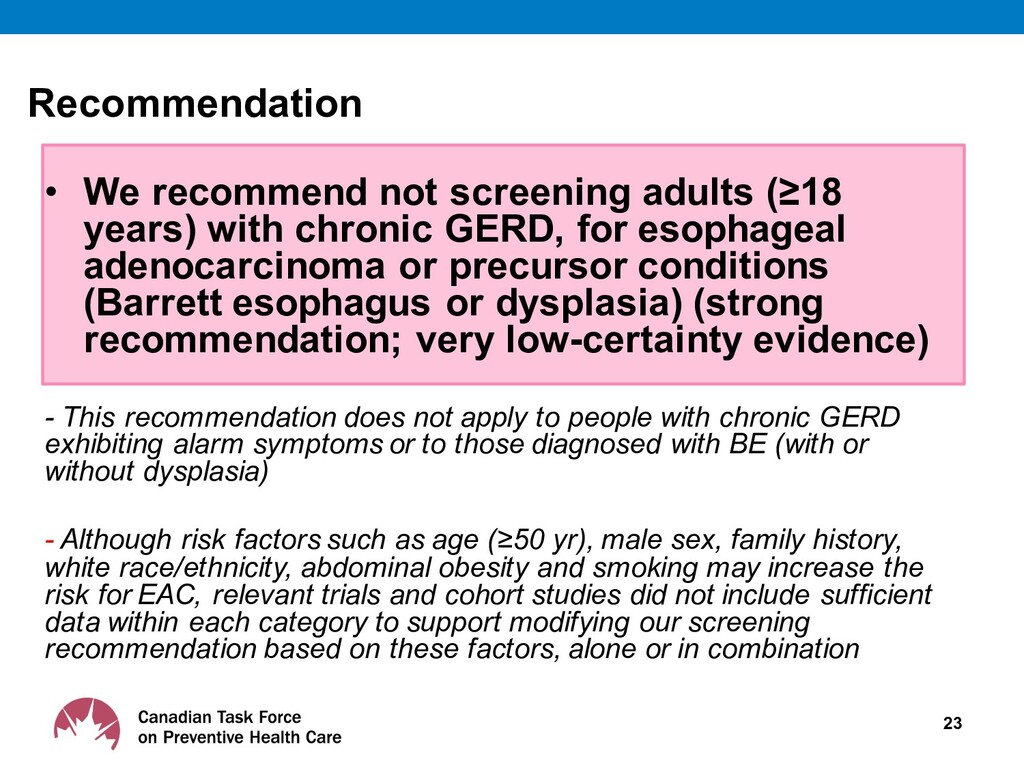
with chronic GERD, for esophageal adenocarcinoma or precursor conditions (Barrett esophagus or dysplasia) (strong recommendation;; very low-certainty evidence) - This recommendation does not apply to people with chronic GERD exhibiting alarm symptoms or to those diagnosed with BE (with or without dysplasia) - Although risk factors such as age (≥50 yr), male sex, family history, white race/ethnicity, abdominal obesity and smoking may increase the risk for EAC, relevant trials and cohort studies did not include sufficient data within each category to support modifying our screening recommendation based on these factors, alone or in combination 23 -
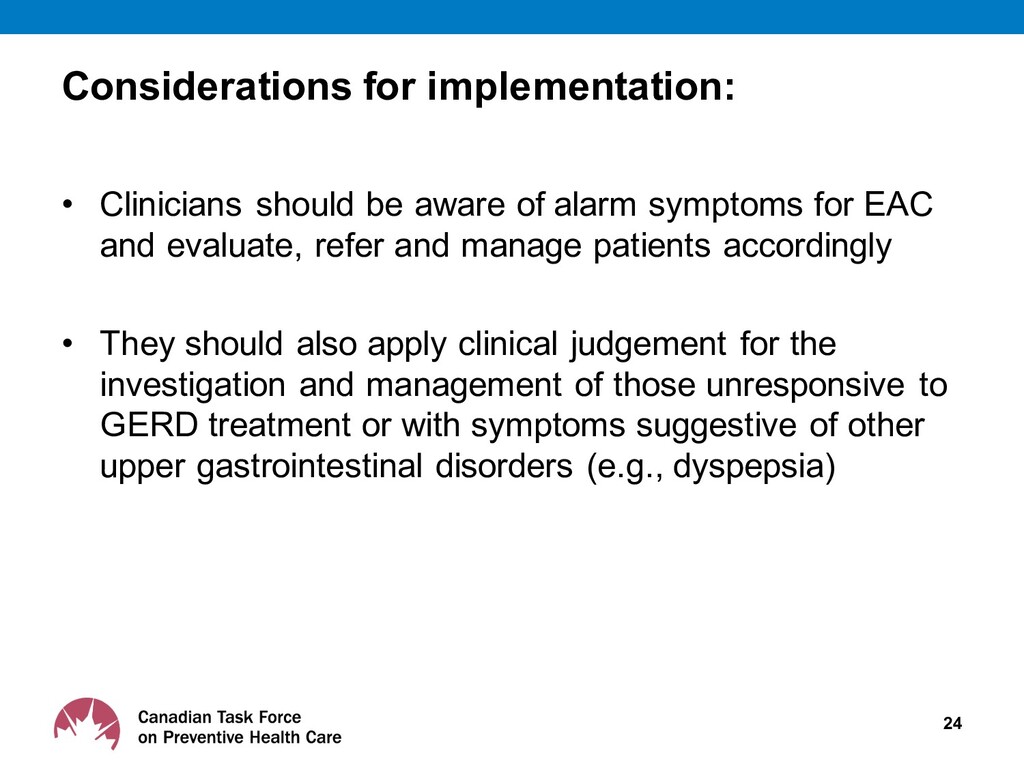
Considerations for implementation: • Clinicians should be aware of alarm
symptoms for EAC and evaluate, refer and manage patients accordingly • They should also apply clinical judgement for the investigation and management of those unresponsive to GERD treatment or with symptoms suggestive of other upper gastrointestinal disorders (e.g., dyspepsia) 24 -
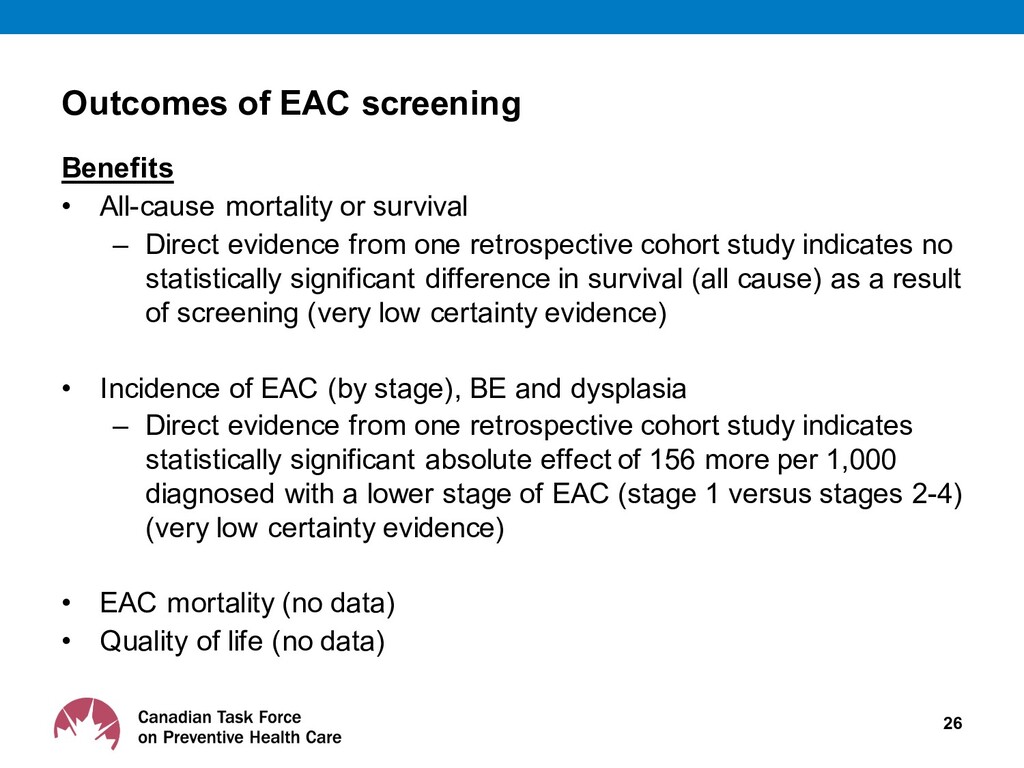
Outcomes of EAC screening Benefits • All-cause mortality or survival
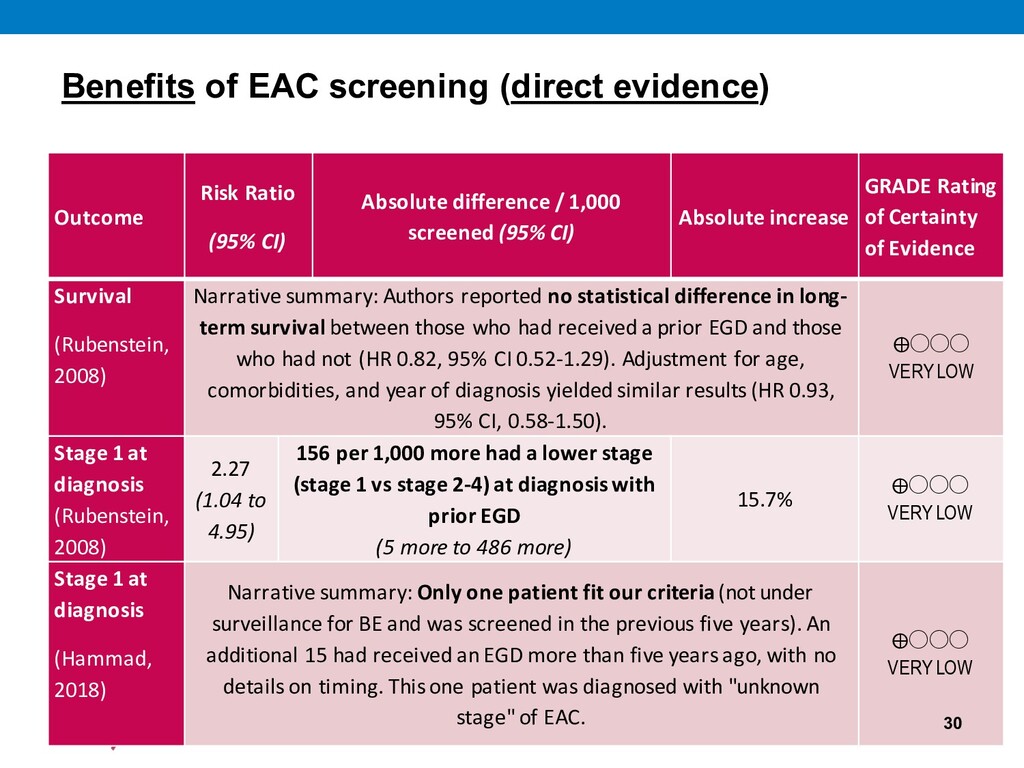
– Direct evidence from one retrospective cohort study indicates no statistically significant difference in survival (all cause) as a result of screening (very low certainty evidence) • Incidence of EAC (by stage), BE and dysplasia – Direct evidence from one retrospective cohort study indicates statistically significant absolute effect of 156 more per 1,000 diagnosed with a lower stage of EAC (stage 1 versus stages 2-4) (very low certainty evidence) • EAC mortality (no data) • Quality of life (no data) 26 -
Outcomes of EAC screening (2) Harms • Life threatening or
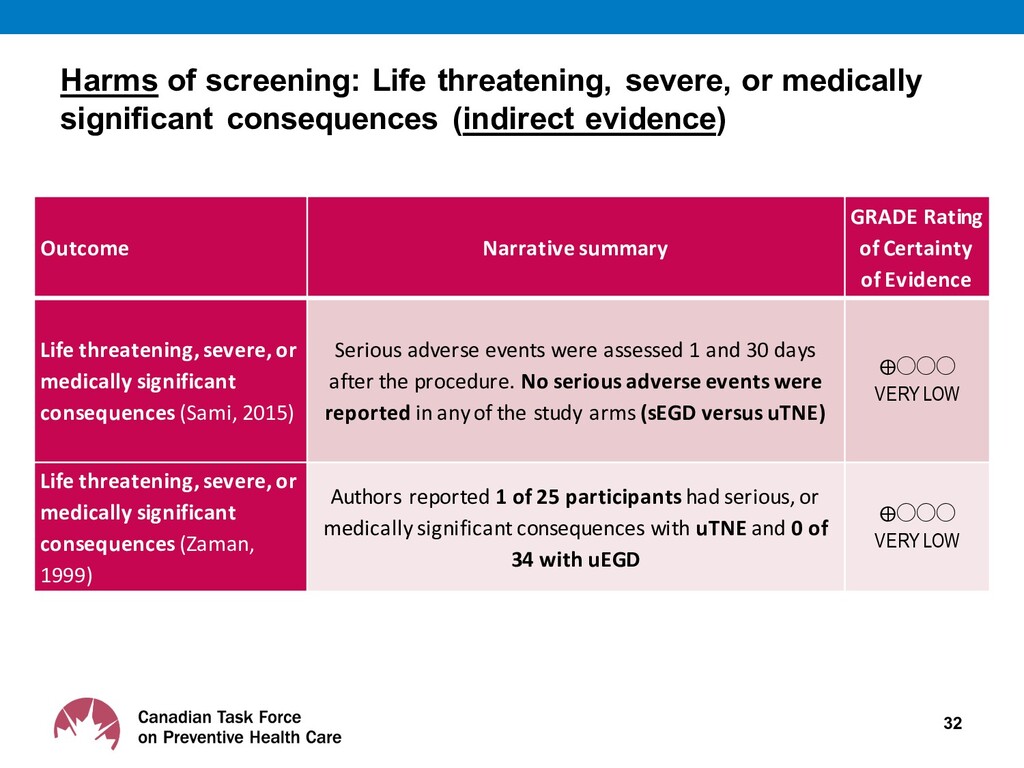
severe medical consequences of screening – Indirect evidence from two trials comparing sedated esophagogastroduodenoscopy (sEGD) versus unsedated transnasal esophagoscopy (uTNE) (N = 209) and uTNE versus unsedated transoral esophagogastroduodenoscopy (uEGD) (N = 59) reported one serious adverse event (following uTNE) • Psychological effects – Indirect evidence from three RCTs showed that uTNE was associated with higher anxiety compared to sEGD (during procedure) or swallowed videocapsule endoscopy (VCE) (before and during procedure). – However, the mild additional discomfort with uTNE seems to be well tolerated, given that 70 to 95% of participants stated they would undergo it again 27 -
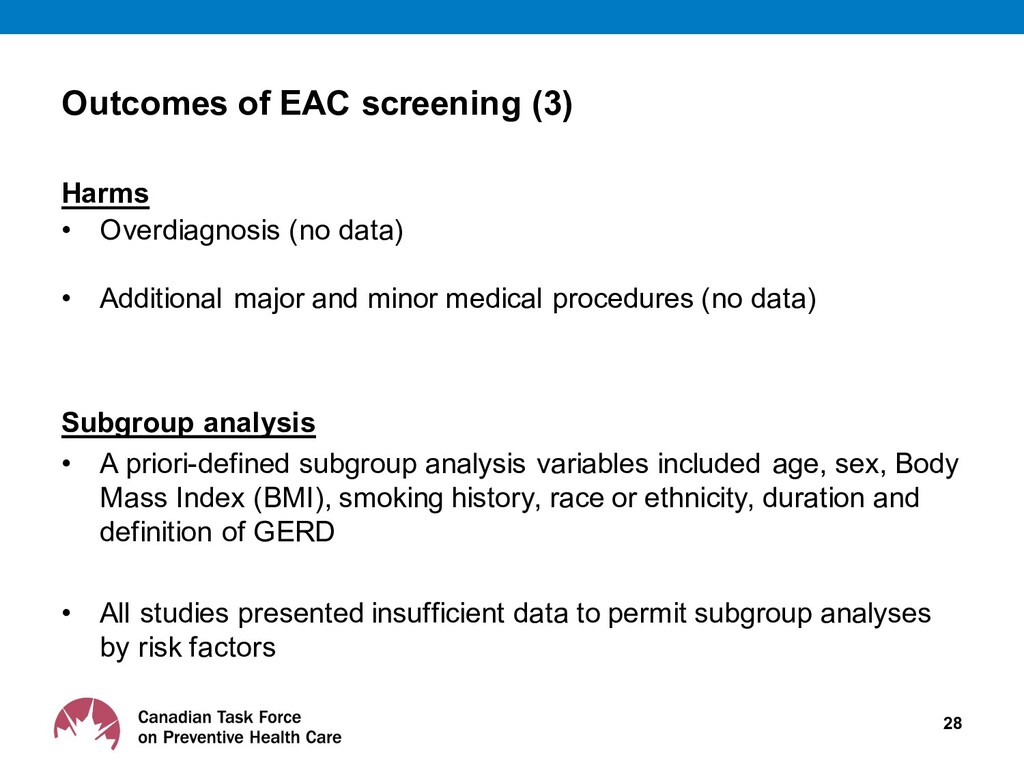
Outcomes of EAC screening (3) Harms • Overdiagnosis (no data)
• Additional major and minor medical procedures (no data) Subgroup analysis • A priori-defined subgroup analysis variables included age, sex, Body Mass Index (BMI), smoking history, race or ethnicity, duration and definition of GERD • All studies presented insufficient data to permit subgroup analyses by risk factors 28 -
Benefits of EAC screening among chronic GERD patients (Hamel
et al., 2019) Two retrospective cohort studies (Direct evidence) – Rubenstein, 2008: Compared GERD patients with prior esophagogastroduodenoscopy (EGD) versus no prior EGD • Initiated from 1995-2003 in the US • 155 veterans (99% male) – Hammad, 2018: Compared GERD patients with prior EGD versus no prior EGD • Initiated from 2005-2017 in the US. • 153 patients (99% male) • Certainty of the evidence from these studies was assessed as being very low due to serious concerns around risk of bias, indirectness, and imprecision • Both studies presented insufficient data to permit subgroup analyses by risk factors • There was no direct evidence on the incidence of BE and/or dysplasia. 29 -
Benefits of EAC screening (direct evidence) Outcome Risk Ratio (95%
CI) Absolute difference / 1,000 screened (95% CI) Absolute increase GRADE Rating of Certainty of Evidence Survival (Rubenstein, 2008) Narrative summary: Authors reported no statistical difference in long-‐ term survival between those who had received a prior EGD and those who had not (HR 0.82, 95% CI 0.52-‐1.29). Adjustment for age, comorbidities, and year of diagnosis yielded similar results (HR 0.93, 95% CI, 0.58-‐1.50). ⨁◯◯◯ VERY LOW Stage 1 at diagnosis (Rubenstein, 2008) 2.27 (1.04 to 4.95) 156 per 1,000 more had a lower stage (stage 1 vs stage 2-‐4) at diagnosis with prior EGD (5 more to 486 more) 15.7% ⨁◯◯◯ VERY LOW Stage 1 at diagnosis (Hammad, 2018) Narrative summary: Only one patient fit our criteria (not under surveillance for BE and was screened in the previous five years). An additional 15 had received an EGD more than five years ago, with no details on timing. This one patient was diagnosed with "unknown stage" of EAC. ⨁◯◯◯ VERY LOW 30 -
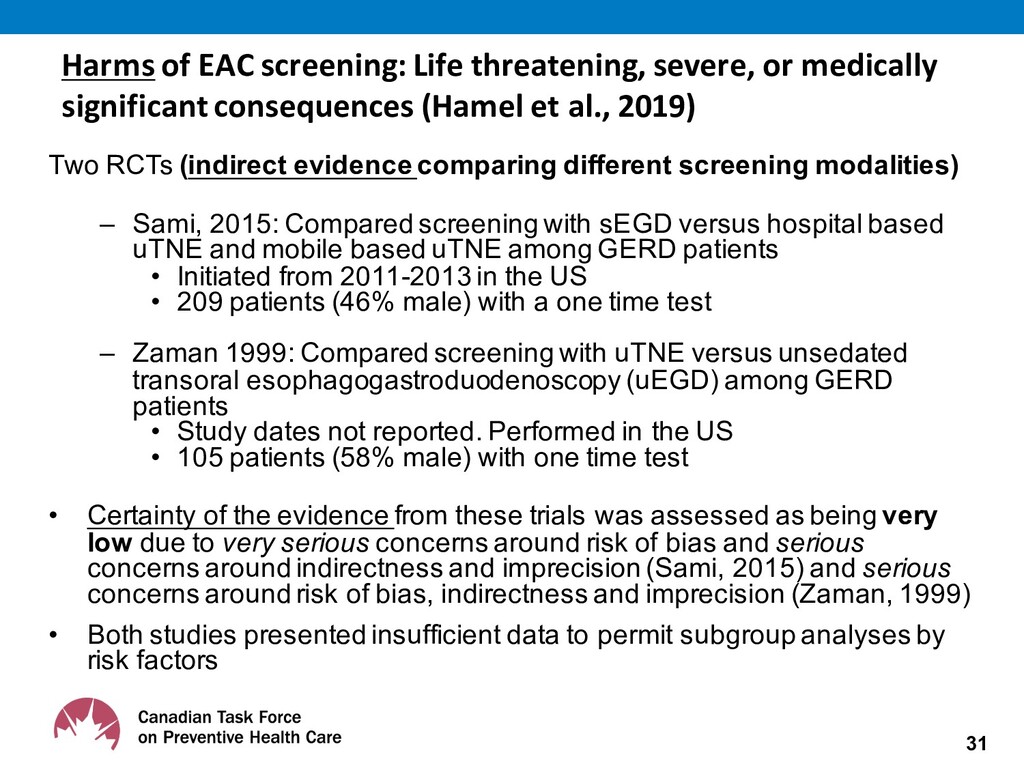
Harms of EAC screening: Life threatening, severe, or medically
significant consequences (Hamel et al., 2019) Two RCTs (indirect evidence comparing different screening modalities) – Sami, 2015: Compared screening with sEGD versus hospital based uTNE and mobile based uTNE among GERD patients • Initiated from 2011-2013 in the US • 209 patients (46% male) with a one time test – Zaman 1999: Compared screening with uTNE versus unsedated transoral esophagogastroduodenoscopy (uEGD) among GERD patients • Study dates not reported. Performed in the US • 105 patients (58% male) with one time test • Certainty of the evidence from these trials was assessed as being very low due to very serious concerns around risk of bias and serious concerns around indirectness and imprecision (Sami, 2015) and serious concerns around risk of bias, indirectness and imprecision (Zaman, 1999) • Both studies presented insufficient data to permit subgroup analyses by risk factors 31 -
Harms of screening: Life threatening, severe, or medically significant
consequences (indirect evidence) Outcome Narrative summary GRADE Rating of Certainty of Evidence Life threatening, severe, or medically significant consequences (Sami, 2015) Serious adverse events were assessed 1 and 30 days after the procedure. No serious adverse events were reported in any of the study arms (sEGD versus uTNE) ⨁◯◯◯ VERY LOW Life threatening, severe, or medically significant consequences (Zaman, 1999) Authors reported 1 of 25 participants had serious, or medically significant consequences with uTNE and 0 of 34 with uEGD ⨁◯◯◯ VERY LOW 32 -
Harms of EAC screening: Psychological harms (Hamel et al.,
2019) Four RCTs (Indirect evidence comparing different screening modalities) – Chak, 2014: Compared screening with uTNE versus swallowed video capsule endoscopy (VCE) among GERD patients • Study dates not reported. Performed in the US • 184 patients (96% male) with a one time test – Jobe, 2006: Randomized crossover study. Compared screening with sEGD + biopsy versus uTNE among GERD patients • Initiated from 2004-2005 in the US • 134 patients (80% male) with a one time test for each modality (crossover) – Sami, 2015: Compared screening with sEGD versus hospital based uTNE and mobile based uTNE among GERD patients • Initiated from 2011-2013 in the US • 209 patients (46% male) with a one time test 33 -
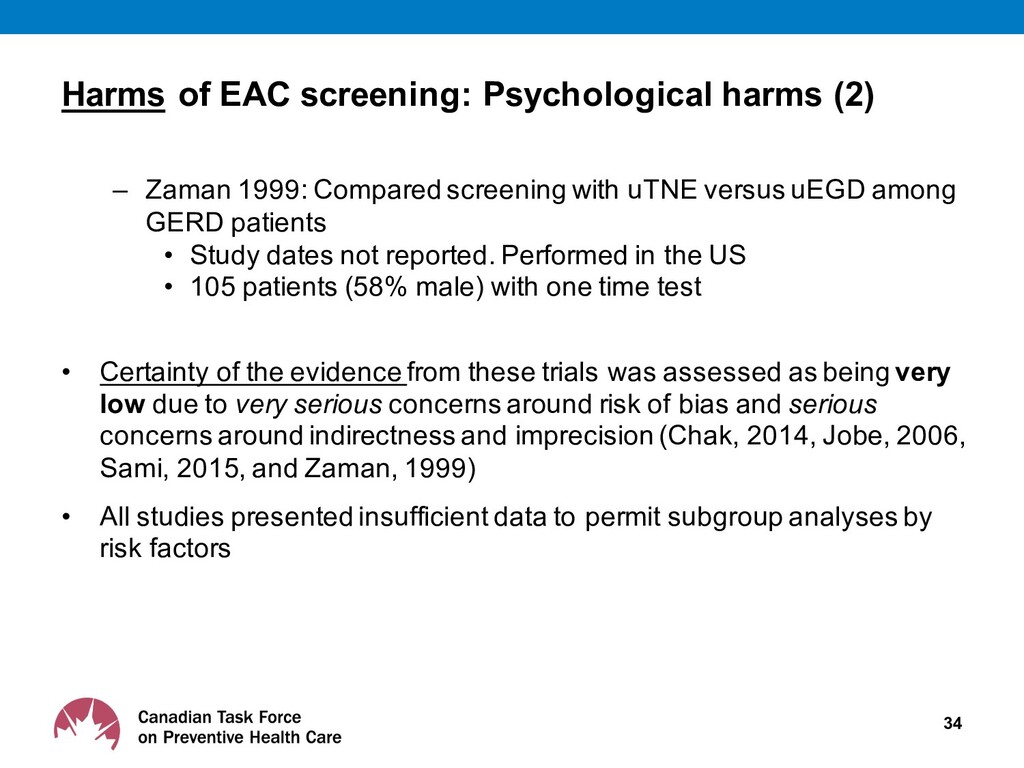
Harms of EAC screening: Psychological harms (2) – Zaman 1999:
Compared screening with uTNE versus uEGD among GERD patients • Study dates not reported. Performed in the US • 105 patients (58% male) with one time test • Certainty of the evidence from these trials was assessed as being very low due to very serious concerns around risk of bias and serious concerns around indirectness and imprecision (Chak, 2014, Jobe, 2006, Sami, 2015, and Zaman, 1999) • All studies presented insufficient data to permit subgroup analyses by risk factors 34 -
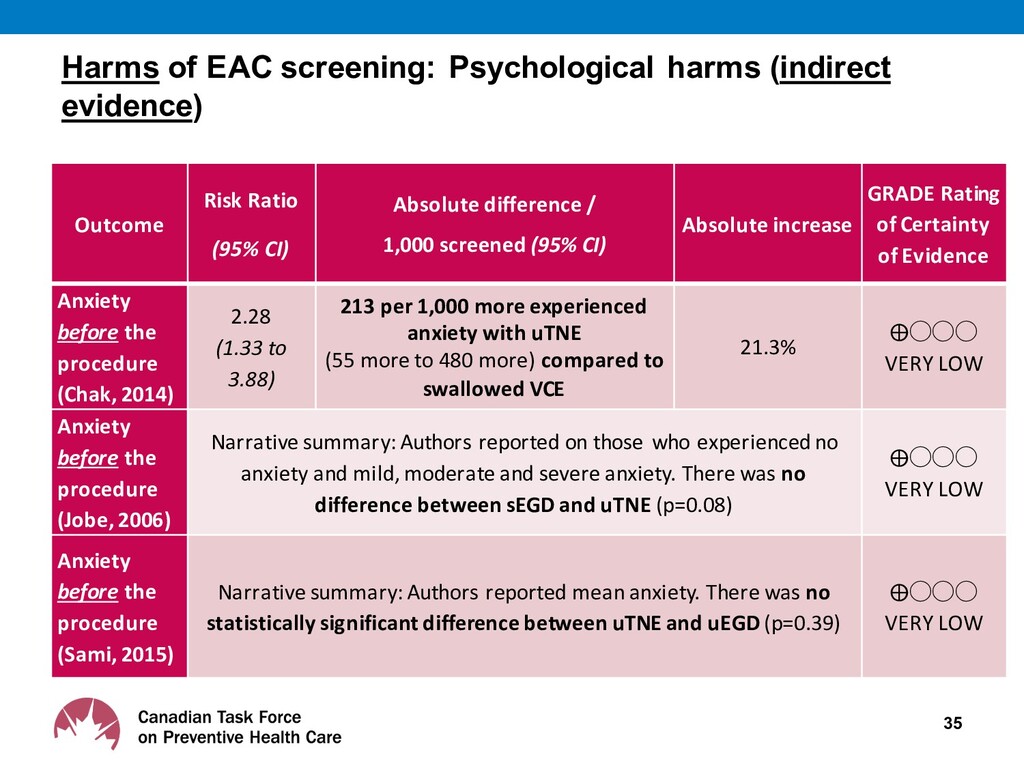
Harms of EAC screening: Psychological harms (indirect evidence) 35
Outcome Risk Ratio (95% CI) Absolute difference / 1,000 screened (95% CI) Absolute increase GRADE Rating of Certainty of Evidence Anxiety before the procedure (Chak, 2014) 2.28 (1.33 to 3.88) 213 per 1,000 more experienced anxiety with uTNE (55 more to 480 more) compared to swallowed VCE 21.3% ⨁◯◯◯ VERY LOW Anxiety before the procedure (Jobe, 2006) Narrative summary: Authors reported on those who experienced no anxiety and mild, moderate and severe anxiety. There was no difference between sEGD and uTNE (p=0.08) ⨁◯◯◯ VERY LOW Anxiety before the procedure (Sami, 2015) Narrative summary: Authors reported mean anxiety. There was no statistically significant difference between uTNE and uEGD (p=0.39) ⨁◯◯◯ VERY LOW -
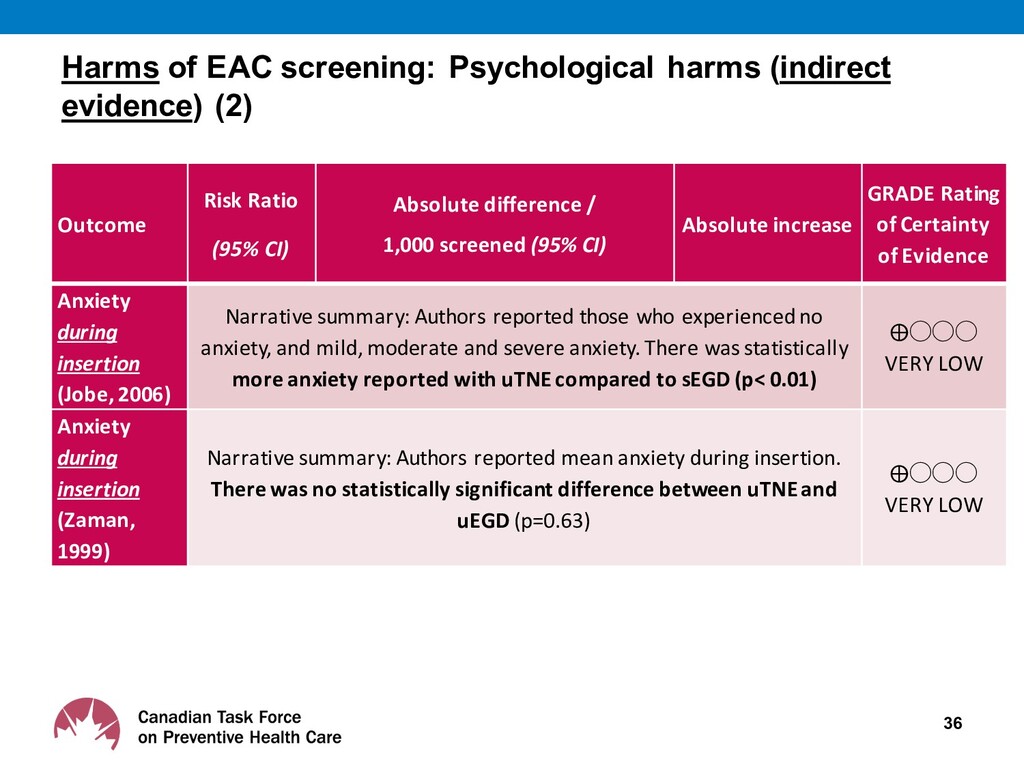
Harms of EAC screening: Psychological harms (indirect evidence) (2)
36 Outcome Risk Ratio (95% CI) Absolute difference / 1,000 screened (95% CI) Absolute increase GRADE Rating of Certainty of Evidence Anxiety during insertion (Jobe, 2006) Narrative summary: Authors reported those who experienced no anxiety, and mild, moderate and severe anxiety. There was statistically more anxiety reported with uTNE compared to sEGD (p< 0.01) ⨁◯◯◯ VERY LOW Anxiety during insertion (Zaman, 1999) Narrative summary: Authors reported mean anxiety during insertion. There was no statistically significant difference between uTNE and uEGD (p=0.63) ⨁◯◯◯ VERY LOW -
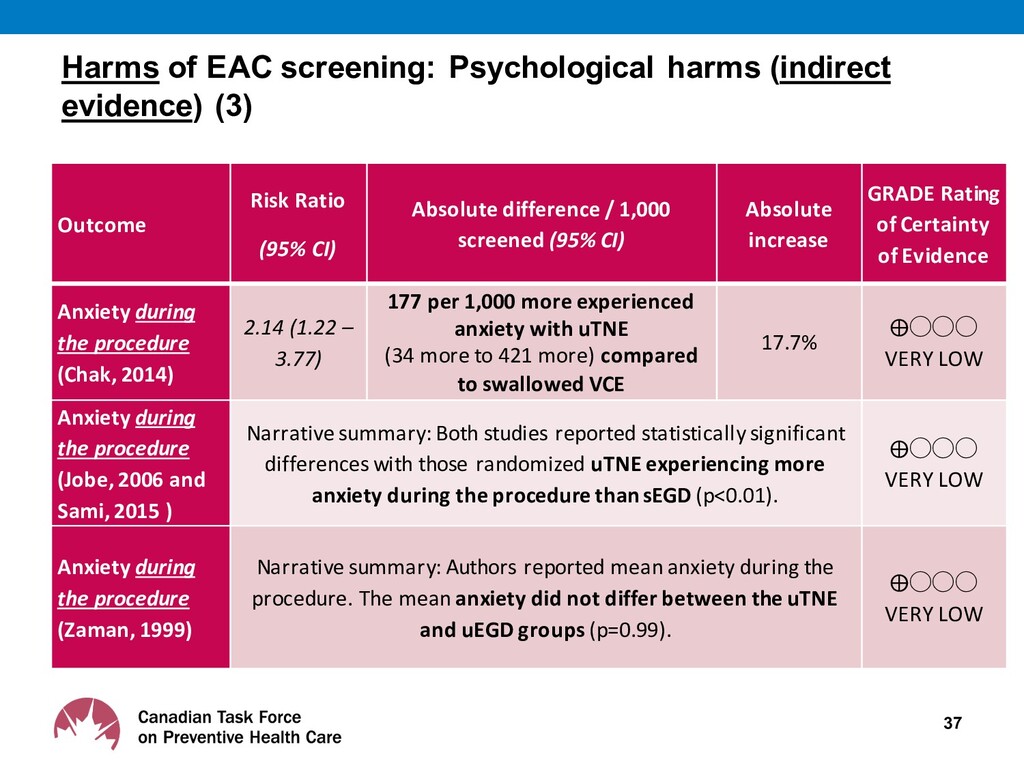
Harms of EAC screening: Psychological harms (indirect evidence) (3)
37 Outcome Risk Ratio (95% CI) Absolute difference / 1,000 screened (95% CI) Absolute increase GRADE Rating of Certainty of Evidence Anxiety during the procedure (Chak, 2014) 2.14 (1.22 – 3.77) 177 per 1,000 more experienced anxiety with uTNE (34 more to 421 more) compared to swallowed VCE 17.7% ⨁◯◯◯ VERY LOW Anxiety during the procedure (Jobe, 2006 and Sami, 2015 ) Narrative summary: Both studies reported statistically significant differences with those randomized uTNE experiencing more anxiety during the procedure than sEGD (p<0.01). ⨁◯◯◯ VERY LOW Anxiety during the procedure (Zaman, 1999) Narrative summary: Authors reported mean anxiety during the procedure. The mean anxiety did not differ between the uTNE and uEGD groups (p=0.99). ⨁◯◯◯ VERY LOW -
Patient values and preferences on screening for EAC (Systematic
review by Hamel et al., 2019) 39 • Patient values and preferences were evaluated through a systematic review of: a) how adults with chronic GERD weigh the benefits and harms of screening for EAC b) what factors contribute to these preferences and to their decision to undergo screening • Two RCTs and one cohort study were identified -
Patient values and preferences on screening for EAC (SR
by Hamel et al., 2019) (2) 40 • Chak 2014: Patients asked to participate in RCT compared screening with uTNE versus swallowed VCE among GERD patients – Study dates not reported. Performed in the US – Patient characteristics providing outcome data not reported • Zaman 1999: Patients asked to participate in RCT compared screening with uTNE versus uEGD among GERD patients – Study dates not reported. Performed in the US – Patient characteristics providing outcome data not reported • Zaman 1998: Patients asked to participate in cohort study compared screening with uEGD versus sEGD among GERD patients – Study dates not reported. Performed in the US – Patient characteristics providing outcome data not reported • Risk of bias for these studies for the outcome “uptake of screening” was assessed as high risk due to issues with randomization, blinding of participants, missing protocols, selective outcome reporting and sources of funding -
Patient values and preferences (SR by Hamel et al.,
2019) (3) • The SR of patient values and preferences found no evidence on how patients weigh the benefits and harms of screening. However, evidence on factors that contribute to willingness to be screened (acceptability) was found in three studies comparing endoscopic screening strategies – Two studies had high “stated or intended” refusal rates (45 of 105;; 43% and 19 of 62;; 31% respectively) due to anxiety, lack of interest, fear of gagging, unwilling to be study subjects, or reluctance to undergo transnasal procedures (Zaman, 1999 and Zaman, 1998). In the other study, among 1,210 invited participants, 52% did not respond to the letter, 32% refused (no reason provided), 1% were ineligible, and 0.2% cited difficulty attending (Chak, 2014) 41 -
Patient values and preferences: Focus groups (Buckland et al.,
2018) • The Task Force engaged patients in guideline development through two phases conducted by the Knowledge Translation group at St. Michael’s Hospital, Toronto • Each phase recruited 17 men and women (aged ≥18 years) with chronic GERD • Phase 1 included online surveys and telephone focus groups to obtain patient ratings of relevant outcomes • Phase 2 asked participants to reconsider outcome ratings when presented with synthesized evidence from the systematic reviews • Results indicated that chronic GERD participants had a moderate desire to be screened (median rating = 6 out of 9;; where 1 = not at all willing and 9 = very much willing) 42 -
Summary of patient values and preferences (Systematic review and
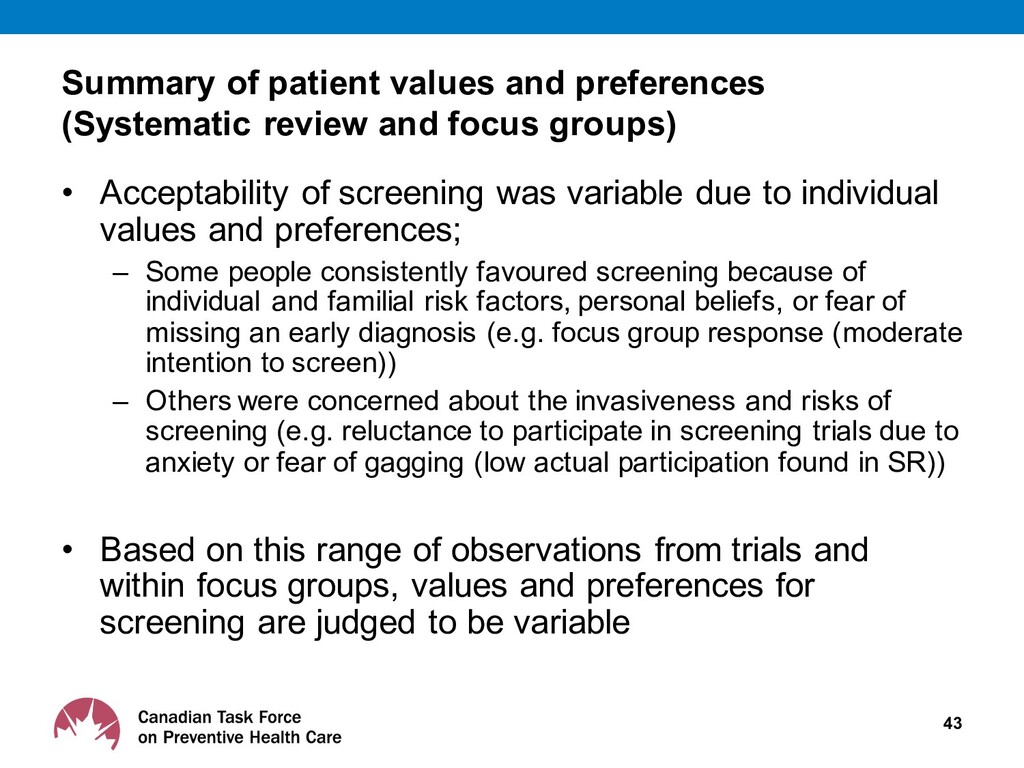
focus groups) • Acceptability of screening was variable due to individual values and preferences;; – Some people consistently favoured screening because of individual and familial risk factors, personal beliefs, or fear of missing an early diagnosis (e.g. focus group response (moderate intention to screen)) – Others were concerned about the invasiveness and risks of screening (e.g. reluctance to participate in screening trials due to anxiety or fear of gagging (low actual participation found in SR)) • Based on this range of observations from trials and within focus groups, values and preferences for screening are judged to be variable 43 -
Treatment of BE, dysplasia or stage 1 EAC (Ahmadzai
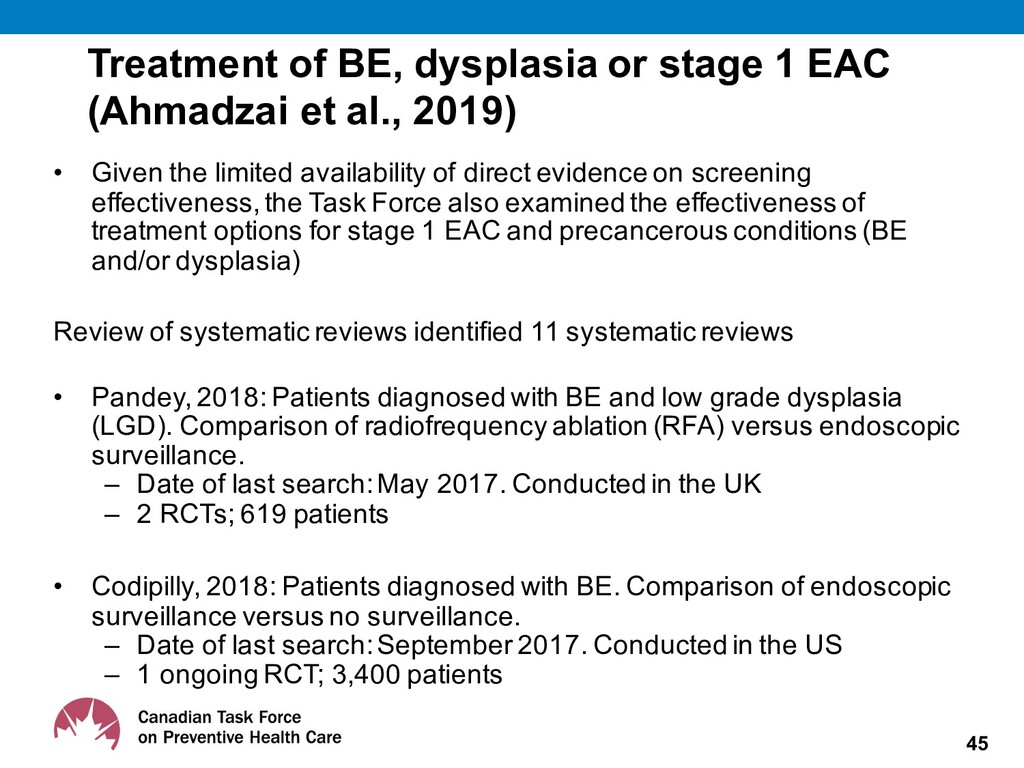
et al., 2019) 45 • Given the limited availability of direct evidence on screening effectiveness, the Task Force also examined the effectiveness of treatment options for stage 1 EAC and precancerous conditions (BE and/or dysplasia) Review of systematic reviews identified 11 systematic reviews • Pandey, 2018: Patients diagnosed with BE and low grade dysplasia (LGD). Comparison of radiofrequency ablation (RFA) versus endoscopic surveillance. – Date of last search: May 2017. Conducted in the UK – 2 RCTs;; 619 patients • Codipilly, 2018: Patients diagnosed with BE. Comparison of endoscopic surveillance versus no surveillance. – Date of last search: September 2017. Conducted in the US – 1 ongoing RCT;; 3,400 patients -
Treatment of BE, dysplasia or stage 1 EAC (Ahmadzai
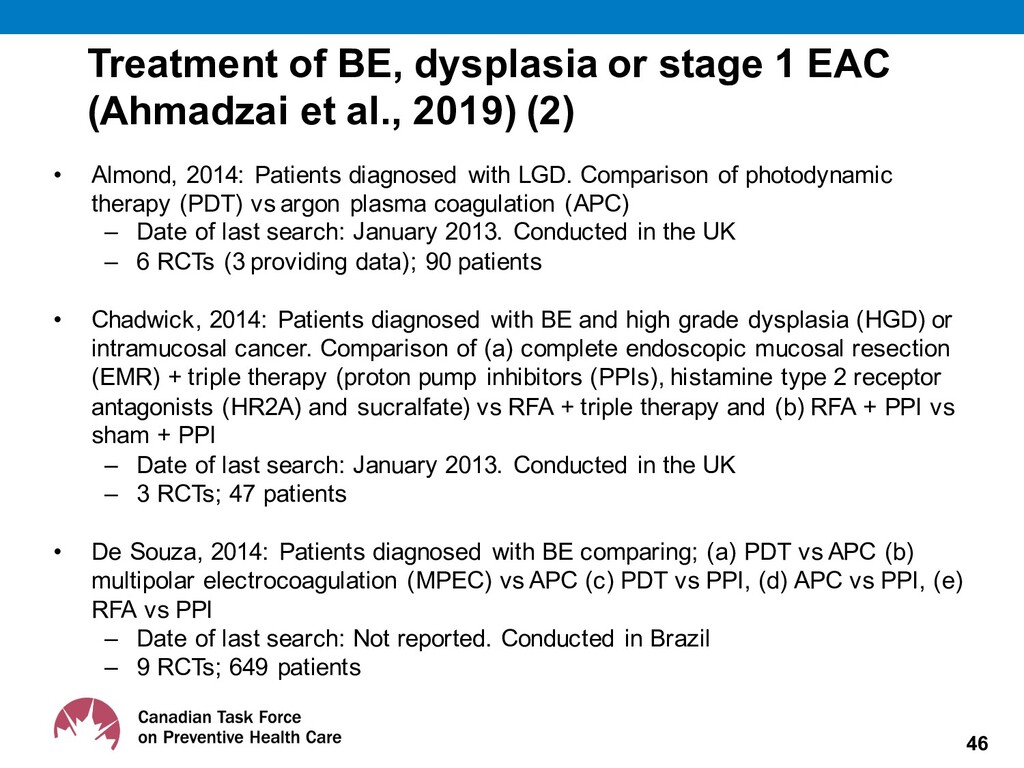
et al., 2019) (2) 46 • Almond, 2014: Patients diagnosed with LGD. Comparison of photodynamic therapy (PDT) vs argon plasma coagulation (APC) – Date of last search: January 2013. Conducted in the UK – 6 RCTs (3 providing data);; 90 patients • Chadwick, 2014: Patients diagnosed with BE and high grade dysplasia (HGD) or intramucosal cancer. Comparison of (a) complete endoscopic mucosal resection (EMR) + triple therapy (proton pump inhibitors (PPIs), histamine type 2 receptor antagonists (HR2A) and sucralfate) vs RFA + triple therapy and (b) RFA + PPI vs sham + PPI – Date of last search: January 2013. Conducted in the UK – 3 RCTs;; 47 patients • De Souza, 2014: Patients diagnosed with BE comparing;; (a) PDT vs APC (b) multipolar electrocoagulation (MPEC) vs APC (c) PDT vs PPI, (d) APC vs PPI, (e) RFA vs PPI – Date of last search: Not reported. Conducted in Brazil – 9 RCTs;; 649 patients -
Treatment of BE, dysplasia or stage 1 EAC (Ahmadzai
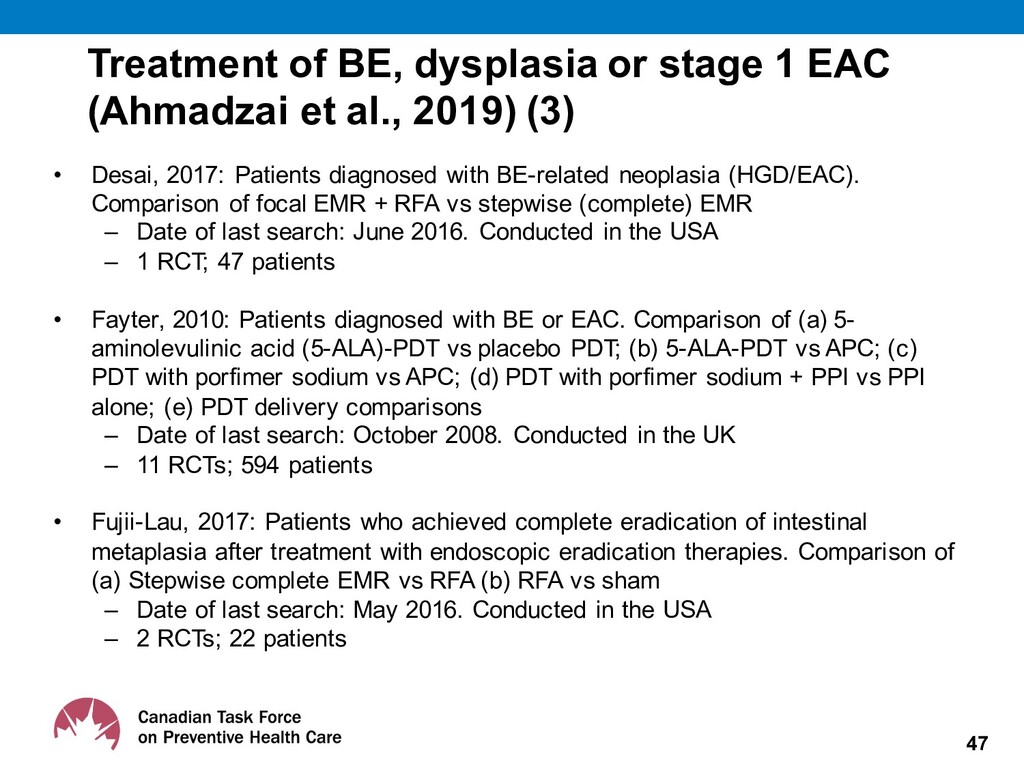
et al., 2019) (3) 47 • Desai, 2017: Patients diagnosed with BE-related neoplasia (HGD/EAC). Comparison of focal EMR + RFA vs stepwise (complete) EMR – Date of last search: June 2016. Conducted in the USA – 1 RCT;; 47 patients • Fayter, 2010: Patients diagnosed with BE or EAC. Comparison of (a) 5- aminolevulinic acid (5-ALA)-PDT vs placebo PDT;; (b) 5-ALA-PDT vs APC;; (c) PDT with porfimer sodium vs APC;; (d) PDT with porfimer sodium + PPI vs PPI alone;; (e) PDT delivery comparisons – Date of last search: October 2008. Conducted in the UK – 11 RCTs;; 594 patients • Fujii-Lau, 2017: Patients who achieved complete eradication of intestinal metaplasia after treatment with endoscopic eradication therapies. Comparison of (a) Stepwise complete EMR vs RFA (b) RFA vs sham – Date of last search: May 2016. Conducted in the USA – 2 RCTs;; 22 patients -
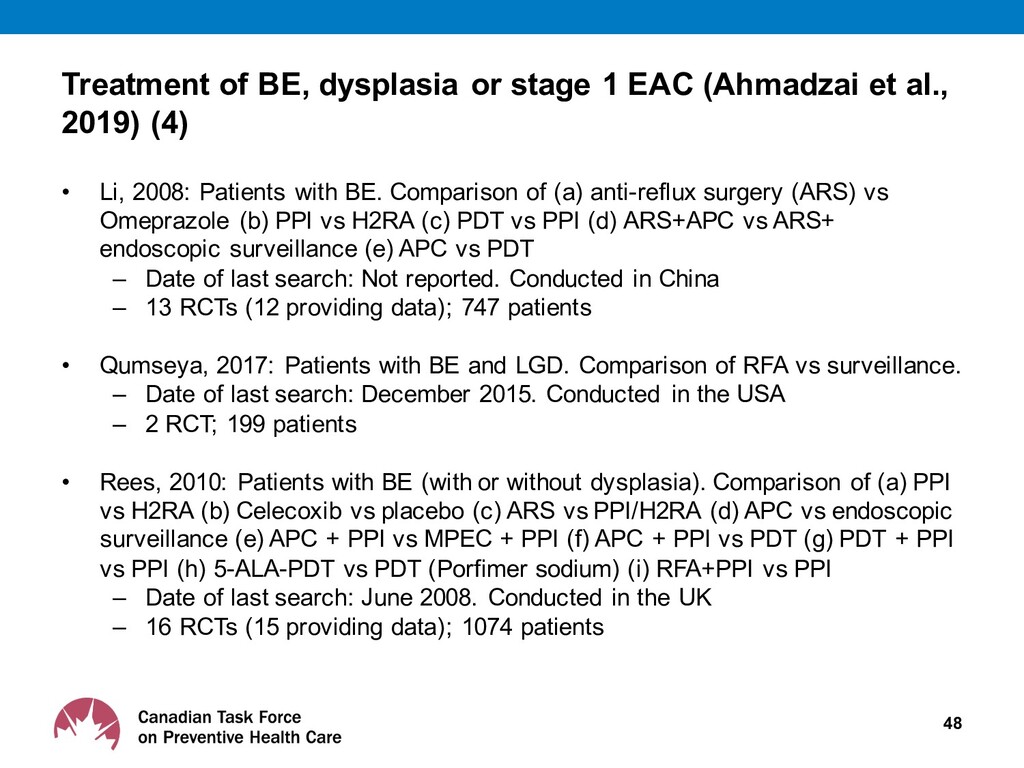
Treatment of BE, dysplasia or stage 1 EAC (Ahmadzai et
al., 2019) (4) • Li, 2008: Patients with BE. Comparison of (a) anti-reflux surgery (ARS) vs Omeprazole (b) PPI vs H2RA (c) PDT vs PPI (d) ARS+APC vs ARS+ endoscopic surveillance (e) APC vs PDT – Date of last search: Not reported. Conducted in China – 13 RCTs (12 providing data);; 747 patients • Qumseya, 2017: Patients with BE and LGD. Comparison of RFA vs surveillance. – Date of last search: December 2015. Conducted in the USA – 2 RCT;; 199 patients • Rees, 2010: Patients with BE (with or without dysplasia). Comparison of (a) PPI vs H2RA (b) Celecoxib vs placebo (c) ARS vs PPI/H2RA (d) APC vs endoscopic surveillance (e) APC + PPI vs MPEC + PPI (f) APC + PPI vs PDT (g) PDT + PPI vs PPI (h) 5-ALA-PDT vs PDT (Porfimer sodium) (i) RFA+PPI vs PPI – Date of last search: June 2008. Conducted in the UK – 16 RCTs (15 providing data);; 1074 patients 48 -
Treatment of BE, dysplasia or stage 1 EAC (Ahmadzai et
al., 2019) (5) • AMSTAR rating (assessment of methodological quality) for these systematic reviews was assessed as being critically low (Pandey, 2018, Codipilly, 2018, Almond, 2014, Chadwick, 2014, De Souza, 2014, Desai, 2017, Fayter, 2010, Fujii-Lau, 2017, Li, 2008) to low (Qumseya, 2017, Rees, 2010) 49 -
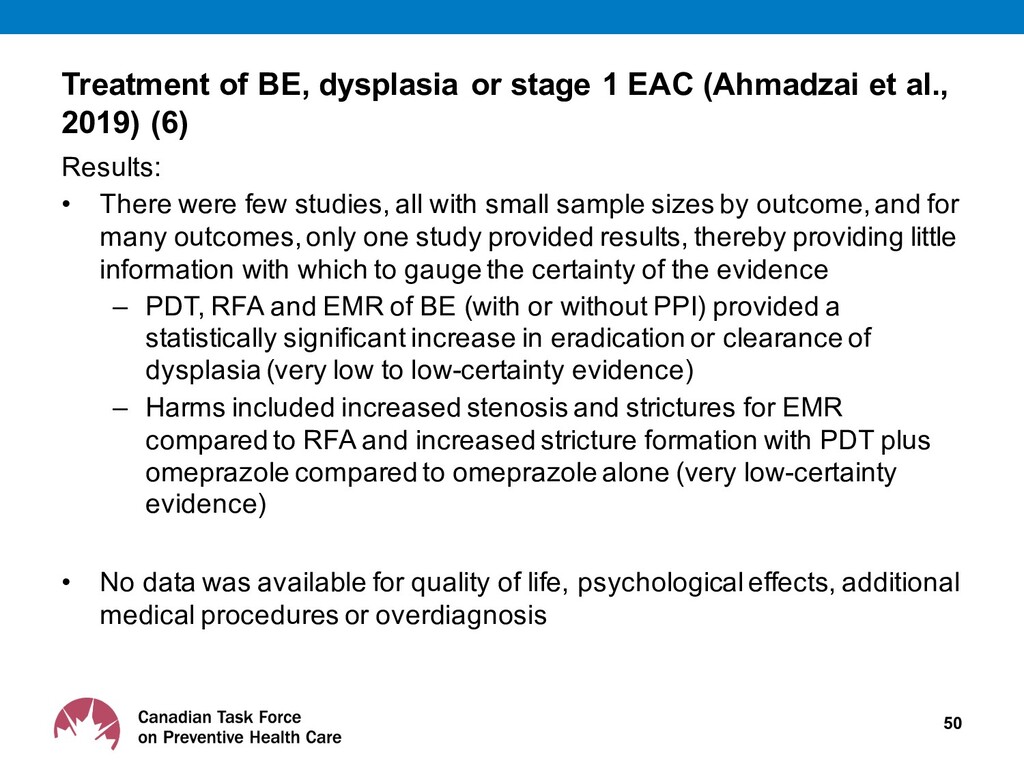
Treatment of BE, dysplasia or stage 1 EAC (Ahmadzai et
al., 2019) (6) Results: • There were few studies, all with small sample sizes by outcome, and for many outcomes, only one study provided results, thereby providing little information with which to gauge the certainty of the evidence – PDT, RFA and EMR of BE (with or without PPI) provided a statistically significant increase in eradication or clearance of dysplasia (very low to low-certainty evidence) – Harms included increased stenosis and strictures for EMR compared to RFA and increased stricture formation with PDT plus omeprazole compared to omeprazole alone (very low-certainty evidence) • No data was available for quality of life, psychological effects, additional medical procedures or overdiagnosis 50 -
RATIONALE FOR RECOMMENDATION Screening for Esophageal Adenocarcinoma in patients
with chronic GERD 51 -
Rationale • One small retrospective cohort study compared screening to
no screening and reported that, although patients with a prior EGD were statistically more likely to have a lower stage of EAC at time of diagnosis, there were no statistically significant survival differences (very low-certainty evidence) • Preferences among chronic GERD patients appear variable. The systematic review indicated hesitancy to participate, while focus groups showed a moderate willingness to be screened • Some endoscopic techniques may eradicate dysplasia but the overview of reviews showed a range of possible evidence certainty from very low to low 52 -
Rationale (2) • One serious adverse event from screening was
reported across two small trials, which compared screening modalities (very low-certainty) • Screening all adults with chronic GERD would require substantial resources. Given the limited and uncertain evidence of effectiveness, we believe screening all patients with chronic GERD would not be feasible or acceptable and that it could inappropriately divert substantial health resources • In light of no direct evidence of benefit from screening on any critical or important outcome other than a statistically improved stage at diagnosis, without a difference in survival: The Task Force recommends against screening all chronic GERD patients 53 -
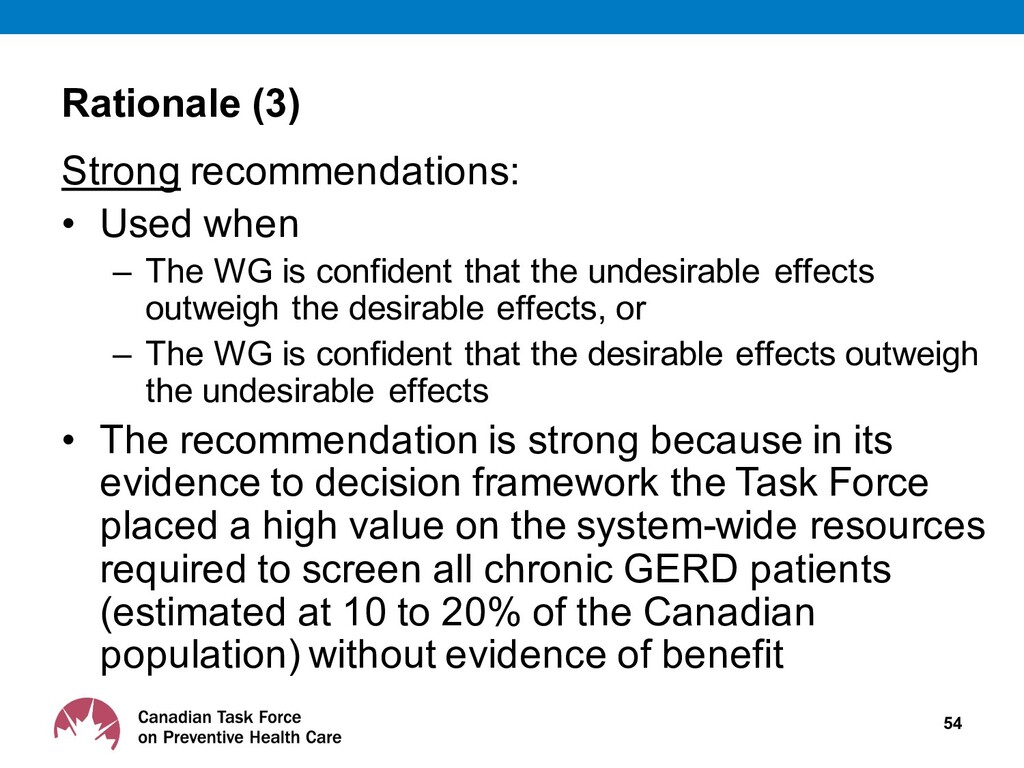
Rationale (3) Strong recommendations: • Used when – The
WG is confident that the undesirable effects outweigh the desirable effects, or – The WG is confident that the desirable effects outweigh the undesirable effects • The recommendation is strong because in its evidence to decision framework the Task Force placed a high value on the system-wide resources required to screen all chronic GERD patients (estimated at 10 to 20% of the Canadian population) without evidence of benefit 54 -
KNOWLEDGE GAPS AND NEXT STEPS Screening for Esophageal Adenocarcinoma in
patients with chronic GERD 55 -
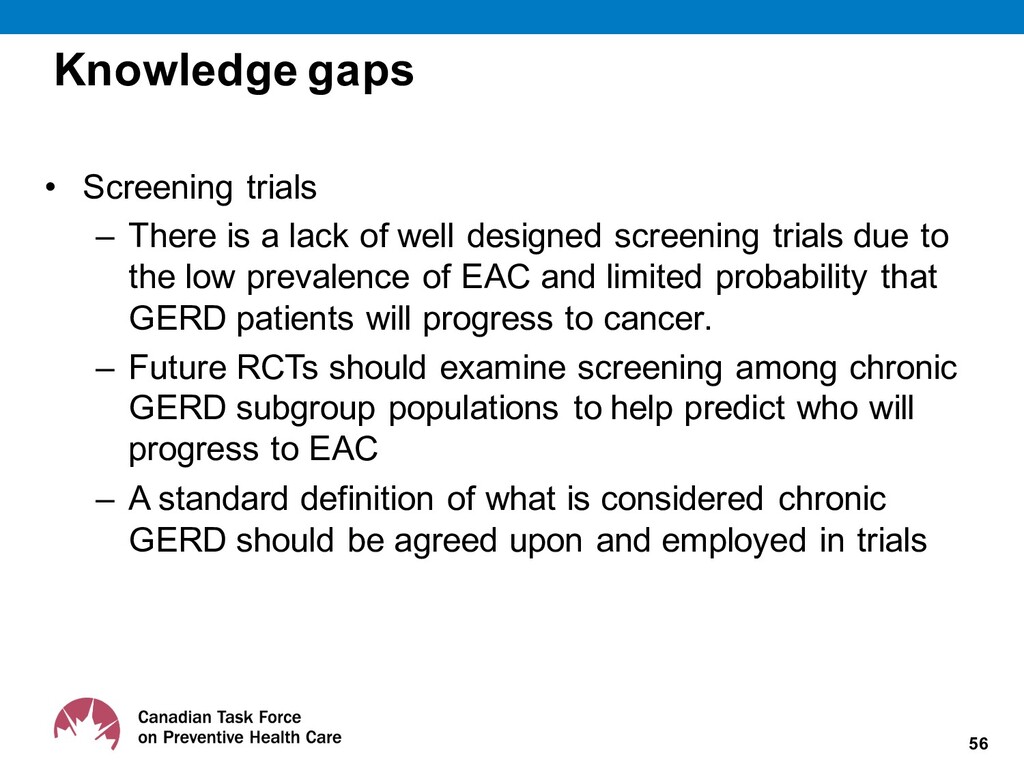
Knowledge gaps • Screening trials – There is a lack
of well designed screening trials due to the low prevalence of EAC and limited probability that GERD patients will progress to cancer. – Future RCTs should examine screening among chronic GERD subgroup populations to help predict who will progress to EAC – A standard definition of what is considered chronic GERD should be agreed upon and employed in trials 56 -
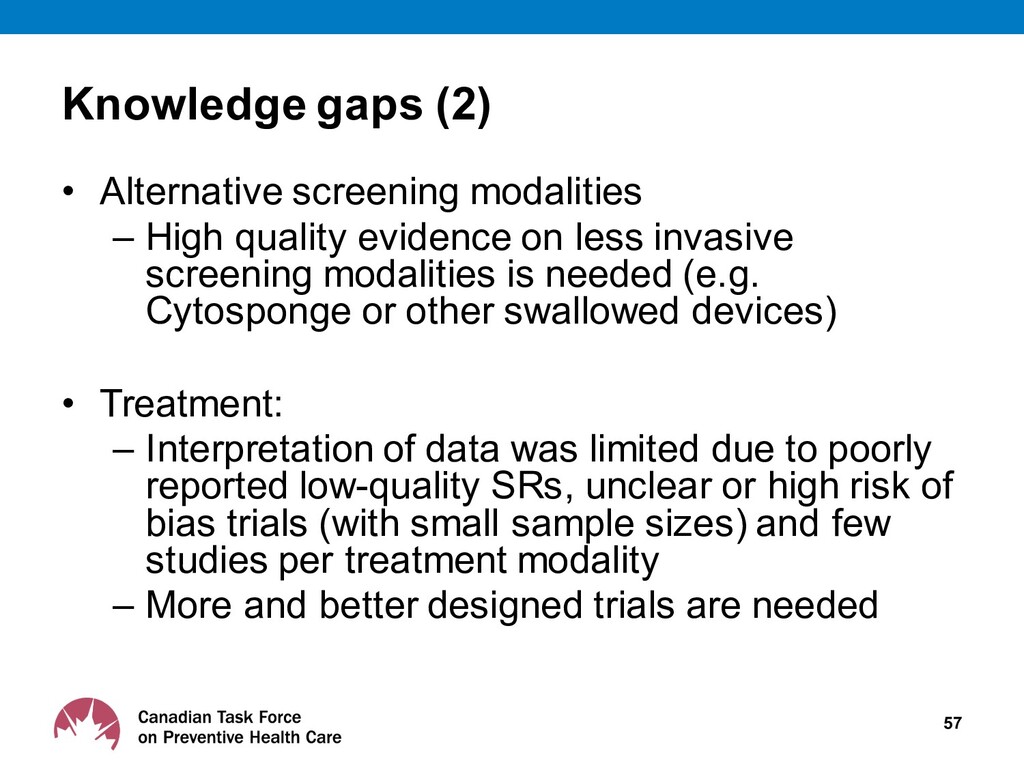
Knowledge gaps (2) • Alternative screening modalities – High quality
evidence on less invasive screening modalities is needed (e.g. Cytosponge or other swallowed devices) • Treatment: – Interpretation of data was limited due to poorly reported low-quality SRs, unclear or high risk of bias trials (with small sample sizes) and few studies per treatment modality – More and better designed trials are needed 57 -
Knowledge gaps (3) • Harms of screening – Increased research
and understanding of the risk of overdiagnosis and other harms of screening is needed • Patient values and preferences – Additional studies on patient values and preferences for screening are needed 58 -
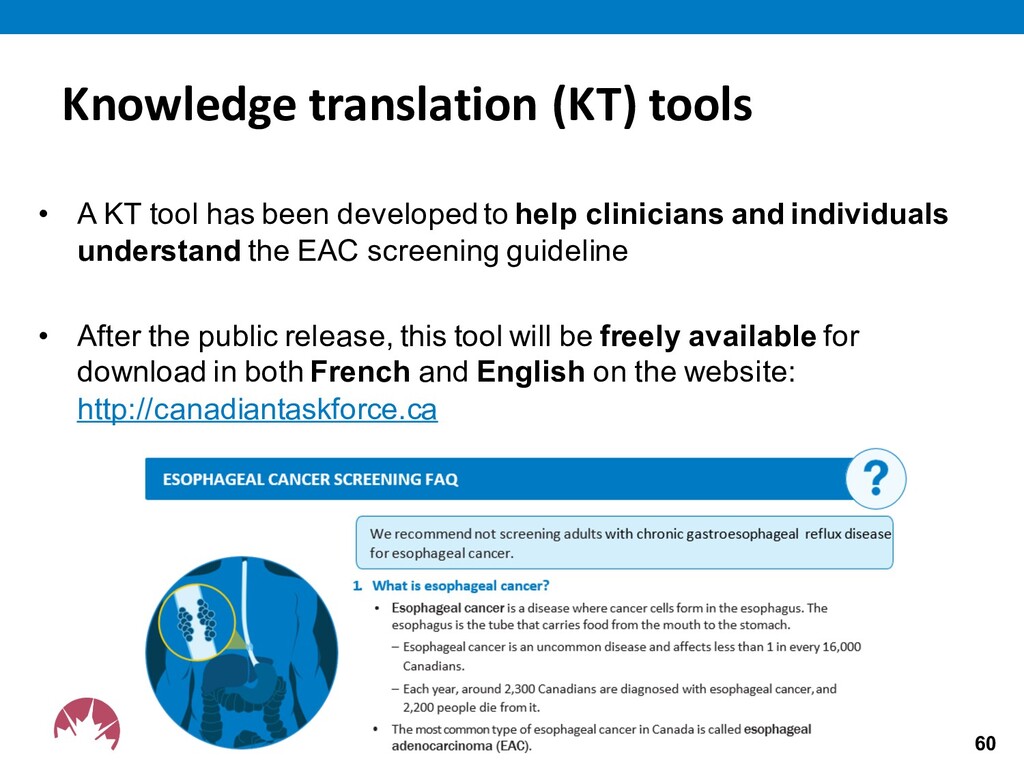
Knowledge translation (KT) tools • A KT tool has been
developed to help clinicians and individuals understand the EAC screening guideline • After the public release, this tool will be freely available for download in both French and English on the website: http://canadiantaskforce.ca 60 -
OTHER NATIONAL EAC SCREENING RECOMMENDATIONS Screening for Esophageal Adenocarcinoma
in patients with chronic GERD 61 -
Other national EAC screening recommendations: • American College of Gastroenterology,
2015 – Screening for Barrett esophagus may be considered in men with chronic (>5 years) and/or frequent (weekly or more) symptoms of gastroesophageal reflux disease and two or more risk factors for Barrett esophagus or esophageal adenocarcinoma (Strong recommendation, moderate level of evidence) • American Society for Gastrointestinal Endoscopy, 2015 – We suggest that endoscopy be considered in patients with multiple risk factors for Barrett esophagus (Very low quality) • National Institute for Health Care Excellence (NICE), 2014 – Do not routinely offer endoscopy to diagnose Barrett esophagus (strong recommendation), but consider it if the person has gastroesophageal reflux disease (conditional recommendation). Discuss the person's preferences and their individual risk factors. 62 -
Other national EAC screening recommendations (2) • British Society of
Gastroenterology, 2013 – Screening with endoscopy is not feasible or justified for an unselected population with gastro-oesophageal reflux symptoms (Recommendation grade B) • American Gastroenterological Association (AGA), 2011 – We recommend against screening the general population with gastroesophageal reflux disease for Barrett esophagus (strong recommendation, low-quality evidence). – In patients with multiple risk factors associated with esophageal adenocarcinoma, we suggest screening for Barrett esophagus (Weak recommendation, moderate-quality evidence) 63 -
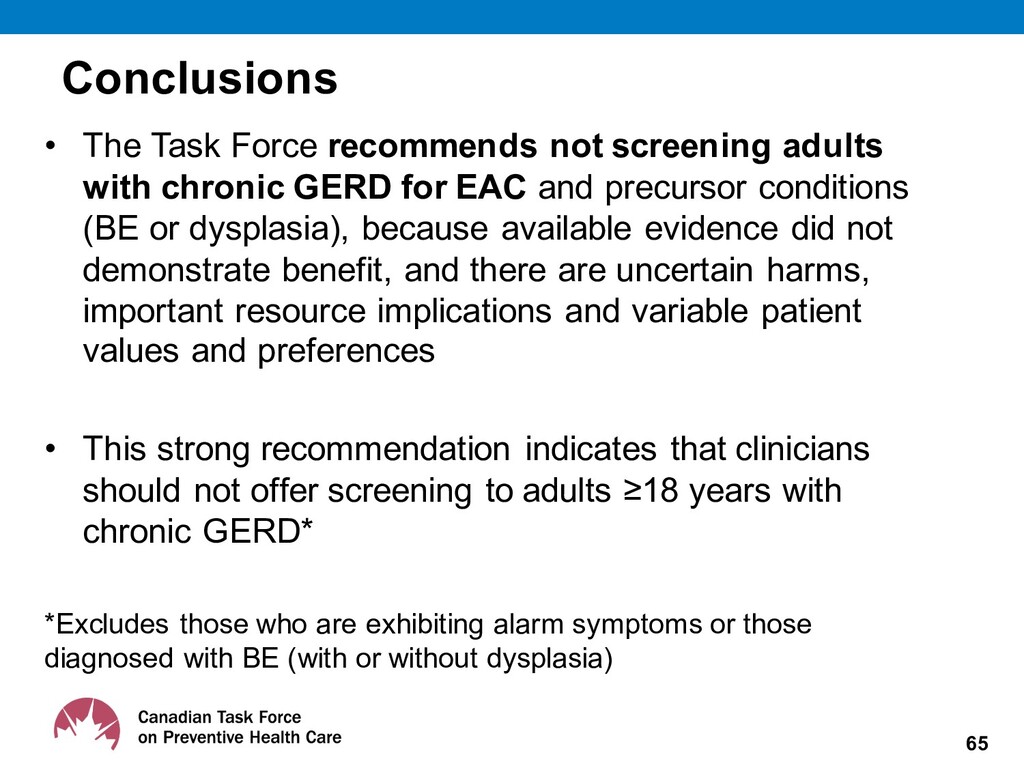
Conclusions • The Task Force recommends not screening adults
with chronic GERD for EAC and precursor conditions (BE or dysplasia), because available evidence did not demonstrate benefit, and there are uncertain harms, important resource implications and variable patient values and preferences • This strong recommendation indicates that clinicians should not offer screening to adults ≥18 years with chronic GERD* *Excludes those who are exhibiting alarm symptoms or those diagnosed with BE (with or without dysplasia) 65 -
More information For more information on the details of this
guideline please see: • Canadian Task Force for Preventive Health Care website: http://canadiantaskforce.ca 66
 ctfphc
 swwweet
 aleyda
 malarkey
 reverentgeek
 mfonobong
 akashhashmi
 soudai
 sergeychernyshev
 tmiket
 holman
 kimpetersen