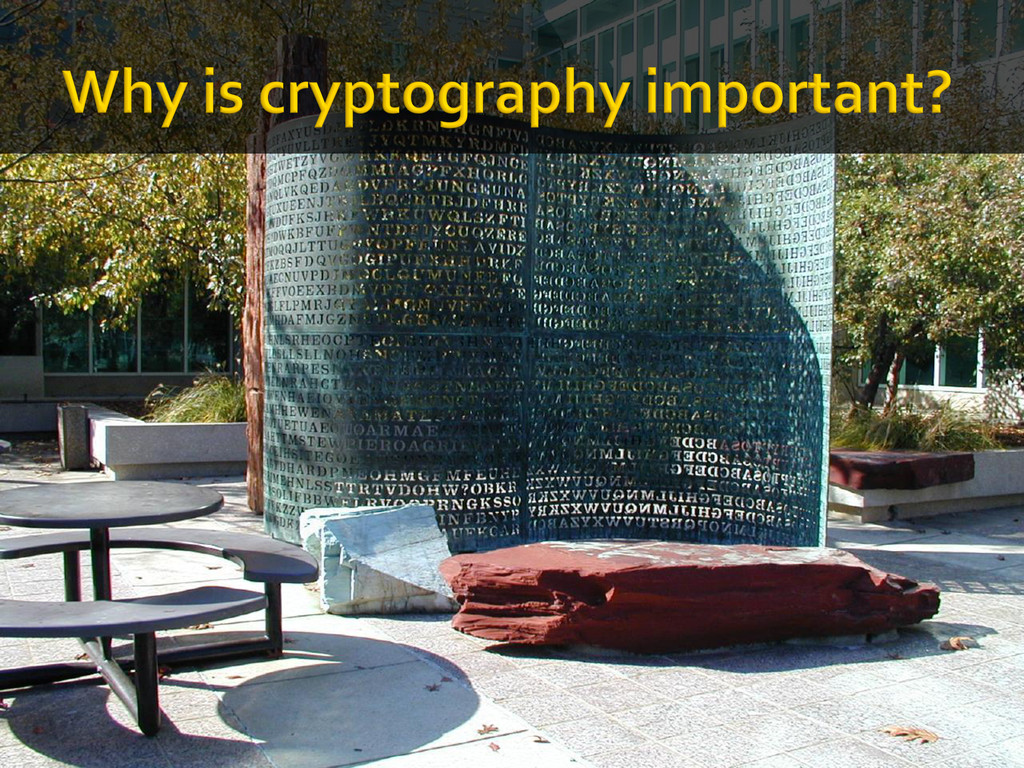
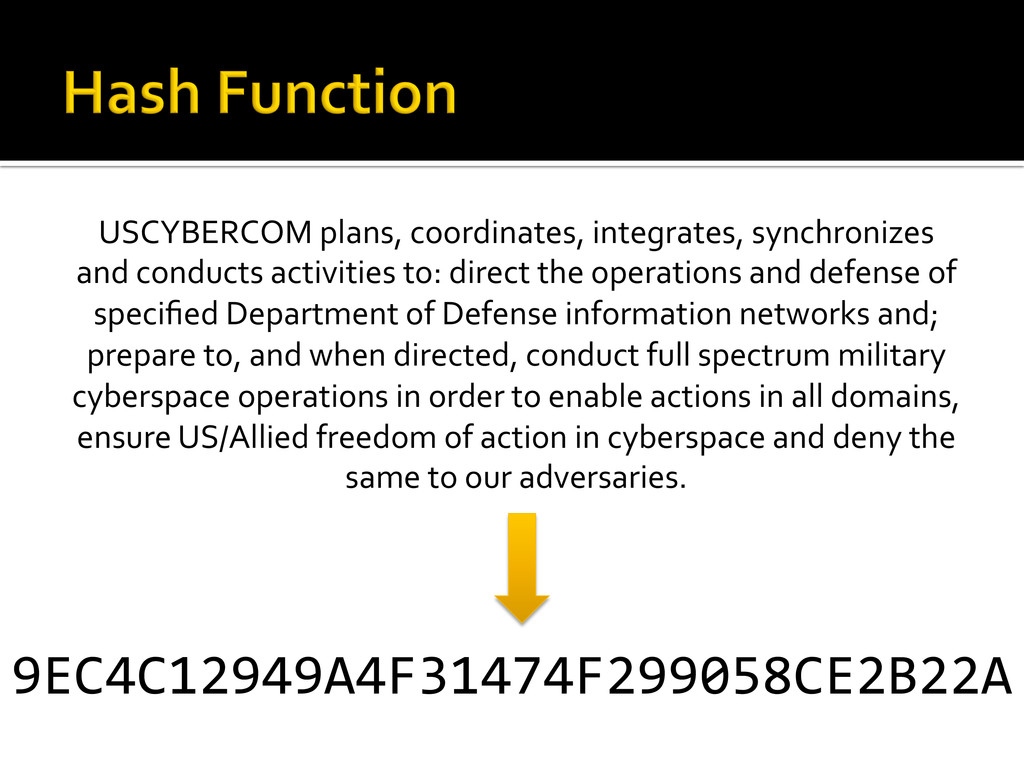
direct the operations and defense of specified Department of Defense information networks and; prepare to, and when directed, conduct full spectrum military cyberspace operations in order to enable actions in all domains, ensure US/Allied freedom of action in cyberspace and deny the same to our adversaries. 9EC4C12949A4F31474F299058CE2B22A
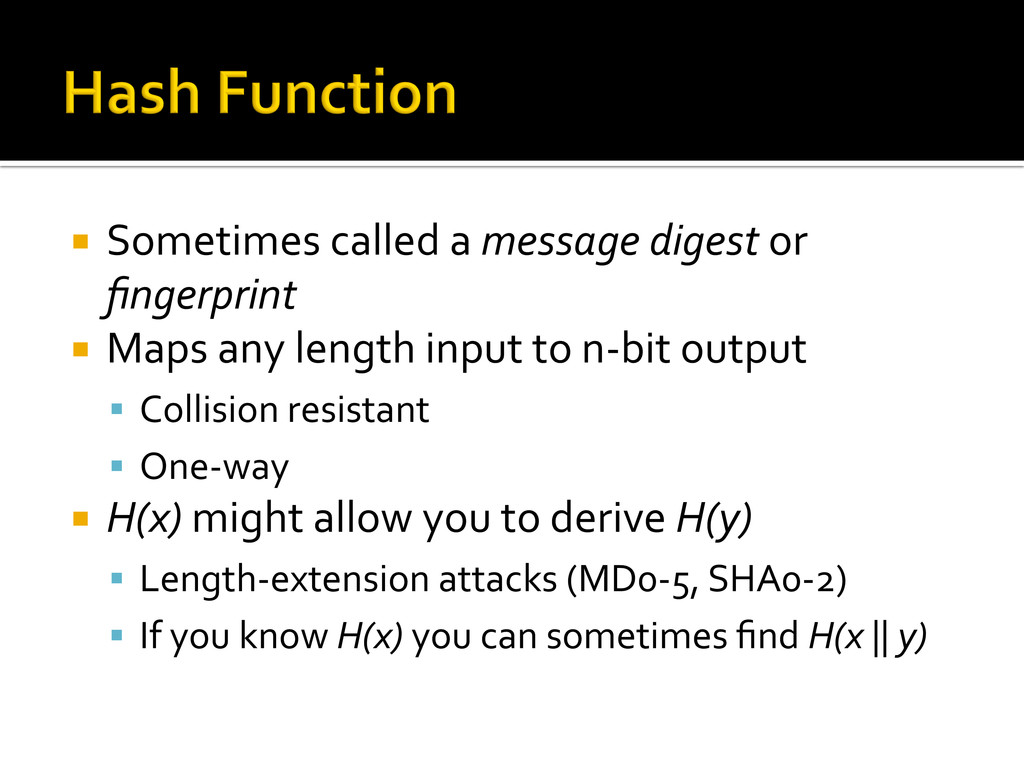
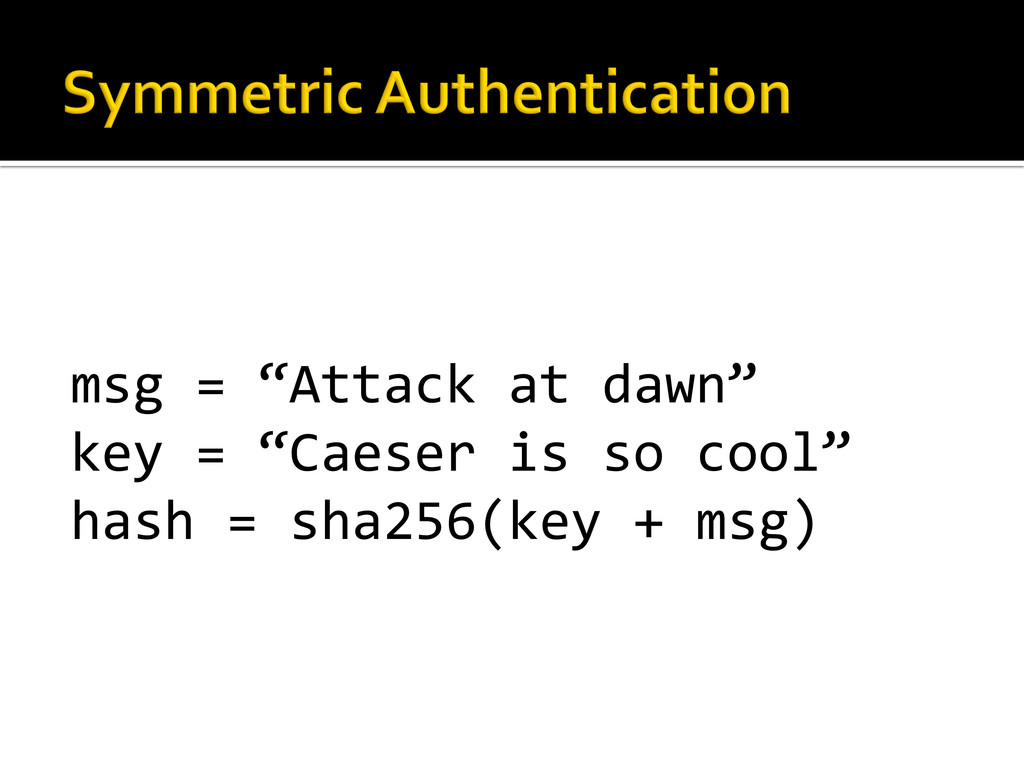
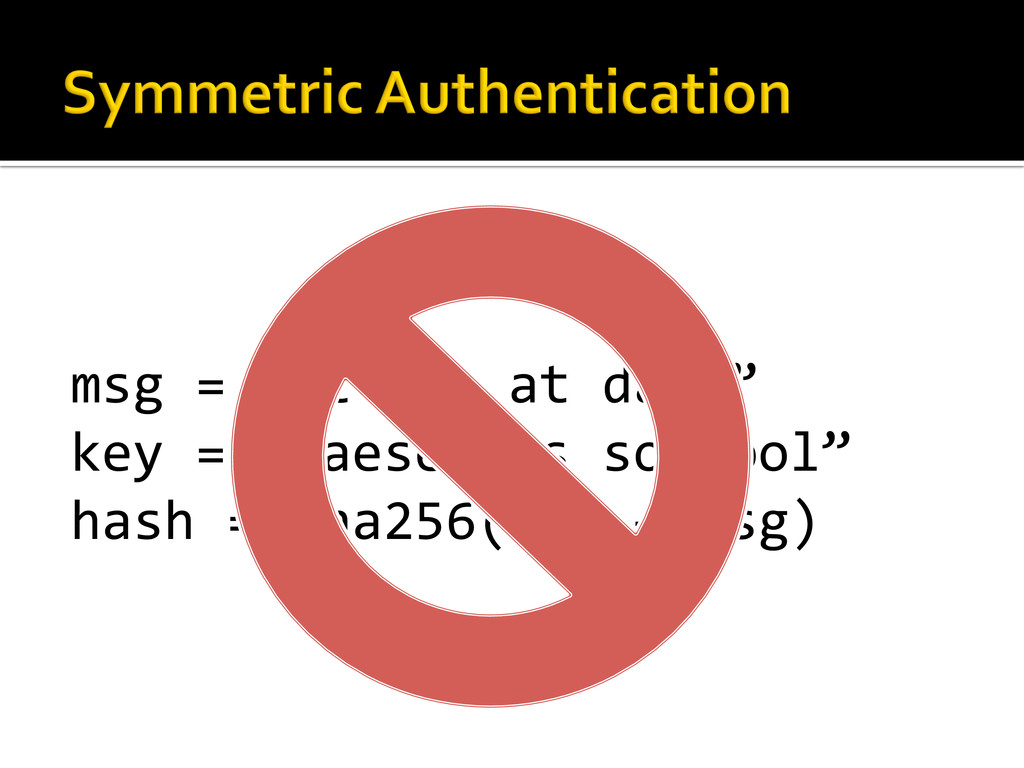
¡ Maps any length input to n-‐bit output § Collision resistant § One-‐way ¡ H(x) might allow you to derive H(y) § Length-‐extension attacks (MD0-‐5, SHA0-‐2) § If you know H(x) you can sometimes find H(x || y)
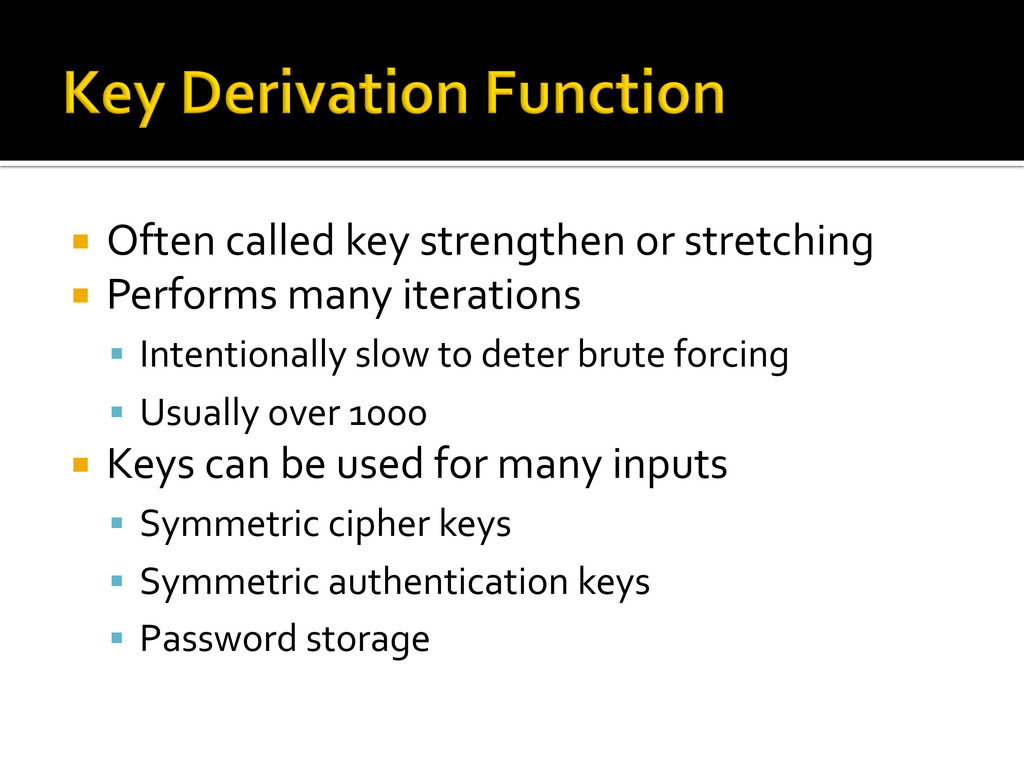
many iterations § Intentionally slow to deter brute forcing § Usually over 1000 ¡ Keys can be used for many inputs § Symmetric cipher keys § Symmetric authentication keys § Password storage
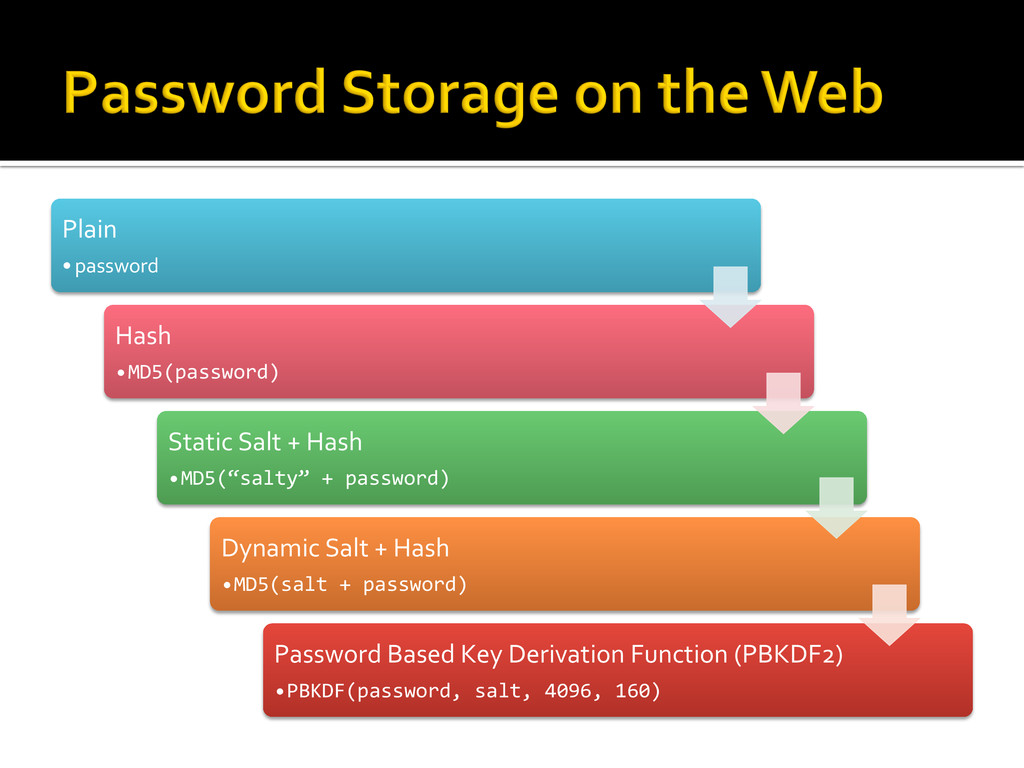
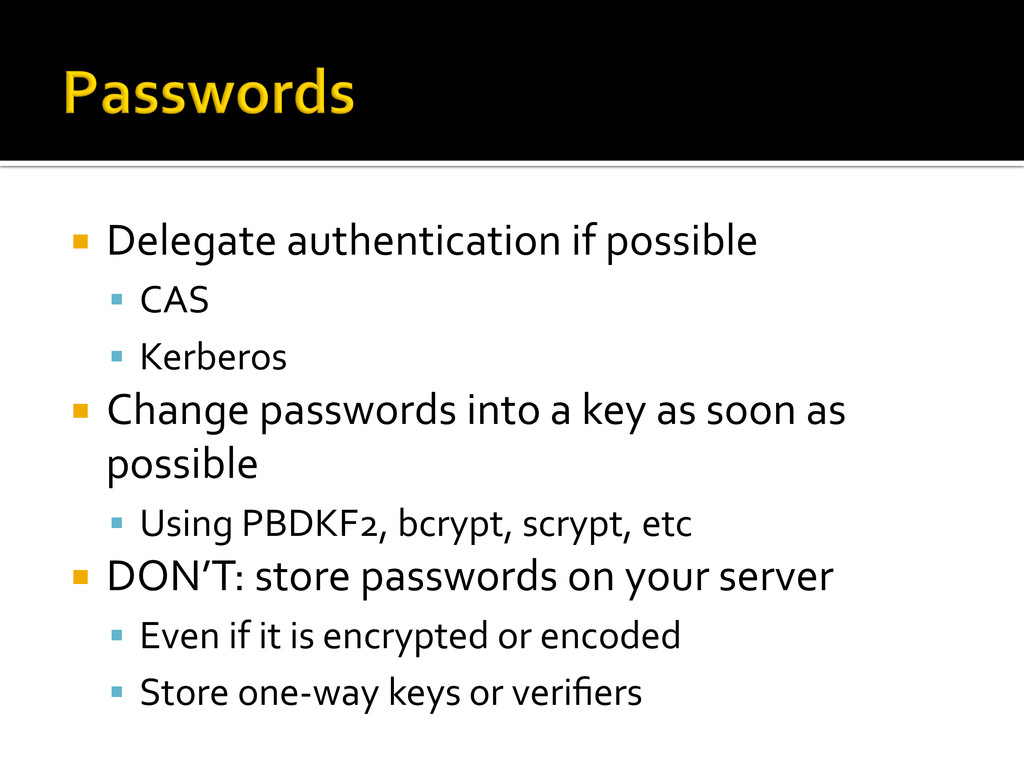
Kerberos ¡ Change passwords into a key as soon as possible § Using PBDKF2, bcrypt, scrypt, etc ¡ DON’T: store passwords on your server § Even if it is encrypted or encoded § Store one-‐way keys or verifiers
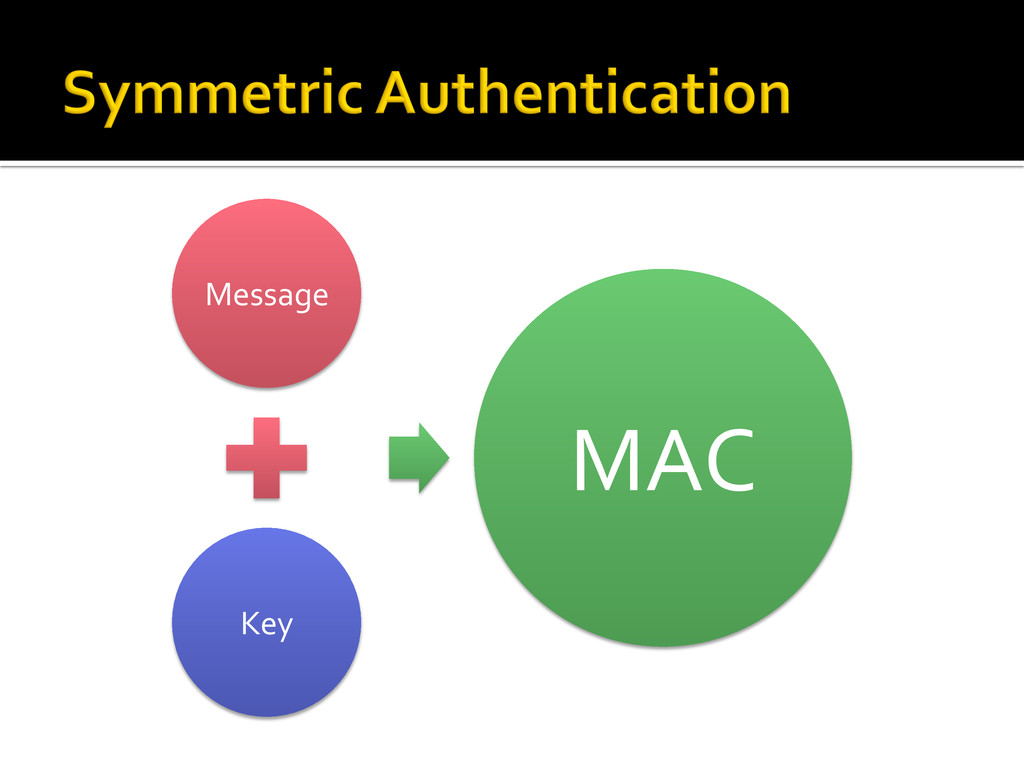
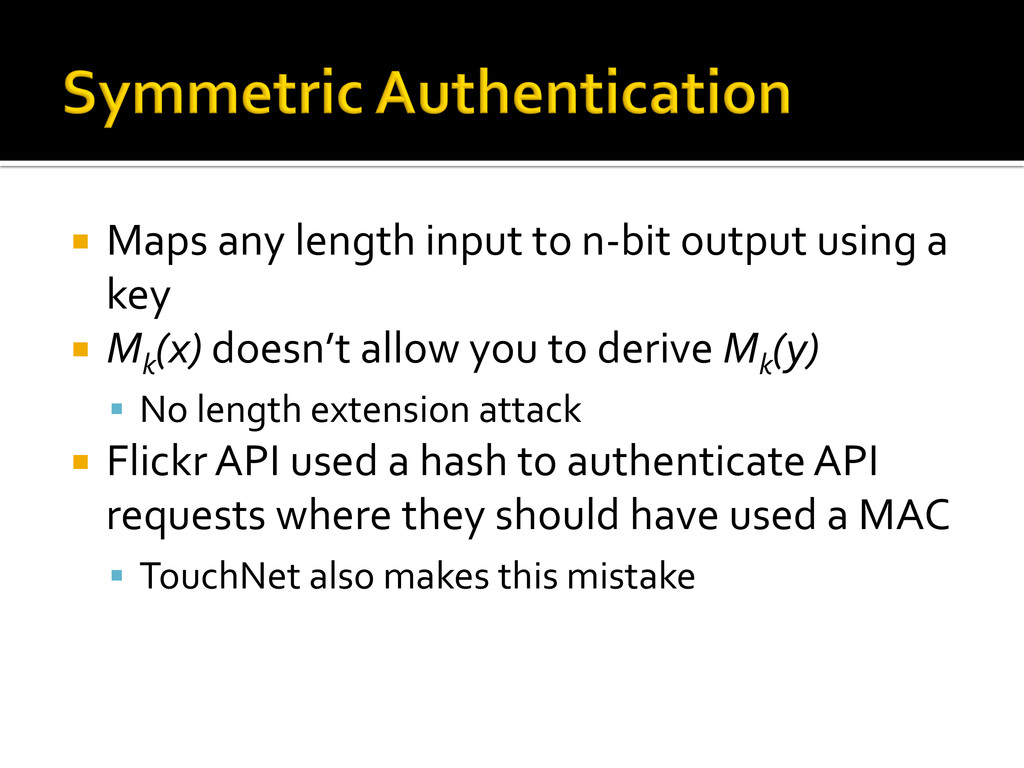
key ¡ Mk (x) doesn’t allow you to derive Mk (y) § No length extension attack ¡ Flickr API used a hash to authenticate API requests where they should have used a MAC § TouchNet also makes this mistake
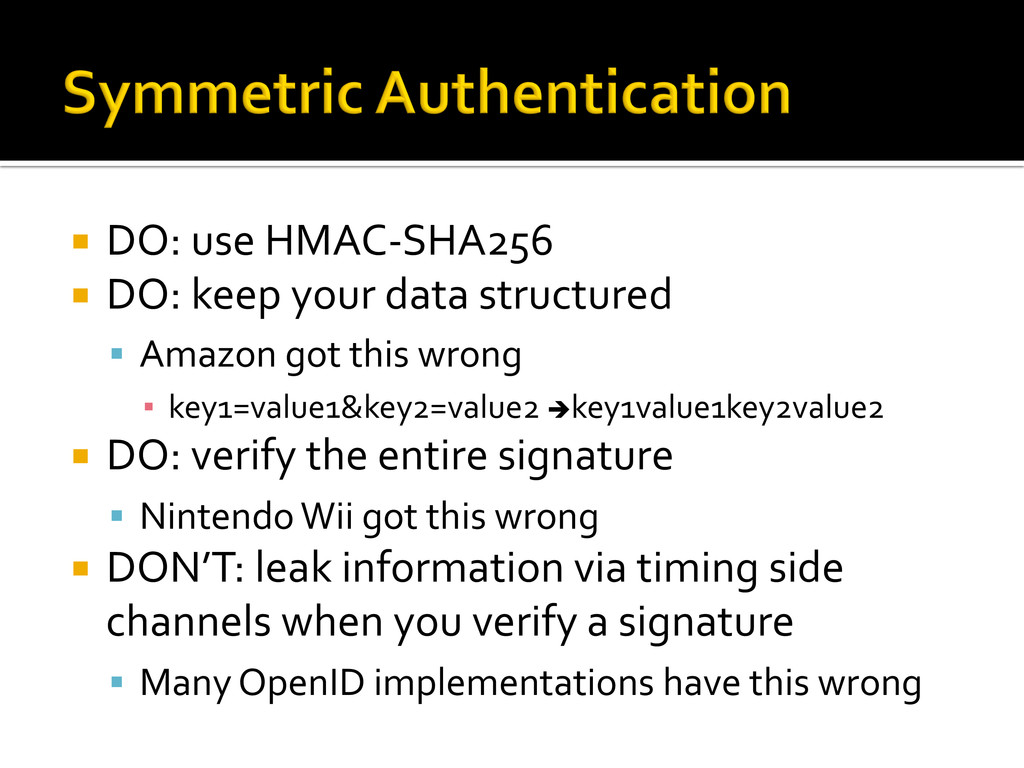
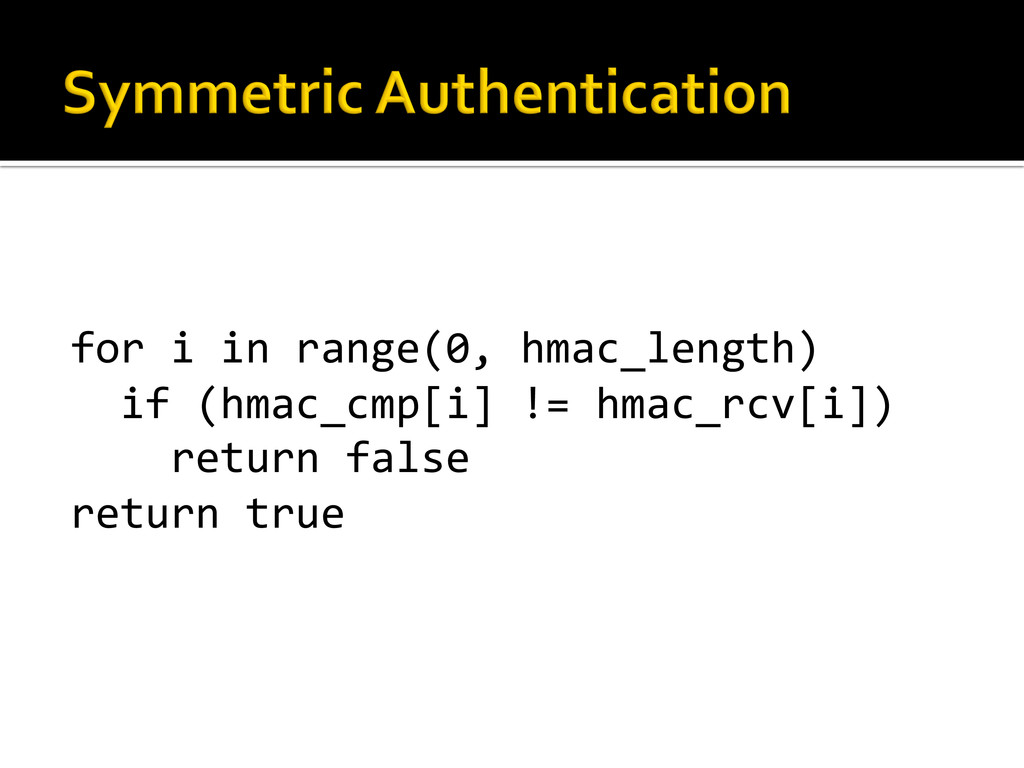
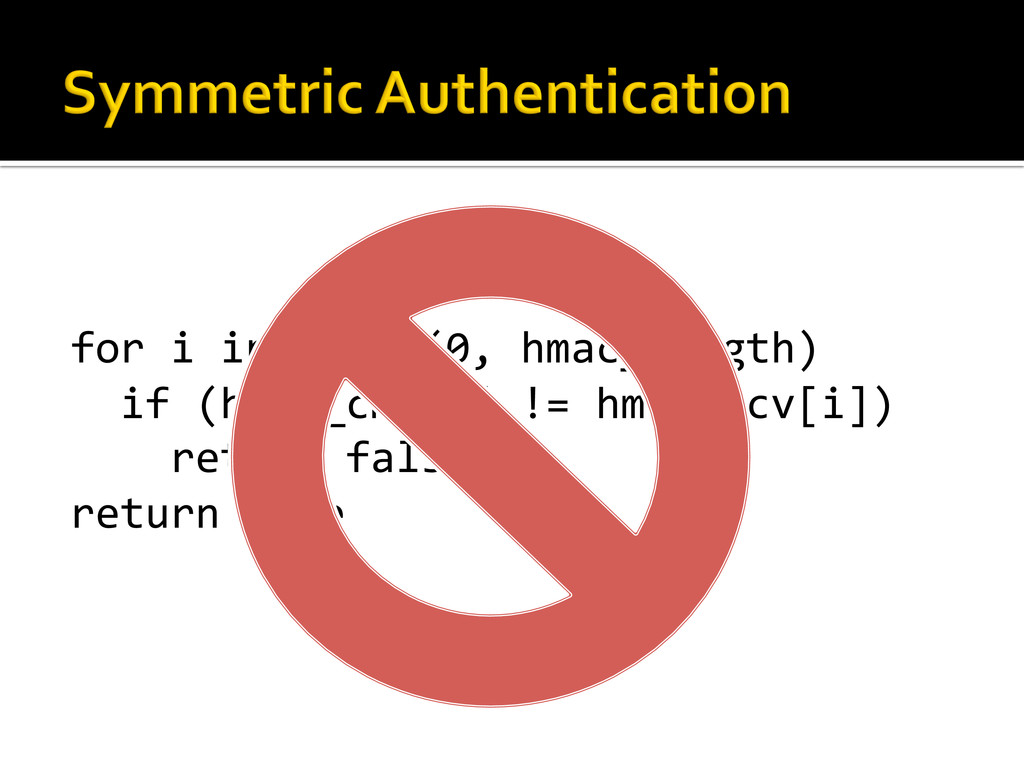
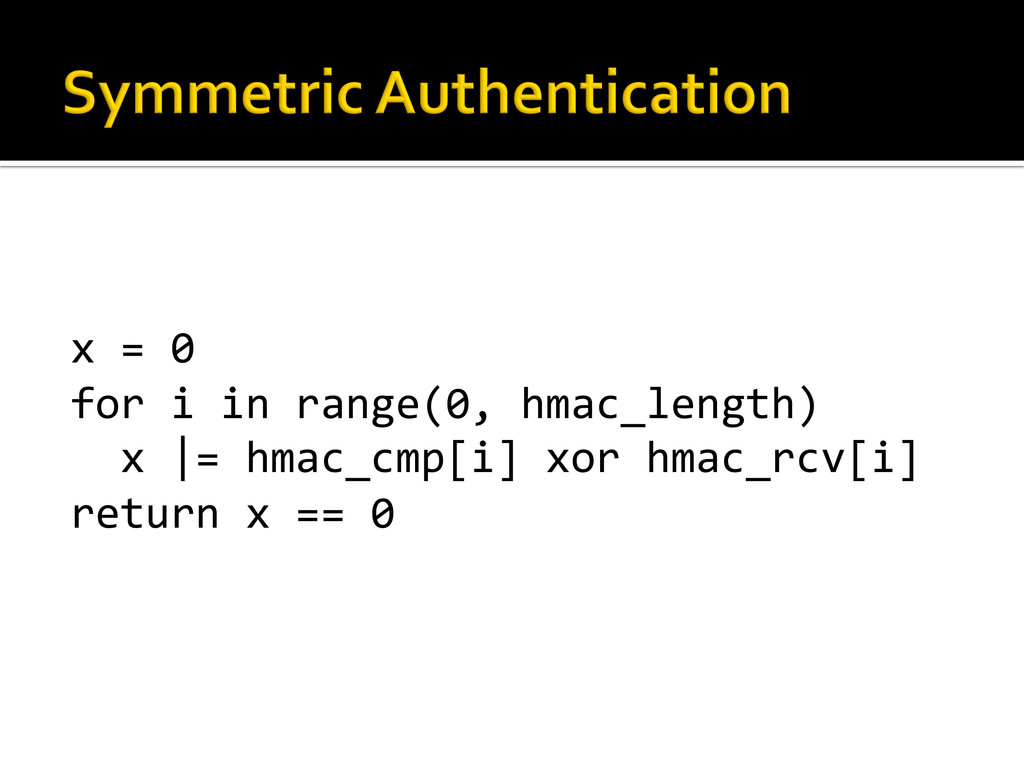
structured § Amazon got this wrong ▪ key1=value1&key2=value2 èkey1value1key2value2 ¡ DO: verify the entire signature § Nintendo Wii got this wrong ¡ DON’T: leak information via timing side channels when you verify a signature § Many OpenID implementations have this wrong
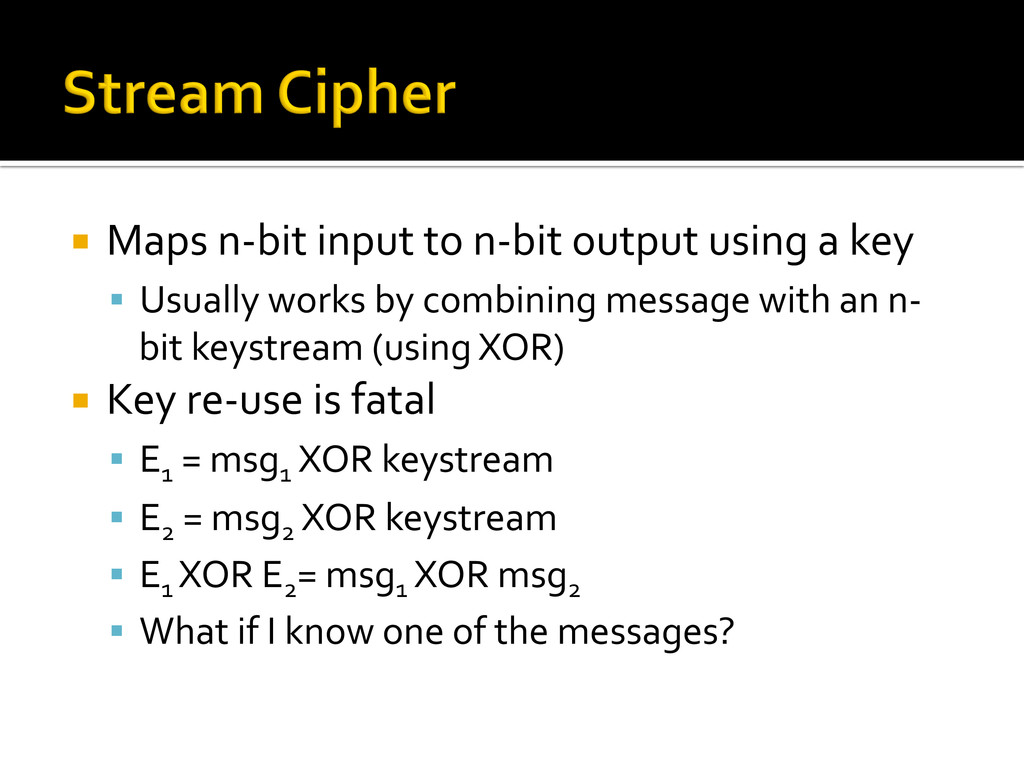
§ Usually works by combining message with an n-‐ bit keystream (using XOR) ¡ Key re-‐use is fatal § E1 = msg1 XOR keystream § E2 = msg2 XOR keystream § E1 XOR E2 = msg1 XOR msg2 § What if I know one of the messages?
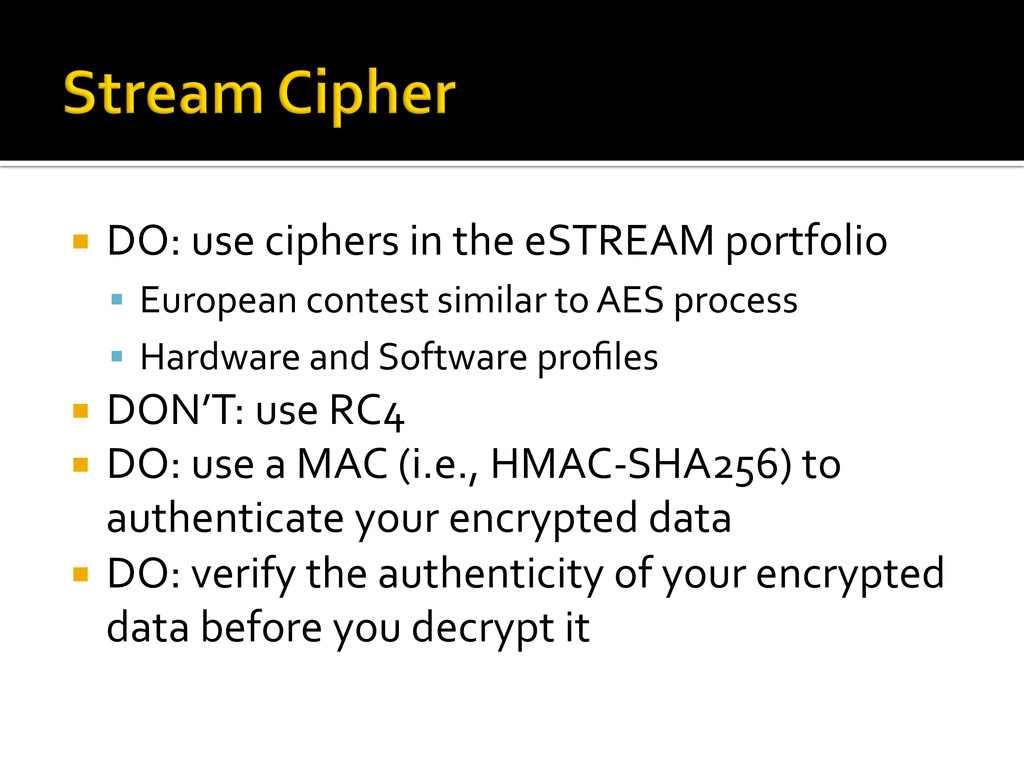
European contest similar to AES process § Hardware and Software profiles ¡ DON’T: use RC4 ¡ DO: use a MAC (i.e., HMAC-‐SHA256) to authenticate your encrypted data ¡ DO: verify the authenticity of your encrypted data before you decrypt it
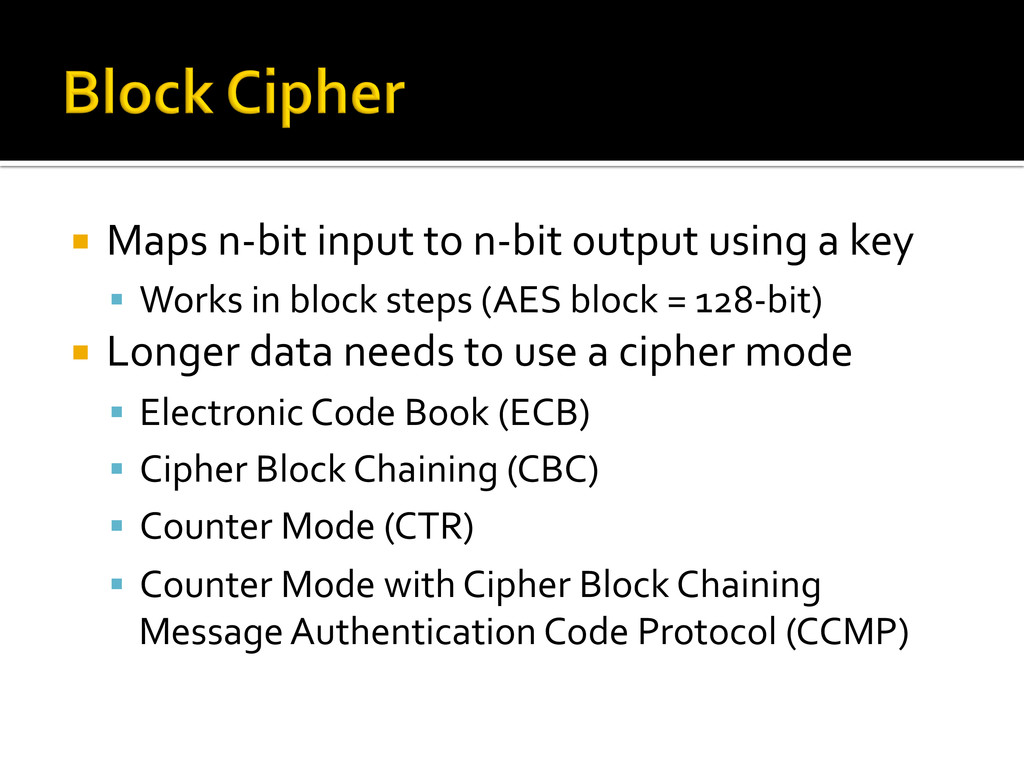
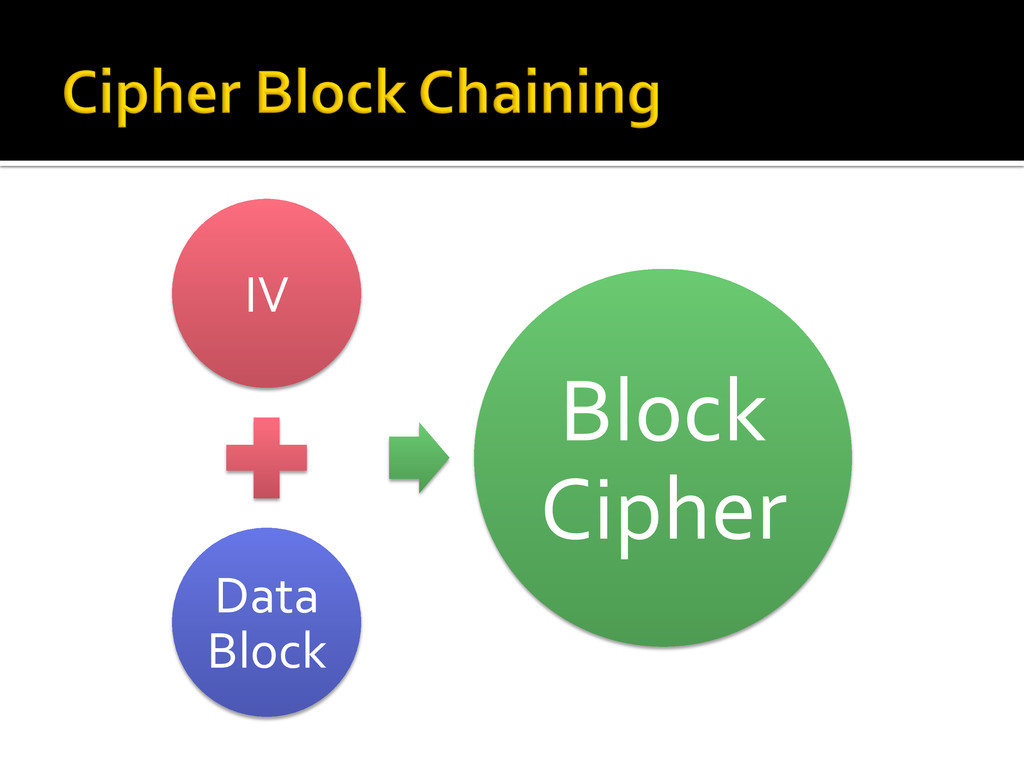
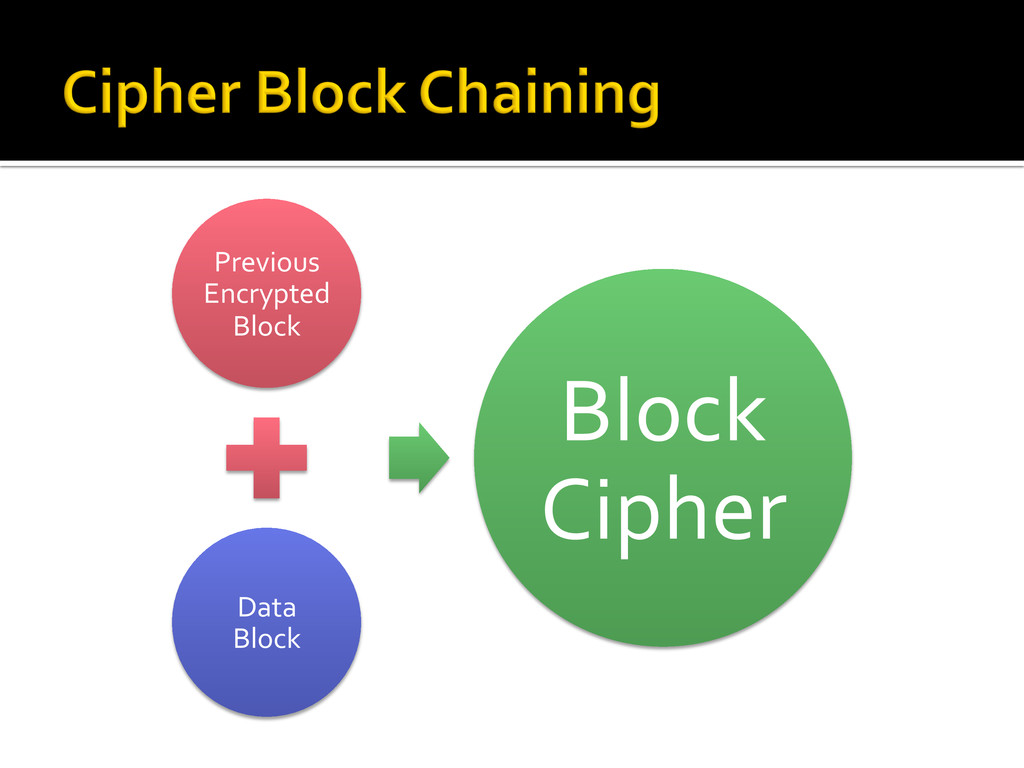
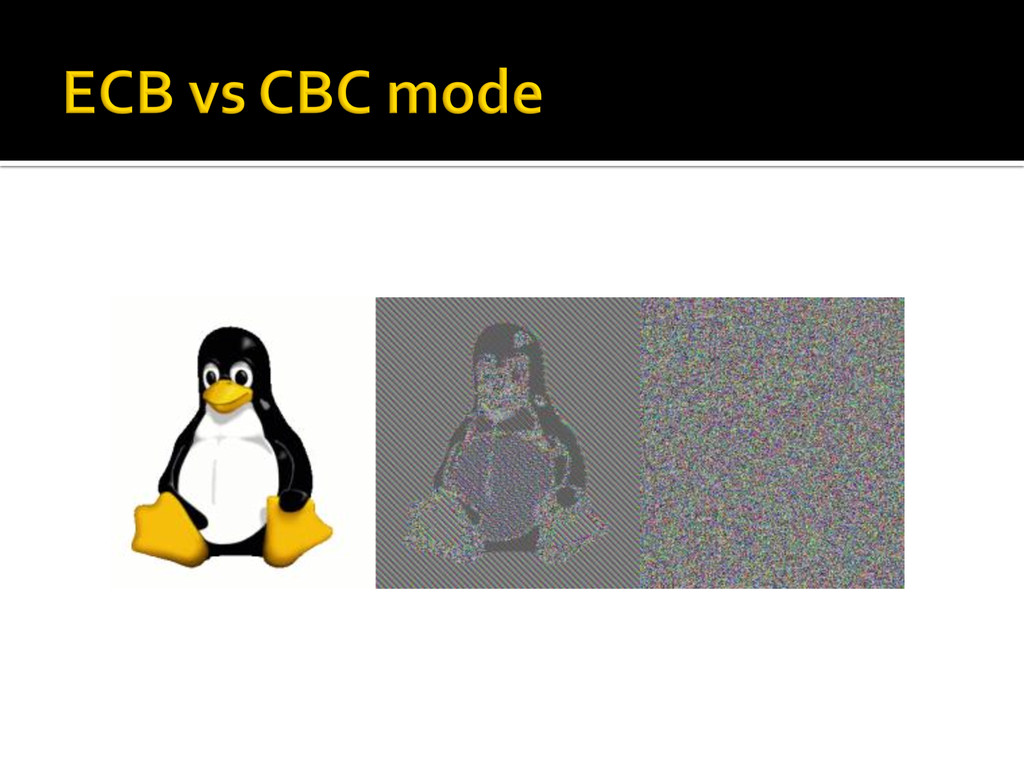
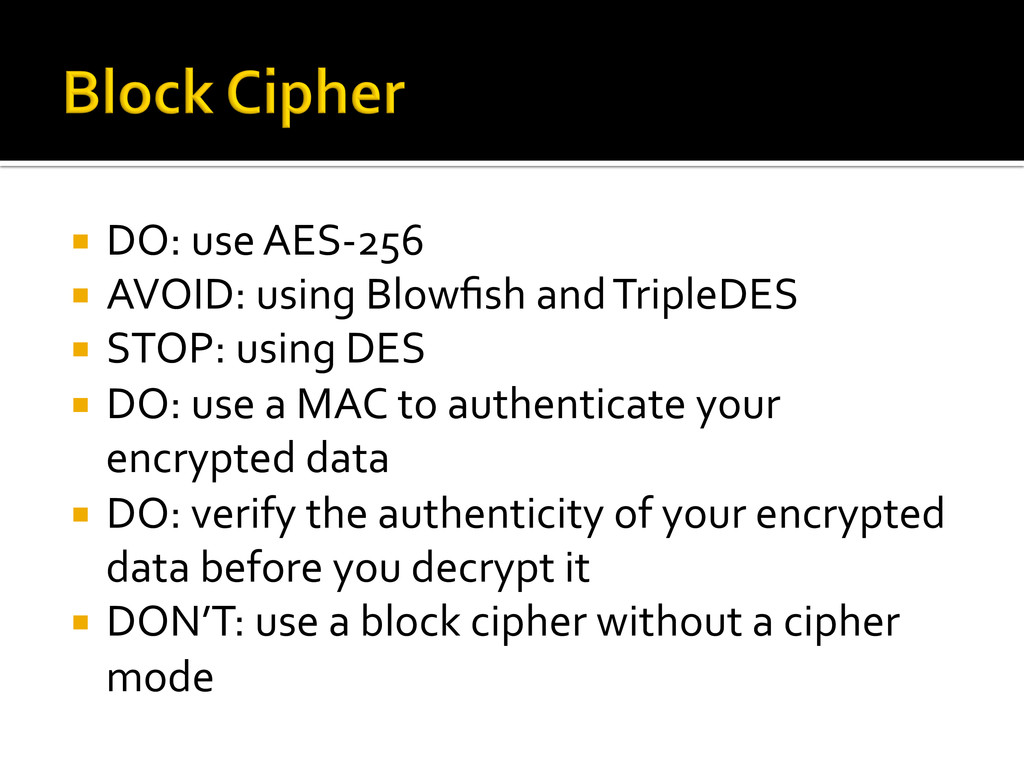
TripleDES ¡ STOP: using DES ¡ DO: use a MAC to authenticate your encrypted data ¡ DO: verify the authenticity of your encrypted data before you decrypt it ¡ DON’T: use a block cipher without a cipher mode
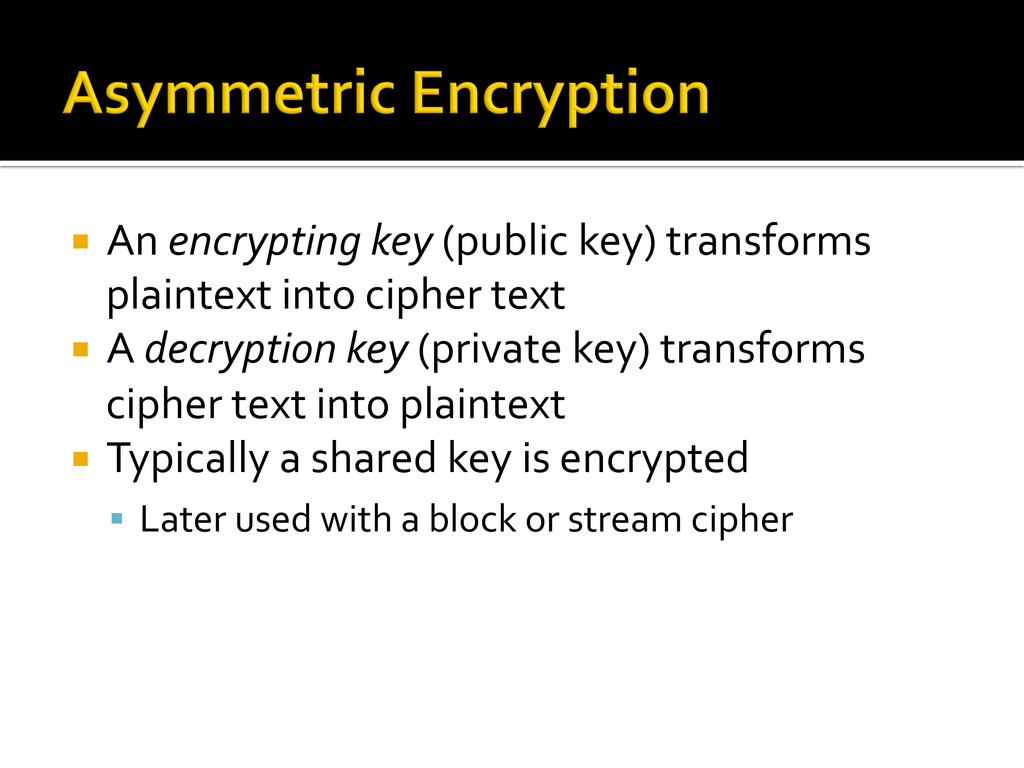
cipher text ¡ A decryption key (private key) transforms cipher text into plaintext ¡ Typically a shared key is encrypted § Later used with a block or stream cipher
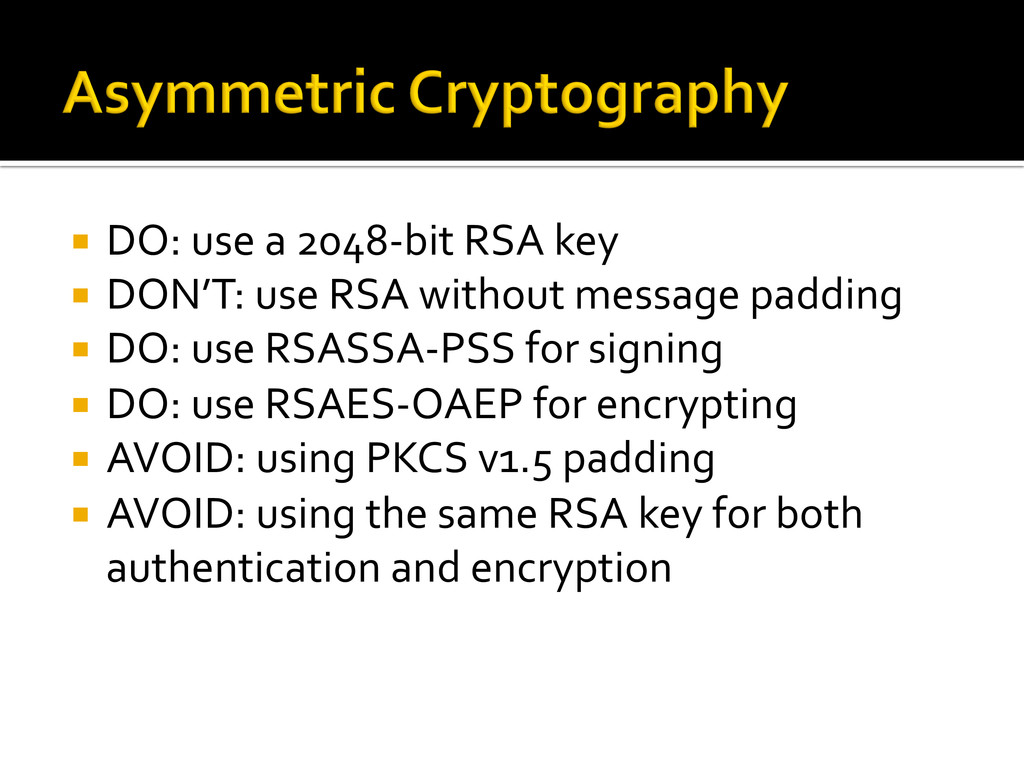
use RSA without message padding ¡ DO: use RSASSA-‐PSS for signing ¡ DO: use RSAES-‐OAEP for encrypting ¡ AVOID: using PKCS v1.5 padding ¡ AVOID: using the same RSA key for both authentication and encryption
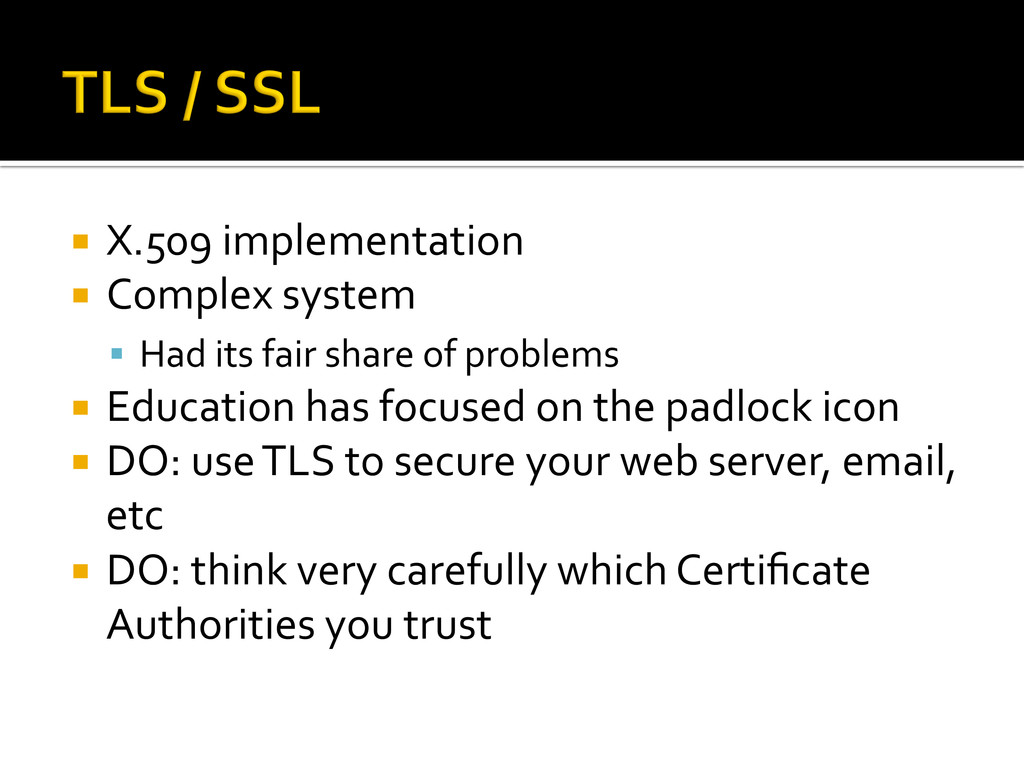
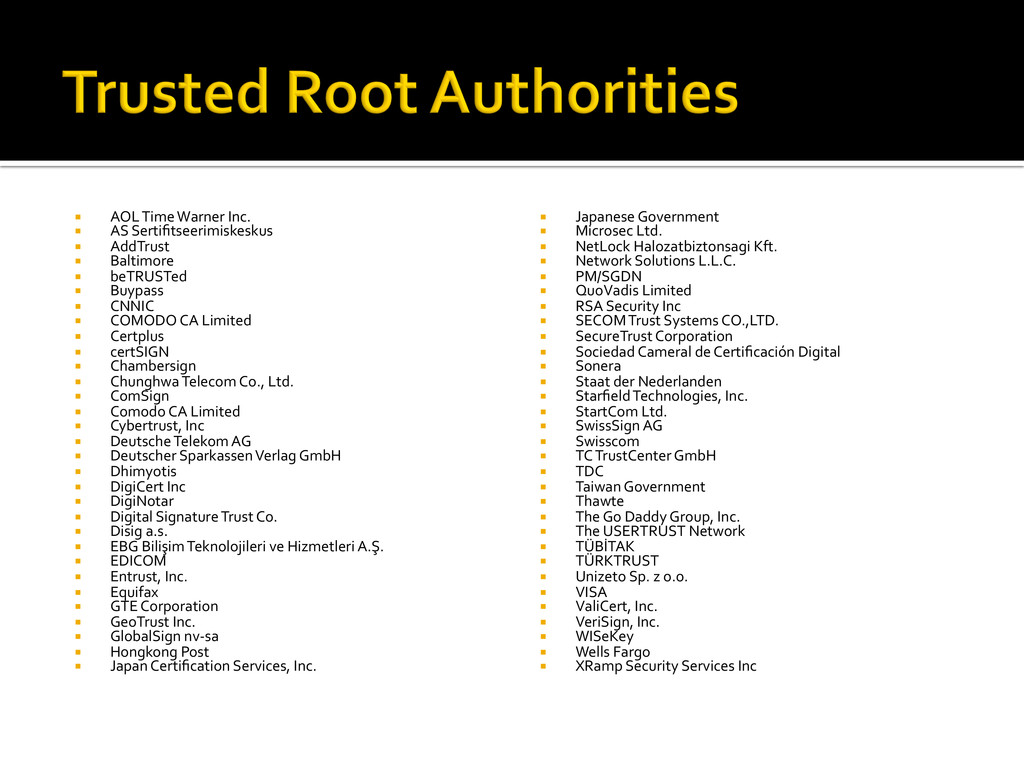
its fair share of problems ¡ Education has focused on the padlock icon ¡ DO: use TLS to secure your web server, email, etc ¡ DO: think very carefully which Certificate Authorities you trust


 jtdowney
 mpyw
mpyw
 myus4a
 ivargrimstad
 riofujimon
 kanfab1
 kishima
 yuukiw00w
.jpeg) kaseken
kaseken
 neuecc
 takaidohigasi
 kntkymt
 teyamagu
 elsirapls
 jct
jct
 badams
 swwweet
 denniskardys
 lcolladotor
 jonyablonski
 jonoalderson
 rmw
rmw
 quramy
 oripsolob
 panda_program