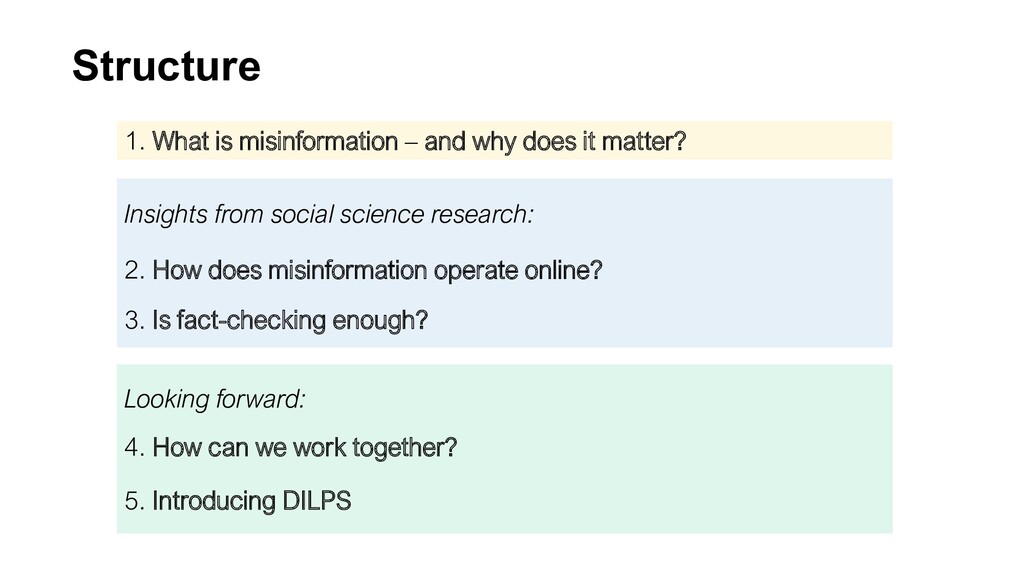
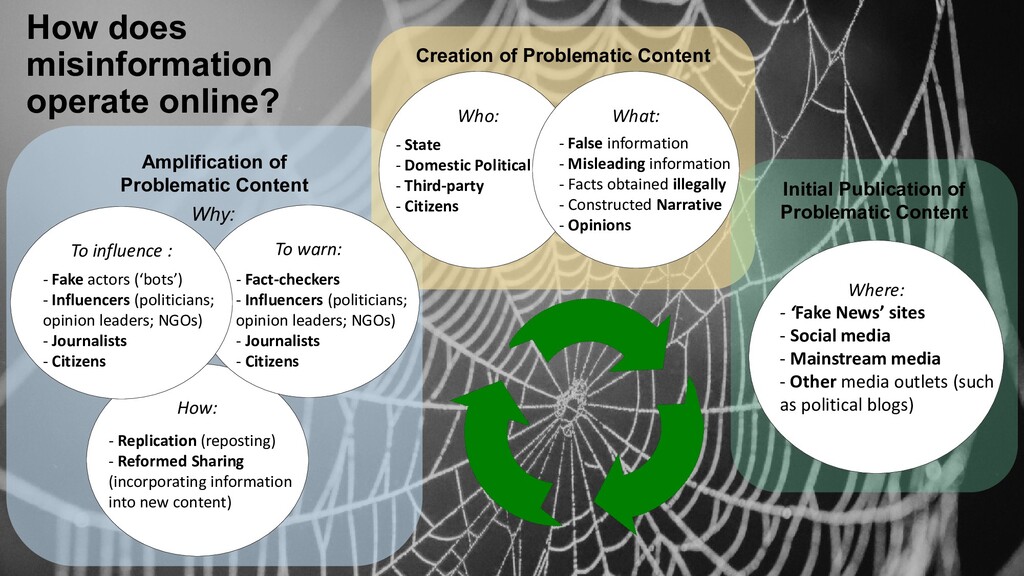
matter? 3. Is fact-checking enough? Insights from social science research: 2. How does misinformation operate online? 4. How can we work together? 5. Introducing DILPS Looking forward:
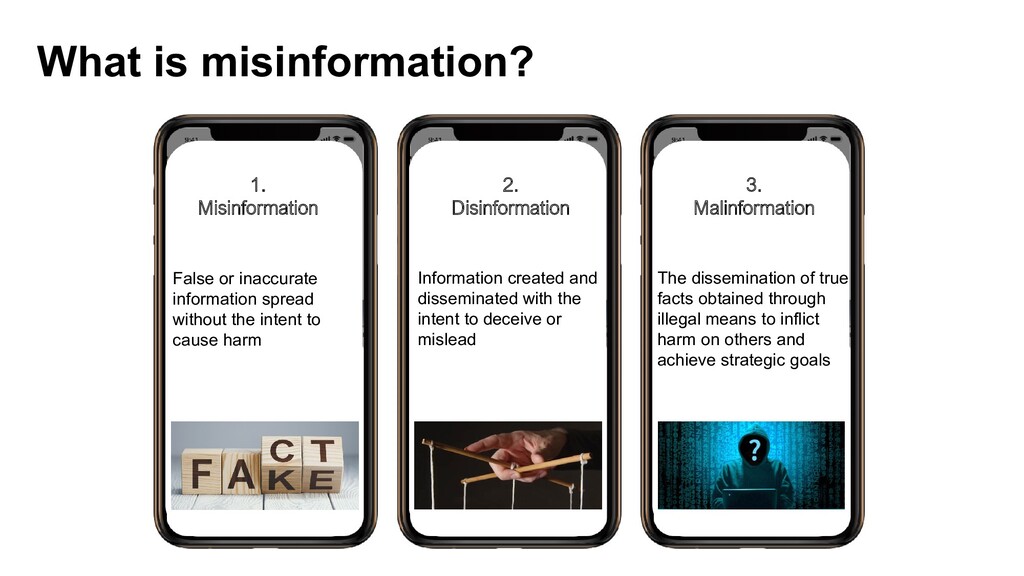
or inaccurate information spread without the intent to cause harm Information created and disseminated with the intent to deceive or mislead The dissemination of true facts obtained through illegal means to inflict harm on others and achieve strategic goals
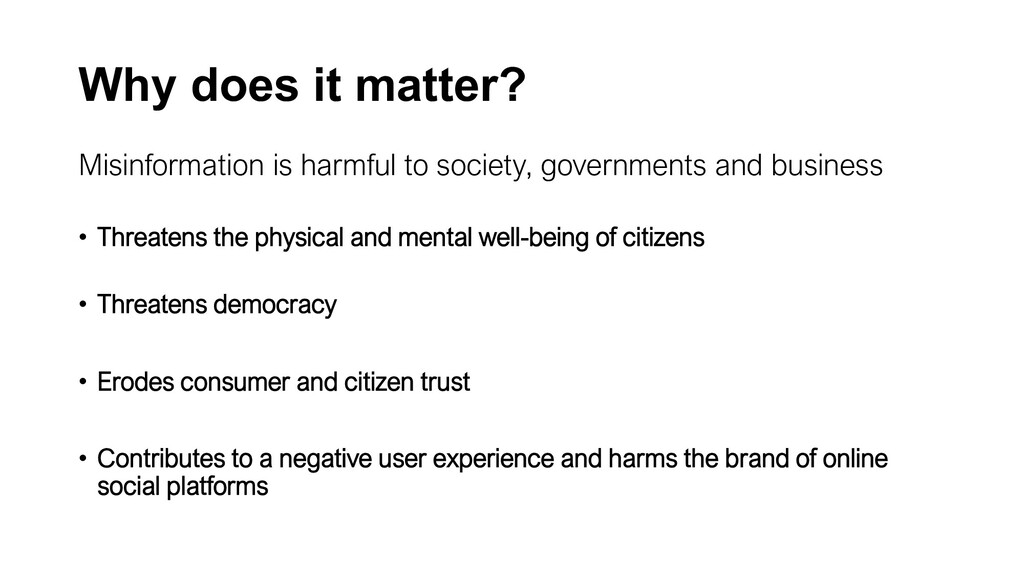
well-being of citizens • Threatens democracy • Erodes consumer and citizen trust • Contributes to a negative user experience and harms the brand of online social platforms Misinformation is harmful to society, governments and business
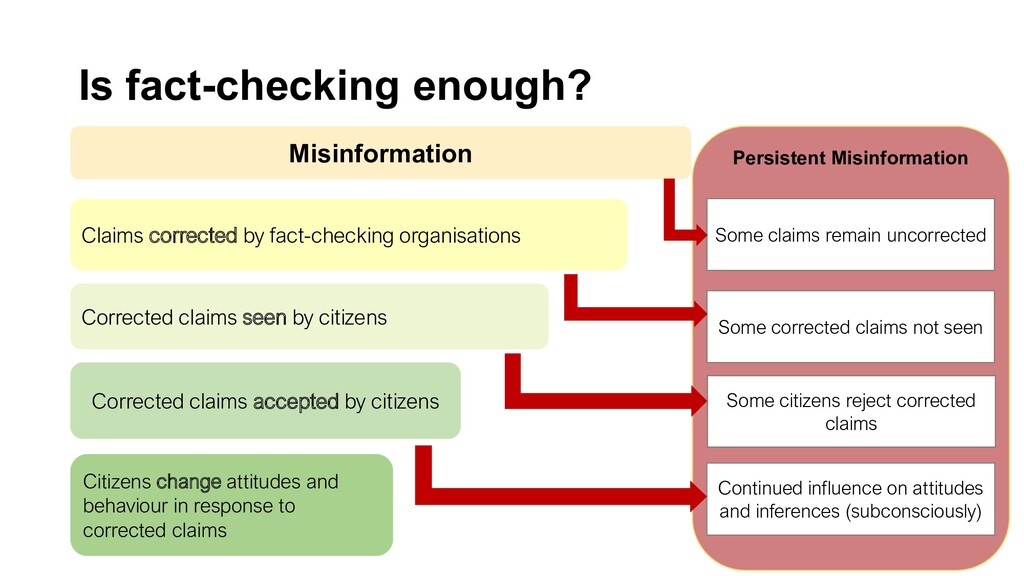
organisations Corrected claims seen by citizens Corrected claims accepted by citizens Citizens change attitudes and behaviour in response to corrected claims Some claims remain uncorrected Some corrected claims not seen Some citizens reject corrected claims Continued influence on attitudes and inferences (subconsciously)
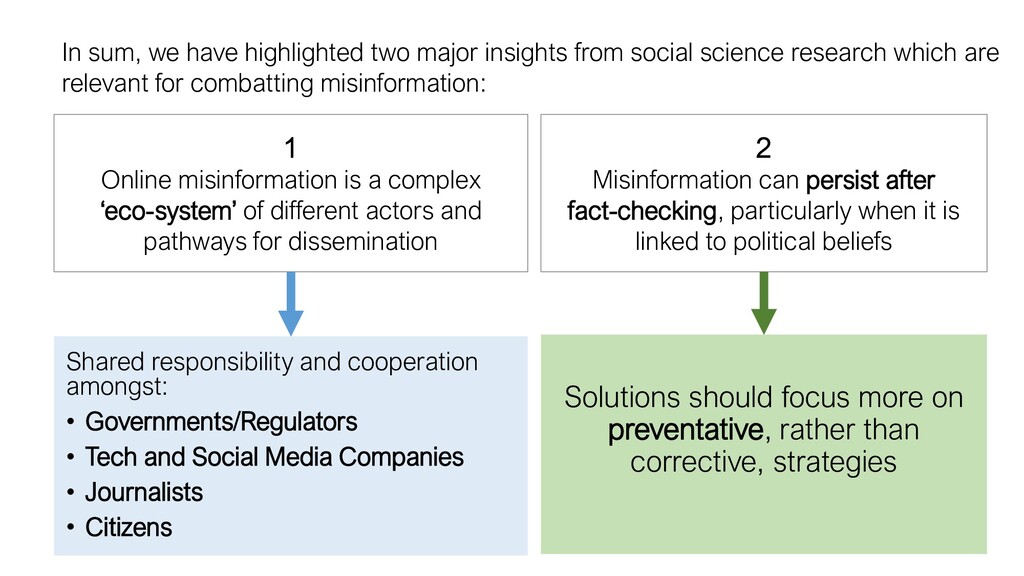
Social Media Companies • Journalists • Citizens Solutions should focus more on preventative, rather than corrective, strategies In sum, we have highlighted two major insights from social science research which are relevant for combatting misinformation: 1 Online misinformation is a complex ‘eco-system’ of different actors and pathways for dissemination 2 Misinformation can persist after fact-checking, particularly when it is linked to political beliefs
understanding of human behaviour and social relationships offered by social sciences is crucial for the prevention of harmful social activity and inhibiting the effects of misinformation once individuals are exposed to it.
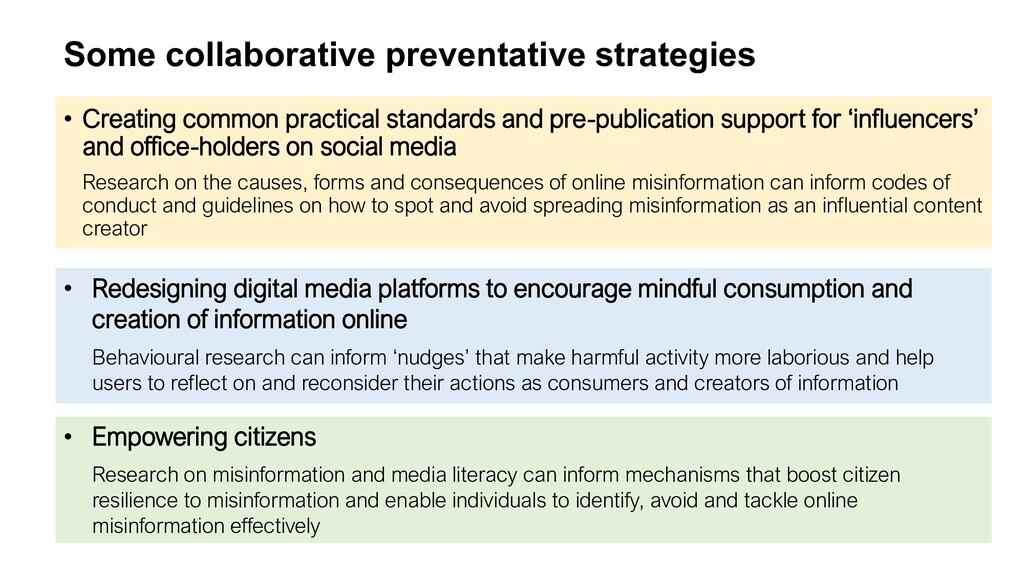
and office-holders on social media Research on the causes, forms and consequences of online misinformation can inform codes of conduct and guidelines on how to spot and avoid spreading misinformation as an influential content creator Some collaborative preventative strategies • Redesigning digital media platforms to encourage mindful consumption and creation of information online Behavioural research can inform ‘nudges’ that make harmful activity more laborious and help users to reflect on and reconsider their actions as consumers and creators of information • Empowering citizens Research on misinformation and media literacy can inform mechanisms that boost citizen resilience to misinformation and enable individuals to identify, avoid and tackle online misinformation effectively
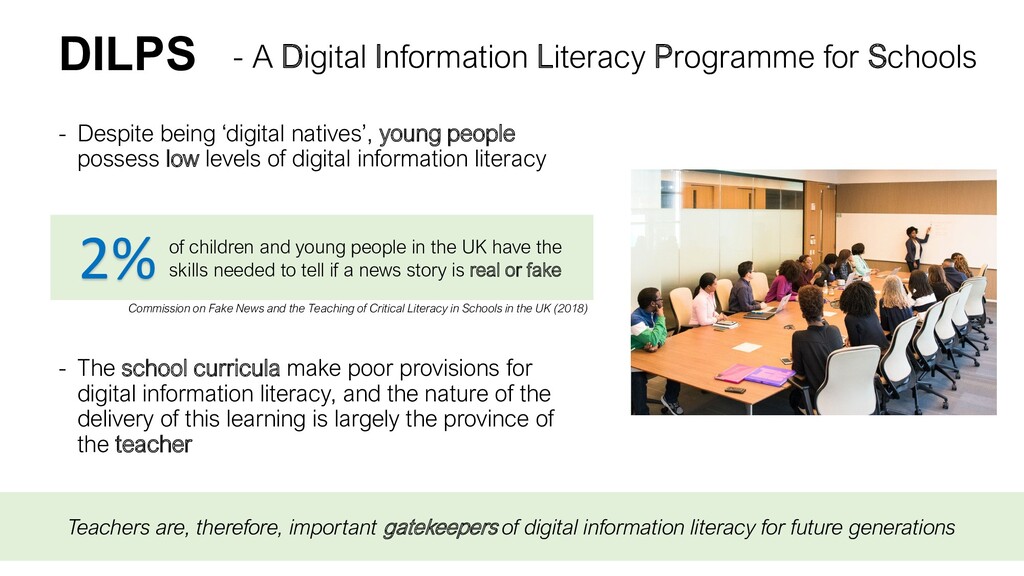
Despite being ‘digital natives’, young people possess low levels of digital information literacy - The school curricula make poor provisions for digital information literacy, and the nature of the delivery of this learning is largely the province of the teacher 2% of children and young people in the UK have the skills needed to tell if a news story is real or fake Commission on Fake News and the Teaching of Critical Literacy in Schools in the UK (2018) Teachers are, therefore, important gatekeepers of digital information literacy for future generations
resource for secondary school teachers that will: a) increase their understanding of the dynamics behind the spread of online political misinformation and the key strategies for challenging it b) empower them to identify the teaching and learning opportunities for passing this understanding on to their students at Sixth Form level - A Digital Information Literacy Programme for Schools
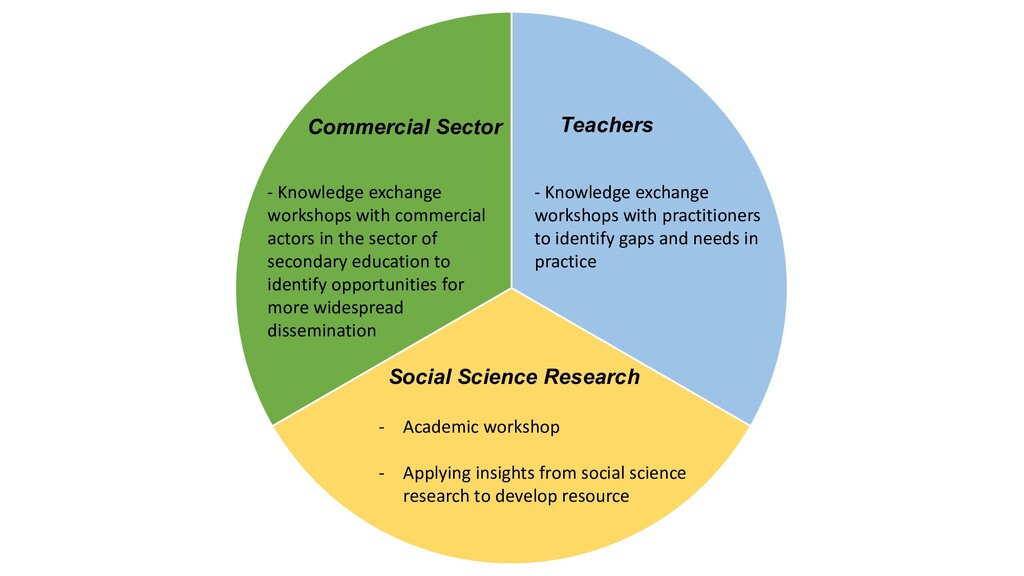
with practitioners to identify gaps and needs in practice - Academic workshop - Applying insights from social science research to develop resource - Knowledge exchange workshops with commercial actors in the sector of secondary education to identify opportunities for more widespread dissemination
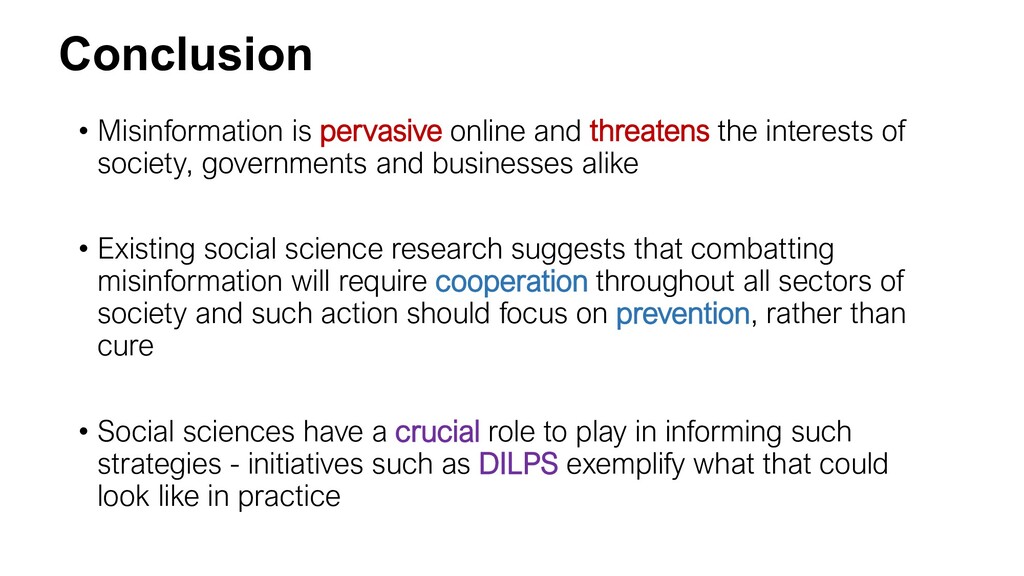
of society, governments and businesses alike • Existing social science research suggests that combatting misinformation will require cooperation throughout all sectors of society and such action should focus on prevention, rather than cure • Social sciences have a crucial role to play in informing such strategies - initiatives such as DILPS exemplify what that could look like in practice
civilization has organized around geographic terrain. It is where nations were formed, wars fought, and goods traded. The rise of the networked society has resulted in the emergence of a new cybersocial terrain, which is now the key domain.
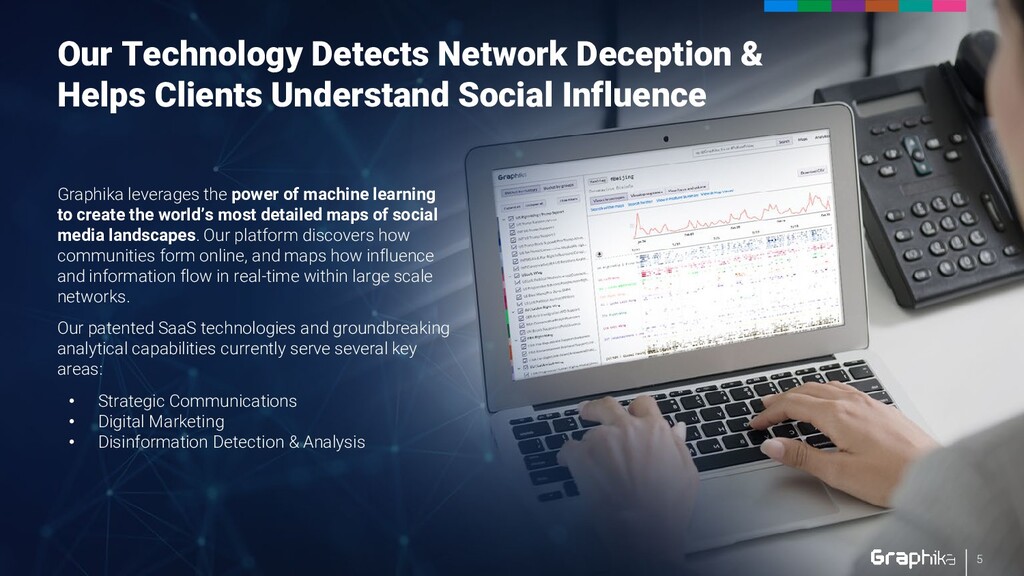
Social Influence Graphika leverages the power of machine learning to create the world’s most detailed maps of social media landscapes. Our platform discovers how communities form online, and maps how influence and information flow in real-time within large scale networks. Our patented SaaS technologies and groundbreaking analytical capabilities currently serve several key areas: • Strategic Communications • Digital Marketing • Disinformation Detection & Analysis
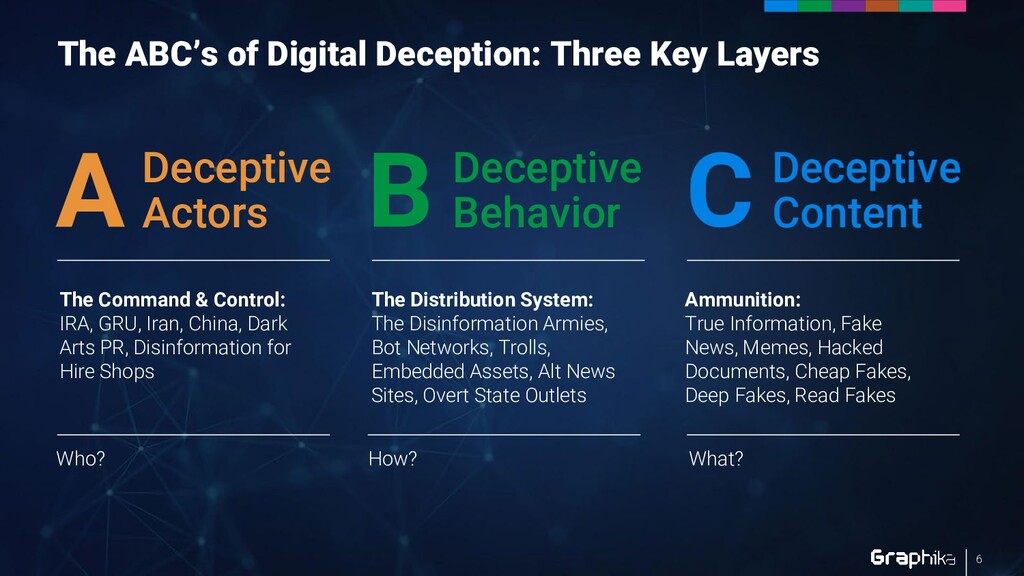
Arts PR, Disinformation for Hire Shops A Who? Actors The Distribution System: The Disinformation Armies, Bot Networks, Trolls, Embedded Assets, Alt News Sites, Overt State Outlets How? Deceptive B Behavior Ammunition: True Information, Fake News, Memes, Hacked Documents, Cheap Fakes, Deep Fakes, Read Fakes What? Deceptive C Content 6 The ABC’s of Digital Deception: Three Key Layers
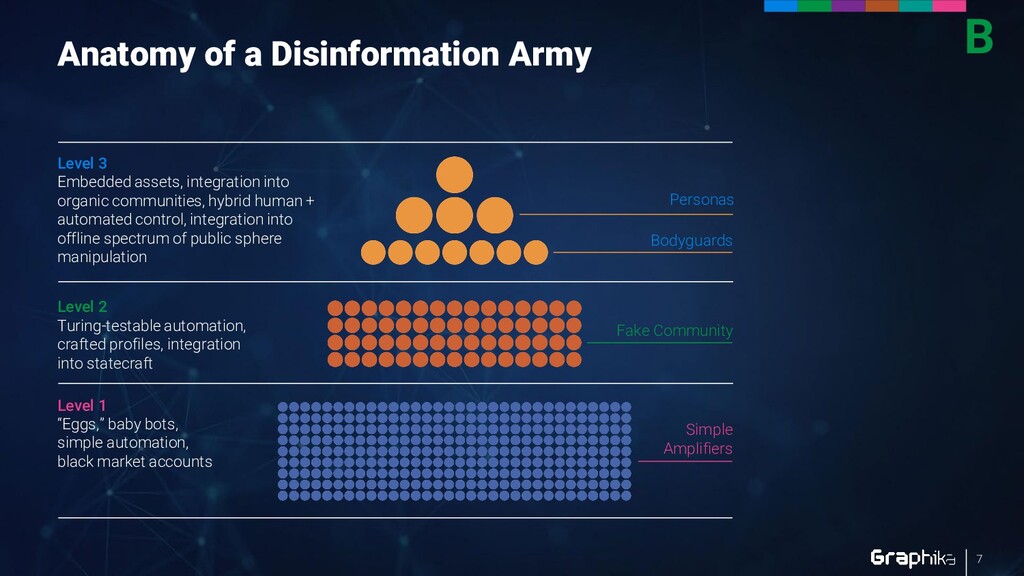
+ automated control, integration into offline spectrum of public sphere manipulation Level 2 Turing-testable automation, crafted profiles, integration into statecraft Level 1 “Eggs,” baby bots, simple automation, black market accounts Personas Bodyguards Fake Community Simple Amplifiers B Anatomy of a Disinformation Army 7
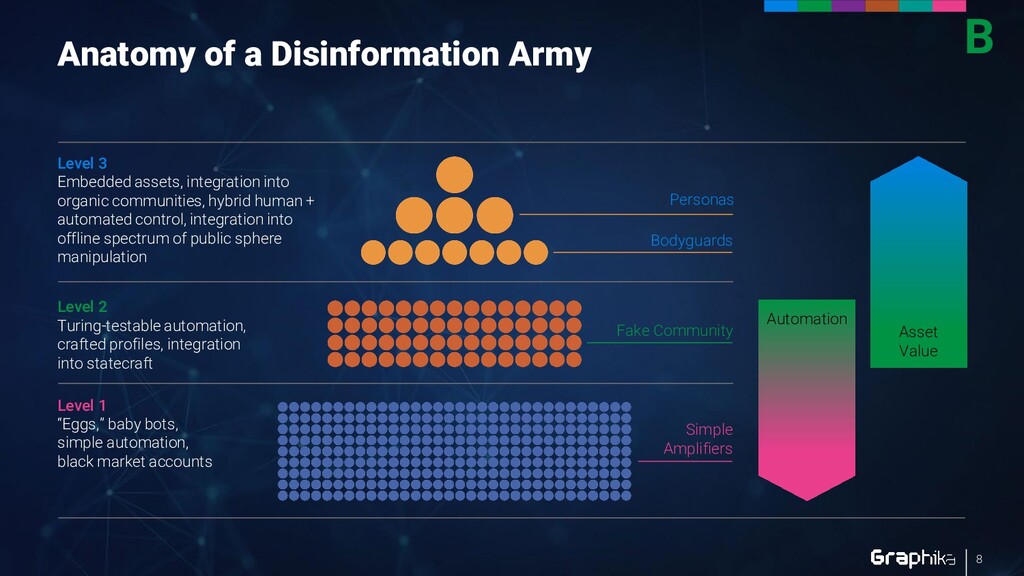
+ automated control, integration into offline spectrum of public sphere manipulation Level 2 Turing-testable automation, crafted profiles, integration into statecraft Level 1 “Eggs,” baby bots, simple automation, black market accounts Personas Bodyguards Fake Community Simple Amplifiers Automation Asset Value B Anatomy of a Disinformation Army 8
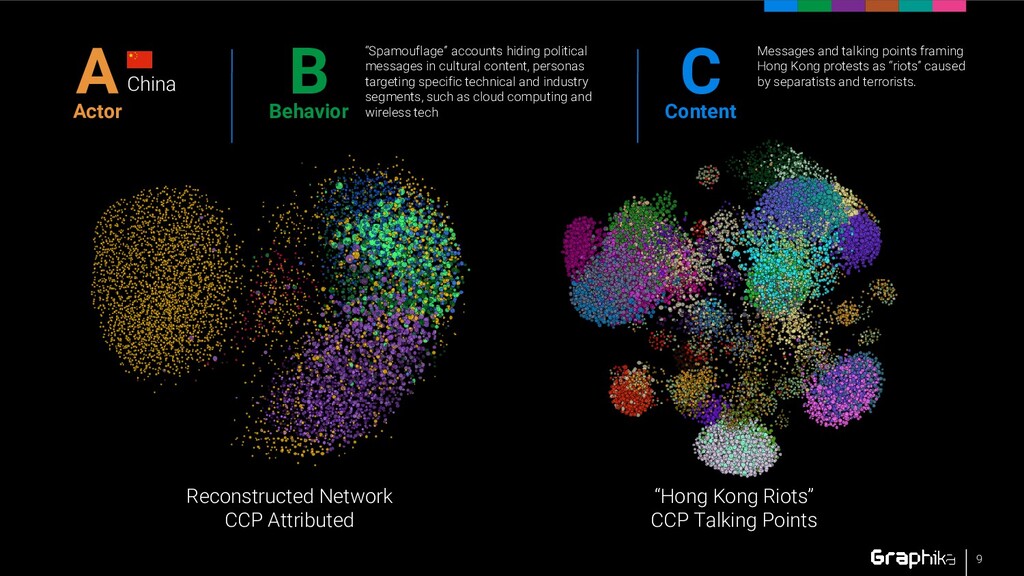
Messages and talking points framing Hong Kong protests as “riots” caused by separatists and terrorists. C Content “Spamouflage” accounts hiding political messages in cultural content, personas targeting specific technical and industry segments, such as cloud computing and wireless tech B Behavior A Actor China 9
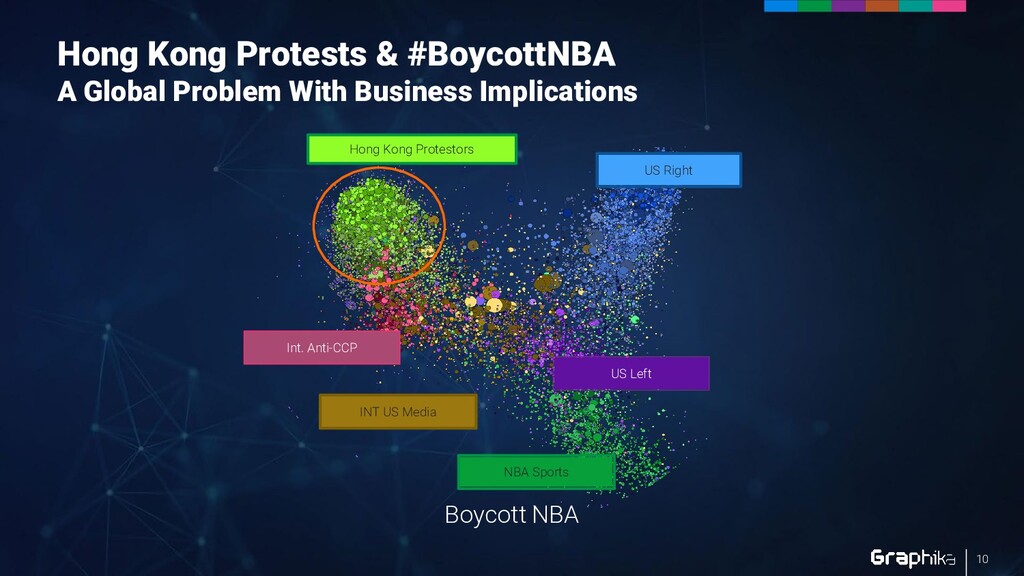
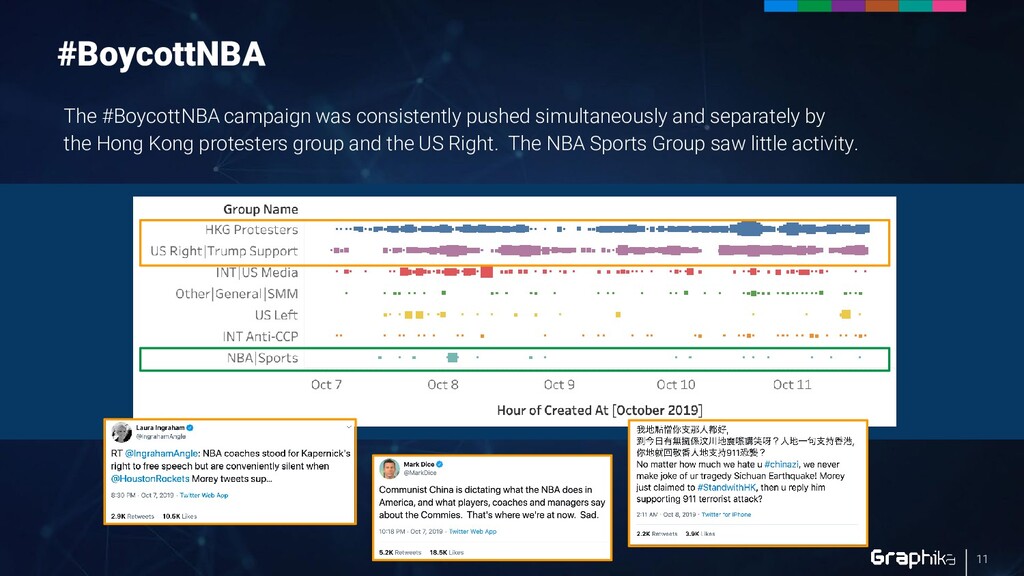
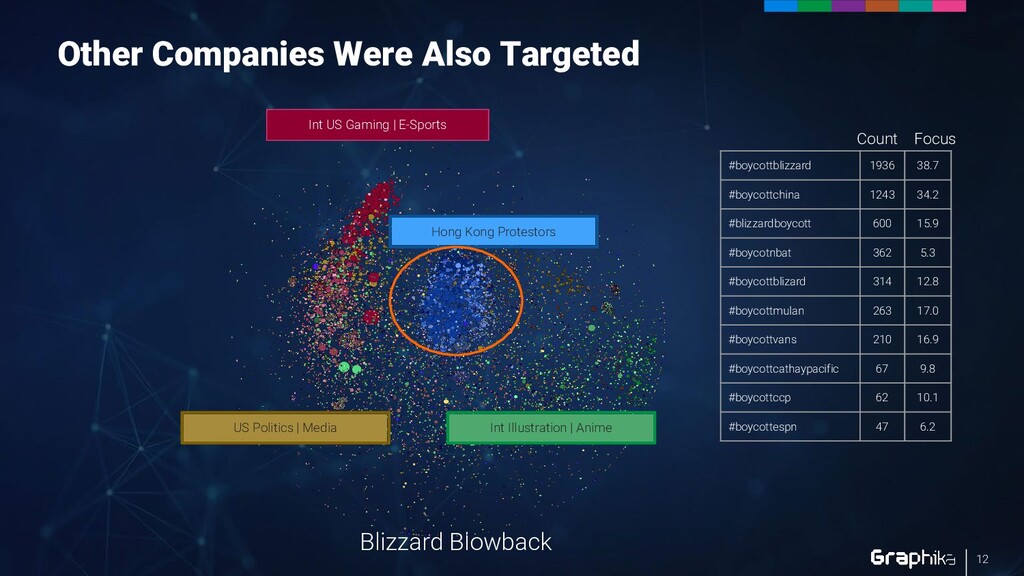
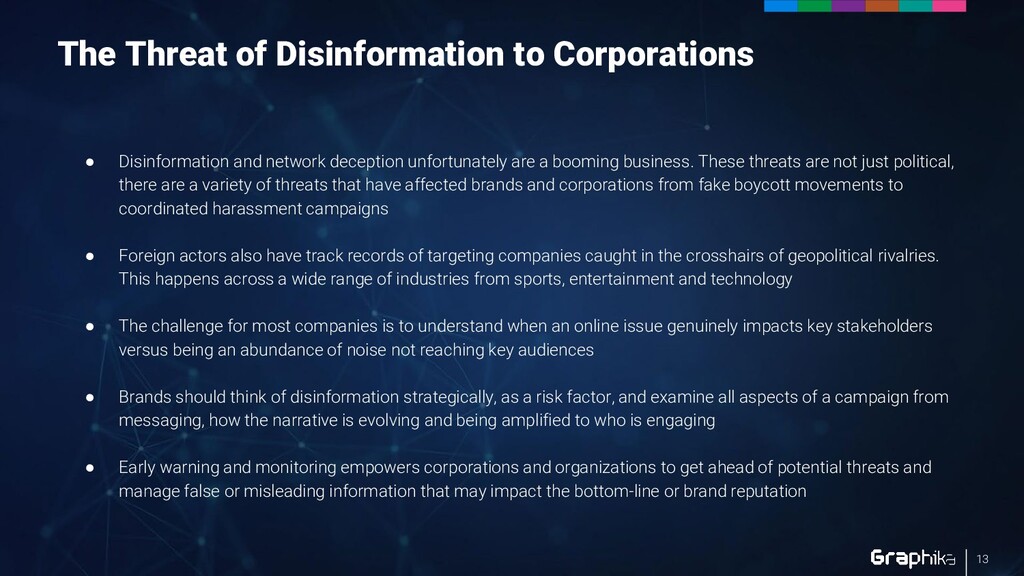
deception unfortunately are a booming business. These threats are not just political, there are a variety of threats that have affected brands and corporations from fake boycott movements to coordinated harassment campaigns • Foreign actors also have track records of targeting companies caught in the crosshairs of geopolitical rivalries. This happens across a wide range of industries from sports, entertainment and technology • The challenge for most companies is to understand when an online issue genuinely impacts key stakeholders versus being an abundance of noise not reaching key audiences • Brands should think of disinformation strategically, as a risk factor, and examine all aspects of a campaign from messaging, how the narrative is evolving and being amplified to who is engaging • Early warning and monitoring empowers corporations and organizations to get ahead of potential threats and manage false or misleading information that may impact the bottom-line or brand reputation 13


 aspectnetwork
 akashhashmi
 mkilby
 baasie
 palkan
 soysaucechin
 gr2m
gr2m
 techseoconnect
 panda_program
 chrisshort
 sergeychernyshev
 lauravandoore
 reverentgeek