This talk was presented at Defcon 33.
Cryptocurrency is everywhere now. Billion-dollar companies are built on it, entire economies run on Bitcoin, and cybercriminals love using it to finance their operations or hide stolen money. Cryptocurrencies promise anonymity, yet blockchain transactions are fully public, and make it tricky to hide funds.
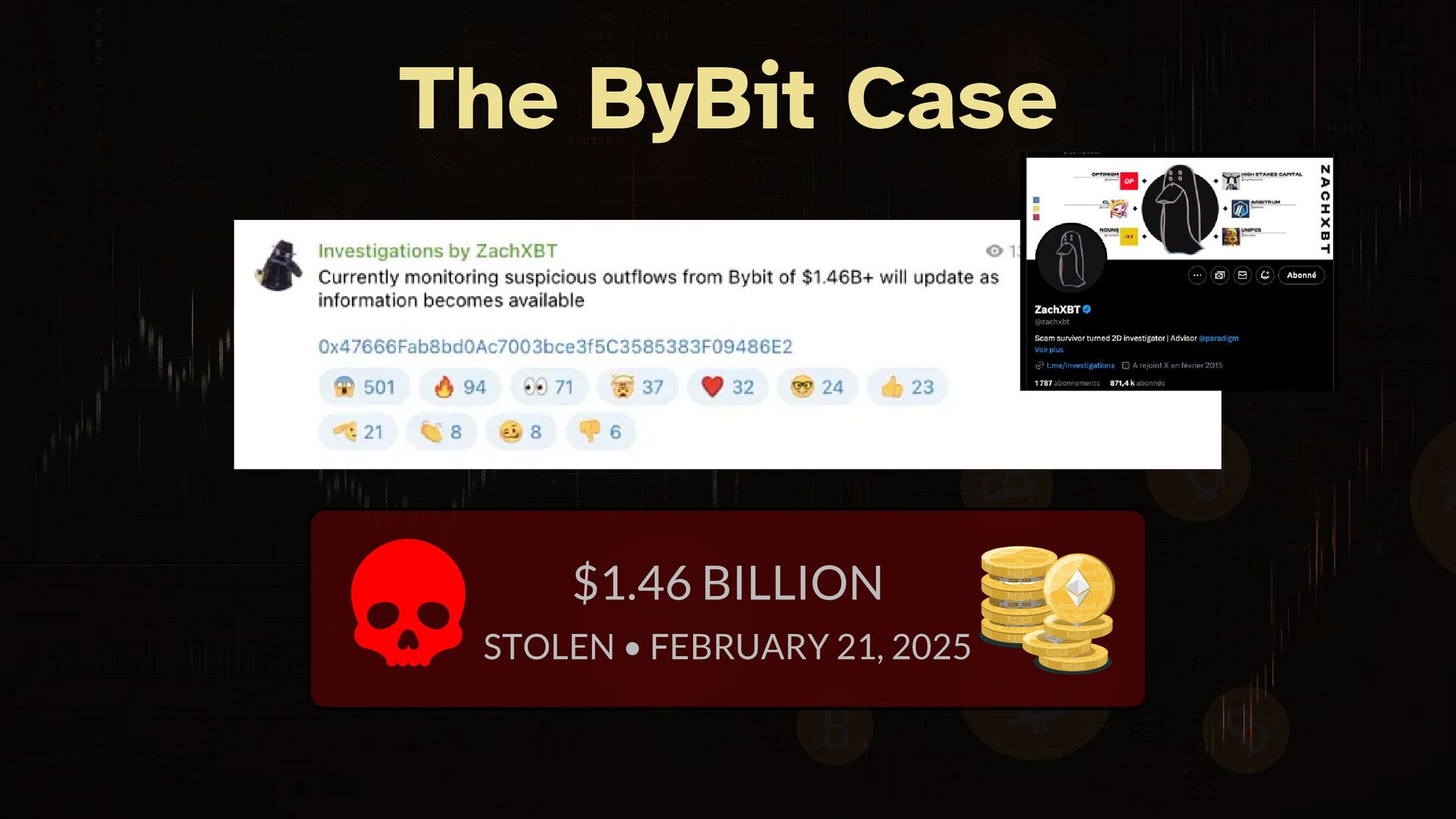
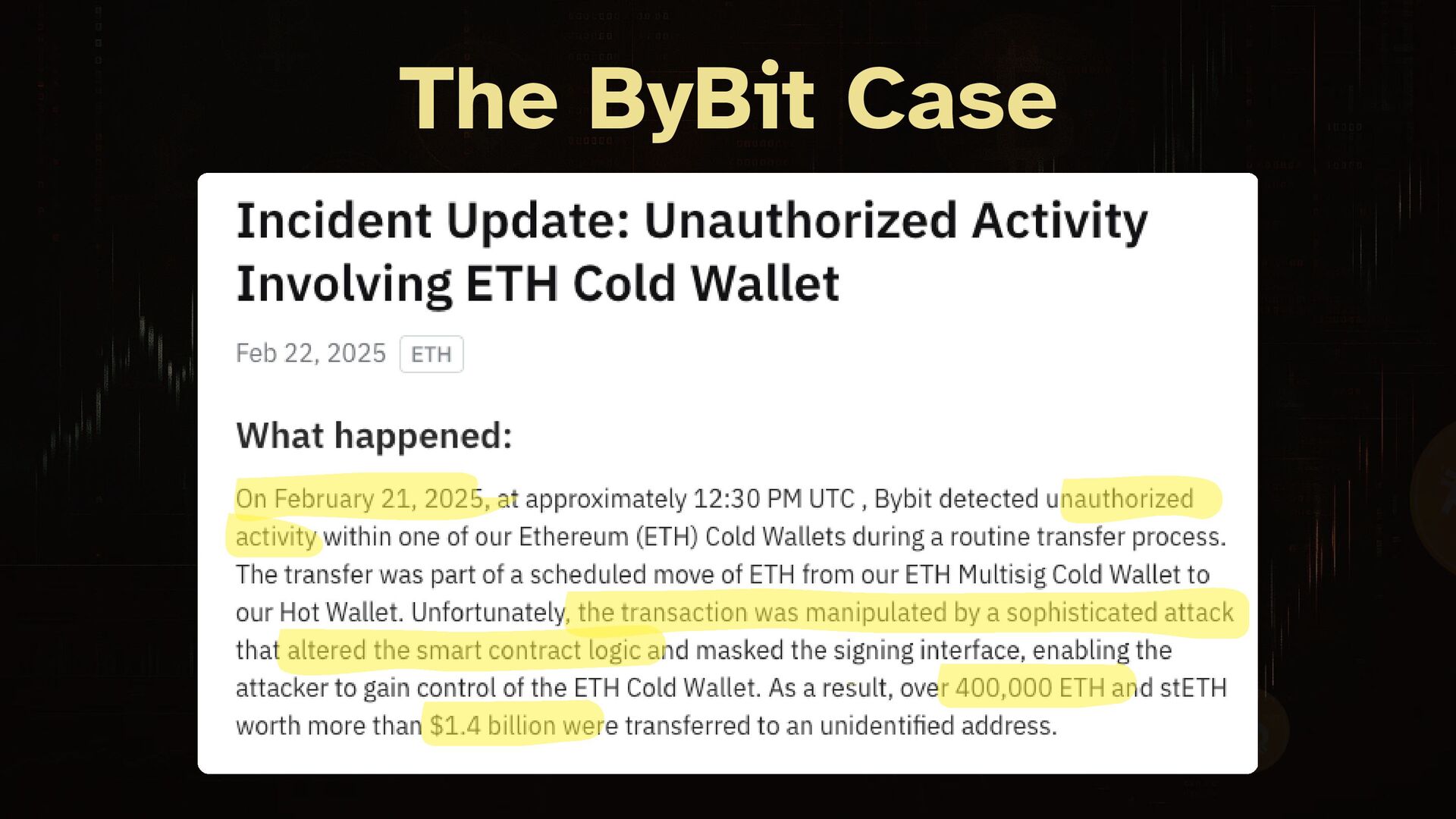
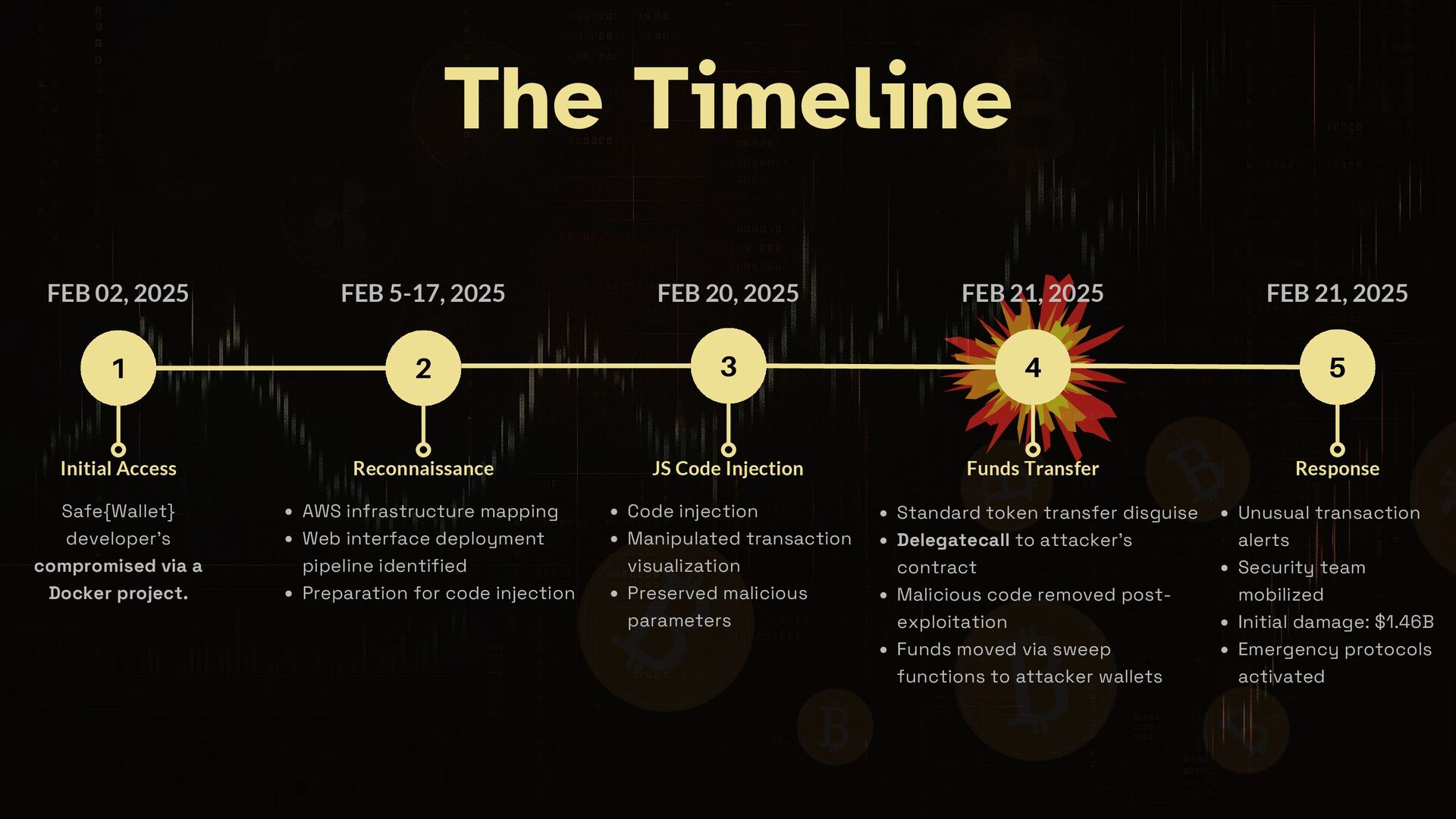
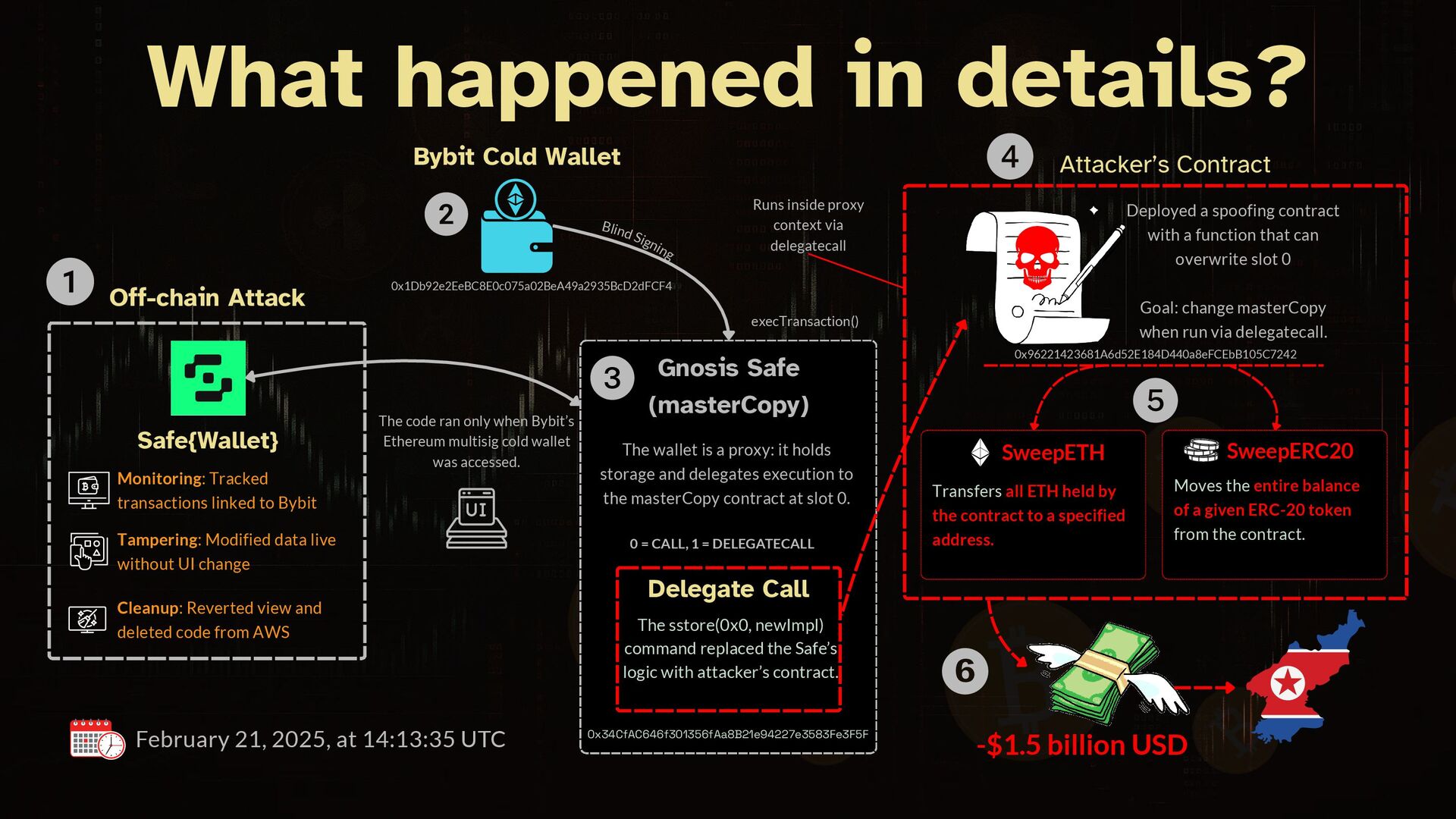
In February 2025, the Bybit breach exposed two advanced attack vectors. First, a third-party wallet tool was compromised through malicious JavaScript injected into its logic, allowing attackers to manipulate smart contract behavior. Second, a SAFE Wallet developer was tricked through social engineering into running a fake Docker container, giving attackers persistent access to his machine.
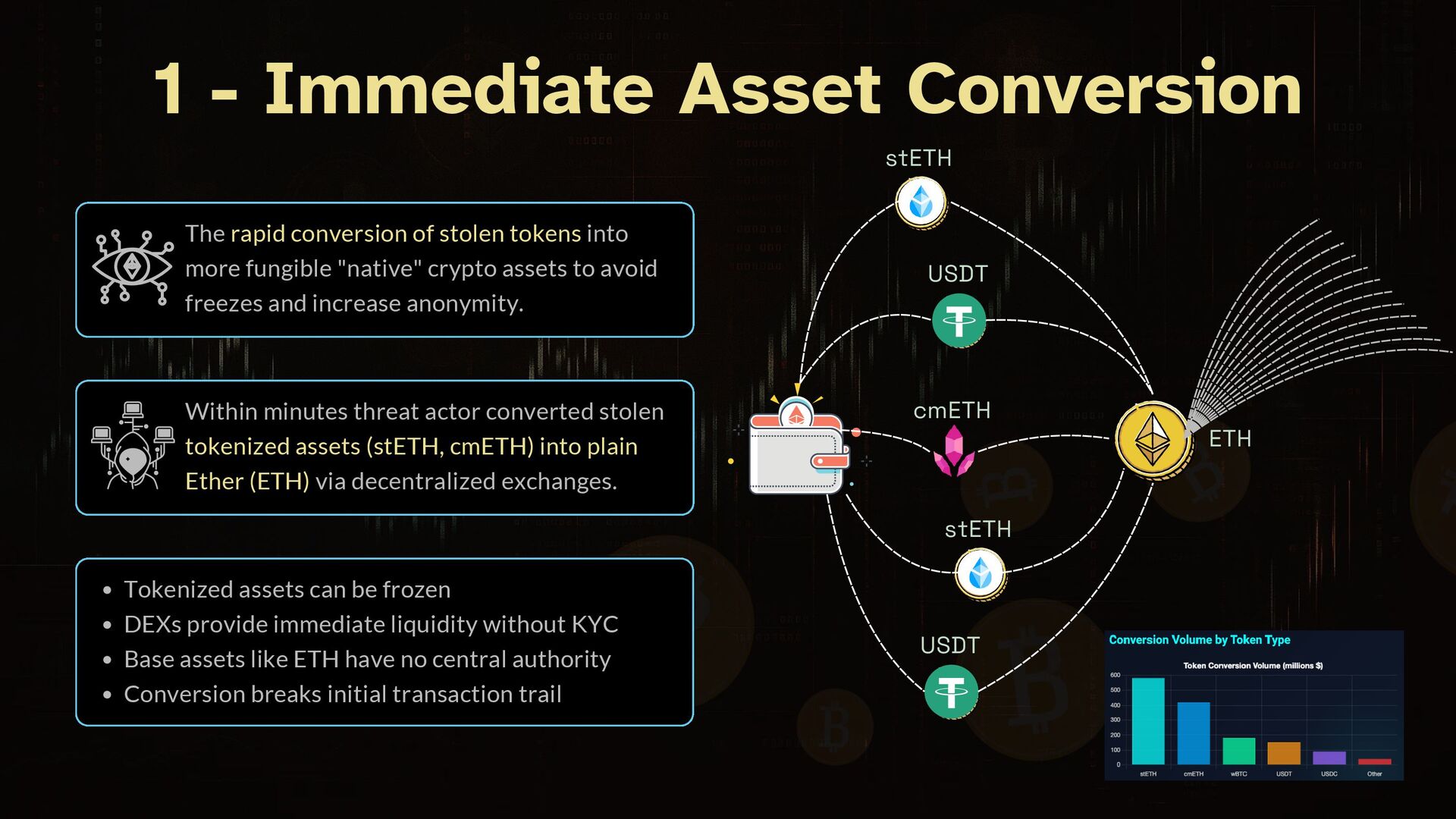
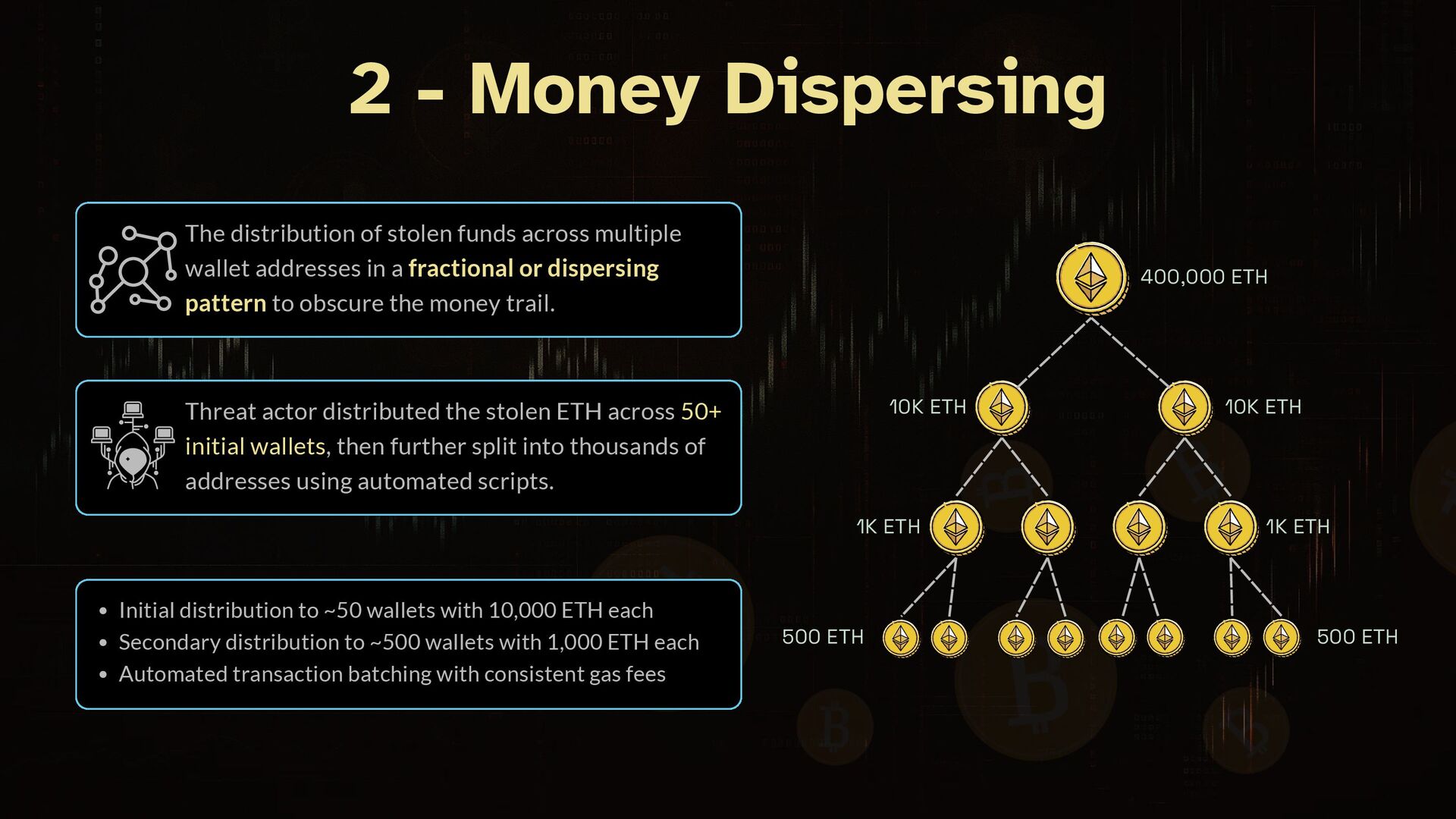
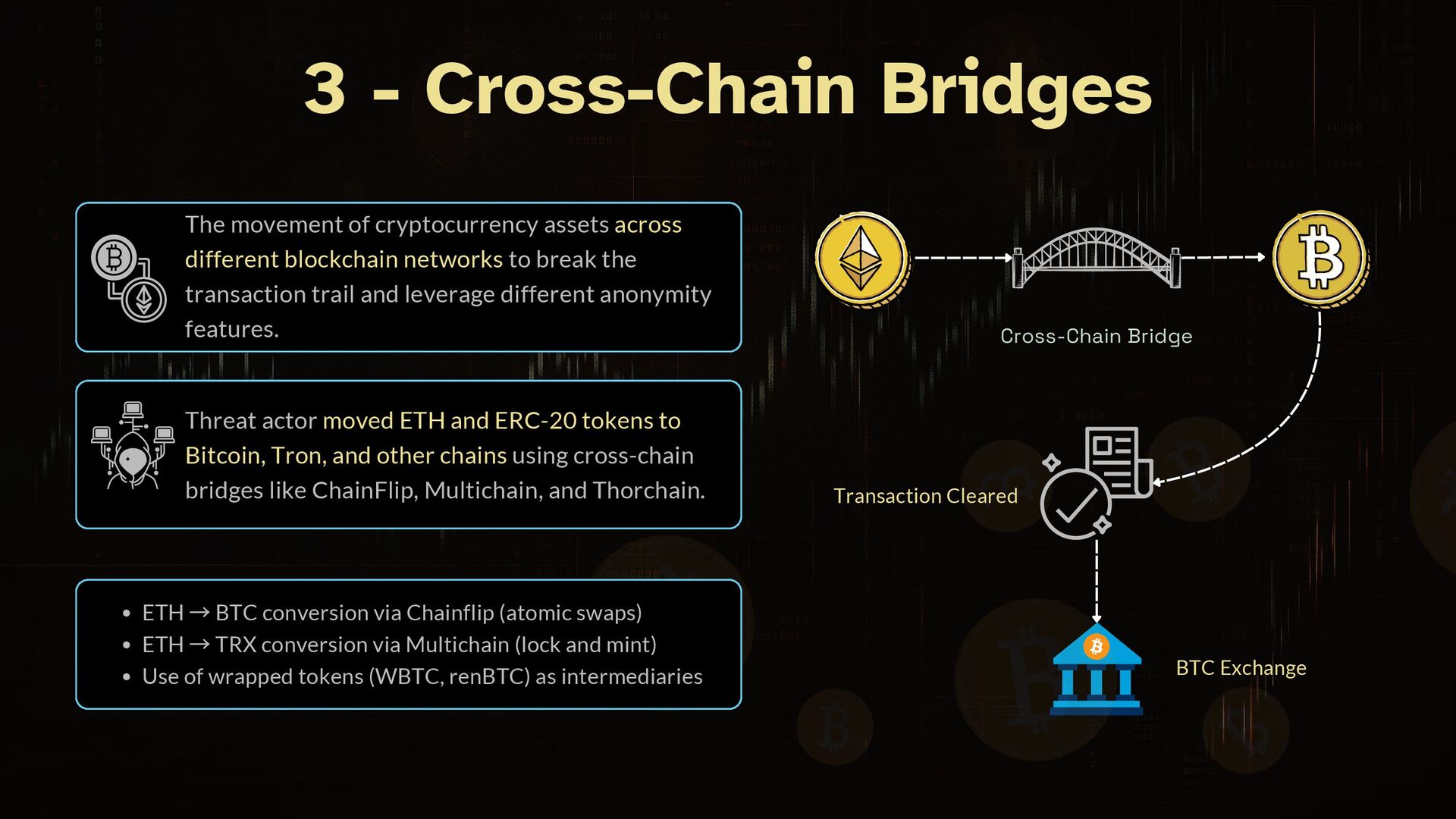
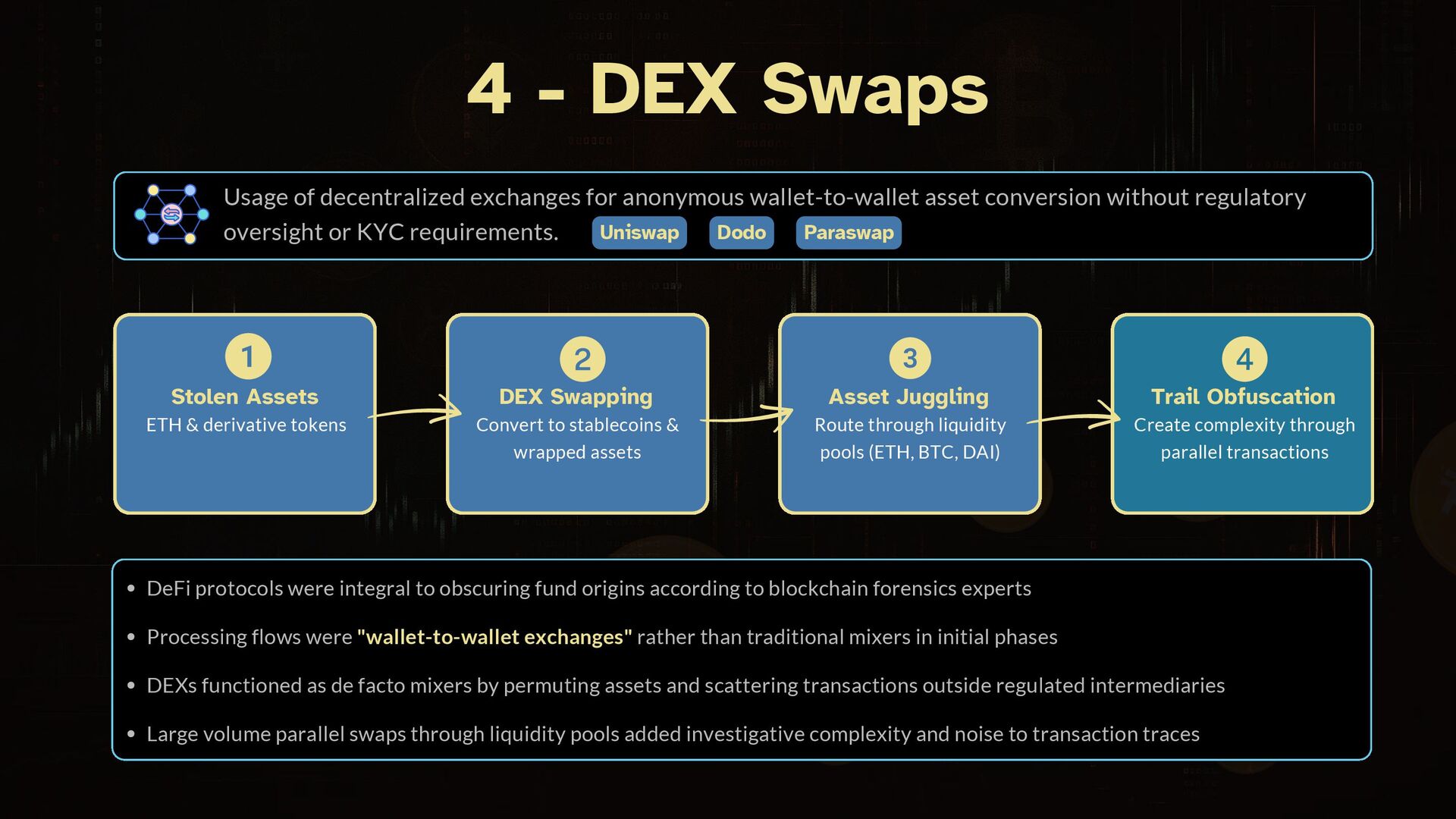
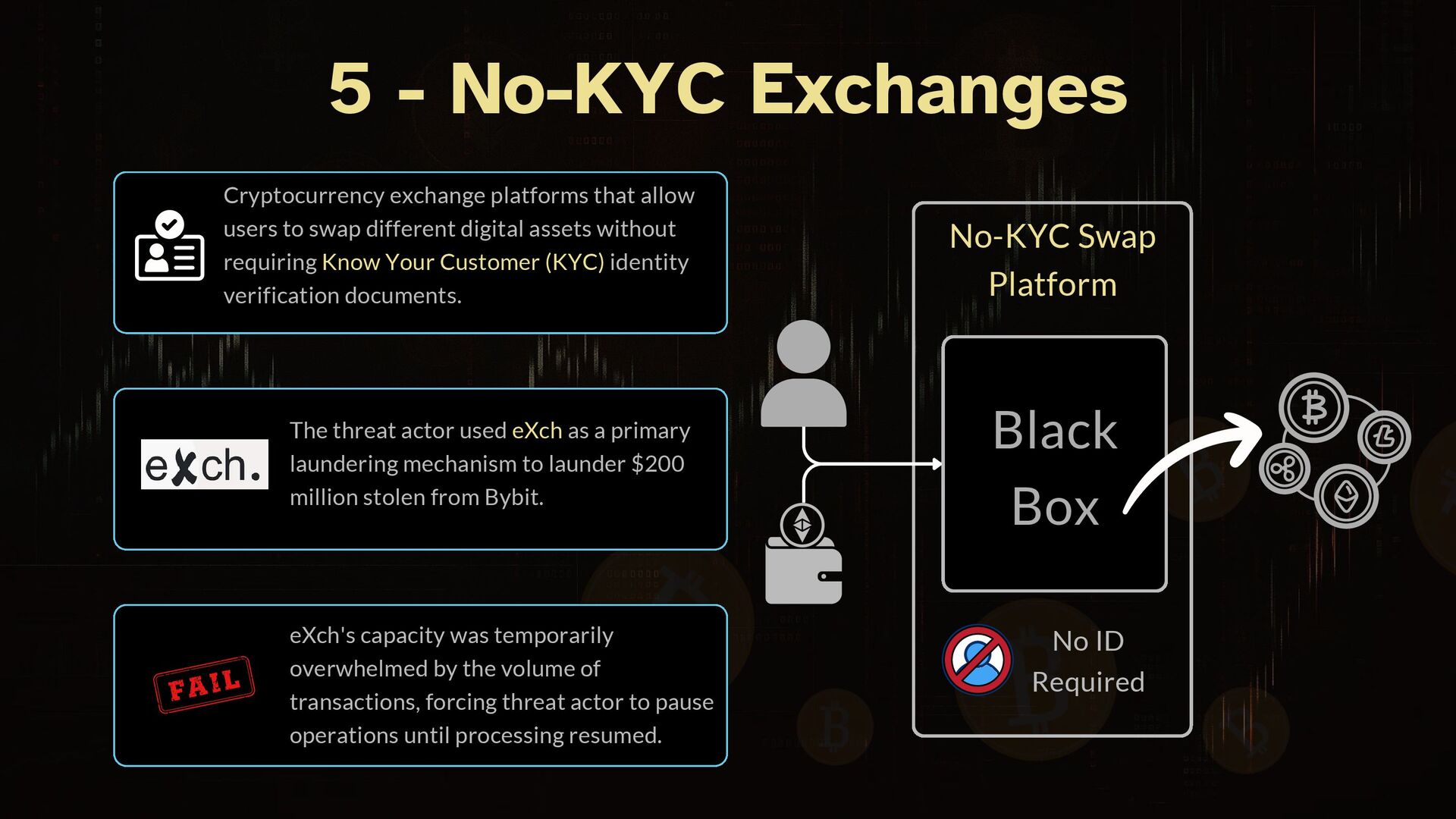
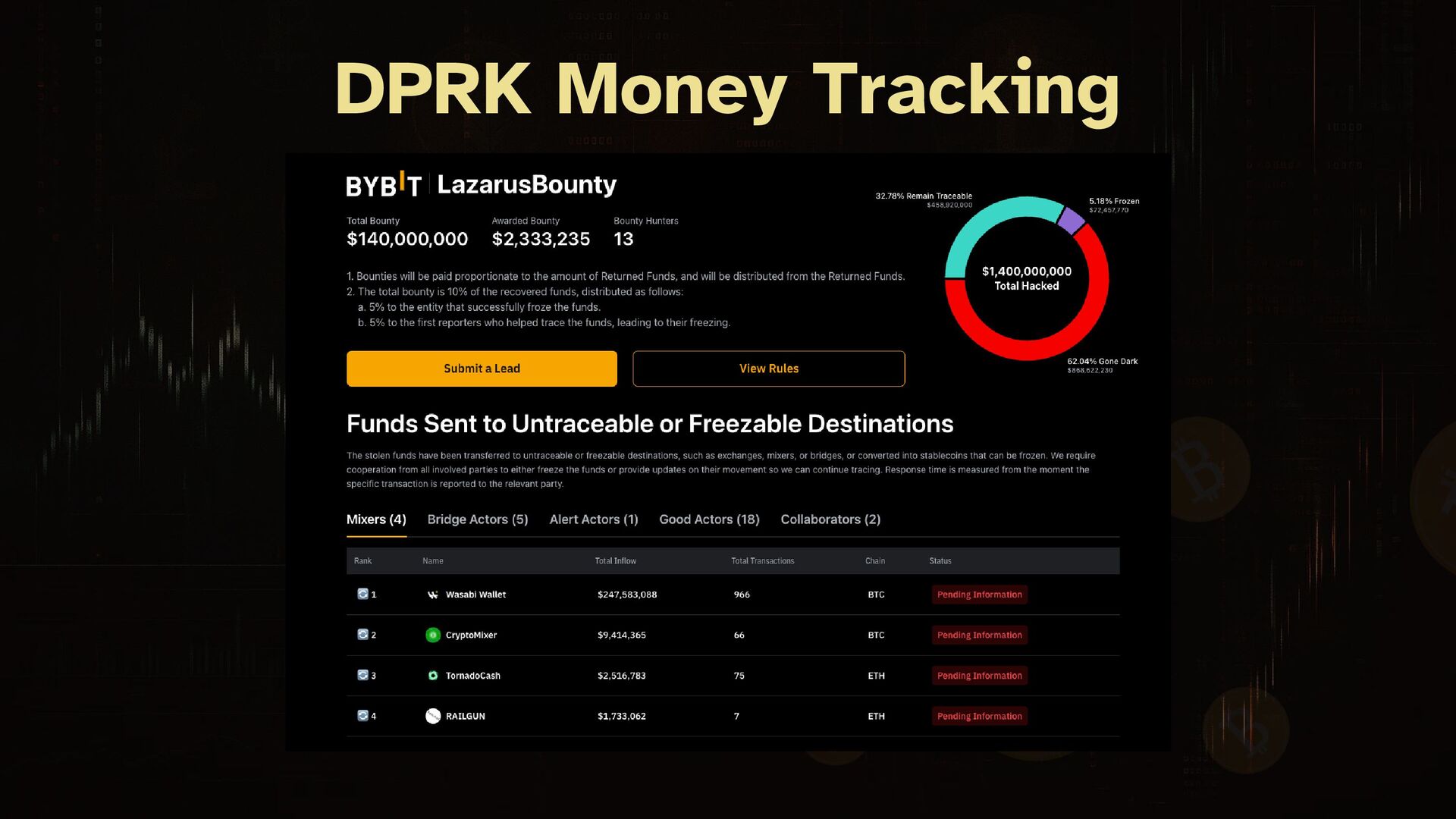
With control established, they hijacked proxy contracts and executed stealth withdrawals of ETH and ERC-20 tokens. The stolen assets were laundered through decentralized exchanges, split across multiple wallets, bridged to Bitcoin, and passed through mixers like Wasabi Wallet.
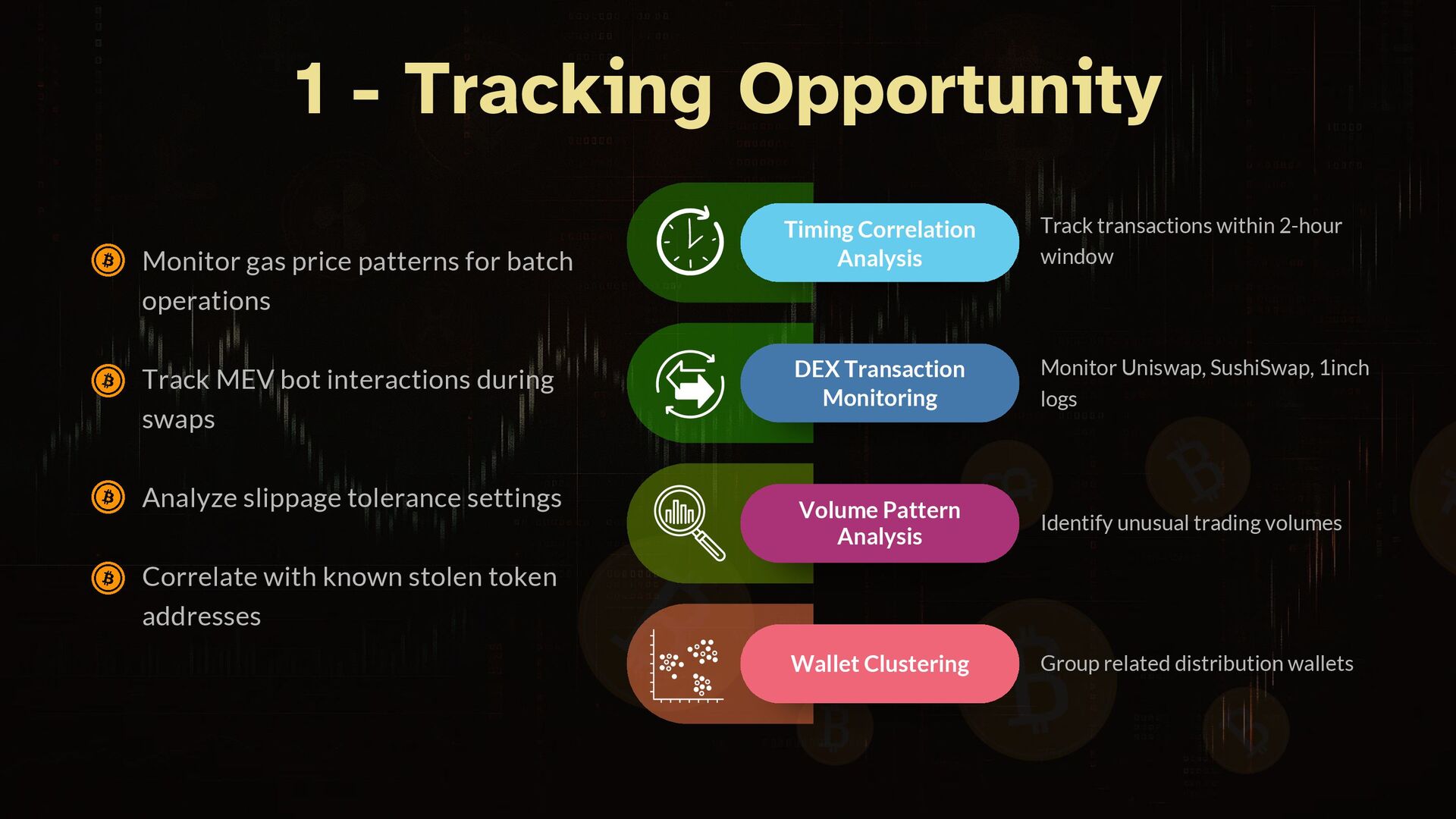
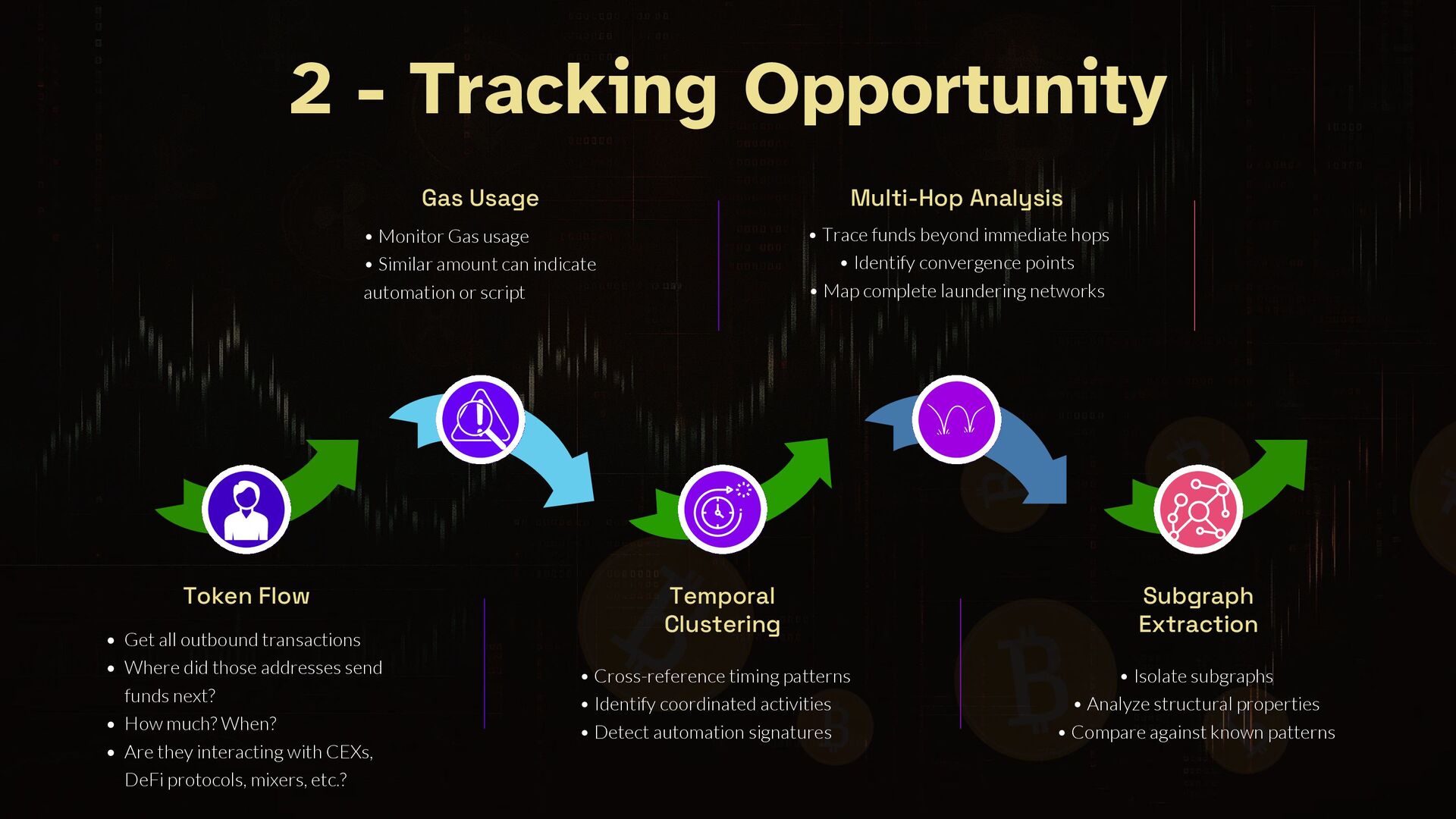
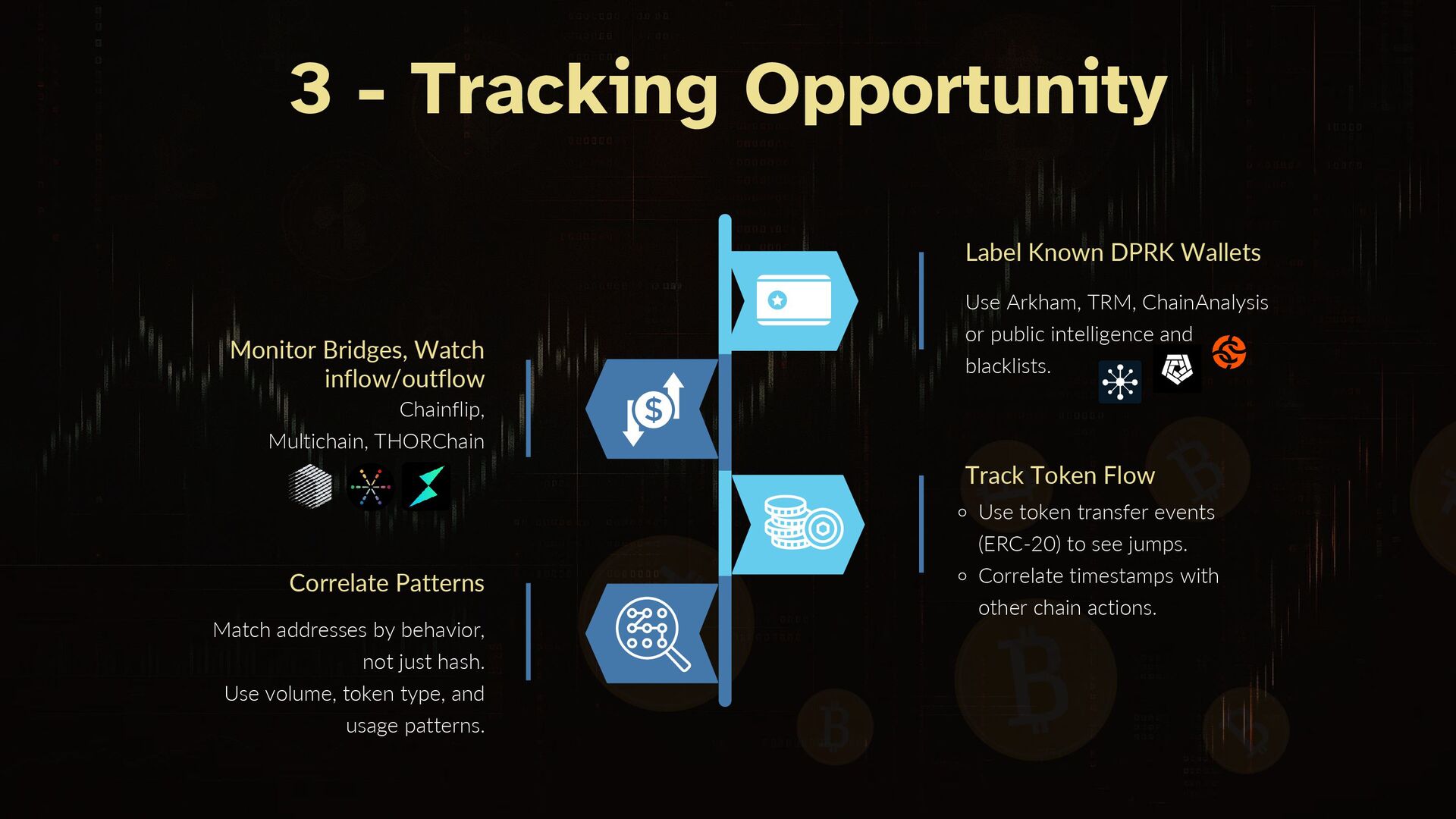
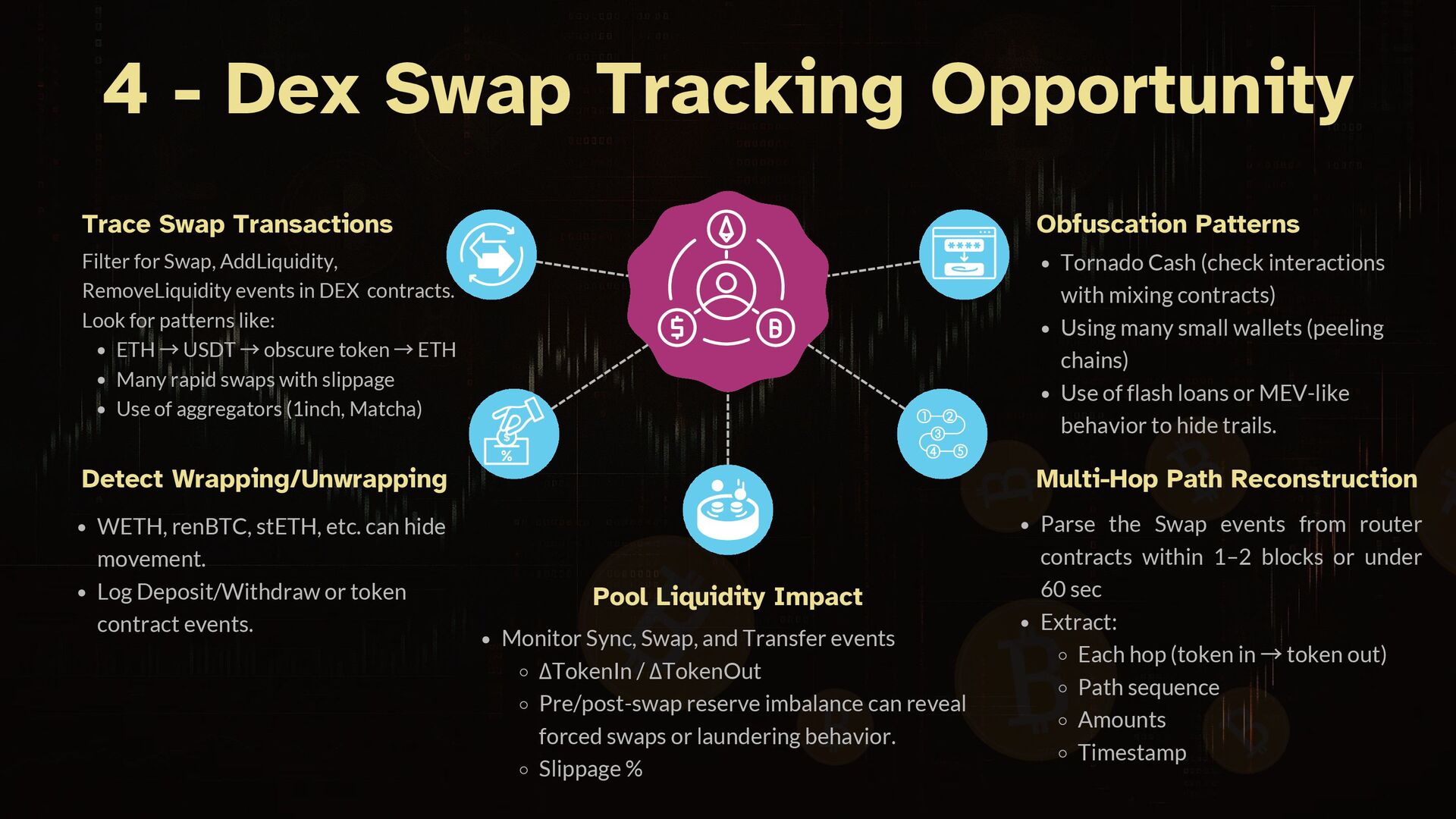
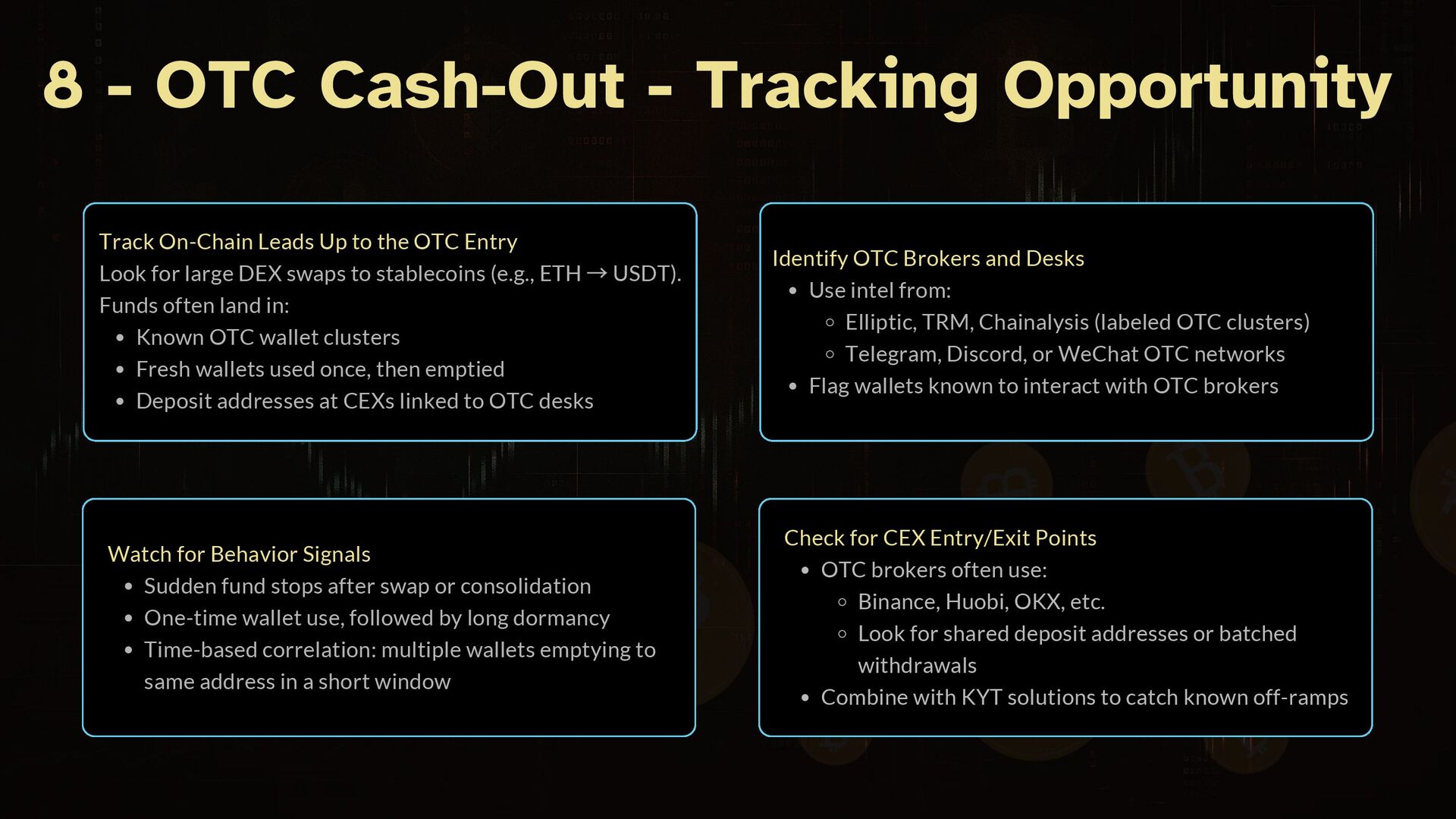
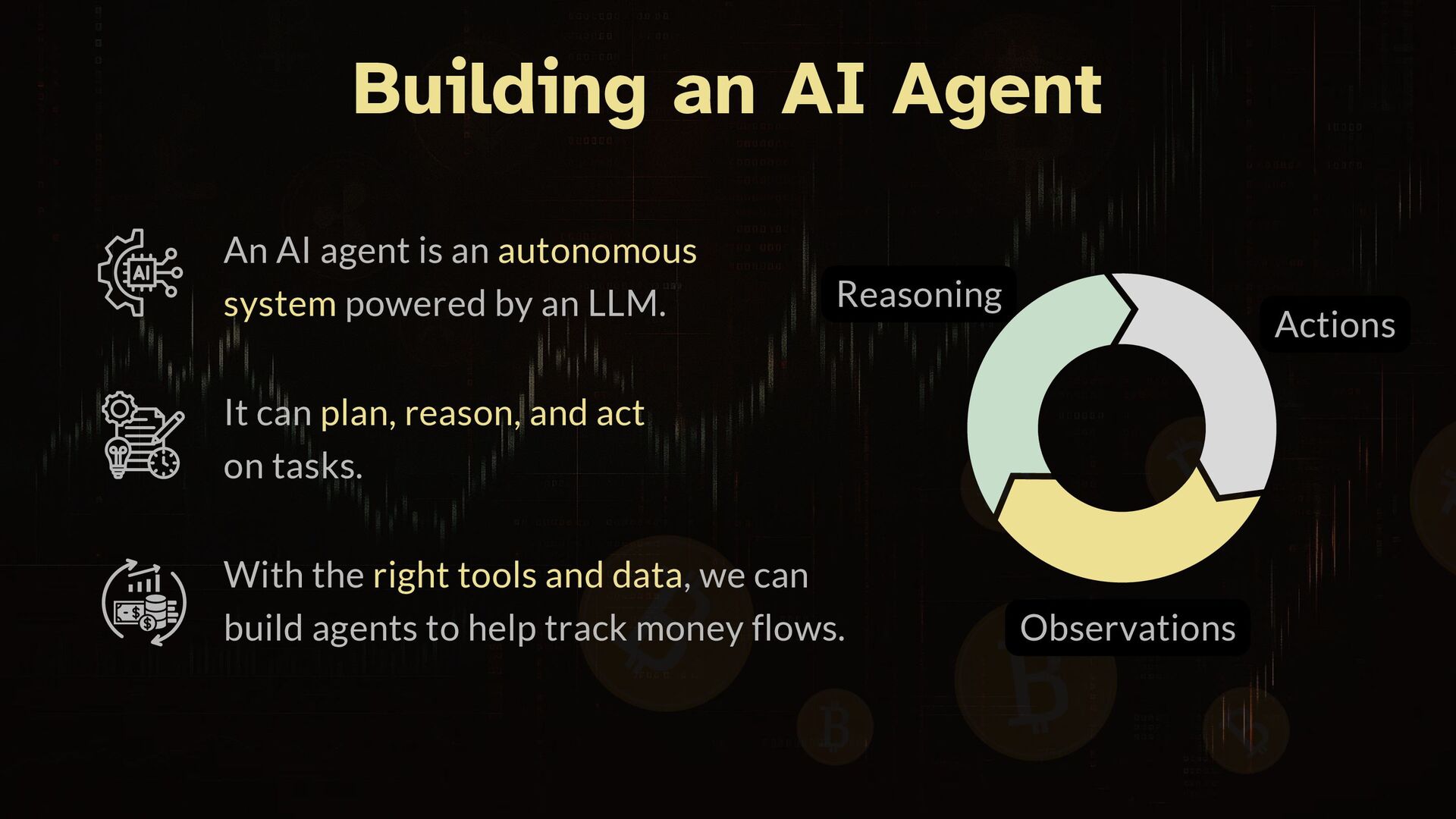
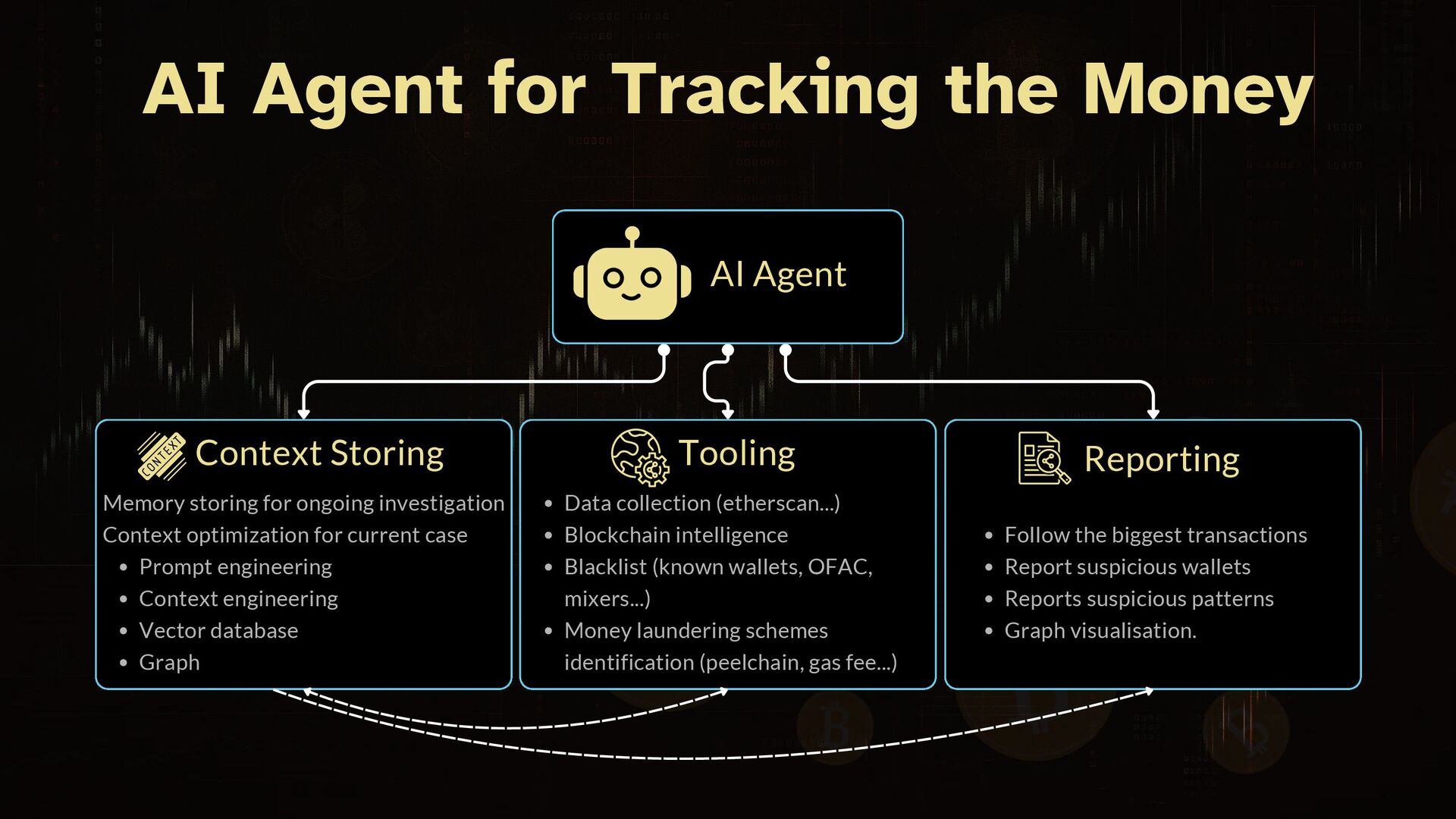
So how do attackers manage to launder crypto, and how can we stop them? Using the 1.46 billion dollar Bybit hack by North Korea’s Lazarus Group as a case study, this talk breaks down each laundering step and explains how to automate tracking and accelerate investigations using AI.


 fr0gger
 linedevth
 ykanoh
 taka_aki
 hamadakoji
 snoozer05
.jpg) lamaglama39
lamaglama39
 tsukina_7mochi
 cmusudakeisuke
 satoshi7
 gree_tech
 tsukuboshi
 stomk
stomk
 3n
3n
 sugarenia
 stuffmc
 katarinadahlin
 aleyda
 quramy
 tenderlove
 kimpetersen
 jakevdp
 katiecoart
 helmedeiros
 chriscoyier