Upgrade to Pro — share decks privately, control downloads, hide ads and more …

The Hidden Layer of Architecture Decisions: Pow...

Sponsored · Ship Features Fearlessly Turn features on and off without deploys. Used by thousands of Ruby developers. →

The Hidden Layer of Architecture Decisions: Power, Ownership, and AI

Architecture decisions are often presented as technical choices: compare the options, discuss the trade-offs, document the outcome, move on. In practice, many important decisions fail or stall for a different reason: the room never really agreed on authority, ownership, risk, or accountability.

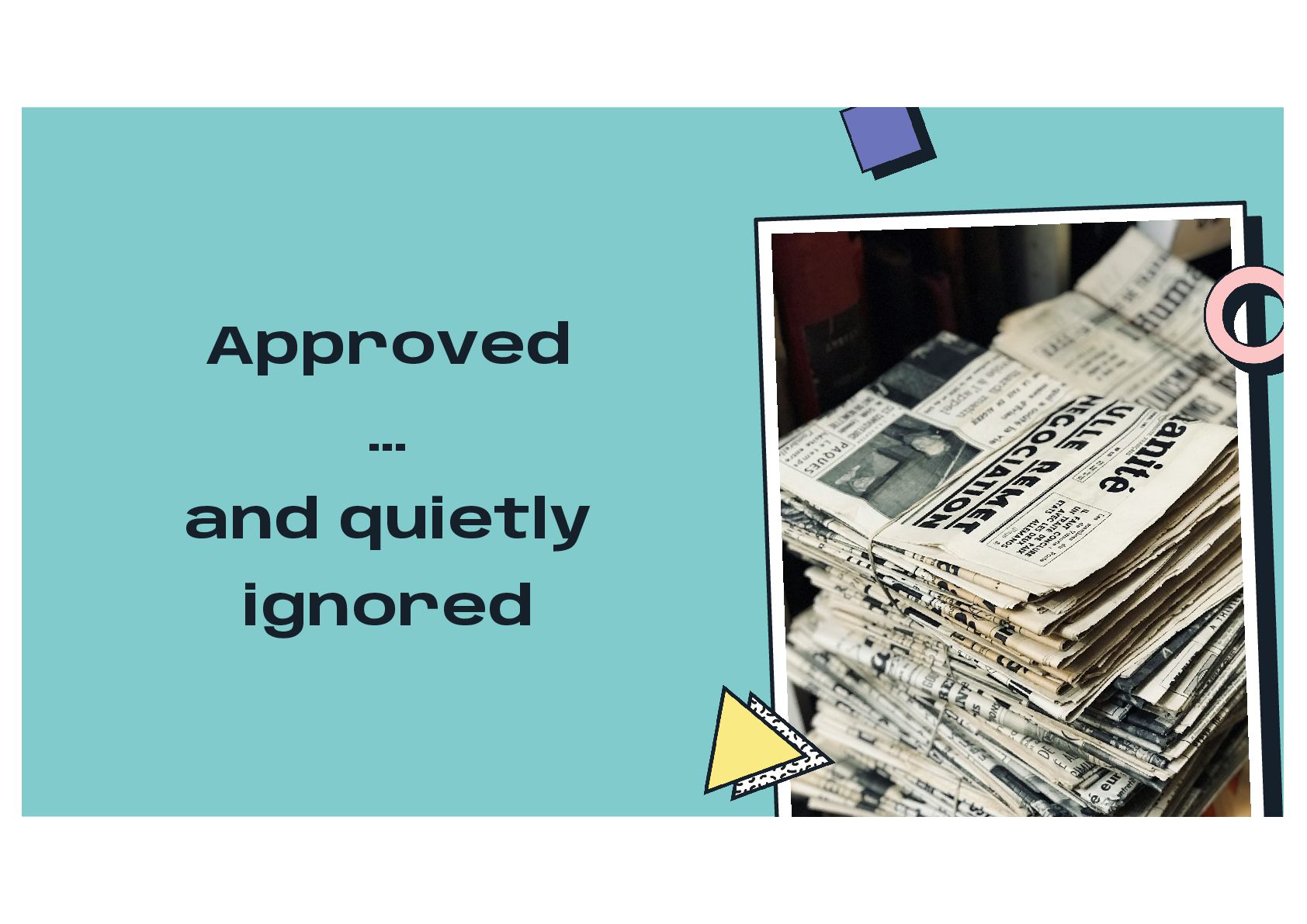
This talk looks at the sociopolitical side of architecture work. Who is allowed to speak with authority? Whose concerns are treated as technical, and whose are dismissed as resistance? Why do some decisions get approved in an ADR and then quietly ignored? And how does the role an architect takes, whether as expert, facilitator, gatekeeper, hands-on specialist, or enabler, change how much ownership the team actually feels?

We will examine concrete architecture decision scenarios: platform choices, modernization efforts, ownership boundaries, governance debates, and decisions that keep coming back although they were supposedly settled. These situations reveal a hidden layer behind recurring discussions: power signals in the room, resistance that is easy to misread, and tensions that cannot simply be decided away but need continuous management.

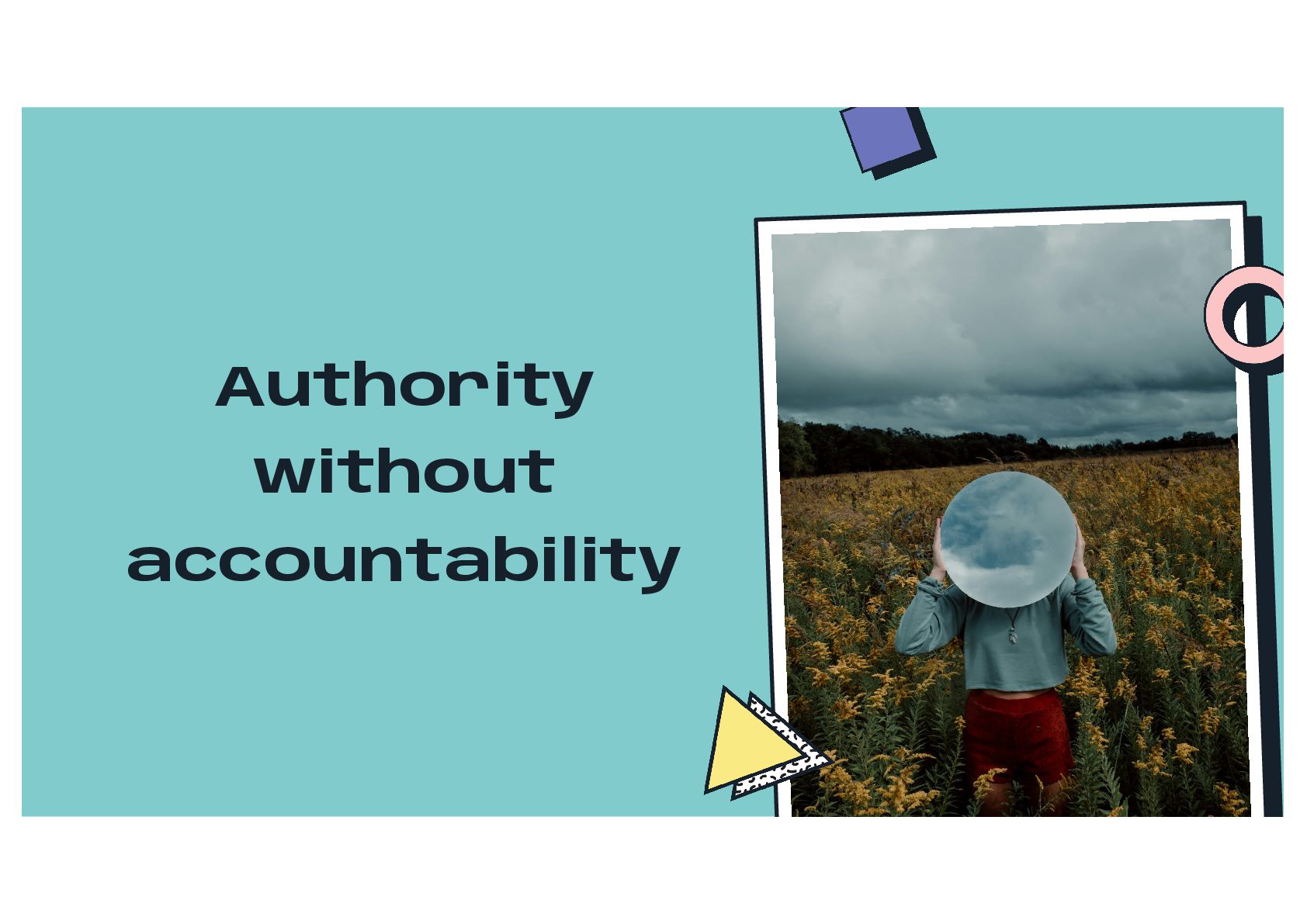
The talk also explores what changes now that AI agents join more and more the architecture process. AI-generated models, trade-off analyses, and decision proposals often appear neutral. Yet they can amplify some voices, silence others, and create a new form of authority without accountability. Treating AI as just another tool misses how it reshapes the social dynamics of decision-making. We will talk about how you can effectively use it and what you might want to be aware of.

You will leave with a practical lens for facilitating architecture decisions in complex organizations: one that pairs technical reasoning with awareness of power, ownership, resistance, and responsibility, including the new dynamics that AI brings to the table.

Michael Plöd

November 17, 2026

Transcript

51 slides
  1. Beija Nigl & Michael Plöd Beija Nigl Tech Lead |

    Organizational Coach | CoMo Facilitator Comsysto Reply | https://www.comsystoreply.de/ https://www.linkedin.com/in/beija-nigl/ Michael Plöd INNOQ Fellow | Team Topologies Advocate Author of “Hands-on Domain-driven Design” | iSAQB & Socreatory Trainer https://www.innoq.com https://www.michael-ploed.com
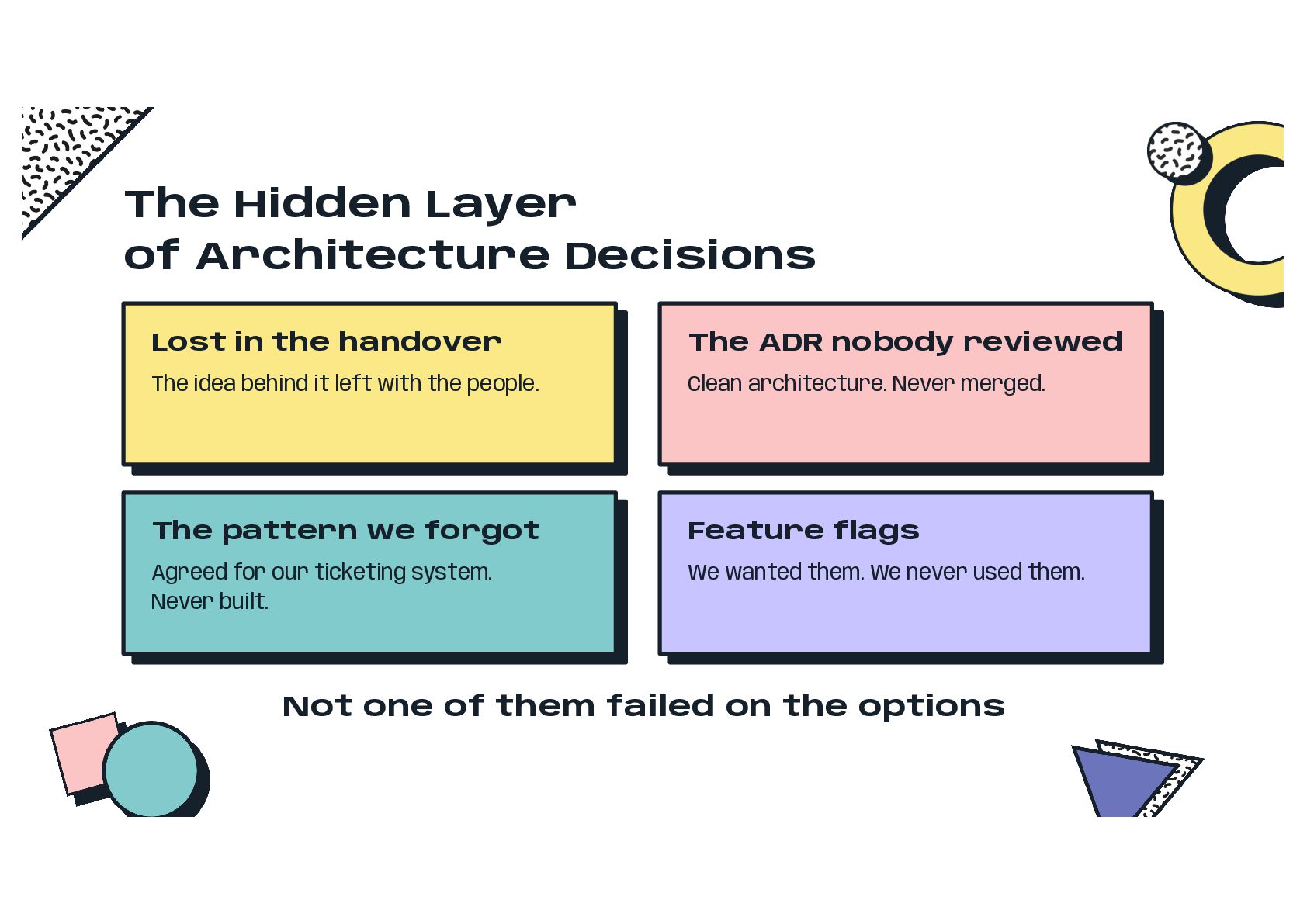
  2. The Hidden Layer of Architecture Decisions Lost in the handover
    The ADR nobody reviewed The idea behind it left with the people. Clean architecture. Never merged. The pattern we forgot Feature flags Agreed for our ticketing system. Never built. We wanted them. We never used them. Not one of them failed on the options
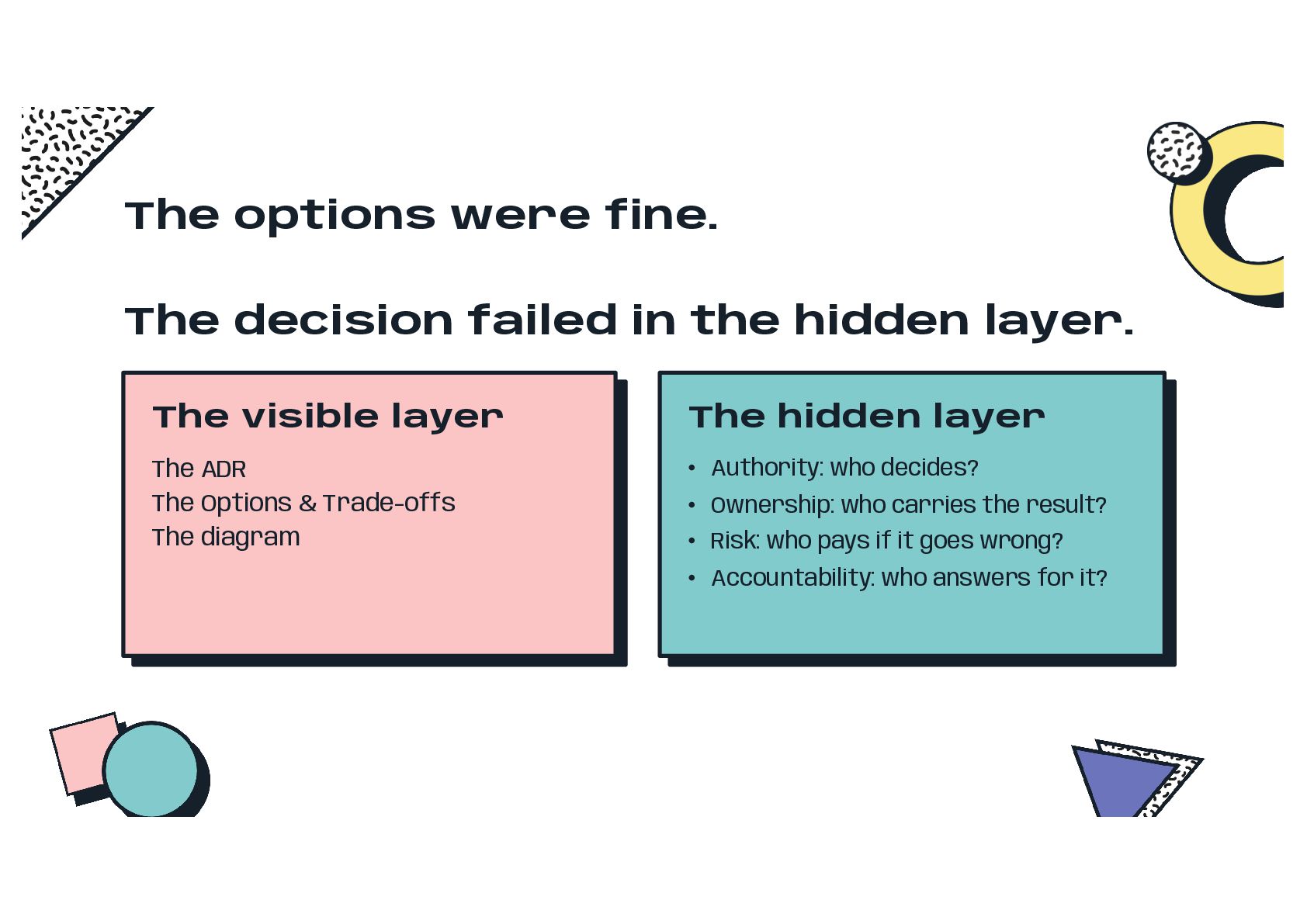
  3. The options were fine. The decision failed in the hidden

    layer. The visible layer The hidden layer The ADR The Options & Trade-offs The diagram • Authority: who decides? • Ownership: who carries the result? • Risk: who pays if it goes wrong? • Accountability: who answers for it?
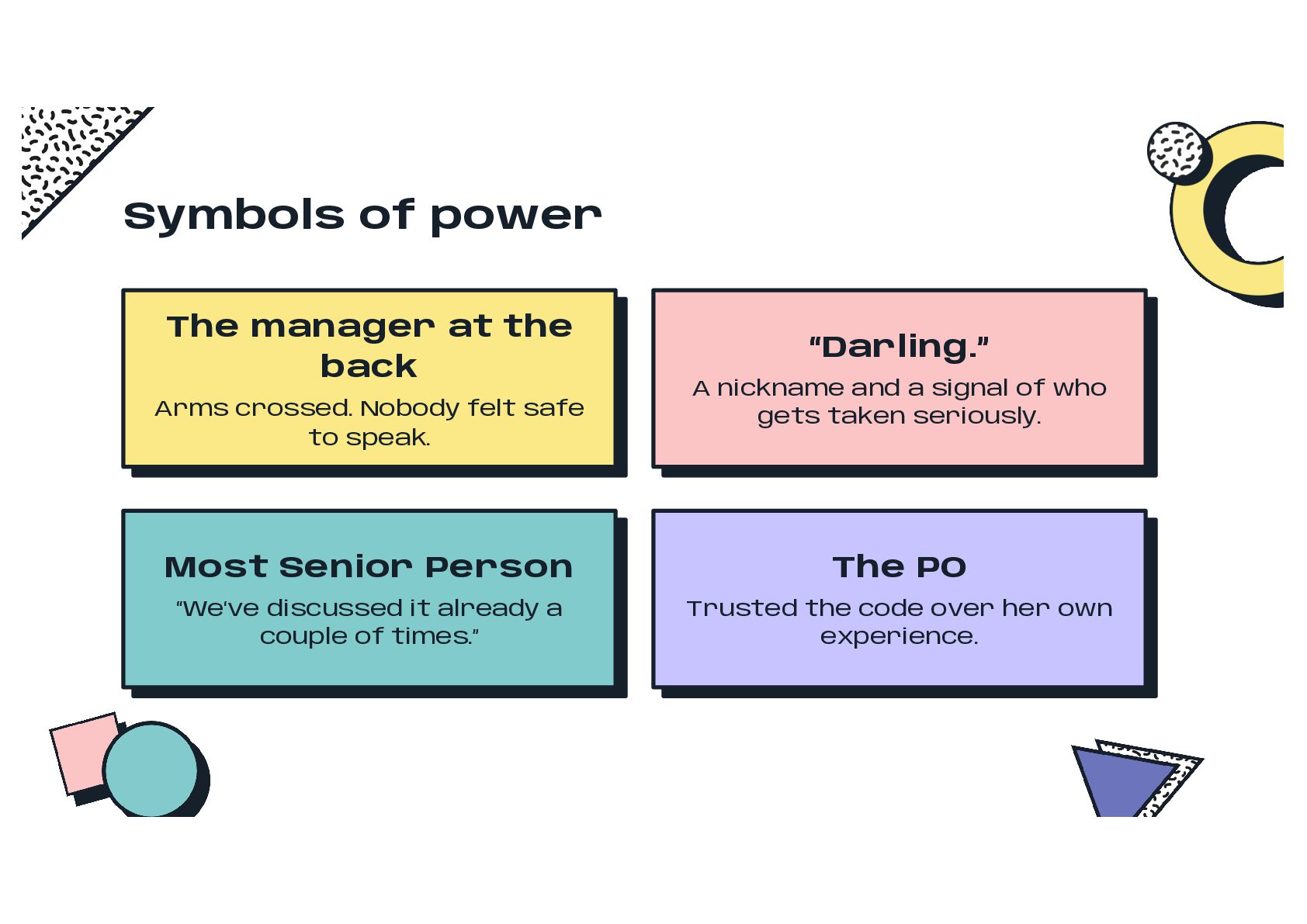
  4. Symbols of power The manager at the back Arms crossed.

    Nobody felt safe to speak. “Darling.” A nickname and a signal of who gets taken seriously. Most Senior Person The PO “We‘ve discussed it already a couple of times.” Trusted the code over her own experience.
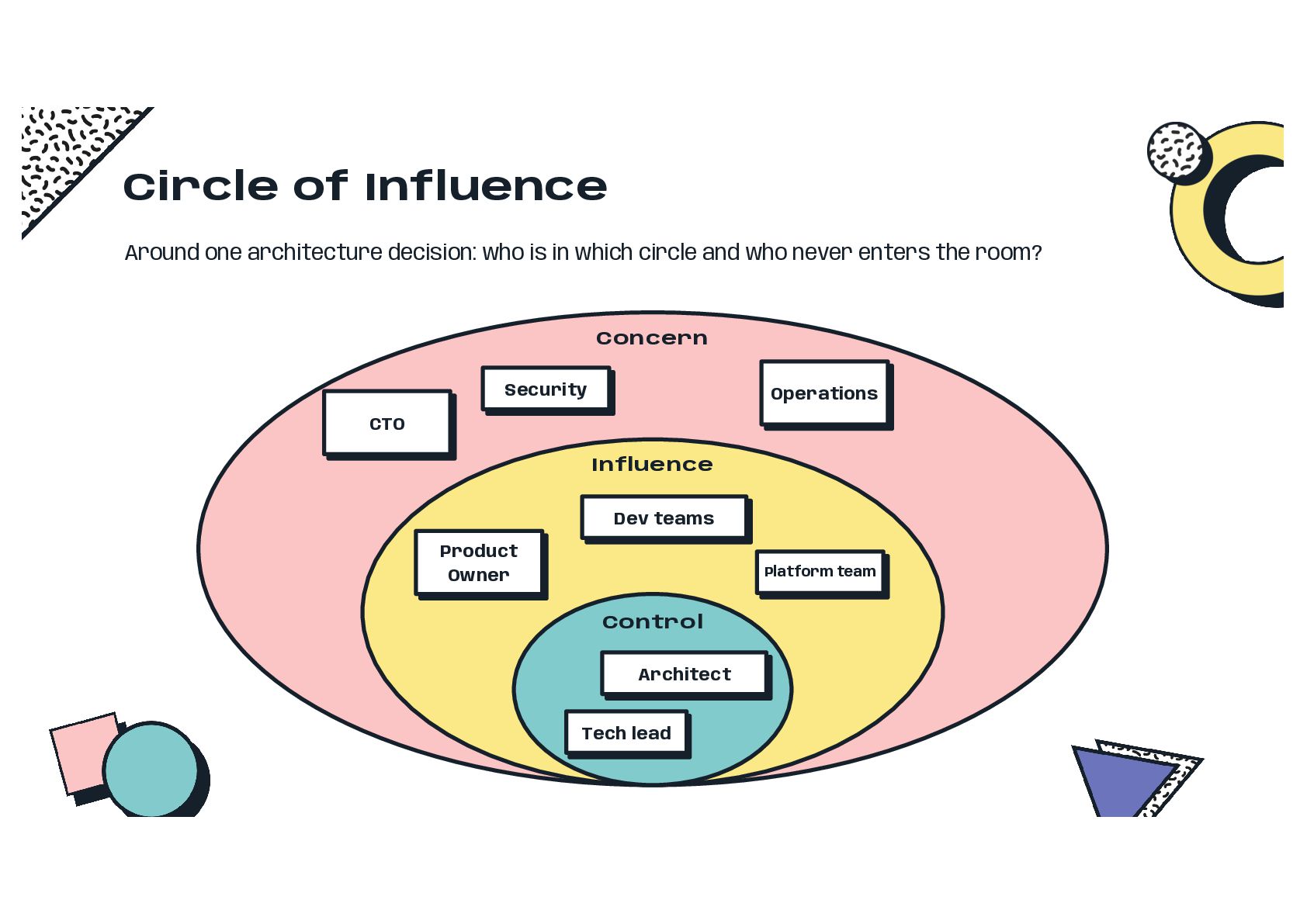
  5. Circle of Influence Around one architecture decision: who is in

    which circle and who never enters the room? Concern Security Operations CTO Influence Dev teams Product Owner Platform team Control Architect Tech lead
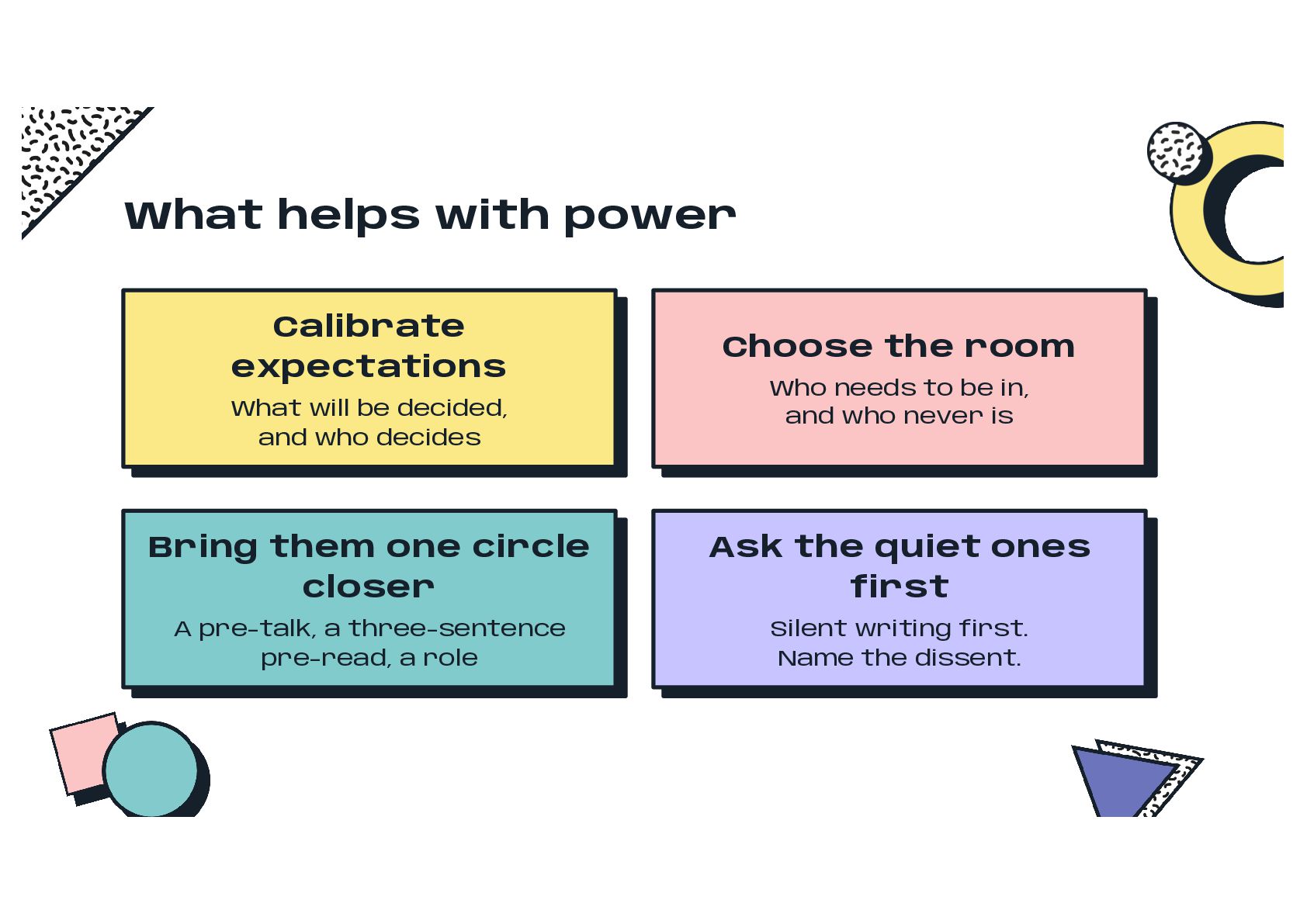
  6. What helps with power Calibrate expectations What will be decided,

    and who decides Choose the room Who needs to be in, and who never is Bring them one circle closer Ask the quiet ones first A pre-talk, a three-sentence pre-read, a role Silent writing first. Name the dissent.
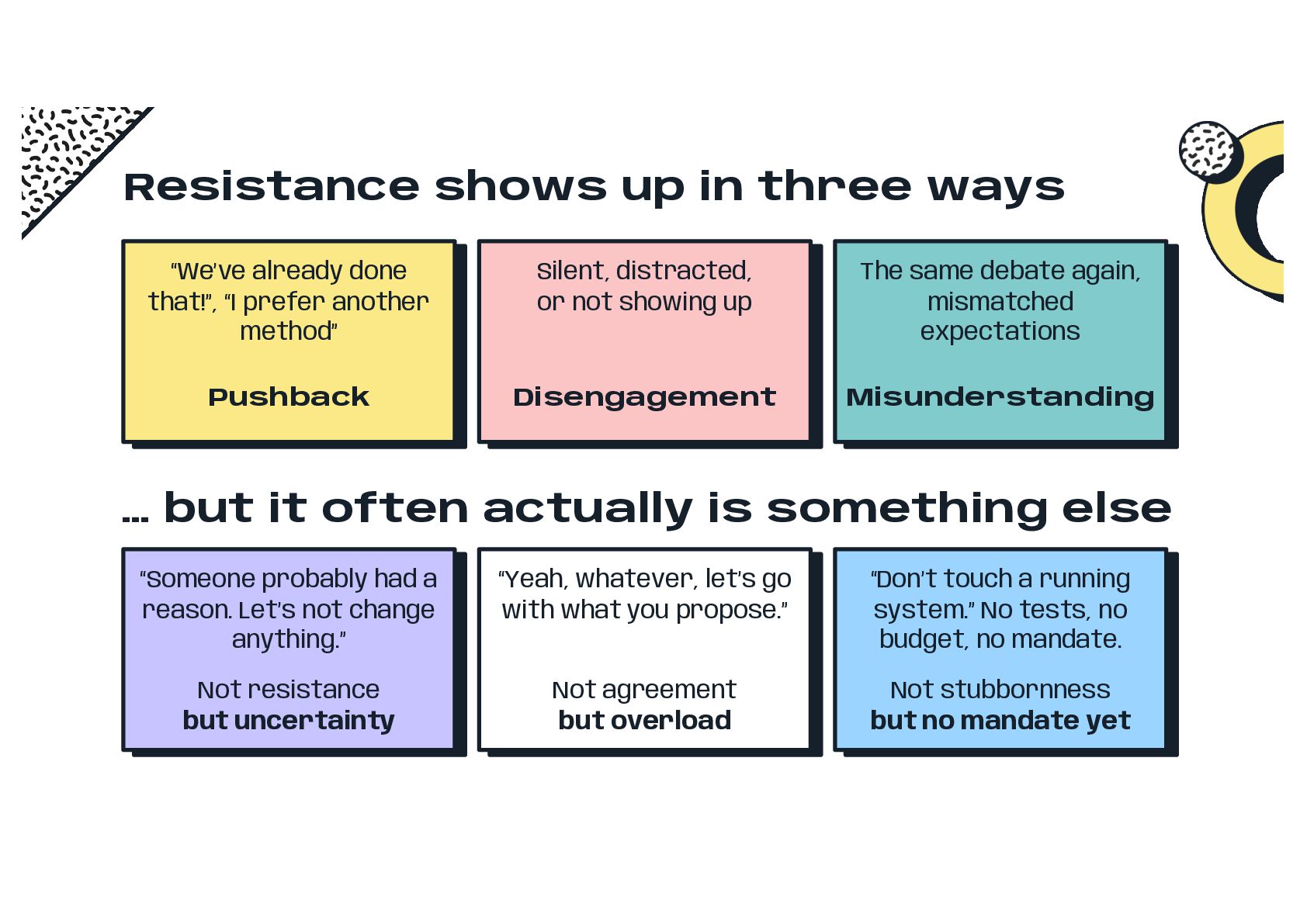
  7. Resistance shows up in three ways “We’ve already done that!”,

    “I prefer another method” Silent, distracted, or not showing up The same debate again, mismatched expectations Pushback Disengagement Misunderstanding … but it often actually is something else “Someone probably had a reason. Let’s not change anything.” “Yeah, whatever, let’s go with what you propose.” “Don’t touch a running system.” No tests, no budget, no mandate. Not resistance but uncertainty Not agreement but overload Not stubbornness but no mandate yet
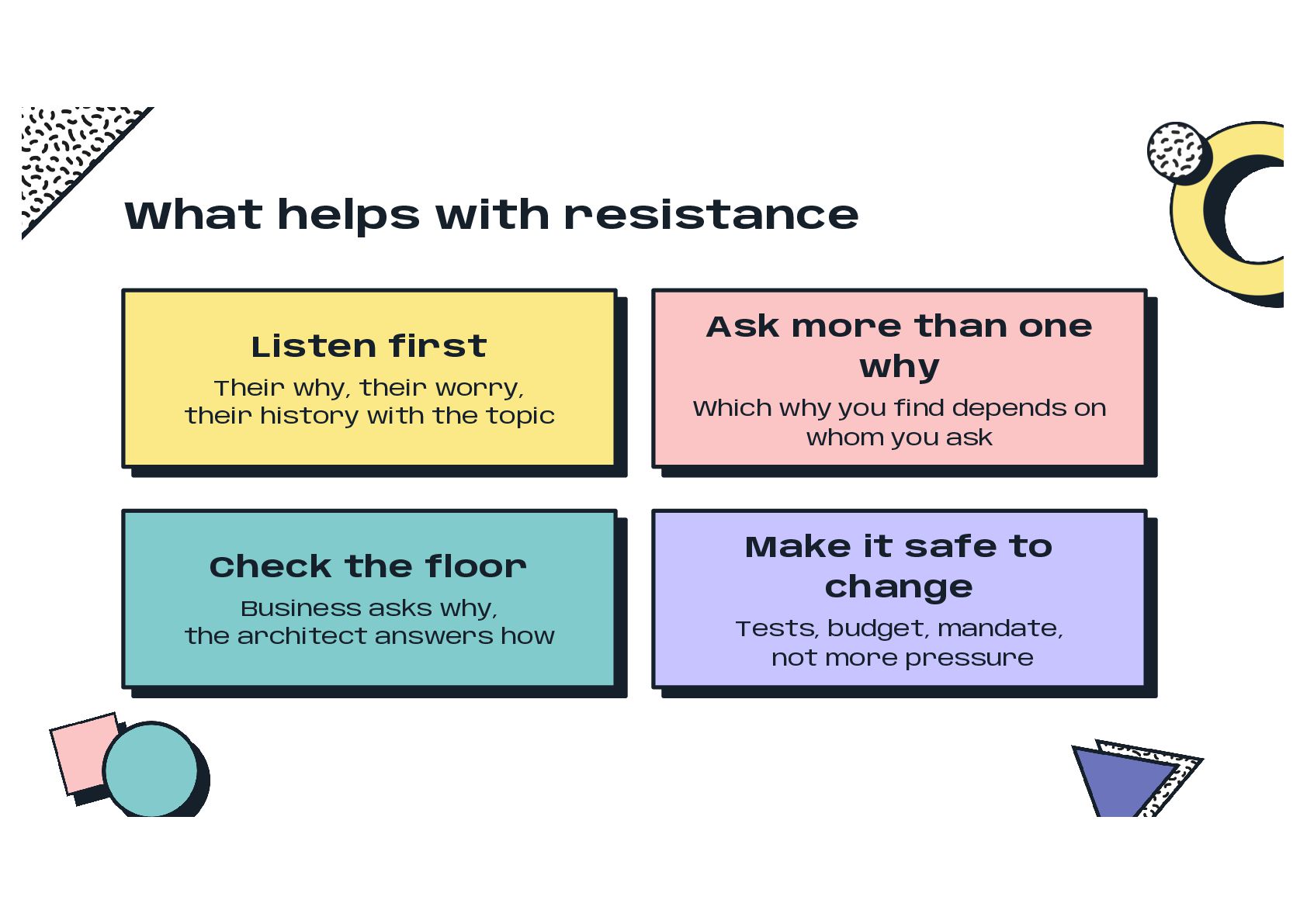
  8. What helps with resistance Listen first Their why, their worry,

    their history with the topic Check the floor Business asks why, the architect answers how Ask more than one why Which why you find depends on whom you ask Make it safe to change Tests, budget, mandate, not more pressure
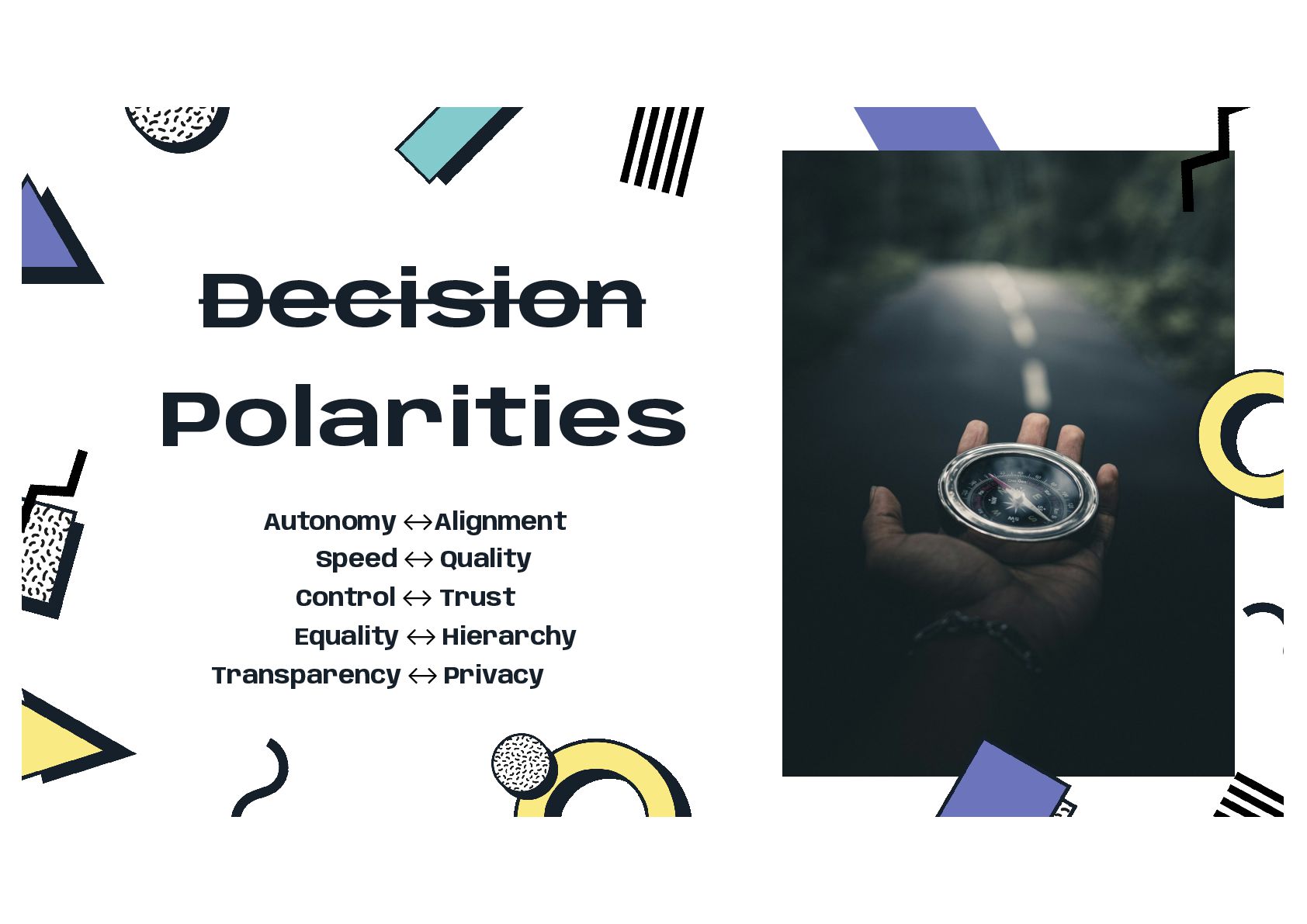
  9. Decision Polarities Autonomy ↔Alignment . Speed ↔ Quality Control ↔

    Trust . Equality ↔ Hierarchy Transparency ↔ Privacy .
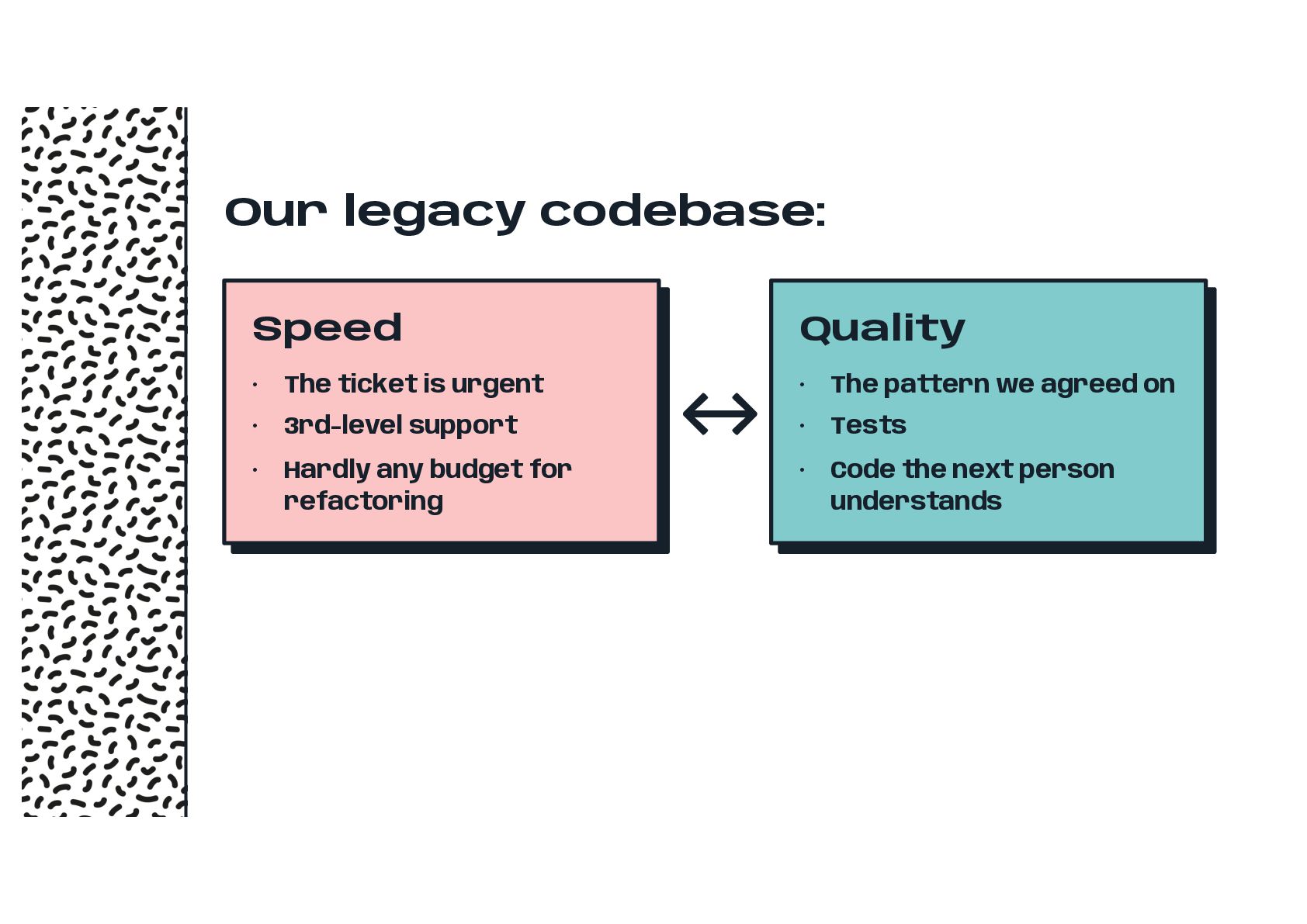
  10. Our legacy codebase: Speed • The ticket is urgent •

    3rd-level support • Hardly any budget for refactoring Quality ↔ • The pattern we agreed on • Tests • Code the next person understands
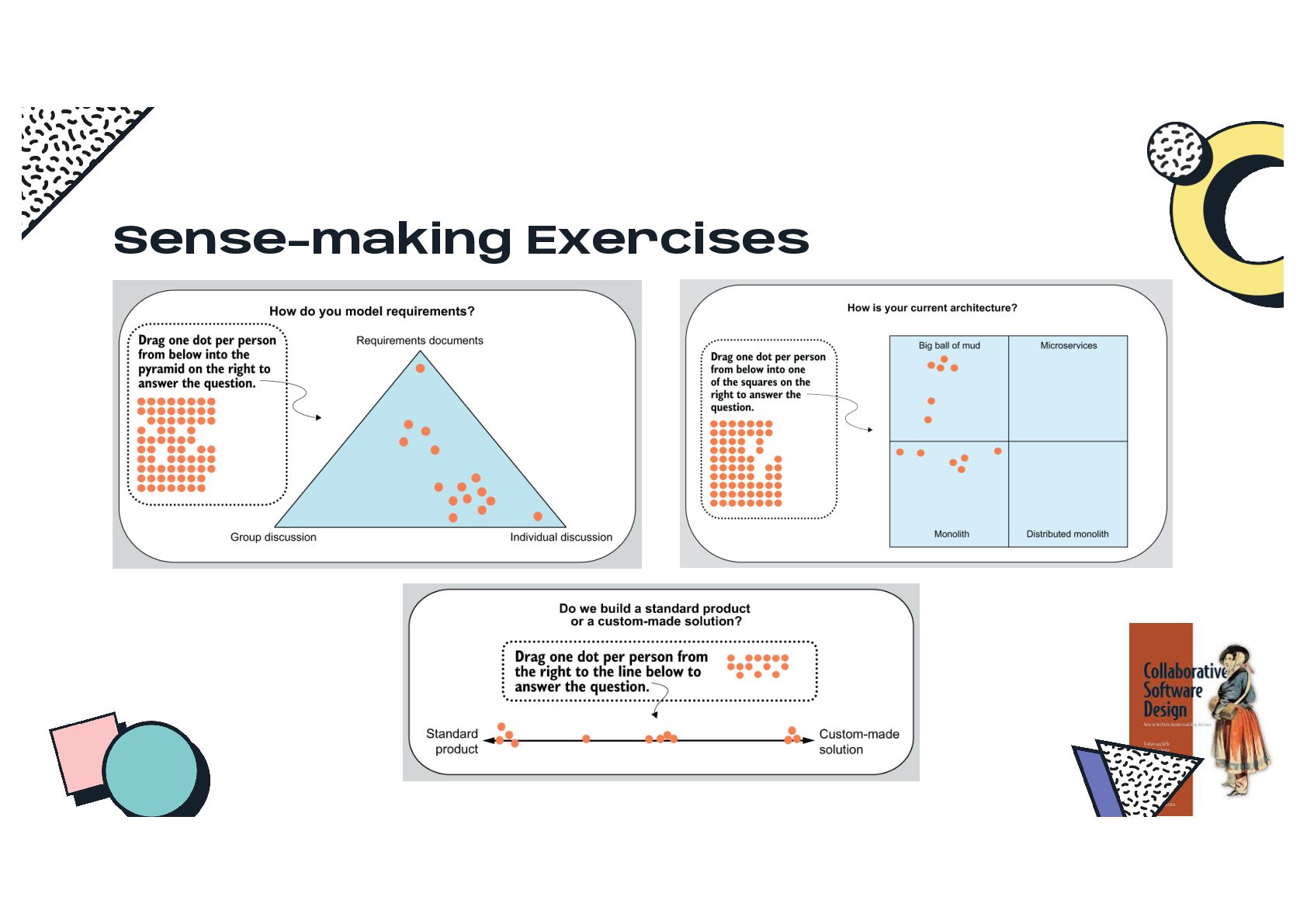
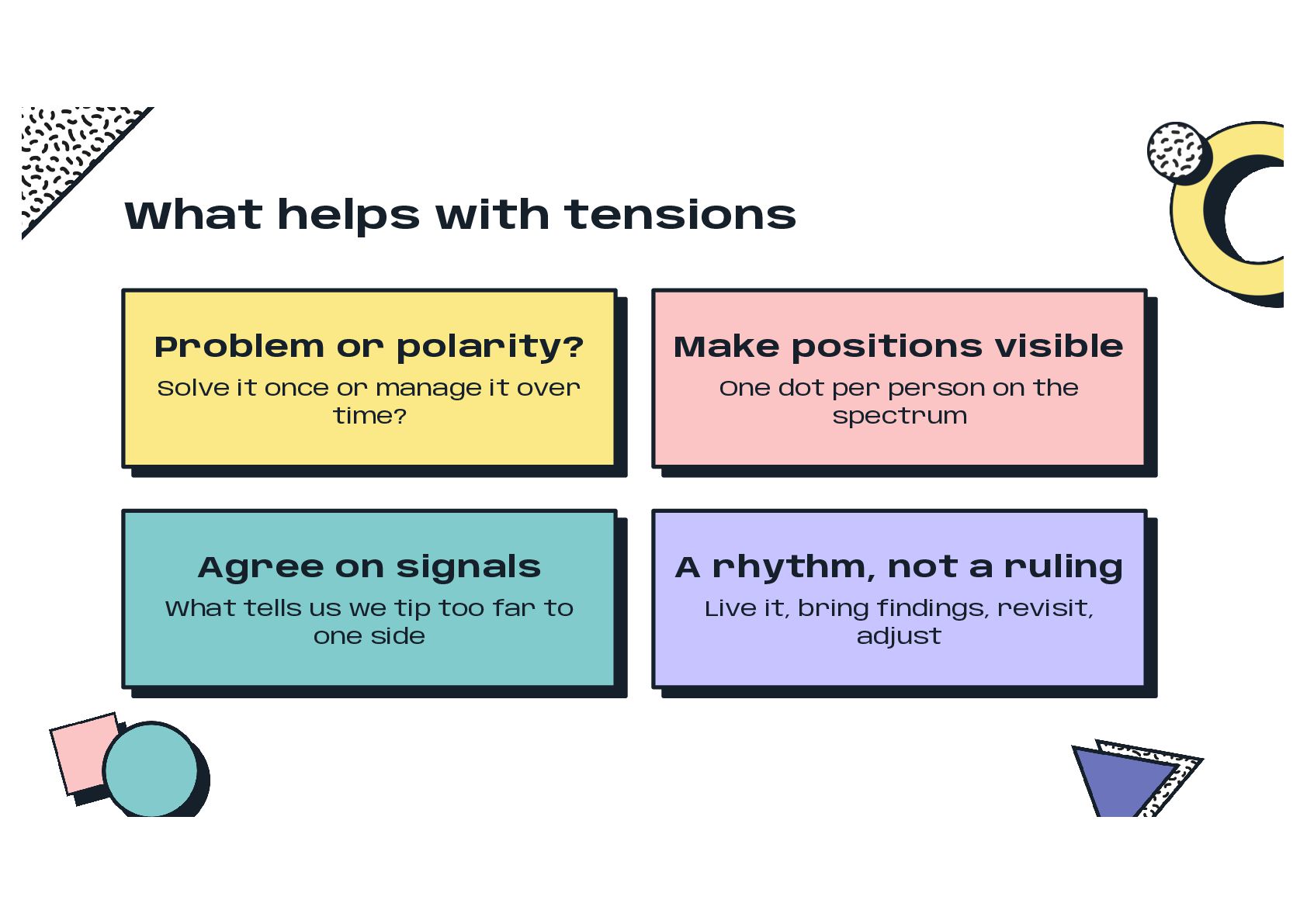
  11. What helps with tensions Problem or polarity? Make positions visible

    Solve it once or manage it over time? One dot per person on the spectrum Agree on signals A rhythm, not a ruling What tells us we tip too far to one side Live it, bring findings, revisit, adjust
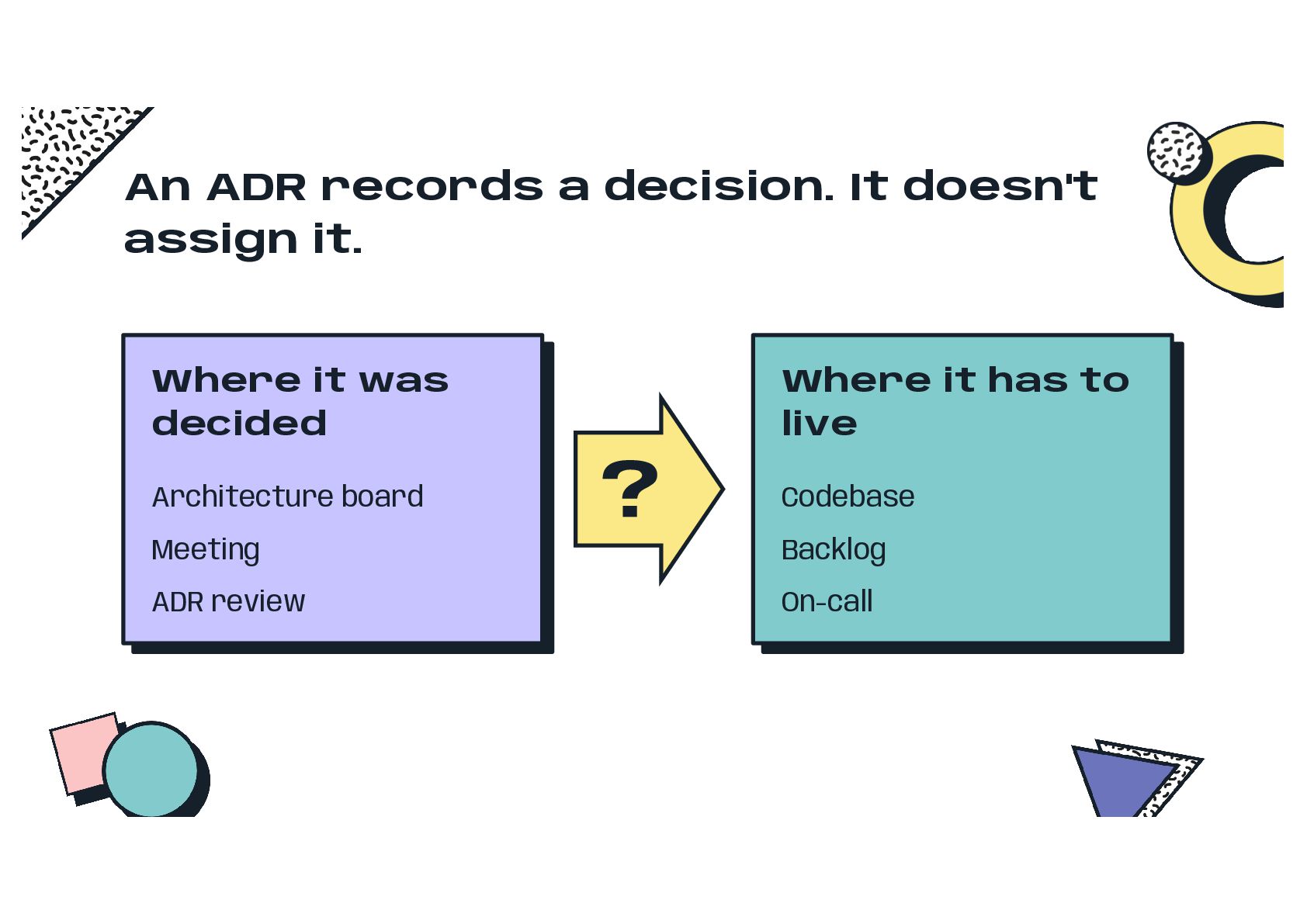
  12. An ADR records a decision. It doesn't assign it. Where

    it was decided Architecture board Where it has to live ? Codebase Meeting Backlog ADR review On-call
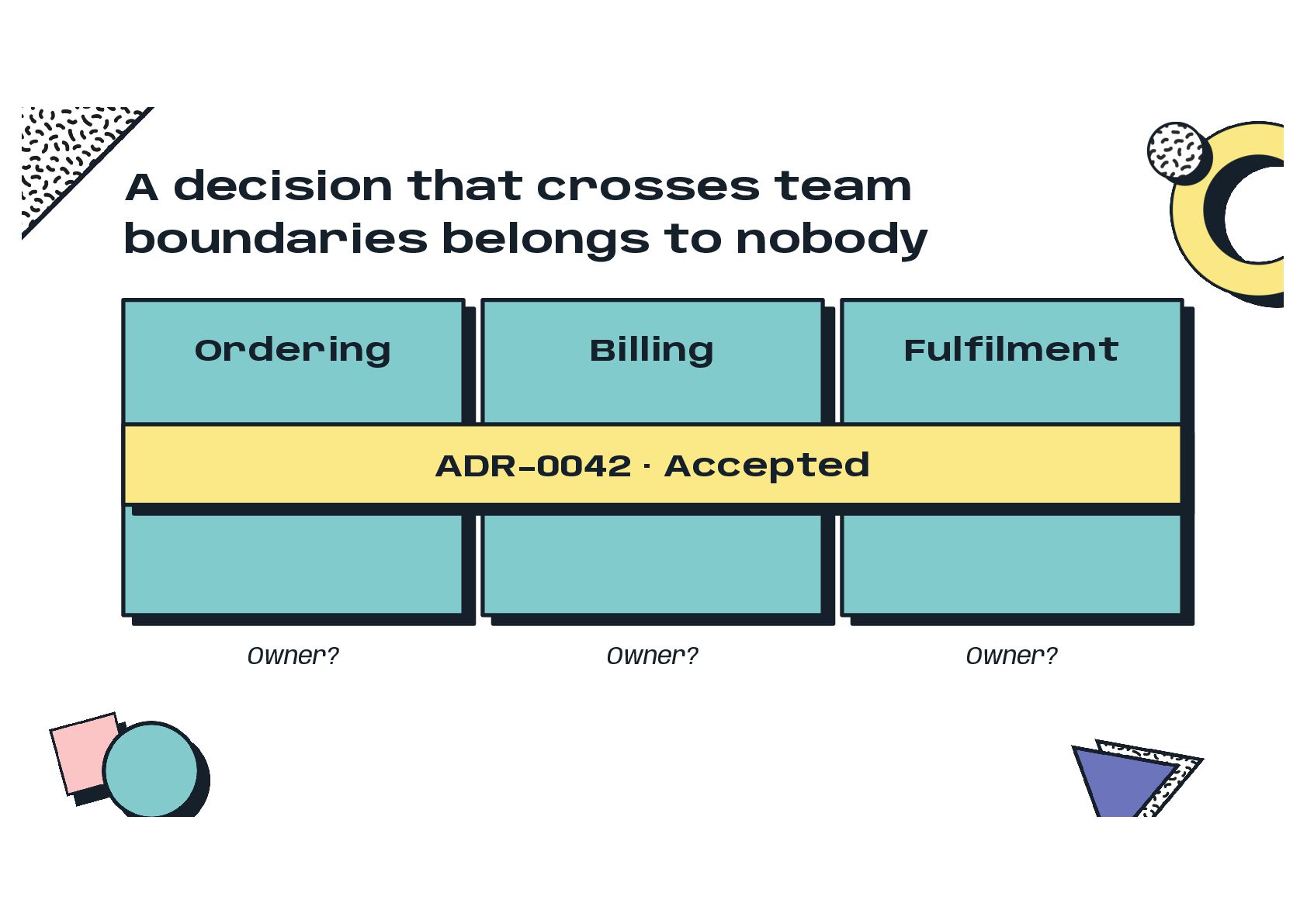
  13. A decision that crosses team boundaries belongs to nobody Ordering

    Billing Fulfilment ADR-0042 · Accepted Owner? Owner? Owner?
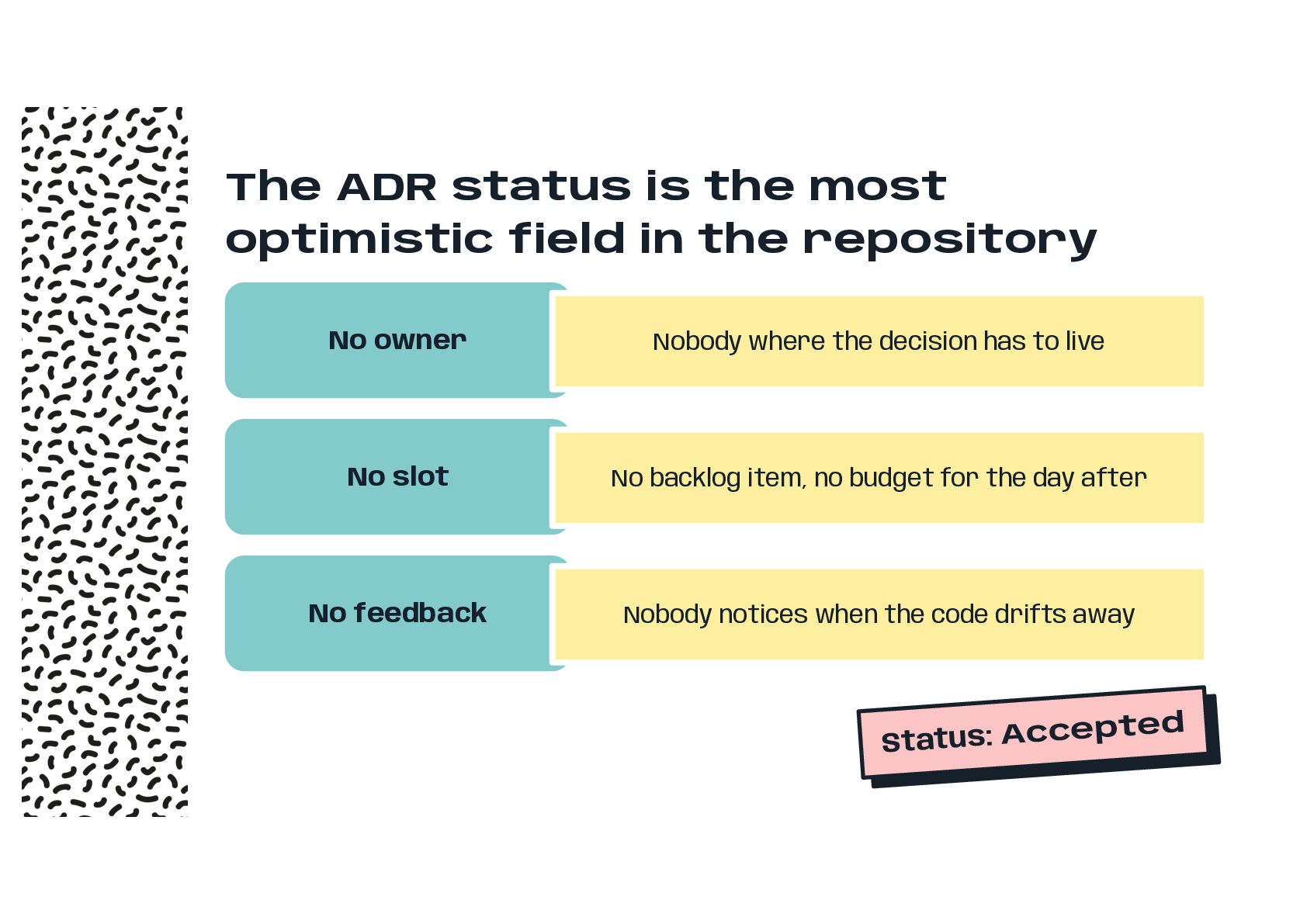
  14. The ADR status is the most optimistic field in the

    repository No owner Nobody where the decision has to live No slot No backlog item, no budget for the day after No feedback Nobody notices when the code drifts away Status: Acce pt e d
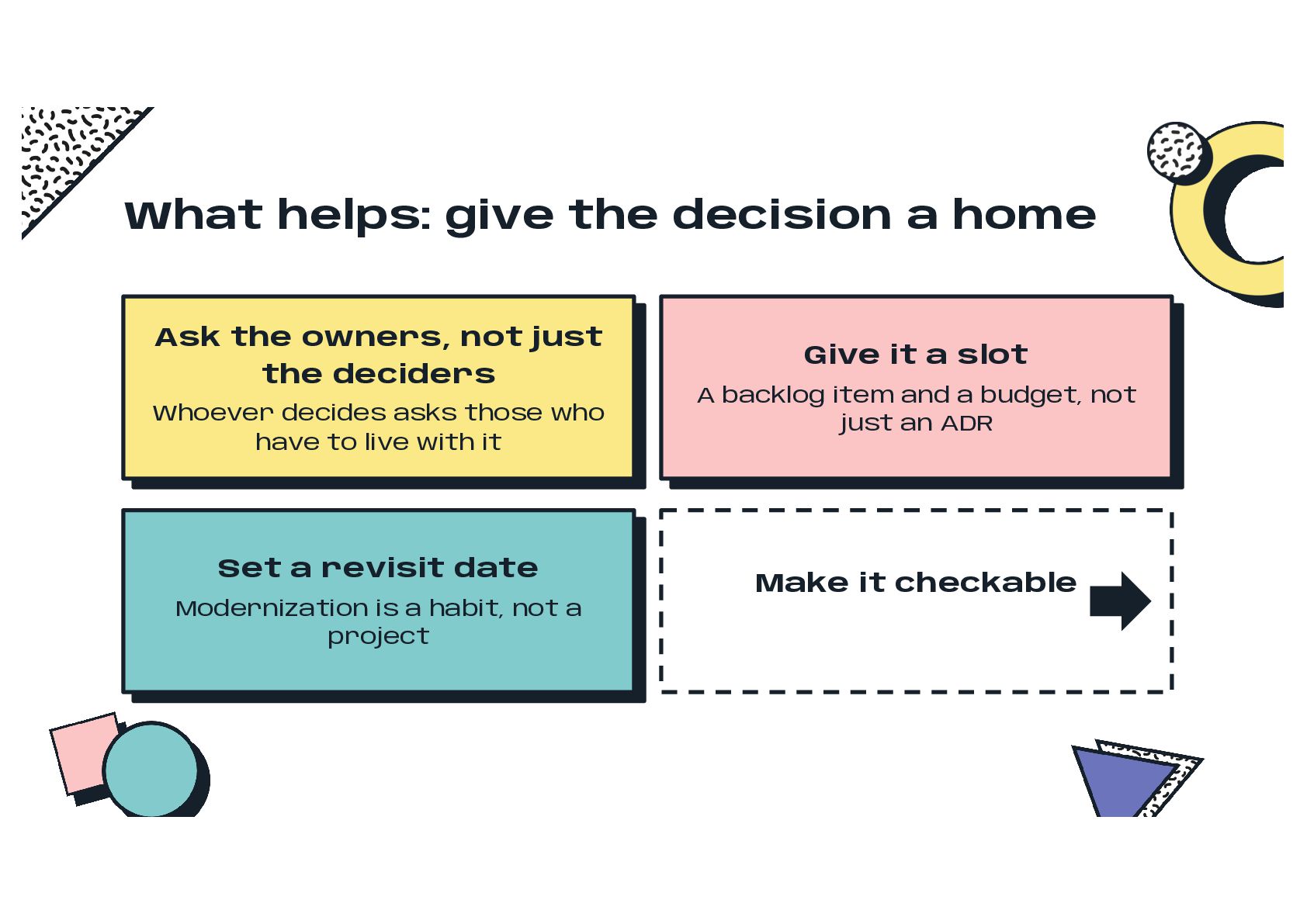
  15. What helps: give the decision a home Ask the owners,

    not just the deciders Whoever decides asks those who have to live with it Set a revisit date Modernization is a habit, not a project Give it a slot A backlog item and a budget, not just an ADR Make it checkable
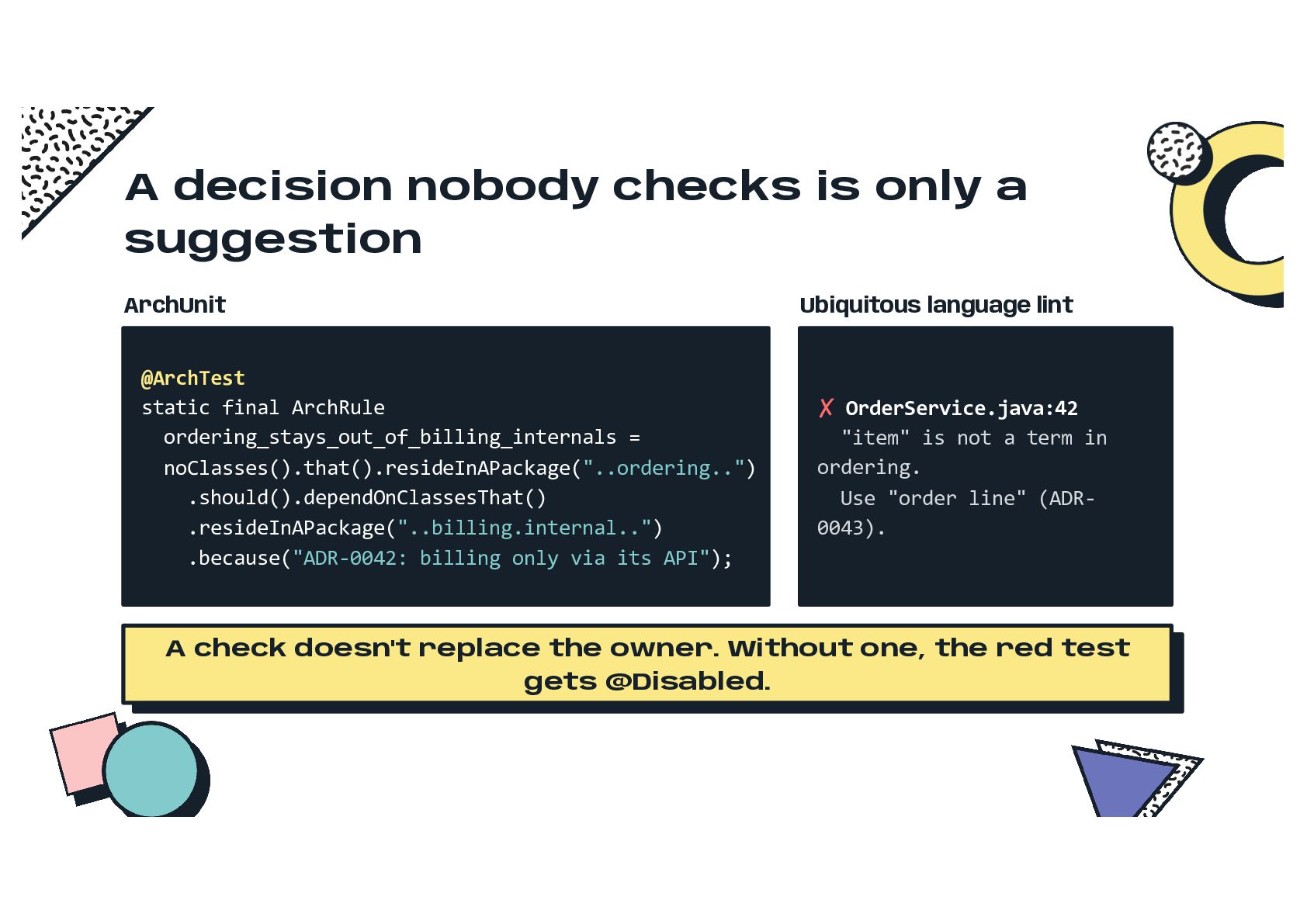
  16. A decision nobody checks is only a suggestion ArchUnit @ArchTest

    static final ArchRule ordering_stays_out_of_billing_internals = noClasses().that().resideInAPackage("..ordering..") .should().dependOnClassesThat() .resideInAPackage("..billing.internal..") .because("ADR-0042: billing only via its API"); Ubiquitous language lint ✗ OrderService.java:42 "item" is not a term in ordering. Use "order line" (ADR0043). A check doesn't replace the owner. Without one, the red test gets @Disabled.
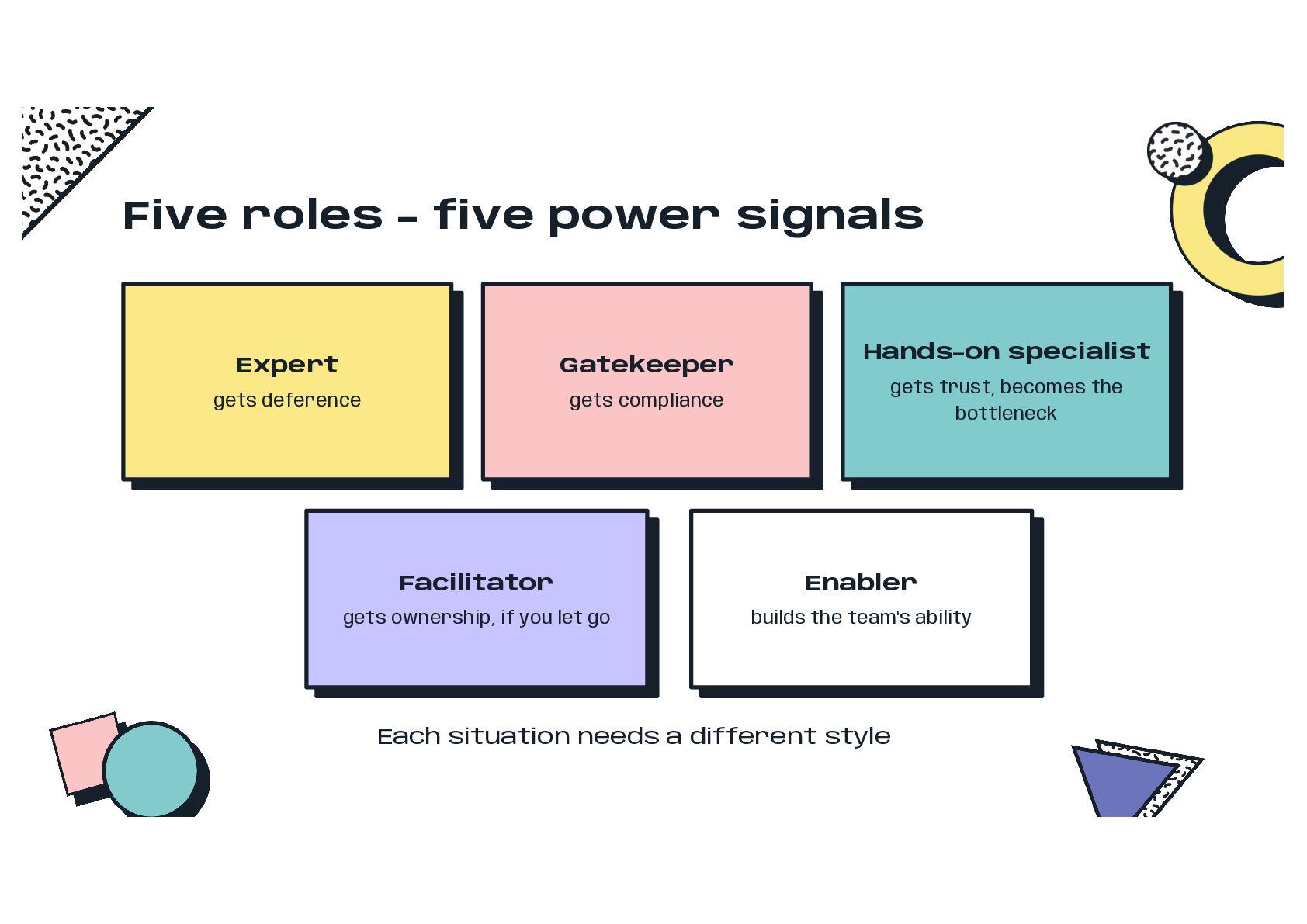
  17. Five roles - five power signals Expert Gatekeeper gets deference

    gets compliance Hands-on specialist gets trust, becomes the bottleneck Facilitator Enabler gets ownership, if you let go builds the team's ability Each situation needs a different style
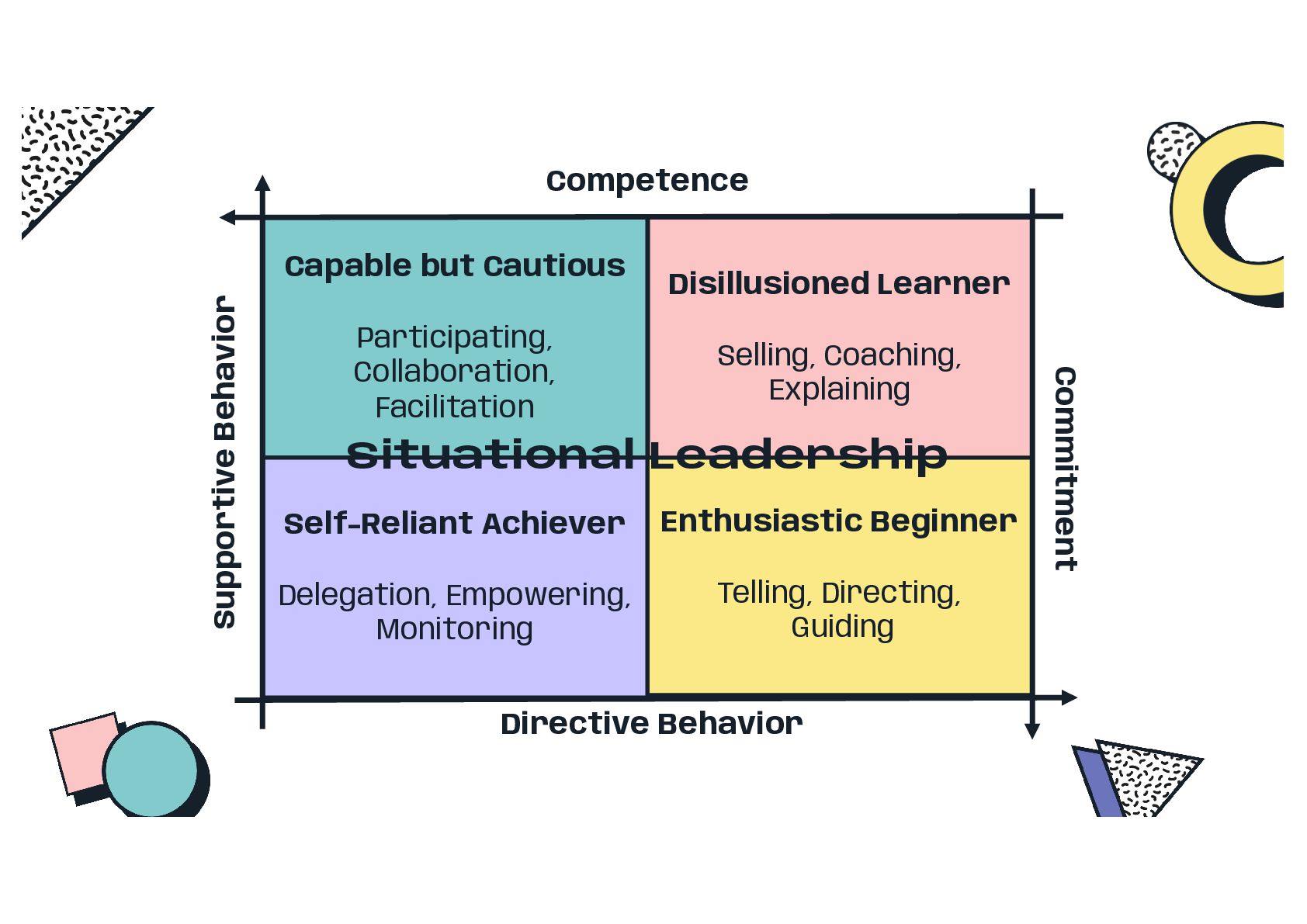
  18. Competence Participating, Collaboration, Facilitation Disillusioned Learner Selling, Coaching, Explaining Situational

    Leadership Self-Reliant Achiever Enthusiastic Beginner Delegation, Empowering, Monitoring Telling, Directing, Guiding Directive Behavior Commitment Supportive Behavior Capable but Cautious
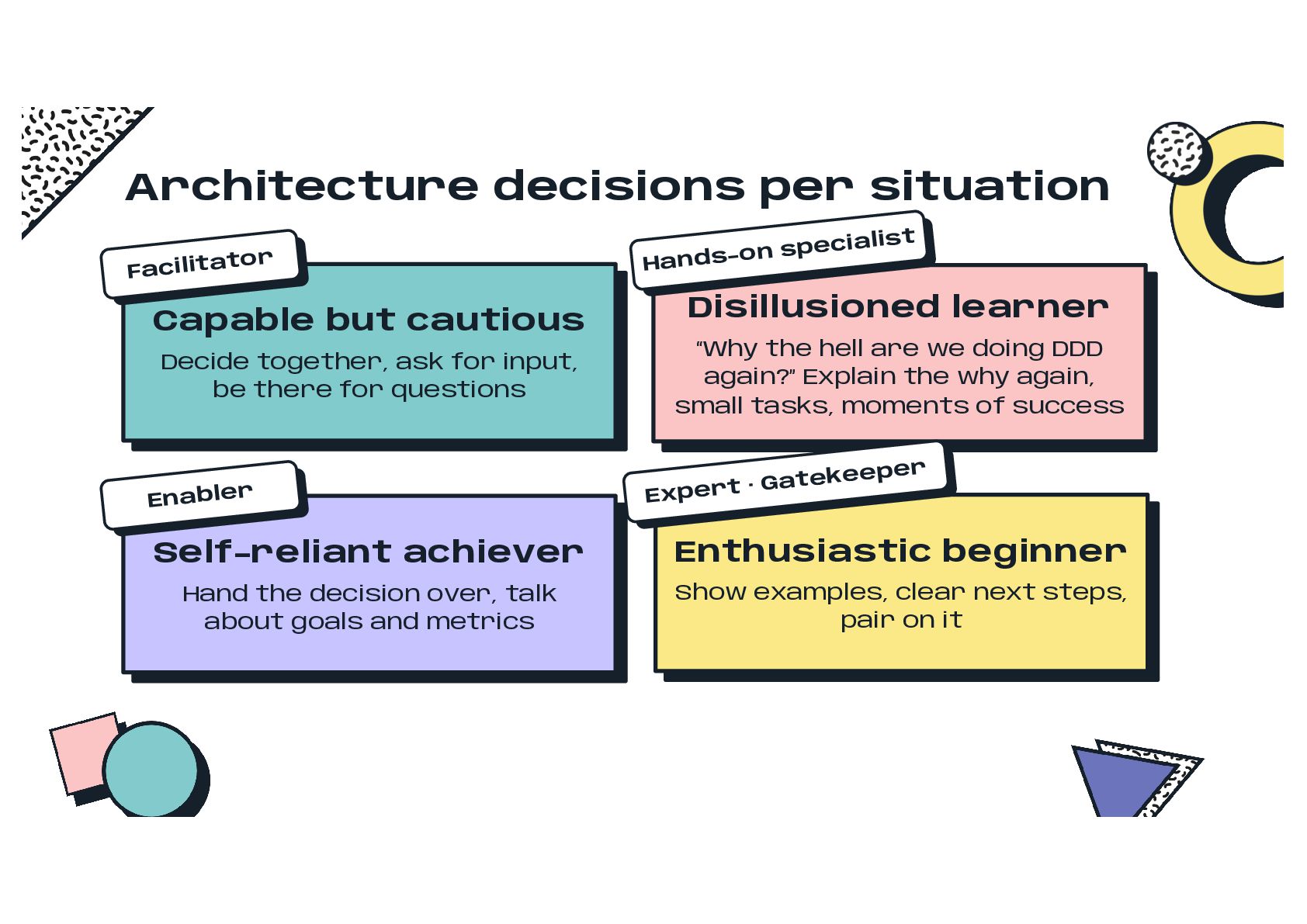
  19. Architecture decisions per situation tor Facilita Capable but cautious Decide

    together, ask for input, be there for questions Enabler st speciali n o s d Han Disillusioned learner “Why the hell are we doing DDD again?” Explain the why again, small tasks, moments of success er tekeep a G · t r Expe Self-reliant achiever Enthusiastic beginner Hand the decision over, talk about goals and metrics Show examples, clear next steps, pair on it
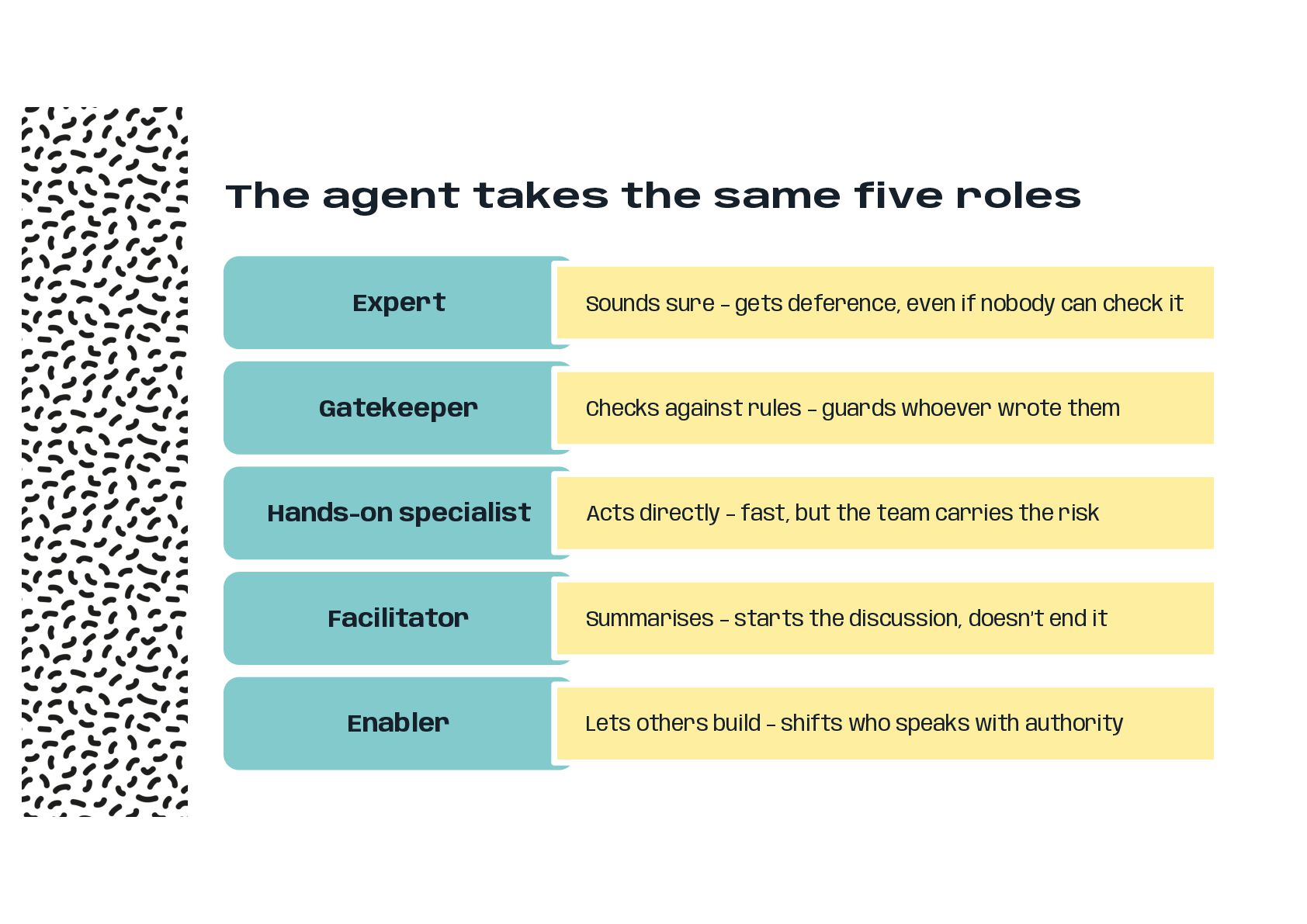
  20. The agent takes the same five roles Expert Sounds sure

    – gets deference, even if nobody can check it Gatekeeper Checks against rules – guards whoever wrote them Hands-on specialist Acts directly – fast, but the team carries the risk Facilitator Summarises – starts the discussion, doesn’t end it Enabler Lets others build – shifts who speaks with authority
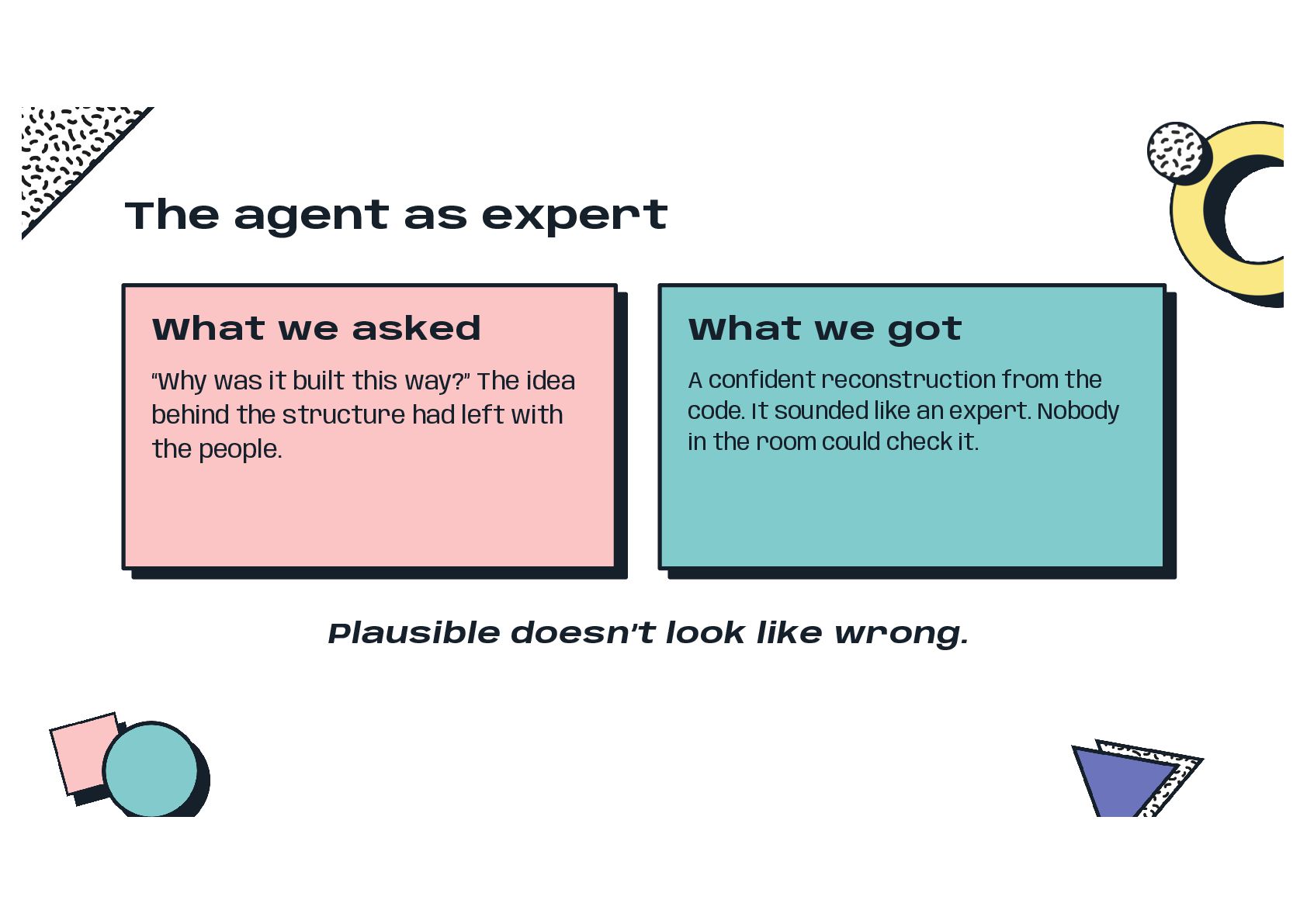
  21. The agent as expert What we asked What we got

    “Why was it built this way?” The idea behind the structure had left with the people. A confident reconstruction from the code. It sounded like an expert. Nobody in the room could check it. Plausible doesn’t look like wrong.
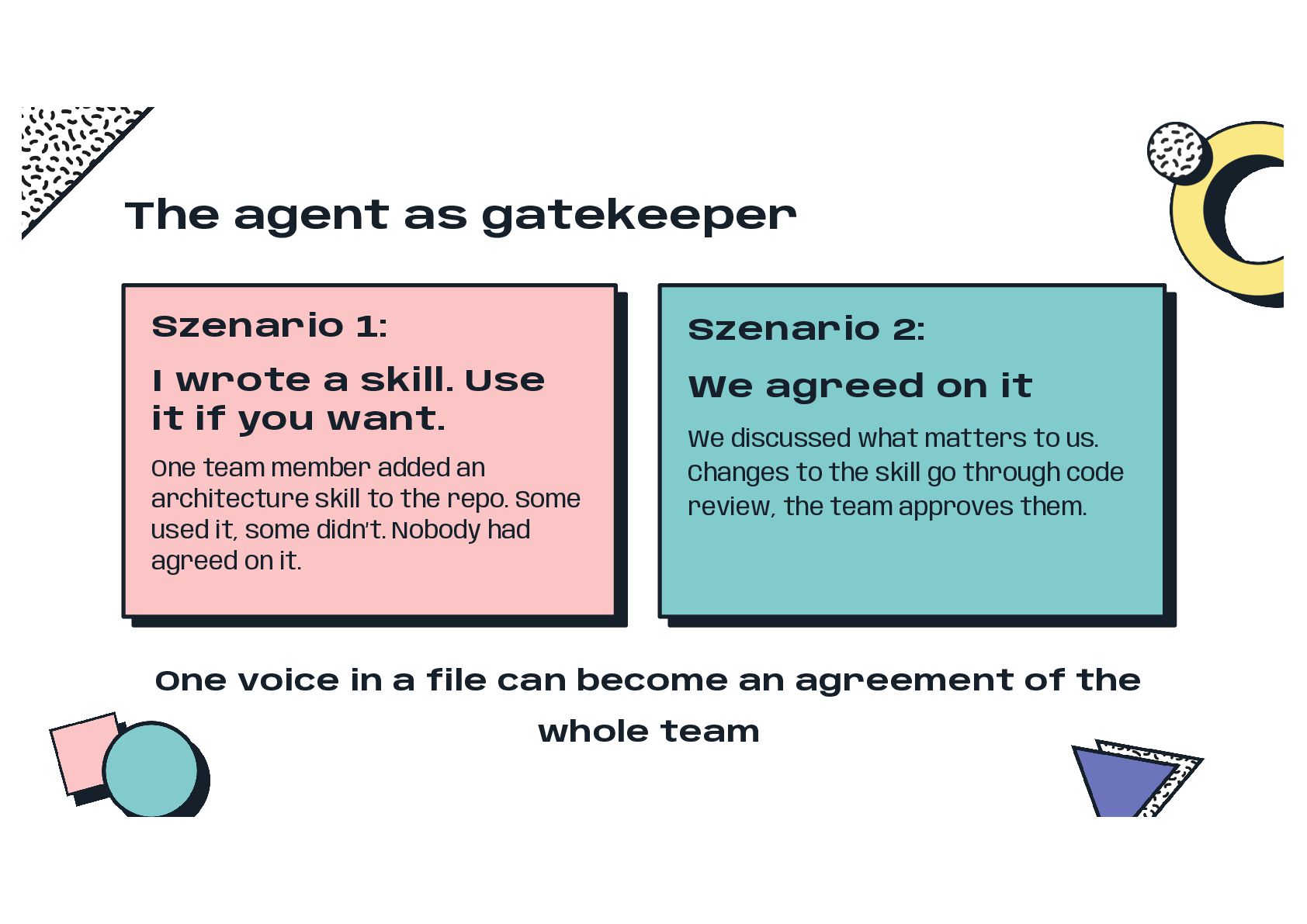
  22. The agent as gatekeeper Szenario 1: Szenario 2: I wrote

    a skill. Use it if you want. We agreed on it One team member added an architecture skill to the repo. Some used it, some didn’t. Nobody had agreed on it. We discussed what matters to us. Changes to the skill go through code review, the team approves them. One voice in a file can become an agreement of the whole team
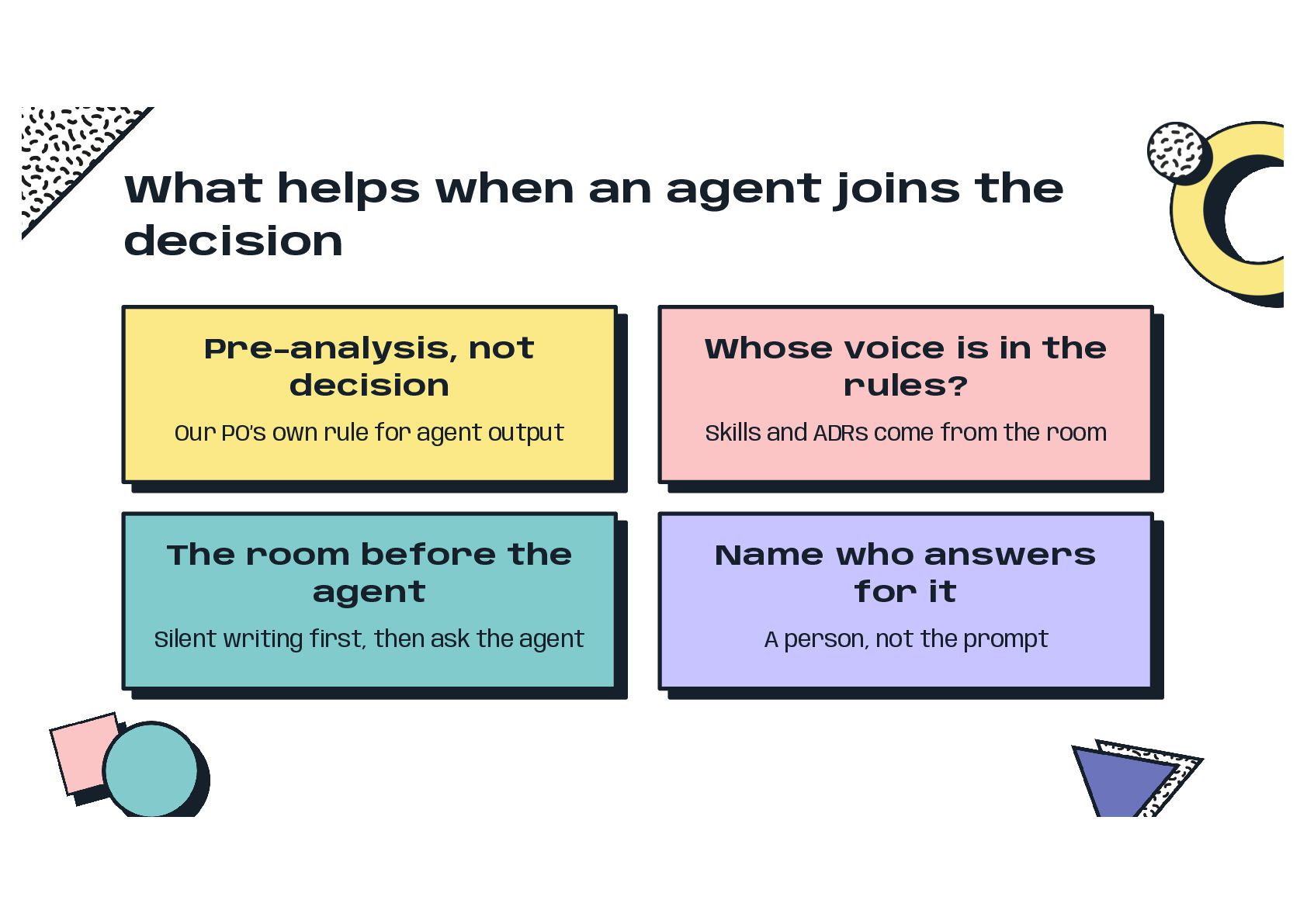
  23. What helps when an agent joins the decision Pre-analysis, not

    decision Whose voice is in the rules? Our PO’s own rule for agent output Skills and ADRs come from the room The room before the agent Name who answers for it Silent writing first, then ask the agent A person, not the prompt
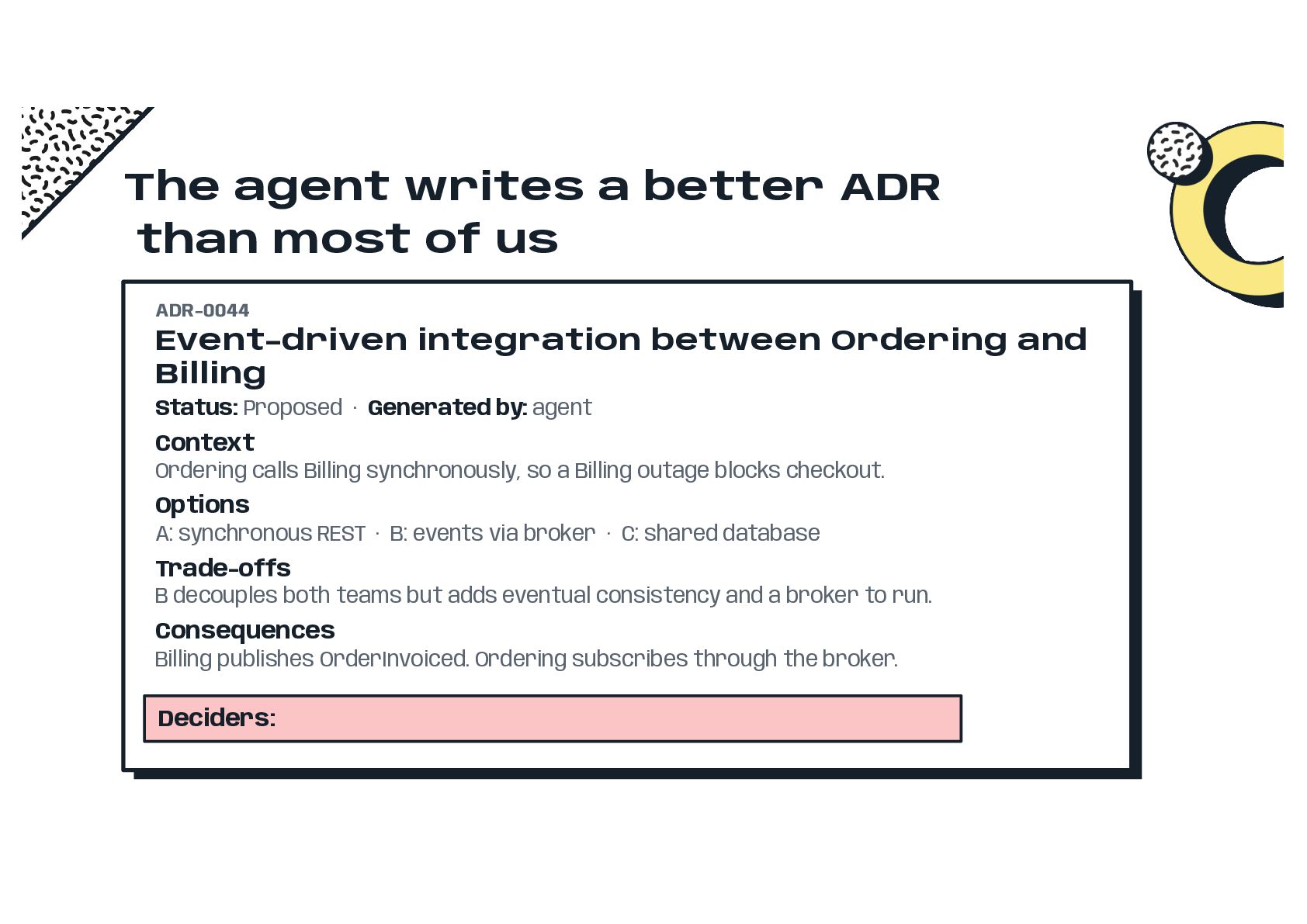
  24. The agent writes a better ADR than most of us

    ADR-0044 Event-driven integration between Ordering and Billing Status: Proposed · Generated by: agent Context Ordering calls Billing synchronously, so a Billing outage blocks checkout. Options A: synchronous REST · B: events via broker · C: shared database Trade-offs B decouples both teams but adds eventual consistency and a broker to run. Consequences Billing publishes OrderInvoiced. Ordering subscribes through the broker. Deciders:
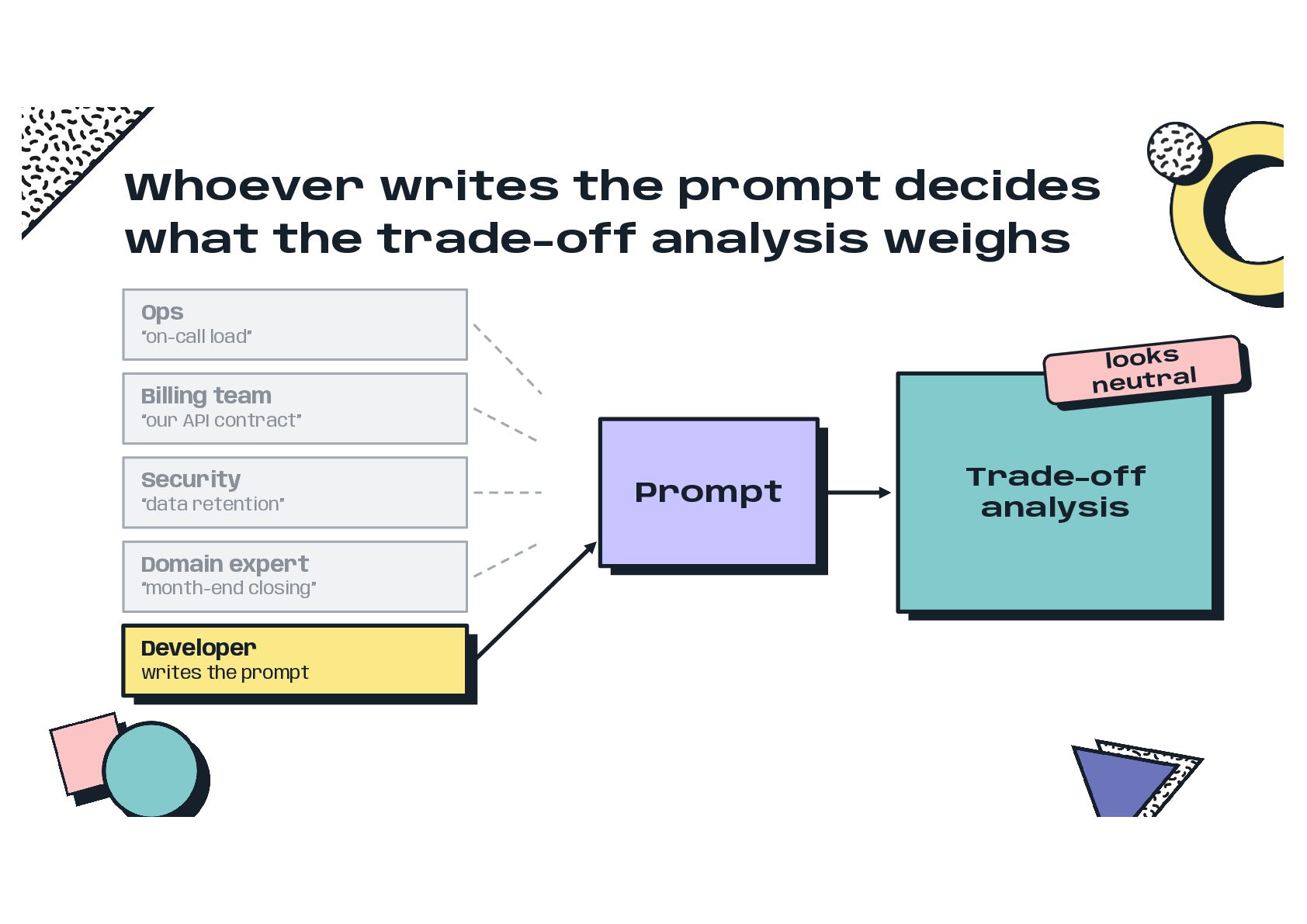
  25. Whoever writes the prompt decides what the trade-off analysis weighs

    Ops “on-call load” looks l neutra Billing team “our API contract” Security “data retention” Domain expert “month-end closing” Developer writes the prompt Prompt Trade-off analysis
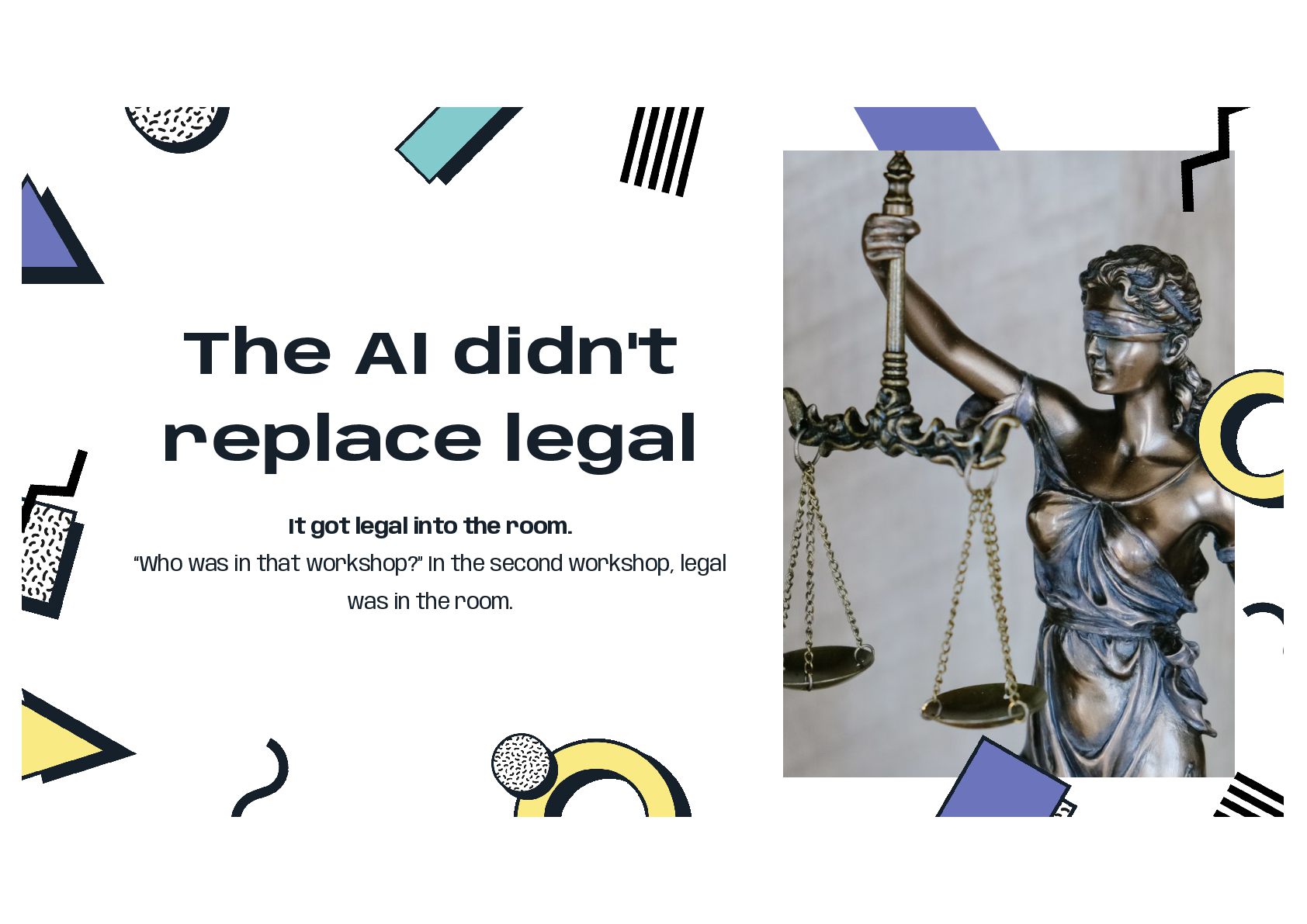
  26. The AI didn't replace legal It got legal into the

    room. “Who was in that workshop?” In the second workshop, legal was in the room.
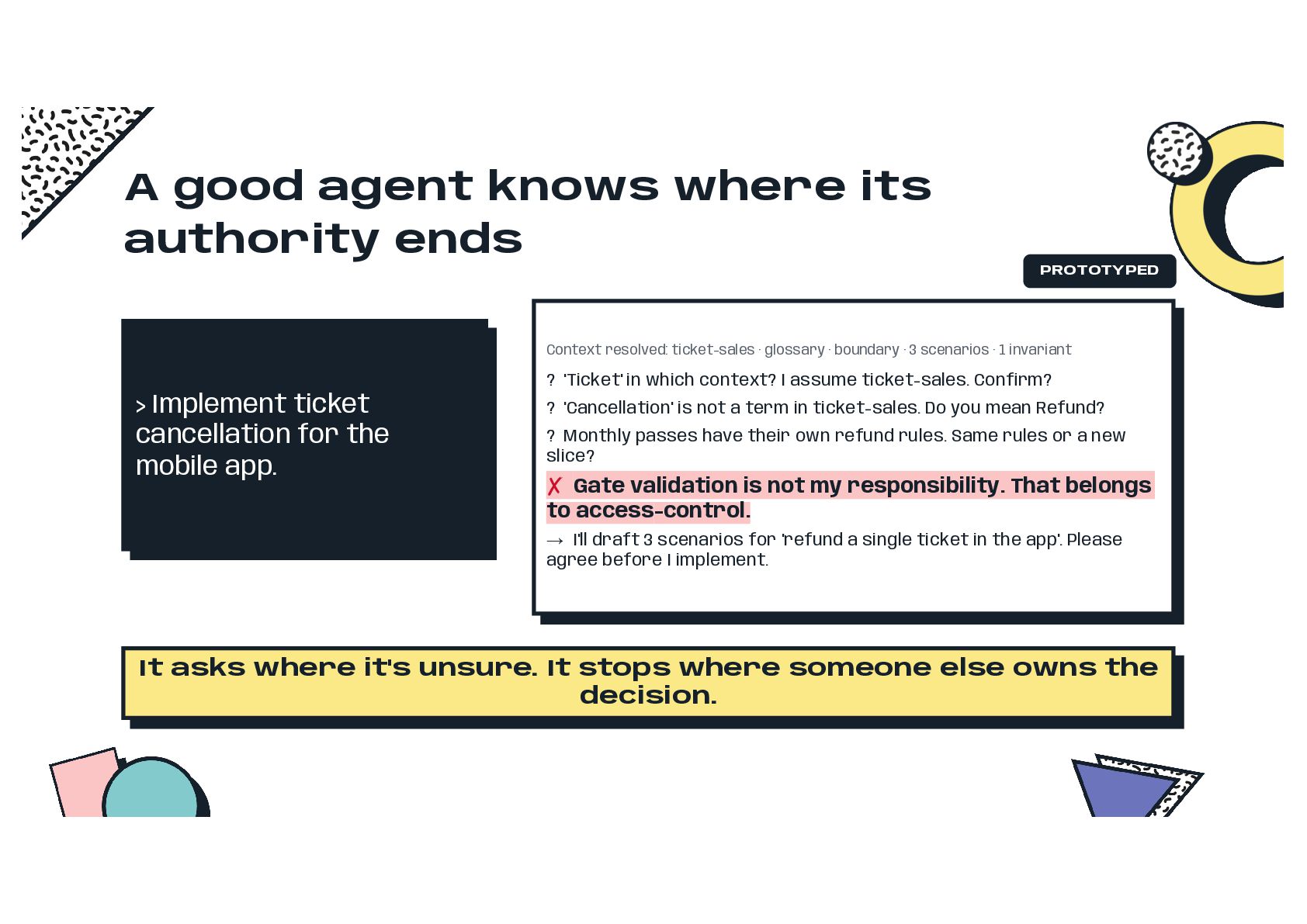
  27. A good agent knows where its authority ends PROTOTYPED Context

    resolved: ticket-sales · glossary · boundary · 3 scenarios · 1 invariant ? 'Ticket' in which context? I assume ticket-sales. Confirm? > Implement ticket cancellation for the mobile app. ? 'Cancellation' is not a term in ticket-sales. Do you mean Refund? ? Monthly passes have their own refund rules. Same rules or a new slice? ✗ Gate validation is not my responsibility. That belongs to access-control. → I'll draft 3 scenarios for 'refund a single ticket in the app'. Please agree before I implement. It asks where it's unsure. It stops where someone else owns the decision.
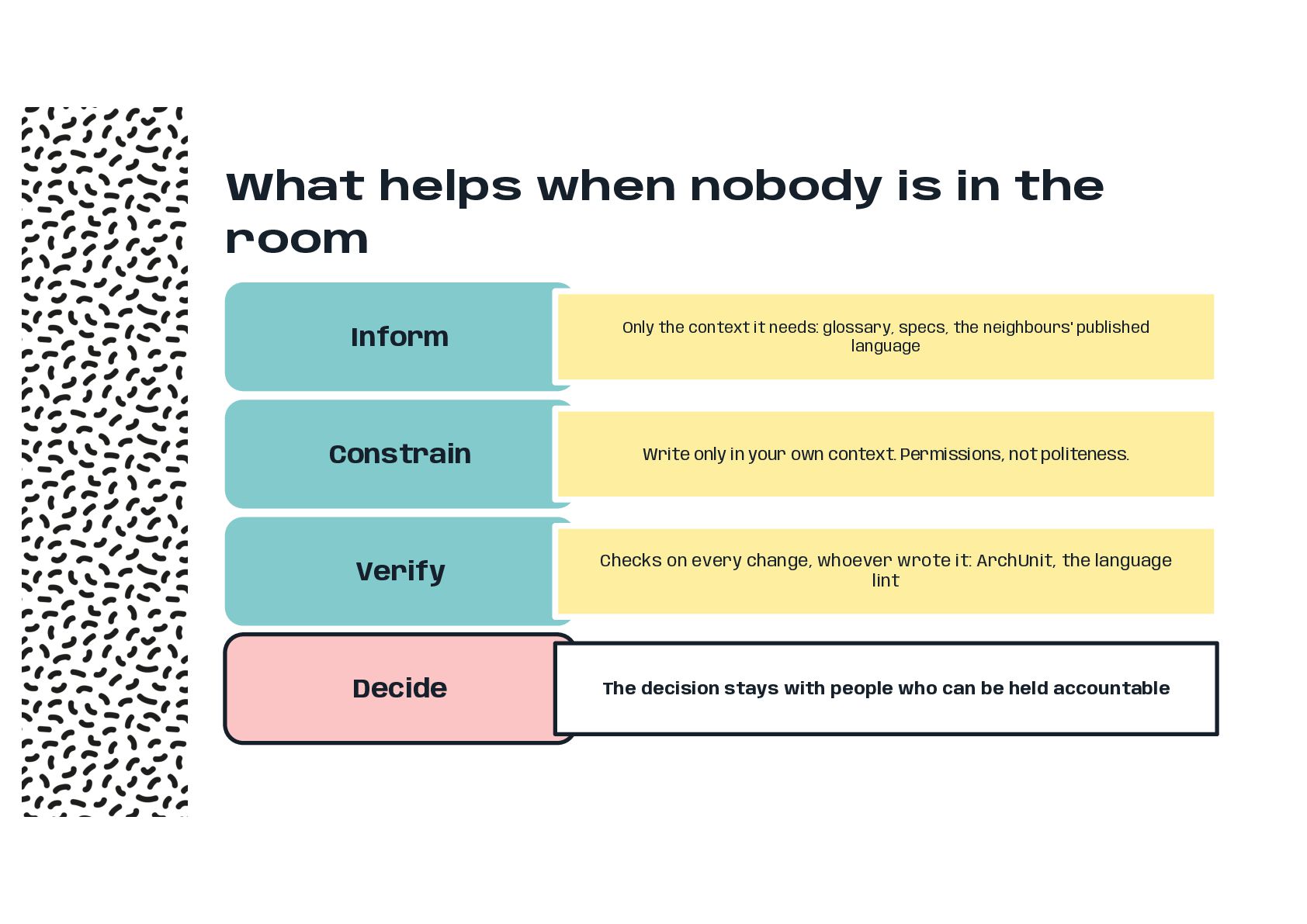
  28. What helps when nobody is in the room Inform Only

    the context it needs: glossary, specs, the neighbours' published language Constrain Write only in your own context. Permissions, not politeness. Verify Checks on every change, whoever wrote it: ArchUnit, the language lint Decide The decision stays with people who can be held accountable
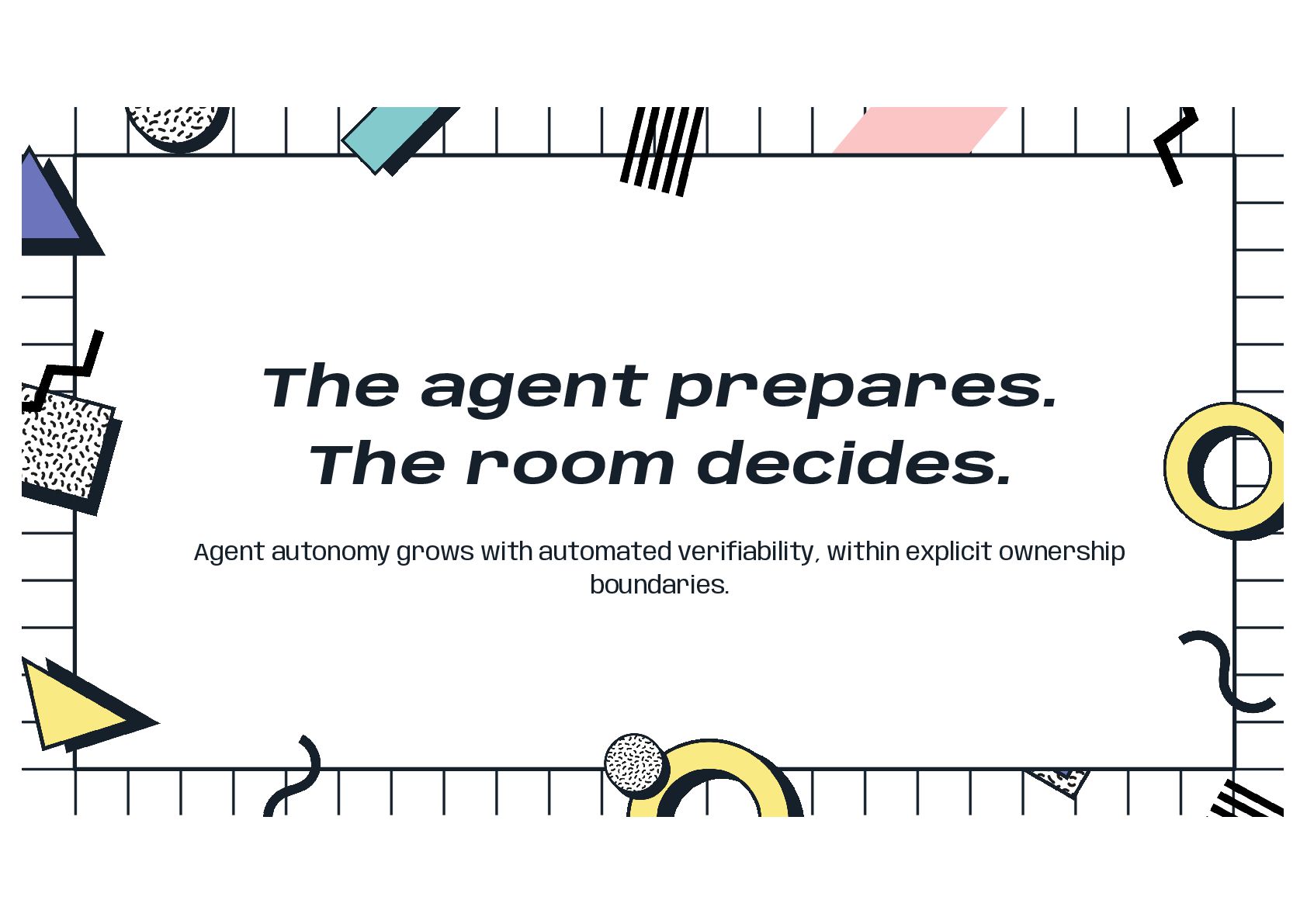
  29. The agent prepares. The room decides. Agent autonomy grows with

    automated verifiability, within explicit ownership boundaries.
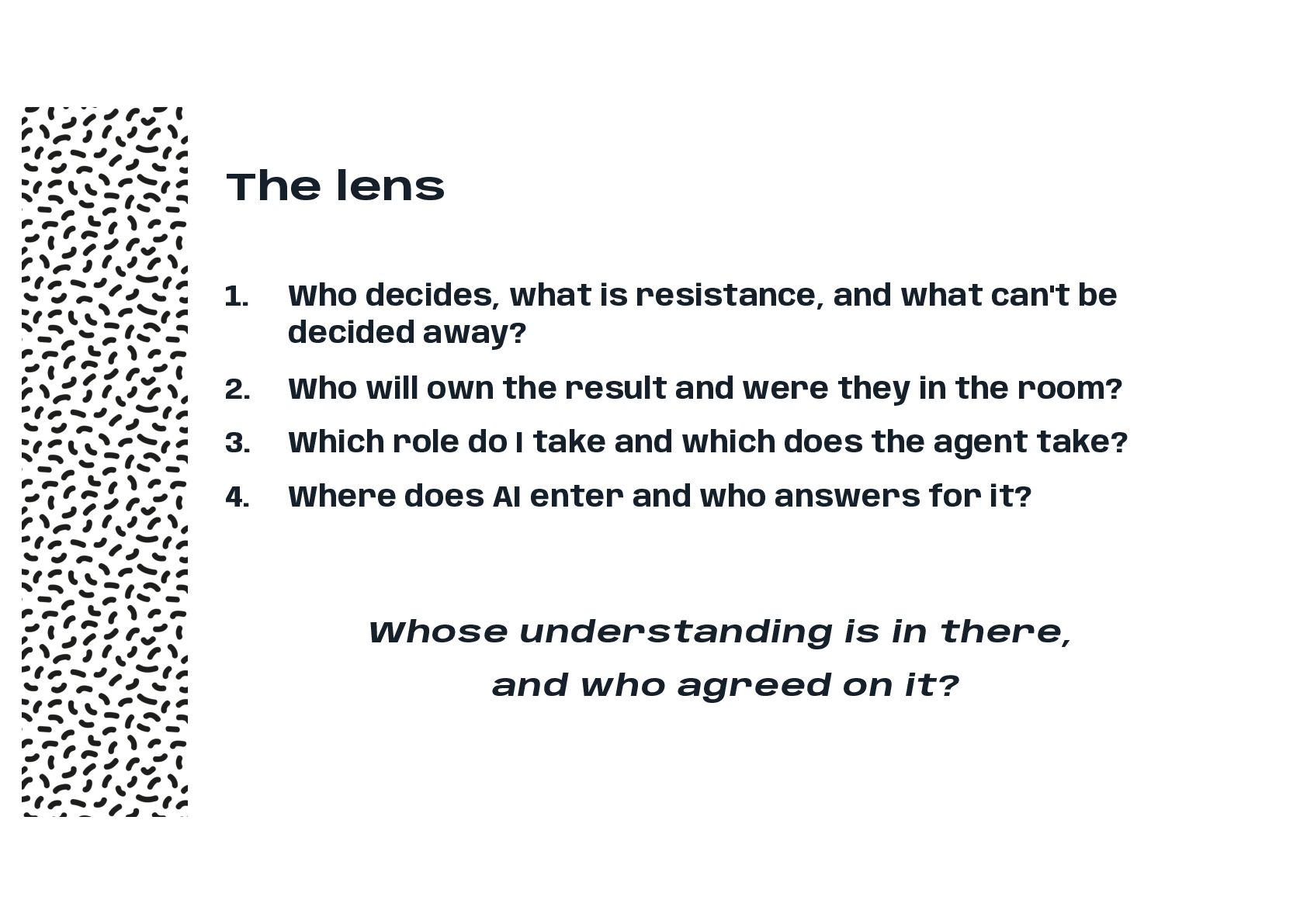
  30. The lens 1. Who decides, what is resistance, and what

    can't be decided away? 2. Who will own the result and were they in the room? 3. Which role do I take and which does the agent take? 4. Where does AI enter and who answers for it? Whose understanding is in there, and who agreed on it?
  31. Where to go from here Prepare Practise CoMo Prep Canvas

    A mirror, not a checklist – before your next session COSMO – Collaborative Software Modelling 3 days · iSAQB Advanced Level We’ve just requested accreditation.

More Decks by Michael Plöd

Other Decks in Programming