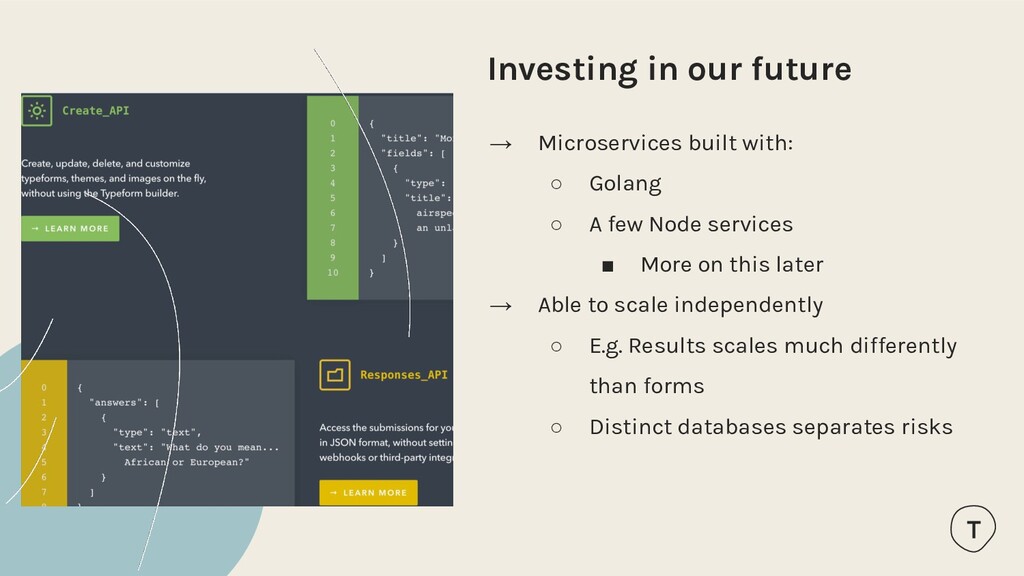
◦ A few Node services ▪ More on this later → Able to scale independently ◦ E.g. Results scales much differently than forms ◦ Distinct databases separates risks
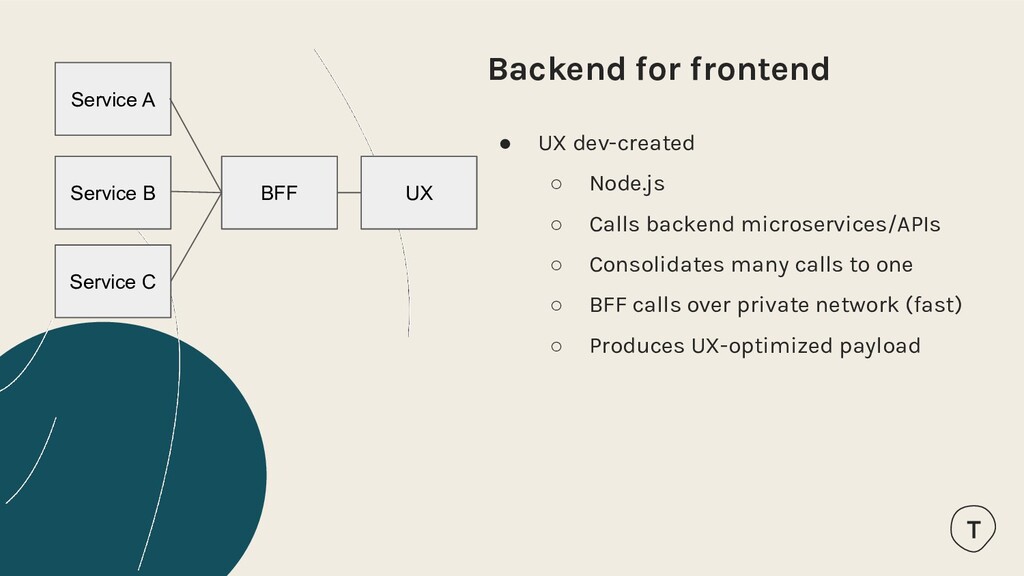
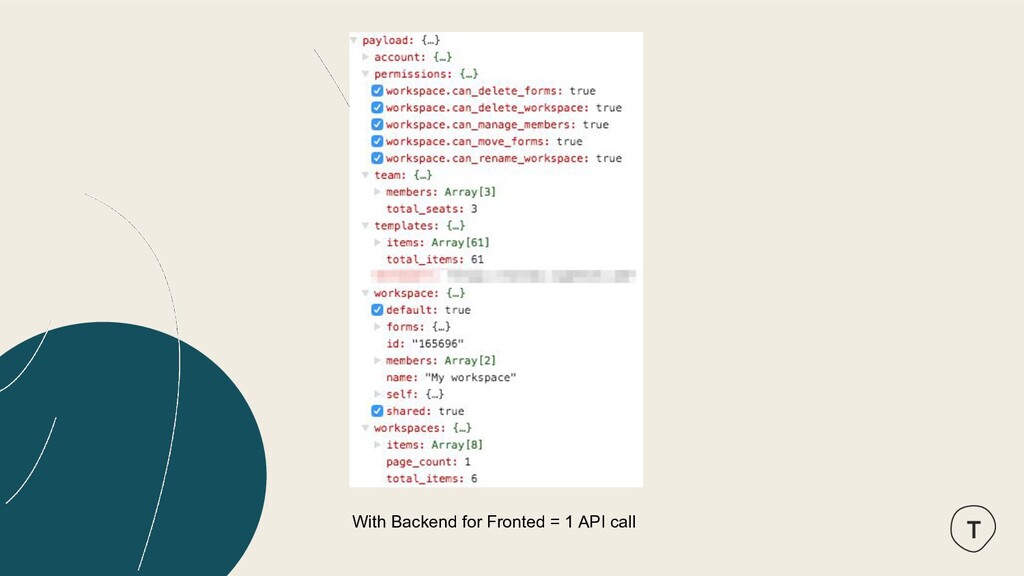
backend microservices/APIs ◦ Consolidates many calls to one ◦ BFF calls over private network (fast) ◦ Produces UX-optimized payload Service A Service B Service C BFF UX
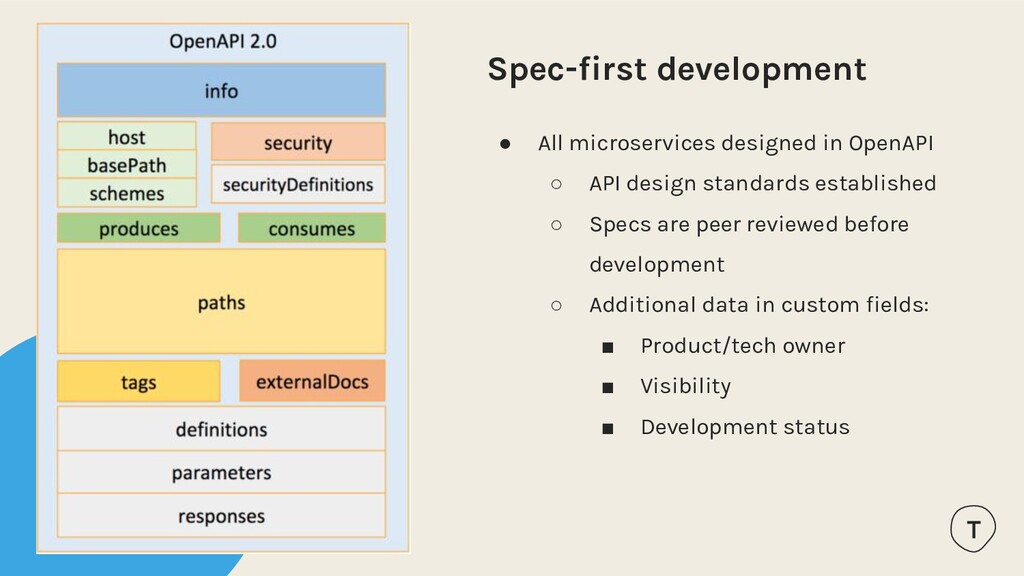
design standards established ◦ Specs are peer reviewed before development ◦ Additional data in custom fields: ▪ Product/tech owner ▪ Visibility ▪ Development status
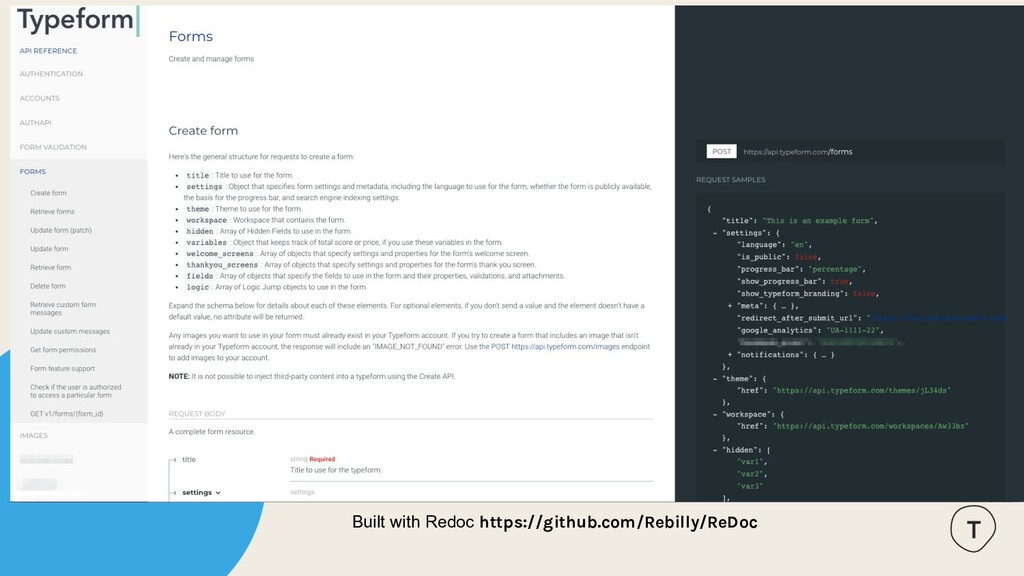
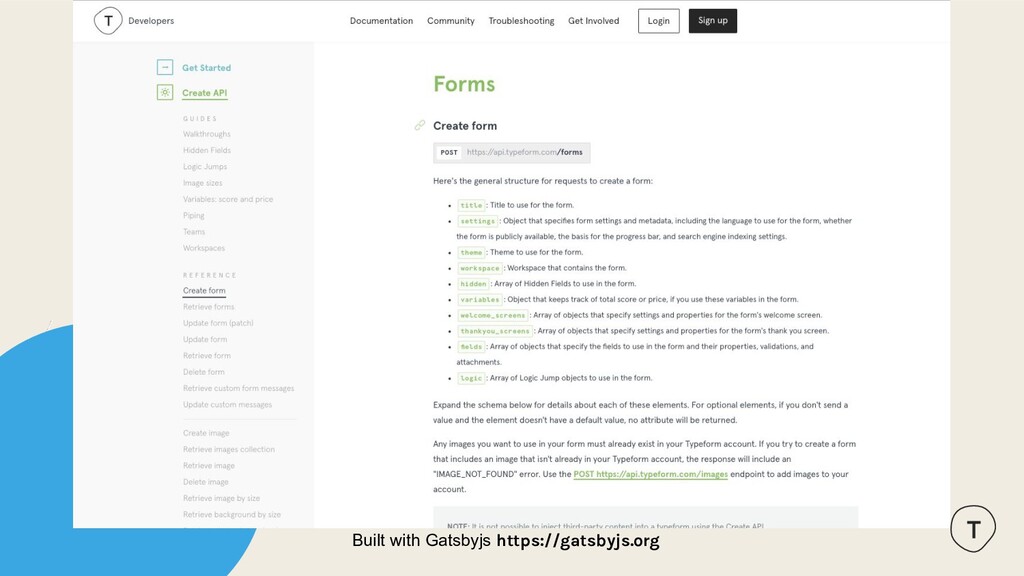
Internal & public documentation ▪ Generated from specs ▪ Manually curated docs are injected ◦ API proxy ▪ External APIs auto-configured ◦ Auth system ▪ OAuth scopes from specs
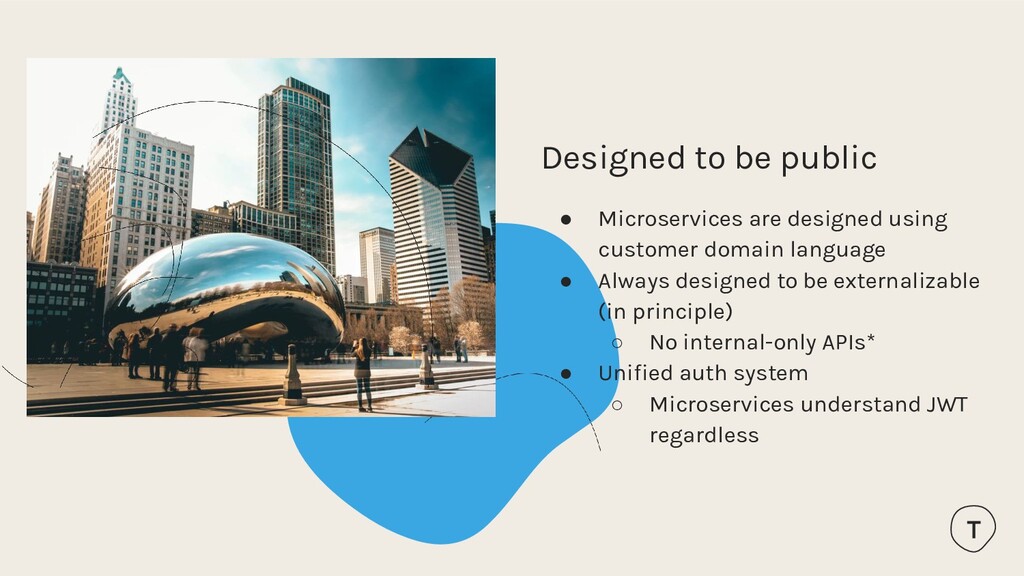
domain language • Always designed to be externalizable (in principle) ◦ No internal-only APIs* • Unified auth system ◦ Microservices understand JWT regardless


 picsoung
 mtpooh
 ks91
ks91
 masakiokuda
 vivion
 ishiirikie
 ynisqa1988
 yakumo
 kairim0
 hacobu
 mot_techtalk
 mikanichinose
 reverentgeek
 62gerente
 bluesmoon
 rkaga
rkaga
 schlessera
 lauravandoore
 addyosmani
 paigeccino
 asonas
 mza
mza
 garrettdimon
 retrage