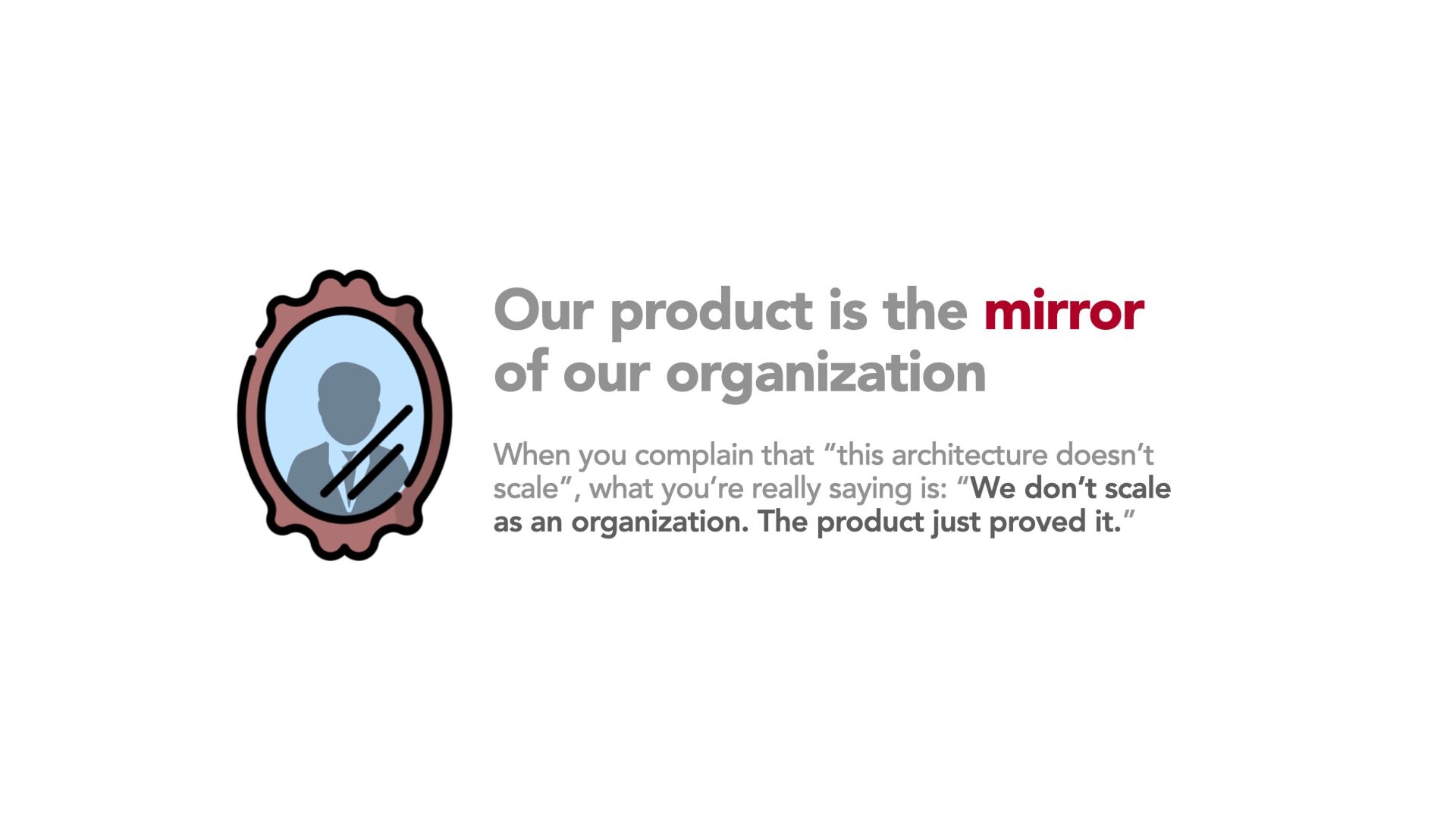
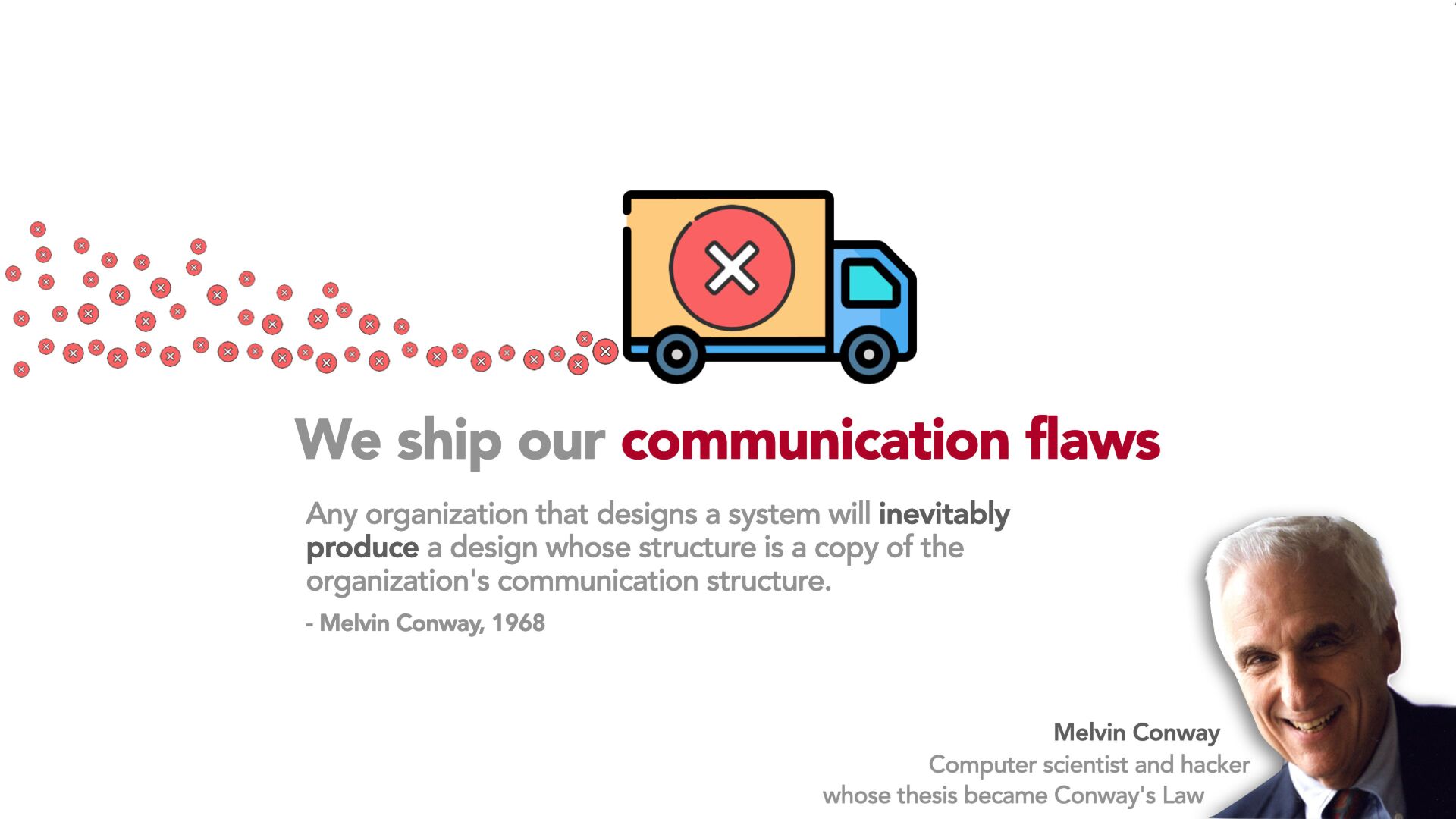
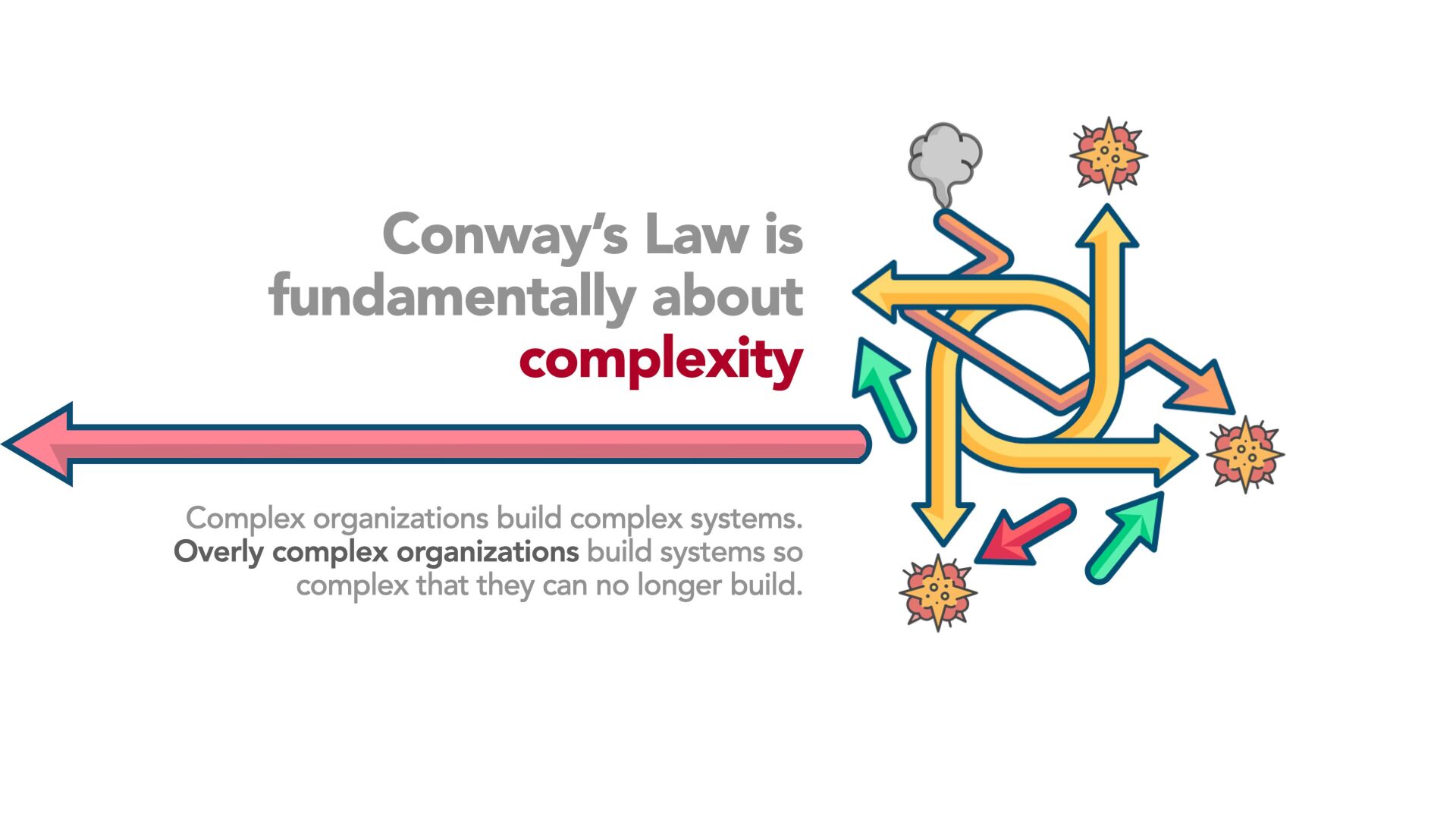
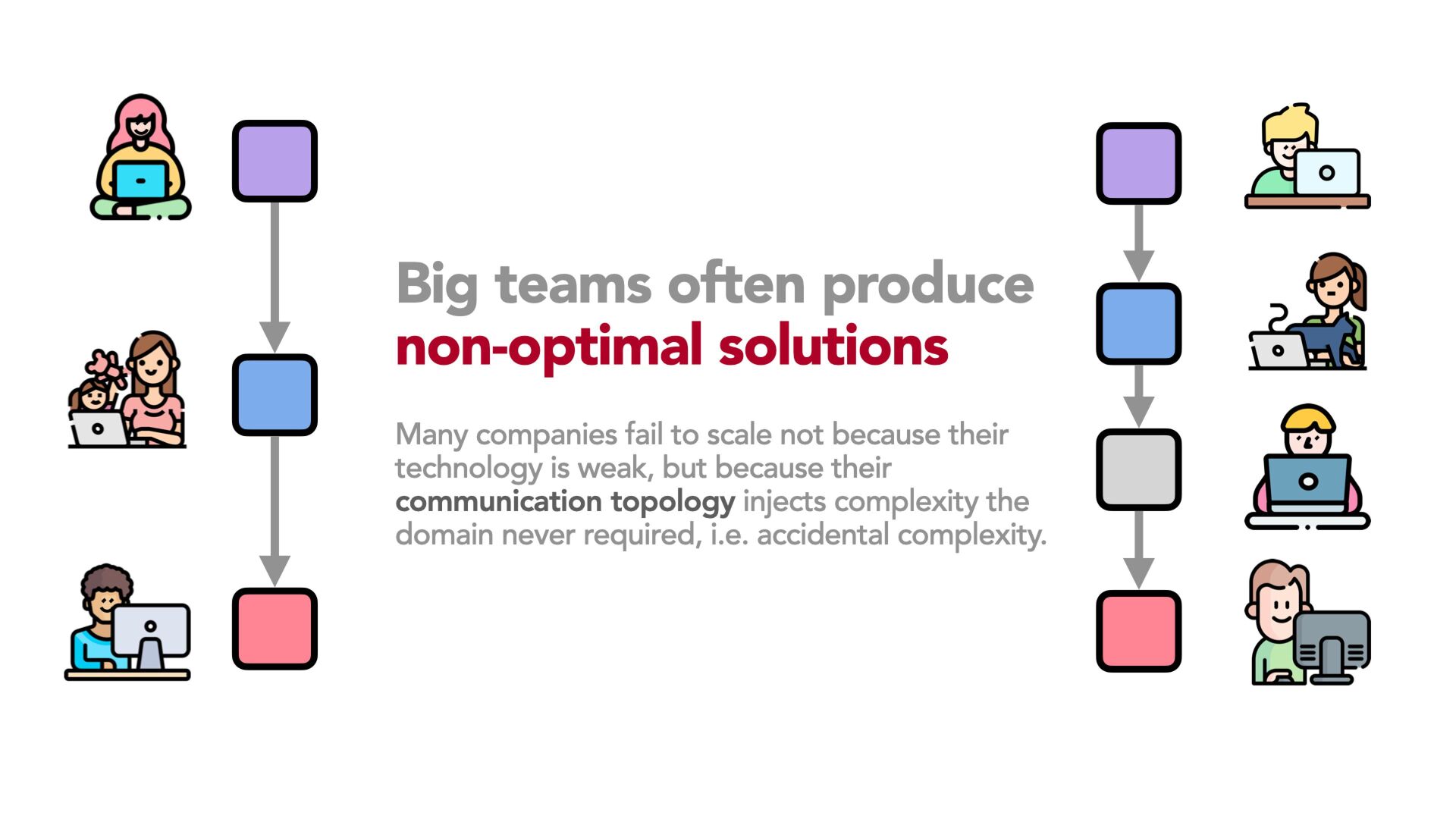
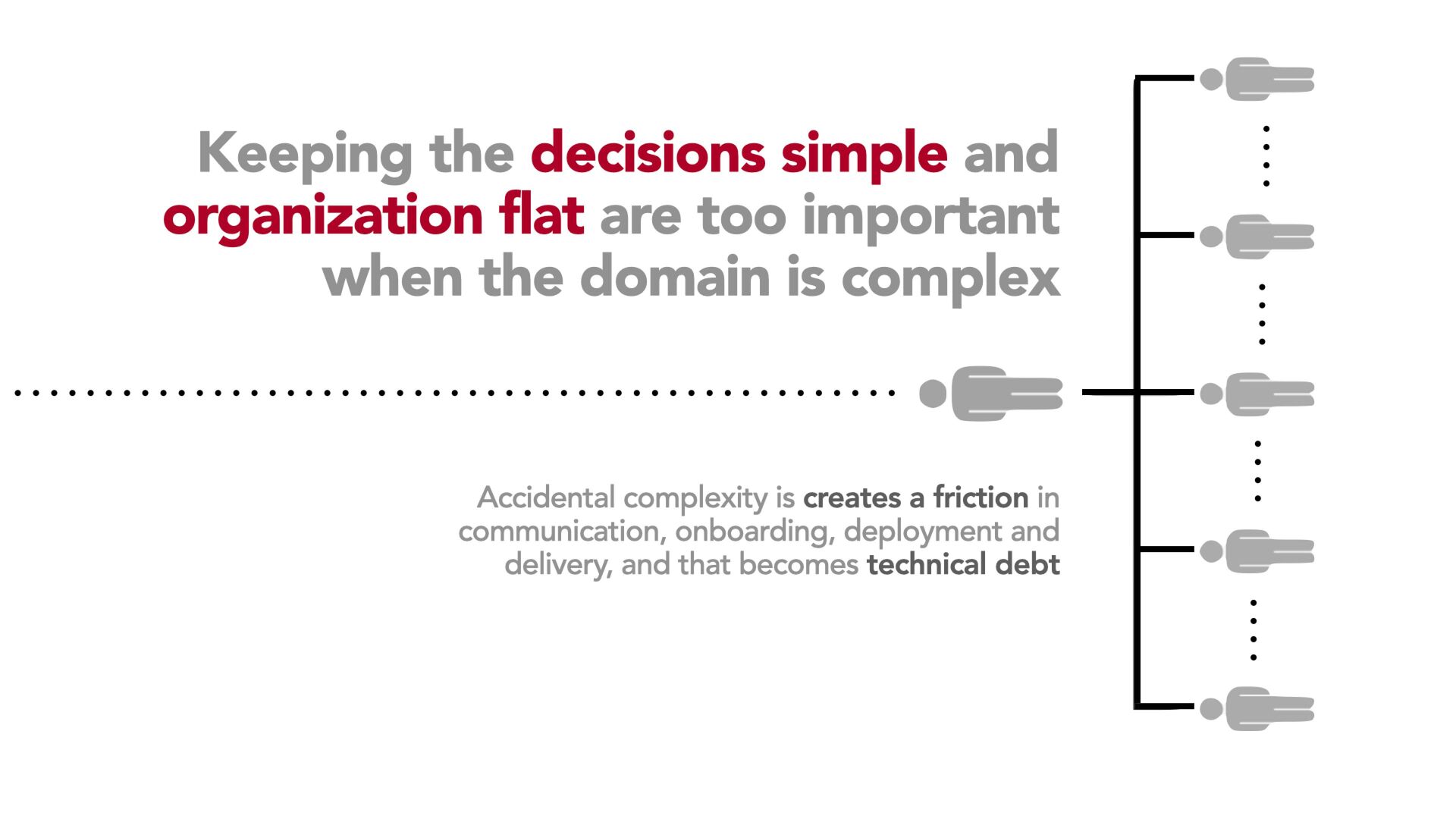
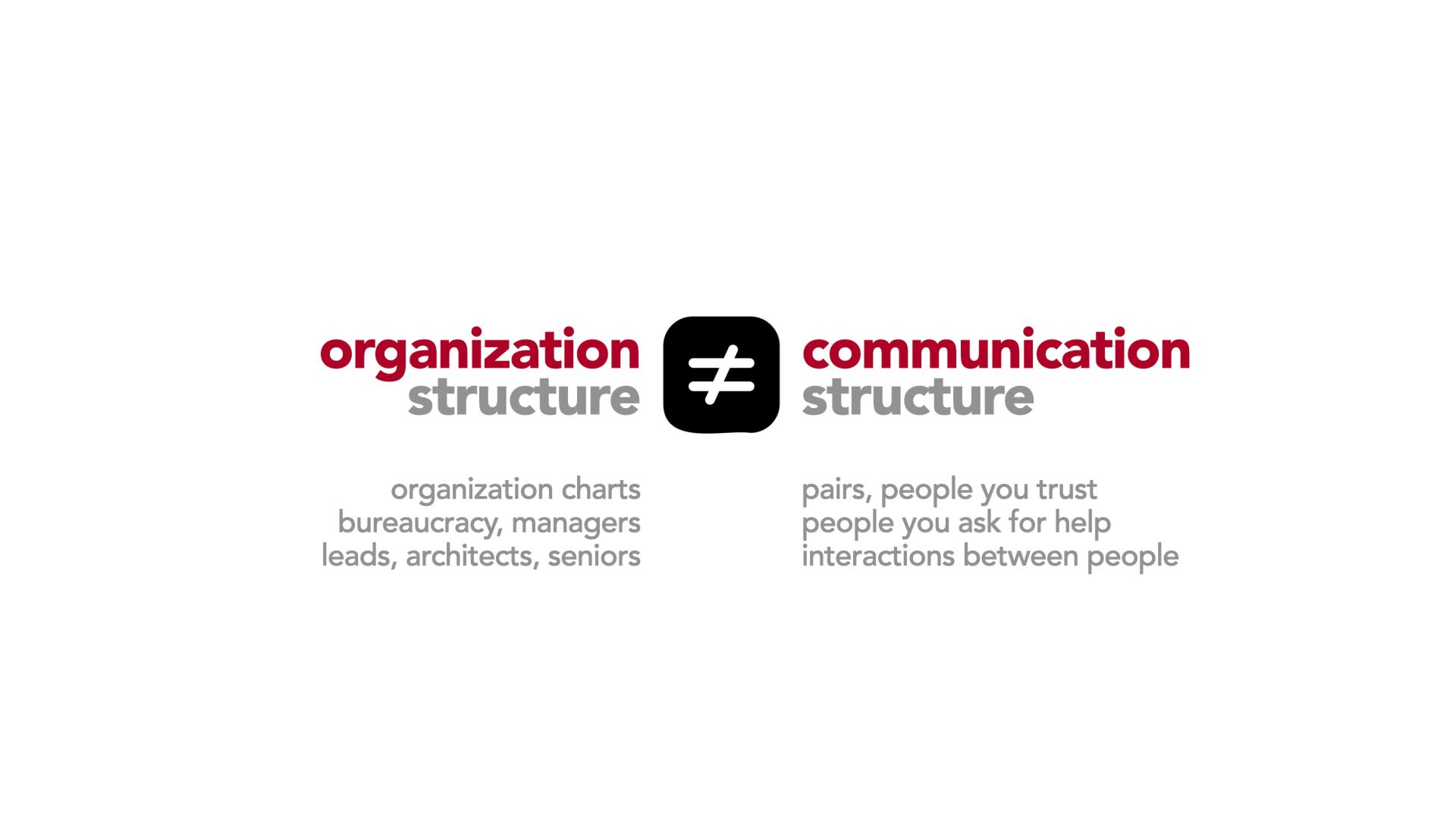
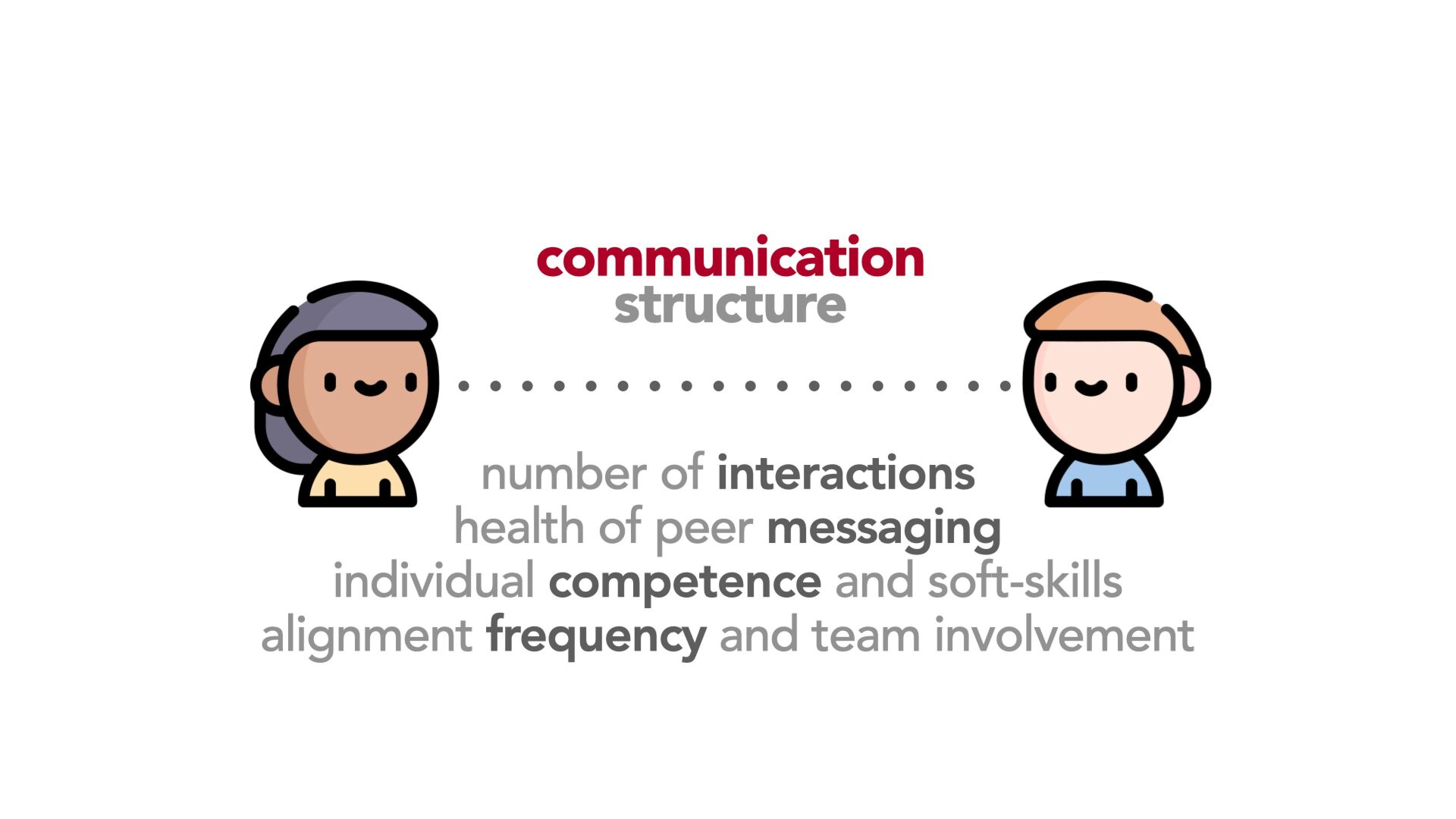
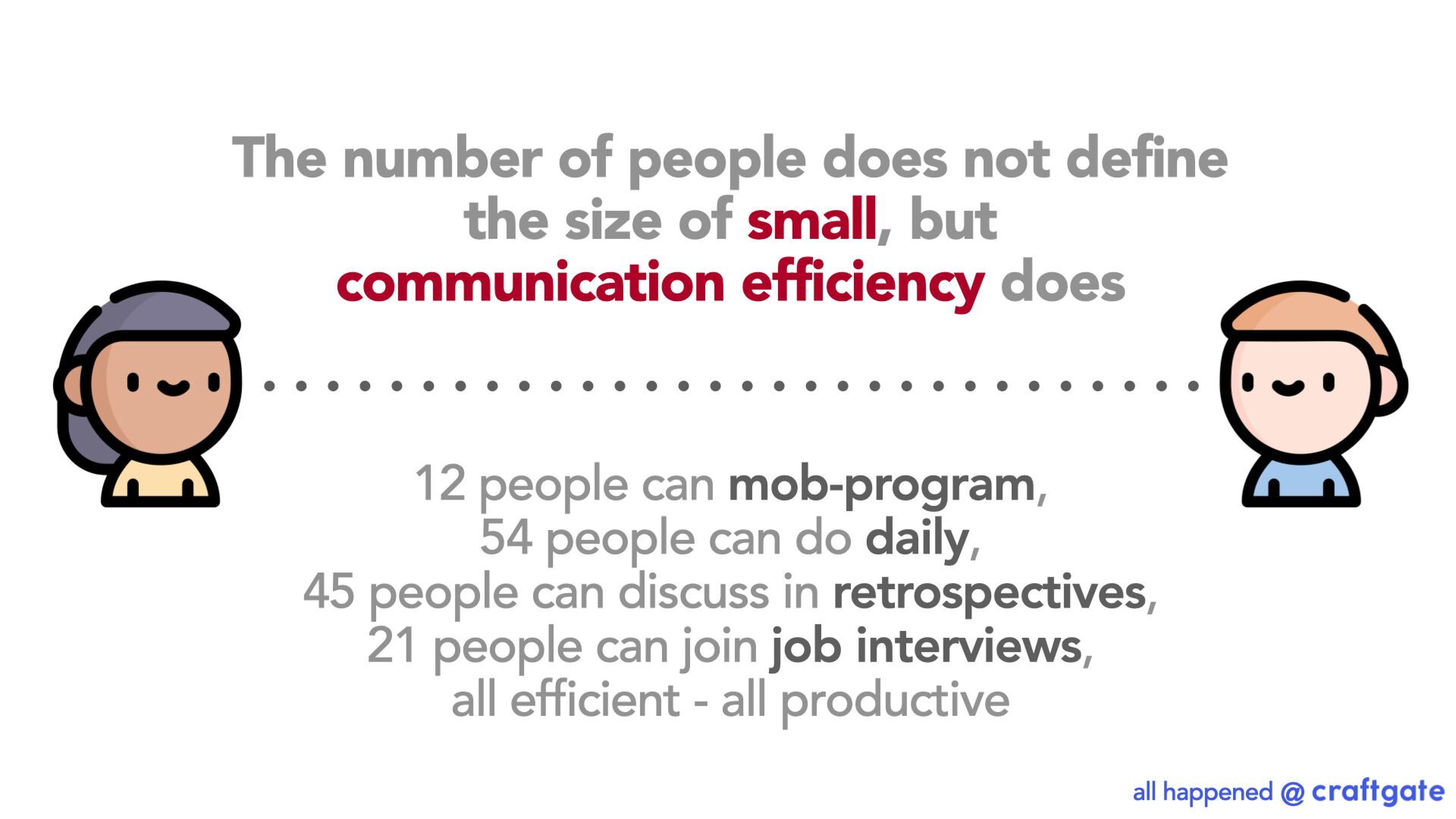
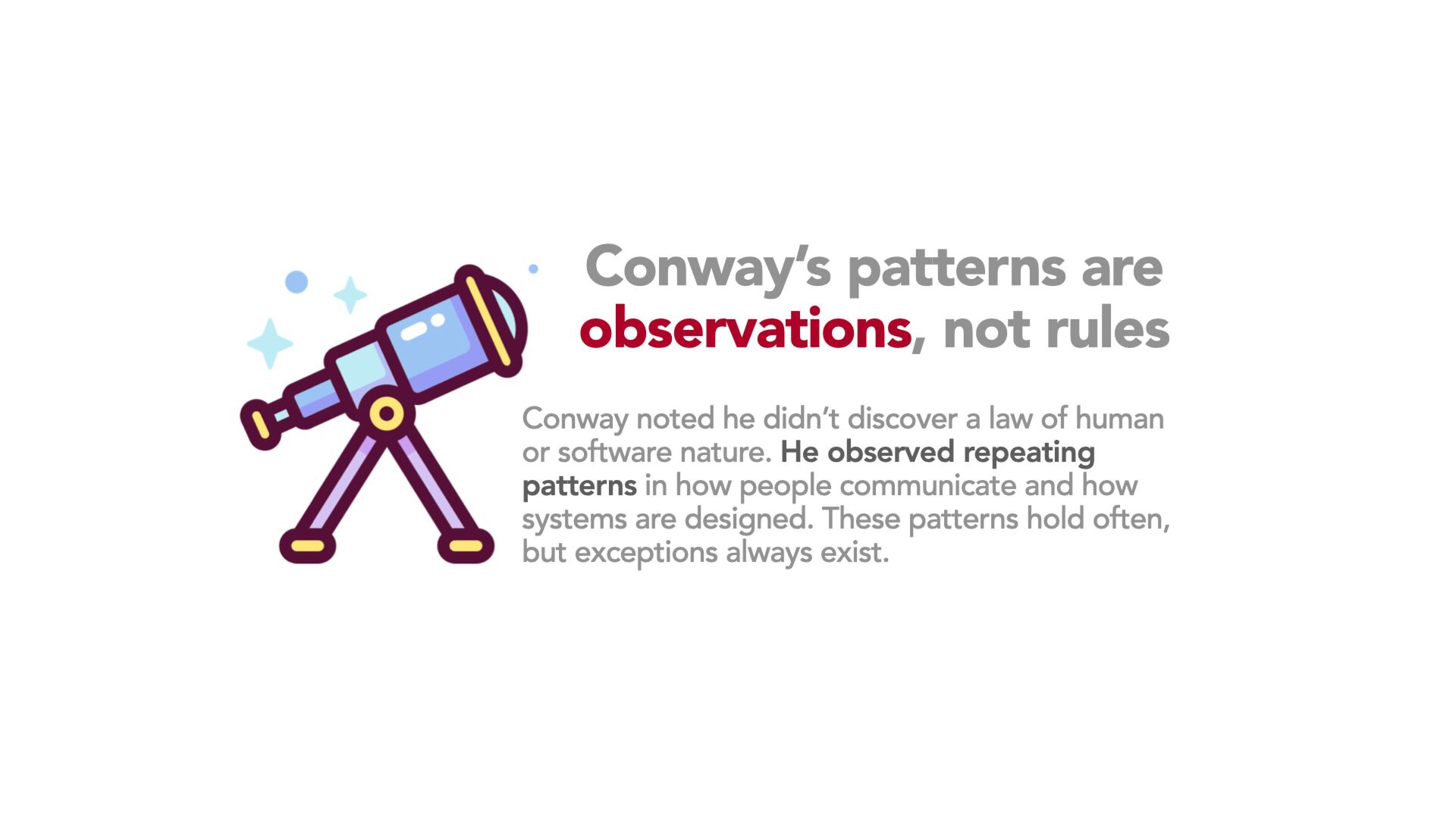
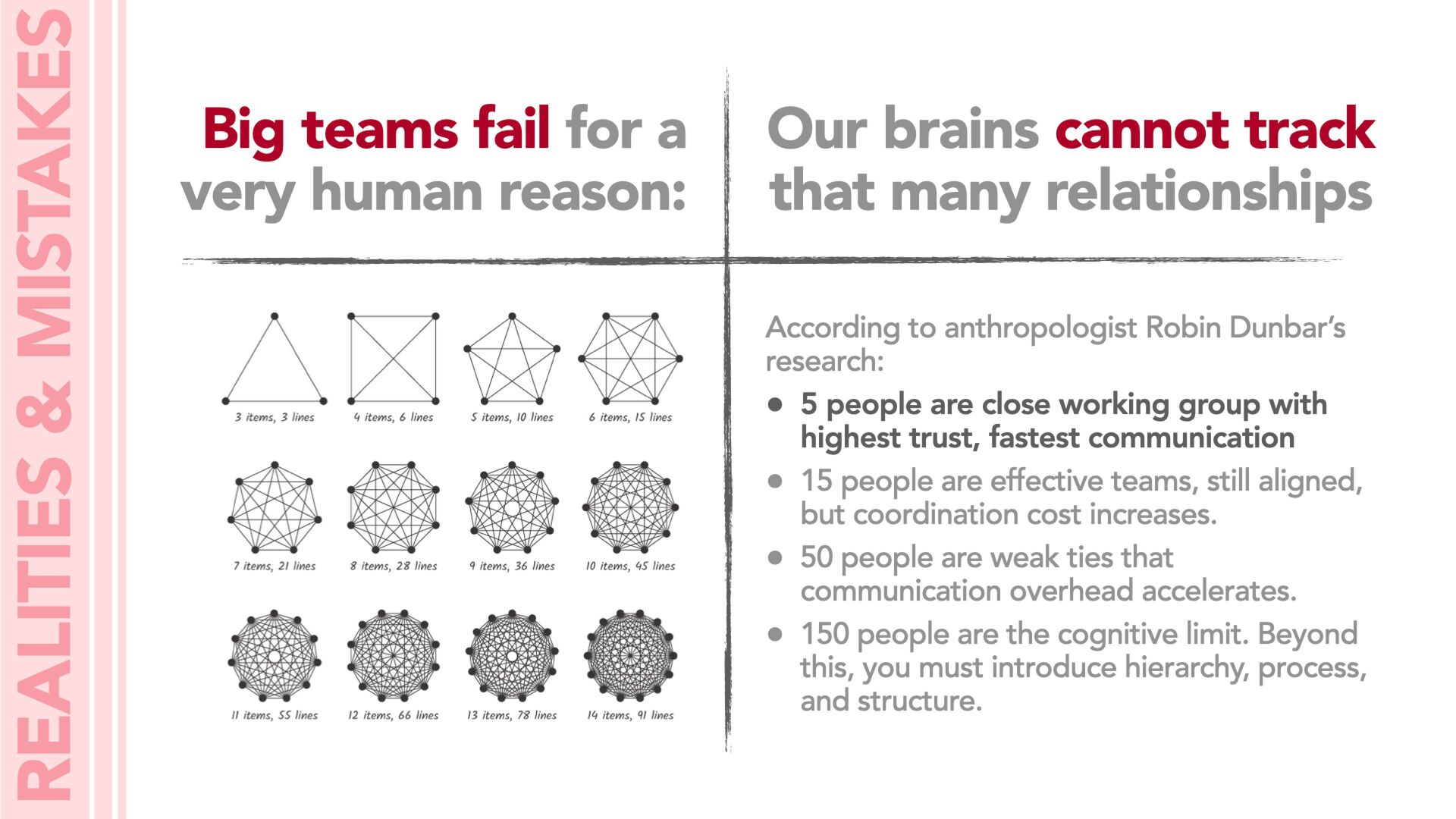
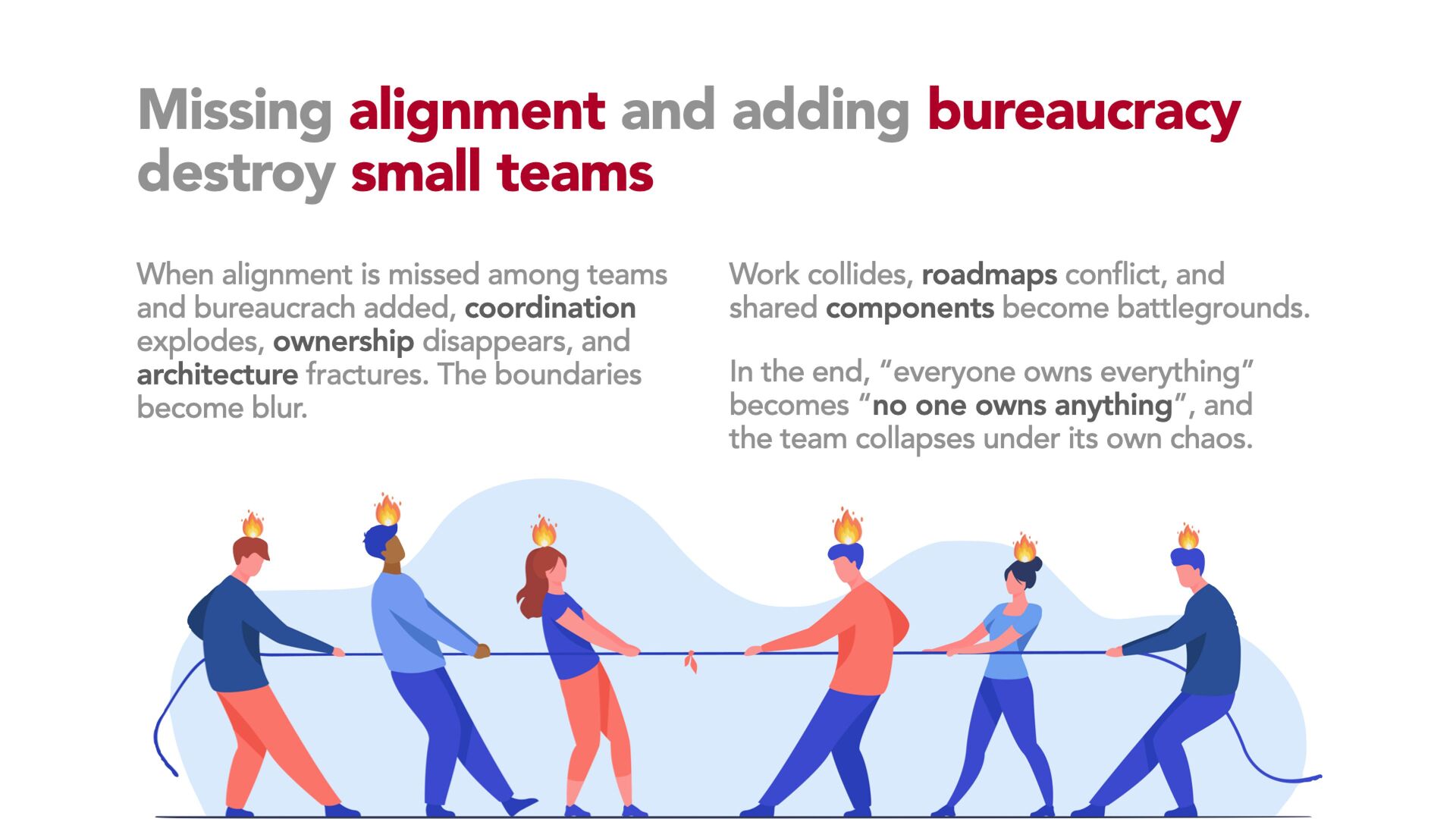
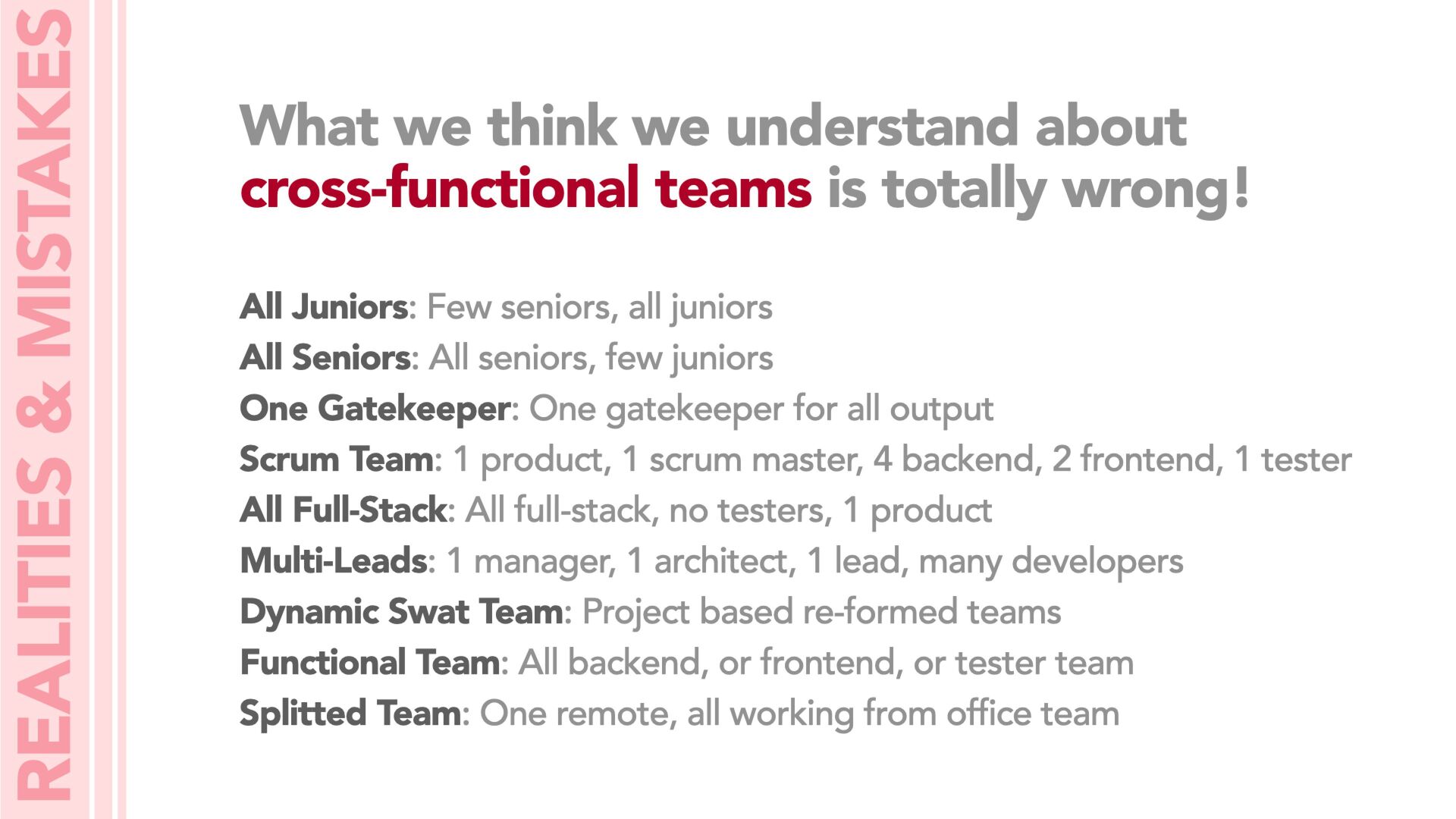
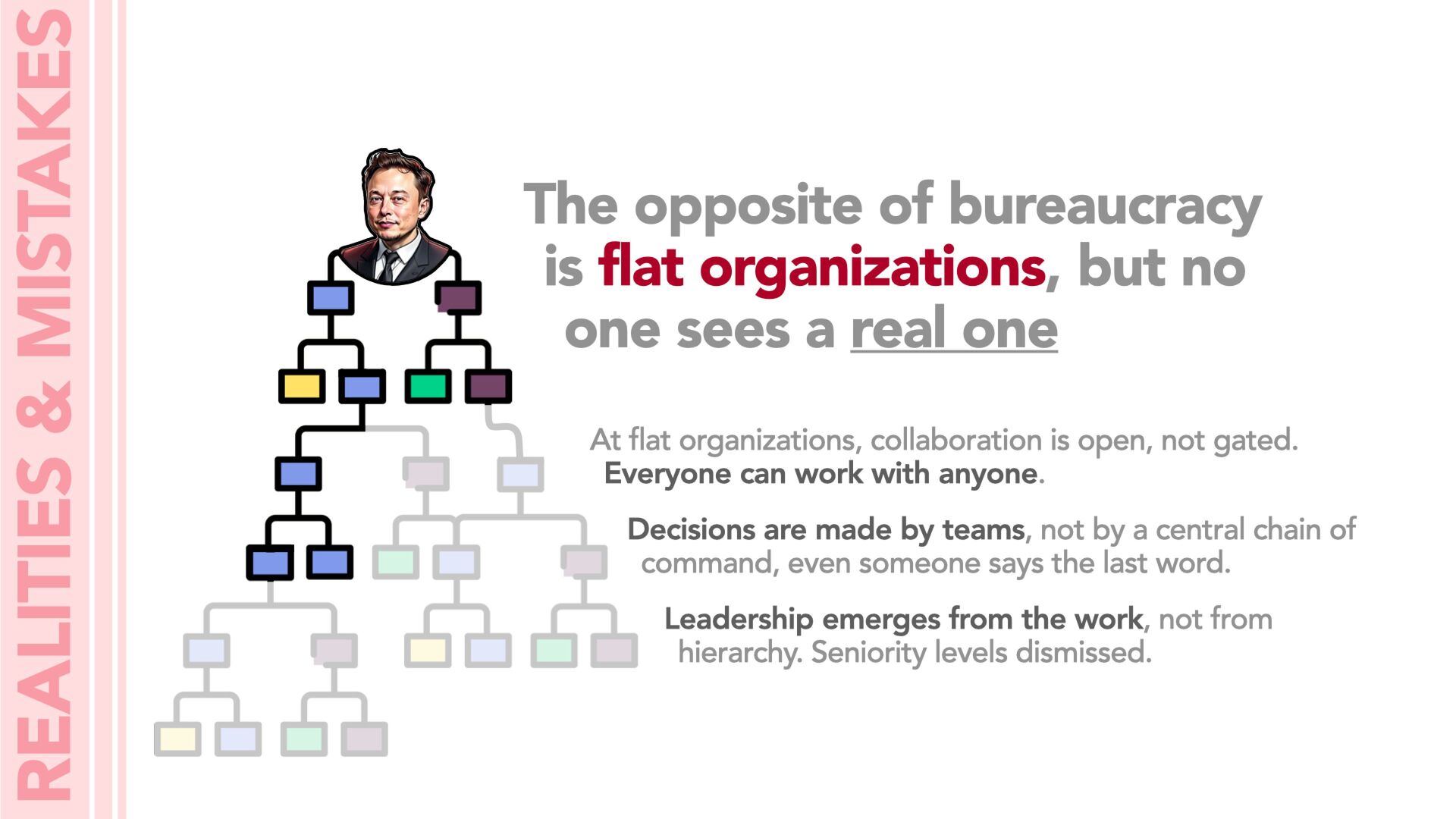
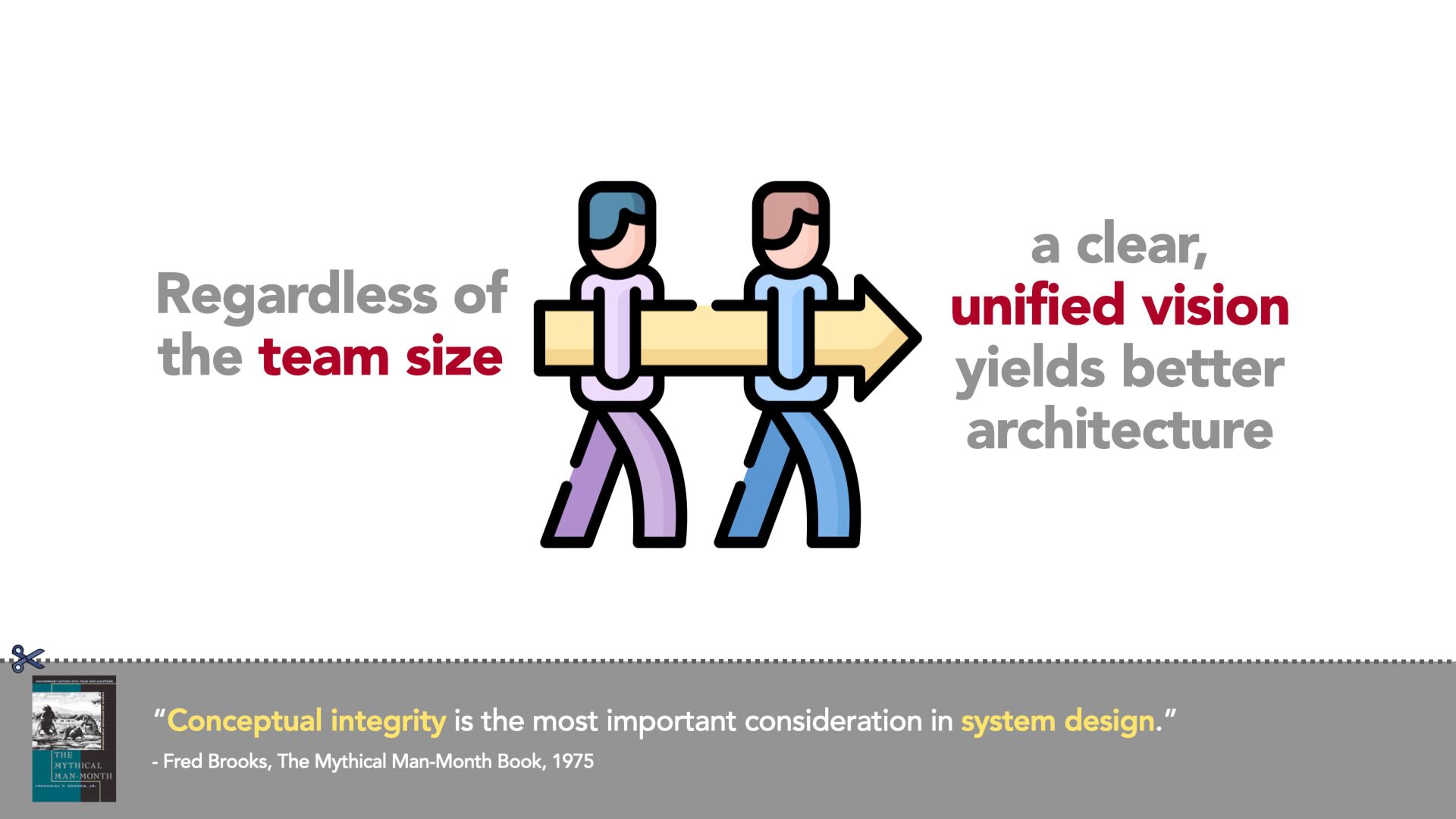
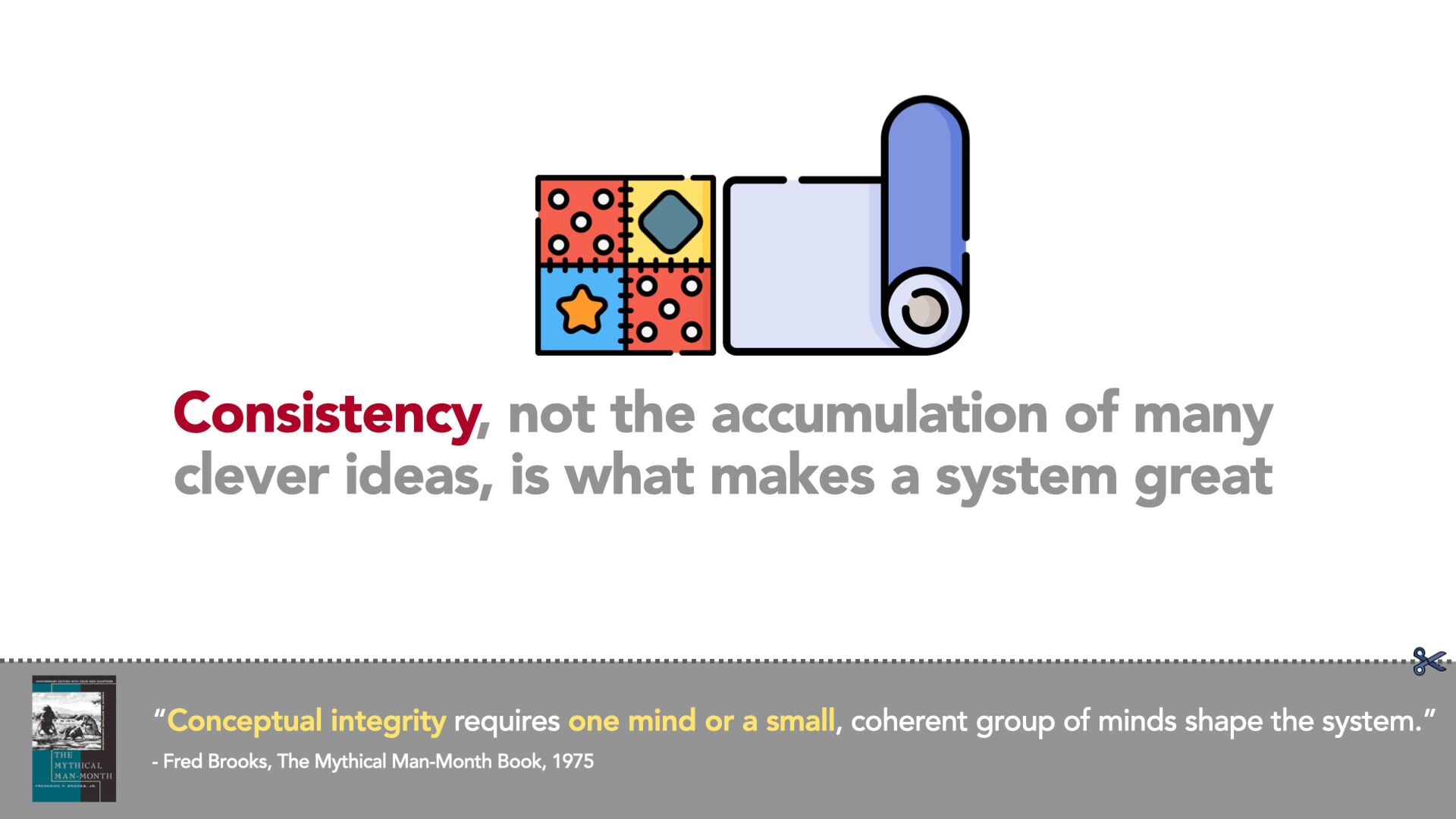
Every software system is a mirror, reflecting not only our architectural choices, but also the invisible communication patterns, organizational structures, and human limitations that underlie them. In this talk, we explore why products often fail not because of technology but because we ship our communication flaws. Drawing on Conway's Law and real-world organizational dynamics, we will examine how complexity creeps in through team boundaries, misalignment, bureaucracy, and the natural cognitive limits of how many relationships people can manage.
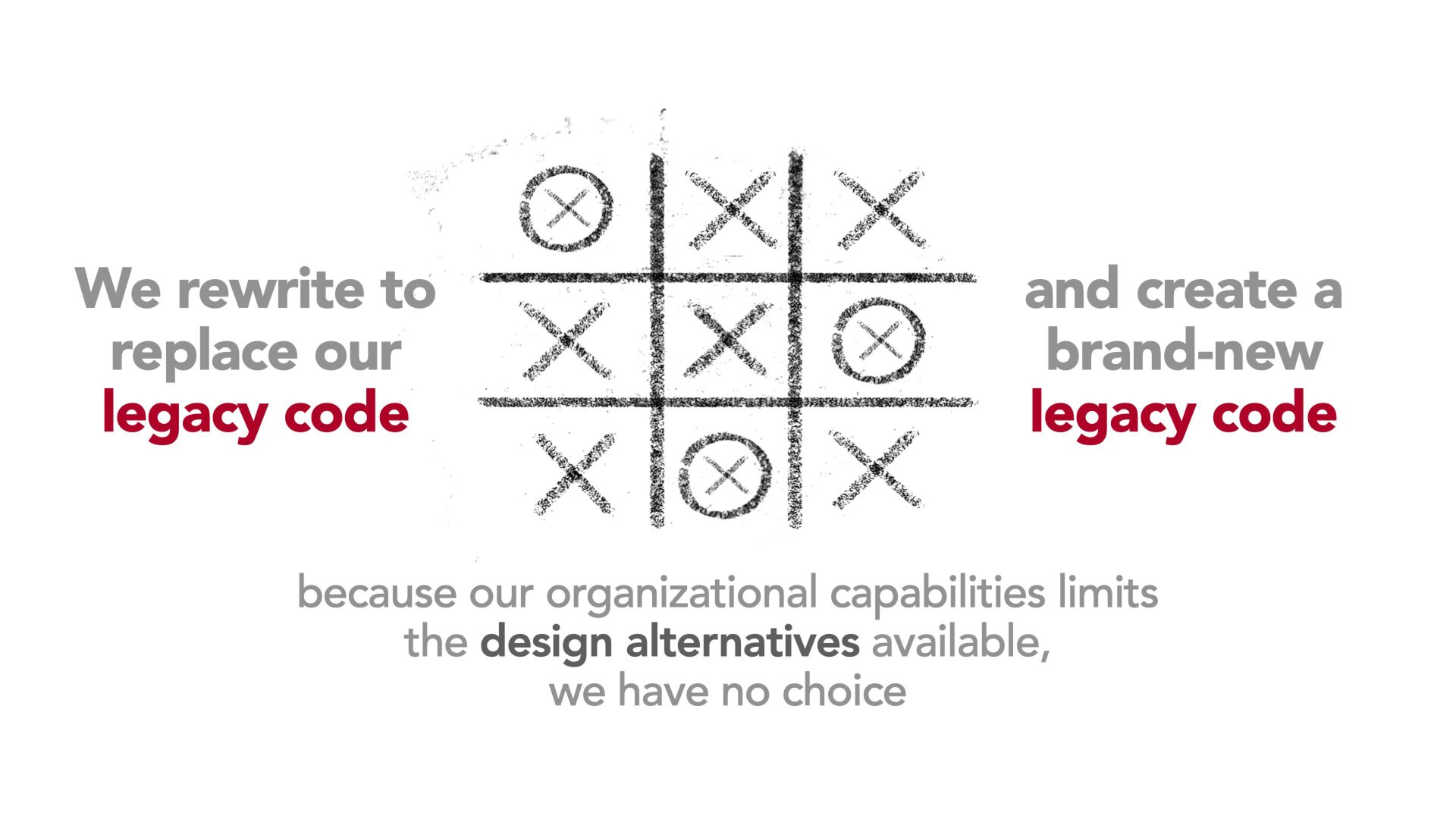
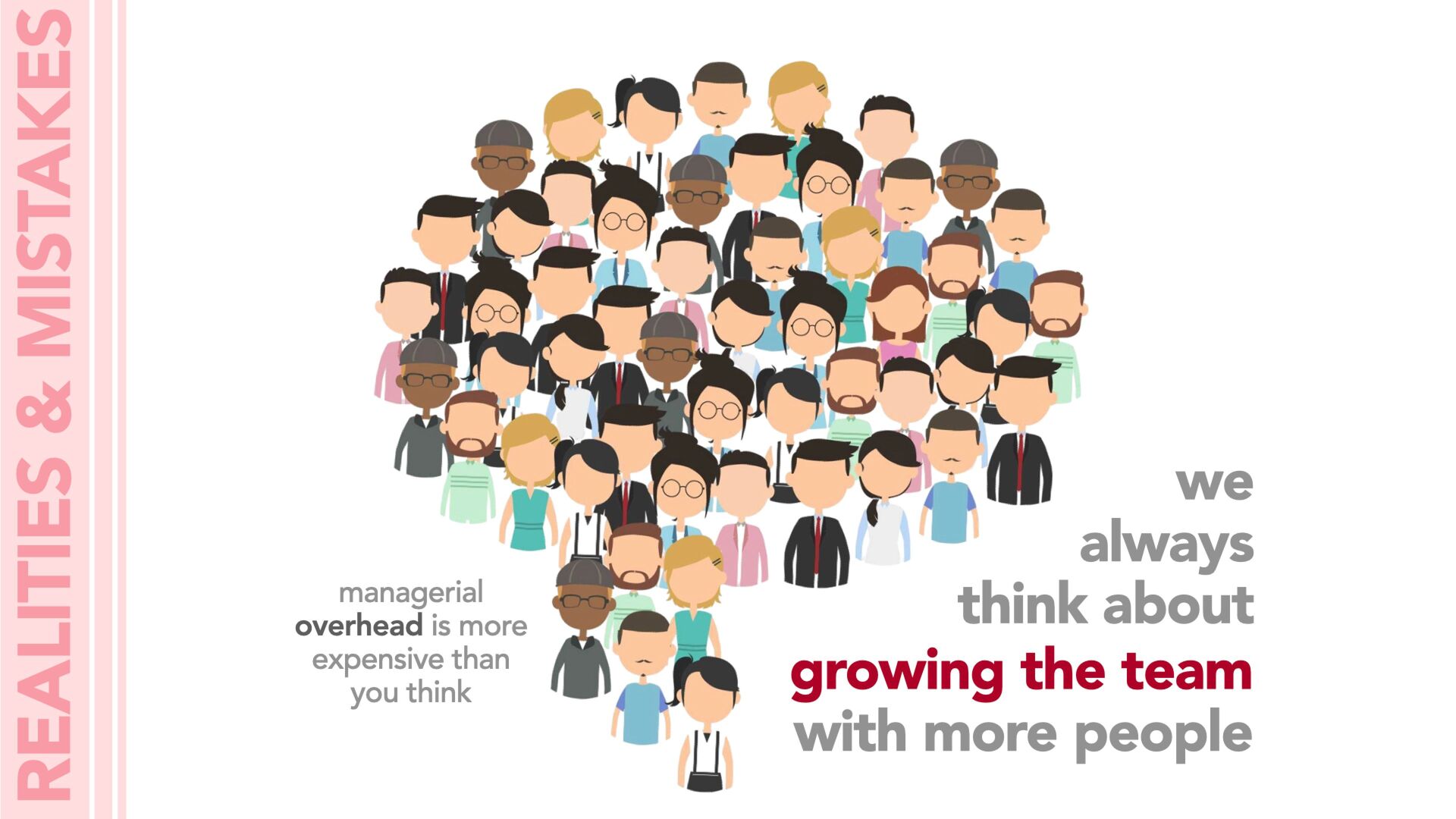
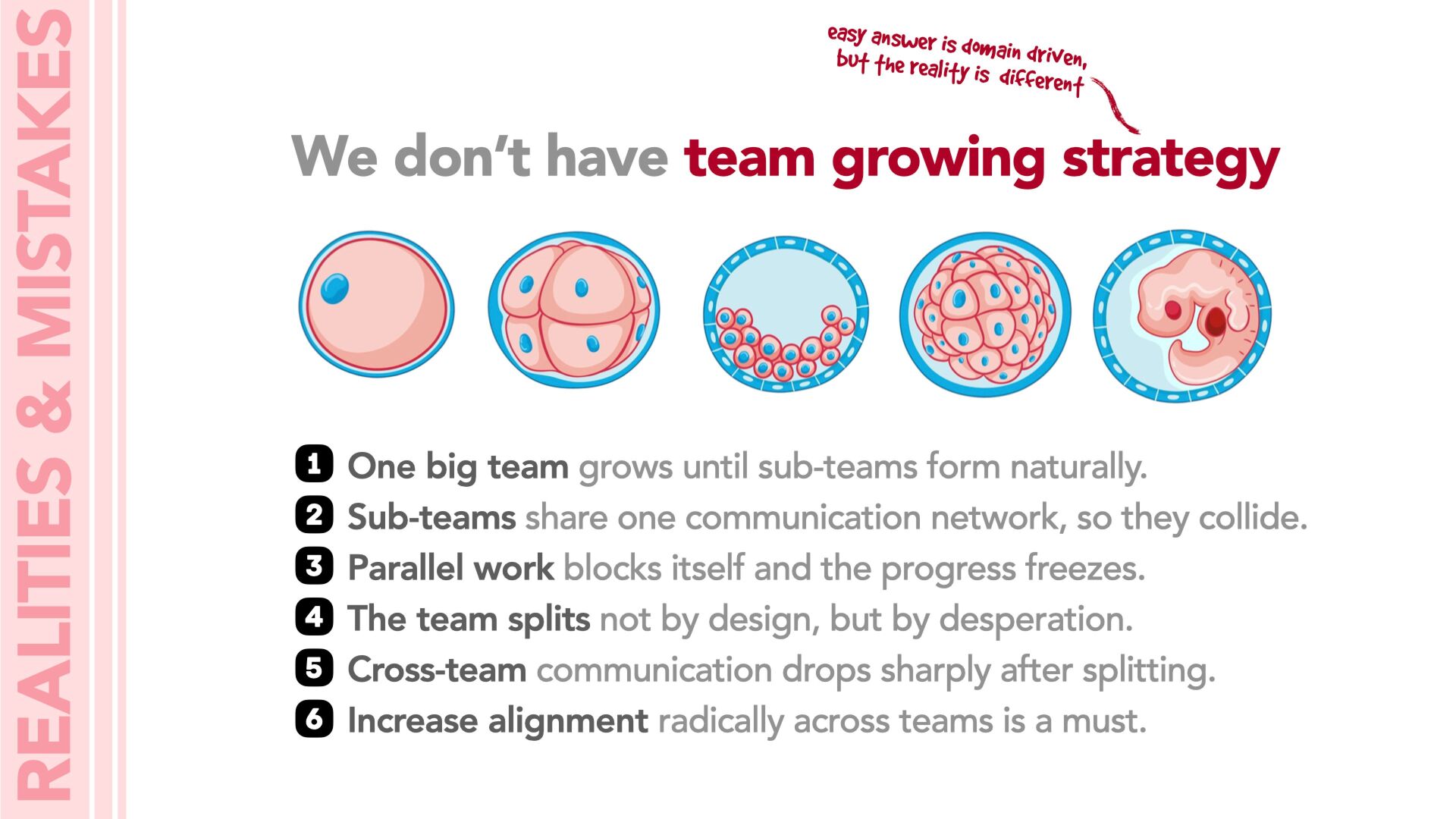
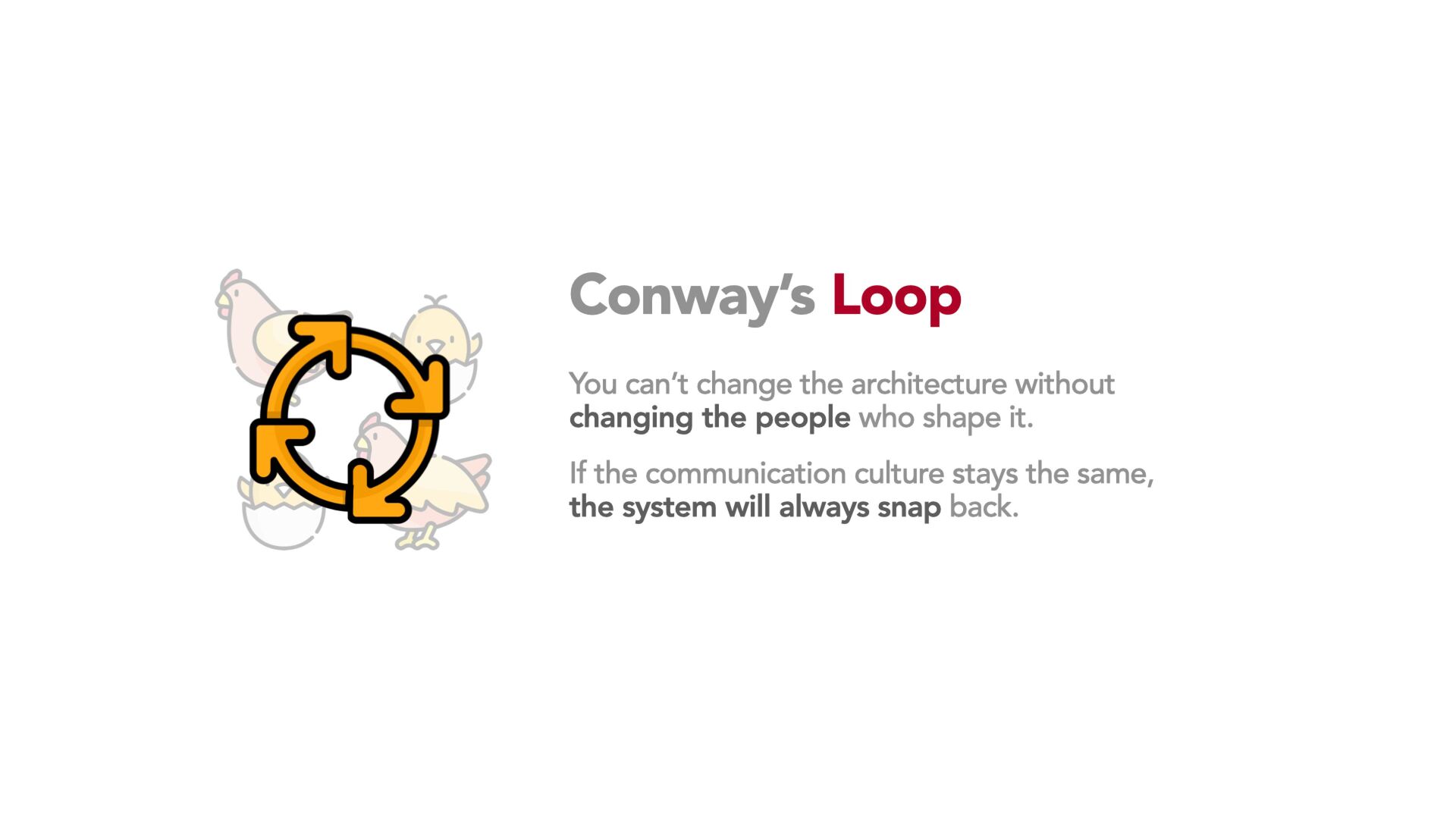
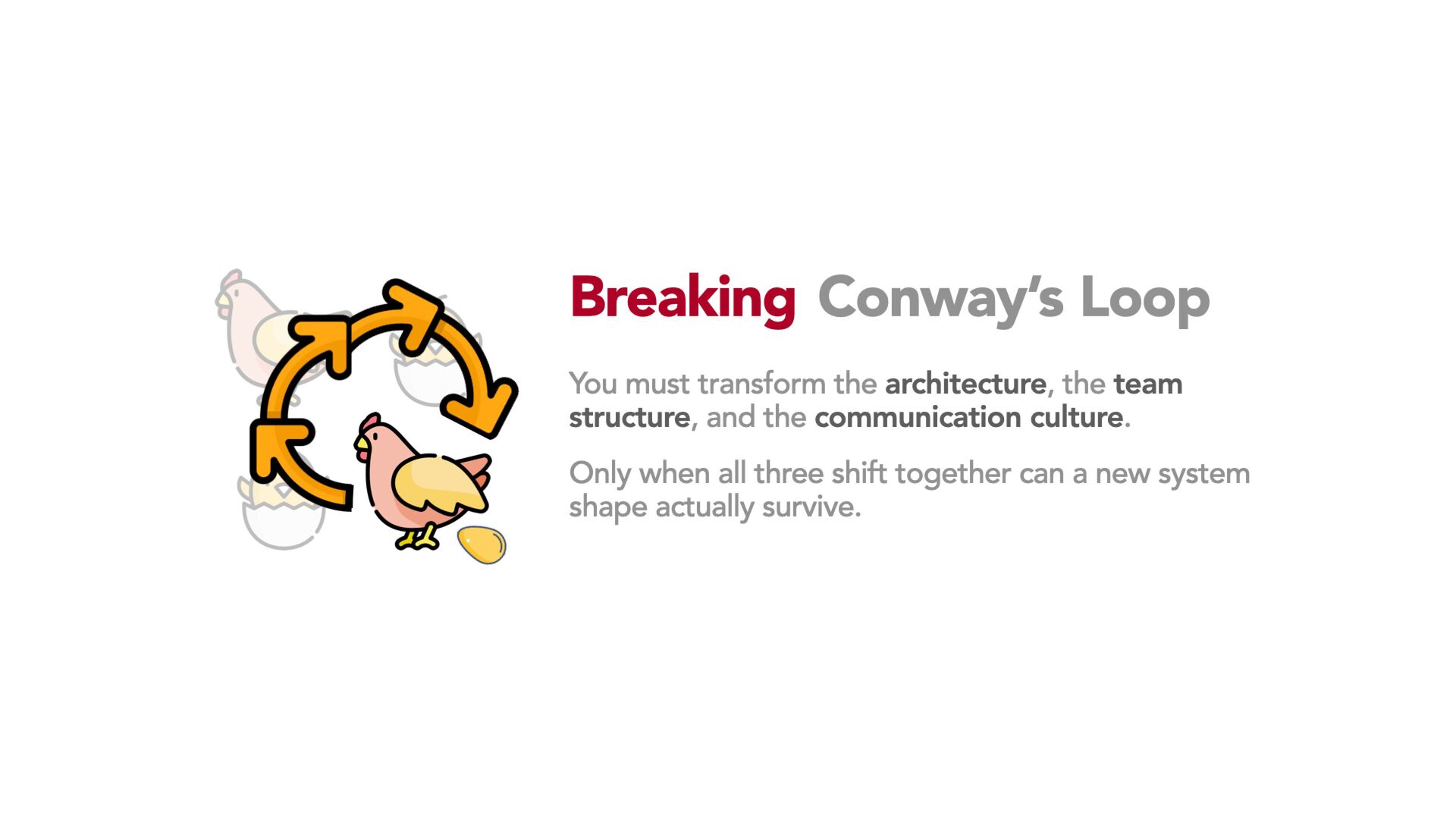
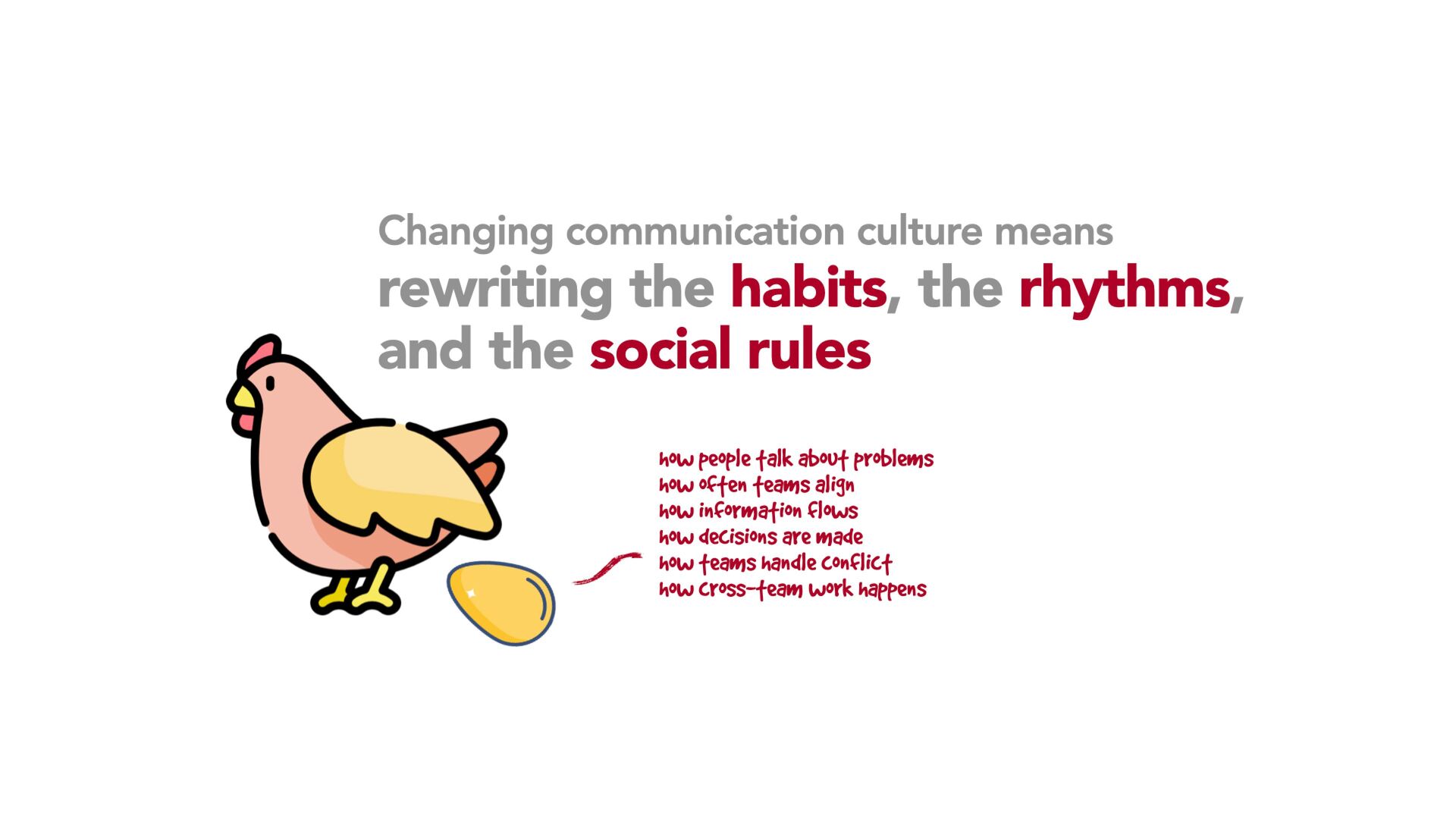
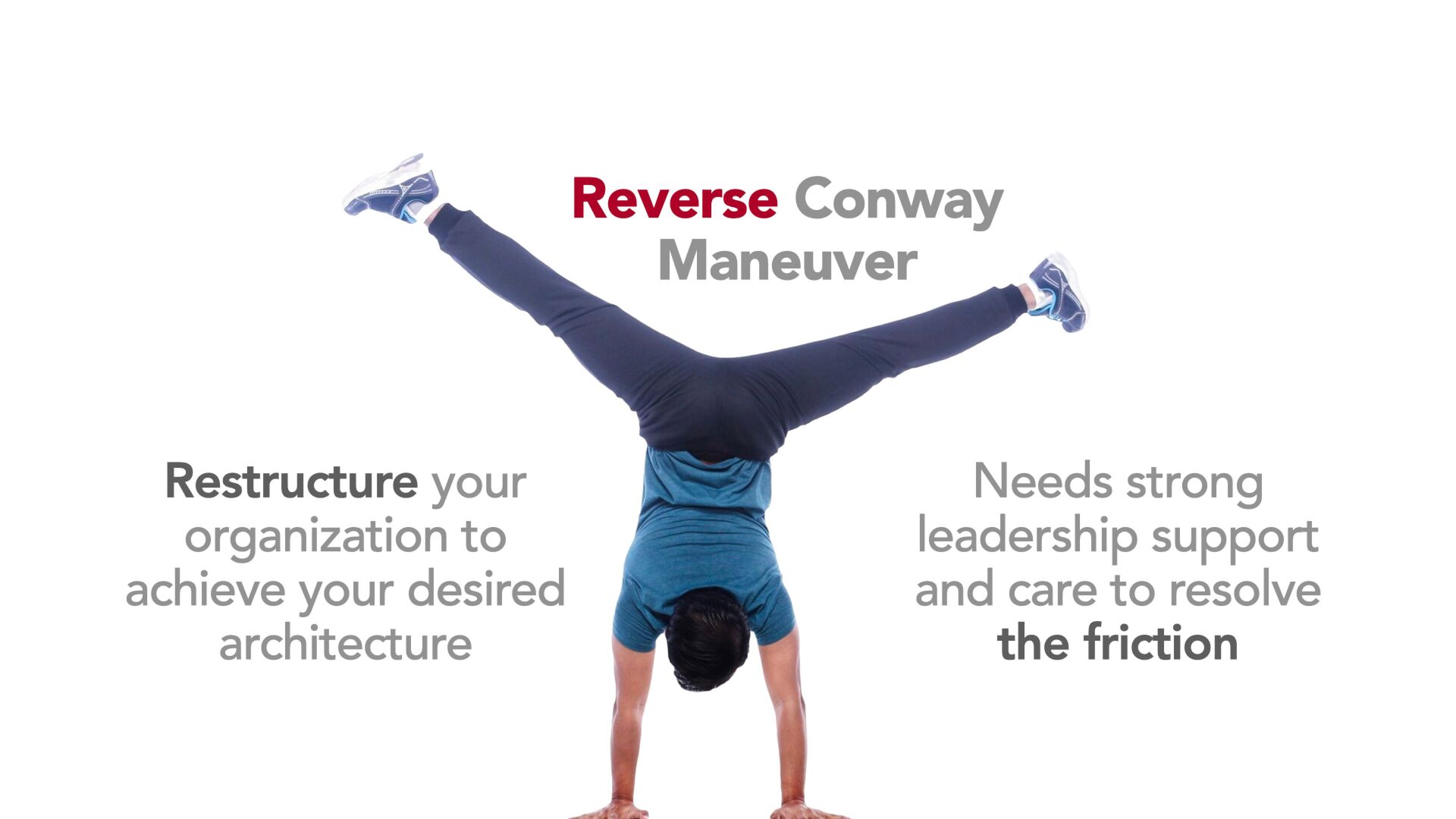
Using concrete examples from scaling engineering teams, we will look at why large teams slow down, how microservices often magnify organizational weaknesses, and why legacy architectures often outlive the people who designed them. We will break down the feedback loop between architecture, team topology, and communication culture and explain why you cannot meaningfully change one without changing the others.
By the end of the session, attendees will understand how organizational design shapes every line of code, why many scaling attempts fail, and which principles can help teams build simpler architectures, healthier communication structures, and more resilient products in complex domains.


 lemiorhan
 mewuto
 oracle4engineer
 tomzoh
 foursue
 kazuho
 yakumo
 keeg
keeg
 sudoakiy
 jozono
 masakiokuda
 ks91
ks91
 chriscoyier
 akosma
 wayneb77
 iamctodd
 honzajavorek
 szymonslowik
 philnash
 maltzj
 aleyda
 inesmontani
 tmiket
 hannesfritz