Share
Embed
Beyond Relational - DPC (online) 2021
Mike Lehan
June 18, 2021
Transcript
62 slides
-
Hey there! I’m Mike Lehan Software engineer, CTO at StuRents,
skydiver, northerner Follow me @m1ke joind.in/talk/d4c76 2 -
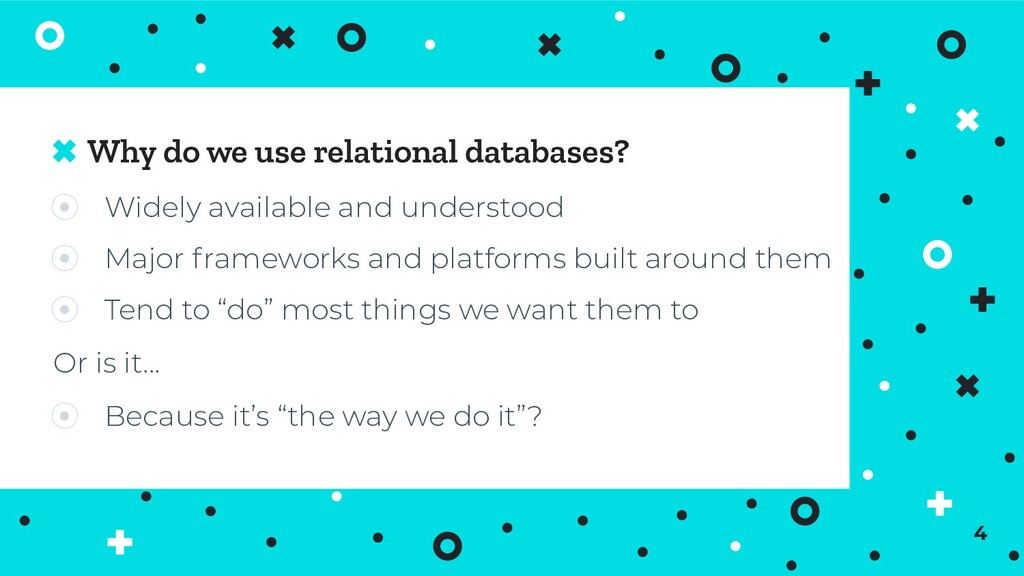
Why do we use relational databases? ⦿ Widely available and
understood ⦿ Major frameworks and platforms built around them ⦿ Tend to “do” most things we want them to Or is it... ⦿ Because it’s “the way we do it”? 4 -
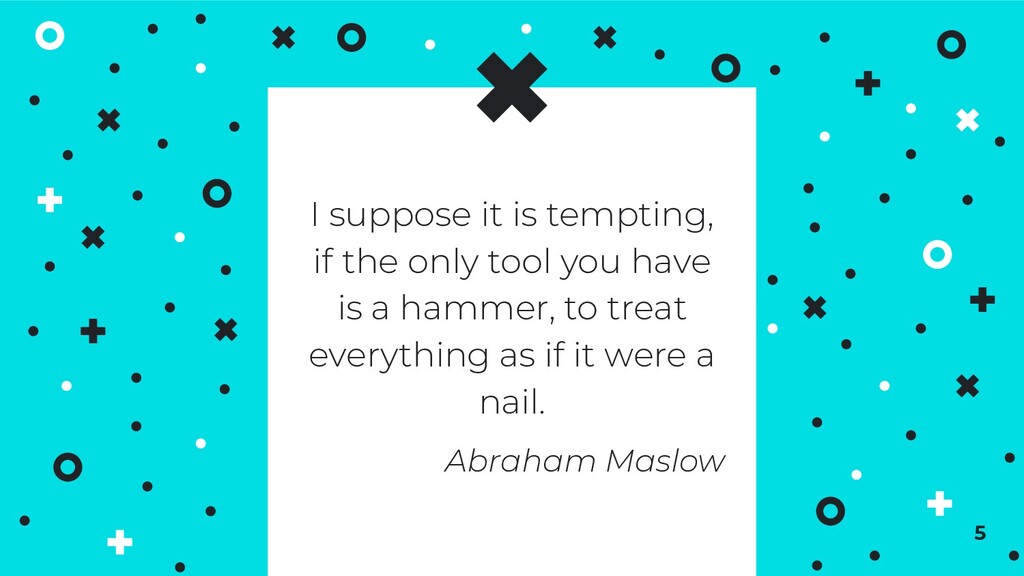
I suppose it is tempting, if the only tool you
have is a hammer, to treat everything as if it were a nail. Abraham Maslow 5 -
MegaSuper: The on-demand taxi app 7 Connects drivers and passengers
via a mobile app GPS data from every trip is stored for analysis and safety Some days see magnitude increases in usage Passengers can pay online via 3rd party processors 2x month-on-month traffic increases Expansion into new areas of business, like delivery -
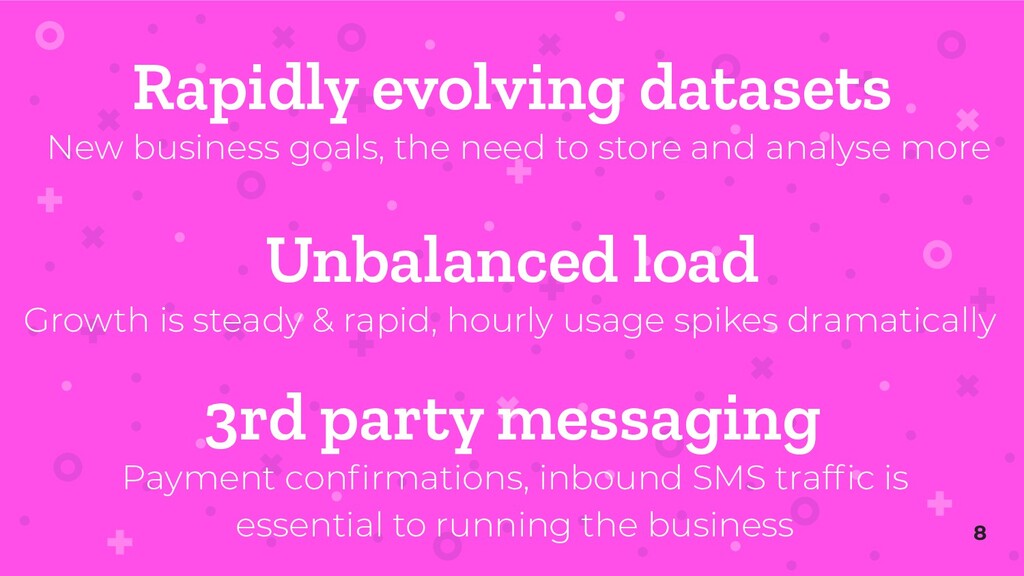
3rd party messaging Payment confirmations, inbound SMS traffic is essential
to running the business Unbalanced load Growth is steady & rapid, hourly usage spikes dramatically Rapidly evolving datasets New business goals, the need to store and analyse more 8 -
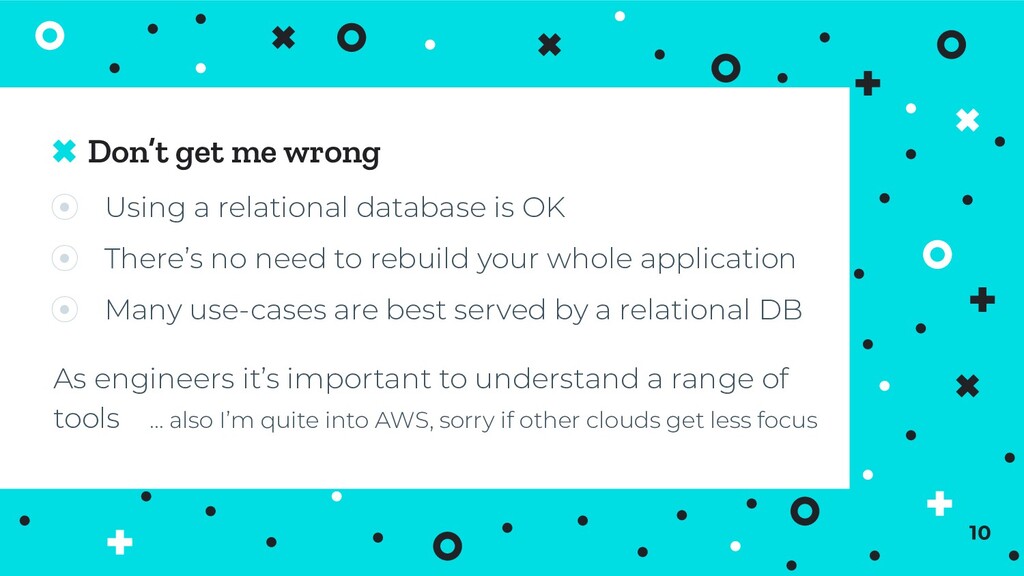
Don’t get me wrong ⦿ Using a relational database is
OK ⦿ There’s no need to rebuild your whole application ⦿ Many use-cases are best served by a relational DB As engineers it’s important to understand a range of tools … also I’m quite into AWS, sorry if other clouds get less focus 10 -
Rapidly evolving datasets New business goals, the need to store
and analyse more information -
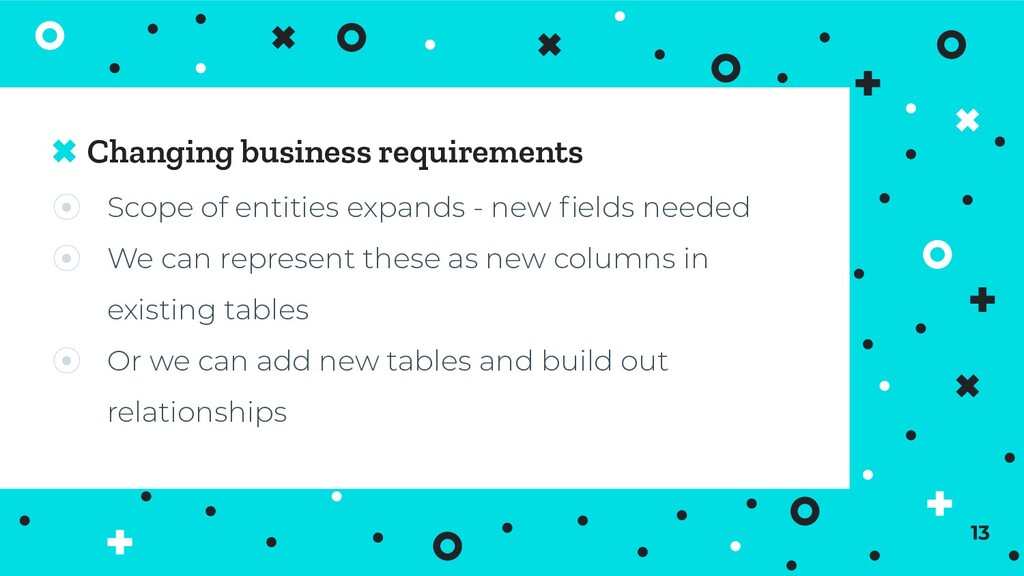
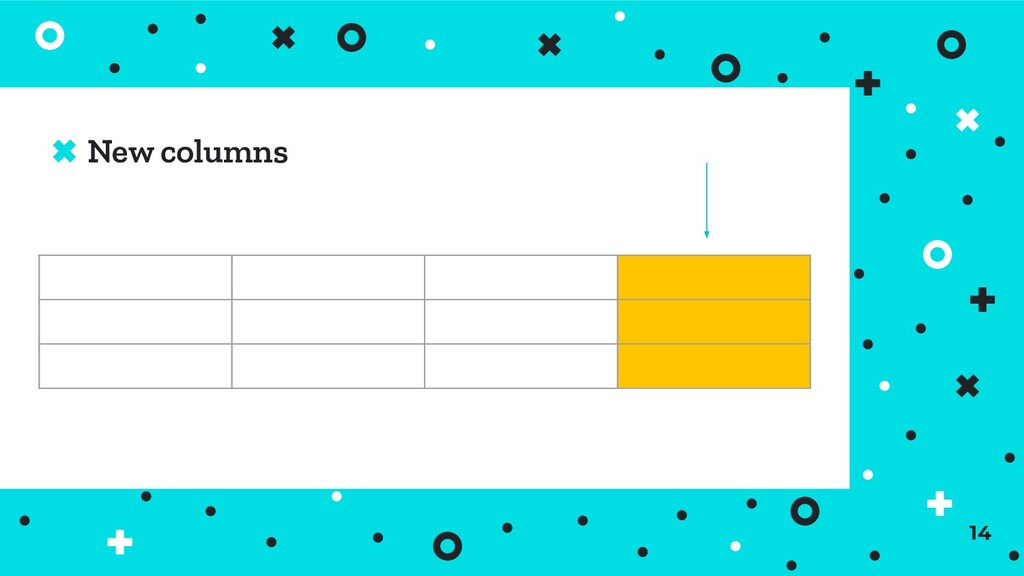
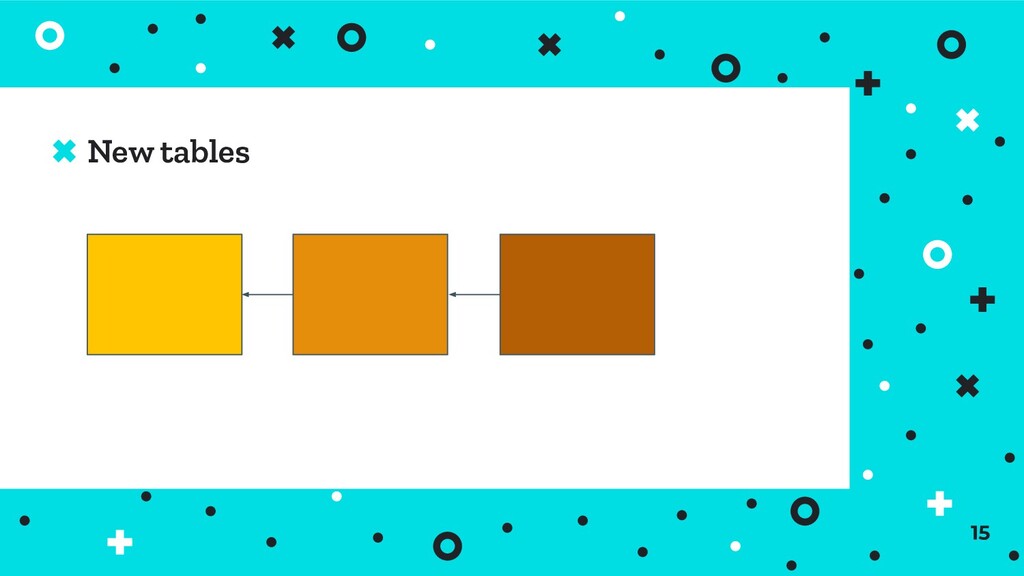
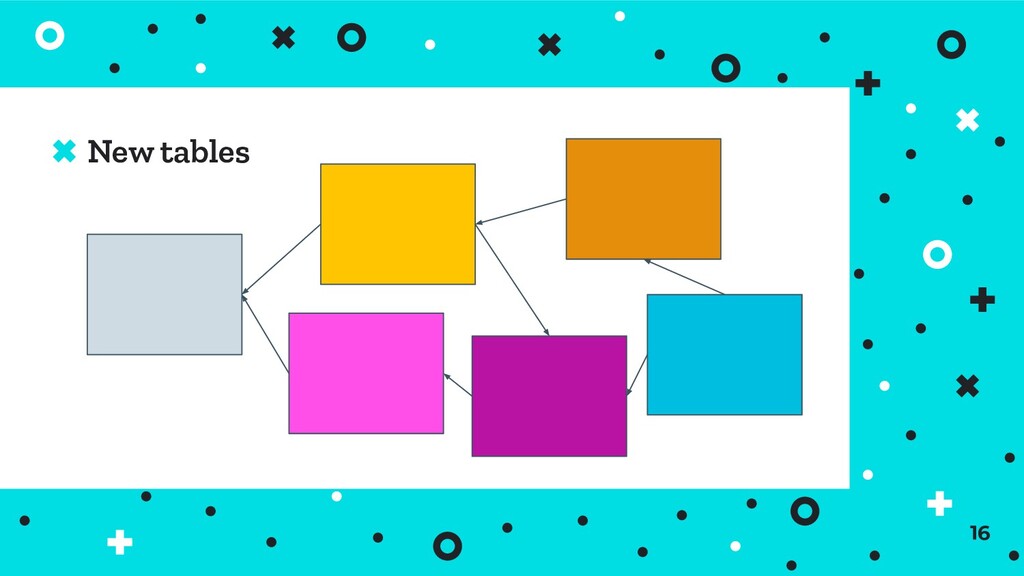
Changing business requirements 13 ⦿ Scope of entities expands -
new fields needed ⦿ We can represent these as new columns in existing tables ⦿ Or we can add new tables and build out relationships -
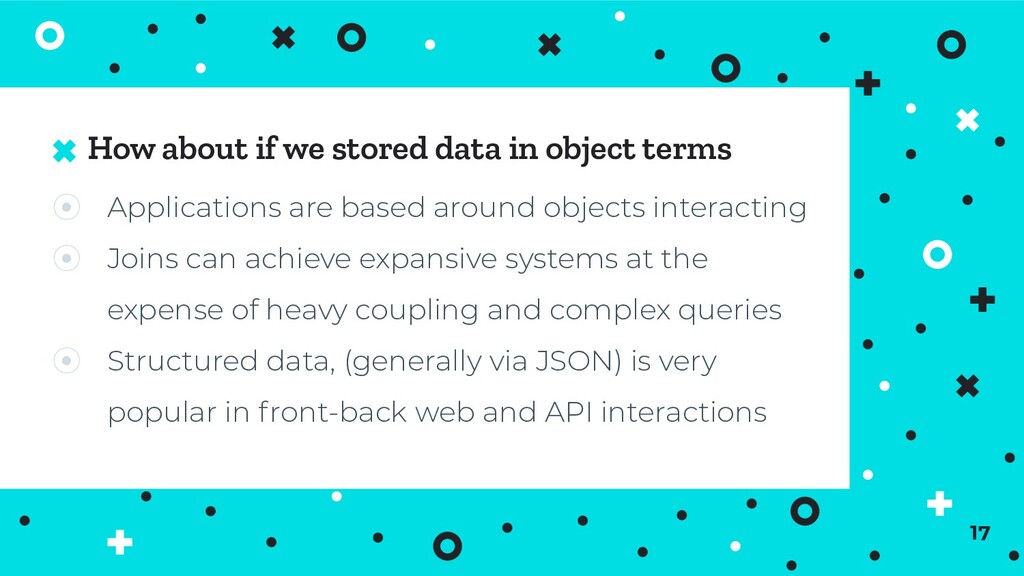
How about if we stored data in object terms 17
⦿ Applications are based around objects interacting ⦿ Joins can achieve expansive systems at the expense of heavy coupling and complex queries ⦿ Structured data, (generally via JSON) is very popular in front-back web and API interactions -
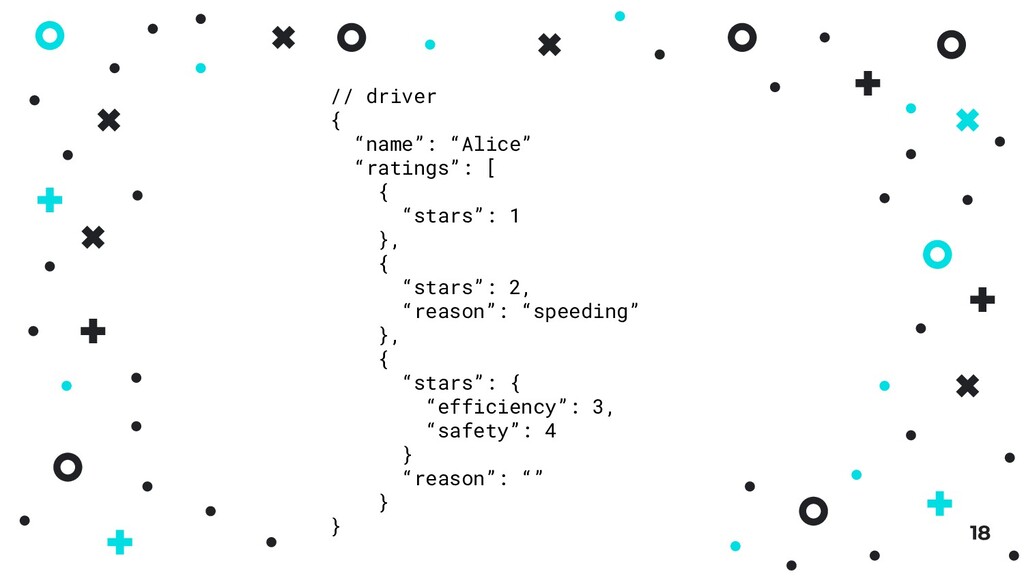
18 // driver { “name”: “Alice” “ratings”: [ { “stars”:
1 }, { “stars”: 2, “reason”: “speeding” }, { “stars”: { “efficiency”: 3, “safety”: 4 } “reason”: “” } } -
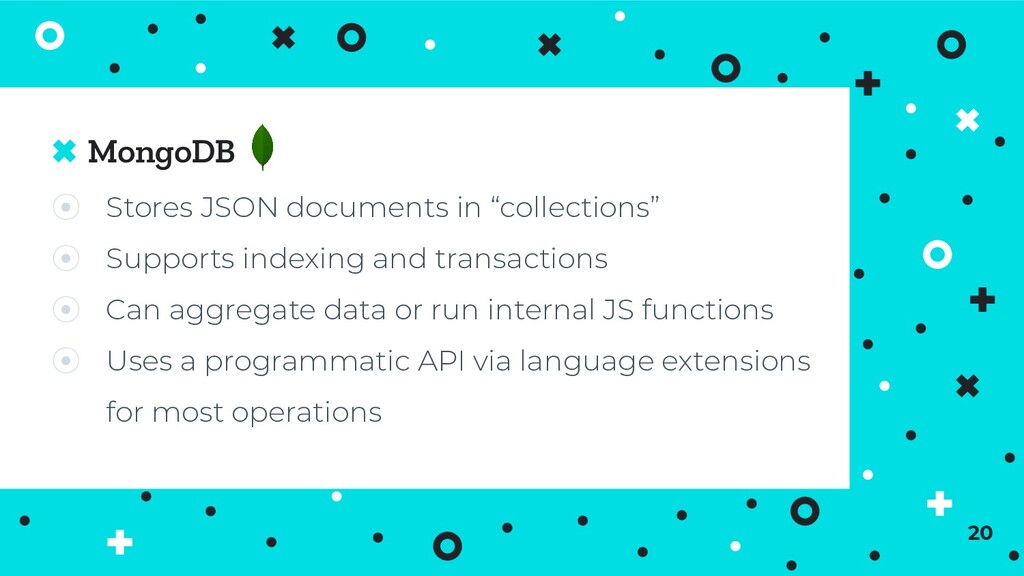
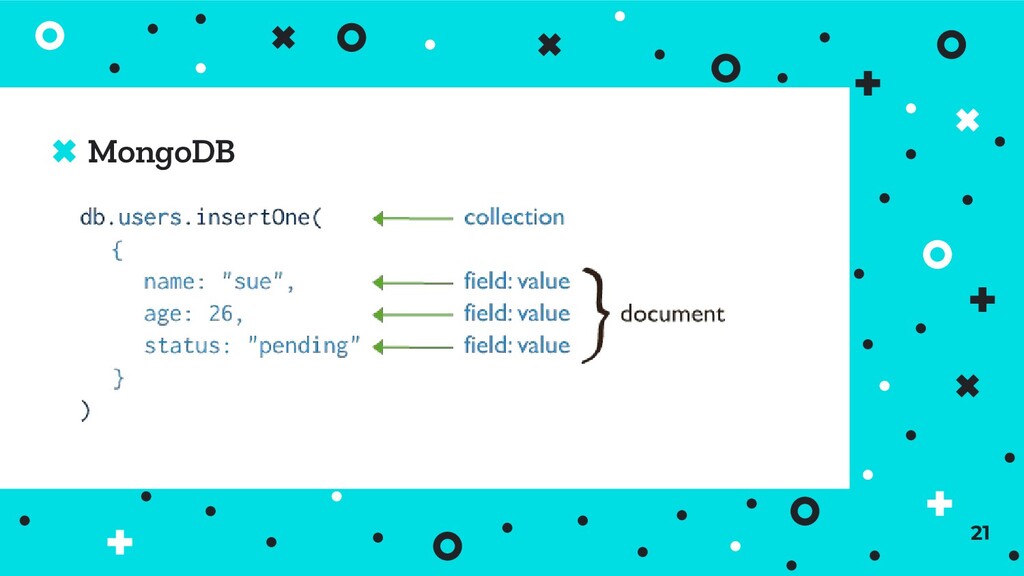
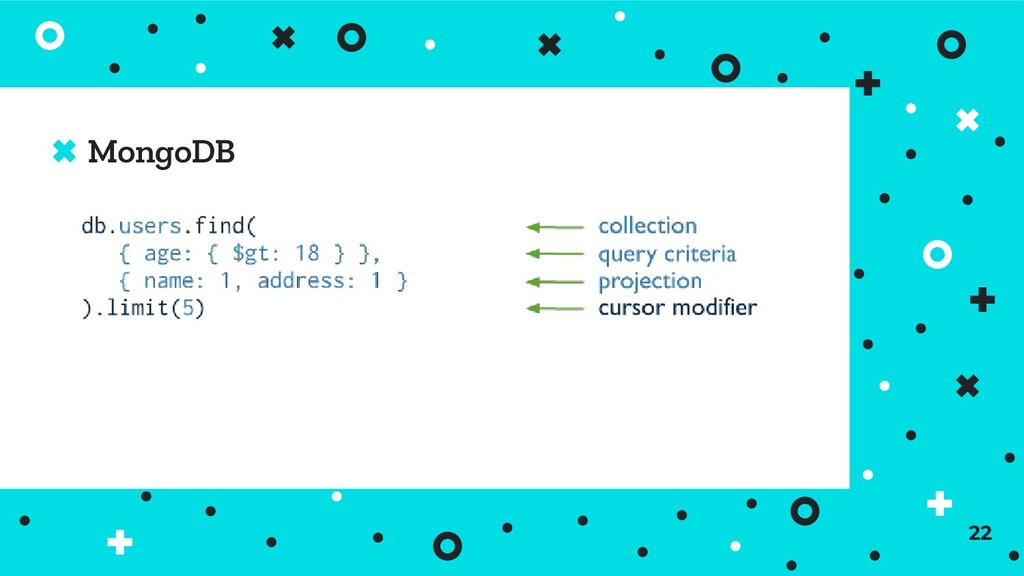
MongoDB 20 ⦿ Stores JSON documents in “collections” ⦿ Supports
indexing and transactions ⦿ Can aggregate data or run internal JS functions ⦿ Uses a programmatic API via language extensions for most operations -
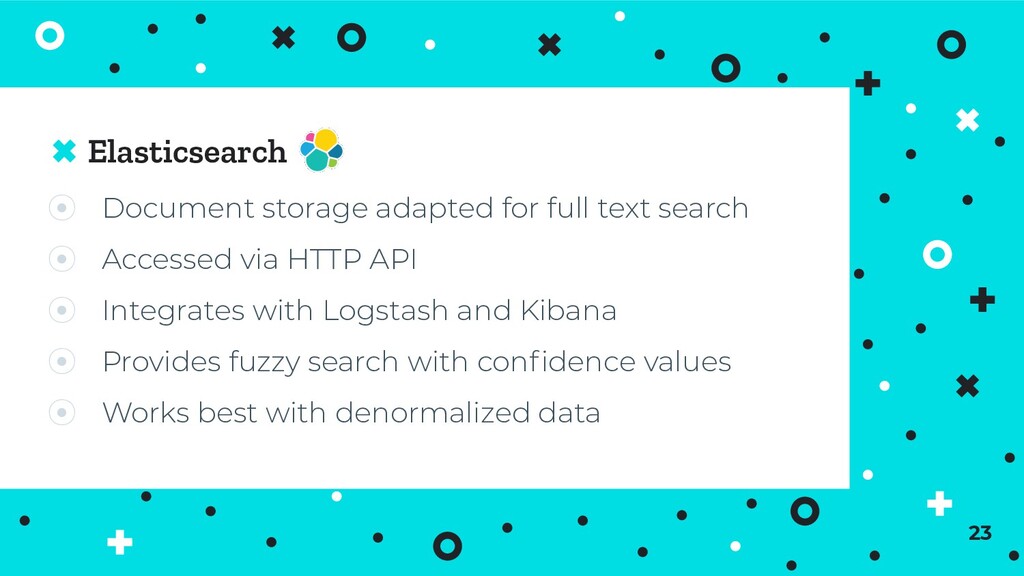
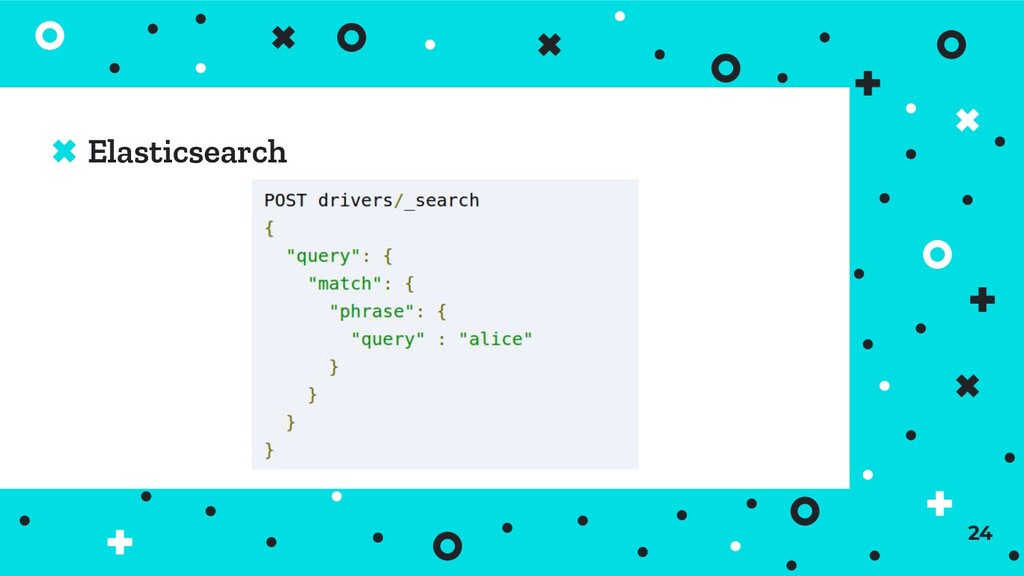
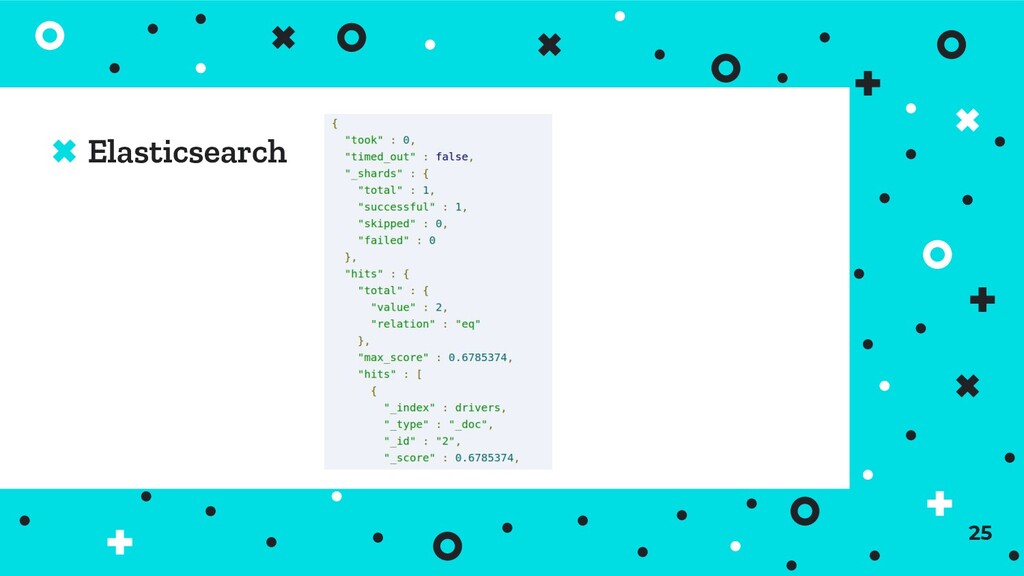
Elasticsearch 23 ⦿ Document storage adapted for full text search
⦿ Accessed via HTTP API ⦿ Integrates with Logstash and Kibana ⦿ Provides fuzzy search with confidence values ⦿ Works best with denormalized data -
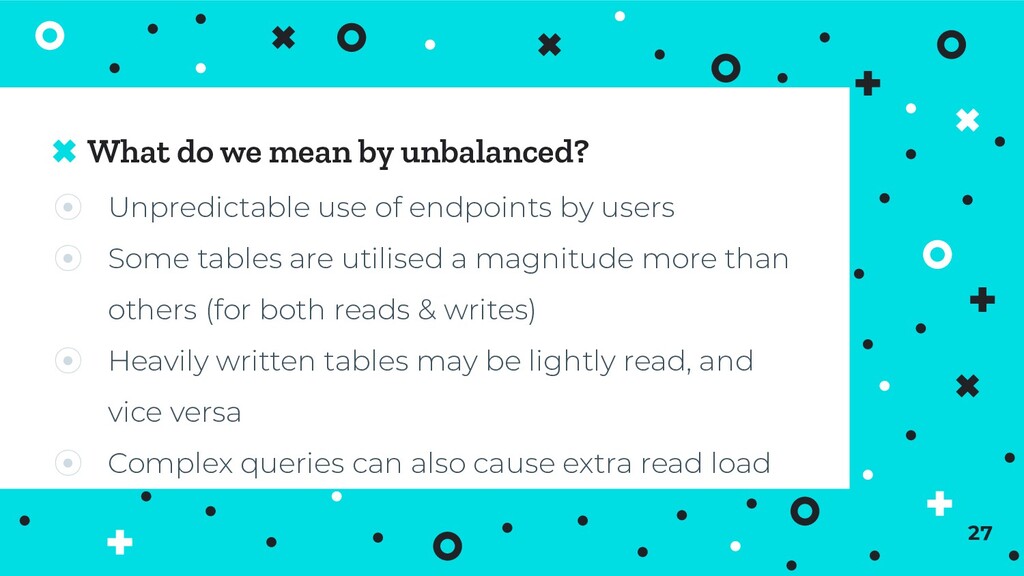
What do we mean by unbalanced? ⦿ Unpredictable use of
endpoints by users ⦿ Some tables are utilised a magnitude more than others (for both reads & writes) ⦿ Heavily written tables may be lightly read, and vice versa ⦿ Complex queries can also cause extra read load 27 -
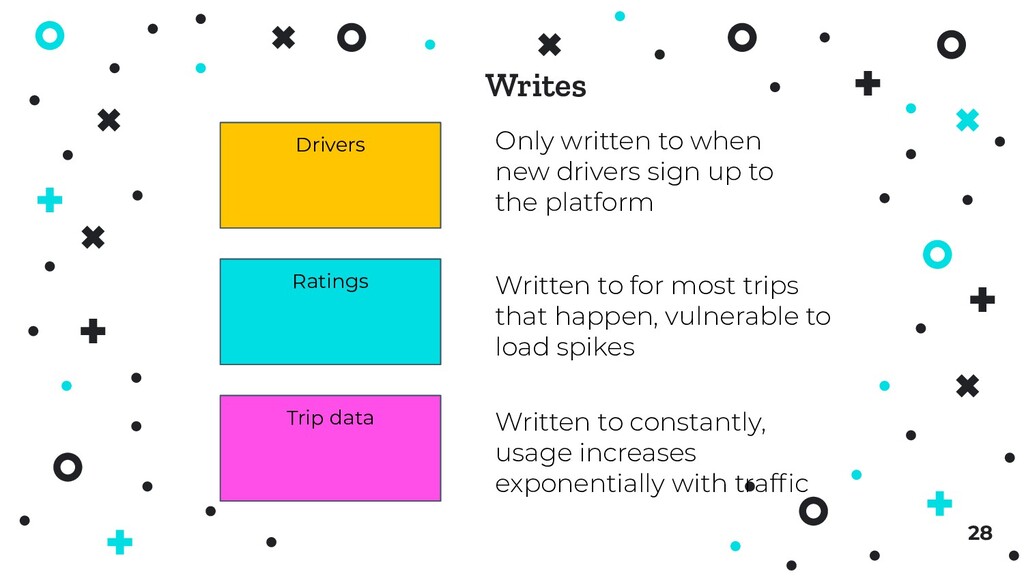
28 Drivers Only written to when new drivers sign up
to the platform Ratings Written to for most trips that happen, vulnerable to load spikes Trip data Written to constantly, usage increases exponentially with traffic Writes -
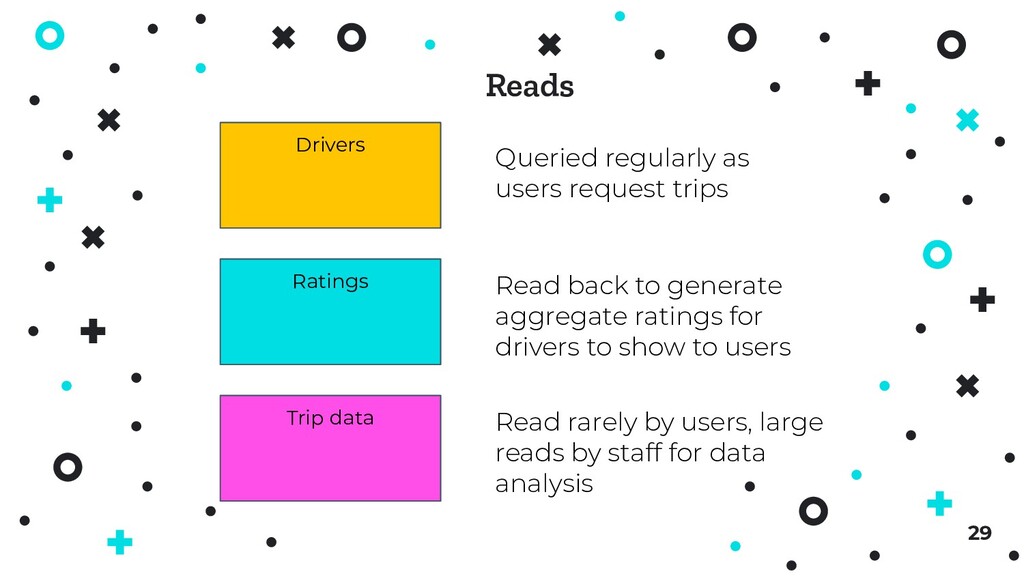
29 Drivers Queried regularly as users request trips Ratings Read
back to generate aggregate ratings for drivers to show to users Trip data Read rarely by users, large reads by staff for data analysis Reads -
Conventional ways to solve these 30 ⦿ Read replicas -
increased cost & infrastructure management, only solves for reads ⦿ Application changes to alter load profile - time consuming, may not be possible -
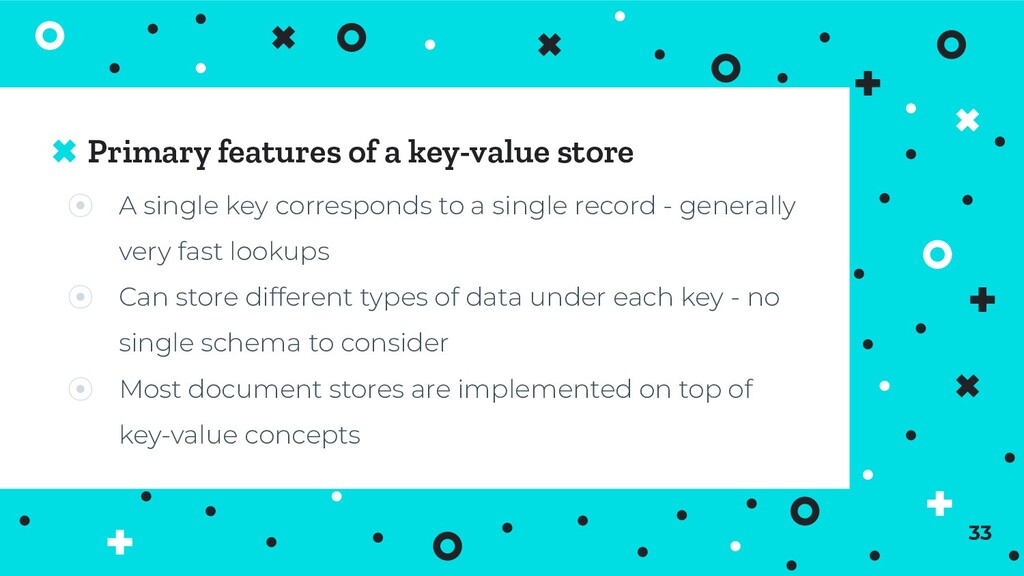
Primary features of a key-value store ⦿ A single key
corresponds to a single record - generally very fast lookups ⦿ Can store different types of data under each key - no single schema to consider ⦿ Most document stores are implemented on top of key-value concepts 33 -
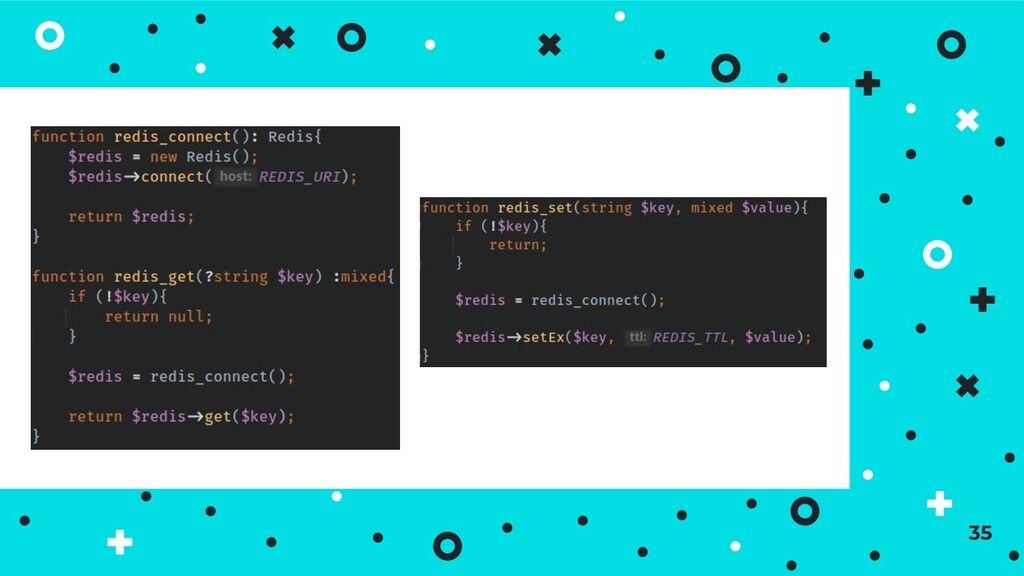
Redis 34 ⦿ Commonly used as a cache ⦿ May
save cache to disk ⦿ May act as a pub/sub message broker ⦿ Cache expiry & access control ⦿ Custom command-based API -
Amazon DynamoDB 37 ⦿ Hybrid key-value & document store with
no infrastructure to manage ⦿ Similar to Redis, can expire rows via TTL fields ⦿ Can use a stream to provide secondary processing -
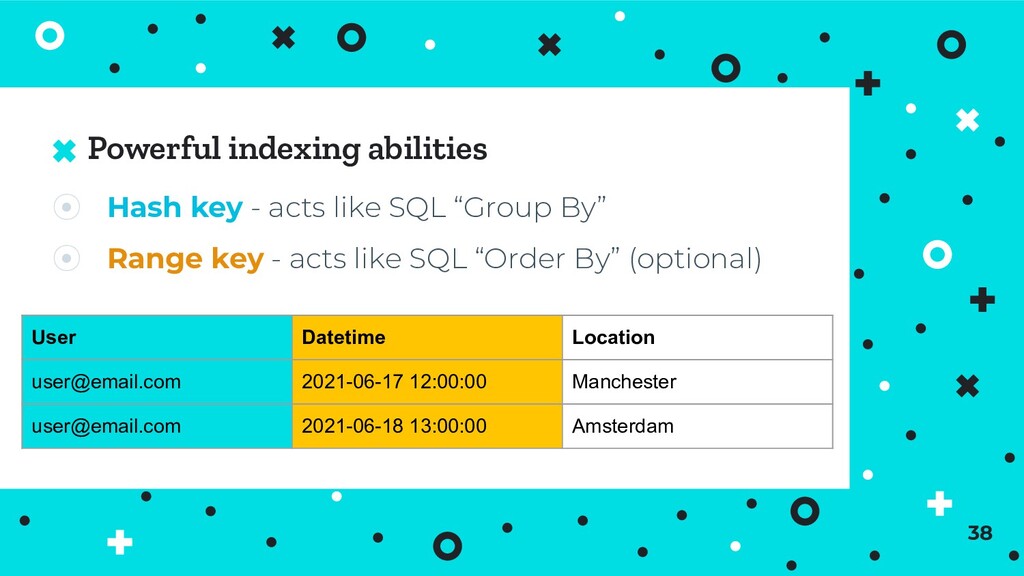
Powerful indexing abilities 38 ⦿ Hash key - acts like
SQL “Group By” ⦿ Range key - acts like SQL “Order By” (optional) User Datetime Location [email protected] 2021-06-17 12:00:00 Manchester [email protected] 2021-06-18 13:00:00 Amsterdam -
Powerful indexing abilities 39 ⦿ Global secondary indexes - create
any time ⦿ Same table, choice of any keys User Datetime Location [email protected] 2021-06-17 12:00:00 Manchester [email protected] 2021-06-18 13:00:00 Amsterdam -
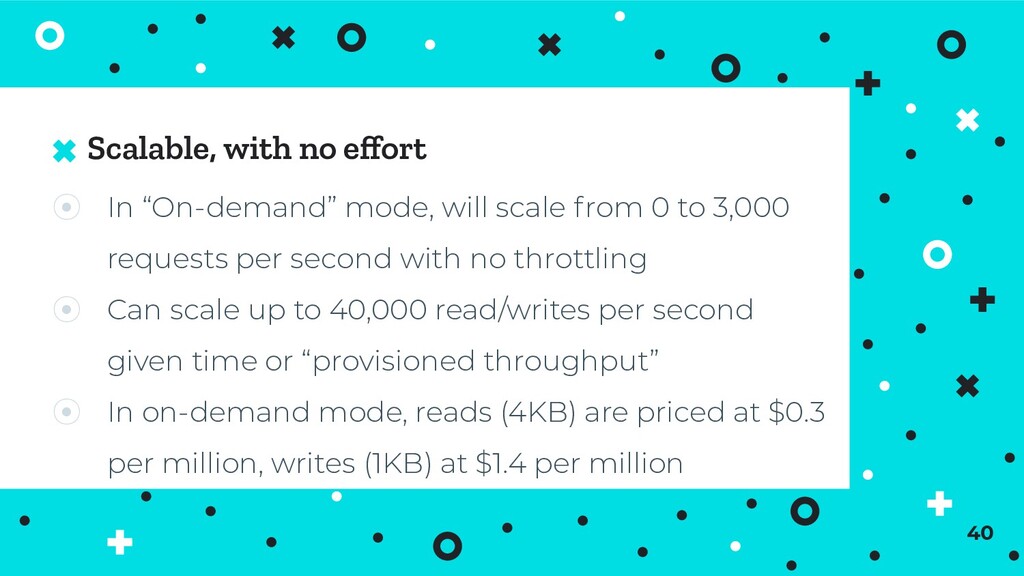
Scalable, with no effort 40 ⦿ In “On-demand” mode, will
scale from 0 to 3,000 requests per second with no throttling ⦿ Can scale up to 40,000 read/writes per second given time or “provisioned throughput” ⦿ In on-demand mode, reads (4KB) are priced at $0.3 per million, writes (1KB) at $1.4 per million -
3rd party messaging Payment confirmations, inbound SMS traffic is essential
to running the business -
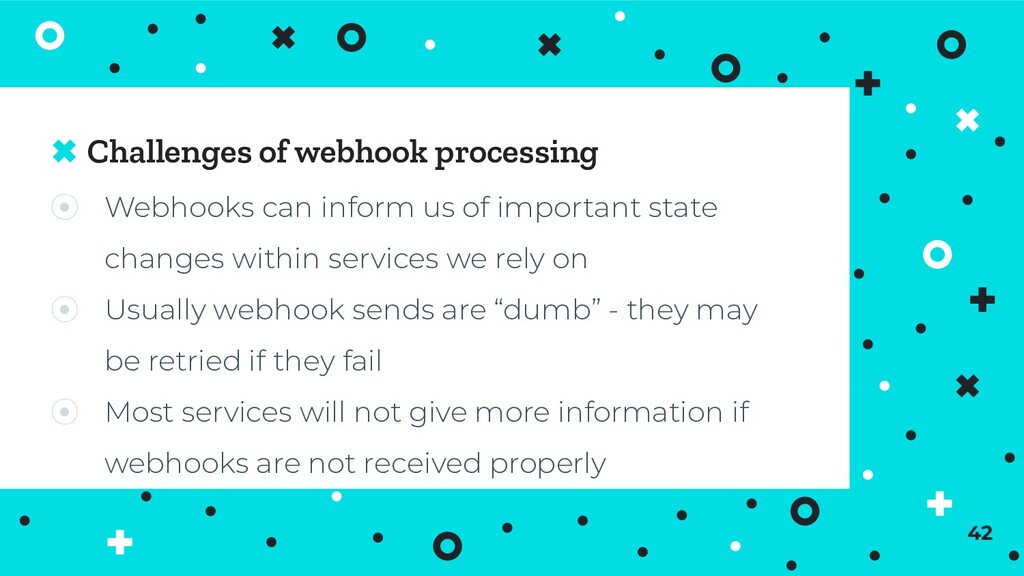
Challenges of webhook processing ⦿ Webhooks can inform us of
important state changes within services we rely on ⦿ Usually webhook sends are “dumb” - they may be retried if they fail ⦿ Most services will not give more information if webhooks are not received properly 42 -
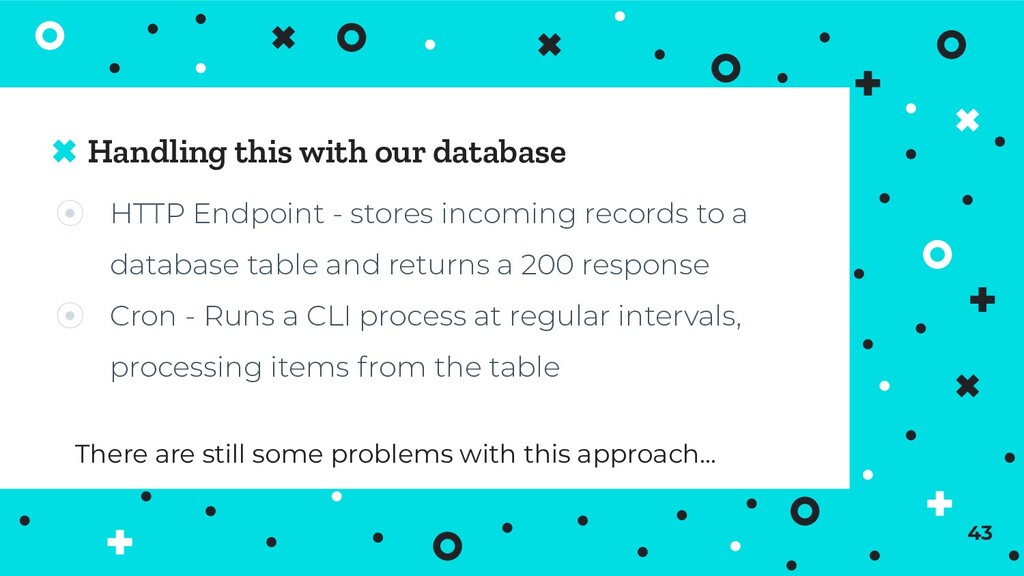
Handling this with our database 43 There are still some
problems with this approach... ⦿ HTTP Endpoint - stores incoming records to a database table and returns a 200 response ⦿ Cron - Runs a CLI process at regular intervals, processing items from the table -
44 Worker A Worker B Message table Risk of the
same message being read (and therefore processed twice) Parallel workers abc123 abc123 -
45 Worker A Message table Now our throughput is limited;
if the table gets busier we can’t increase speed of processing easily Single worker abc123 -
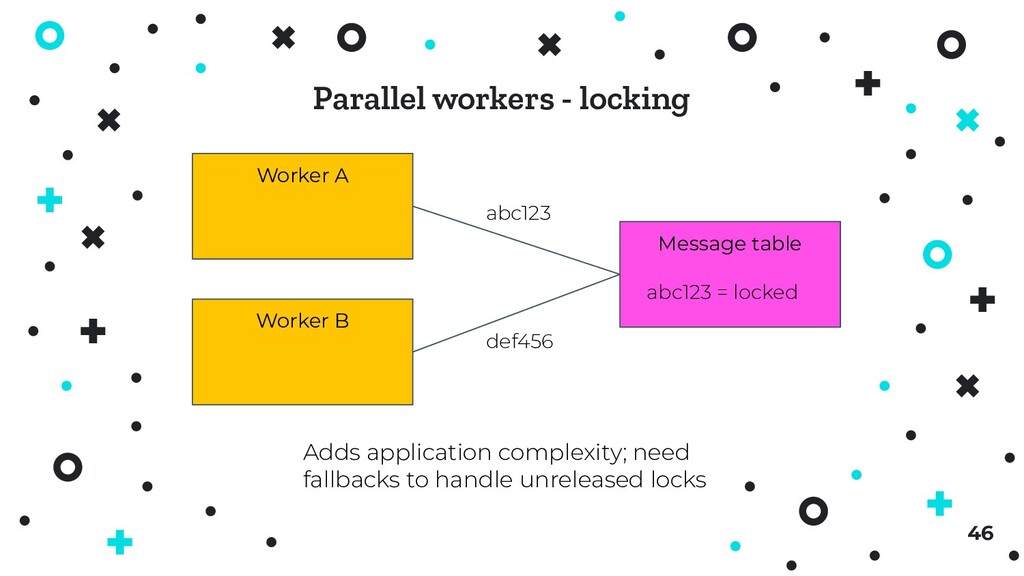
46 Worker A Worker B Message table Adds application complexity;
need fallbacks to handle unreleased locks Parallel workers - locking abc123 def456 abc123 = locked -
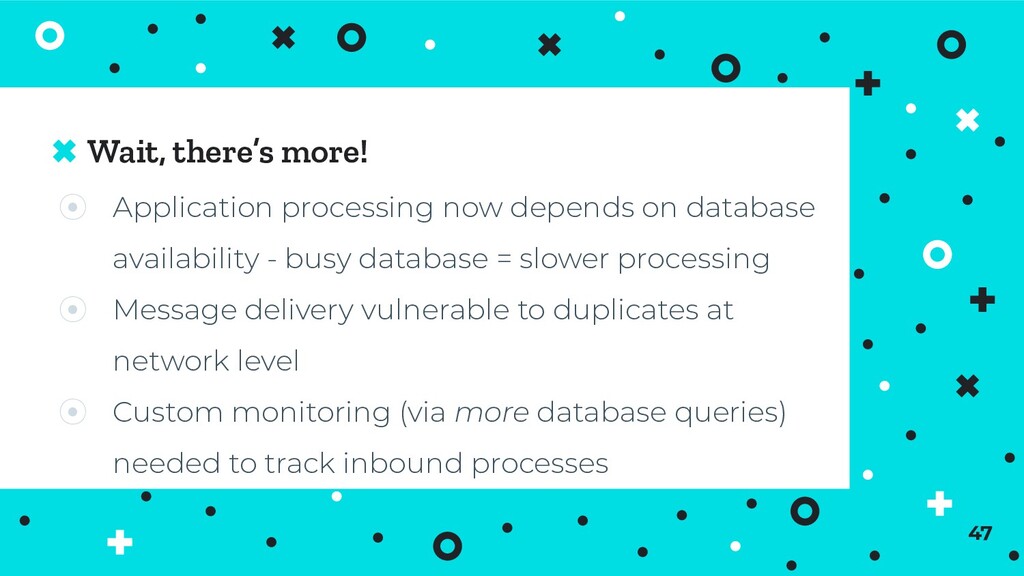
Wait, there’s more! ⦿ Application processing now depends on database
availability - busy database = slower processing ⦿ Message delivery vulnerable to duplicates at network level ⦿ Custom monitoring (via more database queries) needed to track inbound processes 47 -
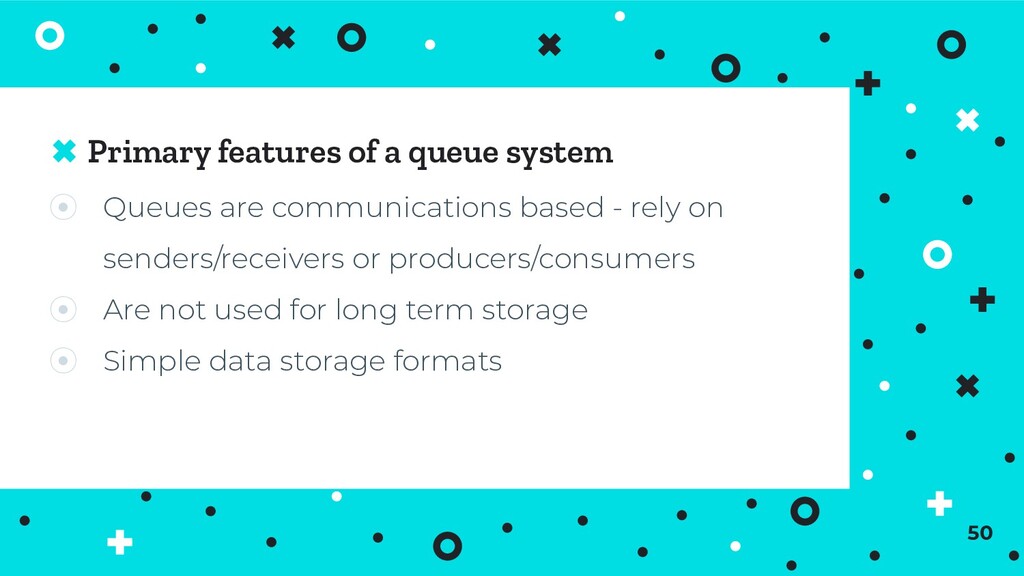
Primary features of a queue system ⦿ Queues are communications
based - rely on senders/receivers or producers/consumers ⦿ Are not used for long term storage ⦿ Simple data storage formats 50 -
RabbitMQ 51 ⦿ Hosted message broker ⦿ Can push messages
to consumers ⦿ Routing can be set up to direct different messages to specific consumers ⦿ Communicate via AMQP or just HTTP -
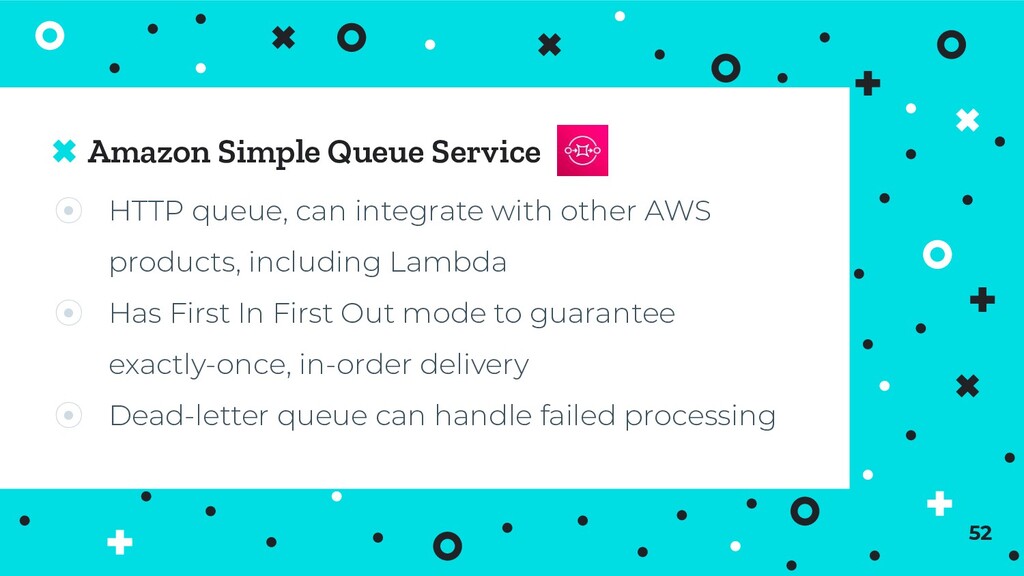
Amazon Simple Queue Service 52 ⦿ HTTP queue, can integrate
with other AWS products, including Lambda ⦿ Has First In First Out mode to guarantee exactly-once, in-order delivery ⦿ Dead-letter queue can handle failed processing -
Exactly once delivery Scalability High throughput 54 Observability FIFO queues
- visibility timeouts Built-in metrics Process 3,000 m/s in standard mode Serverless means we tend not to worry -
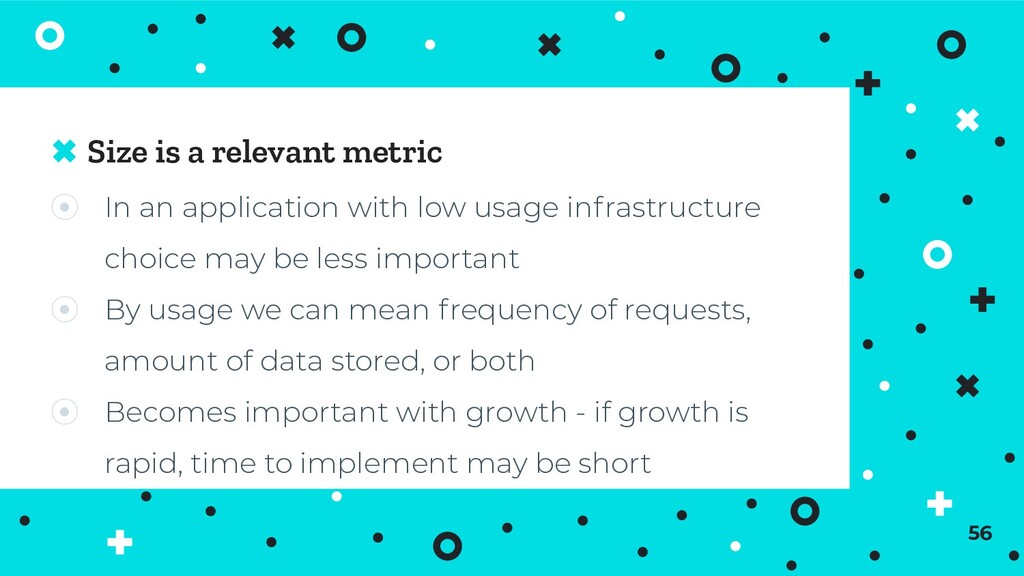
Size is a relevant metric ⦿ In an application with
low usage infrastructure choice may be less important ⦿ By usage we can mean frequency of requests, amount of data stored, or both ⦿ Becomes important with growth - if growth is rapid, time to implement may be short 56 -
My highly opinionated summary... ⦿ Prefer tools with low infrastructure
management or expertise required ⦿ Vendor lock-in is generally an OK price to pay ⦿ Systems are easy to migrate; data is generally not - pick services that offer flexibility ⦿ Match your application to its data storage 57 -
The run down Other data storage solutions, if we have
time to talk about them 58 -
Graph databases ⦿ Document stores; relations are first class citizens
⦿ Relations are kind of like foreign keys on steroids ⦿ Good for business cases where items may be related in N dimensions ⦿ E.g. Neo4J, ArangoDB 🥑 59 -
Time-series databases ⦿ Single purpose DB for storing time-based data
⦿ Often optimised for high throughput, e.g. storing metrics from other systems, sensor readings etc. ⦿ Fast calculations over millions of data-points ⦿ E.g. InfluxDB 60 -
Amazon Quantum Ledger ⦿ Document store with table semantics, query
language & indexing ⦿ Uses journal to track changes ⦿ Cryptographically verifiable & immutable ⦿ Can stream data to other services ⦿ Proprietary and serverless 61 -
Thanks! Any questions? Ask me on: Twitter @M1ke Slack #phpnw
& #og-aws joind.in/talk/d4c76 Presentation template by SlidesCarnival 62