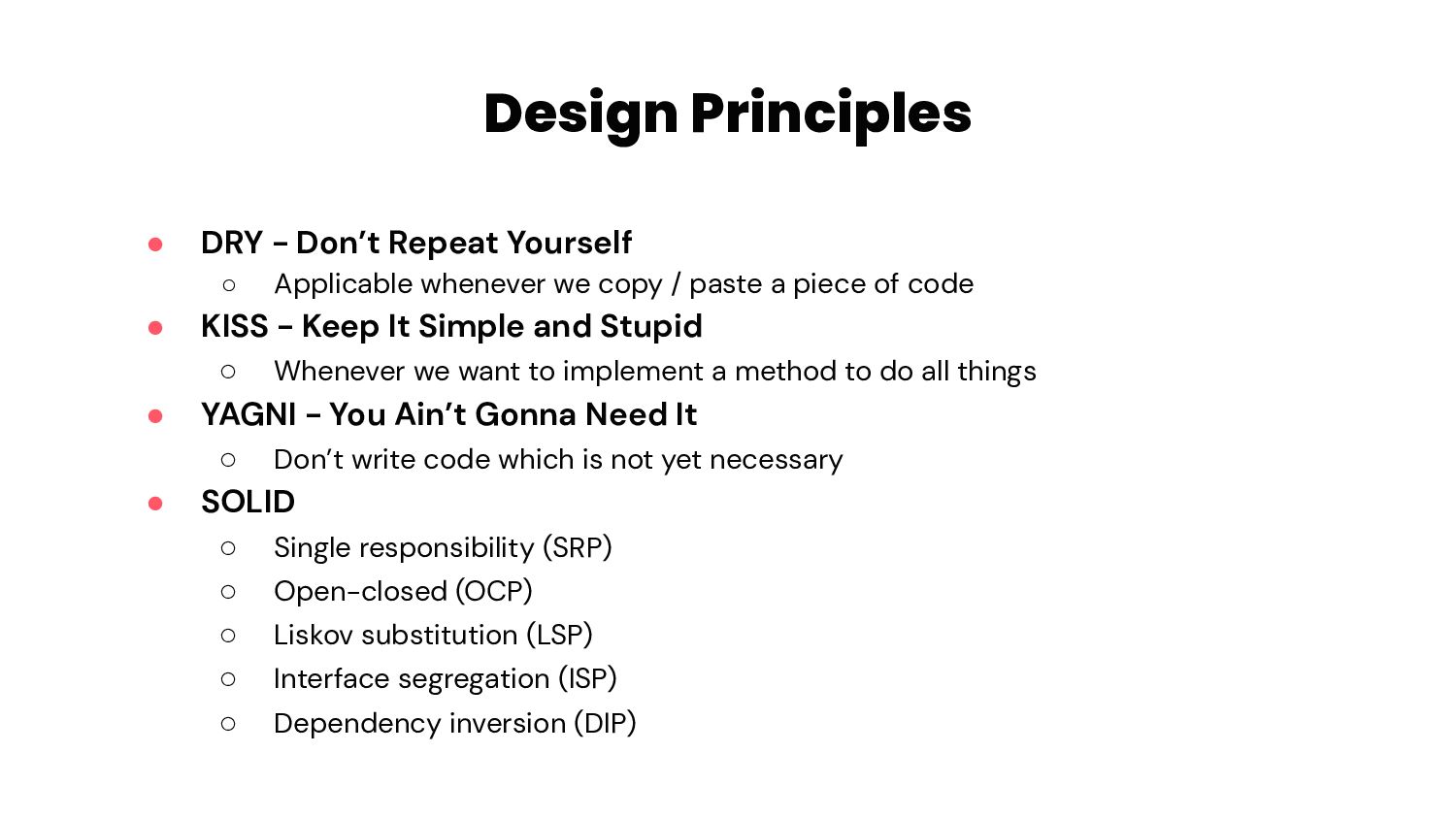
copy / paste a piece of code • KISS - Keep It Simple and Stupid ◦ Whenever we want to implement a method to do all things • YAGNI - You Ain’t Gonna Need It ◦ Don’t write code which is not yet necessary • SOLID ◦ Single responsibility (SRP) ◦ Open-closed (OCP) ◦ Liskov substitution (LSP) ◦ Interface segregation (ISP) ◦ Dependency inversion (DIP) Design Principles
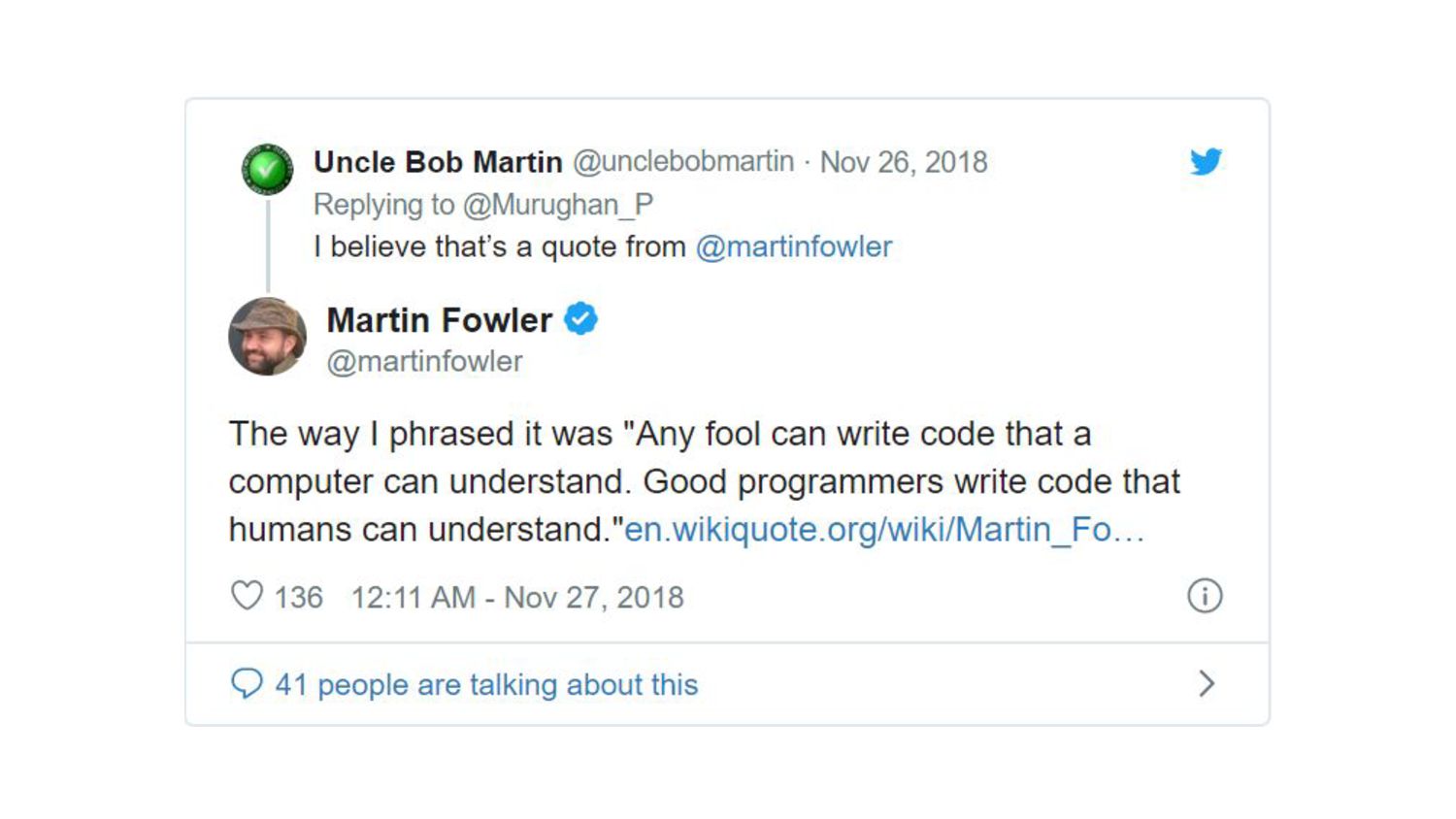
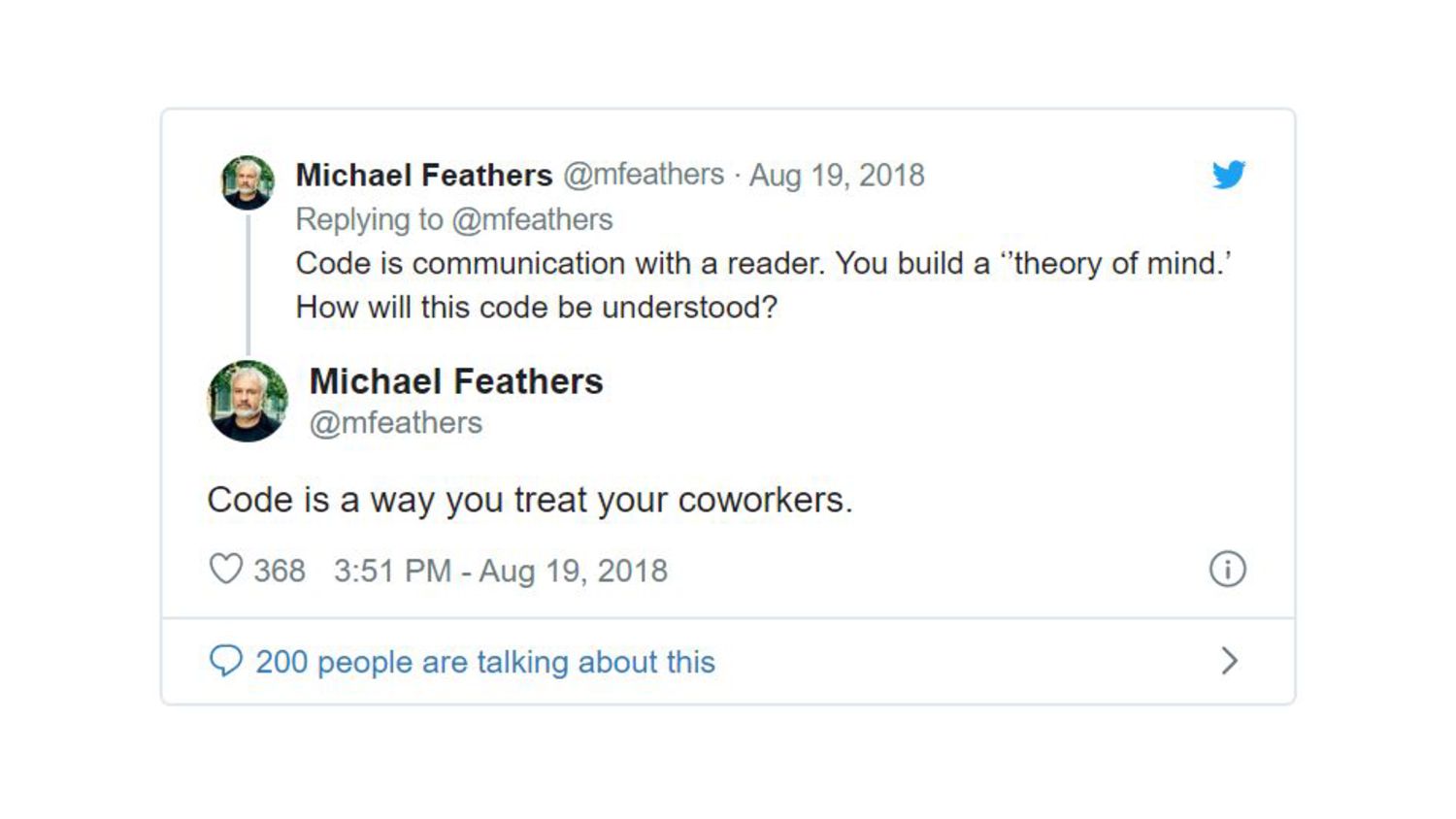
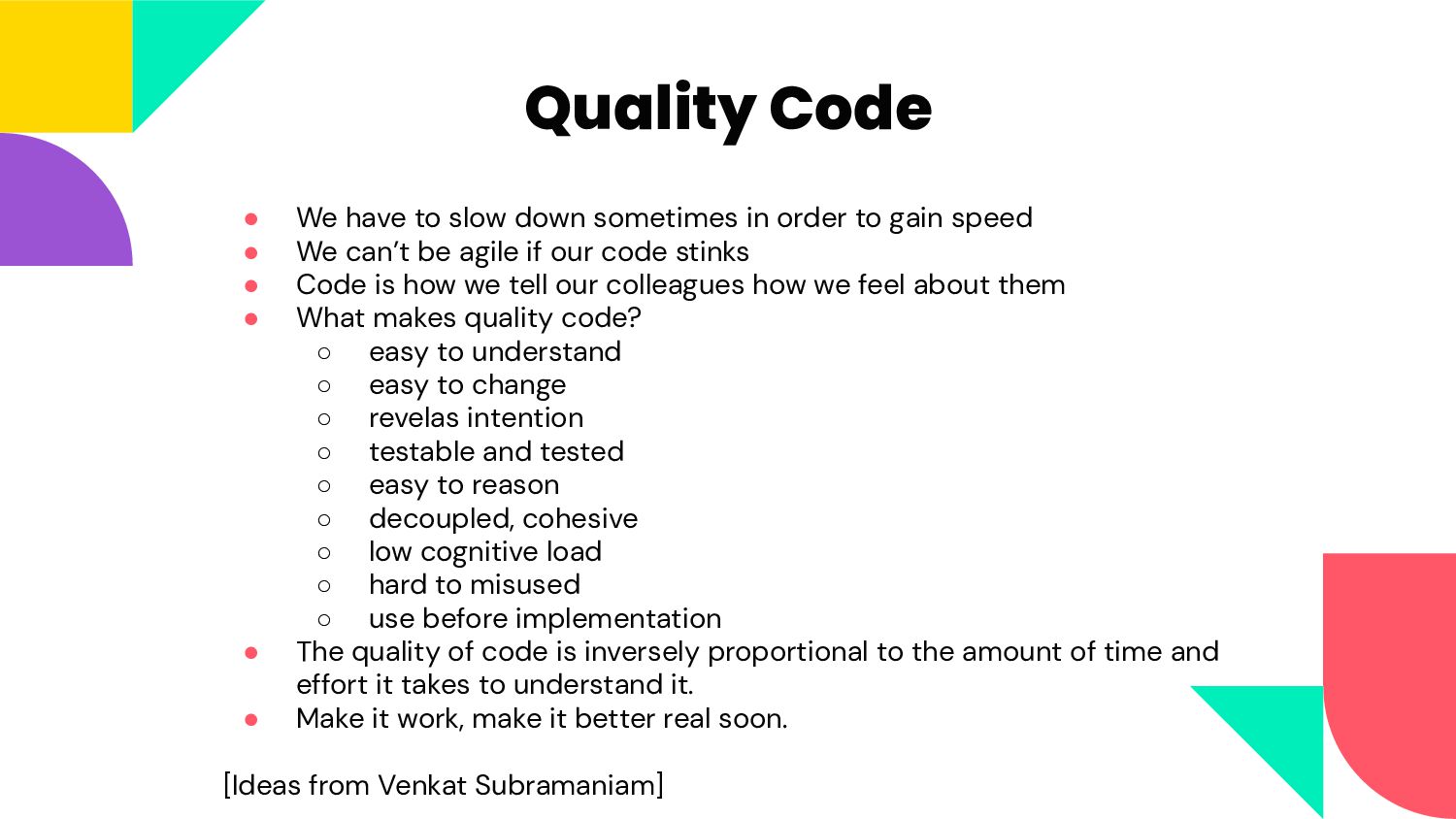
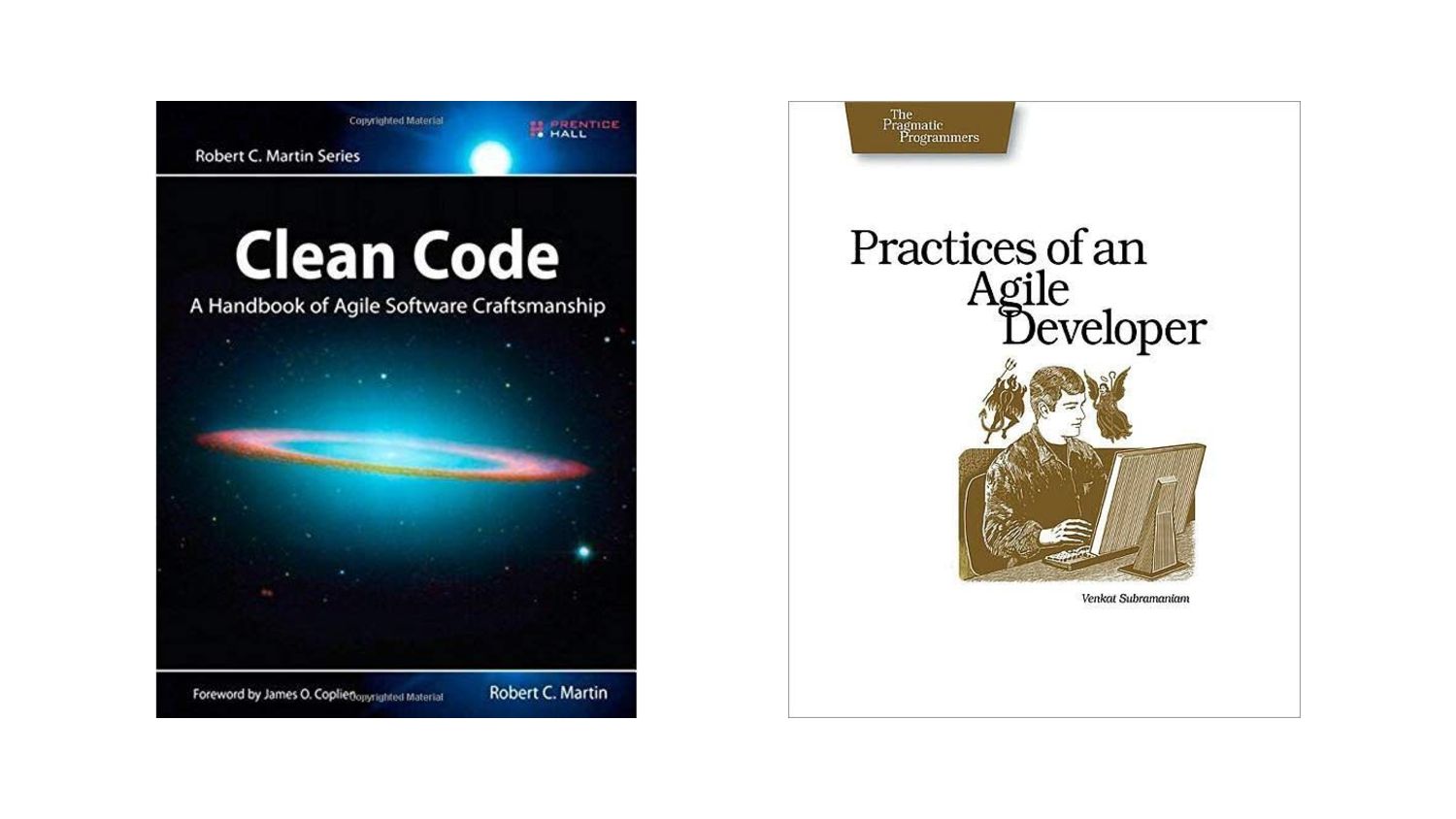
gain speed • We can’t be agile if our code stinks • Code is how we tell our colleagues how we feel about them • What makes quality code? ◦ easy to understand ◦ easy to change ◦ revelas intention ◦ testable and tested ◦ easy to reason ◦ decoupled, cohesive ◦ low cognitive load ◦ hard to misused ◦ use before implementation • The quality of code is inversely proportional to the amount of time and effort it takes to understand it. • Make it work, make it better real soon. [Ideas from Venkat Subramaniam] Quality Code
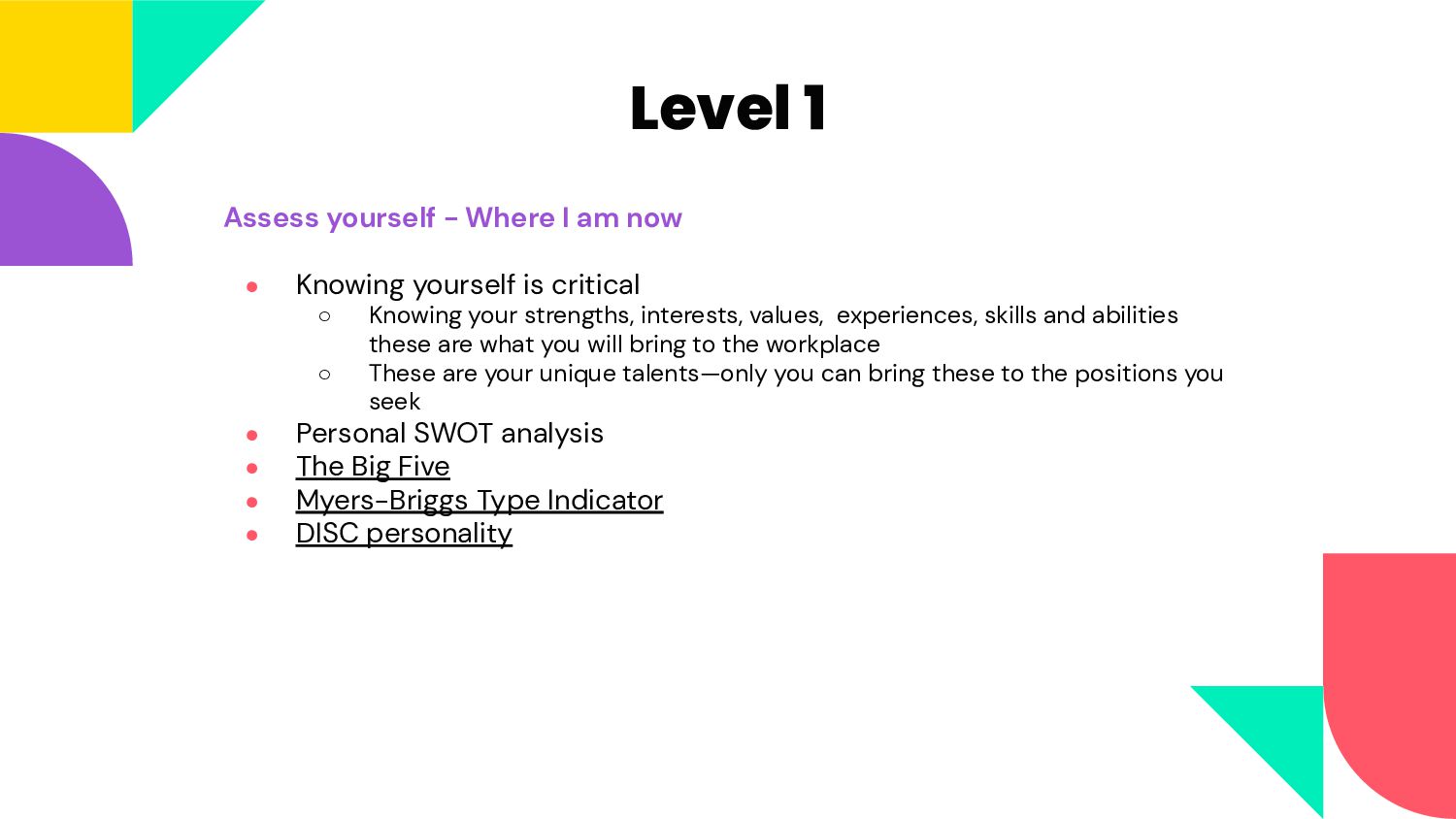
Knowing yourself is critical ◦ Knowing your strengths, interests, values, experiences, skills and abilities these are what you will bring to the workplace ◦ These are your unique talents—only you can bring these to the positions you seek • Personal SWOT analysis • The Big Five • Myers-Briggs Type Indicator • DISC personality
connections Weaknesses Skills that should be improved (technical or work habits) Opportunities Events, conferences, new role/project, industry growing Threats Impediments at work, changes, weaknesses lead to threats S O W T
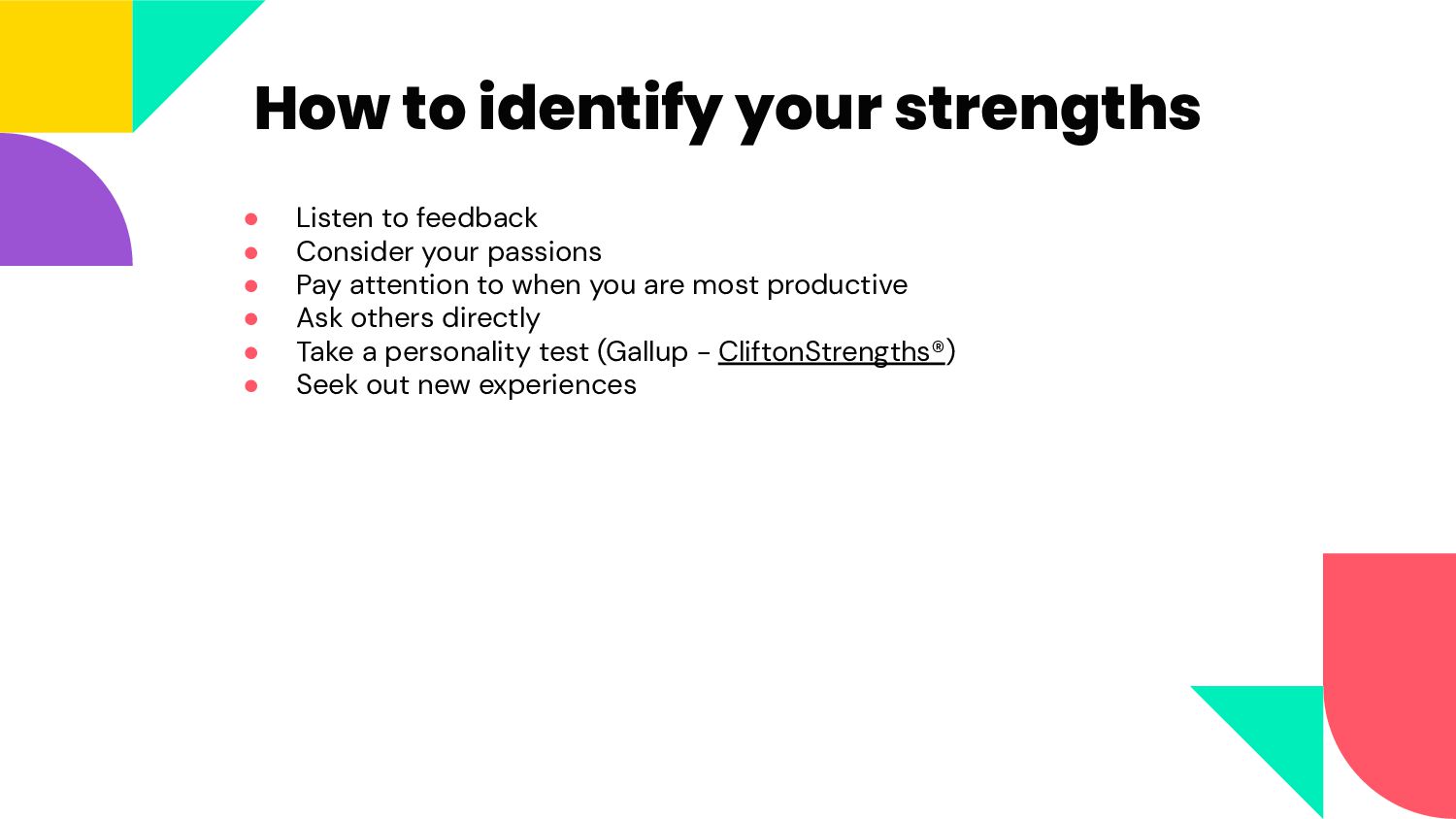
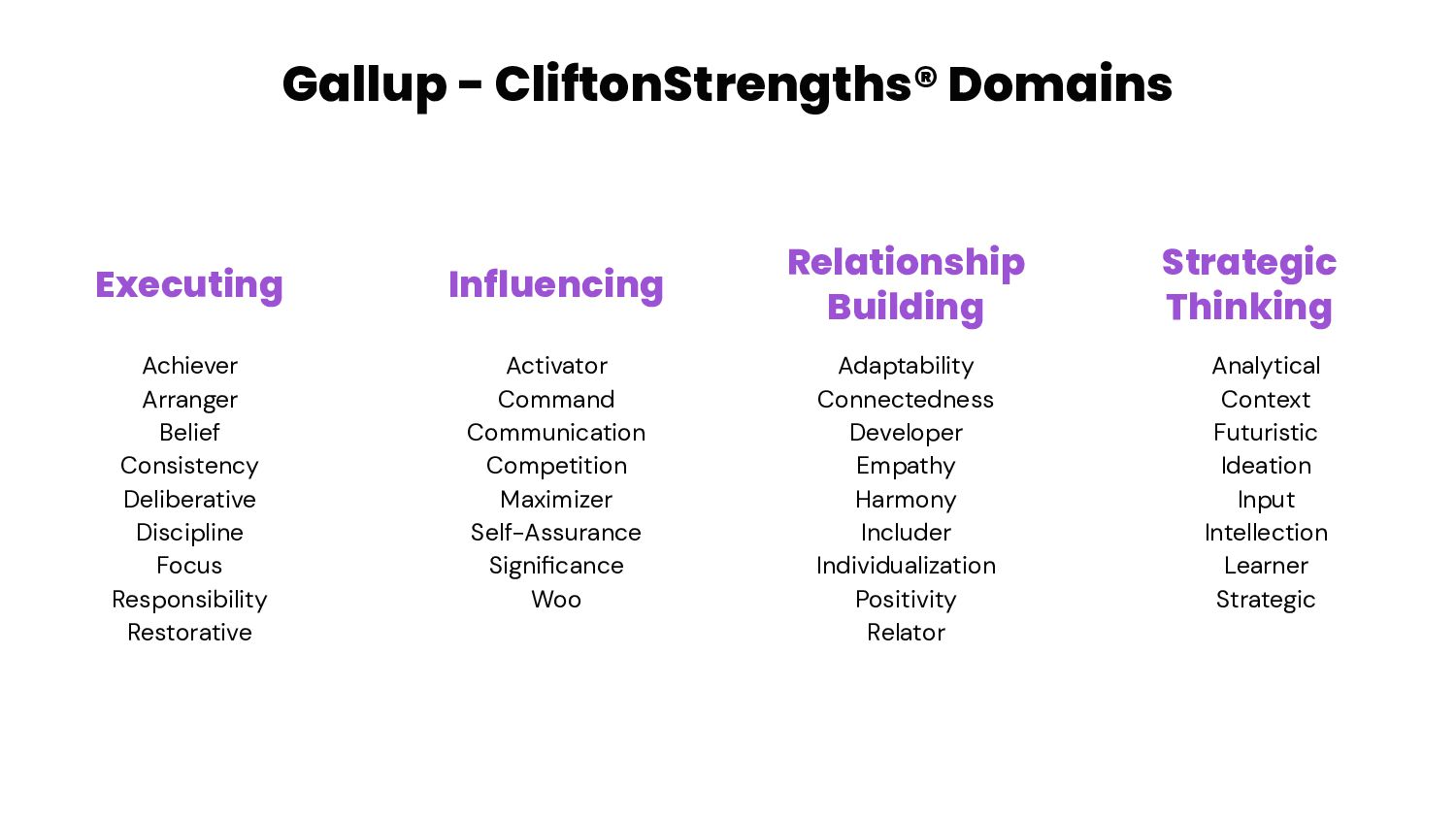
Consider your passions • Pay attention to when you are most productive • Ask others directly • Take a personality test (Gallup - CliftonStrengths®) • Seek out new experiences
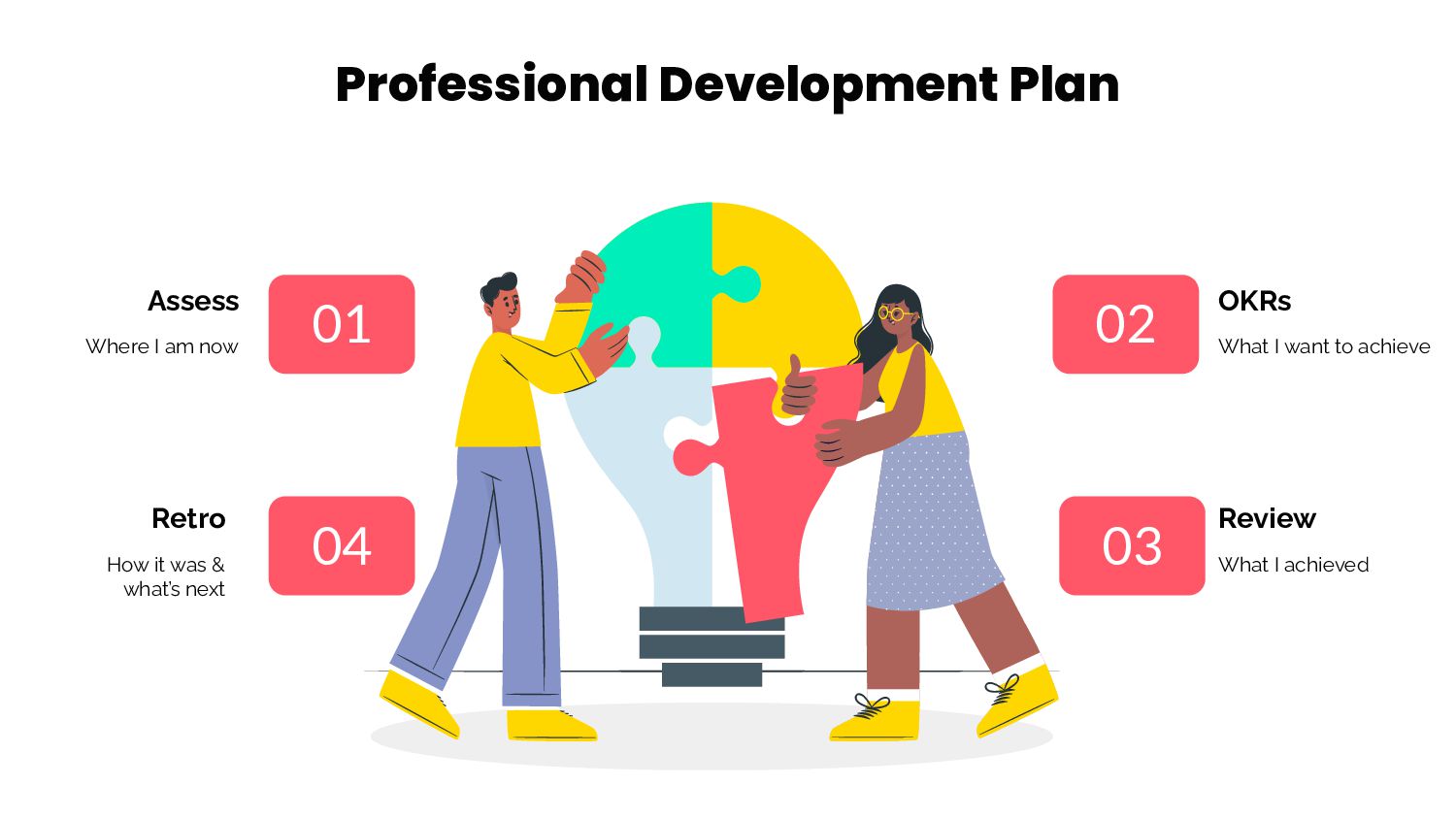
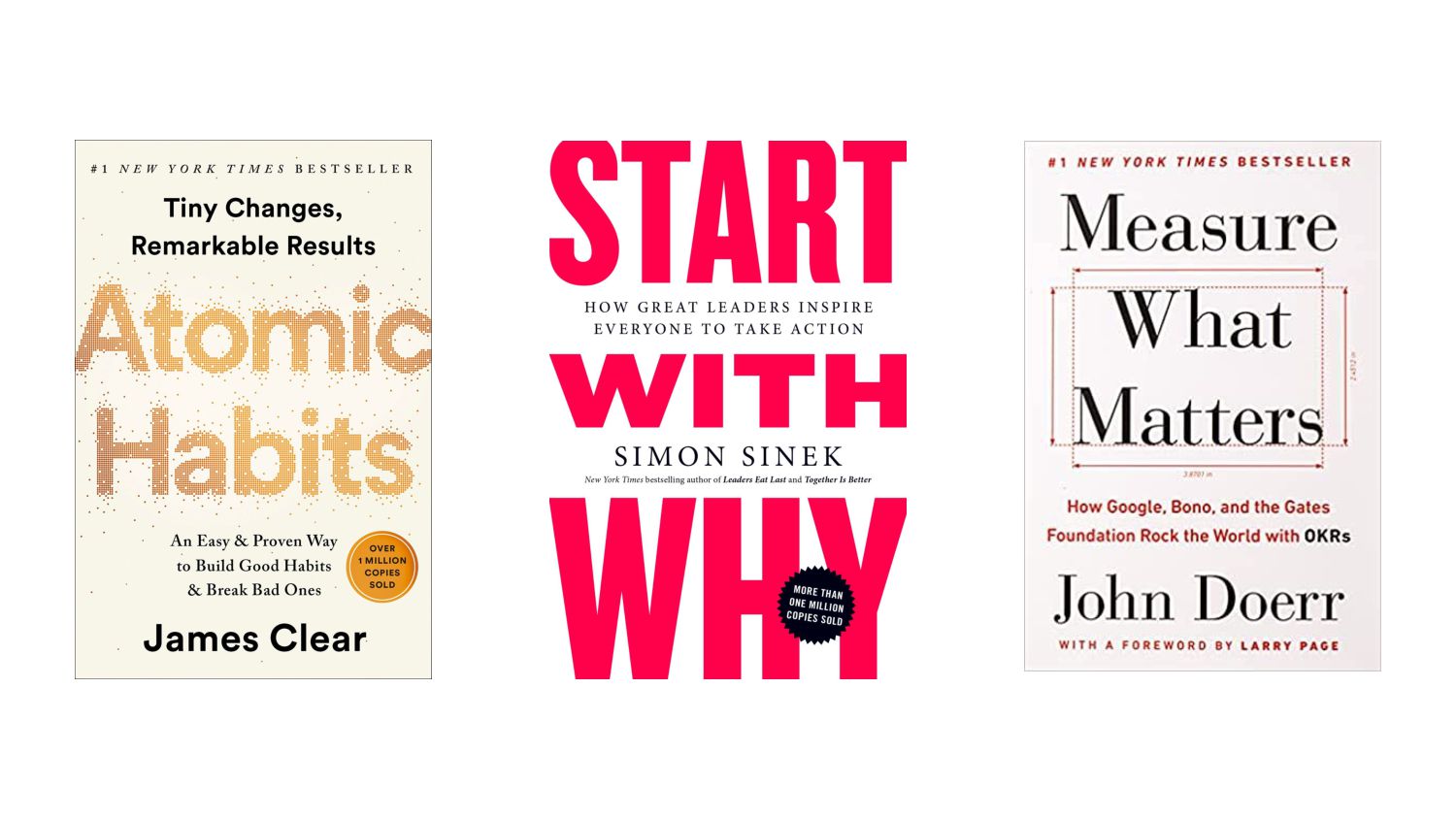
OKR (Objectives and Key Results) is a goal system used to create alignment and engagement around measurable goals. ◦ Objective => WHAT ◦ Key results => HOW • Select between 3 and 5 OKRs • “It’s not a key result unless it has a number” - Marissa Mayer • Collect your resources (VARK learning styles) ◦ Seminars, webinars, or workshops ◦ Learning and development resources ◦ Professional networks ◦ Continuing education institutions ◦ Social media platforms
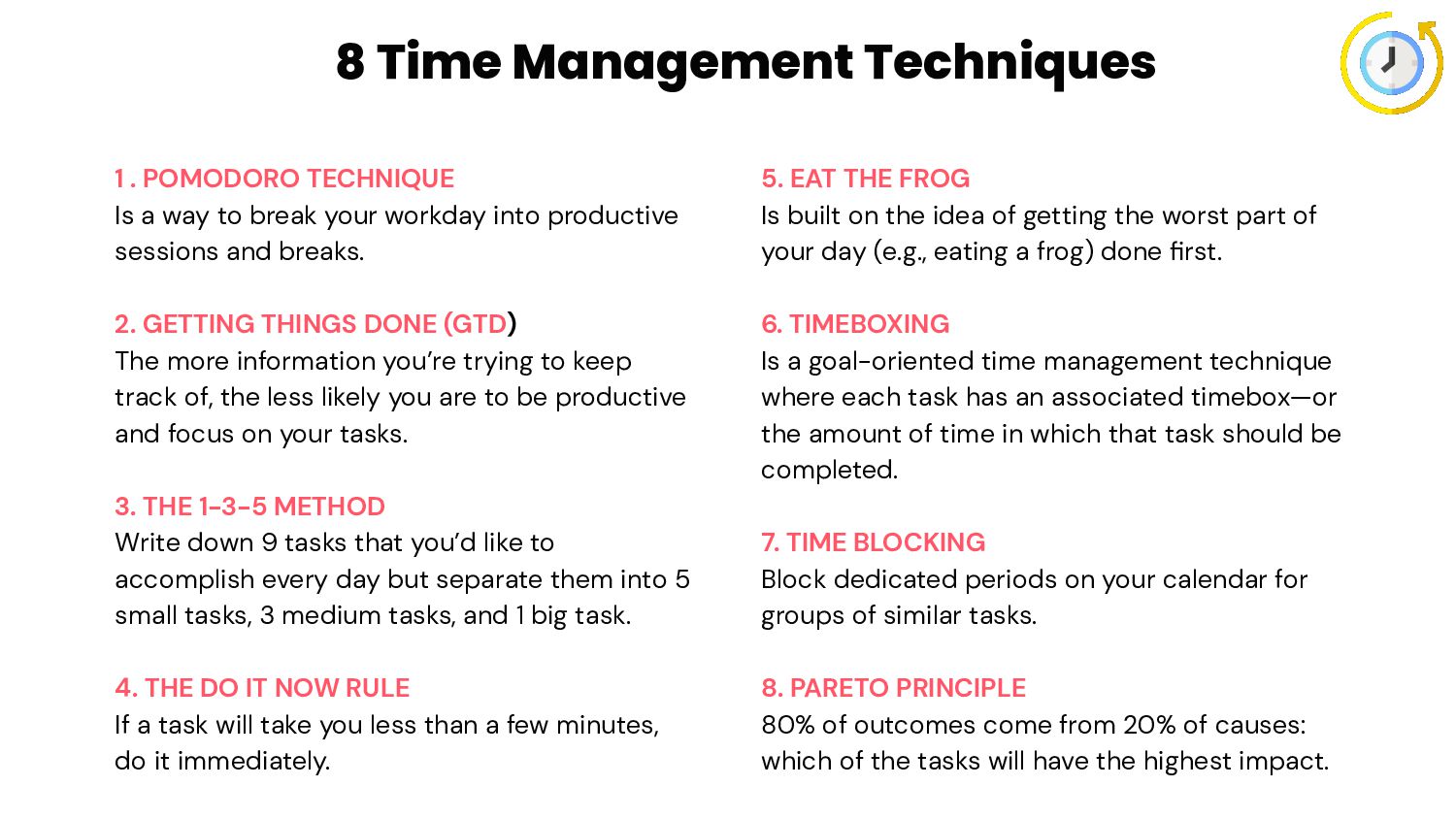
way to break your workday into productive sessions and breaks. 2. GETTING THINGS DONE (GTD) The more information you’re trying to keep track of, the less likely you are to be productive and focus on your tasks. 3. THE 1-3-5 METHOD Write down 9 tasks that you’d like to accomplish every day but separate them into 5 small tasks, 3 medium tasks, and 1 big task. 4. THE DO IT NOW RULE If a task will take you less than a few minutes, do it immediately. 5. EAT THE FROG Is built on the idea of getting the worst part of your day (e.g., eating a frog) done first. 6. TIMEBOXING Is a goal-oriented time management technique where each task has an associated timebox—or the amount of time in which that task should be completed. 7. TIME BLOCKING Block dedicated periods on your calendar for groups of similar tasks. 8. PARETO PRINCIPLE 80% of outcomes come from 20% of causes: which of the tasks will have the highest impact.
of your accomplishments • Score your results • Continuous feedback => continuous development ◦ Find a mentor to boost your career ◦ Read, document yourself and be curious ◦ Networking, networking, networking
Remember to have courage and challenge yourself • Enjoy the journey, not only the destination • If it’s difficult, take a break, then start over Be confident and enthusiast


 magdamiu
 kohbis
 oracle4engineer
 htkym
htkym
 tatamiya
 iwatatomoya
 husengs7
 ymiya55
 pensuke628
 soudai
 tomtanaka
 taka_aki
 ennael
 axbom
axbom
 coloredviolet
 danielanewman
 maltzj
 hannesfritz
 honzajavorek
 aleyda
 inesmontani
 ivargrimstad
 samlambert
 trishagee
 signer