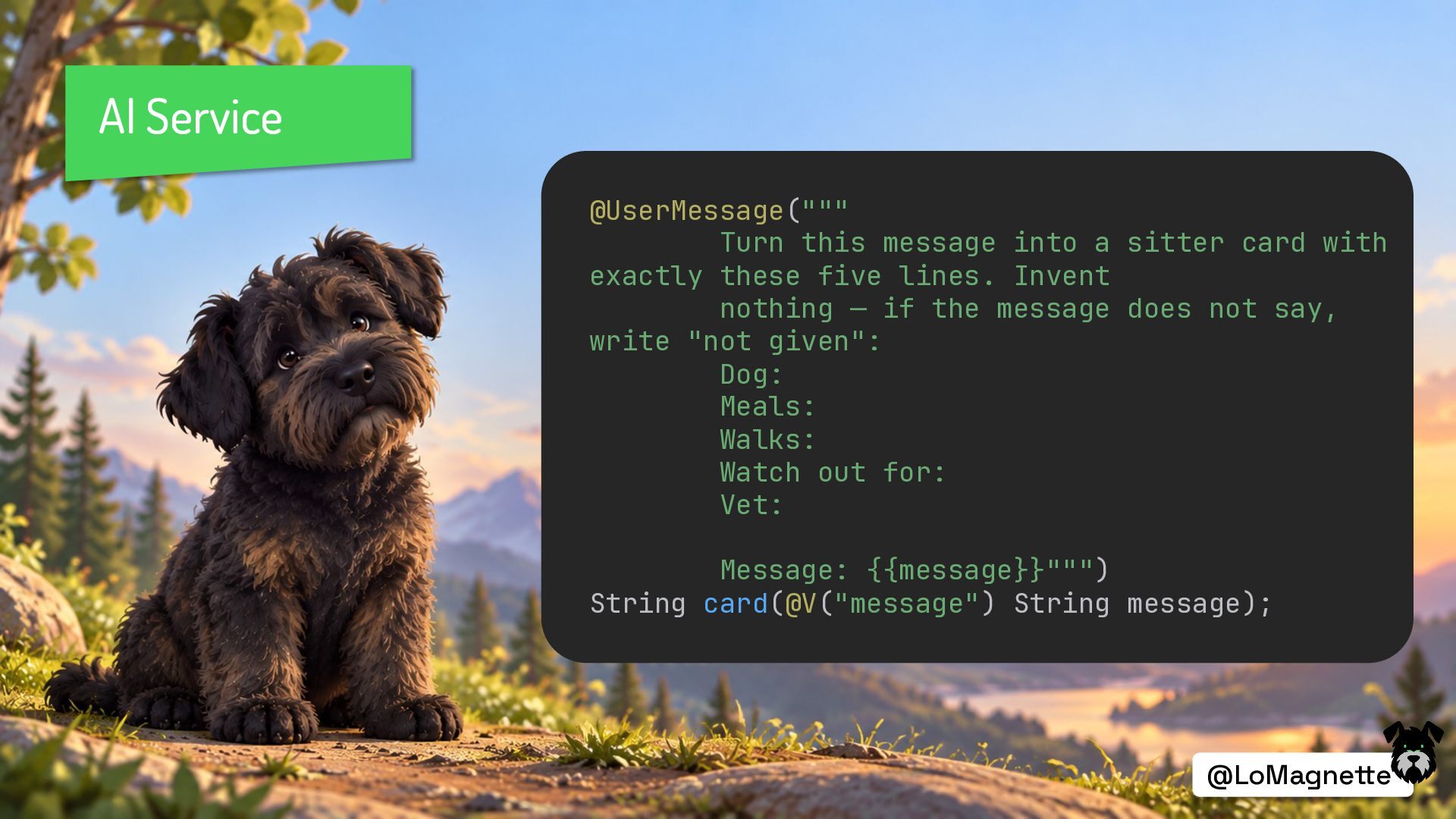
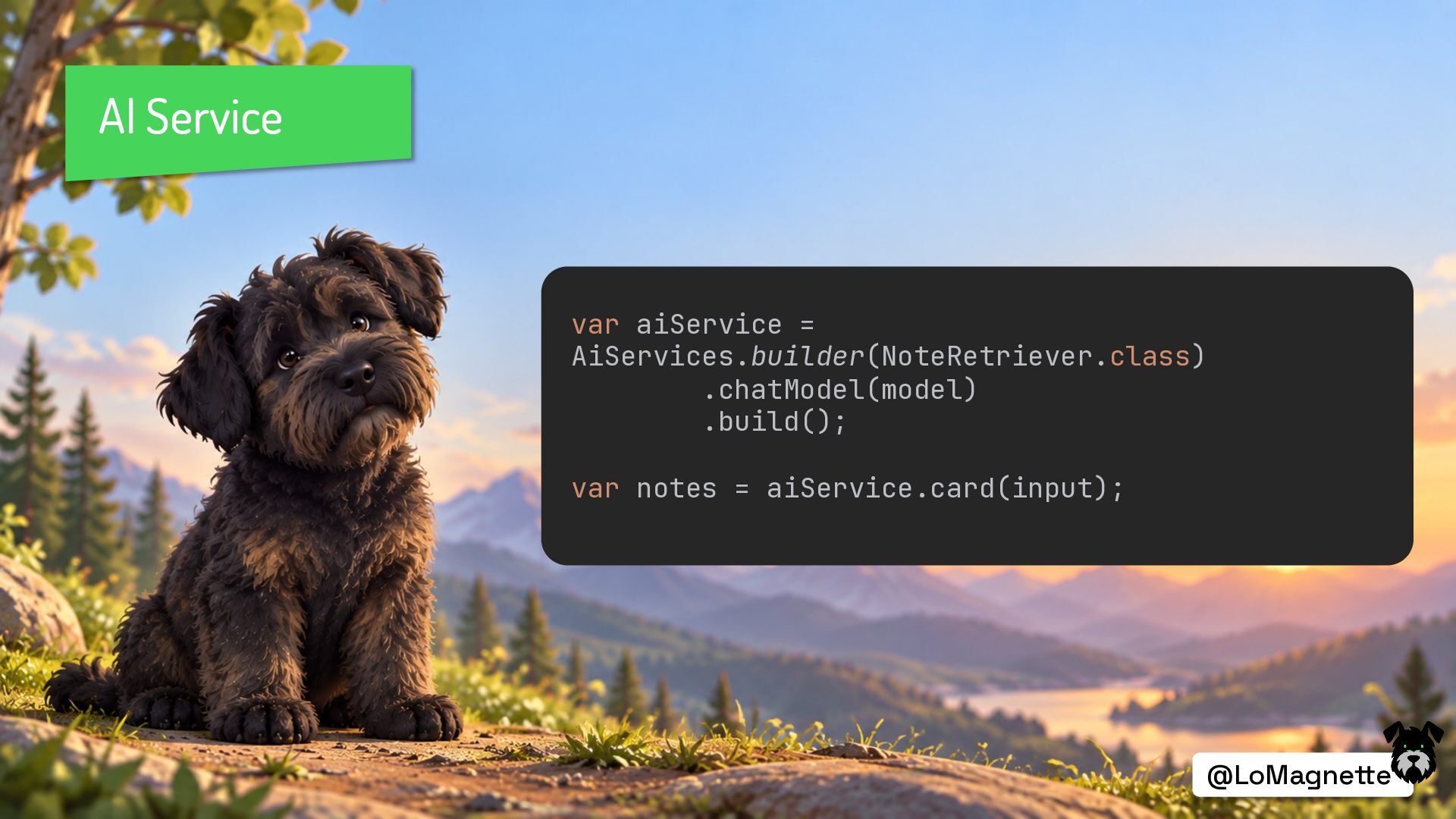
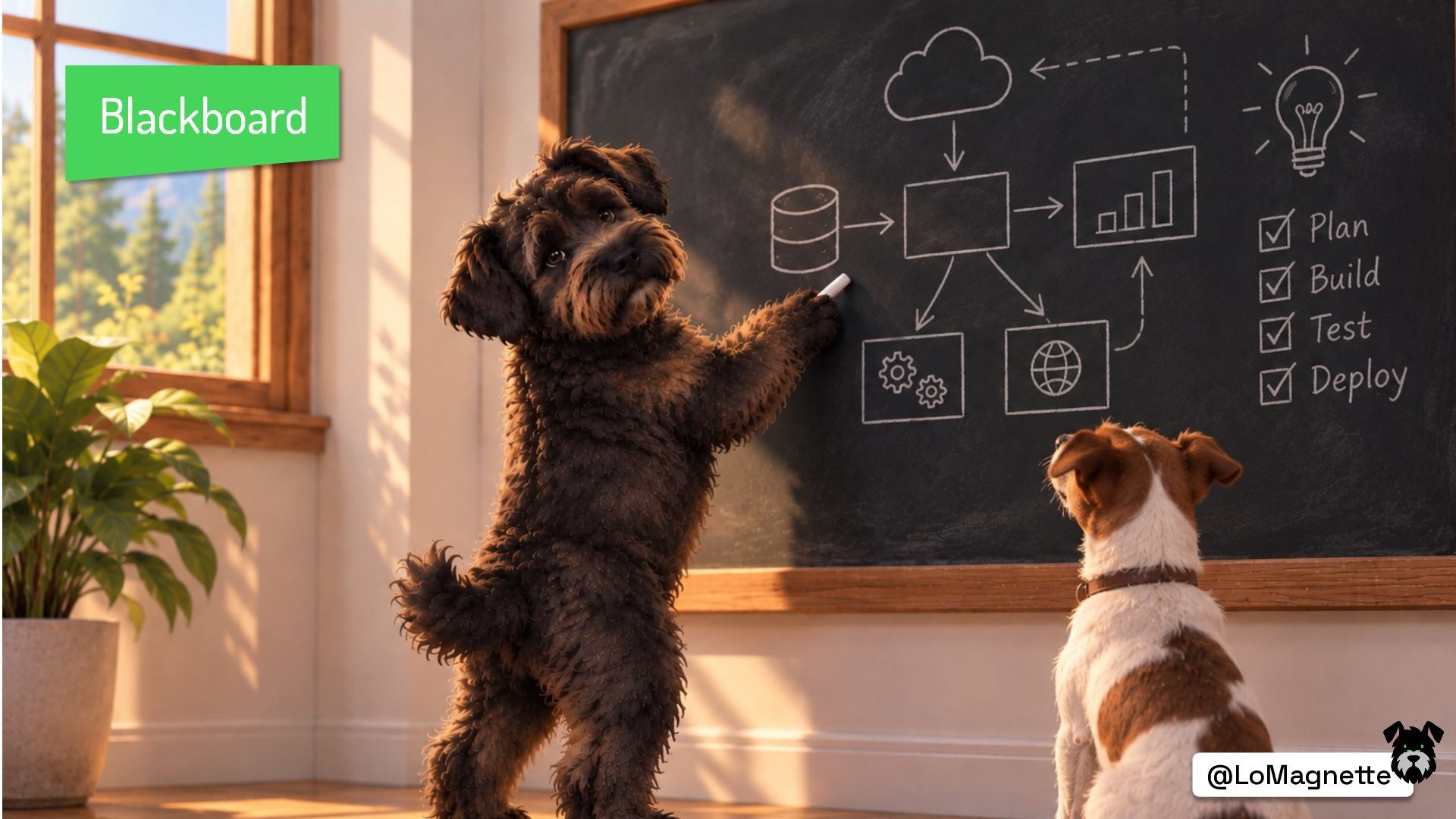
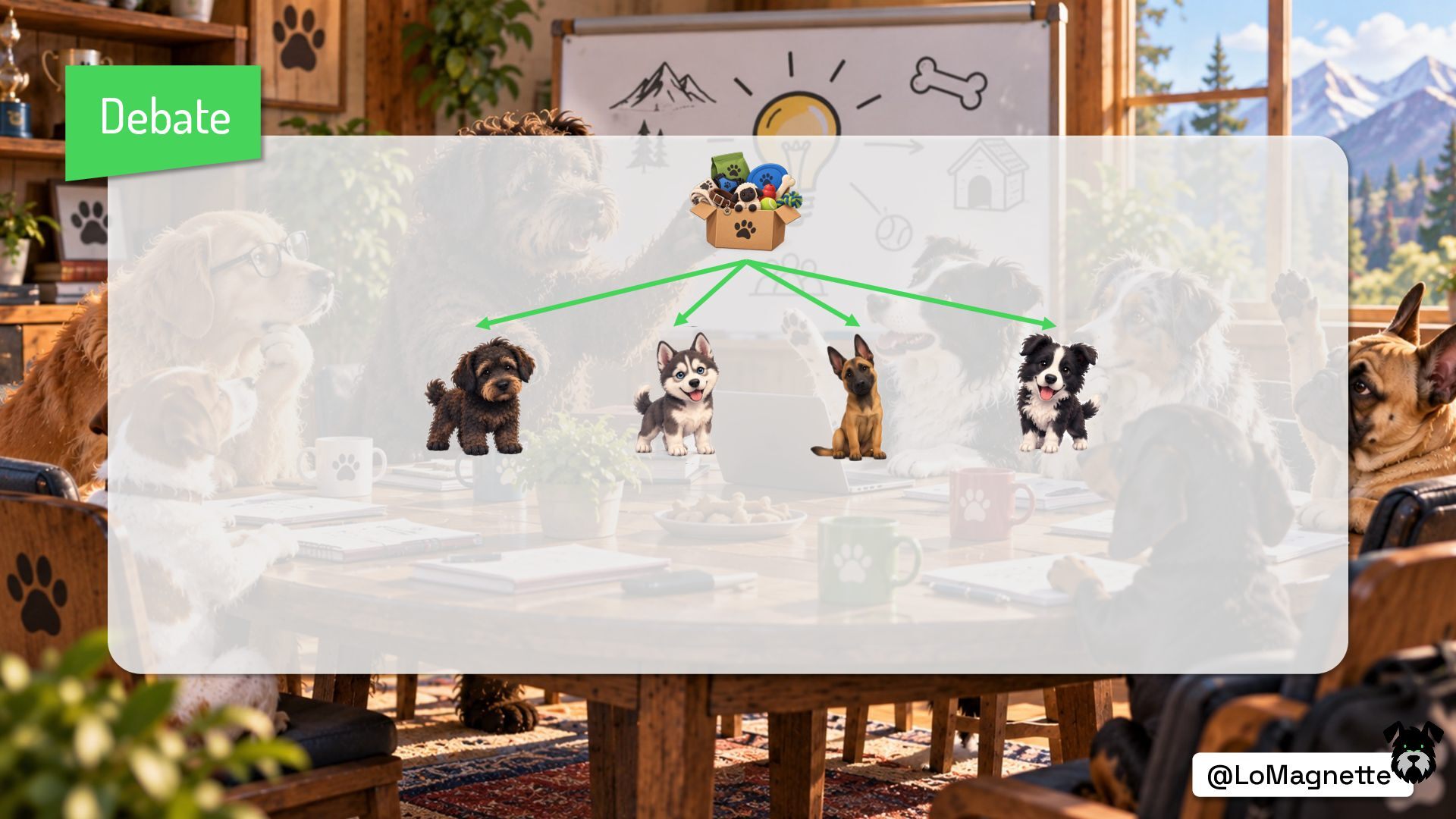
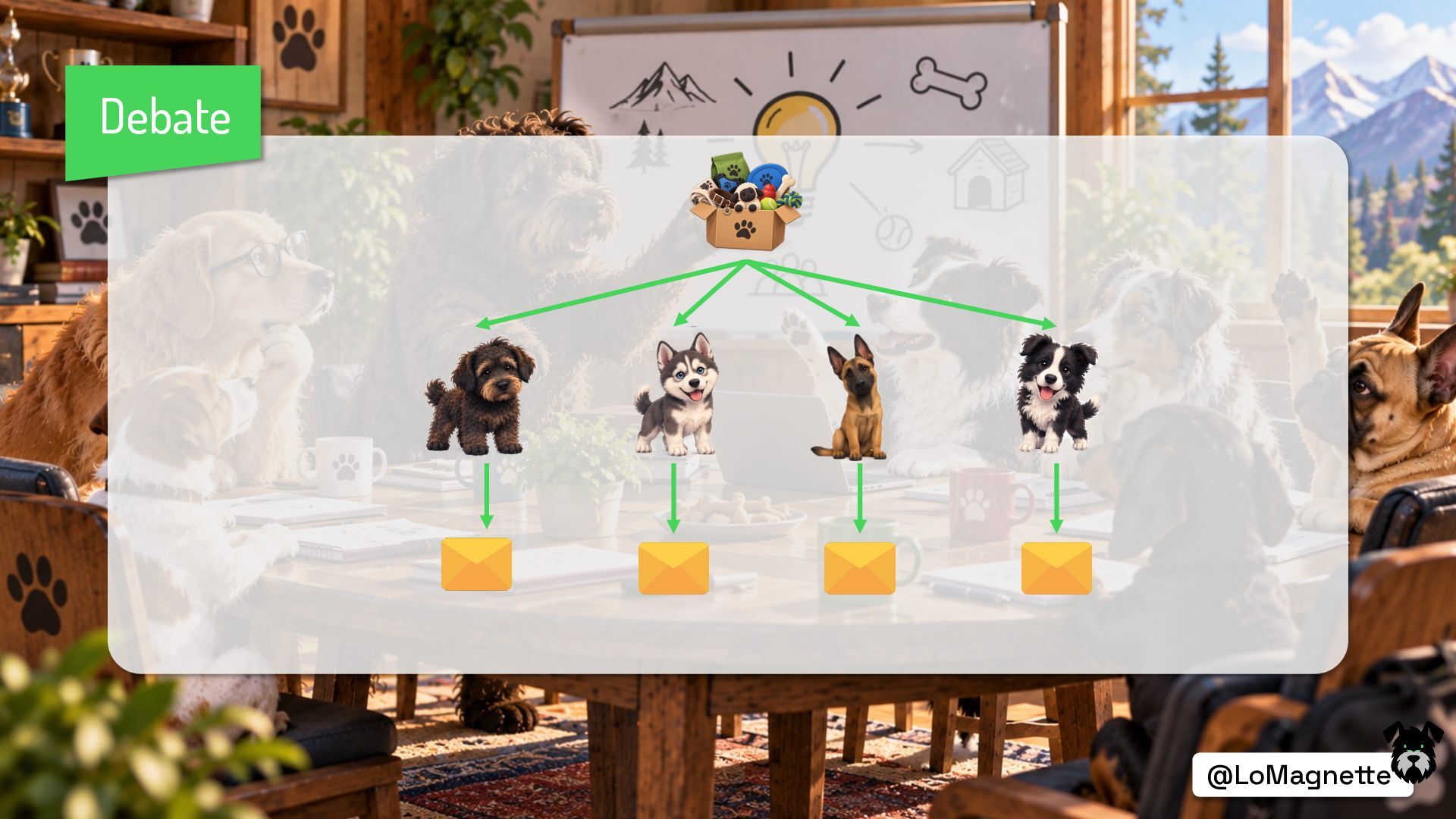
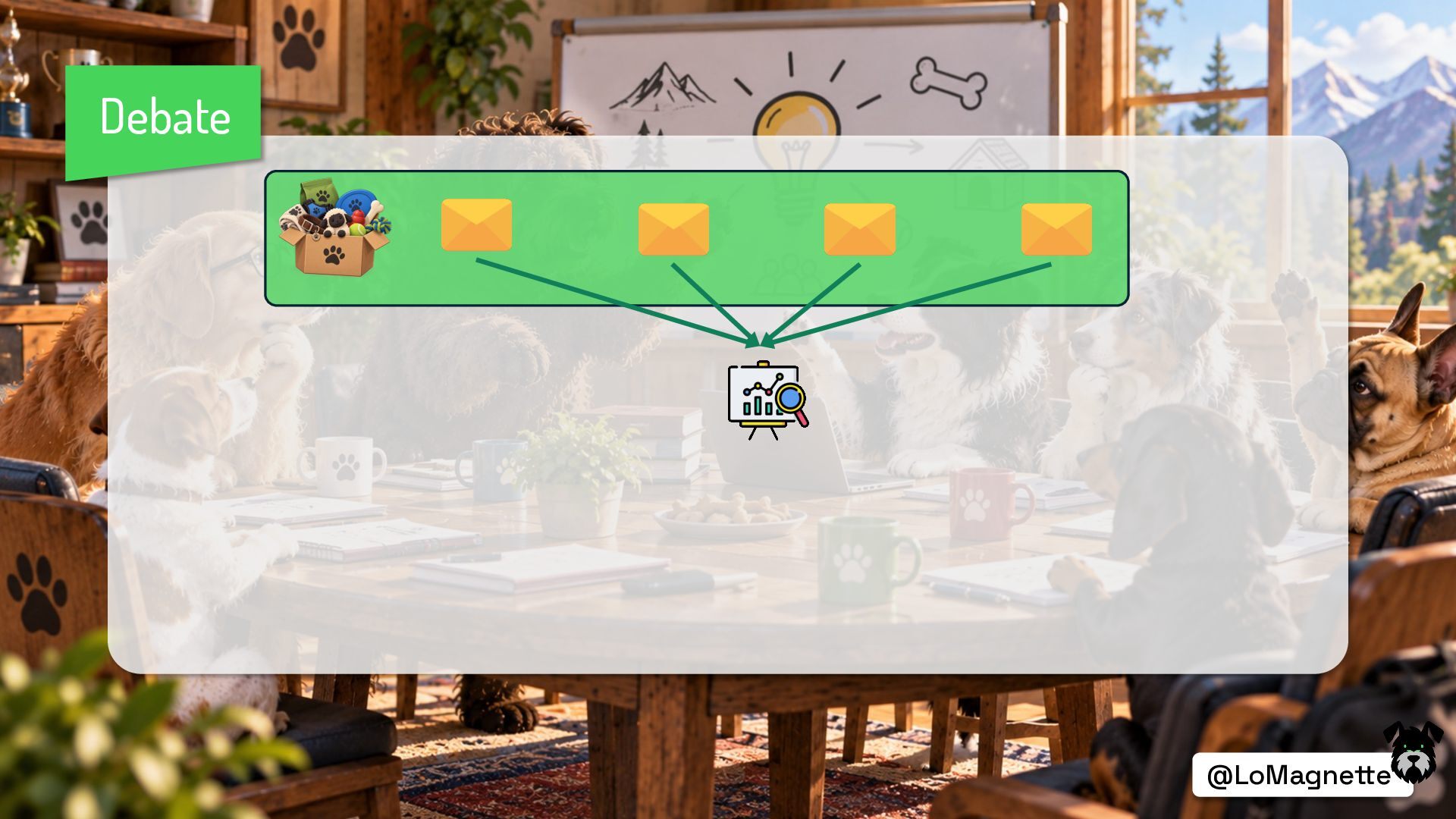
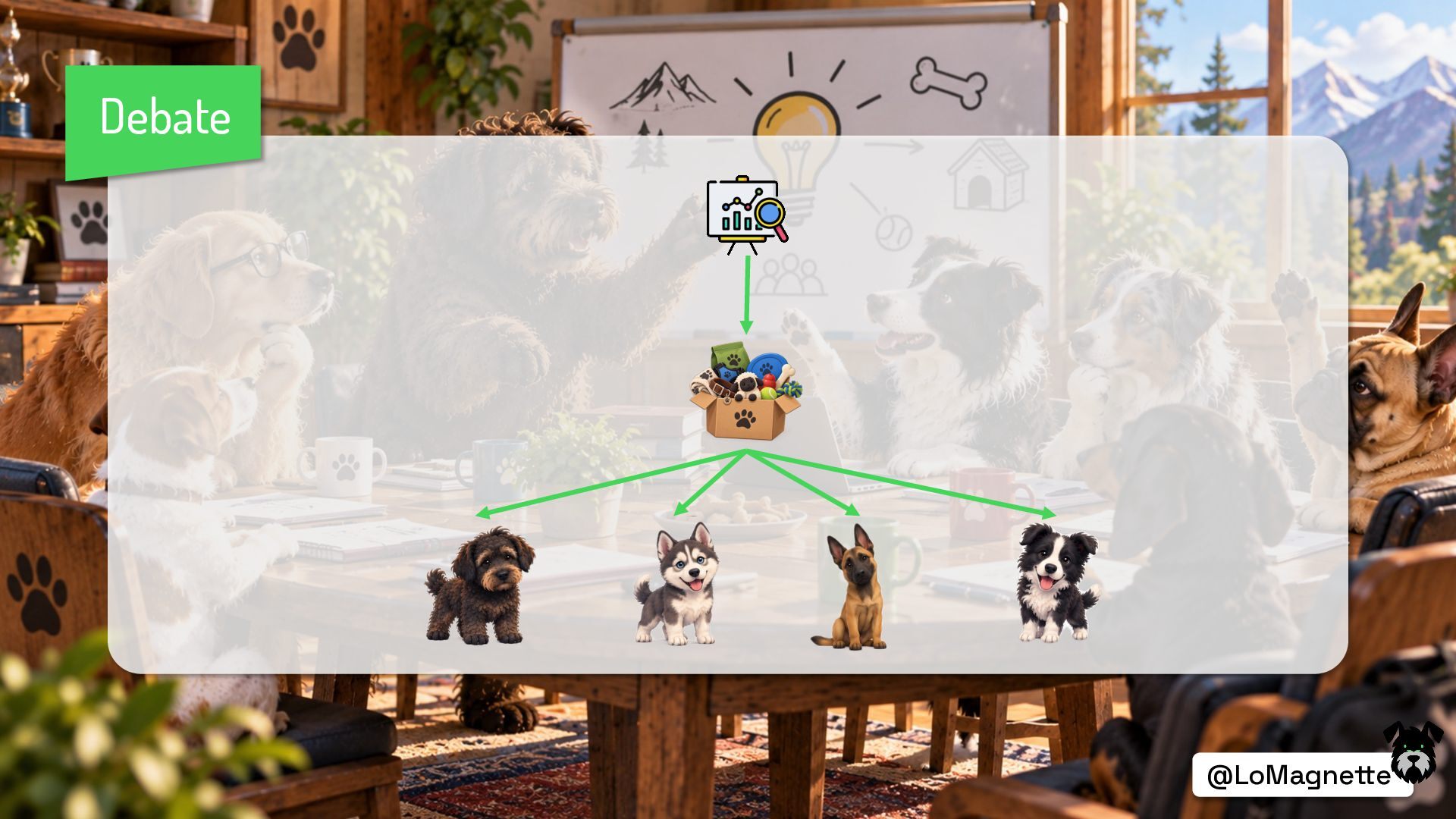
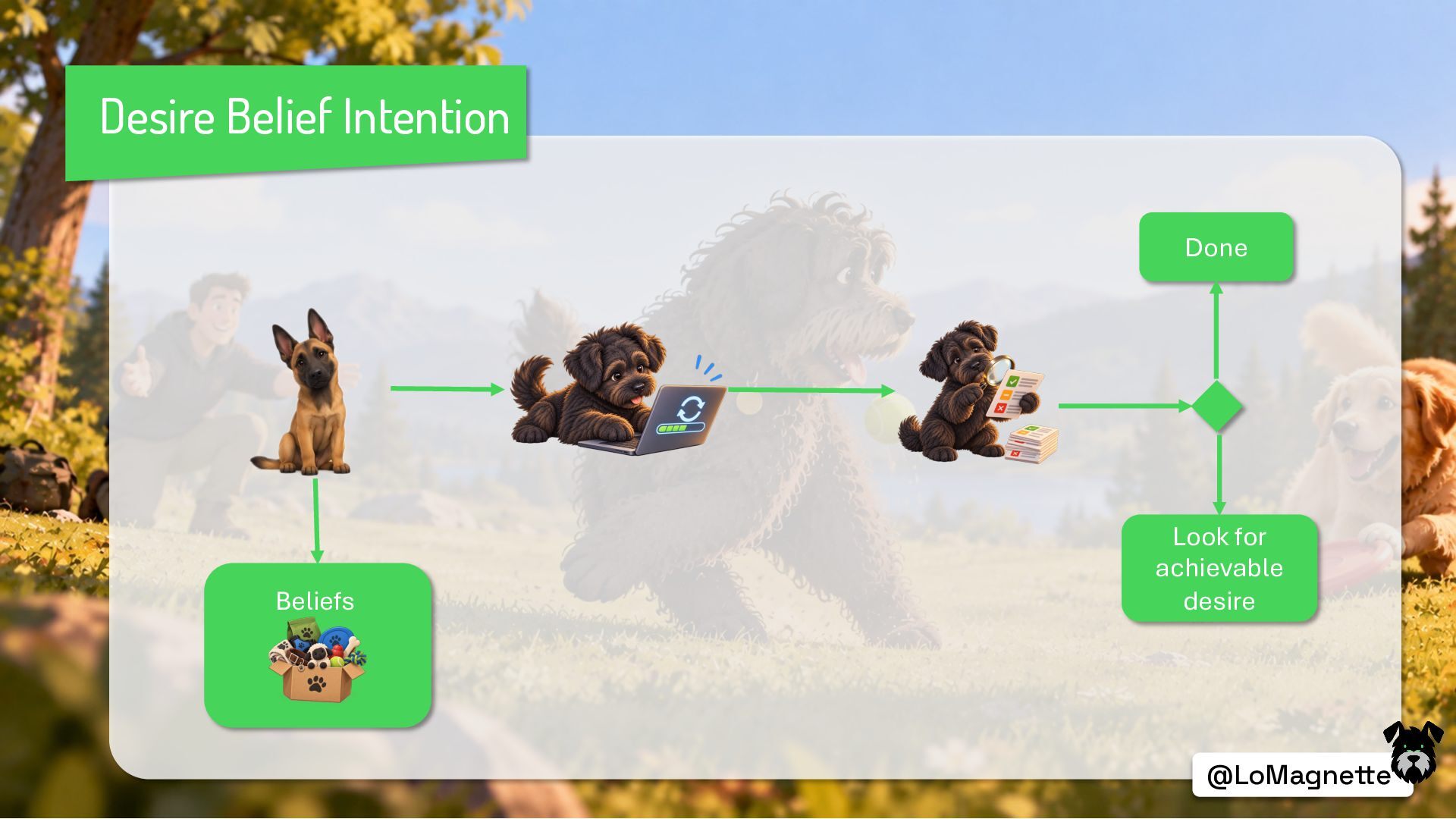
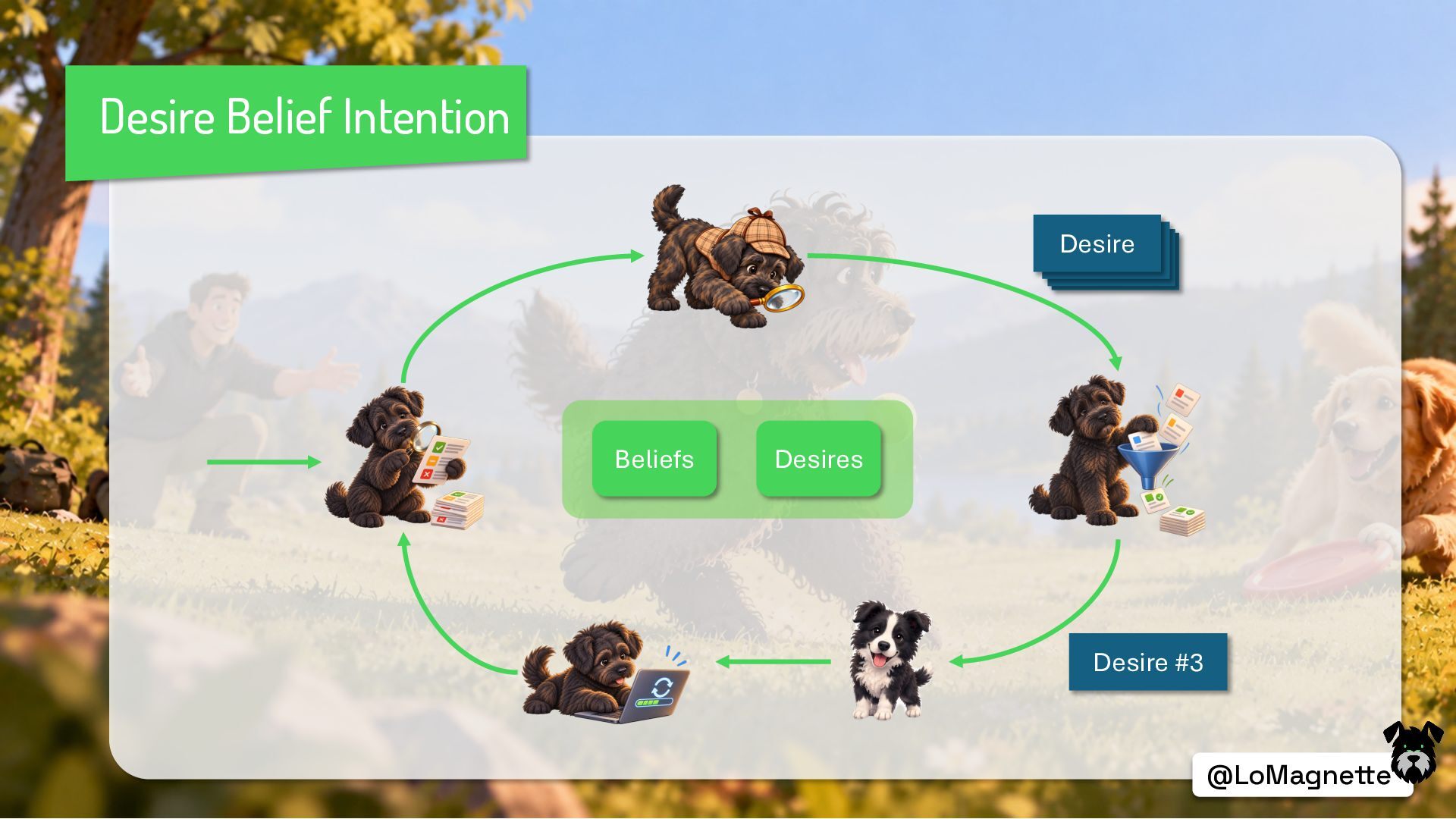
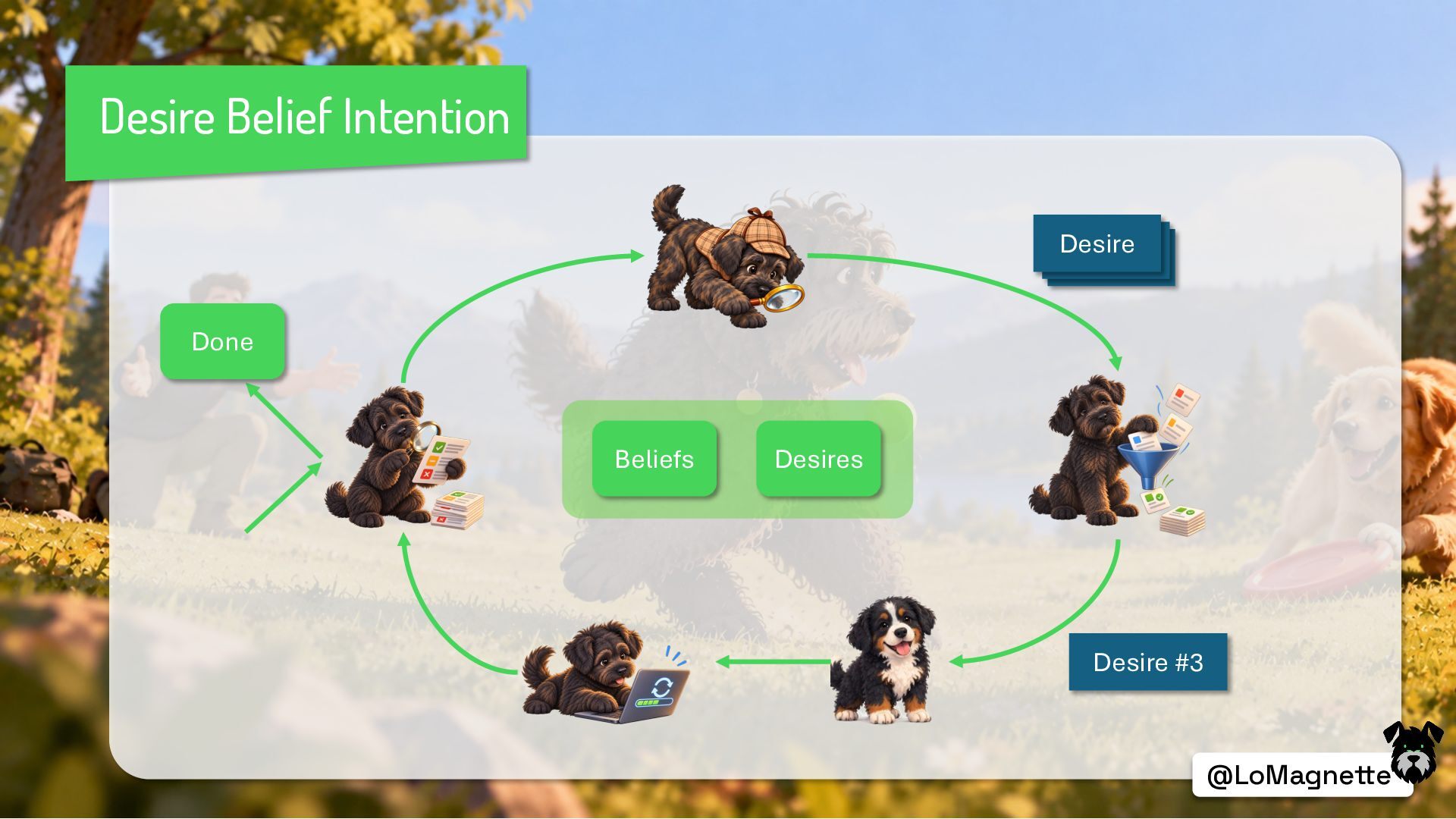
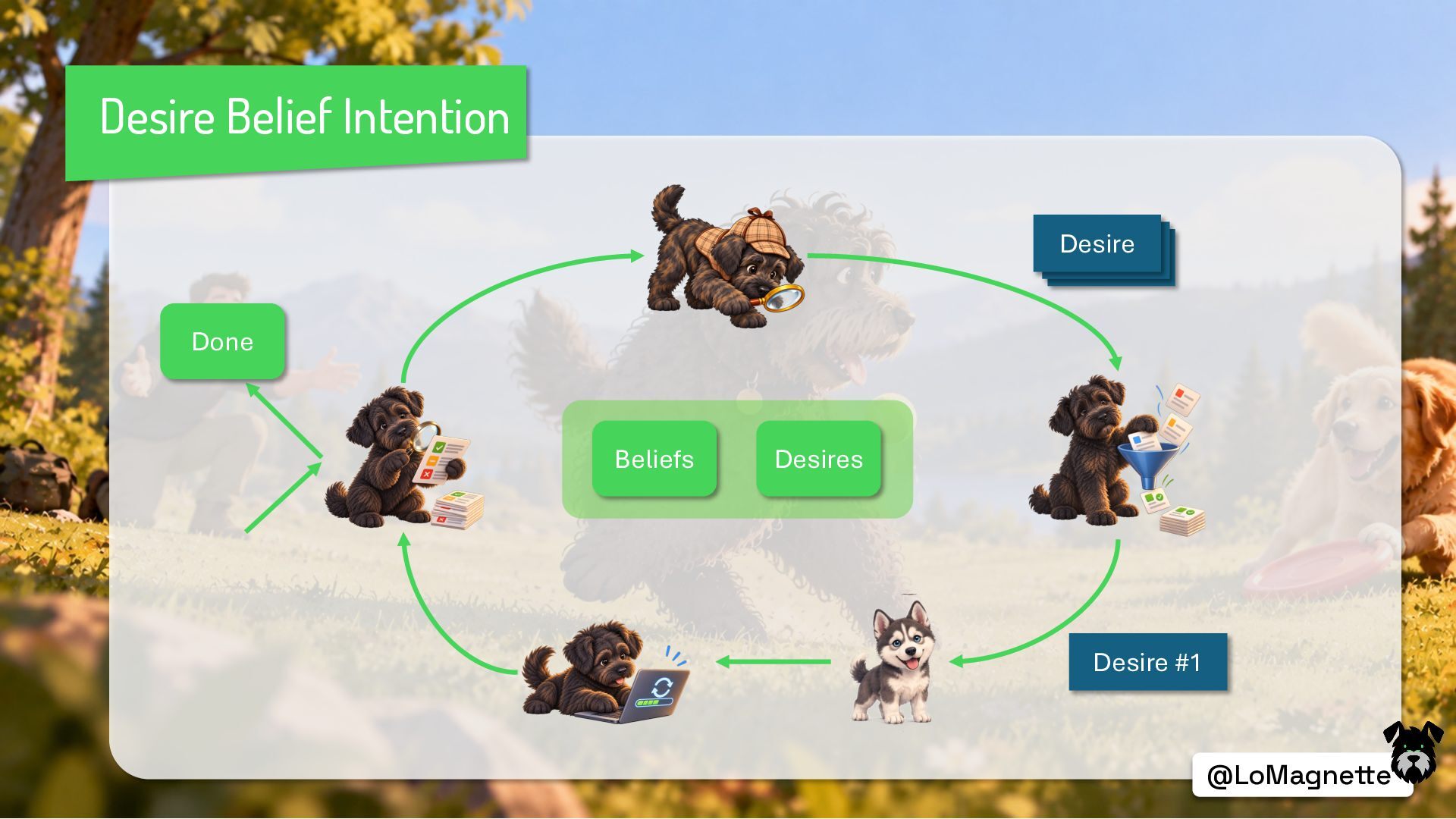
You have already built AI features into your Java application. The model is wrapped in a service, RAG feeds it context, tools are wired, calls are flowing. It works. Then requirements evolve. A single prompt-and-response is no longer enough. You need steps that follow each other, branches based on decisions, retries when things fail, sometimes several actions at once. The question shifts from "how do I call an LLM?" to "how do I keep it under control?".
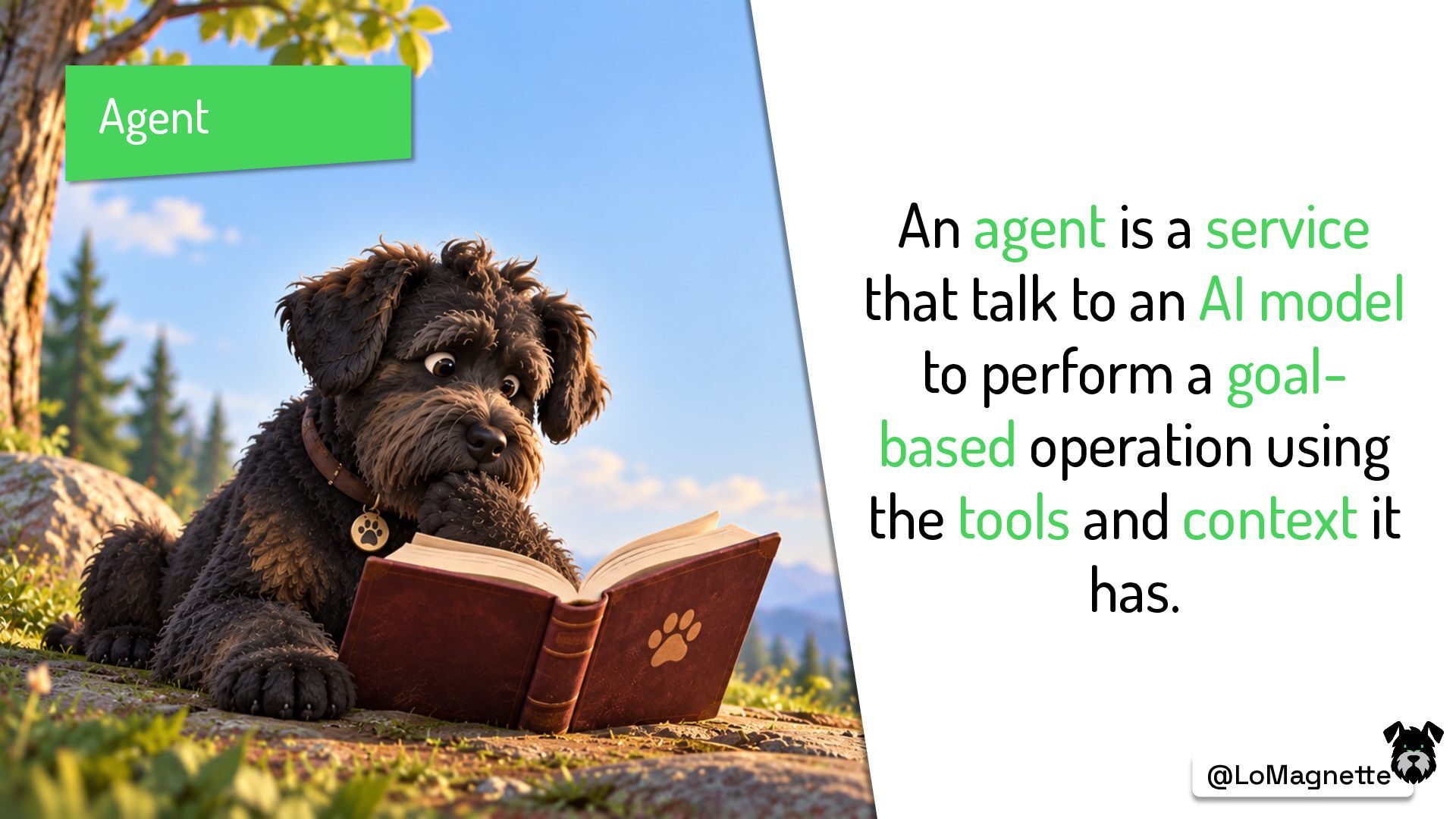
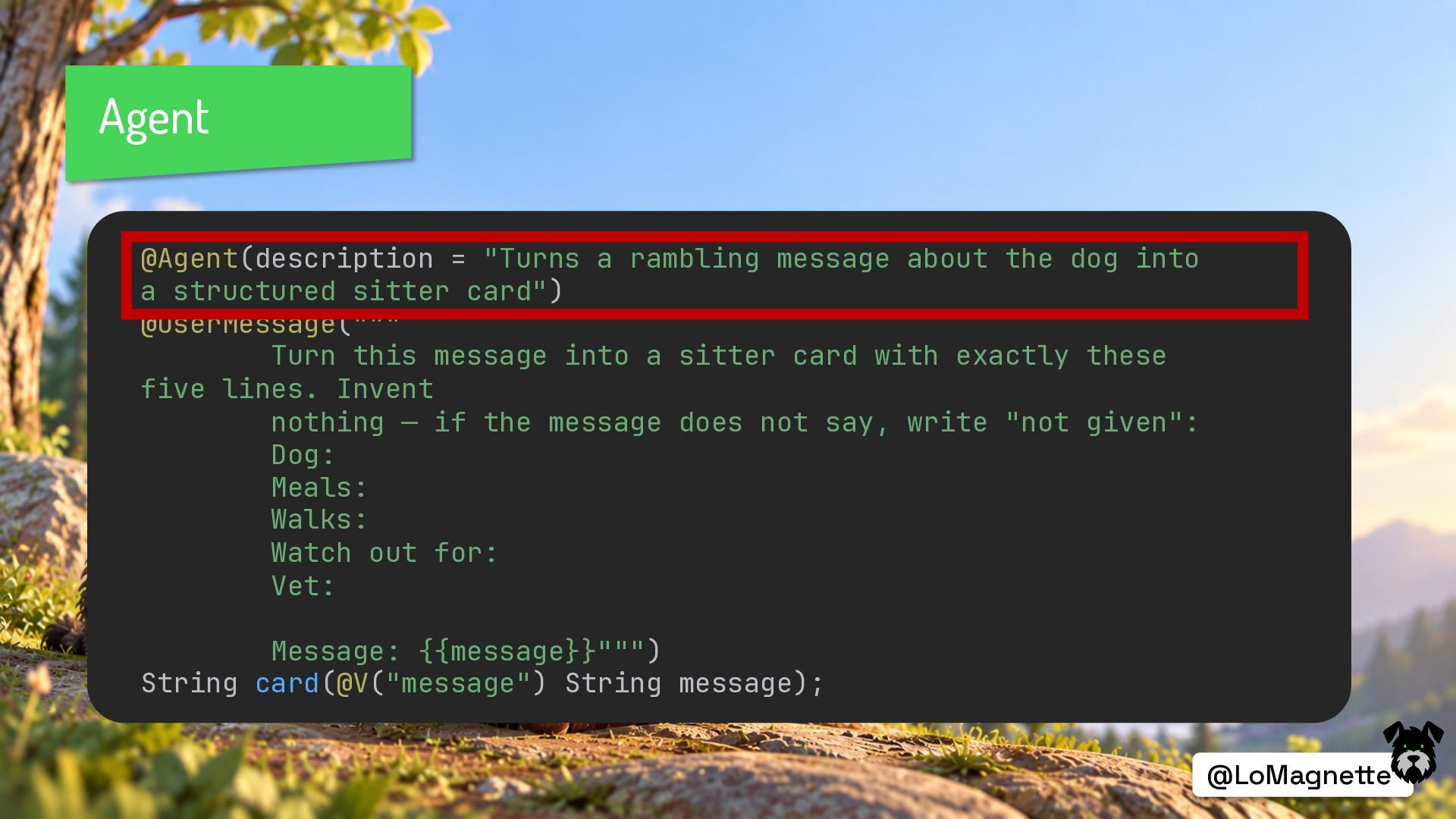
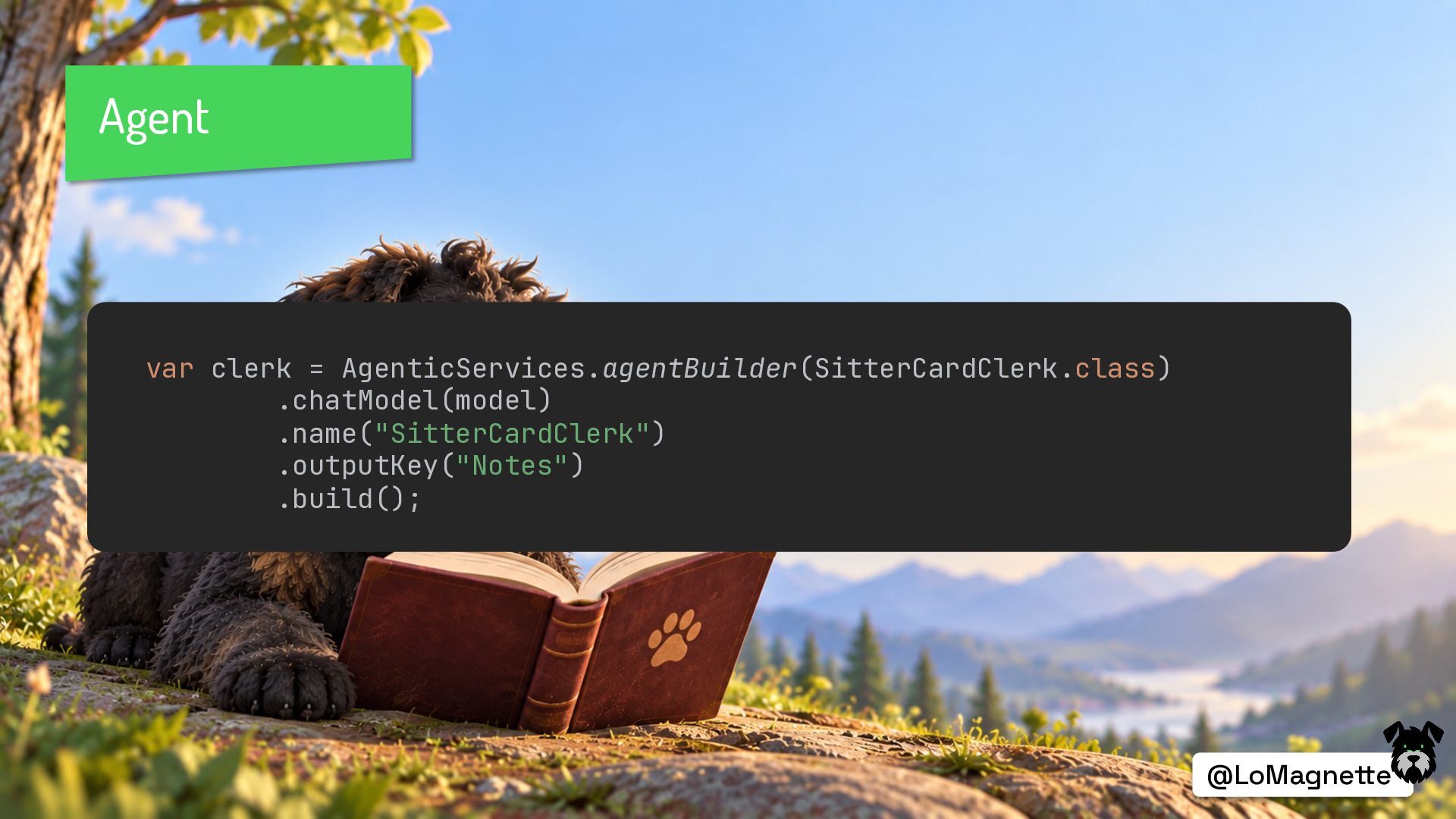
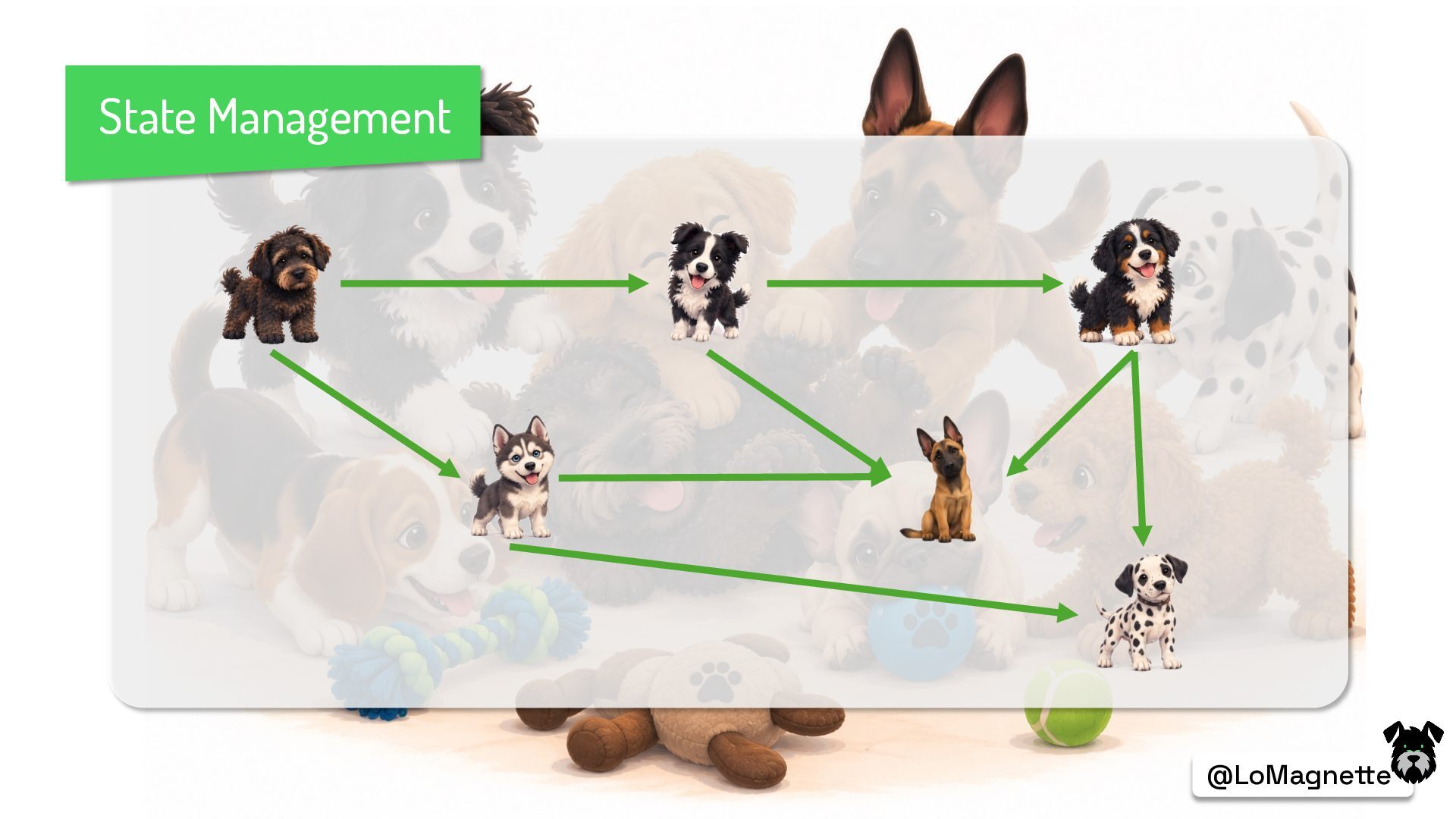
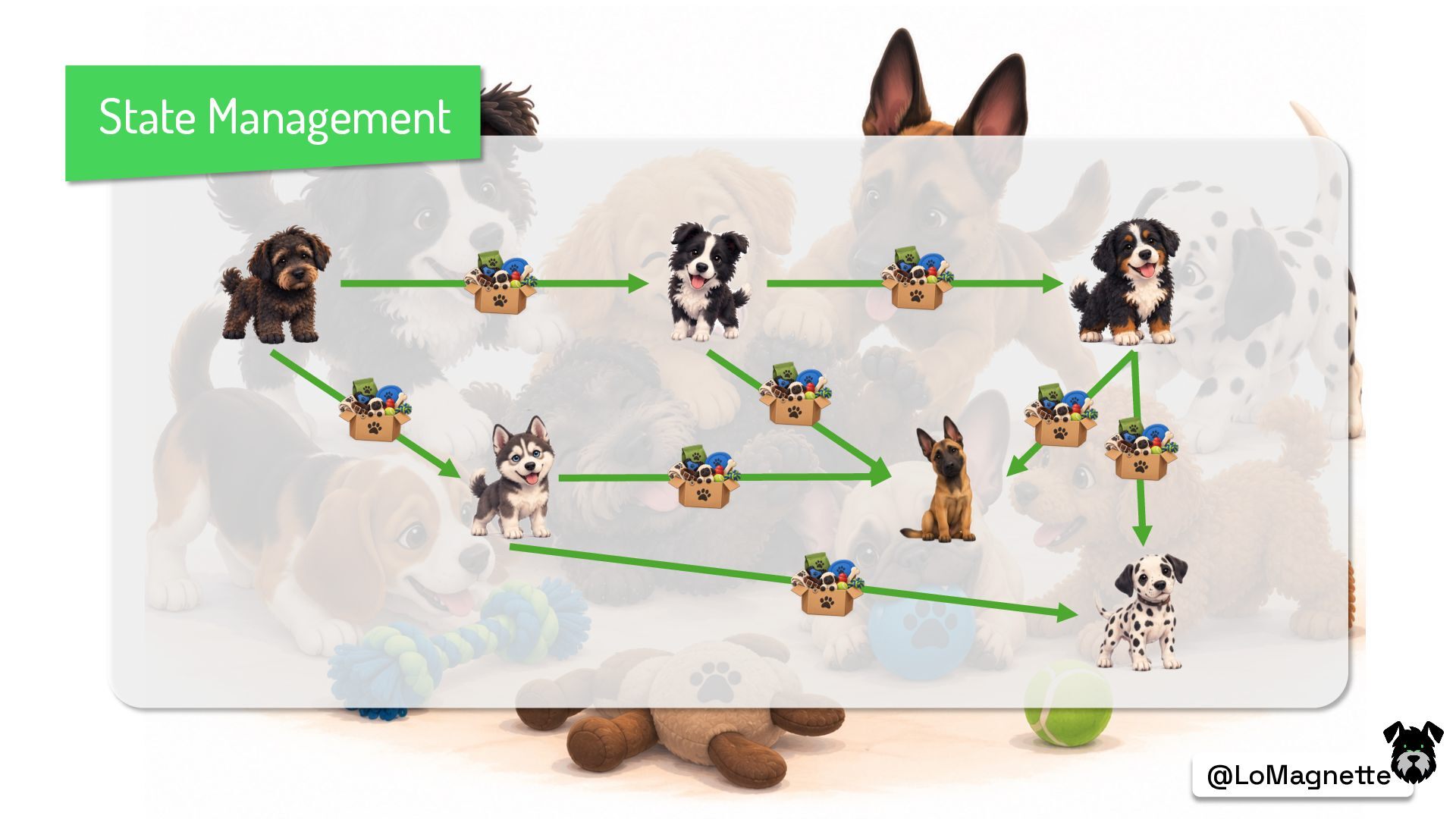
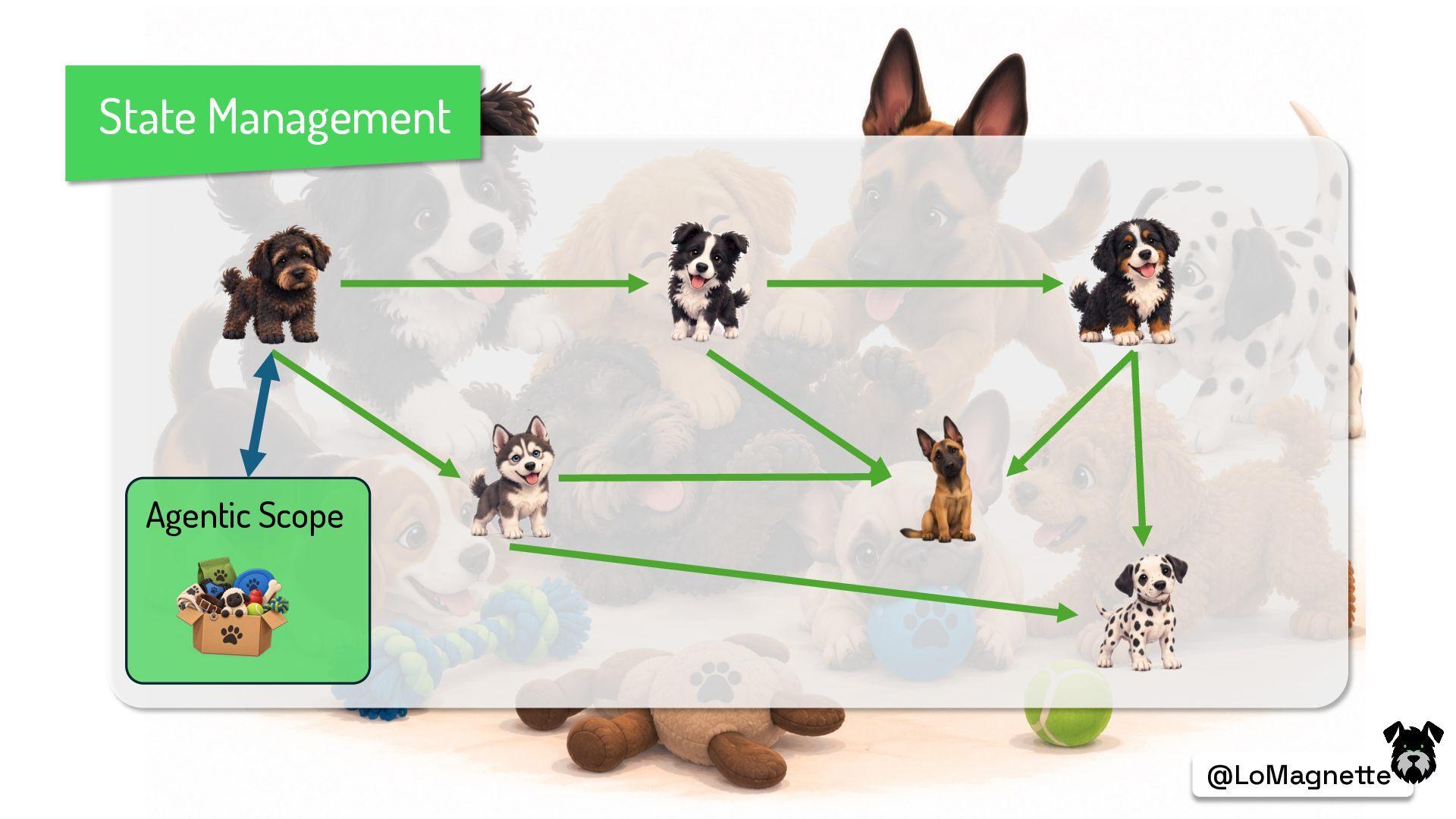
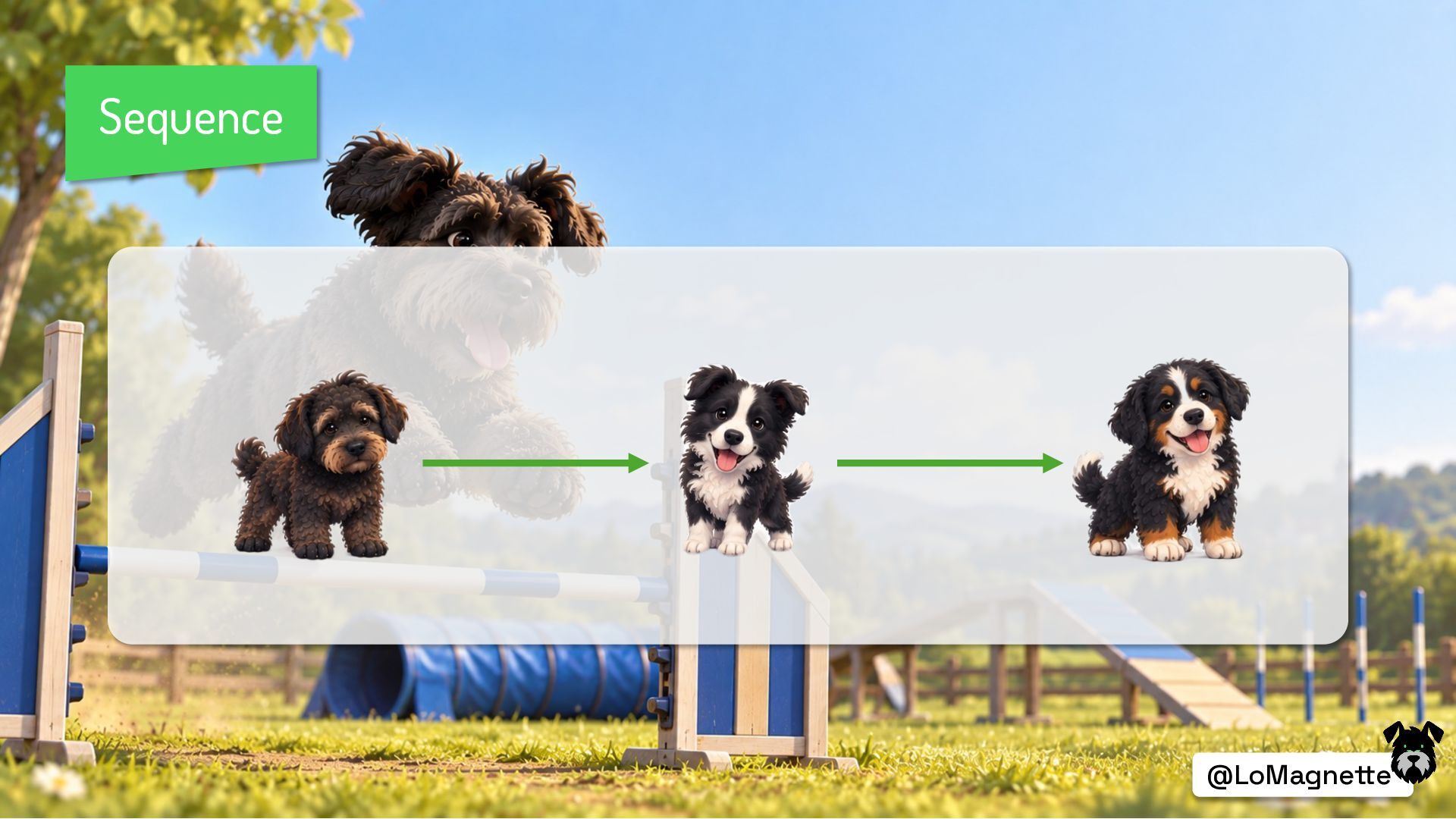
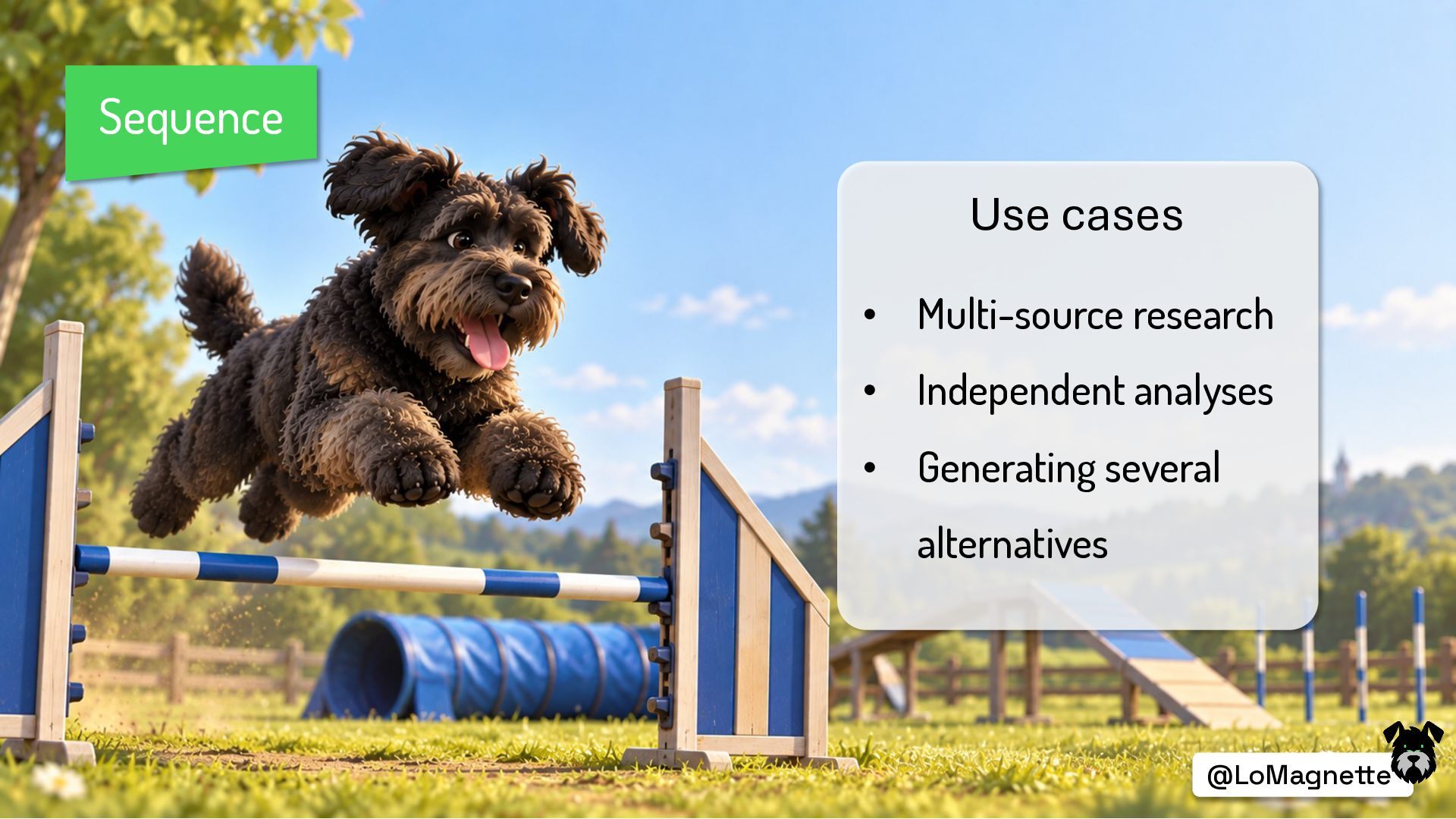
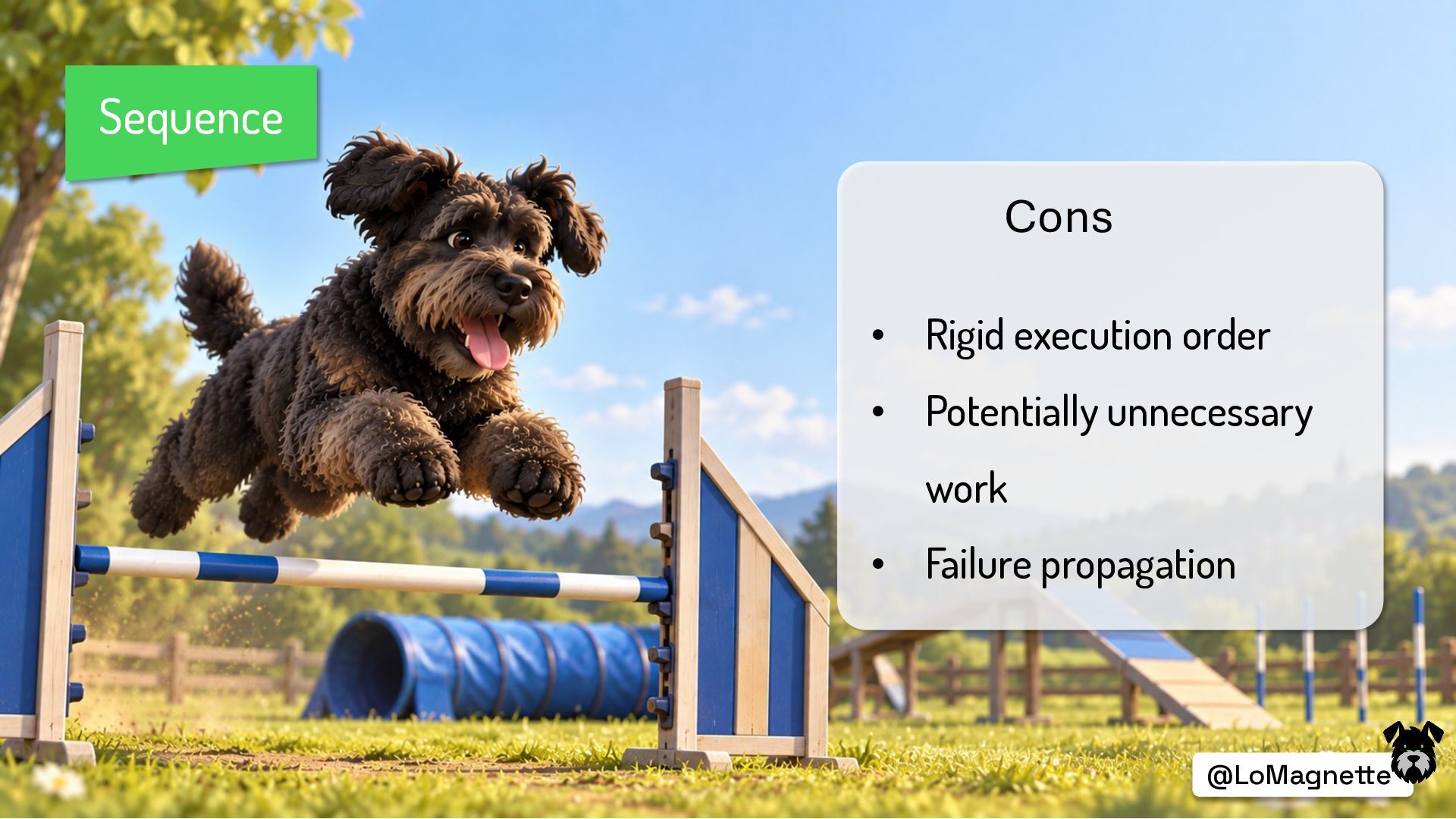
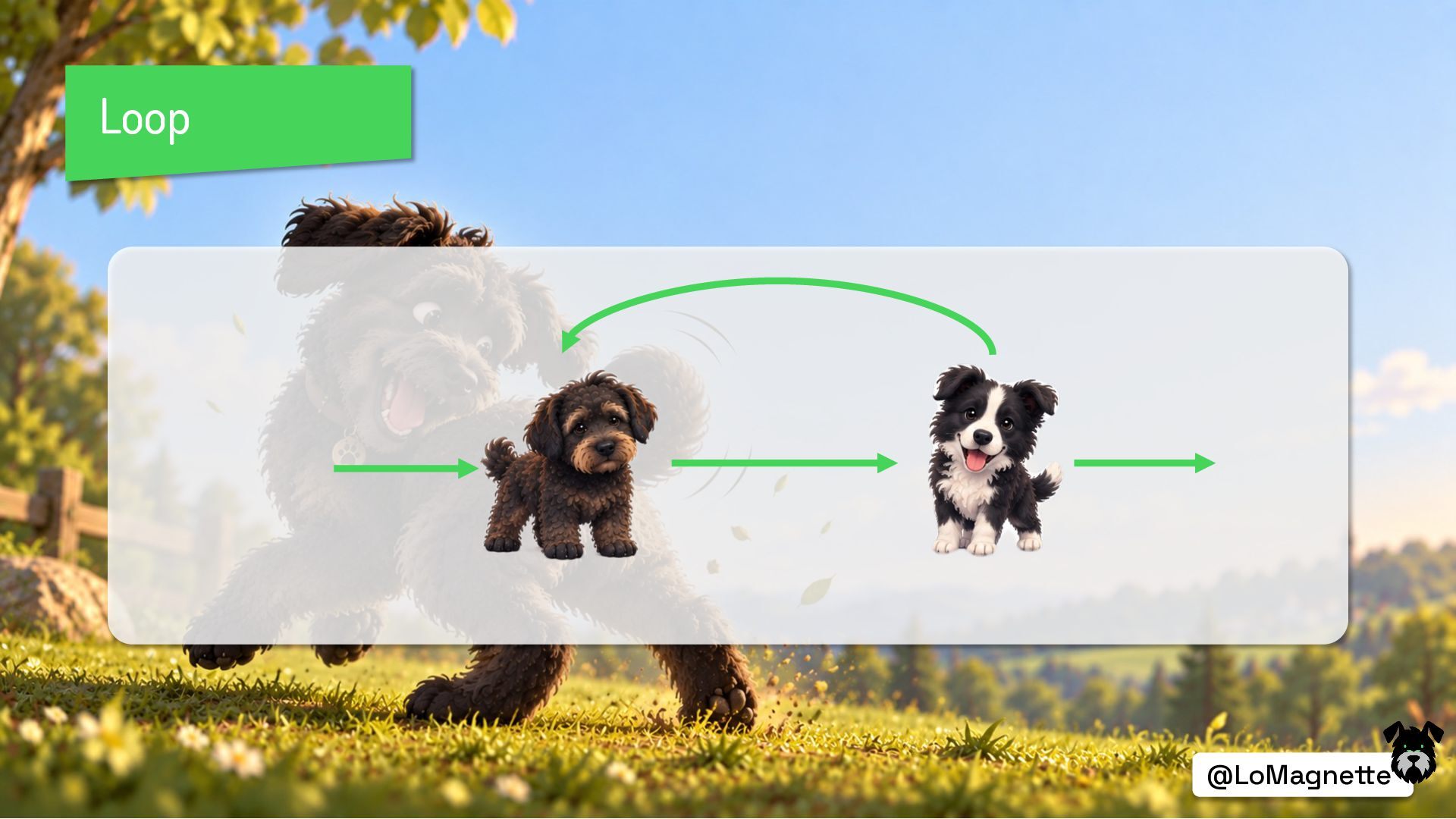
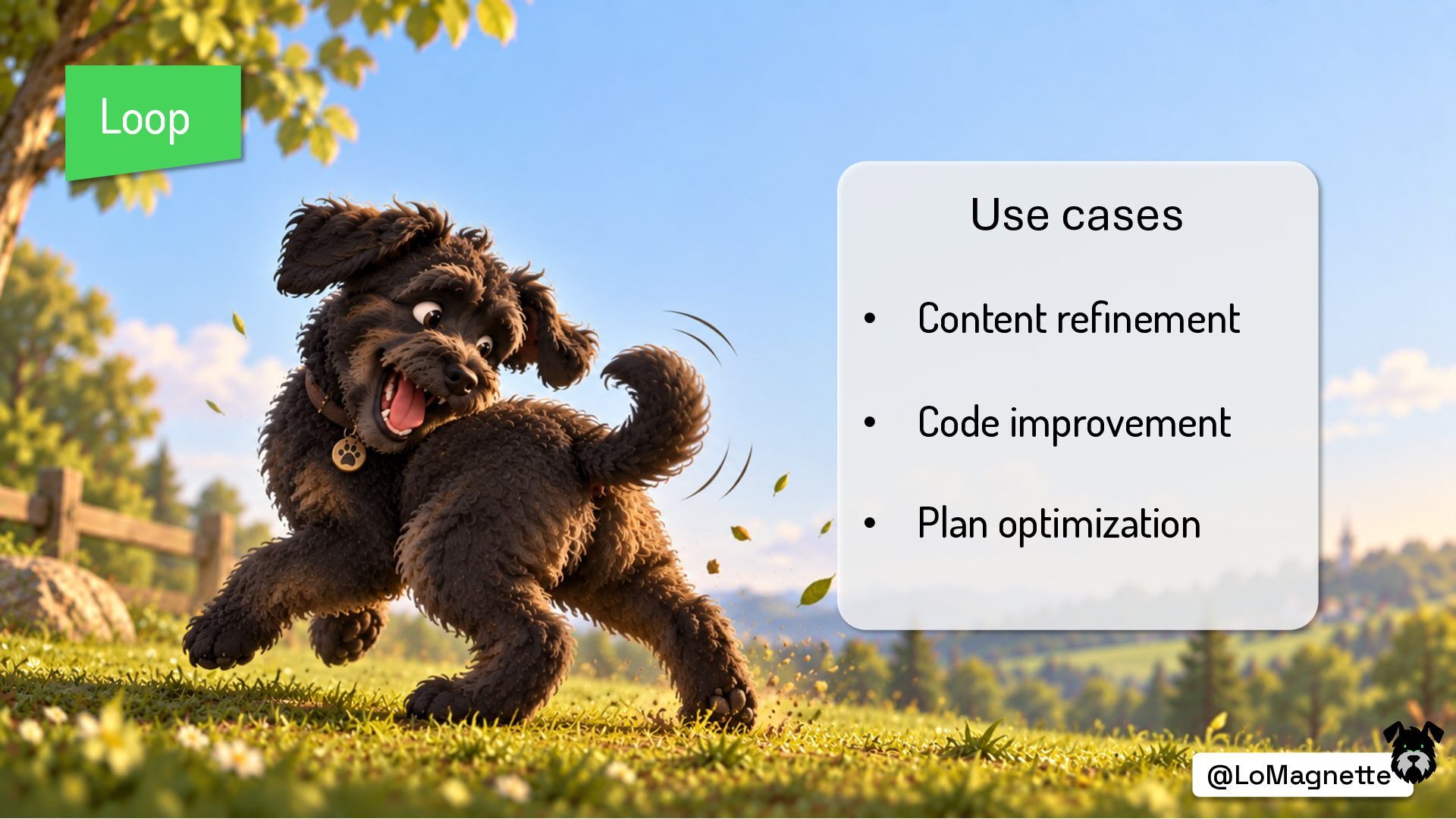
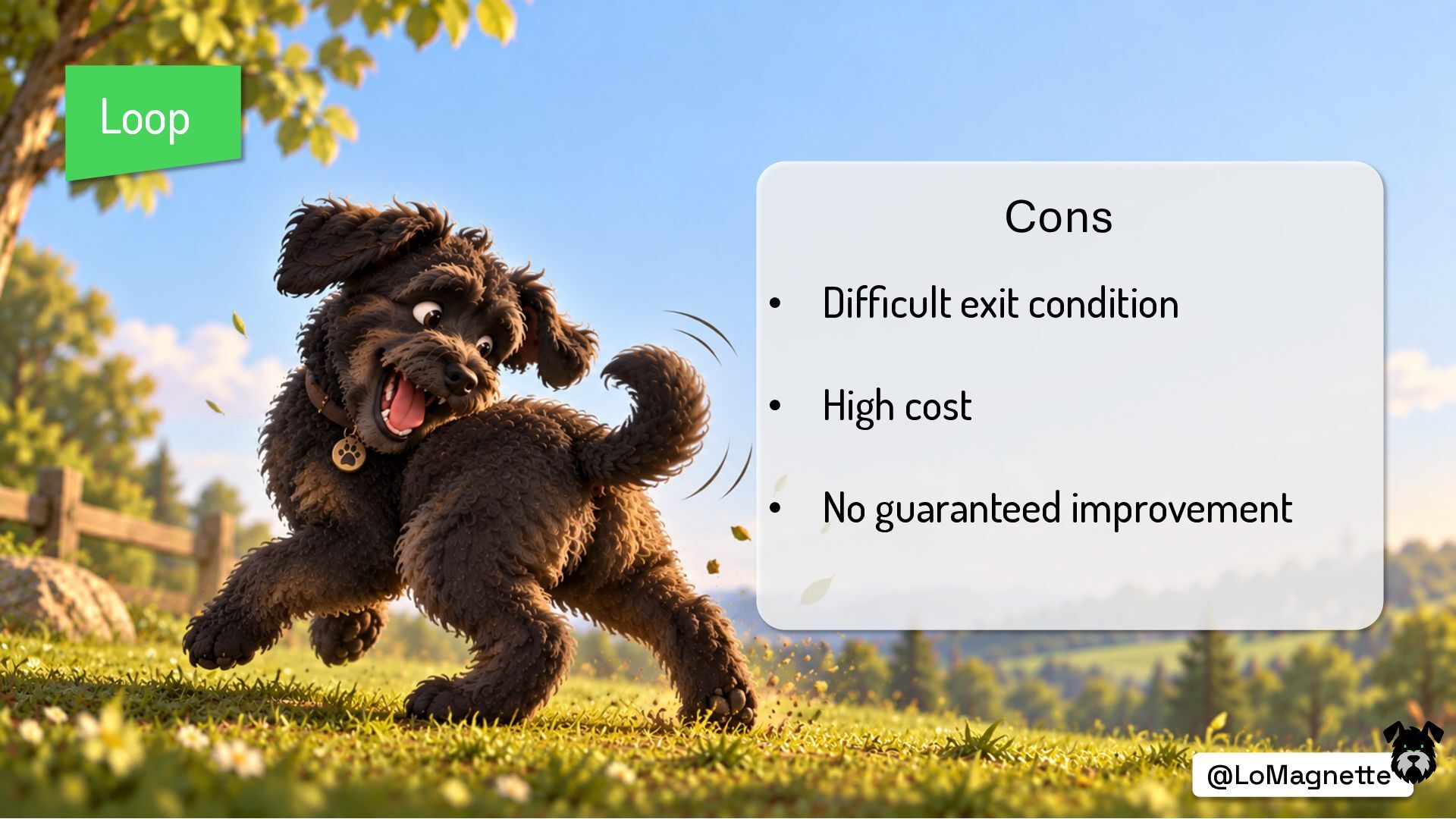
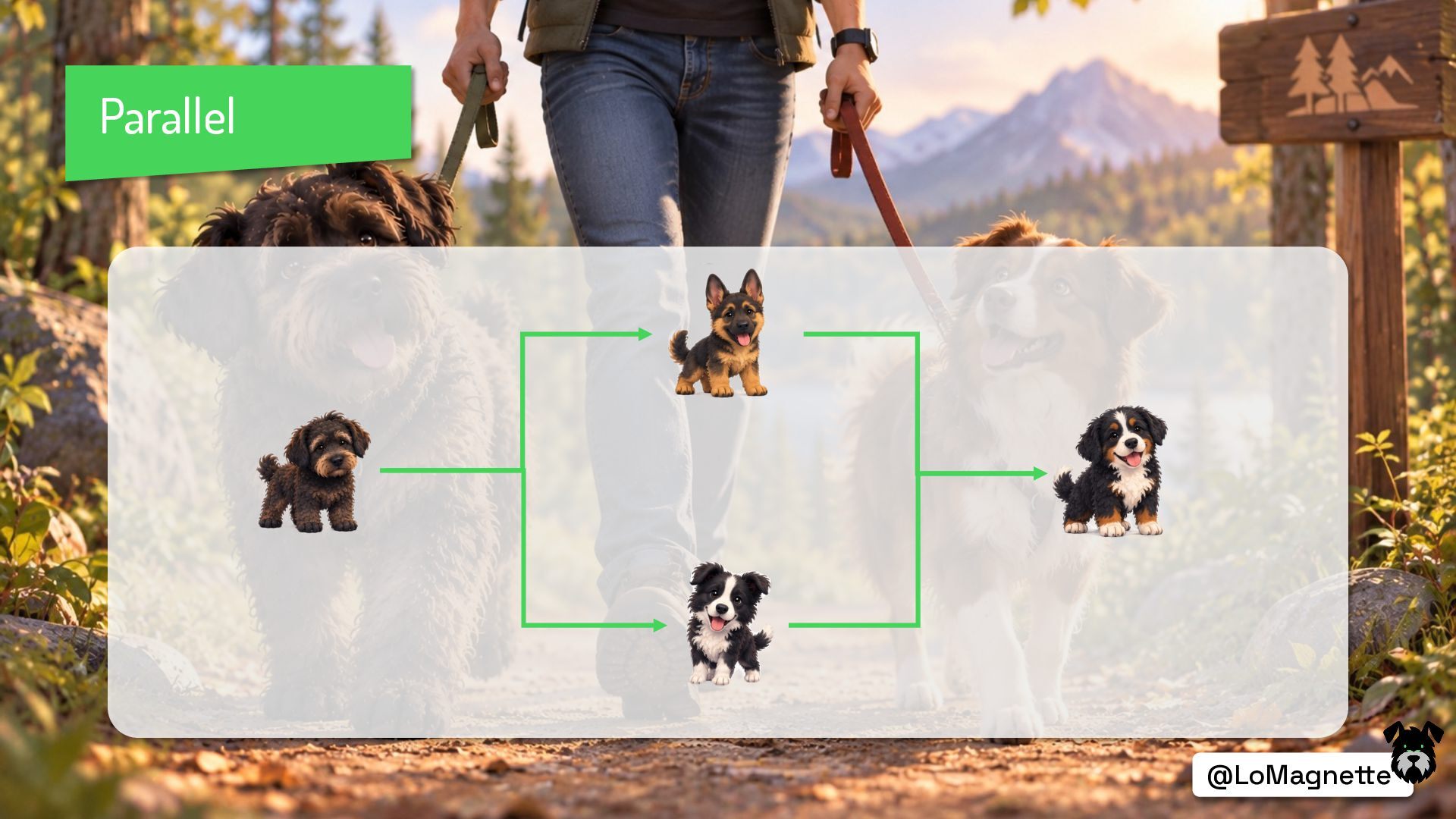
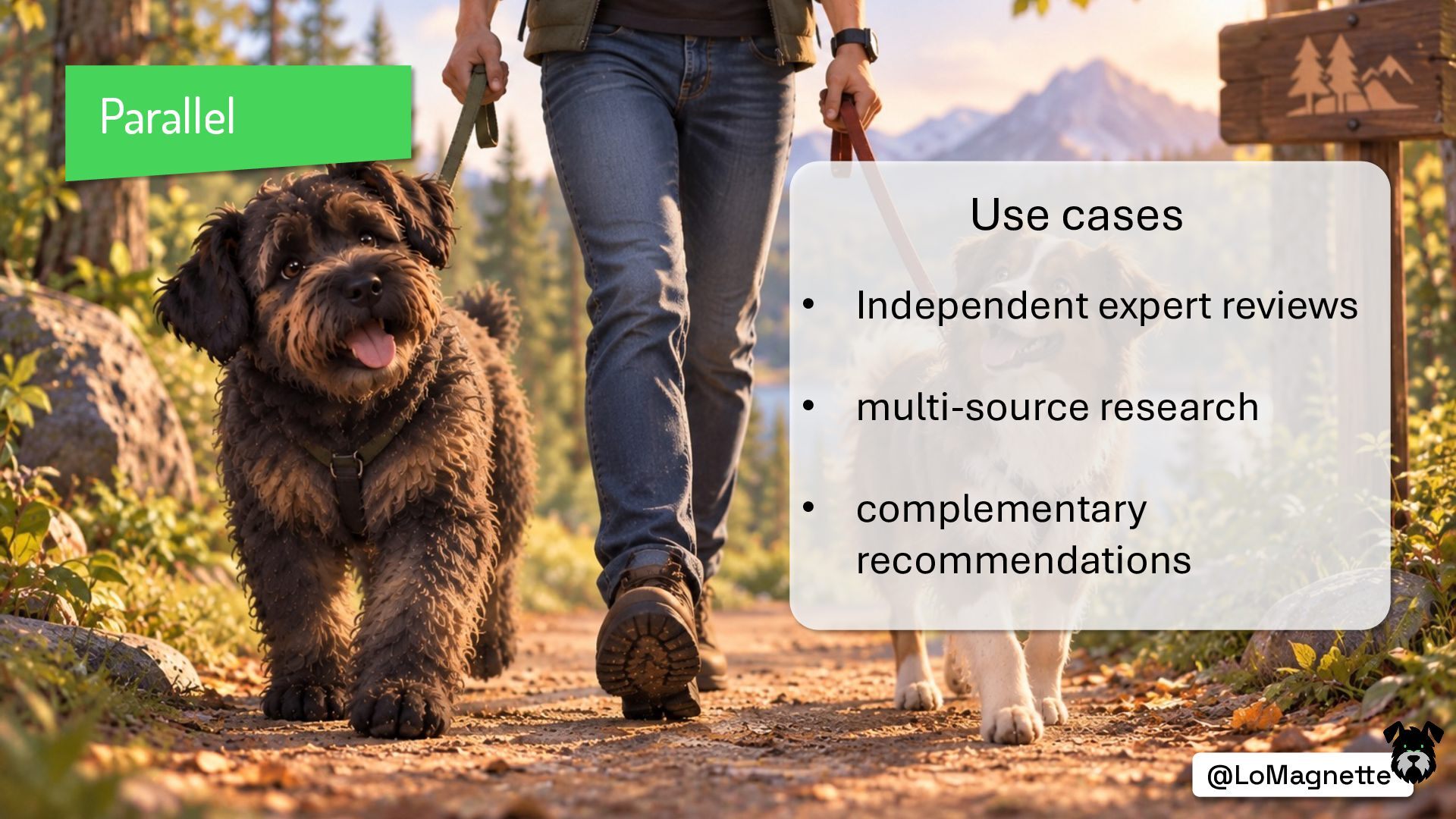
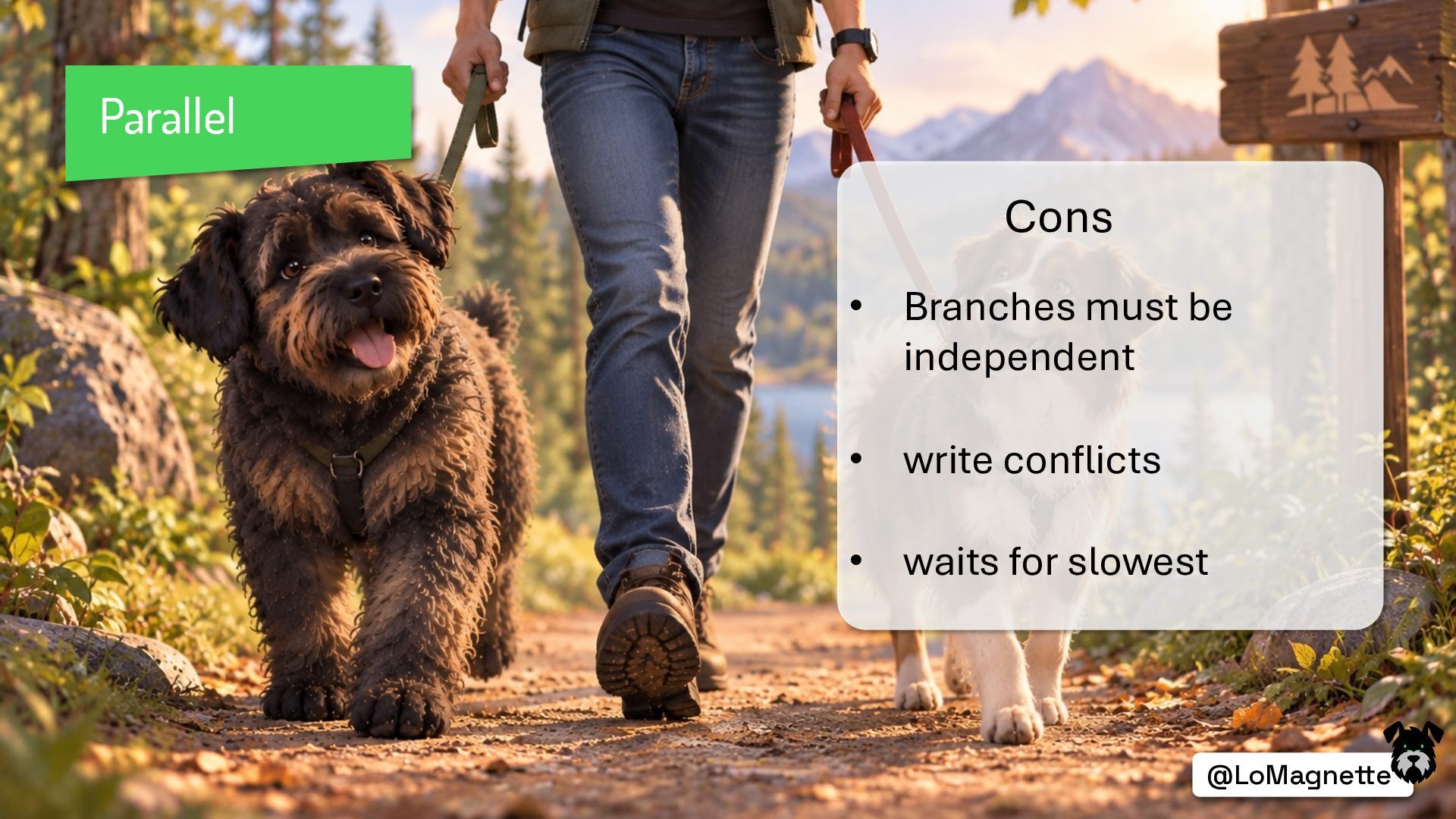
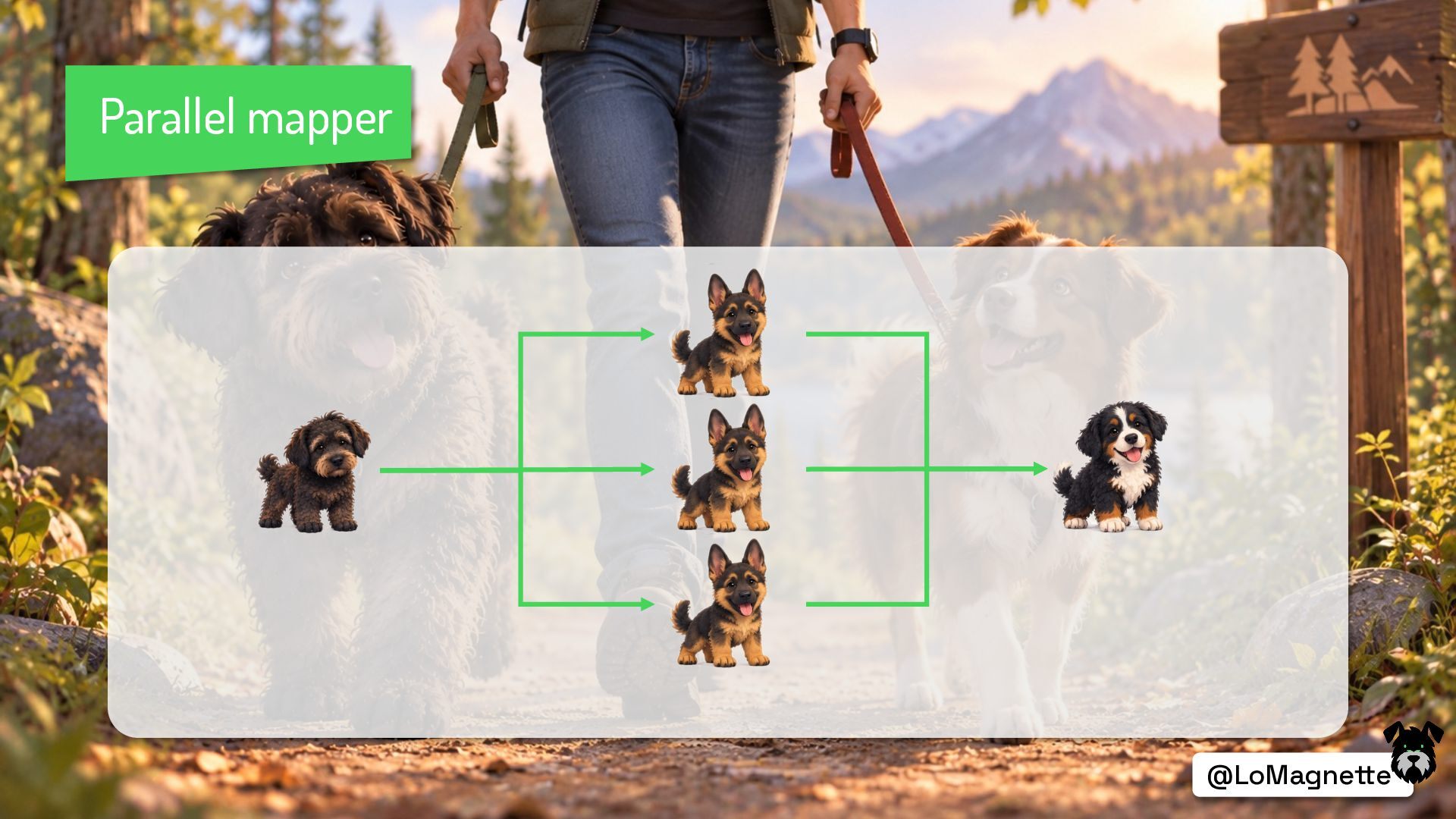
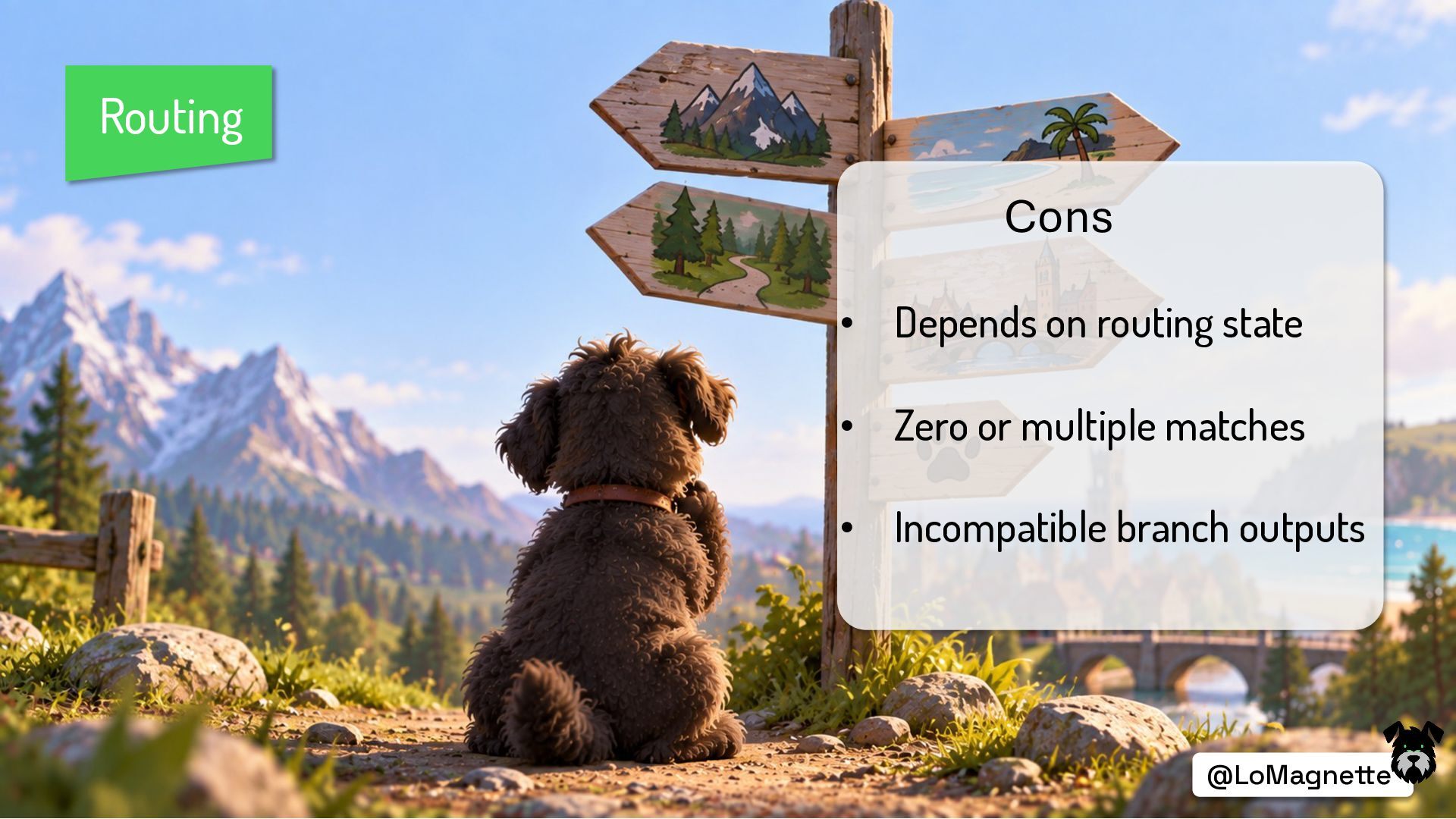
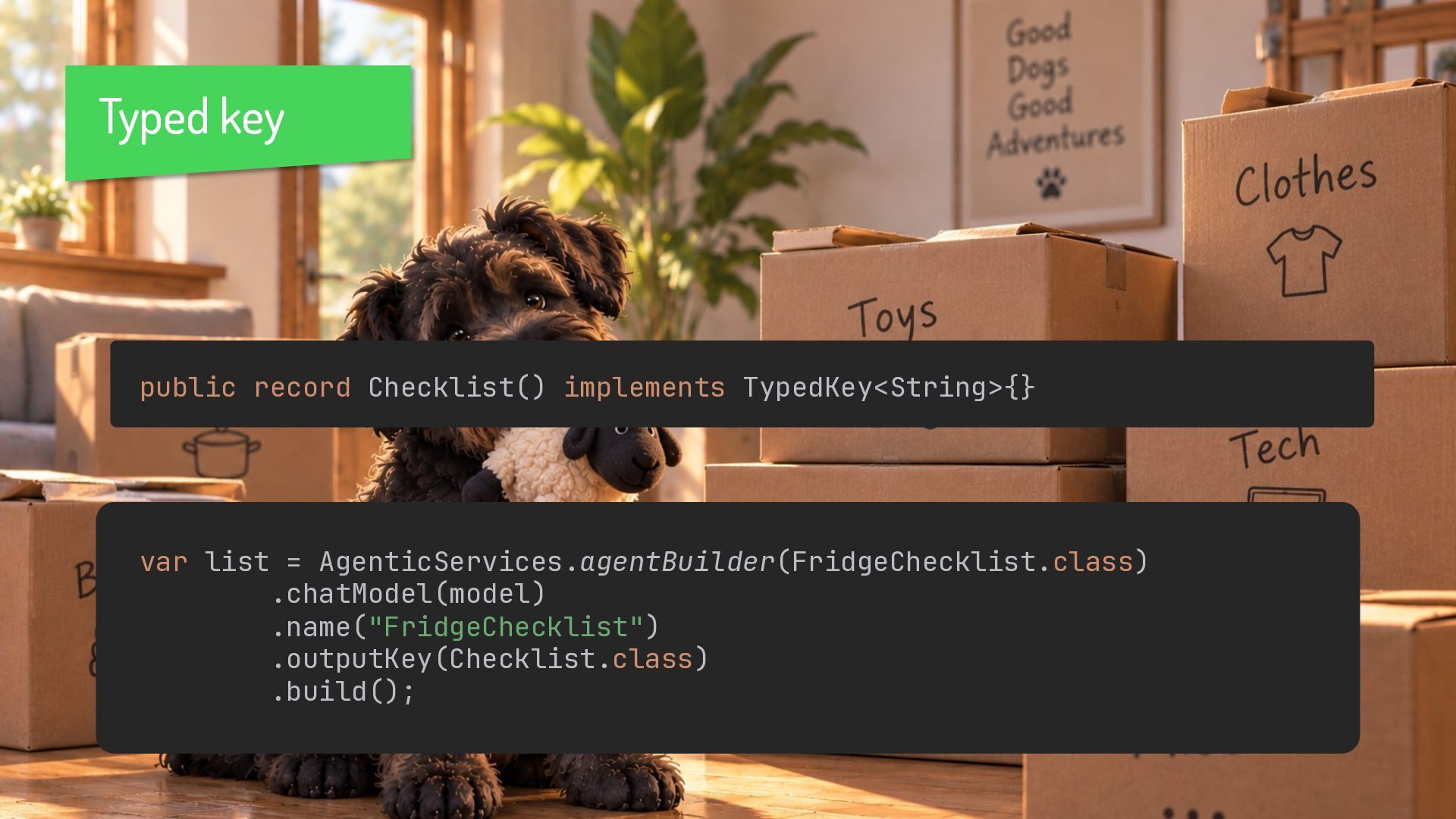
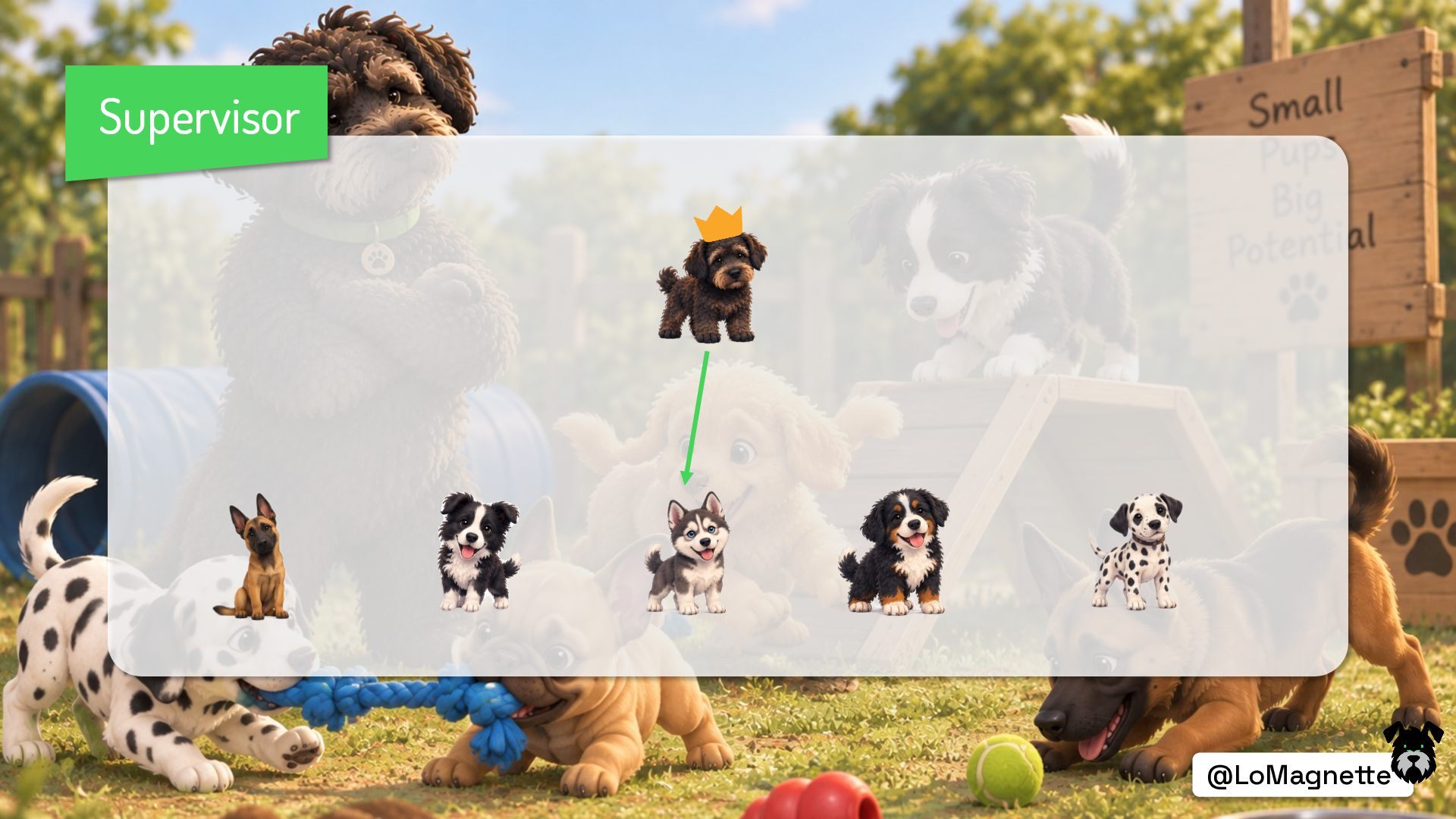
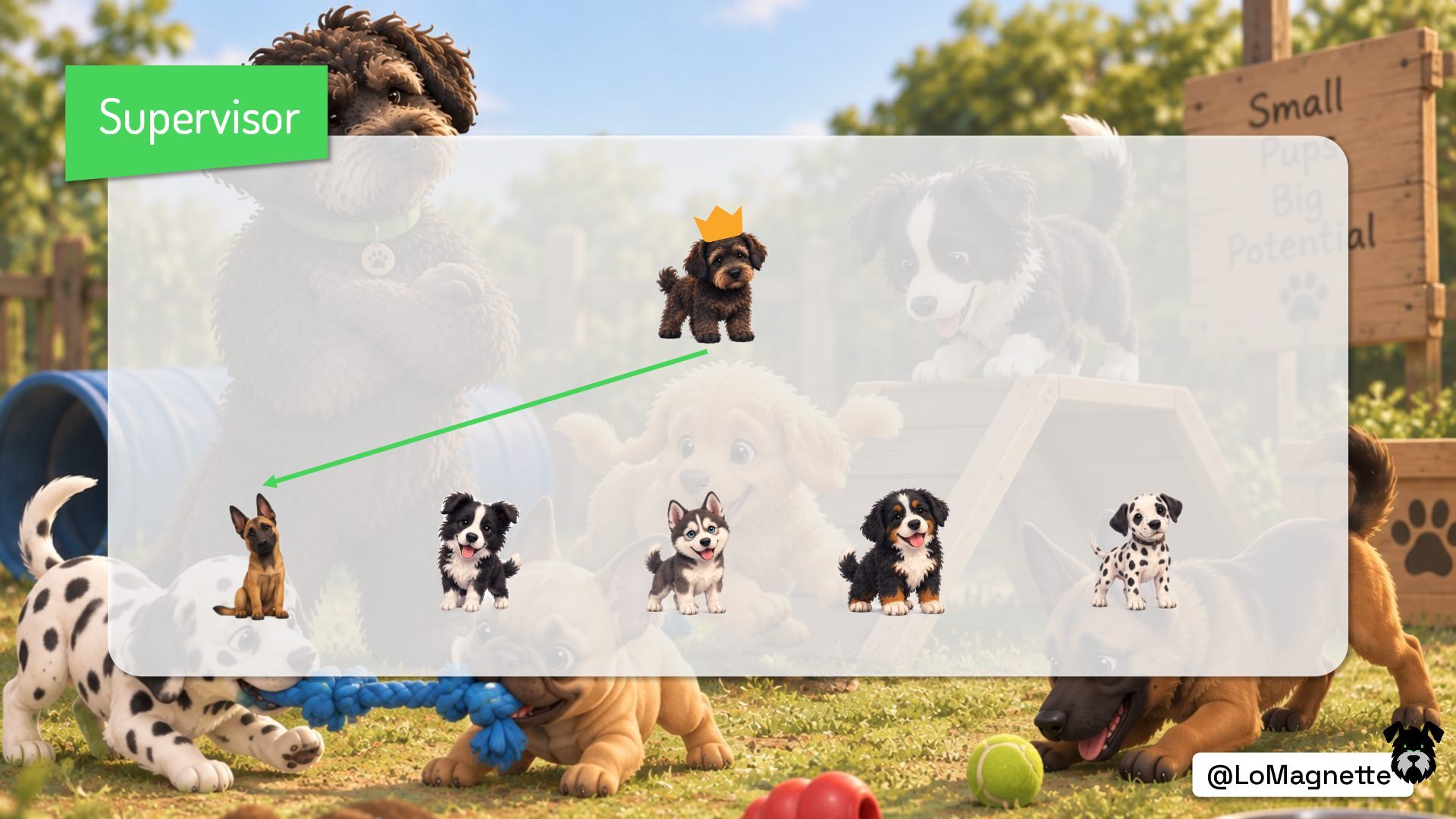
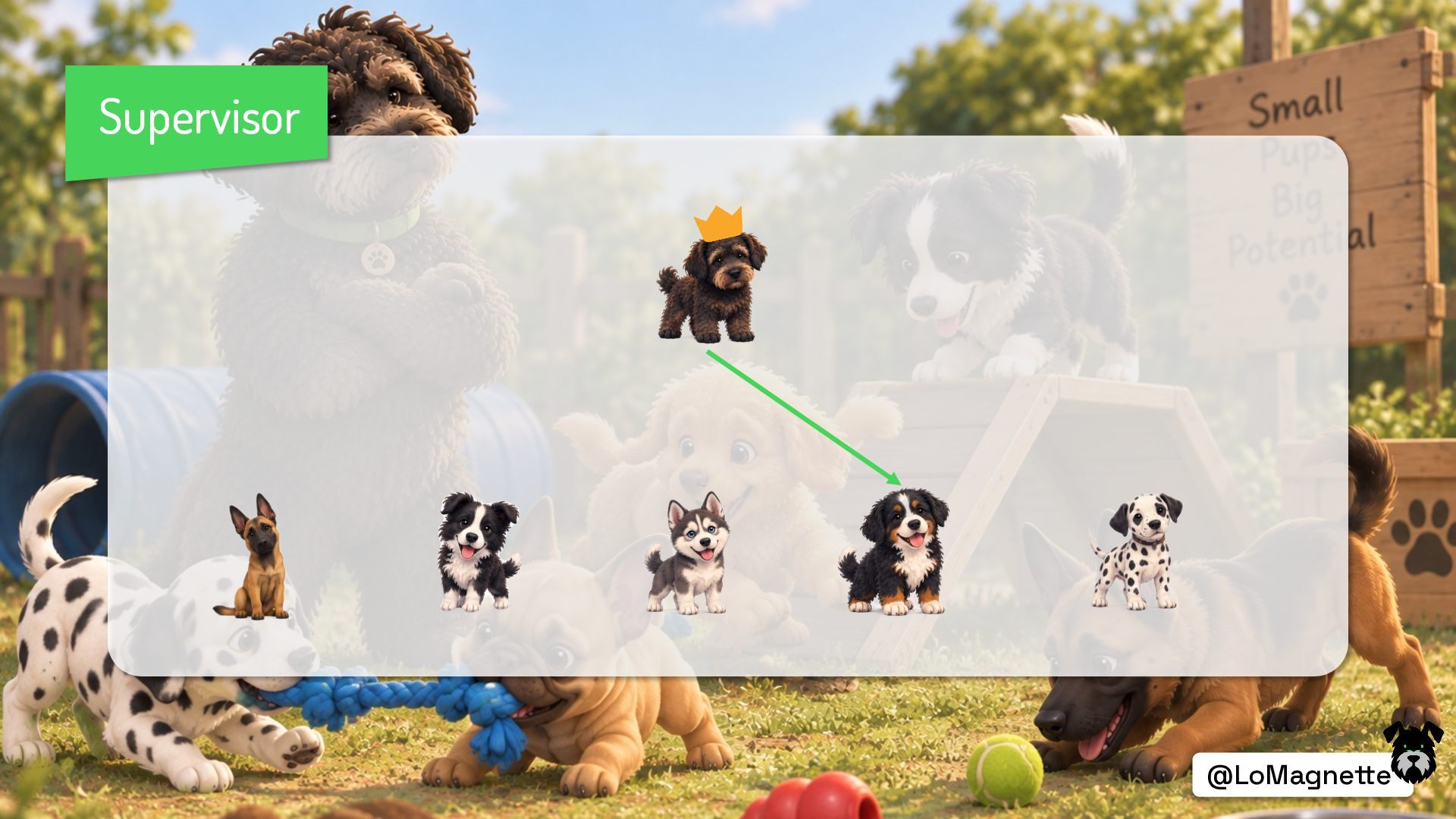
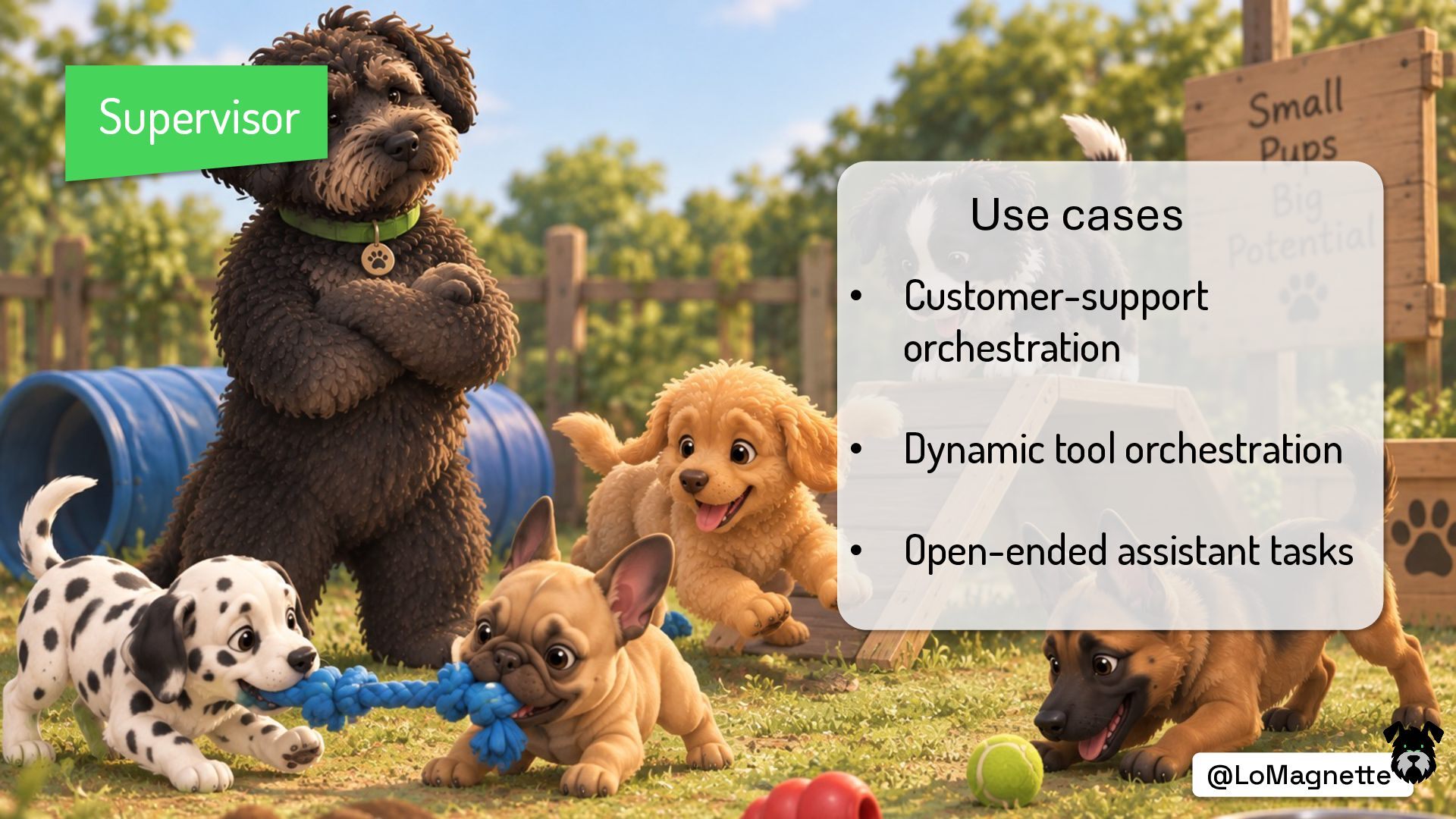
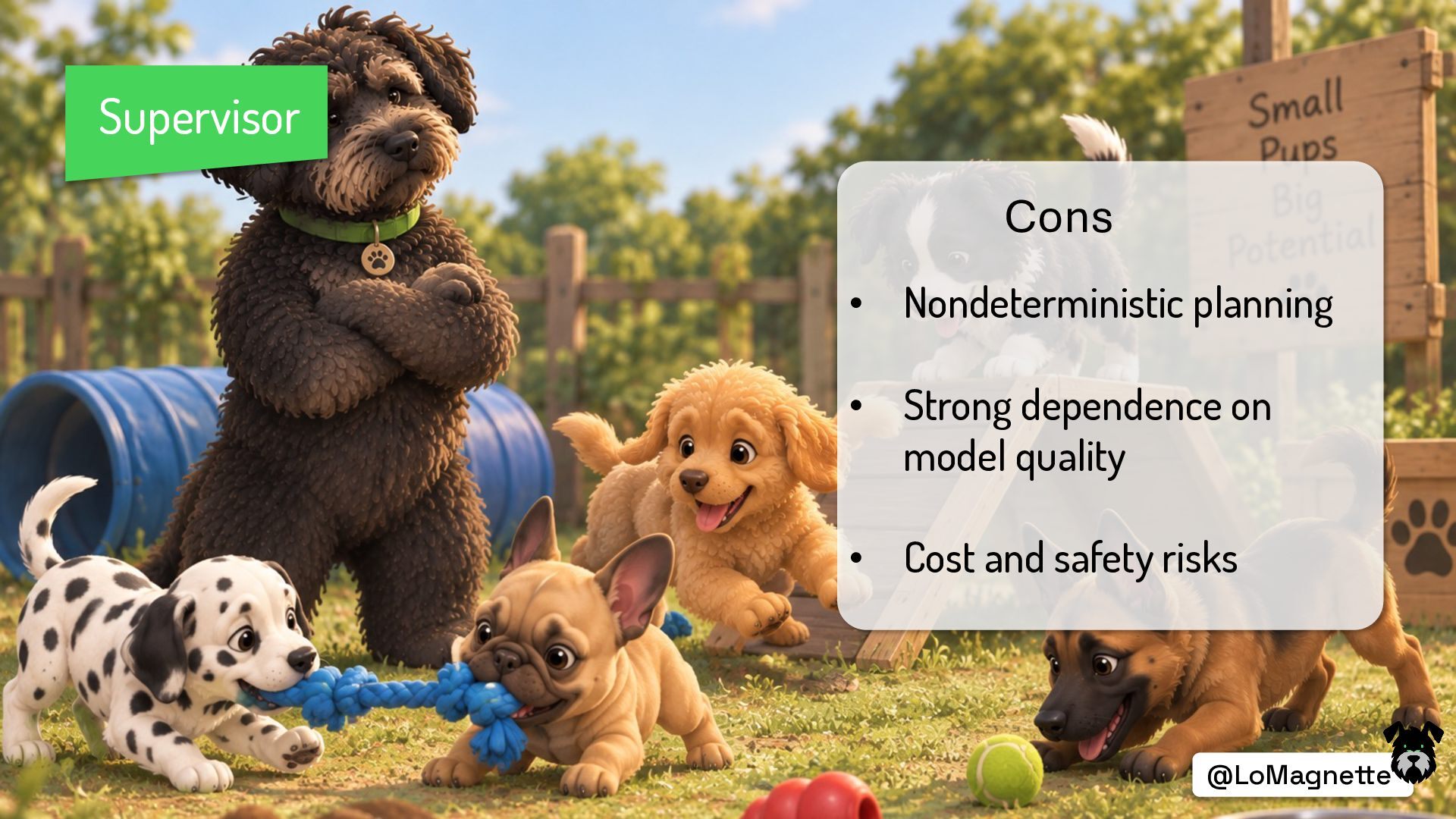
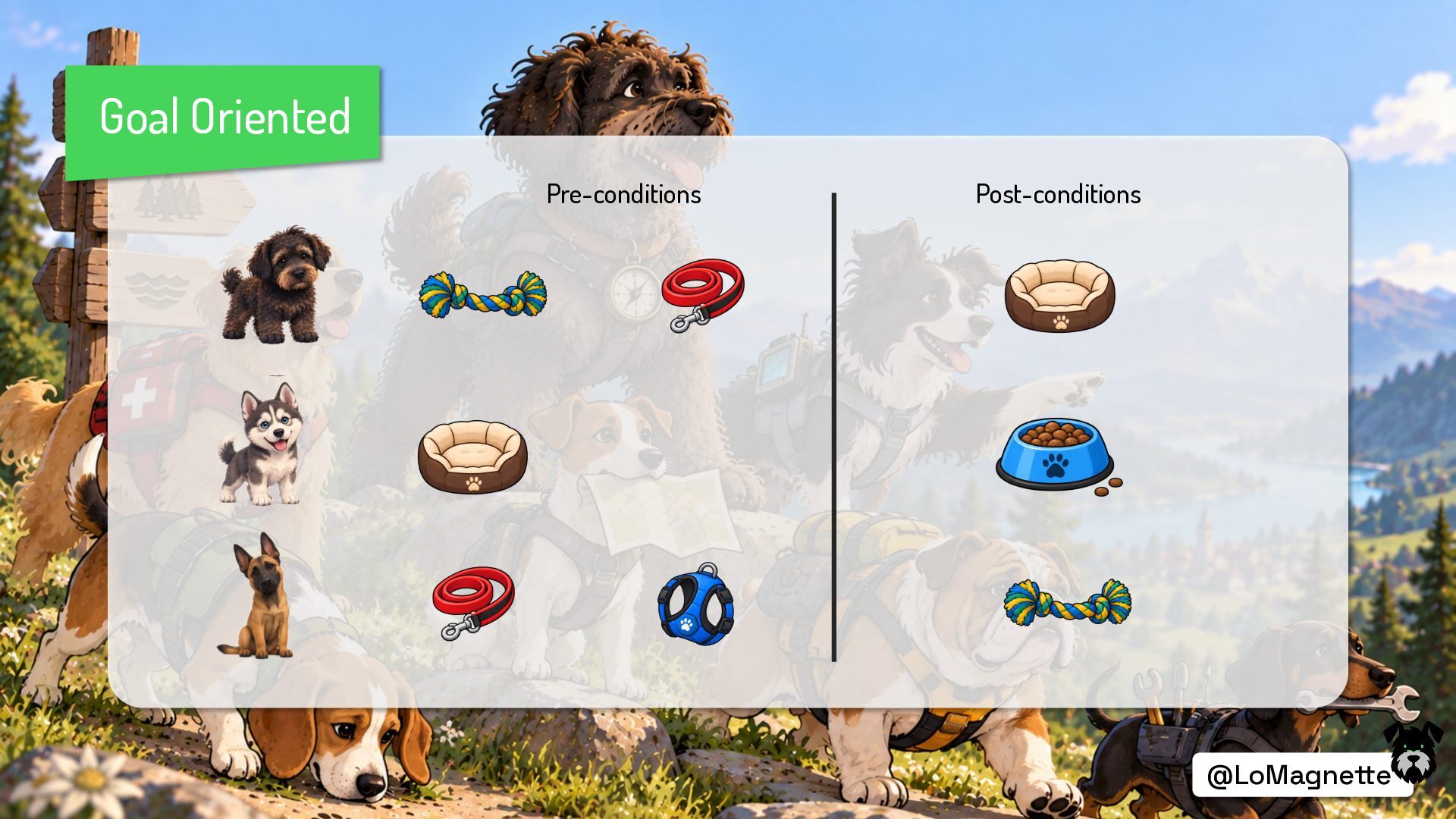
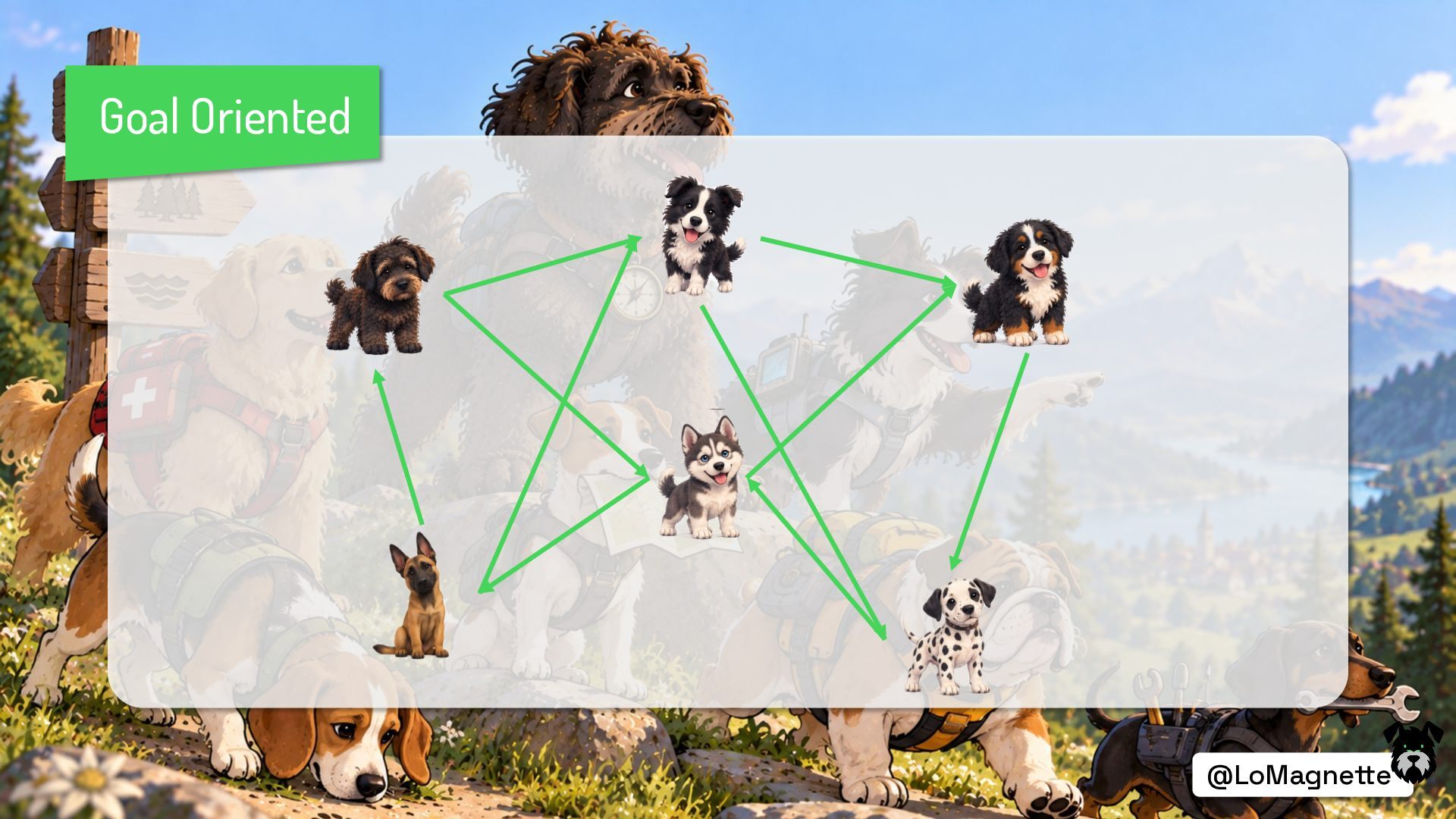
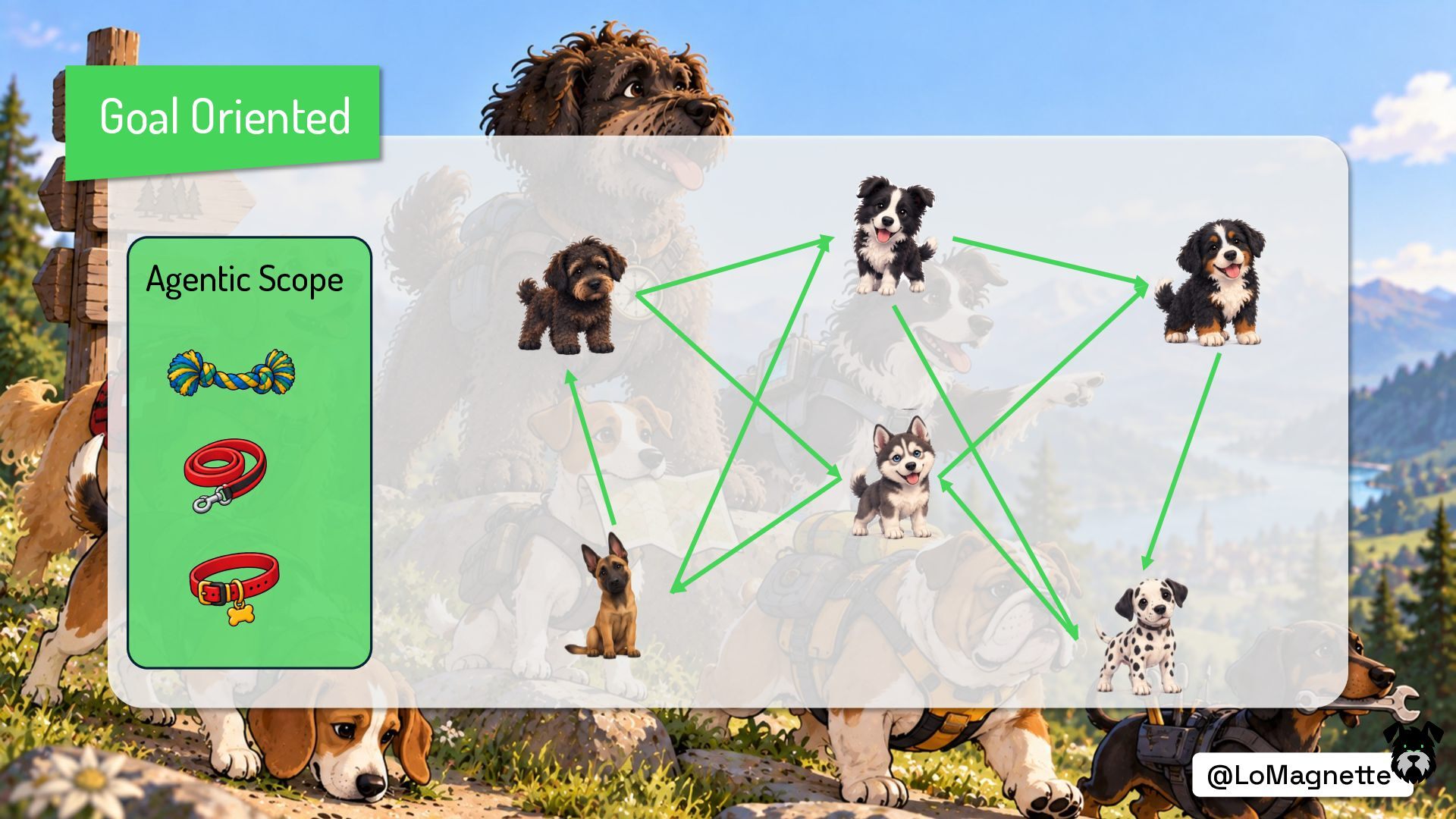
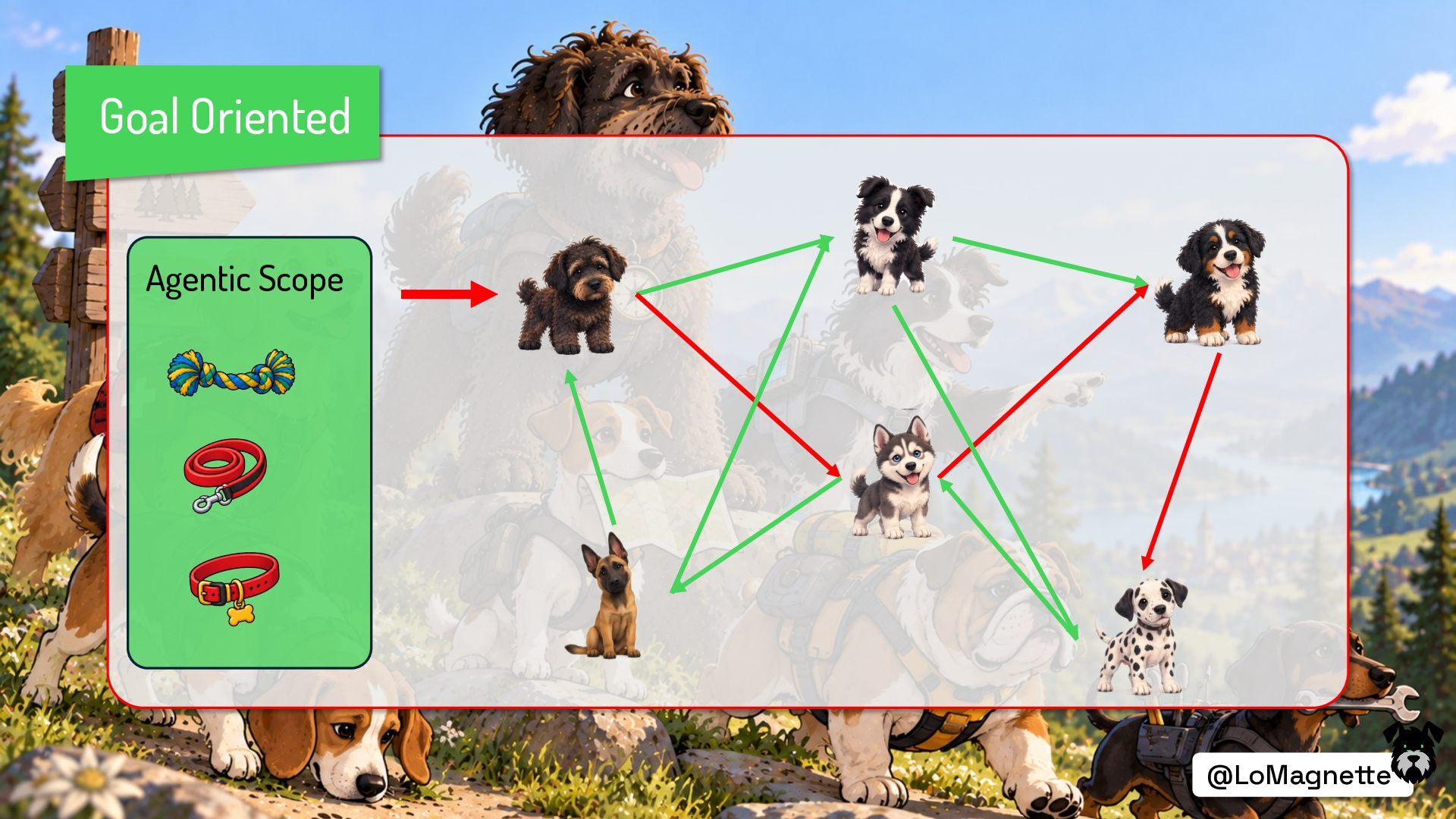
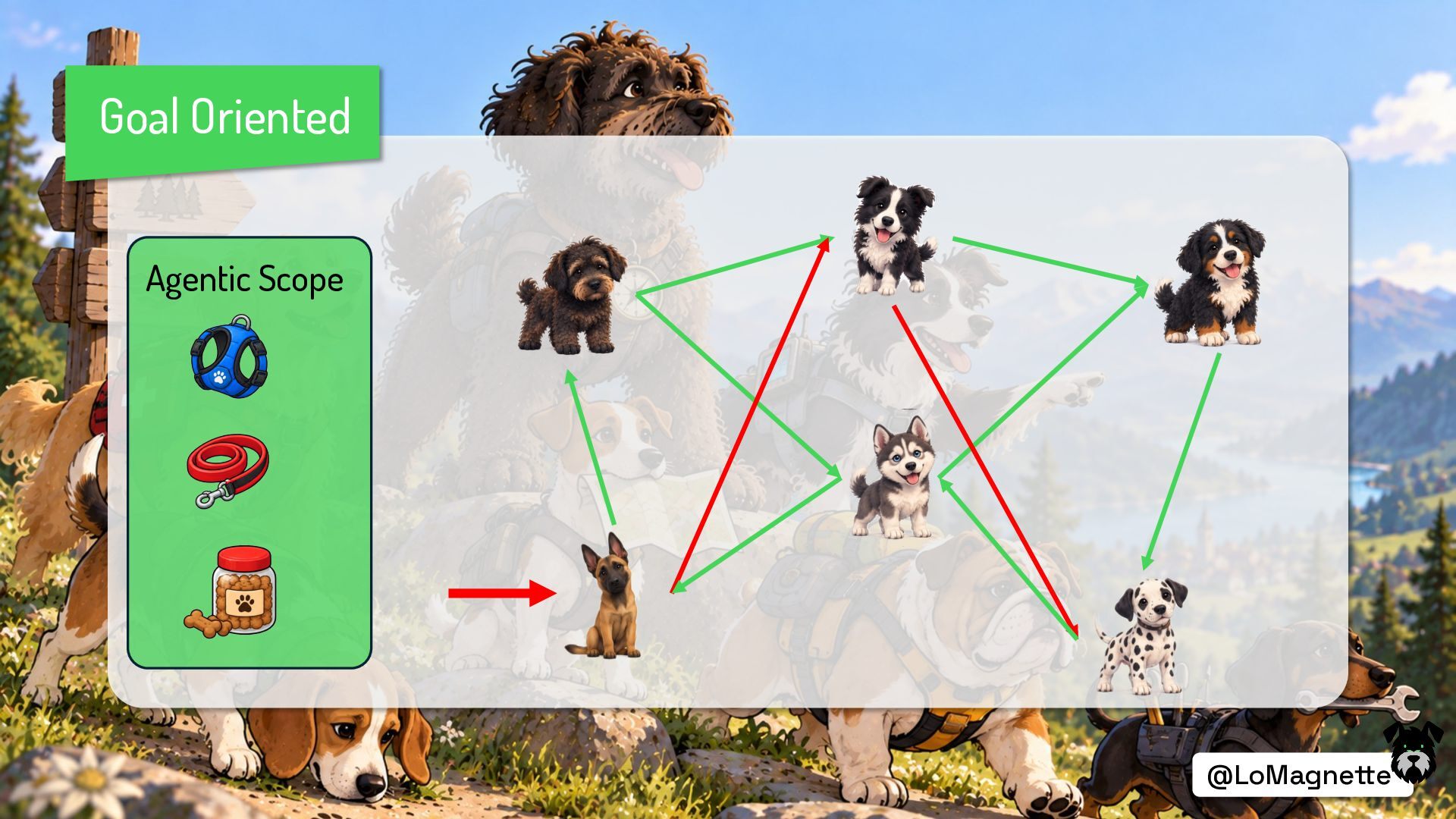
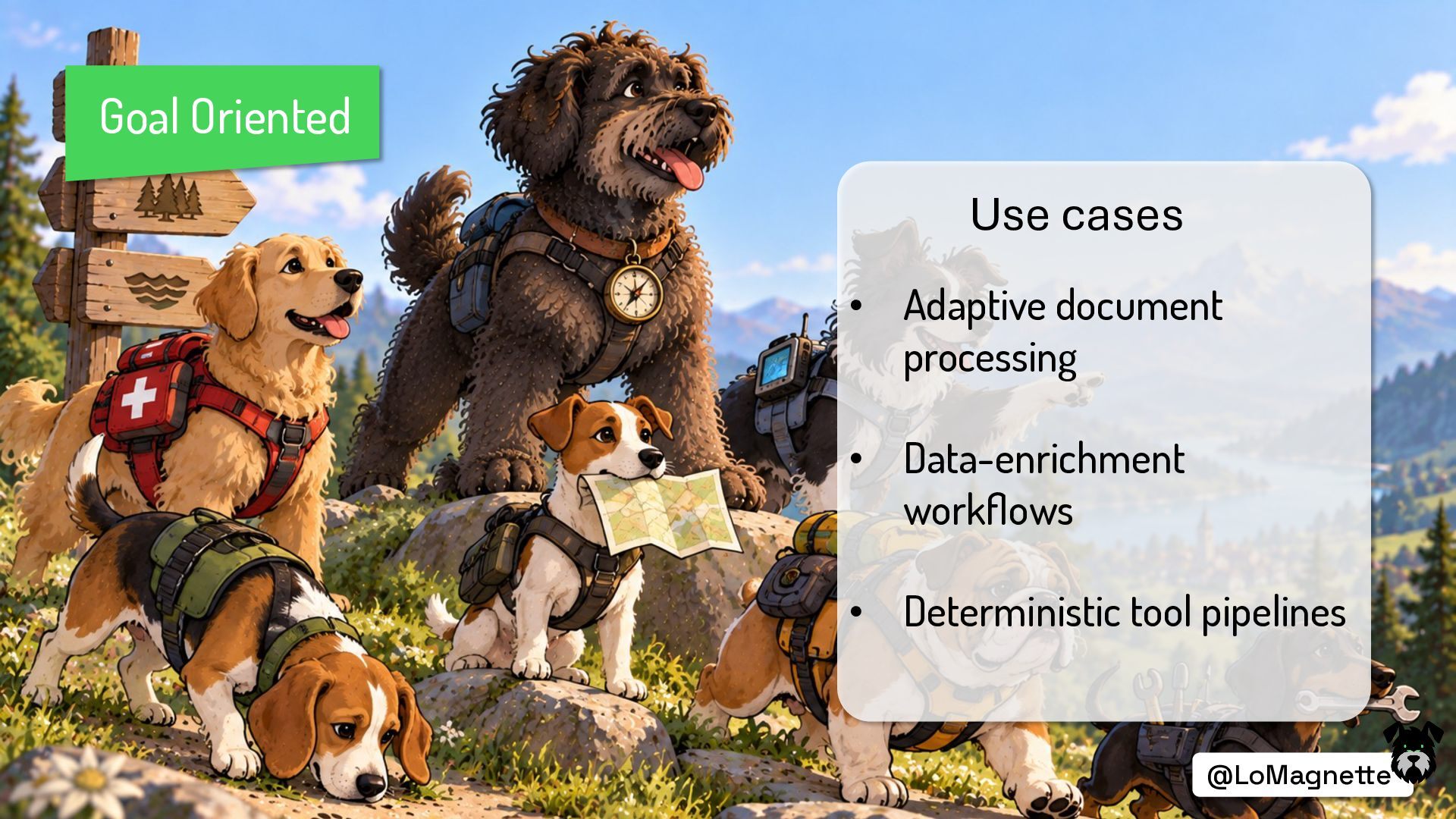
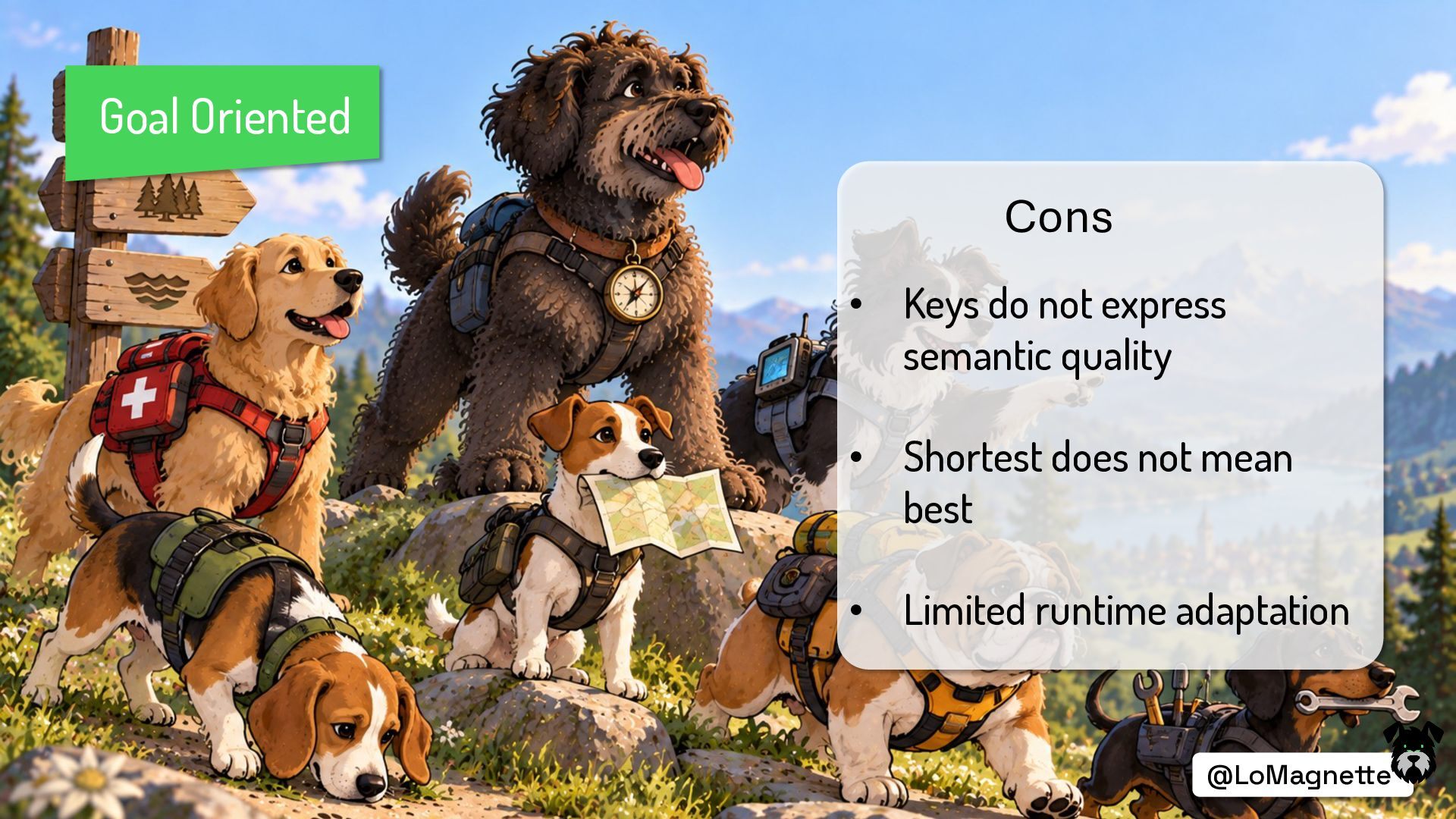
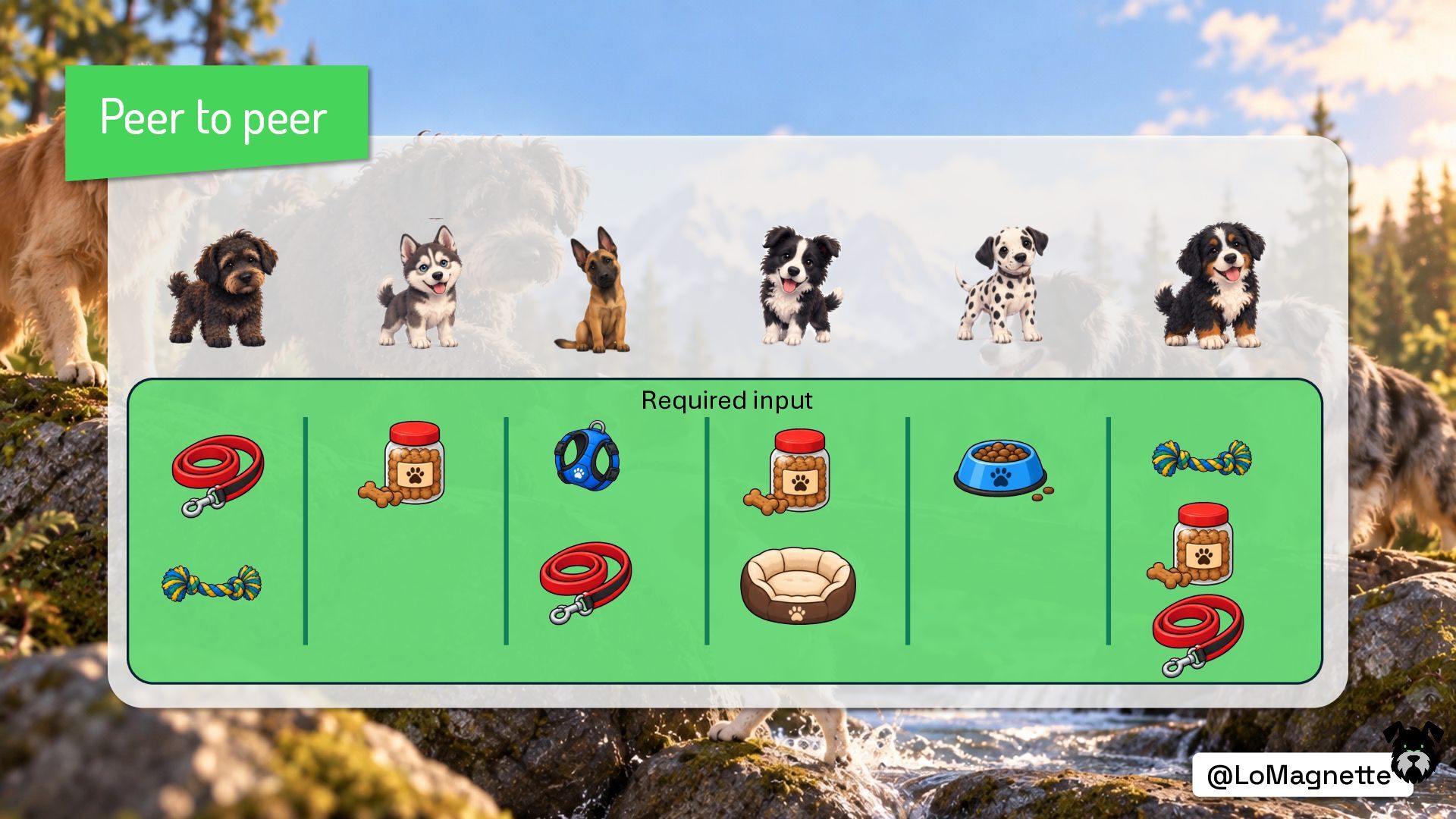
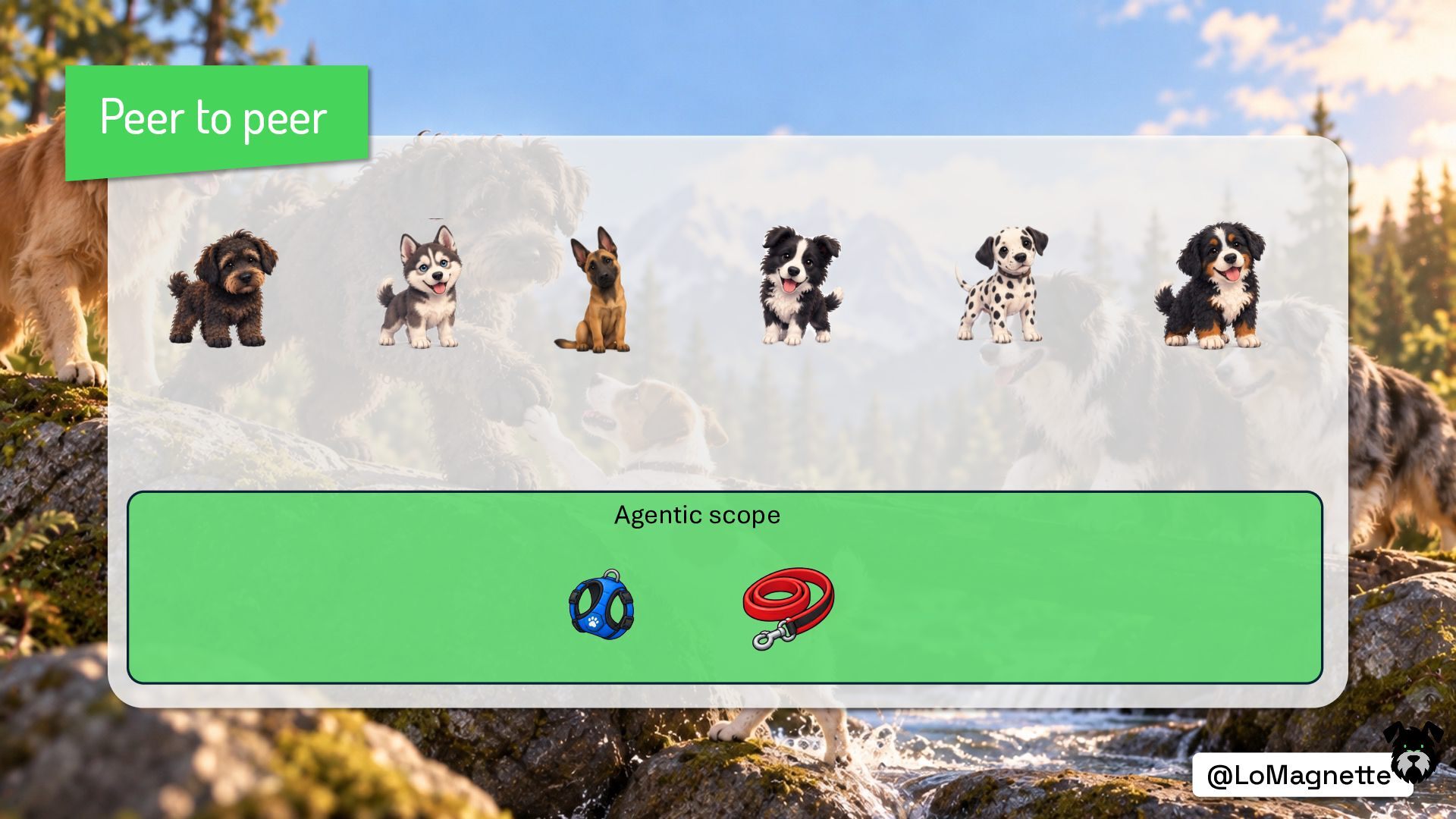
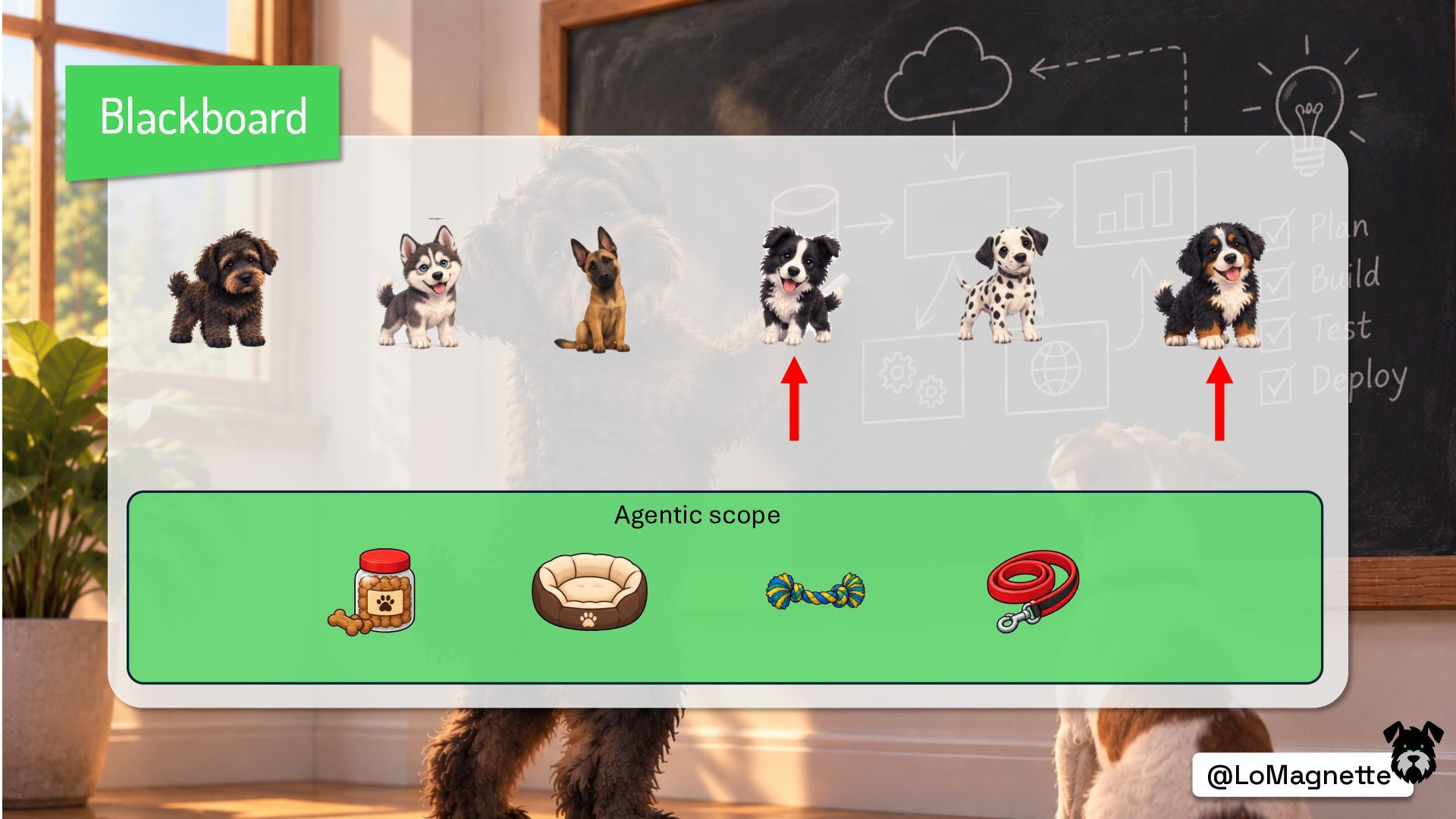
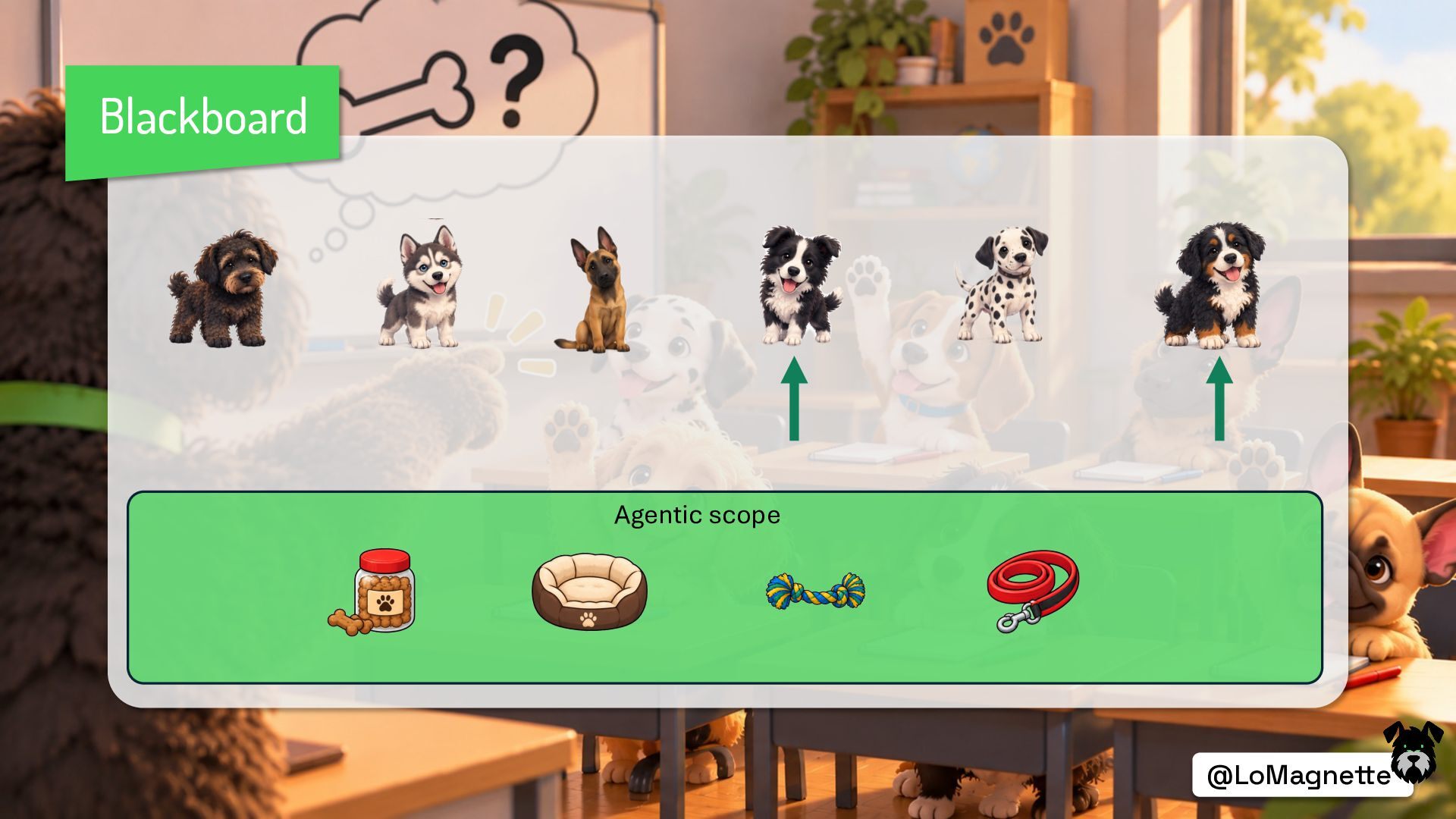
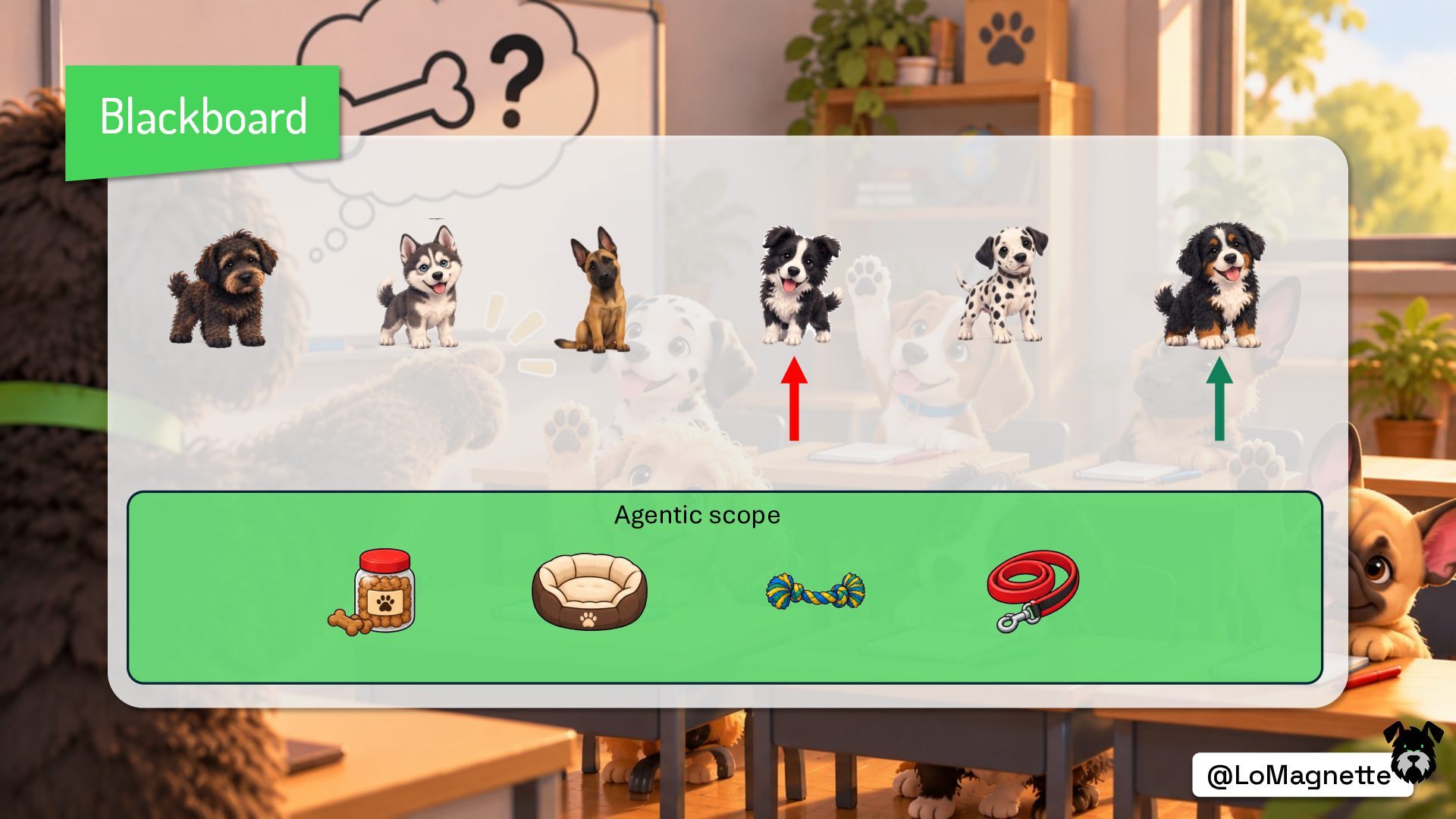
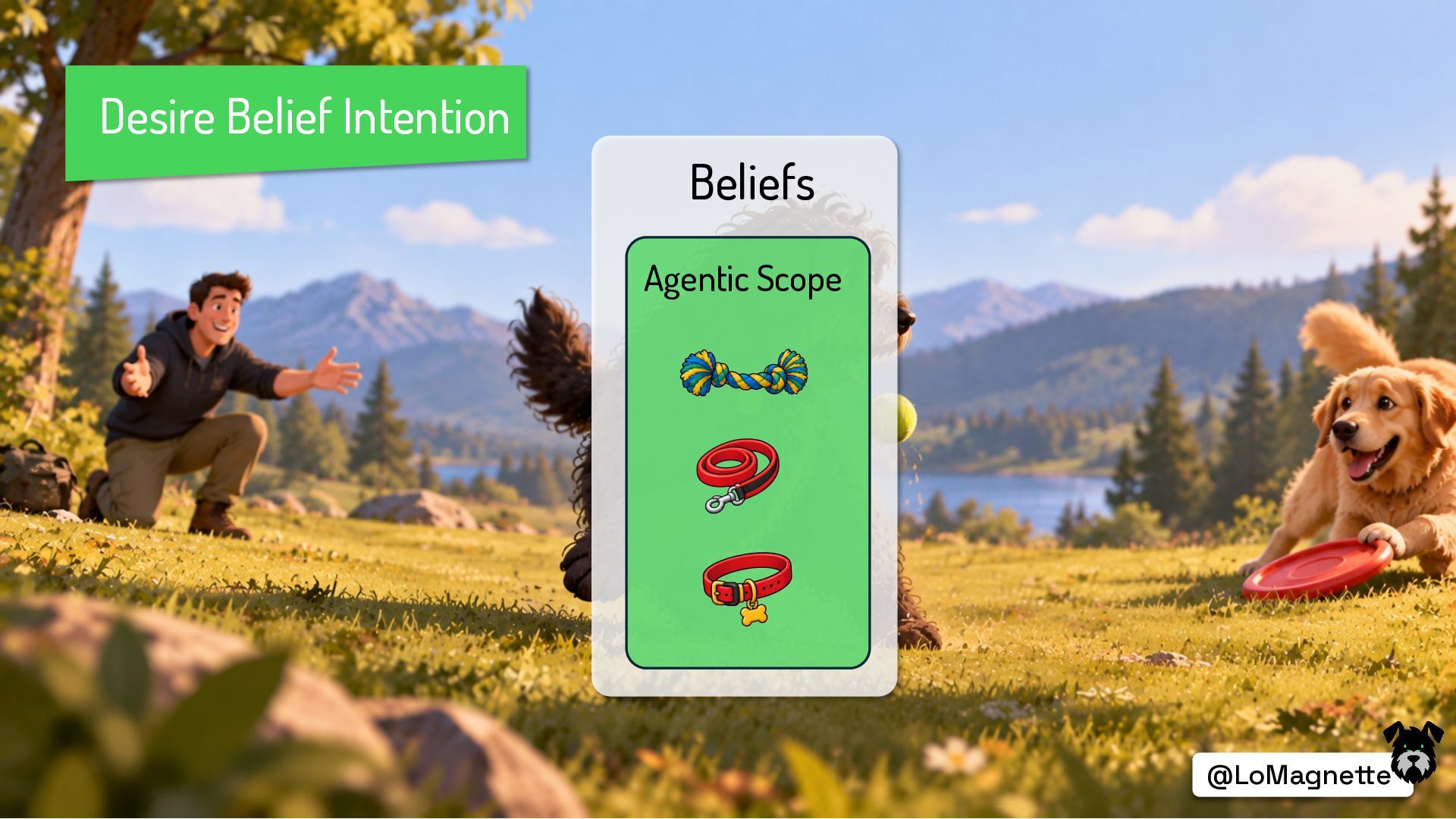
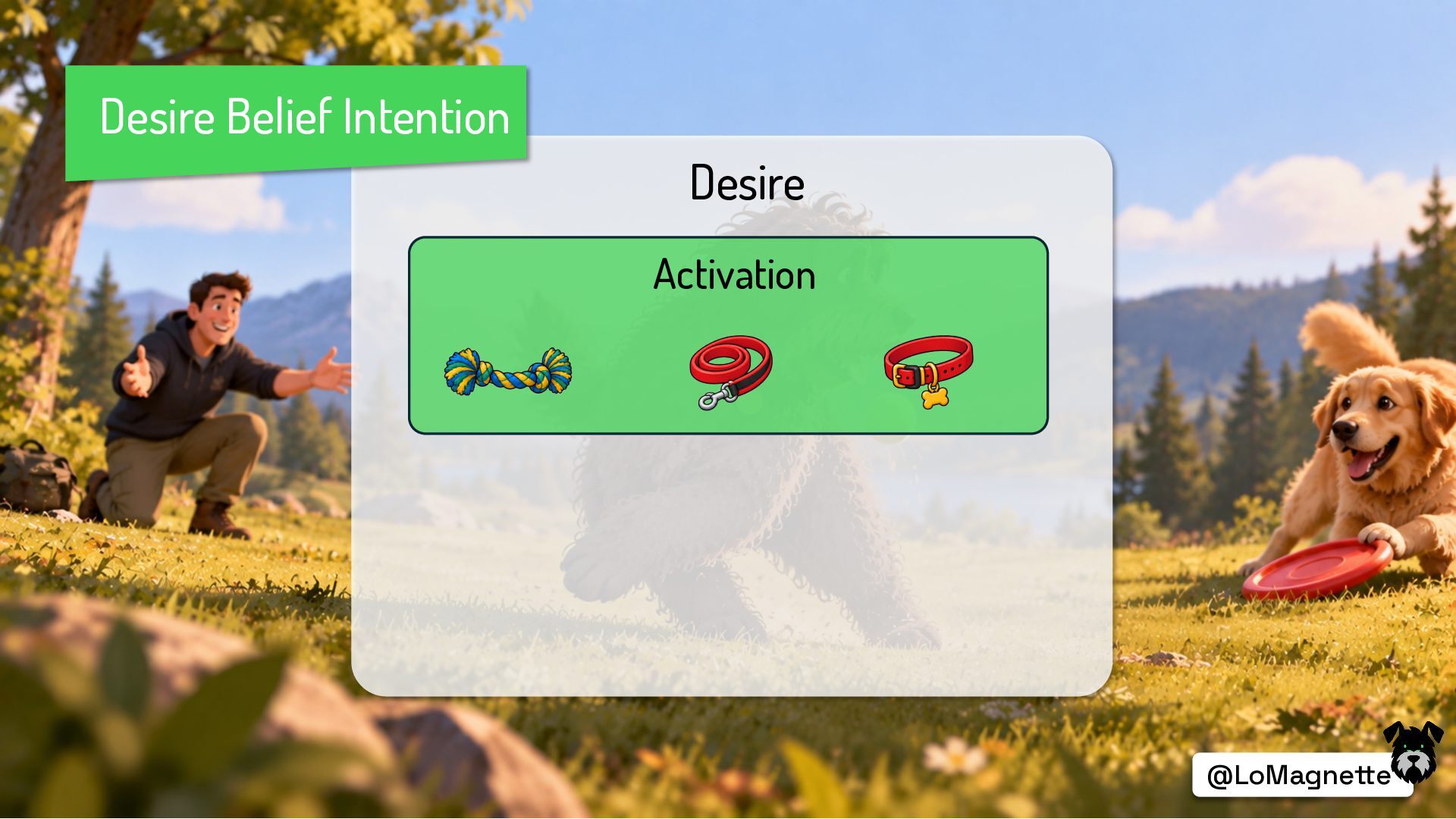
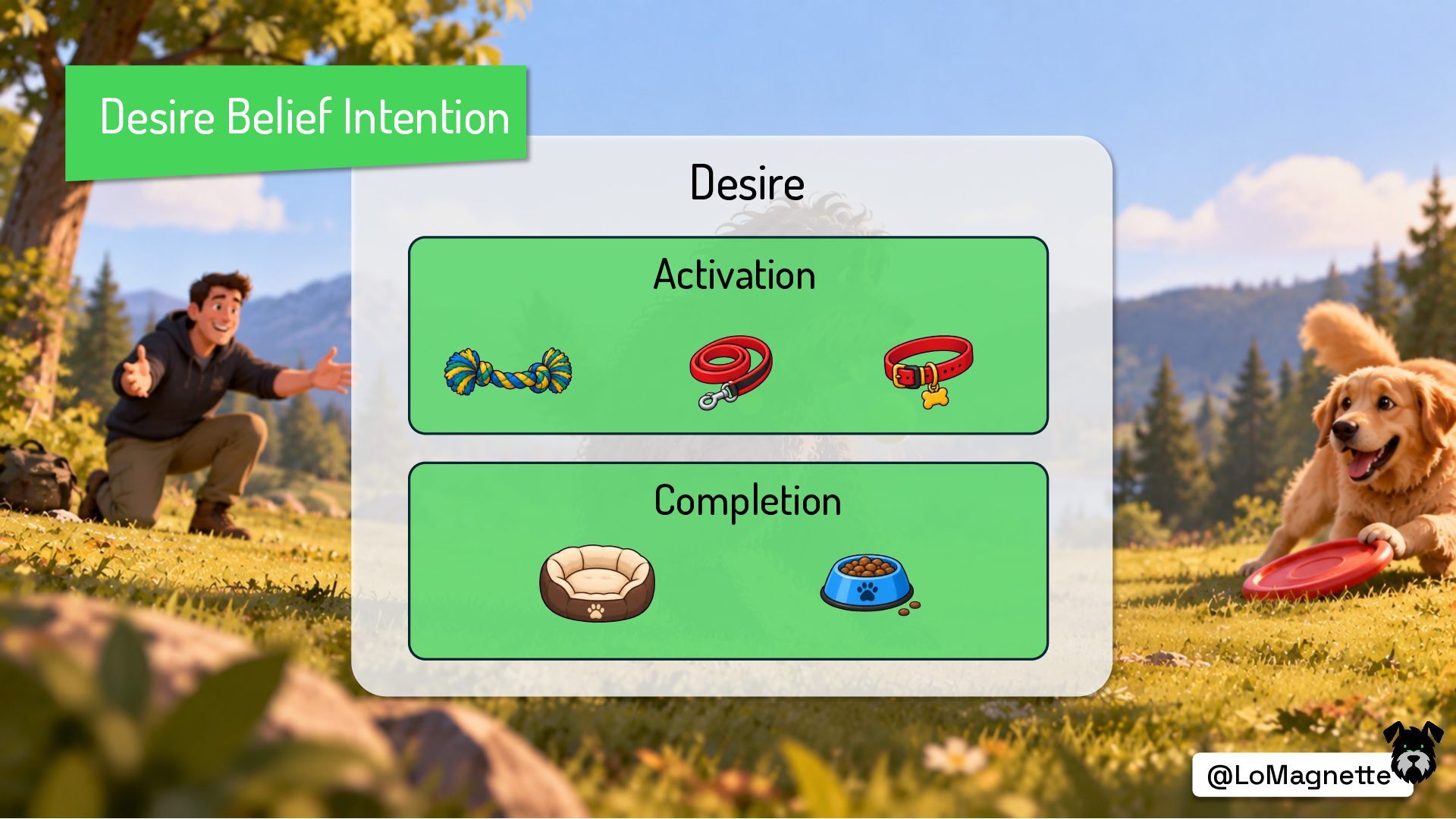
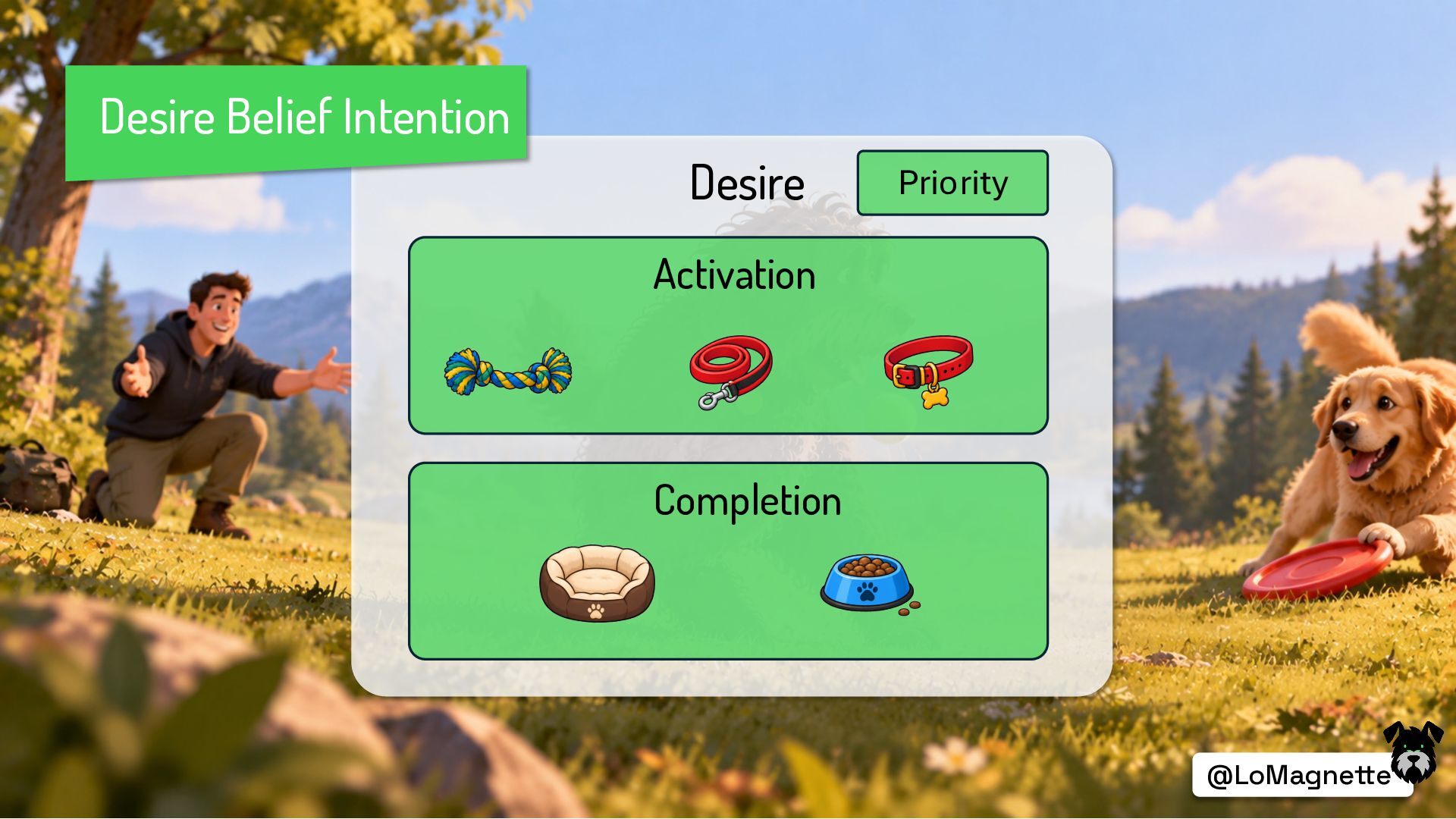
That is where agentic systems come in. In three hours we start with a single @Agent doing one job and grow it live into a multi-agent system that can analyze, plan, act, and report back. Each step starts naive. We run it, feel the cracks, then reach for the pattern that holds: sequential, loop, parallel, and conditional workflows. AgenticScope and typed keys keep shared state honest. Goal-oriented agents, an LLM-driven supervisor, and a custom Planner take over when a fixed pipeline stops being enough. We add non-AI agents for deterministic work, human-in-the-loop checkpoints before external actions, and observability with the AgentMonitor, because an agent you cannot see is an agent you cannot debug.
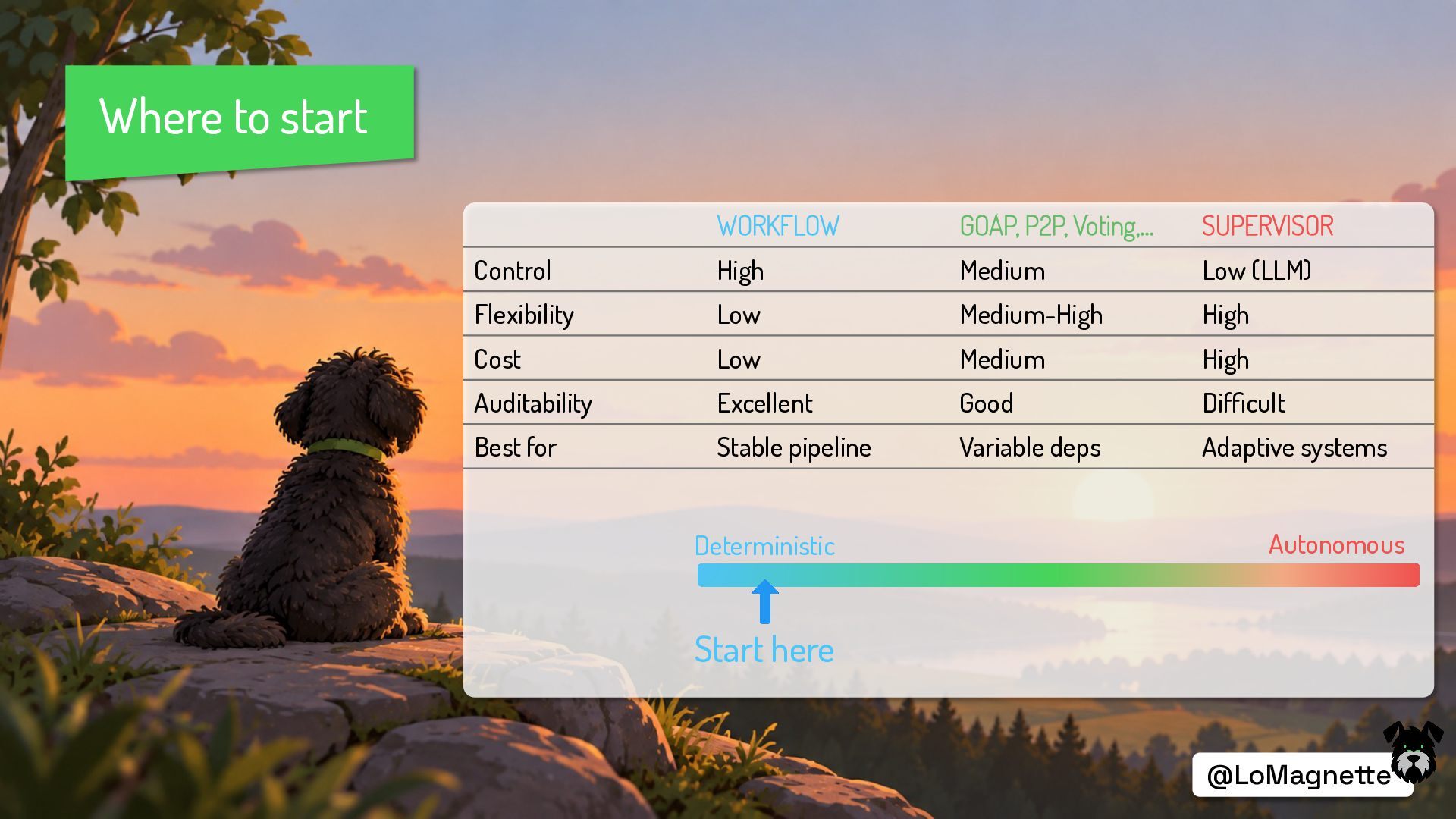
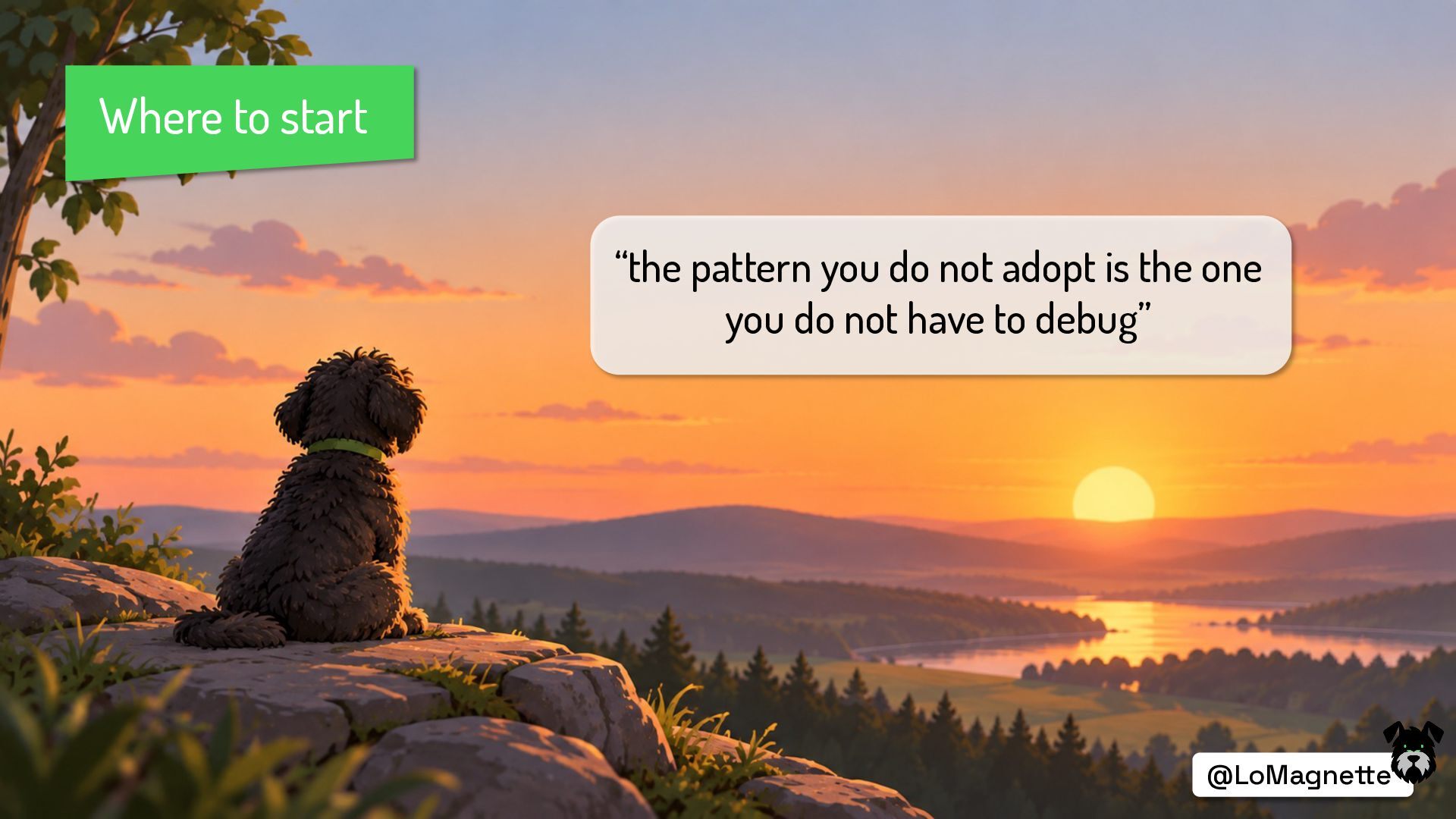
You will leave able to look at a problem and tell whether it wants a plain workflow or a real agent, and how much autonomy to hand over before you lose the thread. The goal is not smarter prompts. It is agentic systems easier to reason about and evolve, because the pattern you do not adopt is the one you do not have to debug.


 magnette
 ythecombinator
 takai
takai
 moro
moro
 minodriven
 yub0n
yub0n
 kasacchiful
 jame2408
 akase244
 tosite
 uyuki234
 tomokon
 kishida
 davetheseo
 axbom
axbom
 jmmastey
 jonoalderson
 bryan
bryan
 baasie
 nikkihalliwell
 codingconduct
 mlcsv
mlcsv
 lauravandoore
 inesmontani
 skipperchong