Share
Embed
PHP Projects Beyond The LAMP Stack - NomadPHP 2015
Slides for my "PHP Projects Beyond The LAMP Stack" talk at the December 2015 EU edition of NomadPHP.
Key topics: PHP, HHVM, Go, NodeJS, Redis, ElasticSearch, RabbitMQ
Thijs Feryn PRO
December 17, 2015
Transcript
174 slides
-
✓ ~81% of the web ✓ Easy to learn ✓
Mature (PHP renaissance) ✓ Frameworks & CMS’s ✓ Lots of online resources ✓ THE COMMUNITY -
➡ Still considered a scripting language (by some) ➡ Slow(-ish)
➡ Internal variable structure causes overhead ➡ Everyone can program in PHP, unfortunately everyone does ➡ Doesn’t scale that well (without the tricks) -
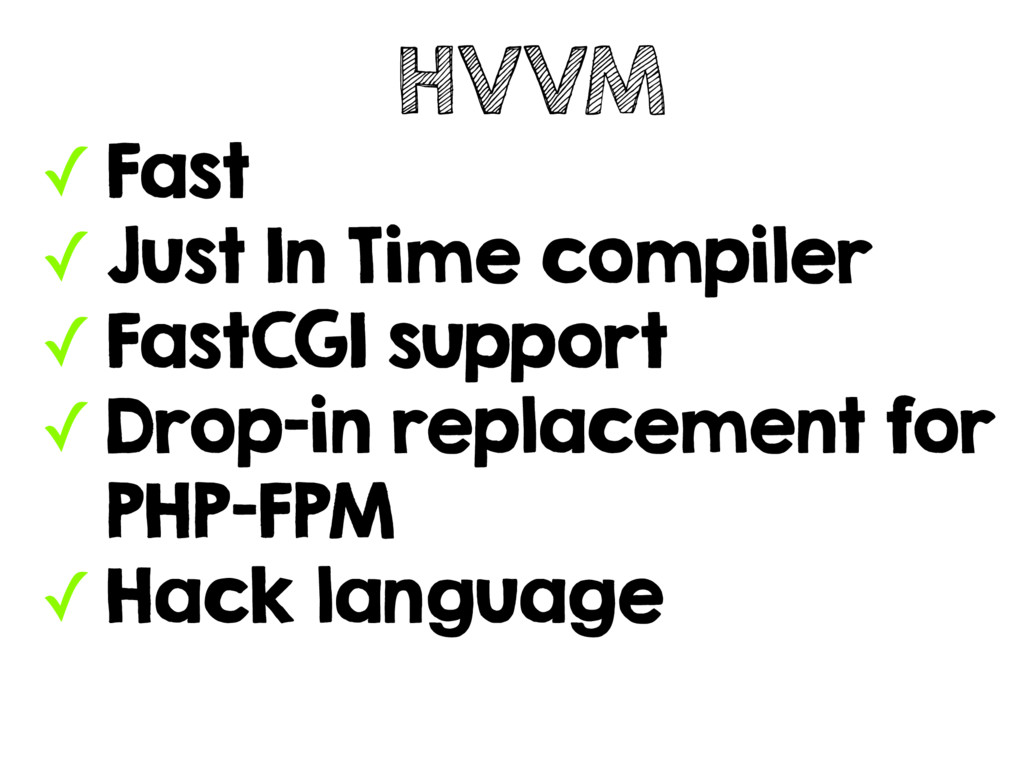
✓ Fast ✓ Just In Time compiler ✓ FastCGI support
✓ Drop-in replacement for PHP-FPM ✓ Hack language HVVM -
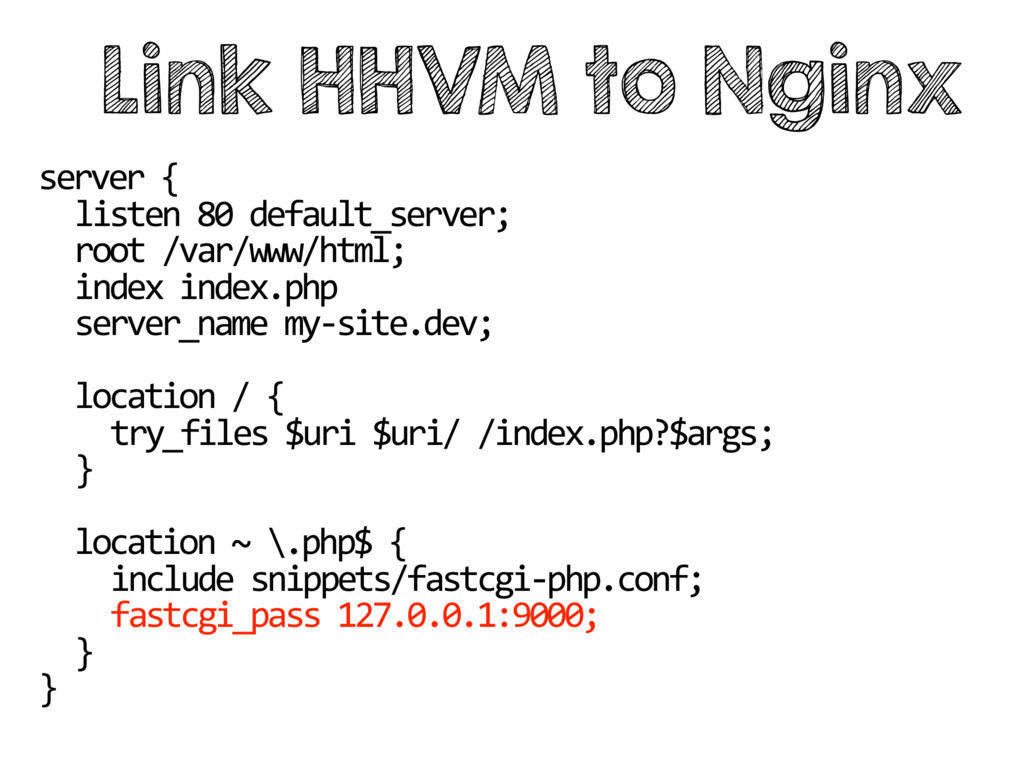
Link HHVM to Nginx server { listen 80 default_server; root
/var/www/html; index index.php server_name my-site.dev; location / { try_files $uri $uri/ /index.php?$args; } location ~ \.php$ { include snippets/fastcgi-php.conf; fastcgi_pass 127.0.0.1:9000; } } -
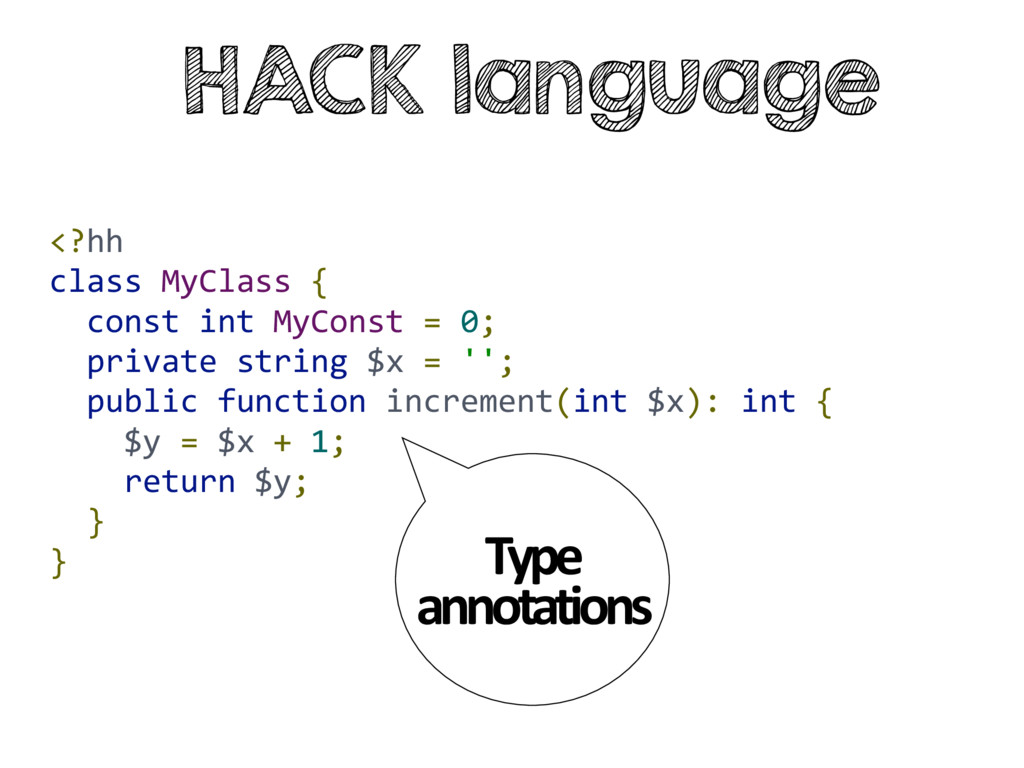
HACK language <?hh class MyClass { const int MyConst =
0; private string $x = ''; public function increment(int $x): int { $y = $x + 1; return $y; } } Type annotations -
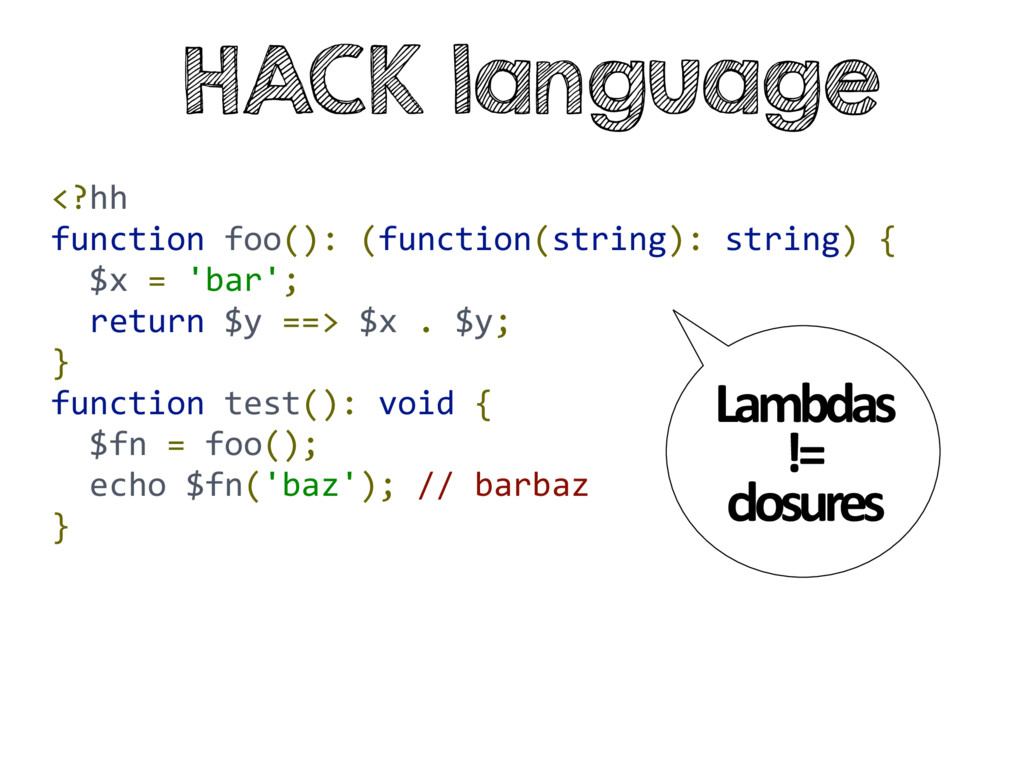
HACK language <?hh function foo(): (function(string): string) { $x =
'bar'; return $y ==> $x . $y; } function test(): void { $fn = foo(); echo $fn('baz'); // barbaz } Lambdas != closures -
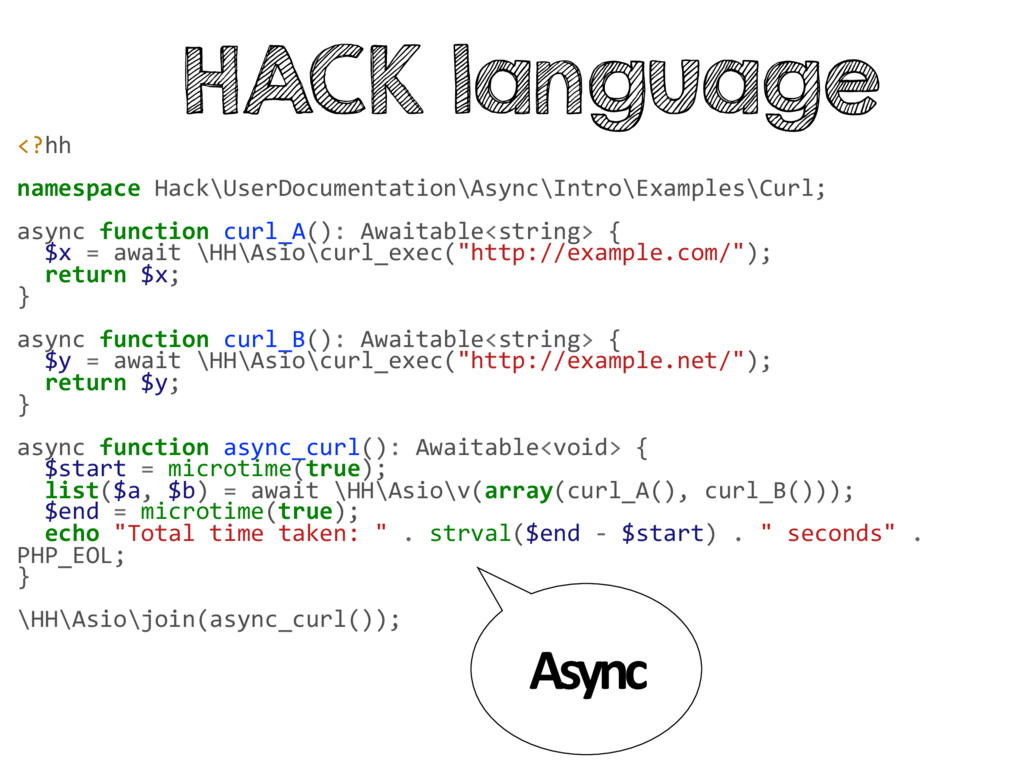
HACK language <?hh namespace Hack\UserDocumentation\Async\Intro\Examples\Curl; async function curl_A(): Awaitable<string> {
$x = await \HH\Asio\curl_exec("http://example.com/"); return $x; } async function curl_B(): Awaitable<string> { $y = await \HH\Asio\curl_exec("http://example.net/"); return $y; } async function async_curl(): Awaitable<void> { $start = microtime(true); list($a, $b) = await \HH\Asio\v(array(curl_A(), curl_B())); $end = microtime(true); echo "Total time taken: " . strval($end - $start) . " seconds" . PHP_EOL; } \HH\Asio\join(async_curl()); Async -
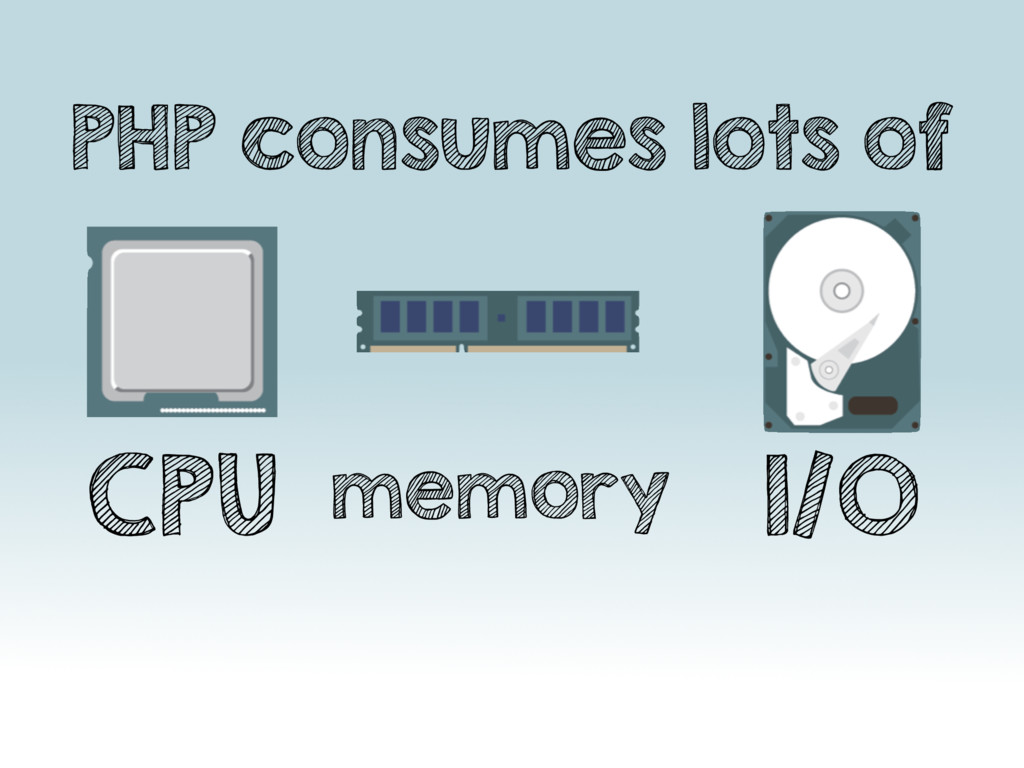
What kind of PHP code do we run? Why does
it slow down? -
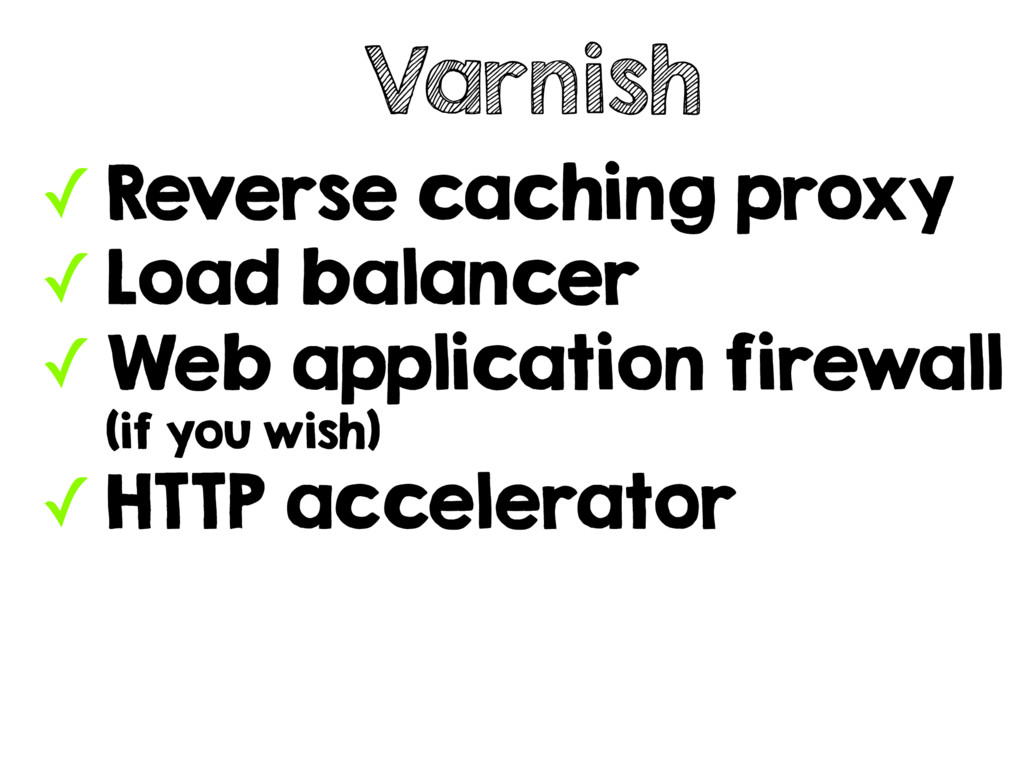
✓ Reverse caching proxy ✓ Load balancer ✓ Web application
firewall (if you wish) ✓ HTTP accelerator Varnish -
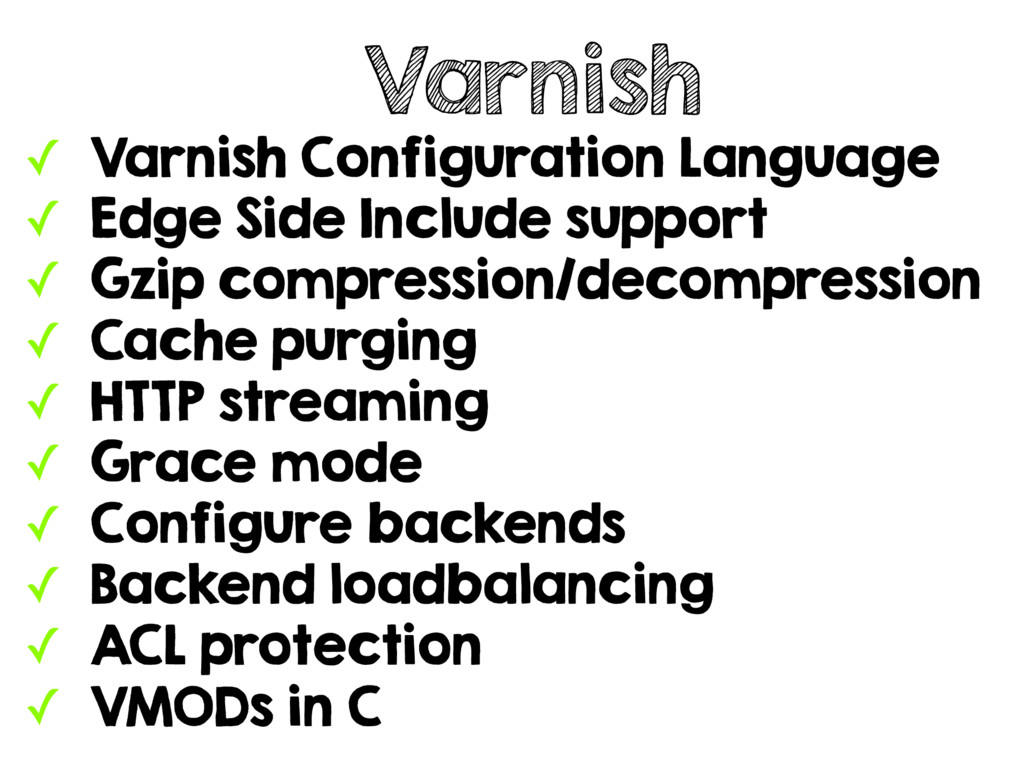
✓ Varnish Configuration Language ✓ Edge Side Include support ✓
Gzip compression/decompression ✓ Cache purging ✓ HTTP streaming ✓ Grace mode ✓ Configure backends ✓ Backend loadbalancing ✓ ACL protection ✓ VMODs in C Varnish -
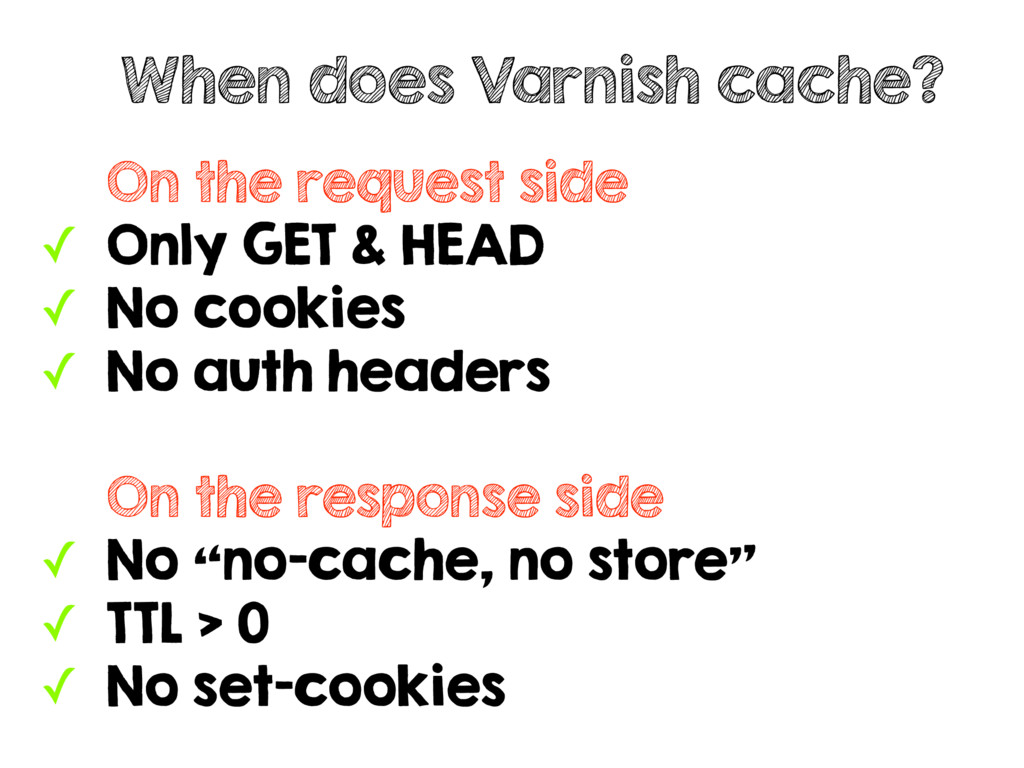
On the request side ✓ Only GET & HEAD ✓
No cookies ✓ No auth headers On the response side ✓ No “no-cache, no store” ✓ TTL > 0 ✓ No set-cookies When does Varnish cache? -
vcl 4.0; sub vcl_recv { if (req.method != "GET" &&
req.method != "HEAD" && req.method != "PUT" && req.method != "POST" && req.method != "TRACE" && req.method != "OPTIONS" && req.method != "DELETE") { /* Non-RFC2616 or CONNECT which is weird. */ return (pipe); } if (req.method != "GET" && req.method != "HEAD") { /* We only deal with GET and HEAD by default */ return (pass); } if (req.http.Authorization || req.http.Cookie) { /* Not cacheable by default */ return (pass); } return (hash); } Incoming request -
sub vcl_hash { hash_data(req.url); if (req.http.host) { hash_data(req.http.host); } else
{ hash_data(server.ip); } return (lookup); } sub vcl_purge { return (synth(200, "Purged")); } Compose hash key Evict cache keys -
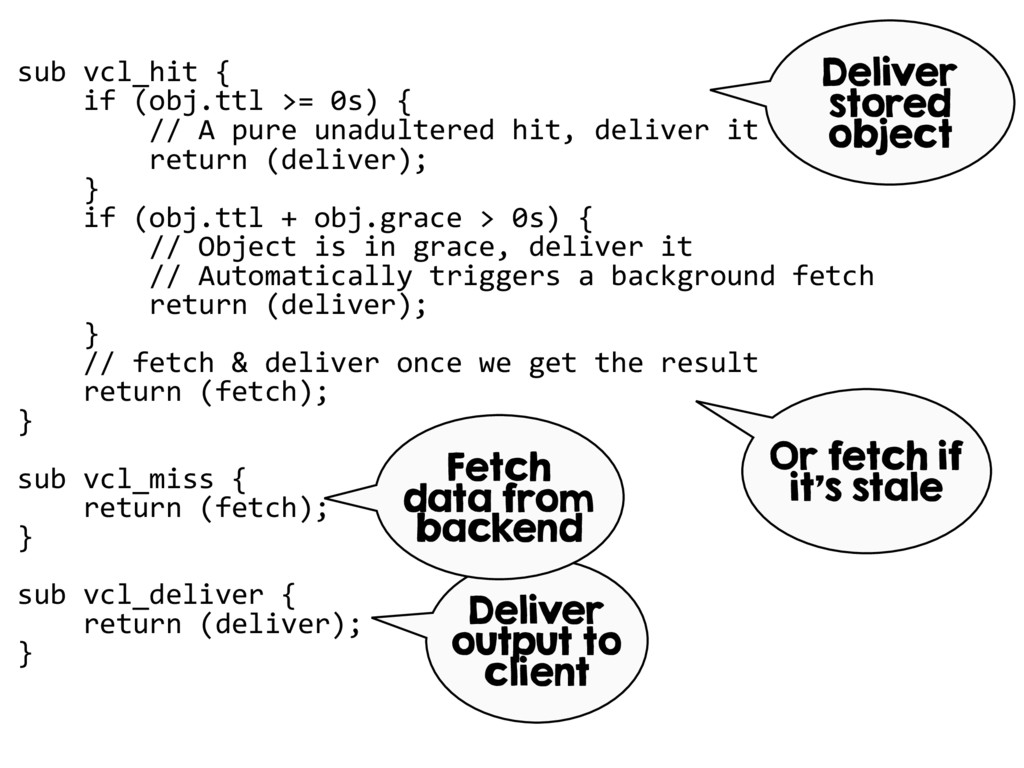
sub vcl_hit { if (obj.ttl >= 0s) { // A
pure unadultered hit, deliver it return (deliver); } if (obj.ttl + obj.grace > 0s) { // Object is in grace, deliver it // Automatically triggers a background fetch return (deliver); } // fetch & deliver once we get the result return (fetch); } sub vcl_miss { return (fetch); } sub vcl_deliver { return (deliver); } Deliver output to client Fetch data from backend Or fetch if it’s stale Deliver stored object -
sub vcl_backend_response { if (beresp.ttl <= 0s || beresp.http.Set-Cookie ||
beresp.http.Surrogate-control ~ "no-store" || (!beresp.http.Surrogate-Control && beresp.http.Cache-Control ~ "no-cache|no-store| private") || beresp.http.Vary == "*") { /* * Mark as "Hit-For-Pass" for the next 2 minutes */ set beresp.ttl = 120s; set beresp.uncacheable = true; } return (deliver); } Response from the backend -
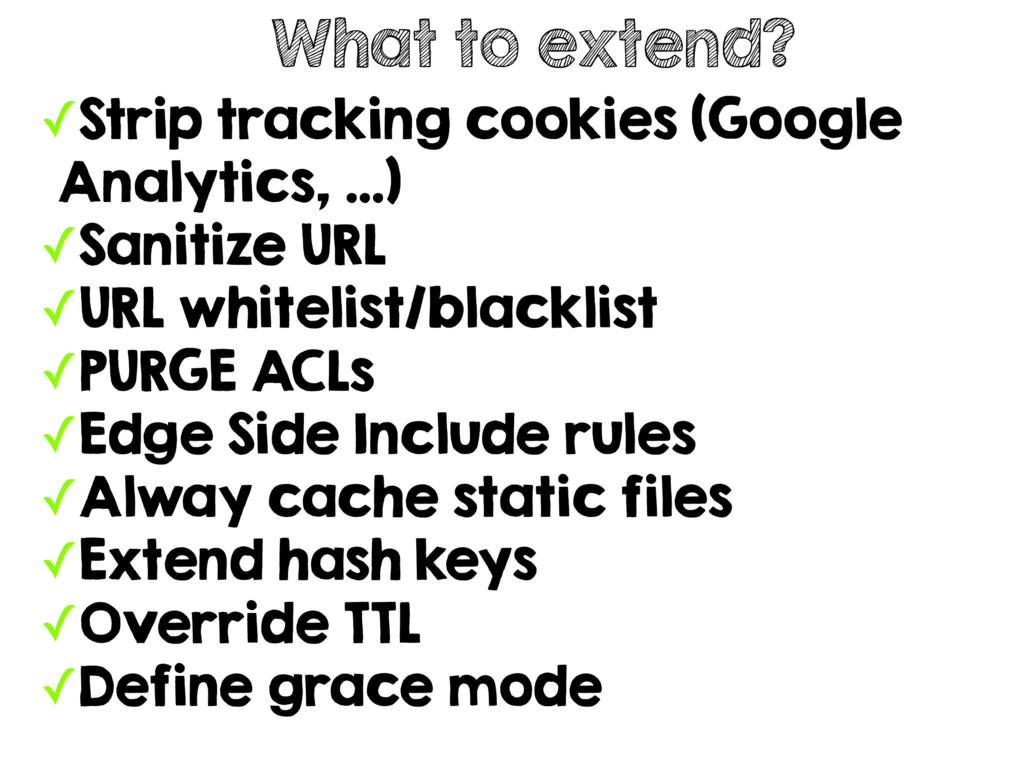
✓Strip tracking cookies (Google Analytics, …) ✓Sanitize URL ✓URL whitelist/blacklist
✓PURGE ACLs ✓Edge Side Include rules ✓Alway cache static files ✓Extend hash keys ✓Override TTL ✓Define grace mode What to extend? -
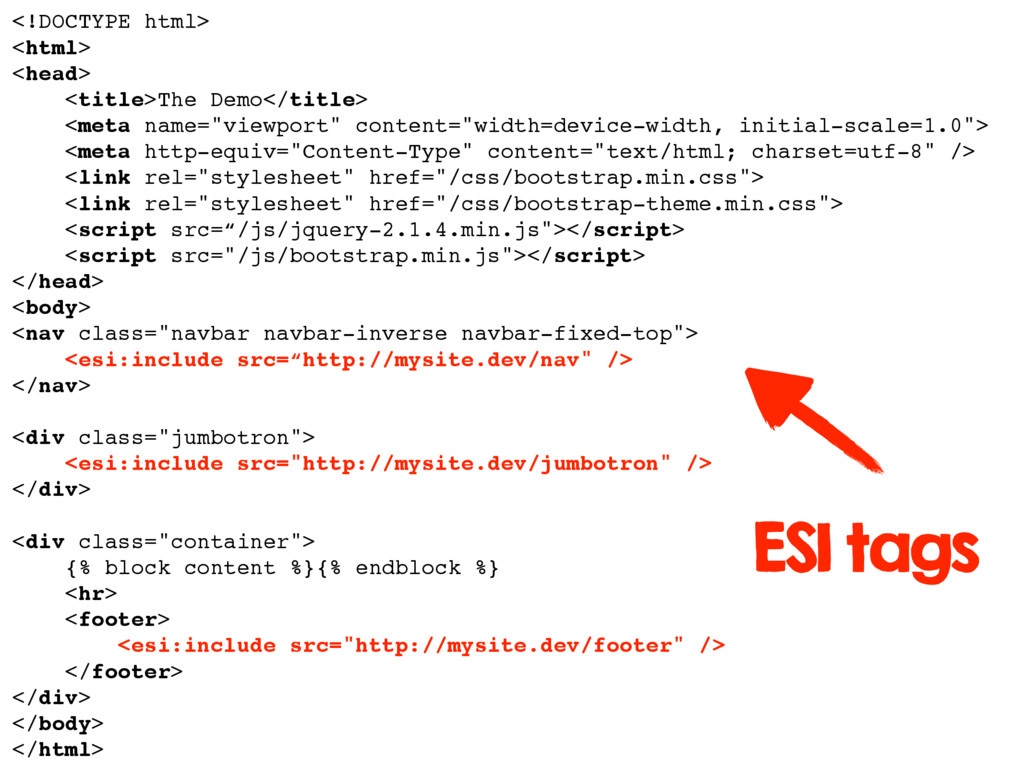
<!DOCTYPE html> <html> <head> <title>The Demo</title> <meta name="viewport" content="width=device-width, initial-scale=1.0">
<meta http-equiv="Content-Type" content="text/html; charset=utf-8" /> <link rel="stylesheet" href="/css/bootstrap.min.css"> <link rel="stylesheet" href="/css/bootstrap-theme.min.css"> <script src=“/js/jquery-2.1.4.min.js"></script> <script src="/js/bootstrap.min.js"></script> </head> <body> <nav class="navbar navbar-inverse navbar-fixed-top"> <esi:include src=“http://mysite.dev/nav" /> </nav> <div class="jumbotron"> <esi:include src="http://mysite.dev/jumbotron" /> </div> <div class="container"> {% block content %}{% endblock %} <hr> <footer> <esi:include src="http://mysite.dev/footer" /> </footer> </div> </body> </html> ESI tags -
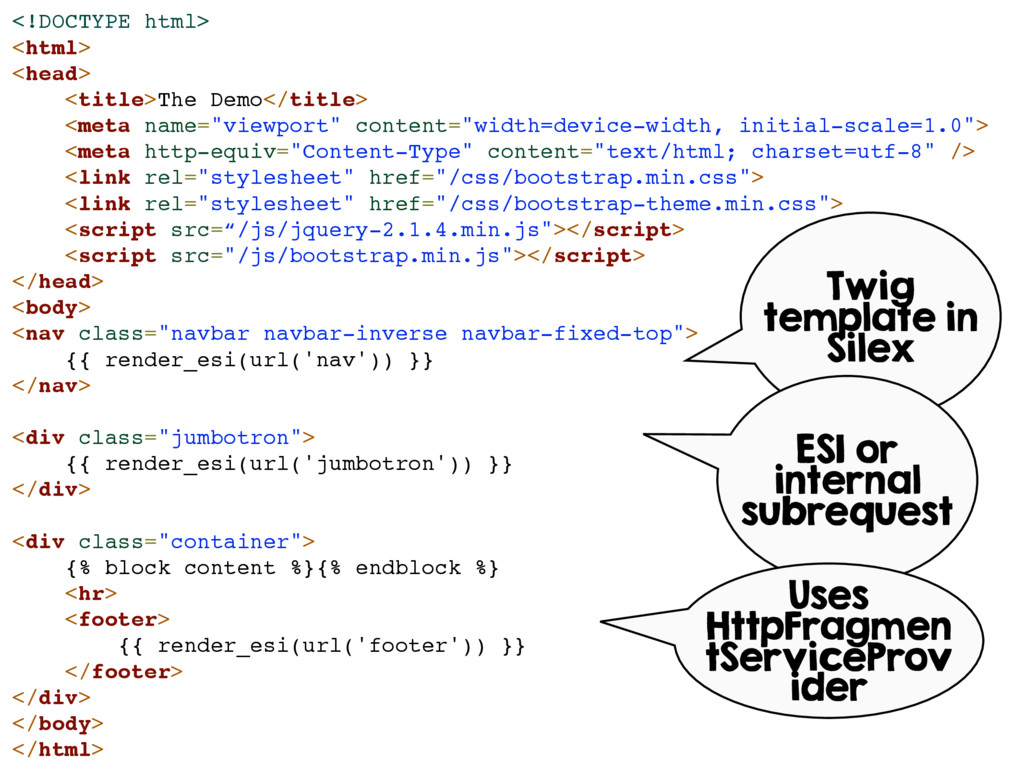
<!DOCTYPE html> <html> <head> <title>The Demo</title> <meta name="viewport" content="width=device-width, initial-scale=1.0">
<meta http-equiv="Content-Type" content="text/html; charset=utf-8" /> <link rel="stylesheet" href="/css/bootstrap.min.css"> <link rel="stylesheet" href="/css/bootstrap-theme.min.css"> <script src=“/js/jquery-2.1.4.min.js"></script> <script src="/js/bootstrap.min.js"></script> </head> <body> <nav class="navbar navbar-inverse navbar-fixed-top"> {{ render_esi(url('nav')) }} </nav> <div class="jumbotron"> {{ render_esi(url('jumbotron')) }} </div> <div class="container"> {% block content %}{% endblock %} <hr> <footer> {{ render_esi(url('footer')) }} </footer> </div> </body> </html> Twig template in Silex ESI or internal subrequest Uses HttpFragmen tServiceProv ider -
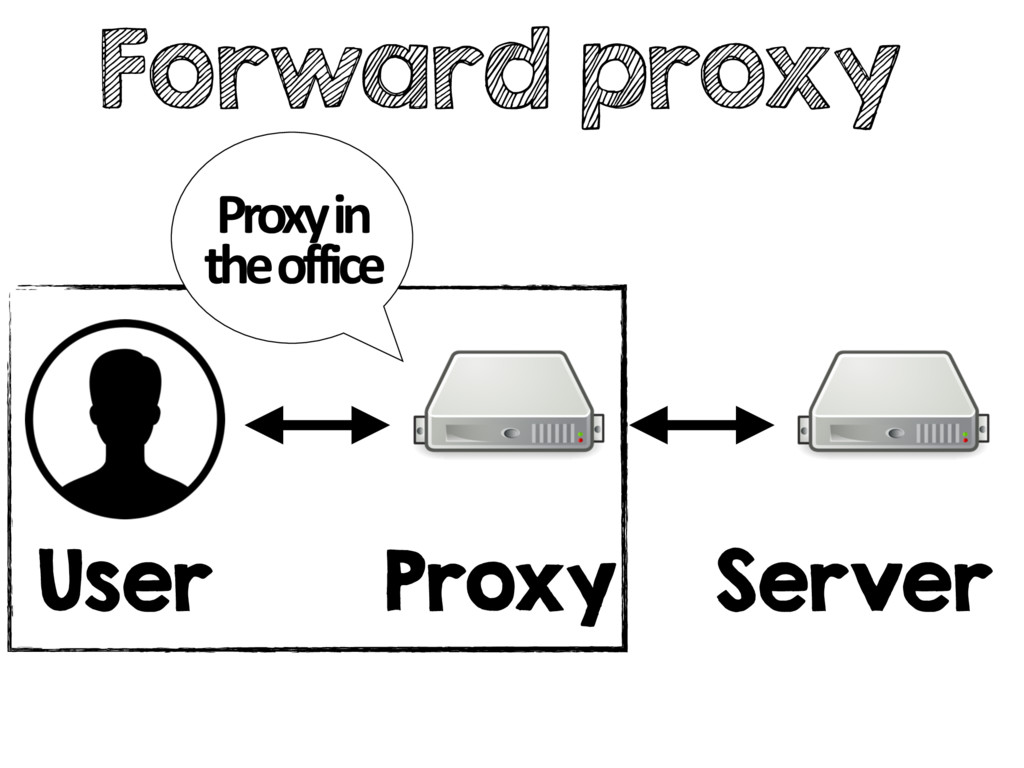
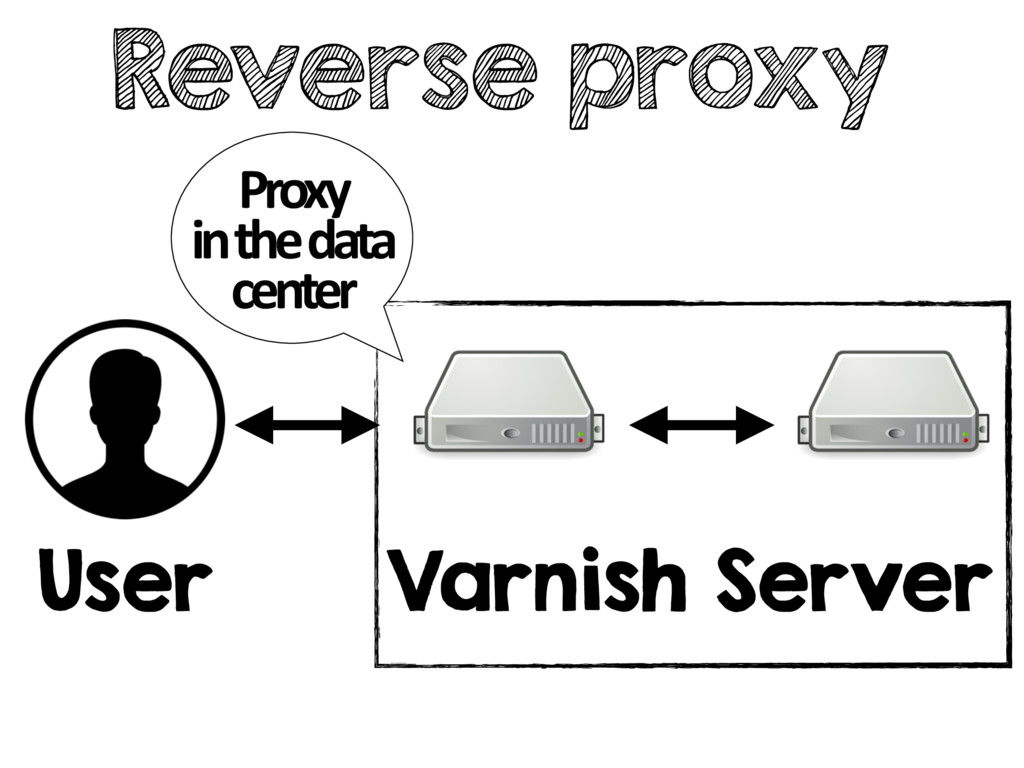
✓Cache pages and static assets ✓Fastest way ✓Hit rate may
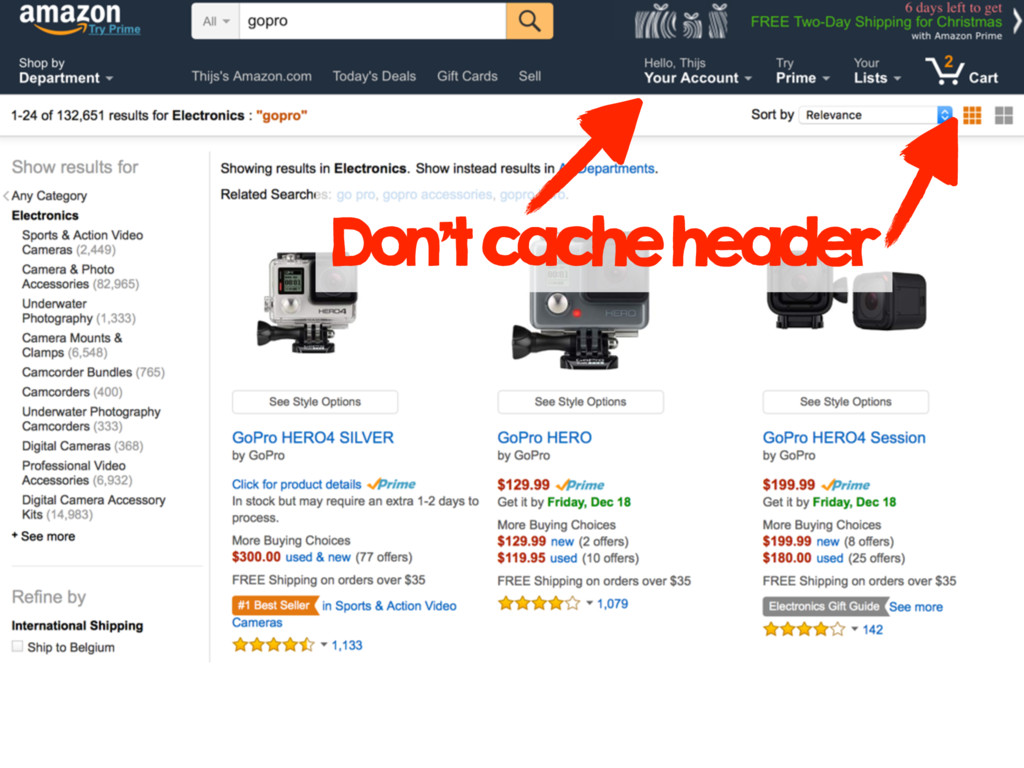
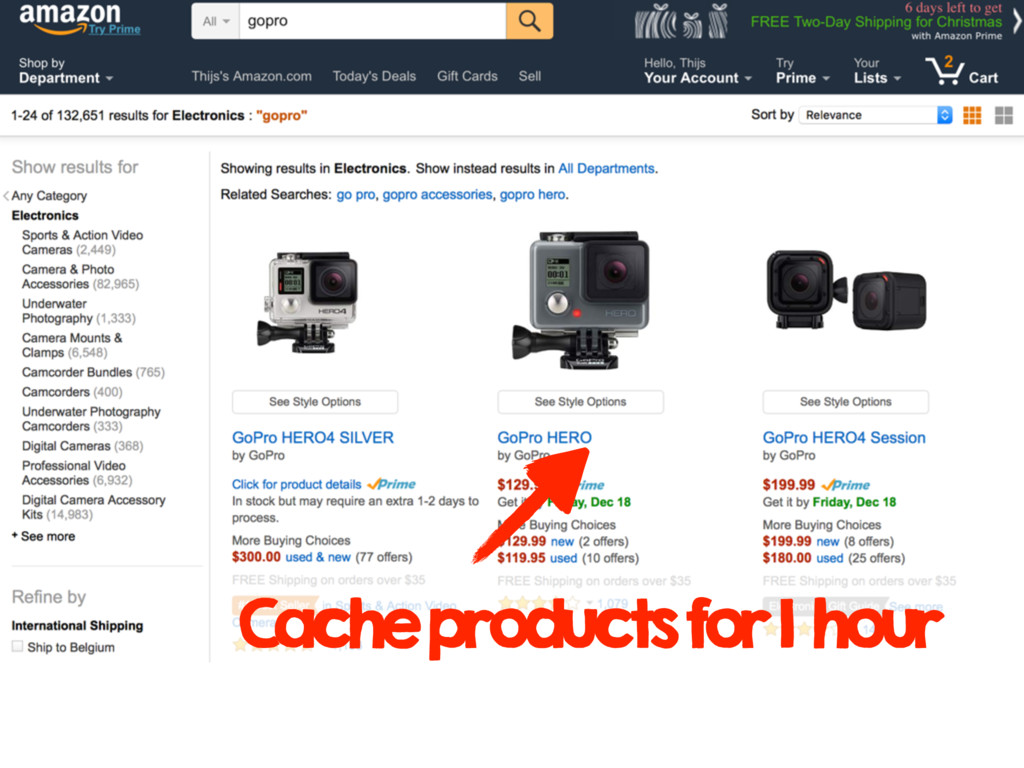
vary ✓Chop your content up in pieces ✓Use ESI or AJAX ✓Gateway to your application Where does Varnish fit in? -
✓Cache all images, js, css, wof, … ✓Cache product pages
✓Cache category pages ✓Cache parts of the layout (via ESI) ✓Cache CMS-ish pages Where does Varnish fit in? -
You can also host your static files on a separate
set of Nginx servers -
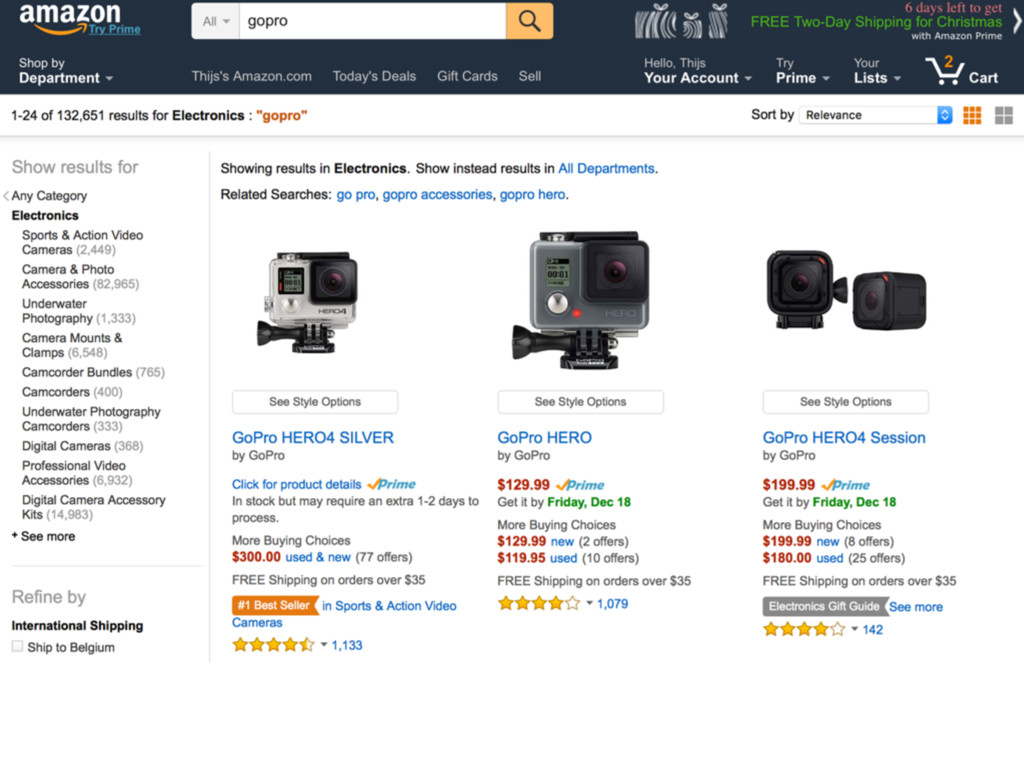
Data is stored for flexibility, not for performance SQL (joins)
allow different compositions of the same data -
✓ Key-value store ✓ Fast ✓ Lightweight ✓ Data stored
in RAM ✓ ~Memcached ✓ Data types ✓ Data persistance ✓ Replication ✓ Clustering Redis -
Redis $ redis-cli 127.0.0.1:6379> ping PONG 127.0.0.1:6379> set mykey somevalue
OK 127.0.0.1:6379> get mykey "somevalue -
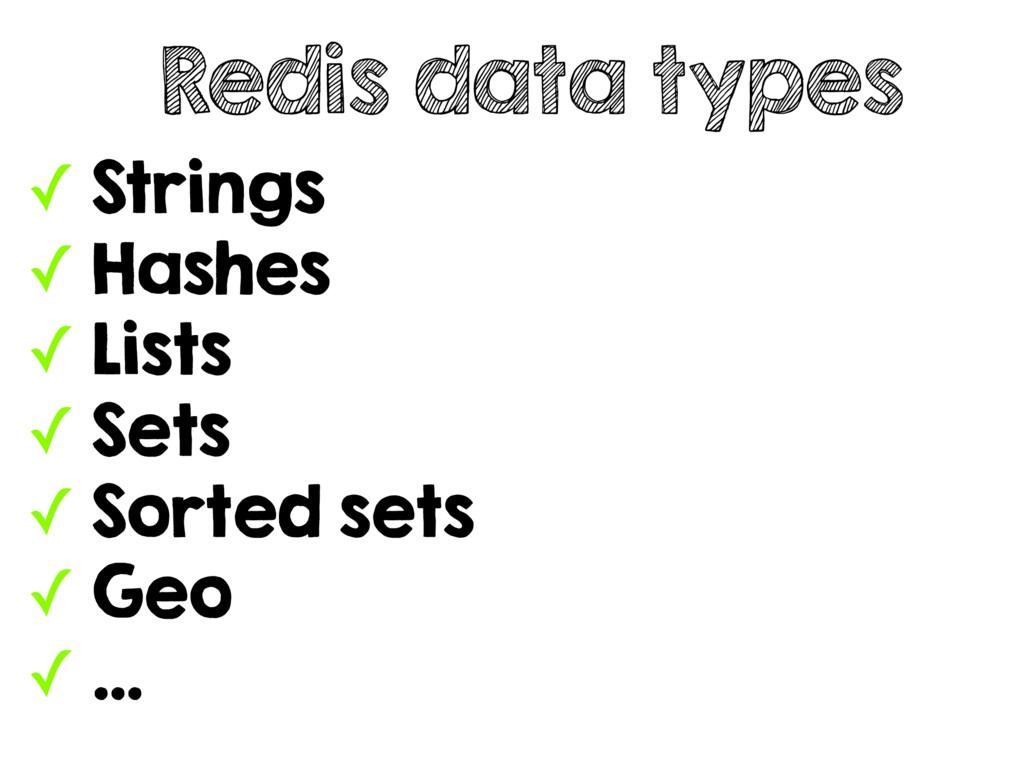
✓ Strings ✓ Hashes ✓ Lists ✓ Sets ✓ Sorted
sets ✓ Geo ✓ … Redis data types -
Redis $ redis-cli 127.0.0.1:6379> hset customer_1234 id 1234 (integer) 1
127.0.0.1:6379> hset customer_1234 items_in_cart 2 (integer) 1 127.0.0.1:6379> hmset customer_1234 firstname Thijs lastname Feryn OK 127.0.0.1:6379> hgetall customer_1234 1) "id" 2) "1234" 3) "items_in_cart" 4) "2" 5) "firstname" 6) "Thijs" 7) "lastname" 8) "Feryn" 127.0.0.1:6379> -
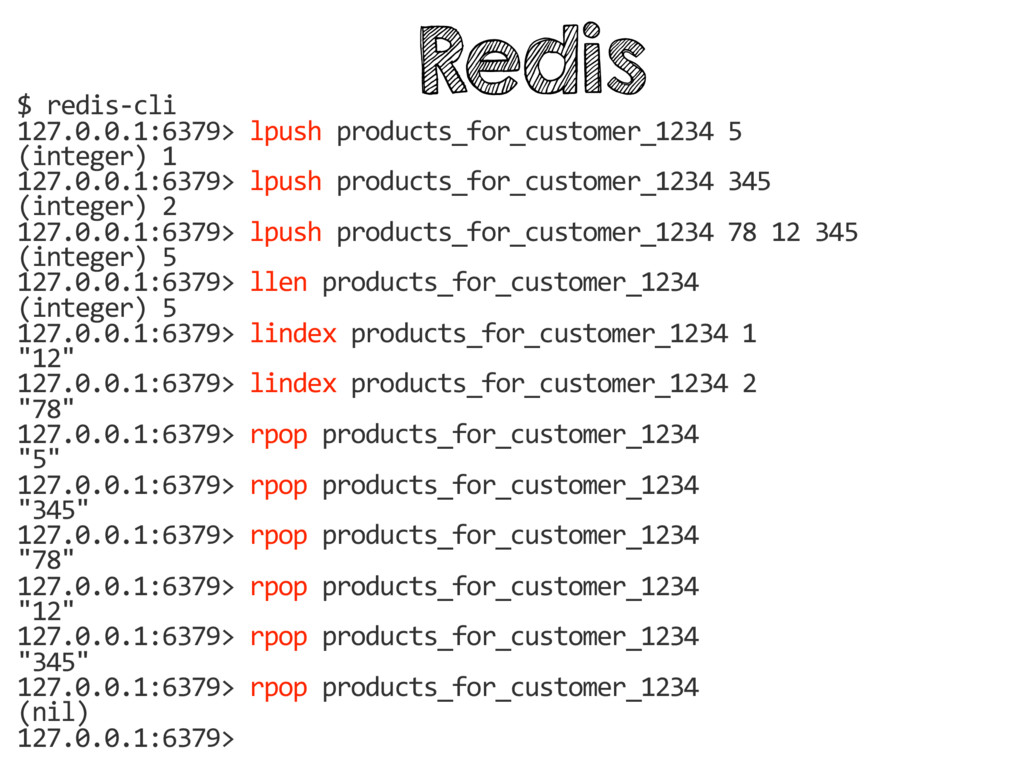
$ redis-cli 127.0.0.1:6379> lpush products_for_customer_1234 5 (integer) 1 127.0.0.1:6379> lpush
products_for_customer_1234 345 (integer) 2 127.0.0.1:6379> lpush products_for_customer_1234 78 12 345 (integer) 5 127.0.0.1:6379> llen products_for_customer_1234 (integer) 5 127.0.0.1:6379> lindex products_for_customer_1234 1 "12" 127.0.0.1:6379> lindex products_for_customer_1234 2 "78" 127.0.0.1:6379> rpop products_for_customer_1234 "5" 127.0.0.1:6379> rpop products_for_customer_1234 "345" 127.0.0.1:6379> rpop products_for_customer_1234 "78" 127.0.0.1:6379> rpop products_for_customer_1234 "12" 127.0.0.1:6379> rpop products_for_customer_1234 "345" 127.0.0.1:6379> rpop products_for_customer_1234 (nil) 127.0.0.1:6379> Redis -
daemonize yes pidfile /var/run/redis.pid port 6379 databases 16 maxmemory 1gb
maxmemory-policy volatile-lru save 900 1 save 300 10 save 60 10000 dbfilename dump.rdb dir ./ slaveof 10.10.10.20 6379 appendonly yes appendfilename "appendonly.aof" Redis server config -
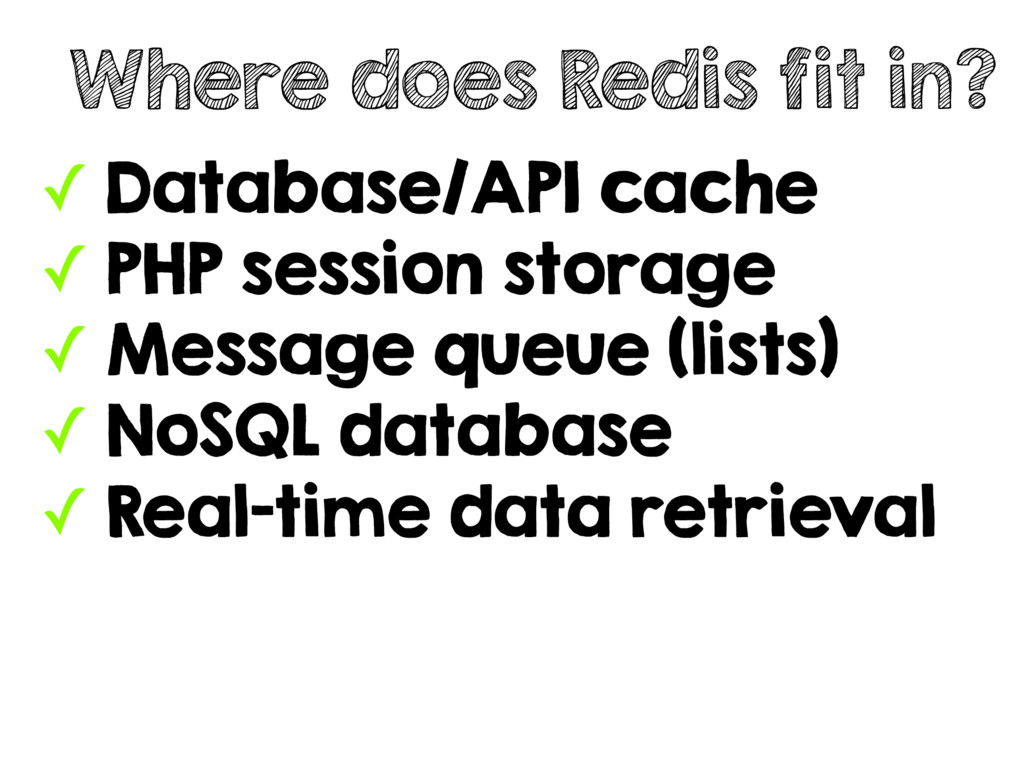
✓ Database/API cache ✓ PHP session storage ✓ Message queue
(lists) ✓ NoSQL database ✓ Real-time data retrieval Where does Redis fit in? -
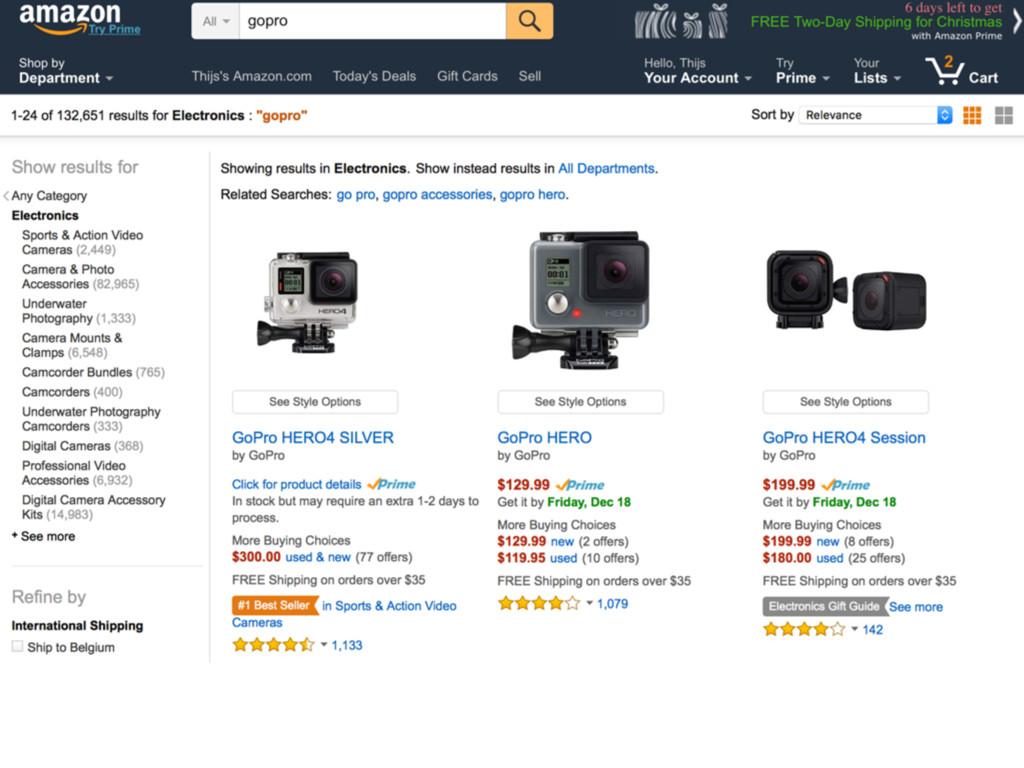
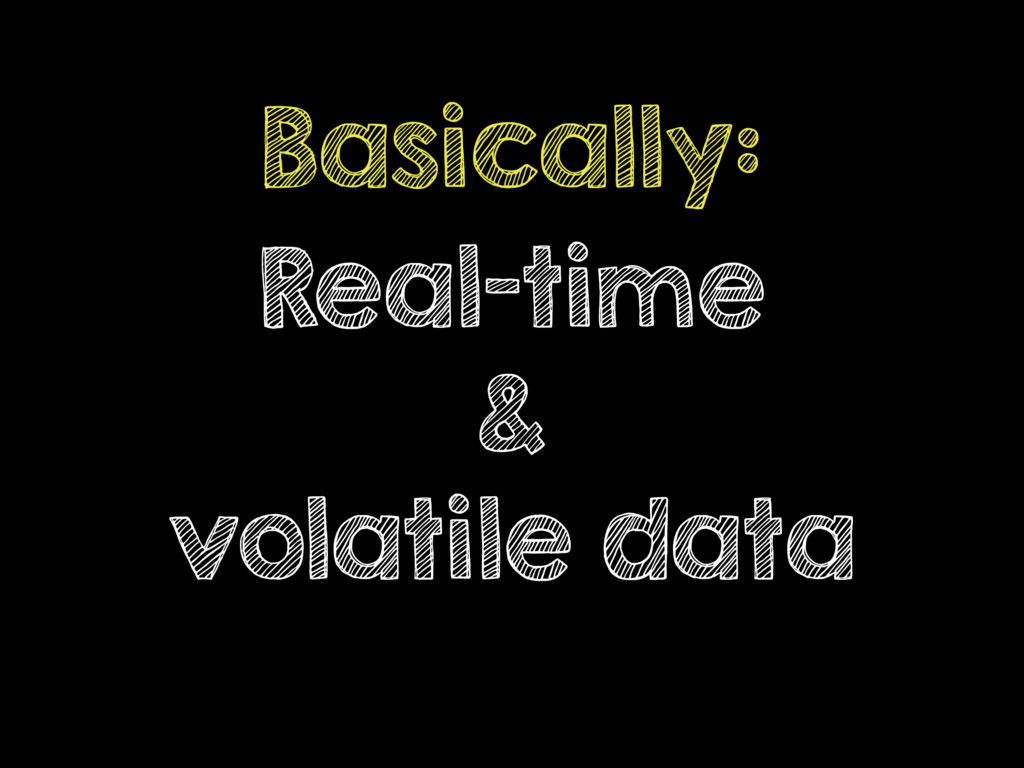
✓ Stock quantities ✓ Variable pricing information ✓ Shopping cart
✓ User profile information Where does Redis fit in? -
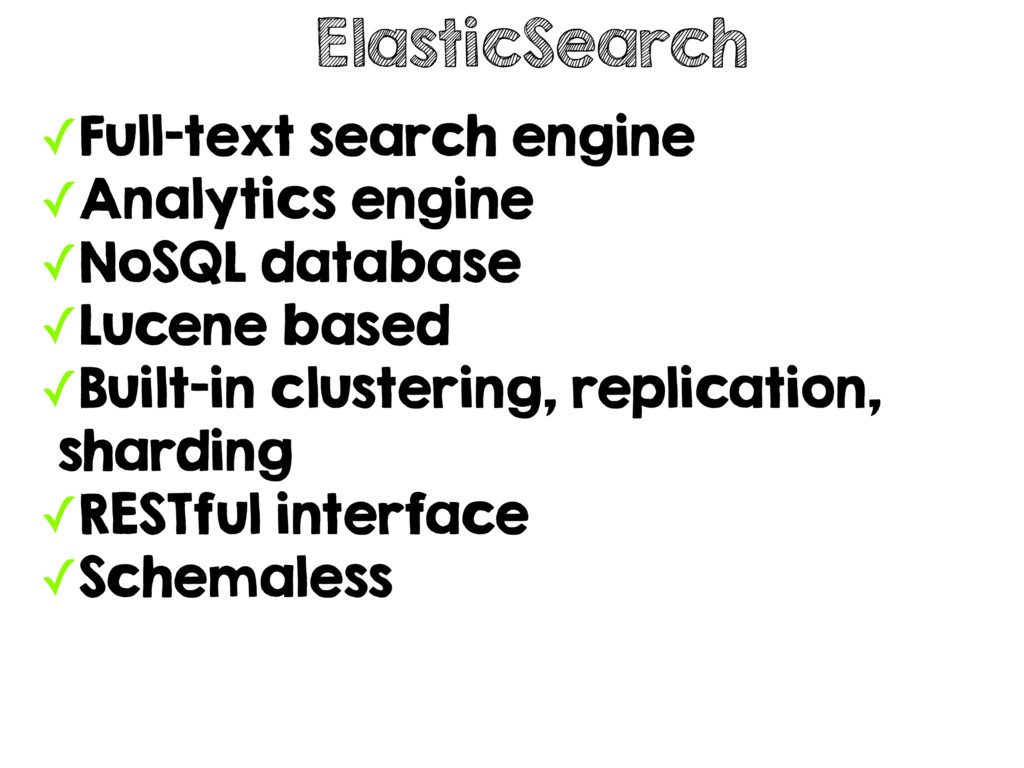
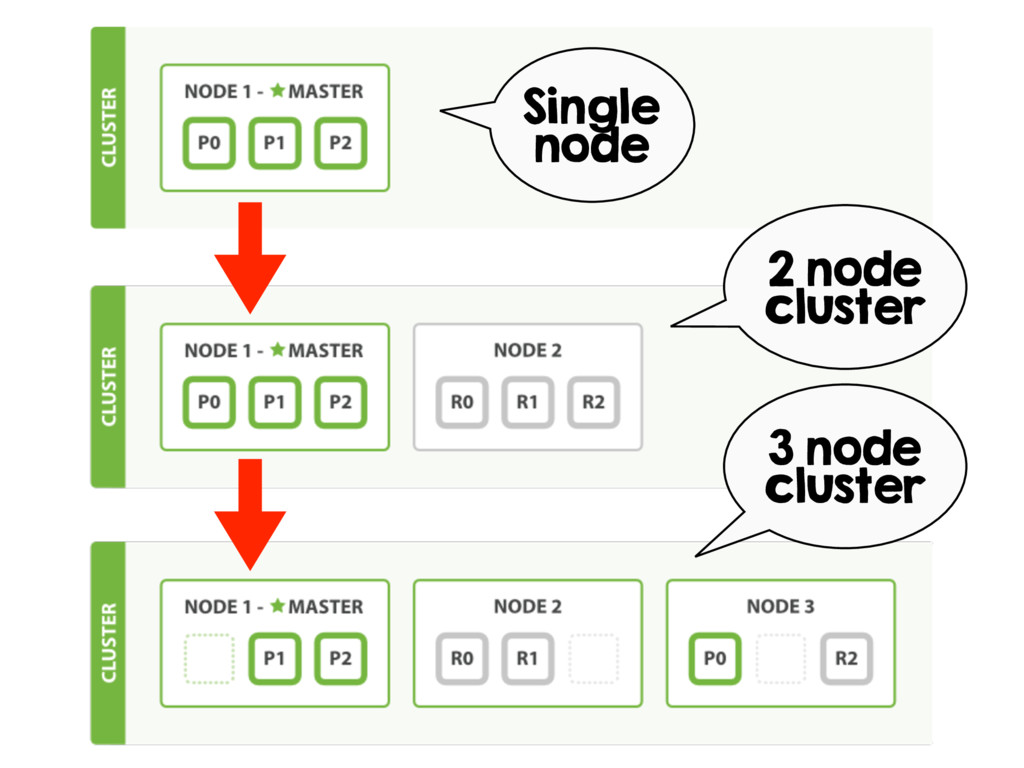
✓Full-text search engine ✓Analytics engine ✓NoSQL database ✓Lucene based ✓Built-in
clustering, replication, sharding ✓RESTful interface ✓Schemaless ElasticSearch -
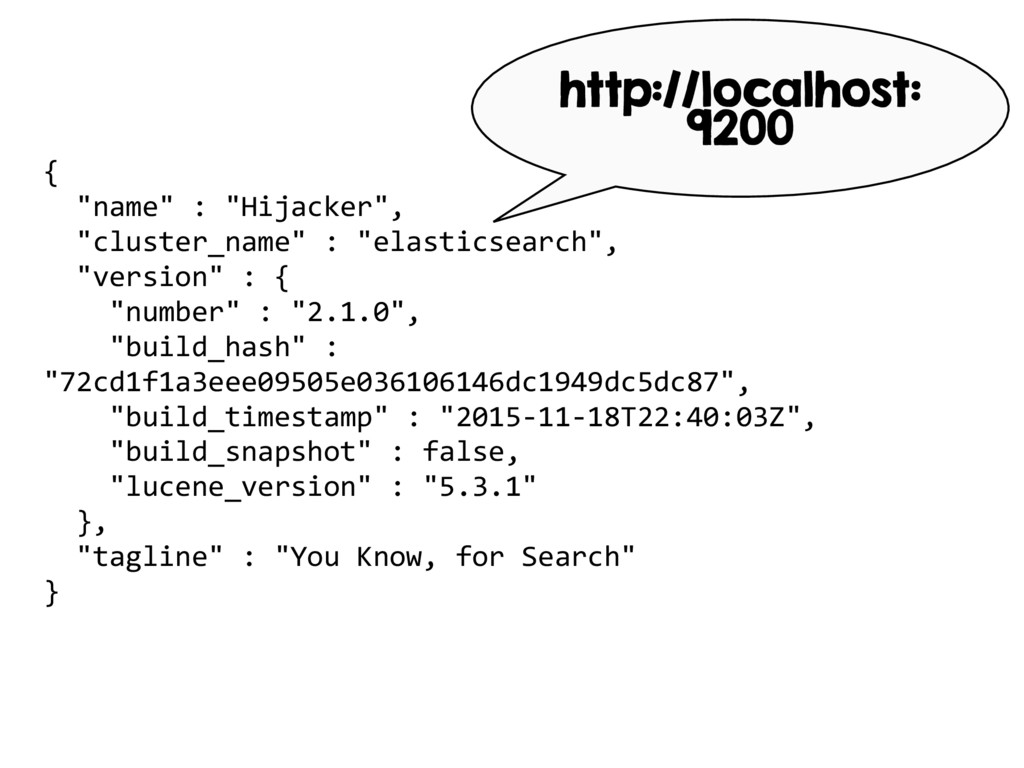
{ "name" : "Hijacker", "cluster_name" : "elasticsearch", "version" : {
"number" : "2.1.0", "build_hash" : "72cd1f1a3eee09505e036106146dc1949dc5dc87", "build_timestamp" : "2015-11-18T22:40:03Z", "build_snapshot" : false, "lucene_version" : "5.3.1" }, "tagline" : "You Know, for Search" } http://localhost: 9200 -
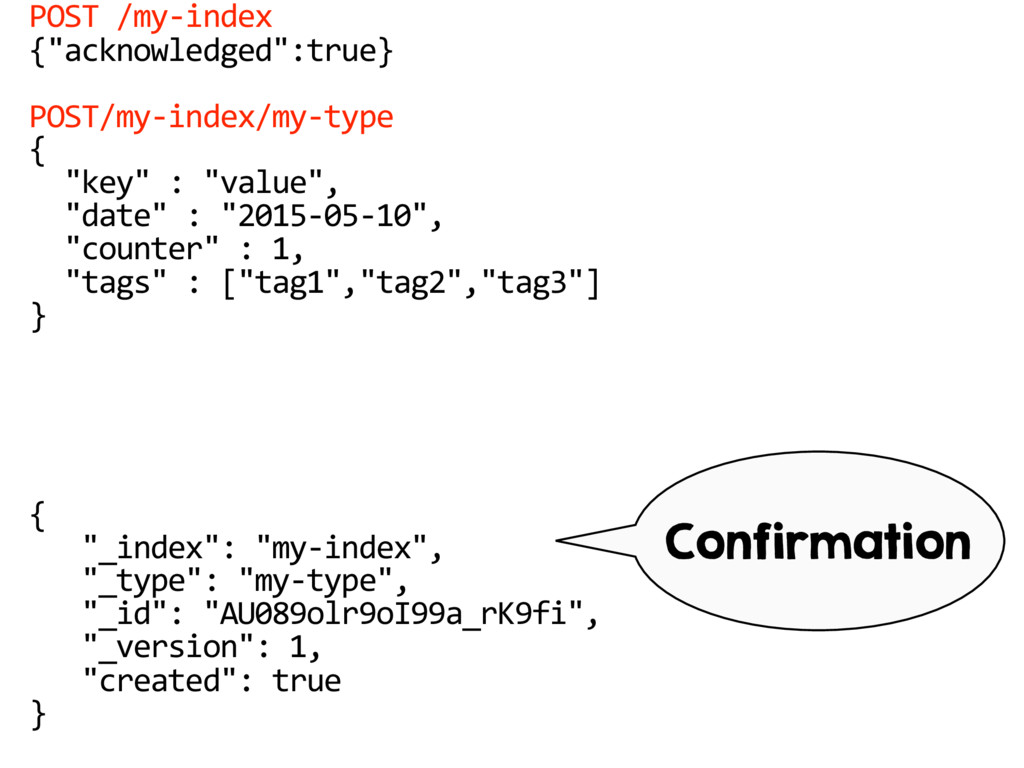
POST /my-index {"acknowledged":true} POST/my-index/my-type { "key" : "value", "date" :
"2015-05-10", "counter" : 1, "tags" : ["tag1","tag2","tag3"] } { "_index": "my-index", "_type": "my-type", "_id": "AU089olr9oI99a_rK9fi", "_version": 1, "created": true } Confirmation -
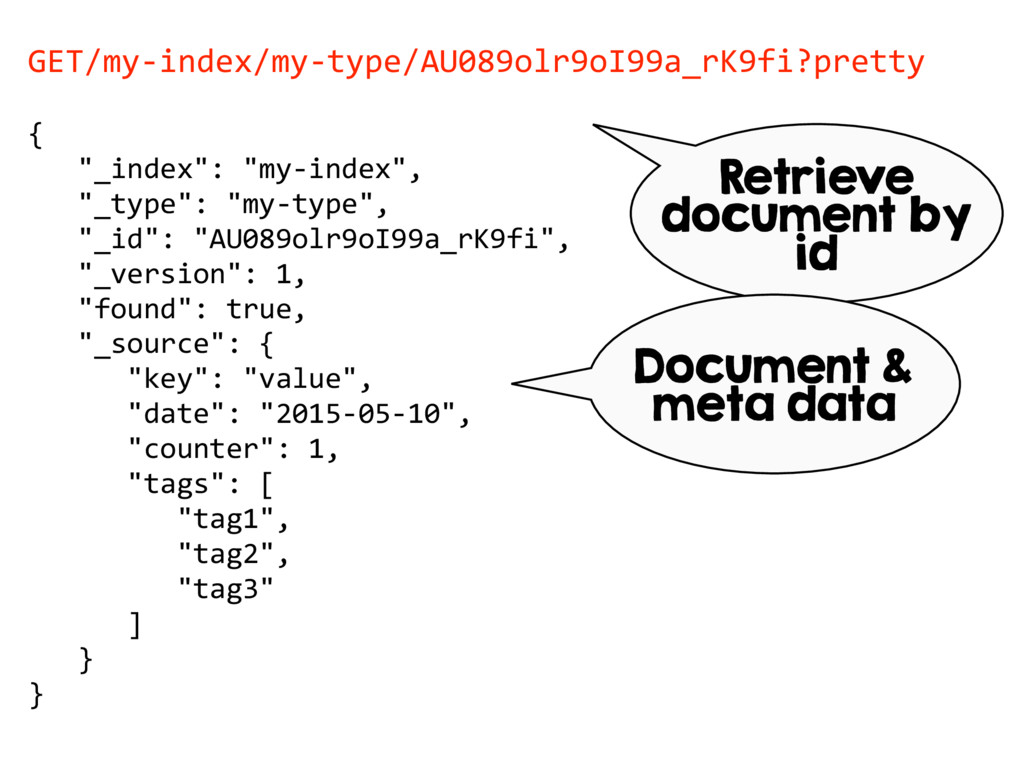
GET/my-index/my-type/AU089olr9oI99a_rK9fi?pretty { "_index": "my-index", "_type": "my-type", "_id": "AU089olr9oI99a_rK9fi", "_version": 1,
"found": true, "_source": { "key": "value", "date": "2015-05-10", "counter": 1, "tags": [ "tag1", "tag2", "tag3" ] } } Retrieve document by id Document & meta data -
GET /my-index/_mapping?pretty { "my-index": { "mappings": { "my-type": { "properties":
{ "counter": { "type": "long" }, "date": { "type": "date", "format": "dateOptionalTime" }, "key": { "type": "string" }, "tags": { "type": "string" } } } } } } Schemaless? Not really … “Guesses” mapping on insert -
POST /products { "mappings": { "product" : { "_id" :
{ "path" : "entity_id" }, "properties" : { "entity_id" : {"type" : "integer"}, "name" : { "type" : "string", "index" : "not_analyzed", "fields" : { "raw" : { "type" : "string", "analyzer": "english" } } }, "description" : { "type" : "string", "index" : "not_analyzed", "fields" : { "raw" : { "type" : "string", "analyzer": "english" } } }, "price" : {"type" : "double"}, "sku" : {"type" : "string", "index" : "not_analyzed"}, "created_at" : {"type" : "date", "format" : "YYYY-MM-dd HH:mm:ss"}, "updated_at" : {"type" : "date", "format" : "YYYY-MM-dd HH:mm:ss"} , "category" : { "type" : "string", "index" : "not_analyzed" } } } } } Explicit mapping at index creation time -
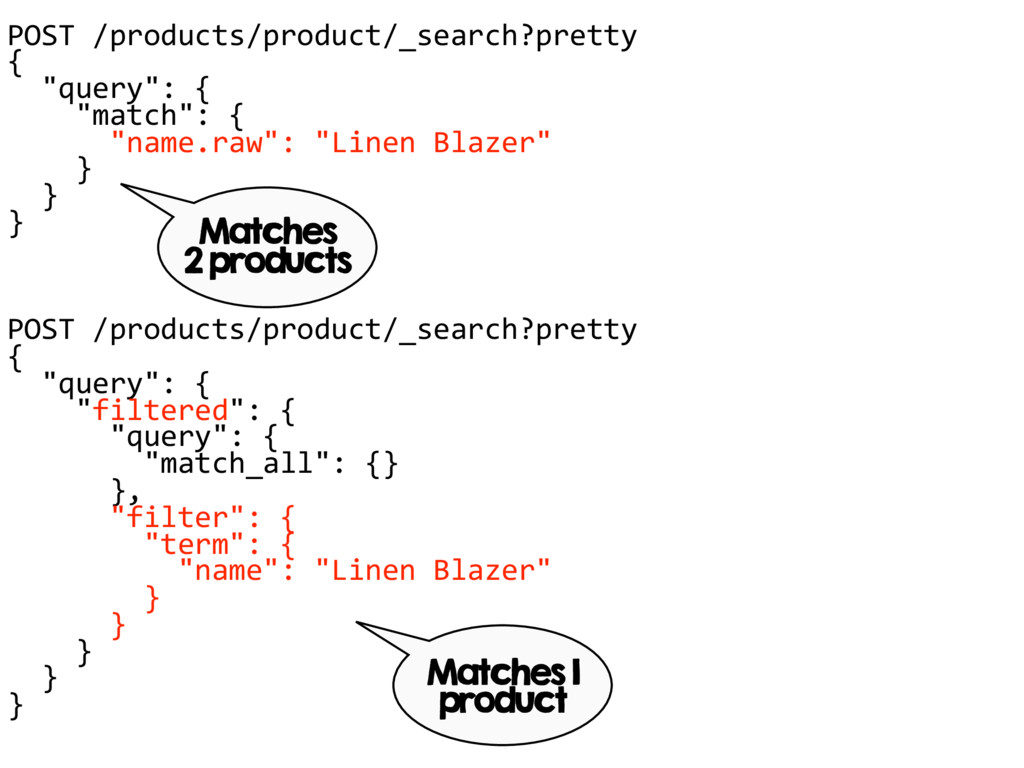
POST /products/product/_search?pretty { "query": { "match": { "name.raw": "Linen Blazer"
} } } POST /products/product/_search?pretty { "query": { "filtered": { "query": { "match_all": {} }, "filter": { "term": { "name": "Linen Blazer" } } } } } Matches 2 products Matches 1 product -
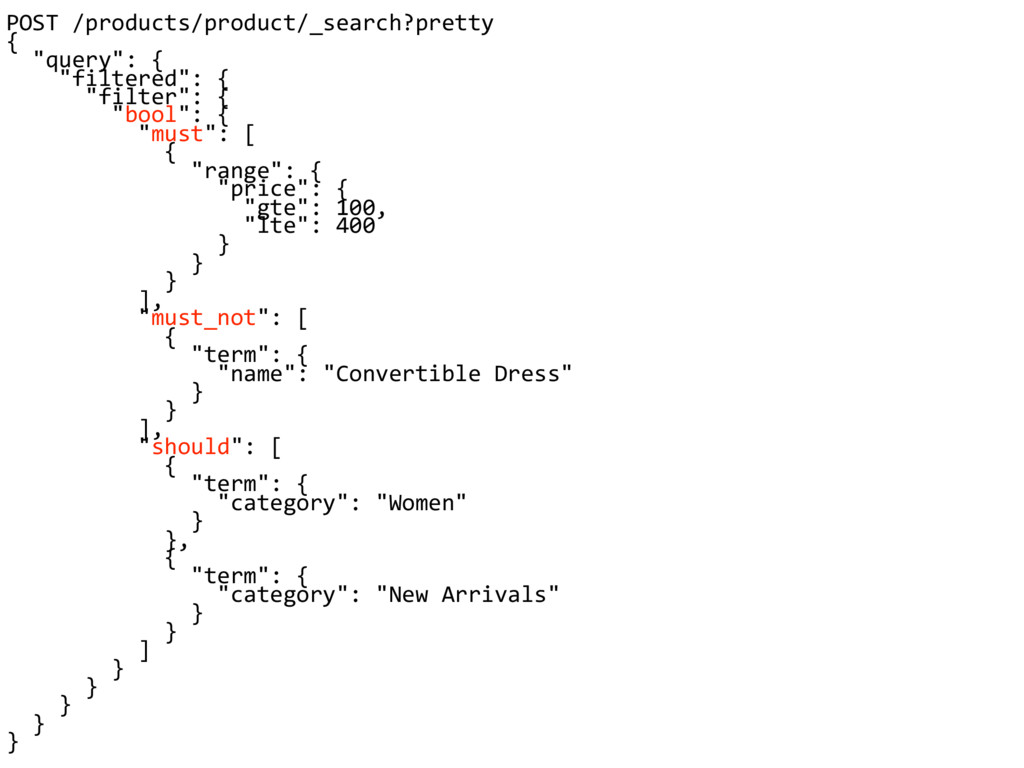
POST /products/product/_search?pretty { "query": { "filtered": { "filter": { "bool":
{ "must": [ { "range": { "price": { "gte": 100, "lte": 400 } } } ], "must_not": [ { "term": { "name": "Convertible Dress" } } ], "should": [ { "term": { "category": "Women" } }, { "term": { "category": "New Arrivals" } } ] } } } } } -
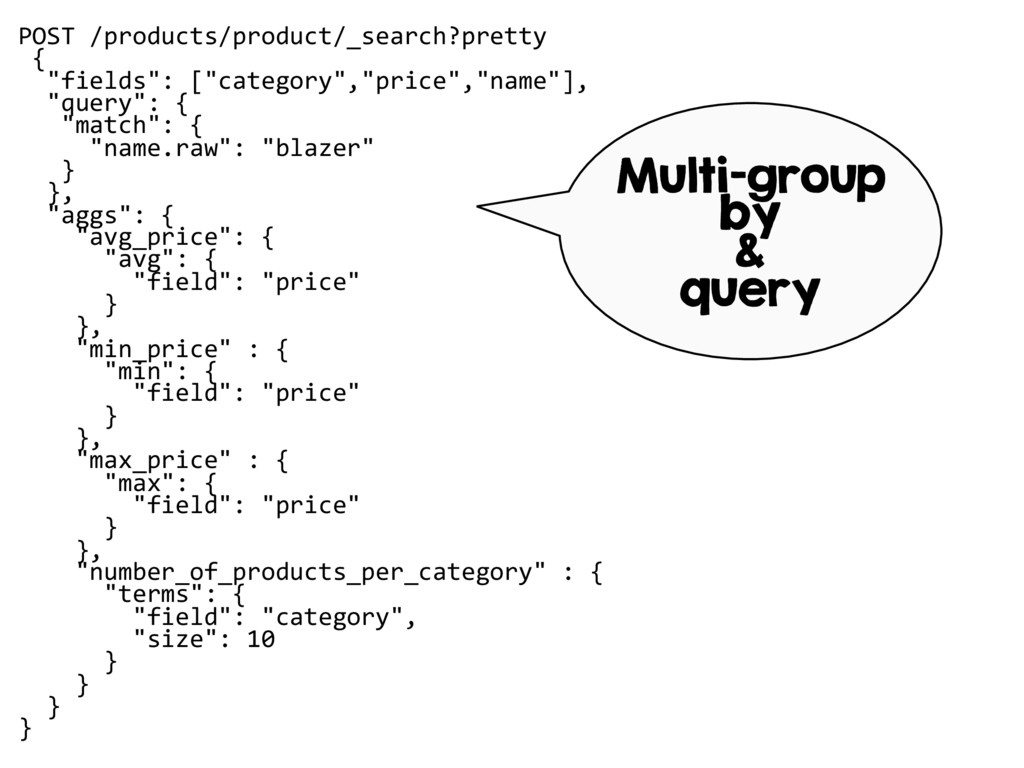
POST /products/product/_search?pretty { "fields": ["category","price","name"], "query": { "match": { "name.raw":
"blazer" } }, "aggs": { "avg_price": { "avg": { "field": "price" } }, "min_price" : { "min": { "field": "price" } }, "max_price" : { "max": { "field": "price" } }, "number_of_products_per_category" : { "terms": { "field": "category", "size": 10 } } } } Multi-group by & query -
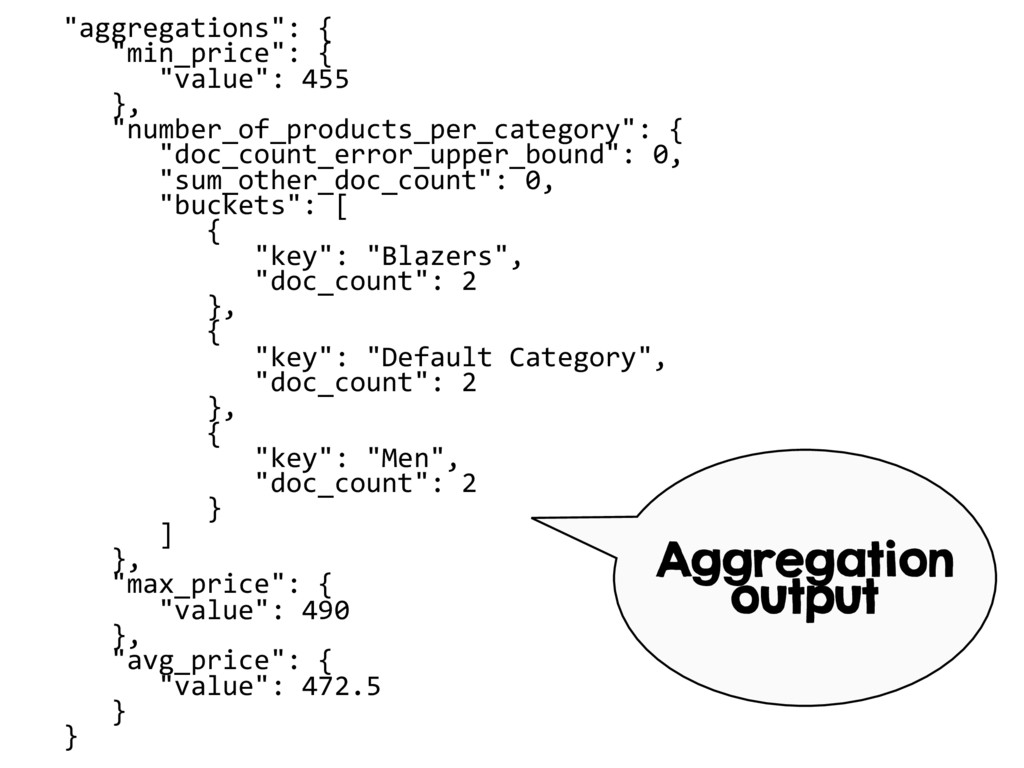
"aggregations": { "min_price": { "value": 455 }, "number_of_products_per_category": { "doc_count_error_upper_bound":
0, "sum_other_doc_count": 0, "buckets": [ { "key": "Blazers", "doc_count": 2 }, { "key": "Default Category", "doc_count": 2 }, { "key": "Men", "doc_count": 2 } ] }, "max_price": { "value": 490 }, "avg_price": { "value": 472.5 } } Aggregation output -
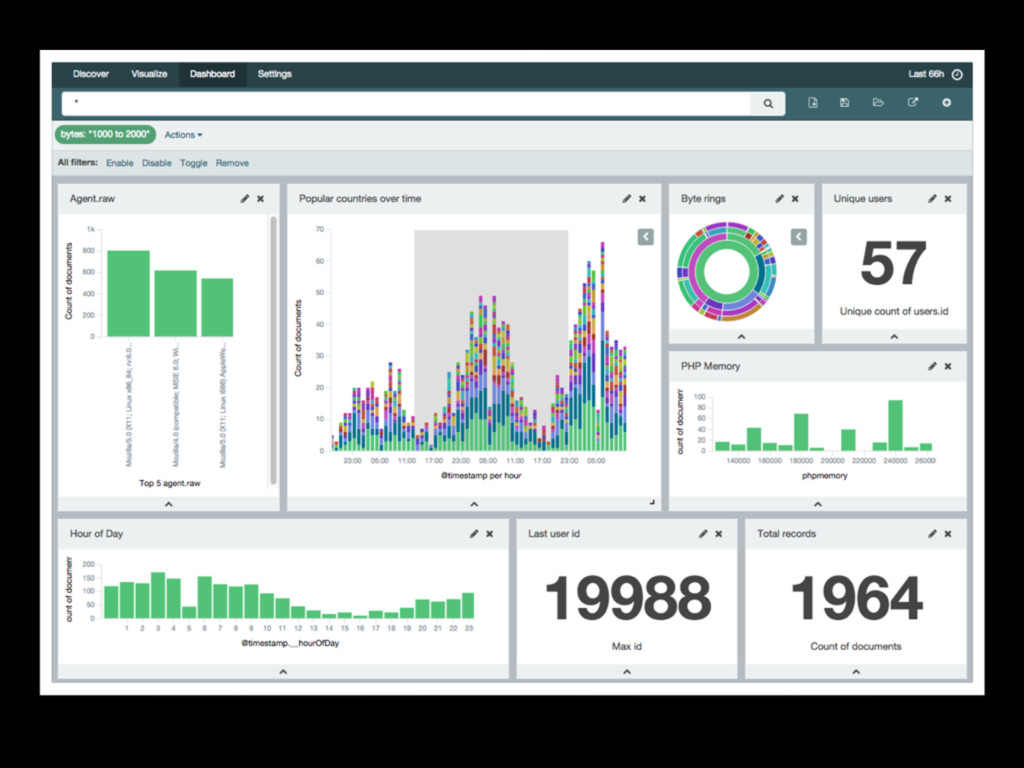
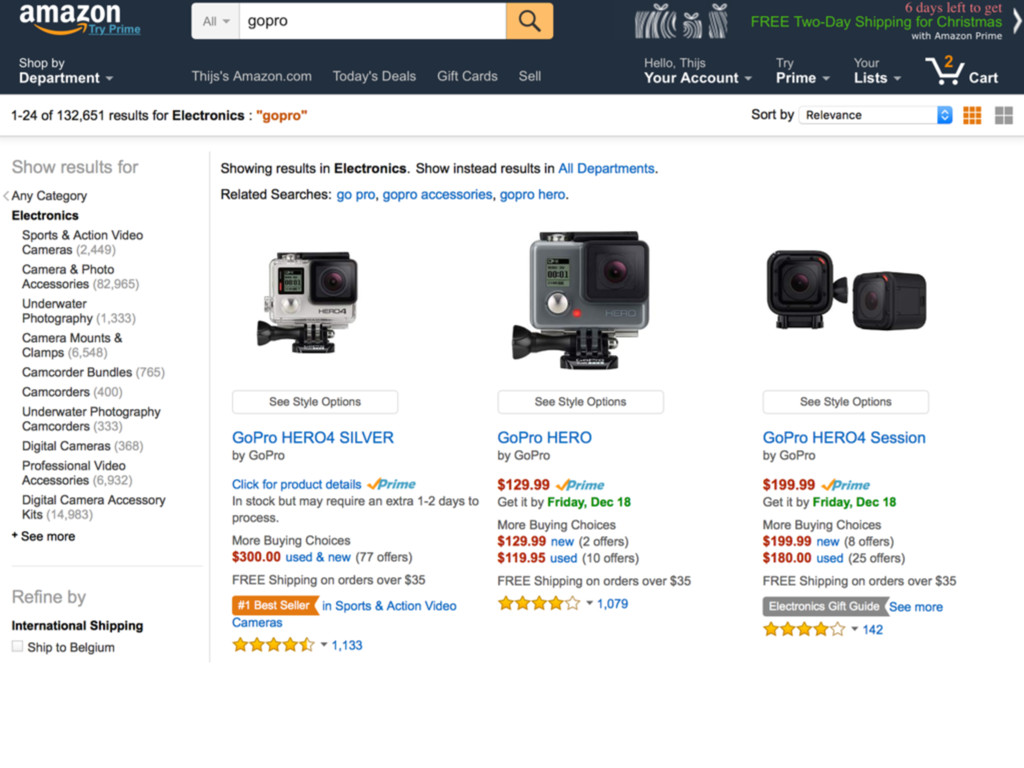
✓ Full-text search engine with drill-down search ✓ NoSQL database
✓ Big data analytics tool using Kibana Where does ElasticSearch fit in? -
✓ All product information ✓ All categories & attributes ✓
Log archive ✓ Both NoSQL DB & search engine Where does ElasticSearch fit in? -
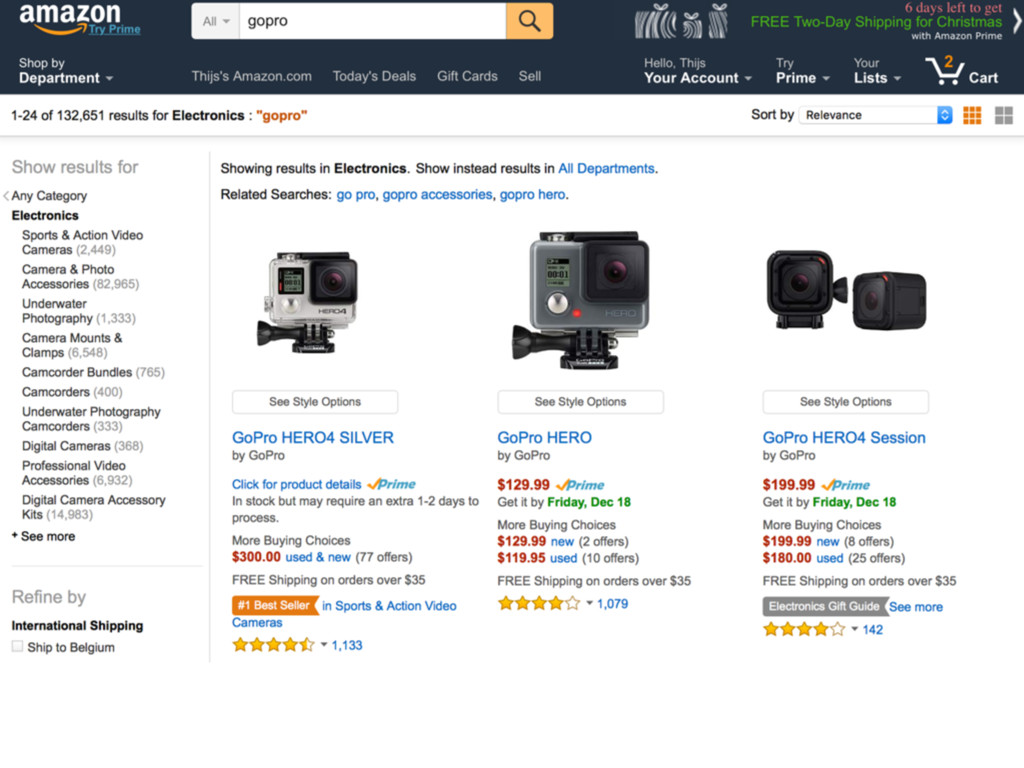
✓ Image resizing ✓ Logging/reporting ✓ PDF generation ✓ Check-out
on super busy event sites ✓ … -
✓ Uses PHP-CLI ✓ Runs continuously ✓ Process forking ✓
Pthreads ✓ Run worker scripts in parallel ✓ Managed by supervisord Worker scripts -
✓ Sync MySQL & Redis ✓ Resize images ✓ Async
logging & metrics ✓ Update quantities & prices Worker scripts -
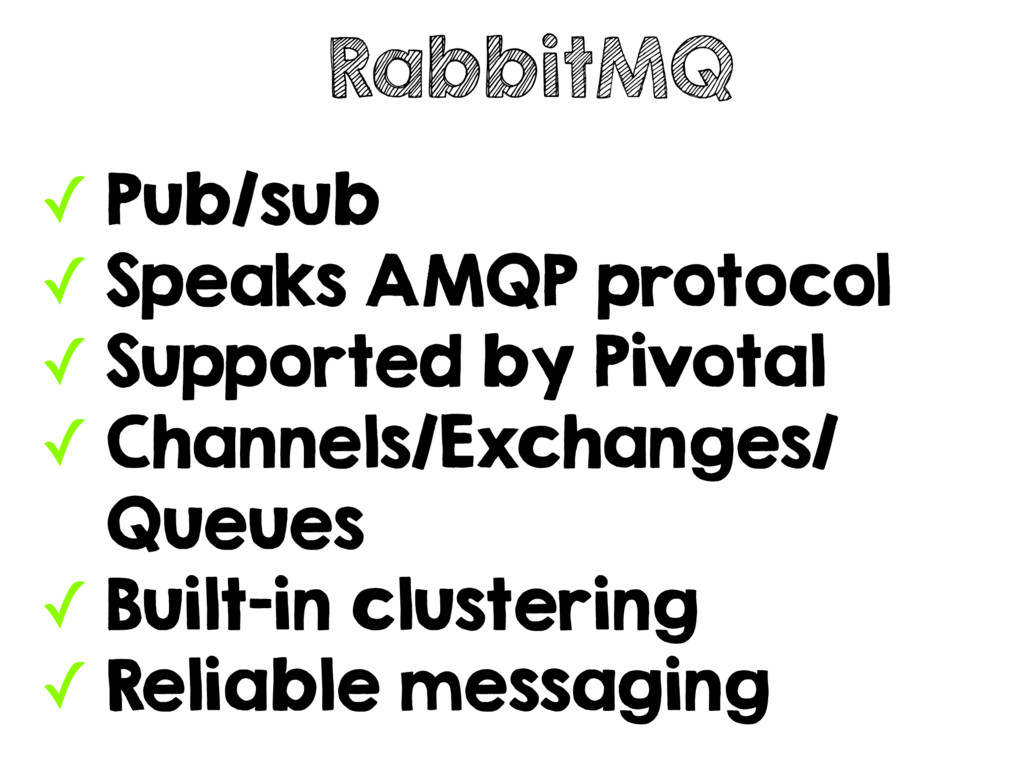
✓ Pub/sub ✓ Speaks AMQP protocol ✓ Supported by Pivotal
✓ Channels/Exchanges/ Queues ✓ Built-in clustering ✓ Reliable messaging RabbitMQ -
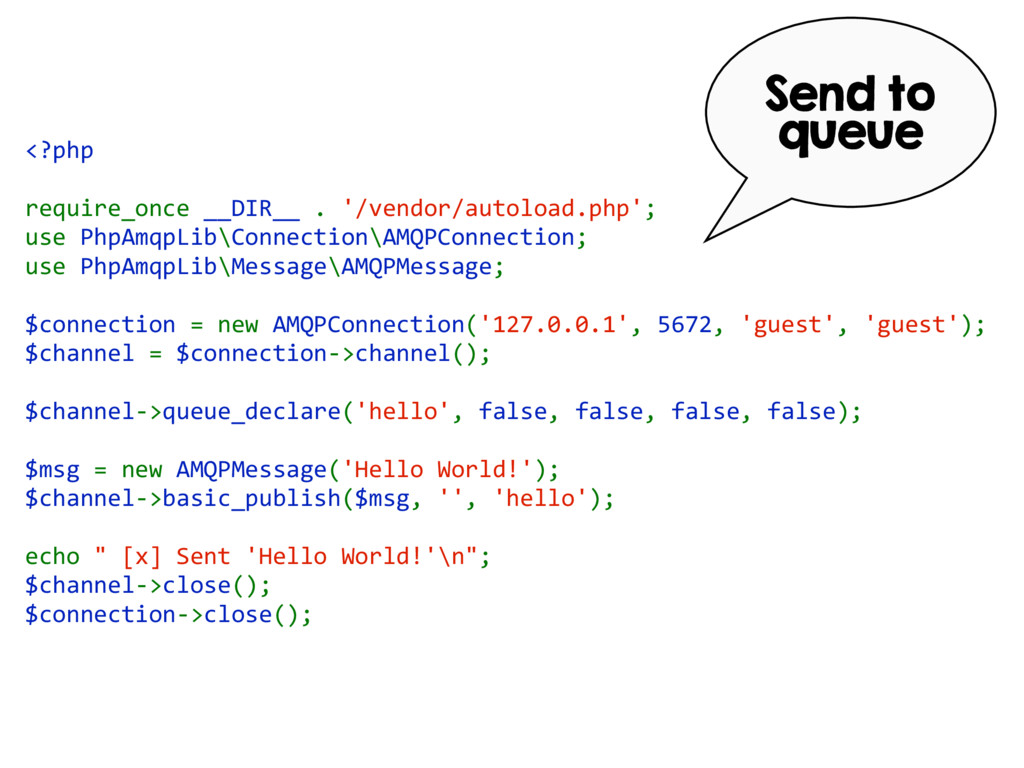
<?php require_once __DIR__ . '/vendor/autoload.php'; use PhpAmqpLib\Connection\AMQPConnection; use PhpAmqpLib\Message\AMQPMessage; $connection
= new AMQPConnection('127.0.0.1', 5672, 'guest', 'guest'); $channel = $connection->channel(); $channel->queue_declare('hello', false, false, false, false); $msg = new AMQPMessage('Hello World!'); $channel->basic_publish($msg, '', 'hello'); echo " [x] Sent 'Hello World!'\n"; $channel->close(); $connection->close(); Send to queue -
<?php require_once __DIR__ . '/vendor/autoload.php'; use PhpAmqpLib\Connection\AMQPConnection; $callback = function($msg)
{ echo " [x] Received ", $msg->body, "\n"; }; $connection = new AMQPConnection('127.0.0.1', 5672, 'guest', 'guest'); $channel = $connection->channel(); echo ' [*] Waiting for messages. To exit press CTRL+C', "\n"; $channel->basic_consume('hello', '', false, true, false, false, $callback); while(count($channel->callbacks)) { $channel->wait(); } $channel->close(); $connection->close(); Receive from queue -
✓ Take load away from user process ✓ Free up
resources on frontend servers ✓ Elaborate messaging strategies ✓ Async event-based actions Where do RabbitMQ/workers fit in? -
✓ Synchronize stock and price changes between Redis & MySQL
✓ Synchronize product changes between ElasticSearch & MysQL ✓ Stock/price/sales notifications ✓ Async checkout for busy event sites Where do RabbitMQ/workers fit in? -
But with most of these tools we still go through
the PHP runtime … -
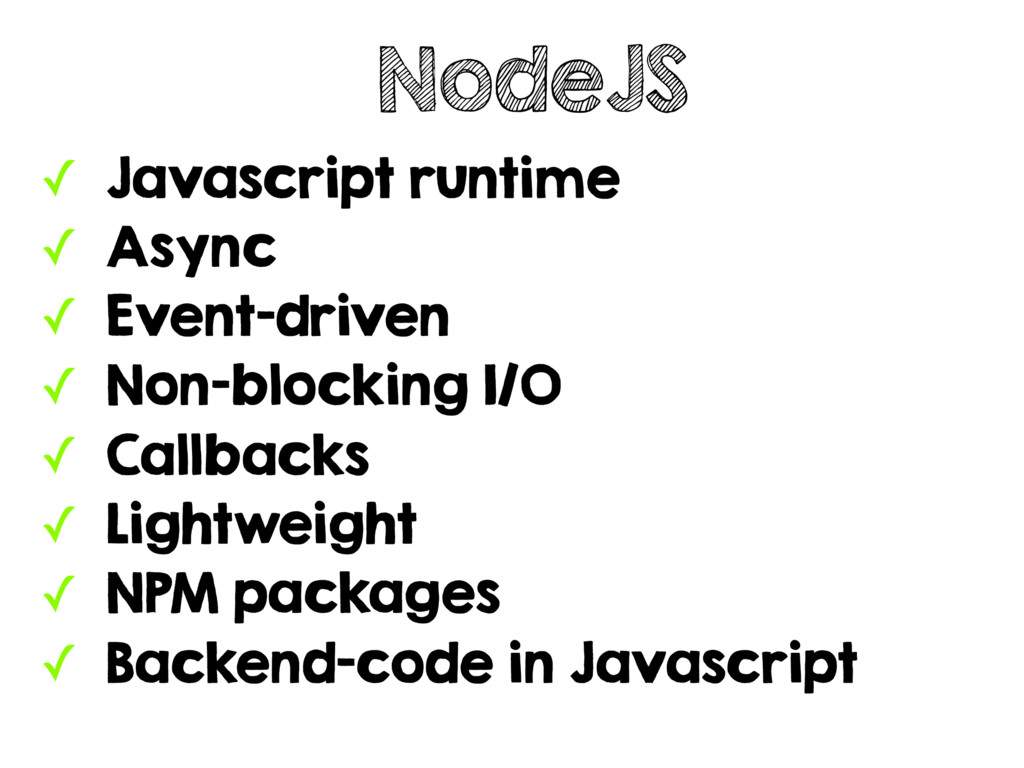
✓ Javascript runtime ✓ Async ✓ Event-driven ✓ Non-blocking I/O
✓ Callbacks ✓ Lightweight ✓ NPM packages ✓ Backend-code in Javascript NodeJS -
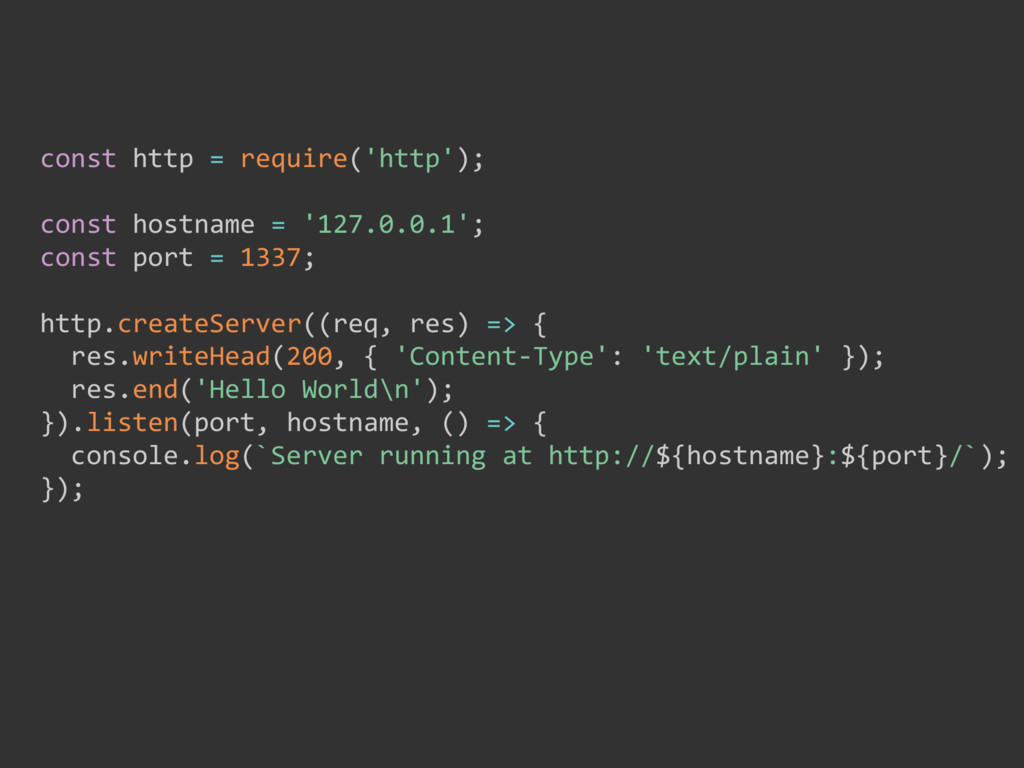
const http = require('http'); const hostname = '127.0.0.1'; const port
= 1337; http.createServer((req, res) => { res.writeHead(200, { 'Content-Type': 'text/plain' }); res.end('Hello World\n'); }).listen(port, hostname, () => { console.log(`Server running at http://${hostname}:${port}/`); }); -
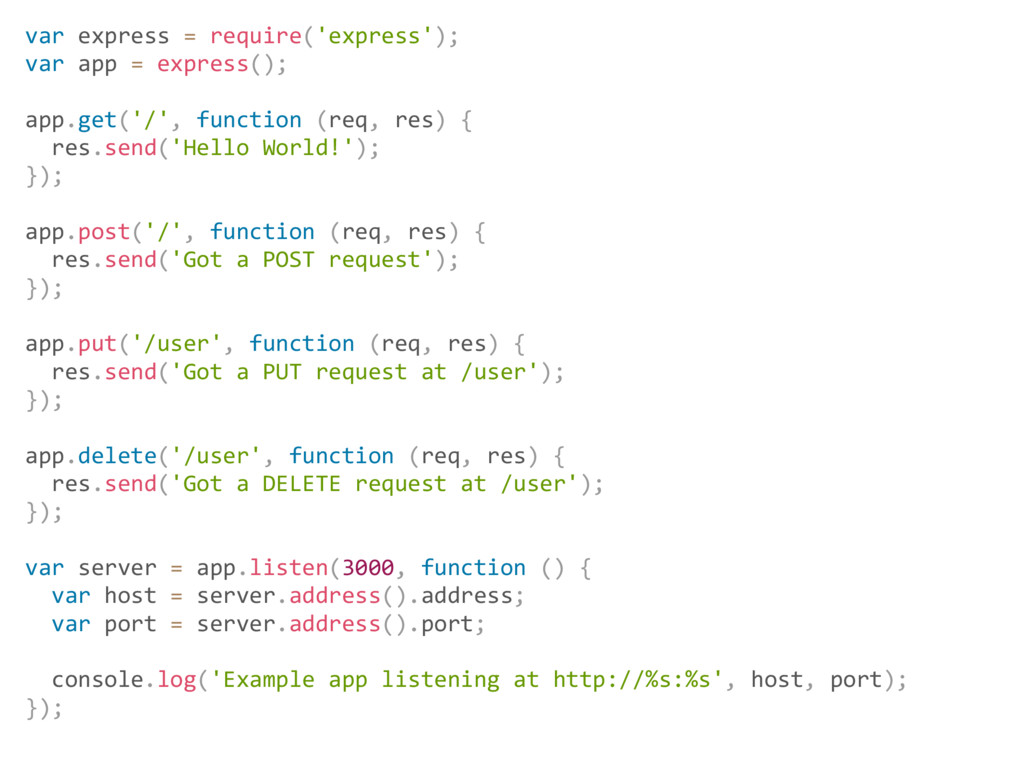
var express = require('express'); var app = express(); app.get('/', function
(req, res) { res.send('Hello World!'); }); app.post('/', function (req, res) { res.send('Got a POST request'); }); app.put('/user', function (req, res) { res.send('Got a PUT request at /user'); }); app.delete('/user', function (req, res) { res.send('Got a DELETE request at /user'); }); var server = app.listen(3000, function () { var host = server.address().address; var port = server.address().port; console.log('Example app listening at http://%s:%s', host, port); }); -
var elasticsearch = require('elasticsearch'); var express = require('express'); var bodyParser
= require('body-parser') var redis = require("redis"); var amqp = require('amqplib/callback_api'); var elasticsearchClient = new elasticsearch.Client({ host: 'localhost:9200', log: 'error' }); var redisClient = redis.createClient(); redisClient.on("error", function (err) { console.log("Error " + err); }); var app = express(); app.use(bodyParser.urlencoded({ extended: false })) app.use(bodyParser.json()) Initialize -
app.get('/products', function (req, res) { elasticsearchClient.search({ index: 'thedemo', type: 'product',
body: { query: { match_all: {} } } }).then(function (resp) { res.json(resp.hits.hits) }, function (err) { console.trace(err.message); }); }); app.get('/products/:id([0-9]+)/stock', function (req, res) { redisClient.get(req.params.id+':stock', function(err, reply) { res.json(parseInt(reply)); }); }); Get products from ES Get stock from Redis -
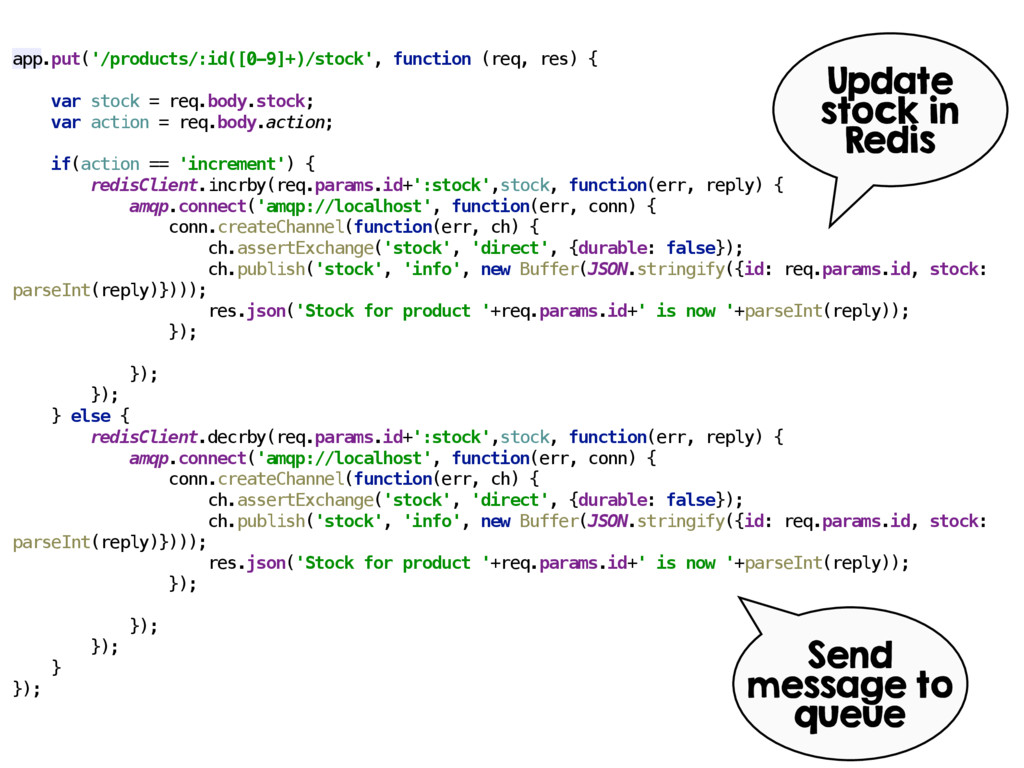
app.put('/products/:id([0-9]+)/stock', function (req, res) { var stock = req.body.stock;
var action = req.body.action; if(action == 'increment') { redisClient.incrby(req.params.id+':stock',stock, function(err, reply) { amqp.connect('amqp://localhost', function(err, conn) { conn.createChannel(function(err, ch) { ch.assertExchange('stock', 'direct', {durable: false}); ch.publish('stock', 'info', new Buffer(JSON.stringify({id: req.params.id, stock: parseInt(reply)}))); res.json('Stock for product '+req.params.id+' is now '+parseInt(reply)); }); }); }); } else { redisClient.decrby(req.params.id+':stock',stock, function(err, reply) { amqp.connect('amqp://localhost', function(err, conn) { conn.createChannel(function(err, ch) { ch.assertExchange('stock', 'direct', {durable: false}); ch.publish('stock', 'info', new Buffer(JSON.stringify({id: req.params.id, stock: parseInt(reply)}))); res.json('Stock for product '+req.params.id+' is now '+parseInt(reply)); }); }); }); } }); Update stock in Redis Send message to queue -
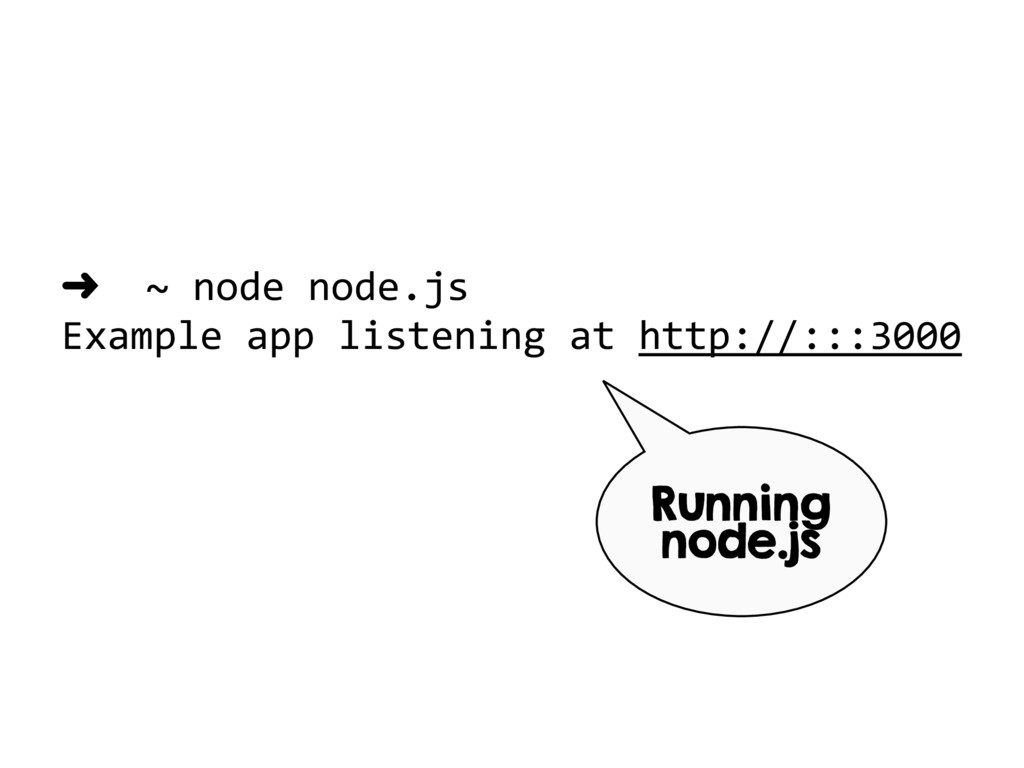
➜ ~ curl -XPUT localhost:3000/products/1/ stock -d"stock=2&action=increment" "Stock for product
1 is now 7” ➜ ~ php stock.php info [*] Waiting for logs. To exit press CTRL+C [x] info:{"id":"1","stock":7} API call PHP queue worker -
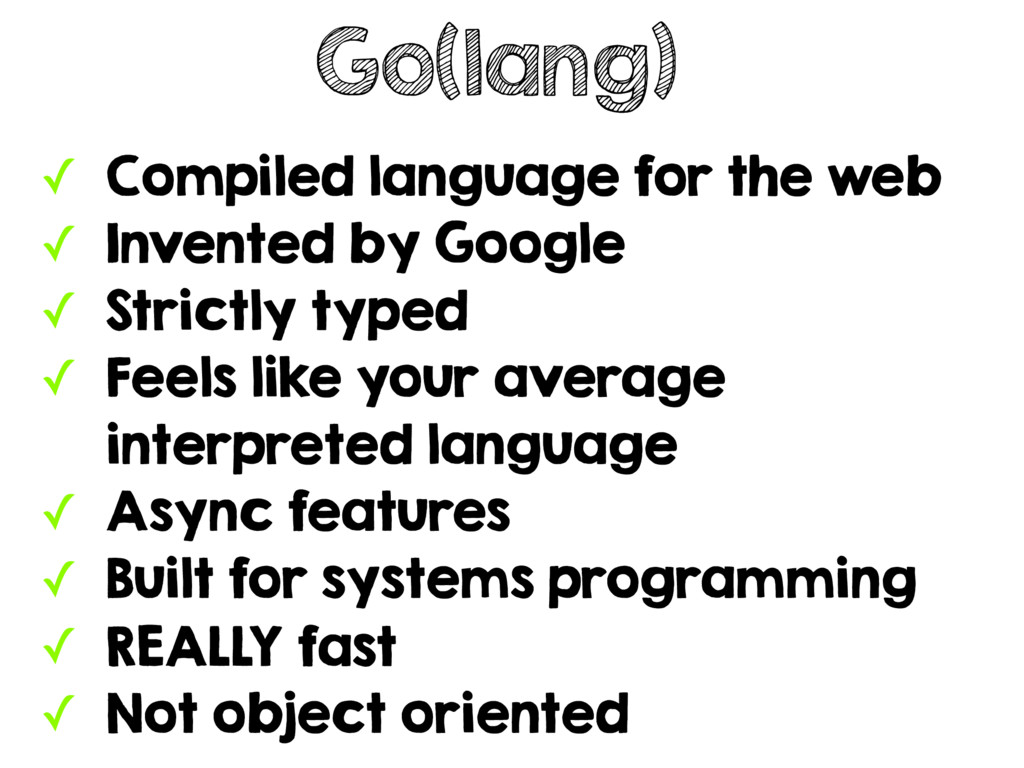
✓ Compiled language for the web ✓ Invented by Google
✓ Strictly typed ✓ Feels like your average interpreted language ✓ Async features ✓ Built for systems programming ✓ REALLY fast ✓ Not object oriented Go(lang) -
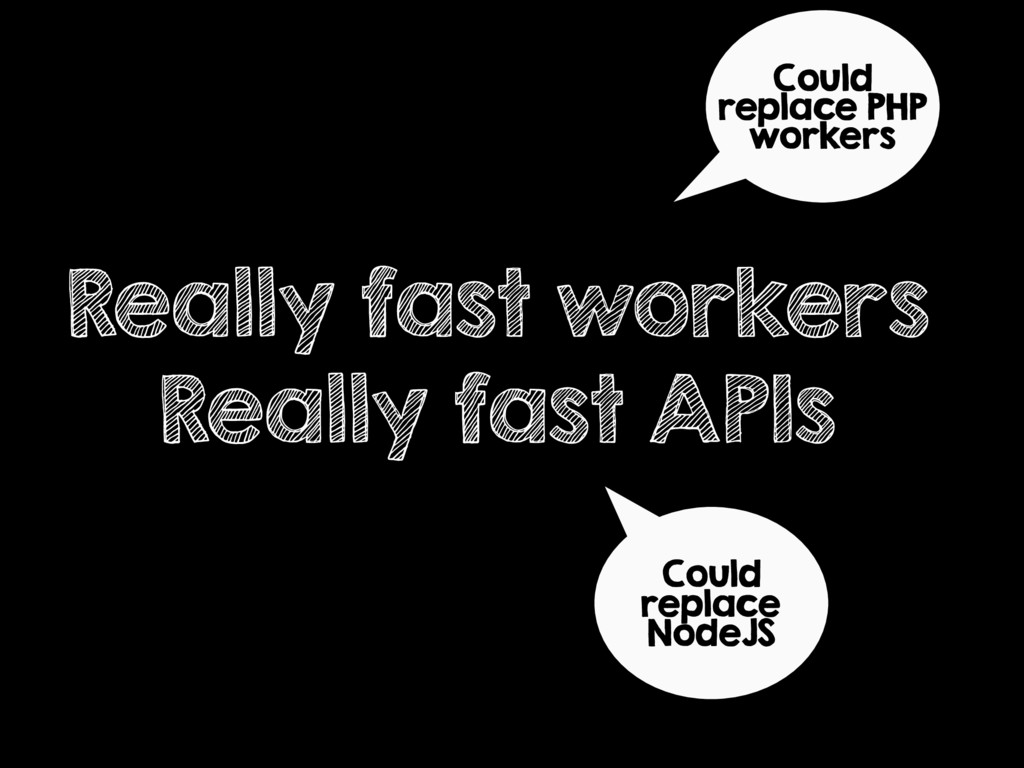
Really fast workers Really fast APIs Could replace PHP workers
Could replace NodeJS -
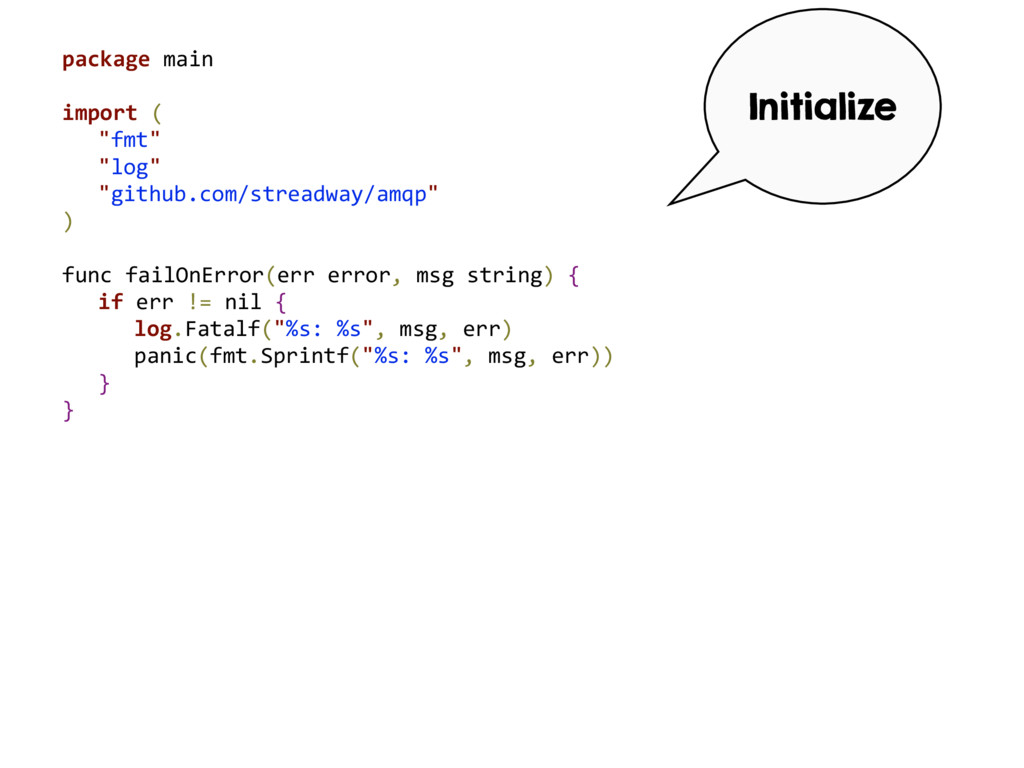
package main import ( "fmt" "log" "github.com/streadway/amqp" ) func failOnError(err
error, msg string) { if err != nil { log.Fatalf("%s: %s", msg, err) panic(fmt.Sprintf("%s: %s", msg, err)) } } Initialize -
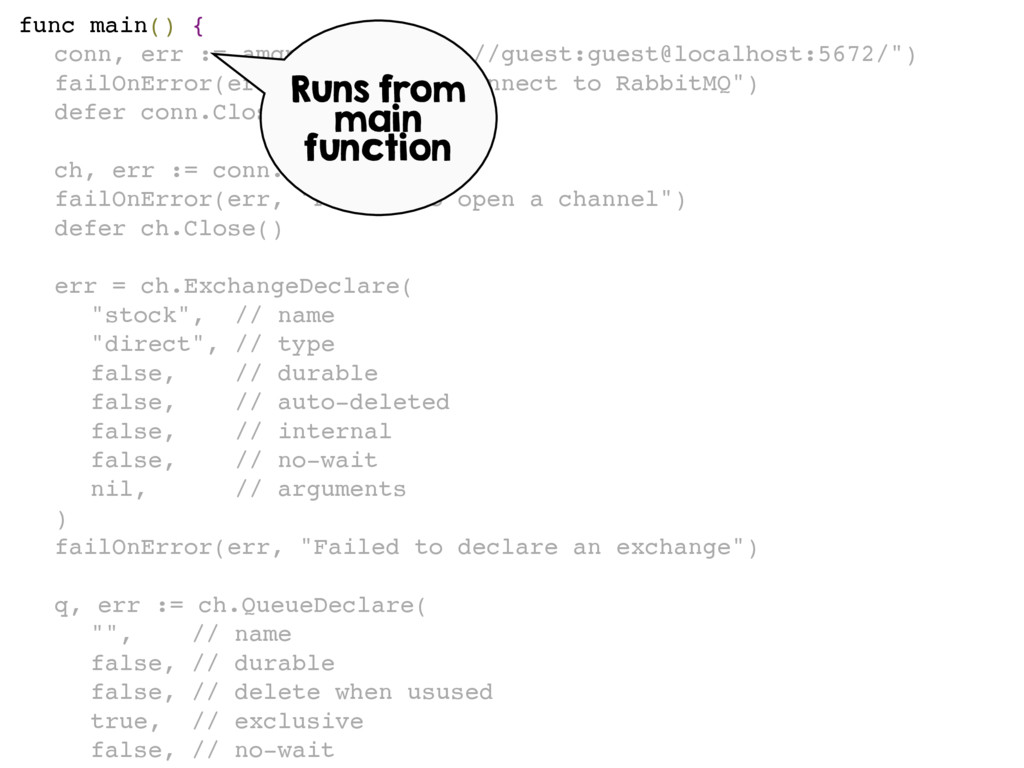
func main() { conn, err := amqp.Dial("amqp://guest:guest@localhost:5672/") failOnError(err, "Failed to
connect to RabbitMQ") defer conn.Close() ch, err := conn.Channel() failOnError(err, "Failed to open a channel") defer ch.Close() err = ch.ExchangeDeclare( "stock", // name "direct", // type false, // durable false, // auto-deleted false, // internal false, // no-wait nil, // arguments ) failOnError(err, "Failed to declare an exchange") q, err := ch.QueueDeclare( "", // name false, // durable false, // delete when usused true, // exclusive false, // no-wait Runs from main function -
conn, err := amqp.Dial("amqp://guest:guest@localhost:5672/") failOnError(err, "Failed to connect to RabbitMQ")
defer conn.Close() ch, err := conn.Channel() failOnError(err, "Failed to open a channel") defer ch.Close() err = ch.ExchangeDeclare( "stock", // name "direct", // type false, // durable false, // auto-deleted false, // internal false, // no-wait nil, // arguments ) failOnError(err, "Failed to declare an exchange") Initialize connection Initialize exchange -
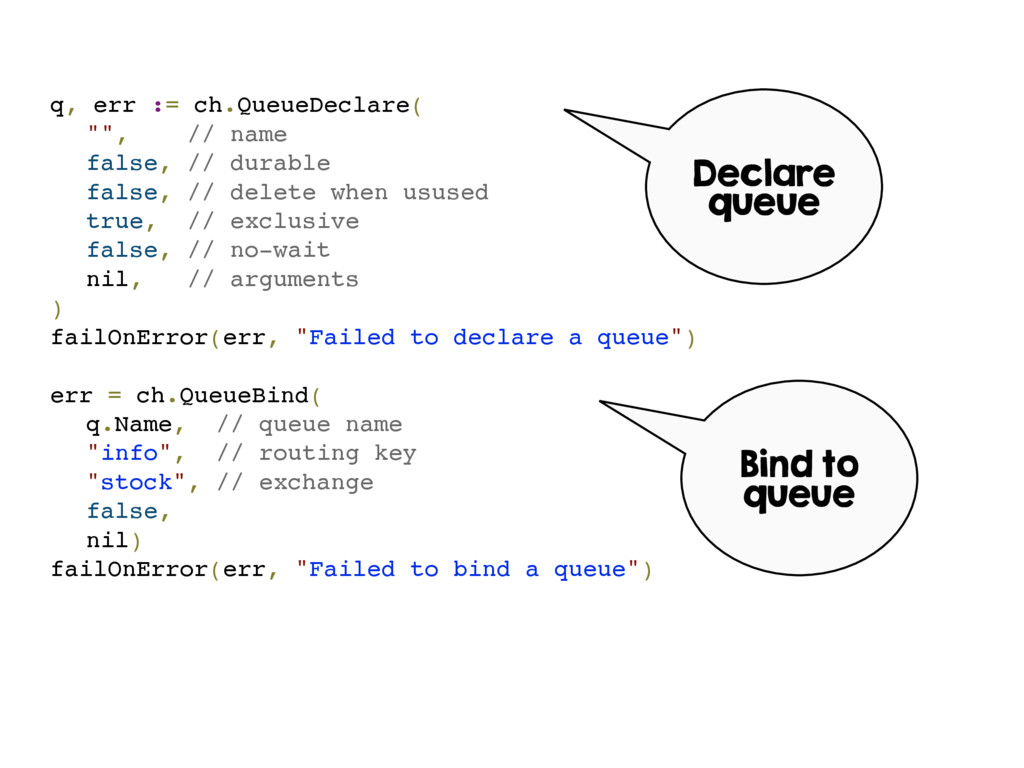
q, err := ch.QueueDeclare( "", // name false, // durable
false, // delete when usused true, // exclusive false, // no-wait nil, // arguments ) failOnError(err, "Failed to declare a queue") err = ch.QueueBind( q.Name, // queue name "info", // routing key "stock", // exchange false, nil) failOnError(err, "Failed to bind a queue") Declare queue Bind to queue -
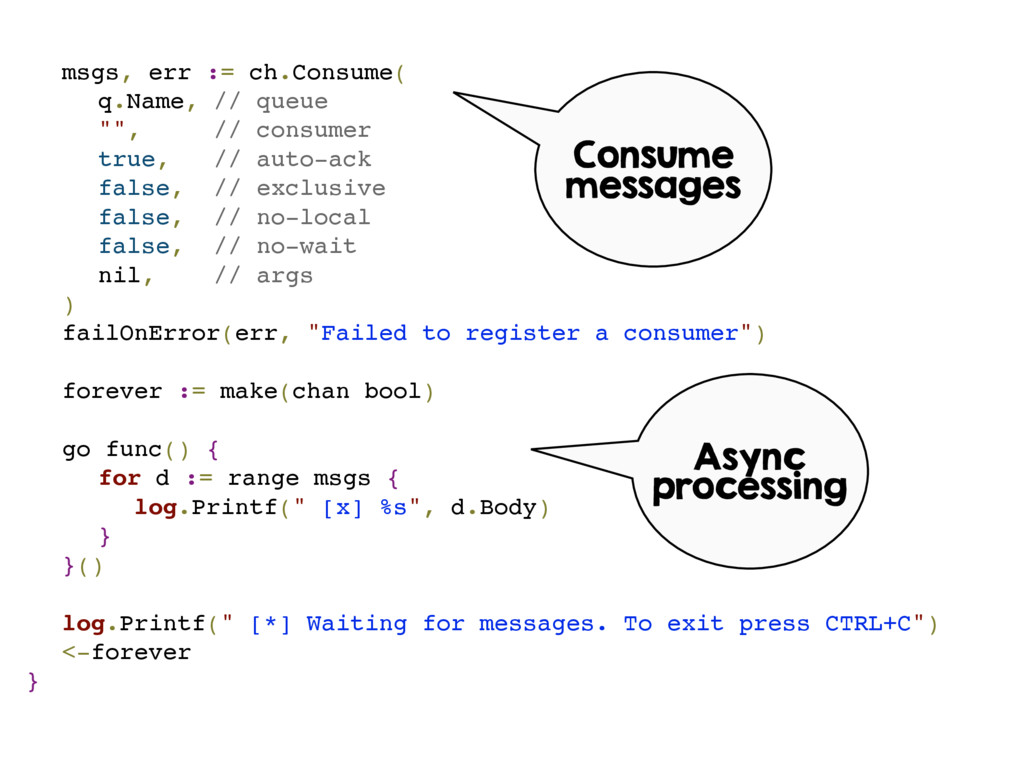
msgs, err := ch.Consume( q.Name, // queue "", // consumer
true, // auto-ack false, // exclusive false, // no-local false, // no-wait nil, // args ) failOnError(err, "Failed to register a consumer") forever := make(chan bool) go func() { for d := range msgs { log.Printf(" [x] %s", d.Body) } }() log.Printf(" [*] Waiting for messages. To exit press CTRL+C") <-forever } Consume messages Async processing -
✓ Go get ✓ Go run worker.go ✓ Go install
worker.go ✓ env GOOS=linux GOARCH=amd64 go build worker.go Useful Go commands -
✓ Cache pages (Varnish) ✓ Assemble content via ESI or
AJAX ✓ Static assets on Nginx or CDN ✓ Business logic in lightweight API calls (NodeJS, Go) ✓ Key-value stores for volatile & real-time data in Redis ✓ ElasticSearch as a NoSQL database ✓ RabbitMQ for async communication ✓ Worker processes read from message queue End game