Upgrade to Pro — share decks privately, control downloads, hide ads and more …

Sociotechnical Architecture Reviews: Understand...

Sponsored · Your Podcast. Everywhere. Effortlessly. Share. Educate. Inspire. Entertain. You do you. We'll handle the rest.

Sociotechnical Architecture Reviews: Understanding Teams, not just Artefacts

At first glance, software architecture appears to be a purely technical artefact. So it should be possible to review it solely as such—or should it? In reality, an architecture is the outcome of a team’s work and a response to stakeholder requirements. It therefore makes much more sense to review architecture as the product of a sociotechnical system.
This perspective shifts the emphasis from technical artefacts to the people behind them, their goals, and their interactions. Experience has shown that this approach provides a more efficient and effective way to understand architectures than many traditional review methods.
Attendees will see how sociotechnical reviews work in practice and leave with practical techniques to improve the effectiveness of their own reviews.

Avatar for Eberhard Wolff

Eberhard Wolff

May 12, 2026

More Decks by Eberhard Wolff

Other Decks in Technology

Transcript

  1. Sociotechnical Architecture Reviews: Understanding Teams, not just Artefacts Eberhard Wolff

    Head of Architecture https://swaglab.rocks/ https://ewolff.com/
  2. Why Reviews? • Manage a risk • New ideas from

    a different viewpoint • Sometimes mistrust
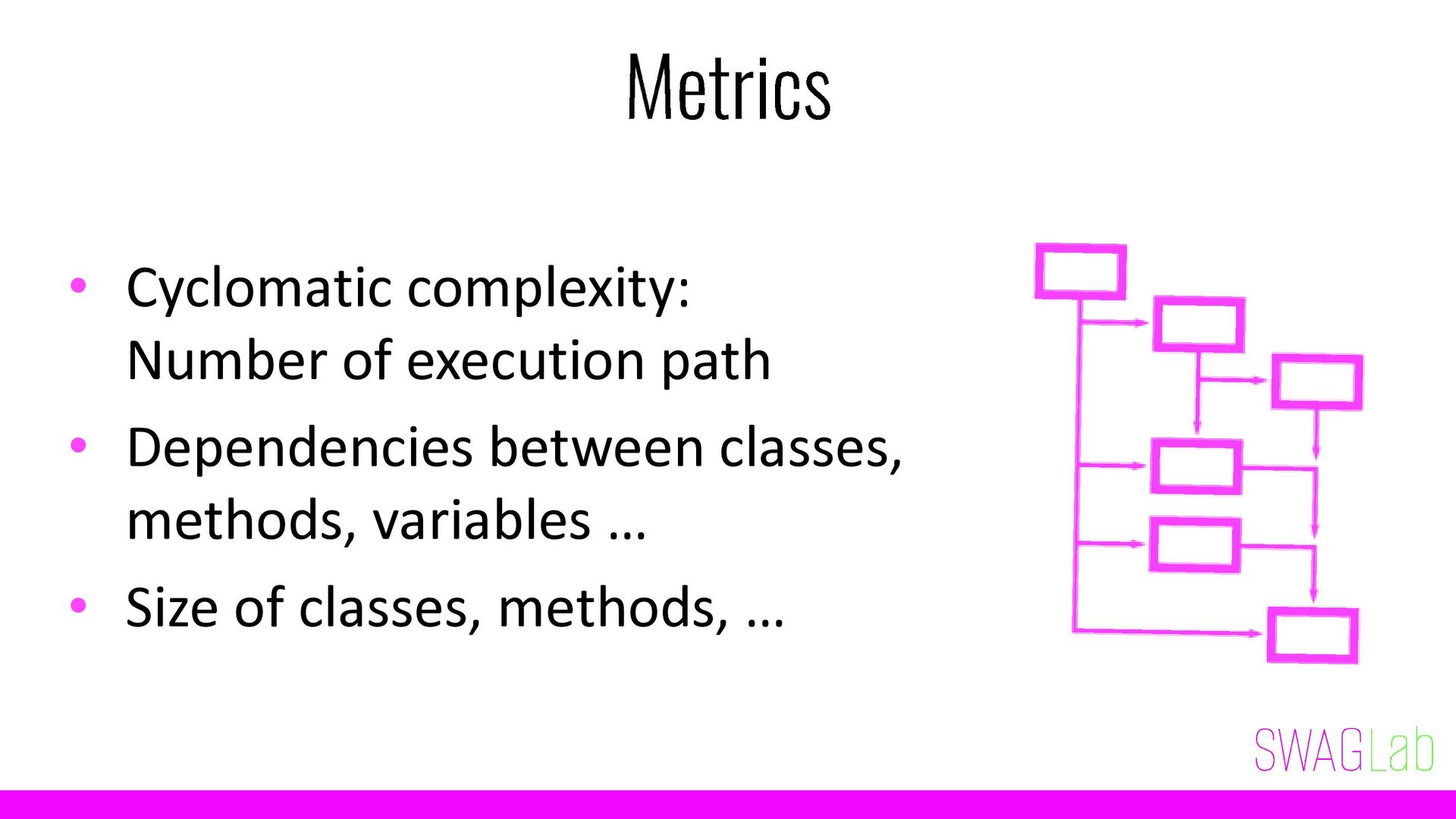
  3. Metrics • Cyclomatic complexity: Number of execution path • Dependencies

    between classes, methods, variables … • Size of classes, methods, …
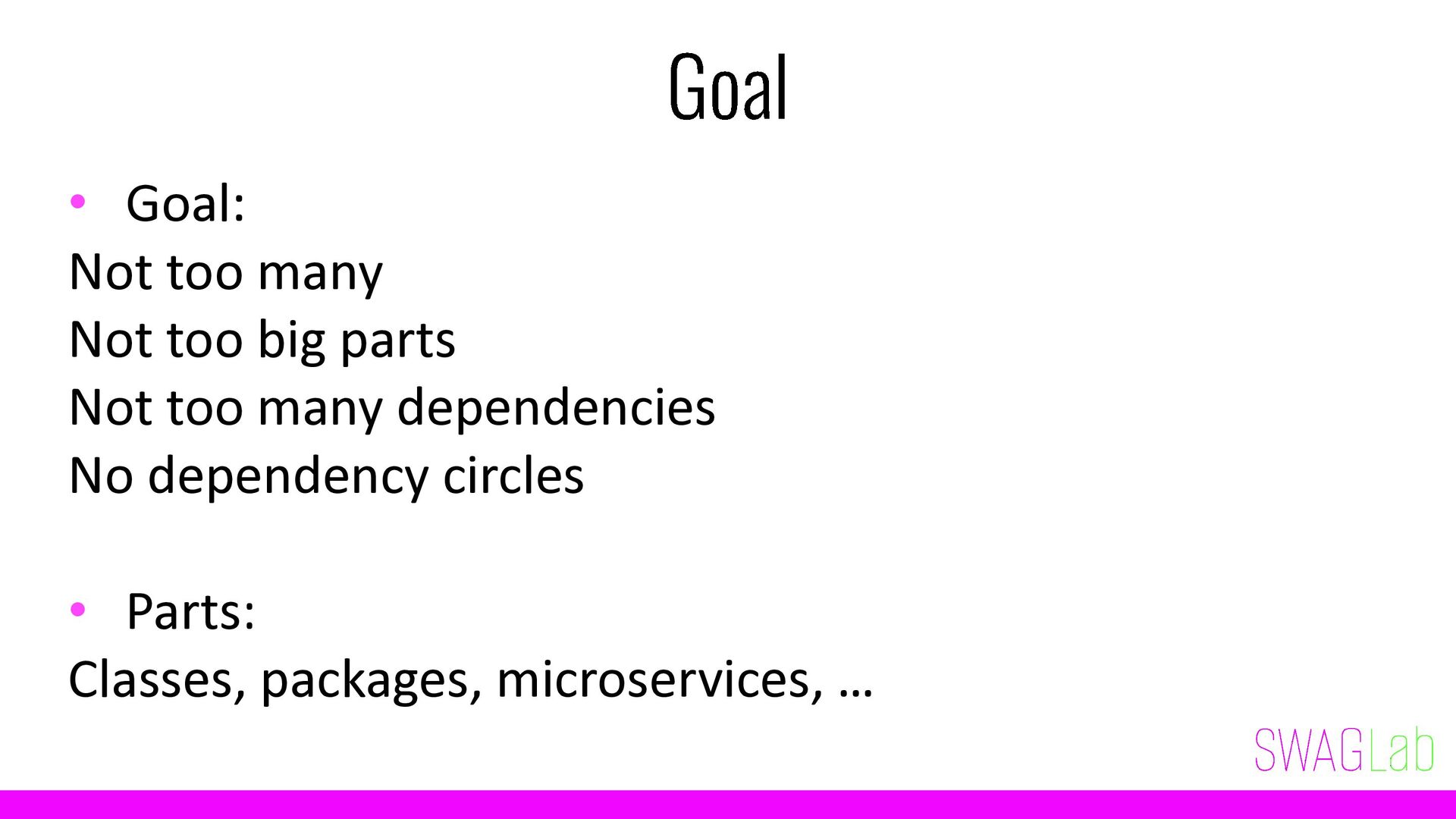
  4. Goal • Goal: Not too many Not too big parts

    Not too many dependencies No dependency circles • Parts: Classes, packages, microservices, …
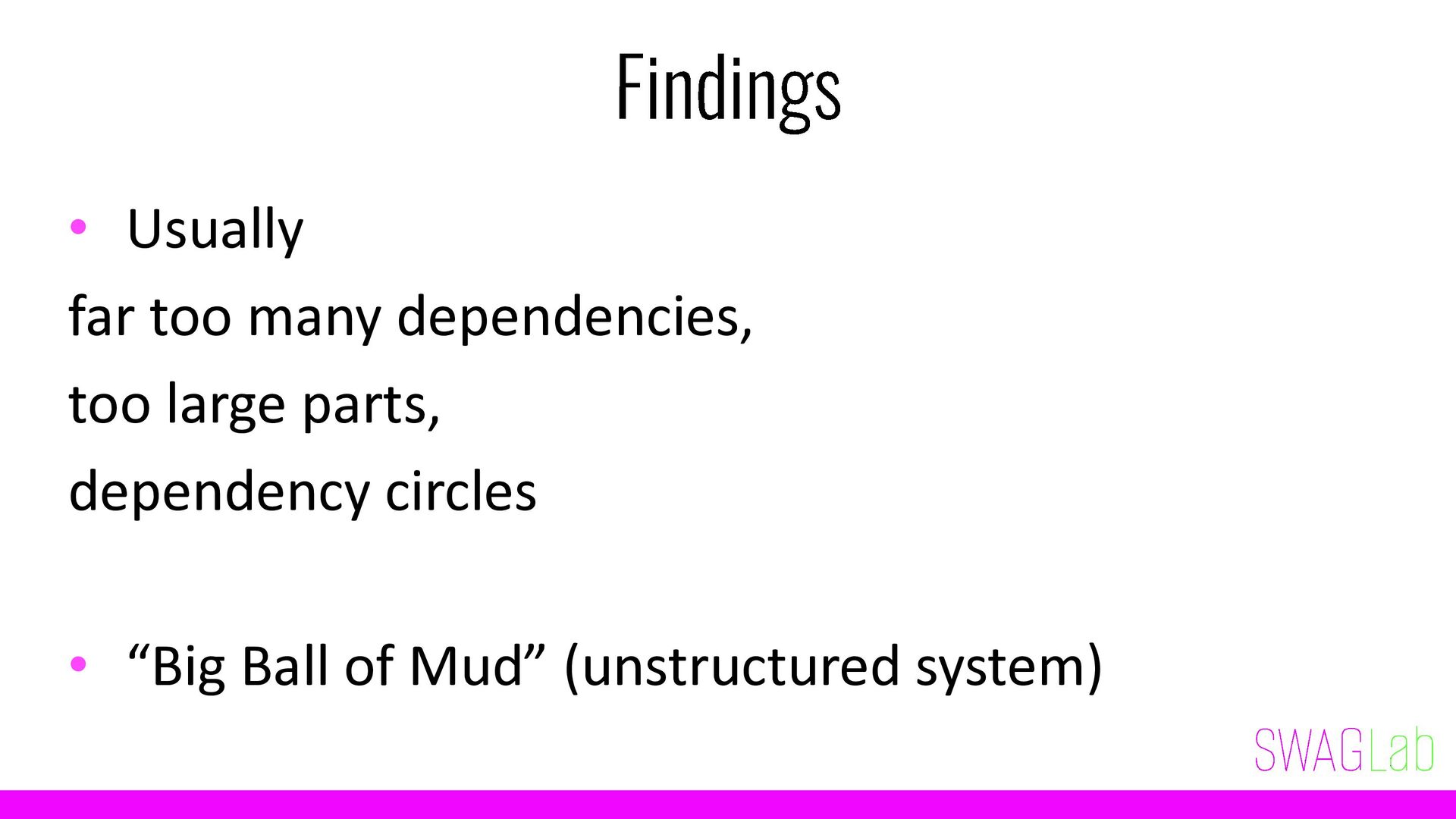
  5. Findings • Usually far too many dependencies, too large parts,

    dependency circles • “Big Ball of Mud” (unstructured system)
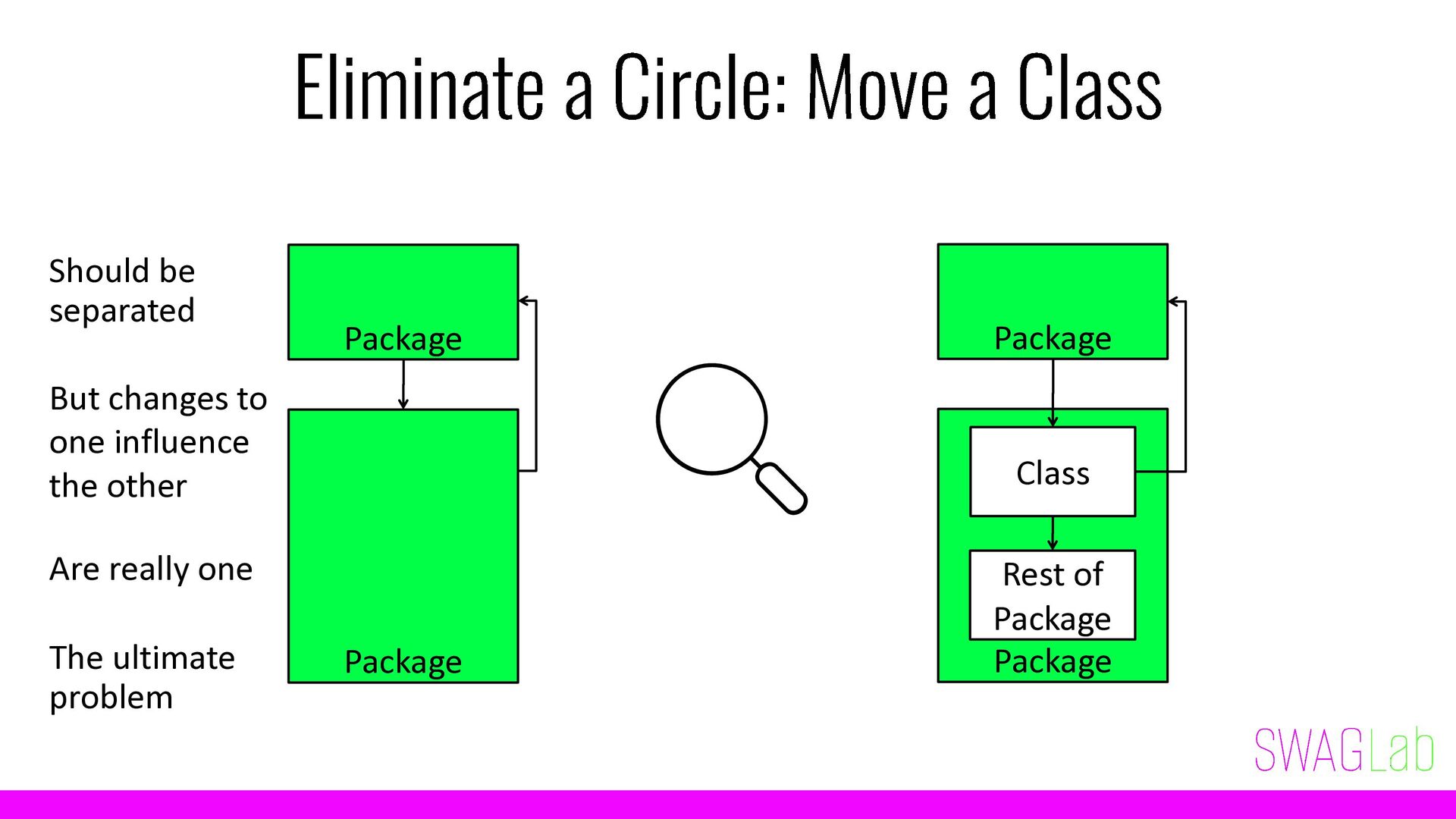
  6. Eliminate a Circle: Move a Class Package Class Rest of

    Package Package Package Package Should be separated Are really one The ultimate problem But changes to one influence the other
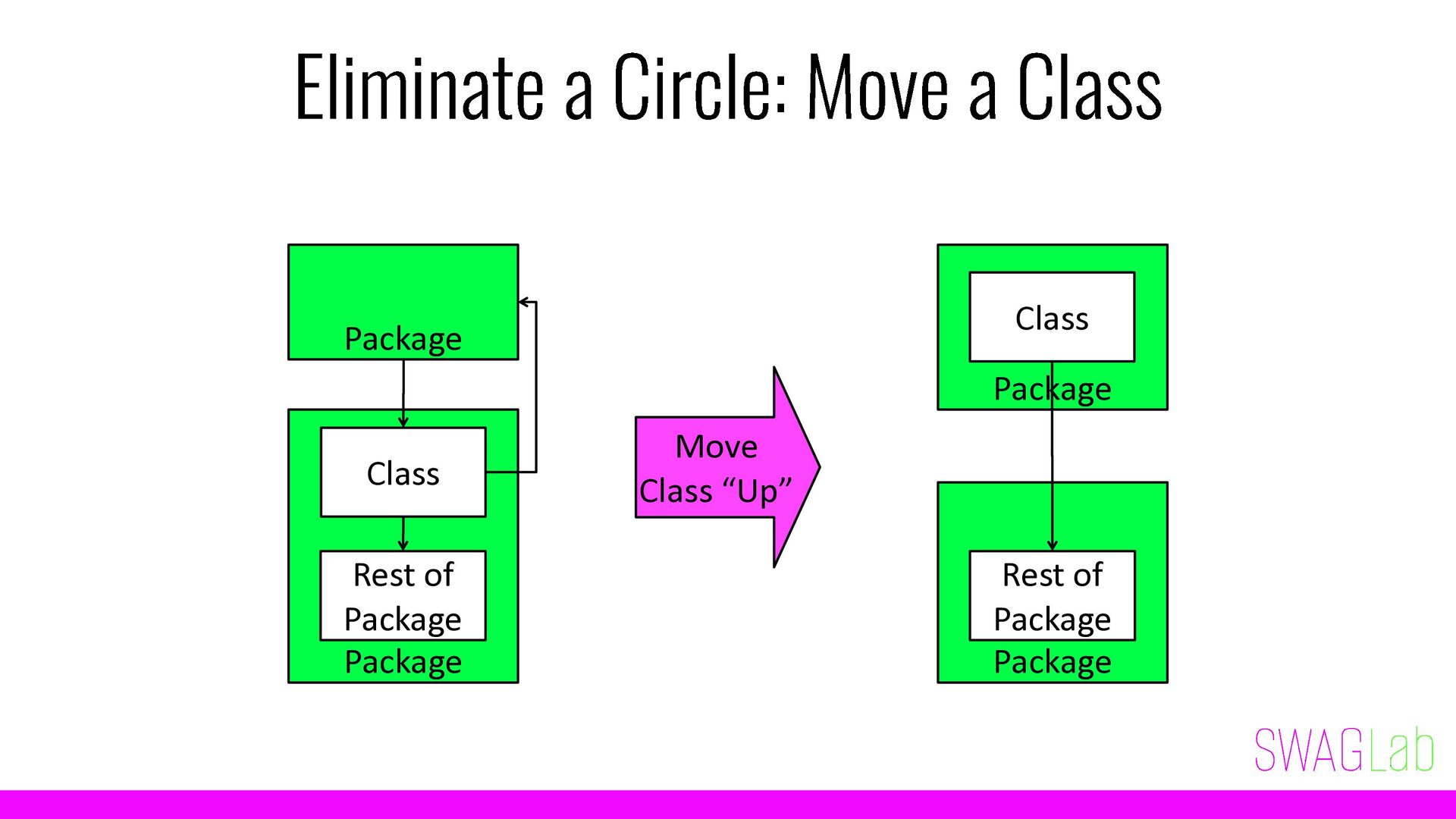
  7. Package Eliminate a Circle: Move a Class Package Class Rest

    of Package Package Move Class “Up” Package Class Rest of Package
  8. Doubts: Metrics vs Impact • Moving one class solves a

    circular dependency … improves metrics significantly … how is it relevant?
  9. Doubts: Metrics vs Reality • Maybe developers can handle the

    system as is. • Maybe some parts are not that bad after all.
  10. Doubts: Metrics vs. Domain • The structure should reflect the

    domain. • What is the minimal complexity to model the domain? • So: metrics might be fine but still: system is much too complex.
  11. Doubts: Why Bad Metrics? • Isn’t the problem obvious? •

    How useful is the review then? • Why does the team live with it? • Maybe they even like the complexity?
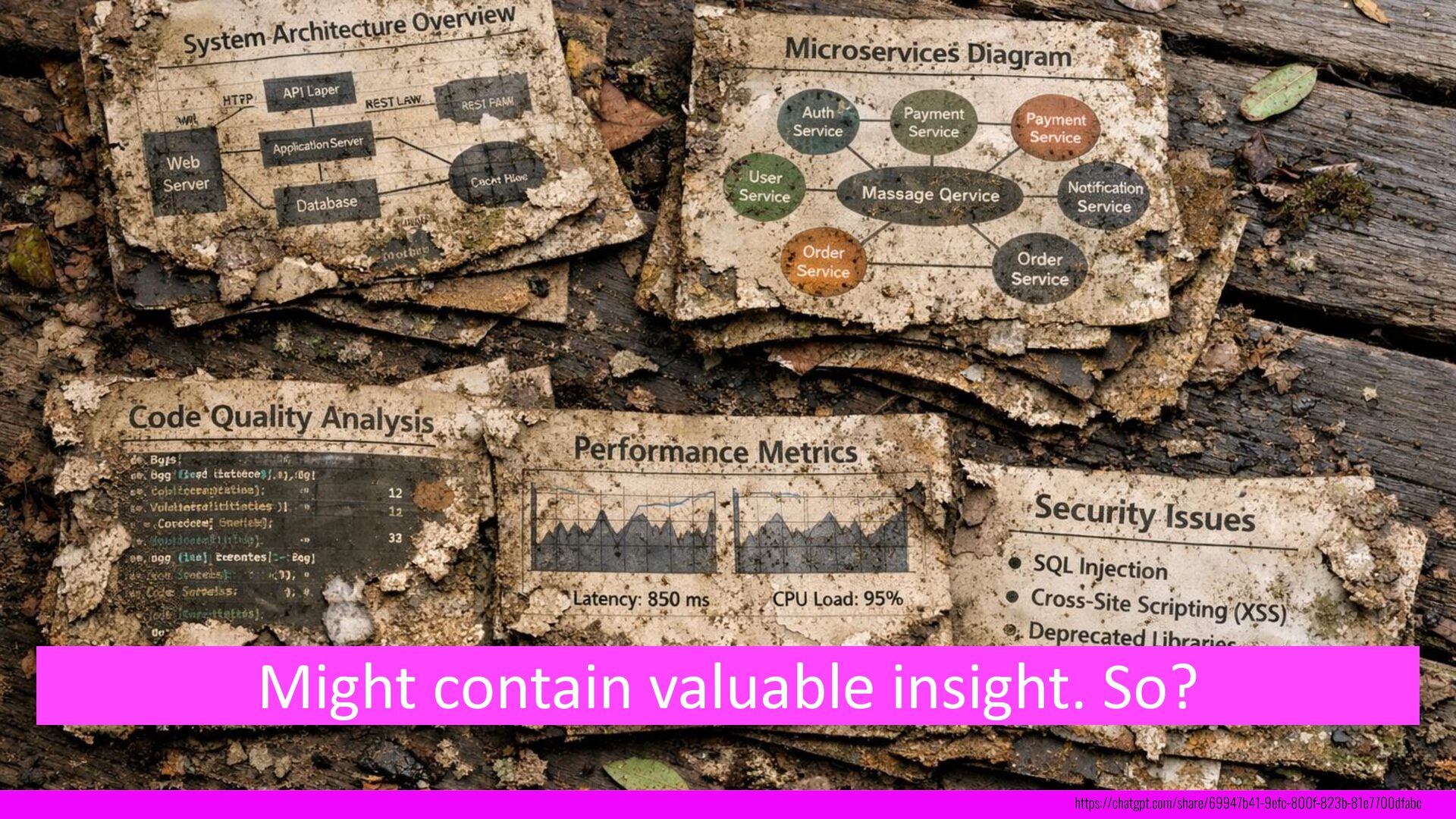
  12. Valuable Insights? • It is easily to see how messed

    up a system is. • Most legacy systems are. • How is that a valuable insight?
  13. Experts • People working on a system are the experts

    for it! • Listen to their expertise!
  14. But Can You Trust the Experts? • These review are

    no instrument of control • Not useful e.g. for mergers & acquisitions • Usually all want the software to be successful …so potential improvements are welcome.
  15. Focus on Social Issues! • Technologies/architecture don’t make projects fail.

    • If organization works: Technical problems can usually be solved. • So: Figure out organizational problems from a software architecture • How?
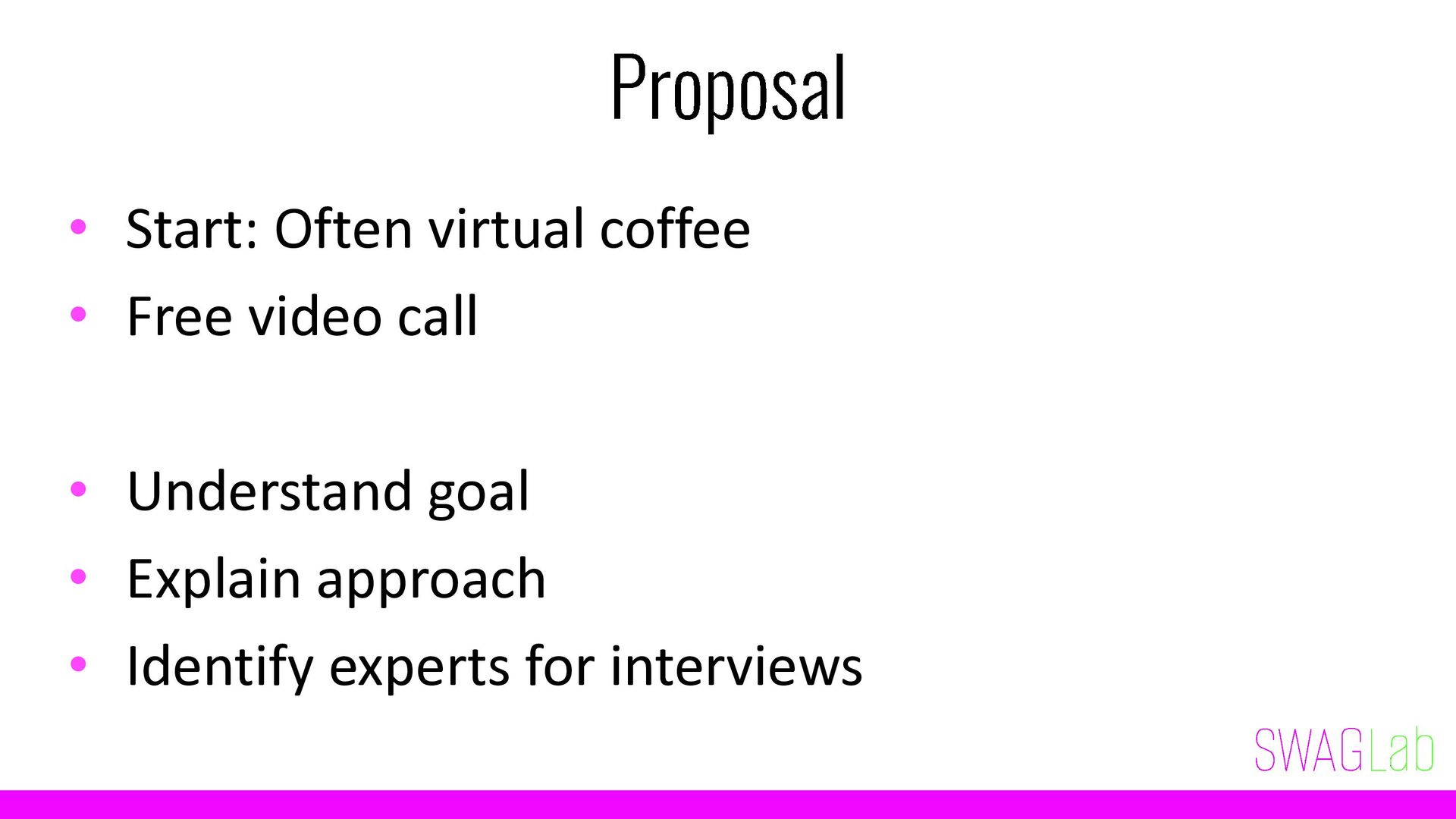
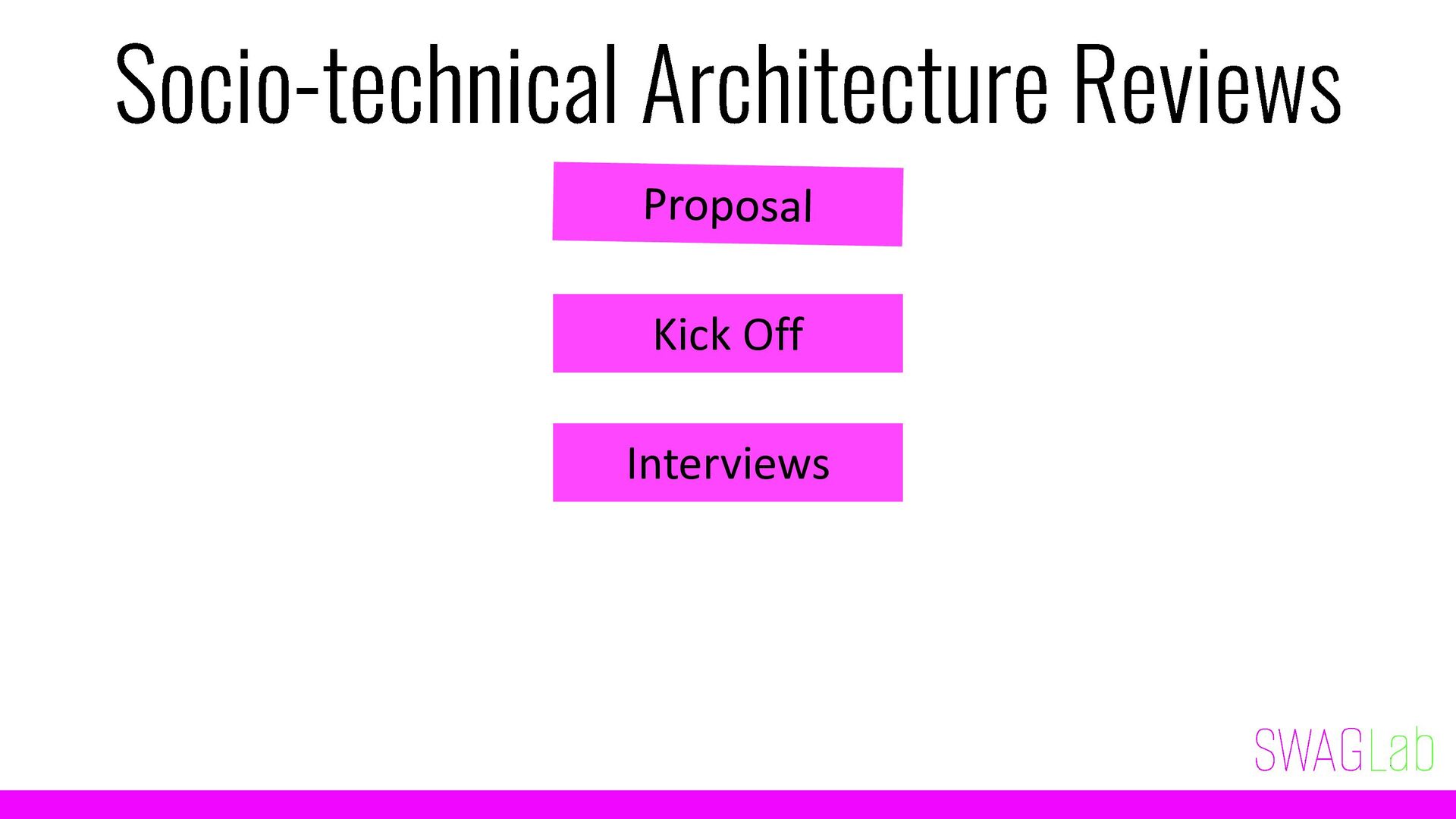
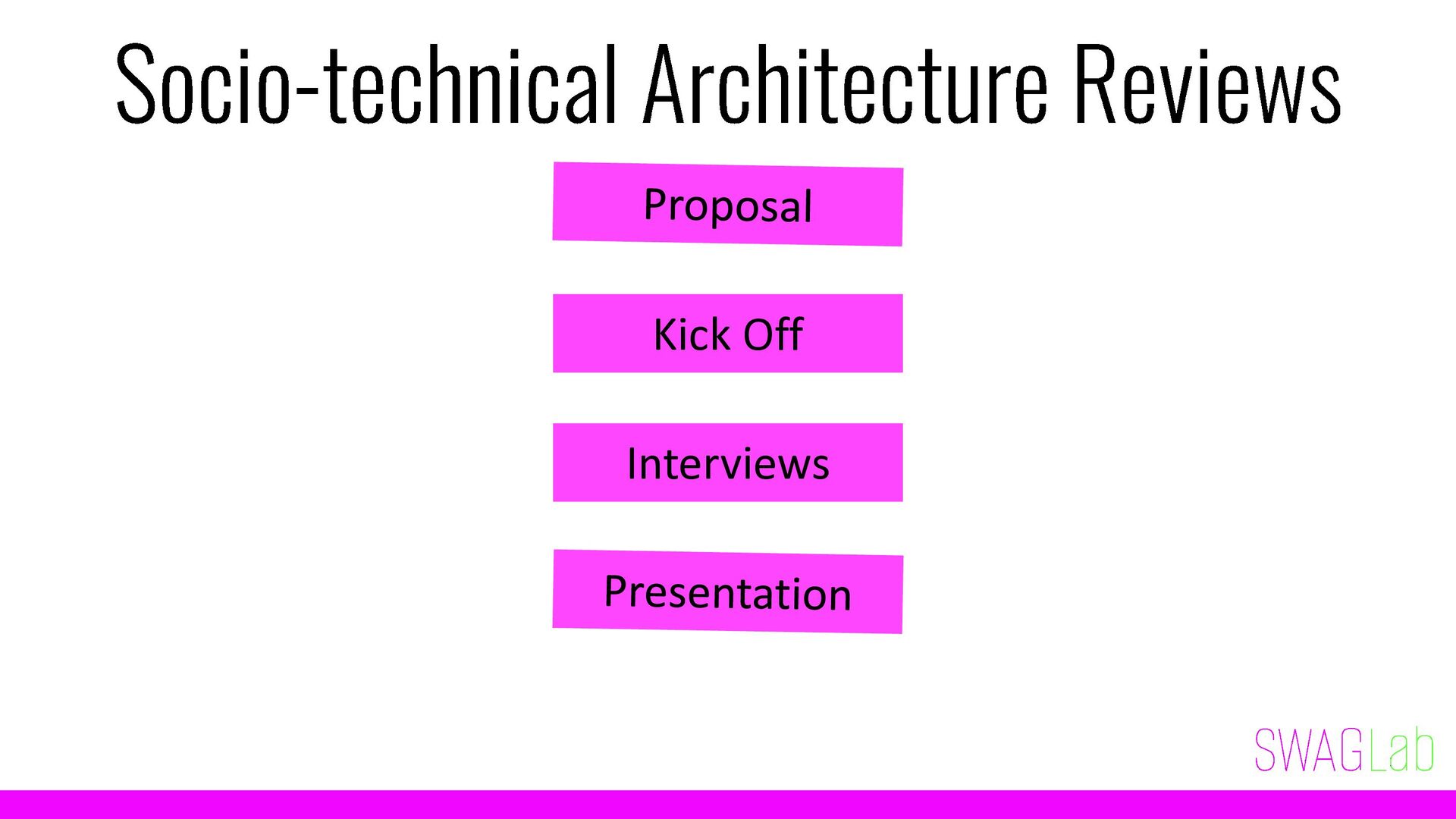
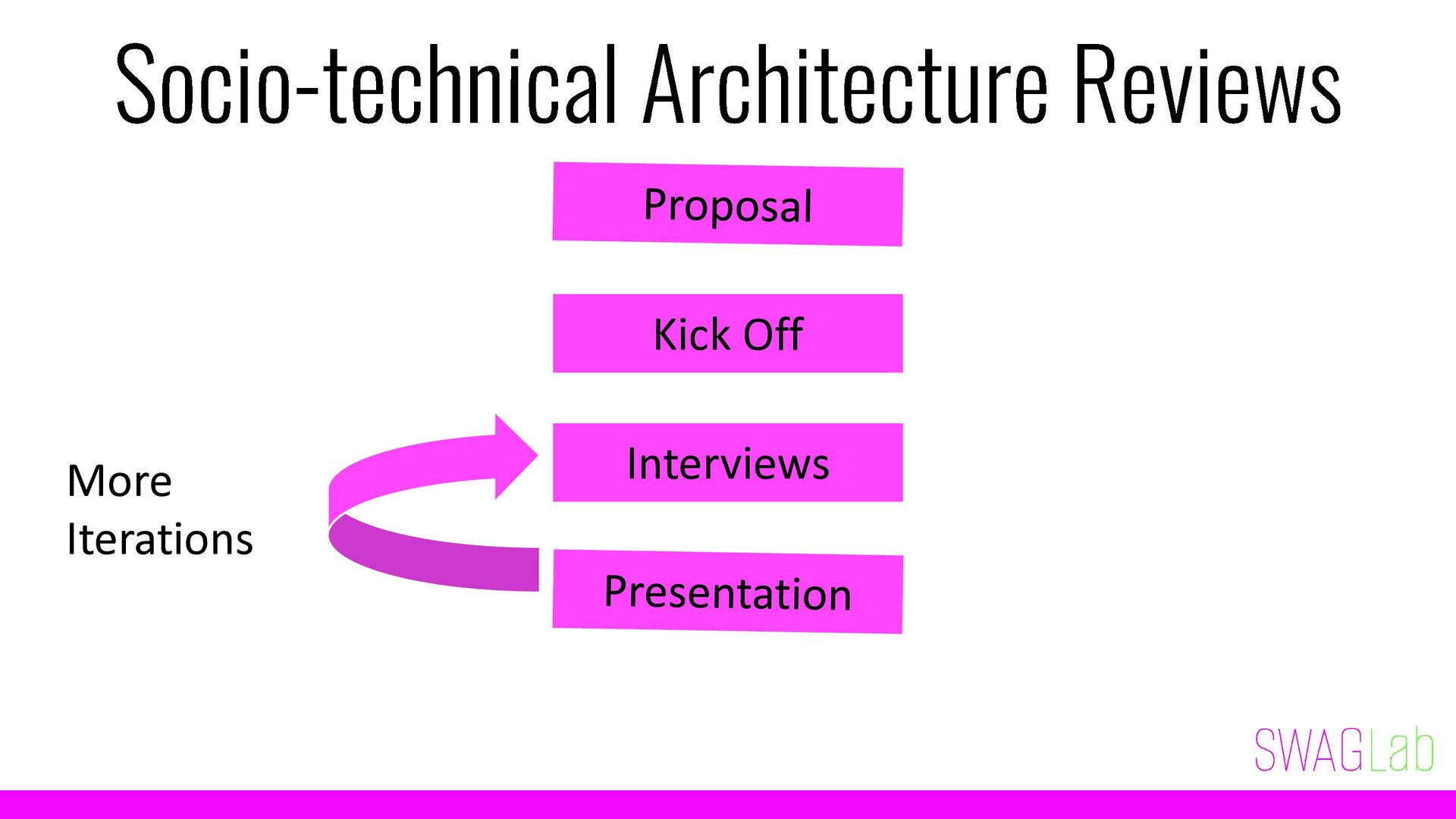
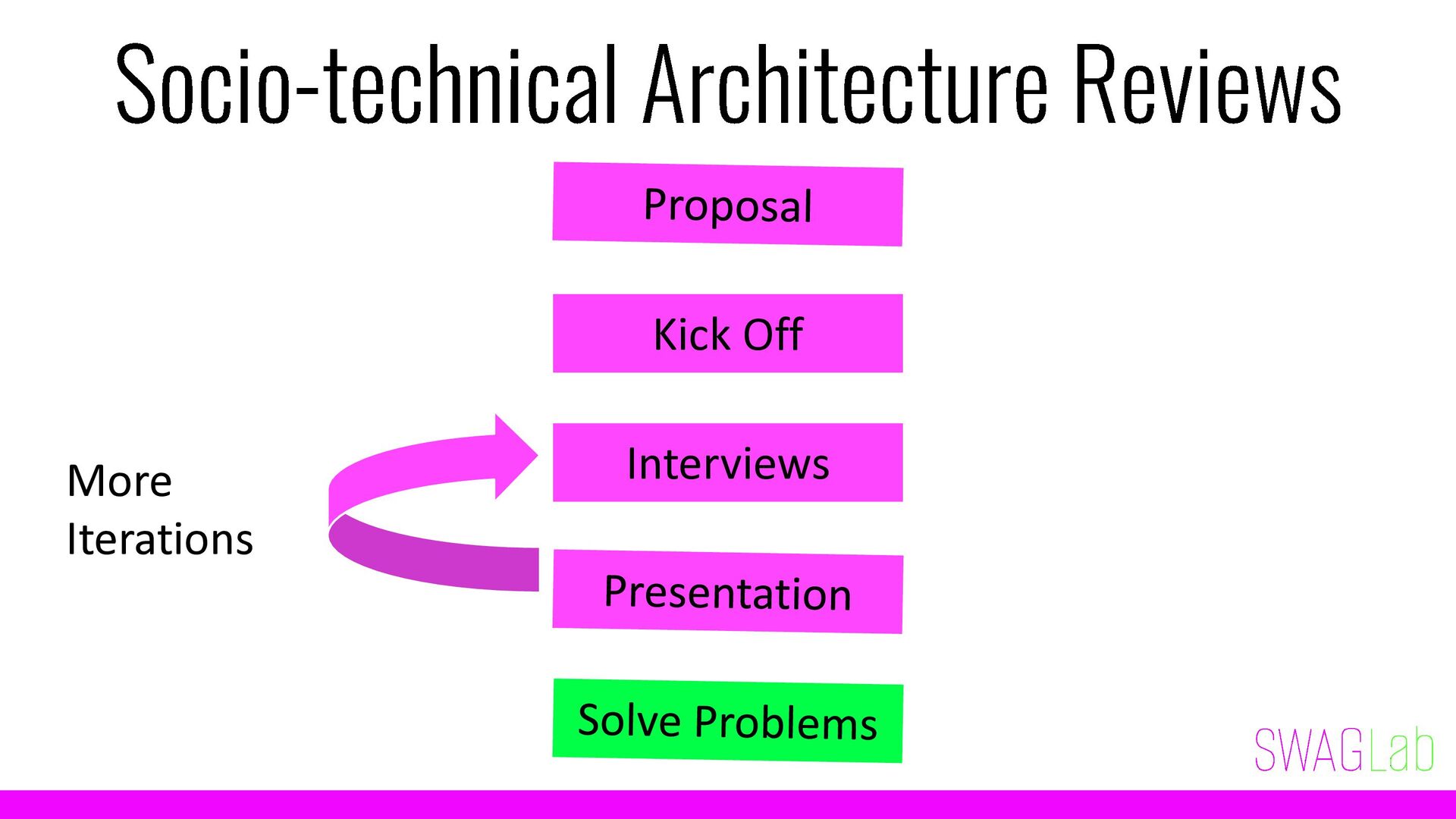
  16. Proposal • Start: Often virtual coffee • Free video call

    • Understand goal • Explain approach • Identify experts for interviews
  17. Kick Off • At least all interviewees • Explain goal

    of review • Explain review approach • Often already quite interesting insights. • E.g. redefine goals
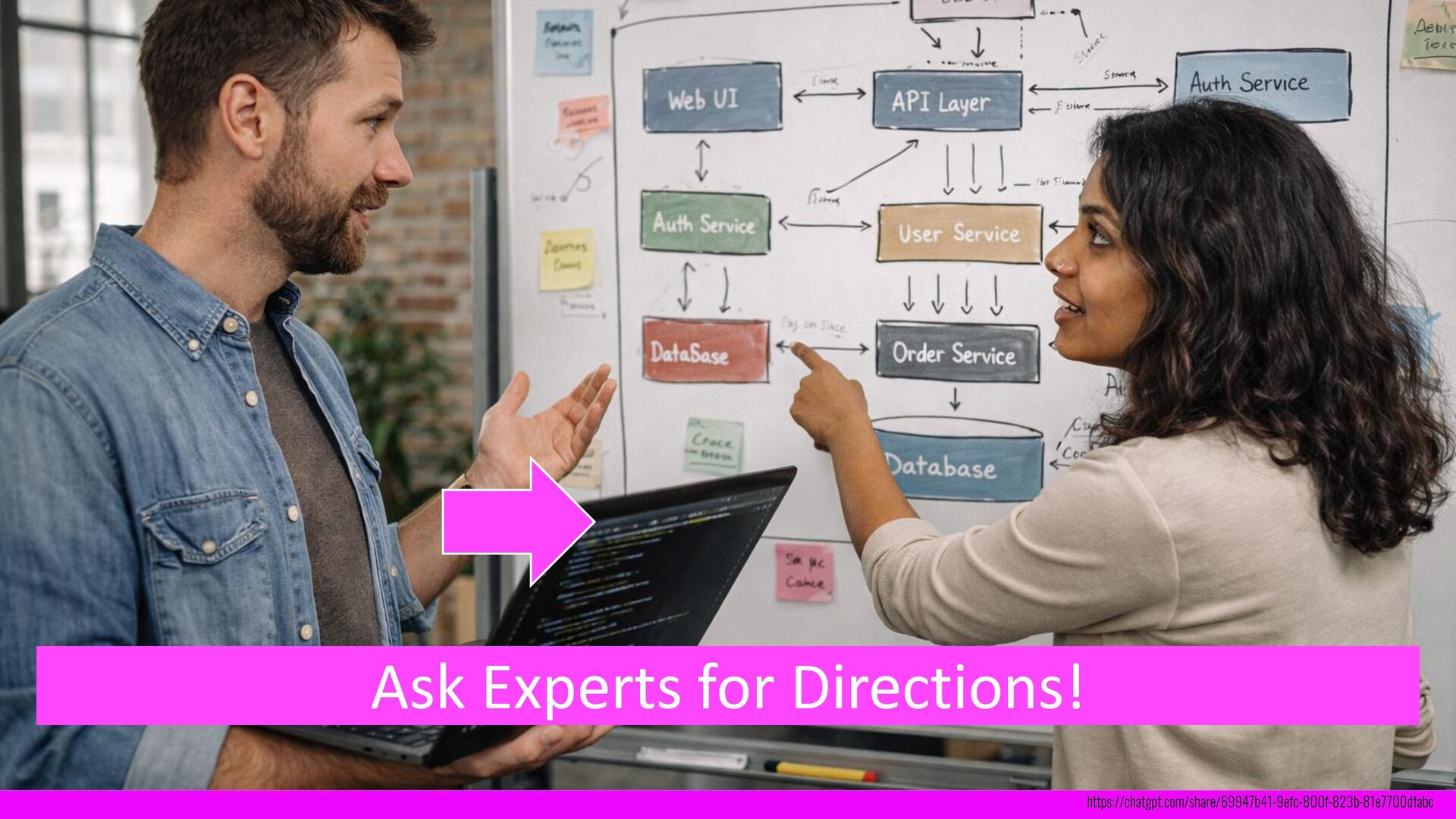
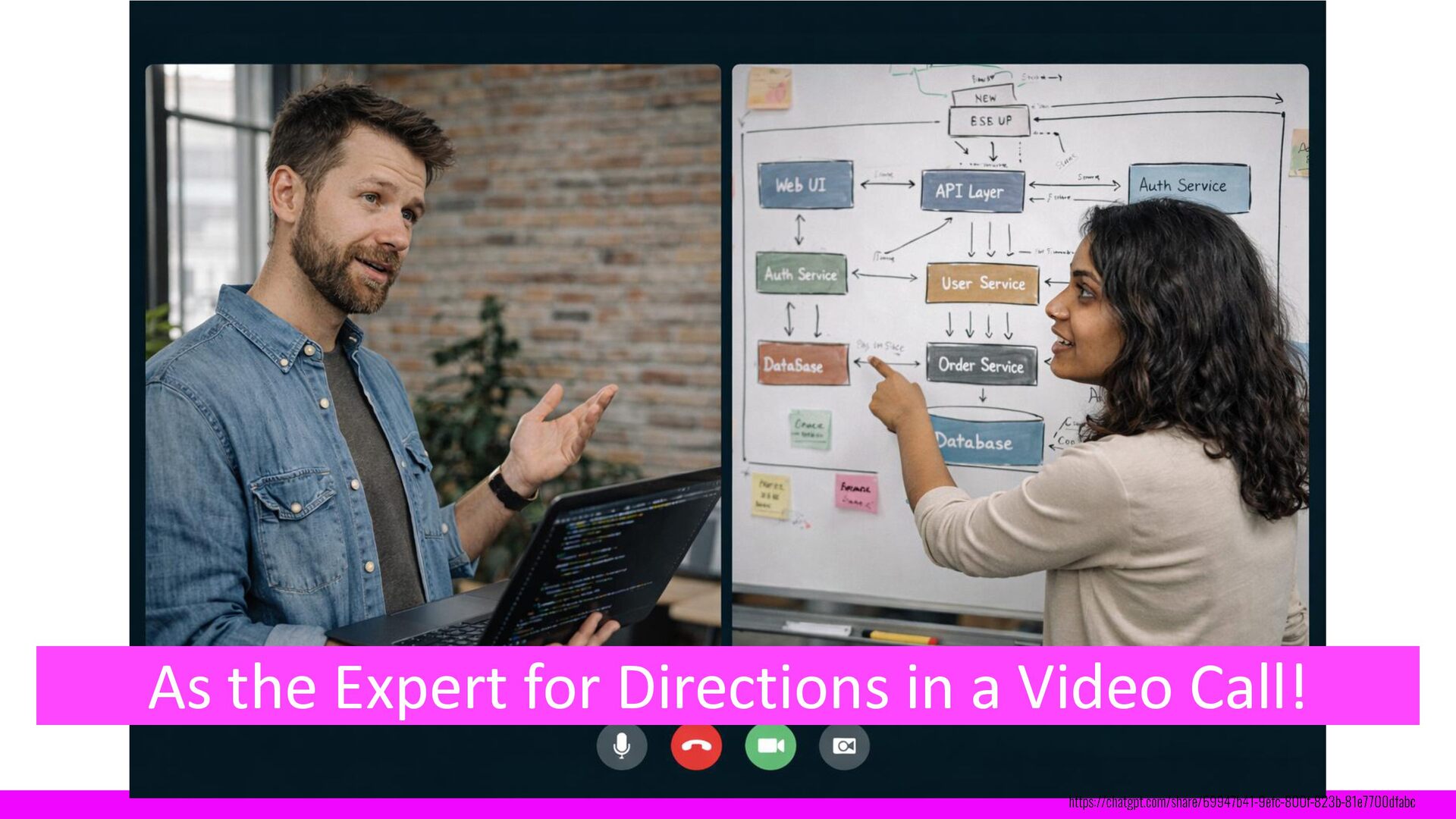
  18. Ask Experts for Direction! • Open questions Main strength? Main

    challenges? … • Take the conversation from there!
  19. Seniors • No strict interview checklist • Spot problem during

    an interview • Understand the problem • Prioritize …and on to the next problem.
  20. Why is This Hard? • “We are now doing microservices.”

    • “We had our first incident in production.” • “Was hard to analyze.” • Interviews needs to understand what this actually means. • Observability: typical problem with microservices. • Should they solve the problem NOW? • Otherwise full scale prod will be a nightmare. • Does this fit with other interviews? • So: A broad and deep knowledge of architecture is needed.
  21. Why is This Hard? • “They pushed that decision on

    us.” • This is just one sentence. • But it might point to some social issues. • Or excuse for not participating in the decision?
  22. Who Can Do Such a Review? • Can take a

    step back • Tone themselves down • Listen • Thankful if problems are actually mentioned
  23. External • Internal people are part of the social system.

    • Internal people can’t provide a fresh point of view.
  24. Easier Alternative • Tick off a list • Take a

    set of predefined metrics • Might provide a benchmark • Probably takes more time • Might “work” in controlling / mistrusting environments. • Not sure how that is helpful?
  25. Environment • Separate 1:1 interviews • At least two interviewers

    to take notes etc • Generates a trusting environment • Makes sure everyone is heard. • Makes sure extroverts won’t dominate the review.
  26. Video Call • More flexible concerning time and location •

    Possible to get to a trustful environment.
  27. Results on Different Levels • Subject matter e.g. architecture •

    Social: How does the person behave? • Team dynamics: What do they say about others? • Why did this team create this solution?
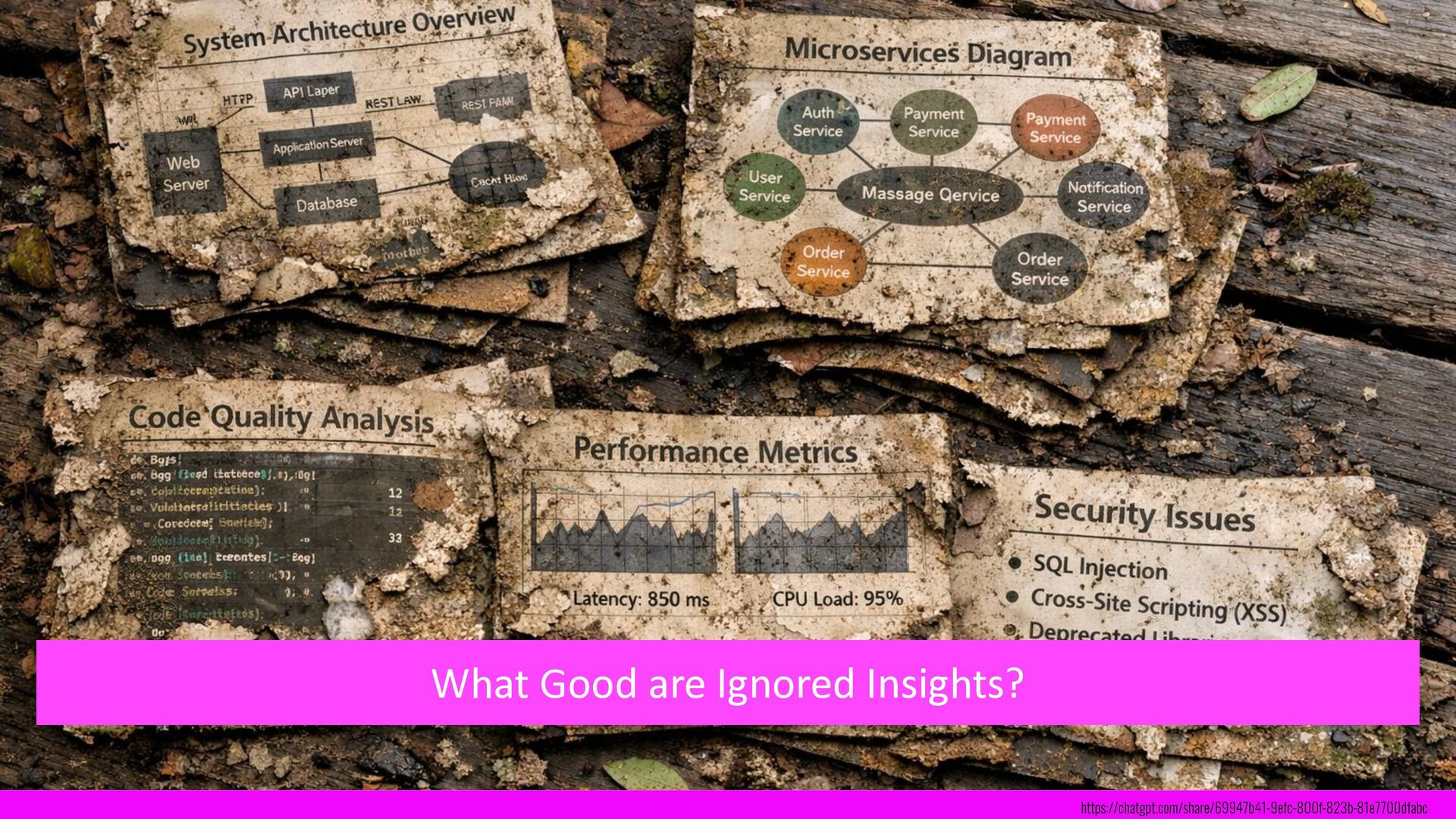
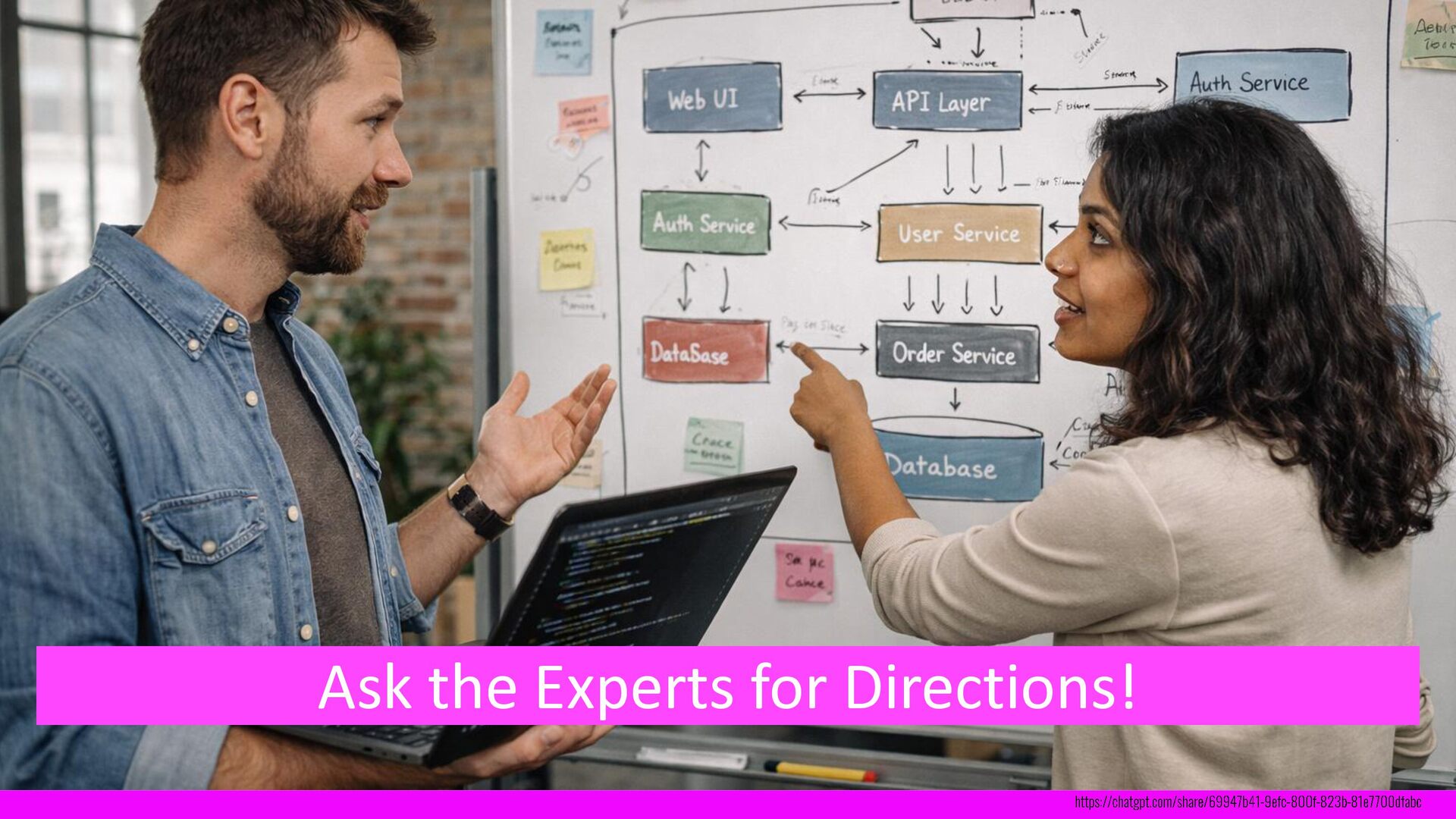
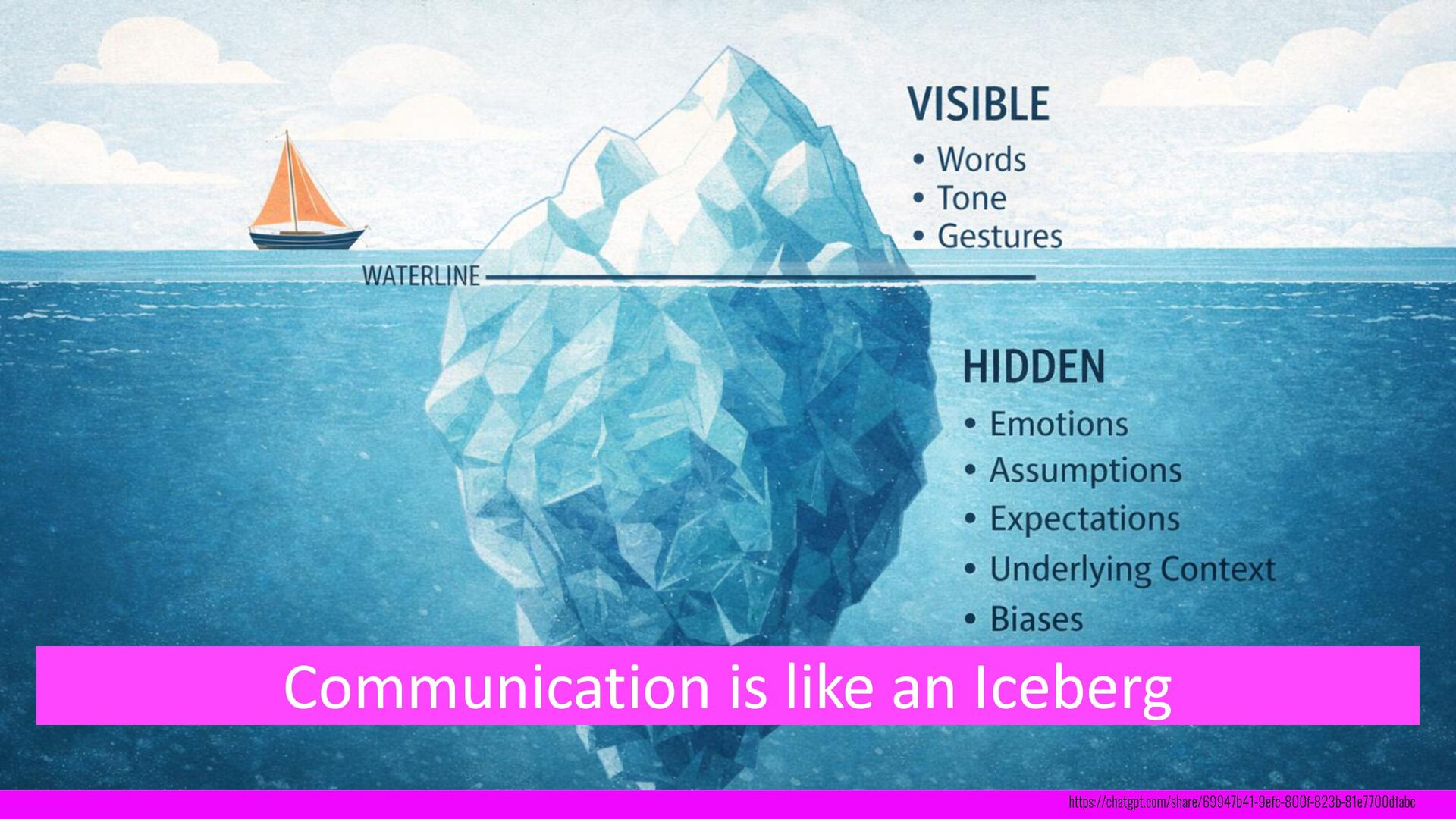
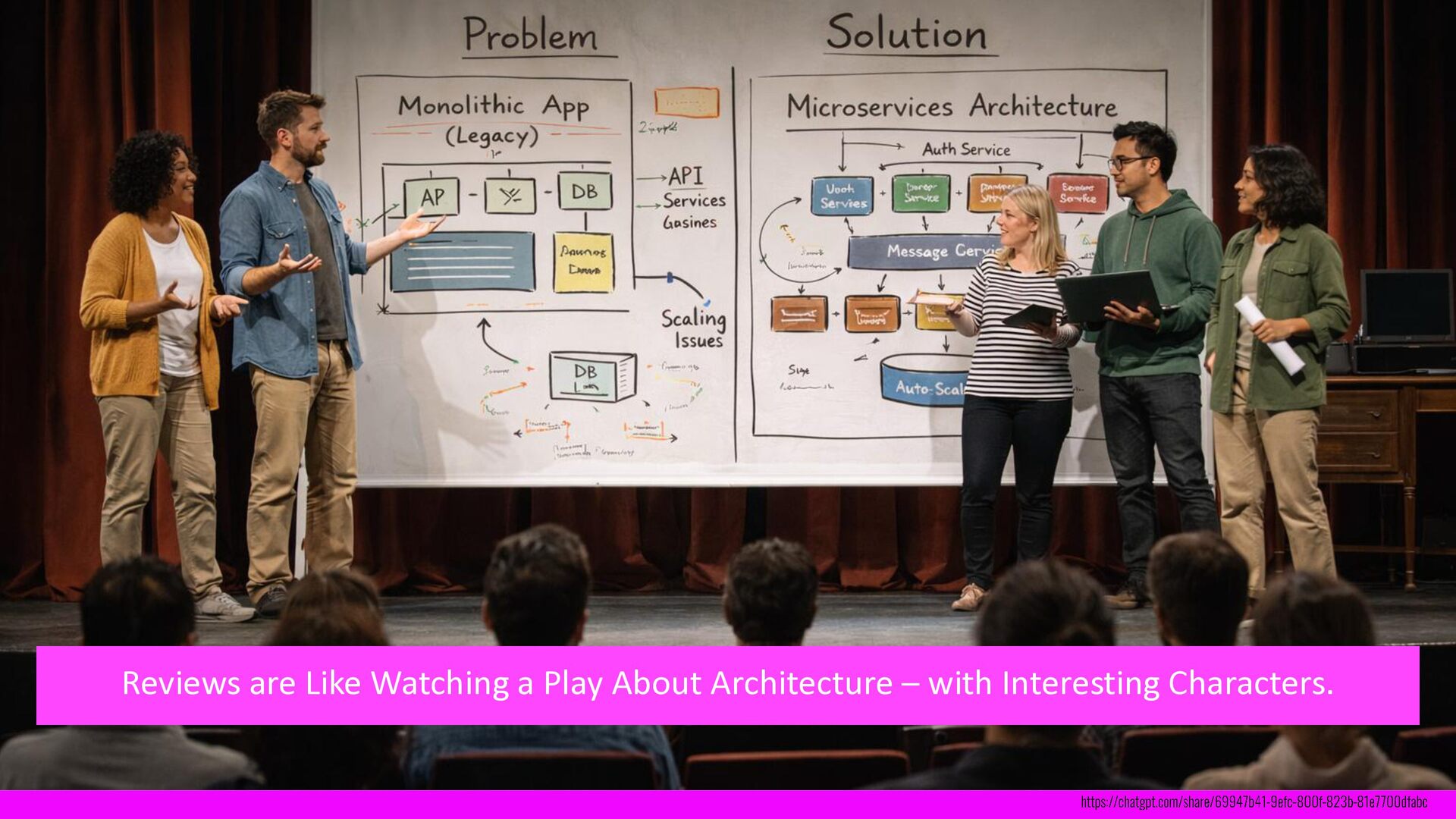
  28. Reviews are Like Watching a Play About Architecture – with

    Interesting Characters. https://chatgpt.com/share/69947b41 -9efc-800f-823b-81e7700dfabc
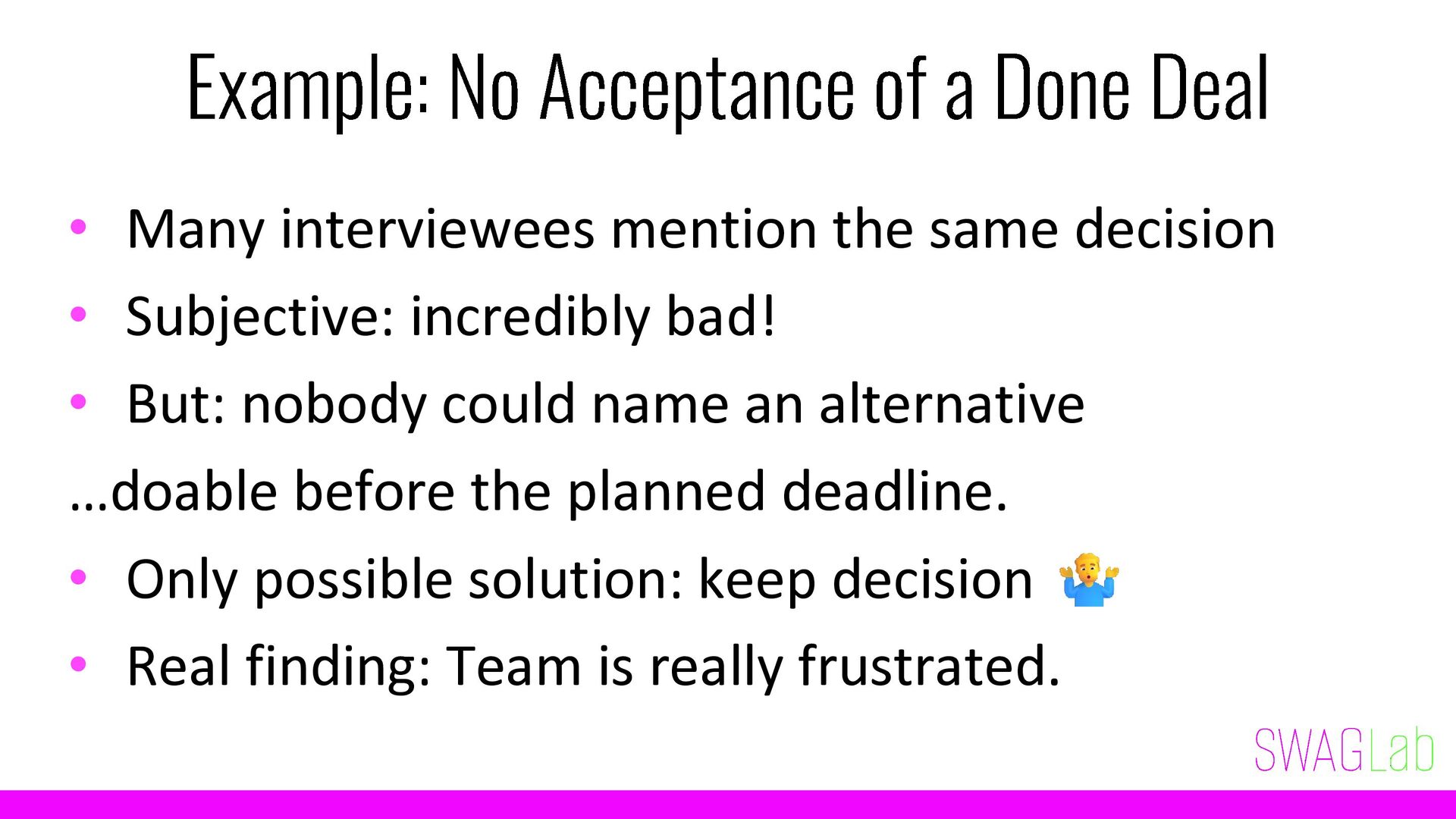
  29. Example: No Acceptance of a Done Dea • Many interviewees

    mention the same decision • Subjective: incredibly bad! • But: nobody could name an alternative …doable before the planned deadline. • Only possible solution: keep decision • Real finding: Team is really frustrated.
  30. Presentation • Just summing up insights: value? • So: Recommendations

    to take action • Urgent / non-urgent • Important / less important
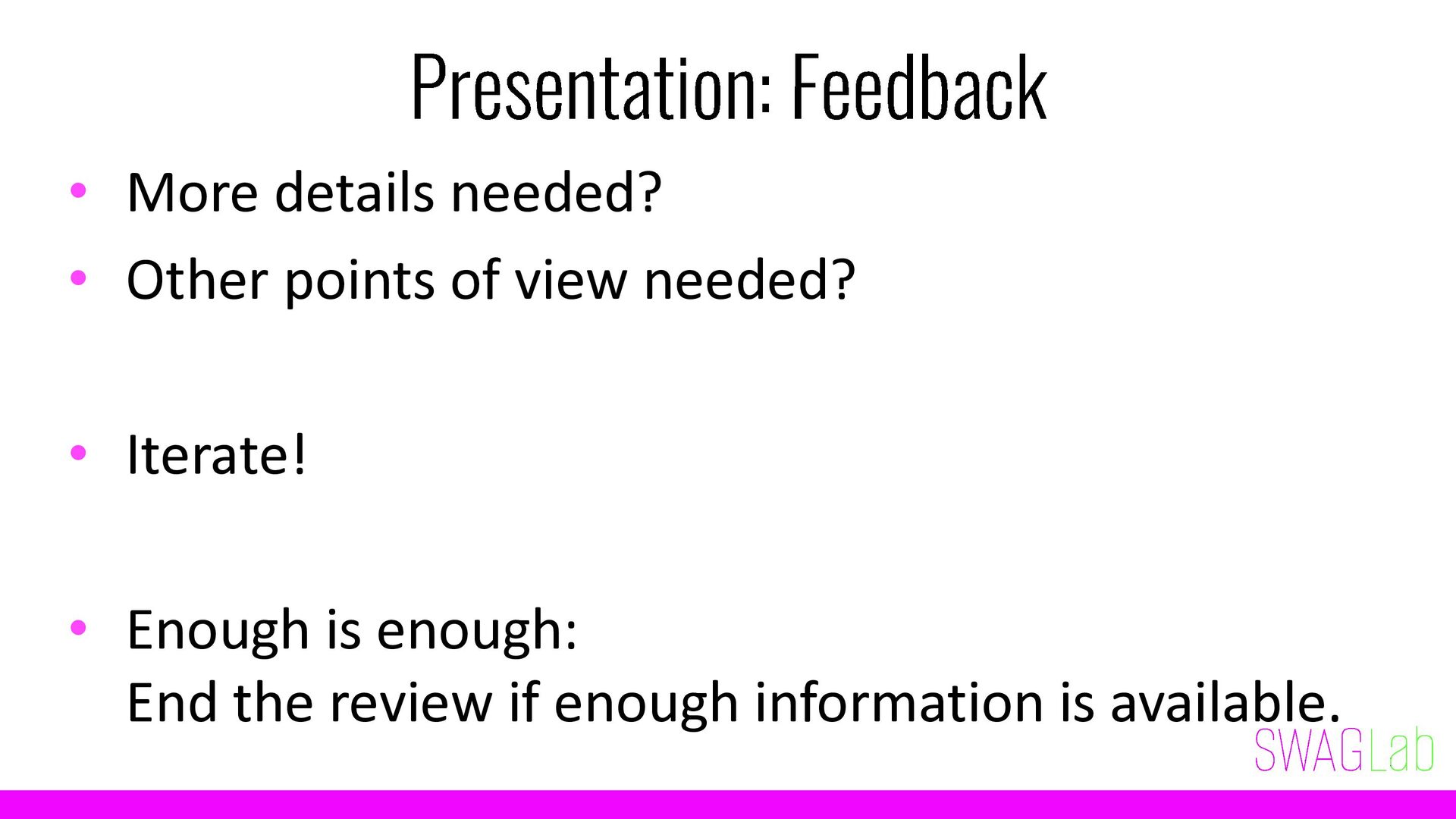
  31. Presentation: Feedback • More details needed? • Other points of

    view needed? • Iterate! • Enough is enough: End the review if enough information is available.
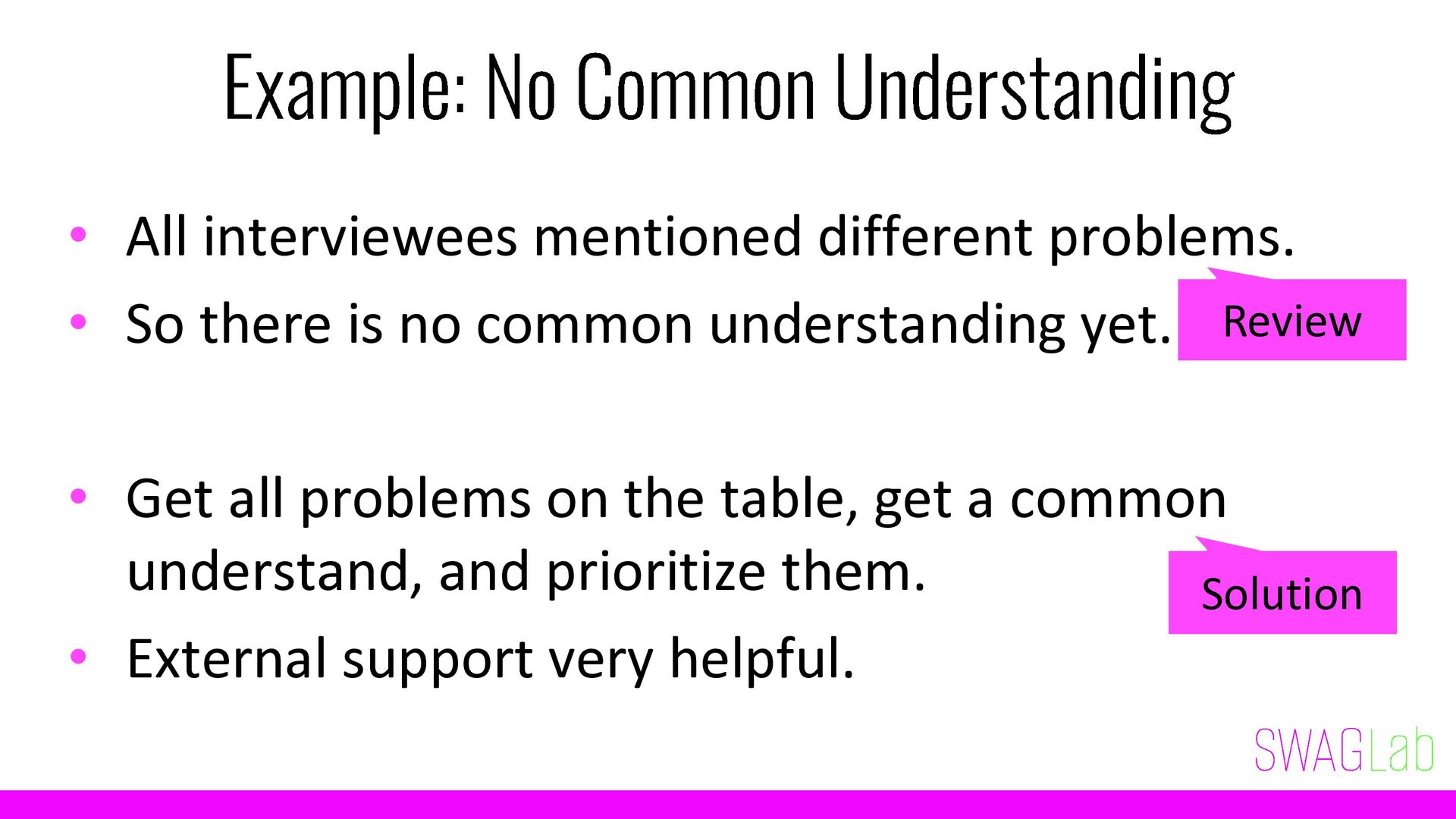
  32. Example: No Common Understanding • All interviewees mentioned different problems.

    • So there is no common understanding yet. • Get all problems on the table, get a common understand, and prioritize them. • External support very helpful. Review Solution
  33. Efficient • Interviewees mention what they consider important • Great

    guide to the real problems. • They might be mentioned explicitly …or become obvious (e.g. social problems). • Does an unguided search across all potential problems make any sense?
  34. Effective • Interviewer and interviewees build a trustful relationship. •

    Interviewee can provide their input. • Interviewee are more likely to listen to the results of the review …and act. • Review might already attack and solve problems.
  35. Example • Leading consultancy did extensive review with a team.

    • Result: slide deck • Two colleagues did a review, then started consulting. • Result: Actual change in the overall approach
  36. Example • Management didn’t really want a review. • We

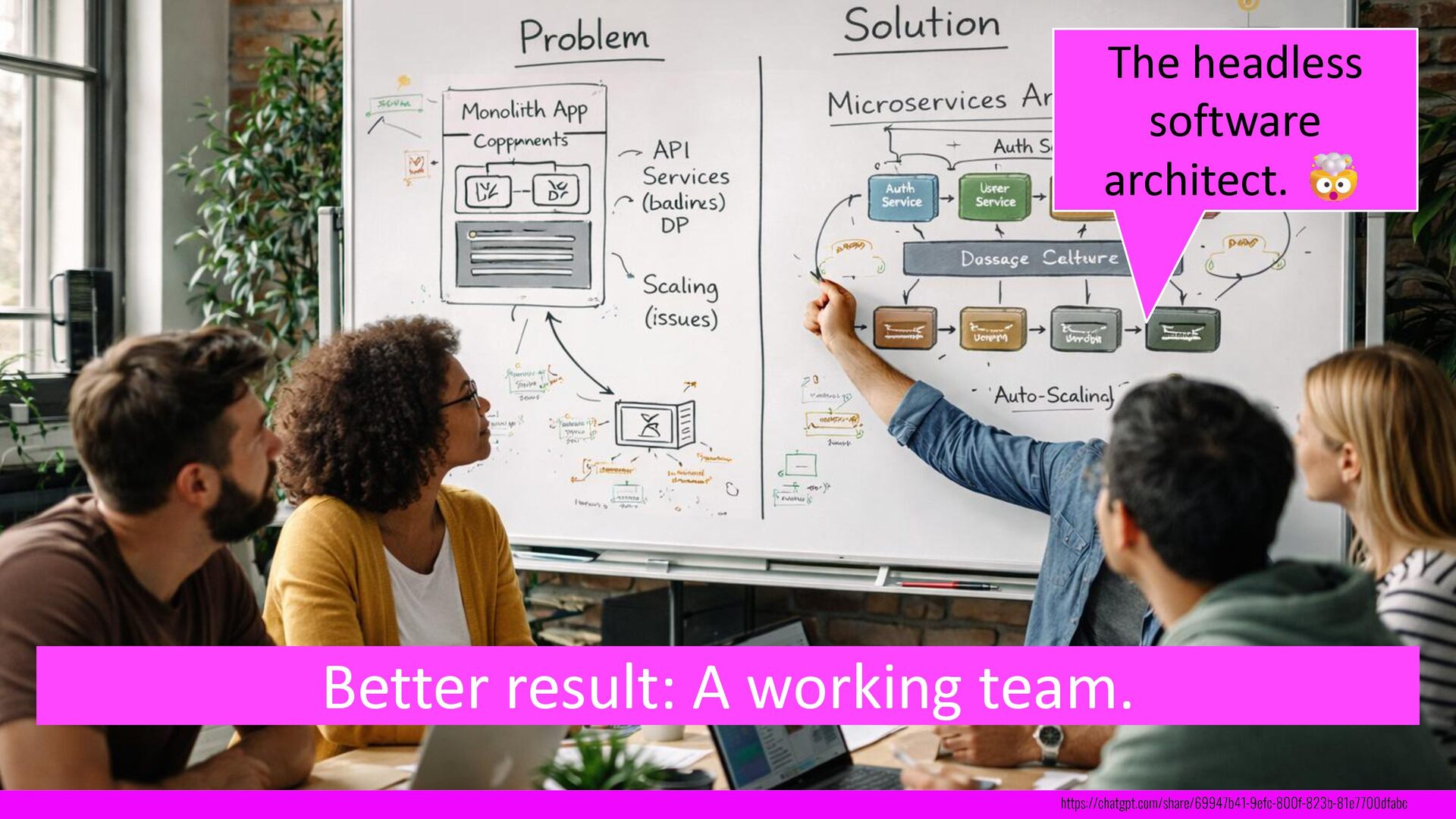
    presented our approach … and were hired on the spot. • Reason: Team was not really constructive. • Review turned into consulting and solving problems. • Result: Team started to work successfully again.
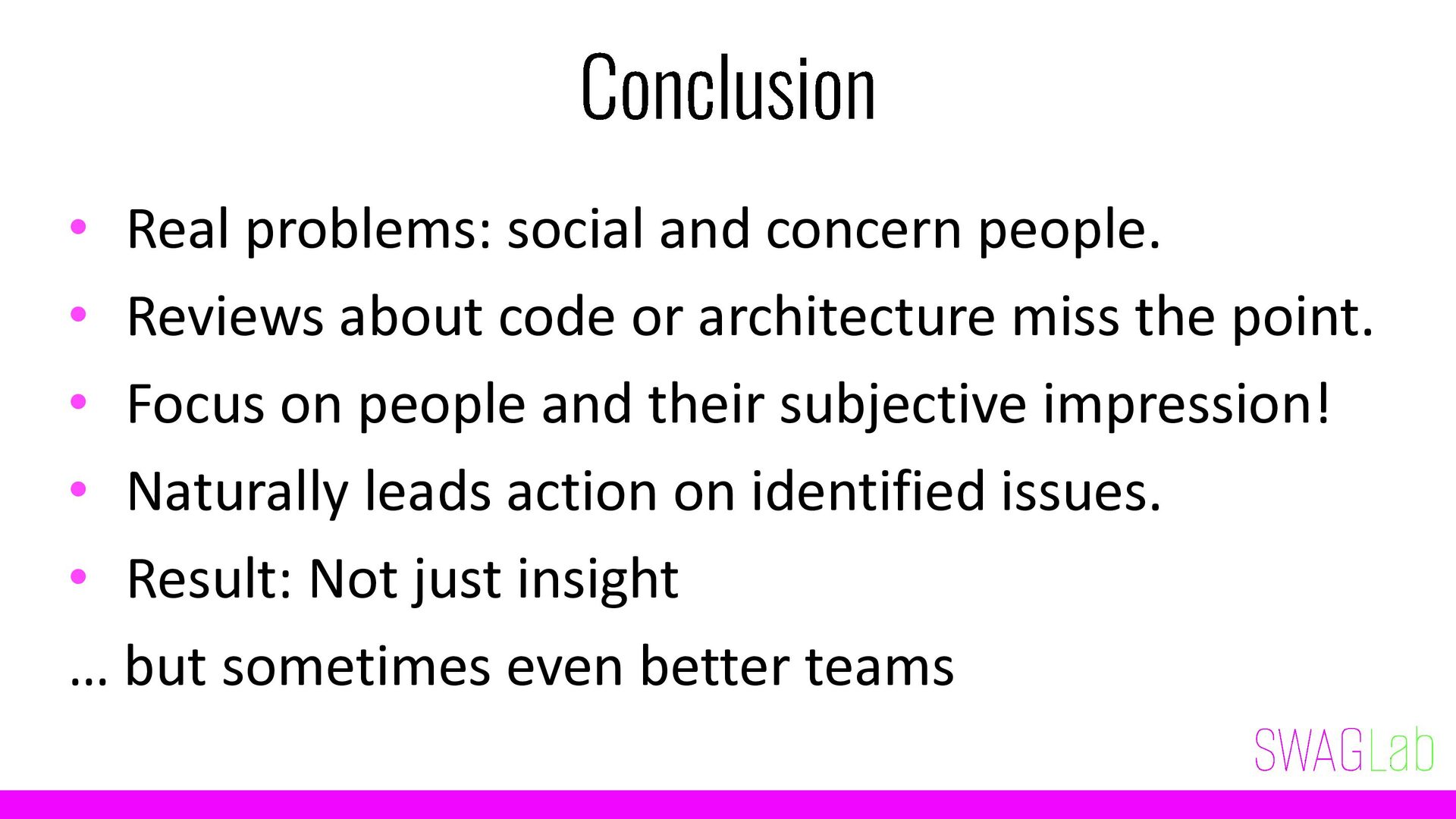
  37. Conclusion • Real problems: social and concern people. • Reviews

    about code or architecture miss the point. • Focus on people and their subjective impression! • Naturally leads action on identified issues. • Result: Not just insight … but sometimes even better teams
  38. DRINK A VIRTUAL COFFEE WITH ME! Eberhard Wolff Head of

    Architecture https://swaglab.rocks/ https://ewolff.com/ https://swaglab.rocks/virtueller -kaffee/eberhard/
  39. Slides + more Powered by Amazon Lambda Email address logged
    for 14 days, wrong addressed emails handled manually Send email to [email protected]