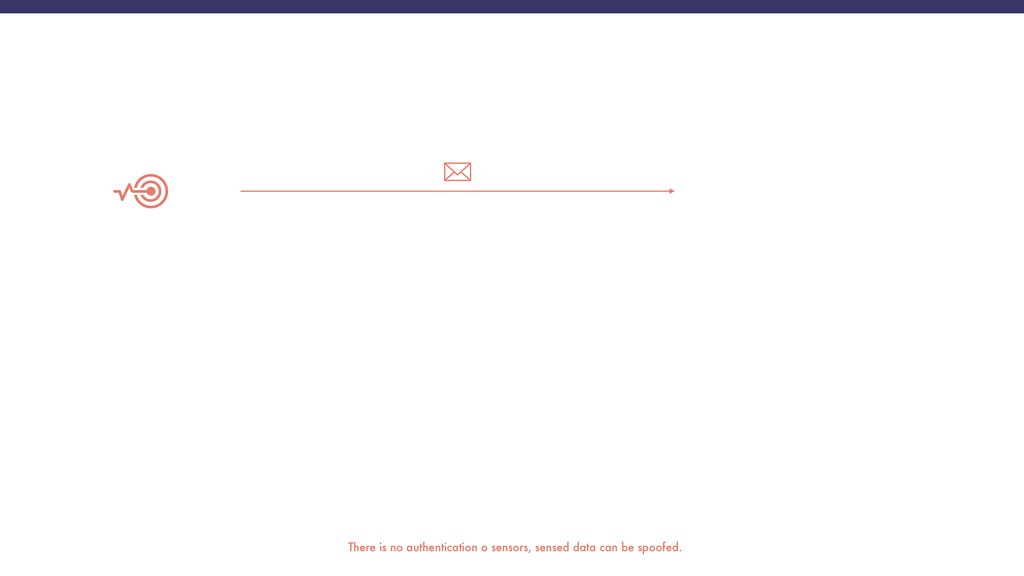
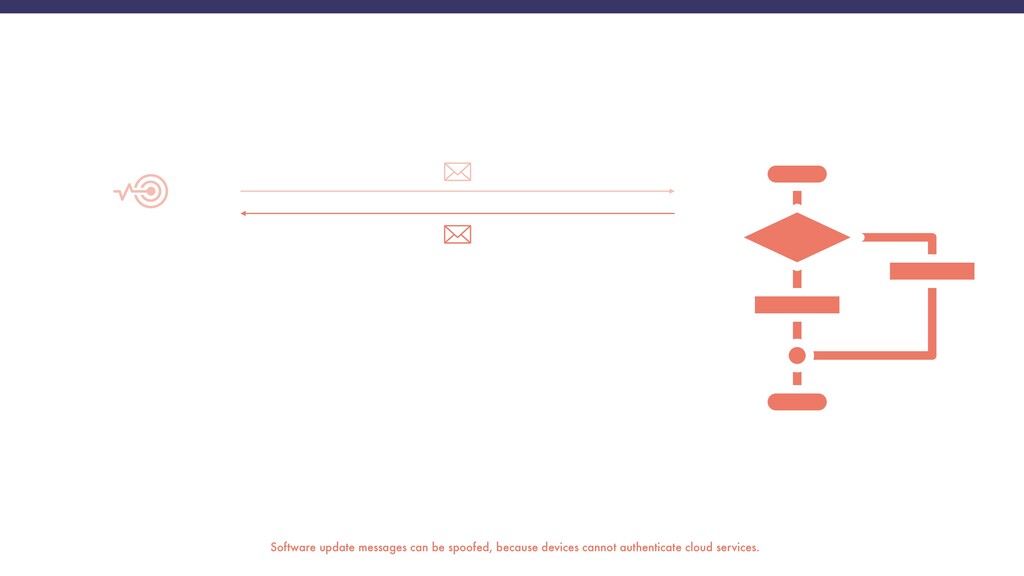
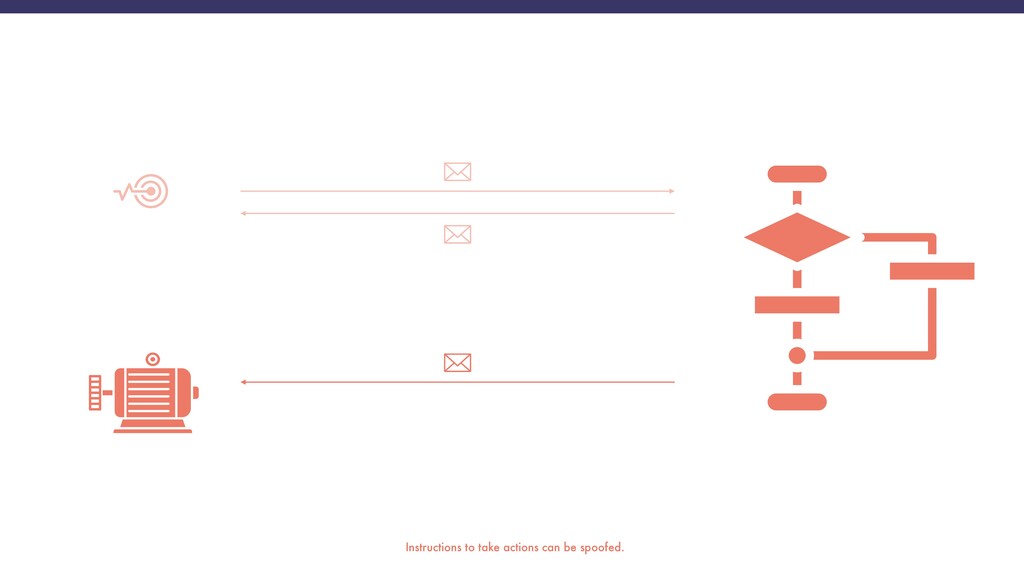
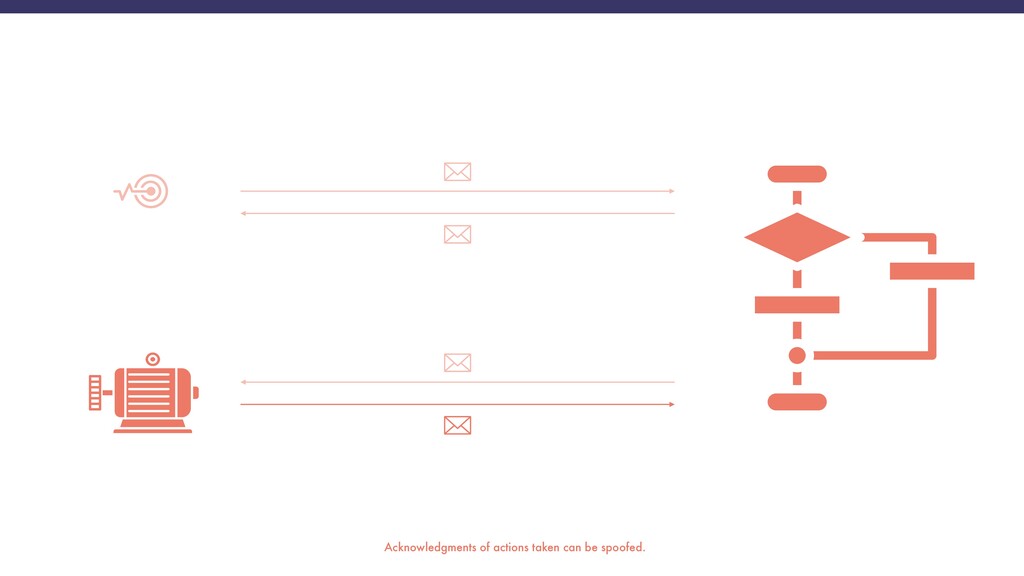
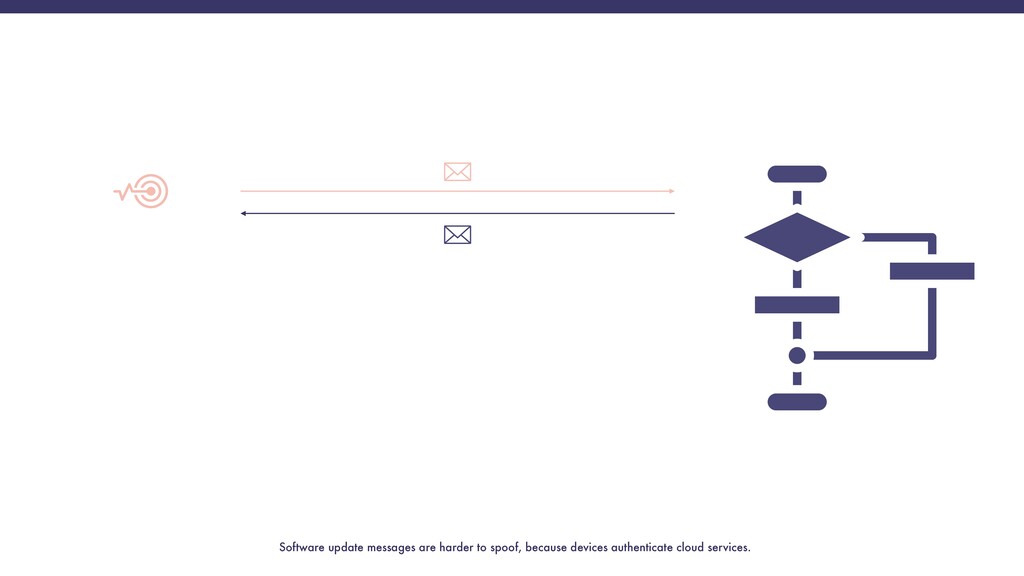
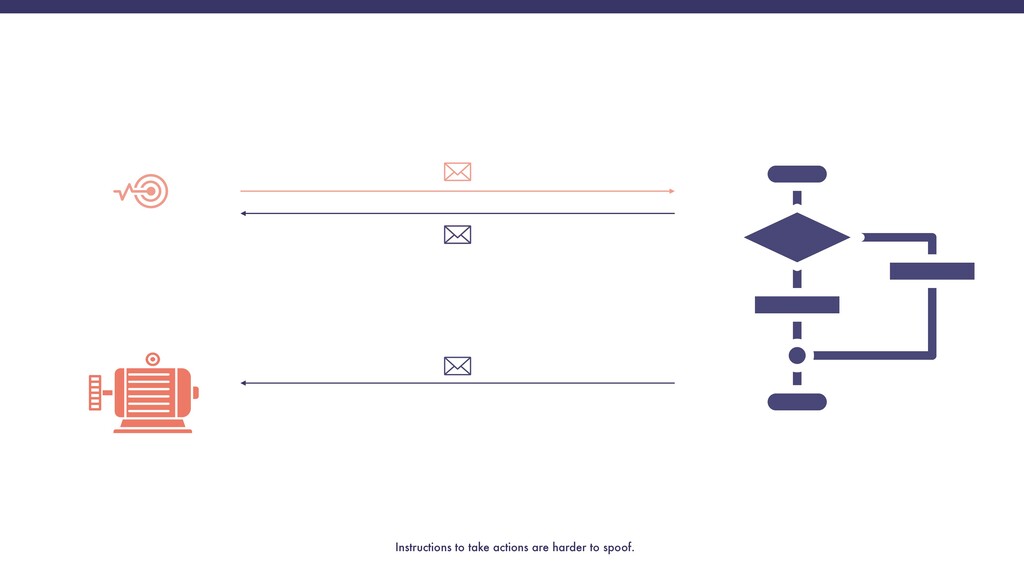
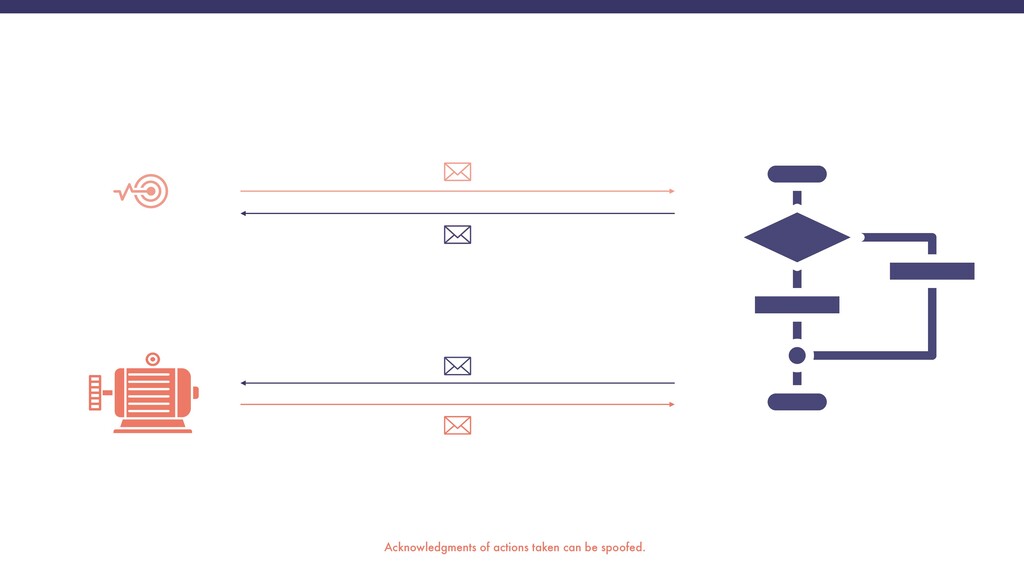
that are critical for their business, health and safety. IoT will have an economic impact between $4 trillion and $11 trillion, by 2025. Source: McKinsey & Company
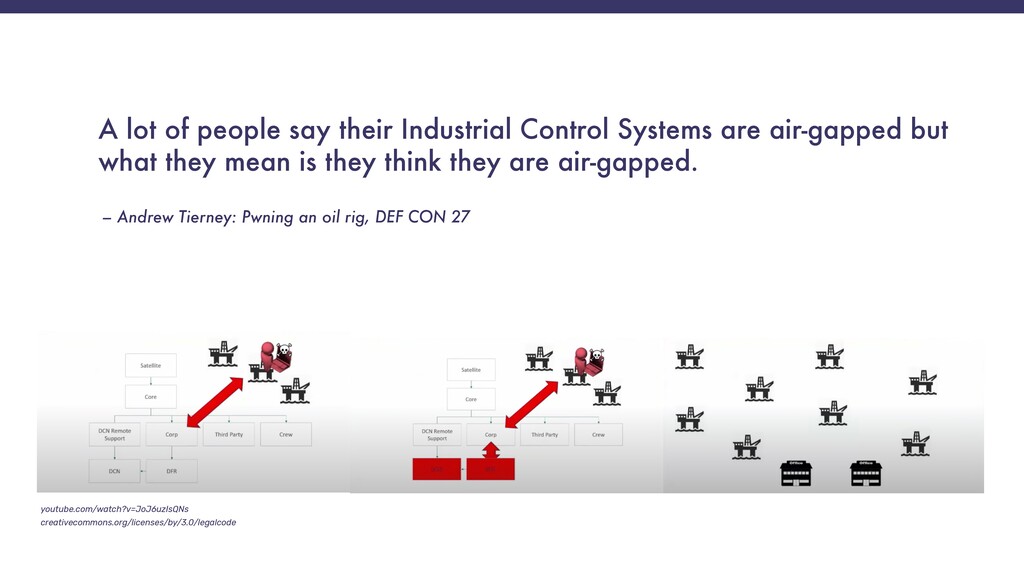
air-gapped but what they mean is they think they are air-gapped. – Andrew Tierney: Pwning an oil rig, DEF CON 27 creativecommons.org/licenses/by/3.0/legalcode youtube.com/watch?v=JoJ6uzIsQNs
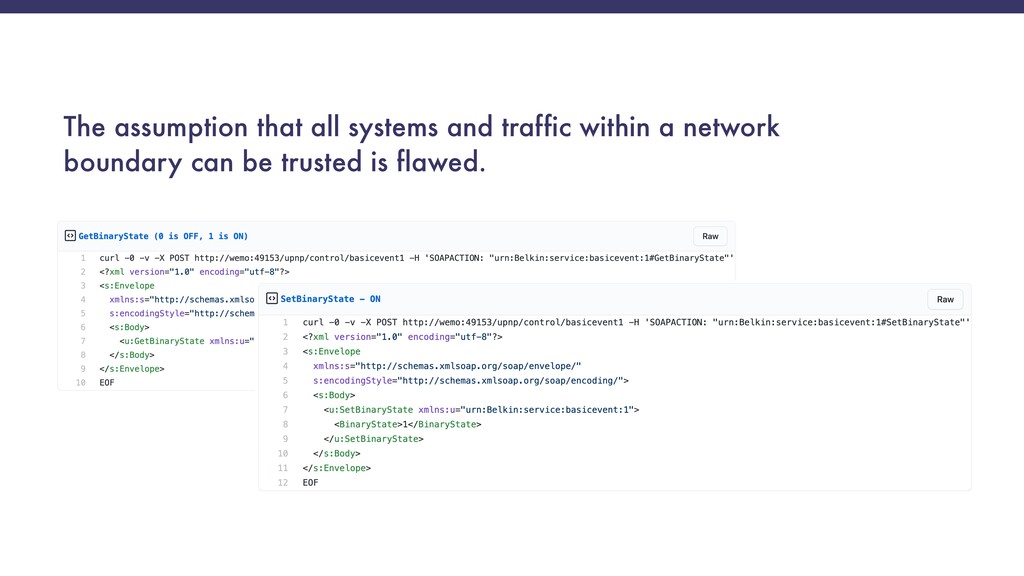
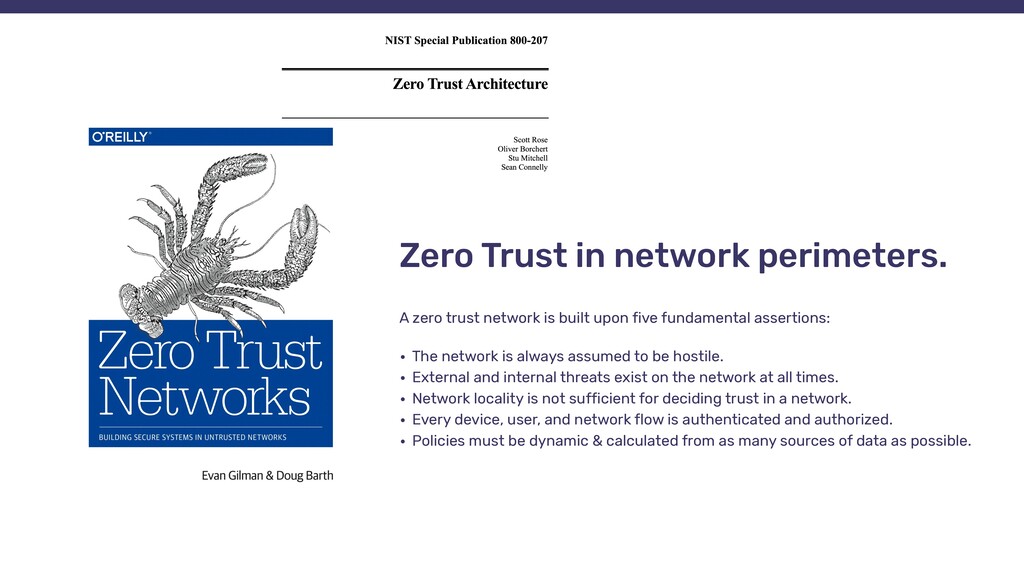
External and internal threats exist on the network at all times. • Network locality is not sufficient for deciding trust in a network. • Every device, user, and network flow is authenticated and authorized. • Policies must be dynamic & calculated from as many sources of data as possible. Zero Trust in network perimeters. A zero trust network is built upon five fundamental assertions:
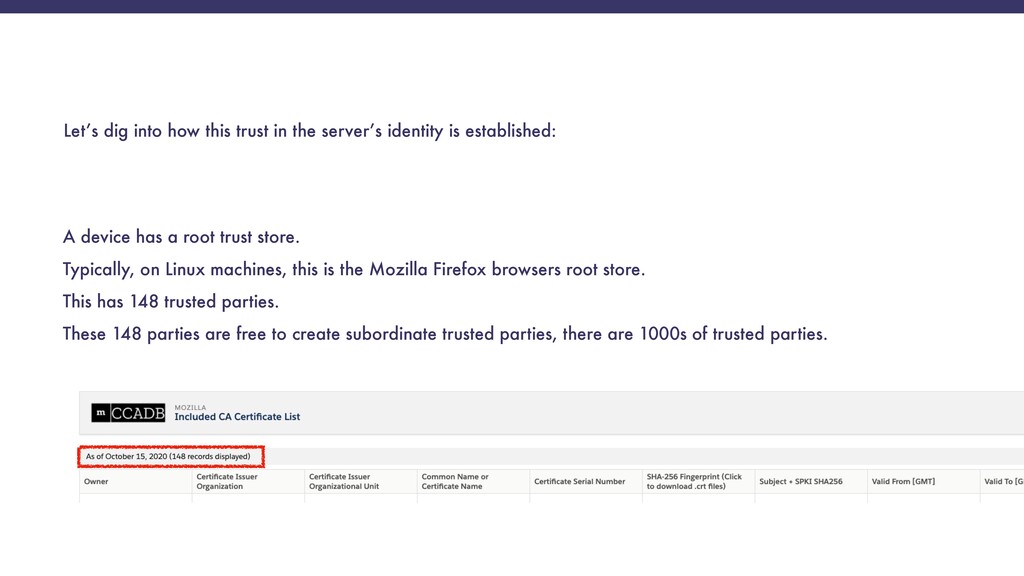
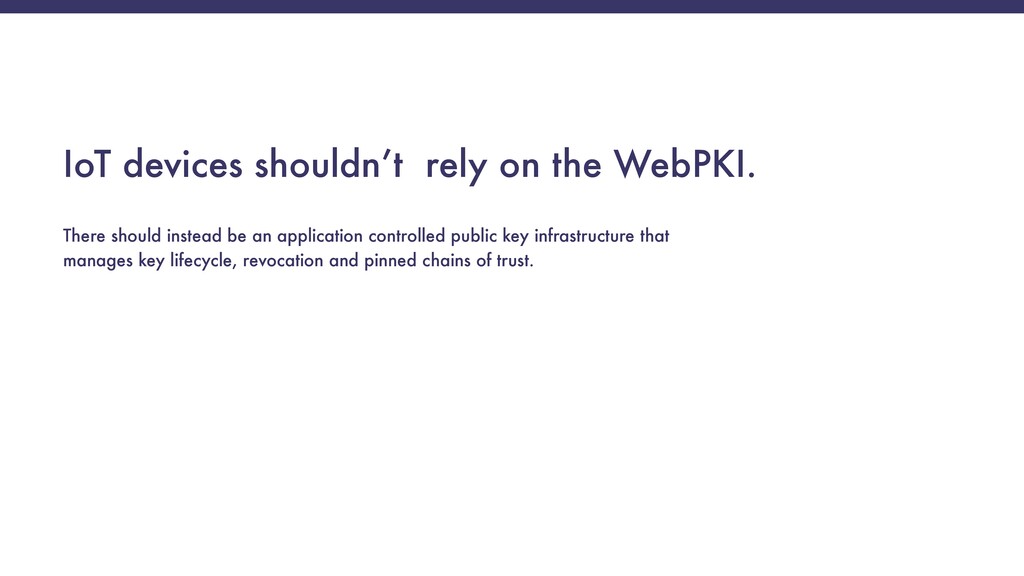
is established: A device has a root trust store. Typically, on Linux machines, this is the Mozilla Firefox browsers root store. This has 148 trusted parties. These 148 parties are free to create subordinate trusted parties, there are 1000s of trusted parties.
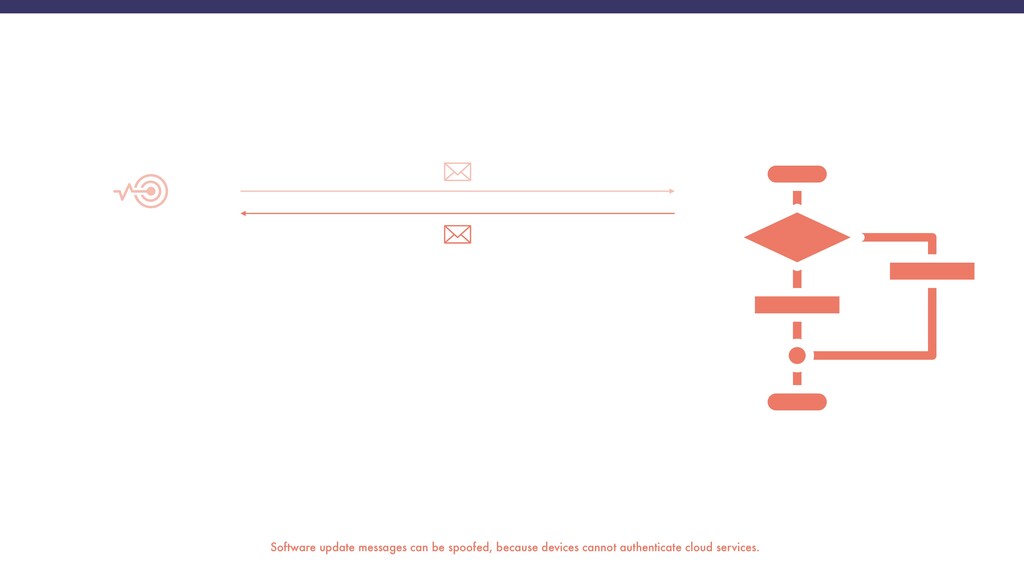
of parties could issue a seemingly valid certificate that a device would believe is about the intended server. Major certificate authority breaches happen. Spoofed Server Identity feistyduck.com/ssl-tls-and-pki-history
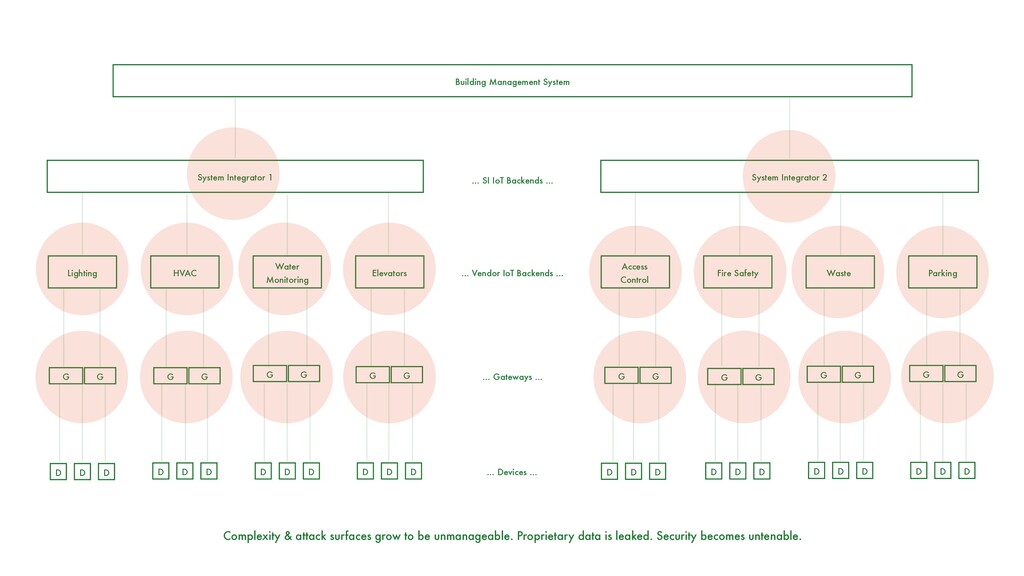
HVAC Water Monitoring Elevators Access Control Fire Safety Waste Parking … Vendor IoT Backends … System Integrator 1 Building Management System … SI IoT Backends … System Integrator 2 G G D D D D D D D D D D D D D D D D D D D D D G G G G G G G G G G G G G G Complexity & attack surfaces grow to be unmanageable. Proprietary data is leaked. Security becomes untenable.
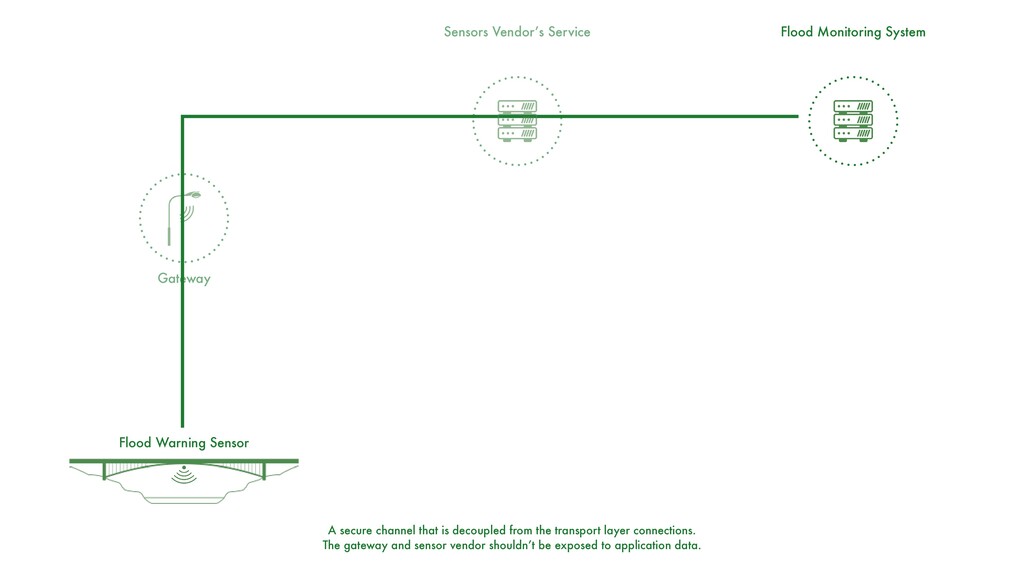
from the transport layer connections. The gateway and sensor vendor shouldn’t be exposed to application data. Flood Monitoring System Sensors Vendor’s Service
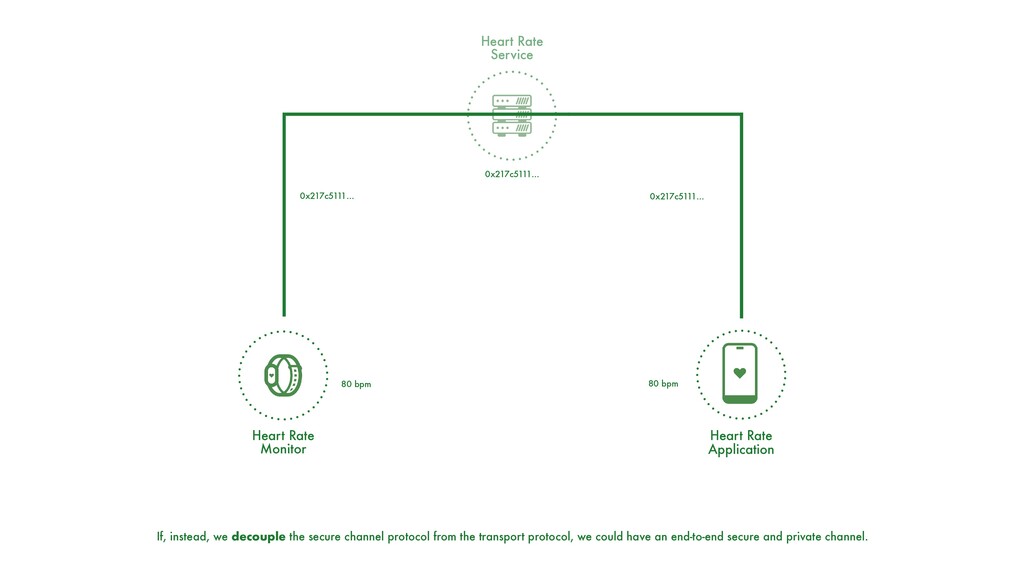
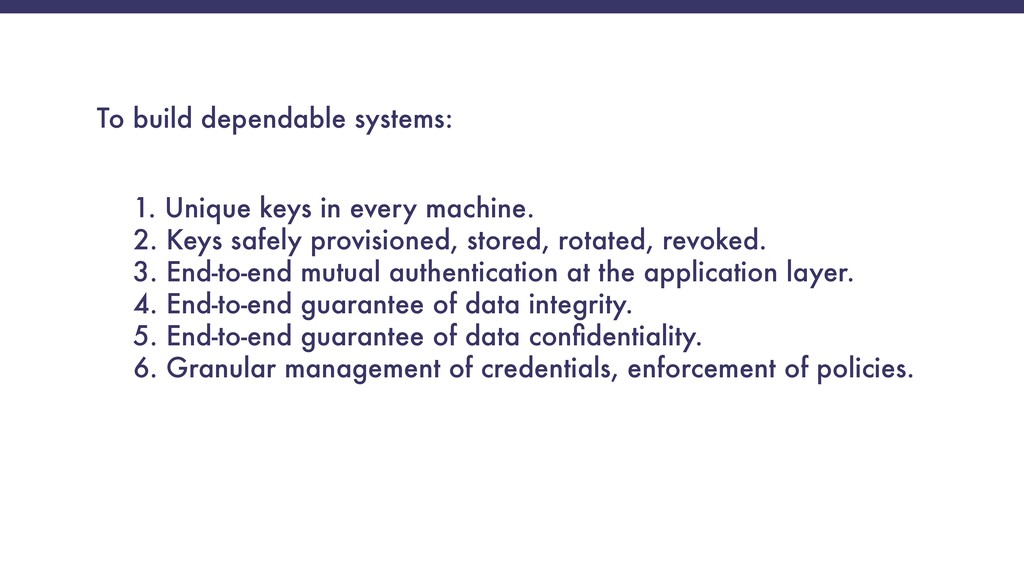
2. Keys safely provisioned, stored, rotated, revoked. 3. End-to-end mutual authentication at the application layer. 4. End-to-end guarantee of data integrity. 5. End-to-end guarantee of data con f i dentiality. 6. Granular management of credentials, enforcement of policies.


 mrinalwadhwa
 kenichiodo
 jtakeda
 satomasahiro2005
 taka_aki
 sansantech
 rfdnxbro
 terapyon
 occhi
occhi
 akitoshiga
 satoshi7
 ykanoh
 kairim0
 aarron
 coloredviolet
 chriscoyier
 nikkihalliwell
 427marketing
 yeseniaperezcruz
 techseoconnect
 kimpetersen
 aleyda
 garrettdimon
 tessaabrams
 matthewcrist