Ship Features Fearlessly
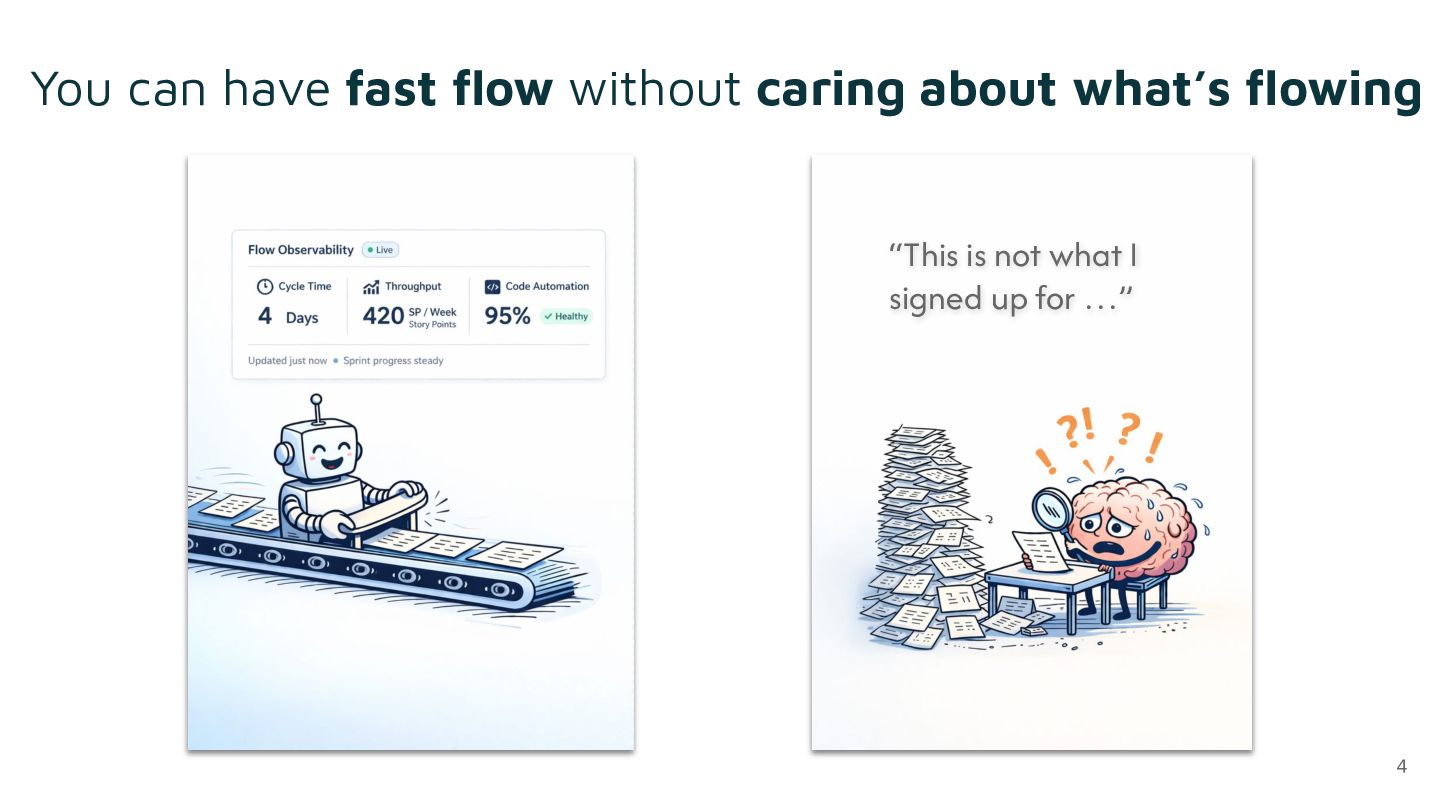
You can measure the flow of work through your pipelines. You cannot measure whether anyone in the room still cares about what is flowing.
Most of us have been in organizations where the processes were right and the people were tired. Where retrospectives happened and nothing changed. Where the architecture was sound and the team was stuck. Where Agile was adopted. And agility kept drifting further away.
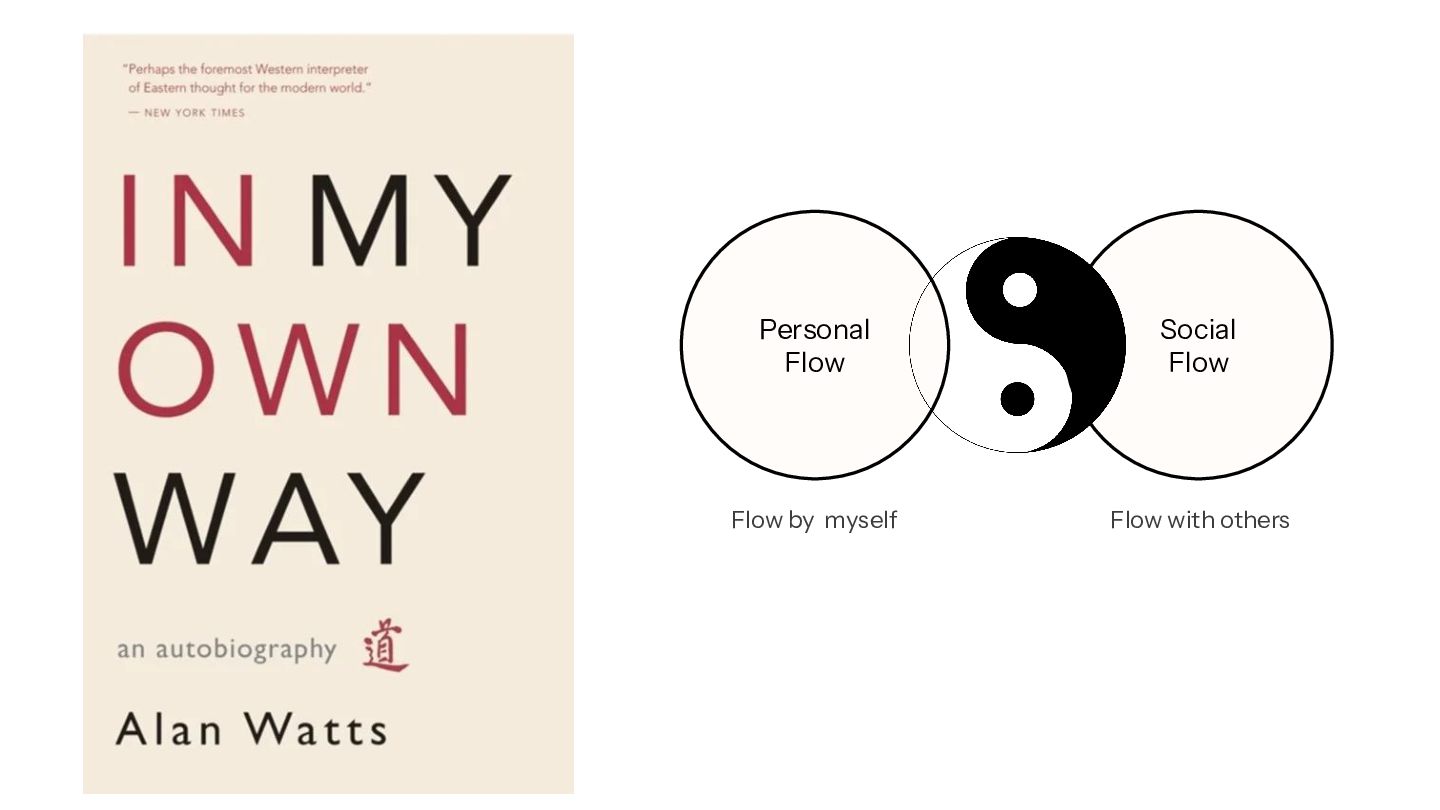
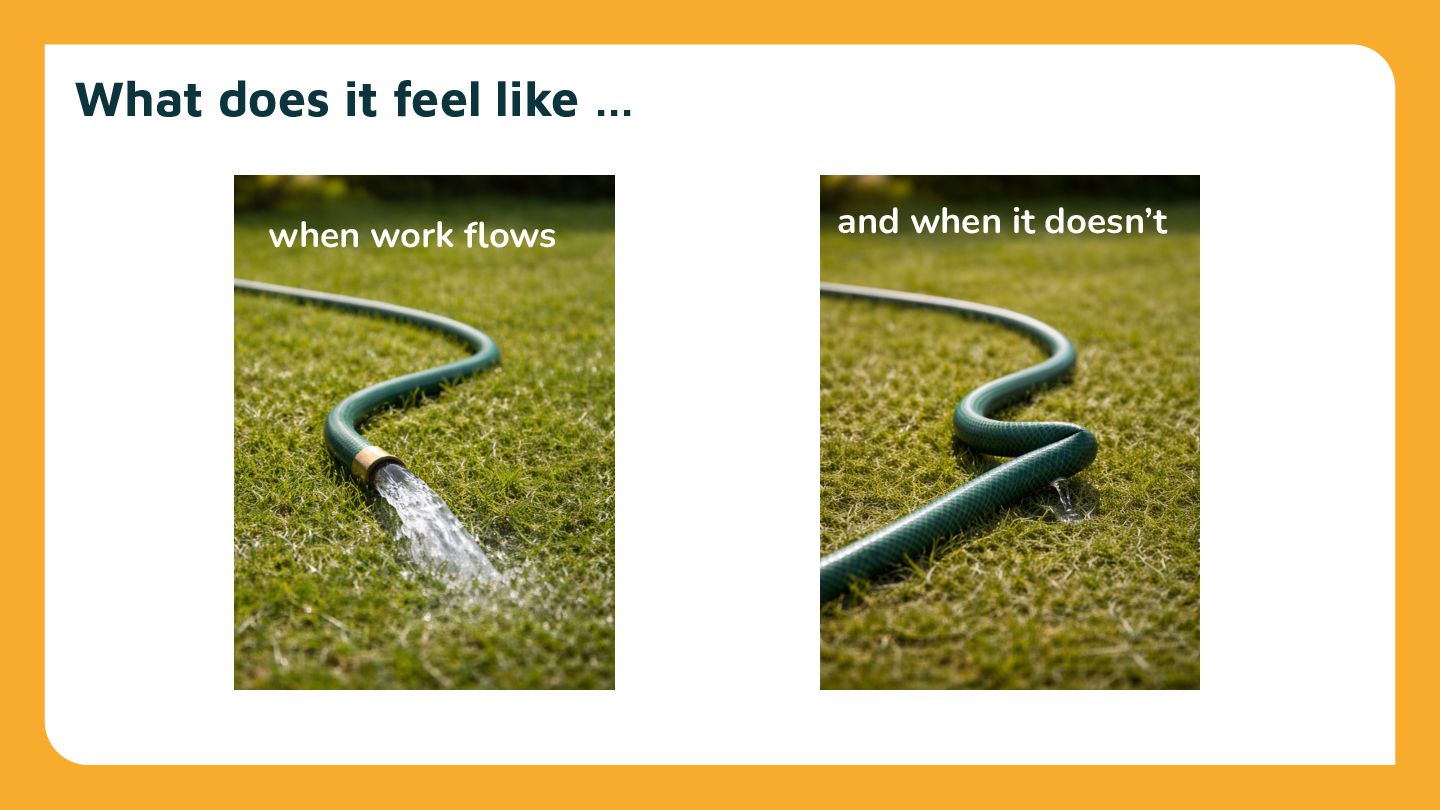
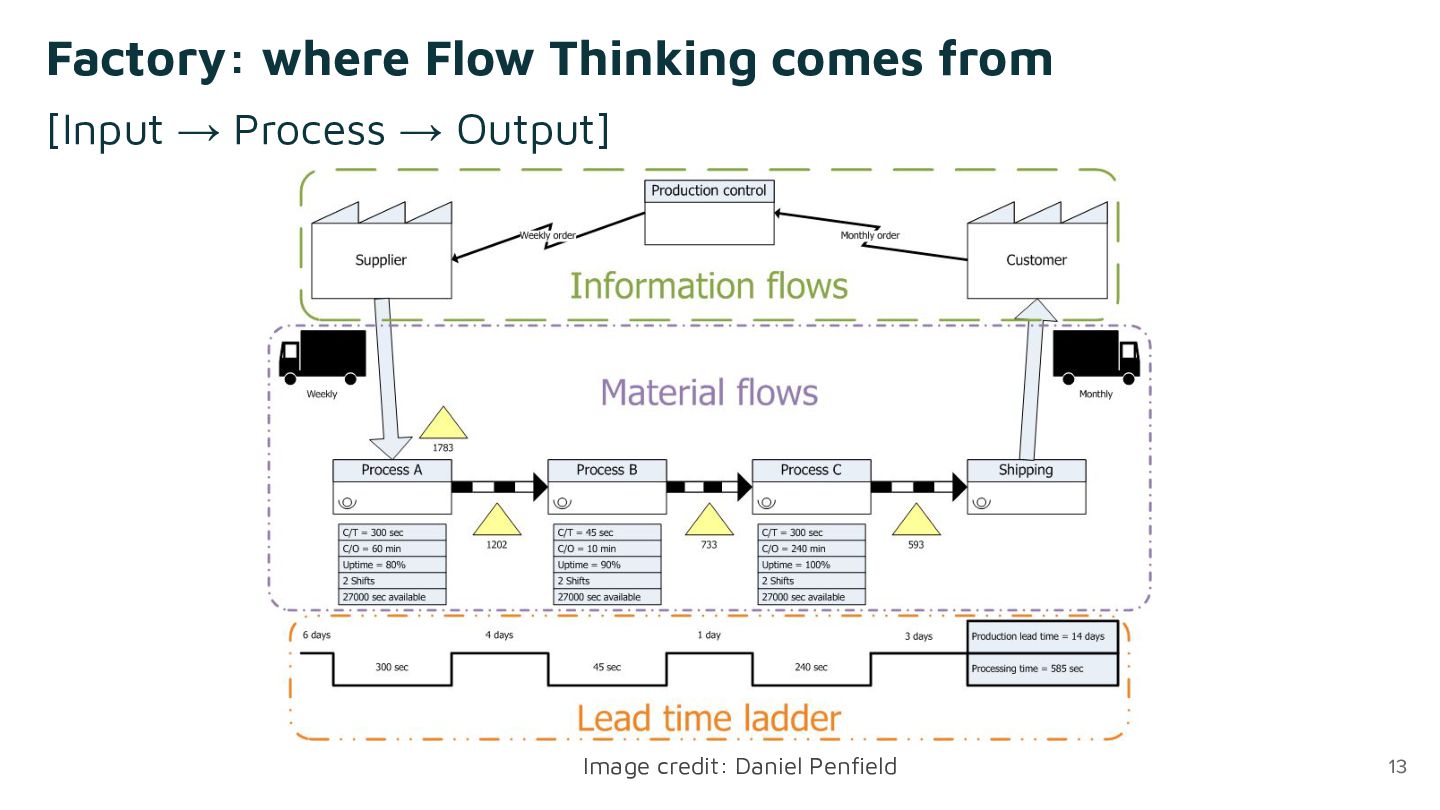
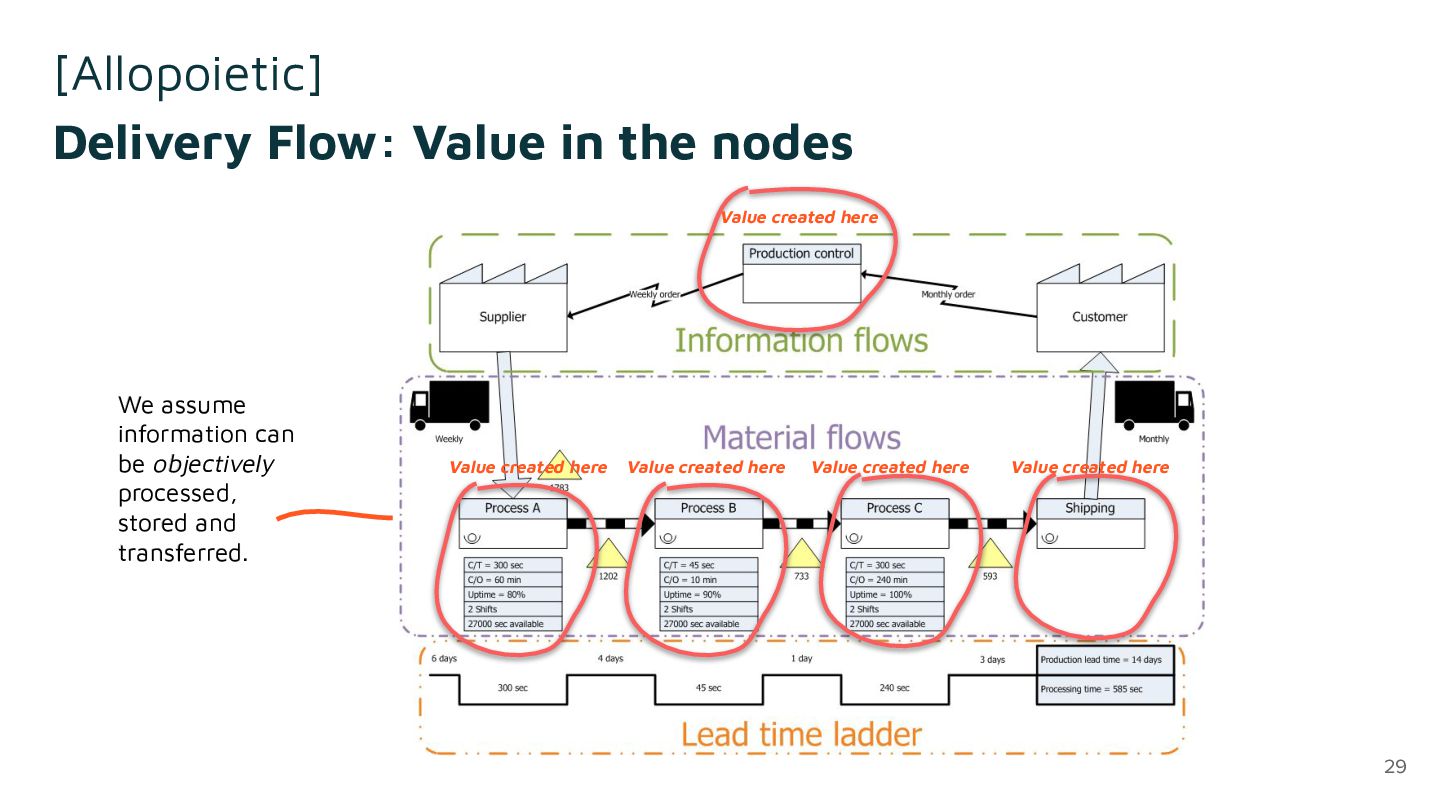
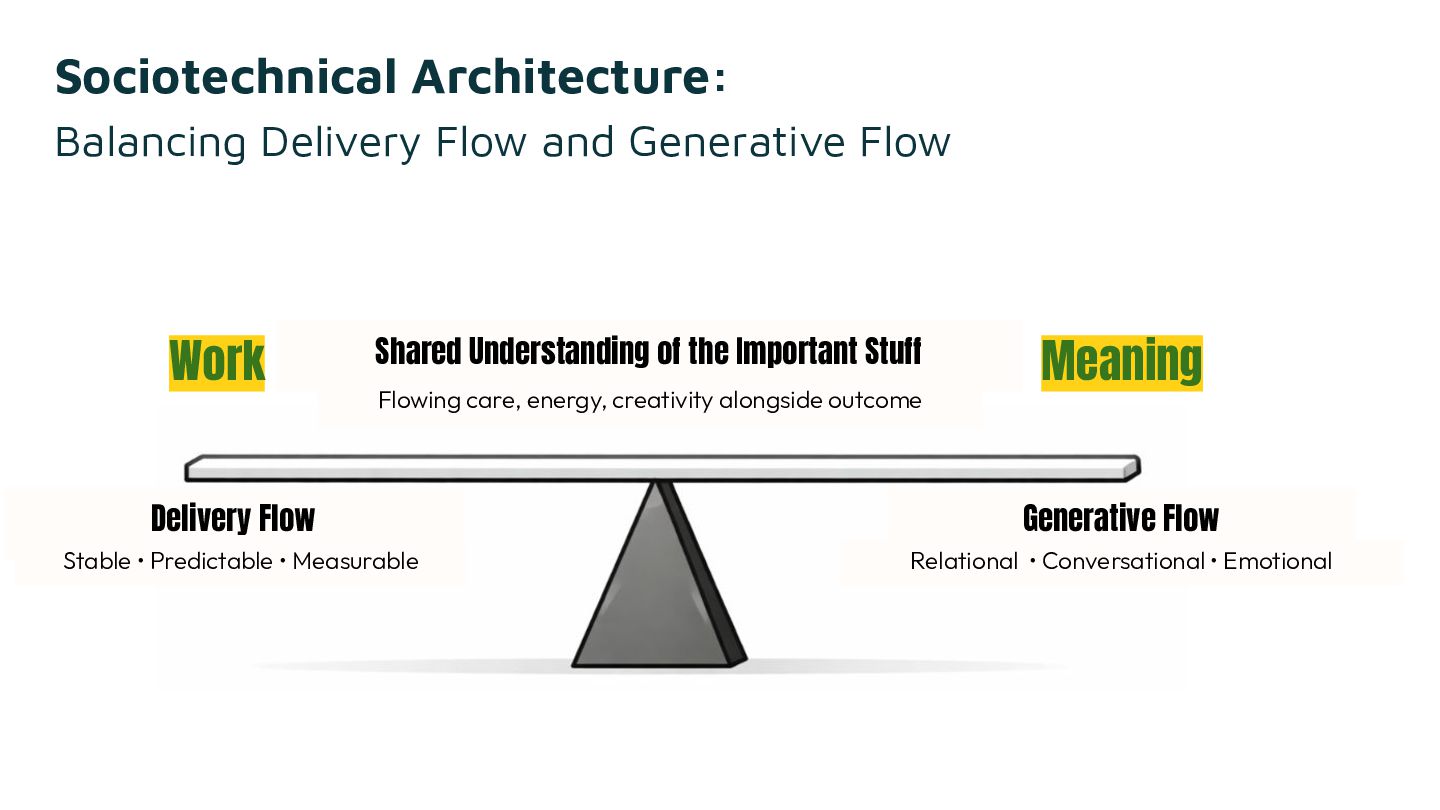
There is more than one kind of flow. One shows up as cycle times, feature throughput, WIP limits. The other moves through people: the energy in a room when genuine thinking is happening, the question nobody planned for that opens a better direction, the feeling of pulling weight toward something that matters. These two flows need each other. Optimize one while starving the other, and something breaks, even when all the metrics look fine.
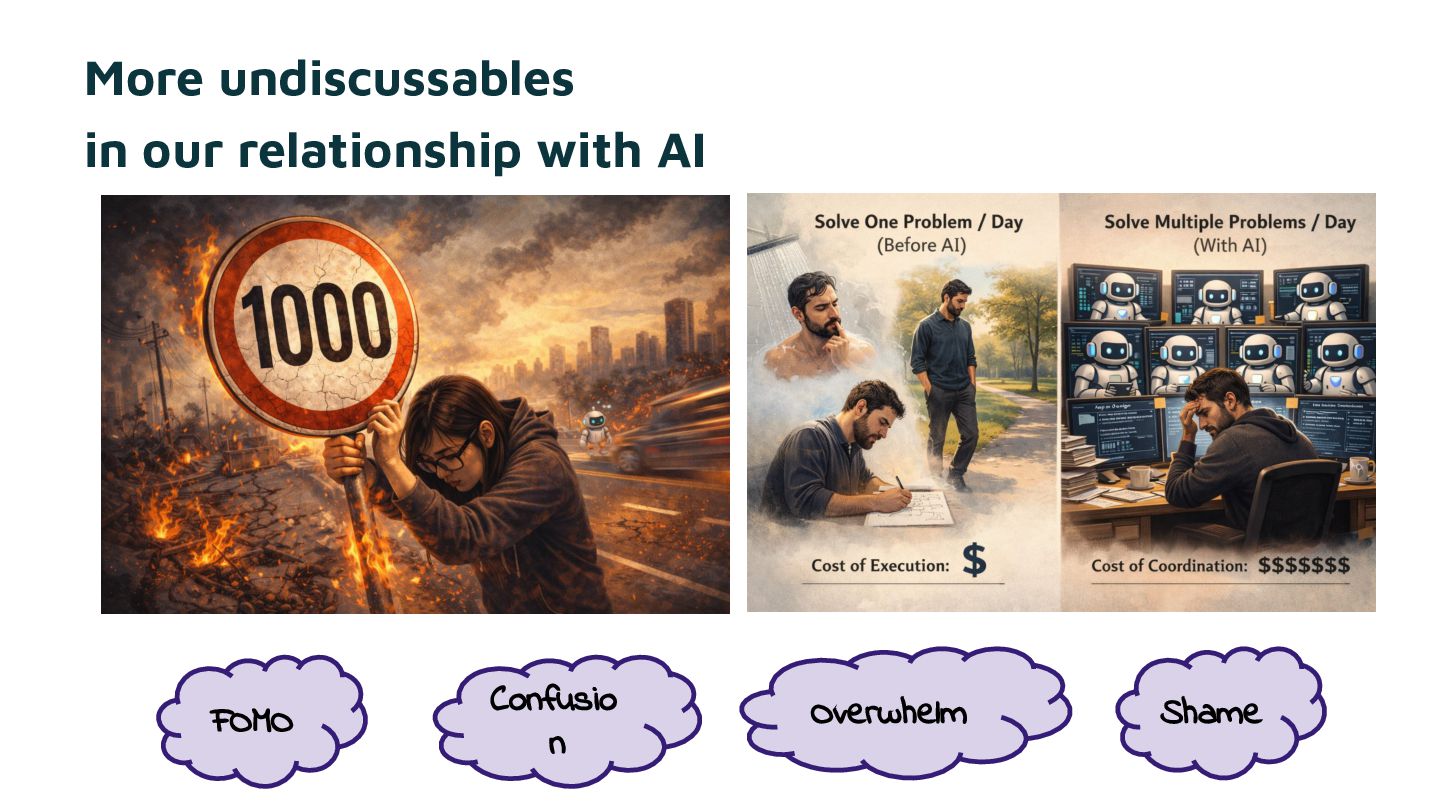
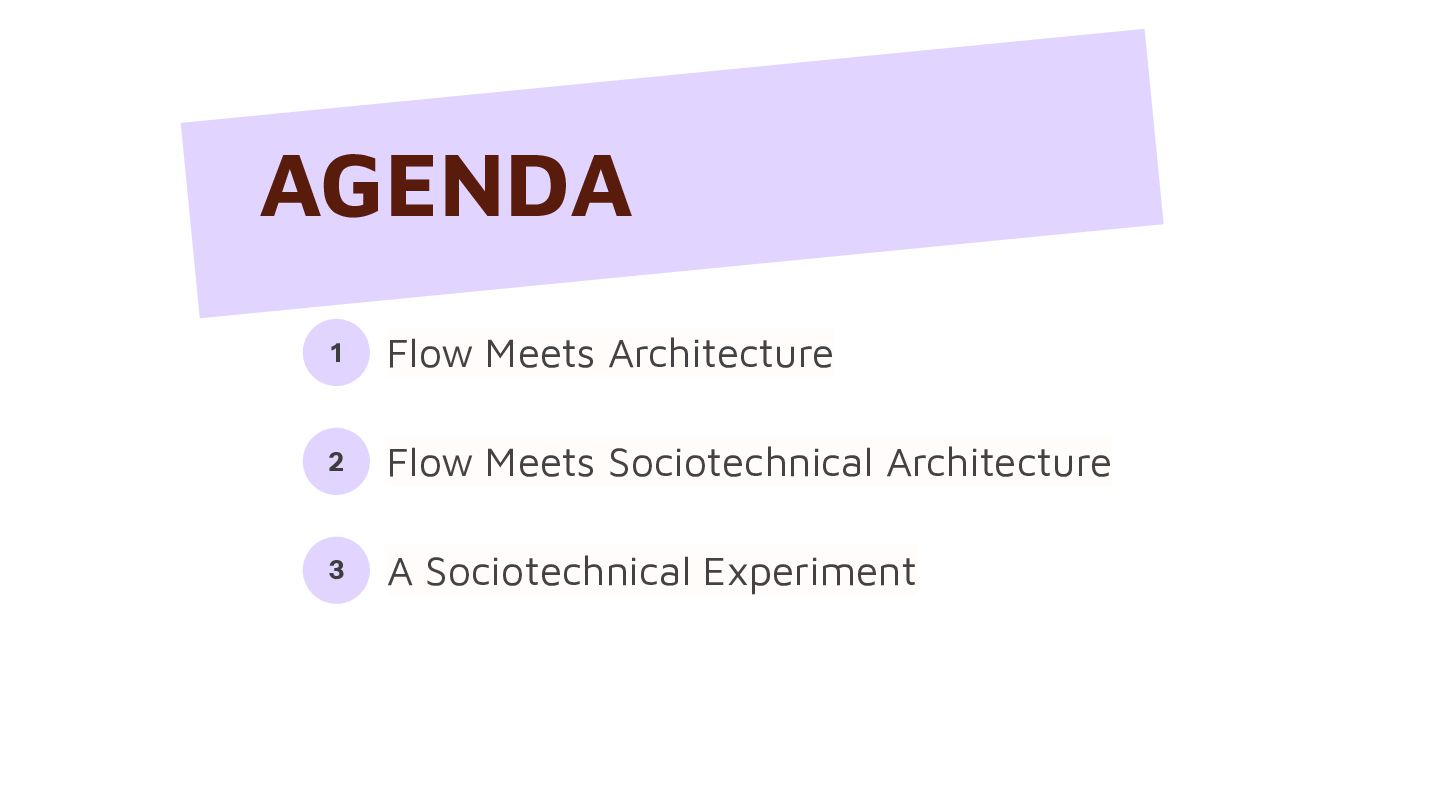
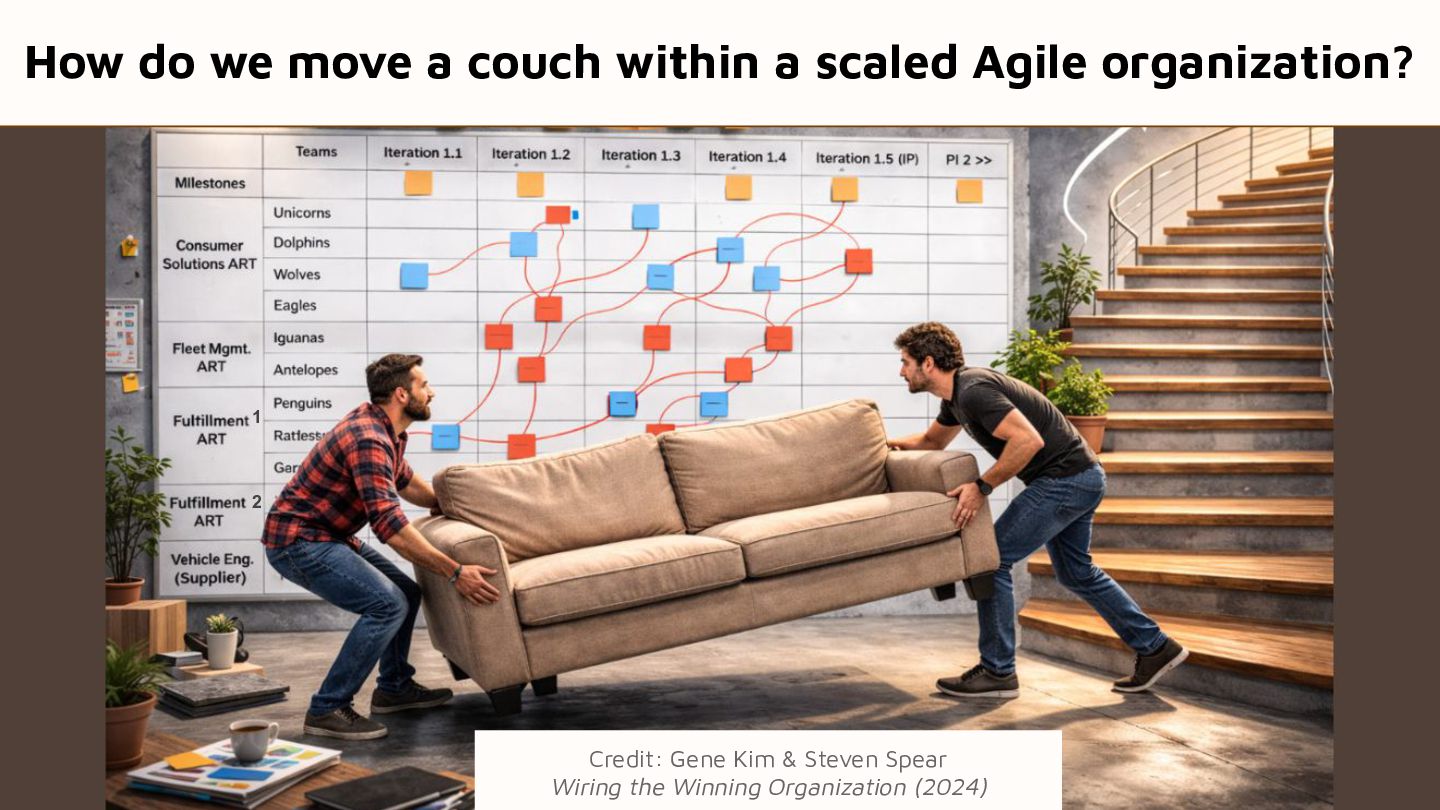
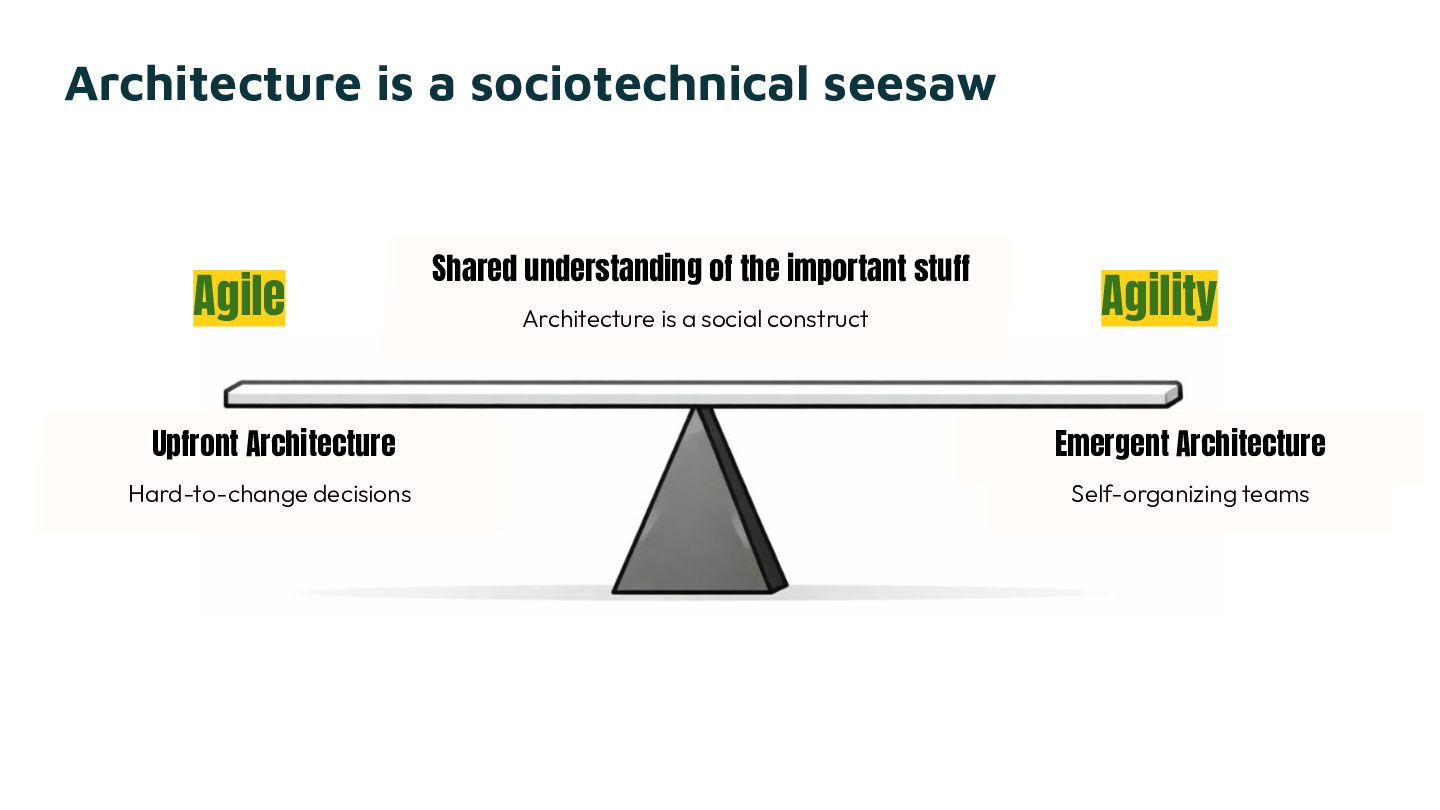
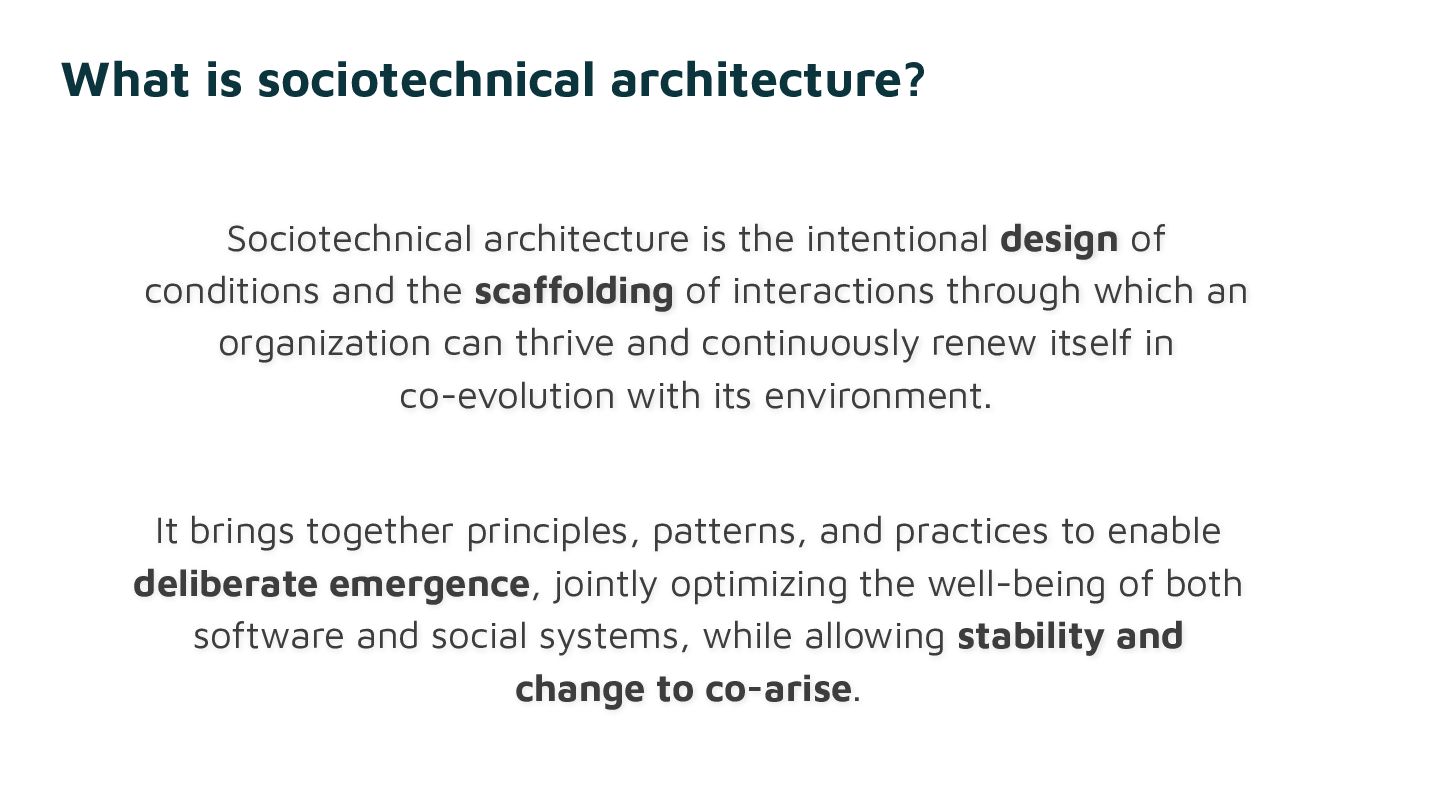
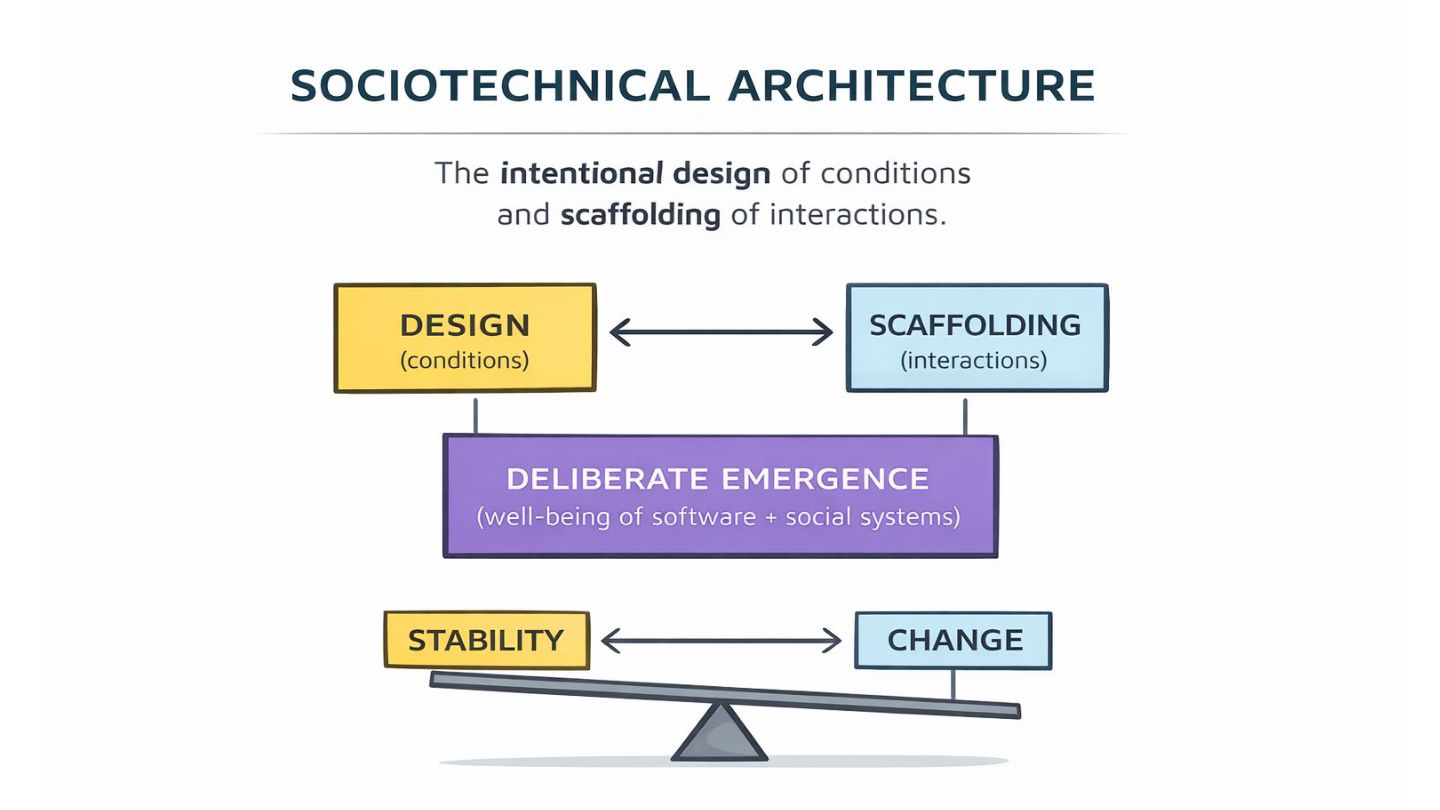
Sociotechnical architecture is the practice of designing for both. Decouple the software. Connect the people. And attend to what falls through the cracks of every dashboard. In the age of AI, this tension sharpens: the conversations that sustain shared understanding and ownership risk getting squeezed out by the pressure to move faster.
The uncomfortable question is this: are you designing for the flow you can track, or for the flow that makes the work worth doing?
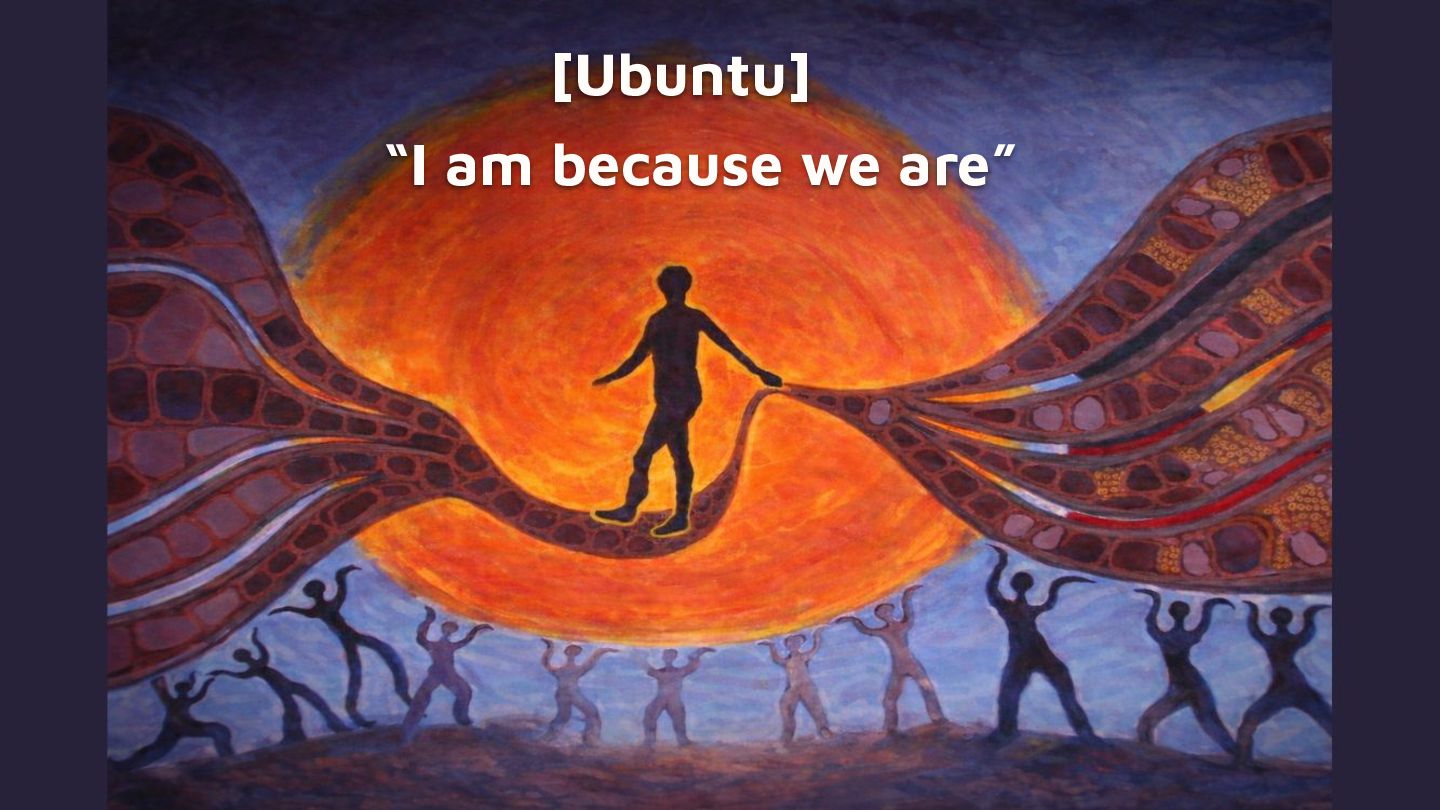
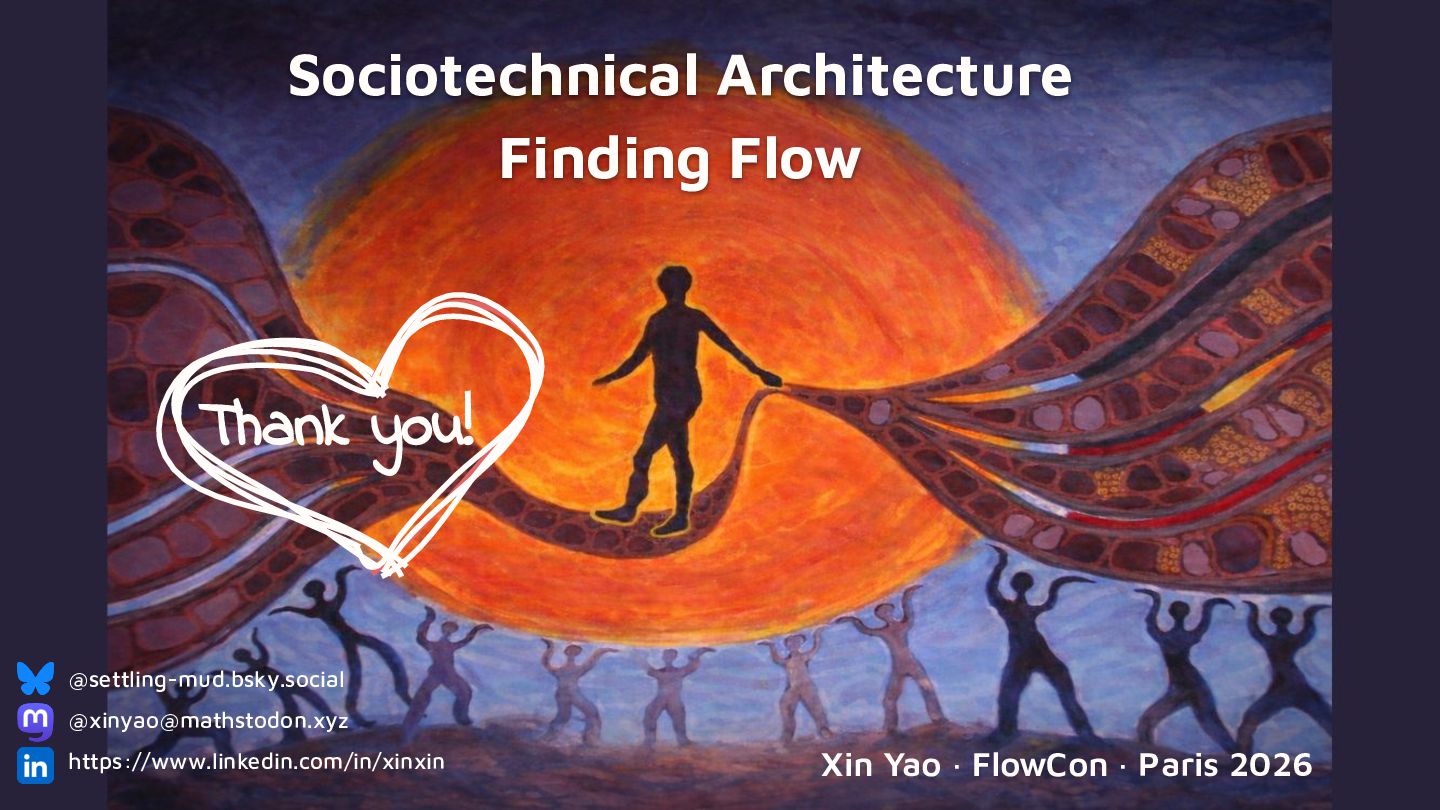
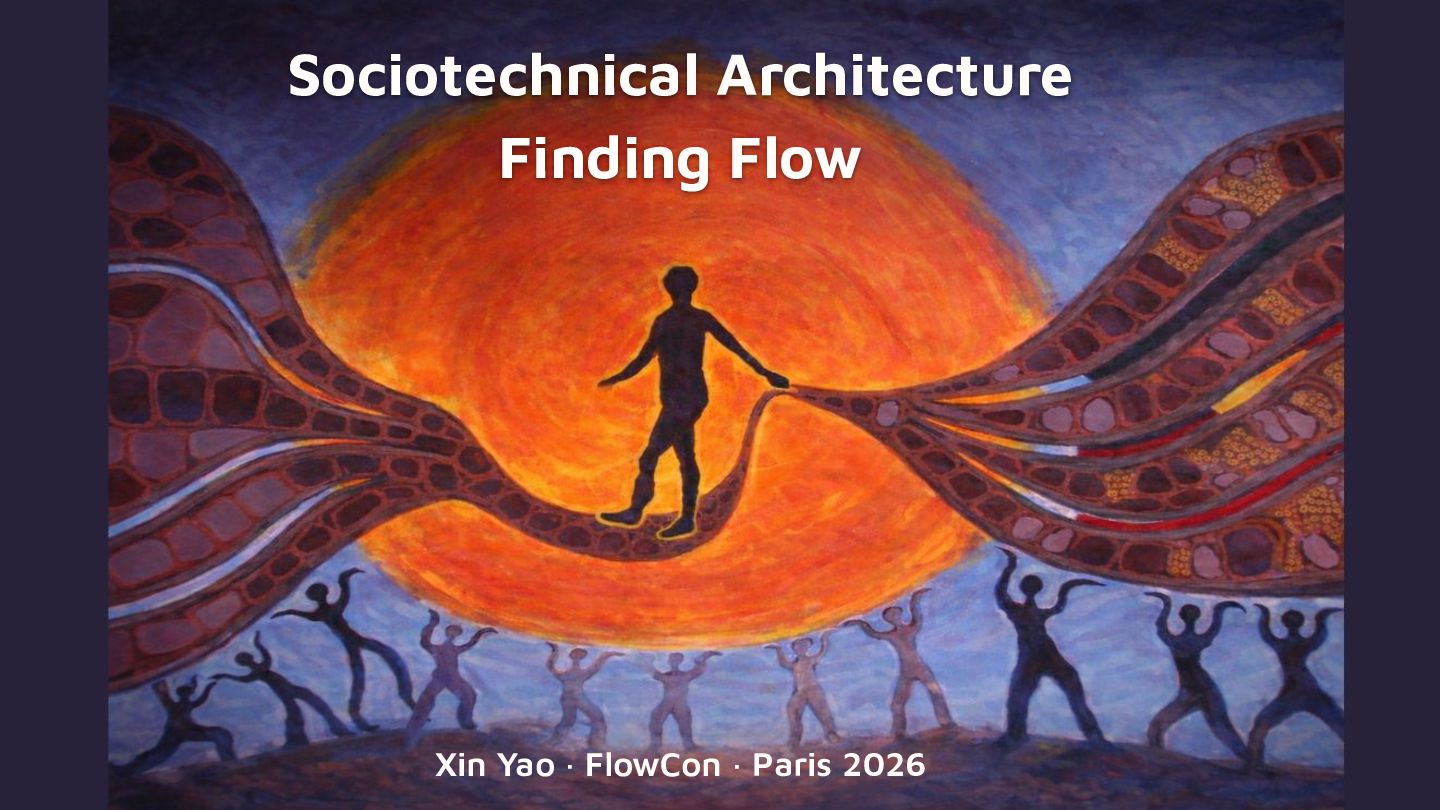
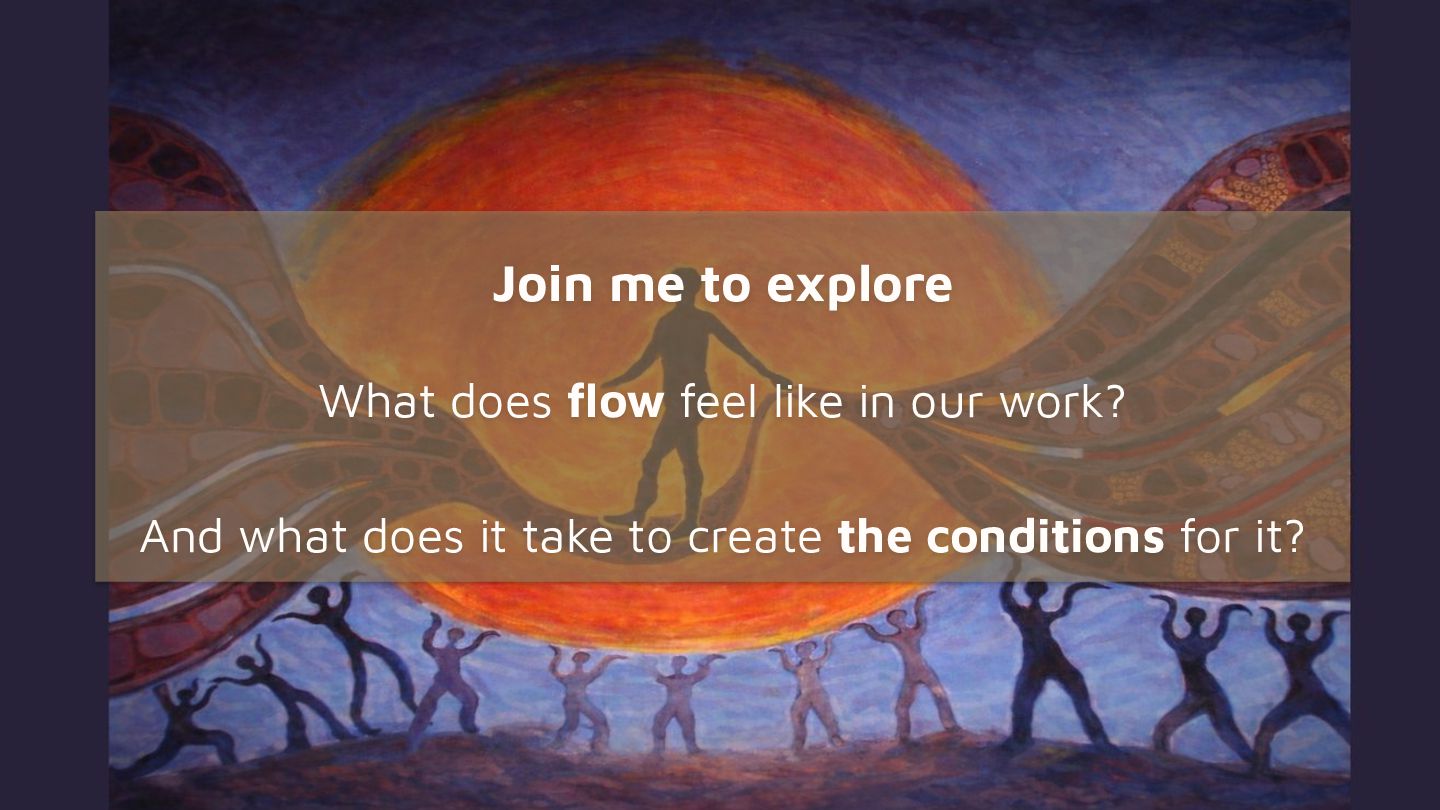
Drawing on field stories from complex environments, this keynote explores sociotechnical architecture as a complexity-informed practice for designing flow at every level: in our software systems, our teams, our organizations, and ourselves. Not as a balance to strike, but as a living tension to hold. The way a tightrope walker holds the tension in the rope: not to resolve it, but to move.
Key Takeaways
- Why optimizing delivery flow without generative flow produces throughput without coherence, and what the difference looks like in practice
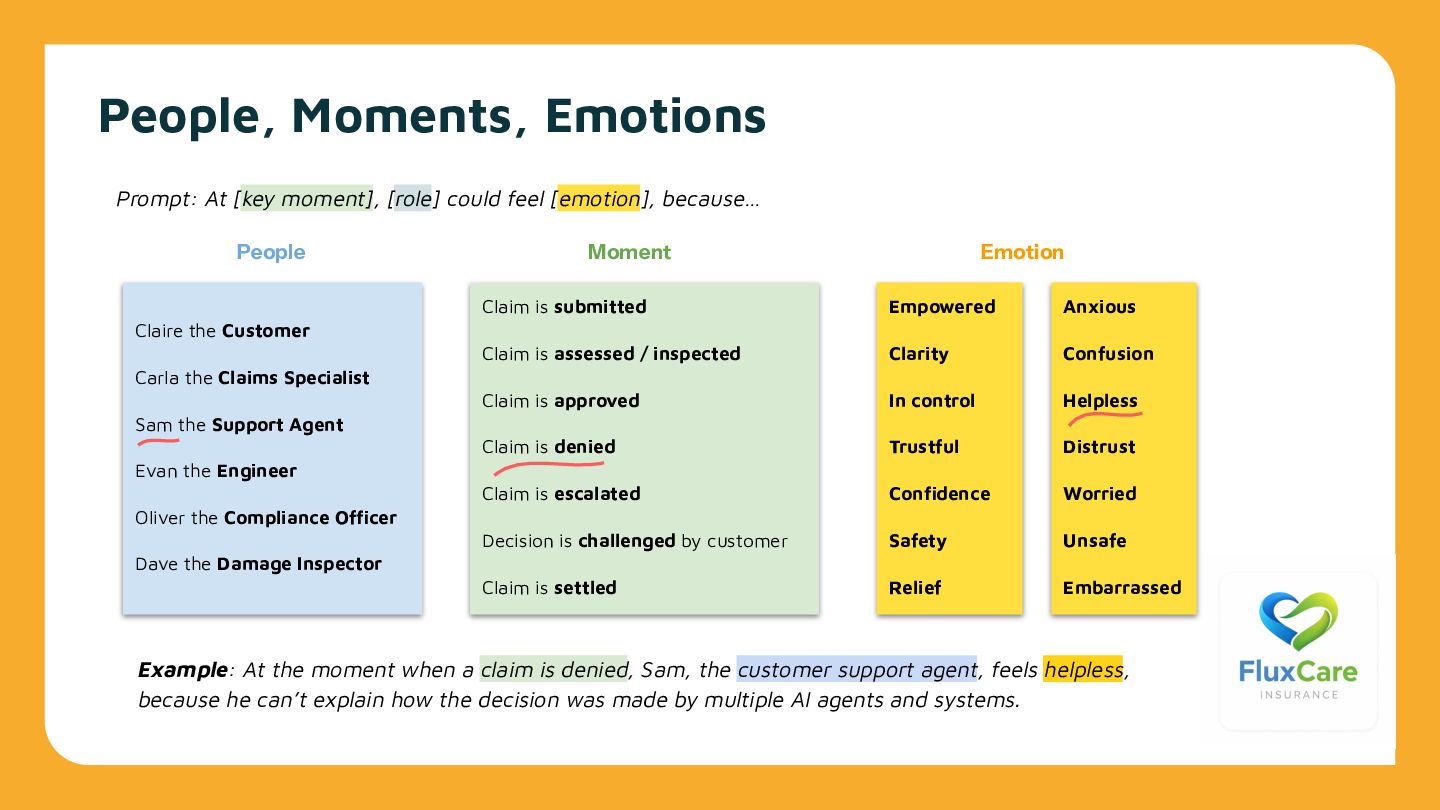
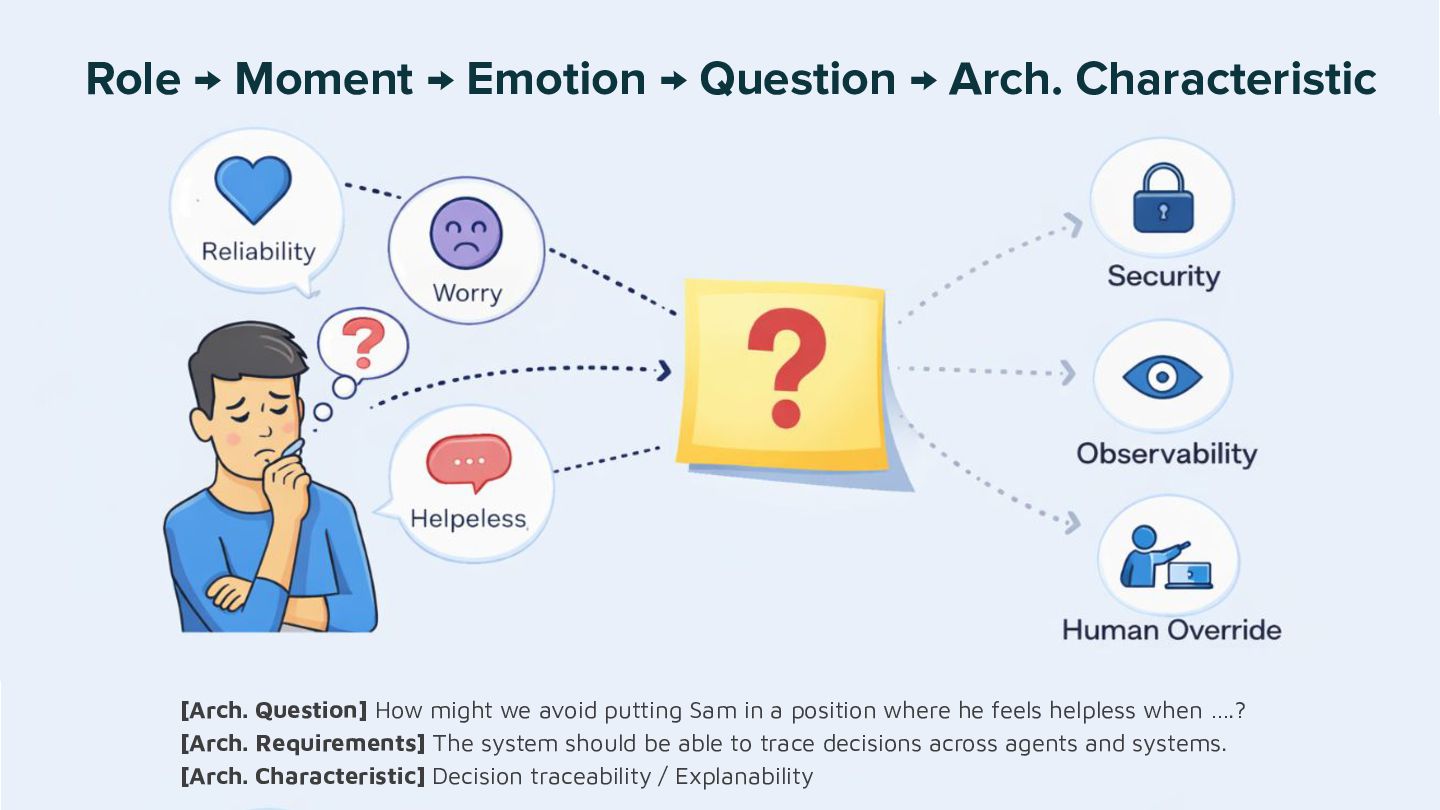
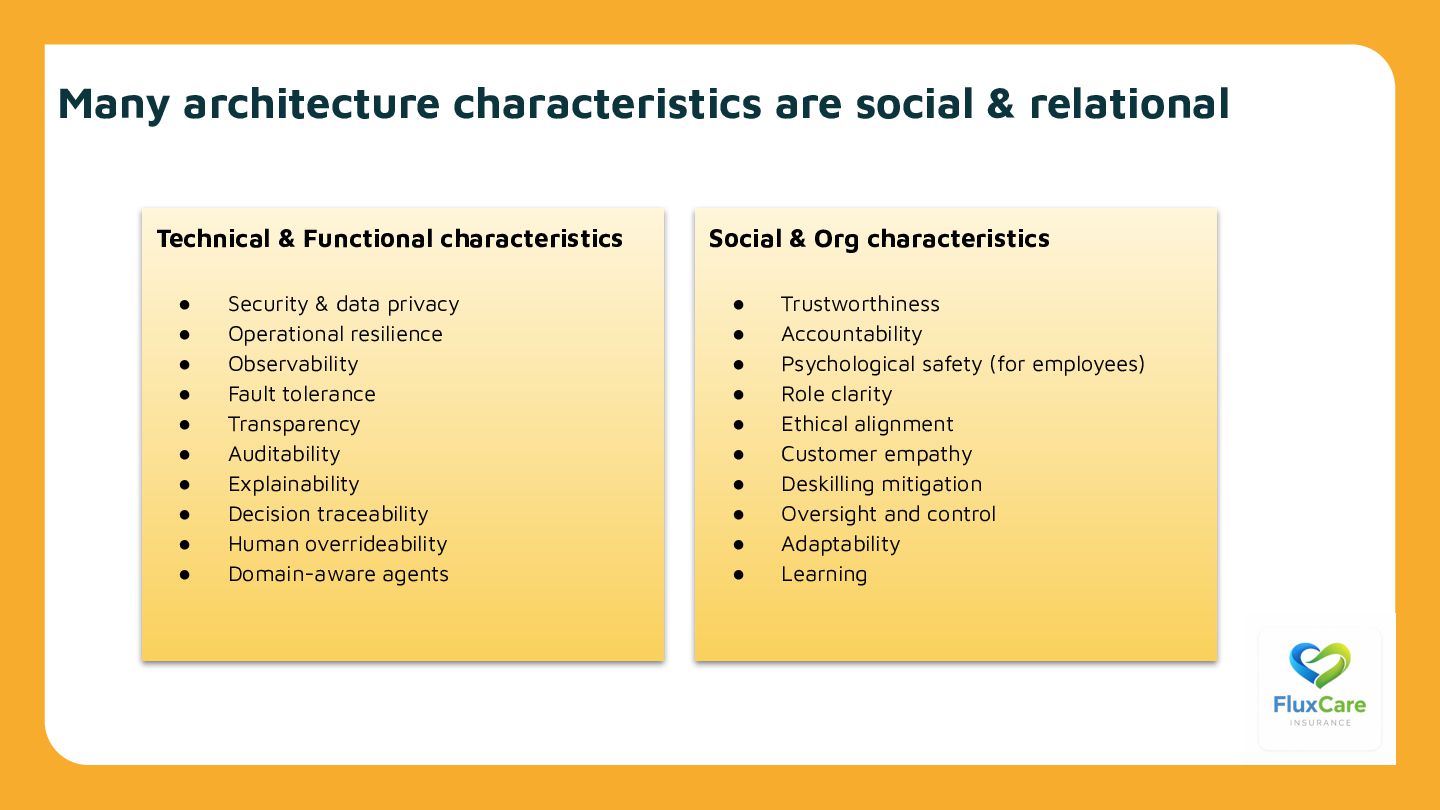
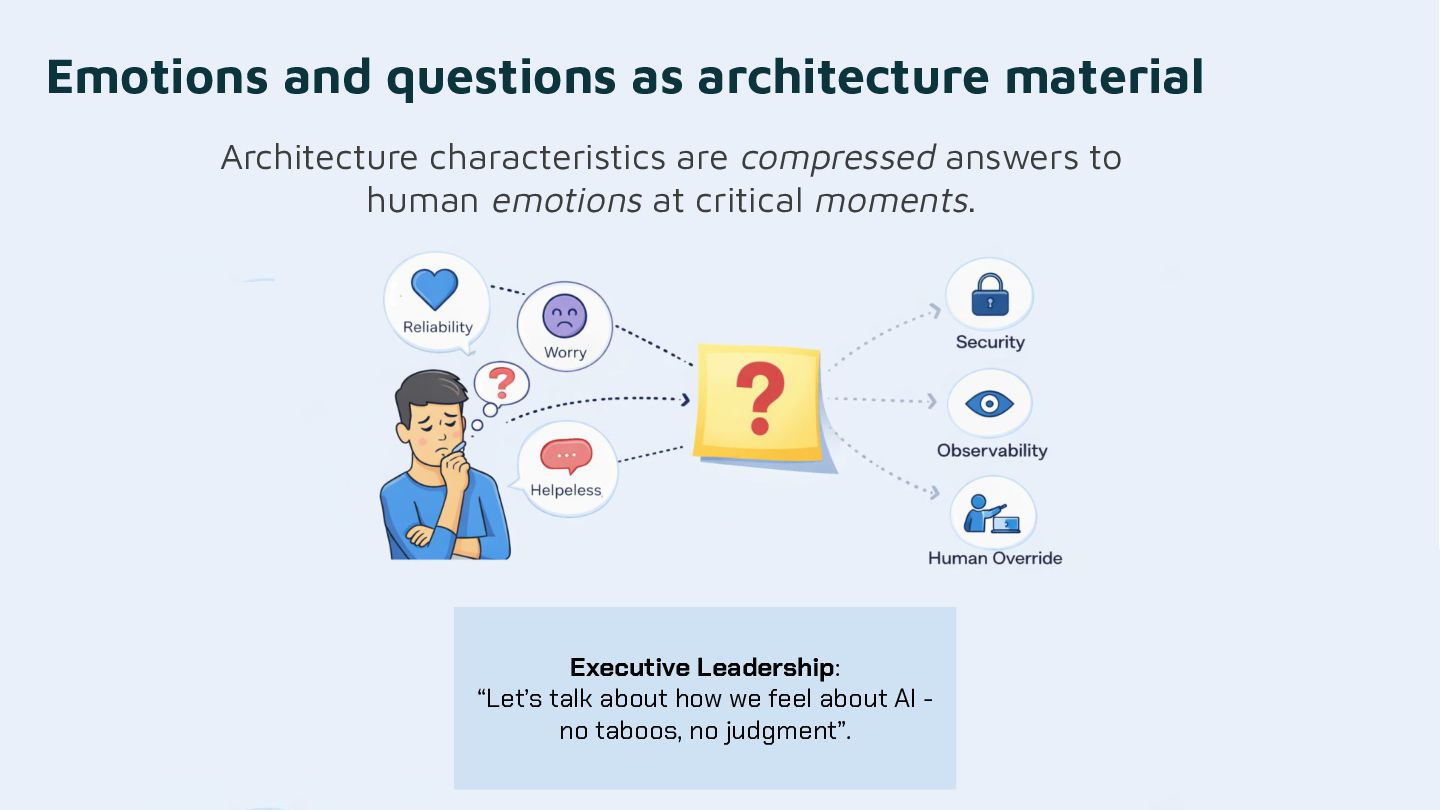
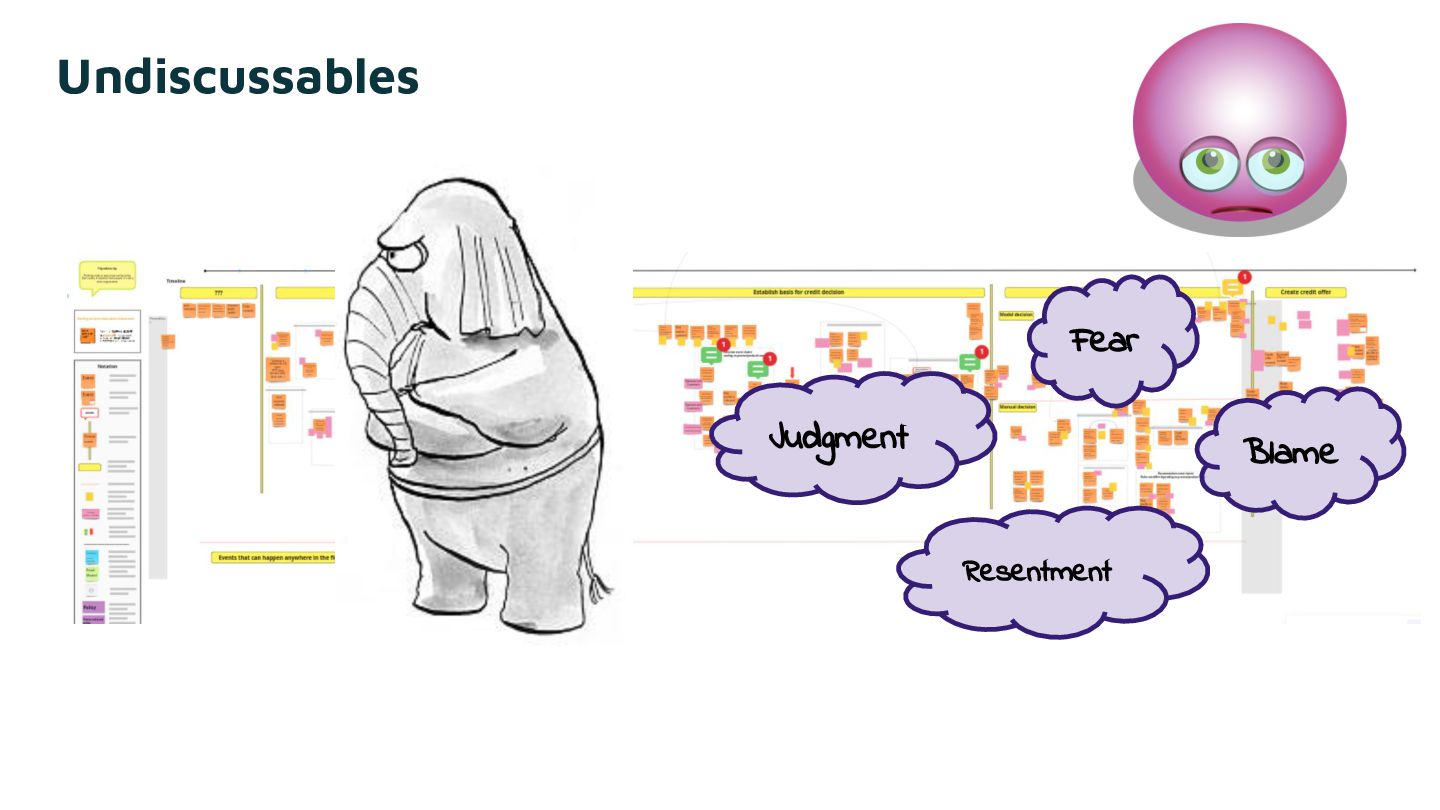
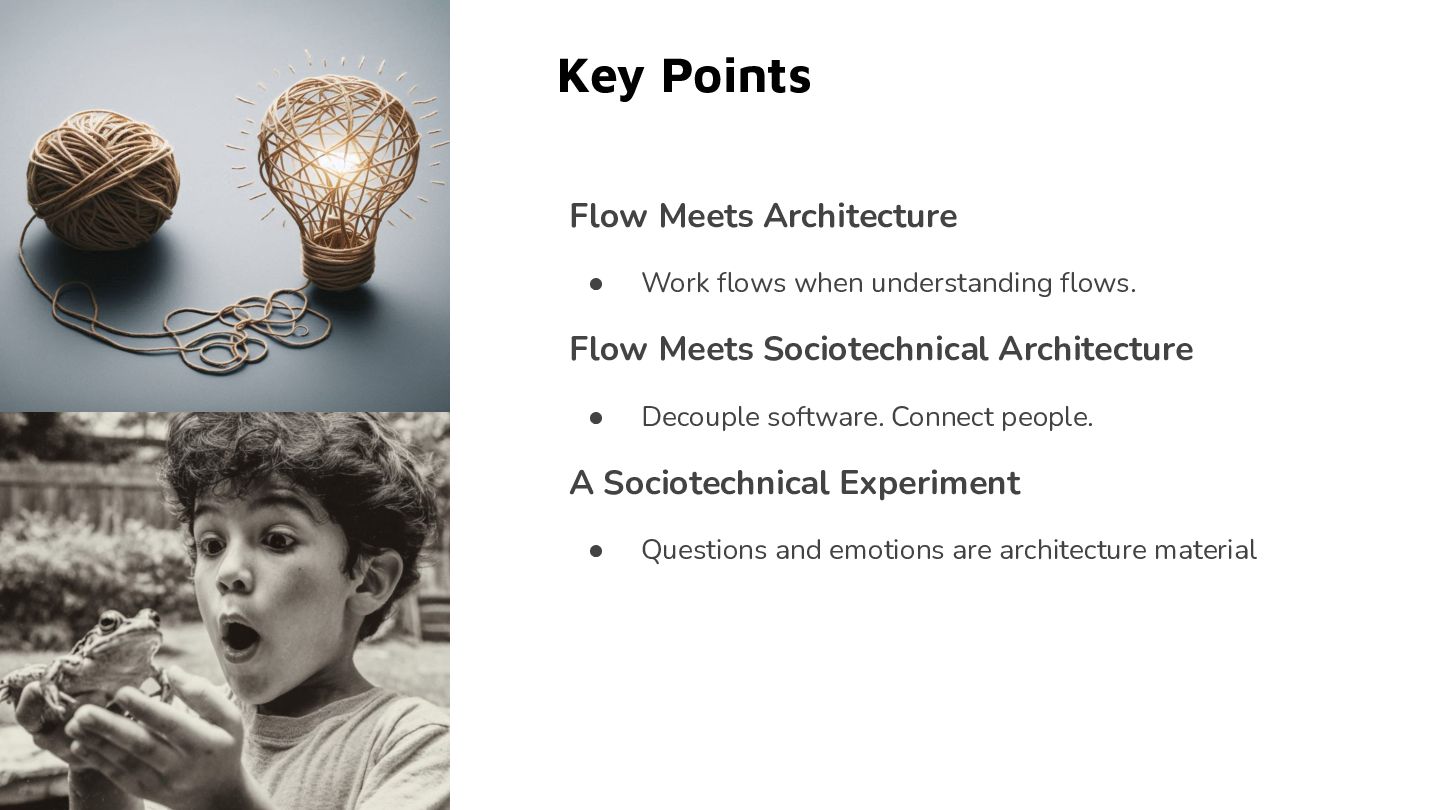
- How emotions, questions, and conversations function as architecture material, not soft add-ons
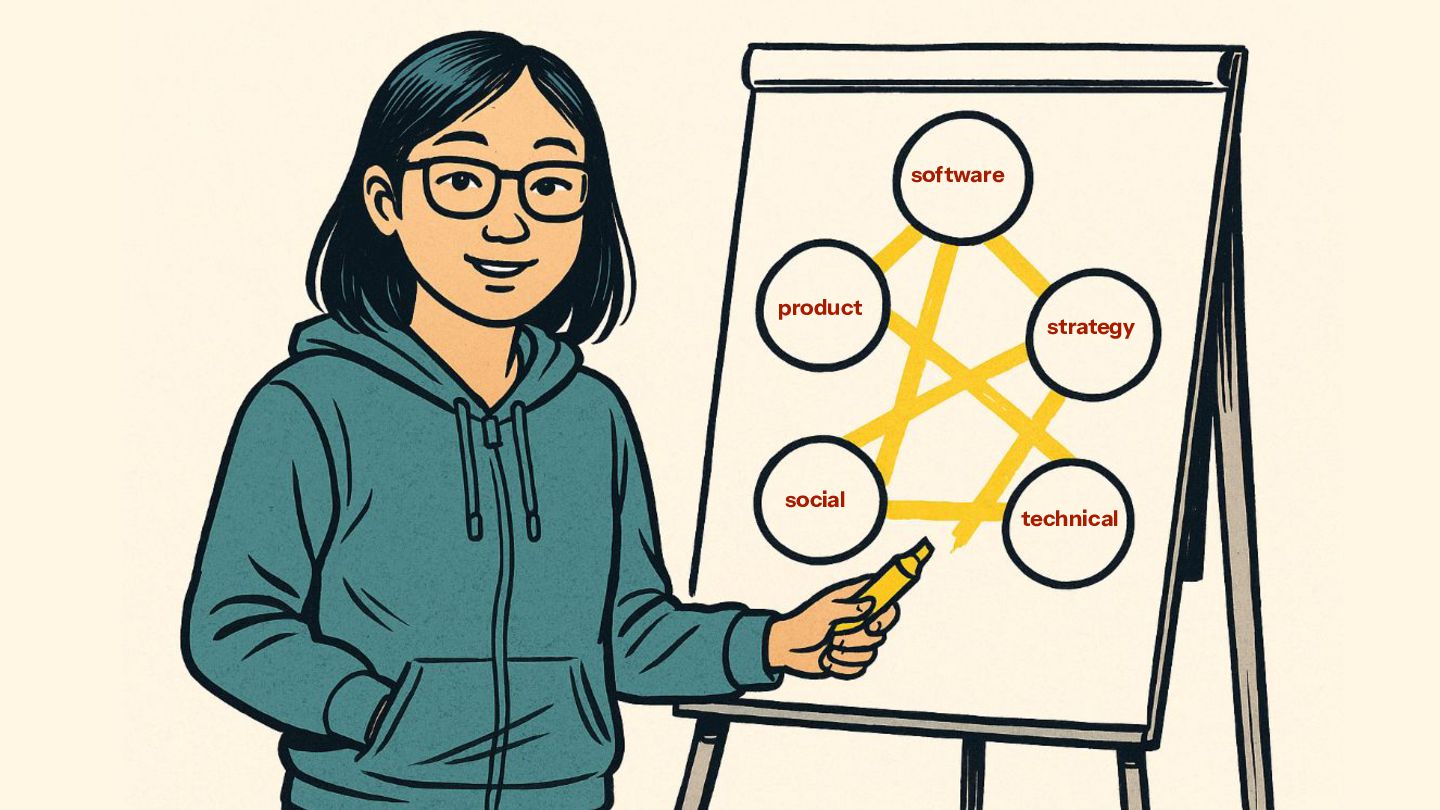
- What it means to design for flow at every level: software, teams, organizations, and yourself
Behind the scene by flowcon:
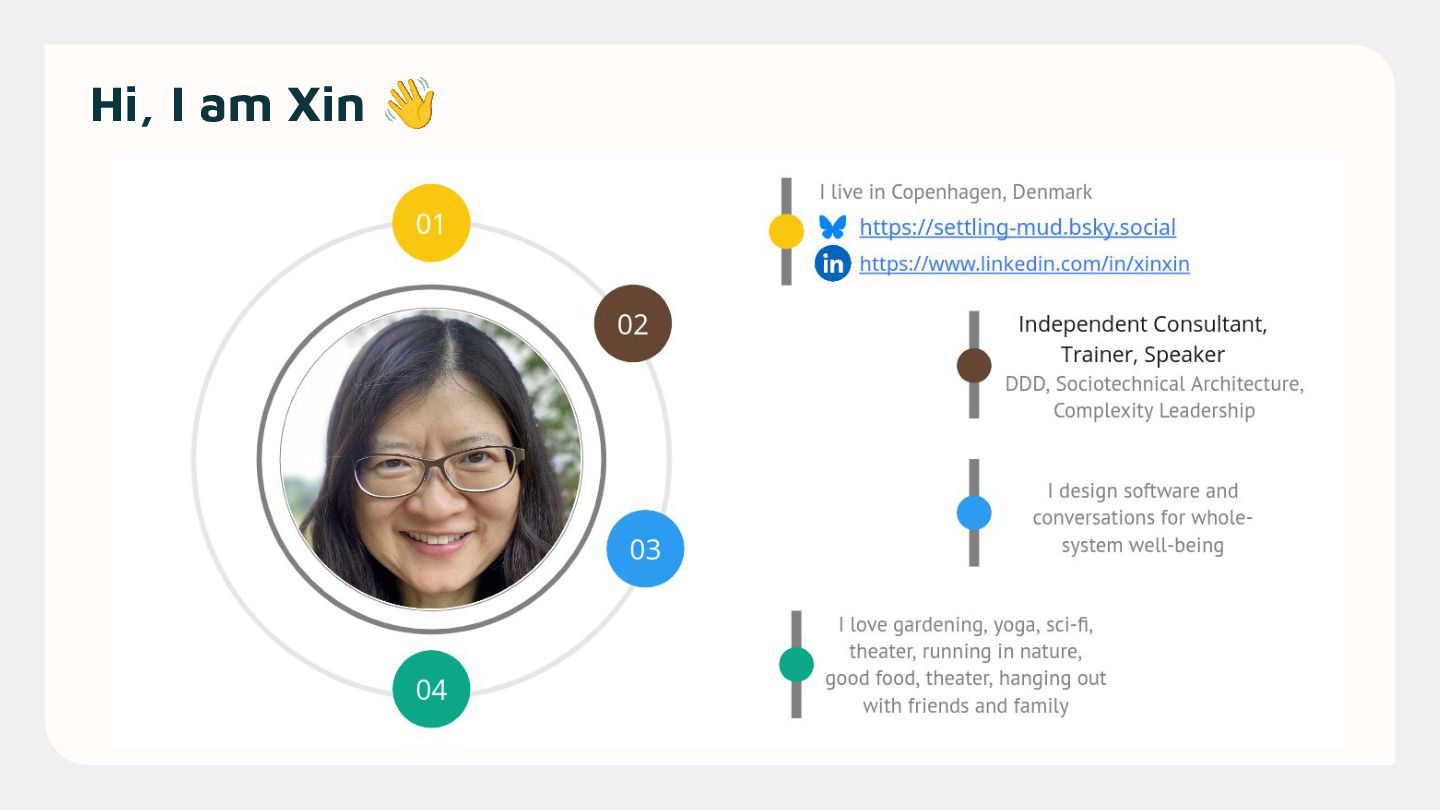
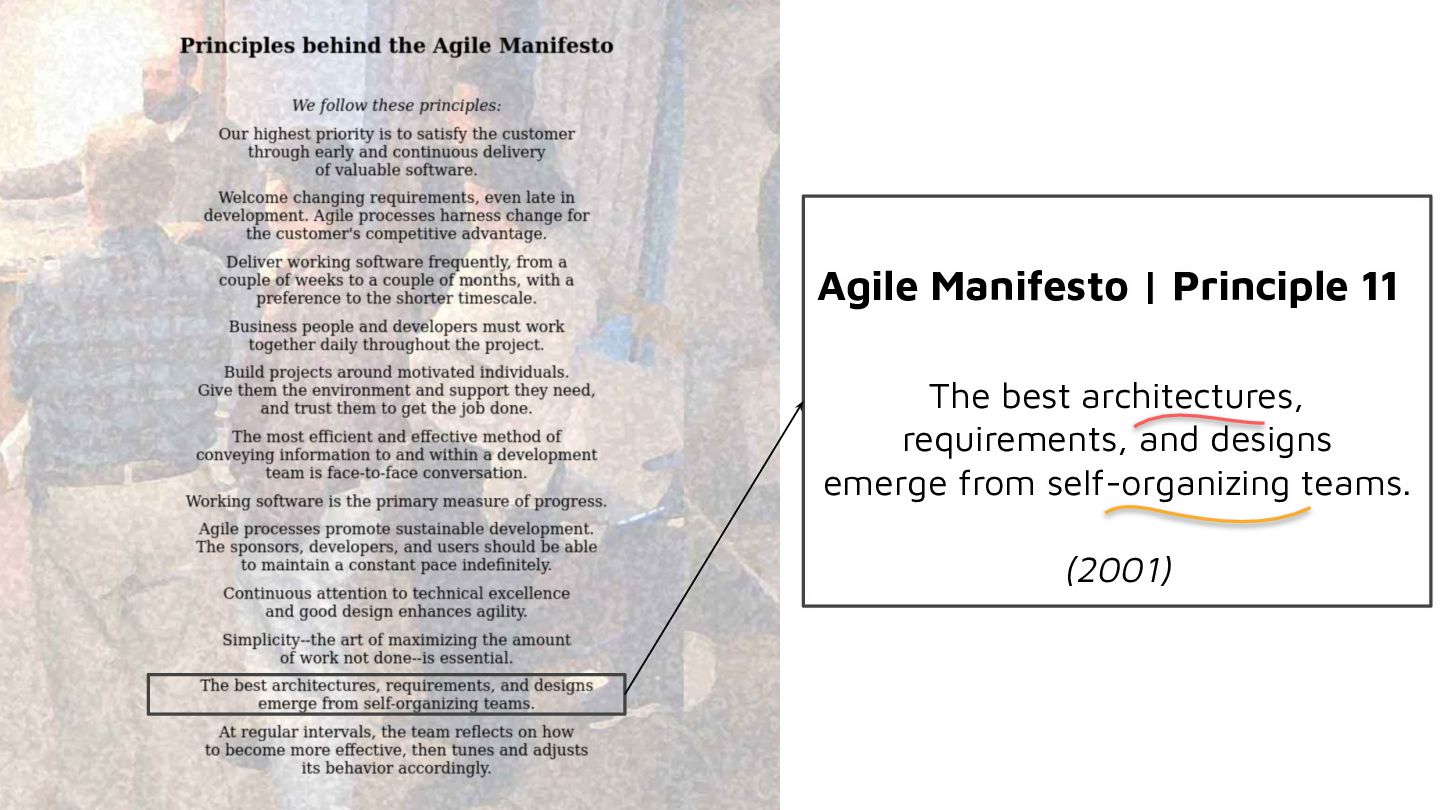
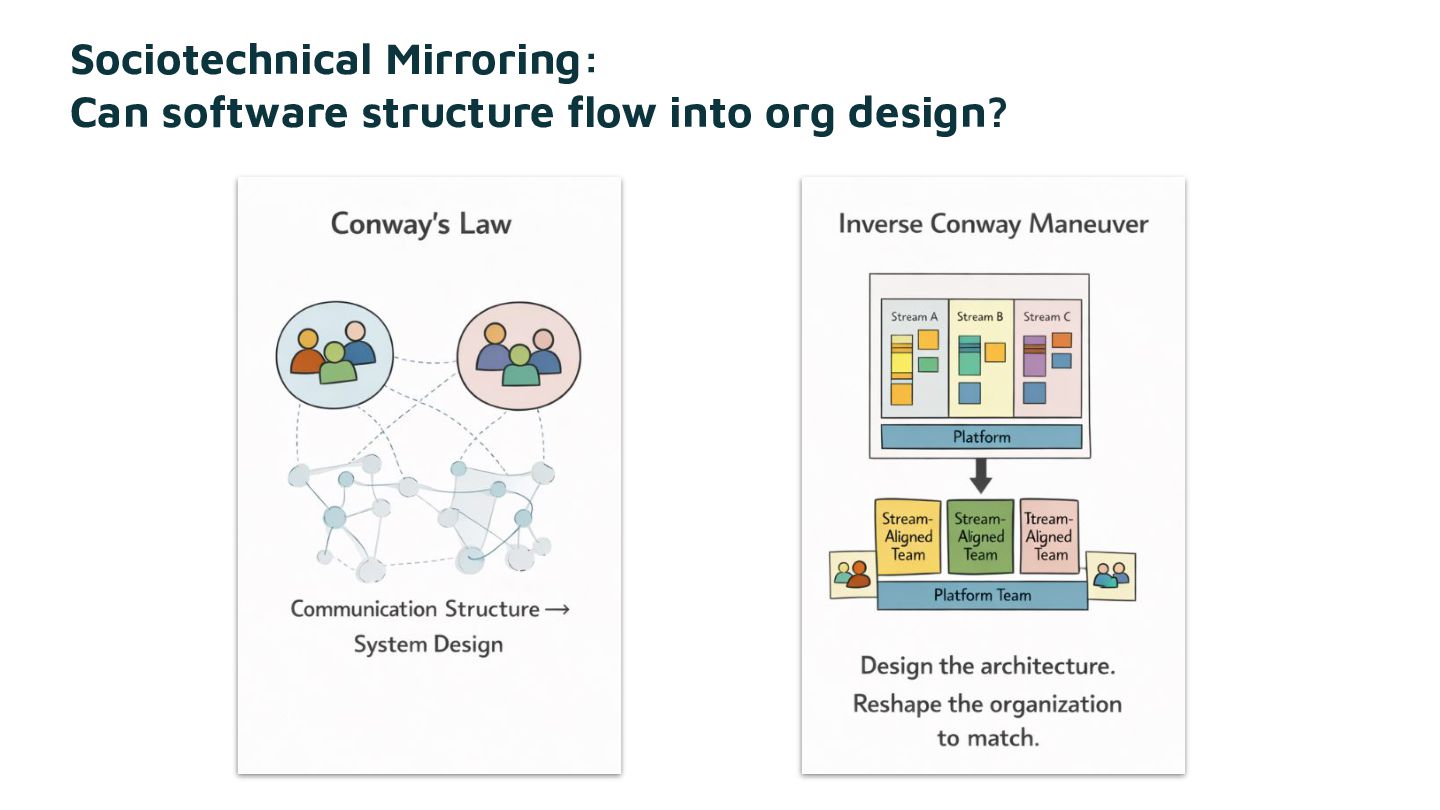
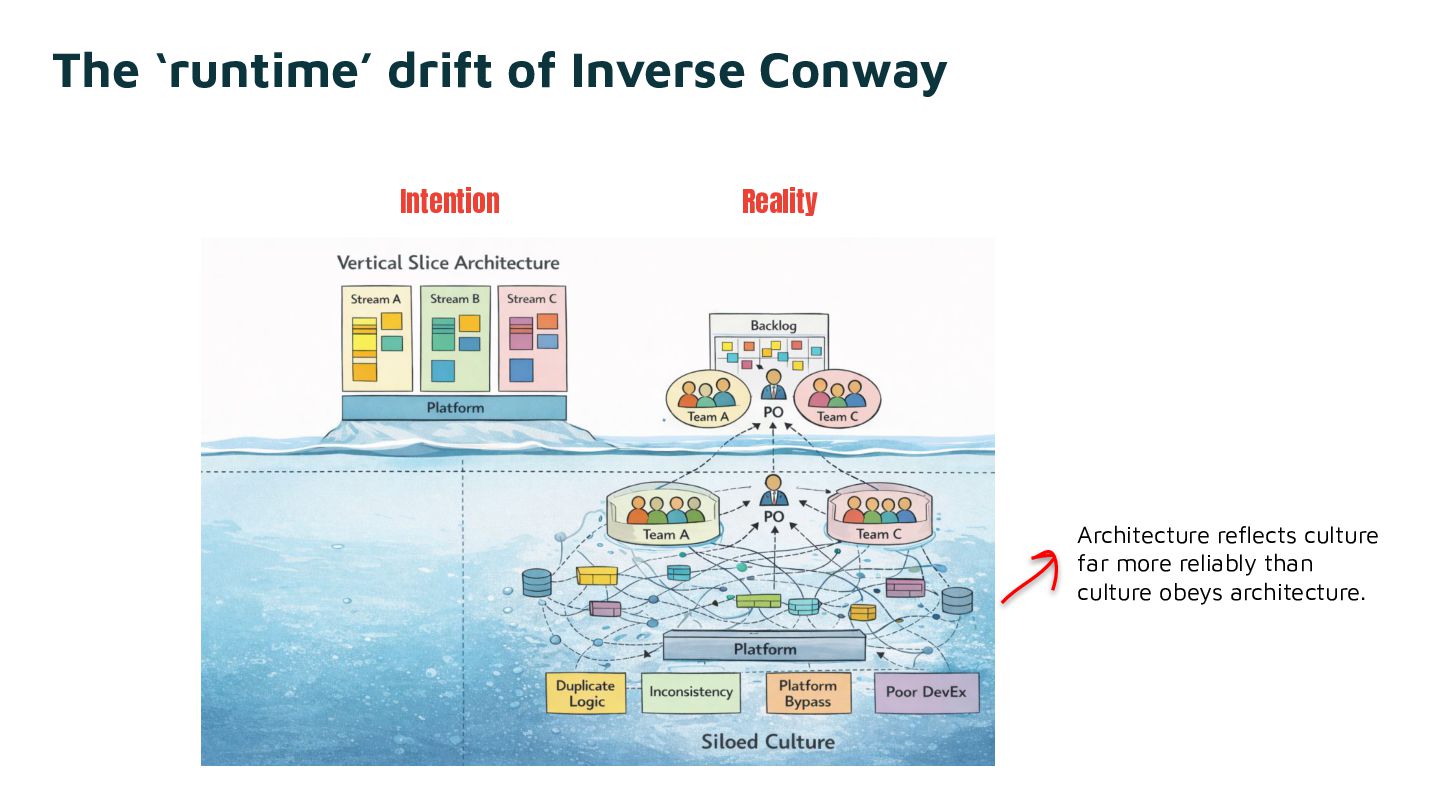
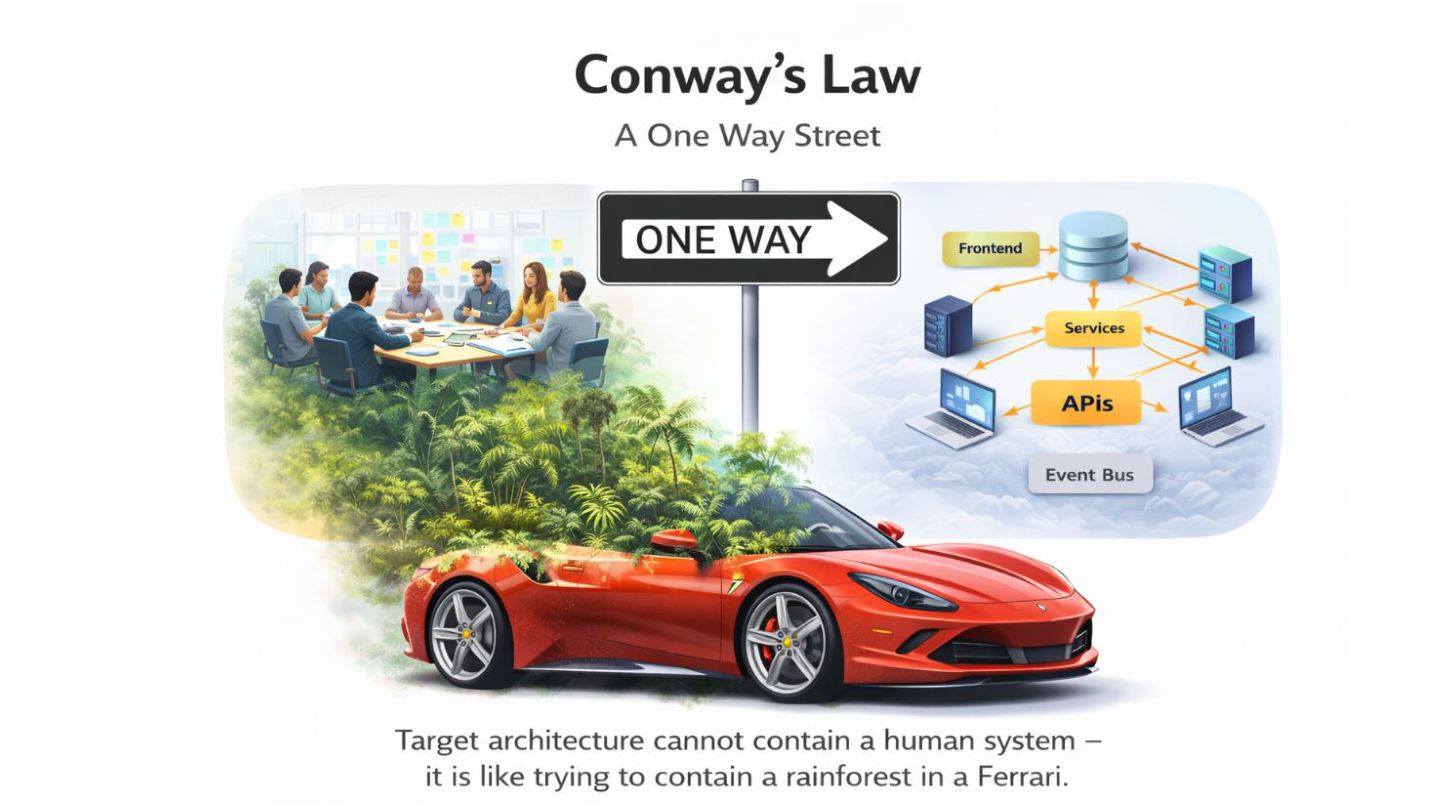
We've been looking for a while to bring Xin Yao to speak on one of our favorite topics: Sociotechnical Architecture, or how humans and technology are intrinsically linked. Don't worry, you won't get another round of Conway's Law, but rather a dive into the organizational runtime — the behavioral side of sociotechnical work. The messy, everyday human interactions that make or break software architecture, org design, agile alignment, and complex collaboration. What does it mean to architect for coherence and flow in the midst of all this? We therefore asked Xin to open the conference with the opening keynote, and she said yes—much to our delight. If you're already curious to learn more, feel free to search for Xin Yao and check out her previous videos; you'll find them worthwhile. We're doing your organizational intelligence homework for you in advance. But don't worry about having seen everything before the conference—this will be a brand new talk just for us.
Cela fait quelques temps que nous cherchions à faire venir Xin pour un de nos sujets fétiches à savoir l'architecture sociotechnique ou comment l'humain et la technique sont liés. Ne vous inquiétez pas, vous n'allez pas prendre une nouvelle dose de la loi de Conway, mais bien des exemples pratiques de comment faire des choix conscients d'organisation au regard de vos défis. Nous avons donc demandé à Xin d'ouvrir la conférence avec la keynote d'ouverture et elle a dit oui pour notre plus grand plaisir. Si vous êtes déjà curieux d'en savoir plus, n'hésitez pas à taper Xin Yao et regarder ses précédentes vidéos, vous allez y trouver de l'intérêt. Nous vous faisons votre veille organisationnelle à l'avance. Mais ne vous inquiétez pas d'avoir tout vu avant la conférence, ça sera un nouveau talk rien que pour nous.


 xinyao
 baku89
 tsubo52
 layerx
 uchiyama886
 hiranotomoki
 ajstarks
 katakai
 sayadesign2
 shemeetscity
 shotamatsuo
 seanvraj_arts
 nagatsu
 takai
takai
 axbom
axbom
 garrettdimon
 emna__ayadi
 raygrieselhuber
 jonoalderson
 katarinadahlin
 inesmontani
 mkilby
 destraynor
 rasmusluckow

![14 [In software development] Flow of work depends on flow](https://files.speakerdeck.com/presentations/32922b8c750c45a1a53464bcbc0546cb/slide_13.jpg)
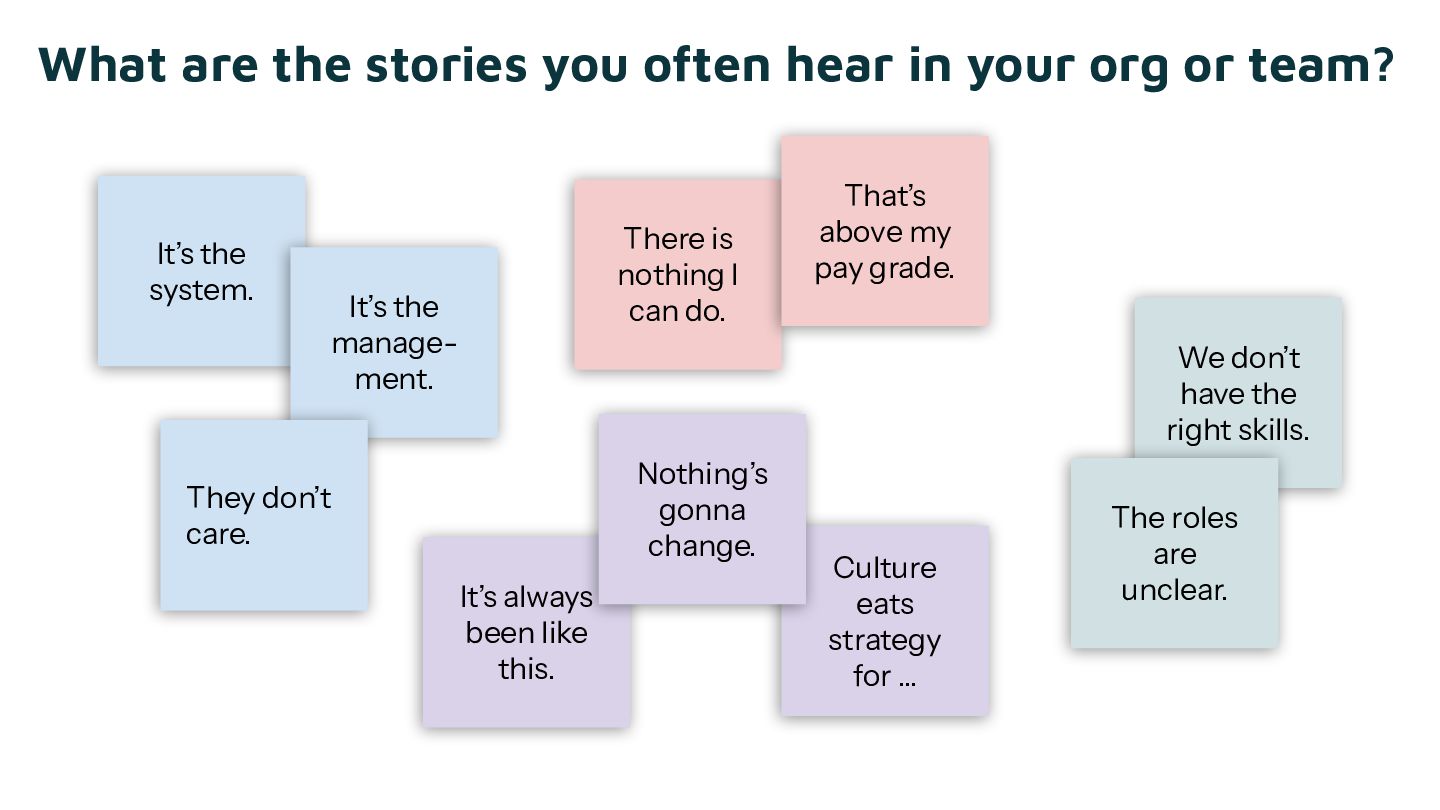
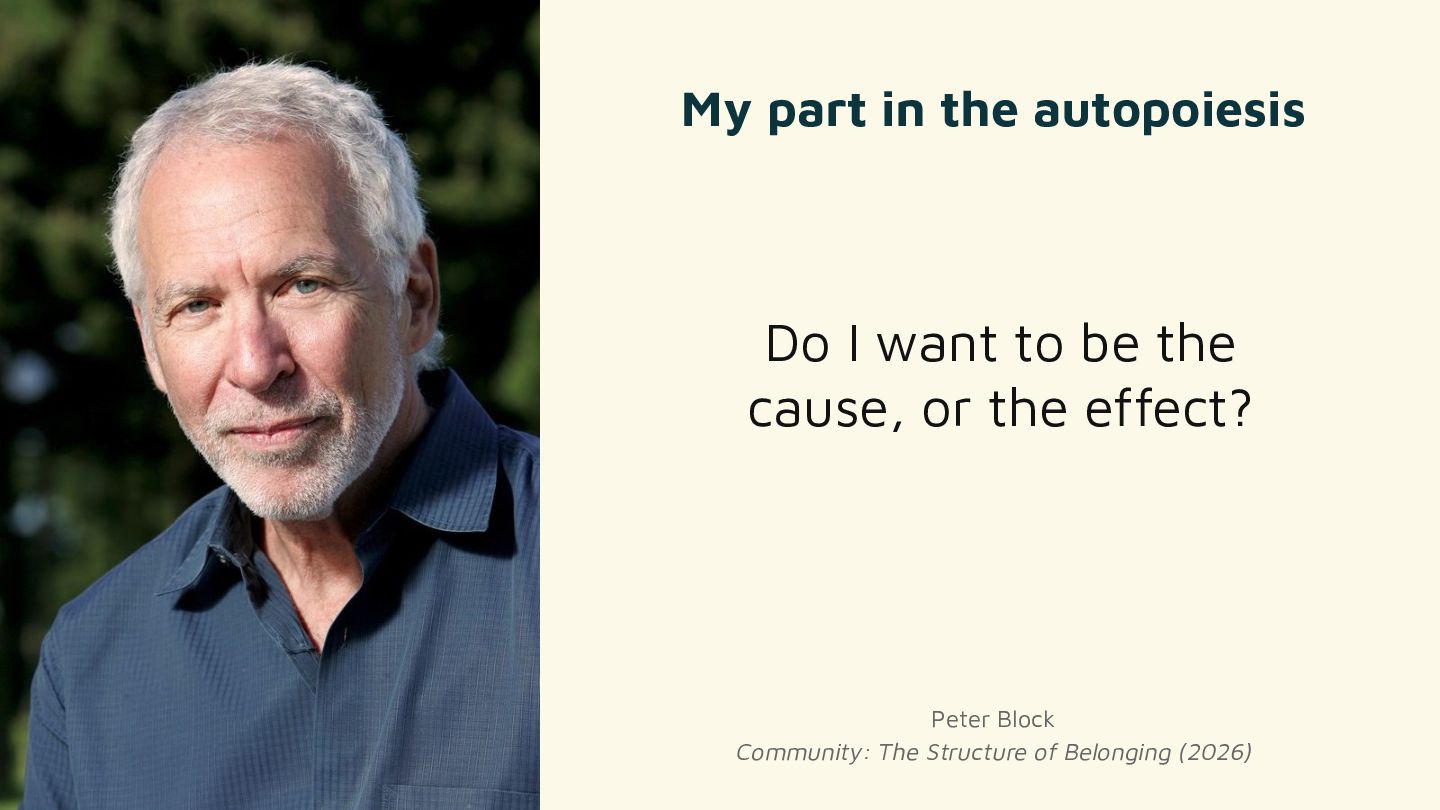
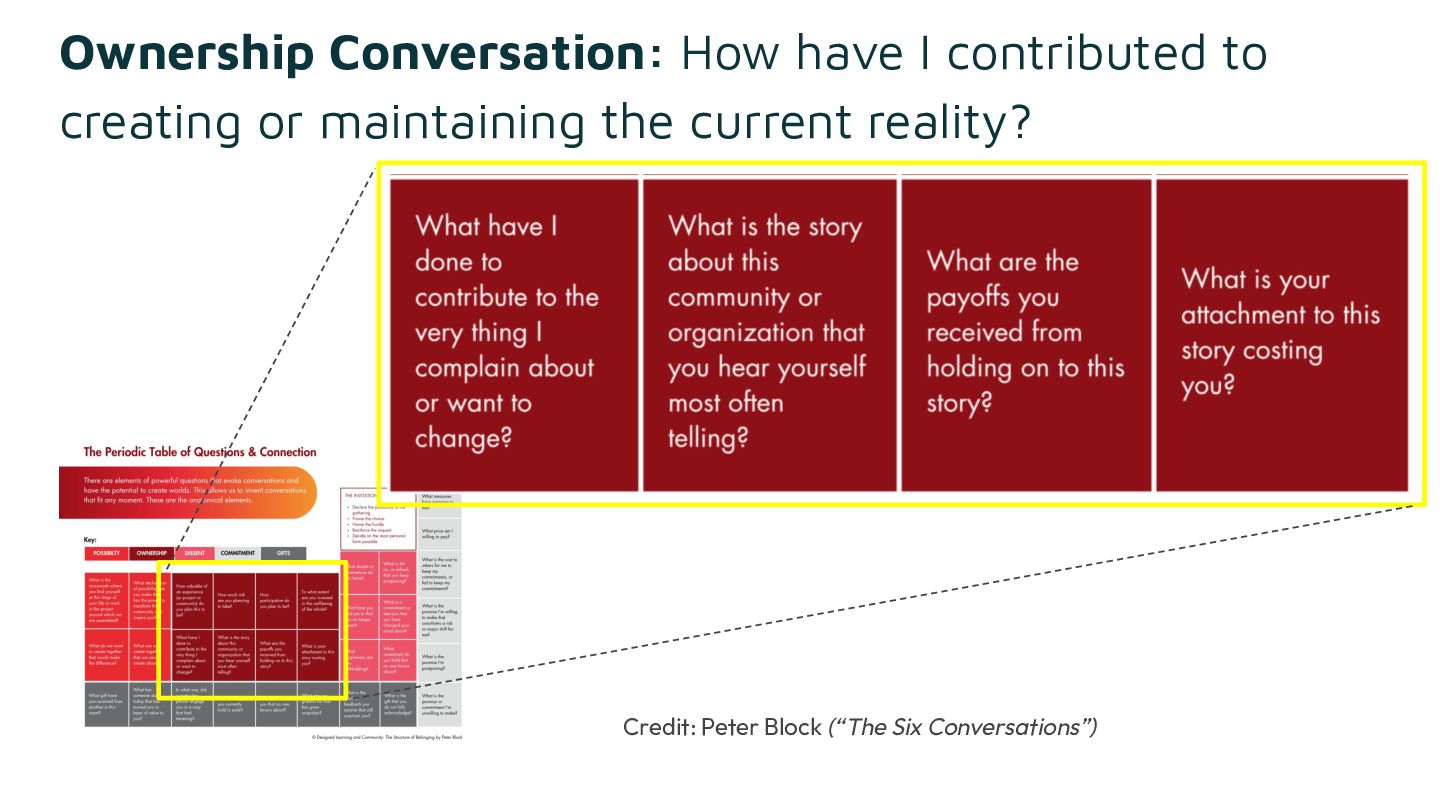
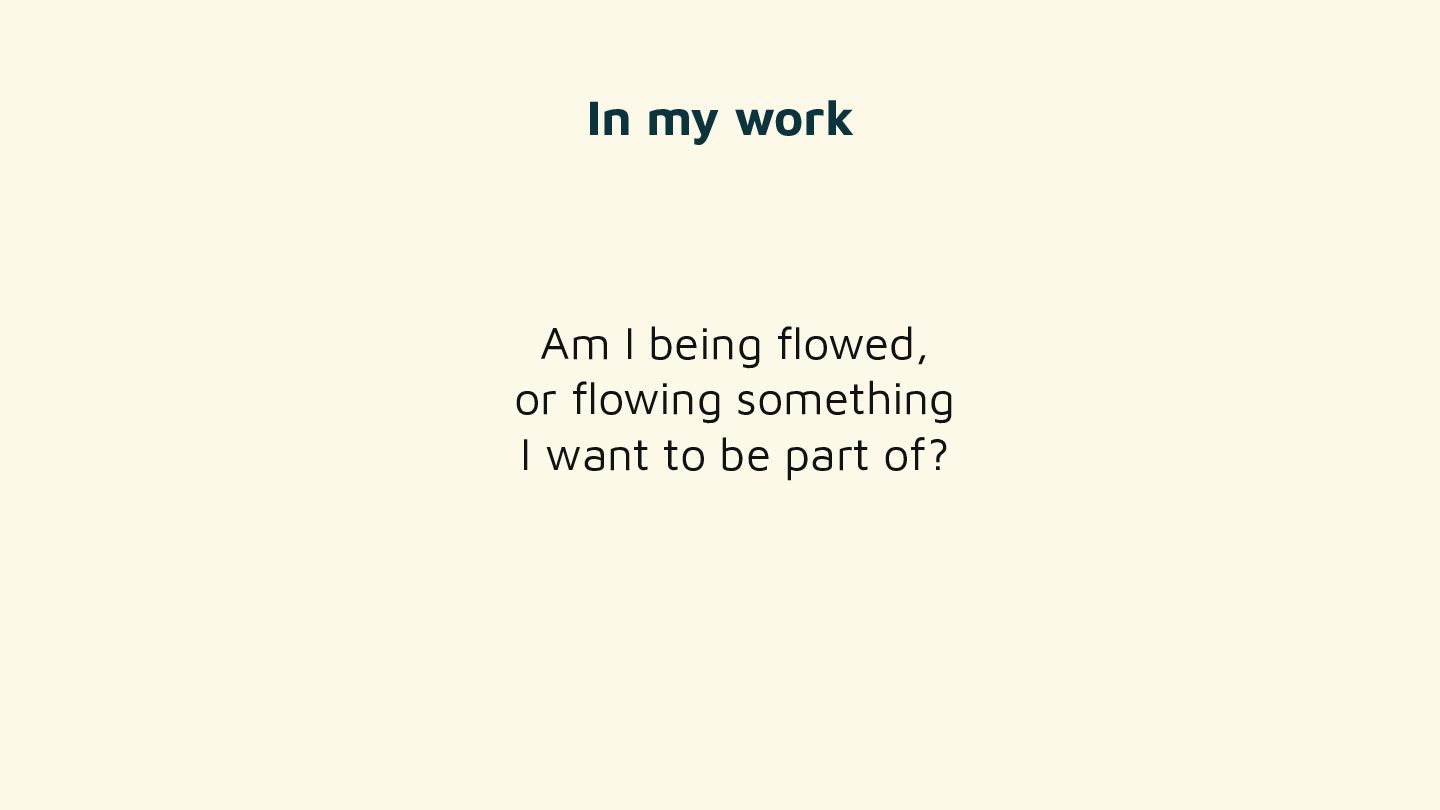
![30 [Autopoietic] Generative Flow: Value in the connections It’s not](https://files.speakerdeck.com/presentations/32922b8c750c45a1a53464bcbc0546cb/slide_29.jpg)
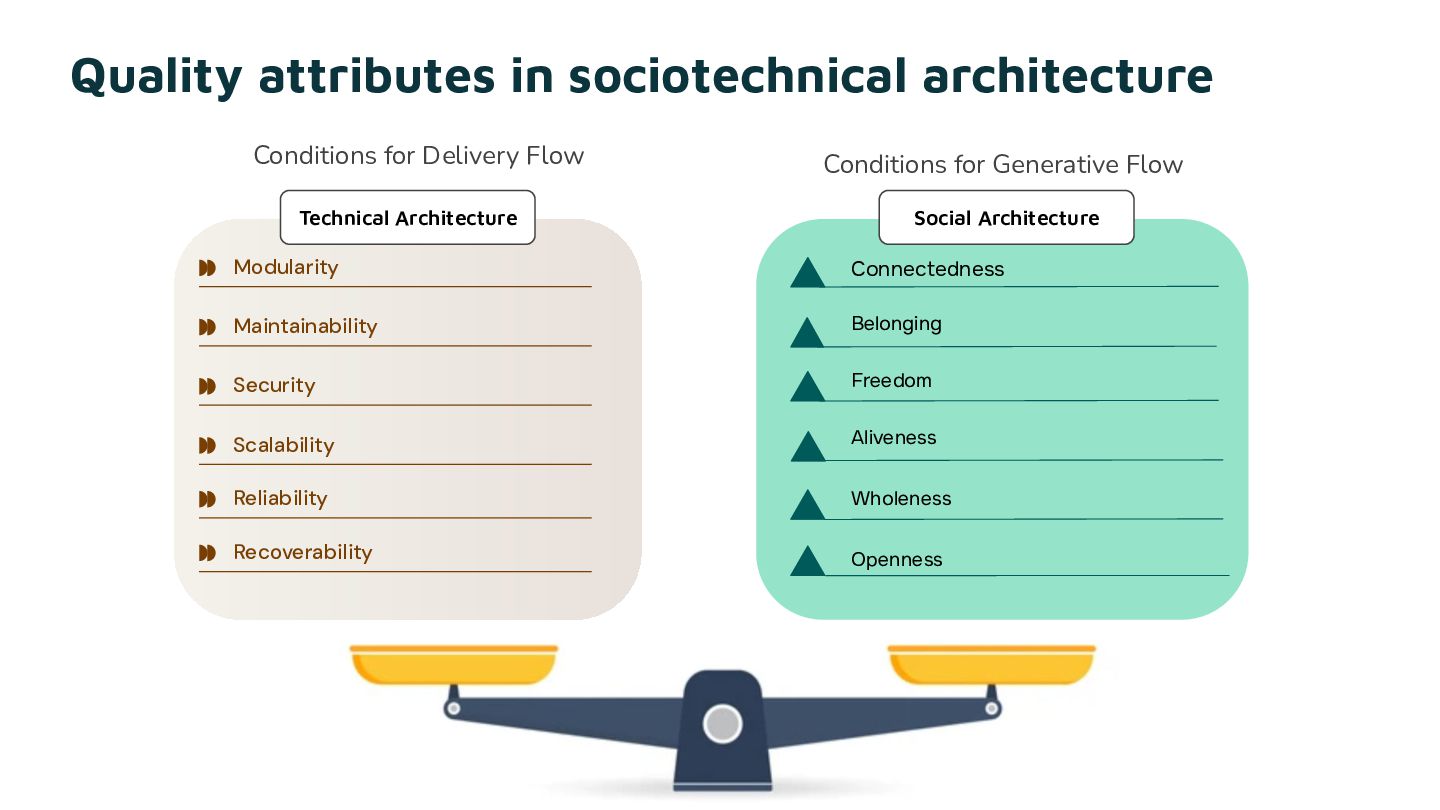
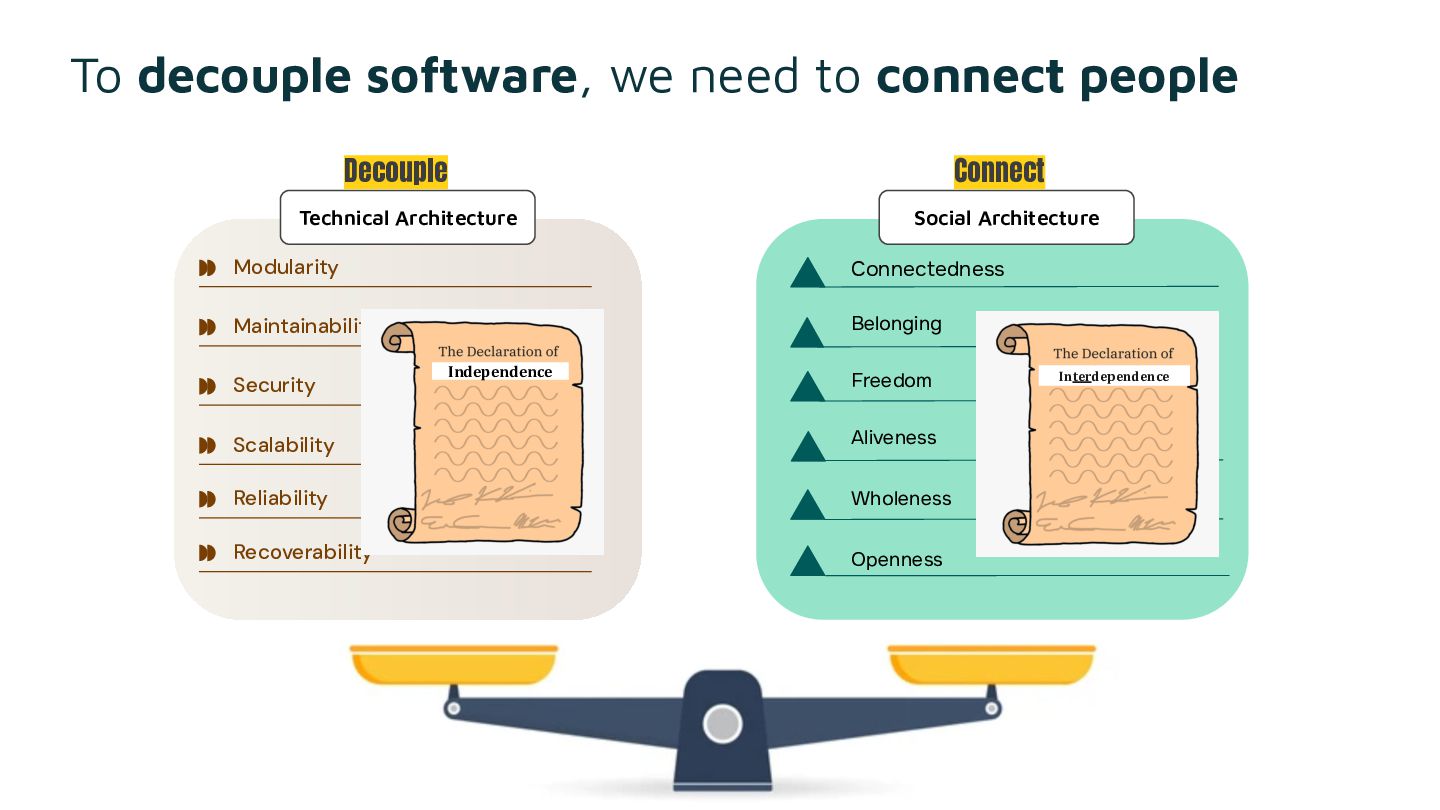
![[The sociotechnical paradox] Deliberate Emergence DELIVERY FLOW (Deliberate) Alignment (Looks](https://files.speakerdeck.com/presentations/32922b8c750c45a1a53464bcbc0546cb/slide_33.jpg)
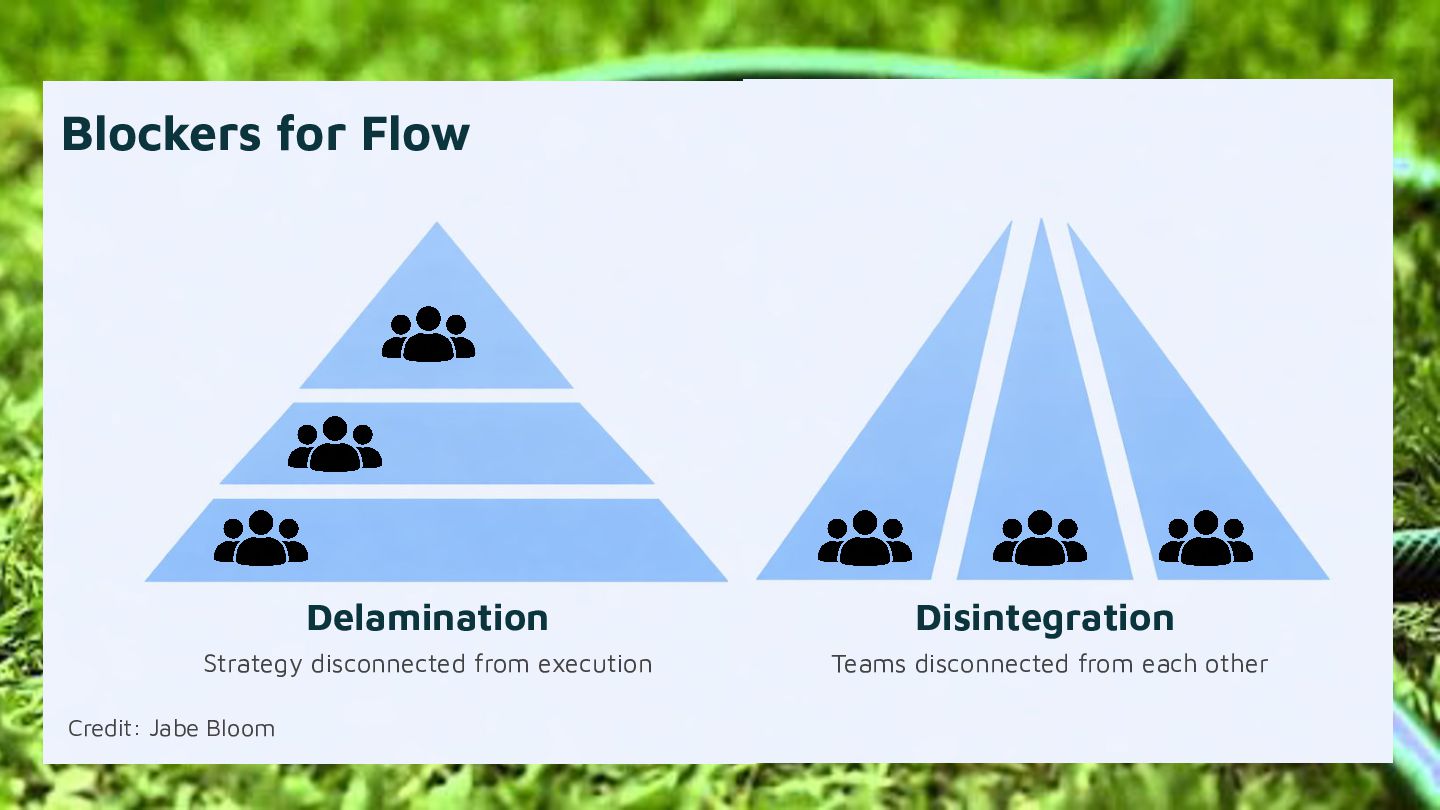
![[Antidote to delamination] Pop “the Why Stack” Delamination Task Experiment](https://files.speakerdeck.com/presentations/32922b8c750c45a1a53464bcbc0546cb/slide_38.jpg)
![[Antidote to disintegration] Recommoning - “Joy of the Commons” How](https://files.speakerdeck.com/presentations/32922b8c750c45a1a53464bcbc0546cb/slide_39.jpg)