https://open.substack.com/pub/artificialintelligencemadesimple/p/how-openai-builds-amazing-products
Piece by Miqdad Jaffer, Product Lead at OpenAI
Sample: 3000+ AI PM graduates, 50+ disclosed product post-mortems, 18 month of Maven cohort data
Format: James Whittaker’s Oratory Framework
--
[Opening: The Exclusionary Filter – 0:00]
“Let me tell you why Perplexity AI almost bankrupted itself with love.”
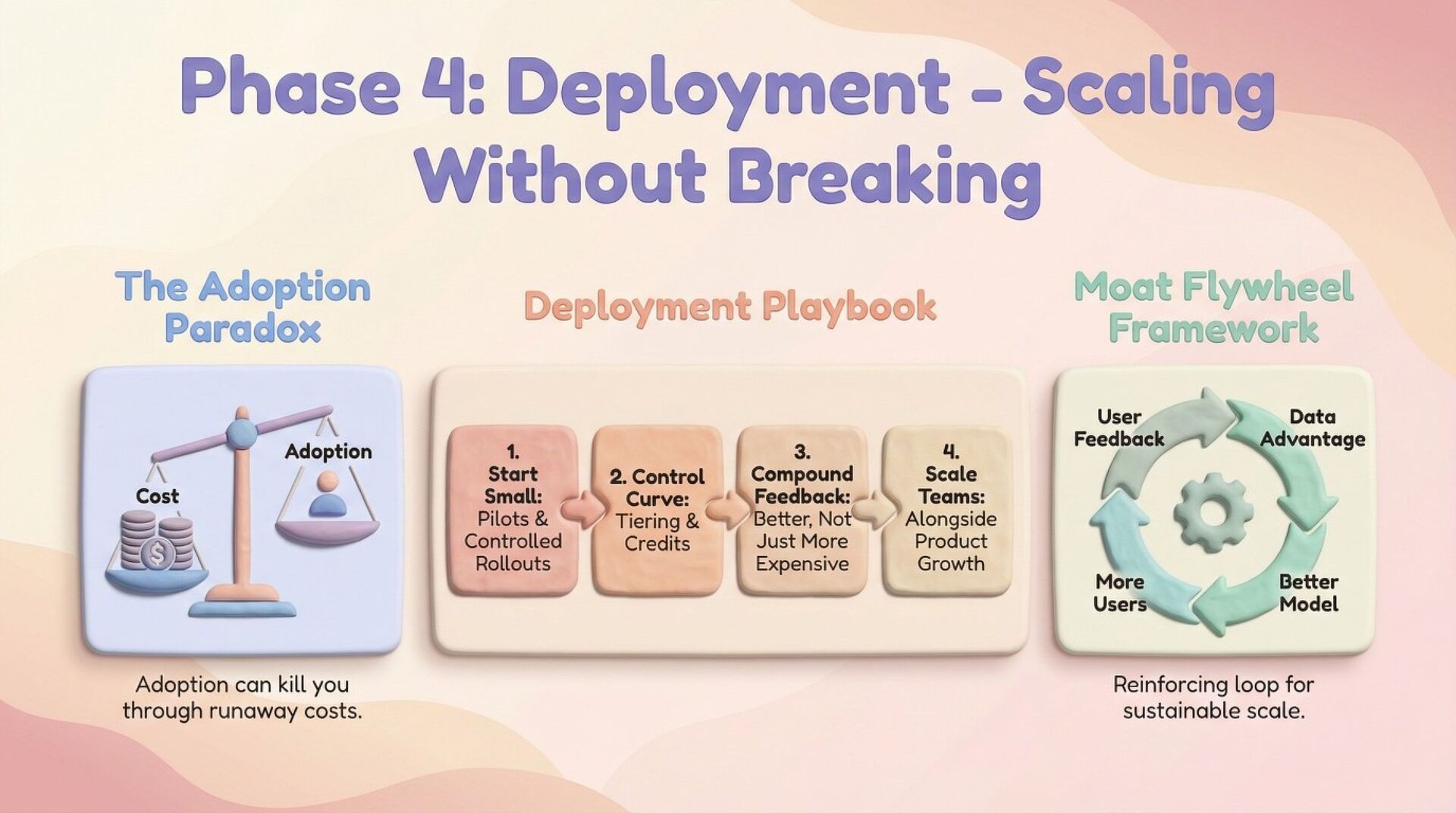
In 2024, Perplexity’s monthly inference bill hit 800k USD ballpark (total AI/cloud burn at 164% of revenue) —not because they failed, but because they succeeded. Their most engaged users, querying fifty times a day, torched cash faster than revenue could cover. They survived by 2026 only because they controlled the curve early. This is the inference treadmill, and it’s where 90 % of AI start-ups still die—not quietly, but in a sprint, gasping, while investors watch the burn rate like a hawk.
[Singular Premise – 0:45]
If you remember nothing else, remember this: Models are rented. Moats are owned.
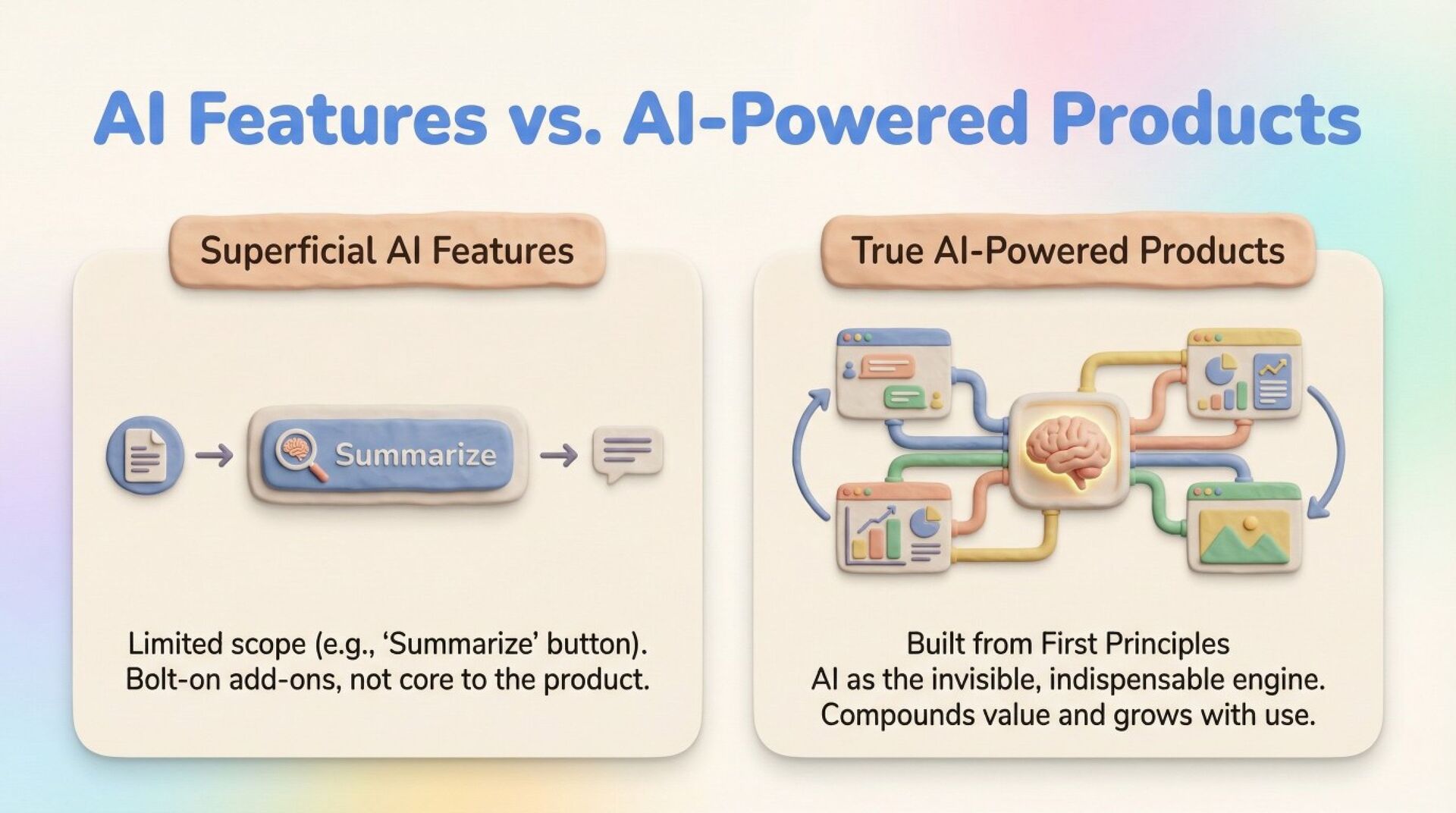
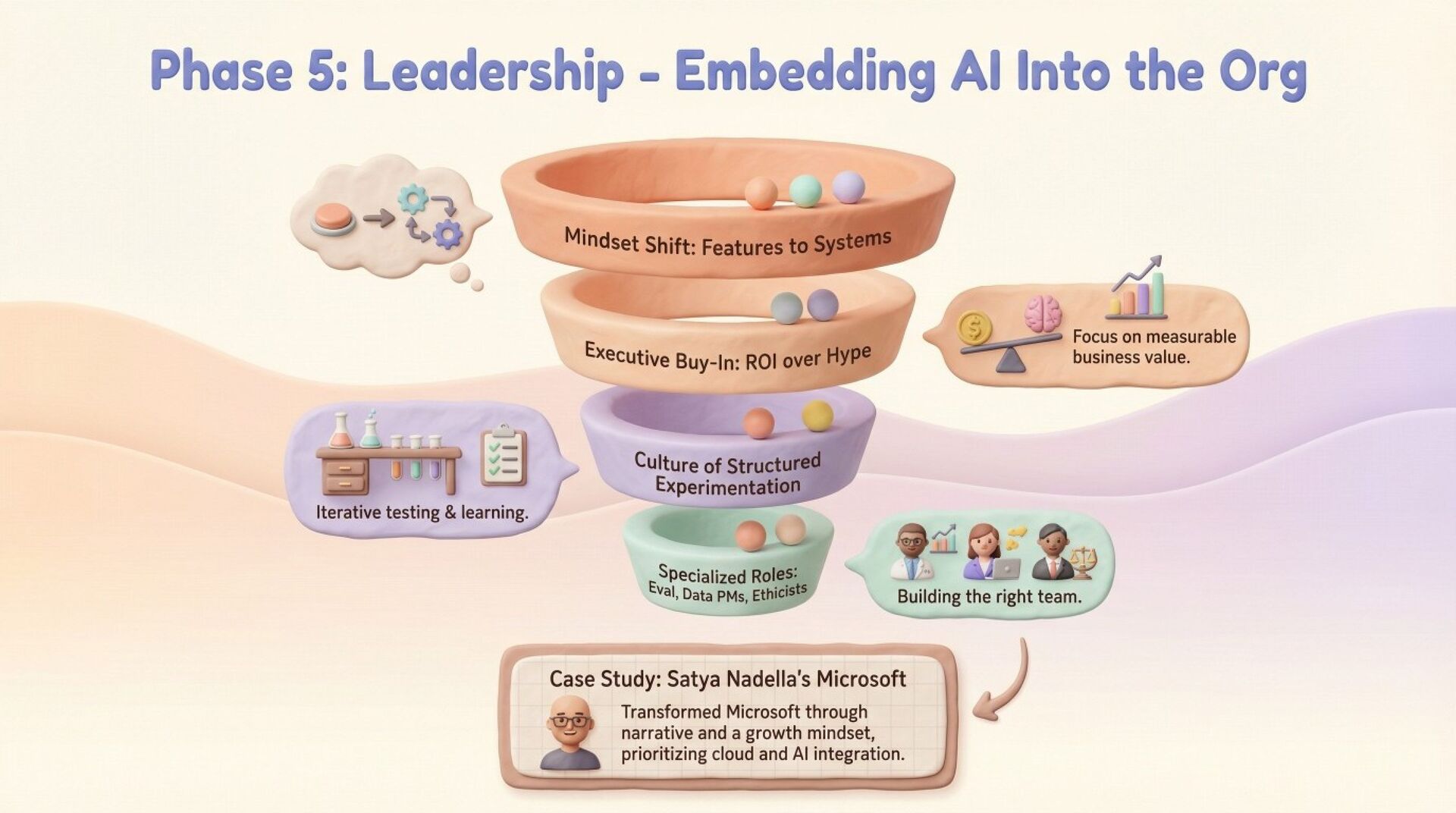
AI is not a feature you ship. It is a new economics, a new philosophy, a new kind of moat. And if you don’t pick your moat before you pick your model, you’re not building a product—you’re leasing a wrapper, waiting for the next GPT-5.x update to render you obsolete.
[The Three Moats – 1:30]
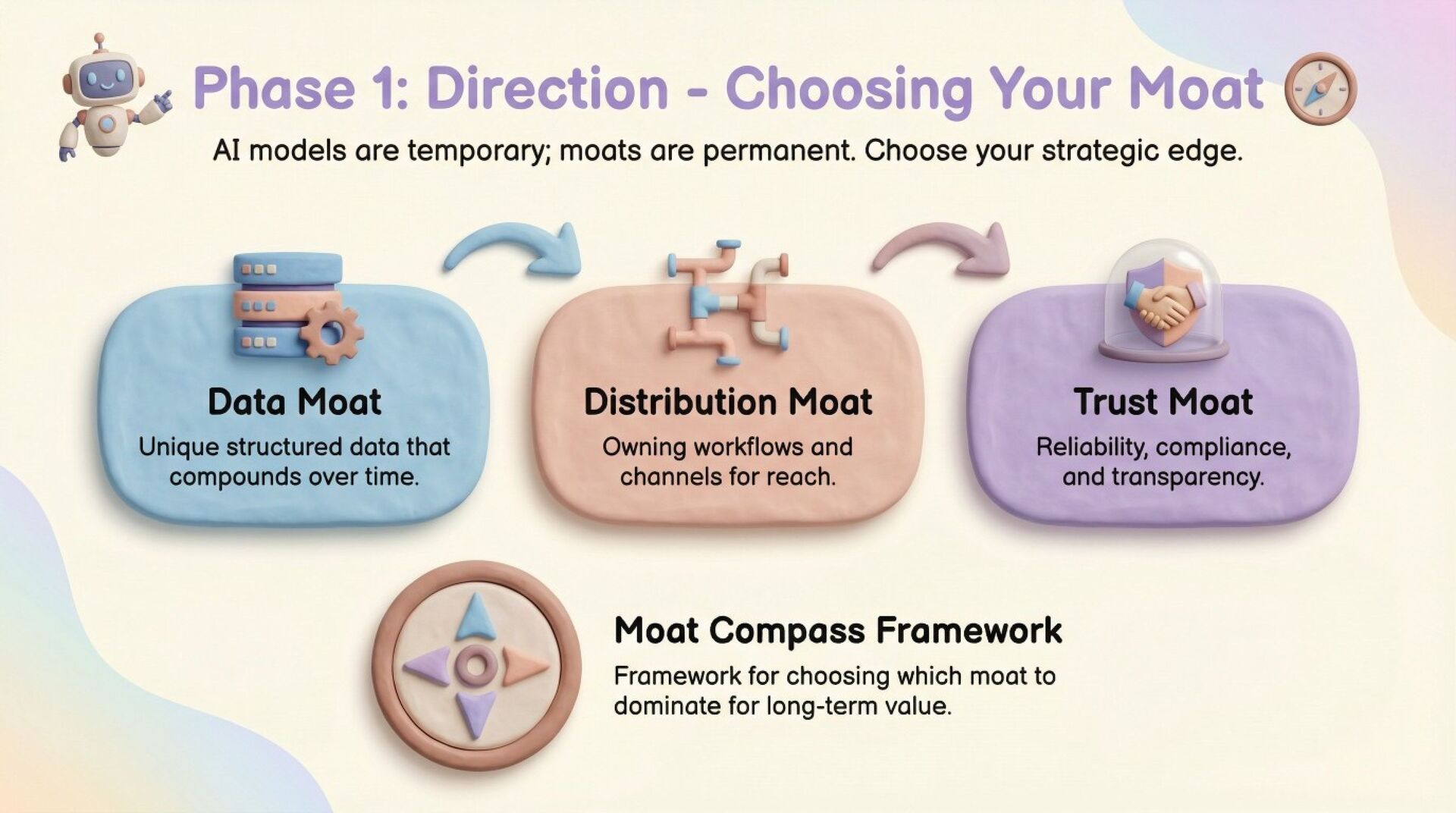
There are only three moats that matter. Everything else is a mirage.
1. The Data Moat: Dig Your Own Well
GPT-5 is groundwater—everyone can tap it. But your users’ interactions? They’re the pipes, the pumps, the filtration system only you own. Duolingo didn’t slap GPT-4 into language learning. They poured ten years of learner errors, correction patterns, and progress curves into their model. Every new student makes their AI cheaper, smarter, harder to clone. That’s a well no one else can dig.
2. The Distribution Moat: Own the Pipes
Notion AI didn’t win because it’s smarter. It won because 100 million users already lived inside Notion. When they flipped the AI switch, adoption was instantaneous. They owned the pipes. The water was already flowing. If you don’t have built-in distribution, even the best model is a tree falling in a forest with no one to hear it.
3. The Trust Moat: The Filtration System
AI hallucinates. It fails silently. And enterprises know it. Microsoft 365 Copilot doesn’t win on accuracy—it wins on GDPR compliance, data residency, and the guarantee that your prompts won’t become training fuel for competitors. Trust is a design decision, not a marketing slogan. You either embed it in architecture or you bolt it on after the scandal.
[The Four Differentiation Levers – 3:15]
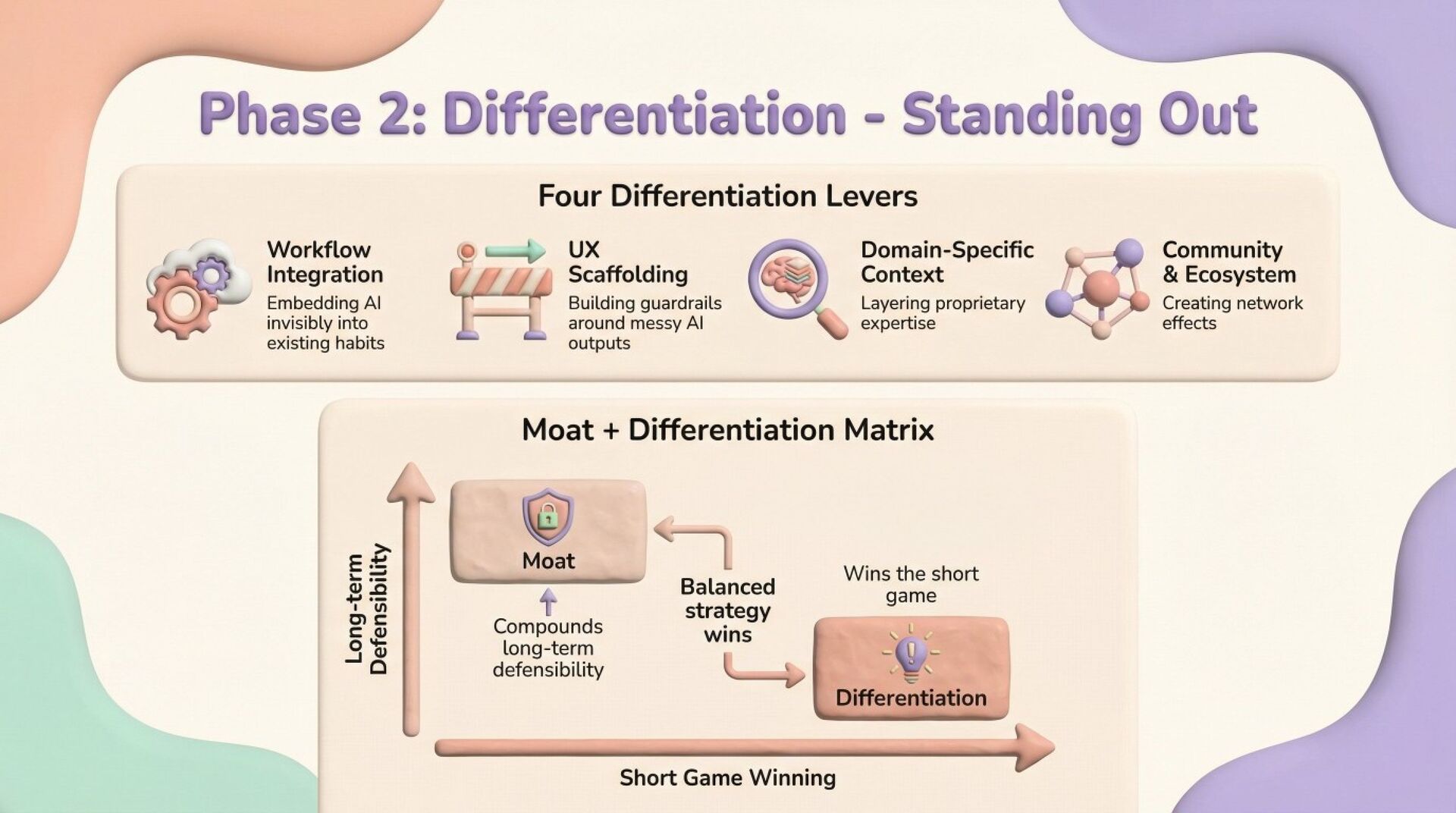
But moats are the long game. To survive Day One, you need differentiation—and there are four levers that actually work.
1. Workflow Integration: Become Invisible
Figma AI doesn’t ask you to “learn AI.” It sits quietly inside the design flow, suggesting copy, nudging layouts, accelerating what you already do. The best AI products don’t look like AI products. They look like oxygen.
2. UX Scaffolding: Build Guardrails Users Can’t See
Raw GPT-5 output is messy. Jasper wraps it in brand-voice templates, tone controls, and structured workflows for marketers. They turned stochastic chaos into predictable craft. Think of it as building ski lifts on a mountain everyone shares. The mountain is free; the lifts are yours.
3. Domain Context: Win Where Generalists Fail
Generic AI is powerful, but lacks depth. Profluent Bio built a protein language model—domain-specific data no LLM can touch. If you can encode expertise that GPT-5 can’t replicate, you win by default.
4. Community & Ecosystem: Make Users the Moat
Midjourney could have been “just another image generator.” Instead, they built a Discord cathedral where every prompt is public, every masterpiece is shared, and the collective knowledge compounds into a cultural moat no startup can clone.
[The Money Line – 4:30]
Here’s the line you write on a scrap of paper and tape to your monitor:
“Your most engaged users are your most expensive.”
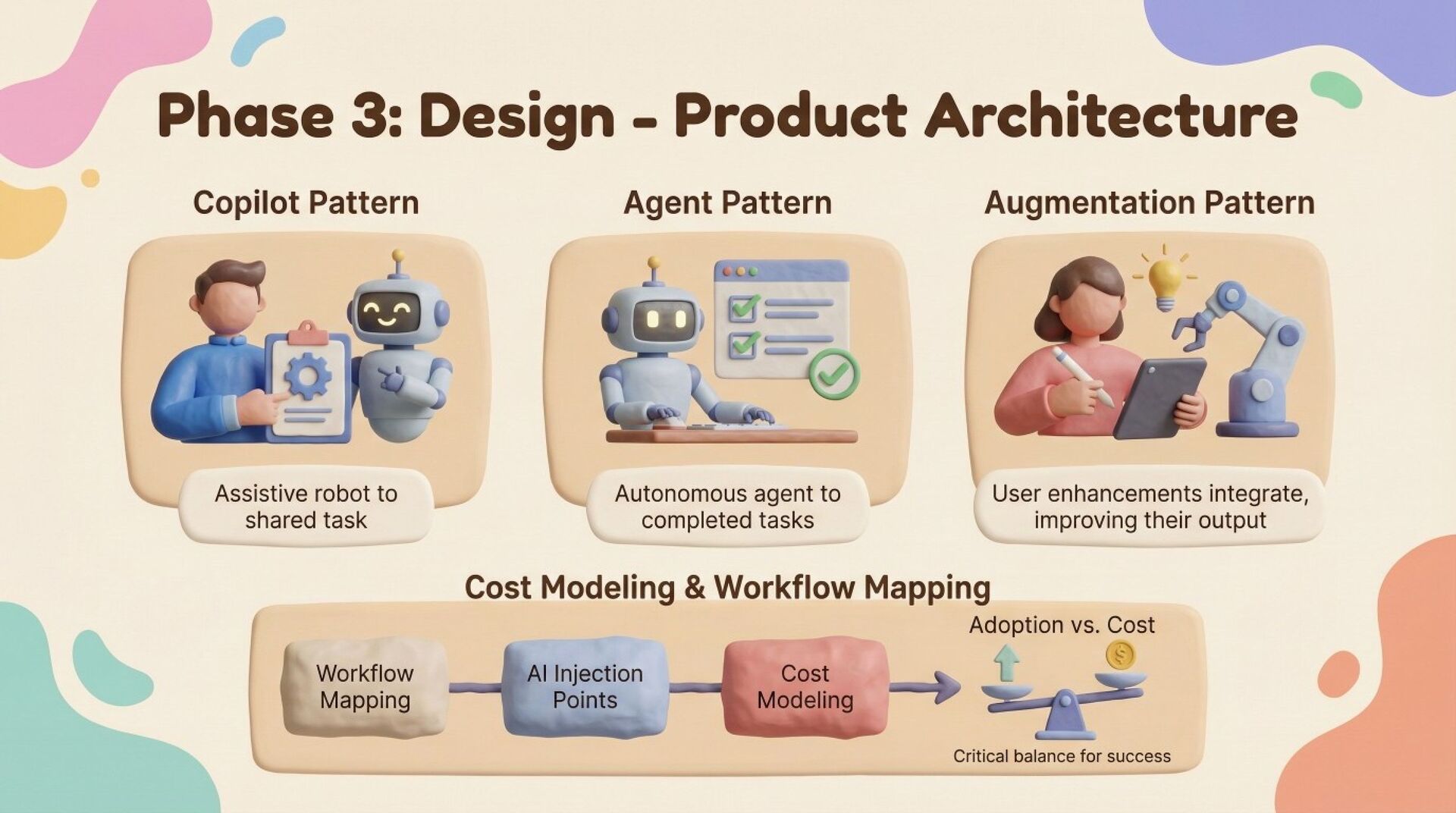
In SaaS, usage is love. In AI, usage is fire. If you don’t tier your models—Claude 3.5 Haiku for the masses, Claude Opus 4.5 for power-users, aggressive caching for repeats—you’re scaling into bankruptcy.
[The Landing: Bookend & Silence – 5:00]
So we return to Perplexity. They survived because they controlled the curve: capped credits, piloted with 50 users, and modeled worst-case costs before best-case dreams. They learned that adoption without architecture is just a faster way to die.
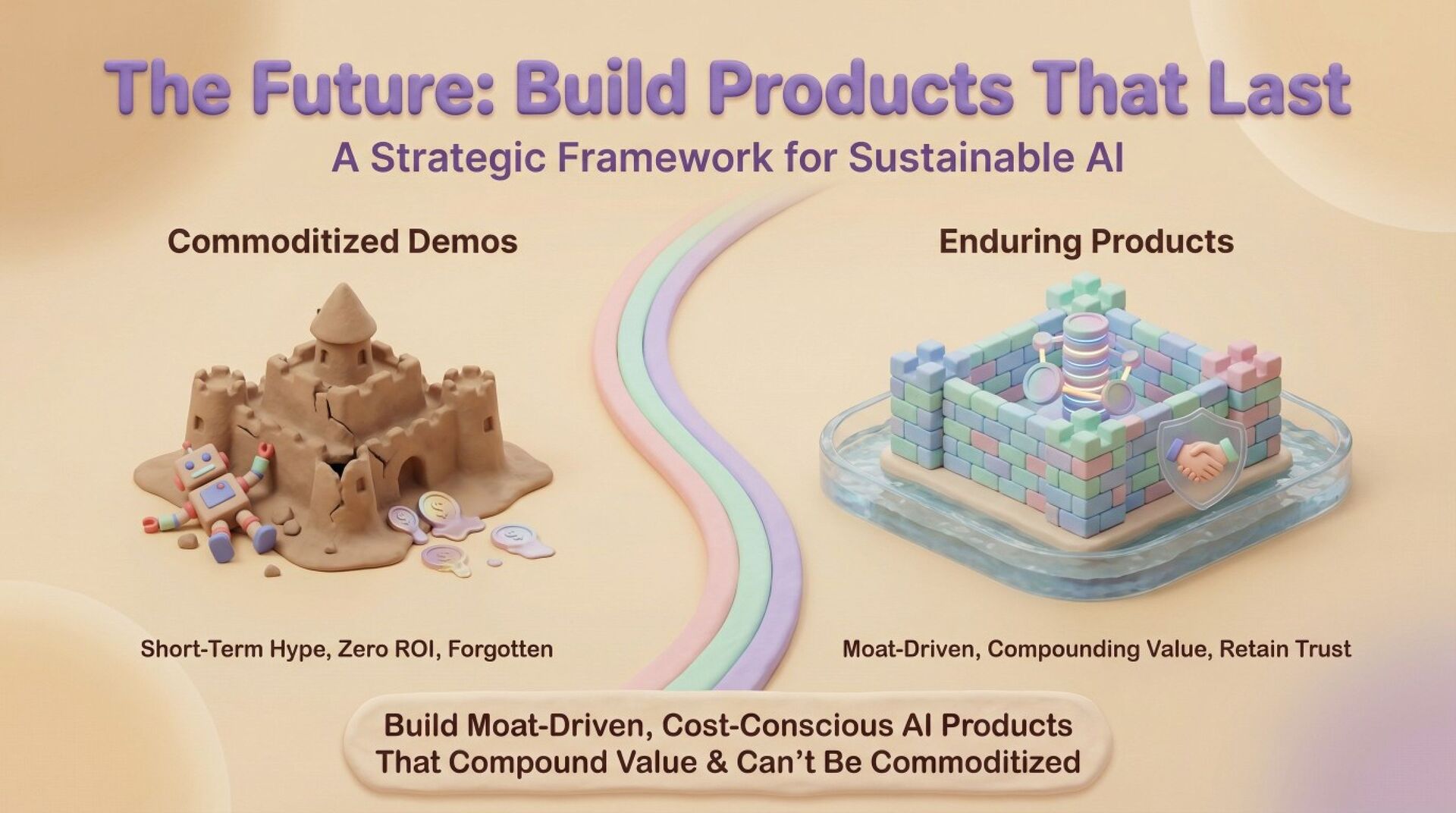
Stage presence is a superpower. But in AI, product strategy is the superpower. It’s the difference between renting GPT and owning a moat. Between bleeding cash and compounding value.
Pick your moat. Build your moat. Defend your moat.
[Exit. Silence. No “thank you.” No Q&A slide. Just the thought hanging in the air.]
|Human + AI⟩ ≫ [Human | AI]
https://www.patreon.com/c/StunspotPrompting/shop


 dybilar
.png) plex
plex
 ykmc09
 changeholdings
 yoshikatsu0423
 akippa
 nateehr
.png) numashi
numashi
 masayamoriofficial
.png) asano_takami
asano_takami
 nyattx
.jpg) panchaaan_2
panchaaan_2
 rasagy
 cassininazir
 marktimemedia
 trallard
 stuffmc
 pedronauck
.png) helenjbeal
helenjbeal
 sergeychernyshev
 davetheseo
 rakko
rakko
 joshbly
 mza
mza