Upgrade to Pro — share decks privately, control downloads, hide ads and more …

AI for Phage-Host prediction

AI for Phage-Host prediction

Avatar for Michiel Stock

Michiel Stock

April 18, 2026

More Decks by Michiel Stock

Other Decks in Science

Transcript

  1. 2

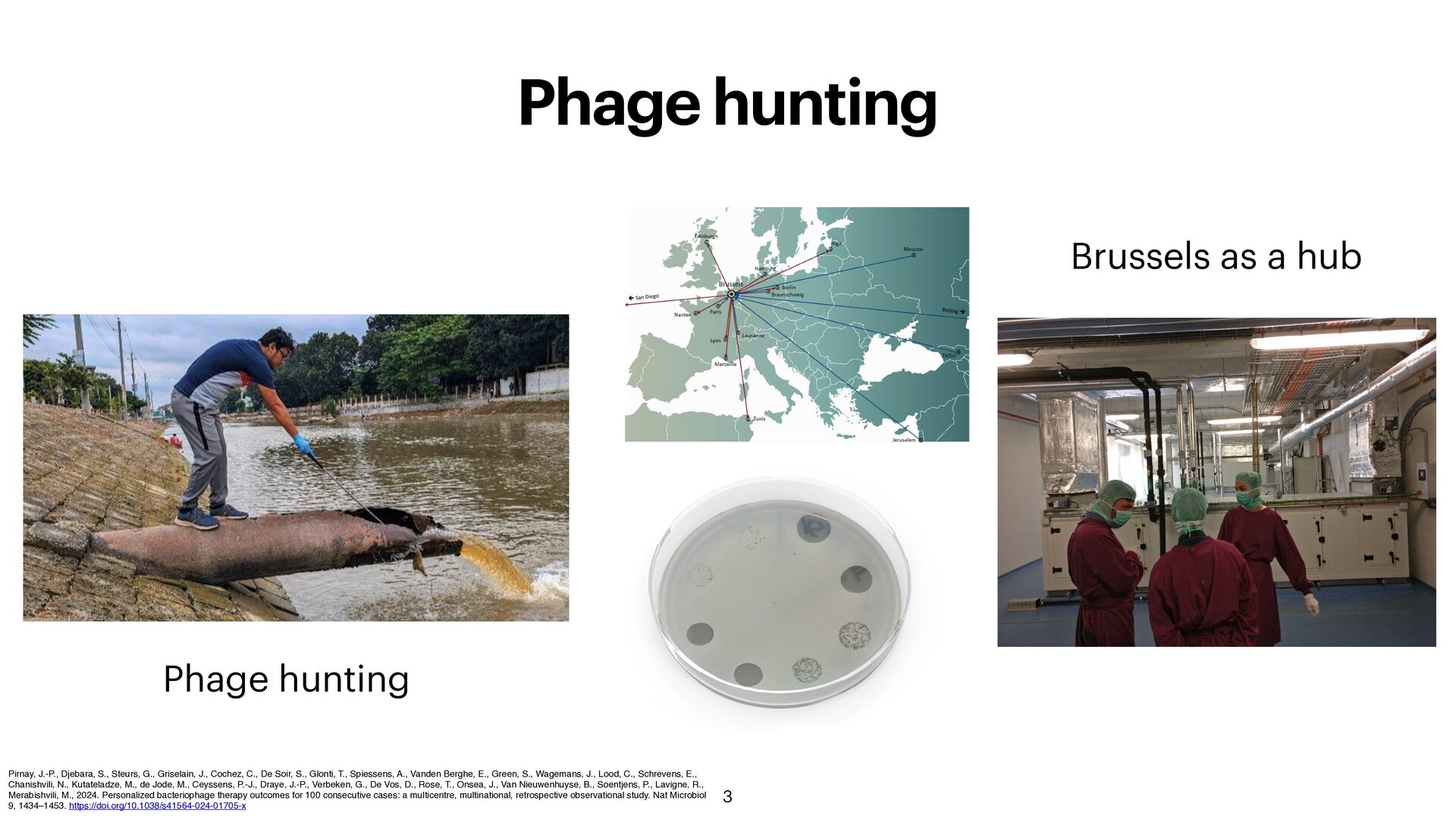
  2. Phage hunting 3 Pirnay, J.-P., Djebara, S., Steurs, G., Griselain,

    J., Cochez, C., De Soir, S., Glonti, T., Spiessens, A., Vanden Berghe, E., Green, S., Wagemans, J., Lood, C., Schrevens, E., Chanishvili, N., Kutateladze, M., de Jode, M., Ceyssens, P.-J., Draye, J.-P., Verbeken, G., De Vos, D., Rose, T., Onsea, J., Van Nieuwenhuyse, B., Soentjens, P., Lavigne, R., Merabishvili, M., 2024. Personalized bacteriophage therapy outcomes for 100 consecutive cases: a multicentre, multinational, retrospective observational study. Nat Microbiol 9, 1434–1453. https://doi.org/10.1038/s41564-024-01705-x Phage hunting Brussels as a hub
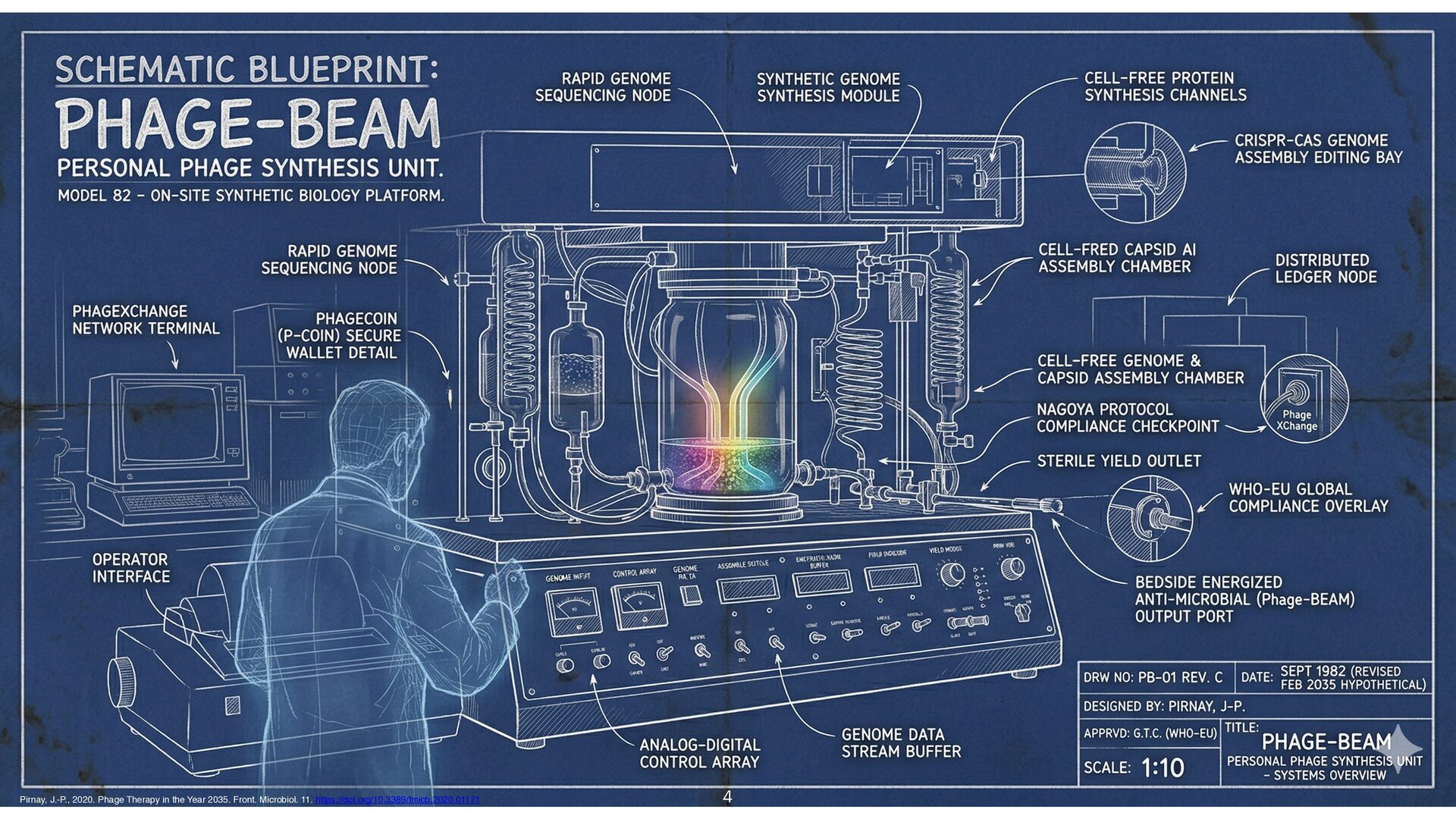
  3. 4 Pirnay, J.-P., 2020. Phage Therapy in the Year 2035.

    Front. Microbiol. 11. https://doi.org/10.3389/fmicb.2020.01171
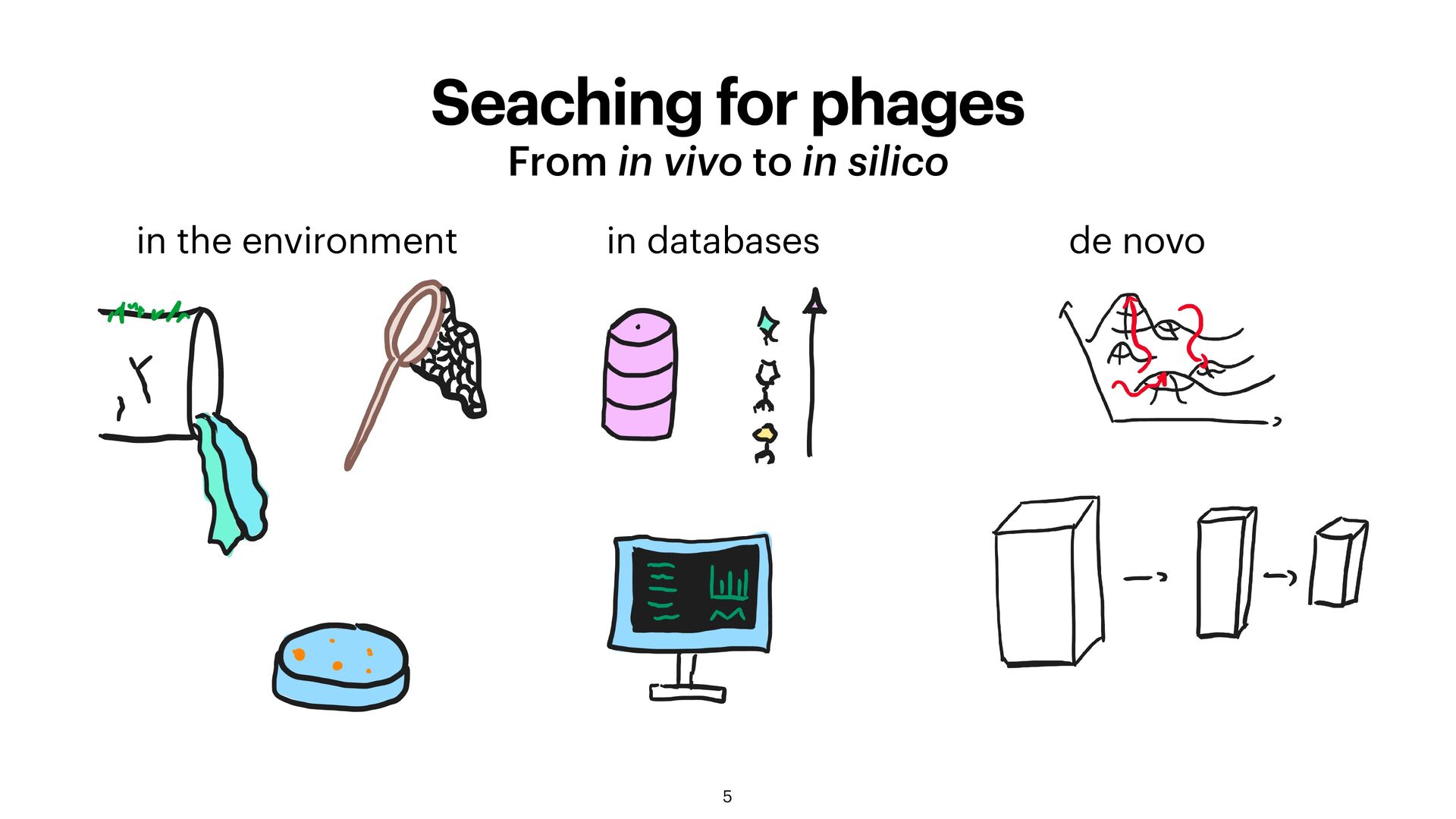
  4. Seaching for phages From in vivo to in silico 5

    in the environment in databases de novo
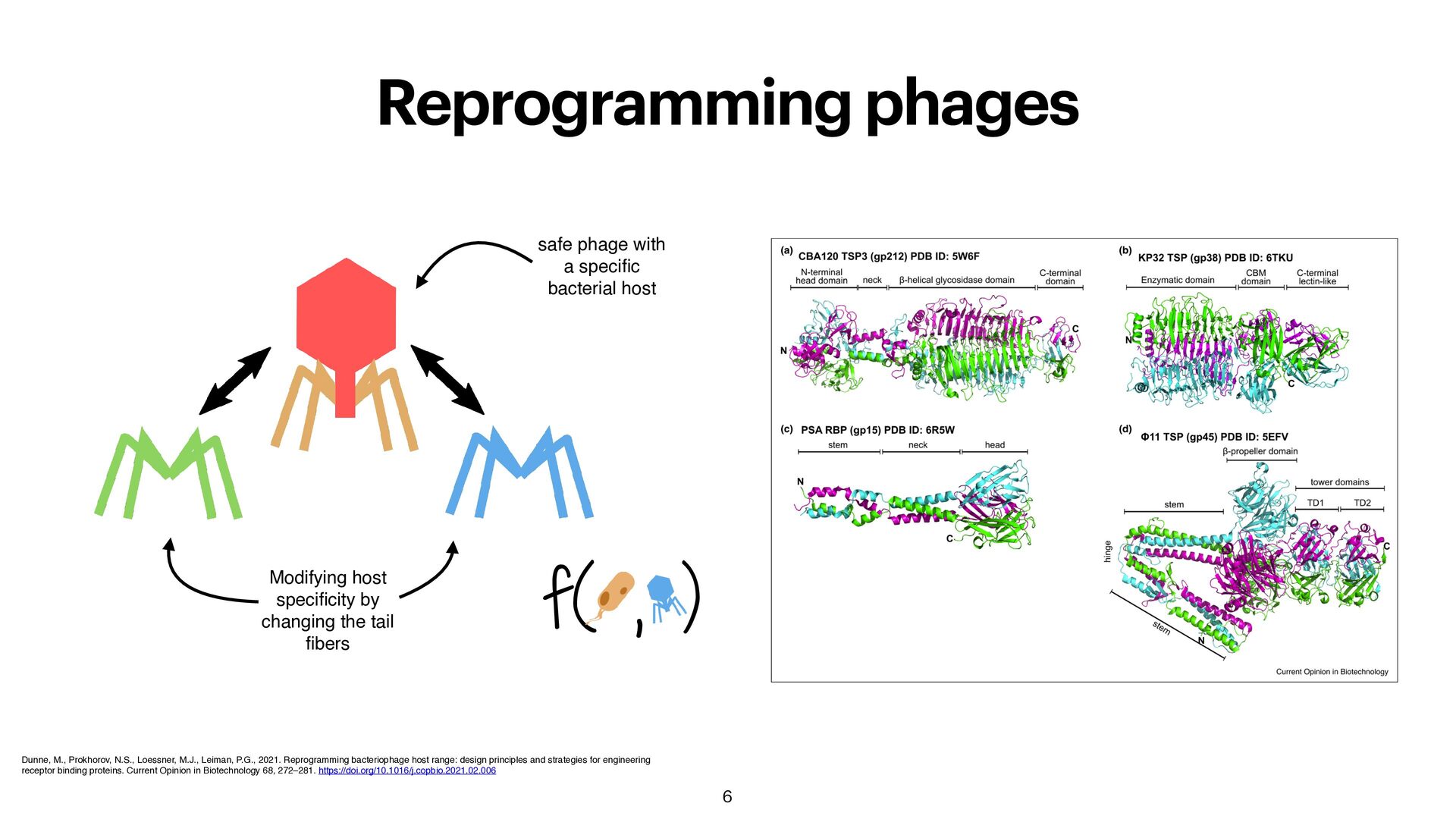
  5. Reprogramming phages 6 f( , ) safe phage with a

    speci fi c bacterial host Modifying host speci fi city by changing the tail fi bers Dunne, M., Prokhorov, N.S., Loessner, M.J., Leiman, P.G., 2021. Reprogramming bacteriophage host range: design principles and strategies for engineering receptor binding proteins. Current Opinion in Biotechnology 68, 272–281. https://doi.org/10.1016/j.copbio.2021.02.006
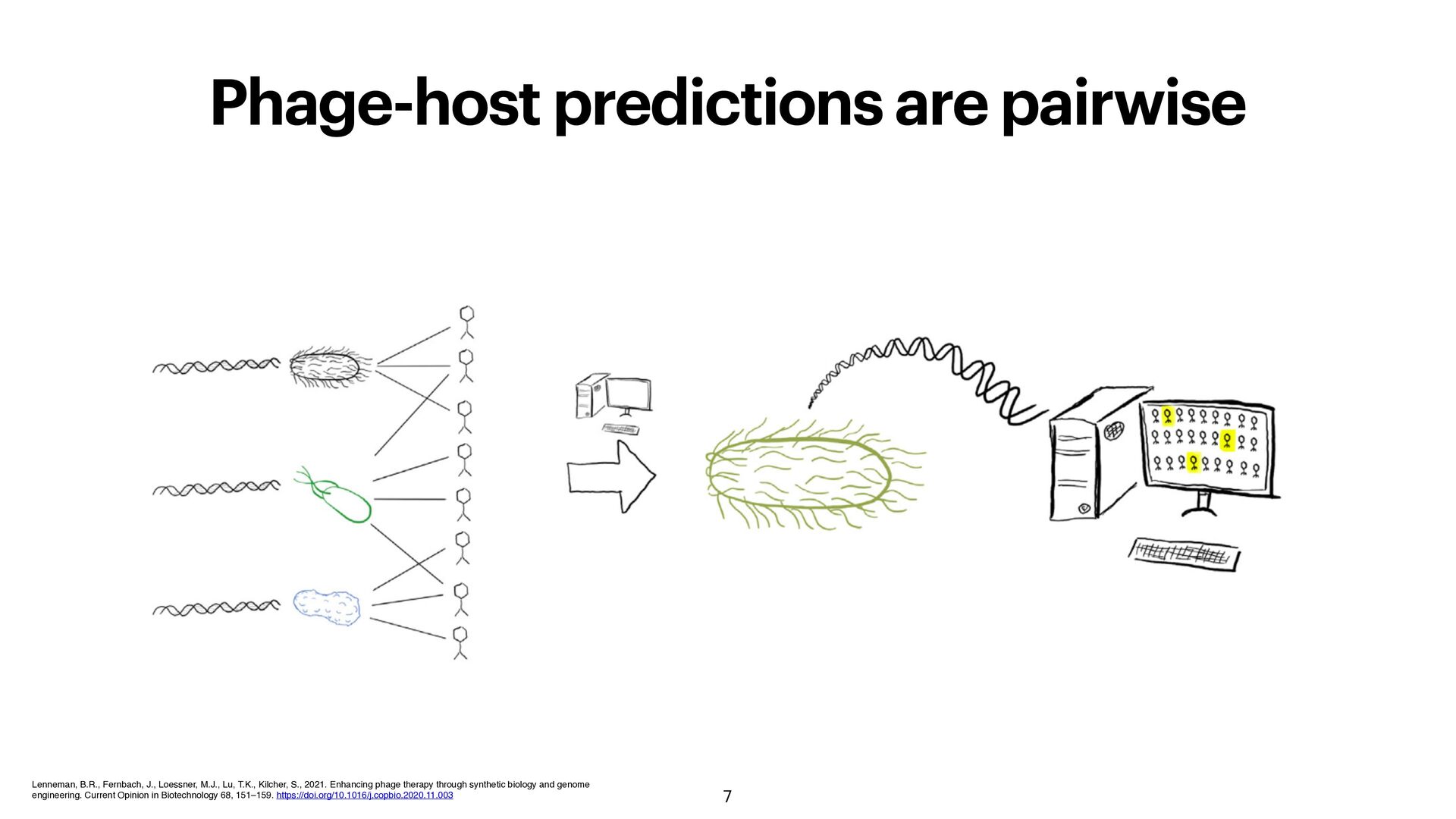
  6. Phage-host predictions are pairwise 7 Lenneman, B.R., Fernbach, J., Loessner,

    M.J., Lu, T.K., Kilcher, S., 2021. Enhancing phage therapy through synthetic biology and genome engineering. Current Opinion in Biotechnology 68, 151–159. https://doi.org/10.1016/j.copbio.2020.11.003
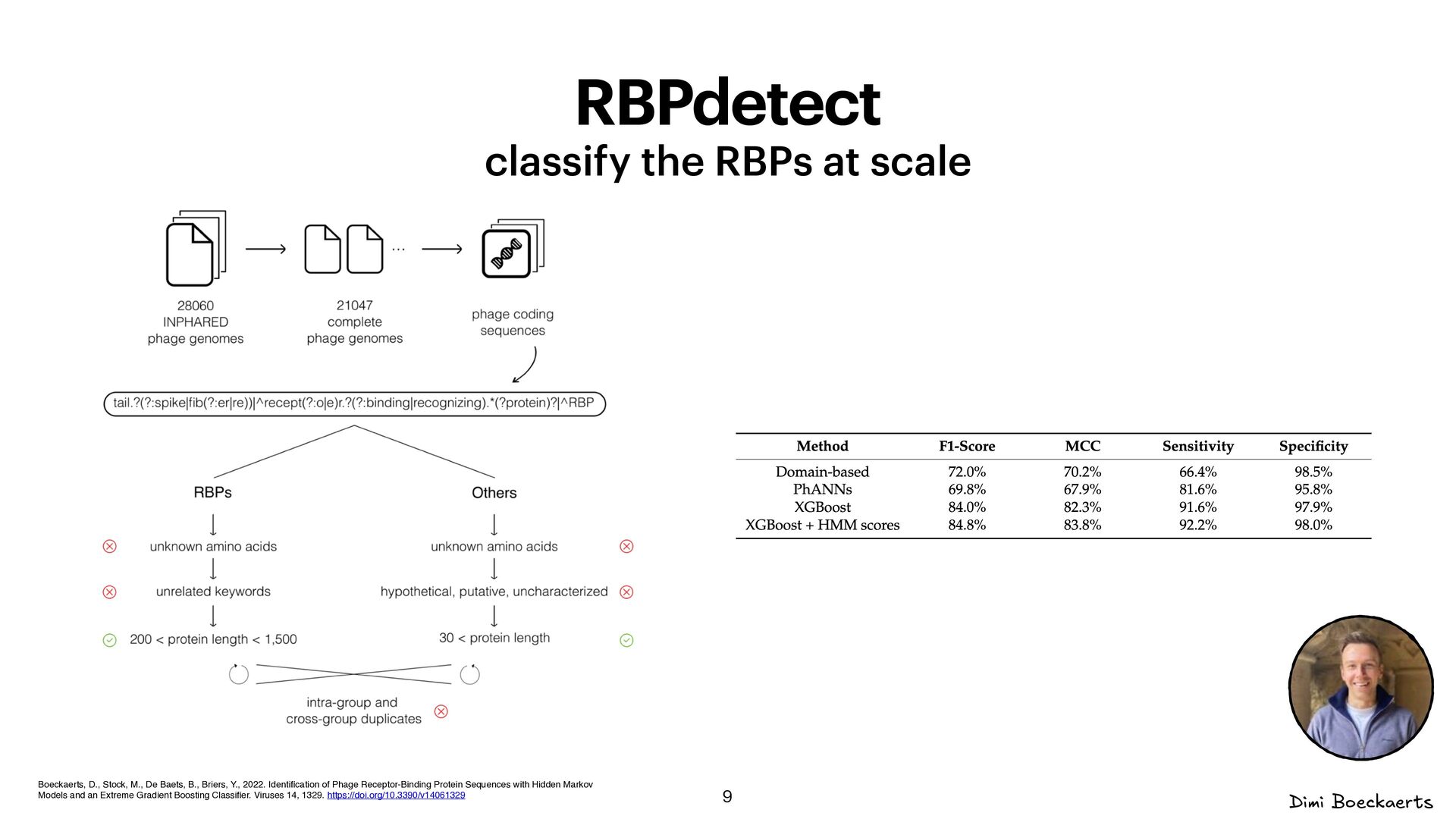
  7. RBPdetect classify the RBPs at scale 9 Boeckaerts, D., Stock,

    M., De Baets, B., Briers, Y., 2022. Identi fi cation of Phage Receptor-Binding Protein Sequences with Hidden Markov Models and an Extreme Gradient Boosting Classi fi er. Viruses 14, 1329. https://doi.org/10.3390/v14061329 Dimi Boeckaerts
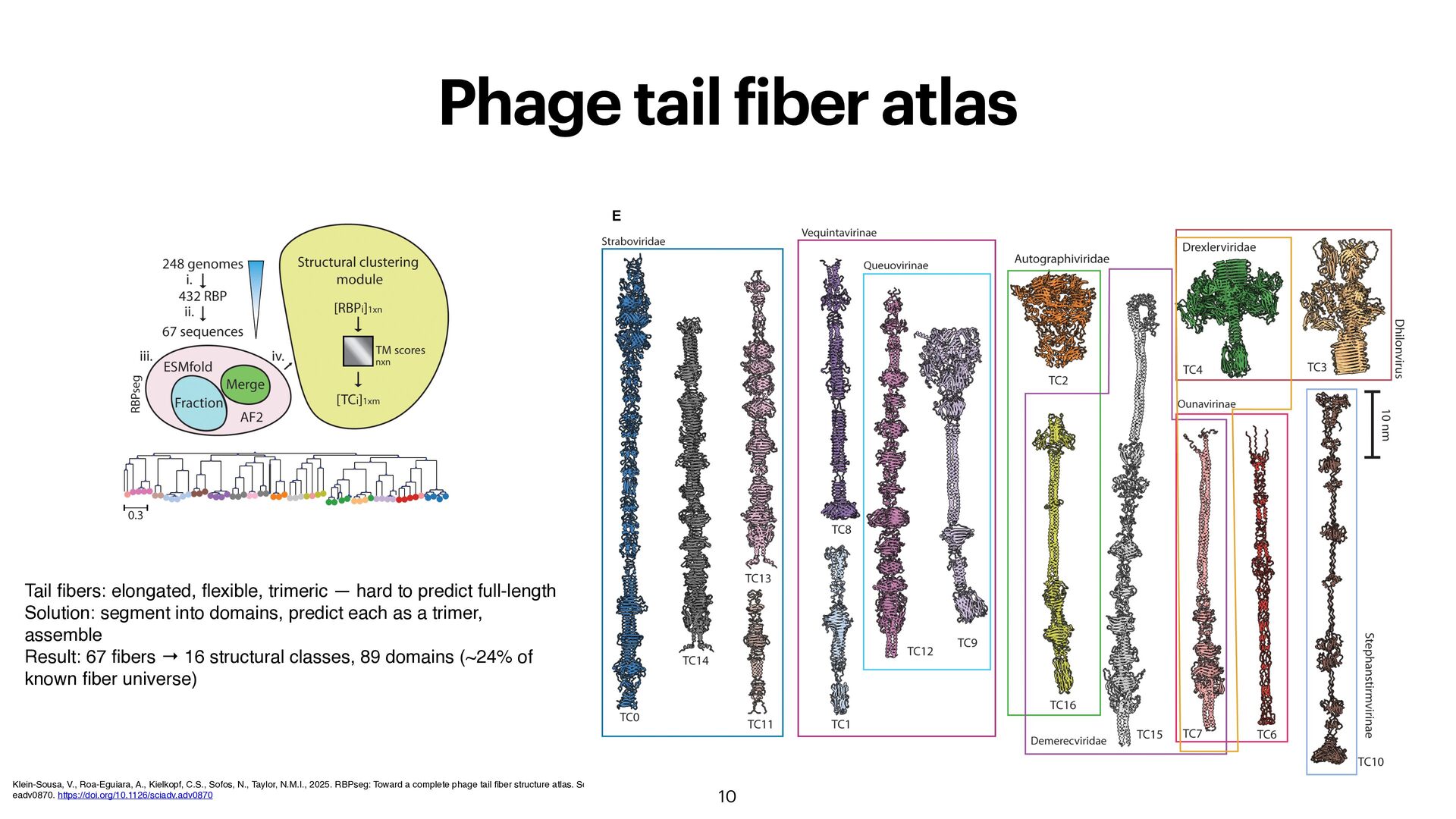
  8. Phage tail f iber atlas 10 Klein-Sousa, V., Roa-Eguiara, A.,

    Kielkopf, C.S., Sofos, N., Taylor, N.M.I., 2025. RBPseg: Toward a complete phage tail fi ber structure atlas. Sci Adv 11, eadv0870. https://doi.org/10.1126/sciadv.adv0870 Tail fi bers: elongated, fl exible, trimeric — hard to predict full-length Solution: segment into domains, predict each as a trimer, assemble Result: 67 fi bers → 16 structural classes, 89 domains (~24% of known fi ber universe)
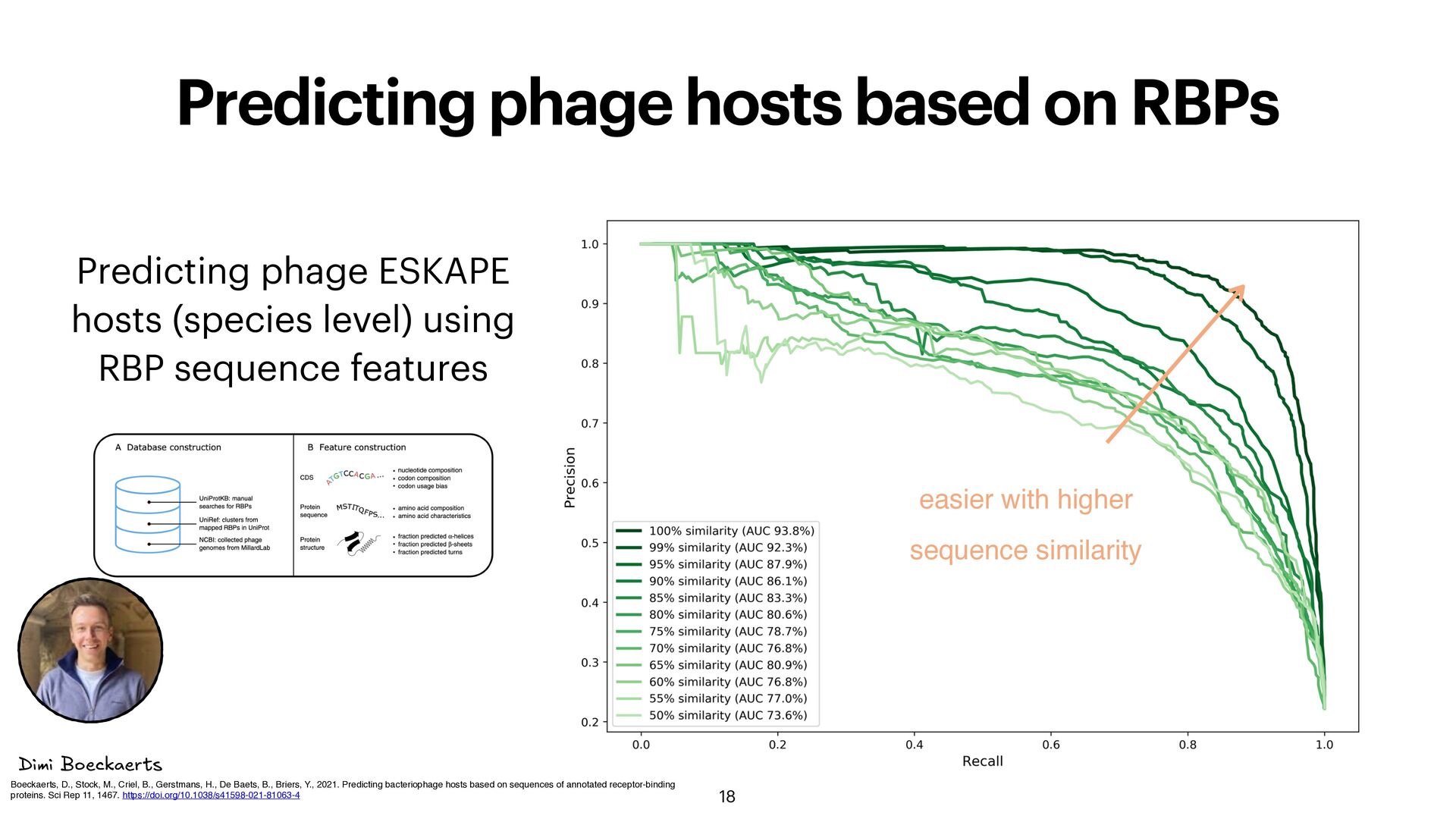
  9. Predicting phage hosts based on RBPs 18 Boeckaerts, D., Stock,

    M., Criel, B., Gerstmans, H., De Baets, B., Briers, Y., 2021. Predicting bacteriophage hosts based on sequences of annotated receptor-binding proteins. Sci Rep 11, 1467. https://doi.org/10.1038/s41598-021-81063-4 Predicting phage ESKAPE hosts (species level) using RBP sequence features easier with higher sequence similarity Dimi Boeckaerts
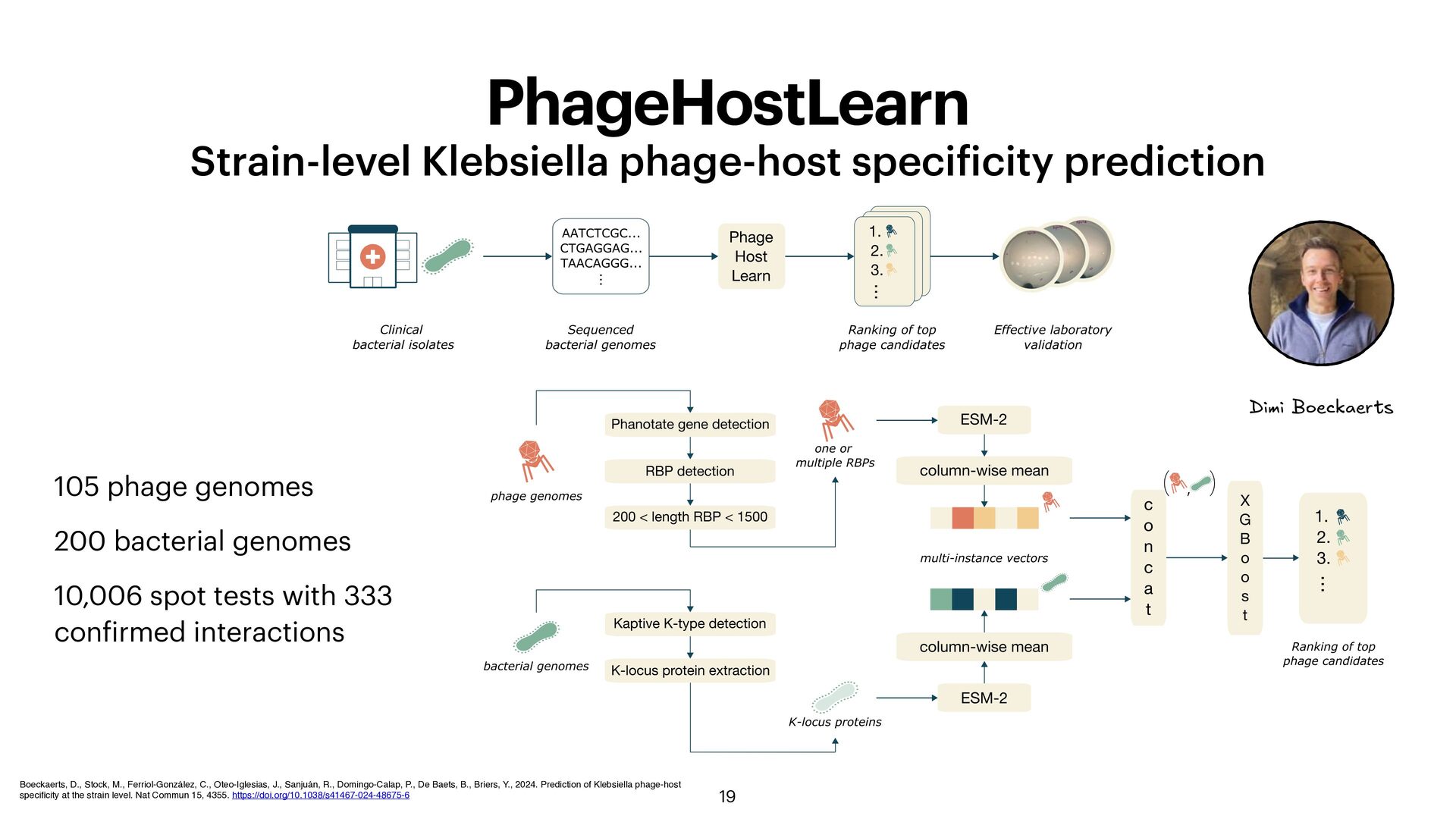
  10. PhageHostLearn Strain-level Klebsiella phage-host speci f icity prediction 19 Boeckaerts,

    D., Stock, M., Ferriol-González, C., Oteo-Iglesias, J., Sanjuán, R., Domingo-Calap, P., De Baets, B., Briers, Y., 2024. Prediction of Klebsiella phage-host speci fi city at the strain level. Nat Commun 15, 4355. https://doi.org/10.1038/s41467-024-48675-6 105 phage genomes 200 bacterial genomes 10,006 spot tests with 333 con f irmed interactions Dimi Boeckaerts
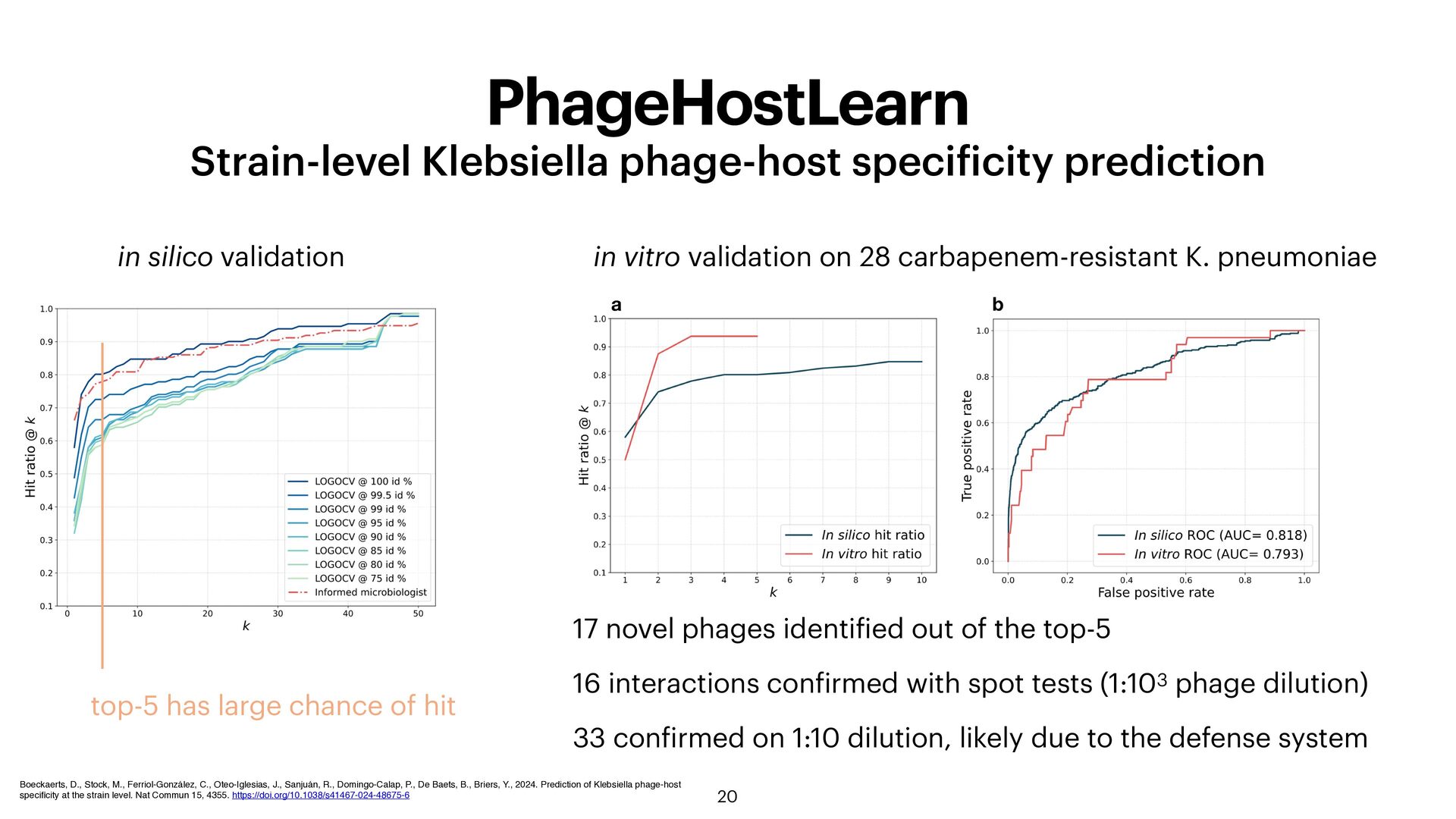
  11. PhageHostLearn Strain-level Klebsiella phage-host speci f icity prediction 20 in

    silico validation in vitro validation on 28 carbapenem-resistant K. pneumoniae 17 novel phages identi f ied out of the top-5 16 interactions con f irmed with spot tests (1:103 phage dilution) 33 con f irmed on 1:10 dilution, likely due to the defense system Boeckaerts, D., Stock, M., Ferriol-González, C., Oteo-Iglesias, J., Sanjuán, R., Domingo-Calap, P., De Baets, B., Briers, Y., 2024. Prediction of Klebsiella phage-host speci fi city at the strain level. Nat Commun 15, 4355. https://doi.org/10.1038/s41467-024-48675-6 top-5 has large chance of hit
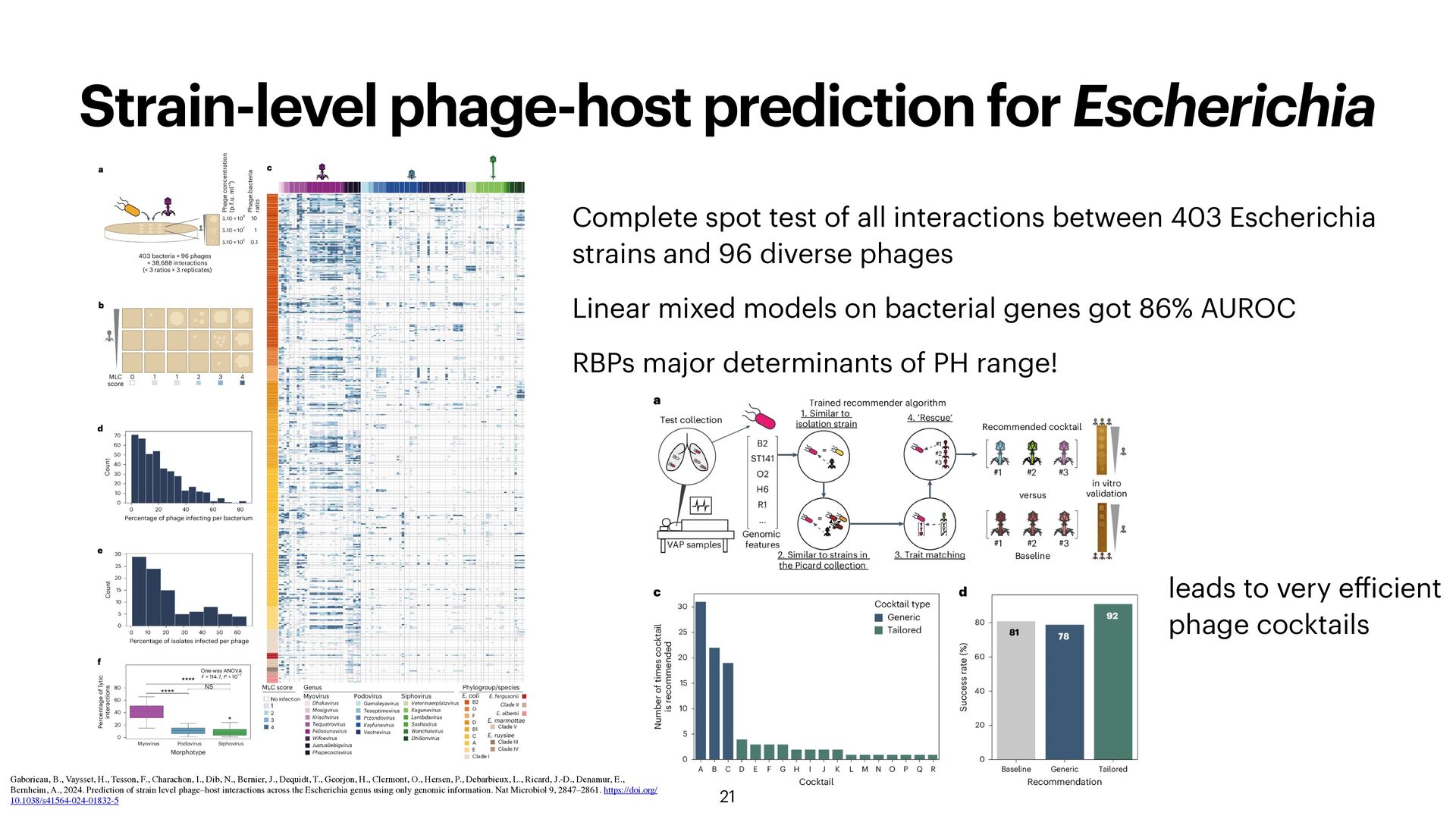
  12. Strain-level phage-host prediction for Escherichia 21 Gaborieau, B., Vaysset, H.,

    Tesson, F., Charachon, I., Dib, N., Bernier, J., Dequidt, T., Georjon, H., Clermont, O., Hersen, P., Debarbieux, L., Ricard, J.-D., Denamur, E., Bernheim, A., 2024. Prediction of strain level phage–host interactions across the Escherichia genus using only genomic information. Nat Microbiol 9, 2847–2861. https://doi.org/ 10.1038/s41564-024-01832-5 Complete spot test of all interactions between 403 Escherichia strains and 96 diverse phages Linear mixed models on bacterial genes got 86% AUROC RBPs major determinants of PH range! leads to very e ff icient phage cocktails
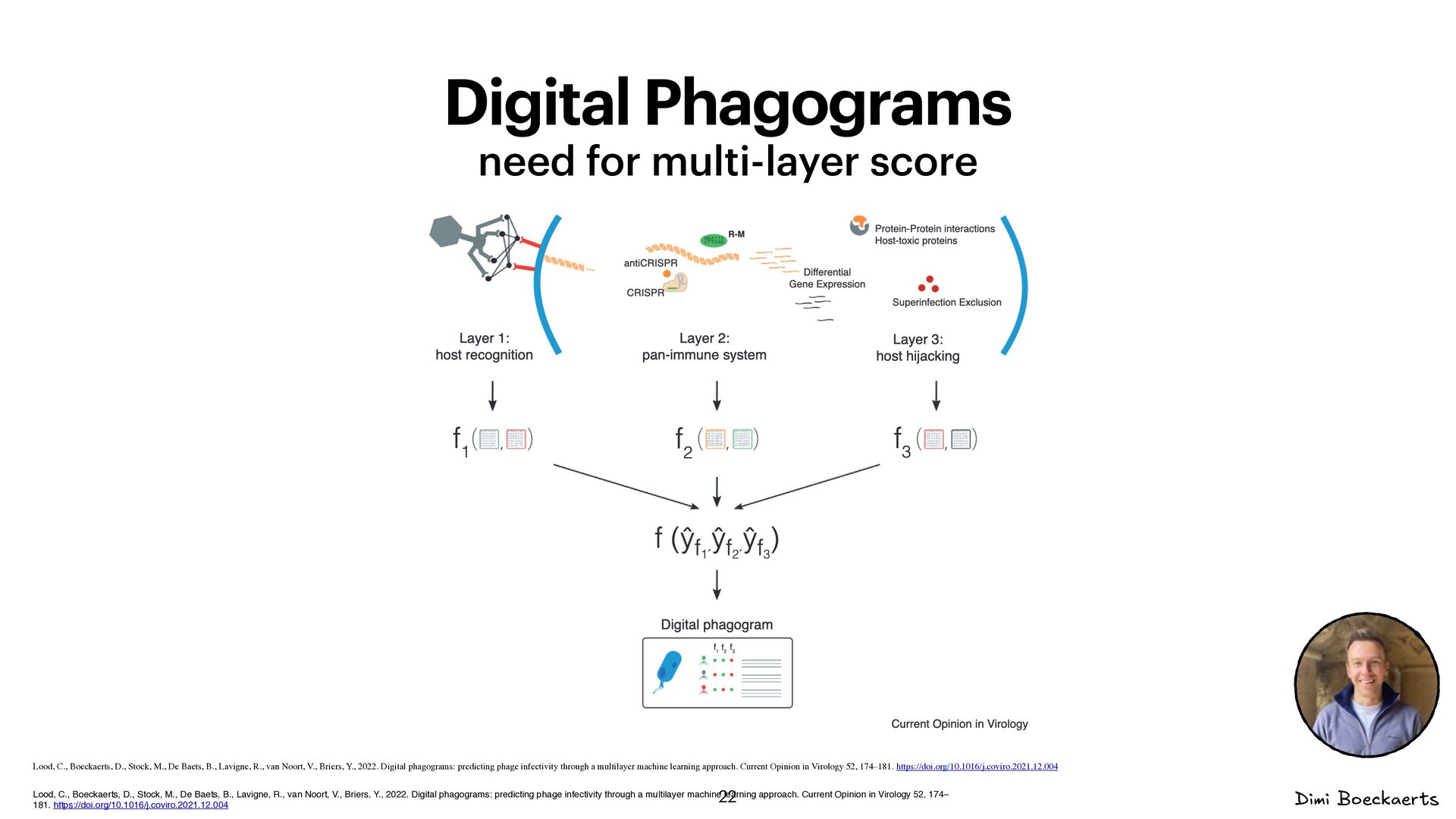
  13. Digital Phagograms need for multi-layer score 22 Lood, C., Boeckaerts,

    D., Stock, M., De Baets, B., Lavigne, R., van Noort, V., Briers, Y., 2022. Digital phagograms: predicting phage infectivity through a multilayer machine learning approach. Current Opinion in Virology 52, 174–181. https://doi.org/10.1016/j.coviro.2021.12.004 Lood, C., Boeckaerts, D., Stock, M., De Baets, B., Lavigne, R., van Noort, V., Briers, Y., 2022. Digital phagograms: predicting phage infectivity through a multilayer machine learning approach. Current Opinion in Virology 52, 174– 181. https://doi.org/10.1016/j.coviro.2021.12.004 Dimi Boeckaerts
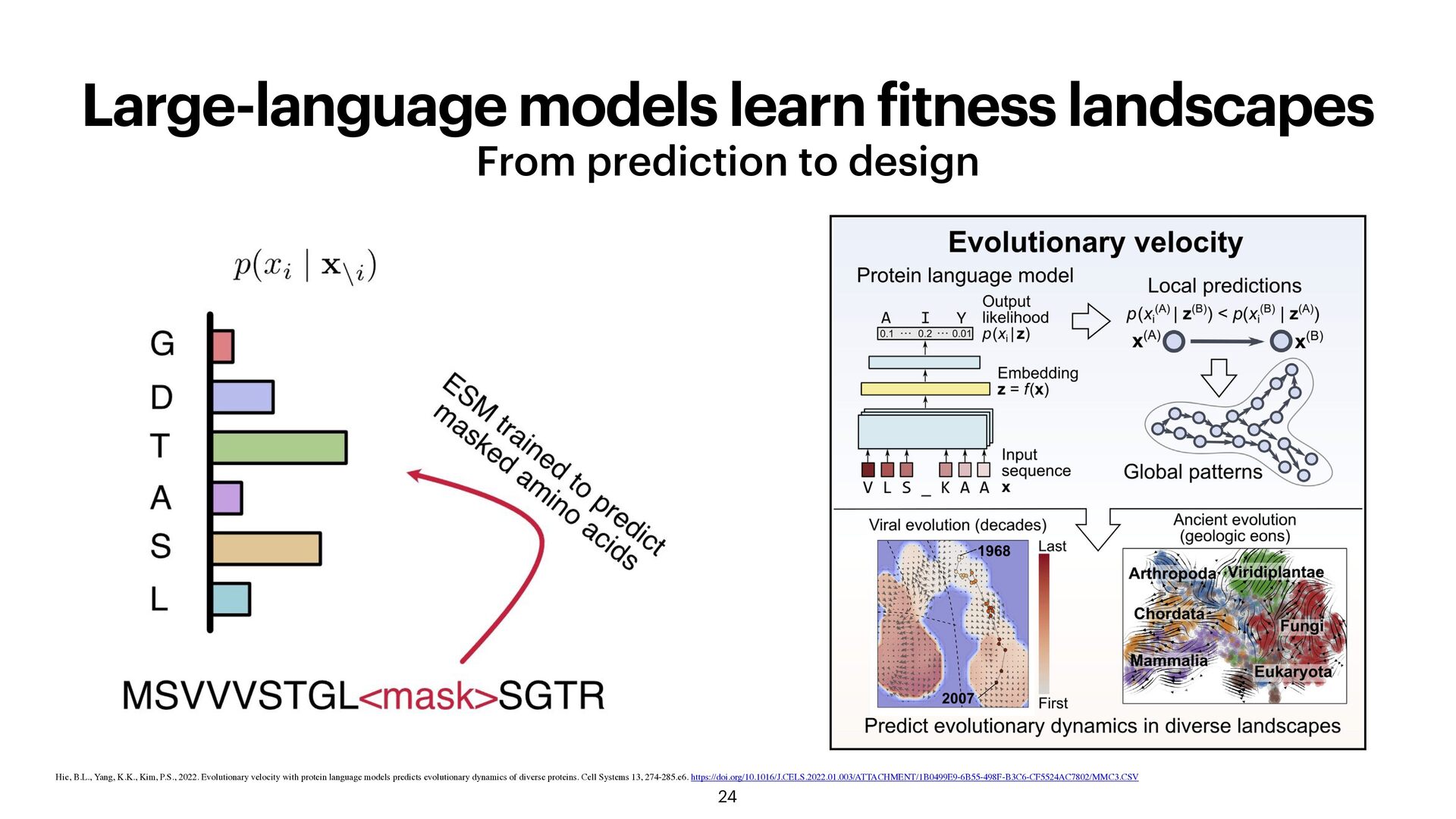
  14. Large-language models learn f itness landscapes From prediction to design

    24 Hie, B.L., Yang, K.K., Kim, P.S., 2022. Evolutionary velocity with protein language models predicts evolutionary dynamics of diverse proteins. Cell Systems 13, 274-285.e6. https://doi.org/10.1016/J.CELS.2022.01.003/ATTACHMENT/1B0499E9-6B55-498F-B3C6-CF5524AC7802/MMC3.CSV
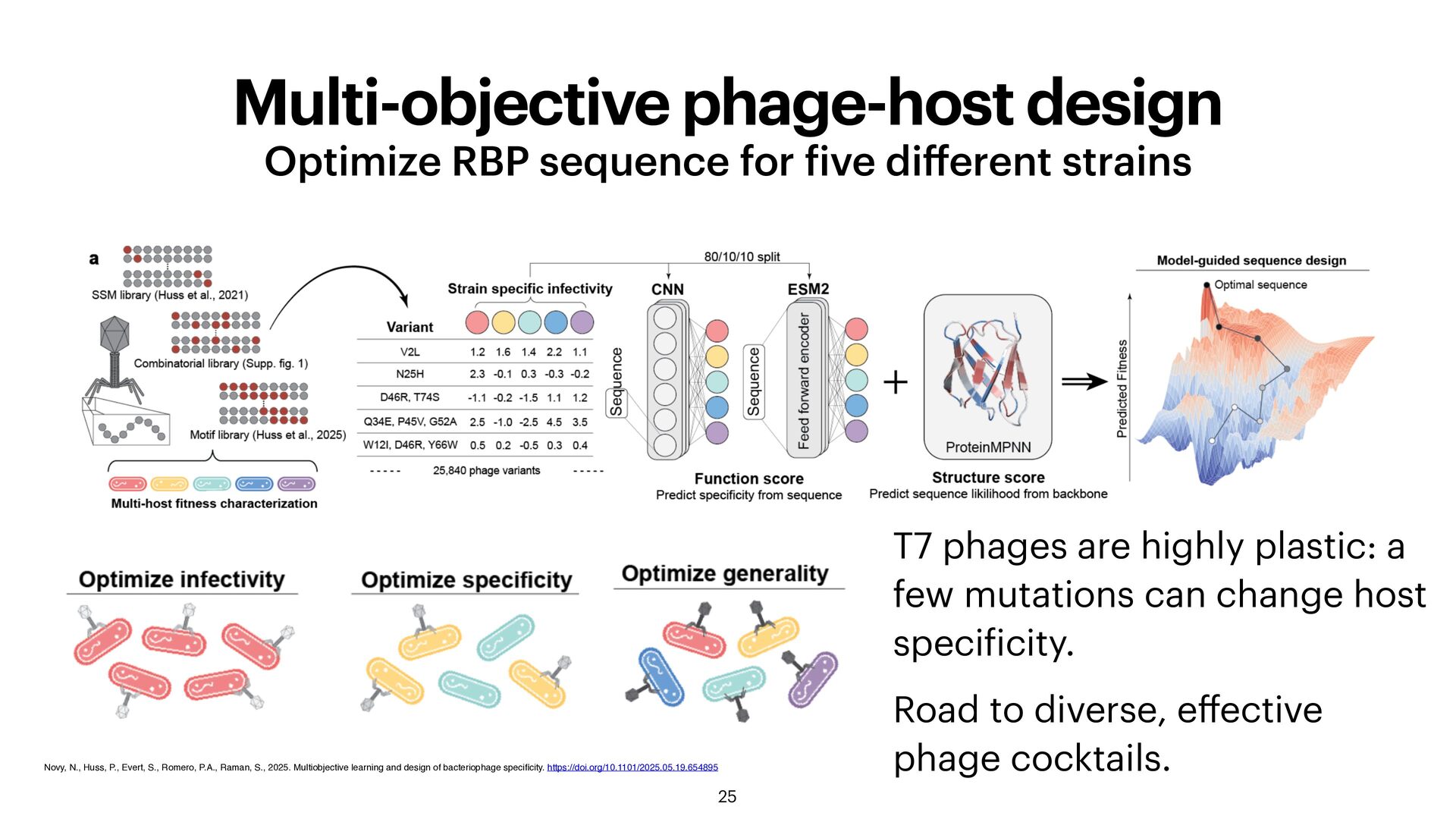
  15. Multi-objective phage-host design Optimize RBP sequence for f ive di

    ff erent strains 25 Novy, N., Huss, P., Evert, S., Romero, P.A., Raman, S., 2025. Multiobjective learning and design of bacteriophage speci fi city. https://doi.org/10.1101/2025.05.19.654895 T7 phages are highly plastic: a few mutations can change host speci f icity. Road to diverse, e ff ective phage cocktails.
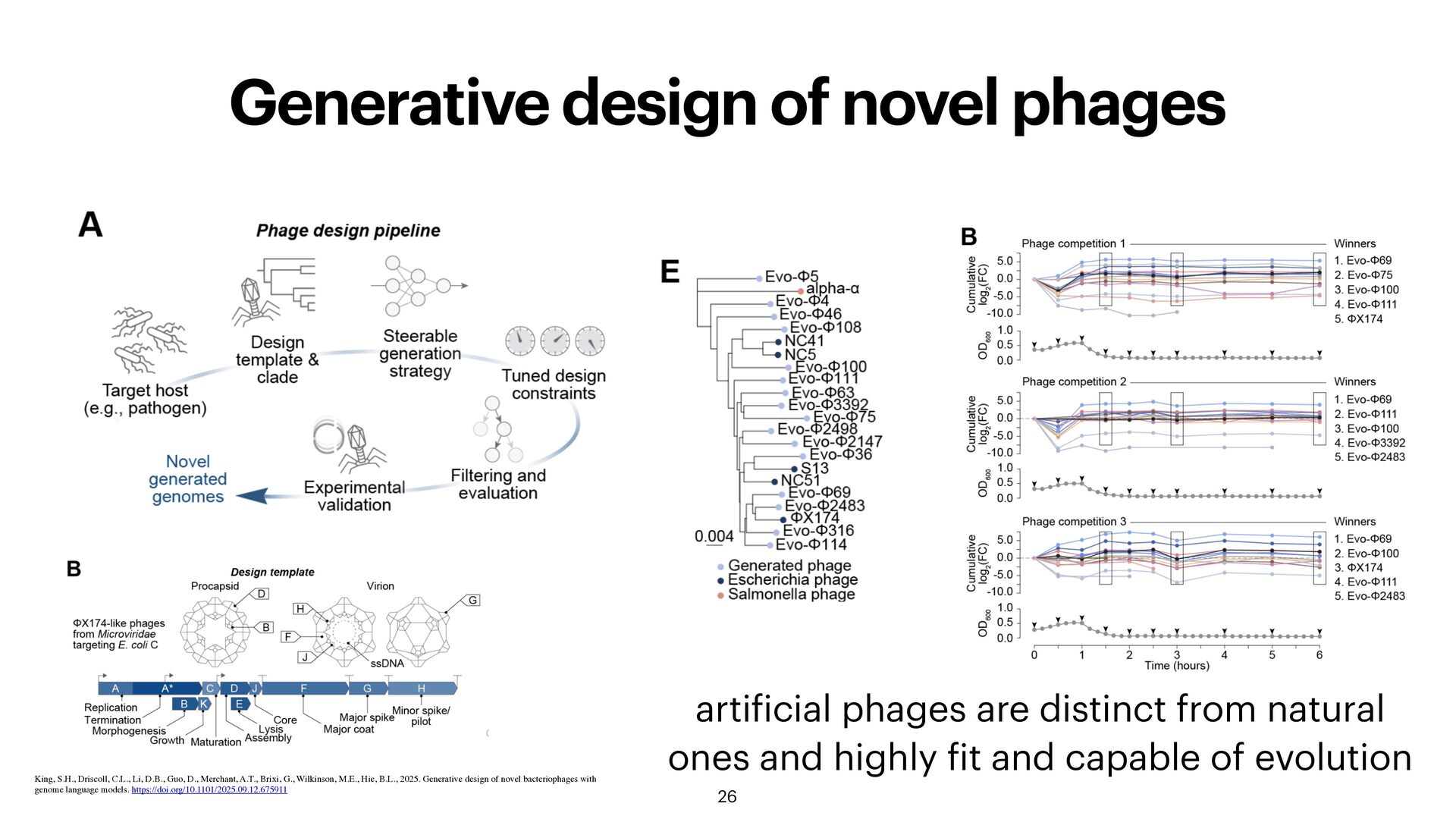
  16. Generative design of novel phages 26 King, S.H., Driscoll, C.L.,

    Li, D.B., Guo, D., Merchant, A.T., Brixi, G., Wilkinson, M.E., Hie, B.L., 2025. Generative design of novel bacteriophages with genome language models. https://doi.org/10.1101/2025.09.12.675911 arti f icial phages are distinct from natural ones and highly f it and capable of evolution
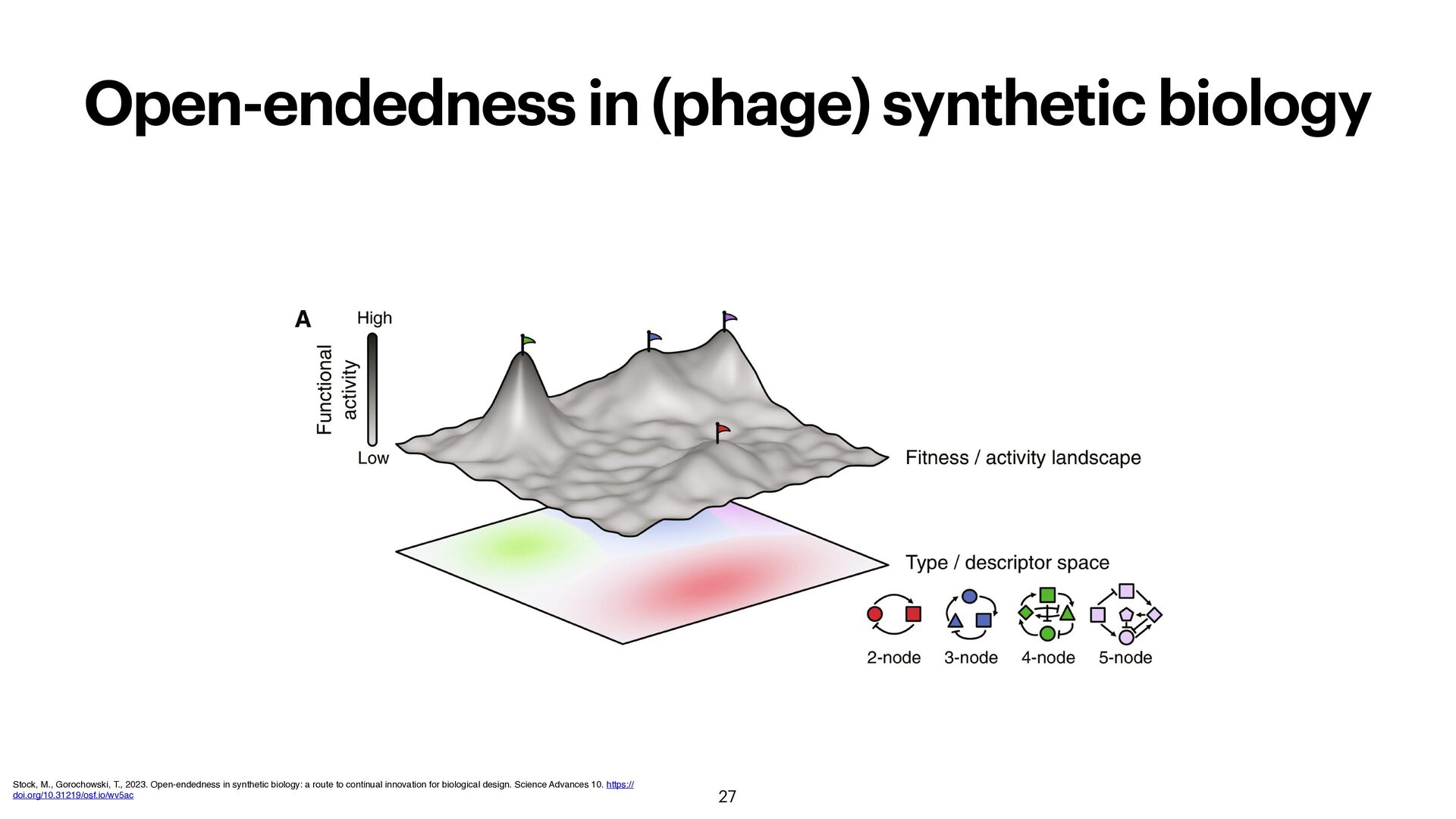
  17. Open-endedness in (phage) synthetic biology 27 Stock, M., Gorochowski, T.,

    2023. Open-endedness in synthetic biology: a route to continual innovation for biological design. Science Advances 10. https:// doi.org/10.31219/osf.io/wv5ac
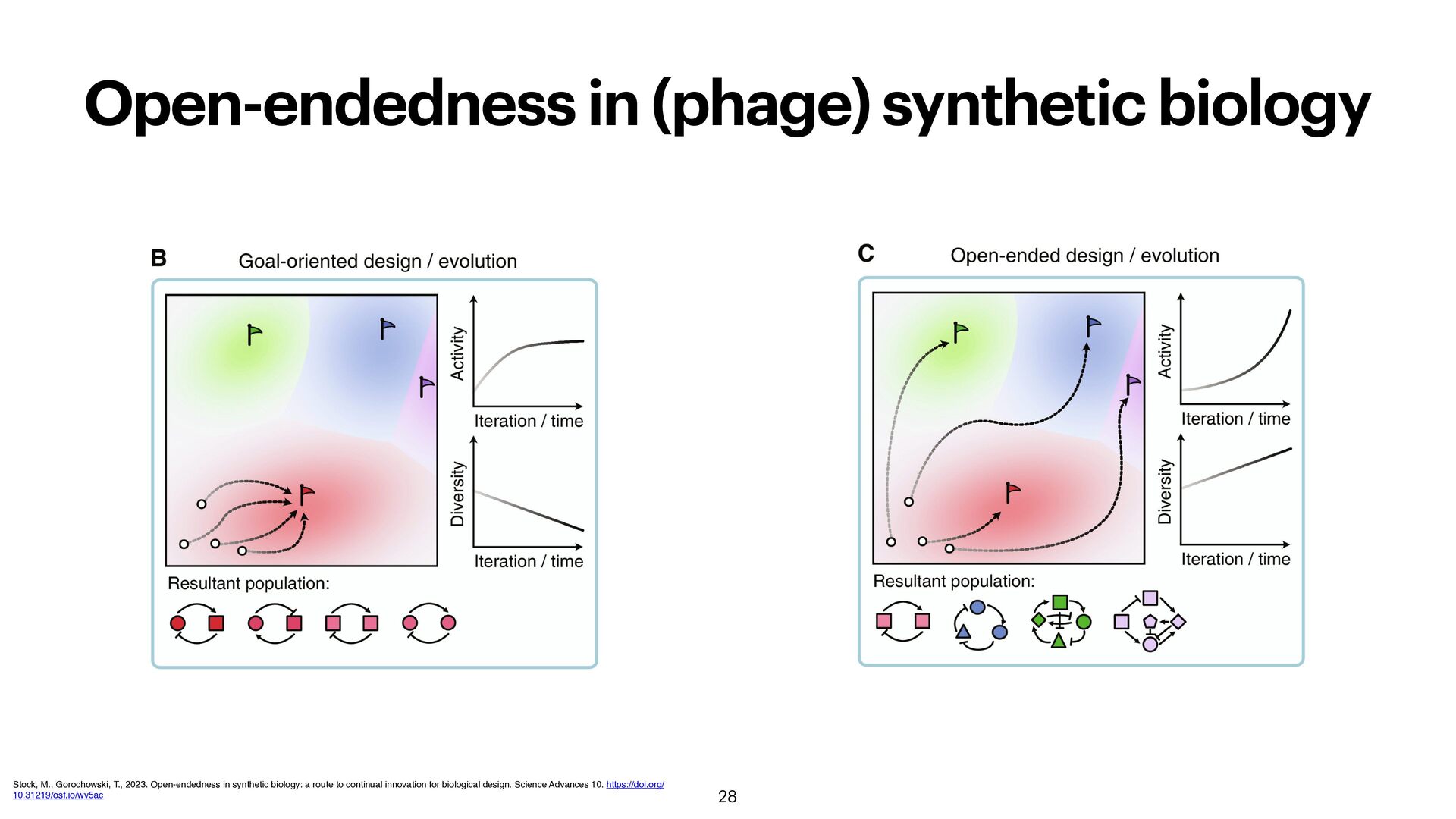
  18. Open-endedness in (phage) synthetic biology 28 Stock, M., Gorochowski, T.,

    2023. Open-endedness in synthetic biology: a route to continual innovation for biological design. Science Advances 10. https://doi.org/ 10.31219/osf.io/wv5ac
  19. References 29 1. Boeckaerts D, Stock M, Criel B, Gerstmans

    H, De Baets B, Briers Y. Predicting bacteriophage hosts based on sequences of annotated receptor-binding proteins. Scienti fi c Reports 11, 1467 (2021). doi:10.1038/s41598-021-81063-4 2. Criel B, Taelman S, Van Criekinge W, Stock M, Briers Y. PhaLP: A database for the study of phage lytic proteins and their evolution. Viruses 13, 1240 (2021). doi:10.3390/v13071240 3. Lood C, Boeckaerts D, Stock M, De Baets B, Lavigne R, van Noort V, Briers Y. Digital phagograms: predicting phage infectivity through a multilayer machine learning approach. Current Opinion in Virology 52, 174–181 (2022). doi:10.1016/j.coviro.2021.12.004 4. Boeckaerts D, Stock M, De Baets B, Briers Y. Identi fi cation of phage receptor-binding protein sequences with hidden Markov models and an extreme gradient boosting classi fi er. Viruses 14, 1329 (2022). doi:10.3390/v14061329 5. Boeckaerts D, Stock M, Ferriol-González C, Oteo-Iglesias J, Sanjuán R, Domingo-Calap P, De Baets B, Briers Y. Prediction of Klebsiella phage-host speci fi city at the strain level. Nature Communications 15, 4355 (2024). doi:10.1038/s41467-024-48675-6 6. Stock M, Gorochowski TE, Sheridan T, Sheridan S. Open-endedness in synthetic biology: a route to continual innovation for biological design. Science Advances 10, eadi3621 (2024). doi:10.1126/sciadv.adi3621 7. Németh V, Stock M, De Baets B, Latka A, Briers Y. PhaRBP: the community-oriented phage receptor-binding protein database. Manuscript in preparation (2026). 8. Pirnay J-P. Phage therapy in the year 2035. Frontiers in Microbiology 11, 1171 (2020). doi:10.3389/fmicb.2020.01171 9. Pirnay J-P, Djebara S, Steurs G, et al. Personalized bacteriophage therapy outcomes for 100 consecutive cases: a multicentre, multinational, retrospective observational study. Nature Microbiology 9, 1434–1453 (2024). doi:10.1038/s41564-024-01705-x 10.Gaborieau B, Vaysset H, Tesson F, et al. Prediction of strain level phage–host interactions across the Escherichia genus using only genomic information. Nature Microbiology 9, 2847–2861 (2024). doi:10.1038/s41564-024-01832-5 11. Dunne M, Rupf B, Tala M, et al. Reprogramming bacteriophage host range through structure-guided design of chimeric receptor binding proteins. Cell Reports 29, 1336–1350 (2019). doi:10.1016/j.celrep.2019.09.062 12.Latka A, Maciejewska B, Majkowska-Skrobek G, Briers Y, Drulis-Kawa Z. Bacteriophage- encoded virion-associated enzymes to overcome the carbohydrate barriers during the infection process. Applied Microbiology and Biotechnology 101, 3103–3119 (2017). doi:10.1007/s00253-017-8224-6 15.Smug BJ, Szczepaniak K, Rocha EPC, Dunin-Horkawicz S, Mostowy RJ. Ongoing shuf fl ing of protein fragments diversi fi es core viral functions linked to interactions with bacterial hosts. Nature Communications 14, 7460 (2023). doi:10.1038/s41467-023-43236-9 16.Pas C, Latka A, Fieseler L, Briers Y. Phage tailspike modularity and horizontal gene transfer reveals speci fi city towards E. coli O-antigen serogroups. Virology Journal 20, 174 (2023). doi:10.1186/ s12985-023-02138-4 17.Gonzalez B, et al. Distantly related Alteromonas bacteriophages share tail fi bers exhibiting properties of transient chaperone caps. Nature Communications 14, 6114 (2023). doi:10.1038/s41467-023-42114-8 18.Sørensen AN, Woudstra C, Sørensen MCH, Brøndsted L. Subtypes of tail spike proteins predicts the host range of Ackermannviridae phages. Computational and Structural Biotechnology Journal 19, 4854–4867 (2021). doi:10.1016/j.csbj.2021.08.030 19.Klein-Sousa V, Roa-Eguiara A, Kielkopf CS, Sofos N, Taylor NMI. RBPseg: Toward a complete phage tail fi ber structure atlas. Science Advances 11, eadv0870 (2025). doi:10.1126/sciadv.adv0870 20.Hie B, Zhong ED, Berger B, Bryson BD. Learning the language of viral evolution and escape. Science 371, 284–288 (2021). doi:10.1126/science.abd7331 21.Hie BL, Yang KK, Kim PS. Evolutionary velocity with protein language models predicts evolutionary dynamics of diverse proteins. Cell Systems 13, 274–285 (2022). doi:10.1016/j.cels.2022.01.003 22.Hie BL, Shanker VR, Xu D, et al. Ef fi cient evolution of human antibodies from general protein language models. Nature Biotechnology 42, 275–283 (2023). doi:10.1038/s41587-023-01763-2 23.Novy N, Huss P, Evert S, Romero PA, Raman S. Multiobjective learning and design of bacteriophage speci fi city. bioRxiv 2025.05.19.654895 (2025). doi:10.1101/2025.05.19.654895 24.King et al. Generative design of novel bacteriophages with genome language models. bioRxiv 2025.09.12.675911 (2025). doi:10.1101/2025.09.12.675911
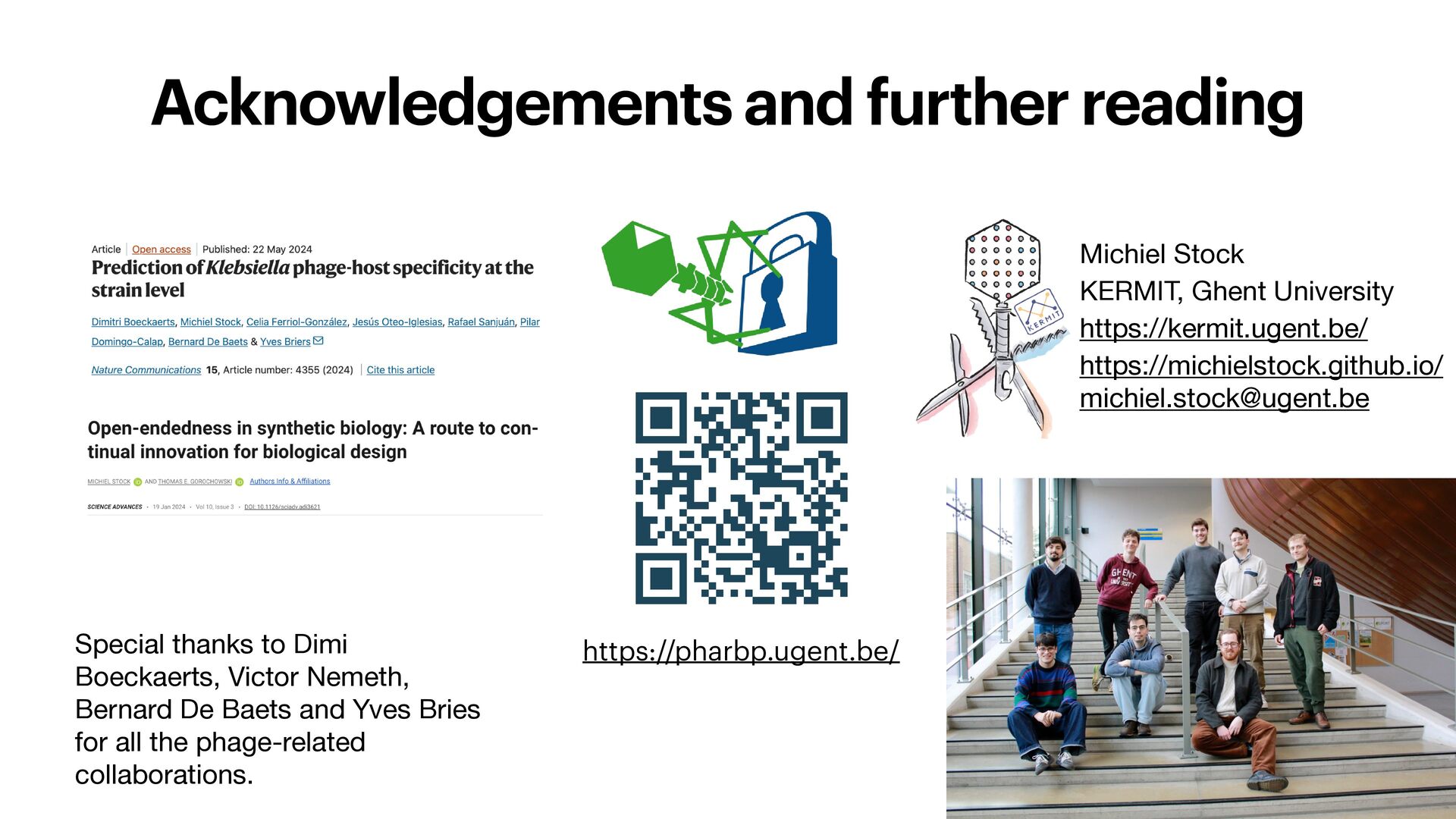
  20. Acknowledgements and further reading Michiel Stock KERMIT, Ghent University https://kermit.ugent.be/

    https://michielstock.github.io/ 
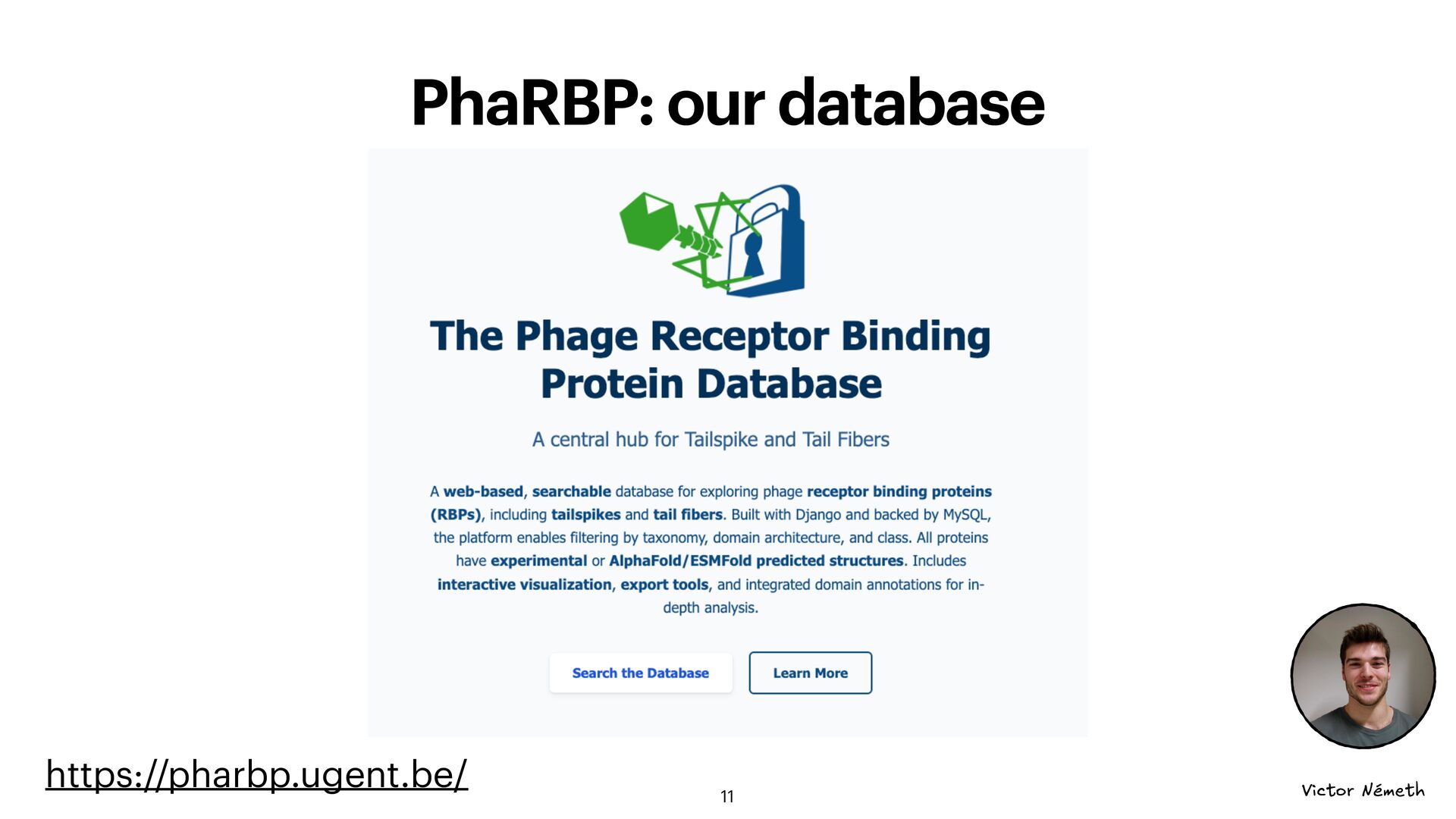
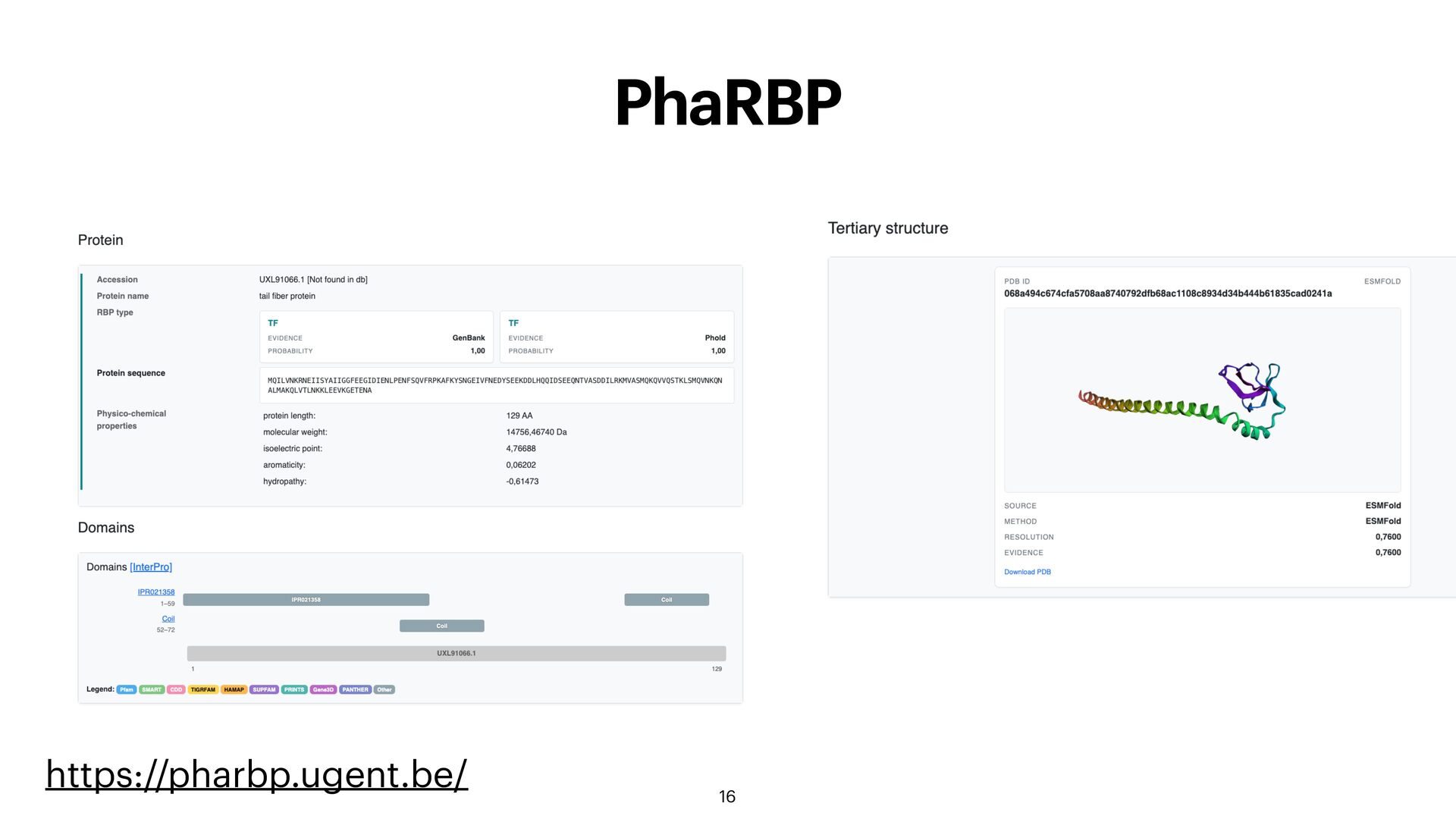
 [email protected] Special thanks to Dimi Boeckaerts, Victor Nemeth, Bernard De Baets and Yves Bries for all the phage-related collaborations. https://pharbp.ugent.be/