Upgrade to Pro
— share decks privately, control downloads, hide ads and more …
Speaker Deck
Sign up for free
Menu
Search
Features
All features
Private URLs
Password Protection
Custom URLS
Scheduled publishing
Remove Branding
Restrict embedding
Deck Collections
Notes
Features
All features
Private URLs
Password Protection
Custom URLS
Scheduled publishing
Remove Branding
Restrict embedding
Deck Collections
Notes
Explore
Featured decks
Featured speakers
Programming
Technology
Storyboards
Explore
Featured decks
Featured speakers
Programming
Technology
Storyboards
Pricing
Search
Sign in
Sign up for free
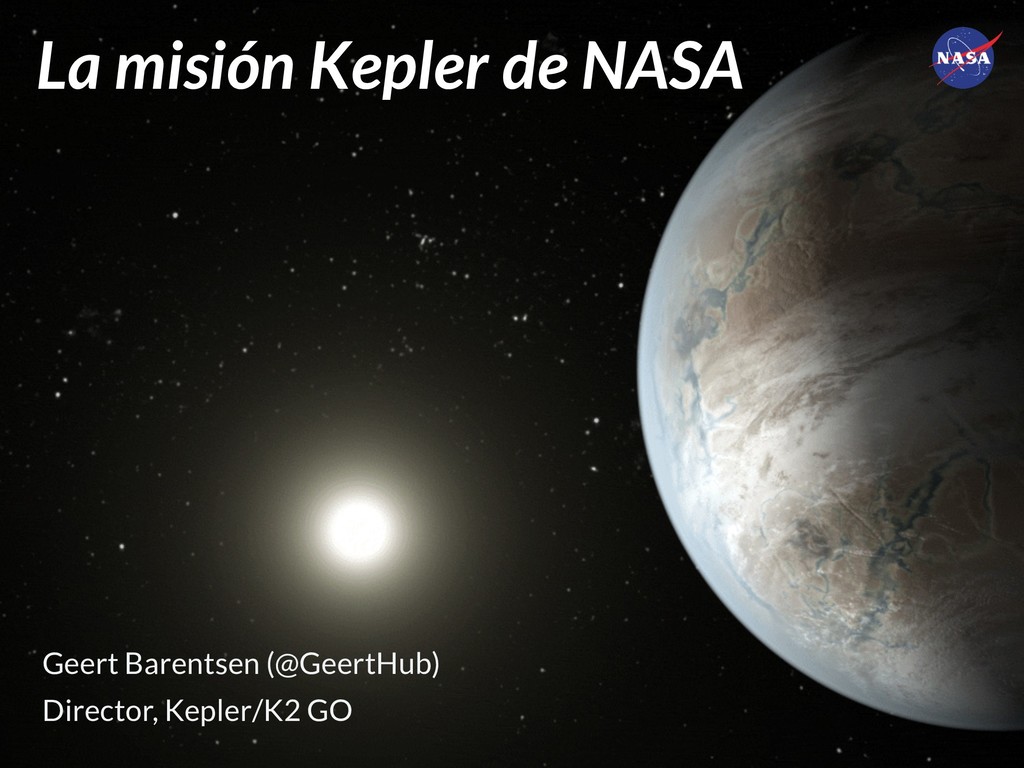
La misión Kepler de NASA
Search
Geert Barentsen
August 02, 2017
Science
120
0
Share
Embed
Copy iframe code
Copy JS code
Copy link
Start on current slide
La misión Kepler de NASA
Outreach talk for a group of Mexican students who visited NASA Ames in August 2017.
Geert Barentsen
August 02, 2017
More Decks by Geert Barentsen
See All by Geert Barentsen
A story about open science
barentsen
0
110
Kepler's Discoveries will Continue
barentsen
0
220
Kepler/K2 Status Update & New Software Tools
barentsen
0
320
Three reasons why Kepler's discoveries will continue for a decade
barentsen
2
270
The Kepler/K2 Supernova Cosmology Experiment
barentsen
1
150
How Sagan Fellows are shaping the success of NASA’s K2 Mission
barentsen
0
240
How to find a planet?
barentsen
0
160
K2: Status and Future
barentsen
0
250
News from the NASA K2 Mission
barentsen
0
190
Other Decks in Science
See All in Science
不動産業界における業界特化のデータ整備とAI活用 ─Vertical DataとVertical AI─
estie
1
1.1k
はじめてのグラフ信号サンプリング
arthur1
0
140
データベース12: 正規化(2/2) - データ従属性に基づく正規化
trycycle
PRO
0
1.8k
「AIエージェントを作る」とは、何を設計することか
salt2
0
240
因果探索の発展と展望
sshimizu2006
2
1.2k
生成AI・プレプリント時代における 研究成果公開の再設計 ― トップカンファレンス文化はどこへ向かうのか / Redesigning the Dissemination of Research Outputs in the Age of Generative AI and Preprints — Where Is the Top-Conference Culture Heading?
ykiyota
0
30k
Wet Active Matter
rajeshrinet
0
260
CVPR2026_VGGTとその仲間たち
mickey_0226
0
1.2k
人工知能のための哲学塾 ニューロフィロソフィ篇 第一夜 「無著、世親と唯識のはじまり、ニューラルネットワークのはじまり」
miyayou
0
100
「念のためのログ保存」を組織全体でやめるためのポリシーと仕組み作り
i2tsuki
4
420
20260820_アウトカムが二値のデータに対するCausal Impact@LINEヤフー Data Science Share #2 / Causal Impact for Binary Outcomes
brainpadpr
3
1.5k
機械学習 - SVM
trycycle
PRO
2
1.3k
Featured
See All Featured
For a Future-Friendly Web
brad_frost
184
10k
How to Grow Your eCommerce with AI & Automation
katarinadahlin
PRO
2
330
Producing Creativity
orderedlist
PRO
348
41k
Getting science done with accelerated Python computing platforms
jacobtomlinson
2
540
How to Ace a Technical Interview
jacobian
280
24k
Optimizing for Happiness
mojombo
378
71k
Design and Strategy: How to Deal with People Who Don’t "Get" Design
morganepeng
133
20k
The Power of CSS Pseudo Elements
geoffreycrofte
82
6.6k
The Illustrated Children's Guide to Kubernetes
chrisshort
51
53k
Reality Check: Gamification 10 Years Later
codingconduct
0
2.3k
Believing is Seeing
oripsolob
1
250
Exploring anti-patterns in Rails
aemeredith
4
540
Transcript
La misión Kepler de NASA Geert Barentsen (@GeertHub) Director, Kepler/K2
GO
¿Estamos solos?
Image: NASA
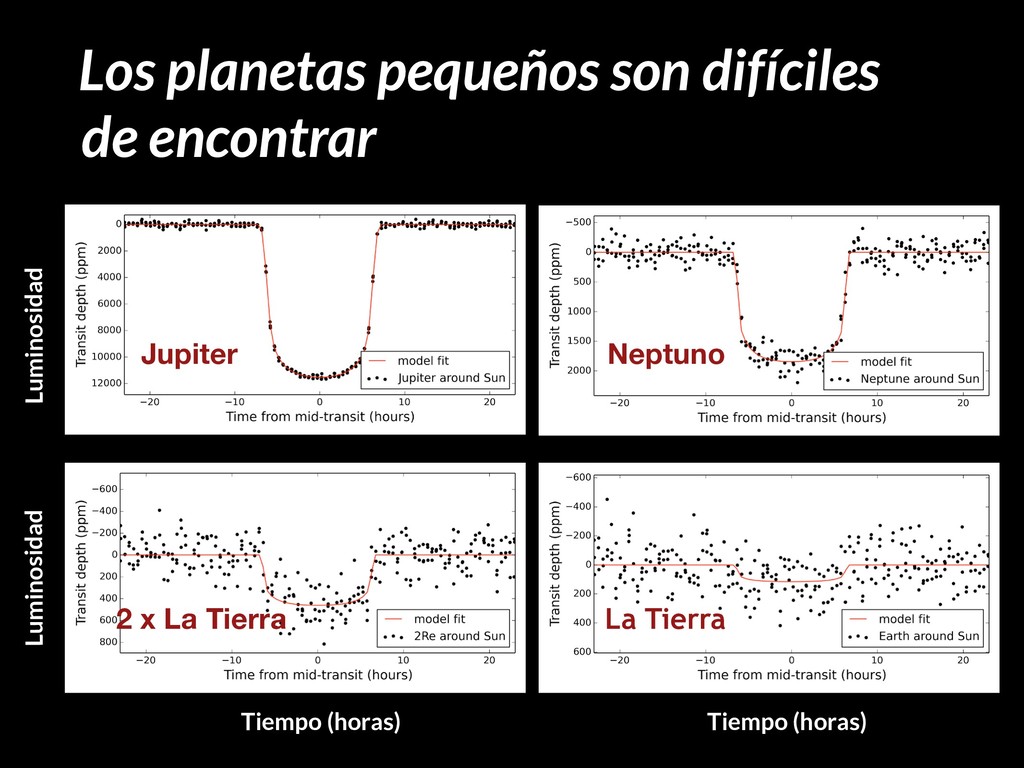
Buscando planetas Luminosidad Tiempo (horas)
Jupiter Tierra Nuestro Sistema Solar a escala
Jupiter Neptuno 2 x La Tierra La Tierra Los planetas
pequeños son difíciles de encontrar Tiempo (horas) Tiempo (horas) Luminosidad Luminosidad
* •need to look at the right place • at
the right time •and measure the brightness of stars • with extreme accuracy
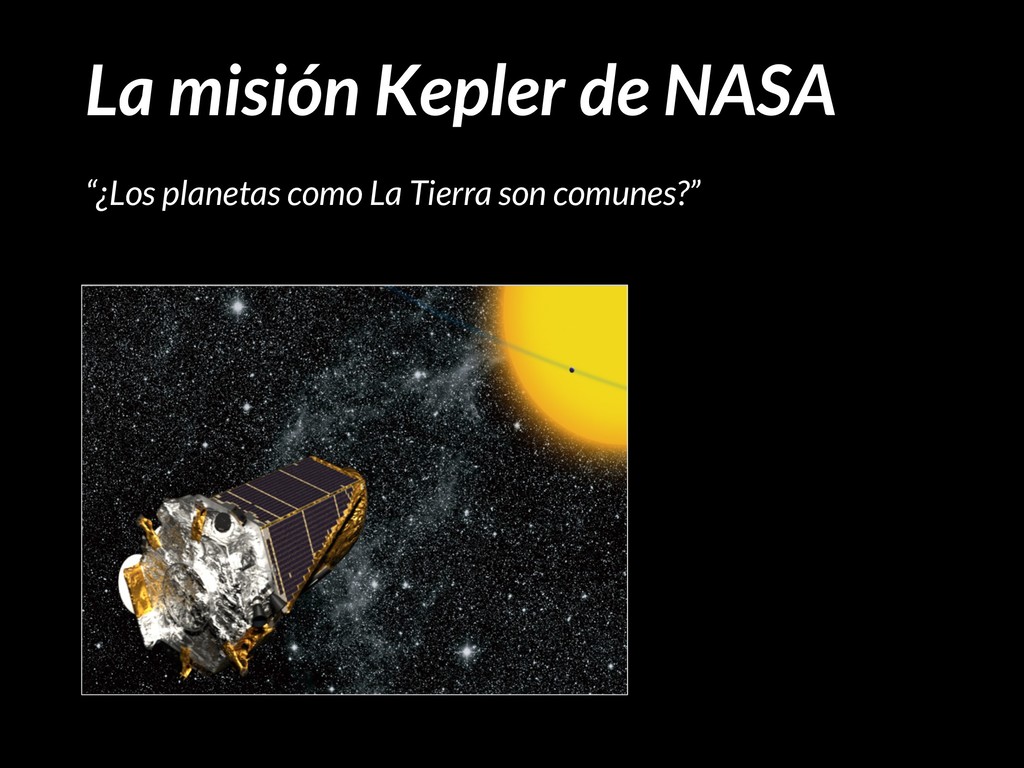
La misión Kepler de NASA “¿Los planetas como La Tierra
son comunes?”
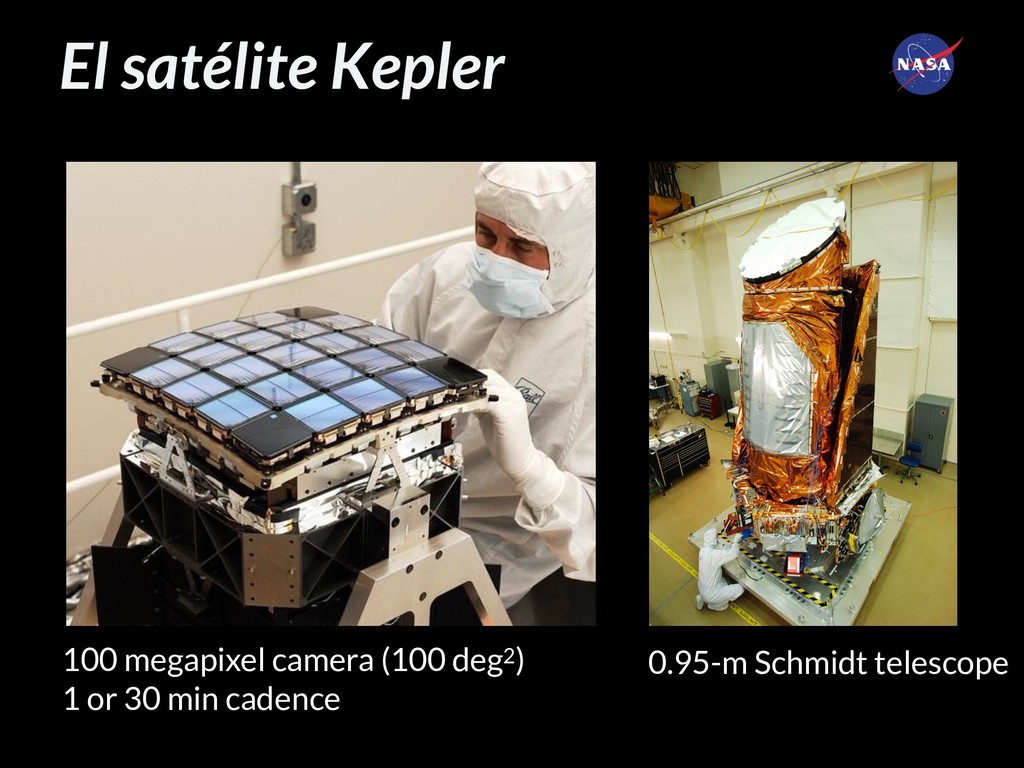
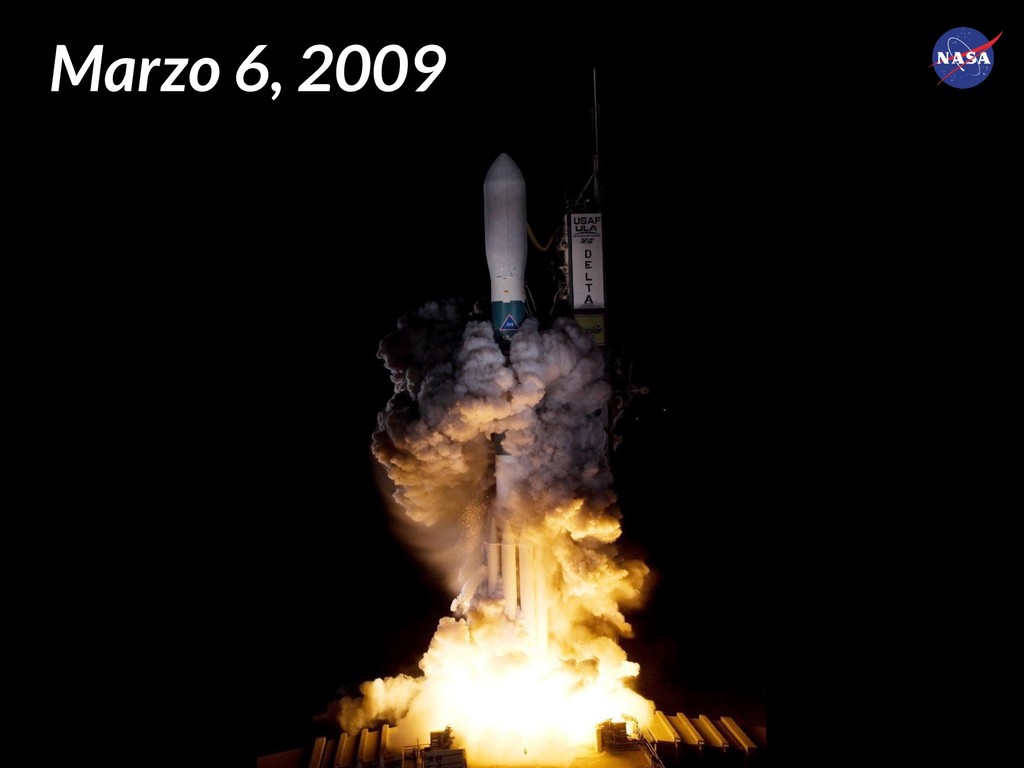
* Kepler was launched on 6 March 2009 0.95-m Schmidt
telescope 100 megapixel camera (100 deg2) 1 or 30 min cadence El satélite Kepler
* Marzo 6, 2009
None
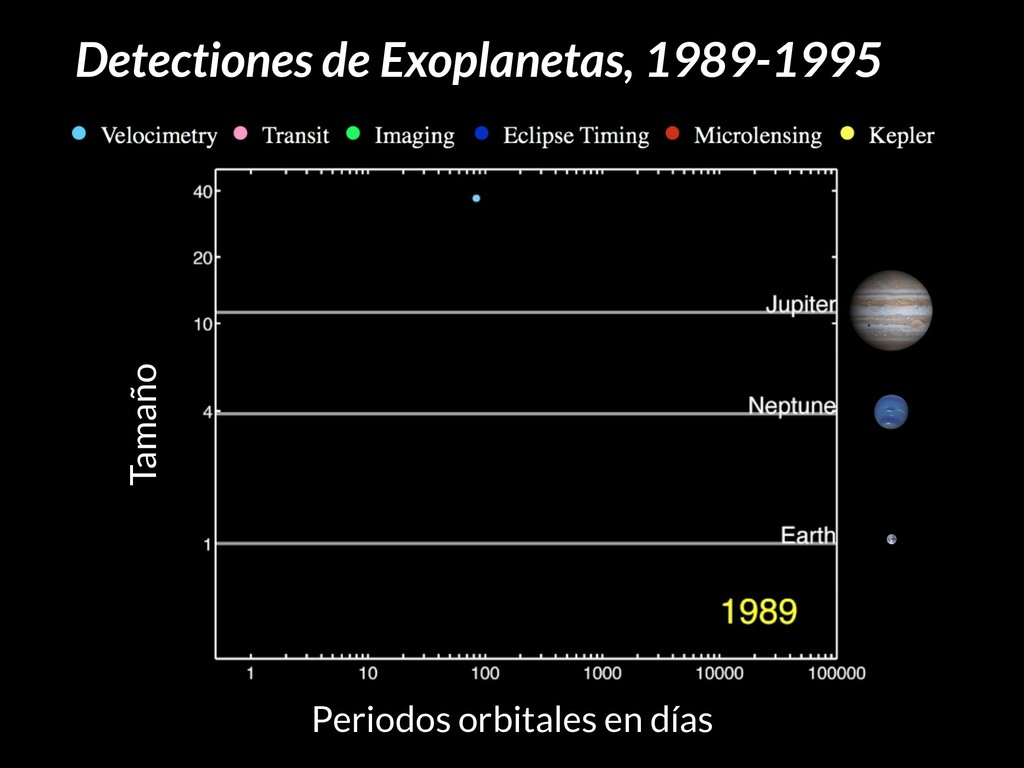
Radius Relative to Earth Orbital Period in days Tamaño Detectiones
de Exoplanetas, 1989-1995 Periodos orbitales en días
Radius Relative to Earth Orbital Period in days Detectiones de
Exoplanetas, 1995-2009 Tamaño Periodos orbitales en días
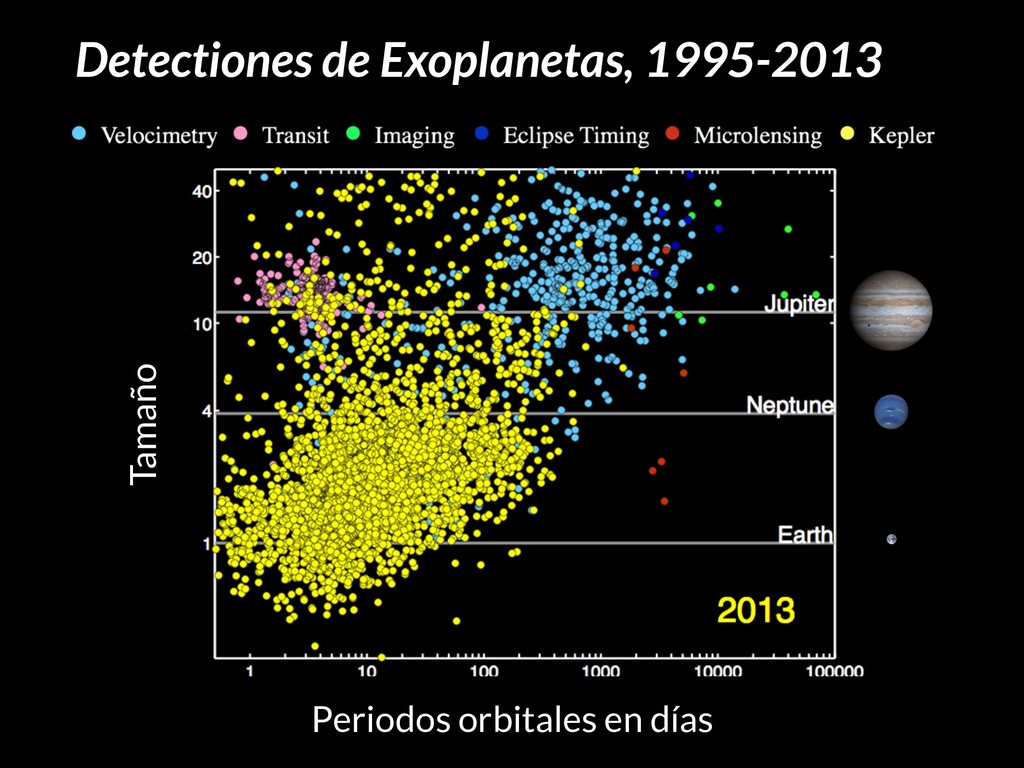
Radius Relative to Earth Orbital Period in days Detectiones de
Exoplanetas, 1995-2013 Tamaño Periodos orbitales en días
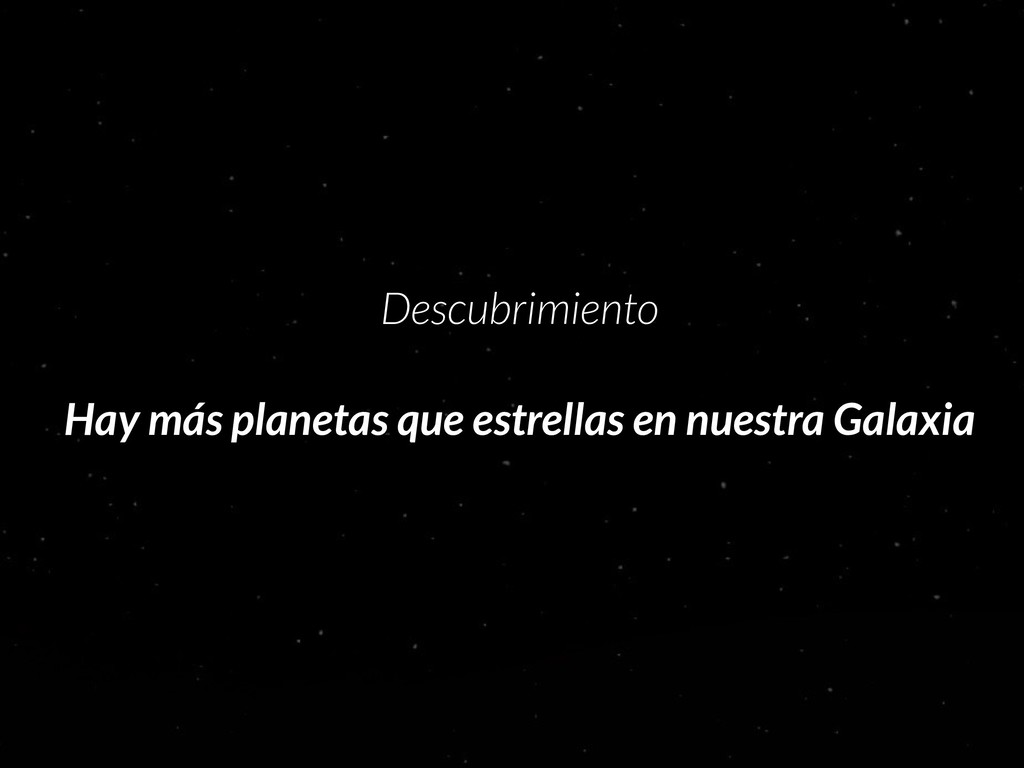
• Descubrimiento • Hay más planetas que estrellas en nuestra
Galaxia
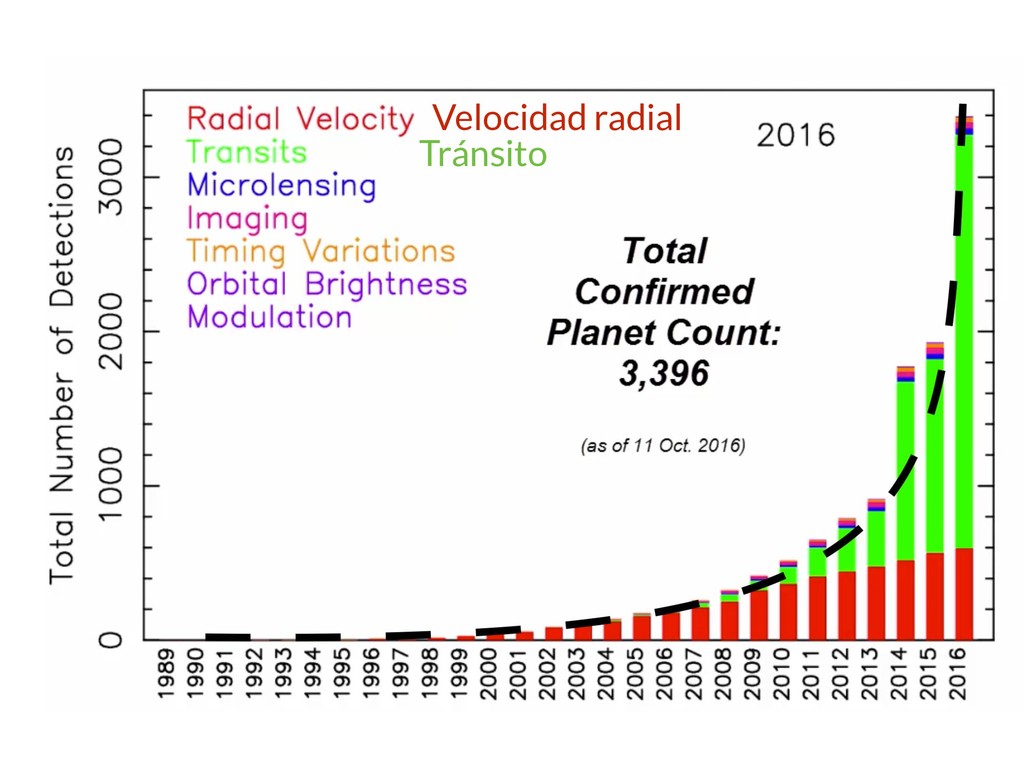
Velocidad radial Tránsito
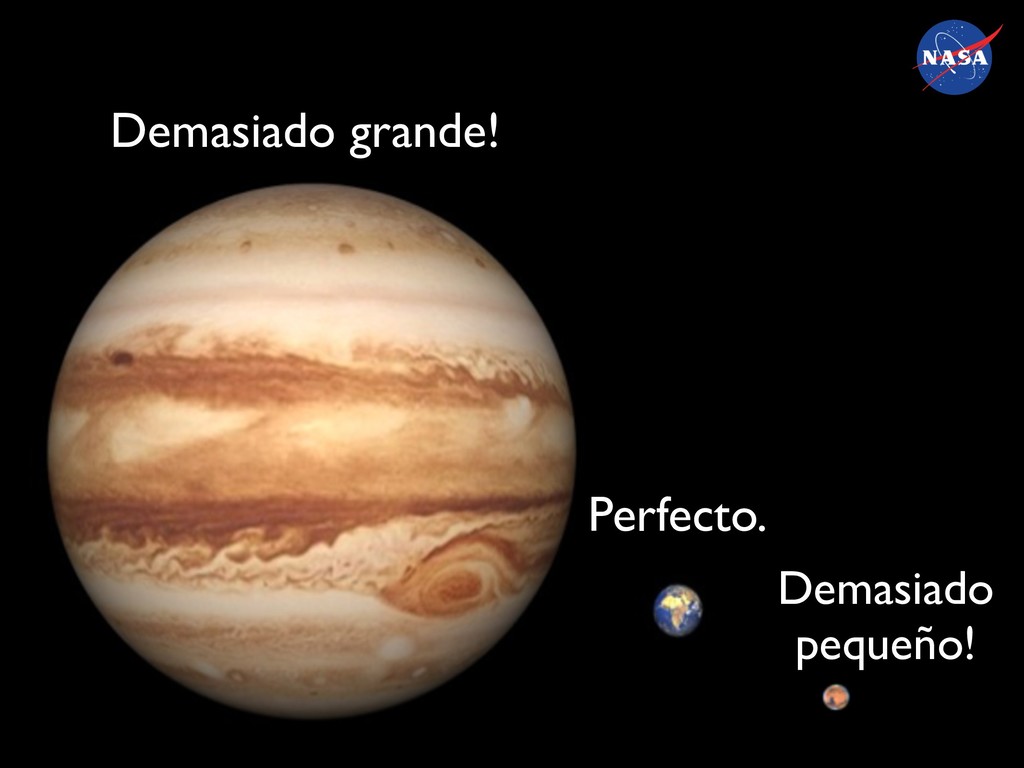
Demasiado grande! Perfecto. Demasiado pequeño!
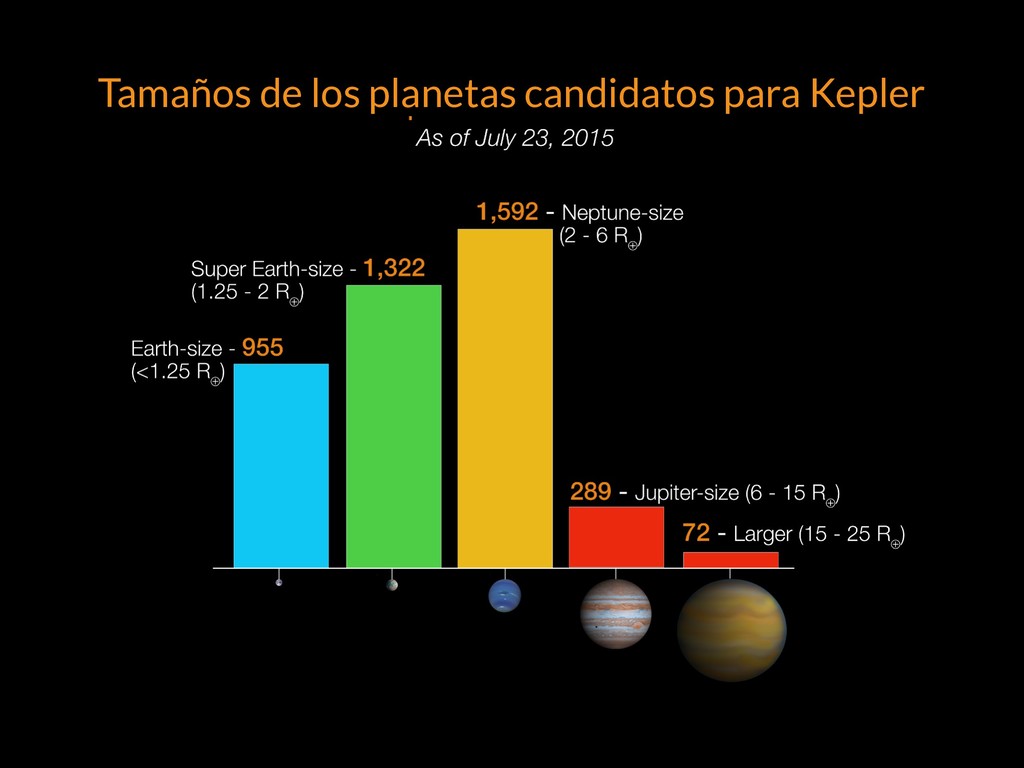
Tamaños de los planetas candidatos para Kepler
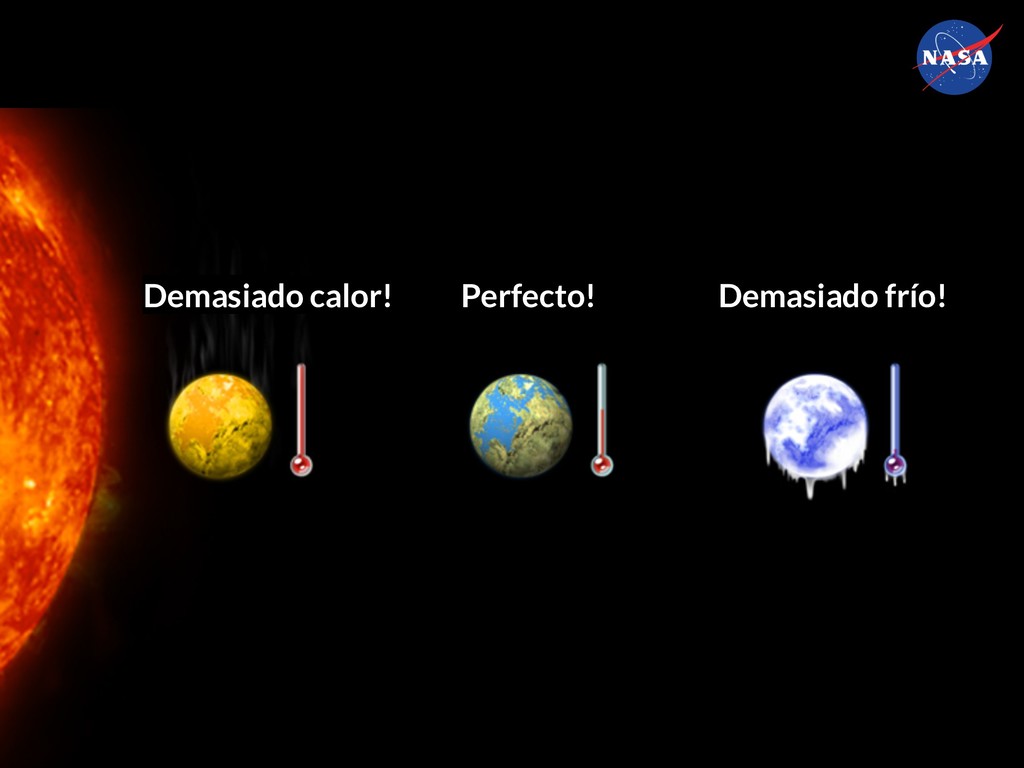
Demasiado calor! Perfecto! Demasiado frío!
!20
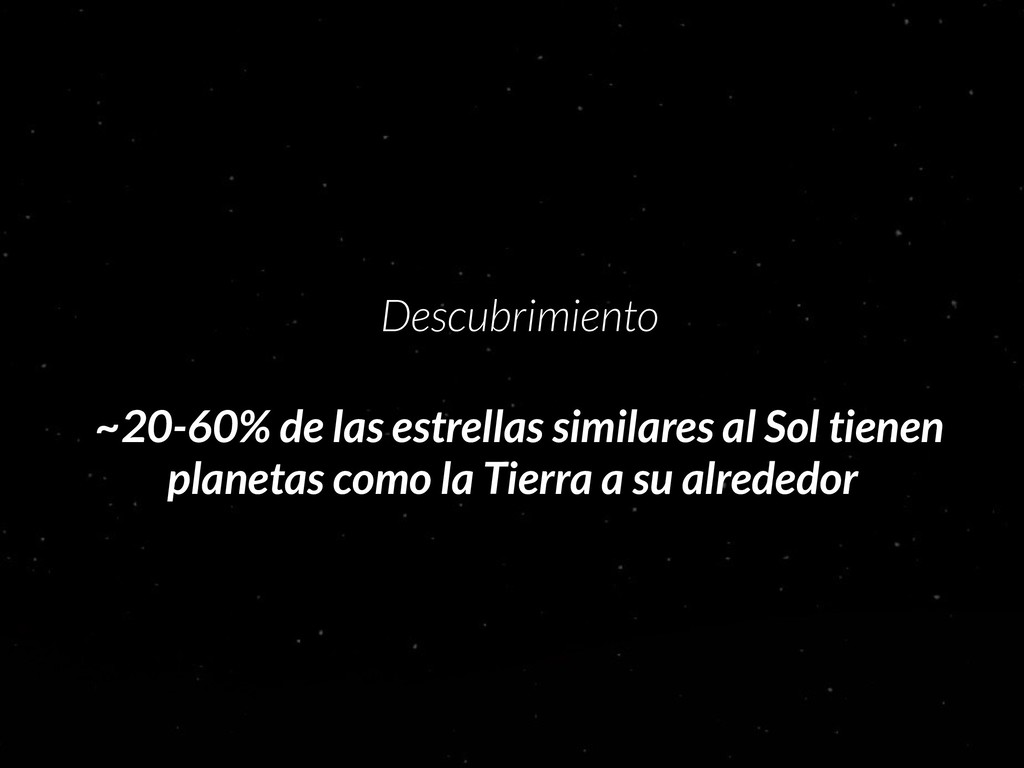
• Descubrimiento • ~20-60% de las estrellas similares al Sol
tienen planetas como la Tierra a su alrededor
Masa Radio
!23
*
None
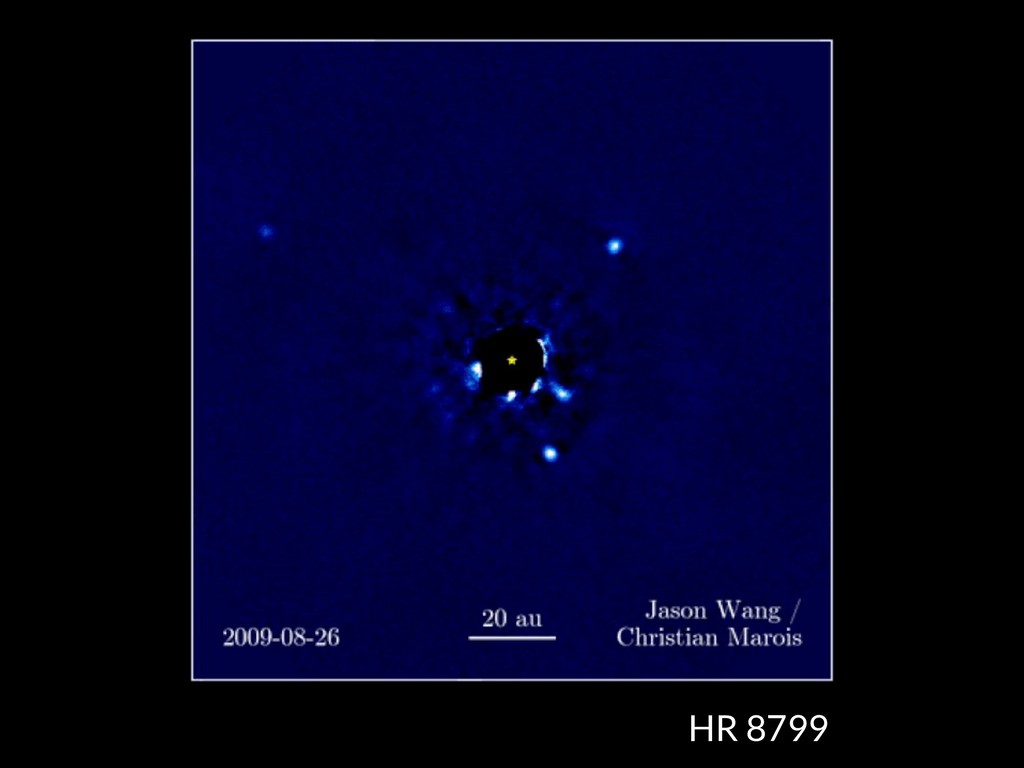
HR 8799
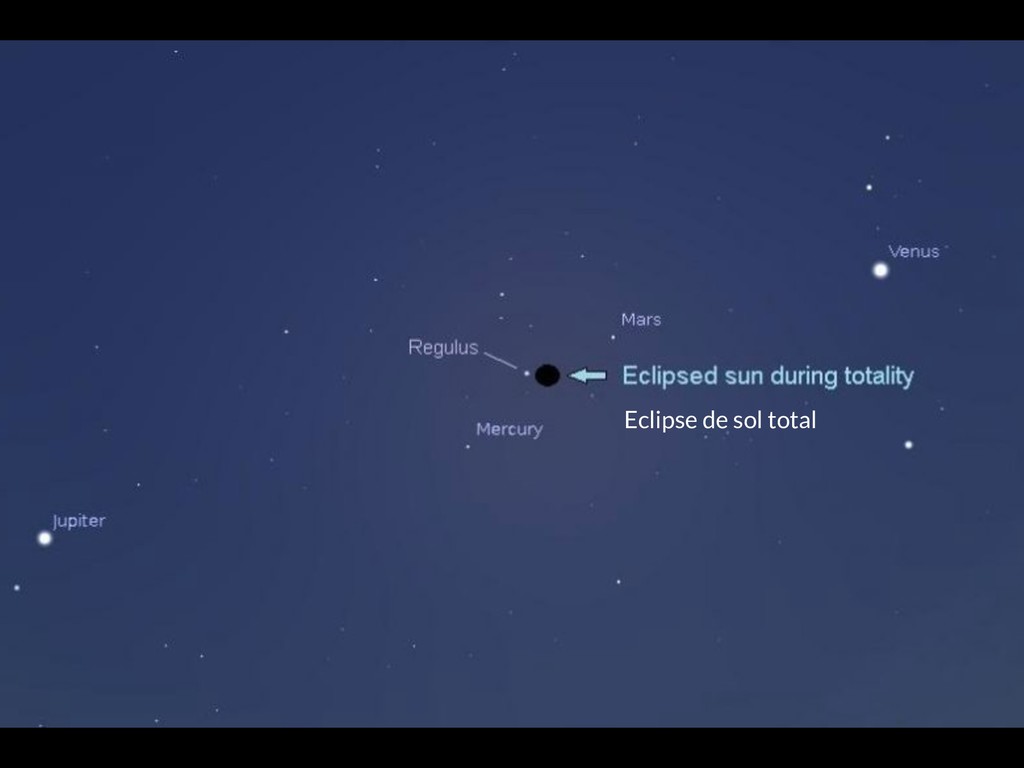
* Eclipse de sol total
¿Estamos solos?


 barentsen
 estie
estie
.jpeg) arthur1
arthur1
 trycycle
 salt2
salt2
 sshimizu2006
 ykiyota
 rajeshrinet
 mickey_0226
 miyayou
 i2tsuki
 brainpadpr
 brad_frost
 katarinadahlin
 orderedlist
 jacobtomlinson
 jacobian
 mojombo
 morganepeng
 geoffreycrofte
 chrisshort
 codingconduct
 oripsolob
 aemeredith