SiteGround - Reliable hosting with speed, security, and support you can count on.
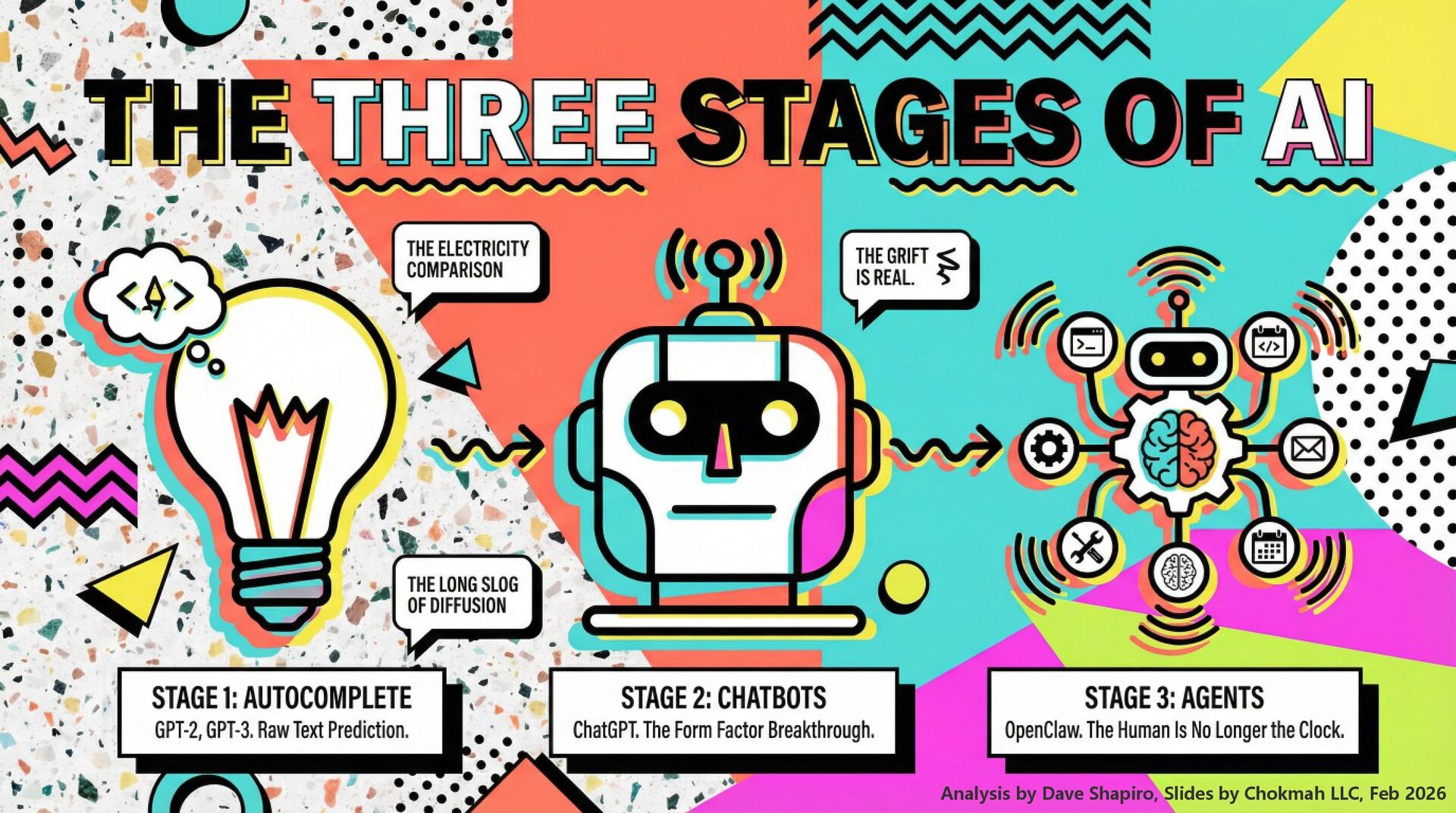
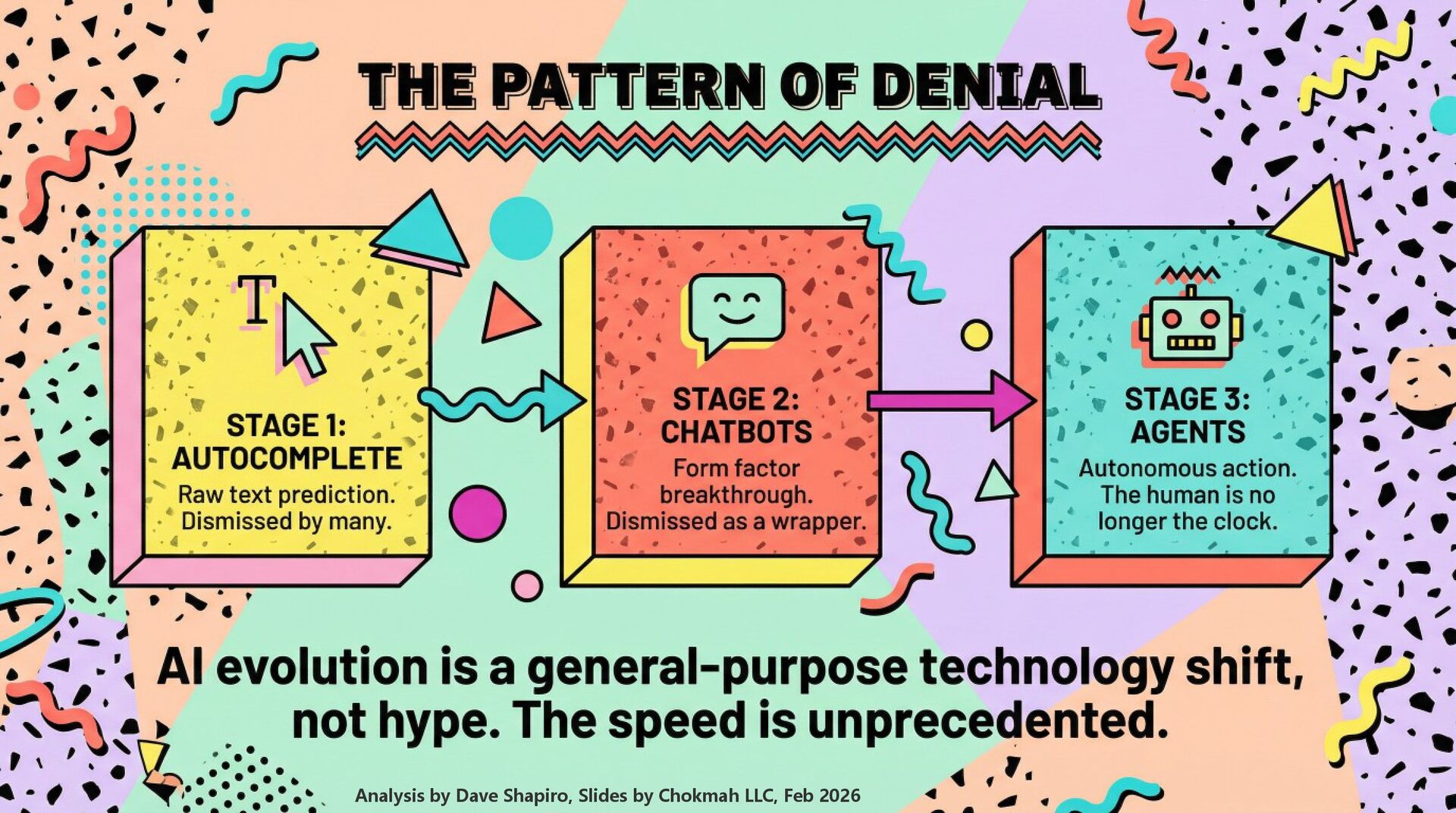
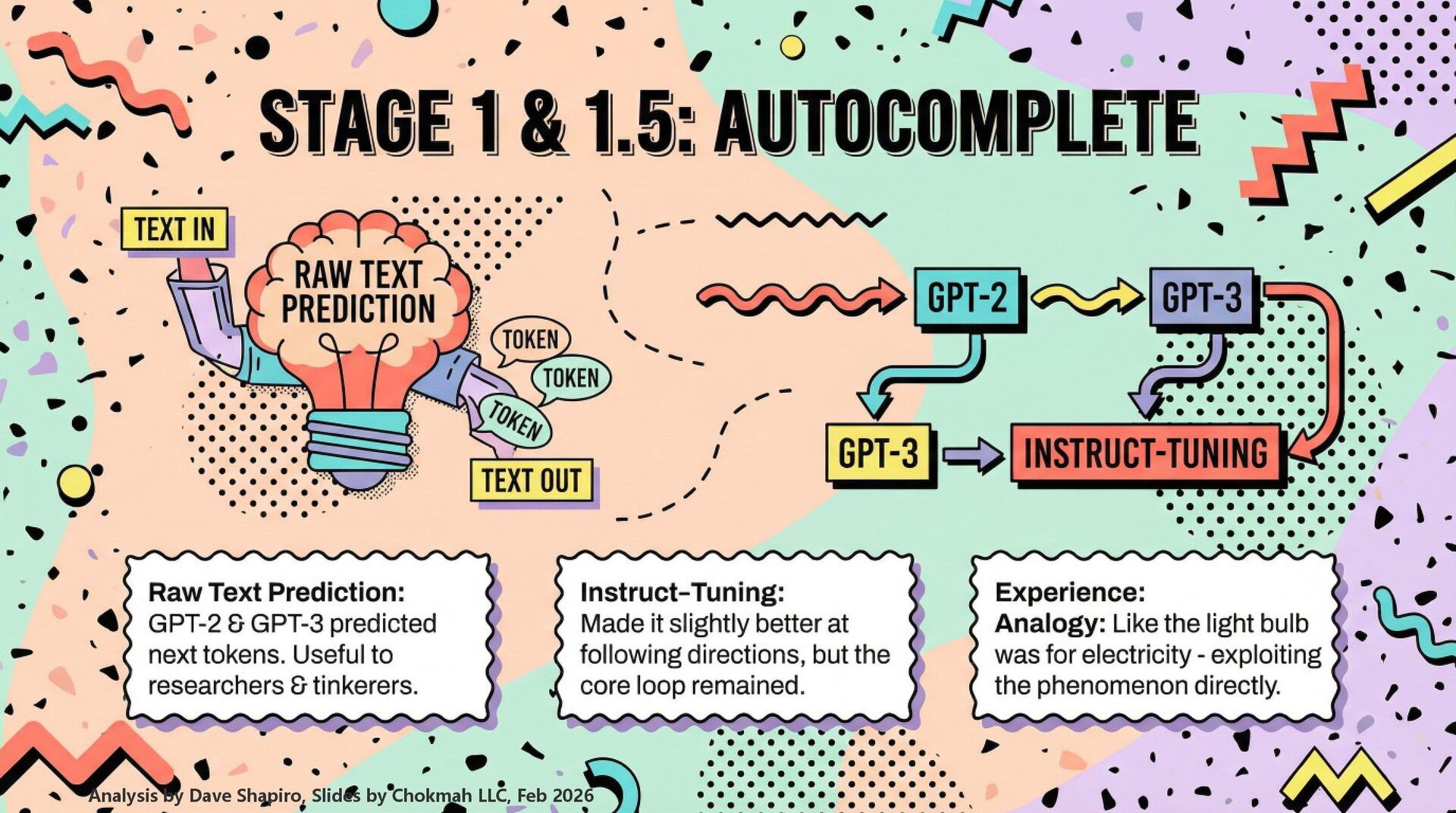
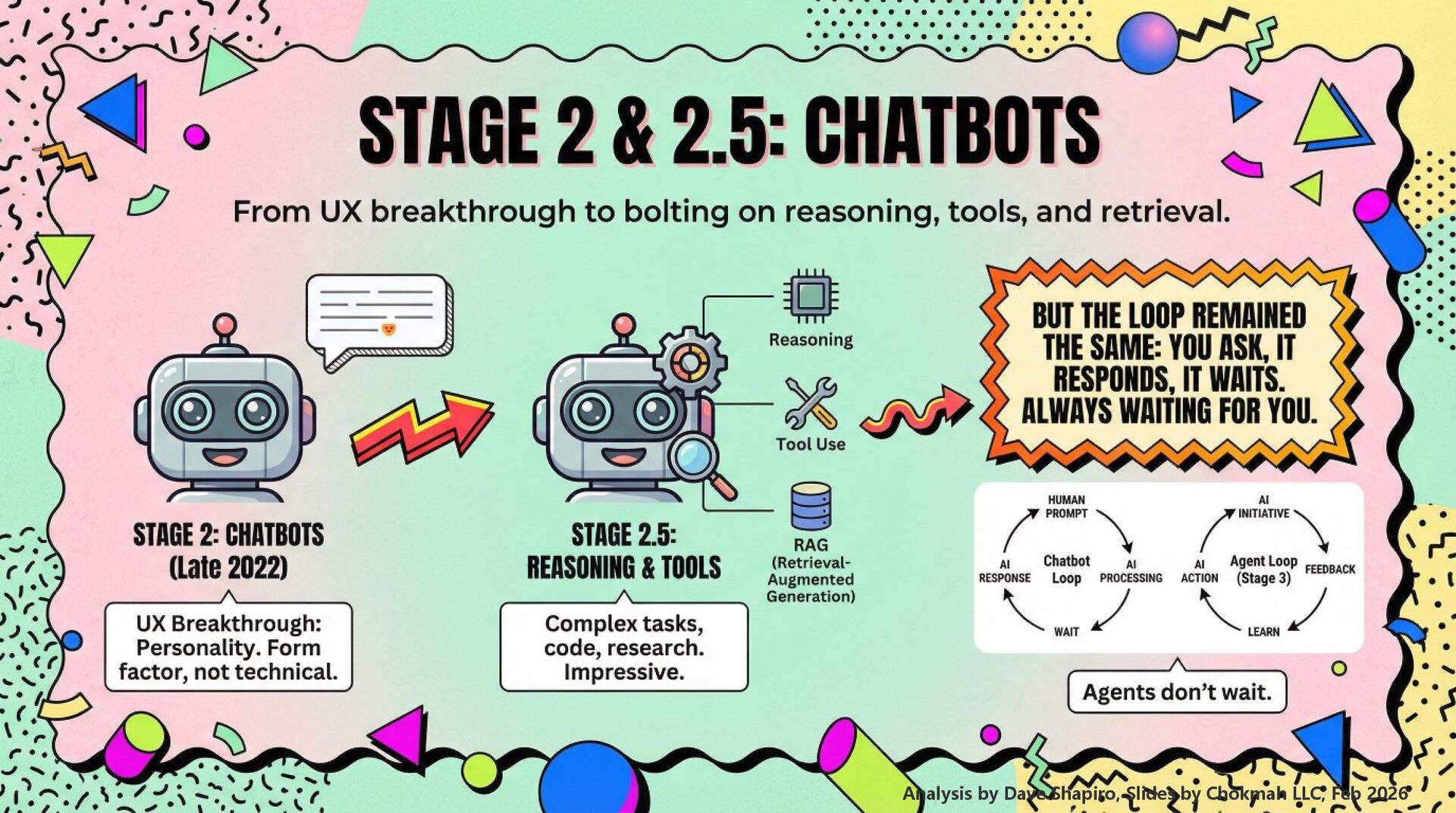
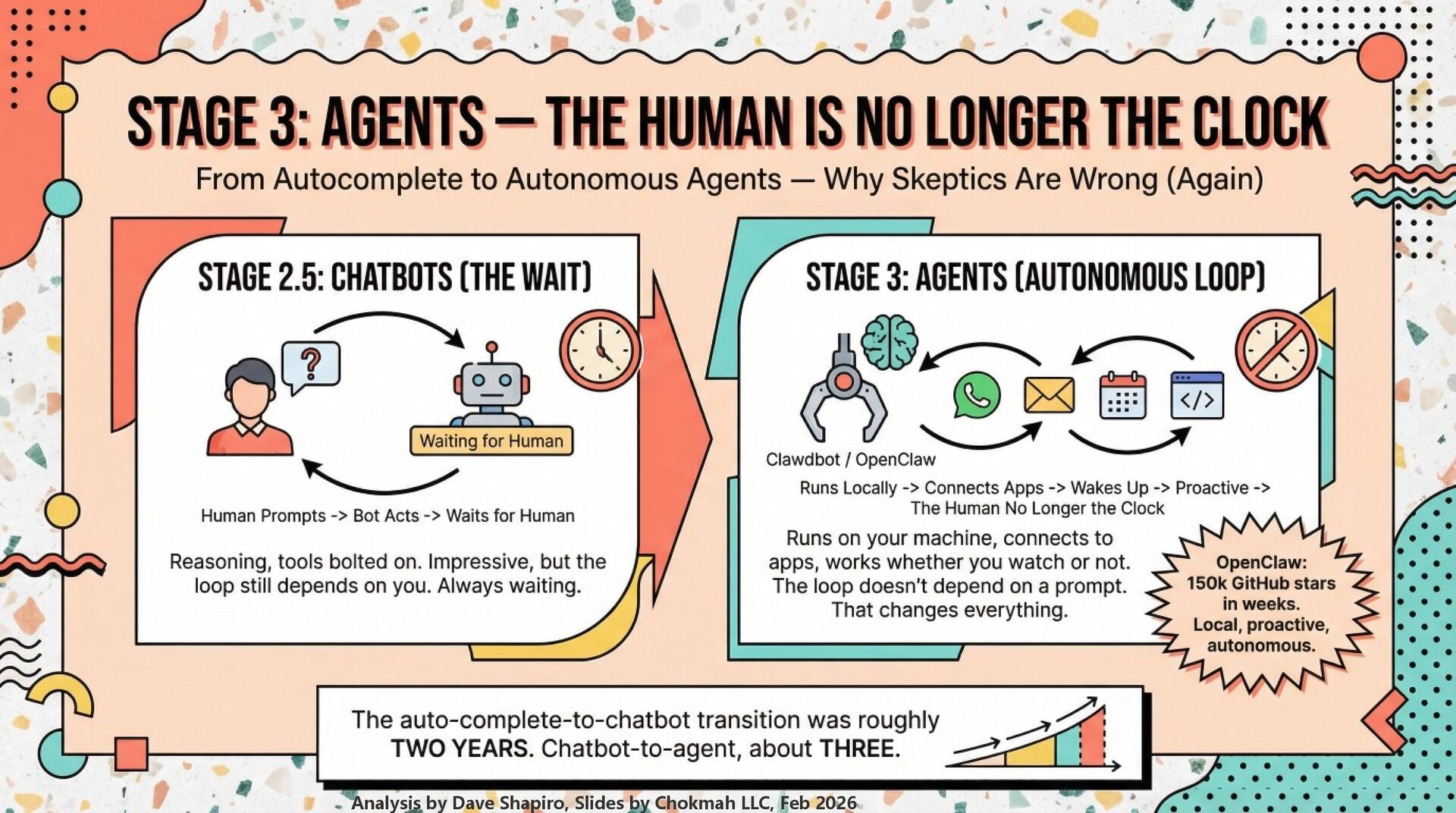
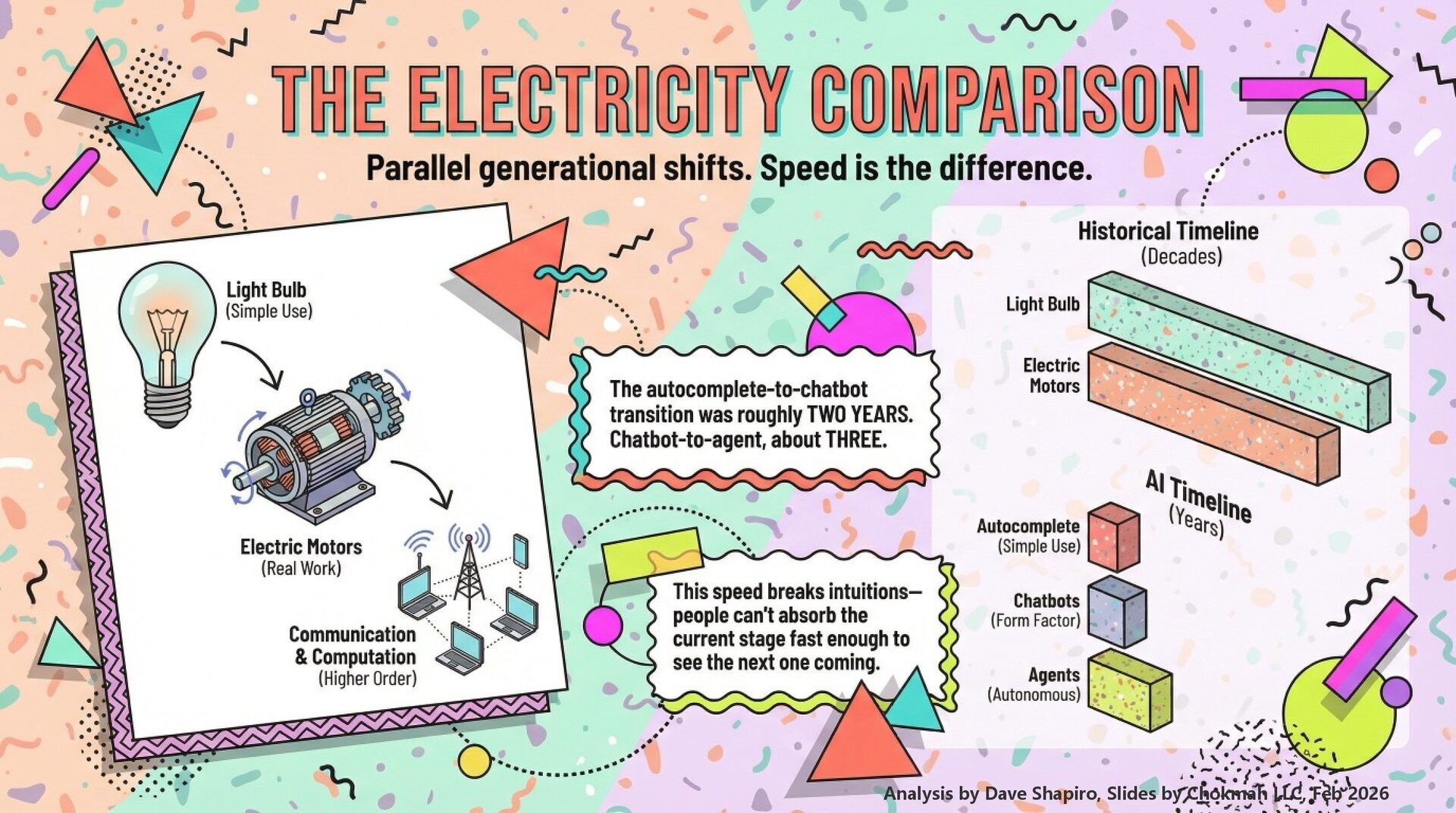
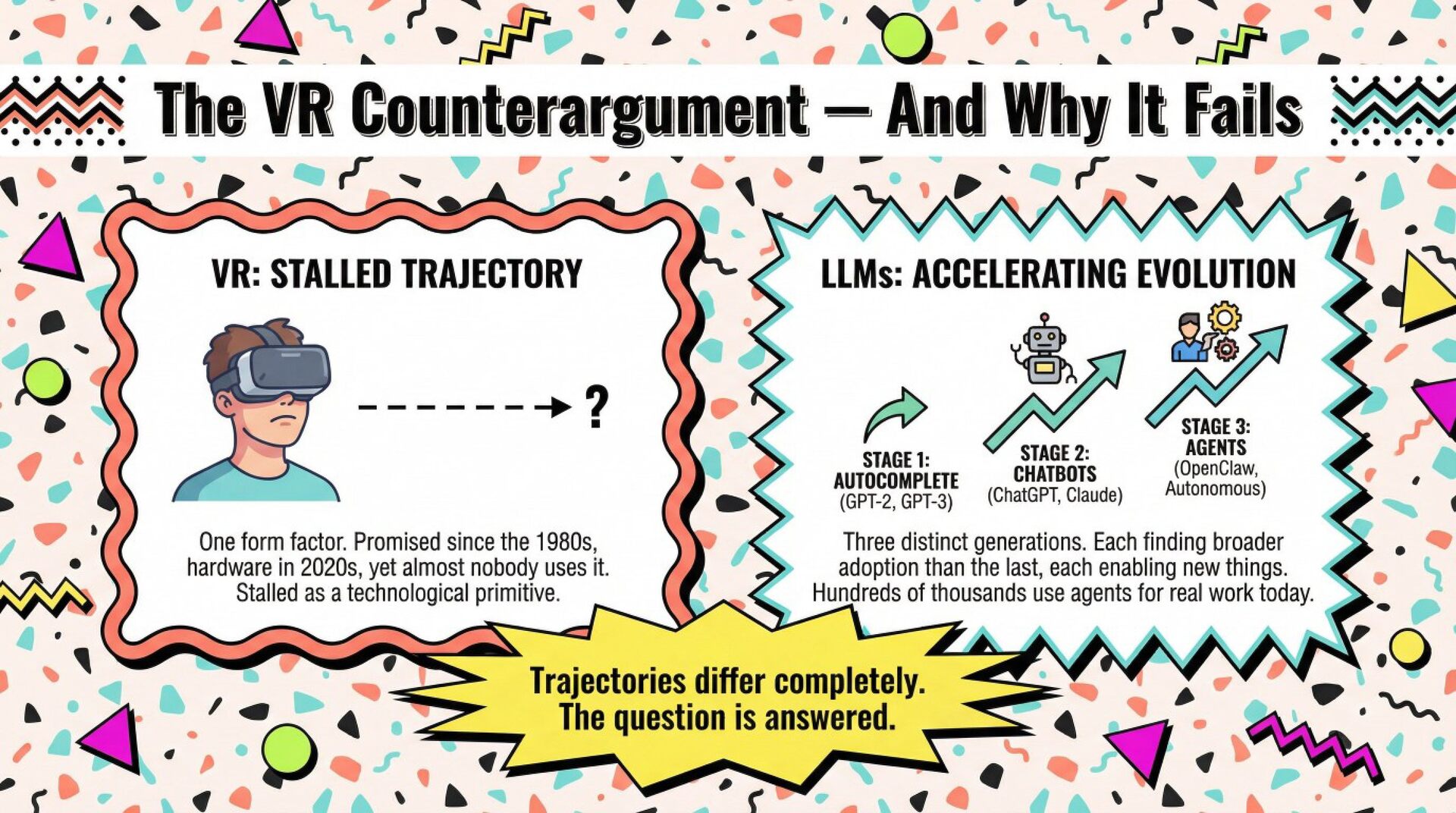
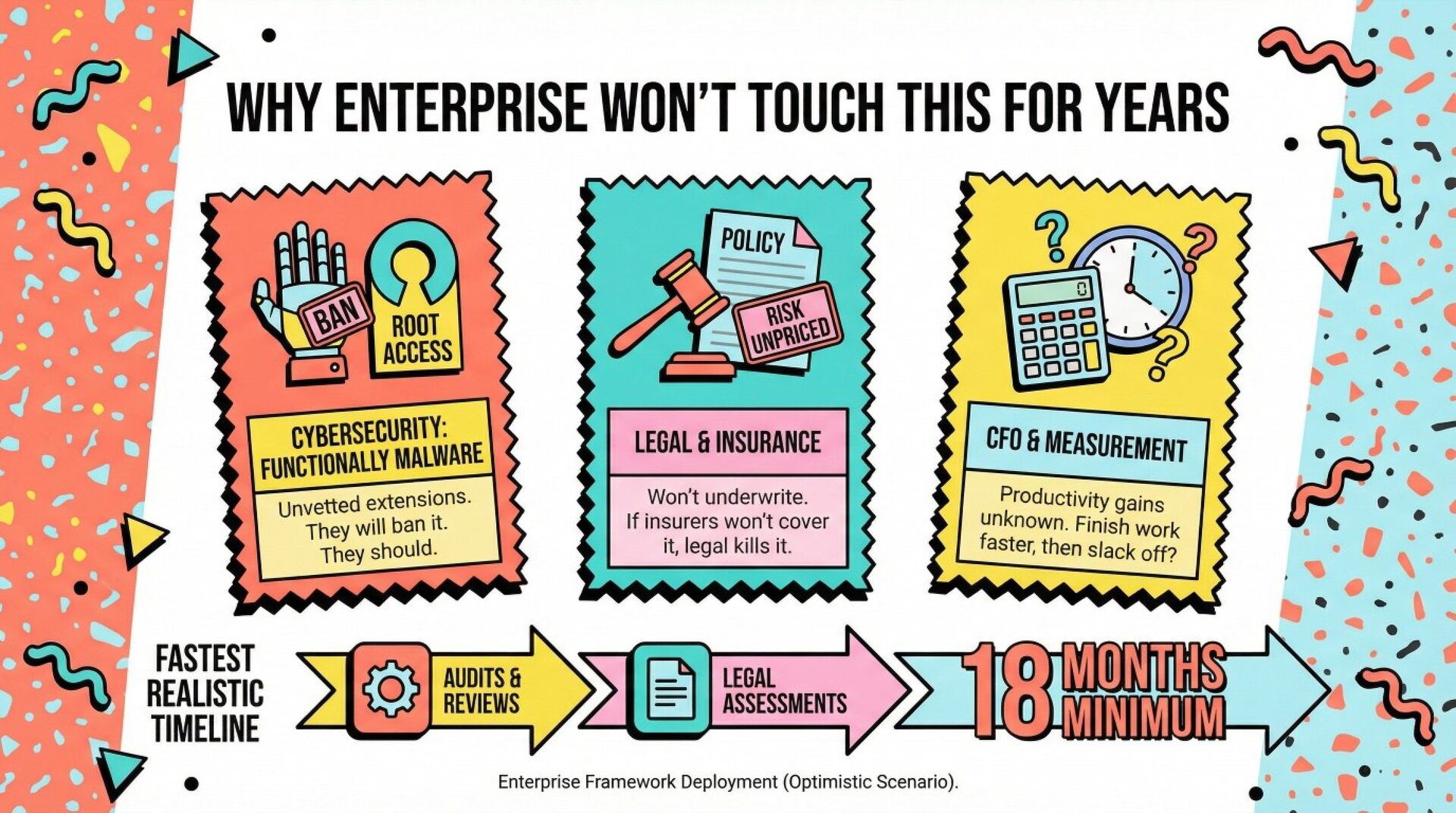
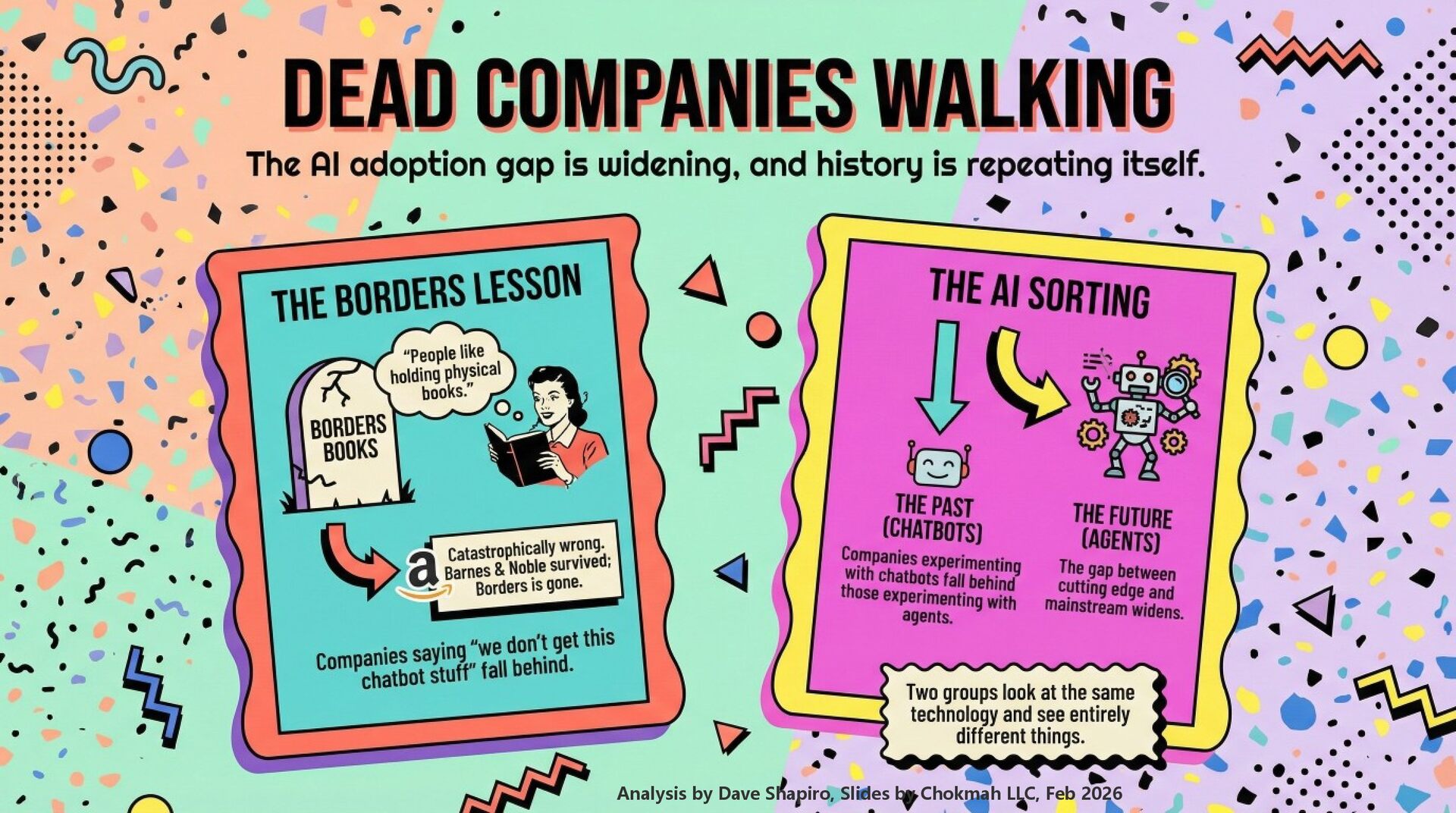
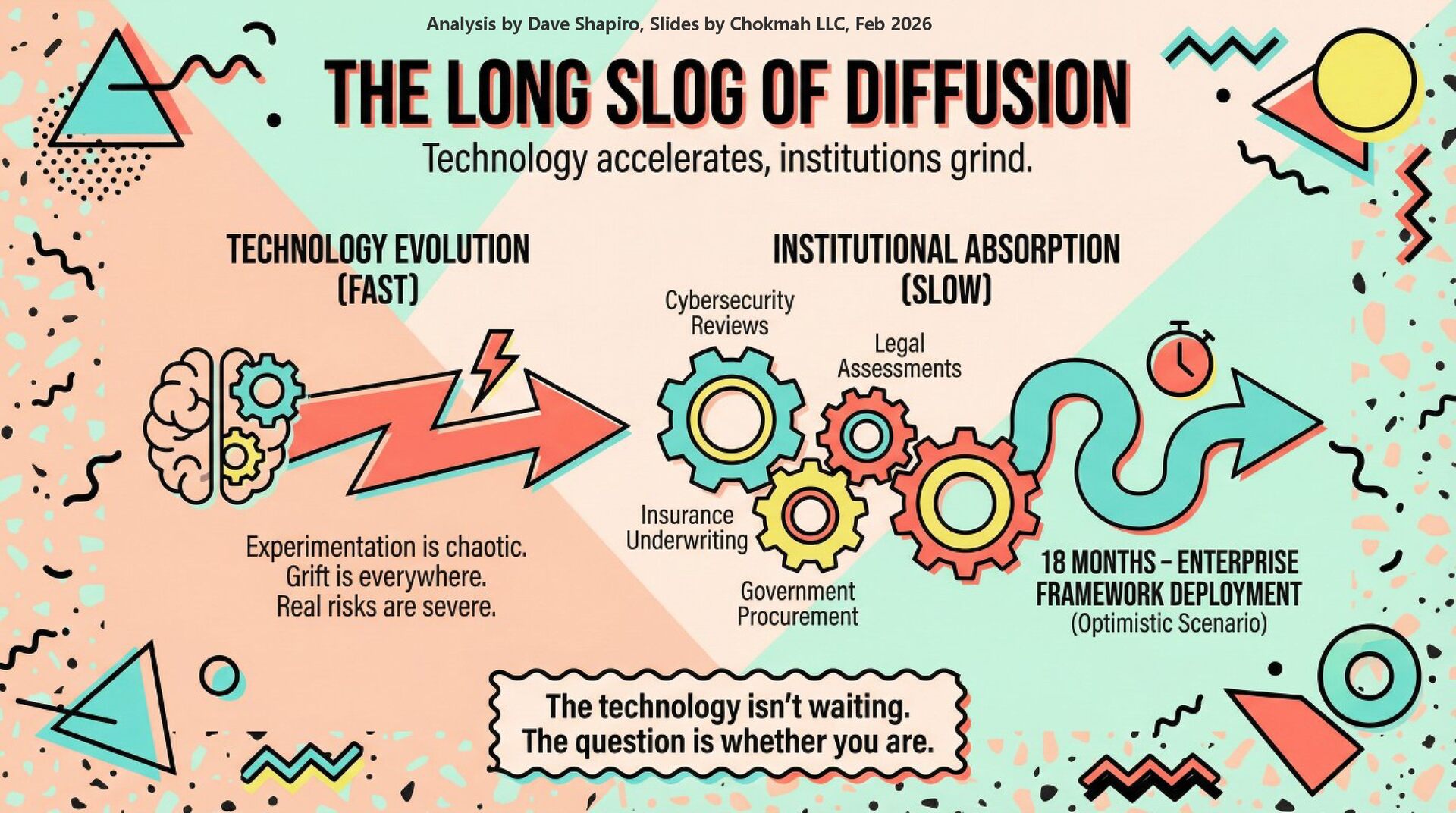
The adoption curve for AI technologies, particularly autonomous agents, follows a classic S-shaped trajectory but with unprecedented time compression, reshaping how societies integrate transformative innovations. Traditionally, general-purpose technologies like electricity spanned decades across stages—from initial invention (e.g., the light bulb in the 1870s) to widespread applications in motors, communication, and computation by the mid-20th century—allowing gradual adaptation through infrastructure builds, regulatory adjustments, and cultural shifts. In contrast, AI's evolution from autocomplete tools (e.g., GPT-2 in 2019) to chatbots (ChatGPT in 2022) and now autonomous agents (e.g., OpenClaw in 2025-2026) has compressed these phases into mere years, driven by open-source ecosystems, rapid scaling, and digital-native deployment. This acceleration disrupts the typical adoption curve: early adopters (tech enthusiasts and startups) surge ahead, creating a widening gap with mainstream laggards (e.g., Fortune 500 firms facing 18-month audit delays due to cybersecurity, legal, and insurance hurdles). Nuances include regional variations—faster in agile economies like China's state-driven models versus slower in regulated Western ones—and edge cases like grift-ridden experiments (e.g., Moltbook scams) that temporarily skew perceptions but validate underlying momentum. Implications extend to inequality: those embracing agents gain productivity edges, while skeptics risk obsolescence, mirroring historical divides in industrialization.
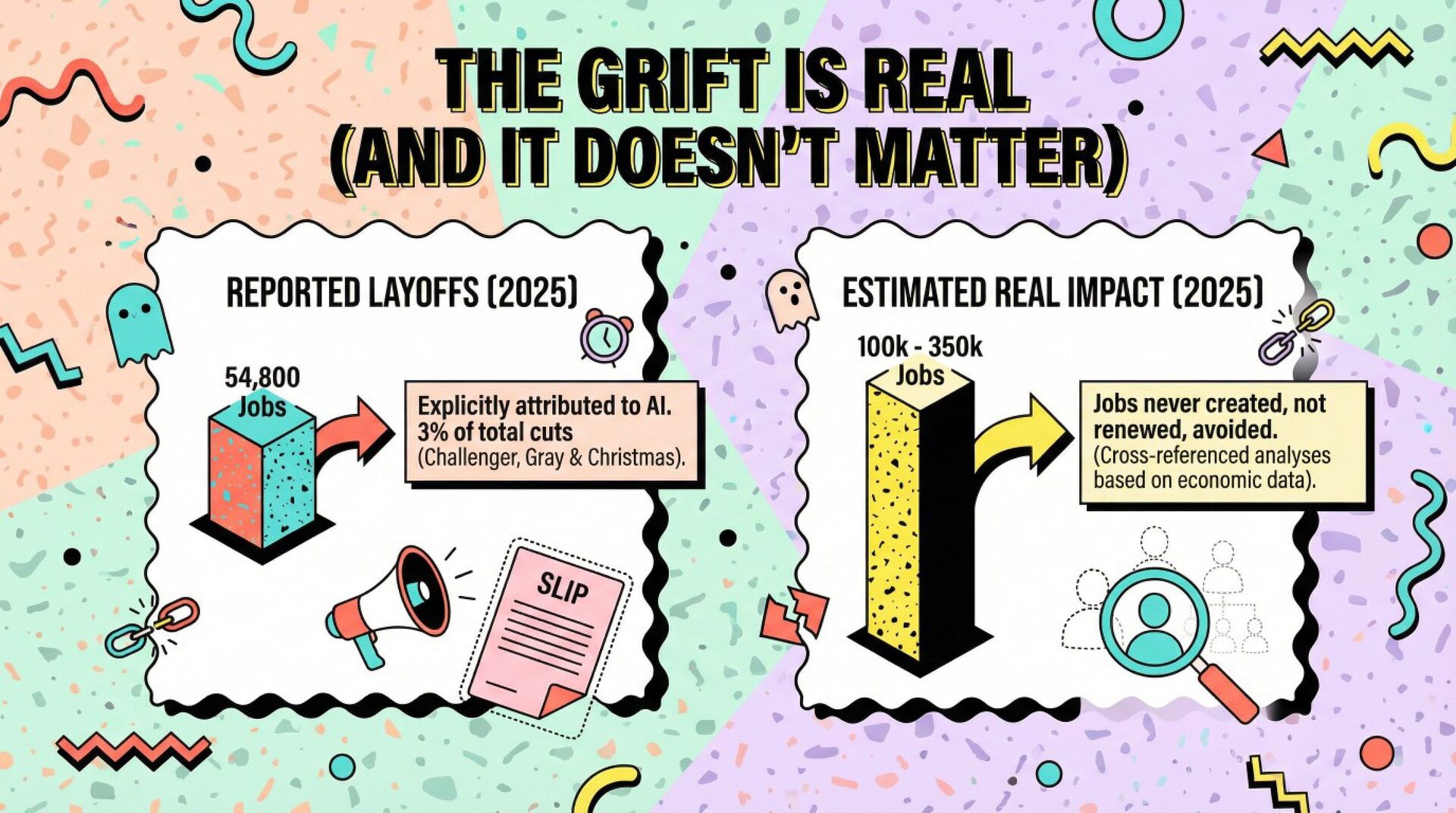
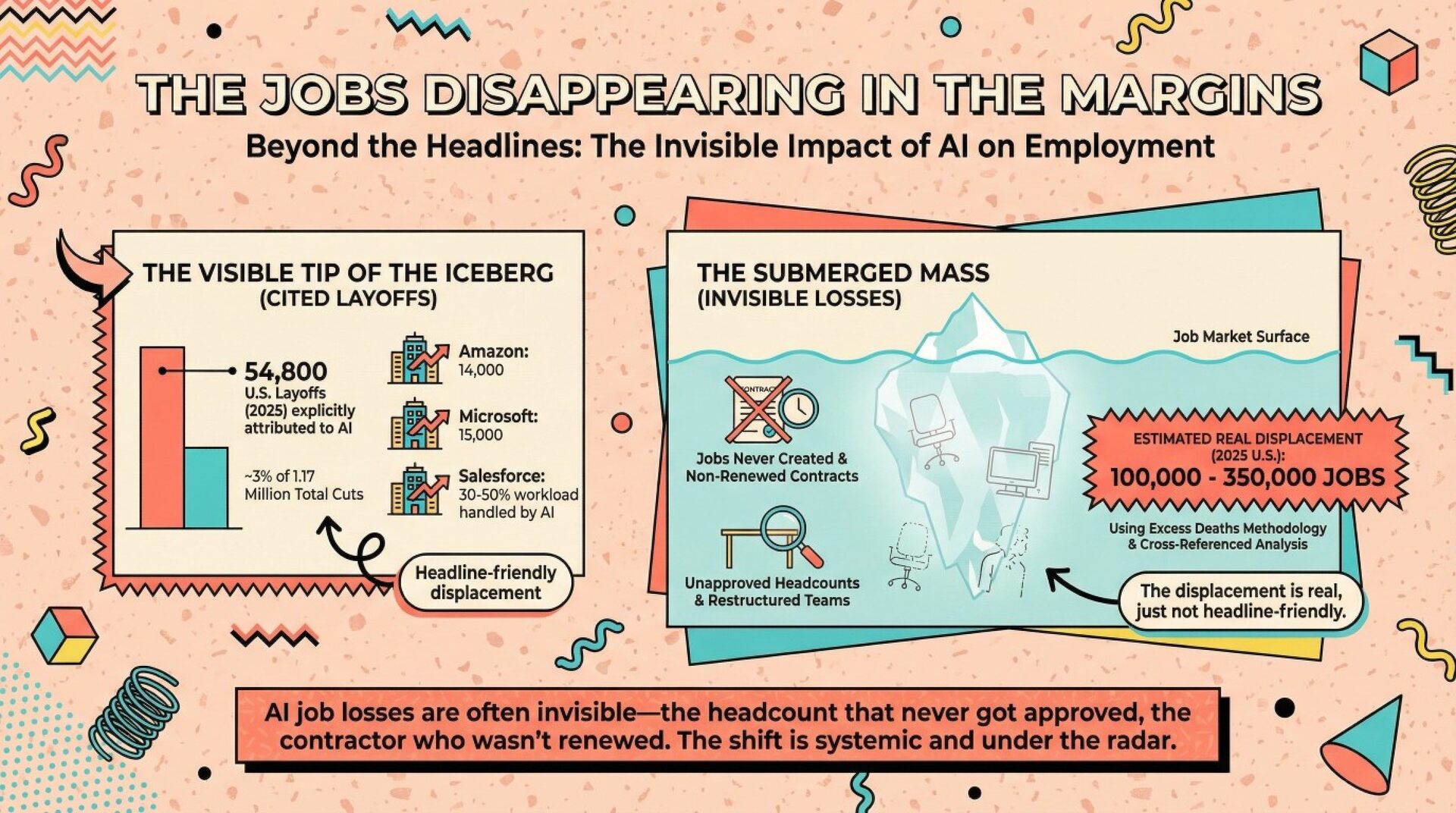
Societal job transformation under this compressed AI adoption curve manifests as both visible layoffs and invisible displacements, accelerating workforce reconfiguration with profound economic and social ripples. In 2025 alone, explicit AI-attributed U.S. job cuts reached 54,800 (e.g., Amazon's 14,000 reductions), but broader estimates accounting for uncreated roles—via "excess deaths" analogies to epidemiology—suggest 100,000 to 350,000 impacts, factoring in GDP growth offsets and sector-specific shifts like retail or administrative automation. Time compression exacerbates this: unlike electricity's multi-decade job evolution (e.g., factory mechanization creating new skilled trades), AI agents enable proactive, 24/7 task handling (e.g., email triage or code writing), quietly eroding roles without fanfare—contractors not renewed, headcounts frozen, or teams downsized preemptively. Nuances involve skill polarization: high-demand areas like AI oversight or creative integration thrive, while routine cognitive jobs (e.g., data entry or basic analysis) vanish, potentially widening inequality absent reskilling programs. Edge cases include hybrid outcomes, such as agents augmenting rather than replacing in creative fields, or backlash via unions demanding "AI impact assessments." Broader implications include policy needs for universal basic income experiments, ethical AI governance to mitigate biases in job allocation, and cultural shifts toward lifelong learning, ensuring transformation fosters inclusive growth rather than division.

https://daveshap.substack.com/p/the-depressing-reality-of-ai-adoption


 chokmahllc
 kurazuuuuuu
 kawaguti
 nenonaninu
 hinakko
 nanaism
 oikon48
 k1nakayama
 coe401_
 shunsock
 muit
muit
 miyake
 o3
o3
 shlominoach
 michielstock
 eileencodes
 addyosmani
 elsirapls
 leimatthew05
 rasmusluckow
 tammyeverts
 tammielis
 rabernat
 samanthasiow
 sabderemane